

Transform your dinner routine with this incredible Roasted Vegetable Pizza. It’s an effortlessly delicious way to enjoy a vibrant, veggie-packed meal that’s surprisingly simple to prepare. By pre-roasting a colorful medley of fresh vegetables and utilizing convenient store-bought dough and sauce, you can create a gourmet-quality pizza right in your own kitchen. This recipe features a generous topping of tender zucchini, sweet yellow squash, savory eggplant, burst cherry tomatoes, sharp red onions, briny olives, and creamy mozzarella cheese, all coming together in perfect harmony. Serve it alongside a crisp side salad for a wholesome and satisfying vegetarian feast that’s sure to become a family favorite.
Craving more easy pizza ideas? Don’t miss this Mediterranean Pizza with Sesame Crust, another fantastic recipe that leverages the convenience of premade dough for a quick and flavorful experience.

Table of Contents
- Why This Roasted Veggie Pizza Is a Must-Try
- Essential Ingredients for Your Roasted Veggie Pizza
- Elevate Your Pizza: Optional Toppings and Garnishes
- Step-by-Step Guide to Making Roasted Vegetable Pizza
- Serving Suggestions for Your Homemade Pizza
- Storage Tips for Leftovers and Freezing
- Expert Tips for Pizza Perfection
- Frequently Asked Questions About Roasted Veggie Pizza
- More Delicious Roasted Vegetable Recipes
- Explore Other Vegetarian Pizza Creations
- Roasted Veggie Pizza Recipe Card
Why This Roasted Veggie Pizza Is a Must-Try
This isn’t just another pizza recipe; it’s a game-changer for anyone who loves vibrant flavors and healthy eating without sacrificing convenience. Here’s why you’ll want to add this roasted vegetable pizza to your regular rotation:
- Perfectly Cooked Vegetables Every Time: The secret to a truly outstanding veggie pizza lies in pre-roasting your vegetables. Attempting to cook raw, thick-sliced vegetables directly on a pizza often results in undercooked, watery toppings, as the pizza’s bake time is primarily designed for crust crisping and cheese melting. Roasting beforehand ensures your zucchini, squash, and eggplant are tender, slightly caramelized, and full of concentrated flavor, adding a delightful texture that complements the cheesy base.
- An Abundance of Fresh Flavor: If you appreciate a pizza that’s truly “loaded” with vegetables, this recipe delivers. Forget sparse toppings with awkward gaps; our approach ensures your pizza is generously covered with a colorful, overlapping mosaic of roasted goodness. This maximalist vegetable philosophy means every bite is bursting with fresh taste and satisfying texture, making it a feast for both the eyes and the palate. The combination of sweet roasted tomatoes, earthy eggplant, and crisp zucchini offers a complex flavor profile unmatched by raw alternatives.
- Effortless Preparation with Store-Bought Dough: We understand that life can be busy, and waiting for yeast to rise isn’t always an option. That’s why this recipe champions the use of refrigerated store-bought pizza dough. It’s a fantastic shortcut that cuts down on prep time without compromising on quality. While crafting homemade dough is a rewarding experience, having a reliable, ready-to-use alternative means you can enjoy a fresh, delicious pizza on any weeknight, making healthy eating more accessible and less time-consuming. Just ensure your dough reaches room temperature for easy stretching!
- Customizable and Versatile: This recipe provides a wonderful foundation, but it’s incredibly flexible. Feel free to experiment with your favorite seasonal vegetables or whatever you have on hand. It’s also a brilliant way to use up leftover roasted vegetables from another meal, preventing food waste and creating a new culinary delight. This adaptability makes it a recipe you can truly make your own, adjusting to tastes and availability.
- Healthy and Wholesome Meal: Packed with nutrient-rich vegetables, this pizza offers a healthier alternative to traditional meat-heavy or overly cheesy options. It’s a great way to increase your daily vegetable intake, providing essential vitamins, minerals, and fiber. Enjoy a satisfying meal that feels indulgent yet is genuinely good for you.
Essential Ingredients for Your Roasted Veggie Pizza
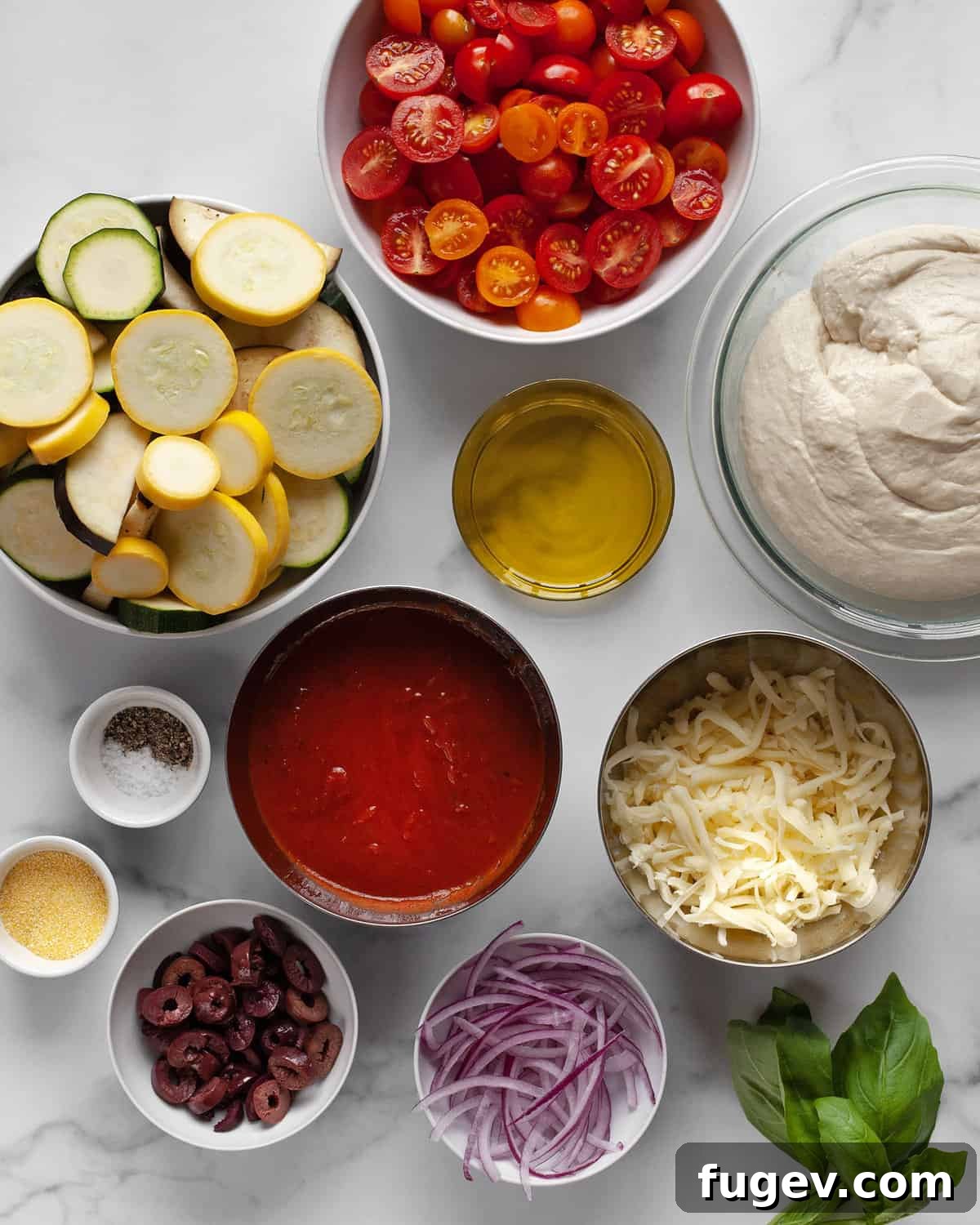
Gathering the right components is key to a truly delightful roasted veggie pizza. Here’s a detailed look at what you’ll need:
- Pizza Dough: Embrace the convenience of store-bought pizza dough. You can find various types, including plain, whole wheat, or herb-infused versions, at most grocery stores. The most crucial tip here is to allow the dough to sit at room temperature for at least 30-60 minutes before stretching. This relaxation period is vital, as cold dough tends to be stiff and spring back, making it difficult to achieve your desired pizza shape without tearing.
- Vegetables: The star of the show! As outlined in this recipe, we feature a vibrant mix of sliced eggplant, zucchini, yellow squash, and halved cherry or grape tomatoes. These particular vegetables are chosen because they all roast beautifully in a 400-degree F oven within a similar timeframe, ensuring even cooking. Start with a generously full sheet pan; while most veggies should be in a single layer for optimal caramelization, a slight overlap is acceptable as they will shrink considerably during roasting.
- Red Onions: Thinly sliced red onions provide a wonderful piquant flavor and a slight crunch that adds depth to the pizza. While they mellow and sweeten somewhat during baking, they retain enough of their characteristic sharpness to cut through the richness of the cheese and the sweetness of the roasted vegetables.
- Olives: Whether you choose sliced black olives or Kalamata olives, they are indispensable for imparting salty, briny notes. These bursts of flavor contrast beautifully with the other ingredients, adding a Mediterranean touch that elevates the entire pizza experience.
- Pizza Sauce: For maximum ease, a quality jarred pizza sauce is perfectly acceptable and widely available. However, if you’re inclined to a homemade touch, consider using a batch of your own tomato sauce. Bonus points if it’s a quick and flavorful option like my 5-Ingredient Cherry Tomato Sauce, which you can conveniently stash in your freezer.
- Cheese: Shredded mozzarella cheese is the ideal choice for its excellent melting properties, ensuring a perfectly gooey and inviting topping. This recipe intentionally avoids overwhelming the pizza with too much cheese; the goal is for the roasted vegetables to remain the undeniable focus, with the cheese serving as a delicious binder rather than the dominant flavor.
- Olive Oil: Use a good quality extra-virgin olive oil for tossing and roasting your vegetables. Its fruity, peppery notes will infuse the veggies with incredible flavor as they cook, contributing significantly to the overall deliciousness of the pizza.
- Basil: Fresh basil leaves are a fantastic finishing touch, adding a fragrant, herbaceous aroma and a pop of vibrant green. While optional, it’s highly recommended for that classic pizza parlor appeal. For an alternative flavor, a drizzle of pesto after baking would also be a delightful addition.
- Kosher Salt & Black Pepper: Essential for seasoning the vegetables before roasting. Kosher salt provides a clean, pure saltiness, and freshly ground black pepper adds a subtle warmth and spice. Don’t skip these simple yet impactful seasonings!
- Cornmeal: A small amount of cornmeal dusted on your pizza pan or stone prevents sticking and contributes to a wonderfully crisp crust on the bottom.
Elevate Your Pizza: Optional Toppings and Garnishes
While this roasted vegetable pizza is fantastic on its own, a few extra touches can take it to the next level. Think of these as ways to customize and enhance the flavor and appearance of your masterpiece:
- Finely Grated Parmesan Cheese: A sprinkle of Parmesan after baking adds a salty, nutty, umami kick that perfectly complements the roasted vegetables and mozzarella.
- Red Pepper Flakes: For those who enjoy a little heat, a dash of red pepper flakes offers a spicy warmth that awakens the palate.
- Arugula: A handful of fresh arugula, tossed with a light vinaigrette and added *after* the pizza comes out of the oven, provides a peppery, fresh contrast and a delightful textural element.
- Balsamic Glaze: A drizzle of sweet and tangy balsamic glaze adds a sophisticated finish and a wonderful depth of flavor.
- Goat Cheese or Feta: Crumbled goat cheese or feta can add a creamy tang or salty bite, respectively, creating a more complex flavor profile. Add these towards the end of baking or even after for maximum impact.
- Pesto: As mentioned, a swirl of fresh basil pesto (or even sun-dried tomato pesto) can be drizzled over the baked pizza for an extra layer of herbaceous flavor.
Step-by-Step Guide to Making Roasted Vegetable Pizza
Creating this delicious roasted veggie pizza is a straightforward process, broken down into two main phases: roasting the vegetables and assembling/baking the pizza. Follow these detailed steps for a perfect result:
Phase 1: Roasting the Vegetables
Preheat your oven to 400 degrees F (200 degrees C).
- Prepare and Season the Vegetables: On a large sheet pan, combine your sliced zucchini, yellow squash, eggplant, and halved cherry tomatoes. Drizzle generously with olive oil, then season with kosher salt and black pepper. Toss everything together directly on the pan until all vegetables are lightly coated. Spread them out in a single layer as much as possible, utilizing the entire surface of the pan from end to end. Some slight overlap is acceptable, as they will reduce in size.
- Roast to Perfection: Place the sheet pan in the preheated oven and roast for approximately 20 minutes. You’re looking for the vegetables to become tender, slightly shriveled (especially the tomatoes), and just beginning to show signs of browning and caramelization at the edges. Remember, they will continue to cook a bit more on the pizza, so don’t over-roast them at this stage.
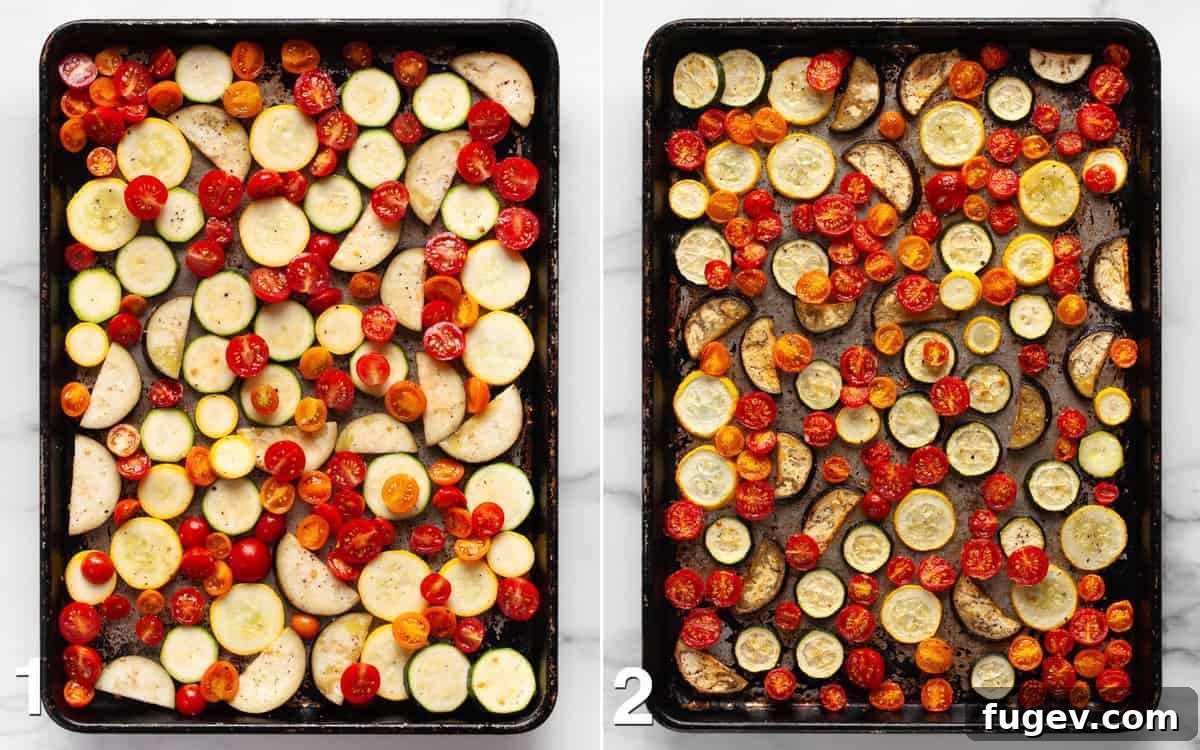
Phase 2: Assembling and Baking the Pizza
Once the vegetables are roasted, increase the oven temperature to 500 degrees F (260 degrees C). This higher temperature is crucial for a crisp crust.
- Prepare Your Pizza Pan: Choose your baking vessel: a 12-inch diameter pizza pan, a 10-inch x 15-inch jelly roll pan, or a preheated pizza stone (see tips below for stone usage). Lightly grease the pan with olive oil to prevent sticking, then dust it evenly with a sprinkle of cornmeal. This adds a lovely crunch to the crust.
- Stretch the Dough: Place your room-temperature pizza dough onto the prepared pan. Gently stretch and press the dough outwards from the center to fit the contours of your pan, creating a slight raised border around the edges. If the dough resists and shrinks back, let it rest for 5-10 minutes, then try again.
- Layer the Sauce and Initial Cheese: Spread your pizza sauce evenly over the dough, leaving about a half-inch border around the perimeter for the crust. Next, sprinkle three-quarters of your shredded mozzarella cheese over the sauce. We save a quarter cup for later to ensure a beautifully melted top layer after the veggies are added.
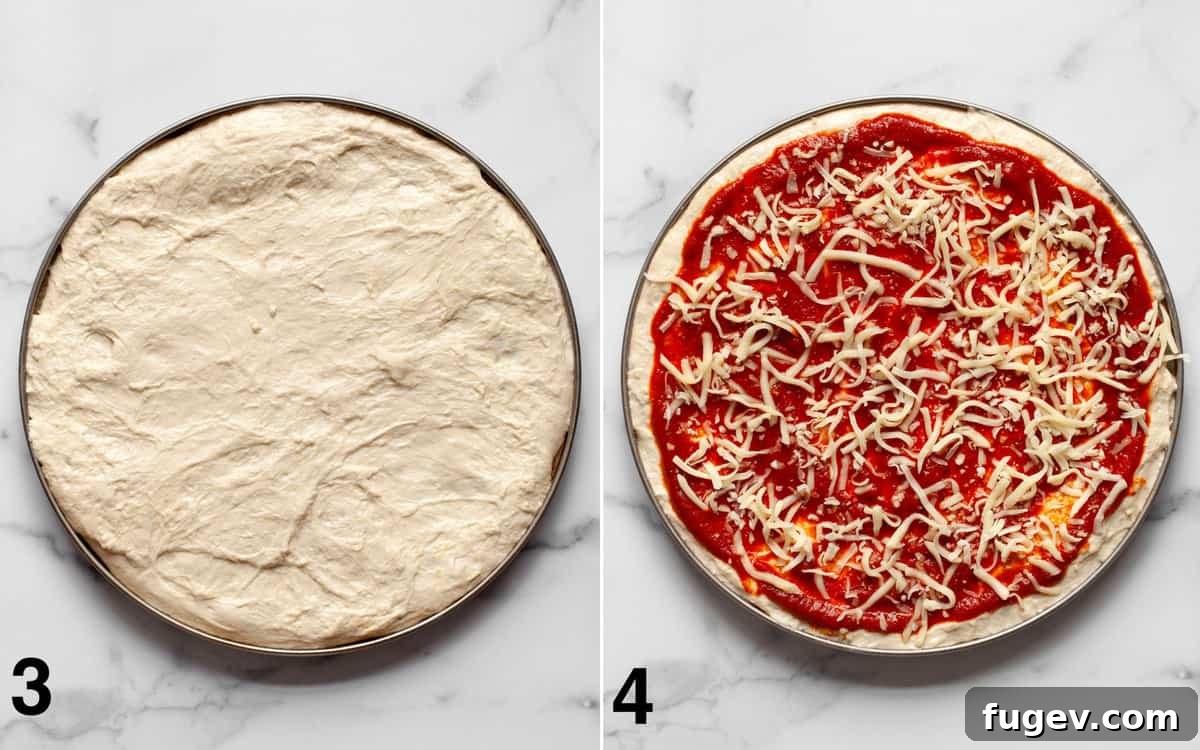
- Arrange the Toppings: Artfully arrange the roasted vegetables over the cheese layer. Distribute the red onions and olives evenly across the pizza. Aim for full coverage, leaving only the crust border exposed, ensuring every slice is packed with flavor.
- Add Final Cheese Layer: Sprinkle the remaining quarter cup of mozzarella cheese over the top of the vegetables. This final layer helps to secure the toppings and creates that desirable golden-brown, bubbly finish.
- Bake the Pizza: Carefully transfer the assembled pizza to the preheated 500-degree F oven. Bake for approximately 15-20 minutes. Keep a close eye on it, as oven temperatures can vary. The pizza is ready when the cheese is fully melted, bubbling, and nicely browned, and the crust is golden, crisp, and cooked through. If the crust seems to be browning too quickly before the center is done, you can loosely tent the pizza with a piece of aluminum foil.
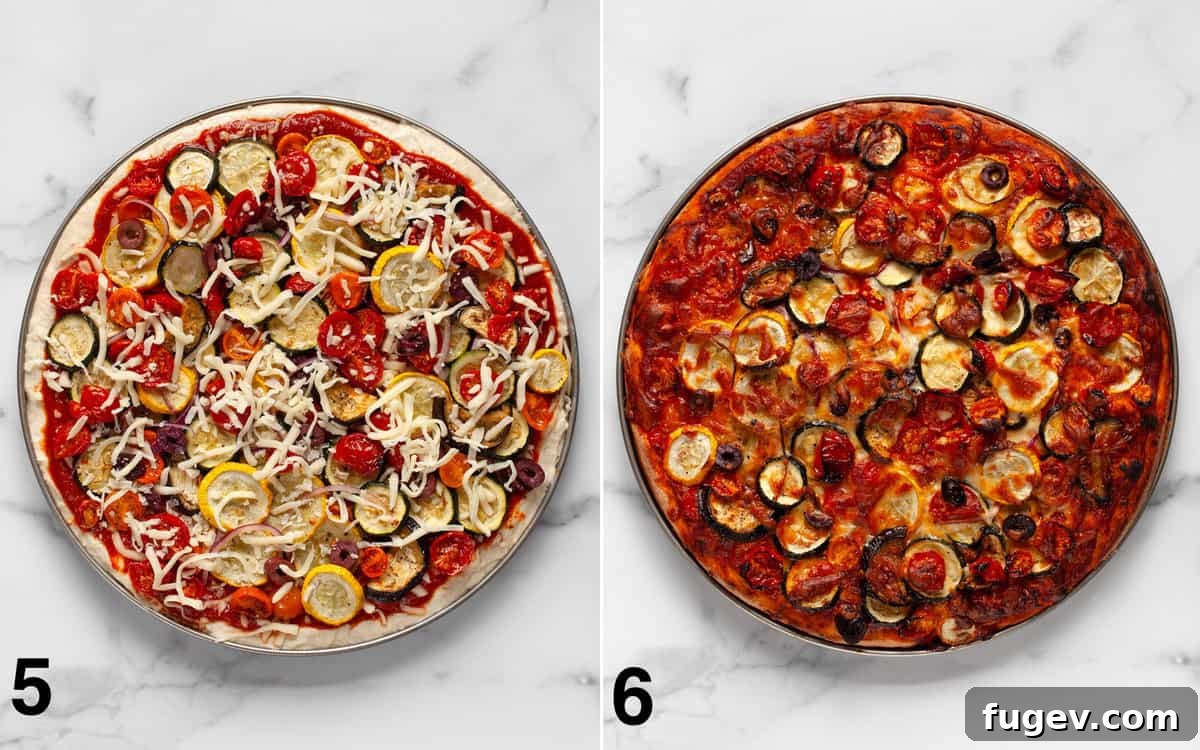
- Finish and Serve: Once baked, carefully remove the pizza from the oven. Let it cool for 2-3 minutes before slicing. This brief resting period allows the cheese to set slightly, preventing all the toppings from sliding off when you cut into it. Top with fresh basil leaves before serving. Slice into squares or wedges and enjoy your homemade masterpiece!
Serving Suggestions for Your Homemade Pizza
This roasted vegetable pizza is a meal in itself, but pairing it with a simple side can truly complete the dining experience. It’s versatile enough for a casual weeknight dinner, a lively game day appetizer, or even a light lunch. Here are some ideas:
- Crisp Green Salad: My go-to pairing for pizza night is always a fresh, leafy green salad. The bright, zesty flavors and crunchy texture provide a perfect counterpoint to the rich pizza. Consider a vibrant Arugula Salad with Lemon Vinaigrette or a hearty Italian Chopped Salad.
- As an Appetizer: Slice the pizza into smaller, bite-sized squares or thin wedges. This makes it an ideal appetizer for parties, gatherings, or a casual game day spread. Its colorful appearance and satisfying flavors are always a crowd-pleaser.
- Garlic Knots or Breadsticks: For a more traditional Italian-American experience, serve with warm garlic knots or crispy breadsticks for dipping in extra pizza sauce or olive oil.
- Light Soup: A light, clear vegetable soup or a simple minestrone can be a wonderful companion, especially on a cooler evening.
- Fresh Fruit Platter: For a refreshing finish, a simple platter of seasonal fresh fruit provides a sweet and palate-cleansing end to the meal.
Storage Tips for Leftovers and Freezing
Got leftovers? Lucky you! This roasted vegetable pizza tastes great the next day, and it freezes beautifully too, making it excellent for meal prepping. Proper storage ensures you can enjoy your homemade pizza long after it’s baked.
Refrigeration:
Store any leftover pizza slices in the refrigerator for up to 5 days. For best results, wrap individual slices tightly in plastic wrap or aluminum foil, or place them in an airtight container. This prevents the crust from drying out and the toppings from absorbing unwanted refrigerator odors.
Reheating Refrigerated Pizza:
- Oven Method (Recommended for Crispness): For a crispy crust reminiscent of freshly baked pizza, place slices on a baking sheet in a 400-degree F (200-degree C) oven for 7-9 minutes, or until the cheese is melted and bubbly and the crust is re-crisped.
- Pan-Frying Method (Quick and Crispy): Heat a non-stick skillet over medium heat. Place pizza slices directly into the dry pan, cover with a lid or foil, and cook for 3-5 minutes until the bottom is crispy and the cheese is melted.
- Air Fryer Method: Place slices in a single layer in the air fryer basket. Cook at 350-375°F (175-190°C) for 3-6 minutes, or until hot and crispy.
- Avoid the Microwave: While convenient, microwaves tend to make pizza crust soggy. It’s best avoided if you want to maintain a good texture.
Freezing:
Roasted veggie pizza freezes exceptionally well. For optimal quality, you can freeze it for up to 1 month. I highly recommend slicing the pizza into individual portions *before* freezing. This allows you to easily reheat just the right number of pieces for a meal without thawing the entire pizza.
How to Freeze:
- Allow the pizza to cool completely after baking.
- Slice into desired portions.
- Wrap each slice individually and tightly in plastic wrap, then again in aluminum foil. This double layer of protection helps prevent freezer burn.
- Place the wrapped slices in a freezer-safe bag or container.
Reheating Frozen Pizza:
You do not need to thaw frozen pizza slices before reheating. Place the frozen slices directly on a baking sheet in a preheated 400-degree F (200-degree C) oven. Bake for approximately 13-15 minutes, or until thoroughly heated through, the cheese is melted, and the crust is crisp. Adjust timing based on your oven and the thickness of the slices.
Expert Tips for Pizza Perfection
Making a great homemade pizza is an art, but these expert tips will help ensure your roasted vegetable pizza comes out perfectly every time, from a delightfully crispy crust to flavorful toppings.
- Room Temperature Dough is Non-Negotiable: This is perhaps the most critical tip for easy pizza making. If your dough is cold straight from the refrigerator, it will be incredibly stiff, difficult to stretch, and prone to tearing or springing back. Allow it to sit on your counter, covered, for at least 30-60 minutes (or longer, depending on room temperature) before you begin. If you find the dough still shrinking back when you try to stretch it, simply cover it and let it rest for another 10 minutes. This gives the gluten time to relax, making it far more pliable.
- Alternative Crust Options: If you’re short on time or prefer not to work with refrigerated dough, don’t hesitate to use a store-bought pizza crust or pre-baked flatbread. Just be sure to follow the specific baking instructions provided on its packaging, as cook times and temperatures can vary significantly from fresh dough.
- Choose Your Baking Surface Wisely: You have a couple of excellent options for baking your pizza:
- Metal Pizza Pan or Jelly Roll Pan: These are reliable choices. Make sure to grease them lightly with olive oil and dust with cornmeal to prevent sticking and encourage a crisp bottom.
- Pizza Stone: For an extra-crispy crust that mimics a brick oven, a pizza stone is fantastic. If using a stone, it’s essential to preheat it thoroughly. Place the stone on a rack in your oven while the vegetables are roasting, so it has ample time to reach the high temperature. When you’re ready to bake the pizza, dust the hot stone with cornmeal (do NOT grease a pizza stone with oil), and transfer your dough. You might find it easier to roll out the dough on a lightly floured surface before transferring it to the hot stone with a pizza peel, then quickly adding your toppings.
- Stretching vs. Rolling Dough: The choice is yours!
- Stretching by Hand: To minimize cleanup, I prefer stretching the dough with my hands. Hold the dough by the edges and let gravity do some of the work, allowing its own weight to gently stretch it as you rotate it. This also helps create a more rustic, uneven crust texture.
- Rolling Pin: If you prefer a more uniformly thin crust, or find stretching difficult, use a rolling pin on a lightly floured counter. Just be careful not to overwork the dough, which can make it tough.
- Why Pre-Roast Veggies? As mentioned earlier, pre-roasting vegetables is crucial. Raw vegetables on a pizza will release their moisture directly onto your crust, leading to a soggy base, and often remain undercooked or watery. Roasting concentrates their flavors, tenderizes them, and removes excess water, ensuring a perfectly cooked and flavorful topping.
- Maximize Flavor with Good Quality Oil: A good quality extra-virgin olive oil used for both roasting the vegetables and lightly greasing your pan will significantly enhance the overall flavor profile of your pizza.

Frequently Asked Questions About Roasted Veggie Pizza
Can you top your pizza with other vegetables?
Absolutely! This pizza is incredibly versatile and perfect for using whatever seasonal vegetables you have on hand or leftover roasted veggies. Broccoli florets, sliced red bell peppers, cauliflower, asparagus, mushrooms, and even butternut squash cubes would be delicious additions. You can also incorporate gourmet antipasti items from your local olive bar, such as marinated artichoke hearts, sun-dried tomatoes, or roasted red peppers, for an extra layer of flavor and texture. Ensure any new additions are also pre-roasted or sautéed to remove excess moisture and tenderize them.
Can you add more cheese?
If you prefer a very cheesy pizza, you certainly can increase the amount of mozzarella. The recipe calls for 1 cup, with 3/4 cup initially and 1/4 cup after the vegetables. You can increase that final topping amount from 1/4 cup to 1/2-2/3 cup, or even add a little extra to the base layer. Just be mindful that too much cheese can sometimes overwhelm the delicate flavors of the roasted vegetables, and can also make the pizza heavier and potentially soggy if not balanced.
How do you make this pizza vegan?
Making this roasted vegetable pizza vegan is simple! You have two main options for the cheese: either omit the cheese entirely and let the roasted vegetables truly shine, or use a high-quality plant-based mozzarella shred. Many excellent vegan mozzarella brands are available today that melt beautifully. Ensure your pizza dough and sauce are also vegan-friendly (most standard ones are, but always check labels for hidden dairy or eggs).
Can I use homemade pizza dough?
Yes, absolutely! If you have a favorite homemade pizza dough recipe, feel free to use it. Just ensure it’s at room temperature and properly risen before stretching and topping the pizza. The cooking times for the pizza itself should remain largely the same.
What if my vegetables release too much water during roasting?
This is a common concern, especially with zucchini and squash. Ensure your oven is hot enough (400°F) for roasting, as high heat helps evaporate moisture rather than steam the vegetables. Don’t overcrowd the pan; if necessary, roast the vegetables in two batches to ensure they brown instead of steam. If they still seem very wet after 20 minutes, roast them for a few extra minutes until visibly drier and more caramelized.
More Delicious Roasted Vegetable Recipes
If you love the depth of flavor that roasting brings to vegetables, you’ll want to explore these other fantastic recipes that celebrate roasted produce:
- Mediterranean Roasted Vegetables and Halloumi: A delightful combination of savory roasted vegetables with salty, squeaky halloumi cheese.
- Roasted Vegetable Couscous: A light, refreshing, and satisfying dish featuring a vibrant mix of roasted vegetables over fluffy couscous with a tangy tahini dressing.
- Roasted Veggie Naan Flatbread: A quick and easy alternative to traditional pizza, using naan bread as a base for your favorite roasted vegetables.
- Sheet Pan Vegetable Gnocchi: A minimal-effort, maximum-flavor meal where pillowy gnocchi and a variety of vegetables roast together on a single sheet pan.
Explore Other Vegetarian Pizza Creations
Beyond this roasted vegetable masterpiece, the world of vegetarian pizza is vast and delicious. Here are more plant-forward pizza recipes to inspire your next homemade pizza night:
- Cauliflower Pizza Crust: A fantastic gluten-free and lower-carb alternative for your pizza base, surprisingly easy to make and delicious.
- Arugula Pizza with Sun-Dried Tomatoes: A fresh and vibrant pizza, featuring the peppery bite of arugula and the intense flavor of sun-dried tomatoes.
- Mushroom Corn Pizza: An unexpected but delightful combination of earthy mushrooms and sweet corn, perfect for summer grilling or oven baking.
Roasted Veggie Pizza
Paige Adams
15 mins
40 mins
55 mins
4

Print Recipe
With a delightful mix of roasted zucchini, yellow squash, eggplant, and tomatoes, this easy roasted veggie pizza comes together quickly using store-bought dough and sauce for a satisfying meal.
Ingredients
For the Roasted Vegetables:
- 1 medium zucchini, sliced 1/4-inch-thick
- 1 medium yellow squash, sliced 1/4-inch-thick
- 1 baby eggplant, sliced 1/4-inch-thick (halved if slices are very wide)
- 1 pint cherry tomatoes or grape tomatoes, halved
- 2 tablespoons olive oil (extra-virgin recommended)
- 1/2 teaspoon kosher salt
- 1/2 teaspoon black pepper, freshly ground
For the Pizza Assembly:
- Olive oil, for greasing the pan
- Cornmeal, for dusting the pan
- 1 pound refrigerated pizza dough, at room temperature
- 1 cup pizza sauce (jarred or homemade)
- 1 cup shredded mozzarella cheese, divided
- 1/4 small red onion, thinly sliced
- 1/4 cup sliced pitted black olives or Kalamata olives
- Fresh basil leaves, for serving (optional)
Instructions
- Preheat your oven to 400 degrees F (200 degrees C).
- On a large sheet pan, toss the zucchini, yellow squash, eggplant, and halved tomatoes with 2 tablespoons of olive oil, 1/2 teaspoon kosher salt, and 1/2 teaspoon black pepper. Spread the vegetables out as much as possible in a single layer. Roast for 20 minutes, or until the zucchini, squash, and eggplant are tender and just starting to brown, and the tomatoes are slightly wrinkled but still juicy.
- Once the vegetables are roasted, increase the oven temperature to 500 degrees F (260 degrees C).
- Grease a 12-inch pizza pan or a 10-inch by 15-inch jelly roll pan with olive oil and sprinkle generously with cornmeal to prevent sticking.
- On the prepared pan, stretch and press the room-temperature pizza dough to fit, creating a slight border around the edges.
- Spread the pizza sauce across the dough, leaving a 1/2-inch border clean for the crust.
- Sprinkle 3/4 cup of the shredded mozzarella cheese over the pizza sauce.
- Evenly arrange the roasted vegetables, thinly sliced red onions, and olives over the cheese layer. Ensure the pizza is well covered.
- Top the pizza with the remaining 1/4 cup of shredded mozzarella cheese.
- Carefully transfer the pizza to the preheated 500-degree F oven. Bake for 15-20 minutes, or until the cheese is fully melted, bubbling, and nicely browned, and the crust is crisp and cooked through. Keep an eye on the pizza, as ovens vary. If the crust browns too quickly, you can loosely tent it with aluminum foil.
- Remove from the oven, let cool for 2-3 minutes, then garnish with fresh basil leaves before slicing and serving. Enjoy immediately!
Video
Notes
Pizza Stone Tip: If baking on a pizza stone, preheat the stone in the oven on another rack while the vegetables roast. Sprinkle the hot stone with cornmeal (do not grease with olive oil). It’s often easier to roll out the dough on a lightly floured work surface before carefully transferring it to the hot stone and adding toppings.
Garnish Variations: Feel free to garnish your finished pizza with additional toppings like finely grated Parmesan cheese, a drizzle of pesto, or a sprinkle of red pepper flakes for extra flavor and heat.
Store-Bought Crust Alternative: For ultimate convenience, you can use a pre-baked, store-bought pizza crust instead of refrigerated dough. Simply follow the cooking instructions provided on the package for the recommended bake time and oven temperature.
Storing Leftovers: Store any leftover pizza slices in an airtight container or wrapped tightly in the refrigerator for up to 5 days. Reheat on a baking sheet in a 400-degree F oven for 7-9 minutes for best results (avoid microwaving to prevent sogginess).
Freezing Instructions: To freeze, wrap cooled, sliced pizza tightly in plastic wrap then foil, and store for up to 1 month. Reheat directly from frozen on a baking sheet at 400 degrees F for 13-15 minutes, until hot and crispy.
Nutrition
Calories: 464 kcal | Carbohydrates: 70g | Protein: 19g | Fat: 14g | Saturated Fat: 5g | Polyunsaturated Fat: 2g | Monounsaturated Fat: 4g | Cholesterol: 22mg | Sodium: 1600mg | Potassium: 860mg | Fiber: 6g | Sugar: 17g | Vitamin A: 1244IU | Vitamin C: 50mg | Calcium: 186mg | Iron: 5mg
Nutrition information is automatically calculated and should only be used as an approximation.
Additional Info
Pizza, Main Dish, Vegetarian
Italian, American