
Elevate Your Meals: The Ultimate Homemade Champagne Vinaigrette Recipe
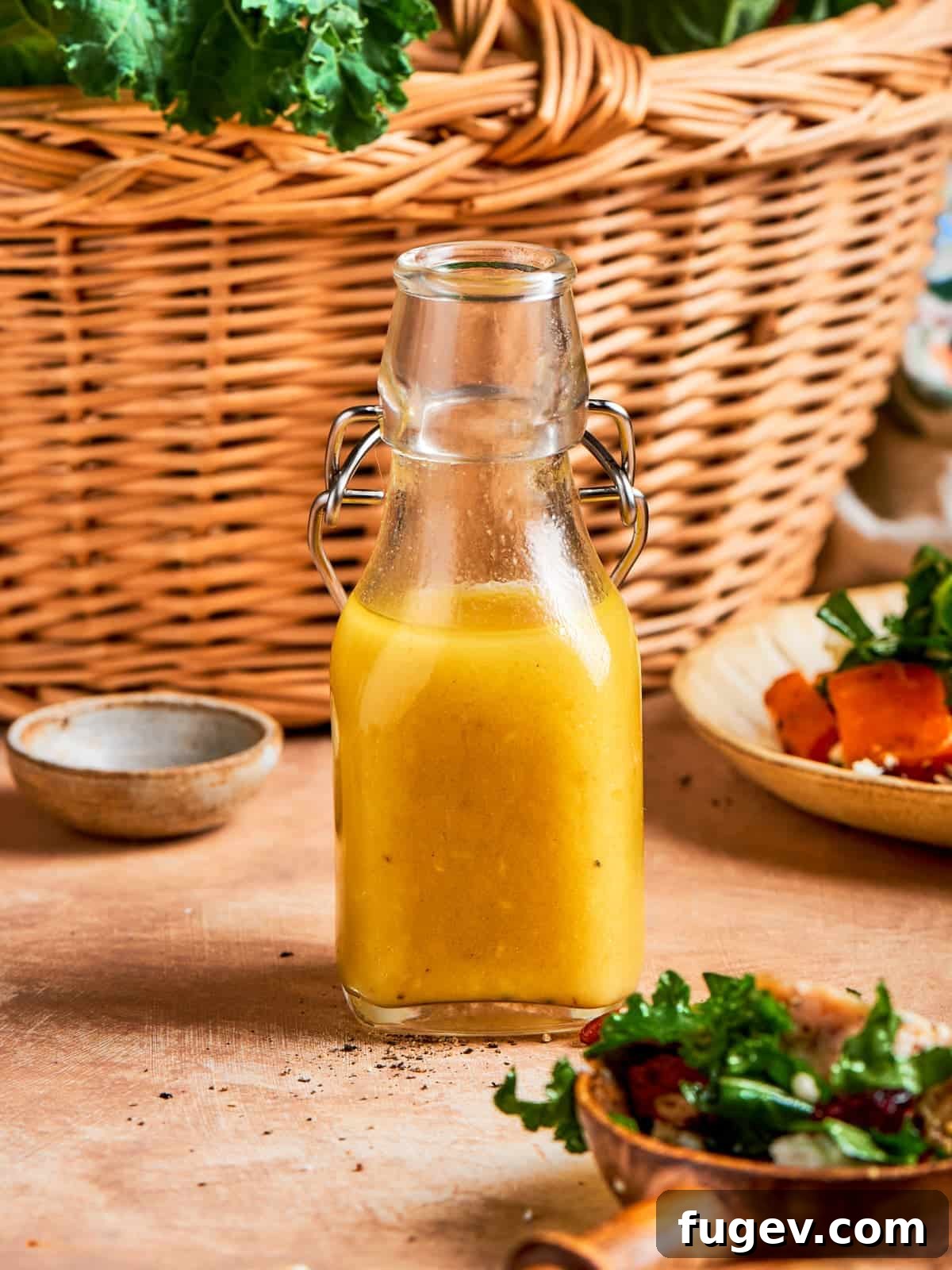
Discover the secret to a brighter, more delicate flavor profile for your salads and dishes with this exquisite champagne vinaigrette recipe. Crafted with gentle champagne vinegar, this dressing offers a refined tang that surpasses standard vinaigrettes. In just five minutes, you can whip up this elegant emulsion, no blender required – making it the perfect quick and sophisticated addition to any meal.
A Quick Look At The Recipe
This is a brief summary of the recipe. Jump to the recipe to get the full details.
Jump to Recipe
Prep Time
5 minutes
Total Time
5 minutes
Servings
12 servings
Difficulty
Easy
Calories *
94 kcal per serving
Technique
Whisked vinaigrette, finished with slow oil emulsification
Flavor Profile
Bright, lightly sweet, tangy, and silky
* Based on nutrition panel
I made this champagne vinaigrette exactly as written and was surprised how creamy it became just from whisking. The balance of honey and acidity was perfect, and it tasted even better the next day straight from the fridge. ⭐⭐⭐⭐⭐
Lauren
Why This Champagne Vinaigrette Recipe Works So Well
- Perfectly Balanced Acidity: Unlike the sharper bite of red wine vinegar, champagne vinegar provides a softer, more refined acidity. This delicate balance makes the vinaigrette light and bright, ensuring it enhances rather than overpowers your dishes. It pairs particularly well with fresh, vibrant ingredients, complementing fruit-forward salads like a marinated tomato stone fruit salad or delicate seafood.
- Effortless, Natural Emulsification: Achieve a beautifully stable and silky dressing without the need for fancy equipment. The combination of Dijon mustard and honey acts as a natural emulsifier, binding the oil and vinegar together seamlessly. Dijon mustard contains mucilage, a natural thickening agent, while honey adds viscosity, contributing to a smooth, cohesive texture that holds its form. Adhering to the classic two parts oil to one part vinegar ratio further ensures a stable, luxurious finish.
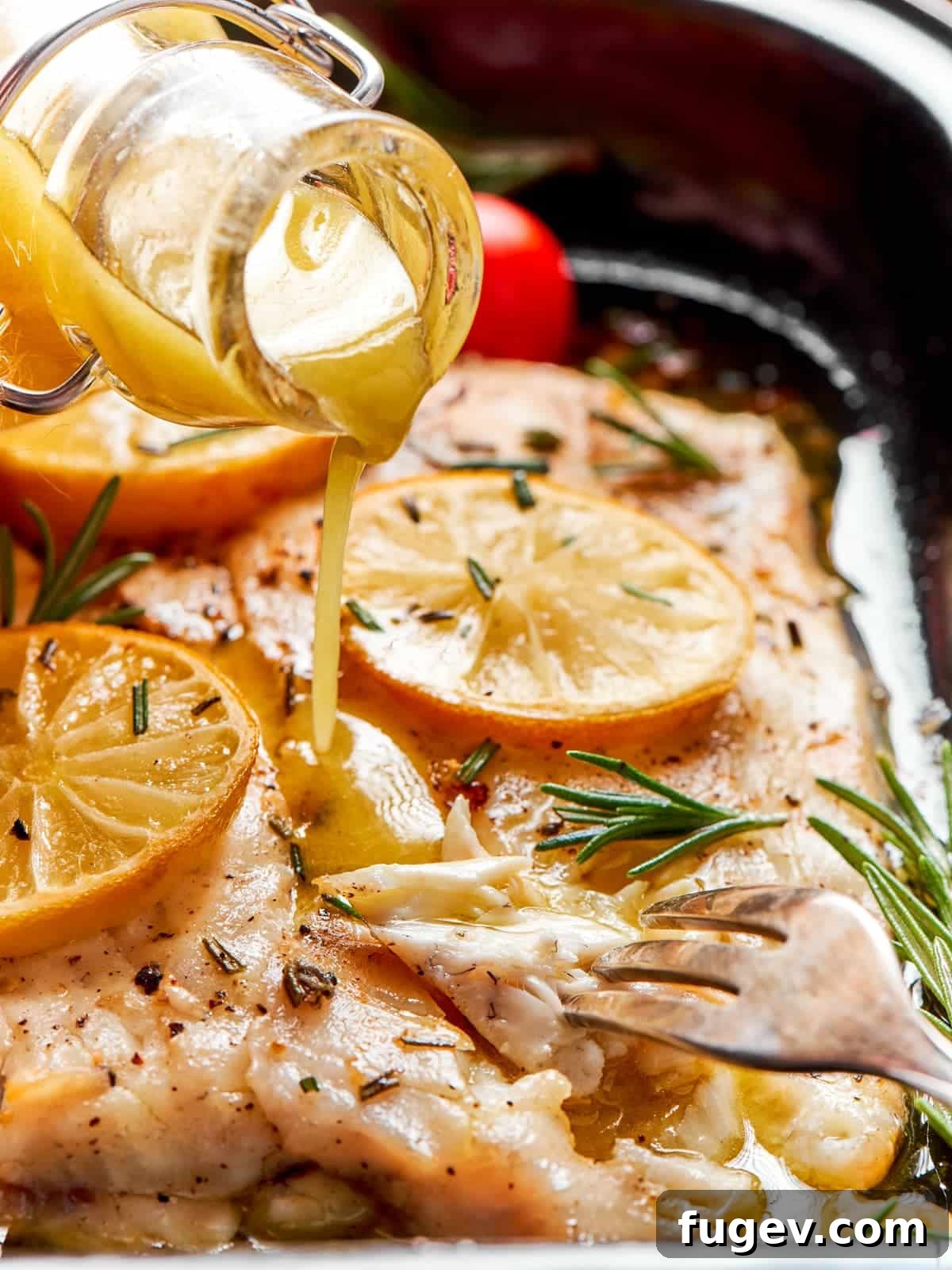
- Incredibly Versatile by Design: This vinaigrette is a true kitchen chameleon. Its elegant flavor makes it sophisticated enough for special occasions, such as drizzling over pan-seared scallops or a delicate baked fish. Yet, it’s approachable and robust enough for everyday use, elevating simple green salads, enriching grain bowls, or even lightening heavier sides like this healthy coleslaw recipe.
- Flavors Improve with Time: Good things come to those who wait, and this vinaigrette is no exception. While delicious immediately, its flavors truly meld and deepen after resting overnight in the refrigerator. The ingredients have more time to harmonize, resulting in a more complex and satisfying dressing that’s perfect for meal prepping.
Table of Contents
- Why This Champagne Vinaigrette Recipe Works So Well
- The Delicate Charm of Champagne Vinaigrette
- Essential Ingredients & Smart Substitutions
- Creative Variations for Your Champagne Vinaigrette
- Professional Tips for the Perfect Vinaigrette
- Step-by-Step: How to Make Champagne Vinaigrette
- Champagne Vinaigrette FAQs
- Recommended Salad & Dressing Recipes
- Champagne Vinaigrette Recipe
- Before You Go
The Delicate Charm of Champagne Vinaigrette
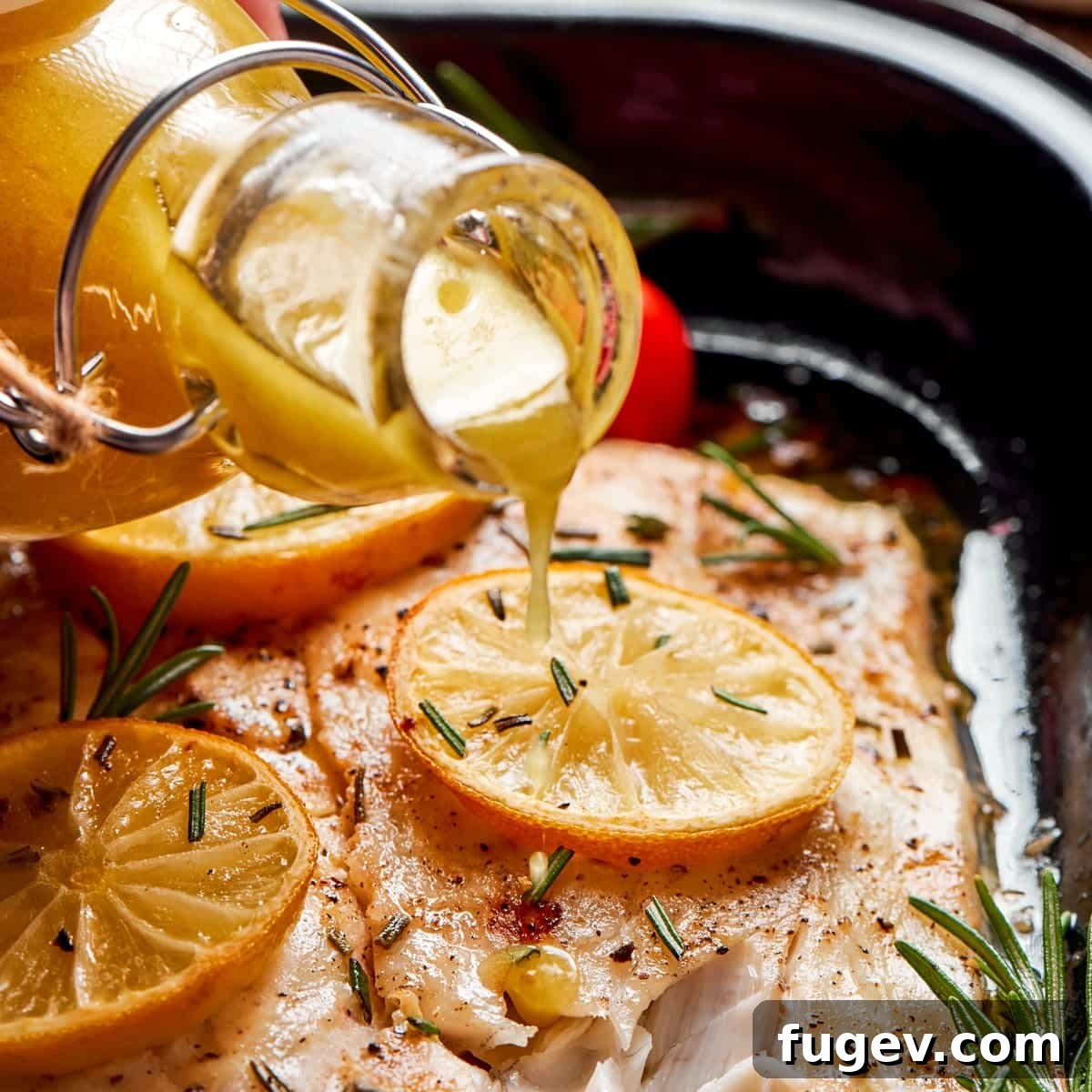
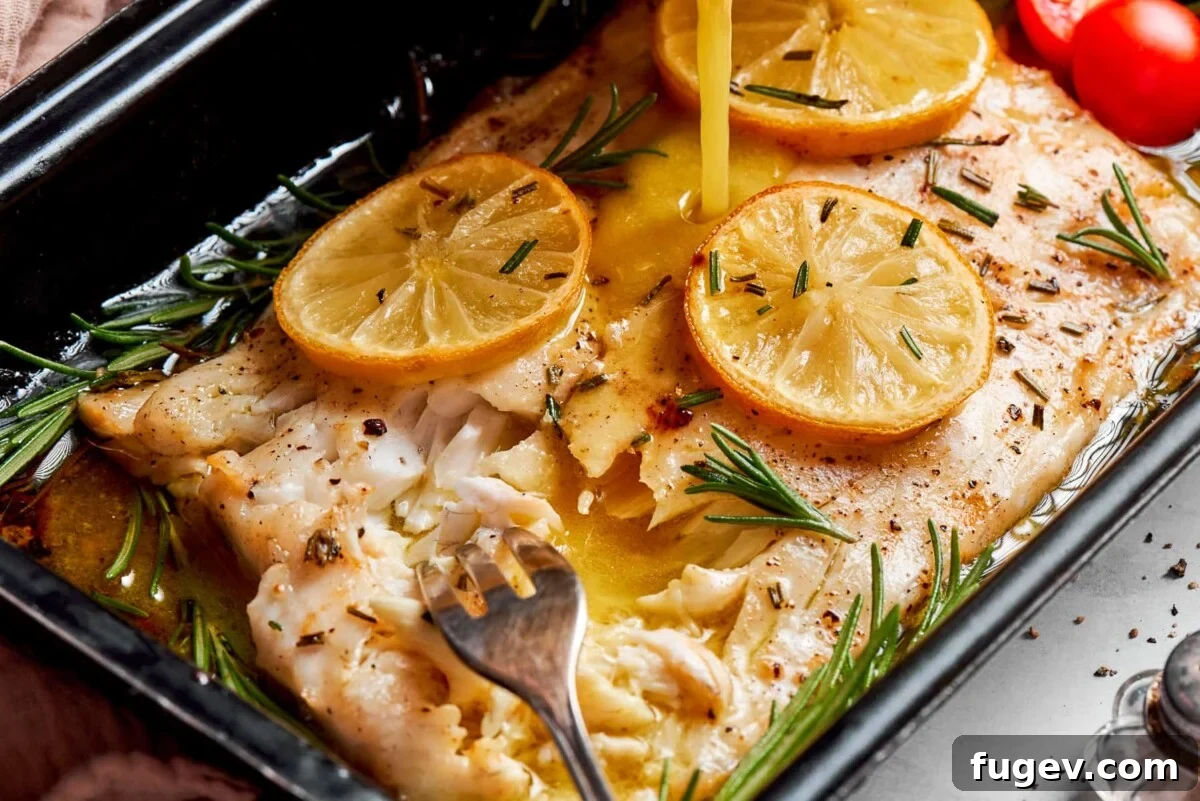
This exquisite champagne vinaigrette began its journey as a delightful supporting player, initially serving as a light dressing spooned over an avocado and tomato salad alongside my renowned baked halibut recipe. However, its irresistible brightness and versatility quickly propelled it into a starring role, making it a year-round staple for a wide variety of salads and dishes.
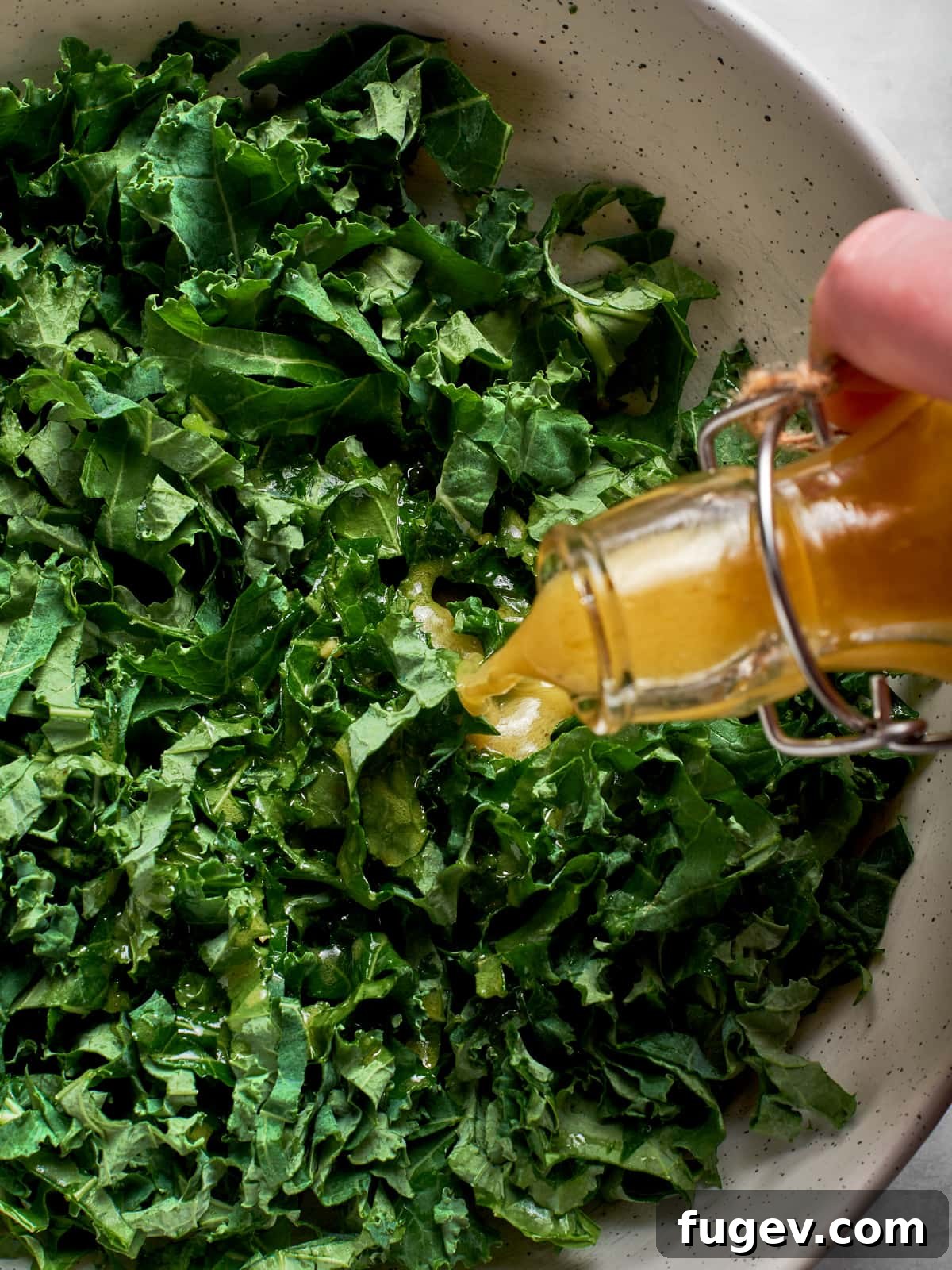
It’s the kind of dressing that effortlessly transforms even the most humble ingredients. Imagine a simple quinoa pilaf elevated to an exciting culinary experience, or robust greens like those in a Tuscan kale salad or a hearty kale sweet potato salad imbued with a refreshing zest. The subtle tang and light sweetness of champagne vinegar bring a sophisticated lift to any plate, making it an indispensable component in a well-stocked kitchen.
I particularly adore this vinaigrette when it’s chilled, its crispness enhancing fresh vegetables. Drizzled generously over crisp roasted asparagus, it adds a vibrant finish. It’s also fantastic when tossed into a warm roasted vegetable salad, where its bright notes cut through the richness of the roasted produce. For delicate proteins, especially fish, a generous spoon of this vinaigrette adds polish and flavor without the heaviness that other dressings can impart. Its ability to add a gourmet touch without creating extra fuss or dishes is truly what makes it a chef’s favorite.
Essential Ingredients & Smart Substitutions
Crafting the perfect champagne vinaigrette begins with selecting quality ingredients. Each component plays a vital role in achieving the dressing’s signature delicate balance and silky texture. Here’s a closer look at what you’ll need and how to make smart substitutions.
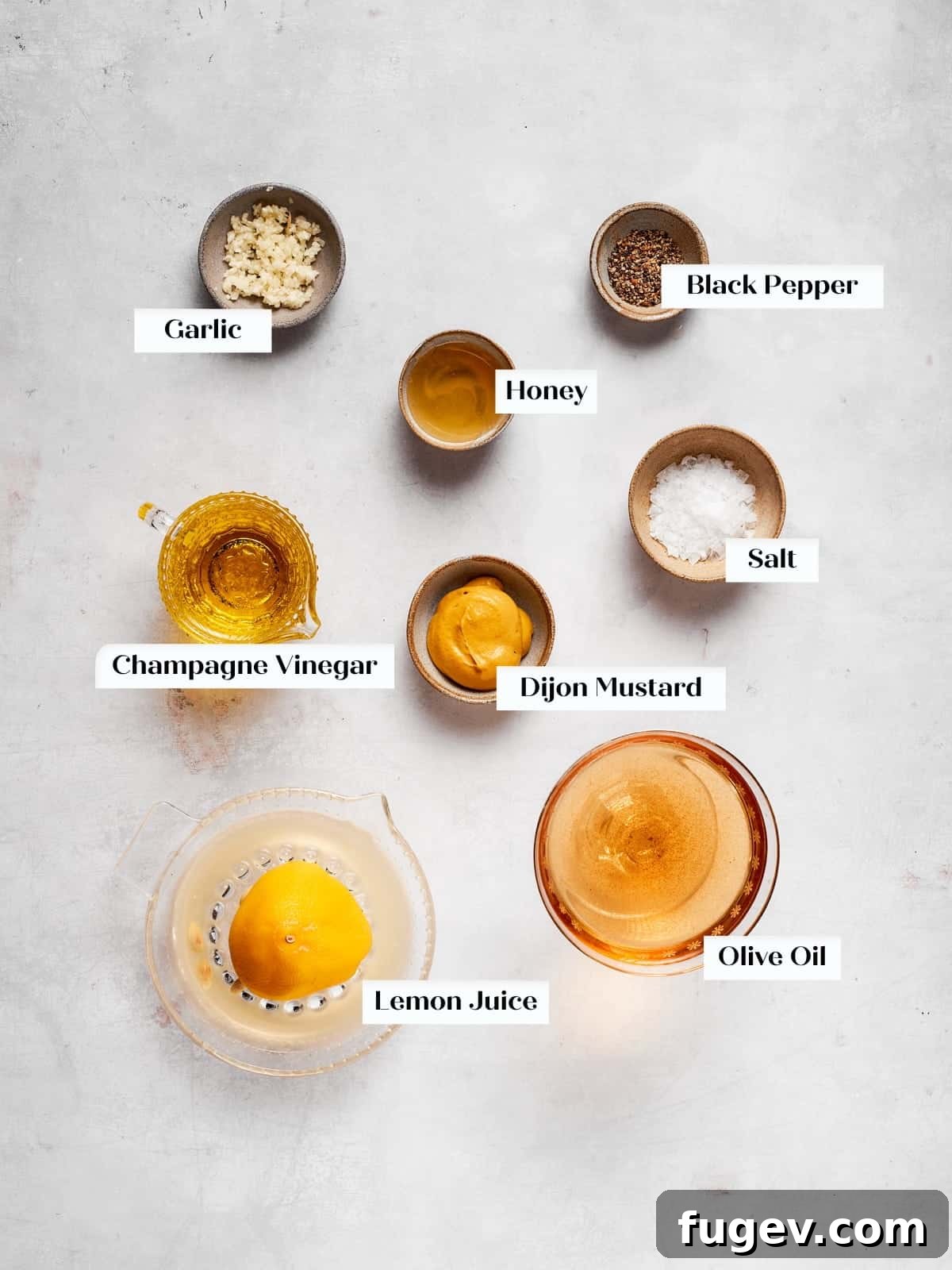
- Champagne Vinegar: This is the star ingredient, renowned for its milder, more floral, and fruitier notes compared to other vinegars. It’s made from champagne or sparkling wine, which contributes to its unique subtle complexity. If you can’t find it at your local grocery store, white wine vinegar can be used as a substitute, but be aware that the flavor will be sharper and less nuanced. For a truly authentic taste, seek out champagne vinegar.
- Dijon Mustard: Far more than just a flavor enhancer, Dijon mustard is crucial for successfully emulsifying the dressing. Its natural properties help to bind the oil and vinegar, creating a smooth, stable, and creamy consistency. A smooth, classic Dijon works best here. You can also save any extra for making a batch of perfect deviled eggs or a gourmet sandwich spread.
- Honey: This natural sweetener plays a dual role: it balances the acidity of the vinegar and acts as a stabilizer for the emulsion. The touch of sweetness from honey is especially complementary when pairing the vinaigrette with salads that include soft cheeses or bitter greens. For a deeper, richer sweetness, maple syrup can be substituted, though it will impart a slightly different flavor profile.
- Extra Virgin Olive Oil: The quality of your olive oil significantly impacts the final taste. Choose an extra virgin olive oil with a clean, fruity, and relatively mild profile. Avoid overly peppery or robust oils, as they can easily overpower the delicate flavors of the champagne vinegar and other ingredients in this vinaigrette. A good quality, everyday olive oil is perfect.
- Fresh Lemon Juice: A squeeze of fresh lemon juice adds a burst of brightness and reinforces the acidity without making the vinaigrette overly tart. Always opt for fresh lemon juice over bottled varieties for the best, most vibrant flavor. It acts as a final touch that brings all the flavors into harmony.
- Garlic: Finely chopped garlic adds a foundational aromatic note, giving depth and a subtle savory warmth to the dressing. For a softer flavor, consider using a finely minced shallot.
- Kosher Salt & Freshly Ground Black Pepper: These essential seasonings enhance and round out all the flavors. Adjust to taste, remembering that cold temperatures can mute flavors, so you may need a pinch more after chilling.
See the recipe card for full measurements.
Creative Variations for Your Champagne Vinaigrette
This champagne vinaigrette is wonderfully adaptable, providing a fantastic base for numerous creative variations. Feel free to experiment and customize it to suit your palate or complement specific dishes.
- Infuse with Fresh Herbs: Elevate the freshness by finely chopping and whisking in your favorite herbs. Chives and dill are excellent choices, bringing a bright, herbaceous note, especially for spring and summer salads. For a more sophisticated twist, consider tarragon or chervil. If you prefer a milder allium flavor than garlic, a small, finely minced shallot can be substituted.
- Make It Creamier: For a subtly richer and creamier texture, whisk in a tablespoon of room-temperature Greek yogurt or a dollop of crème fraîche. This adds a velvety mouthfeel without making the dressing heavy, perfect for heartier salads or as a dip for vegetables.
- Adjust the Sweetness: The sweetness from honey balances the acidity beautifully. If you’re pairing the vinaigrette with particularly bitter greens like arugula or endive, or using it as a bright counterpoint to richer main dishes such as barbecue pulled chicken, consider adding an extra teaspoon of honey to achieve your desired balance.
- Add a Zesty Kick: For an extra burst of citrus aroma and flavor, grate in a teaspoon of lemon zest along with the fresh lemon juice. Orange or grapefruit zest can also be used for a different fruity dimension.
- Introduce a Spicy Note: If you enjoy a bit of heat, a tiny pinch of red pepper flakes or a dash of hot sauce can add a delightful, subtle warmth to the vinaigrette.
- Experiment with Other Vinegars: While champagne vinegar offers its unique charm, you can explore other delicate vinegars for variations. Apple cider vinegar provides a slightly fruitier, tangier profile, while white balsamic vinegar offers a sweeter, less acidic alternative.
- Scale Up or Down with Ease: This recipe is incredibly forgiving and scales easily. Whether you need a small amount for a single meal or a larger batch for entertaining or weekly meal prep, simply adjust the ingredient quantities proportionally.
Professional Tips for the Perfect Vinaigrette
Achieving a perfectly emulsified and balanced vinaigrette is simple with a few insider tricks. These professional tips will ensure your champagne vinaigrette turns out beautifully smooth and flavorful every time.
- Whisk the Base First: Always combine your vinegar, mustard, lemon juice, honey, salt, pepper, and garlic (if using) in your mixing bowl *before* adding the olive oil. This crucial step ensures that the seasonings and emulsifiers are fully dissolved and evenly distributed. Whisking these ingredients together first helps create a stable foundation for the emulsion and allows the flavors to properly meld.
- Slow and Steady Oil Drizzle: The key to a stable emulsion is incorporating the olive oil gradually. Begin by whisking your vinegar base vigorously. Then, in a very thin, steady stream, slowly drizzle in the extra virgin olive oil while continuously whisking. This slow addition allows the oil to break down into tiny droplets, which are then coated by the emulsifying agents (Dijon and honey), preventing the dressing from separating. Patience here yields a beautifully smooth and unified vinaigrette.
- Always Taste After Chilling: Flavors can change significantly when cold. Chilling a vinaigrette tends to mute its acidity and sweetness, and sometimes dulls the salt perception. After your champagne vinaigrette has chilled for at least 30 minutes, give it a taste. You may find it needs a final pinch of salt, a dash more honey, or even a tiny squeeze of lemon juice to bring its flavors back into perfect harmony.
- Proper Storage for Longevity: Store your homemade champagne vinaigrette in an airtight container, such as a glass jar with a tight-fitting lid, in the refrigerator. This will keep it fresh for up to 5-7 days.
- Shake Before Each Use: Even with perfect emulsification, some slight separation can occur over time, especially after chilling. Always give the vinaigrette a good shake or a quick whisk just before serving to re-emulsify it and ensure a consistent flavor and texture.
- Troubleshooting a Separated Vinaigrette: If your vinaigrette separates despite your best efforts, don’t despair! Simply add a teaspoon of hot water or a tiny bit more Dijon mustard to the separated dressing and whisk vigorously. This often helps to re-emulsify the ingredients and bring it back to a smooth consistency.
Step-by-Step: How to Make Champagne Vinaigrette
Making this bright and delicate champagne vinaigrette is remarkably straightforward. You don’t need a food processor or any specialized equipment – this dressing emulsifies beautifully by hand, guaranteeing a smooth and delicious result every single time.
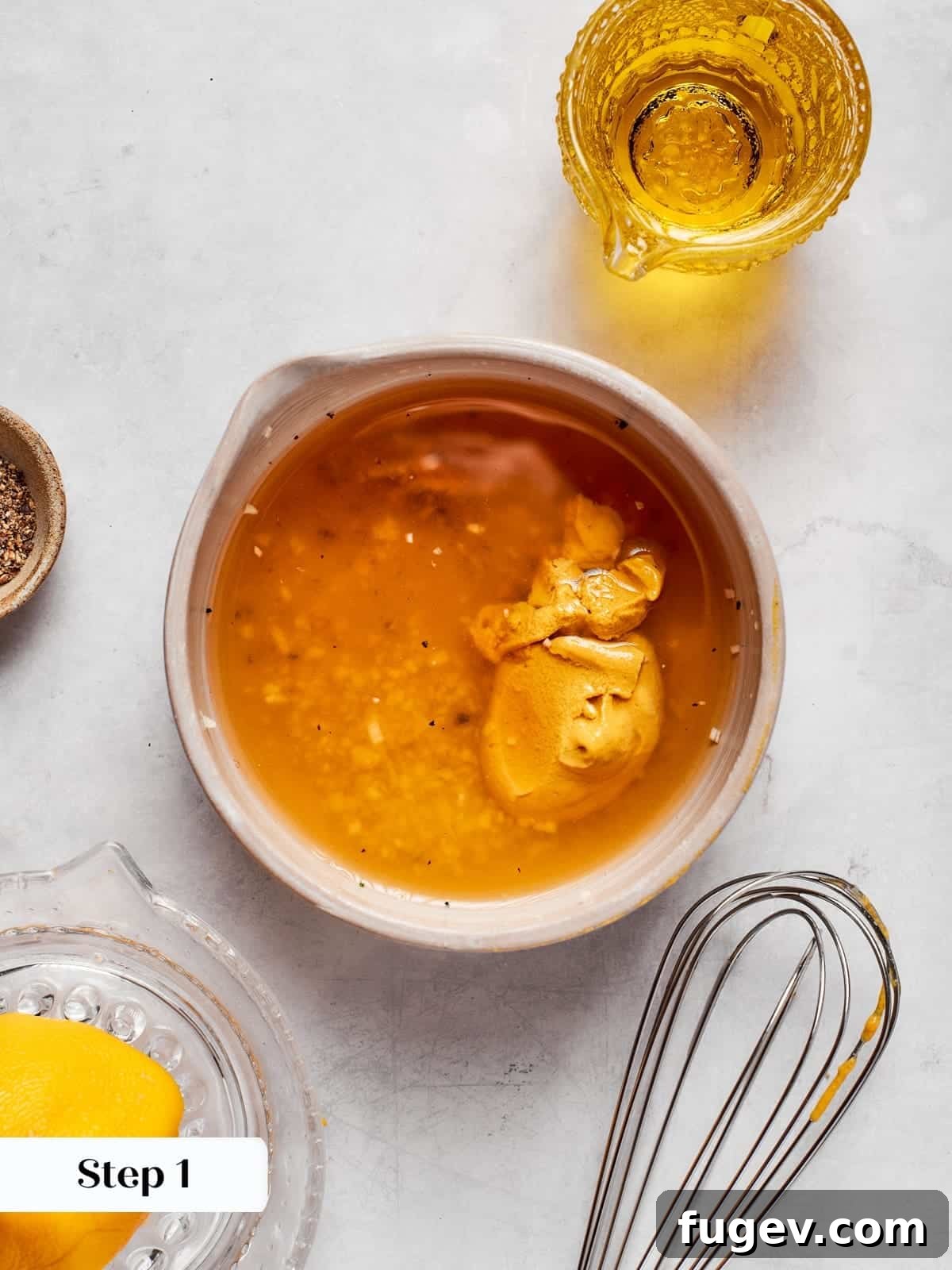
Step 1: Combine the Base Ingredients. In a medium mixing bowl, whisk together the finely chopped garlic, Dijon mustard, champagne vinegar, fresh lemon juice, honey, kosher salt, and freshly ground black pepper. Continue whisking until the mixture is completely smooth and the salt is dissolved. This ensures all the foundational flavors are well integrated before adding the oil (photo 1).
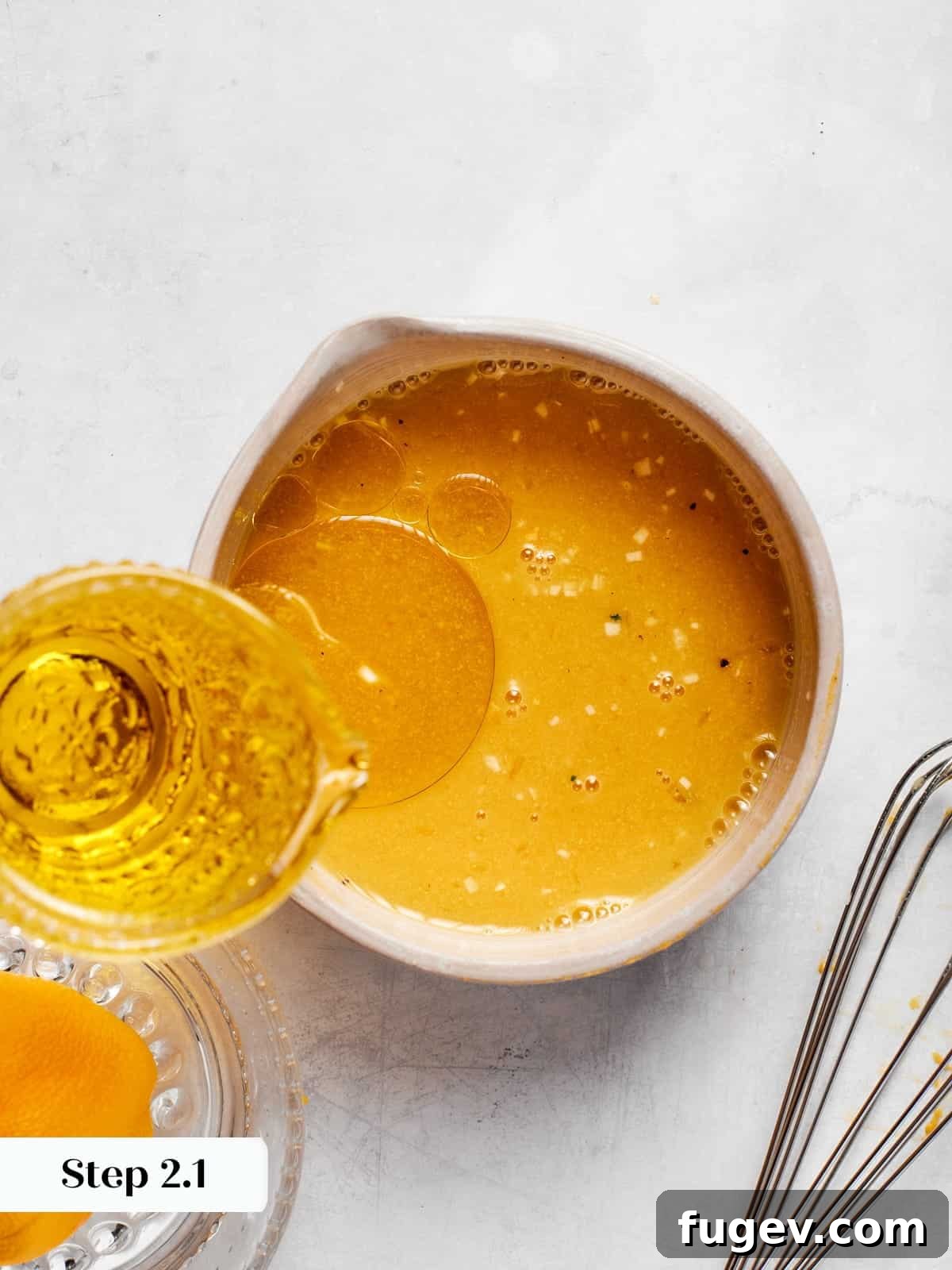
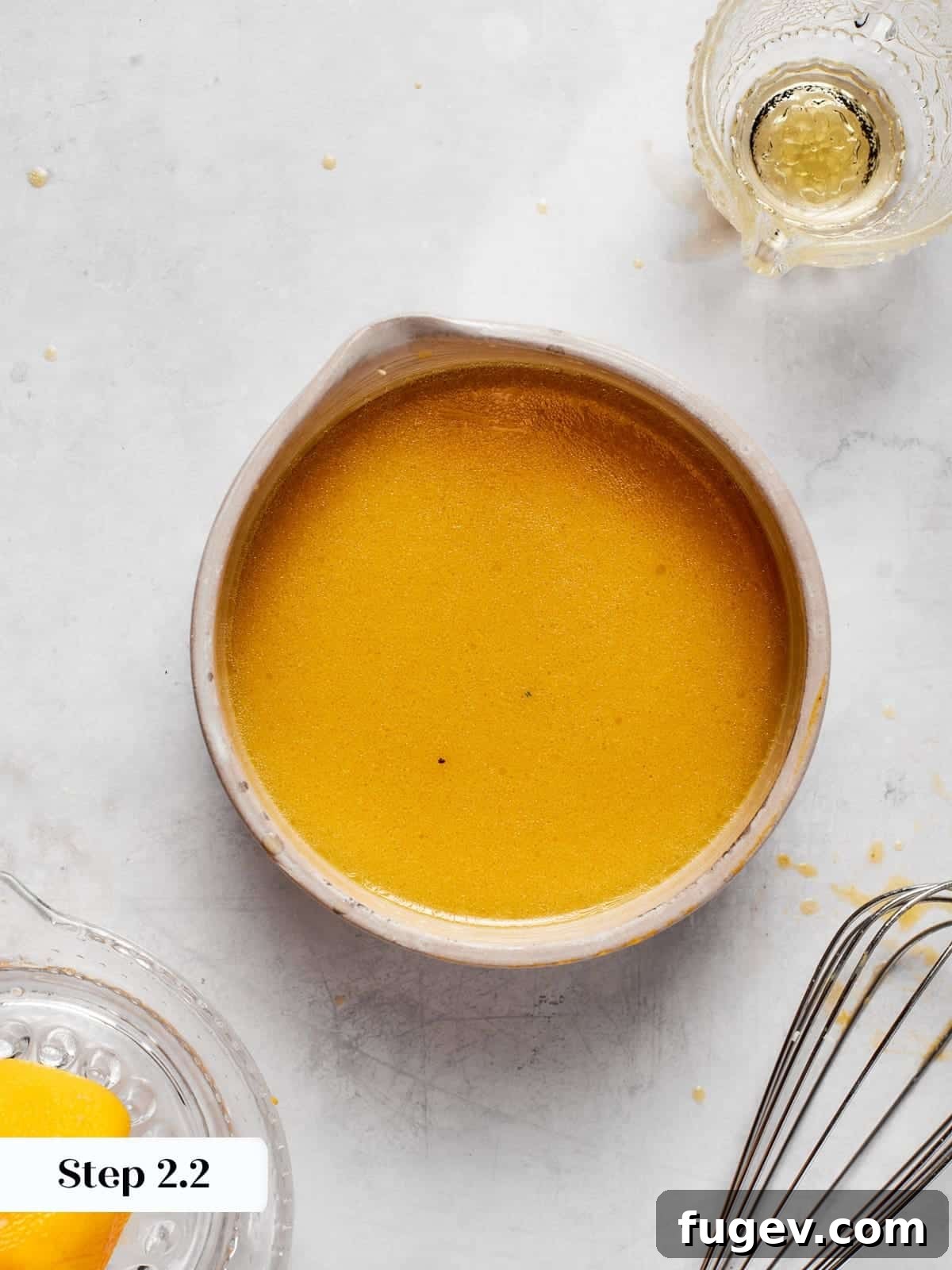
Step 2: Emulsify with Olive Oil. While whisking continuously and vigorously, slowly drizzle in the extra virgin olive oil in a thin, steady stream. Keep whisking until the oil is fully incorporated and the vinaigrette begins to thicken slightly, achieving a smooth, creamy, and unified emulsion (photos 2 & 3). The slow addition is key to preventing separation.
Alternative Method: For a quick and easy alternative, combine all the ingredients—garlic, Dijon, vinegars, honey, salt, pepper, and olive oil—in a mason jar. Secure the lid tightly and shake vigorously for 30-60 seconds until everything is fully combined and emulsified.
Step 3: Chill and Adjust Seasoning. Once emulsified, taste the vinaigrette and adjust the seasoning as needed. You might want a little more salt, pepper, or honey, depending on your preference. For the best flavor, refrigerate the vinaigrette for at least 30 minutes to allow the flavors to meld and deepen before serving. This chilling also enhances its refreshing quality (photo 4).
Champagne Vinaigrette FAQs
Champagne vinaigrette is a classic French-inspired salad dressing distinguished by its use of champagne vinegar as the primary acidic component. It typically consists of champagne vinegar, a high-quality oil (often extra virgin olive oil), an emulsifier like Dijon mustard, and a touch of sweetness from honey or maple syrup. It’s cherished for its lighter acidity, delicate flavor, and refined aroma, making it a versatile choice for a wide range of culinary applications, from fresh salads to seafood and steamed vegetables.
Champagne vinaigrette offers a bright, subtly tangy, and lightly sweet flavor profile with a remarkably smooth finish. Due to the milder nature of champagne vinegar compared to other wine vinegars, the dressing is balanced and never overtly sharp. This allows the fresh notes of lemon and honey to shine through, creating a harmonious taste that enhances other ingredients rather than dominating them. It’s often described as elegant and refreshing.
No, champagne vinegar and white wine vinegar are distinct products, each offering unique characteristics. Champagne vinegar is crafted specifically from champagne or other sparkling wines, giving it a notably softer, more delicate acidity, and often a slightly fruity or floral bouquet. White wine vinegar, on the other hand, is made from white wine and tends to be sharper and more assertive in flavor. While white wine vinegar can be used as a substitute, it will impart a more robust and less refined taste to your vinaigrette, potentially overpowering lighter dishes where champagne vinegar truly excels.
When stored properly in an airtight container in the refrigerator, homemade champagne vinaigrette can last for up to 5 to 7 days. Always give it a good shake or a quick whisk before each use, as some natural separation may occur over time.
Absolutely! To make this champagne vinaigrette vegan, simply substitute the honey with an equal amount of maple syrup or agave nectar. Both alternatives provide a similar sweetness and consistency that will perfectly balance the acidity of the vinegar.
Recommended Salad & Dressing Recipes
If you’ve fallen in love with the bright and balanced flavors of this champagne vinaigrette, you’re in for a treat! Explore more of our favorite salad and dressing recipes designed to inspire your culinary creations and bring fresh, exciting tastes to your table.
Sauces & Condiment Recipes
Classic Italian Salad Dressing Recipe
Date Night
Heirloom Tomato and Mozzarella Salad
Filling Salad Recipes
Robust Tuscan Kale Salad
Easy Side Dish Recipes
Marinated Tomato Stone Fruit Salad
If you tried this recipe and loved it, please leave a 🌟 star rating and let me know how it goes in the comments below. I love hearing from you; your comments make my day!
Champagne Vinaigrette
Comment
Print Recipe
Ingredients
- 1 clove garlic finely chopped
- 2 tablespoons Dijon mustard
- ¼ cup champagne vinegar
- 2 tablespoons fresh lemon juice
- 2 tablespoons honey
- ½ teaspoon kosher salt
- ½ teaspoon freshly ground black pepper
- ½ cup extra virgin olive oil
Instructions
-
Whisk together garlic, Dijon mustard, champagne vinegar, lemon juice, honey, salt, and pepper until smooth and well combined.
-
While whisking continuously, slowly drizzle in the olive oil in a thin stream until fully incorporated and the vinaigrette is emulsified and slightly thickened.
-
Taste and adjust seasoning to your preference. Refrigerate until ready to use for the best flavor and a refreshing chill.
Notes
- Yield: About ¾ cup of finished vinaigrette.
- Flavor Tips: For optimal flavor balance, chill the vinaigrette for at least 30 minutes before serving. This allows the ingredients to fully meld.
- Variations: Get creative! Add finely chopped fresh herbs like chives or dill, whisk in a tablespoon of Greek yogurt for a creamier texture, or adjust the honey for more sweetness to complement specific dishes.
- Storage: Store your homemade champagne vinaigrette in an airtight container in the refrigerator for up to 5 days. Always shake well before each use to re-emulsify any separated ingredients.
Nutrition
Before You Go
I genuinely hope you enjoyed discovering and mastering this bright, elegant champagne vinaigrette. It’s a testament to how simple ingredients, thoughtfully combined, can create something truly special. If this recipe brightened your day and delighted your taste buds, be sure to explore more of my easy dressings and fresh salad recipes. Each recipe is designed to make everyday cooking feel a little more gourmet, inspiring you to create delicious and memorable meals with ease.