
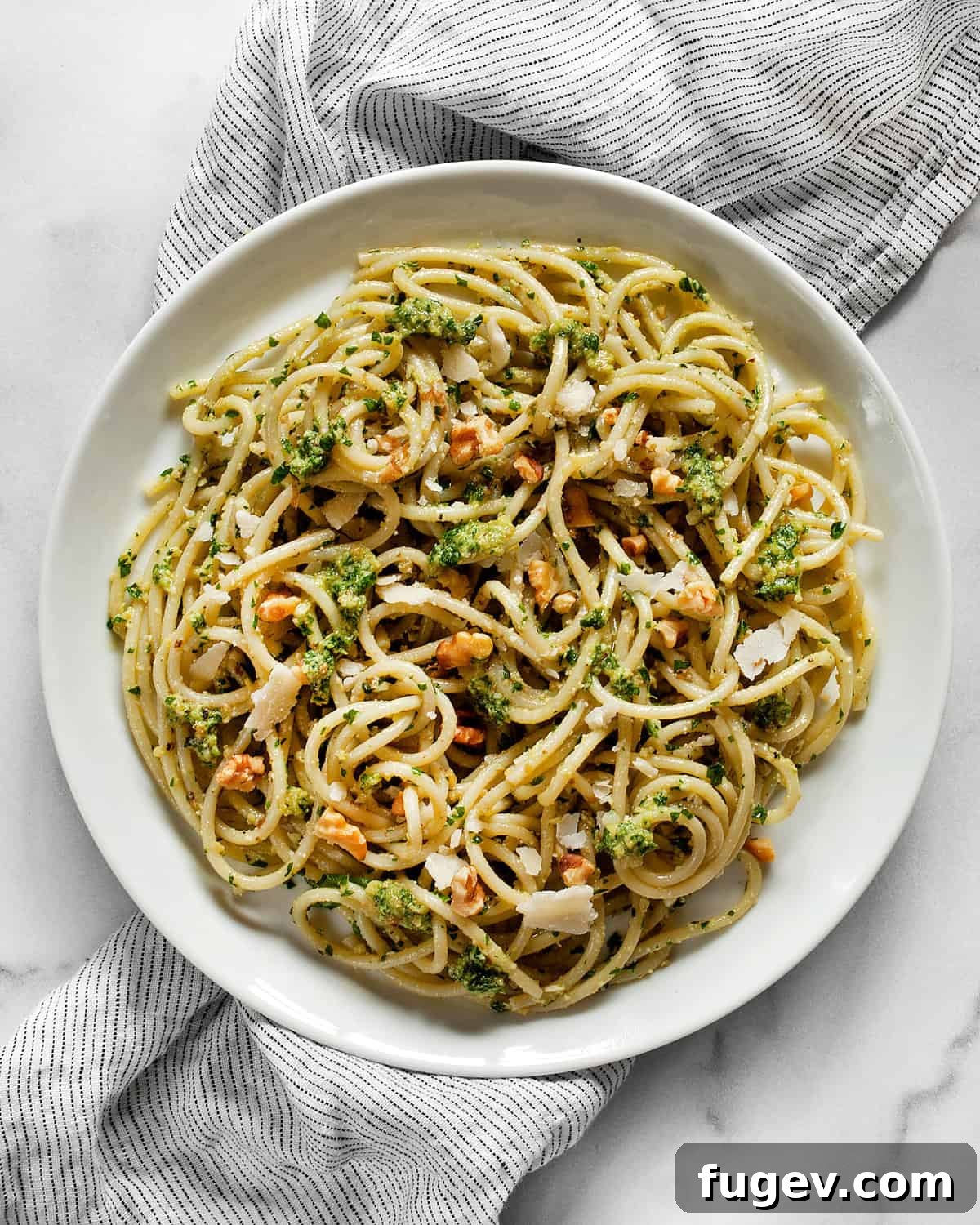
Tired of the usual basil pesto? This vibrant parsley pesto pasta offers a refreshing and equally delicious alternative. Crafted with the bright flavors of fresh parsley, zesty lemon, crunchy walnuts, aromatic garlic, and rich olive oil, this homemade pesto provides an instant flavor boost to any dish. Whether you toss it with your favorite pasta, spread it on pizza, elevate sandwiches, or simply enjoy it on toast, this easy, no-cook sauce is a game-changer for quick and flavorful meals.
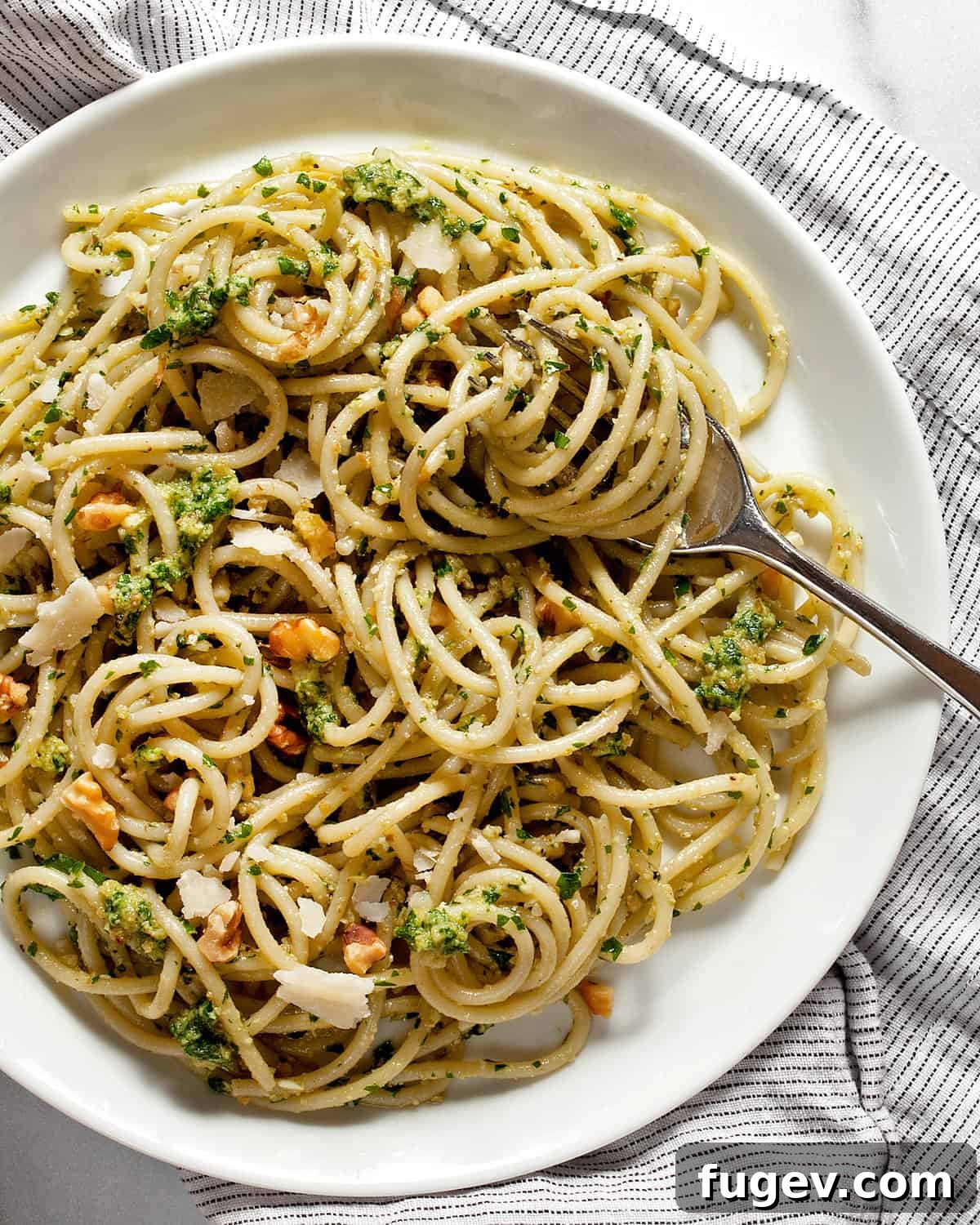
Table of Contents
- What is Pesto? A Broad Definition
- Why Choose Parsley Pesto?
- Essential Ingredients for Parsley Pesto
- How To Make Parsley Pesto: Step-by-Step Guide
- Versatile Ways to Use Parsley Pesto
- Storing Your Homemade Pesto
- Parsley Pesto FAQs
- More Pesto Creations to Explore
- Parsley Pesto Pasta Recipe
When you hear “pesto,” your mind likely conjures images of vibrant green basil leaves and the classic Genovese sauce. However, the world of pesto is much broader and more exciting than just one herb! This delicious parsley pesto challenges that notion, proving that other fresh herbs can create equally captivating flavors, especially during seasons when basil isn’t at its peak or as budget-friendly.
Our parsley pesto is a celebration of robust flavors, perfectly balanced with crunchy walnuts, pungent garlic, bright lemon juice, and savory Parmesan cheese. It delivers everything you love about a great pesto – that unmistakable garlicky, nutty, and herbaceous kick – while offering a fresh perspective. As an added bonus, fresh parsley is often more readily available and more affordable year-round compared to basil, making this recipe a practical choice for delicious homemade meals.
What is Pesto? A Broad Definition
At its heart, pesto is a traditional Italian sauce, famously originating from Genoa in the Liguria region. The classic pesto Genovese strictly calls for basil, pine nuts, hard cheese (Parmesan and Pecorino Sardo), garlic, and olive oil, all pounded together in a mortar and pestle. However, the beauty of pesto lies in its adaptable nature. Modern culinary interpretations have broadened this definition, allowing for a creative exploration of ingredients.
Essentially, any herb-based, oil-rich, no-cook sauce that incorporates nuts and cheese (or a vegan alternative) can be considered a pesto. This broader understanding encourages culinary innovation, inviting you to experiment with different herbs, nuts, and cheeses to create unique flavor profiles. While purists might advocate for the traditional mortar and pestle method to truly “bruise” the basil and release its essential oils, the convenience of a food processor makes achieving a beautiful, quick, and easy pesto an accessible joy for any home cook.
Why Choose Parsley Pesto?
Stepping away from basil might seem like a bold move for pesto lovers, but parsley brings its own unique charm and benefits to the table. Unlike basil, which thrives in warm summer months, fresh parsley is readily available year-round, making it a reliable staple for your kitchen. Its bright, peppery, and slightly bitter notes offer a sophisticated depth that complements a wide array of dishes.
Beyond its accessibility, parsley is also a nutritional powerhouse, rich in vitamins K, C, and A, as well as antioxidants. Swapping out pine nuts for walnuts in this version not only introduces a different textural dimension but also adds healthy omega-3 fatty acids, making this pesto a wholesome choice. This parsley pesto is not just an alternative; it’s a vibrant, flavorful, and practical condiment that deserves a permanent spot in your culinary repertoire. Its versatility ensures that even as summer fades, you can continue to enjoy the fresh, herby goodness of homemade pesto.
Essential Ingredients for Parsley Pesto
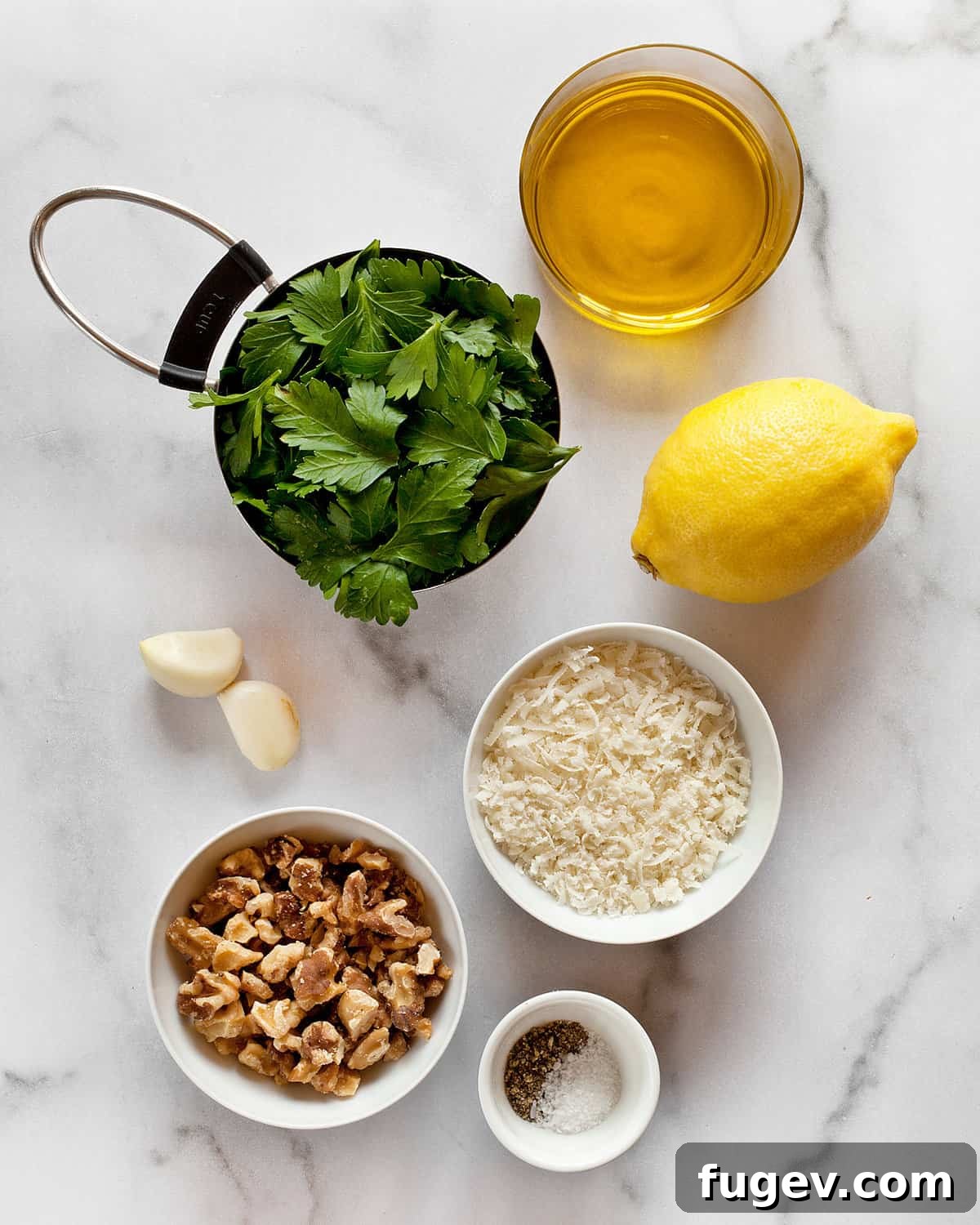
Crafting the perfect parsley pesto begins with selecting the finest ingredients. Here’s what you’ll need and some tips for each:
- Fresh Parsley: Opt for flat-leaf Italian parsley over curly parsley, as it tends to have a more robust flavor and is easier to work with. Look for vibrant, deep green bunches without any yellowing or wilting. To keep your parsley fresh for longer, treat it like a bouquet of flowers: trim the stems, place them in a jar or vase with about an inch of water, and keep it on your counter or in the fridge. This method can keep parsley fresh for up to two weeks!
- Garlic Cloves: The recipe suggests 2 cloves, providing a balanced garlic flavor. However, if you’re a true garlic enthusiast, don’t hesitate to add an extra clove or two to intensify the pungency. Fresh garlic is crucial here for that sharp, aromatic kick.
- Walnuts: While basil pesto traditionally uses pine nuts, walnuts are an excellent, more accessible, and often more affordable choice for parsley pesto. Their earthy, slightly bitter notes perfectly complement parsley’s freshness. For an even deeper flavor, lightly toast the walnuts in a dry pan over medium heat for a few minutes until fragrant before adding them to the pesto. Almonds can also be a delicious substitute.
- Parmesan Cheese: Use freshly grated Parmesan (Parmigiano-Reggiano) for the best flavor and texture. This hard Italian cow’s milk cheese adds a salty, umami depth. For a sharper, tangier note, consider using Pecorino Romano (a hard sheep’s milk cheese), or a blend of both. To make this pesto vegan, simply substitute the Parmesan with a generous tablespoon of nutritional yeast, which provides a cheesy, savory flavor.
- Fresh Lemon Juice: A squeeze of fresh lemon juice is essential for brightening the pesto and cutting through the richness of the olive oil and nuts. It adds a crucial acidic lift that elevates all the other flavors.
- Extra Virgin Olive Oil: As a primary component, the quality of your olive oil matters significantly. Choose a good quality extra virgin olive oil with a fruity, peppery, or grassy flavor profile. It binds all the ingredients together and forms the luxurious base of your pesto.
- Salt & Freshly Ground Black Pepper: These are crucial for seasoning and enhancing the overall taste. Taste and adjust as needed. If you enjoy a hint of warmth, a small pinch of red pepper flakes can add a lovely subtle heat.
How To Make Parsley Pesto: Step-by-Step Guide
Making homemade parsley pesto is incredibly simple and takes just minutes, especially with the help of a food processor or blender. Follow these easy steps to create a vibrant and flavorful sauce:
Equipment Needed:
- Food processor (recommended for best texture) or a high-speed blender.
- Spatula for scraping down the sides.
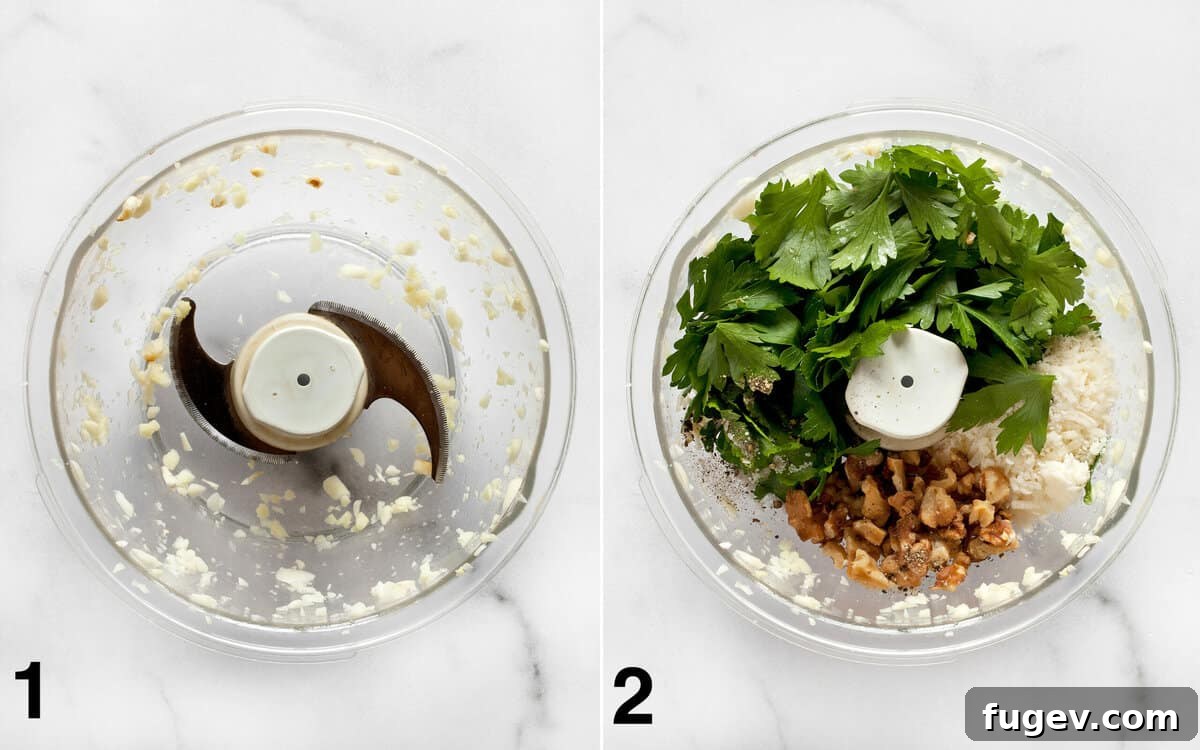
- Prepare the Garlic: Begin by adding your peeled garlic cloves to the food processor bowl. Pulse a few times until the garlic is finely minced. This ensures the garlic is evenly distributed and no large pieces remain, lending a smooth, consistent flavor throughout the pesto.
- Combine Dry Ingredients: Add the packed fresh parsley leaves, walnuts (toasted if desired for deeper flavor), grated Parmesan cheese, fresh lemon juice, kosher salt, and black pepper to the food processor.
- Process until Finely Chopped: Secure the lid and process the mixture. Pulse repeatedly, scraping down the sides of the bowl with a spatula as needed, until all the ingredients are finely chopped and a coarse paste begins to form. The goal is a texture that’s still slightly chunky, showcasing the fresh herbs and nuts, rather than a completely smooth puree.
- Slowly Add Olive Oil: With the food processor motor running on low, slowly drizzle in the extra virgin olive oil through the feeder tube. If using a blender, remove the small cap from the lid and pour the oil through the opening. Continue processing until the oil is fully incorporated and the pesto reaches your desired consistency – a rich, emulsified sauce that’s still thick enough to cling to pasta.
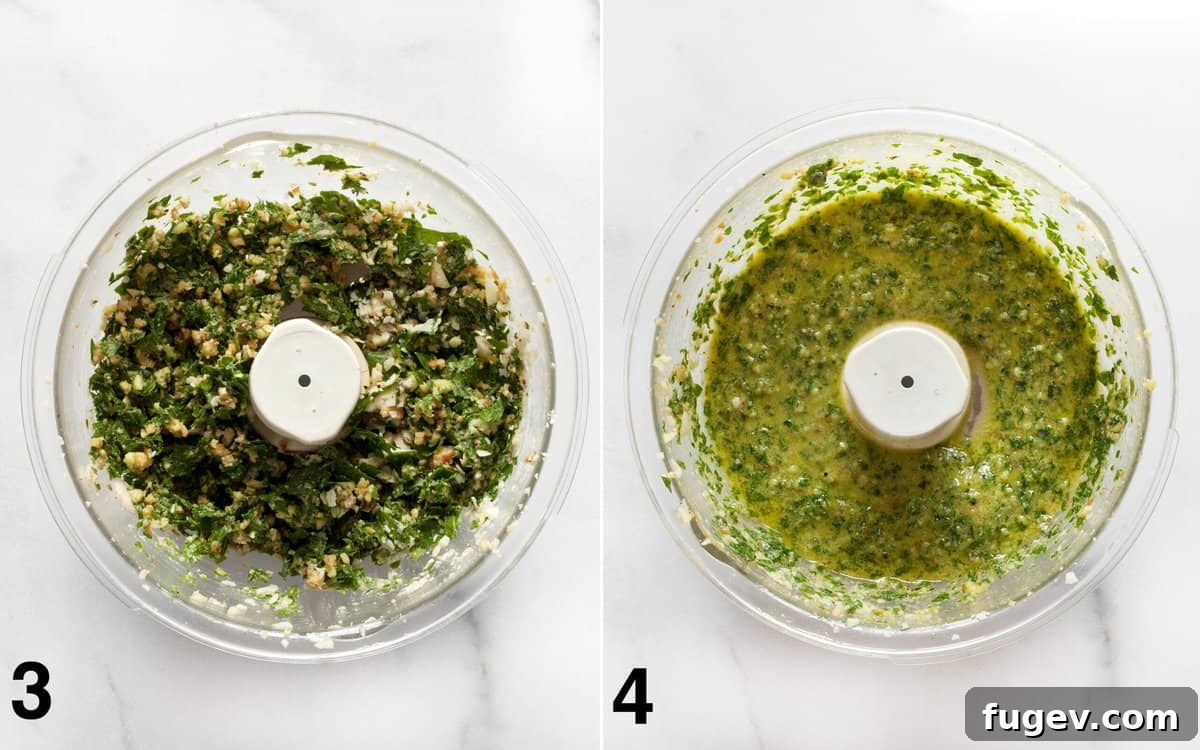
Chef’s Tip: Avoid over-processing! You want a pesto with some texture, where you can still discern tiny flecks of parsley and nuts. Pulsing in short bursts helps control the consistency and prevents the pesto from becoming too smooth or warm, which can dull the fresh flavors.
Versatile Ways to Use Parsley Pesto
Despite its unique parsley-based flavor, this pesto is incredibly versatile and can be used in almost all the same ways you’d enjoy traditional basil pesto. Here are some fantastic ideas to incorporate this fresh, garlicky, and nutty sauce into your meals:
- Pesto Pasta (Our Favorite!): This is arguably the most classic and satisfying way to enjoy pesto. Cook your preferred pasta shape – spaghetti, penne, fusilli, or orecchiette – in generously salted boiling water until it’s al dente. Before draining, reserve about ½ cup of the starchy pasta cooking water. Transfer the hot noodles to a large bowl, add your homemade parsley pesto, and stir to coat. Gradually add splashes of the reserved pasta water as needed to create a luscious, emulsified sauce that perfectly clings to every strand. Finish with an extra sprinkle of Parmesan, a dash of flaky sea salt, and freshly ground black pepper.
- Pizza Base or Topping: Elevate your homemade pizza! Spread a generous layer of parsley pesto directly onto your pizza crust as a flavorful alternative to tomato sauce, or combine it with tomato sauce for a rich, herbaceous base. For an extra pop of fresh flavor, add small dollops of pesto over a cooked pizza just before serving.
- Egg Enhancer: Infuse your morning eggs with a burst of flavor. Whisk a spoonful of pesto into raw eggs before scrambling them or pouring them into a frittata. The pesto adds a wonderful herby, garlicky depth that transforms simple eggs into a gourmet experience.
- Flavorful Spread or Condiment: Pesto makes an incredible spread! Slather it onto slices of crusty bread for elevated sandwiches, vibrant crostini, or classic bruschetta. It pairs beautifully with roasted vegetables, grilled chicken, or fresh mozzarella.
- Nutritious Dip: Use parsley pesto as a vibrant and healthy dip for raw vegetables. Carrots, bell peppers, cucumber sticks, celery, and cherry tomatoes all taste fantastic when dipped into this flavorful herb sauce. It’s a quick and easy appetizer or snack option.
- Salad Dressing Base: Transform your pesto into a light and zesty salad dressing. Whisk in a splash of your favorite vinegar (like red wine or white balsamic) and a little extra olive oil to thin it out. This creates a vibrant vinaigrette perfect for green salads, grain bowls, or roasted vegetable salads.
Storing Your Homemade Pesto
Proper storage is key to maintaining the freshness and vibrant color of your homemade parsley pesto. Here’s how to keep it at its best:
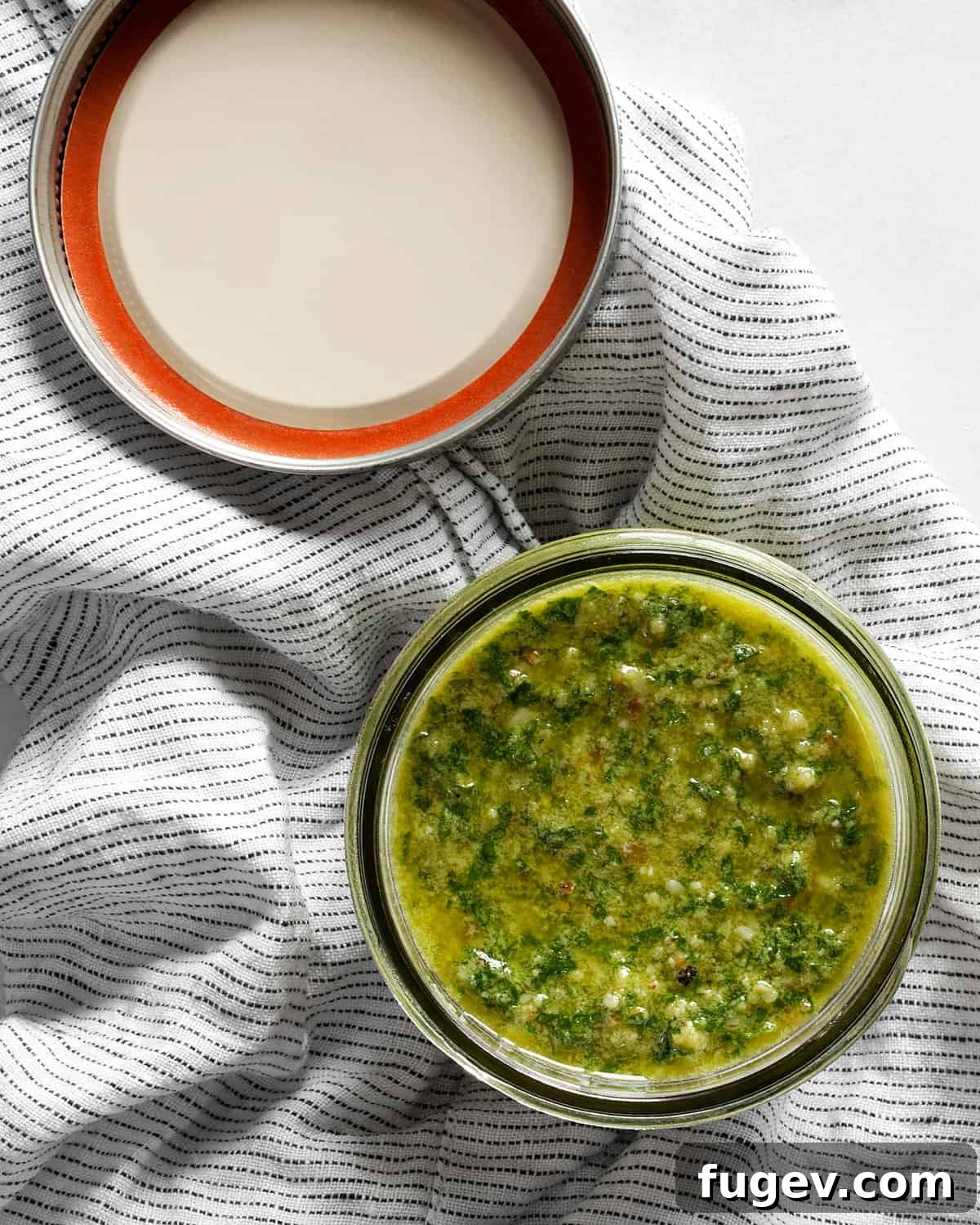
Refrigerator Storage: Store the pesto in an airtight container, such as a glass jar, in the refrigerator for up to 2 weeks. To prevent oxidation and keep its bright green color, pour a thin layer of olive oil over the surface of the pesto before sealing the container. This creates a barrier that protects the pesto from air.
You might notice the olive oil in the pesto solidifying in the cold refrigerator. This is completely normal and a sign of good quality extra virgin olive oil. Simply let the pesto sit out at room temperature for 15-30 minutes before using, and it will liquefy again. For a quicker thaw, you can run the sealed jar under warm water for a few minutes and then give it a good shake.
Freezer Storage for Longer Life: For longer-term storage, up to 3-4 months, freezing is an excellent option. Store the pesto in an airtight freezer-safe container. Again, a thin layer of olive oil on top before freezing can help preserve its color and flavor.
For ultimate convenience and portion control, consider freezing your pesto in smaller quantities. Spoon the pesto into ice cube trays (silicone trays work wonderfully for easy removal). Once frozen solid (typically a few hours), pop the pesto cubes out and transfer them to a freezer-safe bag or container. This way, you can easily grab just the amount you need for a single serving or small meal, minimizing waste and maximizing freshness. Thaw frozen pesto cubes at room temperature or in the refrigerator. Once thawed, it will remain good in the fridge for about 2 weeks.
Parsley Pesto FAQs
Absolutely! Parsley is a fantastic and often underrated substitute for basil in pesto recipes. Its vibrant, fresh, and slightly peppery flavor profile lends itself beautifully to the rich, nutty, and garlicky base of pesto. You can also experiment with other fresh herbs like cilantro for a more Latin-inspired pesto, or even create a delightful blend using chives, mint, or oregano for unique flavor combinations.
Yes, basil and parsley are culinary companions that complement each other wonderfully! Their distinct yet harmonious flavors are a cornerstone in many Italian dishes. You can certainly make a delicious pesto using a combination of both herbs, allowing the sweet, aromatic notes of basil to intertwine with the fresh, clean taste of parsley for a truly complex and inviting sauce.
To keep your fresh parsley vibrant and crisp for an extended period, treat it like a bouquet of flowers! Upon bringing it home, gently dab off any excess moisture from the leaves. Then, trim a small amount off the bottom of the stems and place the bunch upright in a glass jar or vase with about an inch of cold water, ensuring only the stems are submerged. You can leave it on your kitchen counter for easy access or place it in the refrigerator for even longer preservation. Change the water daily to keep it fresh, and if the stems start to become soggy, simply trim them again.
More Pesto Creations to Explore
If you’ve enjoyed venturing beyond basil with this parsley pesto, you’ll love exploring other creative pesto variations. Here are some more inspiring recipes:
- Roasted Broccoli Pesto
- Sweet Corn Pesto Pasta
- Roasted Cauliflower Spinach Pesto Pasta
- Grilled Corn and Avocado with Cilantro Pesto
- Tomato Kale Pesto Frittata
- Roasted Tomato Pesto Pasta Salad
- Kale Arugula Vegan Pesto
- Ramp Pesto
- Sun-Dried Tomato Pesto
Looking for even more pasta inspiration and delicious recipes? Be sure to check out our comprehensive seasonal pasta guide, packed with tips on ingredients, meal prep, and creative dishes to enjoy year-round.
Parsley Pesto Pasta
Paige Adams
5 mins
5 mins
4
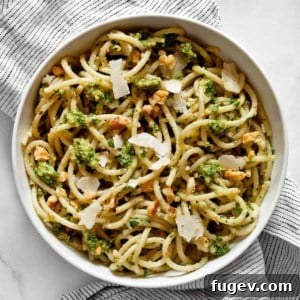
This parsley pesto pasta will make you reconsider classic basil pesto. It’s wonderfully bright and citrusy, with robust flavors of lemon, garlic, and walnuts.
Ingredients
Instructions
-
Mince the garlic in a food processor or blender until finely chopped.
-
Add the parsley leaves, walnuts, Parmesan, lemon juice, salt, and pepper to the food processor. Process until the mixture is finely chopped and resembles a coarse paste.
-
With the motor running, slowly drizzle in the olive oil through the feeder tube until the pesto is pureed to your desired consistency and all ingredients are well combined. Scrape down the sides as necessary.
Notes
This recipe yields approximately 1 cup of fresh pesto.
When serving with pasta, remember to reserve a splash of the pasta cooking water. This starchy water helps to create a silky smooth sauce that coats the noodles beautifully.
Feel free to double this recipe if you’re cooking for a crowd or want to have extra pesto on hand for quick meals throughout the week.
Store your homemade pesto in an airtight container in the refrigerator for up to 2 weeks. For longer storage, freeze it for up to 4 months in a single container or in convenient ice cube trays for easy portioning. Thaw at room temperature before use.
Nutrition
Calories: 194kcal | Carbohydrates: 4g | Protein: 3g | Fat: 19g | Saturated Fat: 3g | Polyunsaturated Fat: 5g | Monounsaturated Fat: 11g | Cholesterol: 3mg | Sodium: 217mg | Potassium: 148mg | Fiber: 1g | Sugar: 1g | Vitamin A: 1299IU | Vitamin C: 28mg | Calcium: 66mg | Iron: 1mg
Nutrition information is automatically calculated and should be used as an approximation.
Additional Info
Sauces
Italian
Did you make this delicious recipe?
Share your culinary creation on Instagram! Mention @lastingredient and tag it #lastingredient. We love seeing your dishes!