
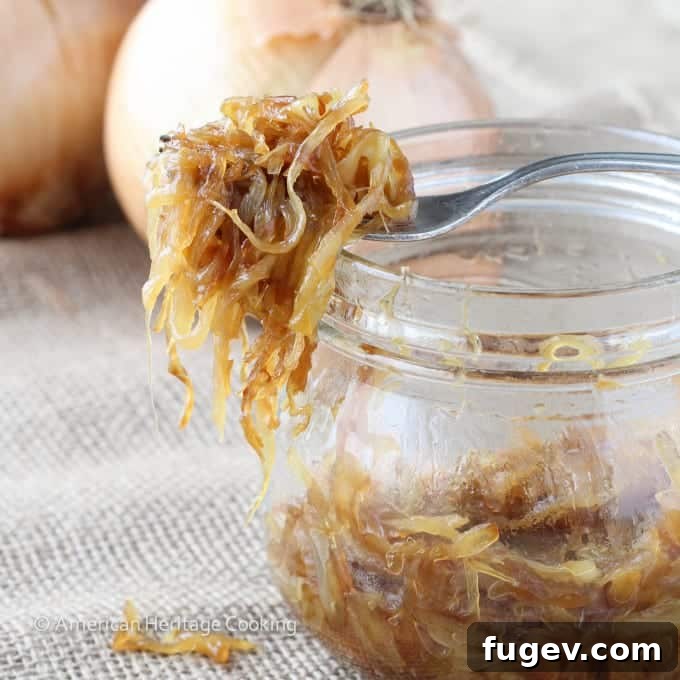
The Secret to Gourmet Cooking: Easy Homemade Caramelized Onions
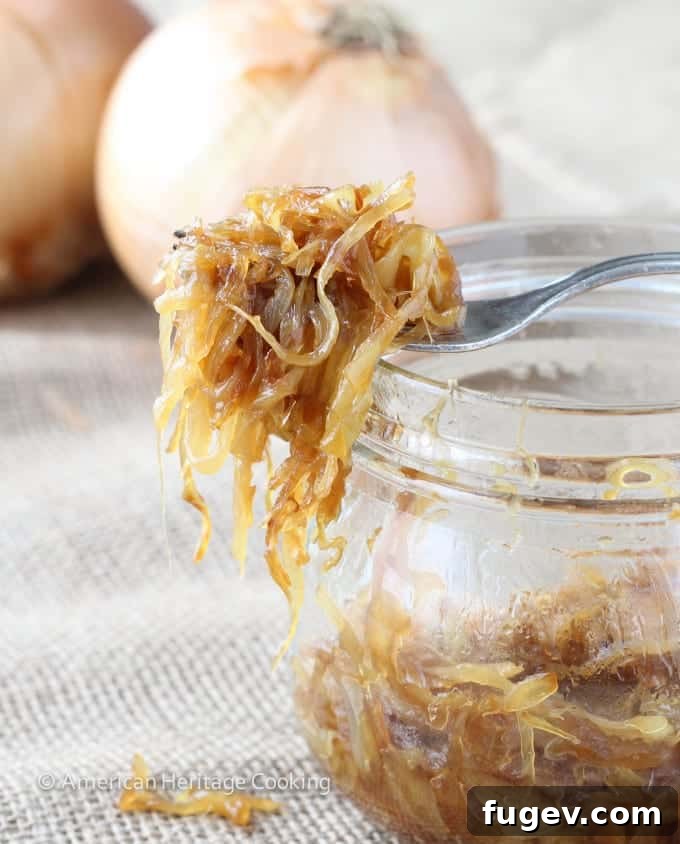
Unlock a world of rich, savory sweetness with this incredibly easy recipe for homemade caramelized onions. This simple preparation instantly elevates any dish from ordinary to “gourmet” with its deep, complex flavors. Whether you’re a seasoned chef or a home cook looking to add a touch of culinary magic, mastering the art of caramelizing onions is a truly rewarding endeavor. Prepare to transform humble onions into an irresistible golden-brown delicacy that will become a staple in your kitchen.
Why Caramelized Onions Are a Culinary Game-Changer
Caramelized onions are more than just a side dish; they are a flavor enhancer that brings unparalleled depth and umami to a vast array of recipes. The slow cooking process coaxes out the natural sugars within the onions, transforming their sharp pungency into a mellow, sweet, and slightly tangy concentrate. This rich flavor profile makes them incredibly versatile, perfect for adding a sophisticated touch to both everyday meals and special occasions.
Imagine the subtle sweetness enhancing your savory dishes, the tender texture melting in your mouth, and the beautiful golden hue adding visual appeal. From a simple sandwich to an elaborate main course, a spoonful of perfectly caramelized onions can dramatically improve the taste and overall experience of almost any meal. They are truly a secret weapon for any ambitious cook.
The Science of Sweetness: Understanding Caramelization
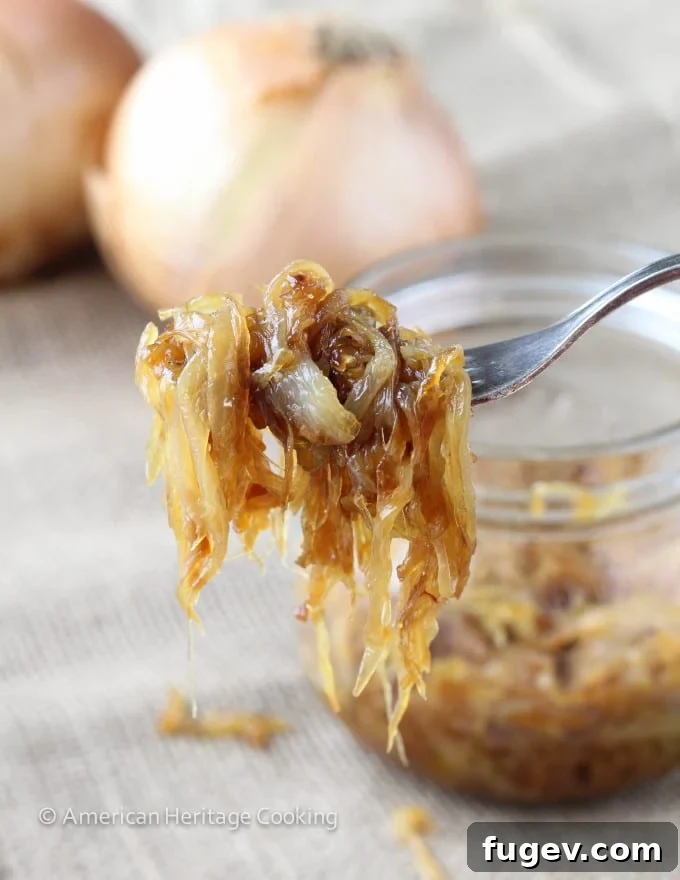
At its heart, caramelizing onions is a testament to the transformative power of slow cooking. This process involves two key chemical reactions: caramelization and the Maillard reaction. As onions cook gently over low heat, their naturally occurring sugars begin to break down and brown, creating new complex flavors and a rich golden color. This is the caramelization process, which sweetens and softens the onions.
Simultaneously, amino acids and sugars in the onions undergo the Maillard reaction, a non-enzymatic browning that contributes to the savory, umami notes and the distinctive toasted aroma. This combination of reactions is what gives caramelized onions their unique depth – a perfect balance of sweet, savory, and slightly tangy flavors. Patience is crucial here; rushing the process prevents these reactions from fully developing, resulting in sautéed onions rather than truly caramelized ones.
Choosing the Best Onions for Perfect Caramelization
While almost any onion can be caramelized, certain varieties lend themselves better to the process, yielding superior results. Yellow onions are often considered the go-to choice due to their balanced sugar content and robust flavor, which mellows beautifully during cooking. Sweet onions, such as Vidalia or Walla Walla, are another excellent option, as their higher sugar content leads to a wonderfully sweet and jammy consistency.
Red onions can also be caramelized, offering a slightly sharper flavor and a beautiful reddish-brown hue. They are particularly great for dishes where a touch of color is desired. White onions, while usable, tend to be less sweet and more pungent, so they might require a bit more sugar to achieve the desired caramelization. For this recipe, we recommend using yellow onions for their reliable and delicious outcome.
Essential Tools for Caramelizing Onions Like a Pro
You don’t need a professional kitchen to achieve perfect caramelized onions, but having the right tools can make the process smoother and more enjoyable. A heavy-bottomed pan, such as a Dutch oven or a large cast-iron skillet, is ideal. Its ability to retain and distribute heat evenly is crucial for slow, consistent cooking without hot spots that can lead to burning.
Beyond the pan, a good quality spatula or wooden spoon is essential for stirring the onions regularly, ensuring they cook evenly and don’t stick to the bottom. A sharp knife for precise slicing will save you time and effort, contributing to uniform cooking. With these basic tools, you’re well-equipped to embark on your caramelized onion journey.
Step-by-Step Guide to Making the Best Caramelized Onions
Making delicious caramelized onions is surprisingly simple, though it does require a bit of patience. The process transforms a large quantity of raw onions into a concentrated, flavorful delight. Here’s a detailed guide to help you achieve perfection:
- Preparation is Key: Begin by halving your yellow onions lengthwise. Peel them and then slice them uniformly into ¼-inch thick pieces. Consistency in slicing ensures that the onions cook evenly. Remember, two pounds of raw onions will significantly reduce in volume, yielding roughly one cup of caramelized onions.
- Heat and Fat: In a large Dutch oven or a heavy-bottomed, non-reactive pan, melt ¼ cup of unsalted butter with 1 tablespoon of olive oil over medium-high heat. The combination of butter for flavor and olive oil to prevent burning is a clever technique favored by culinary experts like Martha Stewart. Stir occasionally to ensure the fats are well combined and heated.
- Initial Cook Down: Add all the sliced onions to the pan. This might seem like a lot, but they will shrink considerably. Stir the onions to coat them thoroughly with the butter and oil mixture. Spread them out as evenly as possible in a single layer to promote even cooking.
- The Sugar Boost: Sprinkle 1 teaspoon of sugar over the onions. The sugar helps to kickstart the caramelization process, drawing out moisture and contributing to that beautiful golden-brown color and sweet flavor.
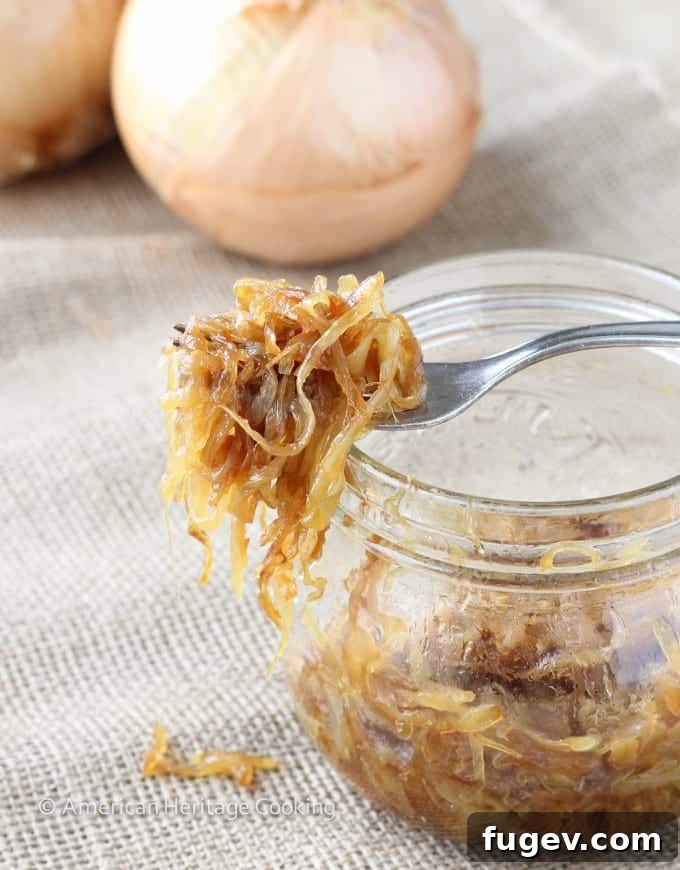
- Low and Slow: Reduce the heat to medium-low. This is where patience comes into play. Cook the onions, stirring frequently (every 5-10 minutes, or more often as they start to brown) to prevent them from sticking or burning. The goal is to cook them gently until they are incredibly soft, deeply golden brown, and smell wonderfully fragrant and sweet. This process typically takes about an hour, sometimes a bit longer depending on your stove and pan.
- Final Seasoning: Once the onions have reached your desired level of caramelization, remove them from the heat. Season generously with salt and freshly ground black pepper to taste. The salt enhances the sweetness and rounds out the savory notes.
- Enjoy! Your homemade caramelized onions are now ready to be used in any dish you desire.
Tips and Tricks for Caramelization Success
Achieving perfectly caramelized onions is a test of patience, but a few simple tips can guarantee success:
- Patience is Paramount: The most important rule is to not rush the process. True caramelization takes time – at least 45 minutes to an hour, sometimes longer. Low to medium-low heat is your friend here.
- Consistent Stirring: Stirring frequently prevents sticking and ensures even browning. As the onions cook down and release their moisture, they become more prone to sticking, so keep an eye on them.
- Deglazing for Flavor: If bits start sticking to the bottom of the pan and browning too much, add a splash of water, vegetable broth, or even a dry white wine. Scrape up the browned bits (fond) from the bottom of the pan. This adds incredible flavor and prevents burning.
- Don’t Overcrowd the Pan: While you start with a lot of onions, ensure your pan is large enough to allow them some room to breathe. An overcrowded pan will steam the onions instead of caramelizing them, hindering browning.
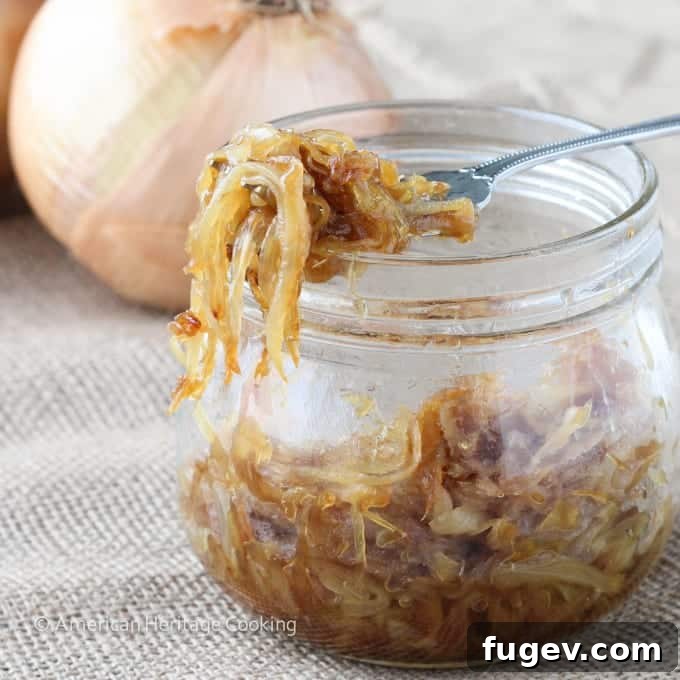
- Visual and Aromatic Cues: Trust your senses. The onions should transition from pale to a rich, deep golden-brown, almost mahogany color. They will also develop a distinctly sweet and savory aroma.
Common Mistakes to Avoid When Caramelizing Onions
Even though the process is straightforward, a few common pitfalls can hinder your caramelized onion efforts:
- Too High Heat: This is the biggest mistake. High heat will quickly burn the onions on the outside before the inside has a chance to soften and release its sugars. It results in bitter, charred onions, not sweet, tender ones.
- Not Enough Fat: Fat (butter, olive oil, or a combination) is essential. It provides a medium for even cooking and helps prevent sticking. Skimping on fat can lead to dry, burnt onions.
- Lack of Patience: Pulling the onions off the heat too soon means you’ll end up with sautéed, slightly browned onions instead of truly caramelized ones. Give them the time they need to develop their deep flavor and color.
- Not Stirring Enough: Infrequent stirring can lead to uneven cooking, with some onions burning while others remain undercooked.
Storing Your Delicious Caramelized Onions
Once you’ve mastered the art of making caramelized onions, you’ll want to have them on hand for all your culinary adventures. Fortunately, they store beautifully, allowing you to prepare a larger batch and enjoy them throughout the week.
For short-term storage, allow the caramelized onions to cool completely. Transfer them to an airtight container and refrigerate for up to 5-7 days. They are perfect for quickly adding to wraps, omelets, or as a topping for grilled meats.
For longer storage, caramelized onions freeze exceptionally well. Portion them into ice cube trays or small freezer-safe bags. Once frozen, transfer the cubes or portions to a larger freezer bag. They can be stored in the freezer for up to 3 months. Simply thaw them in the refrigerator overnight or gently reheat directly from frozen in a pan for instant gourmet flavor.
Endless Culinary Inspirations: Ways to Enjoy Caramelized Onions
The versatility of caramelized onions is truly remarkable. Once you have a batch ready, the possibilities are endless for incorporating their sweet and savory goodness into your meals. Here are just a few ideas to get you started:
- French Onion Soup: This is arguably their most iconic use. The deep flavor of caramelized onions forms the soul of a rich, hearty French onion soup, topped with crusty bread and melted Gruyere.
- Sandwiches and Burgers: Spread them on a gourmet turkey burger, or add them to grilled cheese, paninis, or steak sandwiches for an instant flavor upgrade.
- Savory Tarts and Quiches: Fold them into the filling of a quiche or spread them as a base for a savory tart, like this butternut squash carrot tart. Their sweetness perfectly complements a flaky pastry crust.
- Dips and Spreads: Mix them with cream cheese or sour cream for an incredibly addictive dip, or blend them into a creamy spread for crostini or bruschetta.
- Pizza Topping: Use them as a topping for homemade pizzas, especially with goat cheese, bacon, or mushrooms.
- Eggs and Omelets: Stir them into scrambled eggs or use them as a filling for omelets and frittatas for a luxurious breakfast or brunch.
- Pasta Dishes: Toss them with pasta, a little olive oil, and Parmesan cheese for a simple yet elegant meal.
- Roasted Vegetables: Add them to roasted root vegetables like carrots or parsnips for an extra layer of sweetness.
- Steak and Meats: Serve them alongside grilled steak, pork chops, or roasted chicken as a flavorful condiment.
- Salads: A small spoonful can add a delightful sweet and savory note to green salads, especially those with strong cheeses or nuts.
Easy Caramelized Onions
by Chef Lindsey
These Caramelized Onions are easy and will instantly elevate any dish to “gourmet”! Use them in soup, on sandwiches and salads, in dip, or in savory tarts! The options are endless!
Prep Time: 15 mins
Cook Time: 30 mins
Total Time: 45 mins
Servings: 4 people
Ingredients
- ¼ cup unsalted butter
- 1 tablespoon olive oil
- 2 pounds yellow onions, cut in half lengthwise and sliced ¼ inch
- 1 teaspoon sugar
- Salt and pepper to taste
Instructions
- Melt butter and olive oil in a Dutch oven or non-reactive pan over medium-high heat, stirring as needed.
- Add onions, stirring to coat. Spread them out in as even a layer as possible, sprinkle with sugar and cook, stirring as needed to keep the onions from sticking. Continue to cook until the onions are soft, deep golden brown and smell fragrant and sweet, about an hour.
- Remove from heat, season with salt and pepper and use as desired!
Notes
Makes approximately 1 cup of caramelized onions.
Nutrition Facts (per serving)
Calories: 227kcal | Carbohydrates: 22g | Protein: 3g | Fat: 15g | Saturated Fat: 8g | Polyunsaturated Fat: 1g | Monounsaturated Fat: 6g | Trans Fat: 1g | Cholesterol: 31mg | Sodium: 100mg | Potassium: 335mg | Fiber: 4g | Sugar: 11g | Vitamin A: 359IU | Vitamin C: 17mg | Calcium: 56mg | Iron: 1mg
Course: Condiments
Cuisine: French
Making caramelized onions is a simple yet profoundly impactful culinary skill that will undoubtedly enhance your cooking repertoire. The rich, sweet, and savory flavor they bring to dishes is truly unmatched. So, gather your onions, set aside some time, and prepare to elevate your meals to a new level of gourmet deliciousness!