
The Best Snickerdoodle Recipe: Soft, Chewy, and Perfectly Tangy
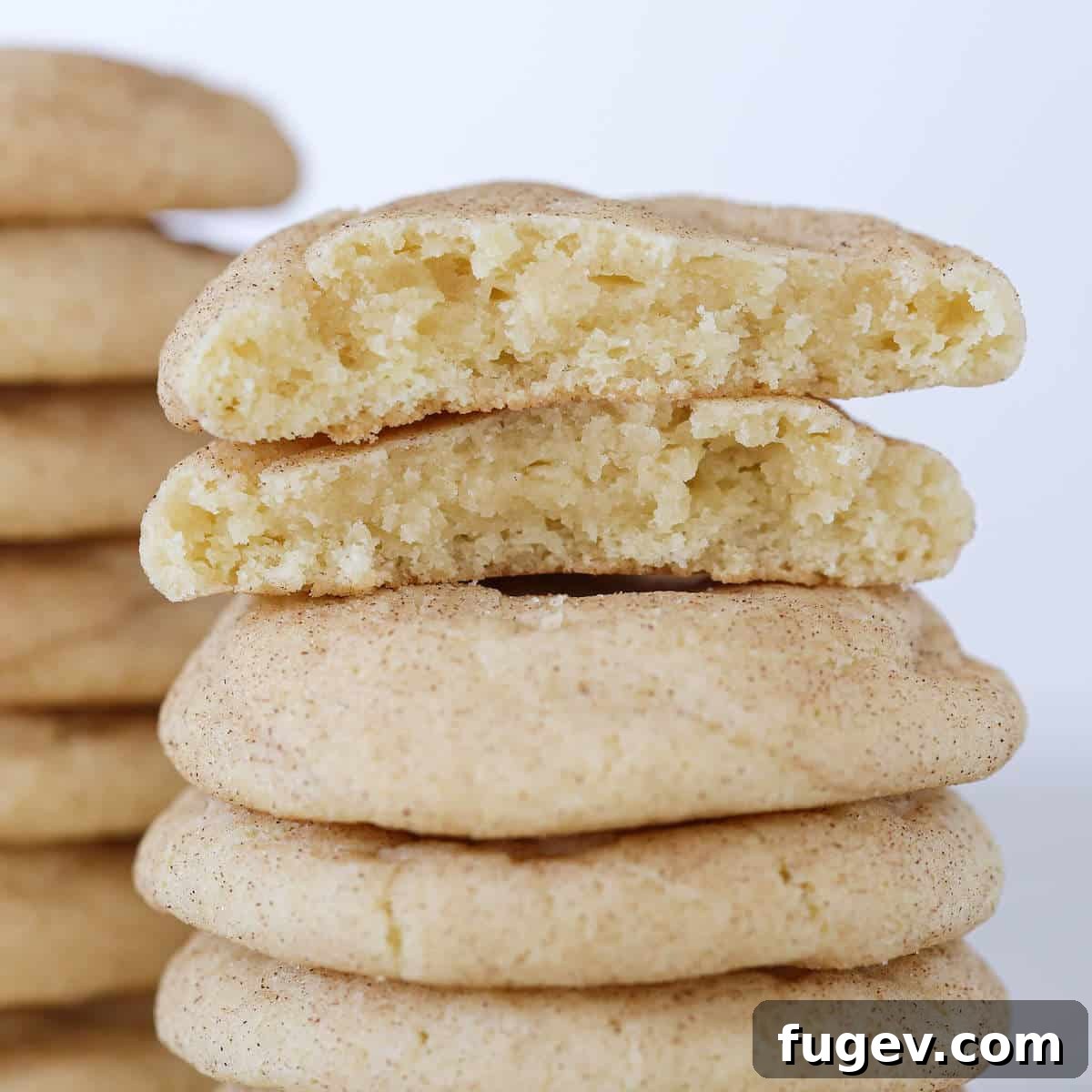
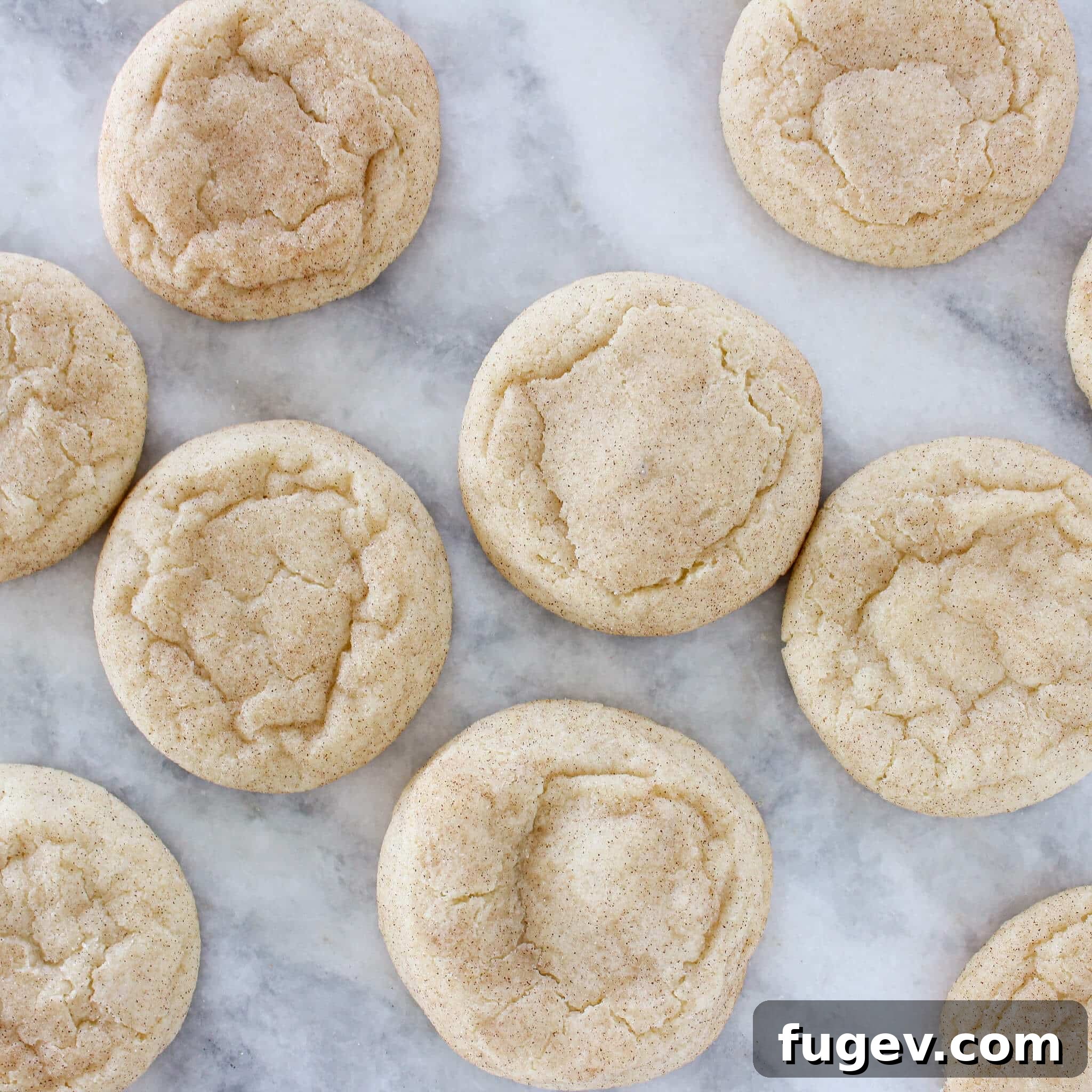
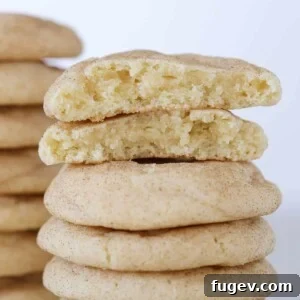
Prepare to bake the **Best Snickerdoodle Recipe** you’ll ever encounter! These aren’t just any cookies; they are a masterpiece of texture and flavor, delivering a delightfully soft and chewy interior complemented by that iconic tangy kick. Each bite is an experience, enhanced by the characteristic cinnamon sugar coating that provides a subtle, satisfying crunch and an extra layer of sweetness. What makes this recipe truly exceptional is its simplicity and speed: these incredibly easy cookies come together in under 30 minutes and miraculously require no chilling before baking. Perfect for impromptu cravings or last-minute dessert needs, these snickerdoodles will quickly become your go-to.
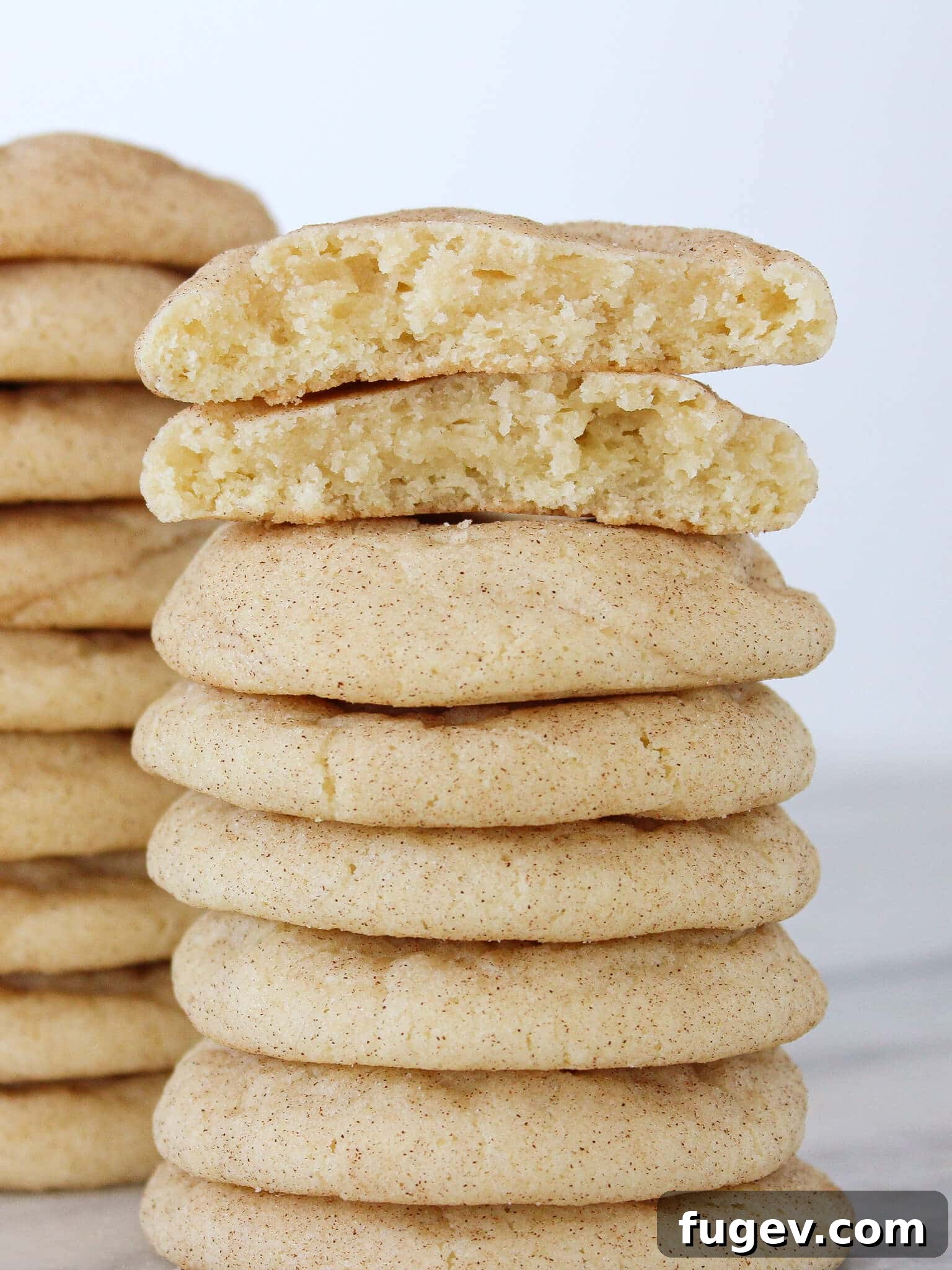
My journey to perfecting this snickerdoodle recipe began with a solid foundation – a charming vintage cookbook recipe that yielded a delightful cookie. However, as a professional pastry chef, my standards for perfection are exceptionally high. I meticulously test, tweak, and retest every single recipe until it achieves what I consider to be an unparalleled state of culinary excellence. This rigorous process is precisely how I arrived at what I confidently present as the absolute best snickerdoodle recipe today. These cookies are not only thick and wonderfully soft but also possess an enviable chewiness that sets them apart. And much like their beloved pumpkin snickerdoodle cousins, they boast a flawless ratio of cinnamon sugar on the outside, creating just the right amount of sugary sparkle and crunch.
This same disciplined pursuit of perfection has been applied to a variety of my other cherished recipes. From my chewy sugar cookies, celebrated for their ideal spread and chew, to my incredibly satisfying peanut butter chocolate chip cookies, and the decadent triple chocolate chip cookies, each has undergone extensive development. I even dedicated an entire phase to mastering the art of classic cakes, obsessively perfecting my recipes for classic yellow cake, elegant white cake, and a convenient one-bowl chocolate cake. This commitment to superior baking is what ensures every recipe you find here is truly top-tier.
Table of Contents
- Why This is the Best Snickerdoodle Recipe
- Professional Tips for Snickerdoodle Success
- Key Ingredients for Perfect Snickerdoodles
- Exciting Snickerdoodle Variations
- What Defines a Classic Snickerdoodle Cookie?
- How Omitting Cream of Tartar Changes Snickerdoodles
- How to Make the Best Snickerdoodle Cookie Recipe
- Chef Lindsey’s Baking Insight
- Frequently Asked Questions
- The Best Snickerdoodle Cookie Recipe Card
- Before You Go
Why This is the Best Snickerdoodle Recipe
- Developed by a Professional Pastry Chef: This isn’t just a home baker’s recipe; these snickerdoodles were meticulously developed and refined within a commercial kitchen setting for my professional bakery business. They underwent countless rounds of testing, delicate tweaking, and thorough retesting until they reached an absolute pinnacle of perfection, ensuring a consistent, superior quality you can trust.
- Thick, Chewy Cookies You Don’t Have to Chill: The convenience factor here is unparalleled. Forget about waiting for hours for your dough to chill! This recipe is engineered for efficiency, allowing you to go from mixing bowl to baked cookies in under 30 minutes. This means fresh, warm snickerdoodles are always just a short bake away, making them ideal for quick treats or unexpected guests.
- Three Secrets to Unrivaled Texture: The exceptional texture of these cookies isn’t by chance; it’s the result of three carefully balanced elements.
- First, the subtle addition of milk after creaming the butter and sugar introduces just the right amount of extra moisture to the dough. This creates incredibly soft, pillowy cookies that melt in your mouth without becoming tough.
- Second, a precise, high ratio of flour and sugar relative to the butter is crucial. This balance is key to achieving their signature thickness, preventing excessive spreading and contributing to that satisfyingly dense, chewy bite.
- Lastly, the dynamic duo of cream of tartar and baking soda creates a more intense leavening reaction compared to baking powder alone. This powerful interaction is what gives these snickerdoodles their characteristic tall, puffed appearance and uniquely tender crumb.
Professional Tips for Snickerdoodle Success
- Understand Baking Soda’s Reaction with Frozen Dough: While these cookies are designed to be baked without chilling, if you choose to freeze the dough for future use, it’s critical to understand the science behind baking soda. Baking soda initiates a reaction *instantly* when it comes into contact with an acid (like cream of tartar), producing carbon dioxide gas. This reaction is a one-time event. Once the gas has dissipated, the leavening power is essentially gone. Therefore, **do not store the cookie dough for longer than 1 month frozen.** Beyond this timeframe, the dough will not rise properly in the oven, resulting in flat, dense cookies. This is a lesson I learned the hard way on a large scale in a commercial setting.
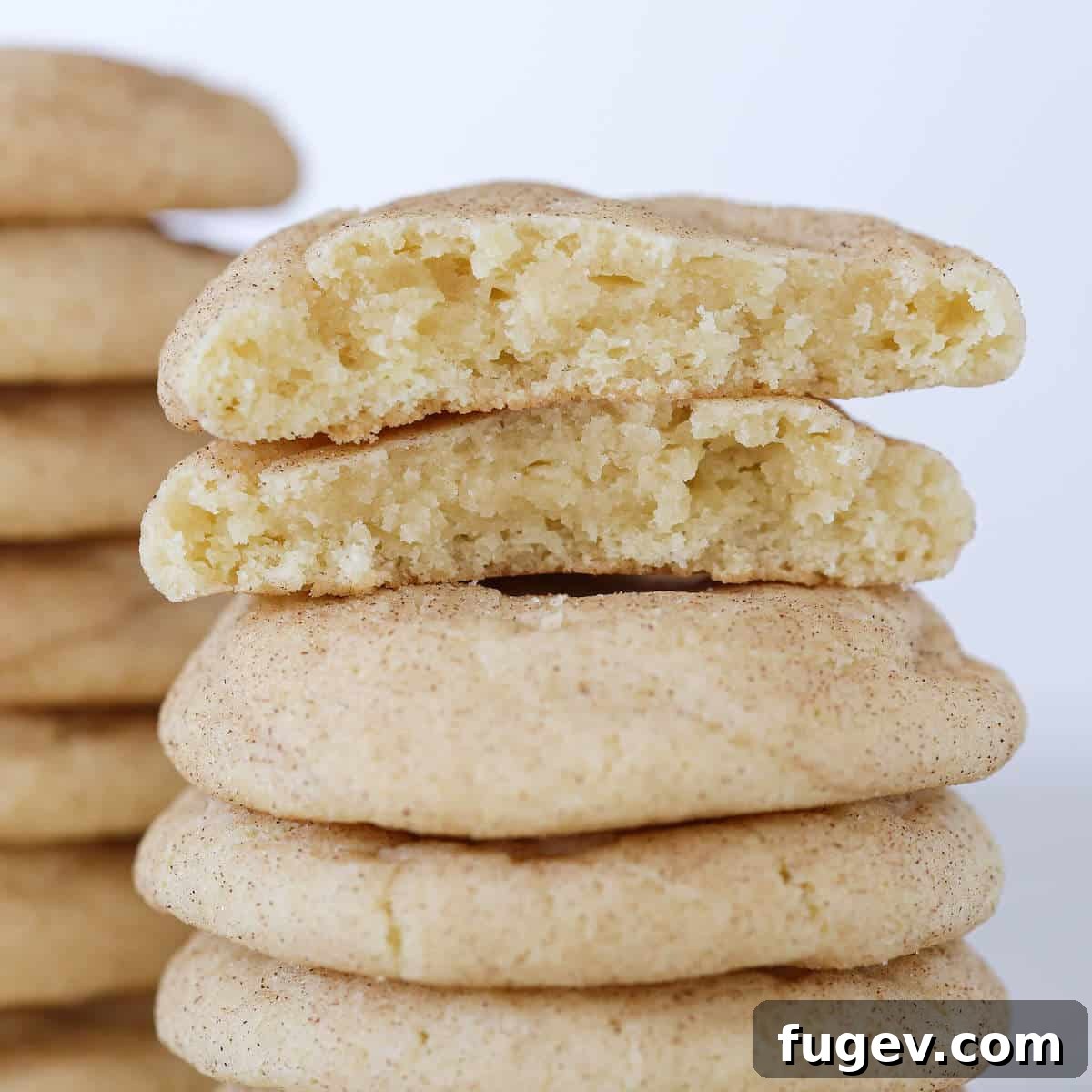
- Embrace Chilling for an Exceptional Cookie: While baking right after mixing still yields an amazing, perfectly soft and chewy cookie (one of the hallmarks of this recipe!), chilling the dough before baking will elevate your snickerdoodles from amazing to truly exceptional. Chilling allows the flavors to meld and deepen, and crucially, it solidifies the butter in the dough. This prevents the cookies from spreading too rapidly in the oven, resulting in a thicker, chewier texture that is less cake-like and more intensely flavorful. Even a quick 30-minute chill can make a noticeable difference, or you can wrap and chill the dough overnight for maximum impact.
- The Right Butter Temperature is Key: For the ideal texture – pillowy soft and wonderfully chewy – I recommend using butter that is soft and pliable but still cool to the touch. It shouldn’t be at full room temperature where it feels greasy or starts to melt. Butter that is too warm will incorporate more air during creaming, leading to a lighter, cakier texture. Aim for butter that holds its shape but indents easily when pressed.
- Do Not Overmix the Flour: Once you add the dry ingredients to the wet mixture, mix only until the flour is *just* incorporated. Overmixing develops the gluten in the flour too much, which can lead to tough, dense cookies instead of the desired soft and tender texture.
- Don’t Overbake: Snickerdoodles are best when slightly underbaked in the center. They should appear puffed and set around the edges, but the centers will still look a bit matte and no longer shiny. They will continue to set as they cool on the baking sheet, ensuring a perfectly chewy middle.
Key Ingredients for Perfect Snickerdoodles
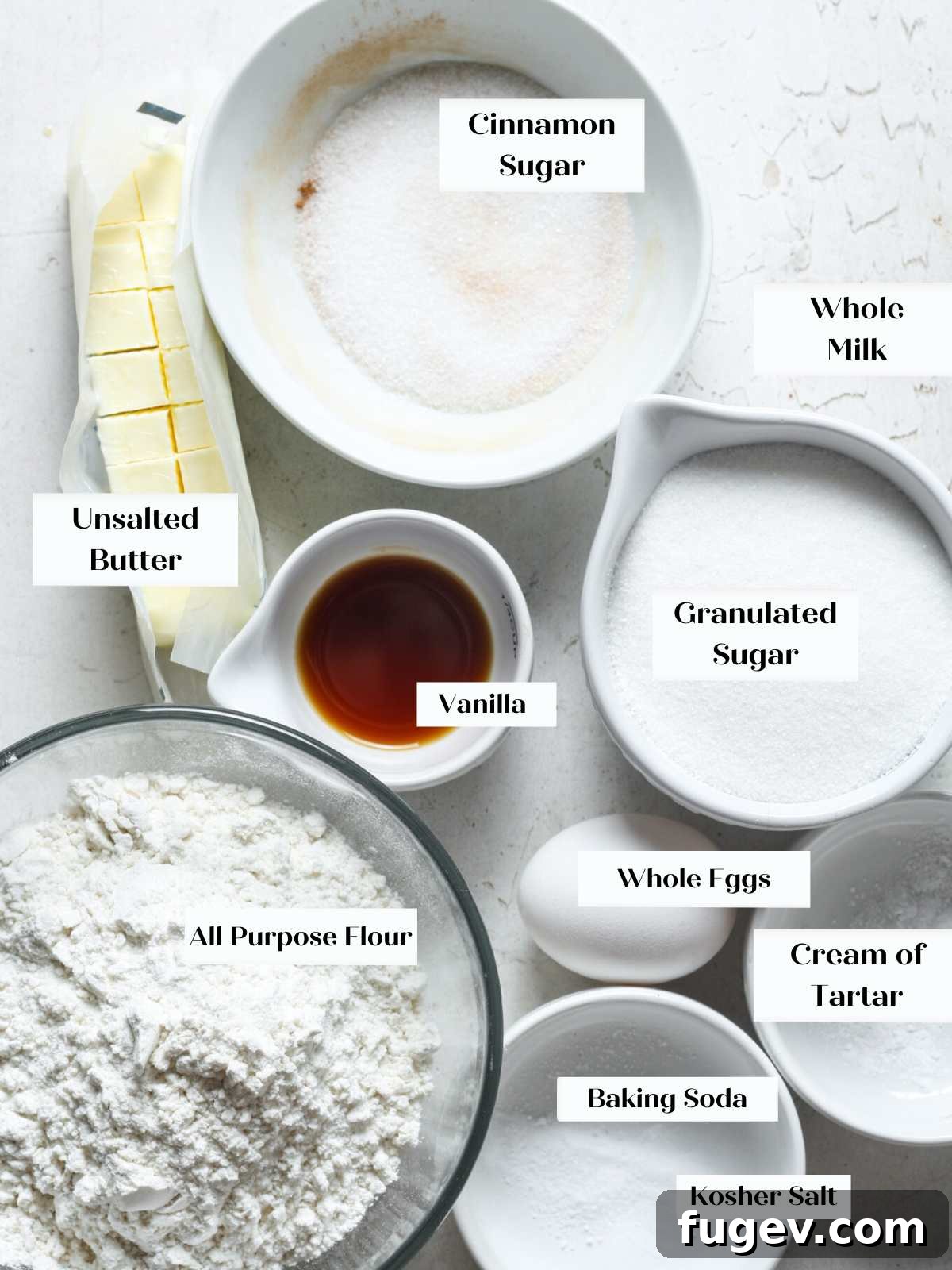
- Granulated Sugar: Beyond its obvious role in providing sweetness, granulated sugar plays a crucial structural role in cookies. It helps tenderize the dough and contributes to browning, creating that beautiful golden edge. However, balance is key; adding too much sugar in proportion to the butter and flour can cause your cookies to spread excessively thin rather than maintain their desirable thickness and chewy texture.
- Unsalted Butter: I always opt for unsalted butter in baking. This allows for precise control over the overall saltiness of the recipe. Different brands of salted butter contain varying amounts of salt, which can make consistent recipe adjustment a real challenge. Using unsalted butter ensures your snickerdoodles will have the perfect flavor balance every time. Remember, the butter should be cool but pliable, not room temperature.
- Whole Egg: The eggs are multifaceted heroes in this recipe, contributing fat, moisture, and crucial leavening. The rich fat from the egg yolks imparts a luscious depth of flavor and is essential for keeping the cookies wonderfully chewy. When properly beaten into the mixture, eggs also trap air, which provides additional lift and lightness, depending on the desired texture. Furthermore, eggs act as an emulsifier, binding the wet and dry ingredients together to create a smooth, perfectly textured batter.
- Whole Milk: This is a subtle yet powerful ingredient! Just the right amount of whole milk is instrumental in bringing the dough together, ensuring it’s cohesive and manageable without becoming overly stiff or crumbly. The key is moderation; too much liquid can lead to tough cookies by over-activating the gluten in the flour. This small addition of liquid provides a remarkable boost to the cookie’s softness and pillowy texture.
- Vanilla Extract: Vanilla extract is more than just a flavor; it’s a flavor enhancer. While it lends its own delightful aroma and taste to the snickerdoodles, its real magic lies in its ability to amplify and deepen the flavors of all the other ingredients around it, creating a more complex and satisfying overall profile.
- All-Purpose Flour: The backbone of most cookie recipes, all-purpose flour contains just the right amount of gluten. This ensures your snickerdoodle cookies achieve that ideal balance of soft chewiness and sturdy thickness. It provides the necessary structure without making the cookies tough, as long as it’s not overmixed.
- Cream of Tartar: A quintessential ingredient for true snickerdoodles, cream of tartar is a highly acidic byproduct of winemaking. It’s responsible for two critical elements: it imparts that distinctive tangy flavor that sets snickerdoodles apart from ordinary sugar cookies, and it reacts synergistically with baking soda to create the dramatic pillowy rise and uniquely tender texture.
- Baking Soda: Our primary leavening agent, baking soda, requires an acid to activate. In this recipe, it’s the cream of tartar that triggers its powerful reaction, releasing carbon dioxide gas that helps the cookies rise. Baking soda provides a more dramatic and immediate lift than baking powder, contributing to the snickerdoodle’s characteristic puffed shape. Unlike baking powder, it won’t continue to react significantly in the heat of the oven without the ongoing presence of an acid.
- Kosher Salt: Kosher salt, with its larger flakes and less intense saltiness per teaspoon compared to finer ground varieties like table salt, is perfect for baking. It’s not just for seasoning; it’s a crucial flavor enhancer that brightens and balances the sweetness of the cookies, preventing them from tasting dull or flat.
- Cinnamon Sugar: Absolutely non-negotiable for authentic snickerdoodles! This delightful blend of cinnamon and sugar forms the iconic exterior coating. The dough balls are generously rolled in this mixture just before baking, creating a fragrant, slightly crunchy shell that provides both flavor and texture contrast.
Exciting Snickerdoodle Variations
While the classic snickerdoodle is undeniably perfect, there’s always room for a little culinary creativity! Here are some fantastic variations to explore, allowing you to customize this beloved cookie to your taste or for special occasions:
- Spice It Up with Different Mixes: Don’t limit yourself to just cinnamon! Experiment with other warm and aromatic spice blends in your exterior sugar coating. Try my homemade pumpkin pie spice mix for an autumnal twist, a comforting apple pie spice, or even a sophisticated speculoos spice mix for a European flair. These simple changes can completely transform the cookie’s character. You could also take a page from my brown butter cardamom snickerdoodles and brown the butter for an added layer of nutty complexity – it’s phenomenal!
- Triple Cinnamon Sensation: For the ultimate cinnamon lover, amplify the flavor by adding 1 teaspoon of ground cinnamon directly into the cookie dough itself. Then, for an extra burst of cinnamon joy, toss in some delightful cinnamon chips before baking. It’s a true cinnamon party! For more mix-in inspiration, check out my incredible cowboy cookies.
- Delightfully Stuffed Snickerdoodles: Elevate your snickerdoodles by turning them into decadent stuffed treats. Simply wrap a portion of the dough around a small dollop of cream cheese (ensure it’s frozen for easier handling) or a soft caramel candy. As they bake, the filling will become warm and gooey, creating an irresistible surprise inside each cookie.
- Snickerdoodle Bars or Cake: If you’re looking for a dessert that feeds a crowd with less individual effort, transform the dough into bars! Press the entire batch of dough evenly into a baking dish, then generously sprinkle the top with the cinnamon sugar mixture, just as Averie does with her recipe here. Or, for a truly innovative take, skip the cookie format entirely and bake a magnificent snickerdoodle cake!
These variations offer endless possibilities, allowing you to enjoy the classic snickerdoodle flavor in exciting new ways. Don’t hesitate to experiment and find your new favorite!
What Defines a Classic Snickerdoodle Cookie?
To truly be considered a classic snickerdoodle, two key elements are absolutely non-negotiable: the dough must contain cream of tartar, and the exterior must be generously coated in a beautiful blend of cinnamon sugar. The cream of tartar is the secret behind the snickerdoodle’s signature tangy flavor, a subtle yet distinct zest that differentiates it from a standard sugar cookie. As for the cinnamon, it is my firm personal opinion that true snickerdoodles should *not* have cinnamon mixed into the dough itself. The cinnamon flavor should come exclusively from the exterior coating, providing a beautiful contrast in texture and taste. While this is a much-debated topic among bakers, I believe the pure, unadulterated dough flavor shining through, enhanced by the tangy cream of tartar, with the cinnamon solely on the outside, is what makes a snickerdoodle authentic. Beyond these defining ingredients, classic snickerdoodles are known for their thick, soft center, and a delightful chewiness. I’m prepared for contention here, but I must state it plainly: snickerdoodles without cream of tartar are simply sugar cookies masquerading as something they’re not.
How Omitting Cream of Tartar Changes Snickerdoodles
The decision to omit cream of tartar from a snickerdoodle recipe has significant implications for both taste and texture. First and foremost, you will lose that quintessential tangy flavor that is the hallmark of a true snickerdoodle. Cream of tartar is highly acidic, and it’s this acidity that reacts powerfully with the baking soda in the dough. This reaction is crucial for creating the soft, subtly chewy, and distinctly pillowy texture that snickerdoodles are famous for. Without cream of tartar, the baking soda cannot perform its leavening magic as effectively. The result? Your cookies will likely be much flatter, with a denser, more uniform texture that lacks the characteristic puff and chewiness. Essentially, you’ll end up with a pleasant sugar cookie, but it won’t be the classic snickerdoodle experience you’re seeking. Therefore, for an authentic and exceptional snickerdoodle, cream of tartar is an indispensable ingredient.
How to Make the Best Snickerdoodle Cookie Recipe
Follow these detailed instructions to achieve perfectly thick, soft, and chewy snickerdoodles every single time. More precise measurements and additional details are available in the comprehensive recipe card below.
Step 1: Prepare Your Oven and Baking Sheets. Begin by preheating your oven. If you have a convection oven, set it to 325°F. For a conventional oven (no fan), preheat to 350°F. Line two standard baking sheets with parchment paper. This prevents sticking and ensures even baking and easy cleanup.
Step 2: Whisk Together Dry Ingredients. In a medium-sized bowl, combine the all-purpose flour, baking soda, cream of tartar, and kosher salt. Use a whisk to thoroughly blend these ingredients, ensuring the leavening agents and salt are evenly distributed. Set this bowl aside for later.
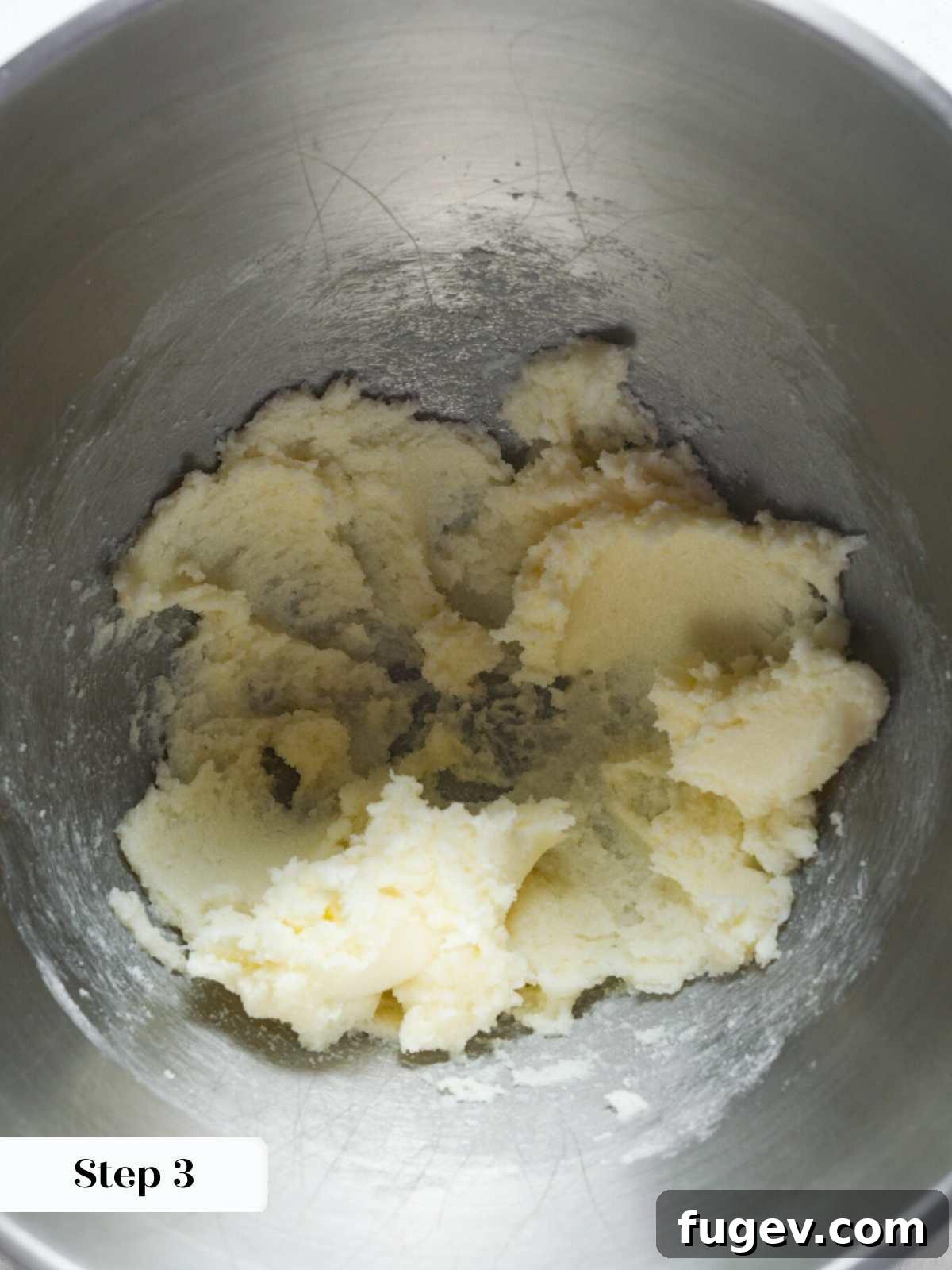
Step 3: Cream Butter and Sugar. In the bowl of a stand mixer fitted with the paddle attachment, or using a large bowl and a hand mixer, add your cool but pliable unsalted butter and granulated sugar. Cream these two ingredients together on medium speed until the mixture becomes light, fluffy, and noticeably pale in color. This process incorporates air, which is vital for the cookie’s texture.
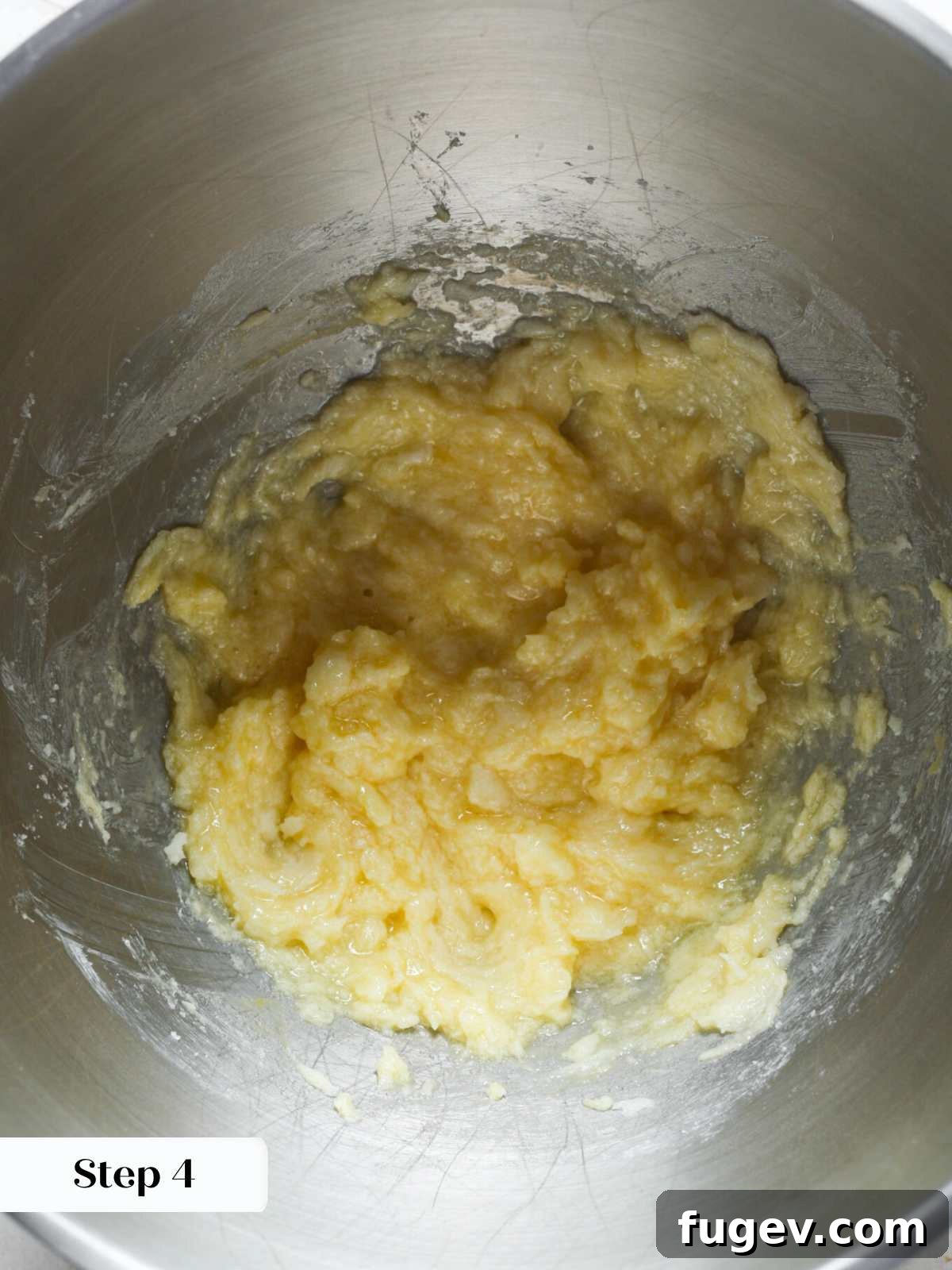
Step 4: Incorporate Eggs Gradually. Add the eggs to the creamed butter and sugar mixture, one at a time. After each egg addition, beat well until it is fully incorporated into the mixture. It’s crucial to stop the mixer periodically and use a spatula to scrape down the sides of the bowl, as well as the bottom, to ensure all ingredients are evenly combined and no butter or sugar remains stuck. The mixture should appear smooth and emulsified before proceeding. The image below illustrates the stage where the mixture still needs a bit more mixing for proper emulsification.
Step 5: Add Milk and Vanilla. To the wet ingredients, add the whole milk and vanilla extract. Beat the mixture briefly, just until these liquids are fully combined. This unconventional step, adding the milk before the dry ingredients, is a key secret to achieving incredibly pillowy soft cookies.
This mixing order might seem a little unconventional, but it’s a vital professional tip! Be sure to follow the sequence: add the milk along with the vanilla extract *before* incorporating the dry ingredient mixture. This method ensures that the dough has optimal moisture distribution, leading to exceptionally soft and pillowy cookies rather than tough or dense ones.
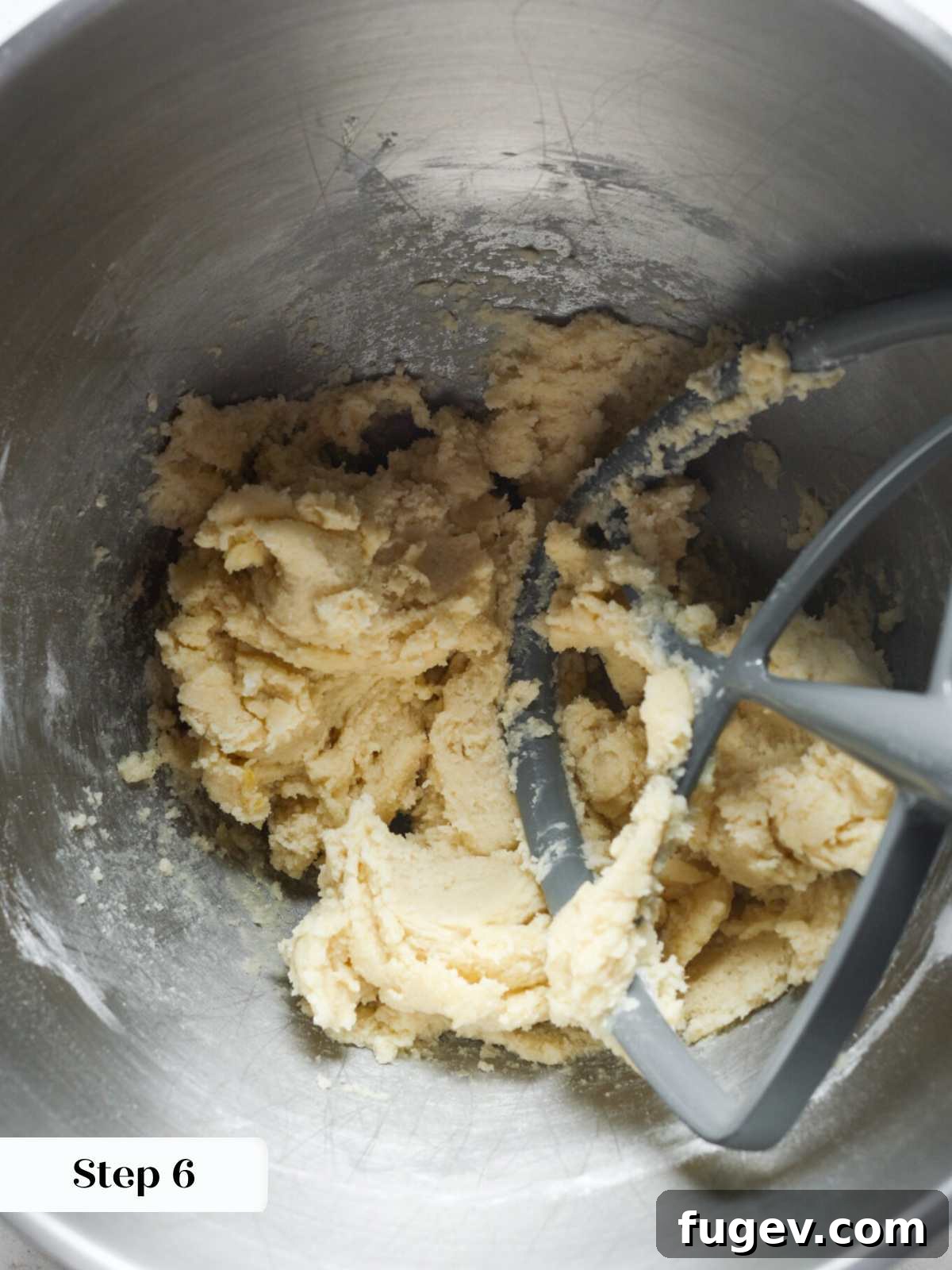
Step 6: Gradually Add Dry Ingredients. Reduce the mixer speed to low. Slowly add the whisked dry ingredients to the wet mixture in several small additions. Wait until the previous portion of dry ingredients is almost fully incorporated before adding the next. Once all the flour mixture has been added, mix only until it is just combined. Avoid overmixing, as this can develop the gluten too much, resulting in tough cookies.
Step 7: Portion the Dough. Using a medium cookie scoop (approximately 2 tablespoons in size), portion the dough into even balls. If you don’t have a scoop, simply roll about 2 tablespoon-sized pieces of dough into smooth spheres by hand.
While this recipe is designed not to require chilling, for truly superior cookies, I highly recommend chilling the dough completely before baking. This helps prevent spreading, intensifies flavor, and results in a thicker, chewier cookie. A quick chill of about 30 minutes in the refrigerator is sufficient, or you can wrap the dough tightly and chill it overnight for even better results.
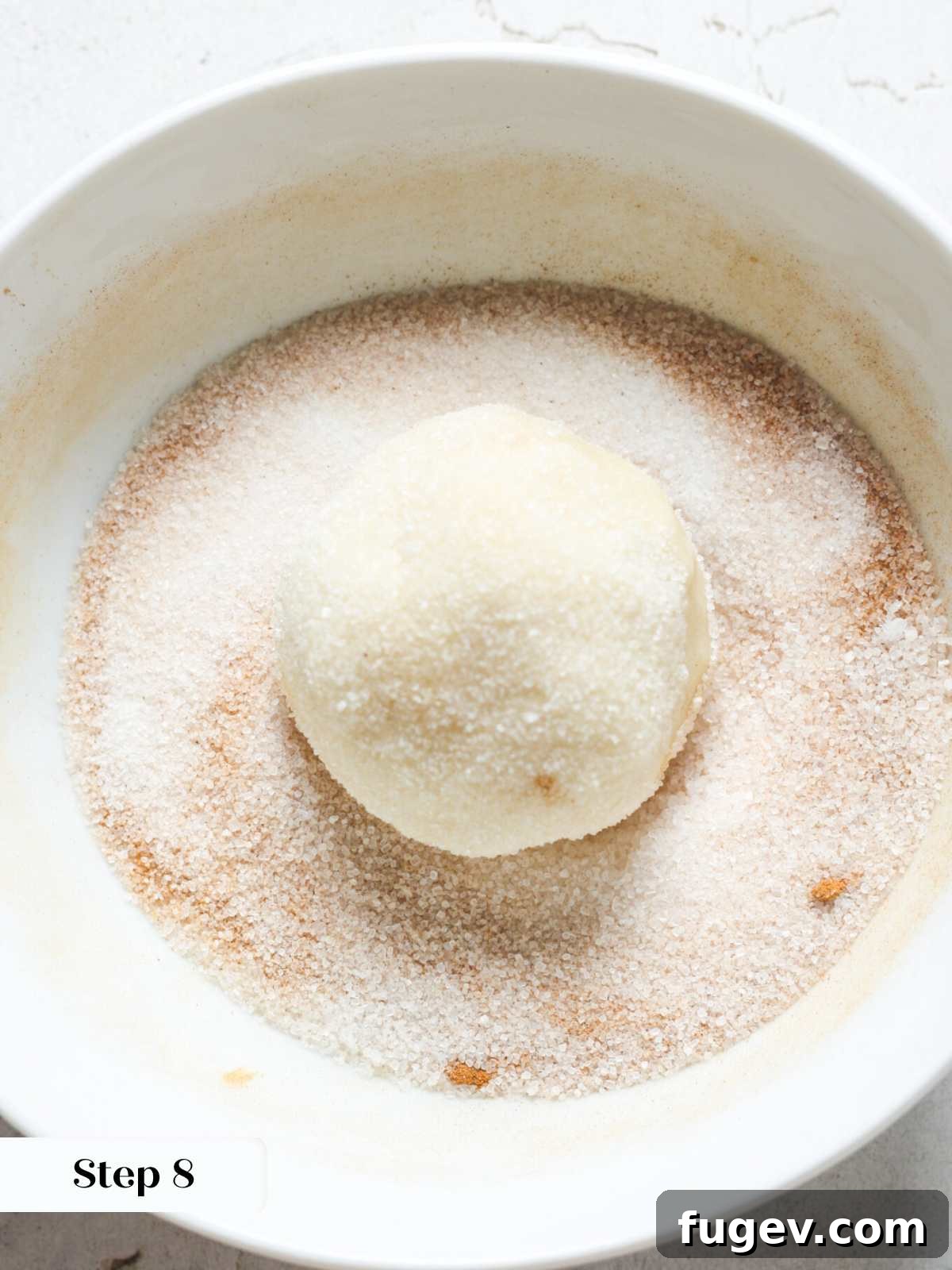
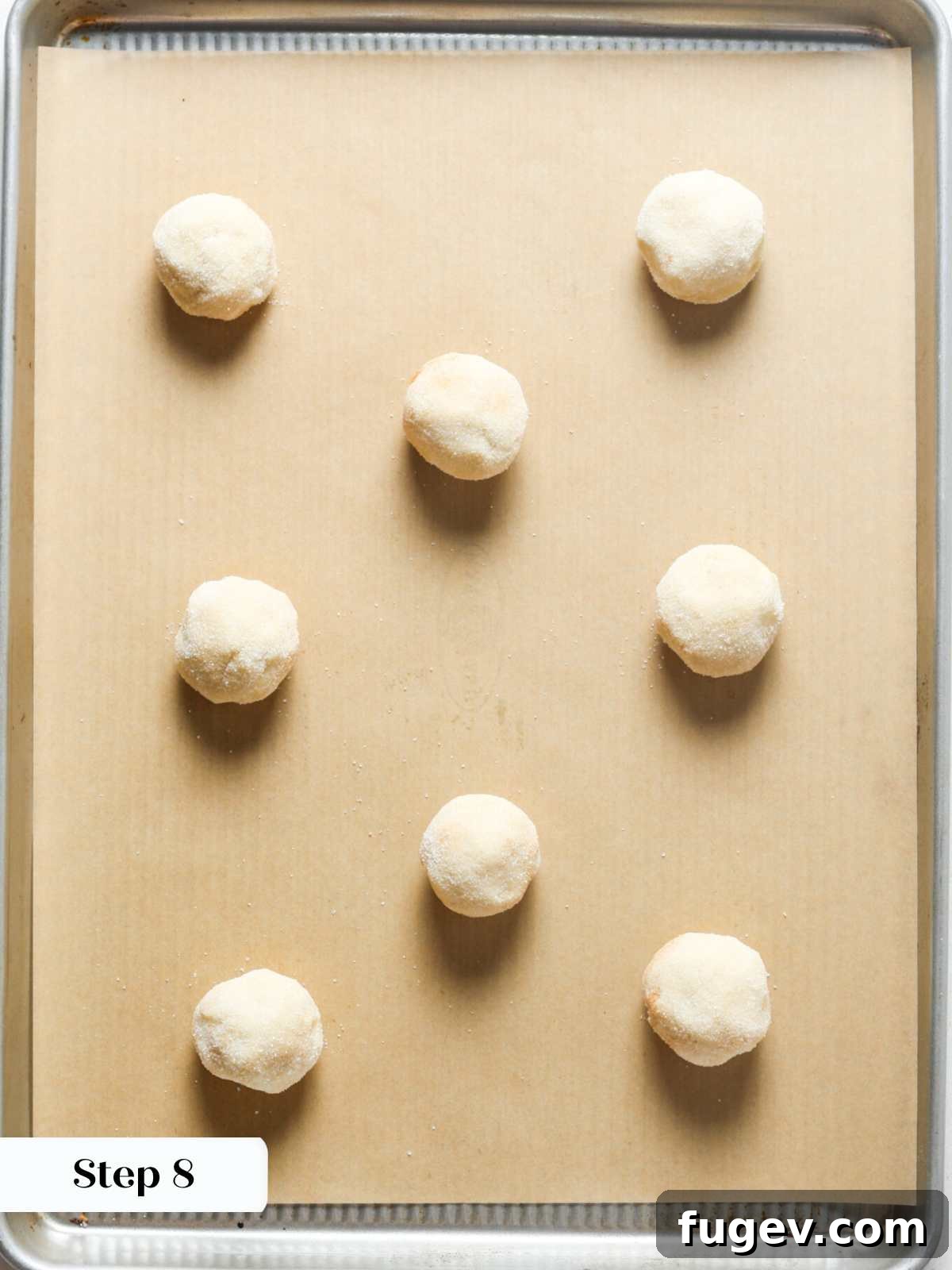
Step 8: Coat in Cinnamon Sugar and Arrange. In a small, shallow bowl, whisk together the granulated sugar and ground cinnamon for the coating. Take each chilled dough ball and roll it generously in this cinnamon sugar mixture until it’s evenly coated on all sides. Place the coated dough balls onto your parchment-lined baking sheets, ensuring they are spaced about 2 inches apart to allow for spreading.
Step 9: Bake to Perfection. Bake the cookies in your preheated oven for approximately 10 minutes. The exact baking time may vary slightly depending on your oven and the size of your cookies. They are ready when they appear beautifully puffed and set around the edges. Crucially, the centers will look matte and no longer shiny, but they should still be soft and slightly underbaked. This ensures that signature soft, chewy interior. Allow them to cool on the baking sheets for a few minutes before transferring to a wire rack to cool completely.
Chef Lindsey’s Baking Insight
For achieving that truly perfect, pillowy-soft texture in your snickerdoodles, the temperature of your butter is paramount. I always advocate for using butter that is soft and pliable, yet still distinctly cool to the touch. This means it shouldn’t be at full room temperature, which can often be too warm and lead to a greasier dough that spreads too much. When butter is cooler, it holds its structure better during the creaming process, creating pockets of air that result in a lighter, yet still incredibly tender, cookie. Using warmer butter will still yield tasty cookies, but they will tend to have a cakier, less chewy consistency. Paying attention to this small detail makes a huge difference in the final outcome!
Frequently Asked Questions
Once baked, store your snickerdoodles in an airtight container at room temperature for up to 5 days. For longer storage, you can freeze unbaked cookie dough balls. Place them in a single layer on a parchment-lined baking sheet until solid, then transfer to heavy-duty freezer bags or an airtight container. They will keep well in the freezer for up to 1 month. Be mindful that the longer the dough sits, even frozen, the baking soda’s leavening power can diminish, potentially resulting in flatter cookies when baked.
Absolutely! To bake from frozen, simply roll the frozen cookie dough balls in your cinnamon sugar mixture right before baking. Place them on parchment-lined baking sheets as usual. They will require an additional 3-5 minutes of baking time compared to fresh dough, so keep an eye on them. The centers should still look matte and set around the edges.
Snickerdoodles are fantastic cookies for shipping! Their soft and chewy texture means they hold up exceptionally well during transit and won’t shatter or crumble like more delicate cookies, such as lace cookies. For a delightful care package, consider pairing them with other sturdy favorites like thick chocolate chip cookies, rich white chocolate macadamia nut cookies, or classic chewy peanut butter cookies. Ensure they are packed snugly in an airtight container to maintain freshness.
If your cookies are spreading more than desired, there are a few common culprits. Firstly, ensure your butter is cool and pliable, not overly soft or melted. Excessively warm butter will cause cookies to spread rapidly. Secondly, ensure your oven temperature is accurate; a too-low oven can also lead to spreading. Lastly, chilling your dough for at least 30 minutes (or longer) before baking is an excellent way to prevent excessive spread and achieve thicker cookies. Make sure your flour measurements are accurate – too little flour can also result in thin cookies.
While baking powder is a leavening agent, substituting it directly for the combination of baking soda and cream of tartar will significantly alter the snickerdoodle’s characteristic taste and texture. Baking powder contains both an acid and a base, but it won’t provide the distinct tangy flavor that cream of tartar contributes, nor will it create the same dramatic rise and pillowy chewiness unique to the cream of tartar/baking soda reaction. For authentic snickerdoodles, it’s best to stick to the specified leavening agents.
If you tried this recipe and loved it, please leave a 🌟 star rating and let me know how it goes in the comments below. I love hearing from you; your comments make my day!
The Best Snickerdoodle Cookie
Chef Lindsey
18 minutes
10 minutes
28 minutes
36
Cookies
Ingredients
1x
For the Cookies:
- 1 ¾ cup granulated sugar
- 1 cup unsalted butter cool but pliable, 2 sticks
- 2 large eggs
- 3 tbsp + 1 tsp whole milk
- 1 teaspoon Vanilla extract
- 4 cups all purpose flour
- ½ t baking soda
- ¾ t cream of tartar
- ¾ t kosher Salt
For the Cinnamon Sugar:
- ½ cup granulated sugar
- 2 teaspoons Cinnamon
Instructions
-
Preheat oven to 325°F convection or 350°F conventional (no fan). Line 2 baking sheets with parchment paper.
-
In a medium bowl whisk together flour, baking soda, cream of tartar, and salt; set aside.
-
In the bowl of a stand mixer fitted with the paddle attachment or in a large bowl with a hand mixer, cream butter and sugar until light and fluffy.
-
Add eggs one at a time, beating well after each addition. Stop the mixer and scrape down the sides of the bowl and under the bottom to ensure an even creaming.
-
Add the milk and vanilla and beat to combine.
-
Reduce mixer speed to low and slowly add dry ingredients in several additions. Add the next portion when the last addition is almost incorporated. After adding all the flour, mix just until just incorporated.
-
Scoop with a medium cookie scoop or roll about 2T sized bits of dough into balls.
-
This step is optional but for the best cookies I recommend chilling the dough completely before baking. This will only take about 30 minutes or wrap and chill overnight.
-
In a small bowl, whisk together the cinnamon and sugar. Roll the chilled dough in the cinnamon sugar and place on parchment-lined baking sheets about 2 inches apart.
-
Bake in preheated oven about 10 minutes or until puffed and set around the edges. The centers will look matte and no longer shiny.
Video
Notes
Technique – It’s a little unconventional but be sure to follow the order of mixing. Add the milk with the vanilla extract before the dry ingredient mixture. This will ensure pillowy, soft cookies rather than tough cookies.
Storage – Store baked cookies up to 3 days at room temperature or freeze cookie dough in balls. Store frozen for up to 1 month. The longer the dough sits, the flatter the cookies will be.
Nutrition
Calories:
137kcal
|
Carbohydrates:
20g
|
Protein:
2g
|
Fat:
6g
|
Saturated Fat:
3g
|
Polyunsaturated Fat:
0.3g
|
Monounsaturated Fat:
1g
|
Trans Fat:
0.2g
|
Cholesterol:
23mg
|
Sodium:
68mg
|
Potassium:
31mg
|
Fiber:
0.4g
|
Sugar:
10g
|
Vitamin A:
171IU
|
Vitamin C:
0.004mg
|
Calcium:
6mg
|
Iron:
1mg
Dessert
American
137
Like this? Leave a comment below!
Before You Go
I sincerely hope you enjoyed creating and tasting this professional chef-tested snickerdoodle recipe. It’s a true labor of love, designed to bring joy and deliciousness to your kitchen. Don’t hesitate to share your baking successes and any questions in the comments section!
For more delightful treats, be sure to explore our extensive collection of other delicious, chef-developed cookie recipes. From classic comforts to innovative twists, there’s a perfect cookie waiting for every occasion. Happy baking!