
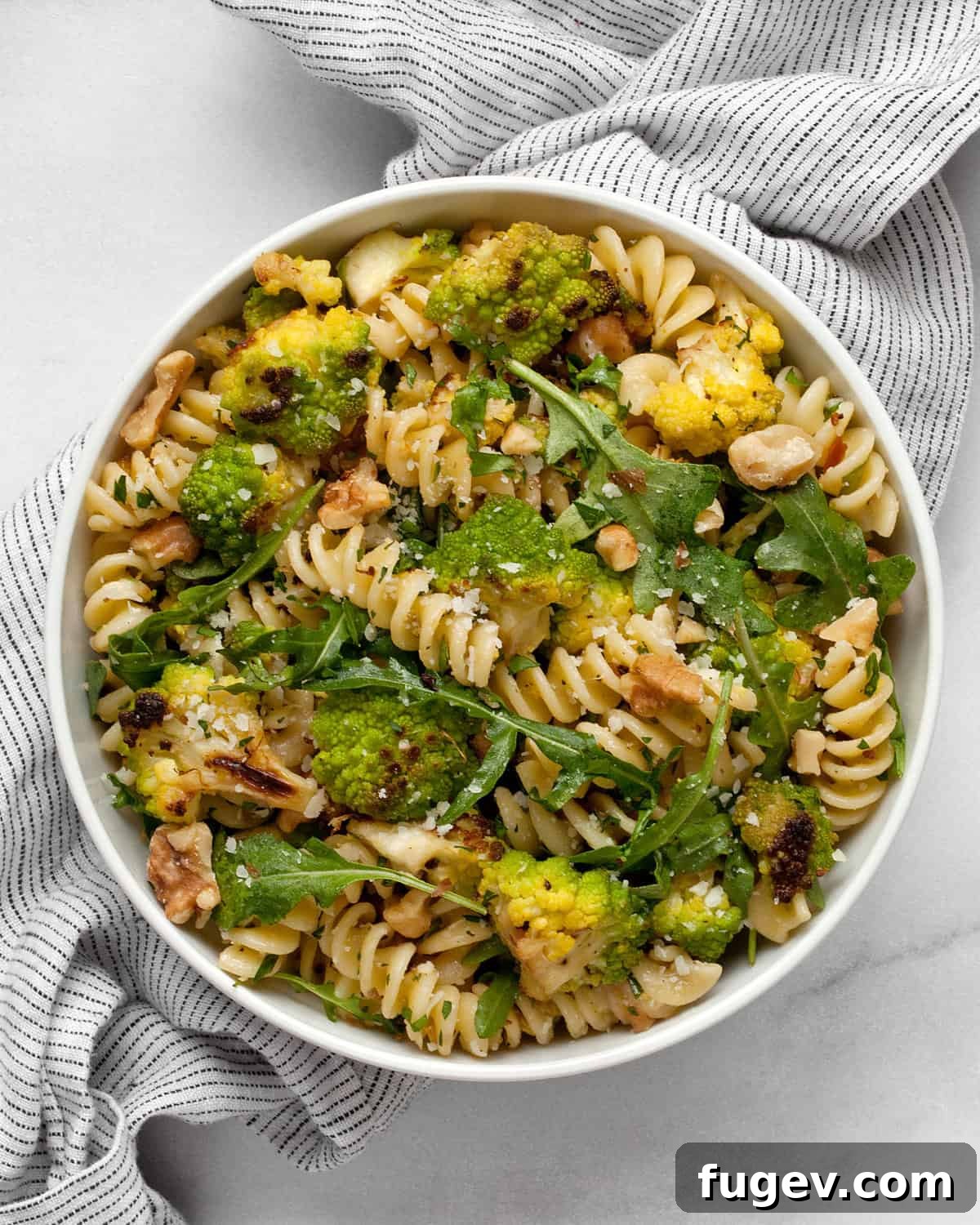
Embark on a culinary adventure with this vibrant roasted romanesco recipe, beautifully combined with fresh arugula, bright lemon, and aromatic garlic. If you appreciate the distinct flavors of cauliflower and broccoli, you’re in for a treat with this simple, yet sophisticated pasta dish featuring their captivating cousin, romanesco.
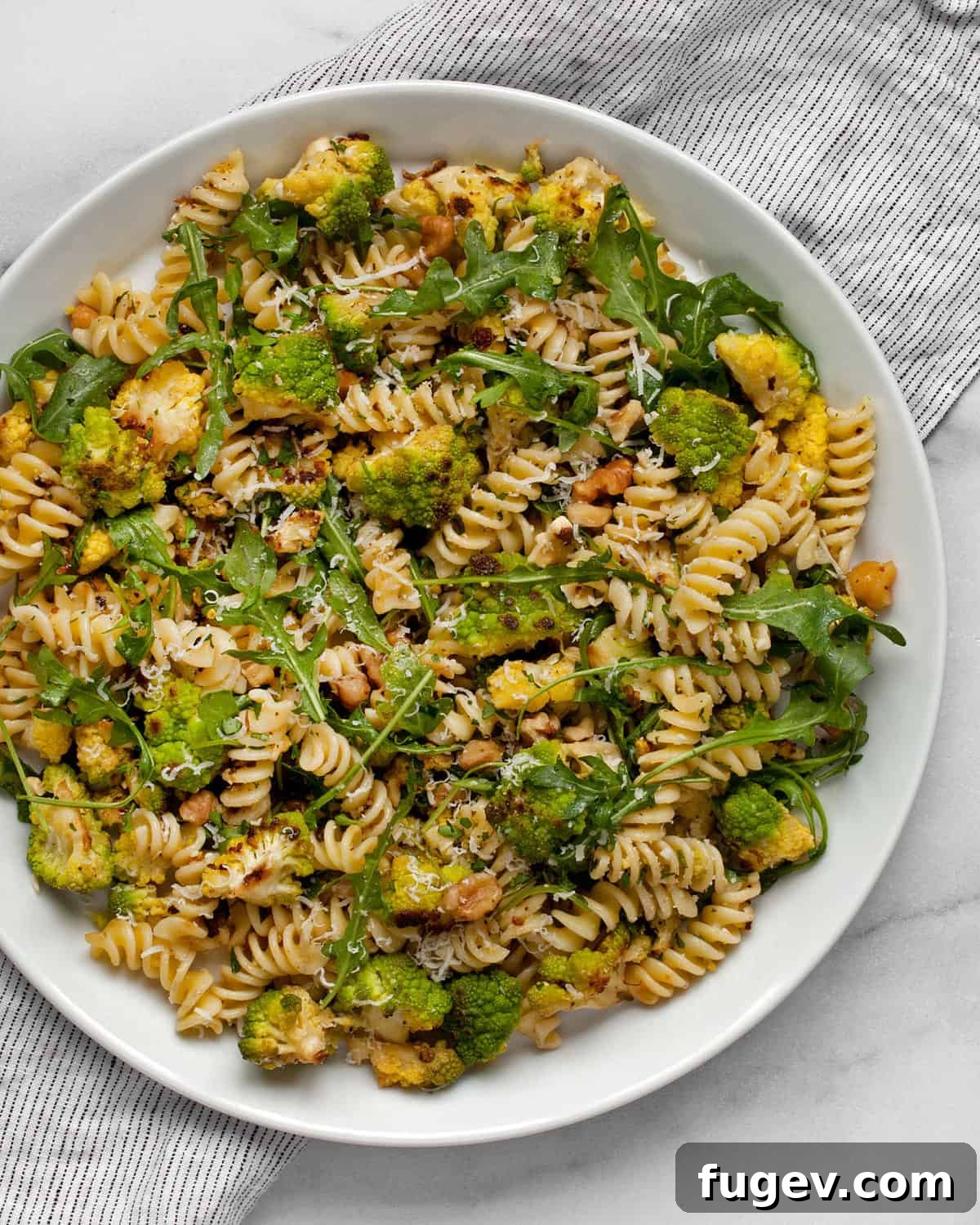
Table of Contents
- Why You’ll Love This Recipe
- What is Romanesco?
- Health Benefits of Romanesco
- The Essential Ingredients
- How to Make Roasted Romanesco Arugula Pasta
- Serving Suggestions
- Leftovers & Storage
- Expert Recipe Tips
- Frequently Asked Questions (FAQs)
- More Delightful Pasta Recipes
- Roasted Romanesco Arugula Pasta Recipe Card
Why You’ll Love This Recipe
This roasted romanesco arugula pasta is more than just a meal; it’s an experience waiting to happen in your kitchen. Here’s why this recipe deserves a spot in your weekly rotation:
- Discover a New Favorite Vegetable: Romanesco is often admired but rarely purchased. This recipe makes it incredibly approachable, showcasing its unique beauty and delicious flavor. Say goodbye to guesswork and hello to confidently cooking this stunning cruciferous gem!
- Packed with Wholesome Goodness: Featuring two generous heads of romanesco combined with just 8 ounces of dried pasta, this dish offers a perfect balance of vegetables and carbohydrates. It’s a satisfying way to enjoy a substantial meal without feeling heavy, ensuring you get a healthy dose of nutrients in every bite.
- Effortless Multi-Tasking for Busy Weeknights: Imagine dinner coming together seamlessly. While your romanesco roasts to golden perfection in the oven, your pasta simmers on the stovetop. This streamlined approach allows for efficient cooking, making it an ideal choice for busy evenings when you crave a homemade, nutritious meal without the fuss.
- Exquisite Flavor Profile: The roasting process caramelizes the romanesco, bringing out its inherent sweetness and nutty notes. When tossed with zesty lemon, pungent garlic, peppery arugula, and a hint of red pepper, it creates a symphony of flavors that is both comforting and invigorating.
- Visually Stunning: Romanesco’s striking fractal pattern and vibrant chartreuse color make this dish a feast for the eyes as well as the palate. It’s a gorgeous centerpiece for any table, sure to impress guests or simply brighten your own dining experience.
What is Romanesco?
Often mistaken for a hybrid of broccoli and cauliflower, romanesco is a unique cruciferous vegetable belonging to the *Brassica oleracea* family. Its distinctive appearance is truly captivating: a vibrant chartreuse green head composed of numerous small florets arranged in a striking fractal pattern, resembling a natural mathematical marvel. This vegetable is also commonly known as romanesco broccoli or Roman cauliflower.
In terms of culinary application, romanesco can be cooked much like its cousins, cauliflower or broccoli. It possesses a delicate, slightly nutty flavor that is generally sweeter and milder than cauliflower, making it incredibly versatile. Its texture is tender-crisp when properly cooked, offering a satisfying bite.
Preparing romanesco is straightforward. Begin by removing any tough outer leaves. Then, trim the bottom of the stem. From there, you can either gently break the head into smaller florets by hand or use a knife to carefully cut them away from the core, much as you would with a head of cauliflower. Aim for florets of a similar size to ensure even cooking.
Health Benefits of Romanesco
Beyond its striking appearance and delicious taste, romanesco is a nutritional powerhouse. As a member of the cruciferous vegetable family, it shares many of the impressive health benefits associated with broccoli and cauliflower, yet offers its own unique advantages. Incorporating romanesco into your diet can contribute to overall wellness in several ways:
- Rich in Vitamins and Minerals: Romanesco is an excellent source of essential vitamins, including Vitamin C, which is vital for immune function and skin health, and Vitamin K, crucial for blood clotting and bone health. It also provides a good supply of folate, potassium, and manganese.
- High in Dietary Fiber: With a significant fiber content, romanesco aids in digestive health, promoting regularity and preventing constipation. Fiber also contributes to feelings of fullness, which can be beneficial for weight management by reducing overall calorie intake.
- Antioxidant Powerhouse: Like other cruciferous vegetables, romanesco is packed with antioxidants, such as carotenoids and glucosinolates. These compounds help combat oxidative stress in the body, protecting cells from damage caused by free radicals and potentially reducing the risk of chronic diseases.
- Anti-Inflammatory Properties: The array of phytonutrients found in romanesco possesses anti-inflammatory qualities. Chronic inflammation is linked to various health issues, so consuming foods that help reduce inflammation can support long-term health.
- Supports Heart Health: The fiber, potassium, and antioxidants in romanesco all contribute to cardiovascular well-being. Fiber helps manage cholesterol levels, while potassium is important for blood pressure regulation.
- May Aid in Cancer Prevention: Research suggests that the glucosinolates in cruciferous vegetables like romanesco may have cancer-protective effects. These compounds are broken down into active compounds that can help detoxify harmful substances and inhibit cancer cell growth.
By enjoying this roasted romanesco pasta, you’re not just treating your taste buds to a delightful meal, but also nourishing your body with a wealth of beneficial nutrients. It’s a delicious way to boost your intake of wholesome, health-promoting vegetables.
The Essential Ingredients
Crafting this flavorful roasted romanesco pasta requires a selection of fresh, high-quality ingredients. Each component plays a vital role in building the dish’s vibrant taste and satisfying texture. Here’s a closer look at what you’ll need and some tips for choosing the best:
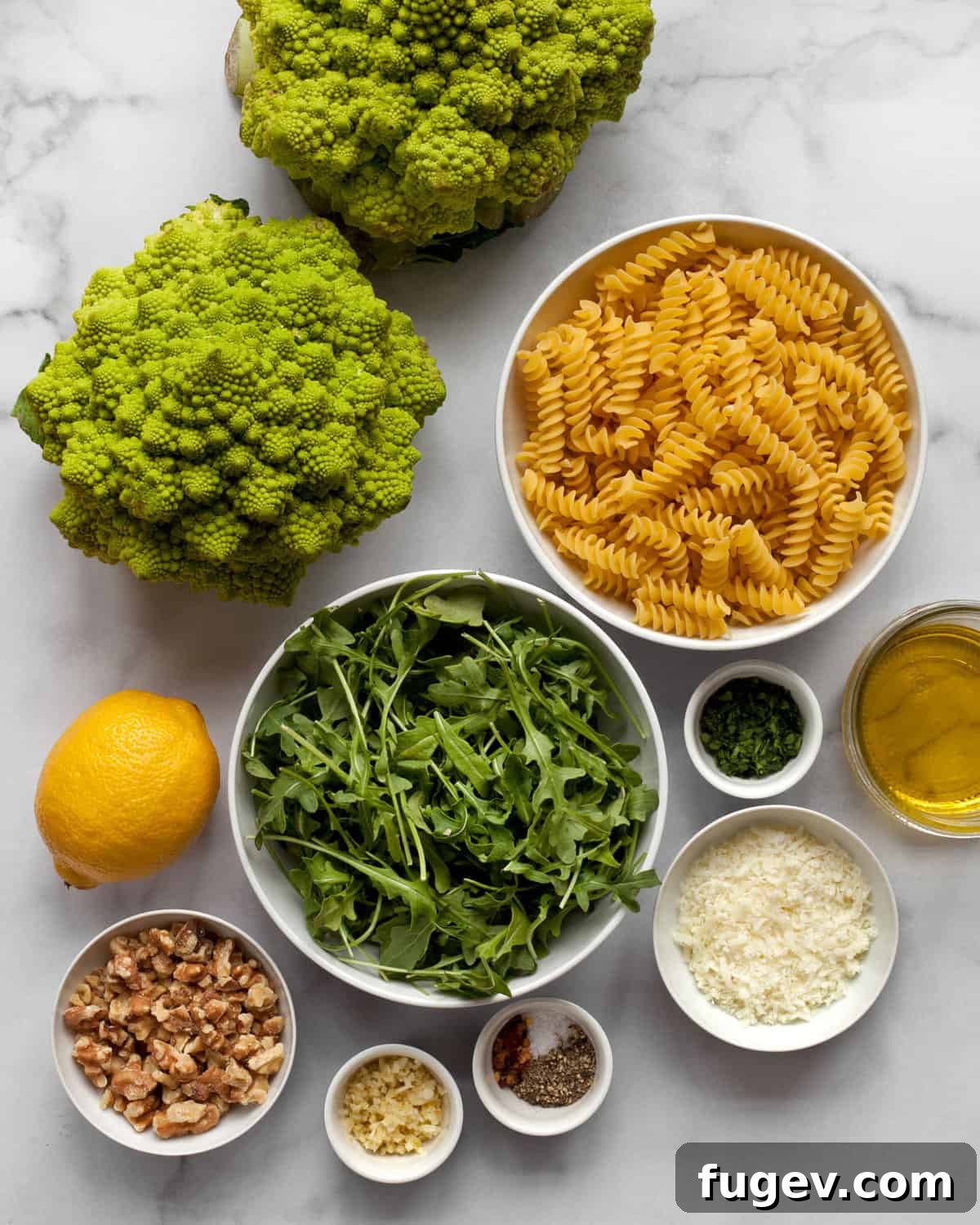
- Romanesco: The star of our dish! Look for romanesco heads with a bright, consistent chartreuse green color and dense, firm florets. Avoid any that show signs of browning or wilting, as these indicate less freshness. If romanesco is unavailable, both broccoli and cauliflower make excellent substitutes, though the flavor profile will be slightly different.
- Pasta: The choice of pasta shape can significantly impact your eating experience. For this recipe, corkscrew shapes like fusilli and cavatappi are ideal. Their nooks and crannies are perfect for capturing the tiny bits of roasted romanesco, flavorful sauce, and fresh arugula, ensuring a balanced bite every time. Other excellent options include orecchiette or medium shells.
- Arugula: Far beyond a mere salad green, arugula brings a delightful peppery kick and a touch of freshness to the pasta. Its delicate leaves wilt beautifully into the warm pasta, adding a herbaceous note without overpowering the other ingredients. Choose baby arugula for a milder flavor and tender texture.
- Garlic: This recipe thrives on a generous amount of garlic. The original calls for 2-3 minced cloves, but feel free to adjust to your preference – more garlic often means more robust flavor, especially in oil-based pasta dishes where it truly shines. Freshly minced garlic is always recommended for the best aroma and taste.
- Lemon: Both the zest and the juice of a fresh lemon are indispensable here. The zest provides aromatic citrus oils that infuse the dish with brightness, while the juice adds a tangy finish, cutting through the richness of the olive oil and cheese. Always use fresh lemons for optimal flavor.
- Pecorino Romano Cheese: A hard, salty sheep’s milk cheese with a distinctly sharp and pungent flavor. It adds a wonderful depth and umami to the pasta. If pecorino is too strong for your palate or unavailable, a good quality Parmesan cheese (Parmigiano-Reggiano) is a fantastic substitute. For a vegan version, nutritional yeast can provide a cheesy flavor.
- Walnuts: Toasted walnuts add a delightful crunch and a subtle earthy, buttery flavor that complements the romanesco beautifully. Toasting is crucial here – spread them on a baking sheet and roast in a 350-degree F (175°C) oven for 5-7 minutes until fragrant. This simple step truly enhances their flavor and texture.
- Fresh Parsley: A classic finishing herb for pasta, fresh chopped parsley adds a burst of green and a clean, herbaceous note that brightens the entire dish. Flat-leaf parsley is generally preferred for its flavor and texture.
- Extra-Virgin Olive Oil: As this is an oil-based pasta, the quality of your olive oil matters significantly. Choose a good quality extra-virgin olive oil for the best flavor, as it forms the base of your “sauce” and carries the other flavors.
- Seasonings: Red pepper flakes provide a subtle warmth and heat, while kosher salt and freshly ground black pepper are essential for seasoning the romanesco before roasting and balancing the overall flavors of the finished dish. Adjust to your taste.
How to Make Roasted Romanesco Arugula Pasta
This recipe is designed for maximum flavor with minimal fuss, allowing you to create a gourmet-quality meal with ease. Follow these steps for a perfectly cooked roasted romanesco arugula pasta:
Phase 1: Roasting the Romanesco
1. Preheat Your Oven: Begin by preheating your oven to 400 degrees F (200 degrees C). This ensures the oven is at the correct temperature for optimal roasting, allowing the romanesco to brown and tenderize properly.
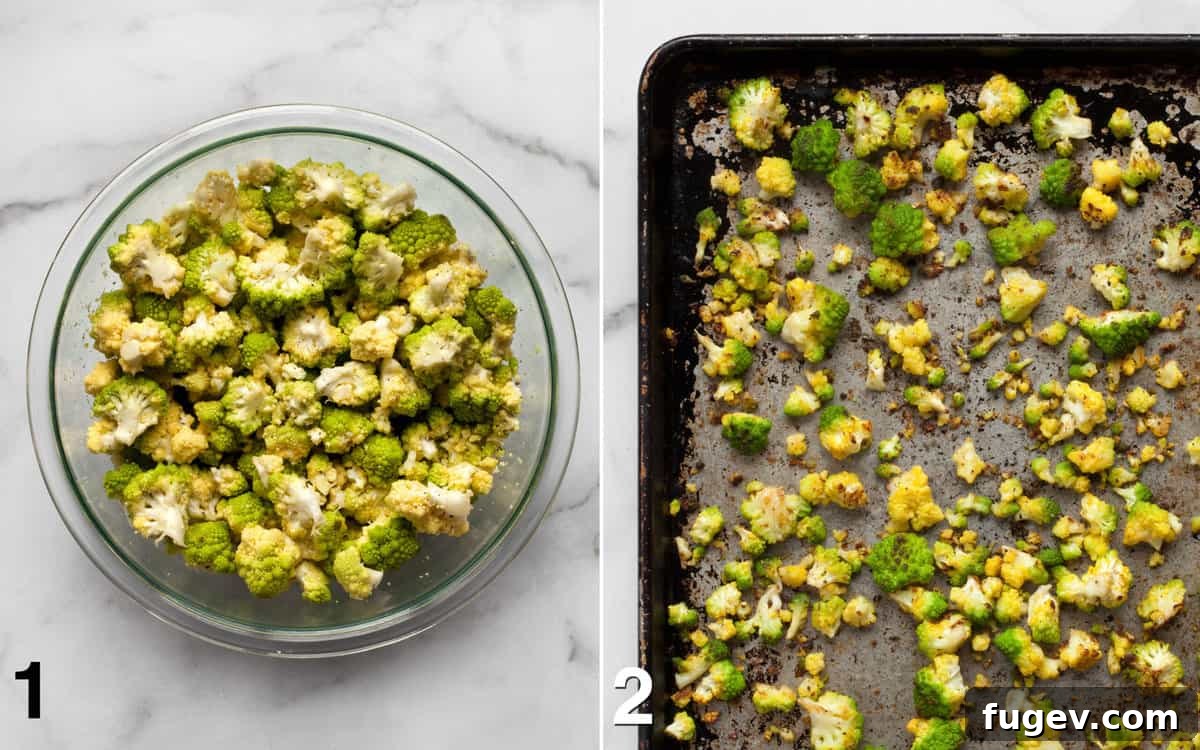
2. Prepare and Season the Romanesco: In a large mixing bowl, combine your romanesco florets. Drizzle them generously with 2 tablespoons of extra-virgin olive oil, then sprinkle with 1 teaspoon of kosher salt, 1/2 teaspoon of black pepper, and 1/4 teaspoon of red pepper flakes. Toss everything together until the romanesco is evenly coated. Ensure every floret gets a good seasoning for maximum flavor.
3. Roast to Perfection: Divide the seasoned romanesco evenly across two large sheet pans. It’s crucial not to overcrowd the pans; leaving space between the florets allows them to roast rather than steam, resulting in beautifully browned and tender-crisp edges. Roast for 20-22 minutes. Halfway through the roasting time (around 10-11 minutes), toss the florets and rotate the sheet pans in the oven. This promotes even browning and ensures a consistent texture throughout. The romanesco should be tender in the middle with slightly charred, nutty edges, while still retaining a slight bite.
Phase 2: Cooking the Pasta and Assembling
4. Cook the Pasta: While the romanesco is roasting, bring a large pot of heavily salted water to a rolling boil. Add your chosen pasta (fusilli or cavatappi work wonderfully) and cook according to package directions until it’s al dente – firm to the bite. Before draining, remember to reserve about 1/2 cup of the starchy pasta cooking water. This “liquid gold” will be used later to create a silky, cohesive sauce. Drain the pasta in a colander.
5. Sauté Aromatics: In a large skillet or sauté pan, heat the remaining 1 tablespoon of olive oil over medium-high heat. Once shimmering, add the minced garlic, lemon zest, the remaining 1/2 teaspoon salt, and 1/2 teaspoon black pepper. Sauté for about 30 seconds, stirring constantly, until the garlic becomes fragrant. Be careful not to burn the garlic, as it can turn bitter very quickly.
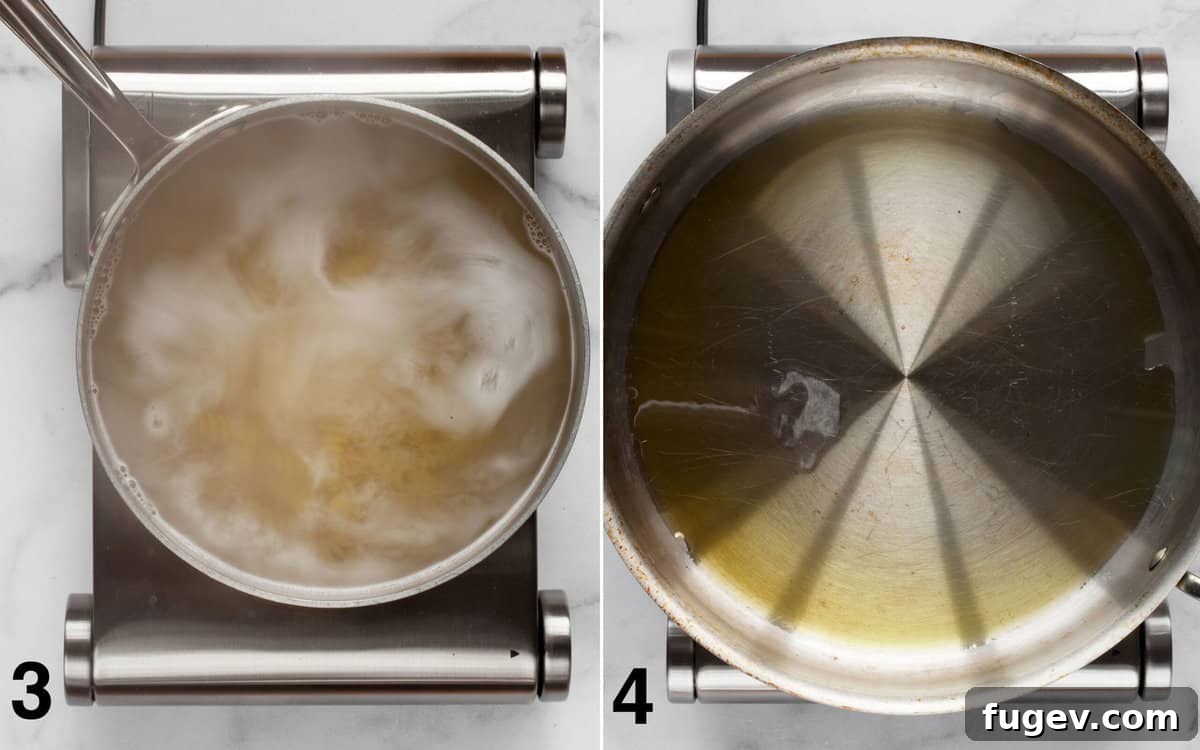
6. Combine and Finish: Add the cooked and drained pasta directly into the skillet with the garlic-lemon zest mixture. Stir well to ensure the pasta is thoroughly coated with the aromatic oil. Next, gently fold in the roasted romanesco florets, fresh lemon juice, baby arugula, grated Pecorino cheese, chopped toasted walnuts, and fresh parsley. Toss everything together until the ingredients are well combined and the arugula has just begun to wilt.
7. Achieve Silkiness (Optional but Recommended): If the pasta appears a little dry or needs a more cohesive “sauce,” gradually add a splash or two of the reserved pasta cooking water, stirring until the pasta achieves a beautiful, silky texture that perfectly coats all the ingredients. You may not need the entire 1/2 cup.
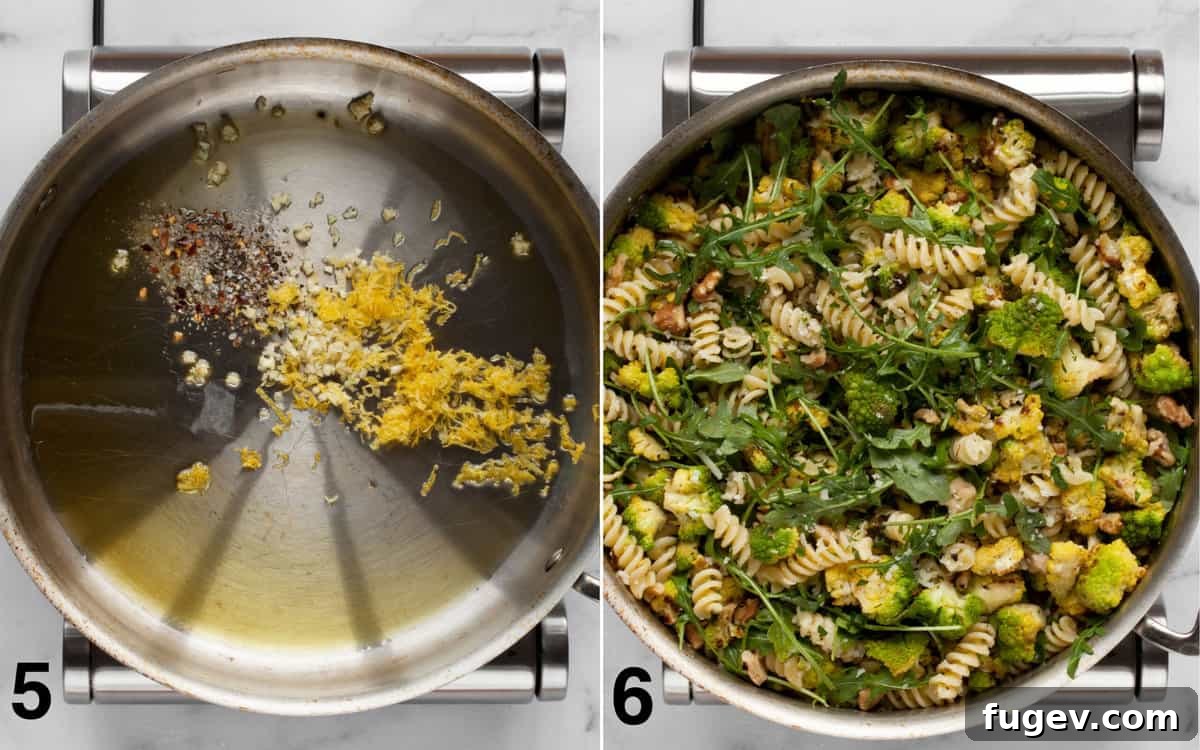
Serve immediately and savor the fresh, vibrant flavors of this delightful pasta dish!
Serving Suggestions
This Roasted Romanesco Arugula Pasta is a complete and satisfying meal on its own, but it also pairs wonderfully with a variety of side dishes to elevate your dining experience. Whether you’re planning a quick weeknight dinner or a relaxed gathering, here are some ideas:
- Fresh Green Salads: Complement the richness of the pasta with a crisp, refreshing salad. A simple Italian Chopped Salad with a tangy vinaigrette, or a hearty Brussels Sprout Caesar Salad, would offer a delightful contrast in textures and flavors. A light arugula salad with lemon vinaigrette would also be perfect.
- Vegetable Sides: If you’re looking to add even more vegetables, consider a quick side. My Easy Sautéed Brussels Sprouts or Sautéed Broccolini with Spiced Almonds would make excellent companions. They’re quick to prepare and add another layer of fresh, vibrant flavors.
- Crusty Bread: A warm, crusty loaf of bread, especially garlic bread or focaccia, is perfect for soaking up any remaining delicious olive oil and lemon juices at the bottom of your plate.
- Protein Boost: For those who prefer a more substantial meal, consider adding a lean protein. Grilled or pan-seared chicken breast, white fish, or even some baked tofu would integrate beautifully with the flavors of the pasta.
- Wine Pairing: A crisp, dry white wine like Sauvignon Blanc, Pinot Grigio, or Vermentino would beautifully complement the lemon, garlic, and peppery arugula. For red wine lovers, a light-bodied Pinot Noir or a dry Rosé would also be a good choice.
This versatile pasta is truly a great weeknight dinner recipe, offering gourmet flavors with home-cooked ease.
Leftovers & Storage
One of the best things about pasta dishes is how well they often keep, and this Roasted Romanesco Arugula Pasta is no exception! You can easily enjoy it for lunch the next day or as a quick reheat for dinner. Here’s how to best store and enjoy your leftovers:
- Refrigeration: Store any leftover pasta in an airtight container in the refrigerator for up to 3 days. Ensure it cools down completely before transferring it to the container to prevent condensation and maintain freshness.
- Reheating:
- Microwave: For a quick reheat, place a portion of the pasta in a microwave-safe dish. Add a splash of water or a tiny bit of olive oil to help loosen it up and prevent drying. Heat in 30-60 second intervals, stirring in between, until warmed through.
- Stovetop: For a more even reheat, transfer the pasta to a skillet with a tablespoon of olive oil or water over medium-low heat. Stir gently until warmed through. This method helps restore some of the pasta’s original texture.
- Enjoy Cold as a Pasta Salad: This pasta is exceptionally delicious served cold, making it perfect for a packed lunch or a light picnic. The flavors meld beautifully, and the arugula retains a nice bite. You can even refresh it by stirring in a handful of fresh arugula and a drizzle of lemon vinaigrette just before serving to bring back its vibrancy.
- Freezing: While possible, freezing this pasta is generally not recommended. The delicate texture of the romanesco and arugula can become mushy upon thawing, and the pasta itself may lose its al dente quality. It’s best enjoyed fresh or within a few days from the refrigerator.
Expert Recipe Tips
Achieving a perfectly balanced and flavorful pasta dish often comes down to a few key techniques. Keep these expert tips in mind to make your Roasted Romanesco Arugula Pasta truly exceptional:
- Utilize Two Sheet Pans for Roasting: This is a non-negotiable tip for perfectly roasted vegetables. If you try to crowd two heads of romanesco florets onto a single baking sheet, they will inevitably steam rather than roast. Steaming prevents the florets from developing those delicious caramelized, browned edges that are crucial for deep flavor. Spreading them out over two pans ensures ample space for air circulation, leading to optimal browning and a tender-crisp texture.
- Master Your Timing: Efficiency is key to a harmonious pasta dish. The romanesco typically roasts for 20-22 minutes. Plan to bring your pasta water to a boil during the first half of the romanesco’s roasting time. Then, drop your pasta into the boiling water during the last 10-12 minutes of the romanesco’s roasting. This way, both components will be ready around the same time, ensuring everything is fresh and hot when combined. Always consult your pasta package for the recommended cook time for al dente noodles.
- Don’t Forget the Pasta Cooking Water: This starchy, savory water is truly a secret weapon in pasta making. After you’ve drained your pasta, scoop out and reserve at least 1/2 cup. When you’re tossing the roasted romanesco, arugula, cheese, and walnuts into the pasta, a splash or two of this reserved water will work wonders. It helps to emulsify the olive oil, create a light, silky “sauce,” and bind all the ingredients together, preventing the pasta from becoming dry. Add it gradually until you reach your desired consistency.
- Toast Your Walnuts: While optional, toasting the walnuts significantly enhances their flavor and crunch. A quick 5-7 minutes in a 350°F (175°C) oven before chopping will bring out their natural oils and deepen their nutty aroma, adding an extra layer of complexity to the dish.
- Taste and Adjust Seasoning: Always taste your food as you go! Before serving, take a small bite and assess the seasoning. Does it need more salt? A pinch of black pepper? Perhaps another squeeze of lemon juice for brightness, or a sprinkle of red pepper flakes for an extra kick? Adjusting the flavors at the end can elevate a good dish to a great one.
- Fresh Ingredients Make a Difference: Since this recipe relies on simple, fresh flavors, the quality of your ingredients truly shines through. Opt for fresh, vibrant romanesco, good quality extra-virgin olive oil, and freshly grated Pecorino Romano for the best results.
Frequently Asked Questions (FAQs)
Romanesco has a wonderfully unique flavor profile. It’s nutty and earthy, similar to cauliflower, but with a distinct sweetness and a milder, more delicate taste. It lacks the slight bitterness that some people associate with broccoli, making it generally more palatable and versatile. When roasted, its sweetness becomes even more pronounced, with delicious caramelized notes.
Neither, precisely! Romanesco is its own distinct vegetable, though it is closely related to both cauliflower and broccoli. All three are members of the same botanical family, Brassica, making them cruciferous cousins. They share similar nutritional benefits and culinary applications, but romanesco stands out with its intricate fractal shape and slightly sweeter, nuttier flavor.
Romanesco is incredibly versatile and can be cooked in various ways. You can eat it raw, thinly sliced, in salads. It’s excellent roasted, which brings out its natural sweetness and nutty flavor, as demonstrated in this pasta recipe. It can also be steamed, blanched, or sautéed. Treat it as you would cauliflower or broccoli in most recipes. Enjoy it simply roasted as a side dish, or combine it with pasta, grains, or in stir-fries.
Absolutely not! Despite its exotic appearance, romanesco is very easy to prepare. Simply remove the outer leaves, trim the stem, and break or cut it into florets of your desired size, just like you would with cauliflower. The cooking methods are also straightforward and familiar to anyone who cooks broccoli or cauliflower. Roasting, as used in this recipe, is one of the easiest and most flavorful ways to prepare it.
Yes, this recipe can easily be adapted for a vegan diet. Simply substitute the Pecorino cheese with an equal amount of nutritional yeast, which provides a savory, cheesy flavor. Ensure your pasta is egg-free (most dried pasta is, but always check the label), and you’ll have a delicious and satisfying vegan meal.
When selecting romanesco, look for heads that are firm, heavy for their size, and have a vibrant, consistent chartreuse green color. The florets should be tightly packed and show no signs of yellowing, browning, or wilting. Avoid any heads with soft spots or blemishes, as these indicate it’s past its prime.
More Delightful Pasta Recipes
If you loved this Romanesco Arugula Pasta, you’re sure to enjoy these other easy and flavorful pasta dishes:
- Roasted Brussels Sprout Pasta
- Lemon Garlic Mushroom Spaghetti
- Roasted Cauliflower Pasta with Spinach Pesto
- Lemon Pepper Spaghetti
- Cherry Tomato Eggplant Pasta
- Antipasto Pasta with Olives
- Sun Dried Tomato Pasta
- Chickpea Pasta with Spinach
Explore even more pasta ideas in my seasonal pasta roundup, featuring a variety of recipes with tomato sauce, pesto, vegetables, and creative pasta salads.
Roasted Romanesco Arugula Pasta Recipe
Paige Adams
10 mins
25 mins
35 mins
4
Ingredients
- 2 medium heads romanesco, leaves removed, stem trimmed & broken into small florets
- 3 tablespoons olive oil
- 1-1/2 teaspoons kosher salt
- 1 teaspoon black pepper
- 8 ounces fusilli (or cavatappi)
- 2-3 garlic cloves, minced (adjust to taste)
- 1/4 teaspoon red pepper flakes
- Zest and juice of 1 lemon
- 2 cups baby arugula, about 2 big handfuls
- 1/4 cup grated pecorino cheese (or Parmesan)
- 1/4 cup chopped toasted walnuts
- 1 tablespoon chopped fresh parsley
Instructions
-
Preheat the oven to 400 degrees F (200 degrees C).
-
In a large bowl, toss the romanesco florets with 2 tablespoons of olive oil, 1 teaspoon of kosher salt, 1/2 teaspoon of black pepper, and 1/4 teaspoon of red pepper flakes until evenly coated.
-
Spread the seasoned romanesco into a single layer across two sheet pans (do not overcrowd). Roast for 20-22 minutes, or until the edges are nicely browned and the florets are tender-crisp. Toss the florets and rotate the sheet pans halfway through roasting for even cooking.
-
While the romanesco is roasting, cook the pasta according to package instructions until al dente in a pot of heavily salted boiling water. Before draining, reserve 1/2 cup of the starchy pasta cooking water. Drain the pasta thoroughly.
-
Heat the remaining 1 tablespoon of olive oil in a large skillet or sauté pan over medium-high heat.
-
Add the minced garlic, lemon zest, 1/2 teaspoon of kosher salt, and 1/2 teaspoon of black pepper to the hot oil. Sauté for about 30 seconds until fragrant, being careful not to burn the garlic.
-
Add the cooked pasta to the skillet with the garlic-lemon mixture. Stir well to coat.
-
Finally, stir in the roasted romanesco, fresh lemon juice, baby arugula, grated Pecorino cheese, chopped toasted walnuts, and fresh parsley. If the pasta seems a little dry, add a splash of the reserved pasta cooking water, stirring until a silky coating forms and all ingredients are well combined.
-
Serve immediately and enjoy!
Notes
Also, you can use Parmesan cheese instead of Pecorino for a milder flavor.
Store leftovers in an airtight container in the fridge for up to 3 days. They can be enjoyed cold as a pasta salad (add more fresh arugula and a lemon vinaigrette if desired) or warmed gently in the microwave or on the stovetop with a little olive oil.
Nutrition
Calories: 382kcal
|
Carbohydrates: 45g
|
Protein: 11g
|
Fat: 18g
|
Saturated Fat: 3g
|
Polyunsaturated Fat: 5g
|
Monounsaturated Fat: 9g
|
Cholesterol: 7mg
|
Sodium: 375mg
|
Potassium: 223mg
|
Fiber: 3g
|
Sugar: 2g
|
Vitamin A: 389IU
|
Vitamin C: 4mg
|
Calcium: 109mg
|
Iron: 1mg
Nutrition information is automatically calculated and should only be used as an approximation.
Additional Info
Did you make this recipe?
Mention @lastingredient on Instagram and tag it #lastingredient!
Recipe originally published October 29, 2020. Updated March 6, 2023.