
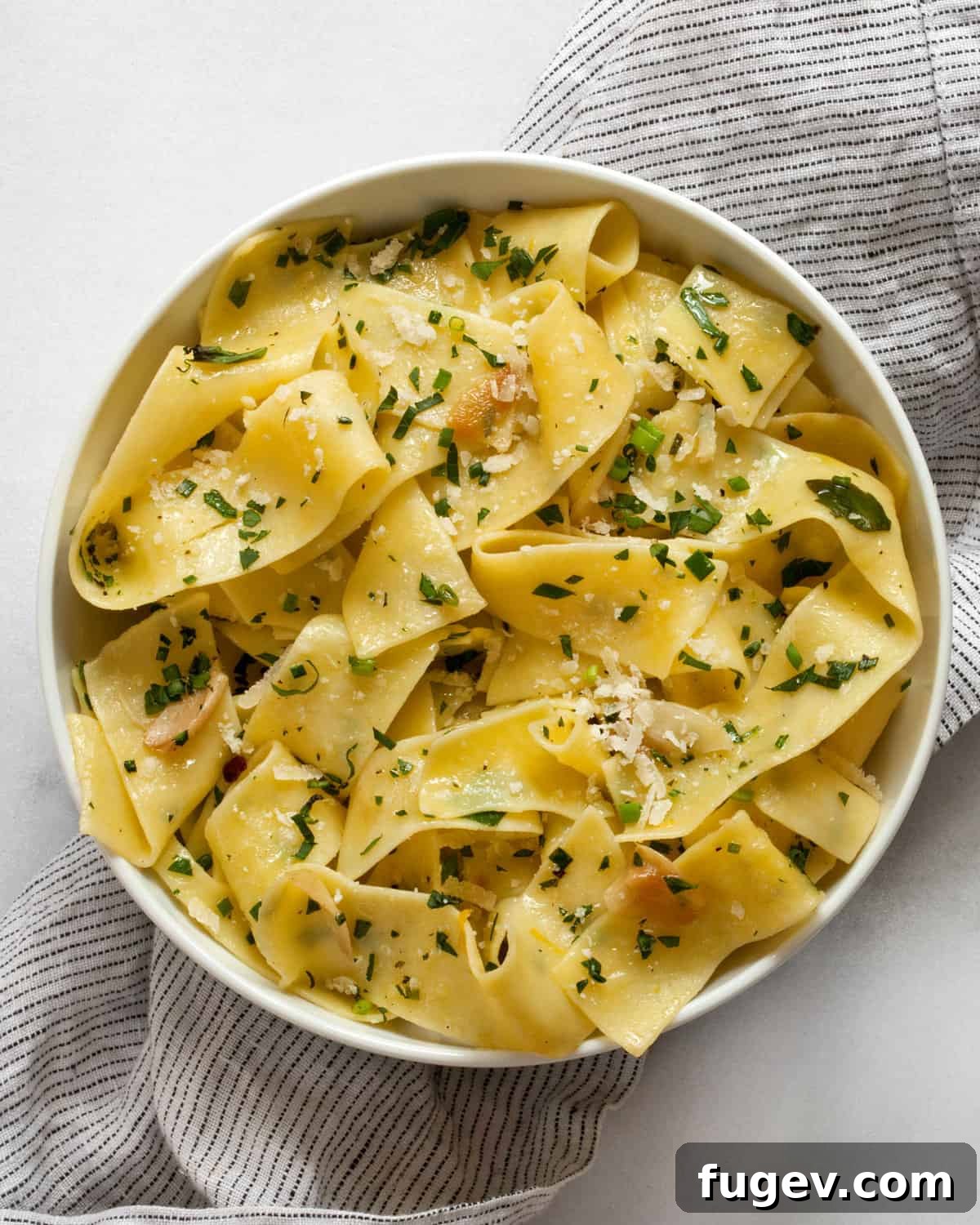
Irresistible Fresh Herb Pappardelle Pasta: A Quick & Flavorful Dish
Searching for an effortlessly elegant pasta dish that bursts with fresh flavors? Look no further than this incredible Pappardelle pasta recipe. Combining the luxurious texture of wide egg noodles with the bright notes of lemon, pungent garlic, and a fragrant blend of fresh herbs, this dish is a testament to the beauty of simple ingredients. With just 11 core ingredients and a minimal cooking time, it’s the perfect solution for a delicious weeknight meal that feels gourmet. While we love the classic trifecta of parsley, basil, and chives, feel free to get creative and customize the herb combination based on what’s flourishing in your garden or available at your local market. Enhance it further with optional additions like sweet roasted tomatoes or earthy sautéed mushrooms to truly make it your own.
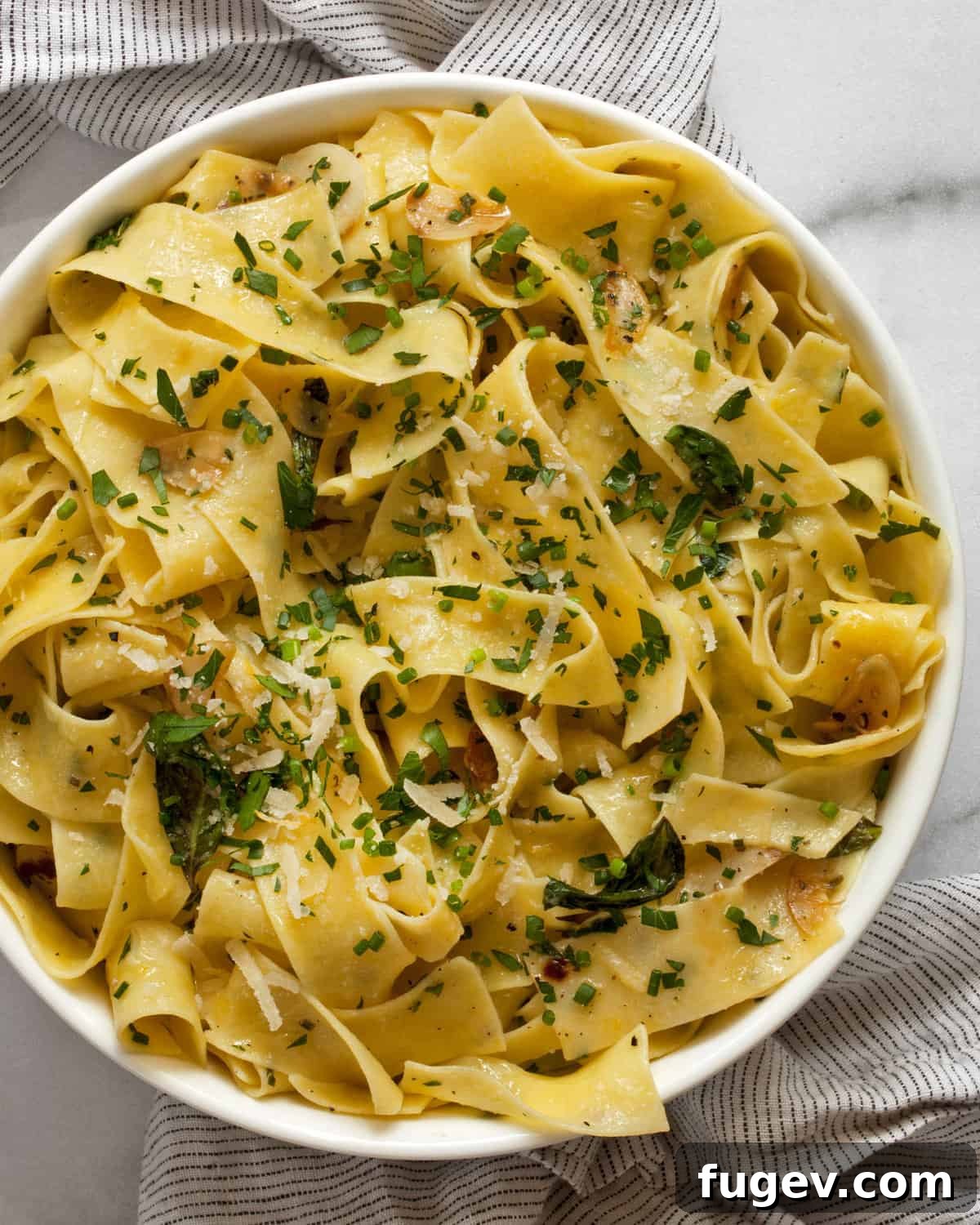
Table of Contents
- Why You’ll Adore This Recipe
- What Exactly is Pappardelle Pasta?
- Essential Ingredients for Fresh Herb Pappardelle
- Creative Optional Additions to Elevate Your Pasta
- How to Master This Fresh Herb Pappardelle Pasta Recipe
- Crafting Homemade Fresh Pappardelle Pasta Dough
- Serving Suggestions for Your Pasta
- Storage & Leftovers: Keeping Your Pasta Fresh
- Frequently Asked Questions (FAQs)
- More Delicious Pasta Recipes
- Fresh Herb Pappardelle Pasta Recipe Card
Why You’ll Adore This Recipe
This fresh herb pappardelle isn’t just another pasta dish; it’s an experience. Here’s why it deserves a permanent spot in your recipe rotation:
- Simple Elegance, Unforgettable Flavor: There’s an undeniable charm in a pasta dish that relies on a few high-quality ingredients. The combination of garlic, bright lemon, and a symphony of fresh herbs creates a flavor profile that is both robust and refreshing. Using wide, luxurious pappardelle pasta elevates this simplicity, making it feel special without any extra effort. If you’re looking to break away from your usual spaghetti or fettuccine, these delightful ribbons are the perfect choice.
- Waste Not, Want Not with Fresh Herbs: Ever buy a bunch of beautiful herbs for one recipe, only to watch the rest wilt away in the fridge? This recipe is your solution! It encourages generous use of a variety of fresh herbs, ensuring that none of your precious parsley, basil, or chives go to waste. You can mix and match to use up any lingering sprigs, embracing a sustainable approach to cooking.
- Effortlessly Quick and Easy: Life is busy, and sometimes you need a fantastic meal that comes together in a flash. This pappardelle recipe is incredibly efficient. The bulk of your prep involves thinly slicing garlic and roughly chopping herbs – tasks that can be done while the pasta water comes to a boil. For even faster execution, you can multitask by heating the olive oil and sautéing the garlic in a separate pan while the pasta cooks, bringing everything together in mere minutes for a truly speedy supper.
- Versatile and Adaptable: While the core recipe is stellar on its own, it’s also a fantastic canvas for creativity. Feel free to incorporate seasonal vegetables, a different type of cheese, or even a splash of white wine to make it uniquely yours. It’s a forgiving recipe that invites experimentation.
What Exactly is Pappardelle Pasta?
Originating from the Tuscany region of Italy, pappardelle (pronounced ‘pap-par-deh-lay’) is a magnificent type of egg pasta renowned for its broad, flat, and often wavy ribbons. The name itself comes from the Italian verb “pappare,” meaning “to gobble up,” which perfectly describes how one devours these delicious noodles! Unlike thinner, more delicate pastas, pappardelle’s generous width and slightly rough texture make it ideal for capturing and holding rich, hearty sauces.
Think of pappardelle as the grand, elegant cousin in the pasta family, distinct from the more common spaghetti or fettuccine. While spaghetti is slender and round, and fettuccine is flat but narrower, pappardelle offers a substantial bite and a luxurious mouthfeel. It’s traditionally paired with robust, slow-cooked meat sauces like wild boar ragu or classic bolognese, where its surface area can cling beautifully to every morsel of flavor. However, its versatility extends far beyond heavy sauces; it’s equally delightful with lighter, fresh preparations like this herb-infused dish, where it truly shines as the star.
When you purchase dried pappardelle, you’ll often find it sold in charming “nests” rather than straight sticks. These nests quickly unfurl and cook to al dente perfection in simmering water, becoming wonderfully tender yet retaining a satisfying bite. The inclusion of egg in the dough gives pappardelle a richer flavor and a slightly more golden hue compared to standard durum wheat pasta, contributing to its indulgent character.
Essential Ingredients for Fresh Herb Pappardelle
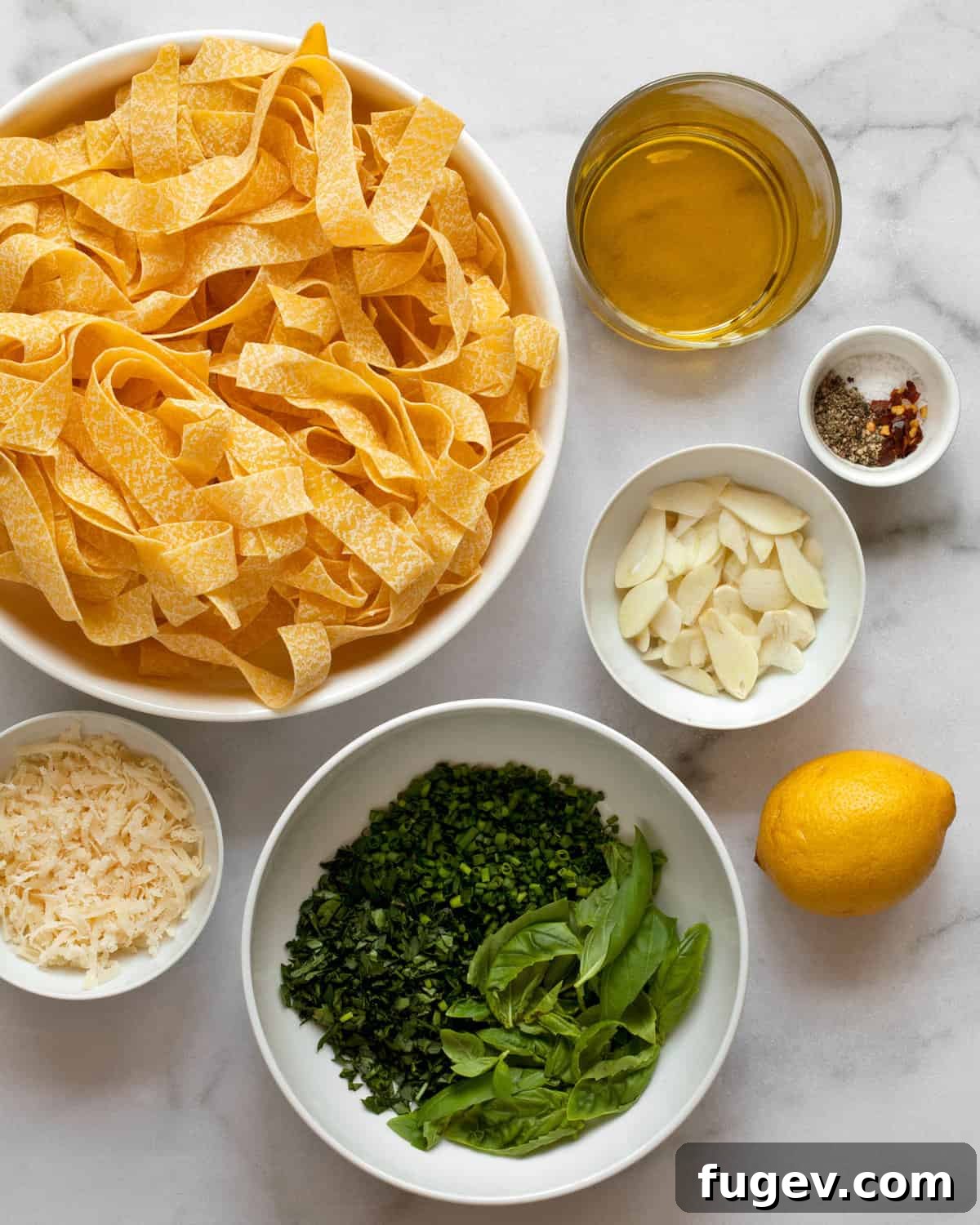
Quality ingredients are the cornerstone of any truly delicious dish, and this fresh herb pappardelle is no exception. Here’s a closer look at what you’ll need and why each component is vital:
- Pappardelle Pasta: As highlighted, these wide, flat egg noodles are the heart of our recipe. Their substantial texture and ability to absorb sauce perfectly complement the vibrant herb and lemon dressing. While fresh pappardelle offers an unparalleled experience, high-quality dried versions are readily available. If pappardelle isn’t available, tagliatelle makes an excellent substitute; it’s an egg noodle that is just slightly narrower, but equally delicious.
- Garlic: This recipe embraces garlic in its full glory! We call for 4 cloves, thinly sliced rather than minced. This intentional preparation allows the garlic to mellow slightly as it sautés, releasing its aromatic oils and creating delightful, tender pieces that you can truly savor alongside the wide pasta ribbons. It provides a warm, savory depth without being overwhelming.
- High-Quality Olive Oil: Extra virgin olive oil forms the luscious base of our sauce, infusing the dish with its characteristic fruity and peppery notes. Choose a good quality oil for the best flavor, as it really shines through in this simple preparation.
- Red Pepper Flakes, Salt, and Black Pepper: These seasonings are crucial for balancing the flavors. Red pepper flakes add a gentle warmth and subtle kick, awakening the palate without making the dish spicy. Kosher salt and freshly ground black pepper are fundamental for seasoning the pasta and enhancing all the other ingredients. Adjust quantities to your personal preference.
- Parmesan Cheese: A cornerstone of Italian cuisine, freshly grated Parmesan (Parmigiano-Reggiano) adds a salty, umami-rich depth and a wonderful creaminess when melted into the warm pasta. For a more assertive, piquant flavor, consider using Pecorino Romano cheese, which is made from sheep’s milk, or a delightful blend of both. Always grate your cheese fresh for superior flavor and texture.
- Lemon: The zest and juice of one fresh lemon are non-negotiable! Lemon provides a bright, acidic counterpoint to the richness of the pasta and olive oil, cutting through and lifting all the flavors. The zest contains essential oils that contribute a concentrated citrus aroma, while the juice adds that essential tangy finish.
- Fresh Herbs: The star of the show! Our preferred combination includes parsley, basil, and chives. Each herb brings its unique character:
- Parsley: Offers a fresh, clean, slightly peppery note.
- Basil: Contributes a sweet, aromatic, and slightly anise-like flavor.
- Chives: Provide a delicate, mild oniony essence without the sharpness of raw onion.
This trio works harmoniously to create a vibrant and complex herb flavor. If you’re feeling adventurous, a touch of fresh oregano or dill could also be wonderful additions, depending on your palate.
Creative Optional Additions to Elevate Your Pasta
While this fresh herb pappardelle is absolutely divine on its own, it also serves as a fantastic foundation for culinary creativity. These thoughtful additions can transform the dish, adding new textures, flavors, and nutritional boosts:
- Mushrooms: For an earthy depth, incorporate either roasted or sautéed mushrooms. Sliced cremini (button) mushrooms or a mix of wild mushrooms would be excellent choices. Sauté them separately until golden brown and tender, then stir them into the pasta alongside the herbs. Their umami richness pairs beautifully with garlic and herbs.
- Tomatoes: Depending on the season, tomatoes can add a burst of sweetness and acidity. During summer, juicy cherry tomatoes, halved and either quickly sautéed or gently roasted until they burst, are incredible. For year-round flavor, consider adding a handful of slow-roasted cherry tomatoes for a concentrated, sweet-savory note.
- Pesto: If you have homemade or store-bought pesto lingering in your fridge, a spoonful or two can add another layer of herbaceous complexity and richness. While this dish already has plenty of fresh herbs, the concentrated flavor of pesto brings something different and delightful. Stir it into the warm pasta at the very end.
- Butter: For an extra touch of indulgence and richness, a half to a full tablespoon of unsalted butter stirred into the warm pasta just before serving will melt beautifully, creating an even silkier sauce. This simple addition can evoke comforting nostalgic memories of buttered egg noodles, making the dish even more satisfying.
- Protein Boost: To make this a heartier main course, consider adding cooked protein. Grilled chicken, sautéed shrimp, or even crumbled Italian sausage (mild or spicy) would complement the flavors wonderfully. Add them at the very end, tossing to combine and warm through.
- Spinach or Arugula: For a fresh, peppery green element and an extra dose of vitamins, stir in a handful of fresh baby spinach or arugula leaves just before serving. The residual heat from the pasta will lightly wilt them.
How to Master This Fresh Herb Pappardelle Pasta Recipe
Creating this flavorful pasta dish is incredibly straightforward. Follow these steps for perfect results every time:
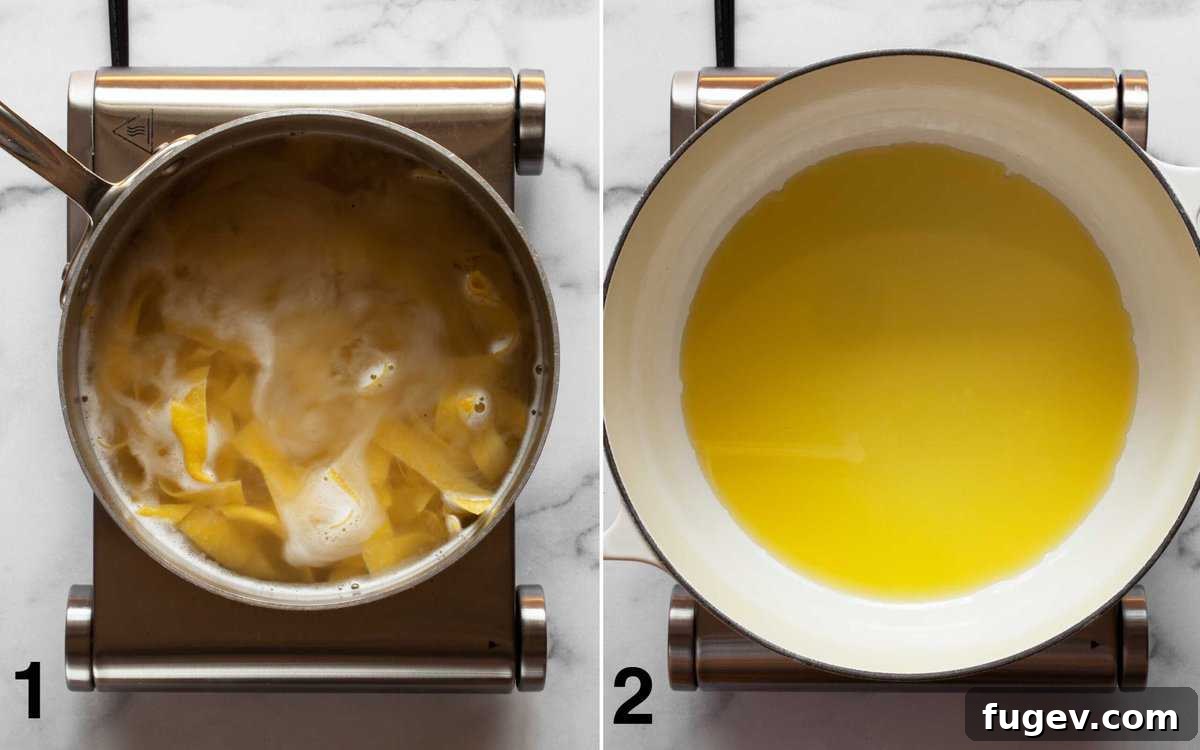
- Cook the Pappardelle to Perfection: Bring a large pot of generously salted water to a rolling boil. Add the pappardelle and cook according to the package directions until it reaches a perfect al dente consistency. This means it should be tender but still have a slight bite to it. Before draining, make sure to reserve about 1/2 cup of the starchy pasta cooking water. This liquid is your secret weapon for creating a silky, emulsified sauce. Drain the remaining pasta thoroughly in a colander.
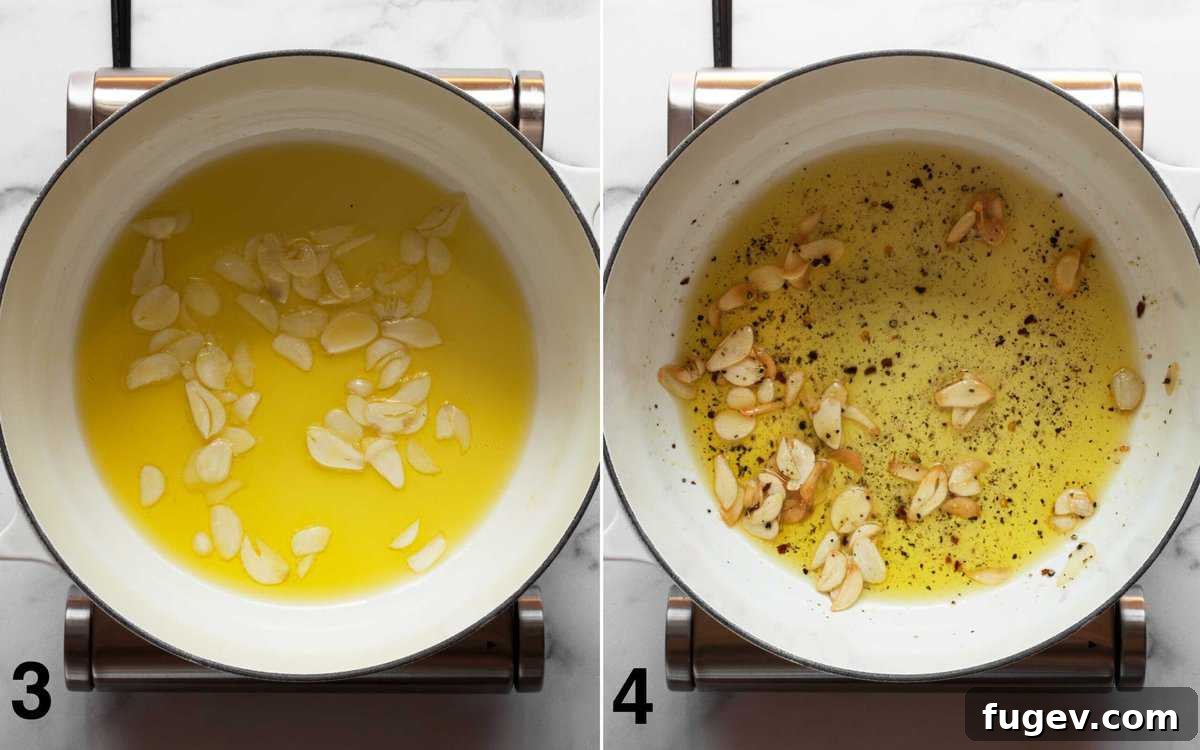
- Infuse the Olive Oil with Garlic: While the pasta is cooking, heat the olive oil in a large Dutch oven or a deep skillet over medium-low heat. The key here is gentle heat to prevent the garlic from burning and turning bitter.
- Sauté the Sliced Garlic: Add the thinly sliced garlic to the warm olive oil. Sauté gently for 2-3 minutes, stirring occasionally, until the garlic turns a beautiful light golden brown and becomes fragrant. Be careful not to let it get too dark, as burnt garlic will impart an unpleasant taste.
- Season the Aromatic Base: Stir in the red pepper flakes, kosher salt, and freshly ground black pepper into the garlic-infused oil. Allow them to warm through for about 30 seconds, intensifying their flavors.
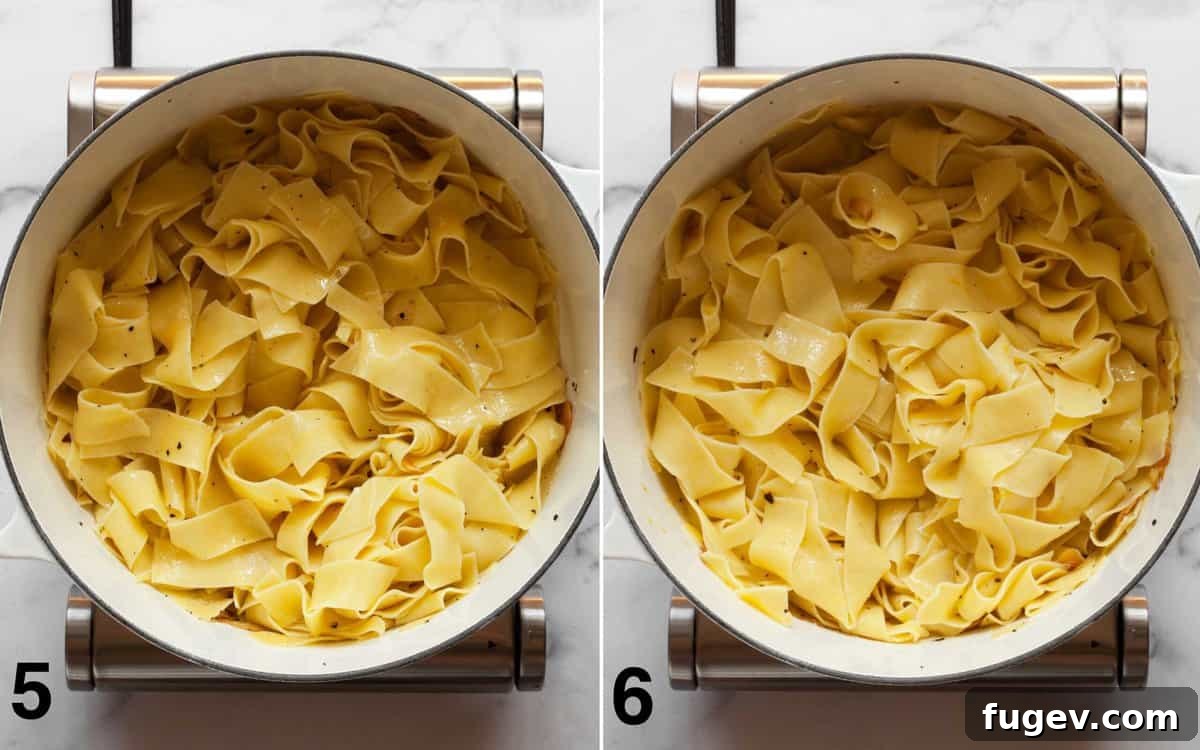
- Combine Pasta with Flavorful Oil: Add the cooked and drained pappardelle pasta directly into the Dutch oven with the seasoned garlic oil. Toss everything together vigorously, ensuring that every wide noodle is thoroughly coated in the fragrant oil, garlic slices, and seasonings. This step is crucial for distributing the flavor.
- Create a Silky Sauce: Pour in the fresh lemon juice and add the lemon zest. Immediately follow with a splash of the reserved pasta cooking water, starting with about ¼ cup and adding more as needed. Stir continuously, allowing the starchy water to emulsify with the olive oil, lemon, and pasta. This process creates a light, glossy sauce that beautifully clings to the pappardelle. Let it gently bubble and slightly reduce until it coats the pasta perfectly.
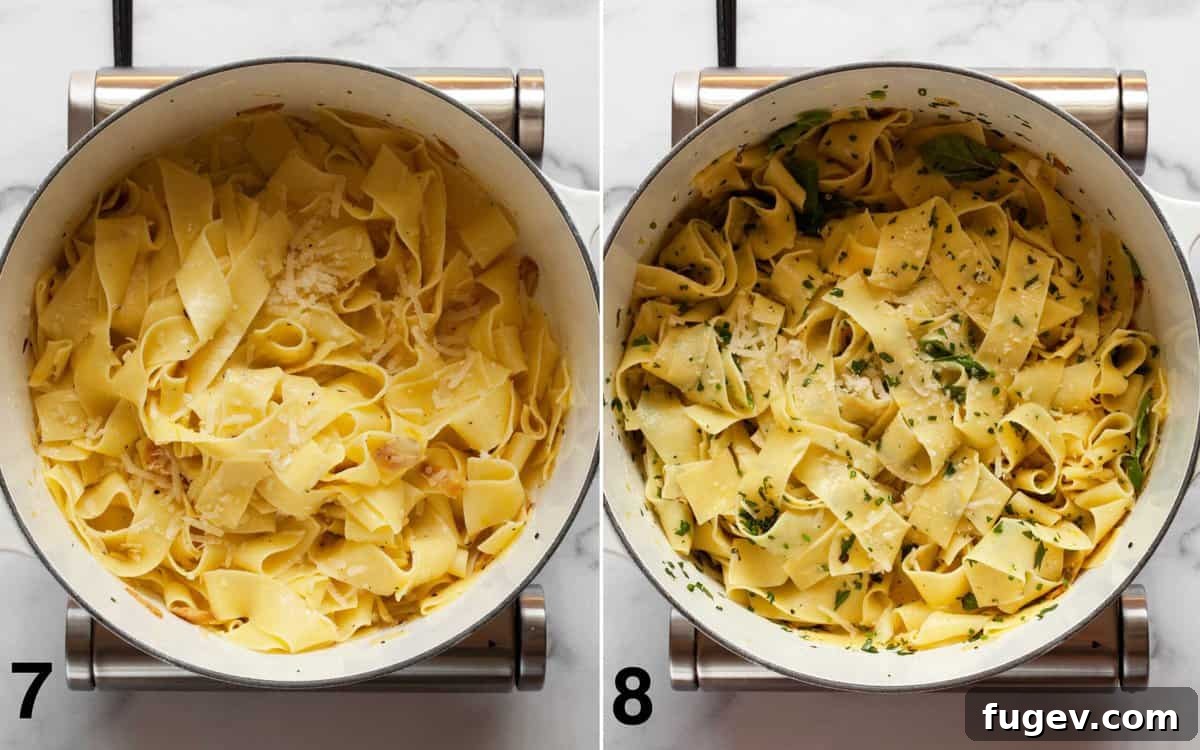
- Stir in the Parmesan Cheese: Remove the Dutch oven from the heat. Add the grated Parmesan cheese and fold it into the warm pasta. The residual heat will melt the cheese, adding a creamy, savory dimension to your sauce.
- Fold in the Fresh Herbs: This is where the magic happens! Stir in the freshly chopped parsley, chives, and basil leaves. Toss gently to combine. The vibrant heat will just barely soften the herbs, releasing their intoxicating aromas without overcooking them.
- Serve Immediately: Divide the hot fresh herb pappardelle into individual bowls. For an extra flourish and a boost of flavor, garnish each serving with an additional sprinkle of fresh Parmesan cheese and a few extra sprigs of herbs. Serve and enjoy!
Crafting Homemade Fresh Pappardelle Pasta Dough
While dried pappardelle works beautifully, there’s a unique satisfaction in making your own fresh pasta from scratch. The process can be incredibly therapeutic, and the resulting texture and flavor are truly unparalleled. You don’t necessarily need a fancy pasta machine to achieve delicious homemade pappardelle; a good rolling pin and a sharp knife can get the job done!
To embark on this culinary adventure, you can follow a reliable basic fresh pasta dough recipe. The fundamental steps involve combining flour and eggs, kneading the dough until it’s smooth and elastic, and then letting it rest. Once rested, the dough is rolled out thinly – either with a pasta machine or by hand with a rolling pin – until it’s a long, wide sheet. Then, simply use a sharp knife or a pasta cutter to slice it into the distinctive wide ribbons that define pappardelle. For an extra layer of flavor and visual appeal, consider kneading some finely chopped fresh herbs directly into the dough itself. The resulting vibrant green flecks will make your homemade pasta even more special and impressive.
Serving Suggestions for Your Pasta
This fresh herb pappardelle is a complete meal in itself, but it truly shines when accompanied by a complementary side. Here are a couple of my favorite go-to salads that perfectly round out a pasta dinner:
- Crisp Arugula Salad with Lemon Vinaigrette: If you appreciate simplicity and peppery greens, an Arugula Salad with Lemon Vinaigrette is an excellent choice. The bright, tangy dressing and the slightly bitter notes of arugula provide a refreshing contrast to the rich pasta. This salad also works beautifully with baby spinach or a spring greens mix.
- Hearty Italian Chopped Salad: For a more substantial and diverse side, an Italian Chopped Salad is always a winner. Packed with crisp lettuce, various vegetables, cured meats (optional), cheese, and a zesty Italian dressing, it adds texture and a medley of flavors that perfectly complement the pasta.
- Crusty Bread: Don’t forget a loaf of crusty artisan bread to sop up any delicious remnants of the garlicky, herby sauce! A simple baguette or ciabatta, perhaps lightly toasted or brushed with olive oil, is all you need.
- Roasted Vegetables: A side of roasted asparagus, broccoli, or bell peppers could also add a lovely crunch and additional nutrients to your meal.
Storage & Leftovers: Keeping Your Pasta Fresh
One of the beauties of this pappardelle recipe is that it tastes just as wonderful (if not more so!) the next day. Proper storage ensures your leftovers remain fresh and delicious:
- Refrigeration: If you have any leftovers, allow the pasta to cool completely to room temperature. Transfer it to an airtight container and store it in the refrigerator for up to 3 days. This prevents bacteria growth and maintains freshness.
- Reheating: To reheat, you have a couple of options:
- Microwave: For a quick reheat, place a portion in a microwave-safe dish and warm in short intervals, stirring occasionally, until heated through.
- Stovetop: For best results, especially if you want to restore some of that fresh-cooked texture, warm the pasta in a skillet over medium-low heat. Add a splash of olive oil or a tablespoon of water or vegetable broth to prevent sticking and help rehydrate the sauce. Stir gently until warmed through.
- Revitalizing Herbs: While the cooked herbs will lose some of their vibrancy upon reheating, you can easily revive the dish. If you have extra fresh herbs on hand, chop some and stir them into the warmed pasta just before serving. This will instantly refresh the flavors and add that beautiful burst of color and aroma.
Frequently Asked Questions (FAQs)
What is the difference between egg pasta and regular pasta?
Both egg pasta and “regular” pasta (which typically refers to durum wheat semolina pasta) contain flour and water, but egg pasta includes eggs as a primary ingredient, sometimes with a higher proportion of eggs. The addition of eggs gives the pasta a richer flavor, a more tender yet resilient texture, and a distinctive golden-yellow color. Egg pasta, like pappardelle, often feels more luxurious and is traditionally used for fresh pasta, while regular pasta is more common for dried varieties. Both are delicious, but egg pasta offers a unique depth of flavor and chew.
What is the difference between pappardelle and tagliatelle?
Pappardelle and tagliatelle are both long, flat egg noodles, but their primary difference lies in their width. Pappardelle is the wider of the two, typically around 2-3 cm (about 1 inch) wide, giving it a substantial, ribbon-like appearance. Tagliatelle is slightly narrower, usually about 6-10 mm (around 1/4 to 3/8 inch) wide, and is often compared to a flattened fettuccine. Both are excellent substitutes for each other in many recipes, particularly those with rich sauces, as their flat surfaces are great for clinging to ingredients. Fettuccine, for context, is narrower than tagliatelle.
What sauce is good with pappardelle noodles?
Pappardelle’s broad, hearty nature makes it incredibly versatile and suitable for a wide range of sauces. It’s famously excellent with rich, slow-cooked meat sauces like traditional Bolognese or a rustic Ragu, as its wide surface beautifully captures and holds the chunky ingredients. It also pairs wonderfully with creamy sauces, robust tomato sauces, vibrant pestos, and lighter preparations like our fresh herb and olive oil dressing. Even a simple toss with high-quality extra-virgin olive oil, garlic, and a sprinkle of Parmesan cheese allows the pasta’s texture and flavor to shine. Its ability to stand up to bold flavors while also complementing delicate ones makes it a favorite among chefs and home cooks alike.
Can I use dried herbs instead of fresh?
While fresh herbs are highly recommended for their vibrant flavor and aroma in this recipe, you can substitute dried herbs if absolutely necessary. Remember that dried herbs are more concentrated than fresh ones, so you’ll need to use less. A general rule of thumb is to use one-third the amount of dried herbs compared to fresh (e.g., 1 tablespoon fresh = 1 teaspoon dried). However, be aware that the overall freshness and brightness of the dish will be noticeably different.
More Delicious Pasta Recipes
If you’re a pasta enthusiast like us, you’ll love exploring these other delightful pasta creations. Each offers a unique flavor profile perfect for any season or craving:
- Easy Arugula Pasta: A vibrant and quick pasta dish featuring peppery arugula.
- Lemon Garlic Mushroom Spaghetti: Earthy mushrooms meet bright lemon and savory garlic in this comforting spaghetti.
- Parsley Pesto Pasta: A fresh and herbaceous pesto pasta with the delightful crunch of walnuts.
- Mushroom Corn Pasta: A unique and seasonal blend of sweet corn and savory mushrooms with penne.
- Cherry Tomato Eggplant Pasta: A rustic and flavorful pasta highlighting sweet cherry tomatoes and tender eggplant.
- Antipasto Spaghetti: All the wonderful flavors of an antipasto platter, tossed with spaghetti.
- Chickpea Spinach Pasta: A wholesome and satisfying vegetarian pasta featuring chickpeas and fresh spinach.
- Sun Dried Tomato Pasta: Rich and concentrated sun-dried tomato flavor in a simple pasta dish.
- Lemon Pepper Spaghetti: A classic, zesty, and subtly spicy spaghetti that’s quick and comforting.
This fresh herb pappardelle is also a wonderful addition to our comprehensive guide to easy pasta recipes for every season, offering vegetarian-friendly ideas perfect for spring, summer, fall, and winter.
Did you make this delightful pasta recipe? Please consider leaving a rating and comment below to share your experience. Your feedback is greatly appreciated!
Fresh Herb Pappardelle Pasta Recipe
Fresh Herb Pappardelle Pasta
This recipe for fresh herb pappardelle pasta is a simple, quick, and incredibly flavorful dish that comes together in just 20 minutes. Wide, tender pappardelle egg noodles are tossed with a luscious sauce of aromatic garlic, bright lemon, and a vibrant medley of fresh parsley, basil, and chives. It’s a truly satisfying and elegant meal, perfect for any occasion.
Prep time: 5 mins
Cook time: 15 mins
Total time: 20 mins
Yields: 4 servings
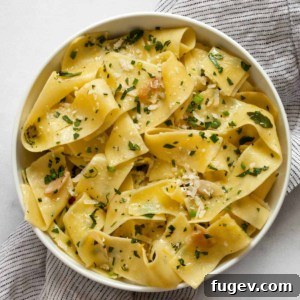
It doesn’t get much better than this mix of fresh herbs, lemon and garlic with these pappardelle egg noodles. This is a fast and easy pasta recipe.
Ingredients
- 8 ounces pappardelle pasta
- 1/4 cup olive oil (extra virgin recommended)
- 4 garlic cloves, thinly sliced
- 1 teaspoon kosher salt
- 1 teaspoon black pepper (freshly ground is best)
- 1/4 teaspoon red pepper flakes (add more for extra heat)
- 1/4 cup grated Parmesan cheese, plus more for serving
- Juice and zest of 1 fresh lemon
- 1/4 cup chopped fresh parsley
- 3 tablespoons chopped fresh chives
- 1/4 cup fresh basil leaves, larger leaves torn
Instructions
- Cook the pappardelle pasta until al dente in a large pot of generously salted boiling water according to package instructions. Before draining, reserve 1/2 cup of the pasta cooking water. Drain the pasta thoroughly in a colander.
- While the pasta cooks, heat the olive oil in a Dutch oven or large, deep skillet over medium-low heat. Add the thinly sliced garlic and gently fry until it turns a light golden brown and becomes very fragrant, about 2-3 minutes. Be careful not to burn it.
- Stir in the kosher salt, black pepper, and red pepper flakes into the garlic-infused oil. Cook for another 30 seconds to allow the flavors to bloom.
- Add the cooked and drained pappardelle pasta to the Dutch oven. Toss vigorously to ensure the pasta is well mixed and coated in the oil, garlic, and seasonings.
- Stir in the fresh lemon juice and lemon zest. Immediately add about 1/4 cup of the reserved pasta cooking water, stirring continuously. The starchy water will combine with the oil and lemon to create a light, silky sauce that clings beautifully to the pasta. Let it bubble gently until it coats the noodles.
- Remove the Dutch oven from the heat. Fold in the grated Parmesan cheese, stirring until it melts into the sauce, adding creaminess and savory depth.
- Finally, stir in the freshly chopped parsley, chives, and torn basil leaves. Toss gently until the herbs are evenly distributed and just slightly wilted by the warmth of the pasta.
- Divide the fresh herb pappardelle into individual serving bowls. Garnish each portion with additional grated Parmesan cheese and a few extra fresh herbs, if desired. Serve immediately and enjoy!
Video
Notes
- To save time, you can begin warming the olive oil and sautéing the garlic in the last few minutes of the pasta’s cooking time. If done this way, you can transfer the pasta directly from the boiling water to the pan with the oil and garlic, rather than draining it first. Just remember to save that 1/2 cup of pasta cooking water!
- If pappardelle is unavailable, tagliatelle is an excellent substitute for this recipe, offering a similar texture and richness.
- For a more intense cheesy flavor, try using Pecorino Romano cheese instead of Parmesan, or a blend of both.
- Store any leftover pasta in an airtight container in the refrigerator for up to 3 days. Reheat gently in the microwave or on the stovetop with a splash of olive oil or water. For best results, stir in more fresh herbs once the pasta is warm to revive its vibrant flavor.
Nutrition
Calories: 256kcal | Carbohydrates: 44g | Protein: 10g | Fat: 4g | Saturated Fat: 2g | Polyunsaturated Fat: 1g | Monounsaturated Fat: 1g | Trans Fat: 0.04g | Cholesterol: 53mg | Sodium: 708mg | Potassium: 219mg | Fiber: 2g | Sugar: 2g | Vitamin A: 623IU | Vitamin C: 13mg | Calcium: 94mg | Iron: 2mg
Nutrition information is automatically calculated and should only be used as an approximation.
Additional Info
Course: Pasta
Cuisine: Italian
Recipe originally published August 28, 2017. Updated: May 11, 2023.