
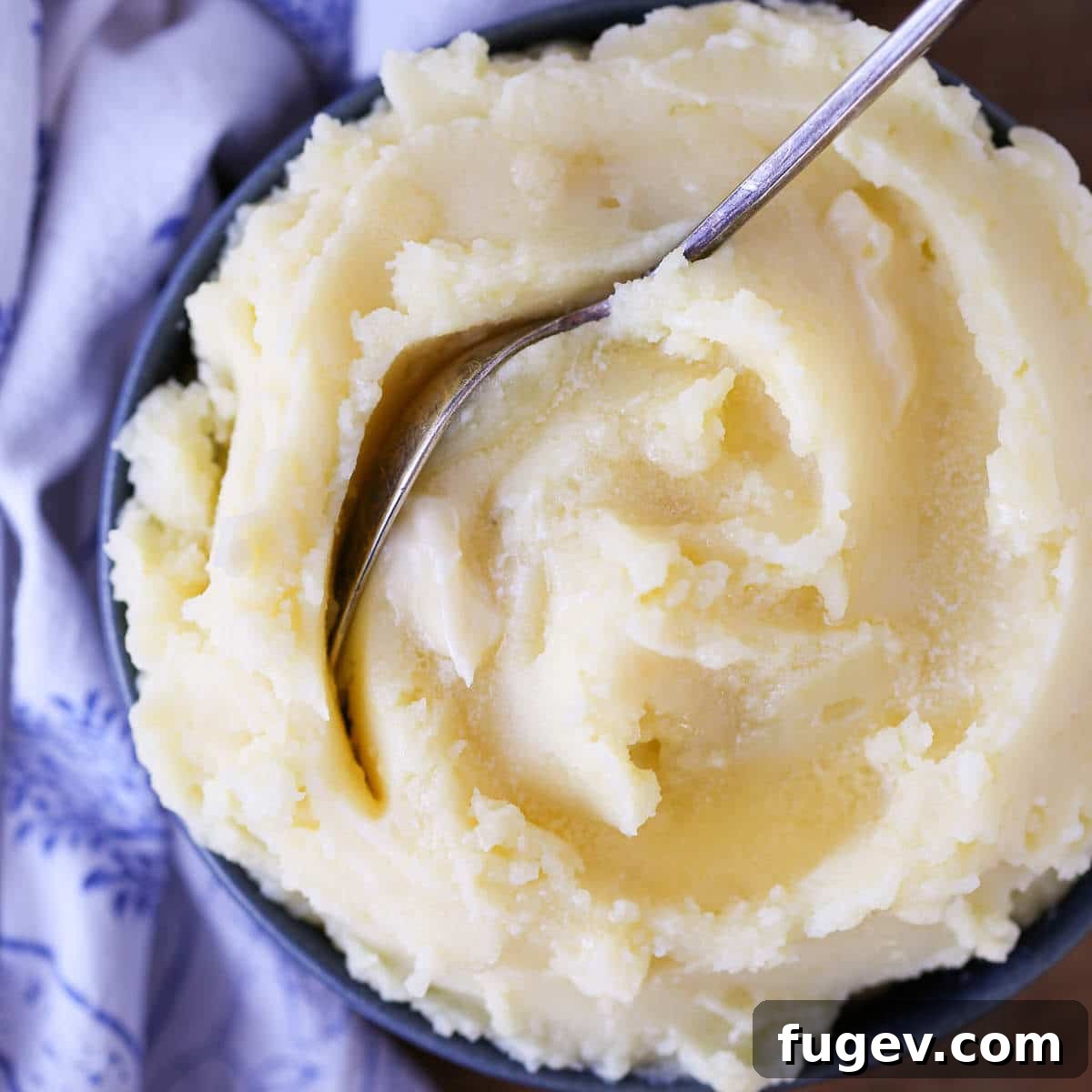
Creamy Mashed Potatoes: The Ultimate Guide to Perfectly Smooth and Flavorful Mash
Discover the secret to making the most exquisite, restaurant-quality creamy mashed potatoes right in your own kitchen. This incredibly simple recipe, honed by a professional chef, requires just a handful of ingredients and minimal effort, making it ideal for both busy weeknights and special holiday gatherings. Prepare to elevate your side dish game with these fast, delicious, and irresistibly smooth mashed potatoes.
Why Creamy Mashed Potatoes Are an Essential Side Dish
Mashed potatoes hold a special place in my heart – they are truly a culinary comfort. While I don’t prepare them every day, certain meals simply cry out for the rich, buttery embrace of perfectly mashed potatoes. Their versatility makes them an impeccable companion to a wide array of main courses. Imagine pairing them with a savory brown sugar meatloaf, the robust flavors of breaded mushroom pork chops, the tender simplicity of my easy tomato chicken bake, or the delicate elegance of baked halibut. The soft, pillowy texture acts as a perfect canvas, soaking up every drop of flavorful sauce.
In my professional opinion, mashed potatoes are non-negotiable whenever there’s a delicious sauce that deserves to be savored with every single bite. Picture them alongside my spicy peach pork chops, where they can capture the sweet and tangy glaze, or with succulent baked chicken and shallots, ensuring no drop of aromatic pan juices goes to waste. They transform a good meal into an unforgettable experience.
Beyond being a stellar side, extra mashed potatoes can be repurposed into delightful creations like fluffy potato dinner rolls. Simply allow them to cool completely and refrigerate for up to a week, making meal prep a breeze. This smart strategy is perfect for a busy Tuesday night or a cornerstone of your traditional Thanksgiving dinner menu, adding depth and richness to your spread.
Table of Contents
- A Quick Recipe Overview
- How to Fix Loose Mashed Potatoes
- To Cut or Not to Cut Potatoes Before Boiling?
- Achieving the Perfect Creamy Mashed Potatoes Texture
- How to Reheat Mashed Potatoes Like a Pro
- Essential Ingredients for Creamy Mashed Potatoes
- Delicious Variations & Substitutions
- Professional Chef Secrets for the Best Mash
- The Ultimate Creamy Mashed Potatoes Recipe
- Beyond the Mash: Explore More
A Quick Look At The Recipe
This is a brief summary of the recipe’s key details. For full instructions, please refer to the complete recipe below.
Jump to Recipe
Prep Time
5 minutes
Cook Time
30 minutes
Total Time
45 minutes
Servings
8 People
Difficulty
Easy
Calories *
287 kcal per serving
Technique
Boil potatoes, strain, puree, add butter and milk, then serve!
Flavor Profile
Creamy mashed potatoes perfectly seasoned with salt, butter, and milk.
* Based on nutrition panel
This mashed potato recipe is the best! I have been using it as a base recipe for a while. I like to add a bit of garlic powder, and sometimes I use heavy cream instead of milk. They always turn out perfect! ⭐⭐⭐⭐⭐
Mara
How to Fix Loose Mashed Potatoes
It happens to the best of us: you’re aiming for creamy, fluffy mashed potatoes, but accidentally add a touch too much liquid, resulting in a runny, loose consistency. Don’t despair! While prevention is key, there are ways to salvage your mash. The quickest fix is to carefully stir in instant potato flakes. These pre-cooked, dehydrated potato pieces will readily absorb excess moisture without requiring additional cooking. However, be aware that for those with very discerning palates, the texture and subtle flavor might be noticeably different from freshly mashed potatoes, but for most, it will pass unnoticed. A more advanced, but less ideal, solution could be to add a tiny amount of potato starch. However, raw potato starch will not fully cook in the hot potatoes and can leave a distinct, starchy flavor and slightly gritty texture, so it’s generally best to avoid this method unless absolutely necessary and used in very small increments.
To prevent loose mashed potatoes in the first place, always add your warmed milk gradually, stirring until you reach your desired consistency. Remember, you can always add more liquid, but it’s much harder to take it away!
To Cut or Not to Cut Potatoes Before Boiling?
This is a common question, and my professional advice is clear: I strongly advocate against cutting potatoes before boiling them, especially when preparing mashed potatoes or even potato bread. The reasoning is quite simple yet profoundly impactful on the final texture and flavor. When you cut potatoes into smaller pieces, you increase their surface area. This larger surface area allows the potato flesh to absorb significantly more water during the boiling process. This excess water becomes trapped within the potatoes, leading to a diluted flavor profile and a less desirable, often watery, texture in your finished dish.
Moreover, cutting potatoes can lead to greater starch loss into the cooking water, which can also affect the final creaminess and richness. This principle holds even truer if you choose to peel your potatoes before boiling. The skin acts as a natural barrier, protecting the potato flesh from excessive water absorption and nutrient leaching. By boiling potatoes whole and unpeeled (peeling them after cooking is much easier!), you ensure they retain their natural flavor and optimal starch content, resulting in a truly rich and creamy mash.
Achieving the Perfect Creamy Mashed Potatoes Texture
Crafting the perfect batch of creamy mashed potatoes is an art form, but with these precise steps, you’ll master it every time. The foundation begins with proper cooking: boil your potatoes until they are undeniably tender. You should be able to effortlessly pierce them with a cake tester, a thin knife, or even a fork. This ensures they’re soft enough to mash without lumps, but not overcooked to the point of becoming waterlogged.
The timing of your mashing is crucial – always mash the potatoes while they are still piping hot. Heat helps to break down the starch cells evenly, creating a smoother consistency. Immediately after straining, transfer the hot potatoes to your mashing vessel. If using a stand mixer, add all of your cubed, room-temperature butter at once. Mixing the butter in first helps coat the starch molecules, preventing them from developing a gummy texture. Once the butter is fully incorporated and melted, begin slowly adding warmed milk, a little at a time, until you achieve your desired silky-smooth consistency. The key here is gradual addition and gentle mixing. Over-mixing or beating the potatoes too aggressively will activate their starches, leading to a gluey, undesirable texture. Aim for just enough mixing to combine the ingredients into a luxurious, creamy mash.
How to Reheat Mashed Potatoes Like a Pro
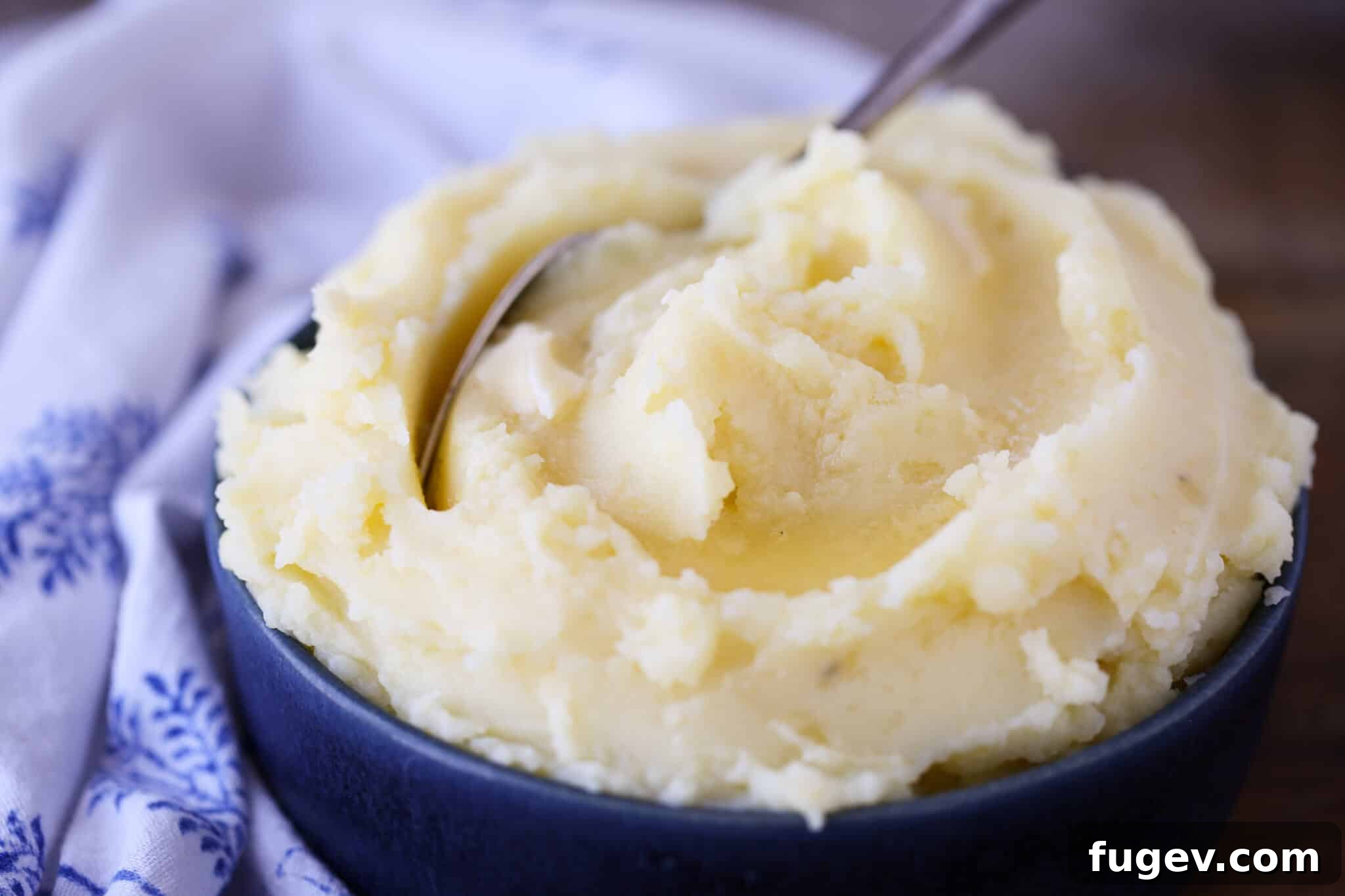
Mashed potatoes are notorious for thickening as they cool, transforming from a creamy dream to a somewhat solid mass. But don’t let leftover mash go to waste! Reheating them successfully requires a little finesse to restore their luscious texture. The golden rule for reheating is to always have a little extra warmed milk (or even cream or broth) on hand. As you gently reheat the potatoes, either on the stovetop over low heat, in the microwave, or even in a slow cooker, gradually stir in the warmed liquid until they loosen and regain their smooth, creamy consistency. For stovetop reheating, place them in a saucepan with a splash of milk and stir constantly to prevent sticking and encourage even heating. In the microwave, reheat in short bursts, stirring and adding liquid between each interval. While the texture may never be exactly identical to freshly made mashed potatoes, this method will bring them remarkably close, making your leftovers just as enjoyable as the original meal.
Essential Ingredients for Creamy Mashed Potatoes
The magic of truly exceptional mashed potatoes lies in the quality and balance of just a few key ingredients. Here’s what you’ll need to create a professional-grade side dish:
- Yukon Gold Potatoes: My top choice for mashed potatoes are Yukon Gold Potatoes. Their naturally buttery flavor, moist flesh, and medium-starch content create an incredibly rich and complex mash. They break down beautifully without becoming gluey. While red potatoes can also be used for a slightly different texture, Yukon Golds deliver that signature creamy, golden hue and superior taste.
- Butter: I always reach for unsalted butter when cooking, especially for a dish like mashed potatoes. This allows you complete control over the seasoning. The butter adds incredible richness and a velvety texture that is indispensable for truly creamy mash. Feel free to use high-quality European-style butter for an even more luxurious result.
- Whole Milk: For the ultimate indulgence in creamy mashed potatoes, whole milk is my preferred choice. Since mashed potatoes are often a special treat, the higher fat content of whole milk contributes significantly to that extra-creamy, decadent mouthfeel. However, if you’re looking to lighten things up slightly, low-fat or skim milk can certainly be used, though you might sacrifice a touch of richness. For an even richer experience, heavy cream or half-and-half can be substituted.
- Kosher Salt: Salt is not just about making food salty; it’s about enhancing and heightening the natural flavors of your ingredients. Kosher salt, with its larger flakes, distributes evenly and seasons the potatoes perfectly, transforming them from bland to brilliantly flavorful. Remember to season your cooking water generously for the best internal flavor, then adjust to taste at the end.
- Black Pepper: Freshly ground black pepper is an optional but highly recommended addition. Its subtle warmth and earthy aroma provide a lovely complementary flavor that brightens the richness of the potatoes. I typically keep black pepper in a pepper mill or buy whole peppercorns to refill my favorite pepper grinder. The difference between fresh black pepper and pre-ground is astounding – fresh provides a much more vibrant and aromatic kick.
Delicious Variations & Substitutions to Elevate Your Mash
While the classic creamy mashed potato recipe is perfect as is, it also serves as an excellent foundation for culinary creativity. Here are some fantastic ways to customize your mash:
- Herb Infusions: One of the simplest yet most effective ways to introduce new flavors is by adding fresh herbs to your potatoes as they boil. Hearty herbs like rosemary, thyme, oregano, and sage release their aromatic oils into the cooking water, subtly perfuming the potatoes from the inside out. You can also add whole garlic cloves or bay leaves. Just be sure to remove any large herb sprigs or whole spices before mashing. For a brighter flavor, finely chopped chives or parsley can be stirred in at the very end.
- Extra Creamy & Decadent: To achieve an even more luxurious, indulgent mash, consider incorporating additional creamy elements. Before adding the milk, mix in a dollop of cream cheese, crème fraîche, or sour cream. These additions introduce a delightful tang and an unparalleled richness, taking your mashed potatoes to a gourmet level. Heavy cream can also be used instead of, or in addition to, whole milk for ultimate decadence.
- A Little Bit Healthier: If you’re looking to boost nutrition without sacrificing flavor, try making mashed potatoes and parsnips. Parsnips offer a slightly sweet, earthy flavor that pairs wonderfully with potatoes, adding fiber and vitamins. You can also experiment with other root vegetables like carrots, celery root, or cauliflower for a lighter, yet still satisfying, alternative.
- Extra Smooth Texture: For the silkiest, most lump-free mashed potatoes imaginable, a potato ricer or food mill is your best friend. Transfer the hot, cooked potatoes directly into a ricer and press them through into a bowl. This method separates the starch cells without overworking them, resulting in an exceptionally airy and smooth puree. While a stand mixer can get you very close, a ricer provides that unparalleled refined texture.
- Exciting Mix-Ins: This is where the real fun begins! Mashed potatoes are a fantastic vehicle for all sorts of delicious additions. Go all out with loaded mashed potatoes, incorporating crispy bacon bits, shredded cheddar cheese, sliced green onions, and a dollop of sour cream. Or, draw inspiration from your favorite vegetable casserole recipe, adding roasted garlic, caramelized onions, or sautéed mushrooms. For a vibrant and cheesy twist, try Broccoli Cheddar Mashed Potatoes – a guaranteed crowd-pleaser!
Professional Chef Secrets for the Best Mash
Achieving truly magnificent mashed potatoes goes beyond just following a recipe; it’s about understanding a few key techniques that chefs swear by. Incorporating these tips will elevate your dish from good to extraordinary:
- The Right Mashing Tool: If you’re using a stand mixer, make sure to use the paddle attachment. Even better, if your paddle attachment comes with a rubber scraper on the side, use that! This design allows for efficient and thorough mixing, ensuring every bit of potato is incorporated and smoothed without overworking the starches, which is crucial for preventing a gummy texture.
- Warm Dairy is Key: Always warm your milk or cream before adding it to the hot potatoes. Cold liquid will cool down the potatoes, making them harder to incorporate and potentially leading to a denser, less airy mash. Warmed dairy also blends more seamlessly, creating a truly emulsified and creamy consistency.
- Season the Water: Don’t forget to generously salt the water when boiling your potatoes. Potatoes absorb salt as they cook, seasoning them from the inside out. This foundational seasoning vastly improves the overall flavor of your mashed potatoes, meaning you’ll need less additional salt at the end. Aim for water that tastes like a light broth.
- Mash While Hot: As emphasized before, speed is your friend here. Potatoes are easiest to mash and absorb fats and liquids best when they are still very hot. As they cool, their starch structure changes, making them more resistant to mashing and prone to becoming gluey.
- Don’t Overwork It: This is perhaps the most critical tip. Potatoes, especially after boiling, contain starches that can become elastic and glue-like if agitated too much. Mix just until the butter and milk are incorporated and the desired consistency is reached. Stop immediately once smooth; any further mixing is detrimental.
Creamy Mashed Potatoes Recipe
Chef Lindsey
Comment
Print Recipe
Ingredients
- 2.5 lbs Yukon gold potatoes or red potatoes
- 13 tbsp Butter unsalted
- ½ cup Milk warmed
- Kosher Salt to taste
- Black Pepper to taste
Instructions
- Place potatoes in a large pot and fill with cold water just to cover them. Season generously with kosher salt. The resulting mashed potatoes will require less additional salt if seasoned properly with the cooking water.
- Bring the pot to a boil uncovered and continue to cook until the potatoes are thoroughly tender. They should pierce easily with a fork, a paring knife, or a cake tester.
- Once cooked to perfection, drain the potatoes completely using a colander or a large sieve.
- Transfer the hot, drained potatoes to the bowl of a stand mixer fitted with the paddle attachment. Mix on low speed until a smooth puree has formed. This step can also be done effectively by hand with a sturdy wooden spoon or a potato masher, or for an exceptionally smooth texture, a food processor (though be careful not to overprocess).
- Add all the cubed butter to the hot potatoes and continue mixing until it is completely melted and fully incorporated into the mash.
- Remove the bowl from the stand mixer (or stop hand mixing) and slowly add the warmed milk, a little at a time, stirring gently until the desired creamy consistency is achieved. Remember that the mashed potatoes will thicken slightly as they cool.
- If you accidentally add too much milk and your potatoes become too loose, you can gently stir in a small amount of potato flakes to thicken them. While discerning palates might notice a slight difference in taste and texture, most people won’t be able to tell!
- Finally, taste and season with additional kosher salt and freshly cracked black pepper to your preference. Serve immediately and enjoy!
Notes
Approximately 2.5 pounds of peeled potatoes should yield about 6 cups of delicious mashed potatoes.
Peeling the potatoes is entirely optional. I personally appreciate the added fiber, texture, and nutrients that come from leaving the skins on. If you choose to leave them unpeeled, ensure you wash them thoroughly before cooking. For the photos accompanying this recipe, the potatoes were peeled to show a classic smooth mash.
Nutrition
Carbohydrates: 25g |
Protein: 4g |
Fat: 20g |
Saturated Fat: 12g |
Polyunsaturated Fat: 1g |
Monounsaturated Fat: 5g |
Trans Fat: 1g |
Cholesterol: 52mg |
Sodium: 165mg |
Potassium: 625mg |
Fiber: 3g |
Sugar: 2g |
Vitamin A: 615IU |
Vitamin C: 28mg |
Calcium: 41mg |
Iron: 1mg
Enjoyed this recipe? Leave a comment below!
Beyond the Mash: Explore More Delicious Recipes
These exquisite mashed potatoes aren’t just for heavy roasts and rich gravies; they would also be an absolutely dreamy complement to my savory Ruth Jean’s Tuna Melt Recipe, offering a comforting contrast to its flaky texture. If you’re eager to expand your culinary repertoire, make sure to explore our extensive collection of other delicious, chef-developed Side Dish Recipes. You’re sure to find your next favorite accompaniment!