
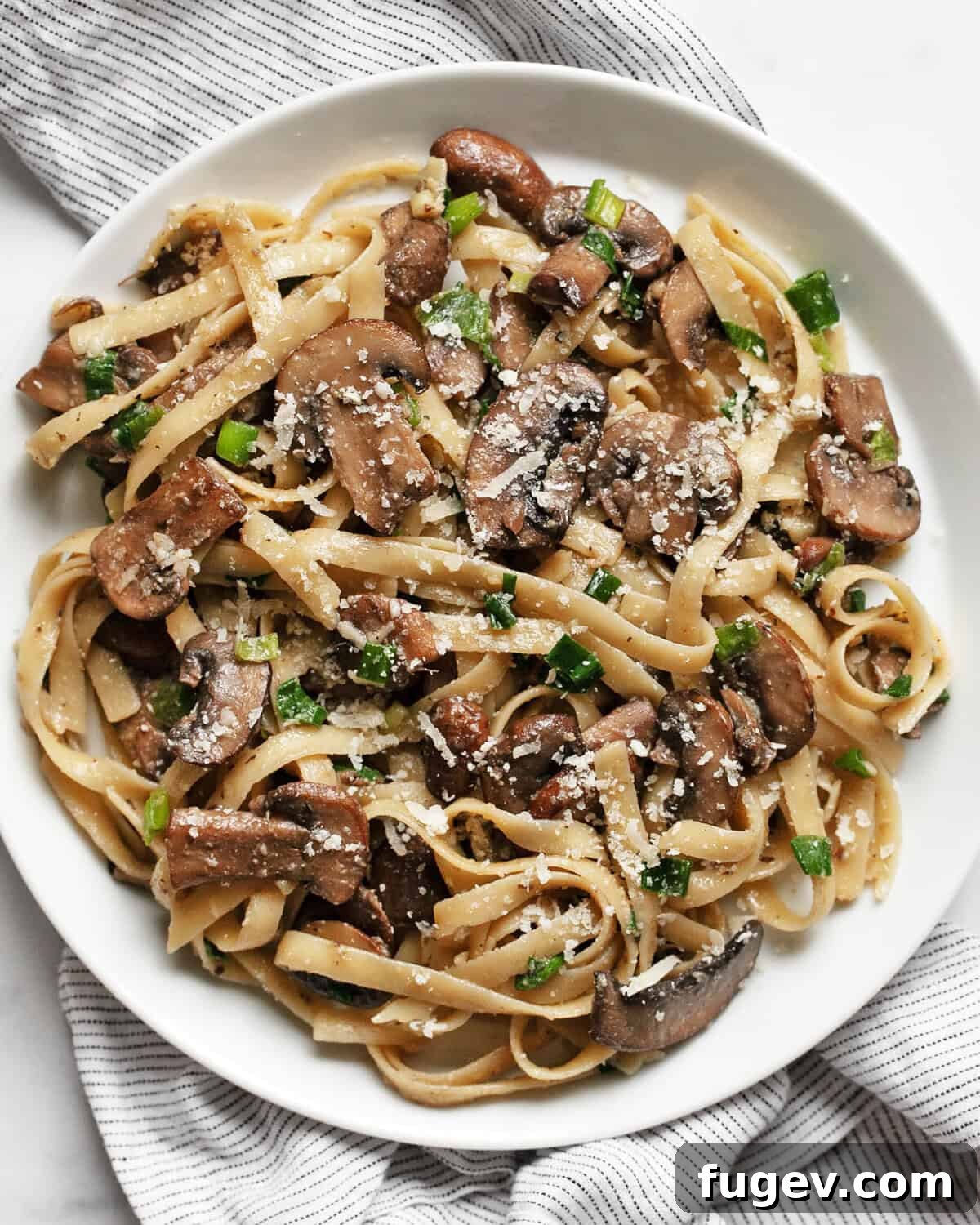
Prepare to elevate your weeknight dining with this incredibly flavorful and surprisingly simple miso mushroom pasta. This dish seamlessly blends the earthy richness of sautéed mushrooms with the deep, savory umami of white miso paste, all enveloped in a light yet exquisitely creamy sauce. It’s a vegetarian masterpiece that’s quick enough for busy evenings but sophisticated enough to impress on a special occasion. With just a handful of ingredients, you’ll create a restaurant-quality meal that’s both comforting and uniquely delicious.
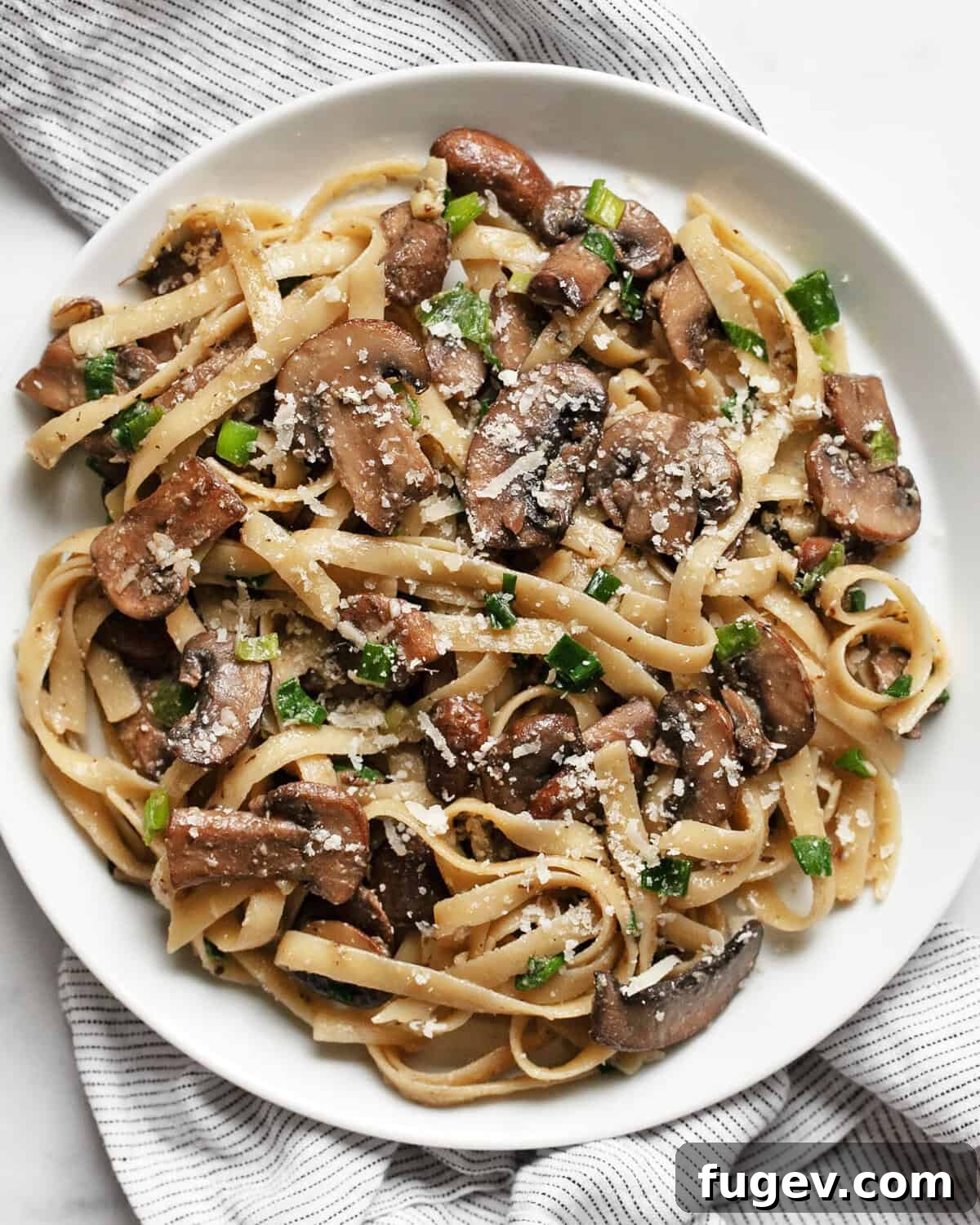
Table of Contents
- Why You’ll Love This Miso Mushroom Pasta Recipe
- Key Ingredients for Miso Mushroom Pasta
- Step-by-Step: How To Make Miso Mushroom Pasta
- Serving Suggestions for Your Pasta
- Storing and Reheating Leftover Pasta
- Expert Recipe Tips for Perfect Pasta
- More Delightful Mushroom Recipes
- Full Miso Mushroom Pasta Recipe Card
Why You’ll Love This Miso Mushroom Pasta Recipe
This miso mushroom pasta isn’t just another dinner recipe; it’s a culinary experience designed for simplicity and incredible flavor. Here’s why this dish will quickly become a cherished favorite in your kitchen:
Unforgettable Umami Flavor with Minimal Effort: One of the standout features of this recipe is its ability to deliver a complex, savory flavor profile with surprisingly few ingredients. Miso paste, a cornerstone of Japanese cuisine, acts as a secret weapon, infusing the entire dish with a rich umami depth that’s both satisfying and utterly unique. Coupled with the earthy notes of perfectly sautéed mushrooms, garlic, and scallions, this pasta achieves a depth of flavor typically associated with much more elaborate dishes, all while keeping your active cooking time minimal.
A Healthier Twist on Creamy Pasta: Forget heavy creams and calorie-laden sauces. This miso mushroom pasta offers a wonderfully light yet incredibly luxurious sauce that gets its silky texture from just a touch of butter and the starchy magic of reserved pasta water. The miso paste emulsifies beautifully, creating a coating that clings to every strand of pasta and mushroom slice, providing that comforting “creamy” feel without being overly rich. It’s a sophisticated “grown-up” version of buttery noodles that feels indulgent without the guilt.
Perfect for Miso Paste Enthusiasts (and Newcomers!): If you’ve ever bought a tub of miso paste for a specific recipe and found yourself wondering how else to use it, this pasta dish is your answer. Miso is incredibly versatile, and its unique fermented flavor pairs beautifully with a wide range of ingredients. This recipe provides another fantastic way to incorporate its distinctive taste into your repertoire, expanding beyond traditional Asian soups or dressings. It’s an excellent way to use up any leftover miso you might have from making dishes like crispy tofu salad with peanut ginger dressing, or simply a delicious excuse to buy some!
Speed and Simplicity for Busy Lives: In today’s fast-paced world, finding delicious and nutritious meals that don’t take hours to prepare is essential. This miso mushroom pasta clocks in at under 30 minutes from start to finish, making it an ideal choice for a quick weeknight dinner. Its straightforward steps and common ingredients mean you can whip up a gourmet-tasting meal even on your busiest days.
Key Ingredients for Miso Mushroom Pasta
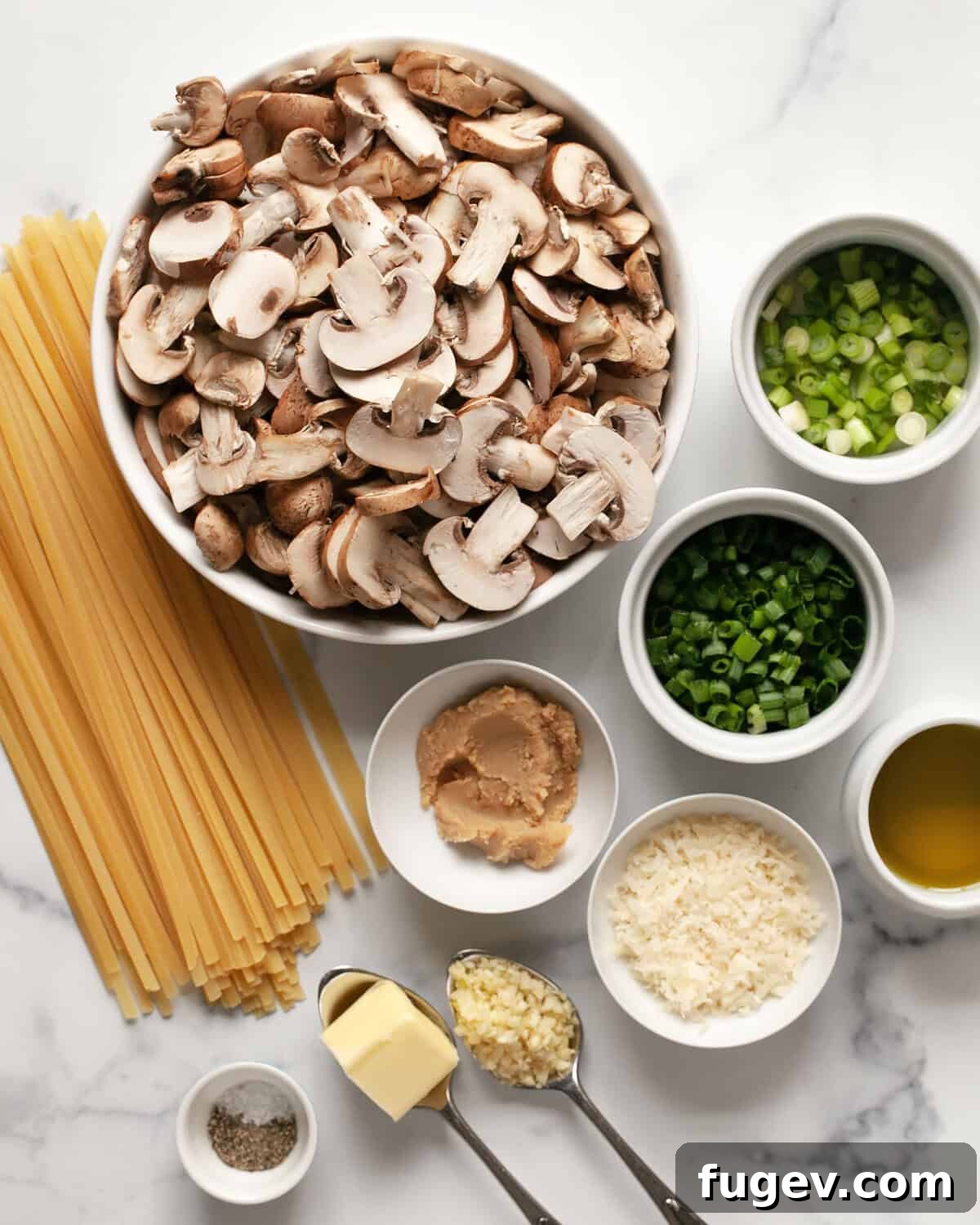
Crafting this incredible pasta dish requires a careful selection of fresh, high-quality ingredients. Here’s a closer look at what you’ll need and why each component is vital:
- White Miso Paste: This fermented soybean paste is the heart and soul of our sauce, lending a profound umami flavor. White miso, also known as Shiro Miso, ferments for a shorter period compared to red miso, resulting in a milder, sweeter, and less salty profile. It dissolves easily to create a smooth, delicate sauce. Look for it in the refrigerated section of most Asian markets or well-stocked grocery stores. Store it in the refrigerator after opening.
- Mushrooms: We recommend using either baby bella (cremini) mushrooms or a mix of wild mushrooms for their robust flavor and meaty texture. These varieties offer a more exciting and complex taste than standard white button mushrooms. When preparing, gently wipe them clean with a damp paper towel to remove any dirt – avoid rinsing them under water, as they absorb moisture easily and won’t brown as effectively. Slice them evenly for consistent cooking.
- Pasta: A long, flat, or tubular pasta shape works exceptionally well with this light, creamy sauce, allowing it to cling beautifully to each strand. Excellent choices include tagliatelle, fettuccine, bucatini, or classic spaghetti. Feel free to use your favorite pasta variety, keeping in mind that the surface area and shape can significantly impact how the sauce coats the noodles.
- Butter: Butter is essential for adding a luxurious richness to the sauce without resorting to heavy cream. When combined with the starchy pasta cooking water and miso, it emulsifies into a beautifully silky, light, and creamy coating. Using unsalted butter allows you to control the overall saltiness of the dish, especially given the miso paste’s inherent sodium content.
- Garlic: Freshly minced garlic is non-negotiable for its aromatic punch. It sautéed with the mushrooms, infusing them with a deep, savory foundation. This recipe calls for three cloves, but if you’re a devoted garlic lover, don’t hesitate to add an extra clove or two to suit your preference.
- Scallions (Green Onions): Scallions provide a delicate, fresh onion flavor that perfectly complements the miso butter sauce and the earthiness of the mushrooms. They offer a milder taste than regular onions and add a vibrant green pop. We use both the white and green parts, separating them for different stages of cooking to maximize their flavor and freshness. We don’t recommend substituting with other types of onion, as their flavor profile might be too strong or lack the desired delicate touch.
- Parmesan Cheese: Grated Parmesan cheese is stirred into the hot pasta at the end, melting into the sauce to add a savory, salty, and slightly nutty depth. It contributes to the overall creaminess and provides a satisfying finish. Always use freshly grated Parmesan for the best flavor and melt.
- Olive Oil: A good quality extra virgin olive oil is used for sautéing the mushrooms. Its fruity notes enhance the overall flavor of the dish while ensuring the mushrooms brown beautifully without sticking.
- Kosher Salt and Black Pepper: These fundamental seasonings are used to season the mushrooms and garlic, building layers of flavor that permeate the entire dish. Proper seasoning at each stage is crucial for a well-balanced and delicious final product.
Step-by-Step: How To Make Miso Mushroom Pasta
Crafting this flavorful miso mushroom pasta is a straightforward process, designed for efficiency and maximum taste. Follow these simple steps to bring this vegetarian delight to your table:
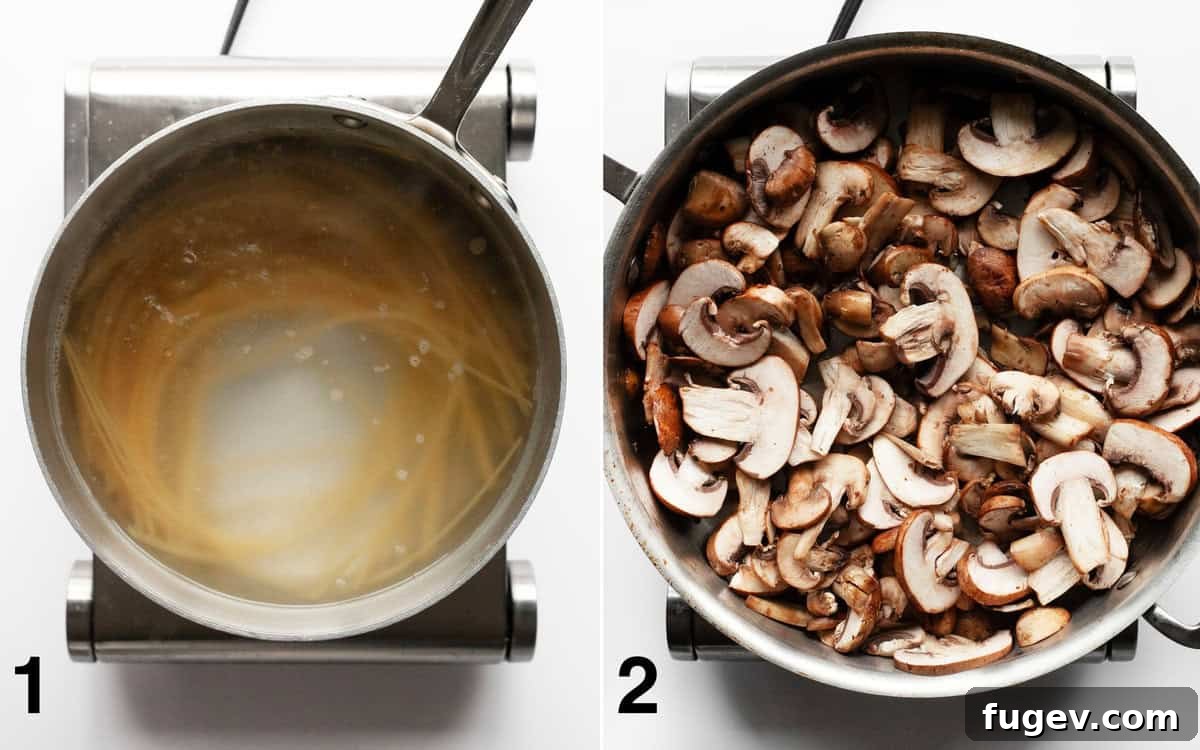
1. Boil the Pasta to Perfection: Begin by bringing a large pot of generously salted water to a rolling boil. Add your chosen pasta and cook it for approximately one minute less than the package instructions for an al dente finish. This ensures your noodles will have a perfect bite and won’t become mushy when tossed with the sauce. Crucially, before draining, reserve one full cup of this starchy pasta cooking water. This liquid is gold for our sauce, helping to create its signature silky texture.
2. Sauté the Mushrooms Until Golden: While your pasta is cooking, heat one tablespoon of olive oil in a large skillet or sauté pan over medium-high heat. Once the oil shimmers, add the sliced mushrooms. Resist the urge to stir them constantly. Allow them to sauté undisturbed for 7-8 minutes. This crucial step lets the mushrooms release their moisture and develop a beautiful, deep brown caramelization, intensifying their earthy flavor and providing a wonderful texture to the dish.
3. Infuse with Aromatics: Once the mushrooms are nicely browned, add the white parts of your thinly sliced scallions, minced garlic, a pinch of kosher salt, and a half teaspoon of black pepper to the skillet. Continue to sauté for another few minutes, stirring occasionally. The mushrooms will become even more caramelized, and the garlic and scallions will become wonderfully fragrant, permeating the kitchen with their irresistible aroma. Once fragrant, transfer the entire mushroom mixture to a plate and set aside, ready to be folded into the pasta later.
4. Craft the Velvety Miso Sauce: Using the same skillet (no need to clean it – those browned bits add extra flavor!), reduce the heat to medium-low. Add the butter and the white miso paste. Pour in about half a cup of your reserved pasta cooking water. Stir continuously, melting the butter and breaking down the miso paste until the mixture is completely smooth and free of any lumps. Let this miso butter mixture gently simmer for a couple of minutes. You’ll notice it start to bubble and thicken ever so slightly, creating a base that is both flavorful and perfectly poised to coat your pasta.
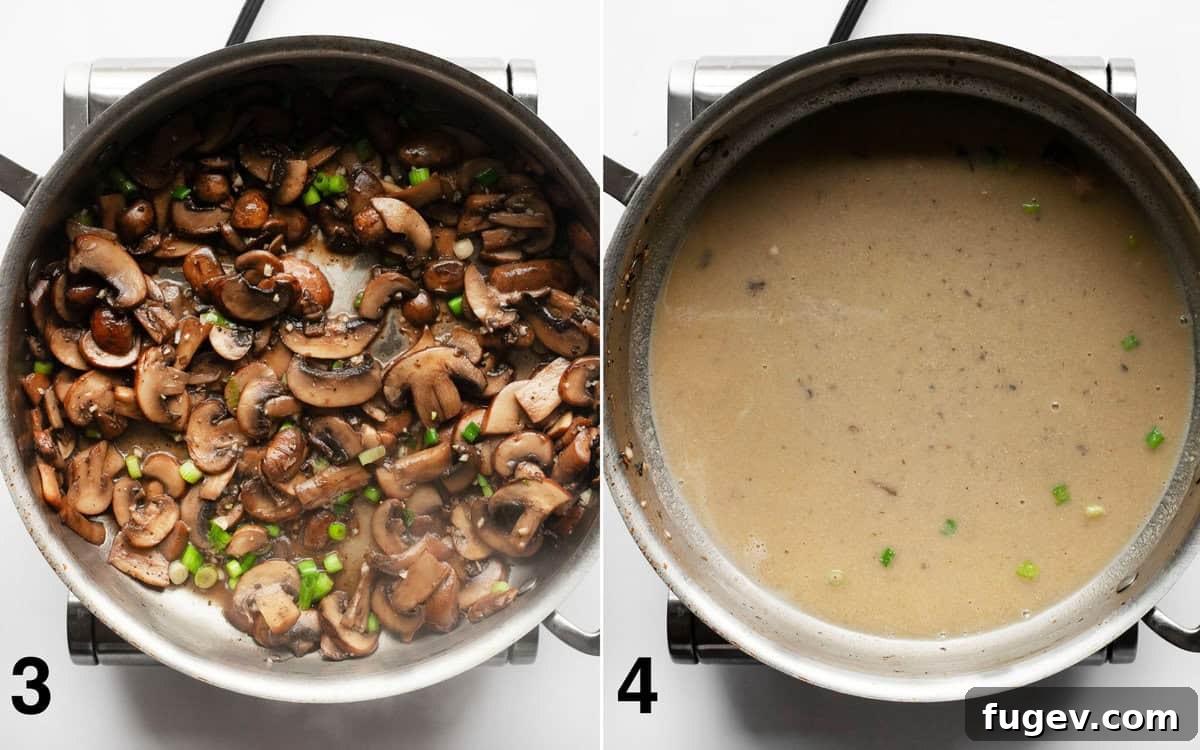
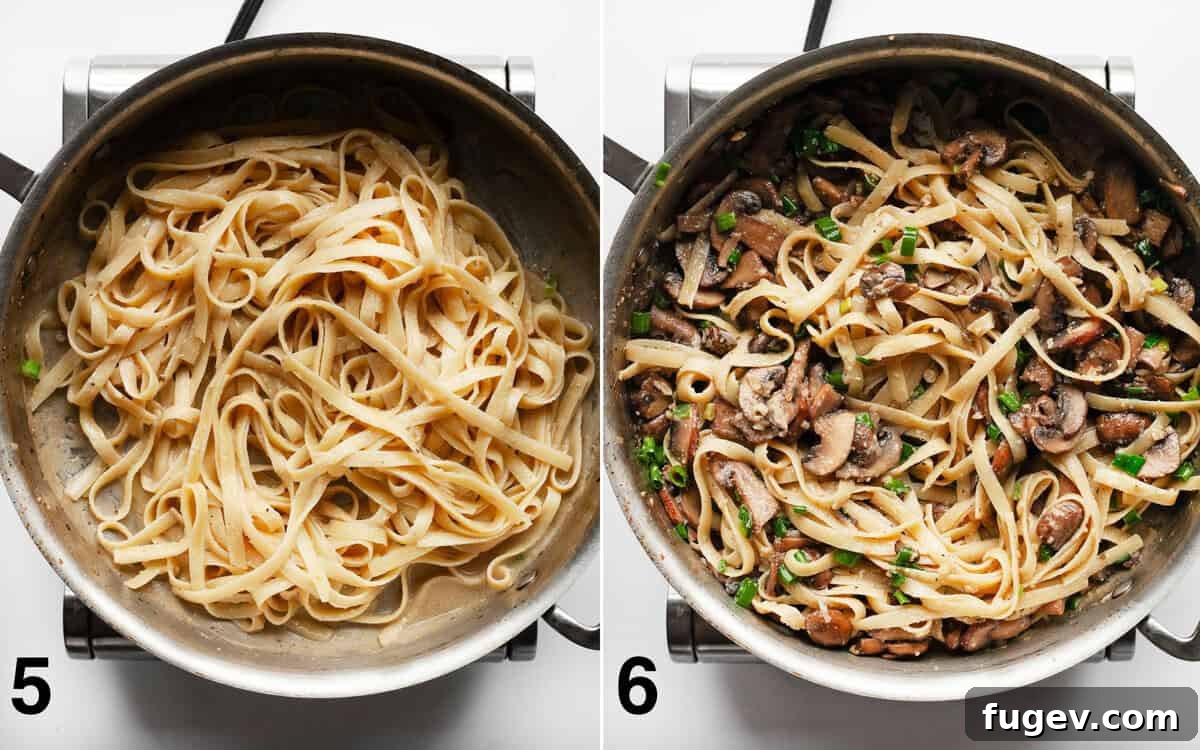
5. Combine Pasta and Sauce: Add your cooked, al dente pasta directly into the skillet with the miso butter sauce. Using tongs, toss the pasta vigorously, ensuring every strand is thoroughly coated in the luscious sauce. This mixing process allows the pasta to absorb the flavors and helps the sauce thicken further thanks to the starches on the noodle surface.
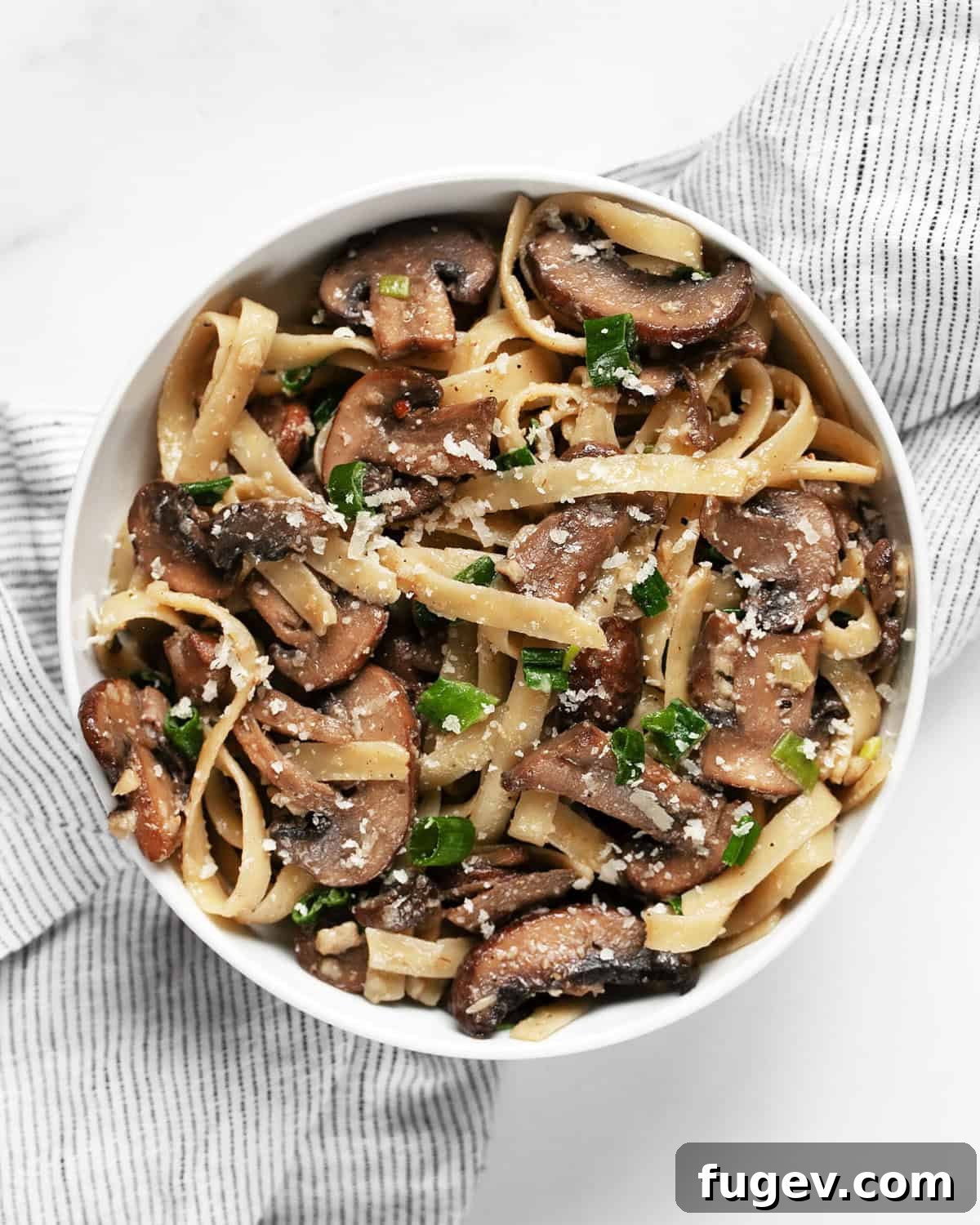
6. Fold in the Finishing Touches: Gently fold the sautéed mushrooms, the vibrant green parts of the sliced scallions, and the grated Parmesan cheese into the pasta. Continue tossing until all the ingredients are beautifully combined and the pasta is lightly but evenly dressed in the miso butter sauce. If at any point the sauce seems too thick or the pasta looks dry, add an additional tablespoon of the reserved pasta cooking water at a time, until you reach your desired consistency. Serve immediately, perhaps with an extra sprinkle of Parmesan.
Serving Suggestions for Your Miso Mushroom Pasta
This miso mushroom pasta is a star on its own, but it truly shines when paired with complementary sides that add brightness and texture. The savory, earthy notes of the pasta are beautifully balanced by fresh, zesty elements. Consider serving it alongside crisp, vibrant salads dressed with a sharp vinaigrette. A classic house salad, a peppery arugula salad with lemon vinaigrette, or a robust Italian chopped salad would all be excellent choices. The acidity from the dressing will cut through the richness of the pasta, creating a delightful contrast. Don’t forget a good loaf of crusty bread to soak up any leftover pools of that delicious miso butter sauce – it’s too good to waste!
Storing and Reheating Leftover Pasta
While this miso mushroom pasta is undeniably at its best enjoyed fresh, immediately after it’s made, any leftovers can be stored and reheated. The longer pasta sits, the more it tends to absorb sauce and soften, but with proper storage and reheating, you can still enjoy a delicious meal. Transfer any cooled leftover pasta to an airtight container and store it in the refrigerator for up to 3 days. When reheating, you have a couple of options: gently warm it in the microwave, adding a splash of water or vegetable broth to loosen the sauce and rehydrate the noodles, or reheat it in a skillet over medium-low heat with a tiny bit of olive oil or butter, stirring occasionally until heated through. Again, a splash of liquid can help restore its texture.
Expert Recipe Tips for Perfect Miso Mushroom Pasta
Achieving restaurant-quality results with your miso mushroom pasta is easy with a few simple techniques. Here are some expert tips to ensure every bite is perfect:
- Mind Your Pasta Cooking Time: The key to great pasta is preventing it from becoming soggy. Always check the recommended cooking time on your pasta package and aim to undercook it by about 1 minute for an “al dente” texture. Remember, the pasta will continue to cook slightly when tossed with the hot sauce, absorbing flavors and reaching its ideal consistency.
- The Magic of Pasta Water: Don’t underestimate the power of starchy pasta water! While the recipe suggests reserving 1 cup, you might only need half. This water is vital for creating a silky, emulsified sauce. The starch in the water helps bind the miso and butter, forming a luxurious coating for your noodles. Add it gradually, a tablespoon at a time, after you’ve stirred in the noodles and mushrooms, until the sauce reaches your desired consistency – lightly coating all the ingredients.
- Choose the Right Pan: A large skillet or a sauté pan with straight, high sides is ideal for this recipe. A spacious pan allows the mushrooms to sauté evenly without overcrowding, promoting better browning and flavor development. It also provides ample room to toss and combine the pasta with the sauce and other ingredients without making a mess.
- Making it Vegan-Friendly: This recipe can easily be adapted for a vegan diet. Simply substitute the dairy butter with your favorite plant-based, dairy-free butter alternative. For the Parmesan cheese, opt for a high-quality vegan Parmesan substitute, which is widely available in most grocery stores today. The miso paste itself is naturally vegan.
- Gluten-Free Pasta Considerations: If you’re using gluten-free pasta, be extra vigilant about the cooking time. Gluten-free varieties can often go from al dente to overcooked very quickly, and they tend to have less of that desirable chewy bite than traditional wheat pasta. Follow package directions carefully and taste test frequently.
- Enhance with Fresh Herbs: While scallions add a wonderful freshness, a sprinkle of other fresh herbs like chopped parsley or chives right before serving can elevate the dish even further. They add a vibrant color and an extra layer of aromatic flavor.
- Add a Touch of Heat: For those who enjoy a little kick, a pinch of red pepper flakes can be added to the mushrooms along with the garlic and scallions. This will infuse a subtle warmth throughout the dish.
- Incorporate More Greens: To boost the vegetable content, feel free to stir in a few handfuls of fresh baby spinach or baby arugula along with the sautéed mushrooms and scallion greens. The residual heat from the pasta will quickly wilt them, adding extra nutrition and color.
More Delightful Mushroom Recipes
If you’ve fallen in love with the earthy flavor of mushrooms in this pasta dish, you’re in luck! Mushrooms are incredibly versatile and can be the star of many delicious meals. Explore these other fantastic recipes that celebrate the humble mushroom:
Mushroom Spinach Penne
Sheet Pan Mushroom Quesadillas
Wild Mushroom Barley
Lemon Mushroom Spaghetti
Mushroom Corn Penne
Tomato Mushroom Farro
Sheet Pan Mushroom Asparagus Gnocchi
Crustless Mushroom Quiche
Roasted Vegetable Cottage Cheese Egg Bake
Find even more creative and easy pasta ideas in my seasonal pasta roundup, featuring dishes with rich tomato sauce, fresh pesto, a variety of vegetables, and refreshing pasta salads.
Miso Mushroom Pasta
Ingredients
- 8 ounces tagliatelle, fettuccine, bucatini or spaghetti
- 1 tablespoon olive oil
- 1 pound baby bella mushrooms or cremini mushrooms, sliced
- 4 scallions, thinly sliced, white and green parts separated
- 3 garlic cloves, minced
- Pinch of kosher salt
- 1/2 teaspoon black pepper
- 2 tablespoons butter
- 2 tablespoons white miso paste
- 1/4 cup grated parmesan plus more for serving
Instructions
-
Bring a large pot of salted water to a boil and cook the pasta 1 minute less than the recommended al dente cook time on the package. Reserve 1 cup pasta cooking water before draining.
-
While the pasta is simmering, heat 1 tablespoon olive oil over medium-high heat in a large skillet. Add the mushrooms and sauté for 7-8 minutes until they release their liquid and begin to brown beautifully.
-
Add the white parts of the scallions, minced garlic, kosher salt, and black pepper to the mushrooms. Continue cooking for a few minutes until the mushrooms are caramelized and the aromatics are fragrant. Transfer the entire mixture to a plate.
-
In the same skillet, melt the butter and white miso paste with 1/2 cup of the reserved pasta cooking water. Stir continuously until the mixture is smooth and fully combined, with no lumps of miso remaining. Allow the sauce to gently bubble and thicken slightly for a couple of minutes before adding the cooked pasta.
-
Add the cooked pasta to the skillet and toss well to coat it in the miso butter sauce. Then, gently fold in the sautéed mushrooms, the green parts of the sliced scallions, and the grated Parmesan cheese. Ensure the pasta is lightly and evenly dressed in the sauce. If needed, you can add more of the reserved pasta cooking water, 1 tablespoon at a time, to achieve your desired consistency.
-
Serve the pasta immediately, garnished with additional grated Parmesan cheese as desired for extra flavor.
Notes
Please note, the recipe suggests saving 1 cup of pasta cooking water. For the initial sauce, you will stir in half a cup. You may not need the remaining water. Only add it 1 tablespoon at a time after the pasta and mushrooms have been stirred in if the sauce appears too thick or isn’t coating all ingredients properly.
To make this recipe entirely vegan, ensure you use a dairy-free, plant-based butter alternative and a vegan Parmesan cheese substitute.
For an added nutritional boost and vibrant color, you can stir in a few handfuls of baby spinach or baby arugula along with the mushrooms and scallions in step 6. The heat from the pasta will quickly wilt them.
This pasta is truly best enjoyed immediately after preparation. However, any leftovers can be stored in an airtight container in the refrigerator for up to 3 days. Be aware that the pasta will soften further during storage. To reheat, gently warm in the microwave or in a skillet with a little oil or vegetable broth to help restore moisture and texture.
Nutrition
Calories: 367kcal | Carbohydrates: 52g | Protein: 14g | Fat: 12g | Saturated Fat: 5g | Polyunsaturated Fat: 1g | Monounsaturated Fat: 5g | Trans Fat: 0.2g | Cholesterol: 20mg | Sodium: 484mg | Potassium: 711mg | Fiber: 3g | Sugar: 4g | Vitamin A: 358IU | Vitamin C: 3mg | Calcium: 108mg | Iron: 2mg
Nutrition information is automatically calculated and should only be used as an approximation.
Additional Info
Did you make this recipe?Mention @lastingredient on Instagram and tag it #lastingredient!