
Pâte Sucrée, or “sweet pastry dough” in French, is an indispensable foundation in the world of baking. This easy-to-follow recipe yields a crust that is exquisitely buttery, rich, and delicately sweetened, providing the perfect base for an array of sweet tarts, pies, mini tartlets, or individual pastries. Crafted with just five simple ingredients and prepared much like a classic cookie dough, it promises a tender, crisp, and delightfully flavored result that will elevate any dessert.
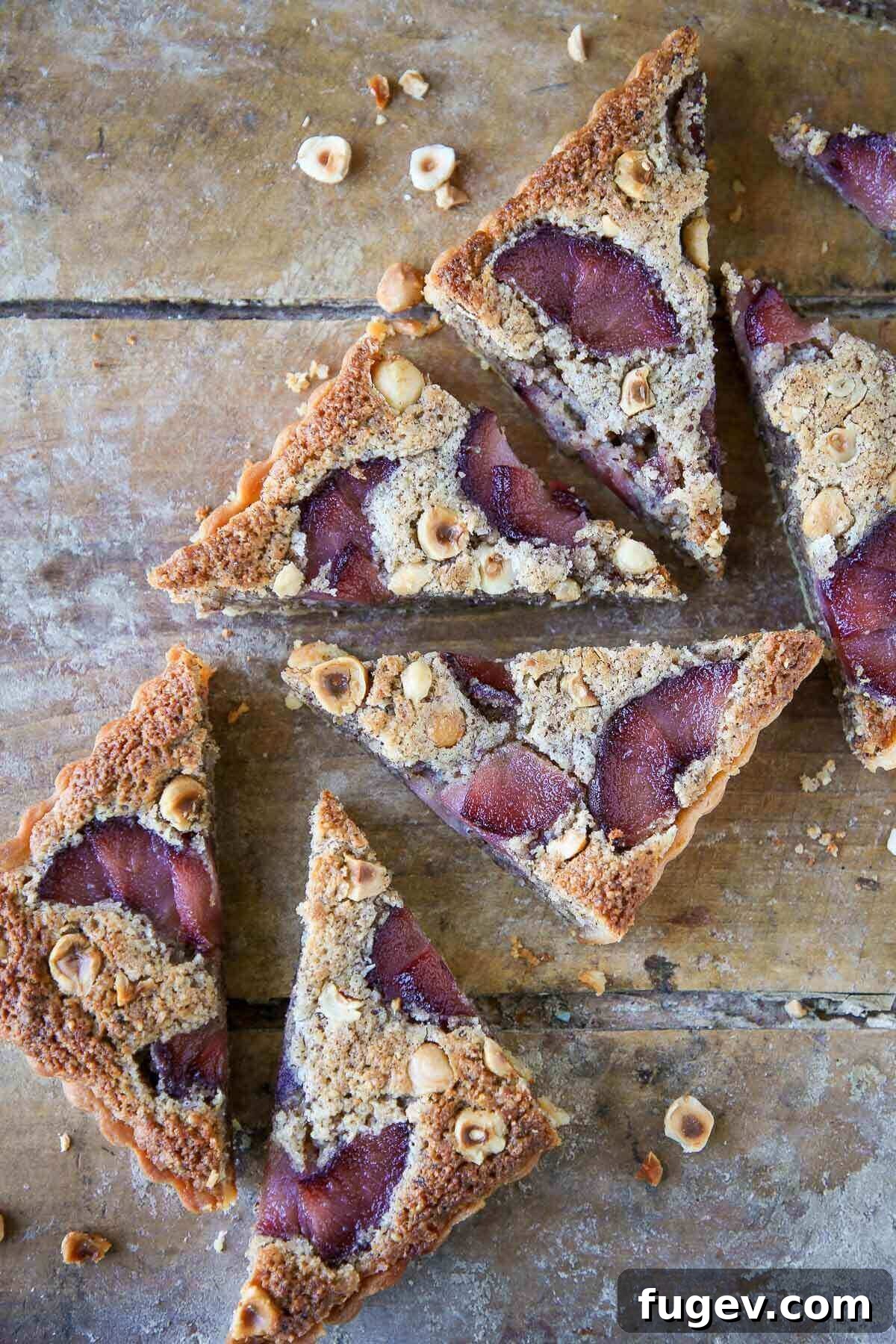
Beyond its primary use in elegant tarts, Pâte Sucrée is a versatile pastry dough that can even stand in as a delightful cookie in a pinch. Imagine this superior crust as the foundation for a luscious banana cream pie or a vibrant lemon meringue pie. It’s equally magnificent when filled with luxurious almond cream, fragrant frangipane, or nutty hazelnut cream, paired with fresh fruits to create a stunning cherry almond tart or a sophisticated hazelnut pear tart.
While sharing a similar purpose with other popular pastry bases, Pâte Sucrée holds its own distinct charm. Unlike an all-butter pie crust (pâte brisée) or even more specialized versions like a vodka pie crust, this pure Pâte Sucrée recipe focuses on a smooth, fine texture without almond flour. If you prefer the added texture and nutty flavor that almond flour provides, explore our almond tart crust or almond flour pie crust recipes for a delightful alternative.
The Allure of Pâte Sucrée: Why This Recipe Excels
This Pâte Sucrée recipe isn’t just another sweet dough; it’s a meticulously developed, professional-grade formula designed for consistent success and unparalleled flavor. Here’s why it stands out as the best choice for your baking adventures:
- Unrivaled Tender, Delicate, and Sweet Texture: Our recipe delivers a crust that boasts a perfect balance of tenderness, a satisfying crispness, and a delightful sweetness that complements any filling without overpowering it. Each bite melts in your mouth, leaving a lingering, pleasant sweetness.
- Effortless Preparation – Mixed Like Cookie Dough: Forget the intimidating techniques often associated with pastry making. This Pâte Sucrée is mixed using the creaming method, just like your favorite cookie dough, making it incredibly approachable for bakers of all skill levels. This method also contributes to its wonderfully fine, crumbly texture.
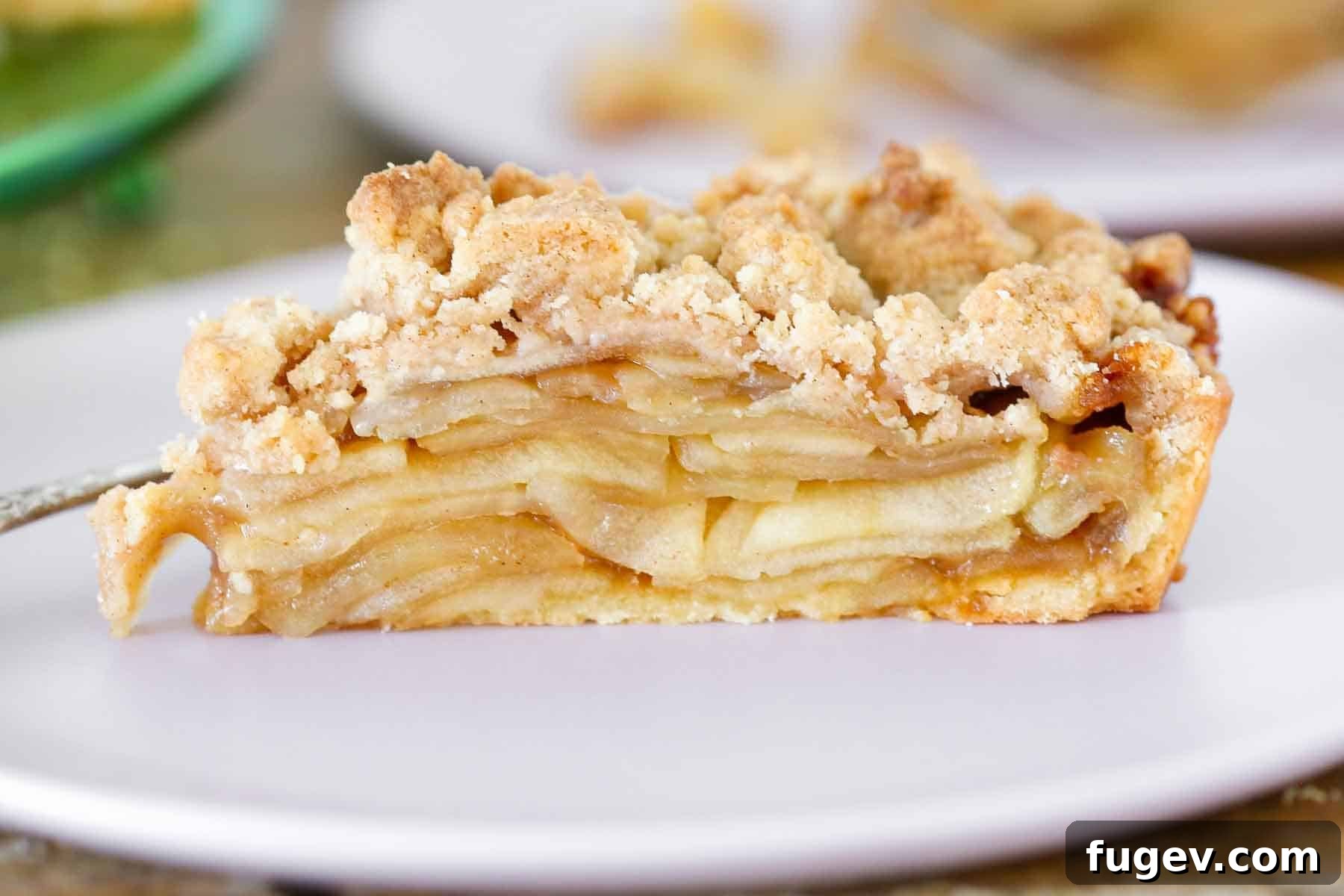
- Exceptional Versatility for Endless Creations: From rustic fruit tarts to sophisticated individual desserts, this dough is incredibly adaptable. It performs beautifully whether you’re crafting simple chocolate tarts filled with luscious chocolate ganache or elegant, show-stopping creations like a caramel apple tart. Its robust structure holds up to various fillings, while its flavor profile enhances both classic and innovative combinations.
- Time-Tested and Chef-Approved Quality: This isn’t a recipe pulled from thin air; it’s a staple I, as a professional pastry chef, have relied on countless times throughout my career in bustling restaurants and busy bakeries. It’s a formula that has been perfected through rigorous testing and consistent application, ensuring you get a reliable, professional-quality result every single time you bake.
Essential Tools for Pâte Sucrée Success
Having the right tools can make all the difference in achieving a perfectly smooth and manageable Pâte Sucrée. While not strictly mandatory, these items will significantly ease your baking process:
- Stand Mixer with Paddle Attachment: Ideal for creaming butter and sugar, and incorporating ingredients efficiently without overworking the dough.
- Fine-Mesh Sieve: Essential for sifting powdered sugar to prevent lumps and ensure a silky-smooth dough.
- Rubber Spatula or Bowl Scraper: Perfect for scraping down the sides of the mixer bowl and for easily removing the dough.
- Rolling Pin: A standard tool for flattening the dough evenly.
- Parchment Paper: Crucial for rolling out the dough without sticking and for easy transfer.
- Plastic Wrap: For chilling and storing the dough effectively.
- Tart Pans or Pie Plates: Of course, you’ll need these for forming your crusts. Consider fluted tart pans for a classic look.
- Pastry Wheel or Paring Knife: For neat trimming of dough edges.
- Baking Beans, Rice, or Pie Weights: Necessary for blind baking to prevent the crust from bubbling or shrinking.
Professional Tips for Flawless Pâte Sucrée
Achieving a truly exceptional Pâte Sucrée goes beyond just following the steps. Incorporate these professional insights for a truly flawless result:
- Temperature Matters: Use Room Temperature Butter & Eggs. This is perhaps the most critical tip. Softened butter creams effortlessly with powdered sugar, creating a light and airy base. Similarly, room temperature eggs emulsify much more smoothly into the butter mixture. Cold eggs will cause the butter to seize and separate, leading to a lumpy, difficult-to-work-with dough. Plan ahead and take these ingredients out of the refrigerator at least an hour before you begin.
- Always Sift the Powdered Sugar. While the creaming method is powerful, it won’t entirely eradicate stubborn lumps in powdered sugar. Sifting ensures a uniform, smooth consistency in your dough, which translates to a tender, delicate finished crust without any gritty bits. Don’t skip this quick but impactful step!
- Mix Just Until Cohesive – Avoid Overmixing. Pay close attention to your mixer once the dry ingredients are added. The mixture might appear crumbly and hopeless at first, but suddenly, it will come together into a unified dough. Stop mixing immediately at this point. Overmixing develops gluten in the flour, which will result in a tough, chewy crust rather than the desired tender, crumbly texture. A few seconds too long can make a big difference.
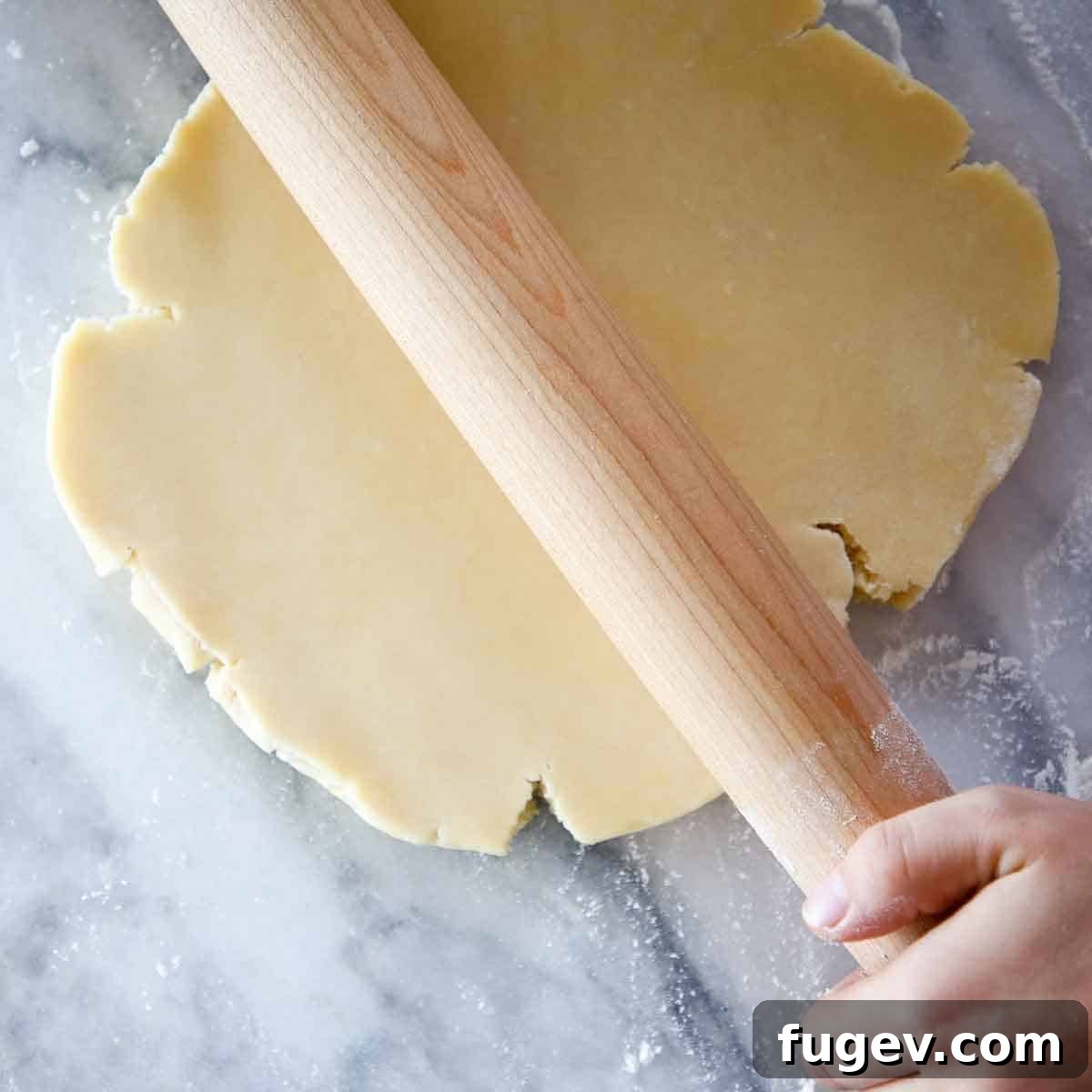
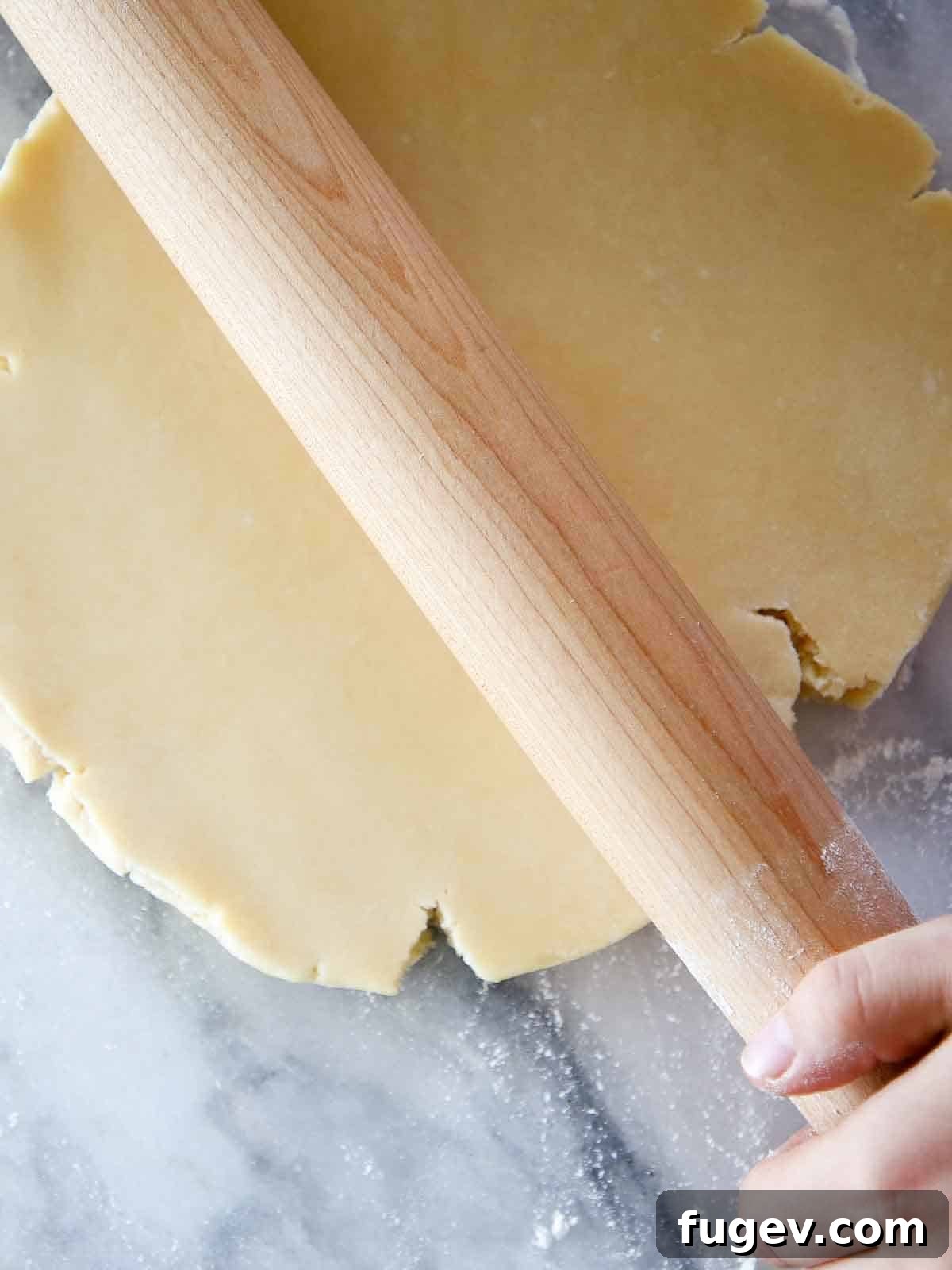
- Roll Between Two Pieces of Parchment Paper at Room Temperature. This technique is a game-changer! Rolling slightly softened dough between parchment papers prevents sticking, eliminates the need for excess flour (which can dry out the dough), and makes transferring the crust a breeze. The dough will be pliable and less prone to cracking, making it easier to achieve a smooth, even thickness. Crucially, even if rolled at room temperature, chilling the dough thoroughly after rolling ensures it remains tender and bakes up perfectly crisp.
Understanding Your Ingredients & Substitutions
Each ingredient in Pâte Sucrée plays a vital role in its signature texture and flavor profile. Here’s a closer look:
- Powdered Sugar (Confectioners’ Sugar): Unlike granulated sugar, powdered sugar contributes to the dough’s fine, tender crumb. Its superfine texture blends seamlessly with the butter, creating a very smooth and delicate pastry.
- Unsalted Butter: The star ingredient, butter provides the rich flavor and tender texture characteristic of Pâte Sucrée. Using unsalted butter allows you to control the exact amount of salt in your recipe. Ensure it’s softened to room temperature for optimal creaming.
- Large Eggs: We use whole large eggs in this recipe for their essential binding properties and added moisture. The moisture from the egg helps the dough come together smoothly and prevents it from being too dry or crumbly. The egg yolks enrich the dough, while the whites provide structure, creating a balanced and easy-to-handle consistency. Room temperature eggs are crucial for proper emulsification.
- Pastry Flour or All-Purpose Flour: Pastry flour, with its lower protein content, is ideal for achieving a very tender crust. However, all-purpose flour works beautifully too. If using all-purpose, consider a low-gluten variety such as White Lily for an even more delicate crumb, or simply be mindful not to overmix to prevent gluten development.
- Kosher Salt: Salt is a flavor enhancer that balances the sweetness of the dough, preventing it from tasting flat. It highlights the buttery notes and adds depth. You can certainly omit the added salt if you prefer to use salted butter, but be aware that the salt content in salted butter can vary.
For precise measurements and detailed quantities, please refer to the complete recipe card below.
Creative Variations to Elevate Your Tarts
While classic Pâte Sucrée is wonderful on its own, it also serves as a fantastic canvas for flavor experimentation. Here are some delightful variations to try:
- Infuse with Warm Spices: For a comforting and seasonal twist, incorporate warm spices into your dough. Add ½ to 1 teaspoon of ground cinnamon, a specialized apple pie spice mix, fragrant pumpkin spice, or even exotic chai spice blend. These additions are particularly lovely for fall and winter desserts.
- Brighten with Citrus Zest: Introduce a vibrant, refreshing note by zesting citrus directly into your powdered sugar before mixing. Try the zest of one large orange or two lemons for a fragrant, tangy variation. This citrus-infused crust is exquisite when filled with creamy pastry cream and topped with fresh berries, offering an easier, yet equally stunning, alternative to a puff pastry fruit tart.
- Add a Splash of Extract: Extracts are an easy way to impart deep, aromatic flavors. Add a teaspoon of pure vanilla extract along with the eggs for a classic enhancement. For something different, experiment with ½ teaspoon of almond extract for a marzipan-like nuance, orange or lemon extract to boost citrus notes, or even peppermint extract for a festive holiday-themed tart.
Step-by-Step Guide to Crafting Pâte Sucrée
Follow these detailed instructions to create a tender, professional-quality Pâte Sucrée every time. More precise measurements can be found in the comprehensive recipe card below.
Step 1: Prepare the Butter. Begin by ensuring your unsalted butter is properly softened. You can achieve this by leaving it at room temperature for at least one hour or, if you’re short on time, gently soften it in a stand mixer on low speed until pliable but not melted. Soft butter is essential for a smooth dough.
Step 2: Cream Butter and Sugar. In the bowl of a stand mixer fitted with the paddle attachment, combine the sifted powdered sugar and the softened butter. Start mixing on a very low speed to prevent the powdered sugar from clouding your kitchen. Gradually increase the speed to medium-high and cream the mixture until it becomes incredibly light, fluffy, and silky smooth. This creaming process incorporates air, which contributes to the dough’s tender texture.
Step 3: Incorporate the Eggs. With the mixer on medium speed, add the large eggs one at a time. It’s highly beneficial if the eggs are at room temperature, as cold eggs can cause the butter mixture to curdle or separate. Don’t be alarmed if the mixture looks a little broken or “scary” in the bowl initially; continue mixing patiently. The eggs will gradually emulsify and fully incorporate, bringing the mixture back to a smooth consistency. Pre-beating the eggs lightly before adding them can further aid in smoother incorporation.
Using perfectly softened butter and pre-beaten, room temperature eggs significantly simplifies this emulsification step, ensuring a smoother dough from the outset.
Step 4: Add Dry Ingredients. Reduce the mixer speed to low. Add the pastry flour (or all-purpose flour) and kosher salt to the bowl. Mix on low speed, allowing the dry ingredients to be gradually cut into the butter mixture. Resist the urge to increase the speed. Continue mixing just until the flour is fully incorporated and the dough begins to come together. This process requires patience; the dough will seem crumbly, then suddenly coalesce. Stop as soon as a cohesive dough forms to avoid overmixing, which develops gluten and can lead to a tough crust.
Step 5: Chill the Dough. Carefully scrape the newly formed dough out of the mixer bowl using a silicone spatula or a bowl scraper. Divide the dough into the desired number of portions for your crusts (e.g., two for 8 or 9-inch tarts). Shape each portion into a flattened disk, wrap tightly in plastic wrap, and refrigerate for a minimum of two hours. Chilling is essential; it allows the butter to firm up, making the dough easier to roll and preventing shrinkage during baking, while also allowing the flavors to meld.
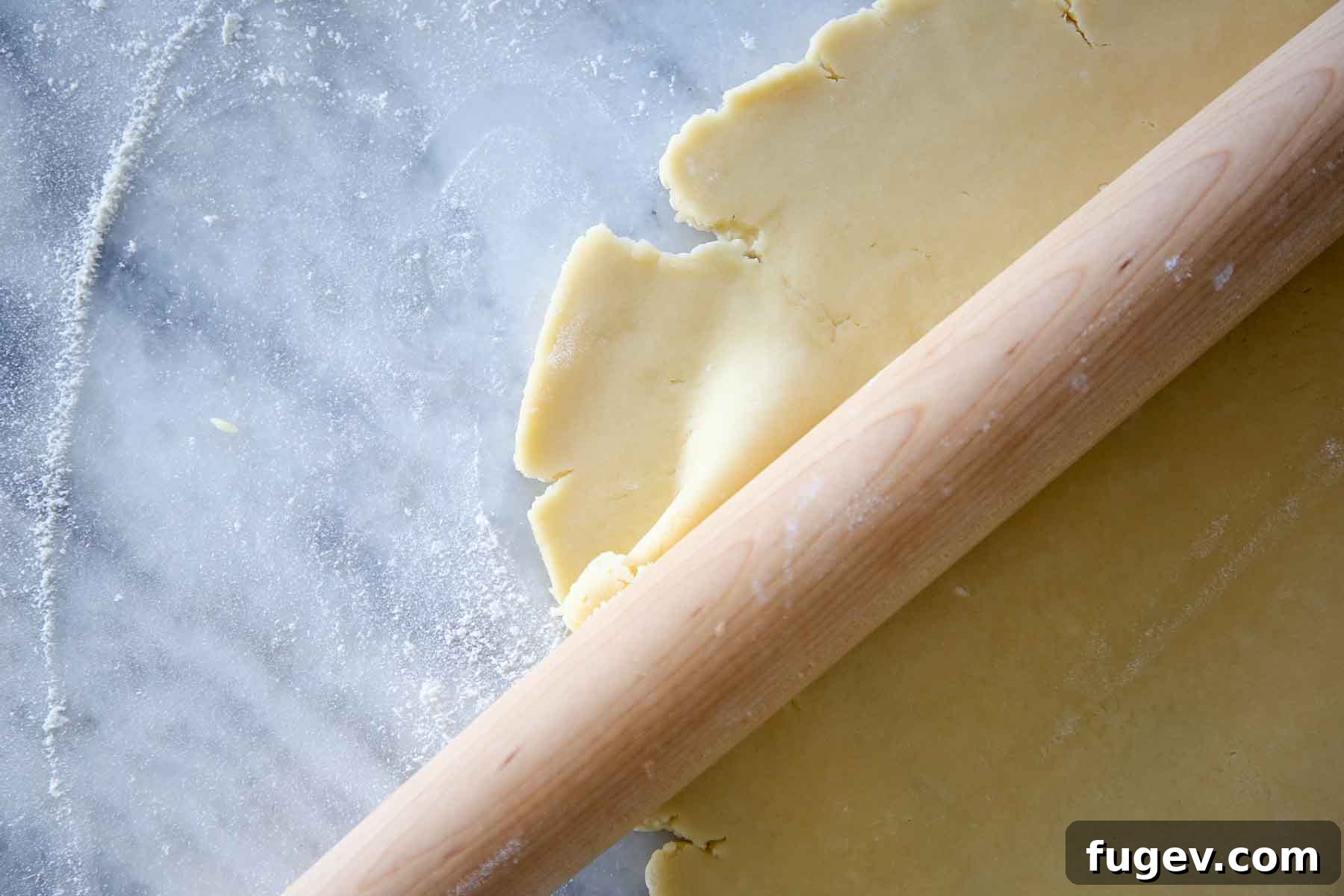
For effortless rolling, I highly recommend rolling the dough out while it is still slightly pliable at room temperature, between two sheets of parchment paper. This technique prevents sticking and eliminates the need for extra flour, which can dry out your dough. This method is particularly useful when preparing mini tarts or small individual pies. Once rolled, the dough can be frozen at this stage for future use. Use a ring cutter, biscuit cutter, cookie cutter, or even trace around your pan with a paring knife to achieve the desired shape and size.
Mastering the Blind Bake: Sweet Tart Crust Perfection
Blind baking, or pre-baking, your Pâte Sucrée crust is crucial for tarts with wet fillings or no-bake fillings, ensuring a crisp, golden bottom. The process is similar to blind baking traditional pie dough, but Pâte Sucrée is generally easier to handle, less prone to shrinkage, and often bakes faster than standard butter pastry. For a more comprehensive visual guide on pie dough, you can refer to our tutorial on how to blind bake pie crust.
Step 1: Prepare Your Oven. Preheat your oven to 325°F (160°C) if using a convection oven (with fan), or 350°F (175°C) for a conventional oven (no fan). This temperature ensures even baking without burning the edges.
Step 2: Line and Shape the Crust. Once your dough disk is rolled out and thoroughly chilled, carefully line your pie plate or tart tin. Gently lift and press the dough into the corners and up the sides of the pan, ensuring it fits snugly without stretching. For a pie, roll the excess dough under, forming a neat, tight spiral around the edge, then crimp, pinch, or use a fork to create a decorative finish. For a classic French tart, simply use your rolling pin to roll across the top edge of the tart tin, cleanly cutting off the excess dough and creating that perfectly sharp, professional edge you admire in pâtisseries.
Step 3: Chill and Dock. After lining your pan, place the dough-lined tin back into the refrigerator for at least 30 minutes. This second chill is vital; it helps to relax the gluten further and ensures the butter remains very cold, significantly minimizing shrinkage during baking. Before baking, gently prick a few holes in the bottom of the crust with a fork (this is called docking). Docking allows steam to escape, preventing the bottom of the crust from puffing up. For more details on when and why to dock, consult our guide on when to dock a pie crust.
Step 4: Weighted Blind Bake. Line the chilled crust with a piece of parchment paper or aluminum foil, making sure it extends up the sides. Fill the lined crust with baking beans, uncooked rice, or ceramic pie weights. These weights prevent the crust from bubbling up and help maintain its shape as it bakes. Bake in the preheated oven for 15-20 minutes, or until the edges of the crust just begin to turn a light golden brown.
Step 5: Finish Baking. Carefully remove the parchment paper and weights from the crust. Return the crust to the oven and continue baking. For a partially blind-baked crust (suitable for pies that will undergo further baking with their filling), bake until a light golden brown. For a fully blind-baked crust (perfect for no-bake fillings or those that require minimal further baking), continue baking until the entire crust achieves a beautiful, even golden brown color and feels dry to the touch, usually another 10-15 minutes. Allow it to cool completely before filling.
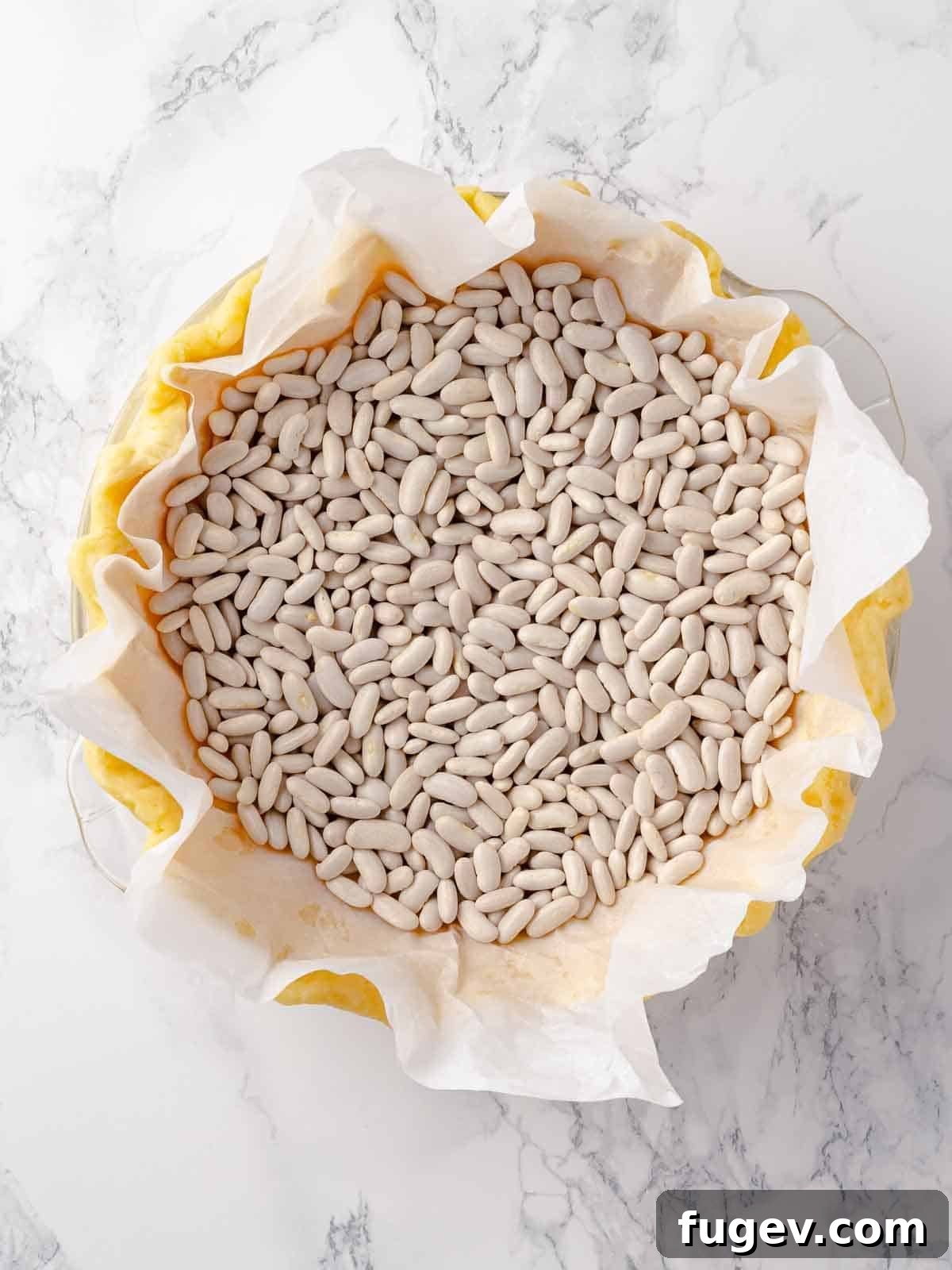
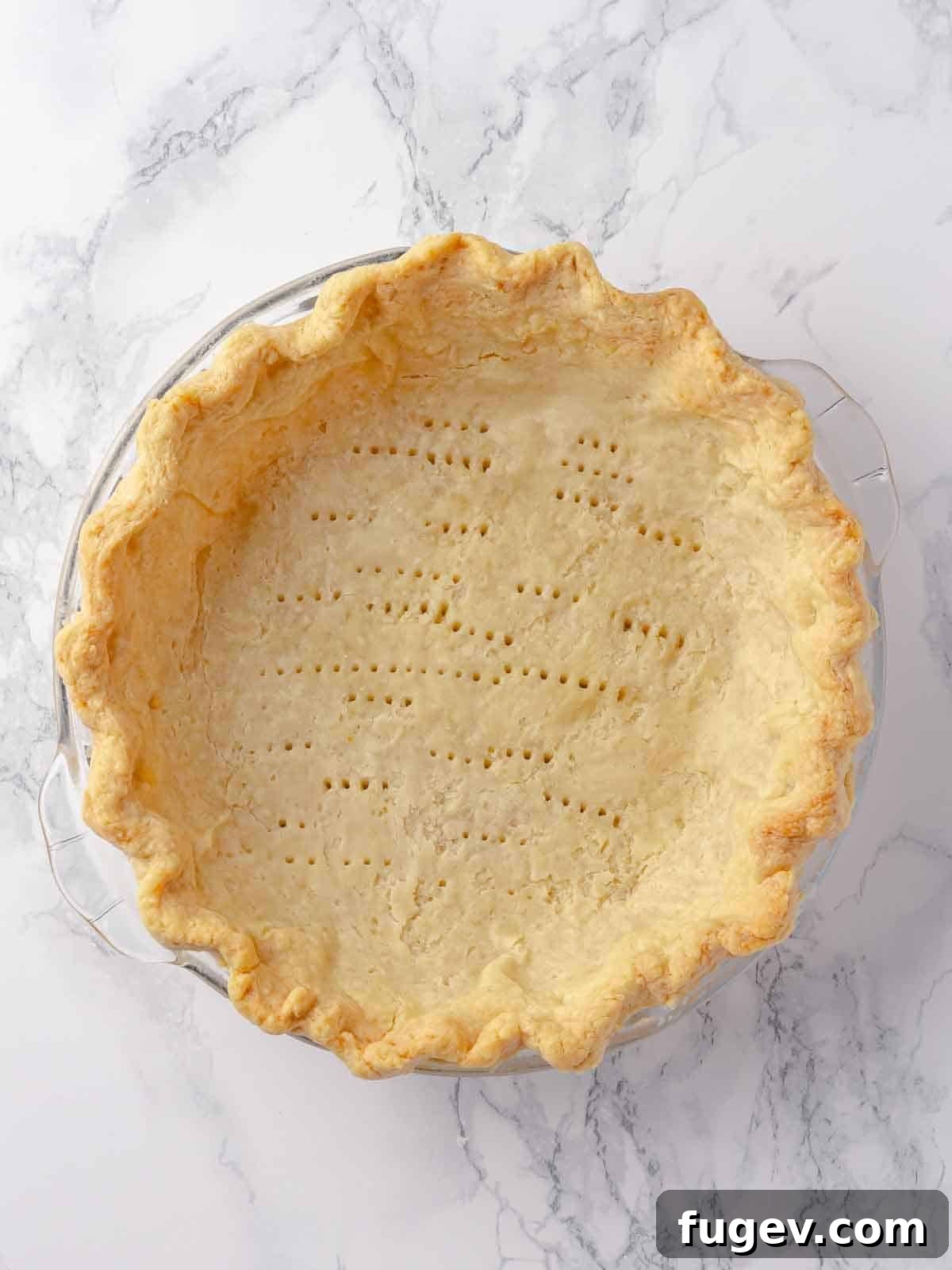
Quick Answer: Partially blind bake a crust when your pie or tart will continue baking with its filling, such as this rich bourbon chocolate pecan tart or a comforting sweet potato pie. Fully blind bake a pie crust or tart shell when you plan to fill it with a cold, uncooked filling, like a decadent French silk pie, or a simple fruit and cream tart that requires no further baking.
Chef Lindsey’s Expert Tip
Don’t be intimidated by the idea of working with pastry dough! This Pâte Sucrée is incredibly forgiving. If, while lining your tart pan, you find a small crack, misjudge the size of your dough circle, or create a small gap, simply don’t stress. You can easily press another small piece of dough over the crack or into the gap to patch it perfectly. Once baked, it will be virtually undetectable, a testament to the resilient nature of this fantastic dough!
Frequently Asked Questions About Pâte Sucrée
Proper storage ensures your Pâte Sucrée remains fresh and pliable.
Unbaked Dough: Whether before or after rolling, unbaked dough should be tightly wrapped in plastic wrap to prevent drying and stored in the refrigerator for up to 3 days. This also applies to unbaked pie or tart shells that have been lined in their pans.
Freezing Unbaked Dough: For longer storage, unbaked dough (disks or lined shells) can be wrapped exceptionally well in several layers of plastic wrap and then foil, and frozen for up to 2 months. Thaw in the refrigerator before rolling or baking.
Baked Crusts: Fully blind-baked tart or pie shells can be stored at room temperature in an airtight container for up to 3 days. For extended freshness, they can be refrigerated for up to 5 days or frozen for up to 3 months. If freezing, wrap well, then thaw at room temperature before filling.
Pâte Sucrée is exclusively designed for sweet applications, where its buttery, tender, and subtly sweet profile truly shines. It is not recommended for savory pies or tarts, nor for free-form galettes (where a more robust, less sweet dough is typically preferred). This sweet pie dough is perfect in recipes like our decadent French silk pie, a rich bourbon pecan tart, or a refreshing coconut mango tart. It excels when pre-baked in tart pans or pie tins because it holds its shape beautifully and bakes up to a stunning golden crispness. Once baked, these versatile sweet tart shells can be filled with anything from zesty lemon curd, silky caramel pastry cream, rich chocolate pudding, or creamy butterscotch pudding!
Both Pâte Sucrée and Pâte Sablée are classic French enriched pastry doughs, meaning they contain butter, sugar, and eggs. However, they have distinct characteristics and preparation methods.
Pâte Sucrée (“sweet pastry”) typically contains more whole eggs and sugar compared to sablée. Its defining characteristic is the creaming method of preparation, similar to cookie dough, where softened butter and sugar are creamed together first, then eggs are added, and finally flour. This method results in a tender, crisp, and slightly less crumbly crust.
Pâte Sablée (“sandy pastry”) usually has a higher proportion of butter and egg yolks (less often whole eggs) and a slightly different mixing approach. It is often made using the sabler method, where butter is cut into the flour first, creating a sandy texture, and then the sugar and eggs (or yolks) are added. The eggs are generally incorporated after the flour. This results in a very delicate, crumbly, and melt-in-your-mouth texture, hence its name.
In essence, the main distinctions lie in the ratio of ingredients (especially eggs and sugar) and, more importantly, the order and method of ingredient incorporation.
If you tried this recipe and absolutely loved it, please take a moment to leave a 🌟 star rating and share your thoughts in the comments section below. I genuinely love hearing from you; your feedback and comments truly brighten my day!
Pâte Sucrée
Comment
Print Recipe
Ingredients
- ¾ cup powdered sugar
- ¾ cup unsalted butter softened
- 2 large eggs room temperature
- 2 ¾ cups pastry flour or all-purpose flour
- ½ teaspoon kosher salt
Instructions
-
Soften the butter in a stand mixer or let it sit out at room temperature for an hour or so. It is important that it is softened.
-
Put sifted powdered sugar and softened butter in stand mixer with the paddle attachment, and cream them (starting on low speed working up to medium-high speed, so the powdered sugar doesn’t fly everywhere). This will get silky smooth.
-
Add the eggs one at a time (it helps if the eggs are room temperature), it might look a little scary in the bowl, but don’t worry, the eggs will incorporate at their own pace. Pre-beating the eggs does make this step easier.
-
Add flour and salt to the bowl of the stand mixer and start mixer on low speed to cut the dry ingredients into the butter mixture, be patient and trust the process.
-
Take you’re the dough out of the mixer using a silicone spatula or bowl scraper. Divide it into the number of crusts you want, wrap them in plastic wrap and chill them for at least two hours.
-
I recommend rolling the dough out while still at room temperature between two pieces of parchment paper. This is especially useful if making tartlets or tiny pies. You can also freeze the dough at this stage.
Video
Notes
Variations – Add citrus zest, spices, extracts or a combination.
Storage – Store unbaked dough well wrapped in plastic wrap in the refrigerator for up to 3 days or in the freezer for up to 2 months. This applies to dough pre and post rolling and to lined, unbaked pie or tart shells.
Nutrition
Troubleshooting Common Pâte Sucrée Issues
Even with the best recipe, sometimes things don’t go exactly as planned. Here’s a quick guide to common Pâte Sucrée problems and how to fix them:
- Dough is Too Sticky: This usually means the butter was too warm or you added a bit too much egg. Try chilling the dough for an extra 30-60 minutes. If still sticky, lightly dust your work surface and rolling pin with flour (sparingly!) before rolling.
- Dough is Too Crumbly: If your dough won’t come together or cracks excessively when rolling, it might be too cold or too dry (not enough moisture from eggs). If too cold, let it sit at room temperature for 10-15 minutes to soften slightly. If too dry, knead in a tiny bit of ice-cold water or an egg yolk, a teaspoon at a time, until it just comes together.
- Crust Shrinks During Baking: The main culprits here are overworking the dough (developing too much gluten) or not chilling it enough. Ensure you mix just until the dough forms and always chill your lined tart shell for at least 30 minutes before blind baking.
- Soggy Bottom Crust: This is almost always due to insufficient blind baking. Make sure to fully blind bake your crust until it’s golden brown if you’re using a no-bake or very wet filling. Also, ensure your oven is preheated to the correct temperature.
- Edges Burn Before Center is Cooked: If this happens, your oven might have hot spots, or the temperature is too high. You can gently tent the edges of the crust with aluminum foil during the last part of baking to prevent over-browning.
Storage and Make-Ahead Advice
Pâte Sucrée is an excellent make-ahead component, saving you time when you’re preparing for a special occasion or simply want a quick dessert. Proper storage is key to maintaining its quality:
- Unbaked Dough (Refrigerator): Freshly prepared Pâte Sucrée dough can be wrapped tightly in plastic wrap (and optionally a layer of foil for extra protection) and stored in the refrigerator for up to 3 days. This applies to both the initial dough disk and any tart shells you’ve already lined and fitted into pans.
- Unbaked Dough (Freezer): For longer storage, freeze your tightly wrapped dough disks or unbaked lined tart shells for up to 2 months. When ready to use, transfer them to the refrigerator overnight to thaw before rolling or baking.
- Baked Crusts (Room Temperature): Fully blind-baked tart shells or pie crusts can be stored at room temperature in an airtight container for up to 3 days. Ensure they are completely cooled before storing to prevent condensation.
- Baked Crusts (Refrigerator): For slightly longer storage, baked crusts can be kept in the refrigerator for up to 5 days. This is particularly useful if your kitchen is warm or humid.
- Baked Crusts (Freezer): Baked Pâte Sucrée crusts freeze beautifully for up to 3 months. Wrap them thoroughly in plastic wrap and then foil to prevent freezer burn. Thaw at room temperature before filling and serving.
Serving Suggestions & Inspirations
The versatility of Pâte Sucrée means endless possibilities for delicious desserts. Here are some inspiring ideas for how to serve your beautifully baked crusts:
- Classic Fruit Tarts: Fill with vanilla bean pastry cream and top with an array of fresh seasonal fruits like berries, kiwi, peaches, or grapes. A simple apricot glaze adds shine and enhances flavor.
- Rich Chocolate Creations: A dark chocolate ganache, chocolate pudding, or even a creamy chocolate mousse makes for an intensely satisfying dessert. Garnish with chocolate shavings or fresh raspberries.
- Nutty Delights: Fill with frangipane, a creamy almond filling, and bake with sliced pears or apples for a rustic and comforting tart.
- Custard & Curd Tarts: Light and tangy lemon curd, lime curd, or a baked vanilla custard are perfect contrasts to the sweet, crisp crust. Top with whipped cream or meringue.
- Caramel & Toffee Treats: A smooth caramel pastry cream, dulce de leche, or even a sticky toffee filling can create an irresistible dessert, perhaps with a sprinkle of sea salt.
- Mini Tartlets: Use small tartlet molds to create individual desserts that are perfect for parties or elegant dessert platters. Fill with various creams, fruits, or mousses for a stunning display.
Before You Go: Explore More Delights
I sincerely hope you enjoyed mastering this professional chef-created Pâte Sucrée recipe and that it inspires many delicious baking projects in your kitchen. This sweet pastry dough is truly a game-changer for anyone looking to elevate their dessert game. For more baking inspiration, be sure to check out our other delightful pies and tart recipes, including showstoppers like this impressive mile high apple pie. And to truly complete your dessert creations, explore our collection of exquisite dessert toppings and sauces. Happy baking!