
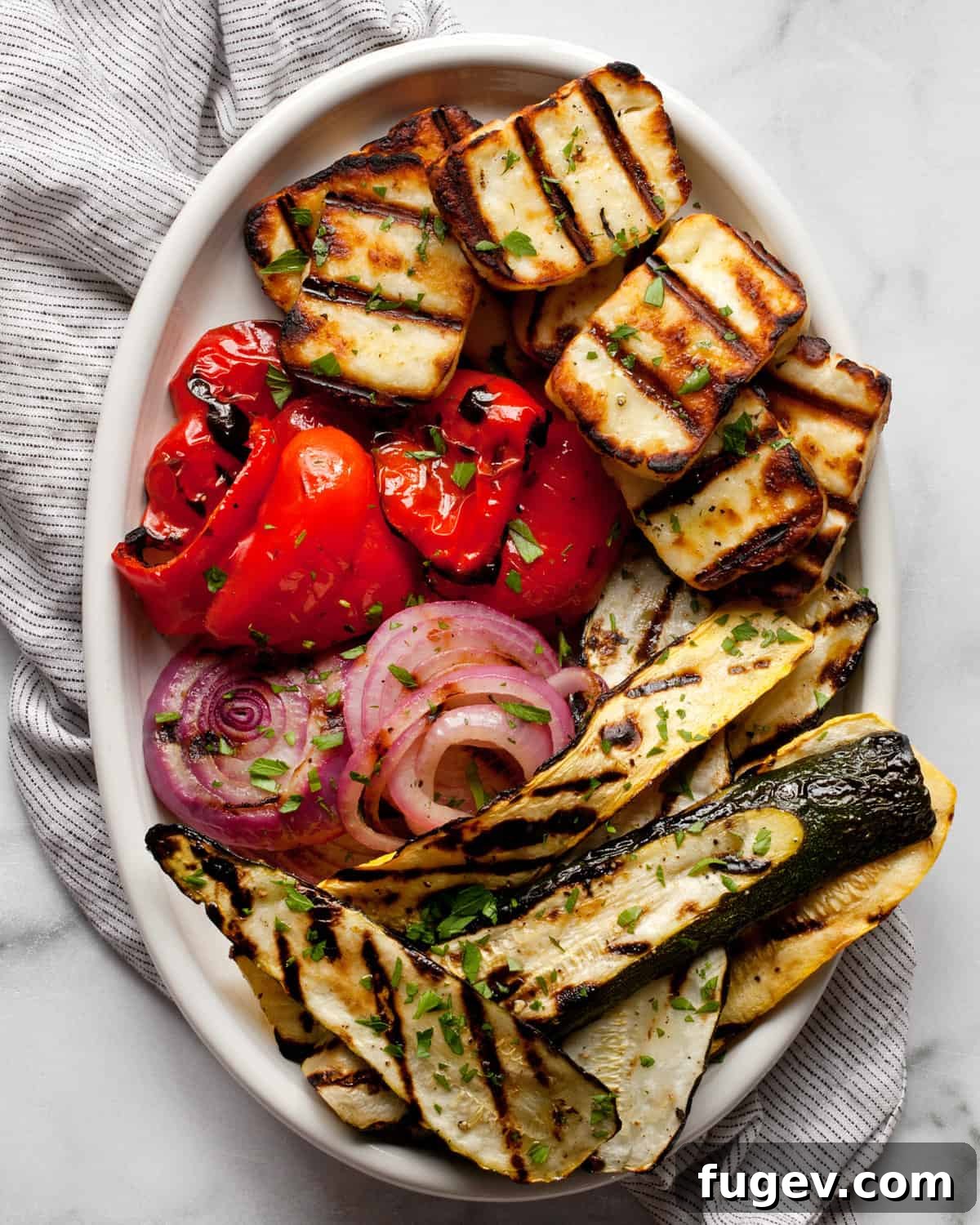
Transform your outdoor cooking experience with this incredibly versatile and utterly delicious grilled halloumi and vegetable recipe. Ready in just 20 minutes, this vibrant dish combines thick slices of salty, satisfying halloumi cheese with a medley of fresh, seasonal vegetables like zucchini, yellow squash, bell peppers, and onions, all infused with the irresistible aroma of the grill. Whether you’re seeking a hearty vegetarian main course, a flavorful side dish, or an impressive appetizer, this Mediterranean-inspired recipe is a perfect choice for your next summer grilling session. It’s not just a meal; it’s an invitation to savor the simple pleasures of warm weather and fantastic food.
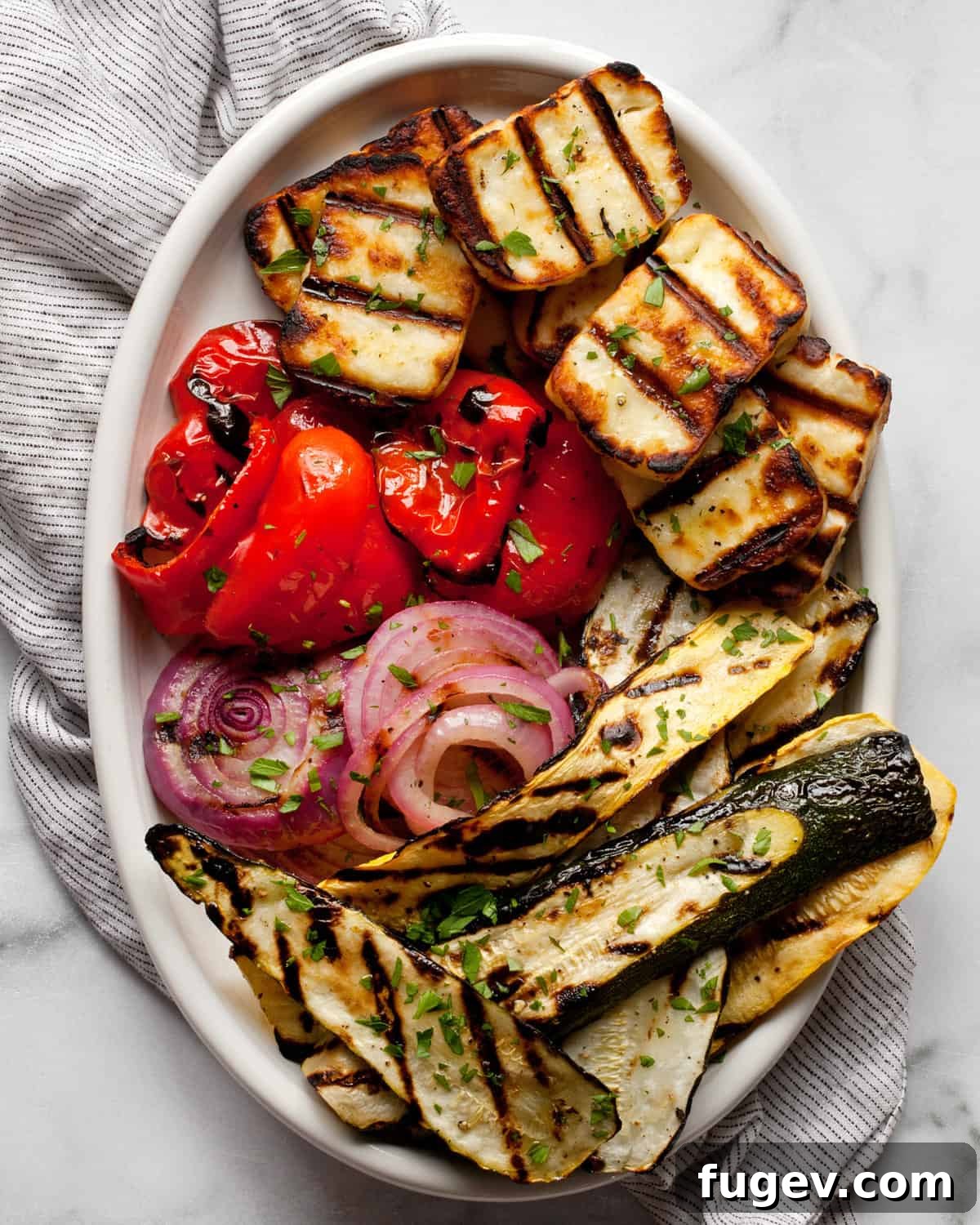
Table of Contents
- Why You’ll Love This Mediterranean Grilling Recipe
- Understanding Halloumi: The Grill-Friendly Cheese
- Expert Tips for Perfectly Grilled Halloumi and Vegetables
- Gathering Your Ingredients for Grilled Halloumi and Veggies
- Step-by-Step: How To Make Grilled Halloumi and Vegetables
- Serving Suggestions for Grilled Halloumi and Vegetables
- Storing and Repurposing Leftovers
- Frequently Asked Questions About Grilling Halloumi
- Explore More Halloumi Recipes
- Grilled Halloumi and Vegetables Recipe Card
Why You’ll Love This Mediterranean Grilling Recipe
There’s something truly magical about summer grilling season. The enticing sizzle, the smoky aroma filling the air, and those coveted char lines on perfectly cooked food – it all signals warmer days and delicious meals shared outdoors. This grilled halloumi and vegetables recipe perfectly encapsulates that summer feeling, offering a culinary escape to the sunny shores of the Mediterranean with minimal effort and maximum flavor.
What makes this dish an absolute must-try? First, its incredible speed and simplicity. In less than half an hour, you can go from prep to plate, making it ideal for busy weeknights or impromptu gatherings. Second, the star of the show: halloumi cheese. If you’re new to halloumi, prepare to be amazed. Unlike most cheeses, halloumi boasts a high melting point, allowing it to hold its shape beautifully on the grill, developing a wonderfully golden, crisp exterior and a tender, savory interior. It’s a game-changer for anyone looking to grill something truly unique and satisfying.
Beyond the cheese, this recipe features a vibrant rainbow of fresh, seasonal vegetables – crisp zucchini, tender yellow squash, sweet bell peppers, and pungent red onions. These vegetables are at their peak flavor during the warmer months, and grilling them brings out their natural sweetness while imparting a delightful smokiness. Before hitting the heat, both the halloumi and vegetables are lightly brushed with a simple yet potent marinade of olive oil and fresh lemon juice. This simple step elevates the flavors, adding a bright, zesty note that complements the richness of the cheese and the earthiness of the vegetables, creating a harmonious and irresistibly fresh taste experience. It’s a healthy, flavorful, and visually stunning dish that will impress your family and friends, making it a staple in your summer cooking repertoire.
Understanding Halloumi: The Grill-Friendly Cheese
Halloumi, a semi-hard, unripened brined cheese, originates from the island of Cyprus, where it has been a culinary staple for centuries. Traditionally crafted from goat’s milk or sheep’s milk, or often a blend of both, this unique cheese stands apart from its counterparts due to its extraordinary heat-resistant properties. Its texture is distinctly firm and layered, giving it a delightful chewiness that some describe as “squeaky” when eaten – a characteristic enjoyed by many.
One of halloumi’s most celebrated attributes is its high melting point, which makes it exceptionally suitable for grilling, frying, or baking without losing its structural integrity. This means you can achieve a beautiful golden-brown crust and alluring grill marks without worrying about the cheese dissolving into a puddle. This resilience under intense heat is what makes halloumi a true culinary marvel, especially for those seeking vegetarian grilling options.
Flavor-wise, halloumi is best characterized by its inherent saltiness, which is a direct result of its brining process. This brininess contributes to a bright, pungent, and robust flavor profile that is wonderfully complex and full of personality. It’s a savory cheese that doesn’t need much in the way of additional seasoning, often complementing fresh ingredients rather than overpowering them. Its distinctive salty notes pair perfectly with the natural sweetness and smoky char of grilled vegetables, creating a balanced and incredibly satisfying taste. Furthermore, halloumi is relatively low in fat compared to many other cheeses, making it a popular choice for health-conscious diners. Its versatility and robust flavor make it a fantastic ingredient to explore in various culinary applications, far beyond just grilling.
Expert Tips for Perfectly Grilled Halloumi and Vegetables
Achieving perfectly grilled halloumi and vegetables requires just a few simple tips that can elevate your dish from good to extraordinary. The key lies in preparation and understanding how these unique ingredients interact with the heat of the grill. Follow these guidelines for a flawless grilling experience every time:
- Uniform Slicing is Key: For both the halloumi and the vegetables, ensure they are sliced into pieces of equal thickness. This uniformity is crucial for even cooking. Halloumi should be about 1/4-inch thick to allow for a good sear without becoming too dry. Similarly, slicing vegetables like zucchini and squash lengthwise into 1/4-inch planks and bell peppers into consistent strips will ensure they cook at roughly the same rate, preventing some pieces from burning while others remain undercooked.
- Clean and Oil Your Grill Grates: This step is non-negotiable for preventing sticking, especially with cheese. Before heating your grill, use a sturdy grill brush with coarse bristles to thoroughly clean off any lingering food particles. Once the grates are clean, lightly oil them. The easiest way to do this is to dip a folded paper towel in a high-smoke-point oil (like vegetable oil or canola oil) and, using tongs, carefully rub it over the hot grates just before adding your food. This creates a non-stick surface and helps achieve those beautiful grill marks.
- Preheat Your Grill to High: A hot grill is essential for searing the halloumi and vegetables quickly, creating an appetizing char and preventing the cheese from softening too much. Aim for a high heat setting on your gas or charcoal grill before placing any food on it.
- Don’t Overcrowd the Grill: While tempting to cook everything at once, overcrowding the grill grates can lower the temperature and lead to steaming instead of grilling. Cook in batches if necessary, ensuring each piece has enough space for proper airflow and direct contact with the heat, which is vital for developing those desirable grill marks and smoky flavor.
- Monitor Cooking Times Closely: Halloumi cooks quickly, typically about 3 minutes per side. Vegetables will vary slightly; firmer vegetables like bell peppers and onions might need 3-4 minutes per side, while softer ones like zucchini and squash might only need 2-3 minutes per side. Keep a close eye on them and flip when you see distinct grill marks and a golden-brown color.
- Simple Marinade for Maximum Flavor: As shown in this recipe, a simple mixture of olive oil and lemon juice is all you need. The olive oil helps prevent sticking and aids in browning, while the lemon juice adds a bright acidity that cuts through the richness of the halloumi and enhances the freshness of the vegetables.
Gathering Your Ingredients for Grilled Halloumi and Veggies
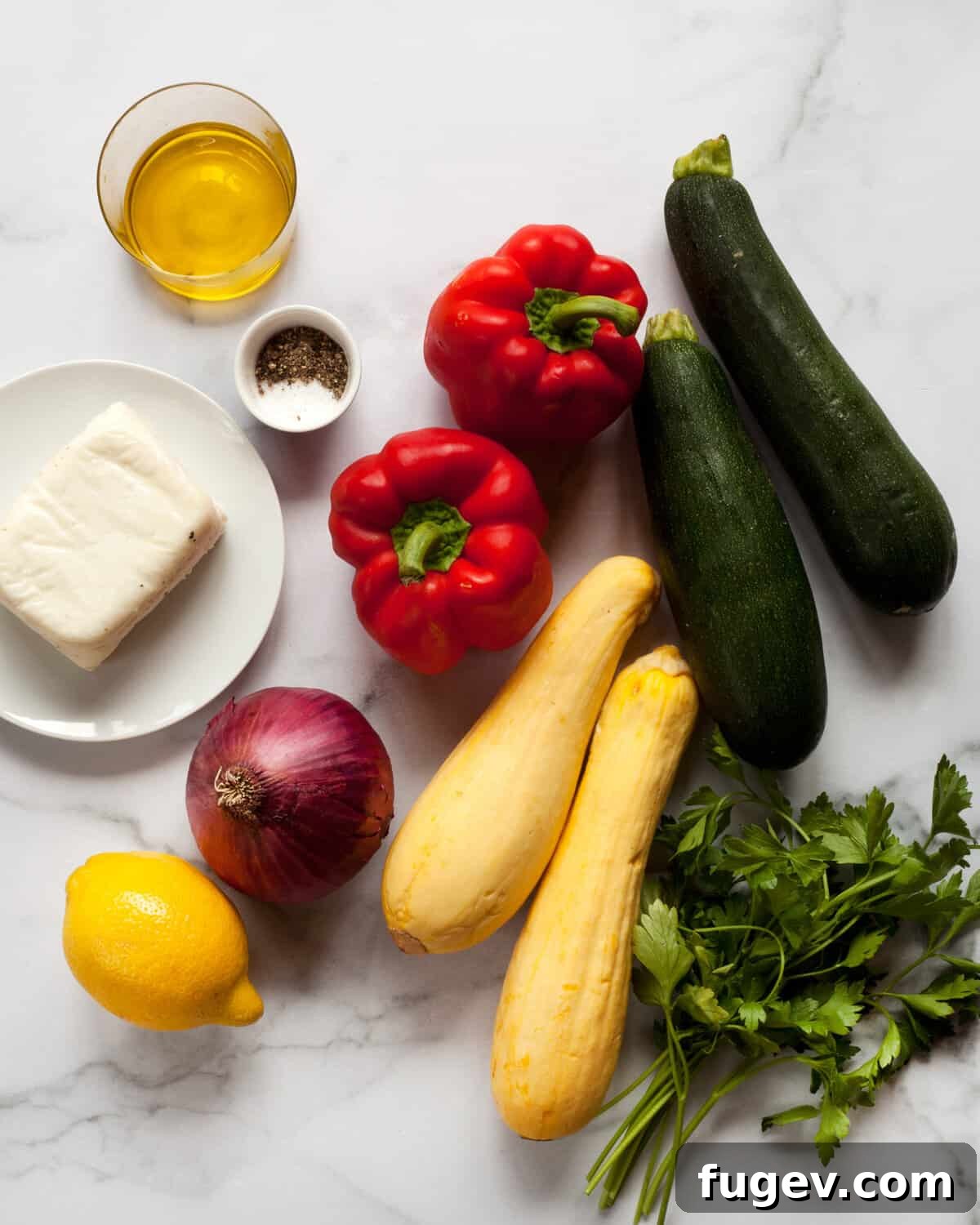
Crafting this vibrant grilled halloumi and vegetable dish relies on a selection of fresh, high-quality ingredients. Each component plays a vital role in building the delightful flavors and textures that make this recipe a summer favorite. Here’s a closer look at what you’ll need:
- Halloumi Cheese: The star of our dish, halloumi has become increasingly accessible. What was once a specialty item is now regularly found in the cheese section of most major grocery stores, often stocked prominently during the peak summer grilling season. Look for blocks that are firm and well-packaged. Typically, 1/2 pound is sufficient for 4 servings.
- A Colorful Array of Vegetables: The beauty of this recipe lies in its flexibility with vegetables. For a truly appealing and nutritious plate, I recommend a combination that offers diverse colors and textures. My preferred mix includes:
- Zucchini: Medium zucchini, sliced lengthwise 1/4-inch thick.
- Yellow Squash: Similar to zucchini, medium yellow squash also sliced lengthwise 1/4-inch thick, adds a slightly different hue and mild sweetness.
- Red Bell Peppers: Two red bell peppers, cut lengthwise into 2-inch wide strips, contribute a sweet and smoky flavor when grilled.
- Red Onions: One medium red onion, sliced into thick rounds or wedges, becomes wonderfully sweet and caramelized on the grill.
The beauty is in personalization; feel free to adjust the balance of these vegetables based on your preferences or what’s freshest at your local market. If you have an abundance of zucchini, for instance, you can easily omit the yellow squash, or if peppers are your favorite, add an extra one! Other great additions could be eggplant, cherry tomatoes on skewers, or asparagus.
- Fresh Lemon: The juice of one fresh lemon is indispensable for this recipe. Its bright, zesty, and acidic notes perfectly cut through the saltiness of the halloumi and bring a refreshing lift to the smoky grilled vegetables. Always opt for fresh lemon juice over bottled for the best flavor.
- High-Quality Olive Oil: Extra virgin olive oil is preferred for its superior flavor profile. It not only helps the vegetables and halloumi achieve beautiful grill marks and prevents sticking but also contributes a rich, fruity undertone to the overall dish.
- Kosher Salt & Black Pepper: To let the natural flavors of the halloumi and fresh vegetables shine, the seasonings are kept simple. One teaspoon of kosher salt and a half teaspoon of freshly ground black pepper work harmoniously in the background, enhancing and unifying the ingredients without overpowering them.
- Fresh Parsley: A final flourish of chopped fresh parsley adds a burst of vibrant green color and a fresh, herbaceous note, bringing a lovely finish to the platter once the grilling is complete. Other fresh herbs like mint or dill would also be delicious.
Step-by-Step: How To Make Grilled Halloumi and Vegetables
Preparing this delicious grilled halloumi and vegetable dish is incredibly straightforward, making it an ideal recipe for both novice and experienced grillers. Follow these detailed steps to achieve perfectly charred halloumi and tender, smoky vegetables:
Preparation is Key
- Preheat Your Grill to High Heat: Begin by preheating your gas or charcoal grill. It’s crucial to get the grill very hot to ensure a good sear and distinct grill marks on both the halloumi and vegetables. While it’s preheating, lightly oil the grates using a paper towel dipped in vegetable oil held with tongs. This prevents sticking.
- Prepare the Marinade: In a small bowl, whisk together the 3 tablespoons of olive oil and the fresh juice of 1 lemon. This simple yet flavorful marinade will be divided for both the cheese and the vegetables.
- Marinade the Halloumi: Take about one-third of the lemon-olive oil mixture and brush it generously over both sides of your 1/2 pound of halloumi slices (cut 1/4-inch thick). Set the halloumi aside. At this stage, we skip adding salt and pepper to the cheese itself, as halloumi is naturally salty and full of flavor on its own.
- Season the Vegetables: Now, stir the 1 teaspoon of kosher salt and 1/2 teaspoon of black pepper into the remaining lemon-olive oil marinade. Brush this seasoned mixture thoroughly over your prepared vegetables: the 2 medium zucchini and 2 medium yellow squash (sliced lengthwise 1/4-inch thick), and the 2 red bell peppers (cut lengthwise into 2-inch wide strips) and the sliced red onion. Ensure all surfaces are lightly coated.
Grilling to Perfection
- Grill the Halloumi: Once your grill is hot and oiled, carefully place the marinated halloumi slices directly on the grates. Grill for approximately 3 minutes per side, or until beautiful golden-brown grill marks appear. The cheese will soften slightly but maintain its shape. Remove the halloumi from the grill and set aside on a clean platter.
- Grill the Vegetables: Next, arrange the seasoned vegetables on the hot grill grates. Cook the bell pepper strips and onion slices for about 3-4 minutes per side, and the zucchini and yellow squash planks for approximately 2-3 minutes per side. You’re looking for tender-crisp vegetables with appetizing char lines and a smoky flavor. Adjust cooking times as needed based on your grill’s heat and the thickness of your vegetable slices.
Final Touches
- Assemble and Serve: Once all the halloumi and vegetables are grilled to perfection, arrange them artfully on a large serving dish or platter. Finish with a generous sprinkle of 1 tablespoon of freshly chopped parsley for a burst of color and fresh herb flavor. Serve immediately and enjoy the delightful flavors of this Mediterranean-inspired meal.
Serving Suggestions for Grilled Halloumi and Vegetables
The beauty of grilled halloumi and vegetables lies in its incredible versatility. This vibrant dish can seamlessly fit into various meal scenarios, making it a fantastic addition to your culinary repertoire, especially during the warmer months.
As a Vegetarian Main Dish:
This recipe truly shines as a fulfilling and flavorful vegetarian main course. The halloumi provides a satisfying protein element, while the abundance of grilled vegetables ensures a nutrient-rich and balanced meal. To round out the plate and add more substance, consider pairing it with:
- Herby Lemon Quinoa: A light and fluffy quinoa salad with fresh herbs and a zesty lemon dressing complements the Mediterranean flavors beautifully.
- Arugula Cannellini Bean Barley: This hearty grain salad offers a delightful chewiness and earthy notes that pair well with the smoky grilled elements.
- Barley Tabbouleh Salad: A traditional tabbouleh, perhaps with a barley twist, adds a refreshing and tangy counterpoint.
- Simple Arugula Salad with Lemon Vinaigrette: For a lighter option, a fresh arugula salad provides a peppery bite and a clean, bright contrast.
- Couscous or Rice Pilaf: Classic Mediterranean grains like fluffy couscous or a savory rice pilaf make excellent accompaniments, absorbing all the delicious juices.
Creative Culinary Combinations:
Don’t limit yourself to just a platter! The grilled halloumi and vegetables can be incorporated into other dishes for exciting new flavors and textures:
- Orzo Pasta Dish: Dice the grilled halloumi and vegetables into bite-sized pieces and stir them into cooked orzo pasta. A drizzle of olive oil, a squeeze of lemon, and maybe some feta cheese would complete this delightful pasta salad or warm side dish.
- Pita or Wrap Filler: Chop the grilled ingredients and stuff them into warm pita bread or tortillas with a dollop of hummus or tzatziki for a quick and satisfying lunch or light dinner.
- Grain Bowls: Create wholesome grain bowls by layering a base of your favorite grain (like farro, couscous, or brown rice) with the grilled halloumi and vegetables, then adding a variety of toppings like olives, cherry tomatoes, and a drizzle of tahini dressing.
Enhancing with Condiments and Dips:
To add an extra layer of flavor and moisture, don’t forget the power of good condiments:
- Hummus: A dollop of creamy hummus is a fantastic pairing. Whether you opt for a store-bought variety or homemade, flavors like roasted garlic hummus or spicy hummus provide a delicious counterpoint to the salty cheese and smoky vegetables.
- Basil Pesto: The vibrant, herbaceous notes of basil pesto (homemade or store-bought) offer a rich and aromatic addition, complementing the grilled flavors wonderfully.
- Tzatziki: A cool and creamy cucumber-yogurt dip provides a refreshing contrast, especially on a warm day.
- Roasted Red Pepper Dip: A sweet and smoky roasted red pepper dip would also be a fantastic choice.
No matter how you choose to serve it, this grilled halloumi and vegetable recipe promises a fresh, flavorful, and satisfying meal that celebrates the bounty of summer.
Storing and Repurposing Leftovers
Should you find yourself with any delicious grilled halloumi and vegetables remaining, rest assured they store wonderfully and can be repurposed into new, exciting meals. Proper storage ensures their freshness and flavor for continued enjoyment.
Storage Instructions:
Allow any leftover grilled halloumi and vegetables to cool completely to room temperature before storing. Transfer them to an airtight container and place it in the refrigerator. They will keep well for up to 3 days. It’s important to use an airtight container to prevent the food from drying out and to maintain its freshness.
Reheating and Repurposing Ideas:
Leftovers from this dish are incredibly versatile and can be enjoyed in various ways:
- Cold for Salads: One of the simplest ways to enjoy leftovers is to serve them cold. The grilled halloumi and vegetables make an excellent addition to a fresh green salad. Simply chop them into smaller pieces and toss with your favorite lettuce, some cherry tomatoes, cucumber, and a light vinaigrette for a quick, healthy, and flavorful lunch.
- Warm in the Oven: To reheat, spread the halloumi and vegetables in a single layer on a baking sheet. Warm them in a preheated 350-degree F (175-degree C) oven for about 10-15 minutes, or until heated through. This method helps maintain some of their grilled texture, although they won’t be as crisp as freshly grilled. Avoid reheating in the microwave, as it can make the halloumi rubbery and the vegetables soggy.
- Stir-fries or Frittatas: Chop the leftovers and add them to a quick stir-fry with other fresh vegetables and a light sauce. Alternatively, fold them into an egg mixture to create a delicious and satisfying frittata or omelet for breakfast or brunch.
- Sandwiches or Wraps: Use the sliced halloumi and vegetables as a flavorful filling for sandwiches or wraps. Add some fresh greens, a slice of tomato, and a spread of hummus or aioli for a complete meal.
- Pizza Topping: Roughly chop the grilled elements and scatter them over a homemade or store-bought pizza base with some mozzarella and a drizzle of olive oil before baking for a unique vegetarian pizza.
With these storage and repurposing tips, your delicious grilled halloumi and vegetables can provide multiple delightful meals throughout the week!
Frequently Asked Questions About Grilling Halloumi
Grilling is arguably the most popular and often considered the best way to cook halloumi, as it develops a beautiful golden-brown crust with appealing grill marks and a smoky flavor. Roasting on a baking sheet in the oven is another excellent method that achieves a similar golden-brown exterior and a delightful roasted flavor. You can also pan-fry halloumi in a skillet with a little olive oil on the stovetop, which yields a crispy, savory result perfect for quick preparation. All these methods highlight halloumi’s unique texture and ability to hold its shape under heat.
No, halloumi does not require any soaking before it’s grilled. Its brined nature means it’s already full of flavor. In recipes like this one, it’s often brushed with olive oil and lemon juice, but this is primarily for adding complementary flavors to the overall dish and helping with browning, not to reduce saltiness or prepare the cheese for cooking. Soaking is an unnecessary step and could dilute its distinctive taste.
Preventing halloumi from sticking to the grill is simple with proper preparation. The most effective methods involve having a clean grill and ensuring the grates are lightly oiled. Before grilling, use a sturdy grill brush to remove any food debris. Then, just before placing the halloumi, use tongs to rub a paper towel dipped in a high-smoke-point oil (like vegetable or canola oil) over the hot grates. This creates a non-stick barrier that helps the cheese release easily, ensuring beautiful grill marks every time.
Absolutely! A grill pan on the stove is an excellent alternative if you don’t have an outdoor grill or if the weather isn’t cooperating. The key is to give the grill pan enough time to preheat thoroughly on medium-high heat before adding the halloumi. A hot pan will replicate the searing effect of an outdoor grill, creating those desirable grill marks and a perfectly cooked cheese. Just like with an outdoor grill, lightly oil the pan before cooking.
Yes, you can eat halloumi raw, but you would be missing out on its full culinary potential. When raw, halloumi has a denser, firmer texture and a more pronounced salty flavor. While edible, it’s the grilling, baking, or frying that transforms its texture into a tender, slightly creamy interior with a crispy, golden crust, and mellows its saltiness beautifully. The cooking process elevates its flavor and texture, making it far more enjoyable.
Grilled halloumi, especially when paired with a generous amount of vegetables, can be a very healthy meal option. Halloumi is a good source of protein and calcium. When grilled with minimal oil and served alongside nutrient-rich vegetables like zucchini, squash, and bell peppers, it offers a balanced meal that is lower in calories than many meat-based dishes, rich in vitamins, minerals, and fiber. Portion control with the cheese is key due to its sodium content.
You can certainly prep some components in advance. The vegetables can be sliced and stored in an airtight container in the refrigerator for up to a day before grilling. However, it’s best to slice the halloumi and apply the marinade just before grilling. This prevents the cheese from drying out or absorbing too much liquid, ensuring the best texture and flavor when cooked.
Explore More Halloumi Recipes
If you’ve fallen in love with the unique texture and flavor of halloumi through this grilling adventure, there’s a whole world of other delicious halloumi recipes waiting to be discovered. This versatile cheese adapts beautifully to various cooking methods and flavor profiles, making it a fantastic ingredient to experiment with beyond the grill.
- Roasted Eggplant with Tomatoes and Halloumi: This recipe offers a comforting, oven-baked alternative, combining tender roasted eggplant and sweet cherry tomatoes with savory halloumi for a rustic and flavorful Mediterranean dish. It’s perfect for a cozy dinner.
- Roasted Mediterranean Vegetables and Halloumi: Another excellent roasted option, this dish brings together a broader array of Mediterranean vegetables, all roasted to perfection with halloumi. It’s an easy sheet pan meal that’s bursting with vibrant flavors and colors, ideal for meal prep or a simple weeknight dinner.
These recipes demonstrate how halloumi can be enjoyed in different seasons and contexts, always adding its distinctive character to the meal. We hope you continue to explore and enjoy this fantastic cheese!
We hope you enjoyed grilling this delicious halloumi with plenty of fresh veggies! If you try this recipe, please consider leaving a comment and a rating below to share your experience. Your feedback is greatly appreciated!
Grilled Halloumi and Vegetables
Pin
Ingredients
- Vegetable oil for grill grates
- 3 tablespoons olive oil
- Juice of 1 lemon
- 1/2 pound halloumi, sliced 1/4-inch thick
- 1 teaspoon kosher salt
- 1/2 teaspoon black pepper
- 2 medium zucchini, sliced lengthwise 1/4-inch thick
- 2 medium yellow squash, sliced lengthwise 1/4-inch thick
- 2 red bell peppers, cut lengthwise into 2-inch wide strips
- 1 tablespoon chopped parsley
Instructions
-
Preheat a gas or charcoal grill on high heat. Lightly oil the grates.
-
In a small bowl, whisk together the olive oil and lemon juice. Then brush it on both sides of the halloumi slices.
-
Stir the salt and pepper into the remaining lemon oil. Brush it on the zucchini, squash and peppers.
-
Grill the halloumi about 3 minutes per side until it has grill marks.
-
Grill the vegetables until they have grill marks all over, about 3-4 minutes per side for peppers and onions and 2-3 minutes per side for zucchini and squash.
-
Arrange the halloumi and veggies on a serving dish and sprinkle with chopped parsley.
Notes
Serve the halloumi and veggies with grains or orzo for a complete meal.
Hummus and/or pesto are excellent options for dipping sauces if you want to enhance the flavors of the cheese and veggies.
Leftovers: Store leftovers in an airtight container in the fridge for up to 3 days. They can be enjoyed cold in salads or warmed in a 350-degree F oven.
Nutrition
Nutrition information is automatically calculated, so should only be used as an approximation.