
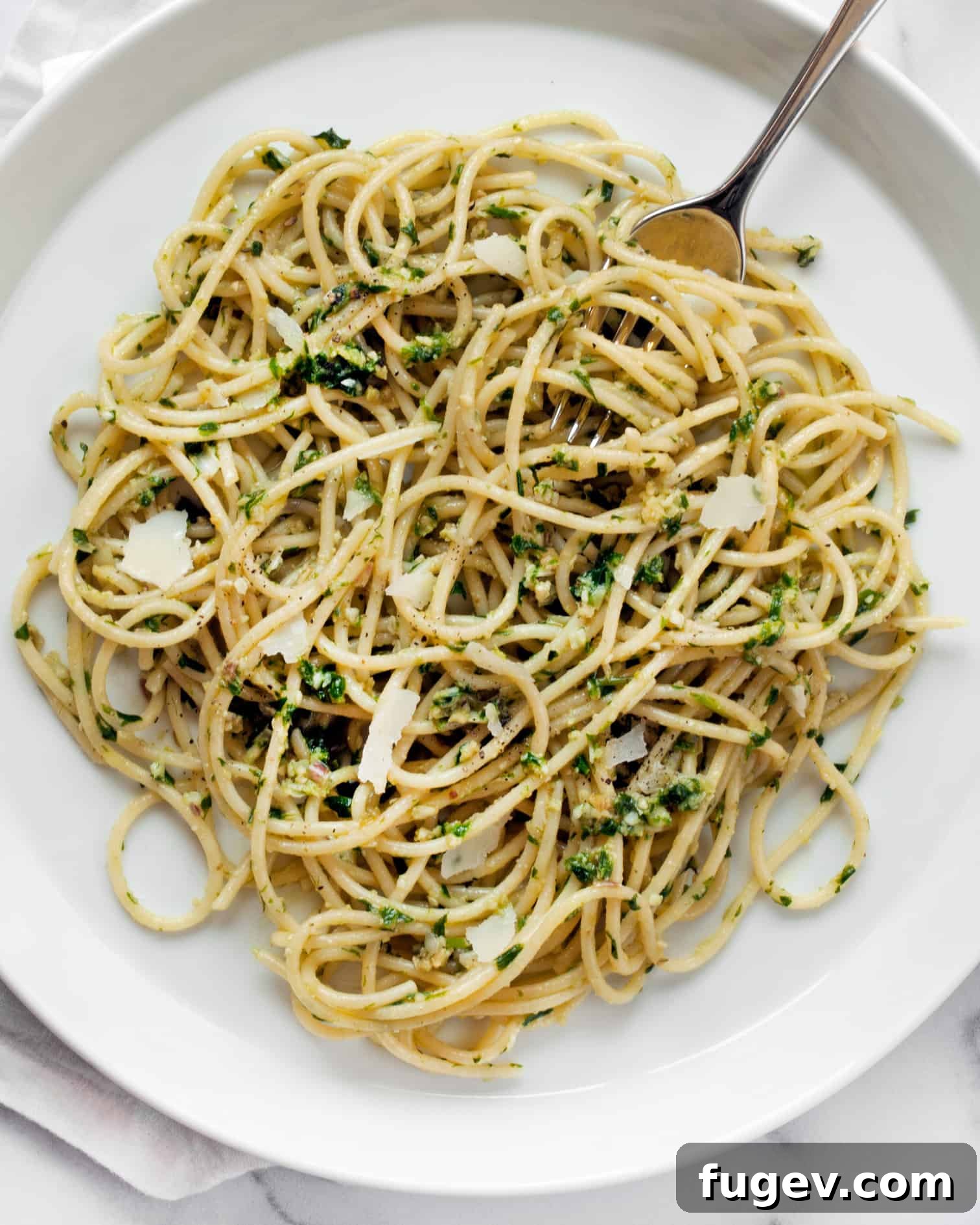
Spring’s Flavor Secret: The Ultimate Guide to Homemade Ramp Pesto
As the chill of winter recedes and the vibrant energy of spring bursts forth, a culinary treasure emerges from the forest floor: wild ramps. These elusive, garlicky greens are a seasonal delight, boasting a unique flavor profile often described as a sophisticated cross between robust garlic and delicate green onions. Their fleeting appearance makes them all the more special, and transforming them into a luscious, emerald-green ramp pesto is the perfect way to capture and extend the magic of their season. This versatile sauce isn’t just an incredible partner for any pasta shape; it’s a celebration of springtime’s bounty, ready to elevate a multitude of dishes.
Eager to explore another irresistible way to enjoy your freshly made ramp pesto? You absolutely must try our recipe for Ramp Pesto Garlic Bread – it’s a phenomenal side dish that promises to impress!
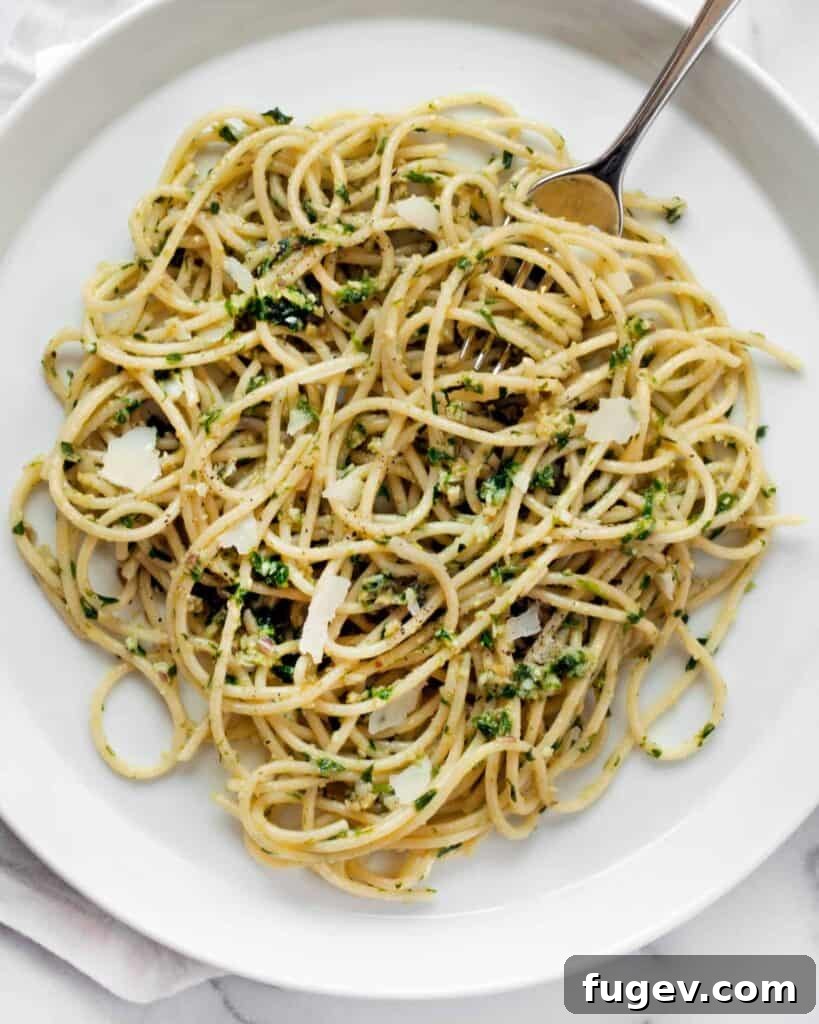
Table of Contents
- Welcome Spring with Ramps: A Seasonal Introduction
- Understanding Wild Ramps: Nature’s Garlicky Gift
- Crafting the Perfect Pesto: The Essential Ingredients
- Simple Steps to Homemade Ramp Pesto
- Expert Tips for the Best Ramp Pesto
- Storing and Preserving This Springtime Delight
- Creative Ways to Enjoy Ramp Pesto
- Explore a World of Pesto: More Recipes
- Ramp Pesto: Full Recipe Card
Welcome Spring with Ramps: A Seasonal Introduction
For culinary enthusiasts, the transition from winter to spring is often marked by an exhilarating sense of anticipation, particularly for the reopening of outdoor farmers’ markets. In bustling urban centers, the excitement leading up to this season can be so profound that it might even lead to a few restless nights! While the first few weeks of market season may offer a somewhat sparse selection, there’s one incredibly special ingredient that consistently signals spring’s true arrival: the wild ramp.
Unlike many ubiquitous vegetables that line grocery store shelves year-round, ramps remain a rare and cherished find in commercial outlets. Their inherently delicate nature makes them poorly suited for the rigors of extensive transportation and long-term storage, which is precisely why they shine brightest at local markets. Here, they’re often sold directly by the foragers who’ve meticulously gathered them, ensuring peak freshness and quality. This scarcity, coupled with their unique flavor, elevates ramps from a mere vegetable to a highly sought-after delicacy, making every encounter with a fresh bunch feel like uncovering a fleeting culinary gem. Embracing these seasonal treasures allows us to forge a deeper connection with our food sources and savor flavors that are truly exclusive to their brief window in the natural world.
Understanding Wild Ramps: Nature’s Garlicky Gift
Wild ramps, known botanically as *Allium tricoccum*, are much more than just a fleeting spring green; they are a distinct variety of wild onion, part of the extensive allium family that includes familiar kitchen staples such as garlic, shallots, leeks, and scallions. Often heralded as an unofficial harbinger of early spring, their much-anticipated arrival marks a turning point in the culinary calendar for many.
The flavor profile of ramps is truly remarkable—a complex and utterly unique blend that gourmands often describe as a sophisticated marriage of robust garlic and the fresh, subtly pungent notes of green onions. This dual characteristic grants them extraordinary versatility in the kitchen. Ramps can be enjoyed raw, showcasing their sharp, peppery bite; gently sautéed to mellow their intensity and bring out a sweet earthiness; or even roasted, which deepens their sweetness and creates a tender texture.
Distinctive Appearance: A Visual Cue for Spring
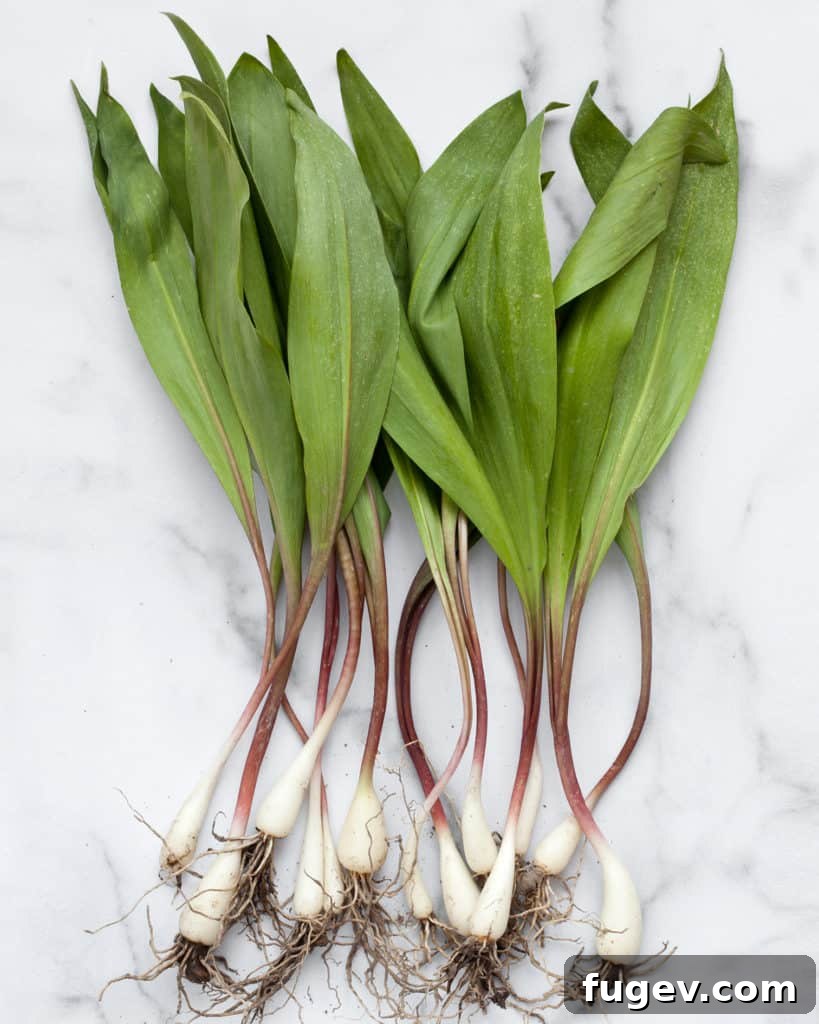
In terms of appearance, ramps bear a resemblance to larger, more substantial scallions, yet possess several distinct features. They grow with long, slender white bulbs that elegantly transition into striking burgundy-hued stems. These stems then fan out into broad, vibrant green leaves that are unmistakable. The entire plant, from its slender white bulb and hairy roots to its burgundy stem and expansive green leaves, is edible, with each part contributing to its signature aroma and rich taste. It is this combination of striking color and unusual form that makes ramps a standout among other spring vegetables.
Ramp Season: A Cherished, Brief Window
The season for ramps is famously short-lived, typically gracing us with its presence from late April through early June, though this can vary slightly depending on the specific climate and geographical region. This limited availability significantly contributes to their status as a highly coveted ingredient. To truly savor their peak flavor and freshness, it is strongly recommended to use fresh ramps as promptly as possible after purchasing or foraging. If a few days of storage are necessary, the optimal method involves gently wrapping them in damp paper towels and placing them within an open plastic bag in the crisper drawer of your refrigerator. This simple technique helps to retain their essential moisture and extends their pristine freshness for those precious few days.
Ethical Sourcing and Sustainable Foraging Practices
Given the increasing popularity of wild ramps and their slow growth cycle, the practice of sustainable foraging has become critically important. Ramp patches can be easily depleted through over-harvesting. When you acquire ramps, whether by foraging them yourself or purchasing from a vendor, it’s vital to consider their origin. Ethical foragers typically adopt practices such as taking only one leaf per plant or carefully harvesting bulbs while ensuring enough root material remains to allow the patch to regenerate for future seasons. Supporting suppliers who adhere to these responsible methods is crucial for preserving this cherished wild resource for generations to come, allowing everyone to enjoy the unique taste of spring year after year.
Crafting the Perfect Pesto: The Essential Ingredients
Creating an exceptional ramp pesto hinges on selecting a handful of high-quality ingredients that blend harmoniously to produce a symphony of springtime flavors. Each component plays a pivotal role in achieving that ideal balance of freshness, richness, and zest. Here’s a detailed look at what you’ll need for this truly special ramp pesto recipe, along with tips for choosing the best:
- Fresh Ramps: The undisputed star of our culinary show! A standard bunch of ramps generally contains about 8-10 individual plants. To prepare them for pesto, start by carefully trimming off any tough, hairy root ends from the bulbs. Then, separate the more tender green leaves from the firmer white and burgundy stems. Both the leaves and stems contribute distinct elements to the pesto’s overall flavor and texture, so roughly chop both parts. The white bulbs offer a more concentrated, potent garlicky kick, while the vibrant green leaves provide a milder oniony nuance and a beautiful, verdant hue.
- Walnuts: While traditional basil pesto famously features pine nuts, walnuts serve as an outstanding and often preferred alternative for ramp pesto. Their subtly earthy, robust flavor profile complements the bold, garlicky notes of ramps exceptionally well, contributing a delightful depth. When processed, walnuts achieve a wonderfully creamy texture. An added bonus is their significantly lower cost compared to pine nuts, making this gourmet pesto more accessible. For an even richer, more pronounced nutty flavor, consider lightly toasting the walnuts in a dry pan for a few minutes until they become fragrant, then allow them to cool completely before adding them to your food processor.
- Parmesan Cheese: A cornerstone of any authentic pesto, freshly grated, high-quality Parmesan cheese is non-negotiable here. Its intensely savory, salty, and umami-rich profile enhances and grounds all the other flavors, providing a crucial backbone to the pesto. For the absolute best results, always grate your own Parmesan from a solid block; pre-grated varieties often contain anti-caking agents that can negatively impact the pesto’s texture and overall smoothness.
- Extra Virgin Olive Oil: Far more than just a liquid binder, high-quality extra virgin olive oil is an active flavor contributor that is absolutely essential for a truly luscious and authentic pesto. Its naturally fruity, sometimes peppery notes will beautifully emulsify with and marry the other ingredients. Invest in a reputable brand with a fresh, vibrant taste, as its distinct character will undeniably shine through in the final product.
- Fresh Lemon Juice: A squeeze of freshly squeezed lemon juice acts as a crucial secret weapon in this recipe. Its bright acidity effectively cuts through and balances the richness of the olive oil and the intense garlicky flavors of the ramps, preventing the pesto from feeling heavy or oily. Instead, it imparts a refreshing zest that elevates the entire dish, adding a necessary layer of brightness. Always opt for fresh lemon juice over bottled varieties for a superior, more vibrant flavor.
- Salt & Freshly Ground Black Pepper: These humble yet mighty additions are paramount for seasoning any dish, and especially so for a recipe with such a concise list of ingredients. They are critical for enhancing all the natural flavors, bringing them into perfect harmony. Begin with the suggested amounts in the recipe, then taste and adjust to your personal preference. A subtle increase in salt can often be the key to truly making all the other flavors pop.
With these foundational, high-quality ingredients thoughtfully assembled, you are perfectly equipped to create a homemade ramp pesto that rivals any gourmet version, encapsulating the true essence of spring in every flavorful spoonful.
Simple Steps to Homemade Ramp Pesto
Creating your own ramp pesto is a surprisingly straightforward and incredibly gratifying process that results in an explosion of fresh, garlicky flavor. With just a few simple steps, you’ll have a vibrant, herbaceous, and utterly delicious pesto ready to elevate an array of your favorite meals. Here’s your step-by-step guide to crafting this springtime delicacy:
- Prepare the Ramps: Begin by thoroughly washing your ramps under cool running water to remove any dirt or grit, paying special attention to the white bulbs. Trim off the tough, hairy root ends. Carefully separate the vibrant green leaves from the white and burgundy stems. Roughly chop both the stems and the leaves, as they will be processed together. If you choose to toast your walnuts for a deeper flavor, do so now: place them in a dry skillet over medium heat for 3-5 minutes, shaking frequently, until fragrant. Let them cool completely before proceeding. Grate your Parmesan cheese fresh.
- Combine Dry Ingredients in Food Processor: Transfer the roughly chopped ramp stems and leaves, cooled walnuts, freshly grated Parmesan cheese, fresh lemon juice, salt, and black pepper into the bowl of a food processor. Secure the lid firmly.
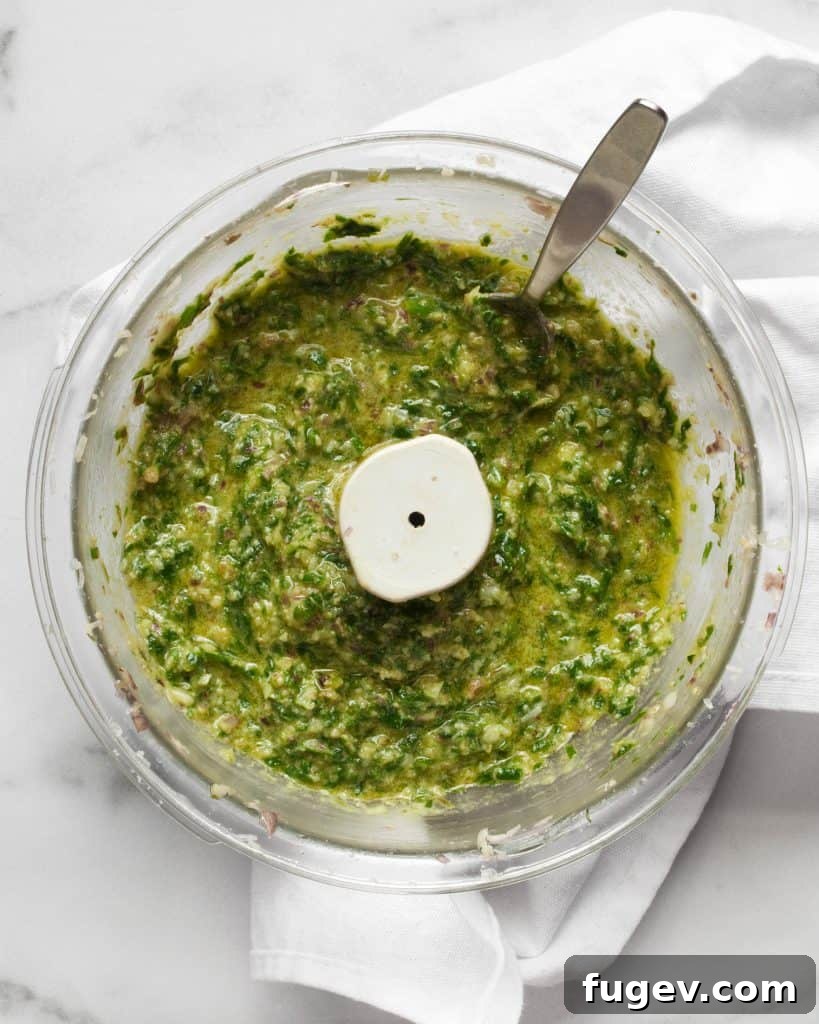
- Initial Processing: Pulse the food processor several times in short bursts. Continue to pulse until all the ingredients are finely chopped and a coarse, somewhat thick paste begins to form. Stop periodically to scrape down the sides of the bowl with a spatula, ensuring all ingredients are incorporated evenly. This initial chopping phase is crucial for developing the pesto’s texture before the oil is added.
- Emulsify with Olive Oil: With the food processor motor running continuously on a low setting, slowly and steadily drizzle in the extra virgin olive oil through the feed tube on the lid. Continue processing until the pesto reaches your desired consistency – it should be smooth and creamy, yet still retain a slight, pleasant texture from the nuts and ramps. Be mindful not to over-process, as excessive blending can generate heat, which might dull the pesto’s fresh, vibrant flavor and color.
- Taste and Adjust Seasoning: Once the pesto is thoroughly combined, transfer a small amount to a spoon and taste it. This is your opportunity to perfect the flavors. You might find it benefits from a pinch more salt to bring out the nuances, an extra grind of black pepper, or another small splash of fresh lemon juice for added brightness and acidity. Remember that the intensity of ramps can vary, so trust your palate and adjust until it’s just right.
- Serve Immediately or Store: Your fresh ramp pesto is now ready to be enjoyed! It’s fantastic stirred into your favorite cooked pasta, spread generously on toasted artisanal bread, or used as a lively accompaniment to roasted vegetables or grilled proteins. If you’re not planning to use all of it right away, refer to our detailed storage tips below to preserve its exquisite freshness and flavor for future culinary adventures.
This straightforward yet effective method guarantees that you capture the peak flavors of ramps in a delicious and remarkably versatile pesto, making it a perfect addition to any springtime meal.
Expert Tips for the Best Ramp Pesto
While the process of making ramp pesto is inherently simple, incorporating a few expert tips can truly transform your homemade creation, elevating it from merely good to absolutely outstanding. These insights will help you maximize flavor, optimize texture, and ensure your pesto stays vibrant:
- Utilize Every Part of the Ramp: Don’t discard any part of these precious greens! Both the broad, tender leaves and the more fibrous white and burgundy bulbs/stems of the ramp are packed with distinct flavors. The leaves offer a milder, more delicate oniony note, while the bulbs deliver a more intense, pungent garlicky kick. Using both ensures a full-bodied, multi-dimensional pesto. Just be meticulous when washing, especially the white parts, as soil can sometimes cling.
- Toast Your Walnuts (Highly Recommended): This simple step is often overlooked but can make a significant difference. Lightly toasting the walnuts in a dry pan for a few minutes before adding them to the food processor can dramatically deepen their flavor. This process brings out a warm, nutty complexity that beautifully complements the bold character of the ramps. Just be vigilant to avoid burning them, as burnt nuts can impart a bitter taste.
- Process in Thoughtful Stages: Instead of simply dumping all ingredients into the food processor at once, consider a phased approach. Begin by pulsing the ramps (both leaves and stems), nuts, Parmesan, salt, and pepper until they are finely chopped and a rough paste forms. *Then*, with the motor running, slowly drizzle in the extra virgin olive oil. This technique ensures a smoother, better-emulsified pesto, allowing the oil to gradually bind the flavors without over-processing the solid ingredients into a mushy consistency.
- Quality Olive Oil is Key: In pesto, olive oil is not just a carrier; it’s a foundational flavor component. Therefore, selecting a high-quality extra virgin olive oil is paramount. Its fruity, sometimes peppery notes will be very noticeable in the final product. Choose an olive oil you enjoy tasting on its own, as its freshness and character will significantly influence the pesto’s overall aroma and taste.
- Taste and Adjust Relentlessly: The intensity of ramps can vary, and individual palates differ. Always taste your pesto before declaring it finished. You might find it needs a touch more lemon juice for added brightness, a pinch more salt to truly awaken and enhance all the flavors, or a subtle swirl of extra olive oil for a silkier, more luxuriant consistency. Don’t be afraid to trust your taste buds!
- Combat Oxidation: Pesto, particularly ramp pesto, is prone to oxidation when exposed to air, which can cause it to lose its vibrant green color and turn a less appealing brown. To minimize this, immediately transfer your freshly made pesto into an airtight container. For optimal preservation, gently pour a thin, protective layer of extra virgin olive oil over the surface of the pesto before sealing the container. This creates a physical barrier that prevents air from reaching the pesto, helping to maintain its beautiful color and freshness.
- Consider Blanching for Brighter Green: If an exceptionally bright green color is a top priority, some chefs lightly blanch the ramp leaves in boiling water for about 30 seconds, then immediately plunge them into an ice bath before making the pesto. This sets the chlorophyll and can help maintain a vivid green hue. However, many prefer the raw, unblanched flavor profile for its maximal pungency.
By keeping these simple yet effective tips in mind, you’re well-equipped to create a truly exceptional batch of ramp pesto that perfectly captures the fresh, bold essence of spring.
Storing and Preserving This Springtime Delight
Given the brief availability of ramps, learning how to properly store and preserve your homemade pesto is an invaluable skill. It allows you to extend the joy of their unique flavor long after their season has ended. Proper storage techniques are crucial for maintaining the pesto’s vibrant color, fresh taste, and overall quality:
- Refrigerator Storage (Short-Term): For immediate to short-term use, transfer your freshly made ramp pesto into a clean, airtight container, such as a glass jar with a tight-fitting lid. To combat oxidation, which can cause the pesto to turn brown, gently pour a thin, protective layer of extra virgin olive oil over the surface of the pesto before sealing. This creates an effective barrier that prevents air from making contact with the pesto. Stored this way, your ramp pesto will retain its freshness and vibrant flavor beautifully in the refrigerator for up to 1 week.
- Freezer Storage (Long-Term): Freezing is undoubtedly the best method for extending the ramp pesto season significantly. Your pesto can be safely stored in the freezer for up to 2 months, and often even longer if properly sealed and protected. For unparalleled convenience and portion control, we highly recommend using standard ice cube trays. Spoon the pesto into the individual compartments of the trays. Once the pesto cubes are frozen solid (this usually takes a few hours), pop them out of the trays and transfer them to a freezer-safe, airtight bag or container. This method makes it incredibly easy to retrieve and thaw just the right amount of pesto whenever you desire a burst of ramp flavor, without having to defrost a large batch. You can also freeze pesto in smaller, individual airtight containers.
- Thawing Frozen Pesto: When you’re ready to enjoy your frozen pesto, simply remove the desired number of pesto cubes or a portion from its container. Allow it to defrost gradually in the refrigerator overnight for best results. If you’re in a hurry, you can also let it come to room temperature on the counter for a couple of hours. If you plan to incorporate it into a hot dish, you can gently warm it over low heat directly. Always remember to give the thawed pesto a good stir before using, as some separation may occur.
- Tips for Maximizing Freshness:
- Minimize Air Exposure: When storing in the fridge, press a piece of plastic wrap directly onto the surface of the pesto before adding the olive oil layer and sealing the lid. This provides an extra layer of protection against air.
- Use Clean Utensils: Always use clean spoons or spatulas when scooping pesto from the container to prevent introducing bacteria that could shorten its shelf life.
- Label and Date: For frozen pesto, always label your containers or bags with the date it was made. This helps you keep track of its freshness and ensures you use it within its optimal window.
By following these comprehensive storage and preservation guidelines, you can ensure that the distinctive taste of ramp pesto remains a delightful option in your kitchen long beyond its short spring season.
Creative Ways to Enjoy Ramp Pesto
Ramp pesto, with its robust garlicky and herbaceous notes, is an incredibly versatile condiment that extends far beyond its traditional role as a pasta sauce. Its vibrant flavor profile makes it a fantastic enhancer for a wide array of dishes, transforming simple meals into gourmet experiences. Here are some creative and delicious ways to incorporate this springtime delicacy into your culinary repertoire:
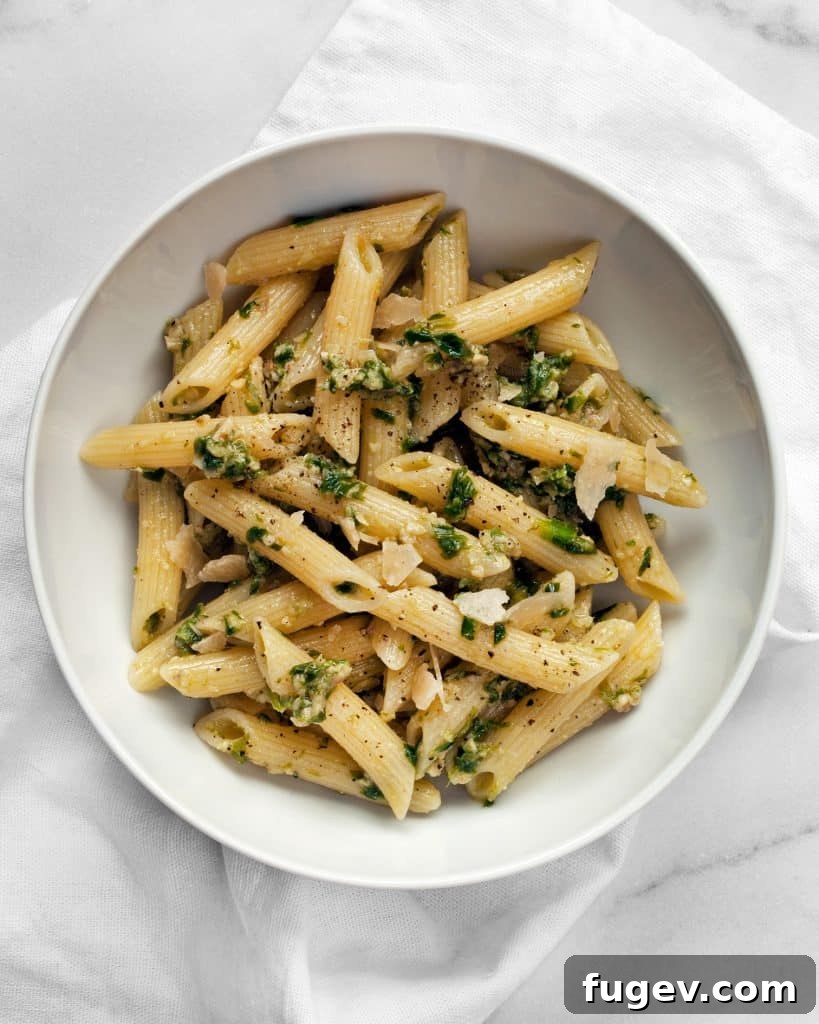
- Classic Pasta Companion: Unquestionably, my personal favorite method for enjoying fresh pesto is by stirring it generously into a large bowl of warm, cooked pasta. Almost any pasta shape works wonderfully – think spaghetti, linguine, fusilli, gemelli, penne, or even orecchiette. For an extra creamy and velvety sauce that beautifully coats the noodles, remember to reserve a splash of the starchy pasta cooking water. Add a tablespoon or two to the pesto as you toss it with the pasta. Finish with a generous sprinkle of freshly grated Parmesan cheese before serving.
- Elevate Grain Bowls & Risottos: Give your everyday cooked grains a significant flavor boost! Stir a spoonful of ramp pesto into your favorite grains like barley, farro, quinoa, couscous, or rice. This adds instant vibrancy and freshness. It’s also an absolutely phenomenal addition to a creamy risotto, particularly one featuring other spring vegetables such as tender asparagus, sweet peas, or sautéed mushrooms.
- Versatile Spreads & Dips: Utilize ramp pesto as a dynamic and flavorful spread for sandwiches, wraps, or even a sophisticated twist on morning toast. It’s particularly excellent when paired with grilled cheese, a classic turkey and provolone sandwich, or even a gourmet breakfast sandwich. You can also thin the pesto slightly with a bit more extra virgin olive oil to create a luscious, garlicky dip perfect for crusty artisanal bread, an assortment of fresh crudités, or savory crackers.
- Breakfast and Brunch Booster: Infuse your morning meals with a burst of savory flavor. Whisk a spoonful of ramp pesto into scrambled eggs, incorporate it into omelets, or swirl it through a frittata. It pairs wonderfully with eggs, adding a gourmet touch that elevates your entire breakfast or brunch experience.
- Dynamic Salad Dressing & Marinade: Transform a simple vinaigrette into something extraordinary by whisking in a dollop of ramp pesto. Its garlicky, herbaceous depth is perfect for green salads, potato salads, or even grain salads. Furthermore, ramp pesto makes an exceptional marinade for various proteins. Use it to infuse chicken, flaky fish (like cod or salmon), or succulent pork with incredible flavor before grilling, roasting, or pan-searing.
- Enhance Roasted Vegetables & Potatoes: Once your roasted vegetables—such as crispy potatoes, sweet carrots, tender broccoli florets, or roasted cauliflower—emerge from the oven, toss them immediately with a generous spoonful of ramp pesto. The residual warmth from the vegetables helps the pesto’s flavors to bloom and meld, creating an intensely flavorful and aromatic side dish.
- Gourmet Pizza & Flatbread Base: For a delightful seasonal twist, swap out traditional tomato sauce and use ramp pesto as the flavorful base for your next homemade pizza or flatbread. Top it with fresh mozzarella, vibrant cherry tomatoes, perhaps some crumbled goat cheese, and a sprinkle of fresh herbs for a truly memorable meal.
- Flavorful Soup Swirl: For an instant upgrade, swirl a dollop of ramp pesto into creamy vegetable soups, a hearty minestrone, or even a simple chicken broth. It adds layers of complex flavor and a beautiful visual appeal.
The culinary possibilities are genuinely limitless when you have a batch of fresh, homemade ramp pesto at your fingertips. Allow your creativity to flourish, and you’re sure to discover new favorite ways to integrate this exquisite seasonal delight into your everyday cooking!
Explore a World of Pesto: More Recipes
While ramp pesto holds a truly special place in our hearts for its unique seasonal charm and bold flavor, the vast and varied world of pesto extends far beyond this spring specialty. Once you’ve mastered the art of making this delicious recipe, we heartily encourage you to explore other delightful pesto variations. These can bring a continuous stream of fresh, exciting flavors to your table throughout the entire year, showcasing the incredible versatility of this beloved sauce. Here are some of our other favorite pesto recipes to inspire your ongoing culinary adventures:
- Traditional Basil Pesto: The timeless, classic recipe that remains a fundamental staple in Italian cuisine.
- Roasted Broccoli Pesto: An ingenious and savory way to incorporate extra vegetables, offering an earthy, robust flavor.
- Sweet Corn Pesto: A wonderfully surprising and utterly delightful addition to your summer recipe repertoire.
- Spinach Pesto: A vibrant, nutrient-rich, and slightly milder alternative to the more traditional basil-based pestos.
- Cilantro Pesto: Perfect for imparting a fresh, zesty, and herbaceous kick to your favorite Latin-inspired dishes.
- Parsley Walnut Pesto: A bright, herbaceous pesto with a hint of bitterness from the walnuts, fantastic with seafood or poultry.
- Vegan Kale Arugula Pesto: A robust, peppery, and entirely dairy-free option that doesn’t compromise on flavor.
- Sun-Dried Tomato Pesto: A rich, concentrated burst of Mediterranean flavor, perfect for adding depth to sandwiches and pastas.
Ramp Pesto: The Complete Springtime Recipe
Experience the unique and captivating flavors of spring with this incredibly easy-to-make, versatile, and delicious ramp pesto. It’s perfectly suited for tossing with pasta, spreading generously on toasted bread, or simply adding a gourmet touch to a wide array of your favorite springtime dishes.

Recipe Details
- Author: Paige Adams
- Prep Time: 10 minutes
- Cook Time: 1 minute (for optional toasted walnuts)
- Total Time: 11 minutes
- Yields: Approximately 1 cup of pesto (enough for 6 servings)
- Course: Sauces
- Cuisine: Italian
Ingredients
- 1 bunch fresh ramps (approximately 8-10 individual ramps), thoroughly cleaned, roots trimmed, stems and leaves separated, and roughly chopped
- 1/4 cup walnuts (lightly toasted for enhanced flavor, if desired, then cooled)
- 1/2 ounce freshly grated Parmesan cheese (plus additional for serving/garnish)
- 1 tablespoon fresh lemon juice (from about half a lemon)
- 1/4 teaspoon fine sea salt (or to taste)
- 1/4 teaspoon freshly ground black pepper (or to taste)
- 1/2 cup high-quality extra virgin olive oil
Instructions
- In the bowl of a food processor, combine the roughly chopped ramp leaves and stems, the walnuts (toasted if using), freshly grated Parmesan cheese, fresh lemon juice, salt, and black pepper. Secure the lid.
- Pulse the food processor several times in short bursts until all the ingredients are finely chopped and a coarse, thick paste begins to form. Stop as needed to scrape down the sides of the bowl with a rubber spatula to ensure even processing.
- With the food processor running continuously on a low setting, slowly and steadily drizzle in the 1/2 cup of extra virgin olive oil through the feed tube. Continue processing until the pesto is well combined and reaches a smooth, creamy consistency. Avoid over-processing, which can introduce too much heat and dull the fresh flavors.
- Taste the ramp pesto and adjust the seasoning as necessary. You may wish to add more salt for brightness, an extra grind of pepper, or a final splash of lemon juice to achieve your desired flavor balance.
- Your fresh ramp pesto is now ready to be enjoyed! It is particularly delicious stirred into 8-10 ounces of your favorite warm, cooked pasta (e.g., spaghetti, linguine, or penne). If desired, add a splash of the pasta cooking water while tossing to create a smoother, more emulsified sauce. Serve immediately, topped with extra grated Parmesan cheese.
Notes for Success
- This recipe yields approximately 1 cup of vibrant ramp pesto, typically enough to generously coat 8-10 ounces of cooked pasta.
- The provided nutritional information is calculated per serving of pesto only and does not include any accompanying pasta or other serving ingredients.
- Storage in the Refrigerator: To preserve freshness and prevent browning, store any leftover pesto in an airtight container in the refrigerator for up to 1 week. Pour a thin layer of extra virgin olive oil over the surface before sealing to create a protective barrier against air.
- Freezing for Longer Enjoyment: For extended storage, ramp pesto freezes beautifully for up to 2 months. For convenient single-serving portions, spoon the pesto into ice cube trays and freeze until solid. Once frozen, transfer the pesto cubes to a freezer-safe bag or container. This allows you to easily thaw and use only the amount you need.
Nutrition Information (Per Serving)
(Approximate values based on 6 servings, excluding pasta or other accompaniments)
- Calories: 203 kcal
- Carbohydrates: 1g
- Protein: 1g
- Fat: 22g
- Saturated Fat: 3g
- Polyunsaturated Fat: 4g
- Monounsaturated Fat: 14g
- Cholesterol: 2mg
- Sodium: 139mg
- Potassium: 30mg
- Fiber: 0.4g
- Sugar: 0.2g
- Vitamin A: 50 IU
- Vitamin C: 1mg
- Calcium: 27mg
- Iron: 0.3mg
Please note: Nutritional information is automatically calculated and should be used as an approximation only. Actual values may vary based on specific ingredients and preparation methods.
Did you make this vibrant ramp pesto? We would absolutely love to see your delicious creations!
Share your culinary success with us by mentioning @lastingredient on Instagram and tagging your photos with #lastingredient!