
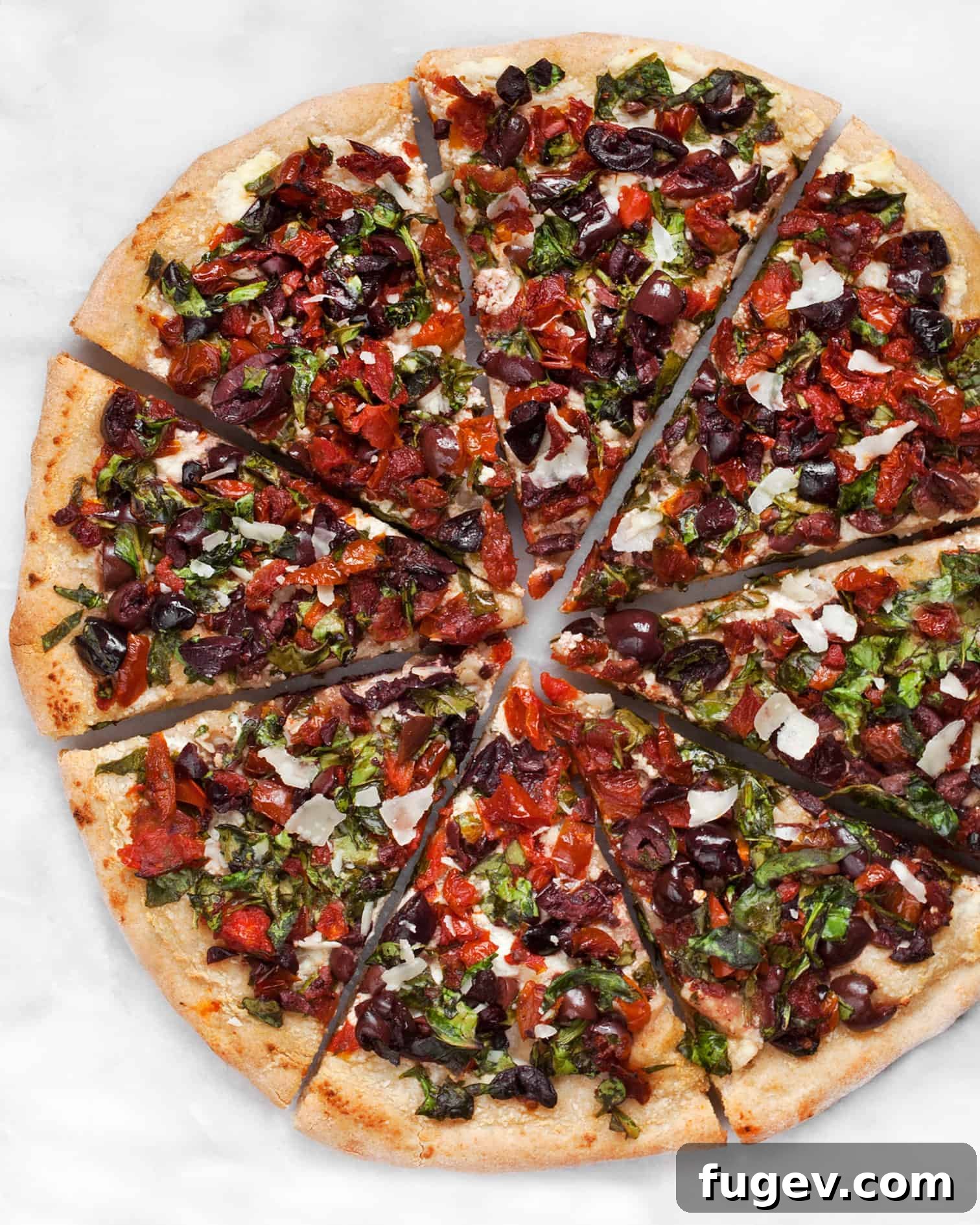
The Ultimate Fire-Roasted Tomato & Ricotta Pizza: A Culinary Masterpiece
Prepare to embark on a delightful culinary journey with our Fire-Roasted Tomato and Ricotta Pizza. This exquisite creation starts with a creamy ricotta base, elegantly replacing traditional tomato sauce, and is generously adorned with the rich flavors of fire-roasted tomatoes, briny Kalamata olives, fresh spinach, and a sprinkle of shredded mozzarella. It’s a sophisticated yet approachable recipe that transforms a simple meal into an unforgettable dining experience, proving that sometimes, the most innovative pizzas are those that playfully bend tradition.
The Enduring Love Affair with Pizza
Pizza holds a truly special place in the hearts of many, and I am certainly no exception. My passion for pizza runs deep – I mean, truly deep! Whether it’s a meticulously crafted pie from my own kitchen, made with love and fresh ingredients, or a quick pick-up from one of the exceptional pizzerias scattered throughout our vibrant neighborhood, I find it impossible to ever tire of a perfect slice. It’s more than just food; it’s a comforting ritual, a canvas for culinary creativity, and a universal symbol of togetherness.
In our area, we are blessed with an abundance of pizza options, each establishment proudly proclaiming its unique crust style as the definitive best. From the crisp, thin crusts reminiscent of New Haven to the fluffy, deep-dish delights characteristic of Detroit, the choices are endless. For me, the decision between a thick or thin crust, or between regional specialties, purely depends on my mood. What truly captivates me is the harmonious blend of dough, luscious tomatoes, and melted cheese in any form. It’s a simple trifecta that consistently delivers pure satisfaction, a testament to pizza’s timeless appeal.
There’s a magical sensory experience that often dictates our dinner plans. On our leisurely walks home from school, my son and I frequently encounter the intoxicating aroma of simmering tomatoes and garlic wafting from a bustling restaurant, or spot someone contentedly carrying a fresh pizza box. These powerful scents are almost guaranteed to ignite an irresistible craving, prompting an immediate pivot from our initial dinner intentions. It’s a common occurrence in our household: if I haven’t prepared a batch of homemade dough, ready to be rolled out and transformed, we inevitably end up stopping for a pizza on our journey home. It’s a spontaneous joy that makes ordinary evenings extraordinary.
Mastering Homemade Pizza: The Foundation of Flavor
There’s a profound satisfaction that comes with creating pizza from scratch. It’s not just about the incredible taste of a freshly baked pie; it’s about the entire process, from mixing the dough to pulling a golden, bubbling pizza from the oven. My homemade crust typically lands somewhere between a delightful thick and a perfectly crisp thin, achieving a wonderful balance of chewiness and crunch. While I often rely on the convenience of my food processor for mixing the dough, simplifying the initial steps, I cherish the moments when I have the luxury of time to knead the dough by hand. It’s a surprisingly good workout, and I find the rhythmic, tactile process of kneading incredibly relaxing, almost meditative. This hands-on approach allows for a deeper connection to the food, making the final pizza even more rewarding.
Crafting the Perfect Dough: A Step-by-Step Guide
Creating your own pizza dough is a rewarding endeavor that significantly elevates the flavor and texture of your homemade pizza. A good dough forms the backbone of any great pizza, providing that perfect chew and golden crust. Here’s a more detailed look into making a versatile pizza dough:
- Activating the Yeast: Start by gently warming your water to around 105-115°F (40-46°C). This temperature is crucial for activating the dry active yeast without killing it. In a large bowl, combine the warm water, yeast, and a touch of granulated sugar. The sugar acts as food for the yeast, helping it to bloom. Let this mixture sit for 5-10 minutes. You’ll know your yeast is active when a foamy layer appears on the surface, indicating it’s alive and ready to work its magic.
- Combining Dry Ingredients: In a separate, larger mixing bowl, whisk together the bread flour and kosher salt. Bread flour is preferred for pizza dough due to its higher protein content, which develops more gluten, resulting in a chewier and more elastic crust. The salt is essential for flavor and also helps regulate yeast activity.
- Mixing the Dough: Pour the activated yeast mixture and a teaspoon of olive oil into the dry ingredients. Olive oil adds flavor, helps keep the dough tender, and makes it easier to work with. Stir everything together with a wooden spoon or your hands until a “shaggy” dough forms – this means it will look rough and barely come together.
- Kneading for Elasticity: Turn the shaggy dough out onto a lightly floured work surface. Now comes the kneading! Knead the dough for about 10 minutes. This process develops the gluten, making the dough smooth, elastic, and capable of forming those desirable air pockets during baking. You’ll notice the dough transform from sticky and rough to supple and resilient under your hands. If using a stand mixer, attach the dough hook and knead on medium-low speed for 7-8 minutes.
- First Rise (Proofing): Once kneaded, form the dough into a smooth ball. Lightly oil a clean bowl and place the dough inside, turning it once to coat with oil. Cover the bowl tightly with plastic wrap or a clean kitchen towel. Find a warm, draft-free spot in your kitchen (around 70-75°F or 21-24°C) and let the dough rise until it has doubled in size. This usually takes about 1.5 to 2 hours, depending on the warmth of your environment. This slow rise is key to developing complex flavors.
Once your dough has completed its first rise, it’s ready to be punched down, divided, and shaped for your pizza. The effort you put into the dough will undoubtedly shine through in the final product, creating a foundation that perfectly complements your chosen toppings.
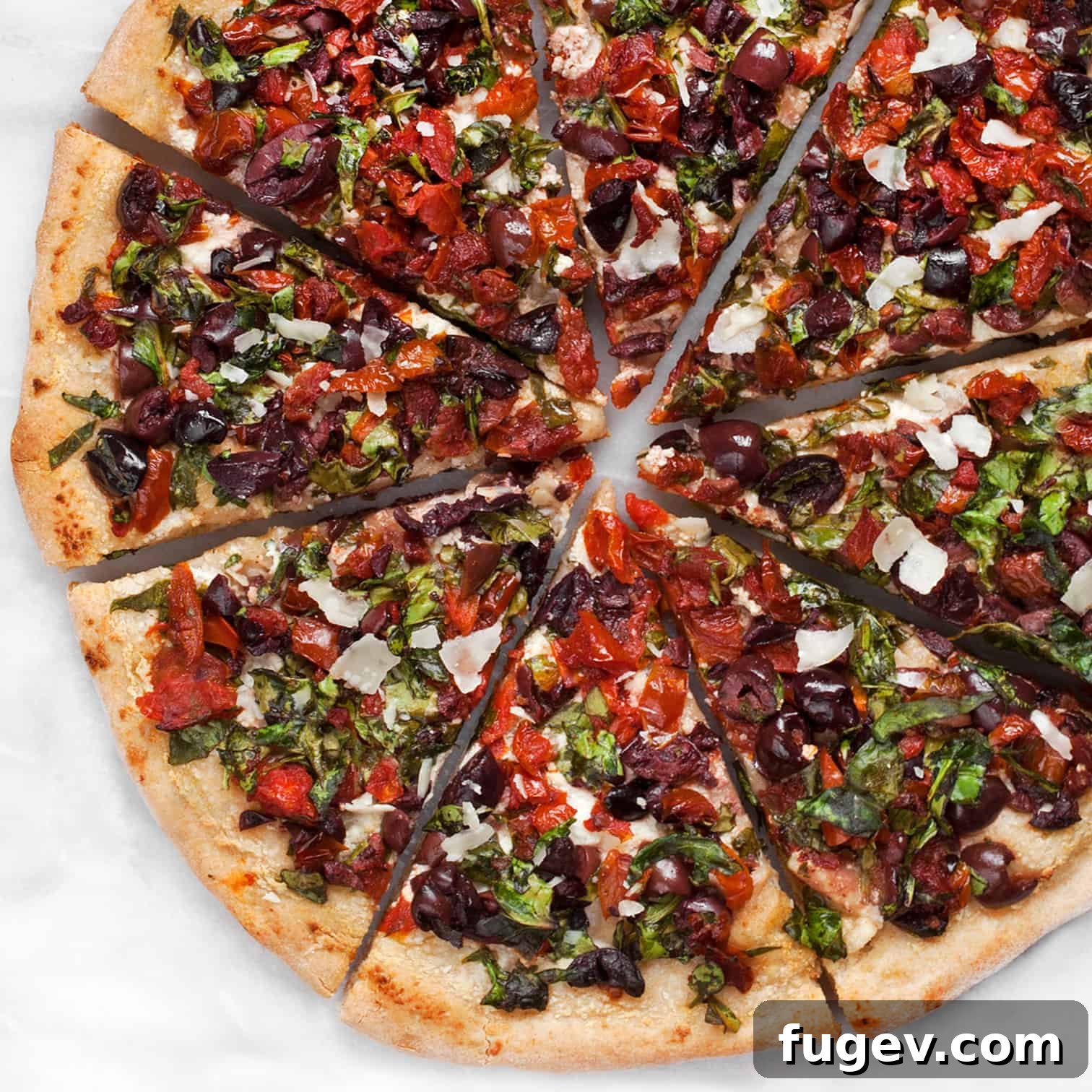
Introducing Our Signature Fire-Roasted Tomato & Ricotta Pizza
This Fire-Roasted Tomato Pizza is a testament to the fact that exceptional flavor doesn’t always require elaborate steps. For this particular recipe, I embraced the convenience of readily available, high-quality ingredients, many of which can be found at your grocery store’s antipasti bar. This shortcut allows you to focus on the joy of assembly and baking, without compromising on gourmet taste.
The journey to pizza perfection begins with preheating your oven to a blazing 450°F (232°C), ensuring a pizza stone is nestled inside to absorb the heat. A super-hot stone is crucial for achieving that coveted crispy crust. Once the oven and stone are perfectly heated, carefully transfer your rolled-out dough onto the hot surface, perhaps with a dusting of cornmeal to prevent sticking. The next step is to generously spread a thin, even layer of creamy ricotta cheese across the dough, leaving a small border for the crust. This rich, milky ricotta serves as a sublime, delicate base, offering a refreshing departure from traditional tomato sauce.
The Star Ingredients: A Flavor Symphony
This pizza shines by highlighting the natural brilliance of its carefully selected toppings:
- Ricotta: Far from being a mere filler, the ricotta forms the luxurious, creamy foundation of this pizza. Its mild, slightly sweet flavor provides a beautiful contrast to the robust toppings, acting as a velvety canvas that truly lets the other ingredients sing. It’s an inspired choice for those looking to explore beyond traditional red sauces.
- Fire-Roasted Tomatoes: These aren’t just any tomatoes. Fire-roasted tomatoes possess an unparalleled depth of flavor, infused with a smoky sweetness that can’t be replicated. Often marinated with garlic and herbs, they bring an intense, concentrated tomato essence without the need for a separate sauce. I am a huge admirer of these jarred wonders; their garlicky goodness is simply wonderful and transformative for this pizza.
- Kalamata Olives: The inclusion of Kalamata olives introduces a delightful burst of briny, fruity, and slightly tangy notes. Their distinctive flavor provides a crucial counterpoint to the richness of the ricotta and the sweetness of the tomatoes, adding a Mediterranean complexity that elevates every bite.
- Fresh Spinach: Wilted spinach not only contributes a vibrant splash of color but also adds a subtle earthiness and a wealth of nutrients. As it bakes, the spinach becomes tender, blending seamlessly with the other ingredients and offering a fresh, green balance to the richer flavors.
- Shredded Mozzarella & Shaved Parmesan: While the ricotta acts as the primary creamy element, a modest sprinkle of shredded mozzarella provides that classic cheesy pull and a hint of familiar comfort. To finish, a scattering of shaved Parmesan after baking adds a final layer of salty, umami-rich complexity, lending a gourmet touch that truly completes the experience.
A key to this pizza’s success is ensuring the toppings are well-distributed. I roughly chop the fire-roasted tomatoes, Kalamata olives, and fresh spinach together. This simple preparation makes it incredibly easy to completely cover the ricotta base, which is particularly important given the absence of a thick tomato sauce. The cohesive mix of chopped ingredients ensures that every slice offers a balanced medley of flavors and textures, making each bite as exciting as the last. Indeed, I find veggie-forward pizzas like this one to be infinitely more intriguing and satisfying than those solely loaded with excessive amounts of cheese. The interplay of fresh produce and thoughtful flavor combinations creates a more dynamic and memorable eating experience.
Fire-Roasted Tomato & Ricotta Pizza
By Paige Adams
Prep Time: 2 hrs 30 mins | Cook Time: 12 mins | Rising Time: 2 hrs | Total Time: 4 hrs 42 mins
Servings: 4
Ricotta forms the creamy base of this delightful pizza, topped with intensely flavorful fire-roasted tomatoes, briny Kalamata olives, fresh spinach, and a touch of mozzarella, finished with shaved Parmesan. A sophisticated twist on a classic favorite.
Ingredients
For the Dough:
- 2/3 cup warm water (105-115°F / 40-46°C)
- 1/2 teaspoon dry active yeast
- 1/2 teaspoon granulated sugar
- 1 teaspoon olive oil, plus extra for oiling the bowl and brushing the pizza
- 1-1/2 cups bread flour, plus extra for dusting the work surface
- 1/2 teaspoon kosher salt
- Cornmeal for the pizza stone
For the Pizza:
- 1/2 cup ricotta cheese
- 1 cup drained and roughly chopped fire-roasted or marinated roasted tomatoes
- 3/4 cup roughly chopped baby spinach
- 1 cup roughly chopped pitted Kalamata olives
- Shaved Parmesan for serving
- Optional: 1/2 cup shredded mozzarella cheese
Instructions
- Prepare the Dough: In a medium bowl, combine the warm water, yeast, sugar, and 1 teaspoon of olive oil. Let stand for 5 minutes until the mixture becomes foamy. In a large bowl, whisk together the bread flour and kosher salt. Pour the wet ingredients into the dry mixture and stir with a wooden spoon until a shaggy, cohesive dough forms.
- Knead the Dough: Turn the dough out onto a lightly floured work surface. Knead for 10 minutes until the dough is smooth, elastic, and no longer sticky. If using a stand mixer, attach the dough hook and knead on medium-low speed for about 7-8 minutes.
- First Rise: Form the kneaded dough into a ball. Lightly grease a clean bowl with olive oil, place the dough in it, turning once to coat. Cover the bowl with plastic wrap or a damp kitchen towel. Place in a warm spot and let the dough rise for approximately 2 hours, or until it has doubled in size.
- Preheat Oven & Prepare Stone: About 30-45 minutes before baking, preheat your oven to 450°F (232°C) with a pizza stone (or an inverted baking sheet) inside, allowing it to heat thoroughly.
- Assemble the Pizza: On a lightly floured work surface, gently punch down the risen dough and roll it out into a 12-inch diameter circle. Carefully transfer the dough to the preheated pizza stone (use a pizza peel dusted with cornmeal for easy transfer). Brush the dough lightly with olive oil. Spread the ricotta cheese evenly over the dough, leaving a 1/2-inch border for the crust.
- Add Toppings: Evenly distribute the roughly chopped fire-roasted tomatoes, Kalamata olives, and baby spinach over the ricotta base. If using, sprinkle a small amount of shredded mozzarella over the toppings.
- Bake: Bake the pizza for 12-15 minutes, or until the crust is golden brown and the toppings are heated through. Keep an eye on it to prevent over-browning.
- Serve: Carefully remove the pizza from the oven. Before slicing and serving, generously top with shaved Parmesan cheese. Enjoy immediately!
Notes
This recipe yields one delicious 12-inch pizza, perfect for sharing among 2-4 people.
Nutrition Information (Per Serving – Approximation)
- Calories: 300 kcal
- Carbohydrates: 40g
- Protein: 10g
- Fat: 11g
- Saturated Fat: 3g
- Polyunsaturated Fat: 1g
- Monounsaturated Fat: 6g
- Cholesterol: 16mg
- Sodium: 951mg
- Potassium: 129mg
- Fiber: 3g
- Sugar: 2g
- Vitamin A: 1058 IU
- Vitamin C: 3mg
- Calcium: 115mg
- Iron: 1mg
Nutrition information is automatically calculated and should only be used as an approximation. Actual values may vary based on specific ingredients and preparation methods.
Additional Info
- Course: Pizza
- Cuisine: Italian, Mediterranean-inspired
Tips for Pizza Perfection
Achieving a truly outstanding homemade pizza involves a few key considerations that can elevate your results from good to magnificent:
- High Heat is Your Friend: A crucial element for a crispy, evenly cooked crust is a super hot oven. Always preheat your oven and pizza stone (or inverted baking sheet) for at least 30-45 minutes before baking. This ensures the stone reaches a high enough temperature to instantly crisp the bottom of the dough upon contact, mimicking professional pizza ovens.
- Don’t Overcrowd the Toppings: While it’s tempting to pile on endless ingredients, less is often more with pizza, especially with a delicate ricotta base. Overloading the pizza can lead to a soggy crust and uneven cooking. Stick to the suggested amounts to allow each flavor to shine and ensure a perfectly baked pie.
- Quality Ingredients Matter: Since this pizza relies on simple, fresh ingredients, the quality of each component makes a significant difference. Use good quality olive oil, fresh spinach, and premium fire-roasted tomatoes. The small investment in better ingredients will yield much richer flavors.
- Perfect Your Pizza Peel Technique: Using a pizza peel dusted generously with cornmeal or flour is essential for easily transferring your raw pizza to the hot stone and retrieving it. A quick, confident slide is key to preventing the dough from sticking.
- Experiment with Herbs: While the recipe keeps it simple, consider adding a sprinkle of fresh or dried oregano, basil, or a pinch of red pepper flakes to the ricotta or over the toppings for an extra layer of aromatic complexity.
Why This Pizza Will Be Your New Favorite
This Fire-Roasted Tomato and Ricotta Pizza offers a refreshing and sophisticated take on a beloved classic. Its creamy ricotta base provides a gentle, flavorful alternative to traditional tomato sauce, allowing the vibrant, smoky sweetness of the fire-roasted tomatoes to truly shine. The briny Kalamata olives and fresh, earthy spinach add layers of Mediterranean flavor and a beautiful textural contrast, making each bite an intriguing experience.
Beyond its exceptional taste, this pizza is remarkably versatile. It’s substantial enough for a satisfying weeknight dinner, yet elegant enough to impress guests at a casual gathering. The veggie-forward nature makes it a lighter option than many meat-laden pizzas, and it’s a fantastic way to enjoy delicious, homemade food that feels both indulgent and wholesome. Prepare to discover a new go-to recipe that marries simplicity with gourmet appeal, proving that a little creativity can transform a staple into a culinary highlight.