
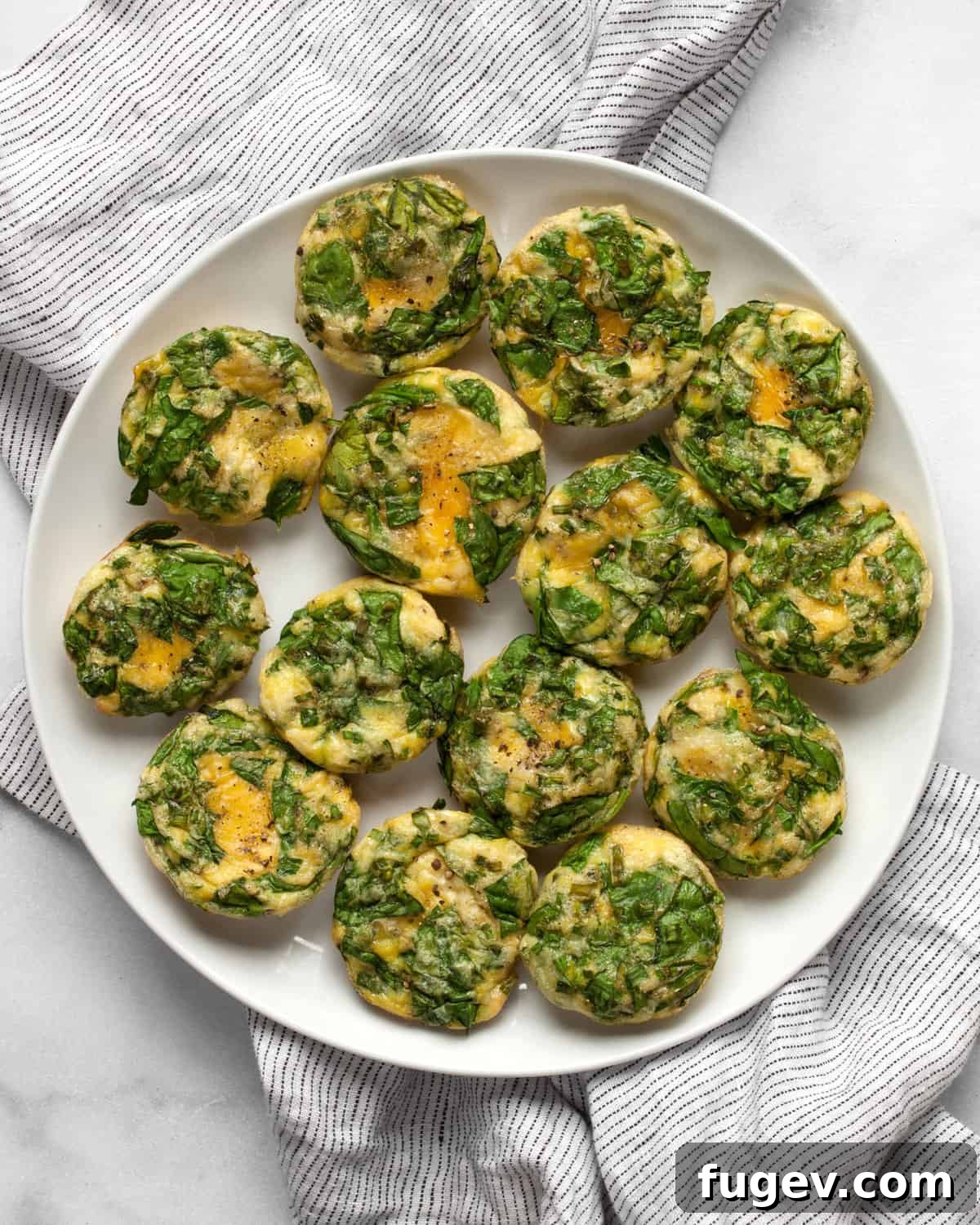
Easy Mini Spinach and Parmesan Frittatas: Your Perfect Breakfast & Brunch Solution
Packed with vibrant baby spinach and savory Parmesan cheese, these mini frittatas offer an incredibly easy and convenient baked egg recipe. With just a handful of simple ingredients and requiring only about 20 minutes from start to finish, they are a culinary lifesaver for busy mornings or sophisticated brunches. Their versatility allows for effortless adaptation, inviting you to experiment with various vegetables you might already have on hand. Baked conveniently in a muffin pan, these individual egg bites are not only excellent for breakfast meal prep throughout the week but also shine as a delightful, crowd-pleasing option for any brunch gathering.
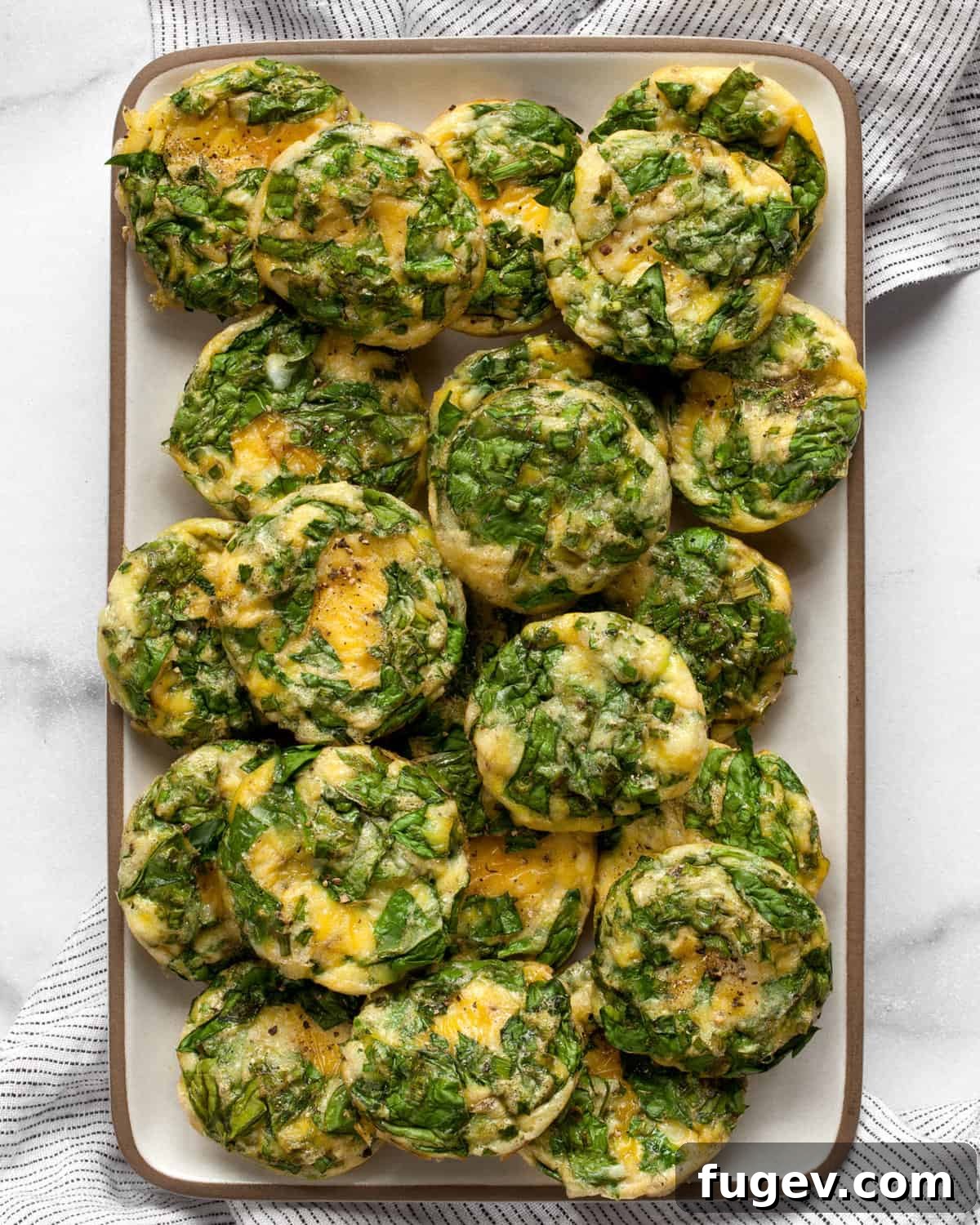
Table of Contents
- What Exactly is a Frittata?
- Mini Frittatas vs. Traditional Frittatas: Key Differences
- The Essential Ingredients for Your Mini Frittatas
- Creative Variations and Customizations
- Step-by-Step Guide: How To Make Mini Frittatas
- Serving Suggestions and Pairing Ideas
- Handling Leftovers and Storage Tips
- Frequently Asked Questions About Frittatas
- Explore More Egg-cellent Recipes
- Mini Spinach Frittatas Recipe Card
What Exactly is a Frittata?
Originating from Italy, a frittata is often described as a crustless quiche, making it a fantastic gluten-free alternative for breakfast or brunch lovers. This delightful egg-based dish typically features a harmonious blend of whisked eggs combined with various fillings such as vegetables, cheeses, and sometimes meats. The beauty of a frittata lies in its incredible versatility, allowing you to easily incorporate whatever ingredients you have on hand – perfect for using up leftovers and minimizing food waste.
Traditionally, preparing a frittata involves first sautéing your chosen fillings in a large oven-safe skillet. Once the fillings are tender and flavorful, a mixture of whisked eggs, a splash of milk (or cream for a richer texture), along with a generous seasoning of salt and pepper, is poured over them. The skillet then goes onto the stovetop to allow the edges of the egg mixture to just set before being transferred to the oven to finish baking through. This method creates a beautifully puffed, golden-brown egg dish that’s both rustic and elegant.
While often compared to quiche, frittatas stand apart with their characteristic lack of a pastry crust, offering a lighter profile. They are also typically started on the stovetop before finishing in the oven, a technique that gives them a distinct texture and often a slightly denser, more satisfying bite compared to the more custardy texture of a classic French quiche.
Mini Frittatas vs. Traditional Frittatas: Key Differences
The primary distinction between mini frittatas and their traditional, large skillet counterparts lies in their cooking method and convenience. Since a muffin tin cannot be placed directly on a stovetop burner, mini frittatas are baked entirely in the oven from start to finish. This makes the preparation even simpler than a traditional frittata, which typically requires careful monitoring on the stovetop before oven transfer. The “set it and forget it” nature of baking them entirely in the oven simplifies the process considerably.
Crafting frittatas in individual muffin cups offers numerous advantages, making them ideal for both casual entertaining and practical meal preparation. Each mini frittata is perfectly portioned, eliminating the need for slicing and serving a large frittata. This makes them incredibly convenient for guests to grab and enjoy, and equally beneficial for portion-controlled meals throughout your week. Furthermore, the individual nature of muffin tin frittatas provides unmatched flexibility for customization. You can easily fill different muffin cups with varying ingredients, catering to diverse dietary preferences – for example, offering both vegetarian and meat-filled options within the same batch. This adaptability ensures everyone can enjoy a personalized bite.
The compact size of mini frittatas also ensures quicker cooking times, allowing you to whip up a batch in a fraction of the time it would take for a full-sized frittata. Their charming appearance and bite-sized format also elevate any breakfast or brunch spread, adding an element of effortless elegance.
The Essential Ingredients for Your Mini Frittatas
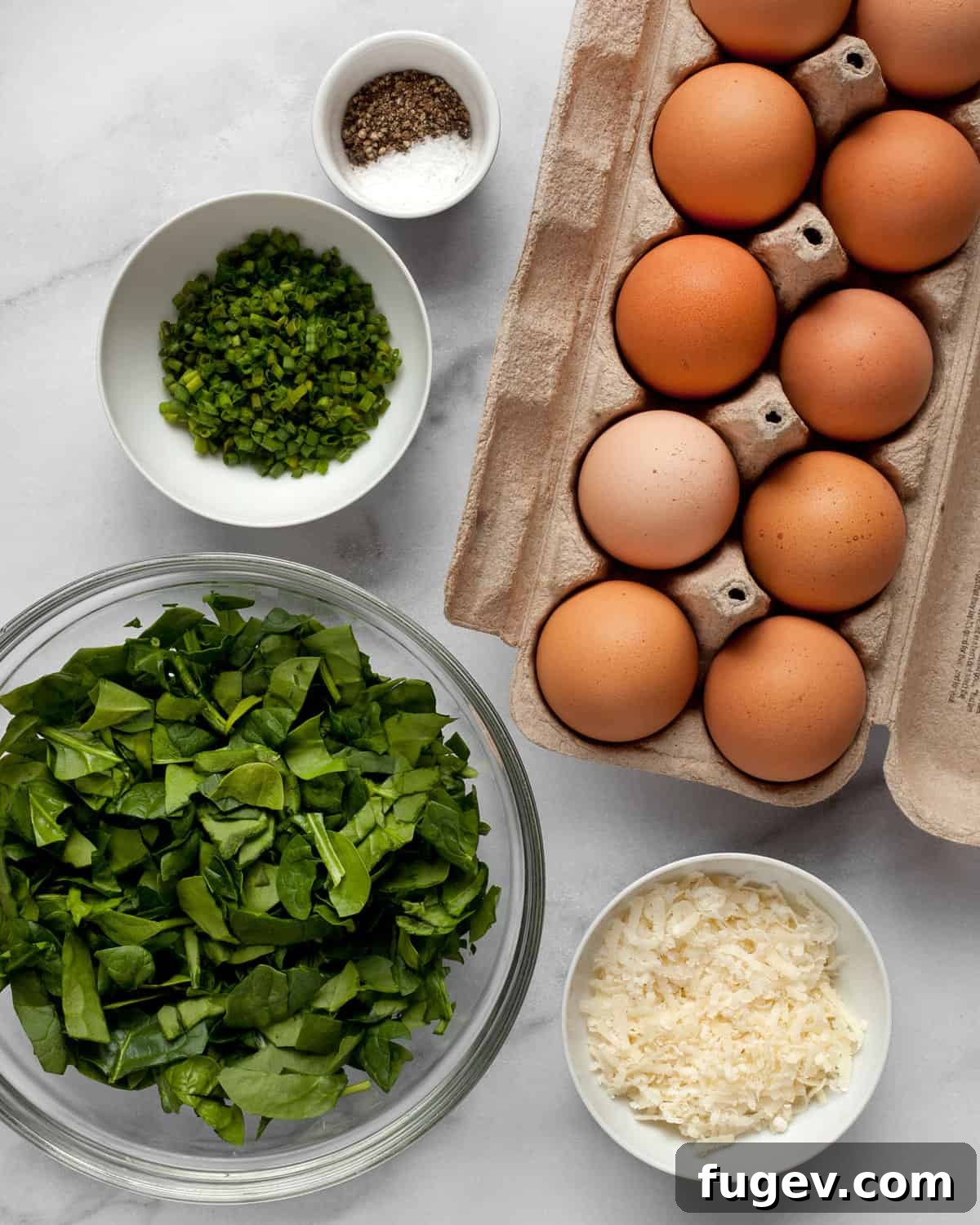
One of the beauties of this recipe is its simplicity, relying on just a few key ingredients to deliver maximum flavor and nutrition. Here’s what you’ll need to create these delectable mini frittatas:
- Eggs: The foundation of any frittata! This recipe calls for 10 large eggs, which provide a rich, protein-packed base. Eggs are incredible binders and their natural flavor pairs wonderfully with the other ingredients. For a slightly fluffier texture, ensure your eggs are at room temperature before whisking.
- Spinach: We use baby spinach for its tender leaves and mild flavor. It’s a fantastic way to sneak in some greens and essential vitamins. Since these are mini frittatas, it’s crucial to roughly chop the spinach leaves. This ensures they fit neatly into the muffin cups and distribute evenly throughout the egg mixture, preventing large clumps.
- Parmesan Cheese: This hard, aged Italian cheese is a game-changer. Unlike softer cheeses that might become overly gooey or melty, Parmesan holds its texture beautifully in baked eggs, adding a wonderful nutty, salty, and deeply umami flavor that elevates the entire dish. Freshly grated Parmesan will always yield the best results.
- Chives: A member of the onion family, chives contribute a delicate, fresh oniony flavor without being overpowering. Their bright green color also adds a lovely visual pop. While you can certainly mix in other fresh herbs like parsley or dill, including chives is highly recommended for their distinct aroma and taste that complements eggs so well.
- Salt & Pepper: Essential for seasoning! These humble spices are vital for enhancing and balancing the overall flavors of the egg mixture and all the fillings. Don’t underestimate their power to bring out the best in every bite. Adjust to your taste, but a good baseline will ensure your frittatas aren’t bland.
These core ingredients form a harmonious base, but the possibilities for customization are endless, as you’ll see in the next section.
Creative Variations and Customizations
The beauty of frittatas lies in their adaptability, allowing you to easily swap out or add ingredients based on your preferences or what’s available in your fridge. A crucial rule of thumb for frittata mix-ins is that any ingredients requiring cooking must be pre-cooked before being added to the egg mixture and placed in the muffin tin. The baking time for the eggs is not sufficient to fully cook most raw vegetables or meats. Leafy greens like spinach are a notable exception, as they wilt quickly and beautifully within the baking eggs.
Here are some delicious vegetarian frittata combinations to inspire your next batch of mini egg bites:
- Tomato, Zucchini & Corn: A vibrant summer combination! Lightly sauté diced zucchini and corn kernels until tender-crisp. Add chopped cherry tomatoes for a burst of sweetness. This trio offers a lovely balance of textures and fresh flavors.
- Roasted Broccoli, Red Onions & Cheddar Cheese: Roasting the broccoli and red onions first brings out their natural sweetness and a slight caramelization, adding depth to the frittatas. Combine with shredded sharp cheddar cheese for a classic, comforting flavor profile.
- Mushrooms, Tomatoes & Goat Cheese: Sauté sliced mushrooms until golden brown to enhance their earthy flavor. Incorporate sun-dried tomatoes (or fresh, if preferred) and crumbled goat cheese for a tangy, creamy element that melts wonderfully into the eggs.
- Roasted Red Peppers, Spinach & Feta: Roast red peppers until soft and slightly charred, then chop. Combine with wilted spinach and crumbled feta cheese for a Mediterranean-inspired frittata with salty, savory notes.
- Asparagus and Swiss Cheese: Lightly blanch or steam chopped asparagus spears until just tender. Pair with grated Swiss cheese for a delicate and nutty flavor.
Beyond vegetarian options, you can easily introduce proteins. Cooked and crumbled bacon, diced ham, or browned breakfast sausage are excellent additions for a heartier frittata. For a touch of spice, consider adding a pinch of red pepper flakes to the egg mixture or some diced jalapeños (sautéed first!). Don’t be afraid to get creative; frittatas are incredibly forgiving!
Step-by-Step Guide: How To Make Mini Frittatas
Making these mini frittatas is surprisingly straightforward, perfect for even novice cooks. Follow these simple steps for perfect, fluffy egg bites every time:
Preparation is Key: Preheat and Grease
First, preheat your oven to 325 degrees F (160 degrees C). While the oven heats, generously grease a 24-cup mini muffin pan with non-stick cooking spray. Ensuring each cup is well-coated will prevent sticking and make for easy removal of your frittatas.
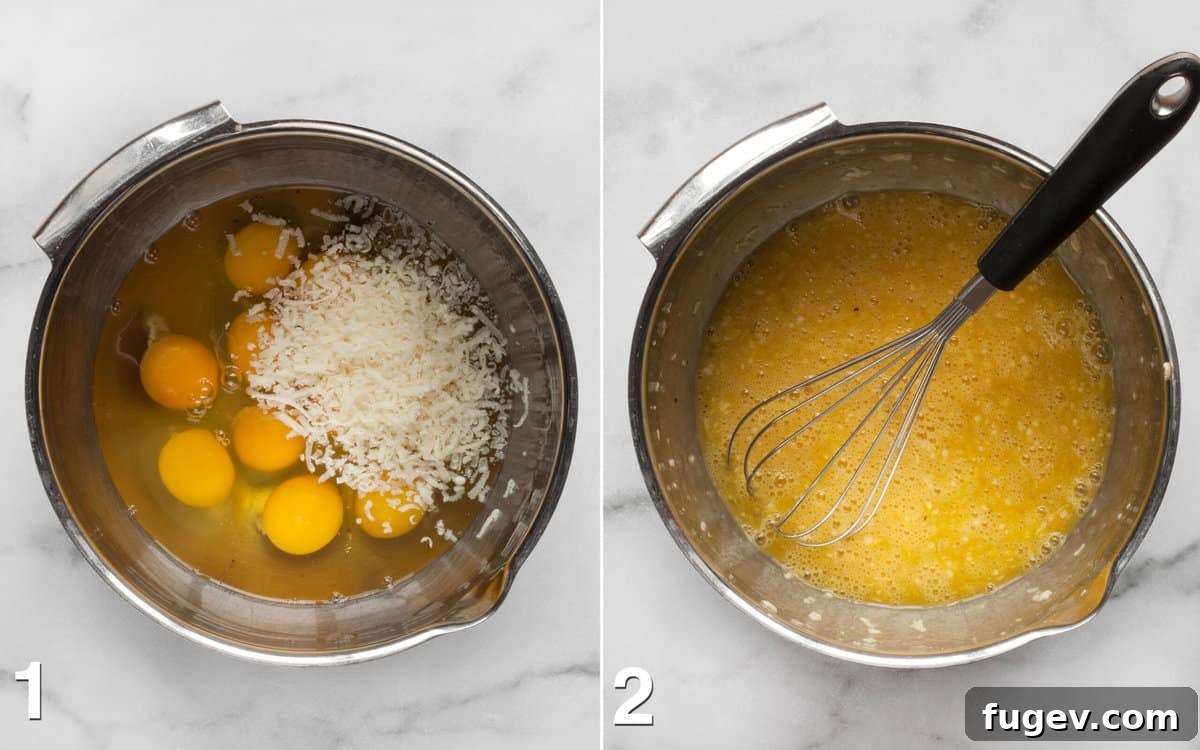
1. Combine the Wet Ingredients: In a large mixing bowl, combine the 10 large eggs, 1/4 cup grated Parmesan cheese, 1/2 teaspoon kosher salt, and 1/2 teaspoon black pepper. These are the core flavors that will define your frittatas.
2. Whisk Until Smooth: Using a whisk, vigorously beat the egg mixture until it is light yellow and slightly frothy. This incorporates air, which contributes to a lighter, fluffier texture in your baked frittatas. Make sure the Parmesan is well distributed.
3. Distribute the Spinach: Evenly divide the chopped baby spinach among the greased mini muffin cups. A small handful in each cup is usually sufficient. Don’t worry if it looks like a lot; the spinach will wilt down significantly during baking.
4. Pour the Egg Mixture: Carefully pour the whisked egg mixture over the spinach in each muffin cup. Fill them close to the top, but be sure not to overfill them to prevent spillage during baking. Aim for about 1/8 inch from the rim. The eggs will puff up slightly and then settle, so leaving a little room is ideal.
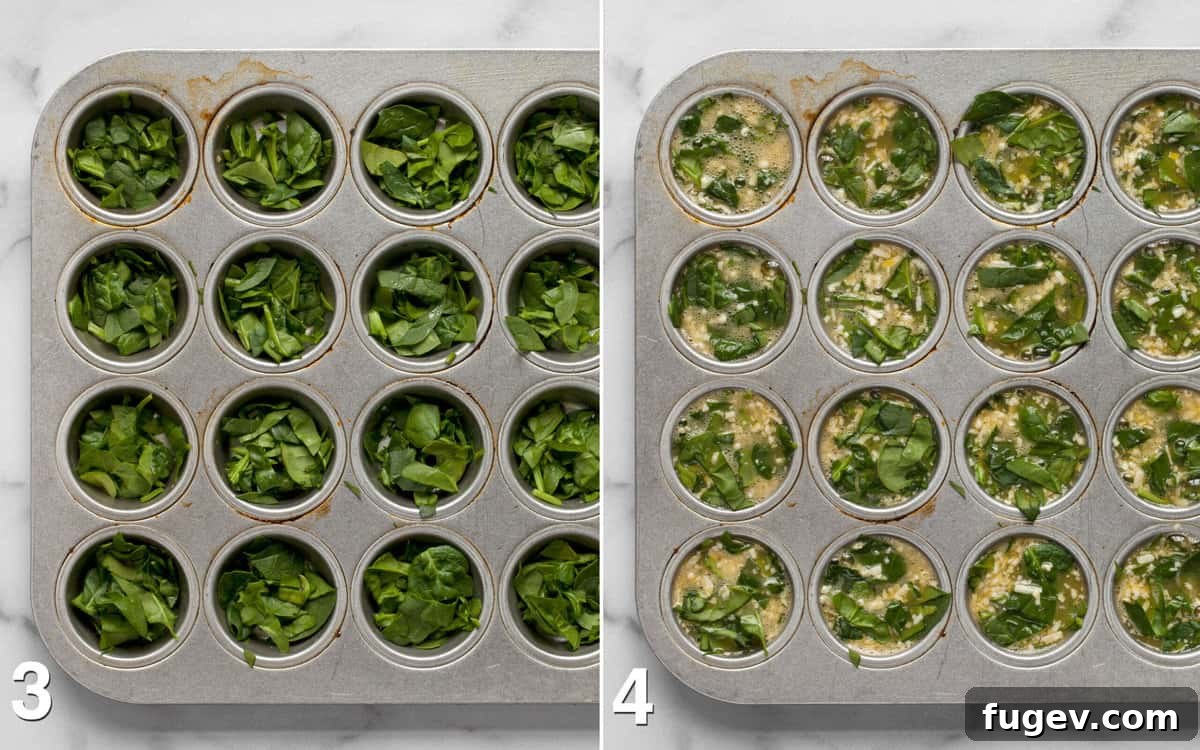
5. Add the Final Touch: Sprinkle the minced chives evenly over the top of each filled muffin cup. This adds a beautiful pop of color and a fresh, oniony aroma that will bloom in the oven.
6. Bake to Perfection: Transfer the muffin pan to your preheated oven and bake for approximately 15-20 minutes. The frittatas are done when they are just set in the center and lightly golden. They will initially puff up in the oven but will gently settle back down as they cool. You may also notice some pulling away from the sides of the cups, indicating they are ready.
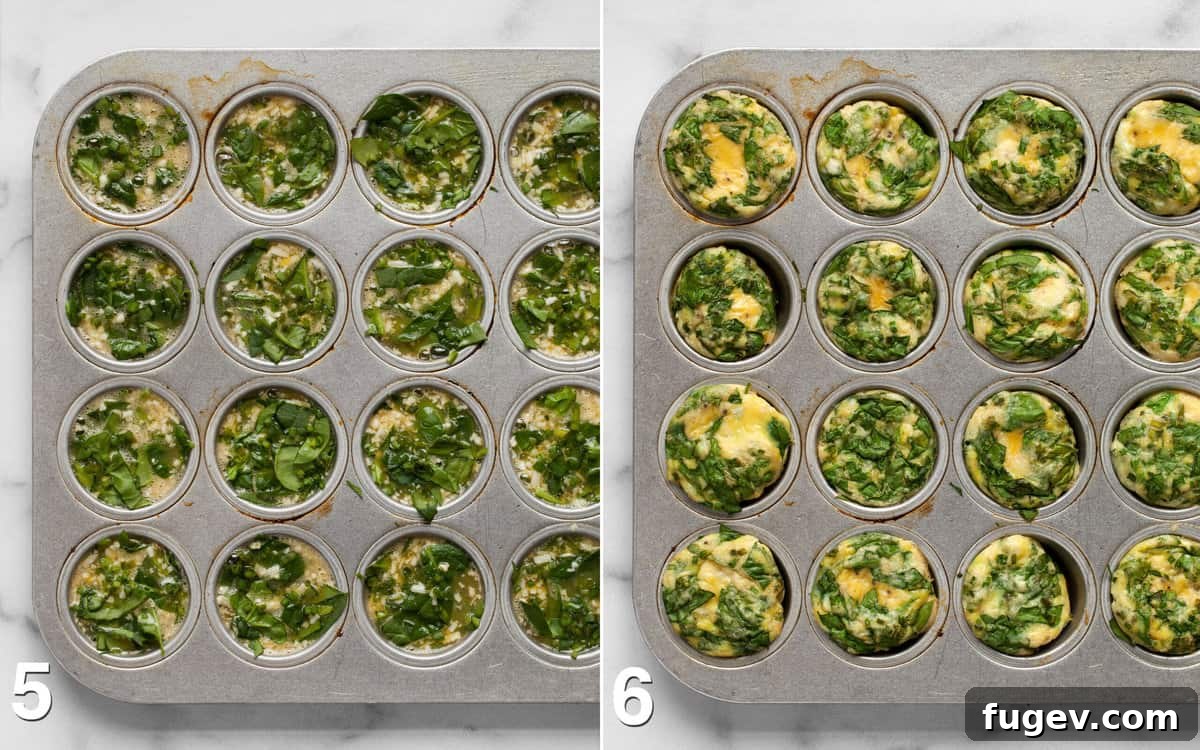
Once baked, remove the pan from the oven and let the frittatas cool in the pan for a few minutes before gently removing them. A thin knife or spatula can help if any are slightly stuck. Enjoy them warm or at room temperature!
Serving Suggestions and Pairing Ideas
Mini frittatas are incredibly versatile and can be enjoyed in various ways, making them a fantastic addition to any meal plan. Whether you prefer them warm straight from the oven or at room temperature, their delightful flavor profile always shines through.
For a crowd, mini frittatas are an absolute star at any weekend brunch. Their individual portions make them an ideal component of a larger spread, allowing guests to easily pick and choose alongside other delicious offerings like fresh fruit platters, artisanal pastries, or a vibrant salad. To add an extra kick, always keep a bottle of your favorite hot sauce nearby; many egg enthusiasts love a spicy complement. Consider also offering a dollop of sour cream or a spoonful of fresh salsa for added flavor and moisture. A sprinkle of fresh avocado or a side of crispy bacon can round out a perfect brunch plate.
Beyond entertaining, these mini frittatas are a regular fixture in my personal meal rotation. They are perfect for preparing a week’s worth of healthy, portable breakfasts or lunches. I often enjoy them as leftovers, either on their own or chopped and mixed into other dishes. Try adding them to a refreshing mixed greens salad for a protein boost, or toss them into a bowl of cooked grains like nutty barley, wholesome farro, or fluffy quinoa. This transforms them into a hearty, balanced meal that’s both satisfying and convenient for lunch on the go. Pair them with a simple fruit salad or a slice of whole-grain toast for a complete breakfast.
Handling Leftovers and Storage Tips
One of the greatest benefits of making mini frittatas is their excellent meal-prep potential and how well they store. Proper storage ensures you can enjoy these delicious bites throughout the week without sacrificing flavor or texture.
Refrigeration: You can store leftover mini frittatas in an airtight container in the refrigerator for up to 5 days. This makes them an ideal make-ahead breakfast or snack. While they are perfectly delicious cold straight from the fridge, I often prefer to let them sit out at room temperature for about 15-20 minutes before eating to take the chill off. If you prefer them warm, a quick reheat is easy.
Reheating: To warm them gently, pop them into the microwave for a brief 8-10 seconds per frittata. Be cautious not to microwave them for too long, as over-reheating eggs can lead to a rubbery, unpleasant texture. For a crispier exterior, you can also reheat them in a toaster oven or air fryer at around 300°F (150°C) for 5-7 minutes, or until warmed through. This method can help restore some of their freshly baked texture.
Freezing for Longer Storage: If you’re looking to extend their shelf life even further, mini frittatas freeze beautifully. To freeze them effectively, I recommend wrapping each individual frittata tightly in plastic wrap first. Then, place all the wrapped frittatas into a freezer-safe airtight container or a heavy-duty freezer bag. This individual wrapping helps prevent freezer burn and makes it easy to grab just one or two at a time. They can be kept in the freezer for up to 1 month.
Thawing and Reheating Frozen Frittatas: When you’re ready to enjoy a frozen frittata, the best method is to thaw it overnight in the refrigerator. Once thawed, you can reheat it using the microwave, toaster oven, or air fryer instructions mentioned above. This gentle thawing and reheating process helps maintain their original texture and flavor. Having a stash of these in the freezer makes healthy eating incredibly convenient on those extra busy mornings.
Frequently Asked Questions About Frittatas
Yes, absolutely! This recipe is easily adaptable for a standard-sized muffin pan. Follow the instructions exactly as written, but instead of filling 24 mini cups, fill the standard-sized muffin cups about 75% full. This will likely yield approximately 10 larger frittatas, which will also take a few extra minutes to bake, typically around 20-25 minutes. Ensure they are set in the center before removing from the oven.
Both frittatas and quiches are baked egg dishes, but they have distinct differences. An Italian frittata is characterized by its lack of a crust, making it a naturally gluten-free option. It’s typically started on the stovetop and then finished in the oven. A French quiche, on the other hand, always features a pastry crust and often has a more custardy texture due to the addition of heavy cream (or milk) to the egg mixture, creating a richer, softer filling.
Generally, no. Most firmer raw vegetables will not fully cook through and soften sufficiently within the short baking time of a frittata. For optimal flavor and texture, any denser fillings like mushrooms, bell peppers, onions, or harder greens (like kale) should be pre-cooked (sautéed, roasted, or steamed) before being mixed with the eggs and baked. The exception is very tender leafy greens like baby spinach, which wilt quickly. For example, while you can technically eat raw mushrooms, sautéing them first not only ensures they are cooked but also significantly enhances their depth of flavor and texture in the frittata.
Absolutely! While Parmesan provides a unique nutty flavor and firm texture, you can experiment with other cheeses. Good options include sharp cheddar, Gruyere, feta, or goat cheese. If using a very soft or highly moisture-rich cheese, be mindful that it might alter the texture slightly. Shredded or crumbled hard cheeses tend to work best for maintaining the frittata’s structure.
Yes, these mini frittatas are a wonderfully healthy choice! They are packed with protein from the eggs, vitamins and minerals from the spinach, and essential fats. Being crustless, they are lower in carbohydrates than a traditional quiche. They are also easily customizable to fit various dietary needs, making them a nutritious and satisfying meal option for breakfast, brunch, or a light lunch.
Explore More Egg-cellent Recipes
If you’re an egg enthusiast like us, you’ll love exploring these other delightful egg-based recipes, perfect for any time of day:
- Mini Roasted Broccoli Onion Frittatas
- Spinach Feta Egg White Bites
- Mushroom Pepper Feta Crustless Quiche
- Tomato Kale Pesto Frittata
- Black Bean Roasted Pepper Frittata
- Mushroom Tomato Frittata
- Roasted Vegetable Egg White Frittata
- Cottage Cheese Egg Bake
- Roasted Asparagus Egg Bake
- Sweet Potato Kale Egg Bake
We hope you enjoy making these mini frittatas as much as we do! Don’t forget to leave a rating and comment below if you try this recipe. Your feedback is greatly appreciated!
Mini Spinach Frittatas Recipe
Print Recipe
Ingredients
- Non-stick cooking spray
- 10 large eggs
- 1/4 cup grated Parmesan cheese
- 1/2 teaspoon kosher salt
- 1/2 teaspoon black pepper
- 2 ounces chopped baby spinach
- 2 tablespoons minced chives
Instructions
- Preheat the oven to 325 degrees F (160 degrees C). Generously grease a 24-cup mini muffin pan with non-stick cooking spray.
- In a large bowl, whisk together the eggs, Parmesan cheese, salt, and pepper until well combined and slightly frothy.
- Evenly distribute the chopped spinach into the bottoms of the prepared muffin cups.
- Pour the egg mixture over the spinach in each cup, filling them not quite full, leaving about 1/8 inch from the top. Then, sprinkle the minced chives over each frittata.
- Bake the frittatas for 15-20 minutes, or until the eggs are just set and lightly golden. They will puff up in the oven and then settle.
Notes
You can store any leftovers in an airtight container in the refrigerator for up to 5 days. If eating cold, allow them to sit at room temperature for about 15 minutes before serving to lose the fridge chill. Alternatively, warm them gently in the microwave for 8-10 seconds to avoid a rubbery texture. Leftovers are delicious on their own or chopped and added to a fresh salad or cooked grains.
To freeze for up to 1 month, wrap each individual frittata tightly in plastic wrap, then place them all into a single freezer-safe container. Thaw them overnight in the refrigerator before reheating in the microwave.
This recipe can also be baked in a standard-sized muffin pan. Fill the cups about 75% full. This will yield approximately 10 frittatas, and they may require a slightly longer baking time (around 20-25 minutes).
Nutrition Information (per mini frittata)
Calories: 31kcal | Carbohydrates: 0.4g | Protein: 3g | Fat: 2g | Saturated Fat: 1g | Polyunsaturated Fat: 0.4g | Monounsaturated Fat: 1g | Trans Fat: 0.01g | Cholesterol: 69mg | Sodium: 95mg | Potassium: 41mg | Fiber: 0.1g | Sugar: 0.1g | Vitamin A: 341IU | Vitamin C: 1mg | Calcium: 22mg | Iron: 0.4mg
Nutrition information is automatically calculated and should only be used as an approximation.
Additional Info
Course: Breakfast & Brunch
Cuisine: Italian
Did you make this recipe?
Mention @lastingredient on Instagram and tag it #lastingredient!