
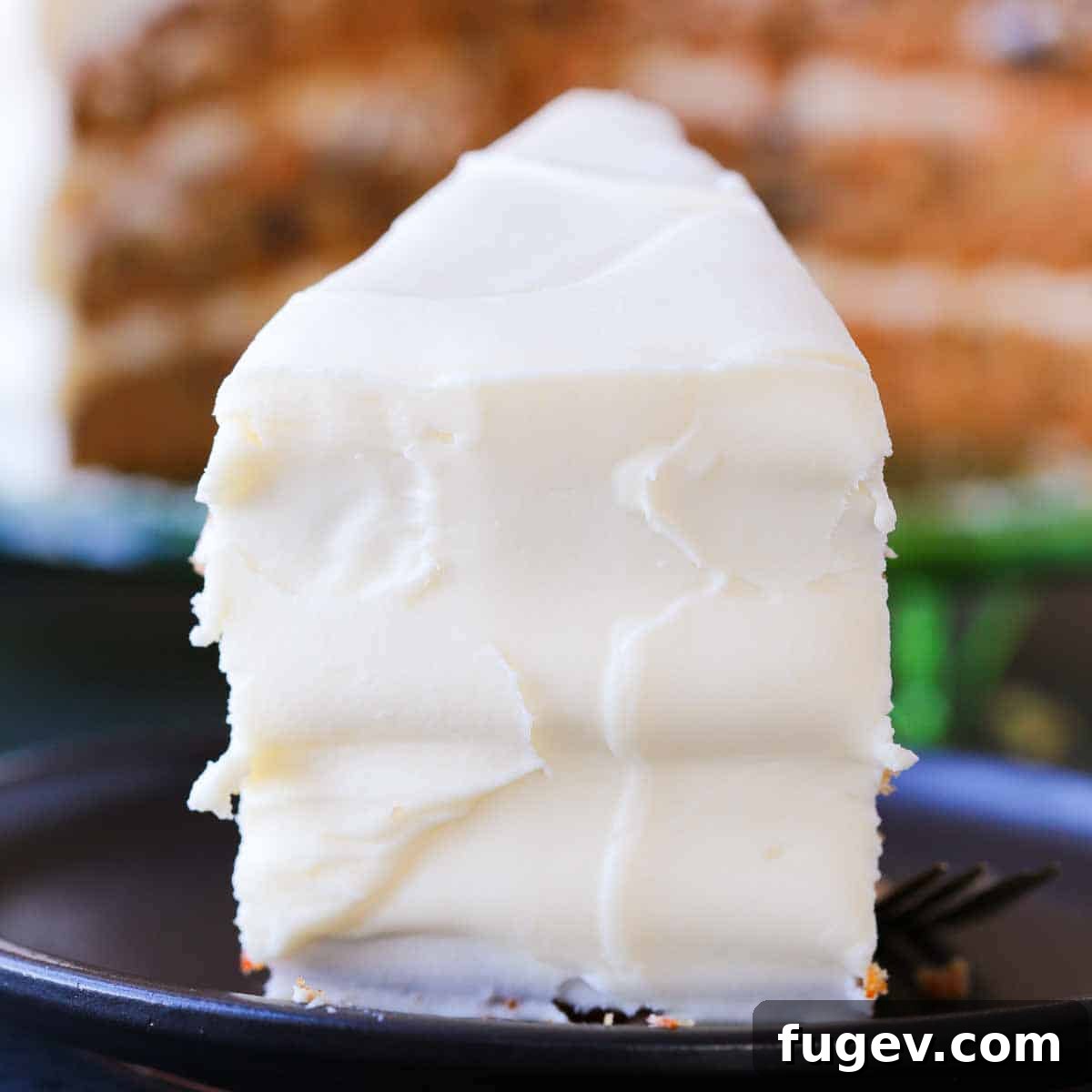
The Ultimate Tangy Cream Cheese Buttercream Frosting: A Chef’s Masterpiece
Prepare to elevate your desserts with this incredibly easy, yet utterly sophisticated, cream cheese buttercream frosting. It’s a harmonious blend of tangy, sweet, and perfectly balanced flavors, achieved through a chef’s secret ingredient: fresh lemon juice. This professional recipe promises a silky, smooth texture that glides beautifully onto cakes, enhances pound cakes, and transforms simple cookies into gourmet delights. Say goodbye to overly sweet or clumpy frostings and welcome a truly exceptional creation to your kitchen repertoire.
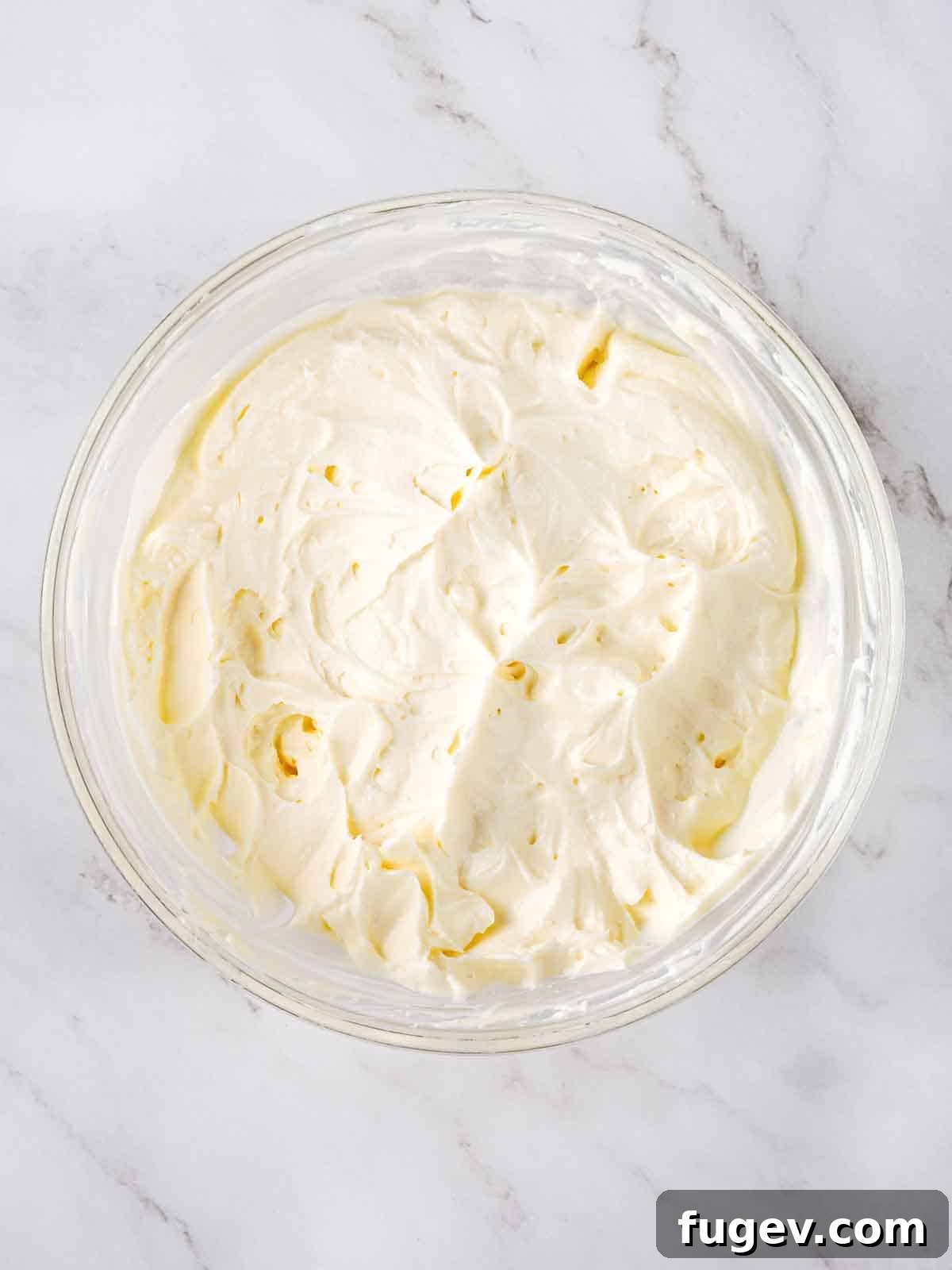
As an Executive Pastry Chef with years of experience in Manhattan’s bustling restaurant scene, I’ve had countless requests for the recipe to this tangy cream cheese buttercream. It’s consistently one of my most celebrated creations, often alongside my renowned carrot cake that famously beat Bobby Flay and these irresistible thick, chewy chocolate chip cookies. What makes this frosting truly stand out is its intelligent balance: a high ratio of rich cream cheese to powdered sugar, brightened by a generous squeeze of fresh lemon juice.
This unique composition results in a frosting that, while slightly softer at room temperature compared to traditional American buttercreams, offers an unparalleled depth of flavor that is absolutely worth it. A quick stint in the refrigerator is all it needs to firm up and maintain its pristine shape, making it versatile for various decorating needs. Embrace the slight pliability for an experience that prioritizes exquisite taste and smooth mouthfeel.
Why This is the Best Cream Cheese Frosting You’ll Ever Make
Beyond its simple preparation, there are several compelling reasons why this cream cheese buttercream recipe will become your go-to frosting:
- Unrivaled Tangy & Balanced Flavor: Unlike many overly sweet cream cheese frostings, this recipe strikes a perfect chord. The strategic ratio of cream cheese to butter and powdered sugar, combined with the vibrant zest of fresh lemon juice, creates a bright, tangy, and refreshingly not-too-sweet profile. It’s a flavor that complements desserts without overpowering them, leaving a delightful lingering taste.
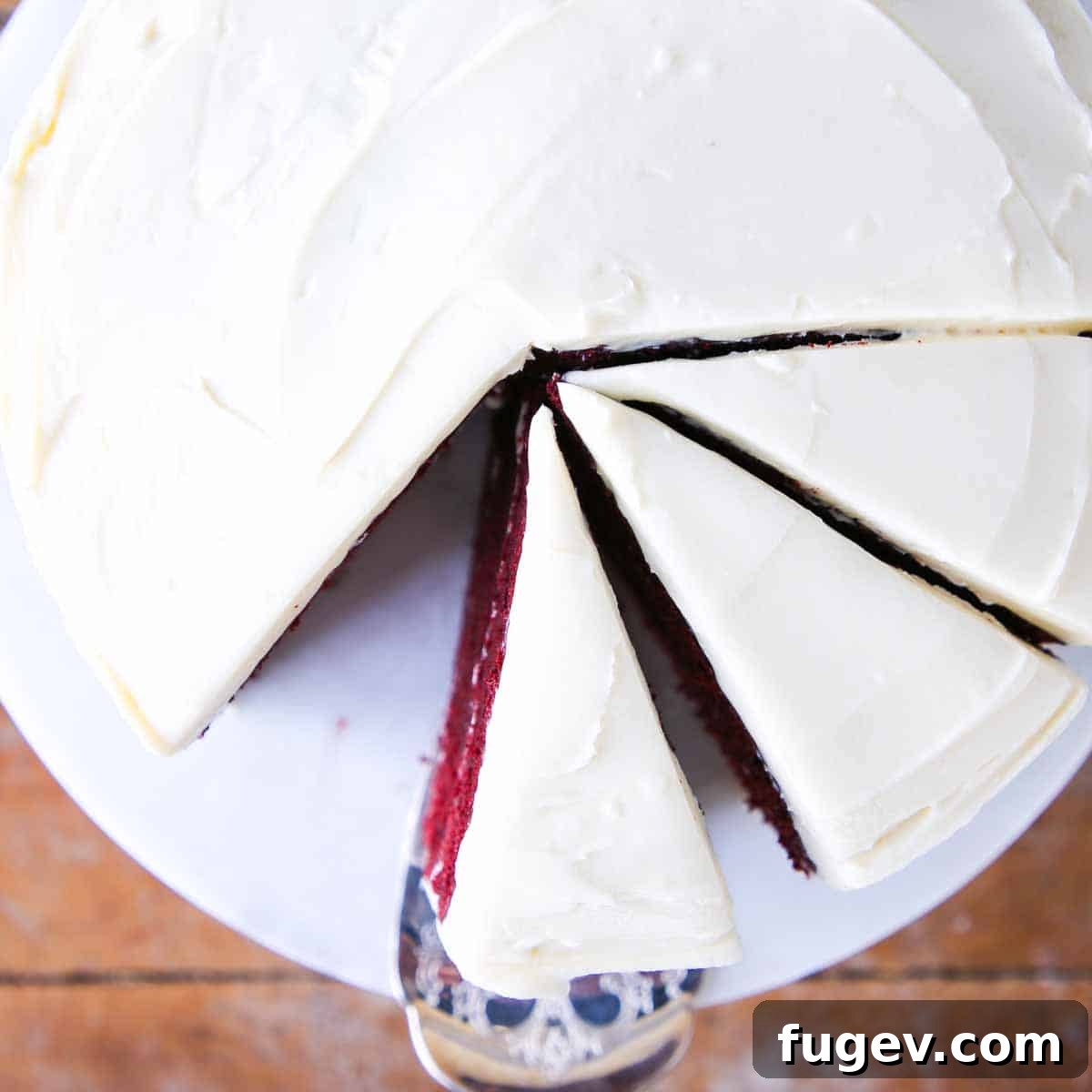
- Luxuriously Silky Smooth Texture, Perfect for Any Dessert: Achieving a perfectly smooth and pipeable consistency is key for professional-looking desserts, and this recipe delivers. Its impeccable texture makes it ideal for gracefully frosting classic cakes like Hummingbird Cake, The Best Carrot Cake, and Red Velvet Cake. It’s equally exceptional on more contemporary treats such as an easy One-Bowl Chocolate Cake or these delightful Peach Cupcakes, ensuring a flawless finish every time.
- Effortless & Incredibly Versatile Creation: You don’t need a culinary degree to master this frosting. With no complicated steps or exotic ingredients, it comes together in just about 10 minutes. This speed and simplicity mean you can use it straight away for impromptu baking or well-planned celebrations. Its inherent versatility allows it to pair beautifully with a wide array of flavors and dessert types, making it an indispensable part of your baking arsenal.
Table of Contents
- Why This is the Best Cream Cheese Frosting
- Key Ingredients & Smart Substitutions
- Exciting Flavor Variations & Creative Add-ins
- Professional Secrets for Perfect Cream Cheese Frosting
- Step-by-Step Guide: Crafting Silky Smooth Cream Cheese Buttercream
- Quick Fixes: How to Soften Cream Cheese & Butter
- Chef Lindsey’s Troubleshooting Tip
- Unleashing the Versatility: How to Use Your Cream Cheese Frosting
- Frequently Asked Questions
- Recommended Carrot Cake Recipes
- Cream Cheese Buttercream Frosting Recipe
- Before You Go
Key Ingredients & Smart Substitutions for Perfect Frosting
The success of this cream cheese buttercream hinges on using the right ingredients and understanding their roles. Here’s a detailed look:
- Cream Cheese: We’ve already highlighted its importance, but it bears repeating: always use full-fat, brick-style cream cheese. Avoid any varieties sold in a tub, as these often contain stabilizers or are whipped, leading to a much looser, less flavorful, and unstable frosting. For the best possible texture and taste, I personally find Philadelphia Cream Cheese to deliver consistently superior results.
- Unsalted Butter: Using unsalted butter allows you complete control over the overall saltiness of your frosting. Ensure it’s at perfect room temperature – soft enough to make an indentation with your finger, but not greasy or melted. This is crucial for a smooth, lump-free emulsion with the cream cheese.
- Powdered Sugar (Confectioners’ Sugar): This provides the sweetness and helps thicken the frosting. While many brands claim to be lump-free, it’s always a good practice to sift your powdered sugar, especially if it seems unusually lumpy. This simple step guarantees a perfectly smooth, silky texture free of grainy bits, ensuring your frosting is professional-grade.
- Fresh Lemon Juice: This is the secret weapon! Please, I implore you, use freshly squeezed lemon juice. The vibrant acidity from a fresh lemon cuts through the richness of the butter and cream cheese, adding a delightful tang that balances the sweetness beautifully. Bottled lemon juice often contains preservatives and has a dull, sometimes artificial, flavor that can detract significantly from your frosting. Squeeze that lemon – your taste buds will thank you!
- Vanilla Extract: Pure vanilla extract offers a deep, aromatic base note that enhances all the other flavors. While pure is preferred, you can certainly use vanilla flavor if that’s what you have on hand. For an extra gourmet touch, consider using vanilla bean paste, which adds beautiful specks and an even more intense vanilla aroma.
Remember, the quality of your ingredients directly impacts the final product. Investing in good quality cream cheese and fresh lemon juice will make all the difference.
Exciting Flavor Variations & Creative Add-ins
One of the best aspects of this cream cheese buttercream is its adaptability. With a few simple tweaks, you can transform its flavor profile to suit any dessert or occasion. Get creative and make it your own!
- Change the Flavor Profile:
- Chocolate: For a decadent treat, add ⅓ to ½ cup of unsweetened cocoa powder (sifted) to create a rich chocolate cream cheese frosting.
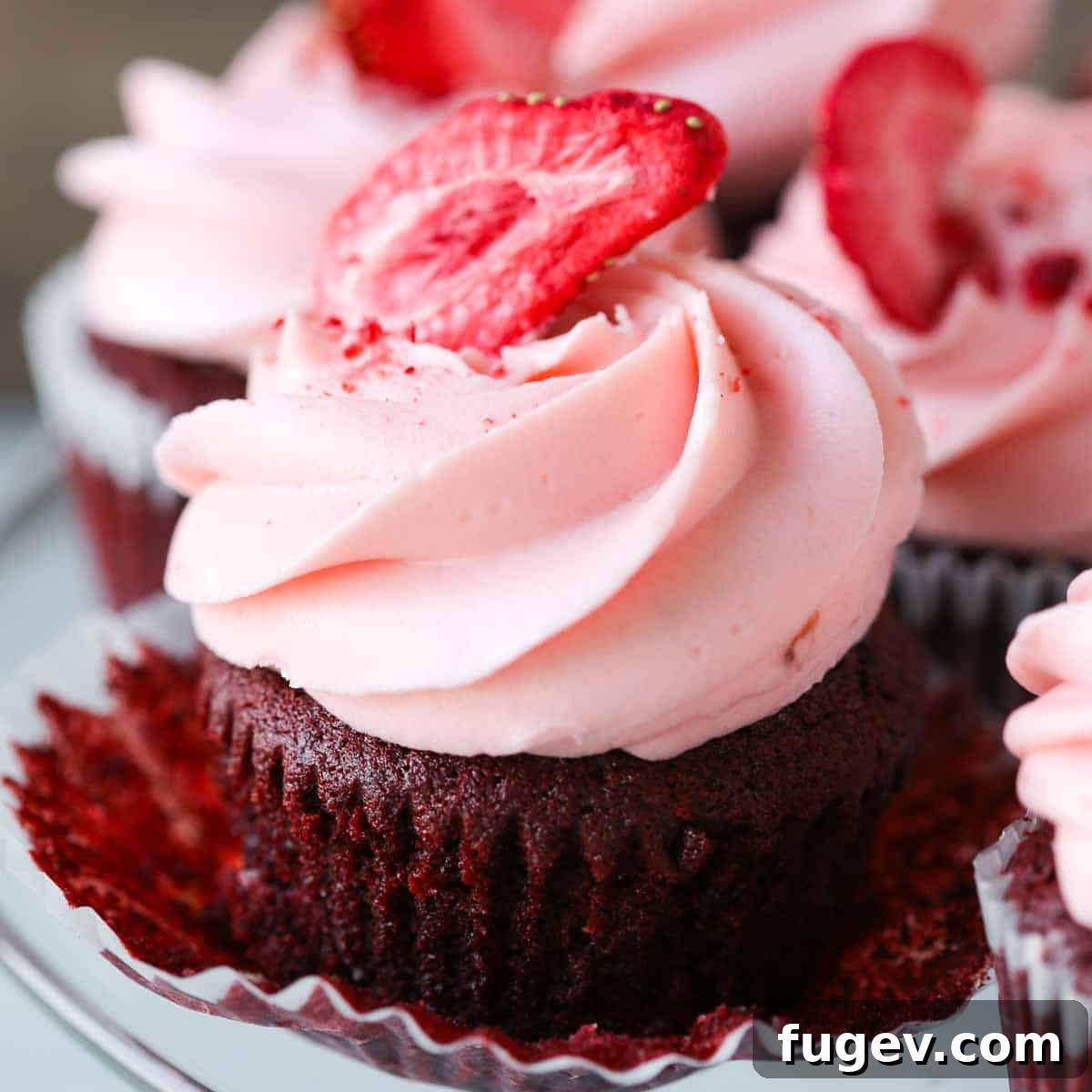
- Strawberry: Blend in a few tablespoons of easy strawberry jam or, for a more intense fruit flavor without added moisture, use 2-3 tablespoons of freeze-dried strawberry powder. This is perfect for vibrant treats like these red velvet cupcakes.
- Alcohol Infused: Introduce an adult twist by adding a tablespoon or two of your favorite liqueur. Bourbon works wonders, as showcased in my red velvet cake with bourbon buttercream, but rum, brandy, or even an orange liqueur could be fantastic.
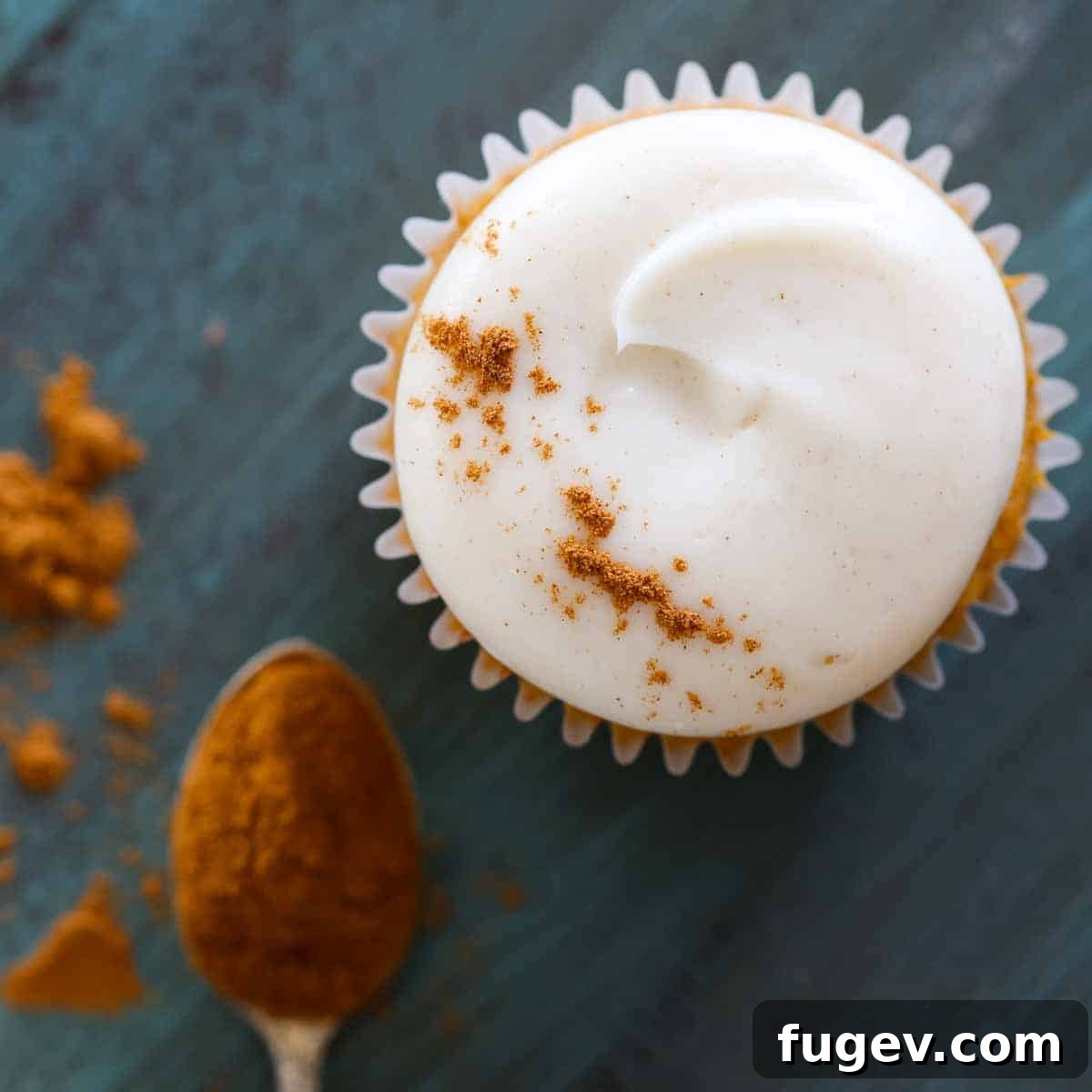
- Spiced: Infuse warmth with spices like cinnamon, nutmeg, or a full pumpkin spice mix, ideal for seasonal bakes such as a pumpkin cake or gingerbread.
- Other Citrus: Swap lemon juice for lime juice or orange juice, and add a teaspoon of corresponding zest for an extra burst of fresh citrus flavor.
- Coffee: Dissolve 1-2 teaspoons of instant espresso powder in the vanilla extract before adding it to the frosting for a coffee-infused delight.
- Add-ins for Decoration & Texture:
- Sprinkles: Fold in vibrant sprinkles for a playful funfetti frosting, perfect for birthday celebrations, much like these funfetti cupcakes.
- Poppyseeds: Add a delicate crunch and visual appeal, similar to a lemon poppyseed cake.
- Vanilla Bean Specks: For an elevated appearance and richer vanilla taste, stir in the seeds from half a vanilla bean or a teaspoon of vanilla bean paste.
- Finely Ground Nuts: For cakes like carrot cake, gently fold in finely ground pecans or walnuts for an added layer of flavor and texture.
- Making it Thicker (with Caution): While this recipe is designed for a beautifully smooth and pipeable consistency, you can thicken it if necessary.
- Add More Powdered Sugar: Gradually add an additional ¼ to ½ cup of powdered sugar, beating until fully incorporated. Be aware that this will increase the sweetness, potentially altering the signature balanced tang of this frosting.
- Avoid Cornstarch: I do not recommend adding cornstarch to thicken frosting, as it can impart an unpleasant, chalky taste and texture.
- For Stiffer Decorating: If you require a very firm frosting specifically for intricate piping on cookies or elaborate decorations, I suggest trying a dedicated cream cheese frosting for cookies, which is formulated for superior structural integrity. This recipe is best for a softer, more luxurious coating.
- Chill: Remember, a quick chill in the refrigerator will naturally firm up the frosting without changing its flavor profile.
Professional Secrets for Perfect Cream Cheese Frosting
Achieving bakery-quality cream cheese buttercream is simpler than you think with these insider tips from a pastry chef:
- Temperature is Everything (Seriously): This is arguably the most crucial tip. Both your cream cheese and unsalted butter *must* be exceptionally soft, but not melted. If either ingredient is too cold, you’ll end up with frustrating lumps of unmixed butter or cream cheese, resulting in a grainy, unappealing frosting. Aim for a temperature around 68-70°F (20-21°C) where they yield easily to a gentle press.
- Embrace Full-Fat Cream Cheese – No Compromises: Please, for the love of delicious frosting, use full-fat, brick-style cream cheese. Low-fat or whipped varieties contain more water and less fat, which will invariably lead to a much looser, less tangy, and less stable buttercream that struggles to hold its shape. This frosting is destined for rich cakes and delectable desserts; allow it the indulgence of full fat for superior flavor and texture.
- Mastering Frosting for Layer Cakes: This cream cheese buttercream is ideal for a 2 or 3-layer cake. For taller, multi-tiered, or intricately shaped cakes where structural integrity is paramount, I recommend a hybrid approach. Use a stable buttercream like Swiss meringue buttercream for creating a sturdy dam around the edges of your cake layers and for the initial crumb coat. Then, fill the layers and frost the exterior with this delightful cream cheese frosting. This technique gives you the perfect combination of robust structure and irresistible flavor.
- Sift Your Powdered Sugar: Even if the bag claims “no sifting required,” a quick pass through a fine-mesh sieve ensures absolutely no lumps. This is a small step that makes a huge difference in achieving that luxuriously smooth finish.
- Don’t Overmix Once Sugar is Added: While you want to beat the butter and cream cheese until light and fluffy, be mindful once the powdered sugar is incorporated. Overmixing can sometimes incorporate too much air, making the frosting less dense, or, if ingredients are not perfectly tempered, can even cause the emulsion to break, leading to a greasy texture. Beat until just combined and smooth.
Step-by-Step Guide: Crafting Silky Smooth Cream Cheese Buttercream
Follow these straightforward instructions to create the silkiest, most delicious cream cheese frosting you’ve ever tasted. Precise measurements are detailed in the recipe card below.
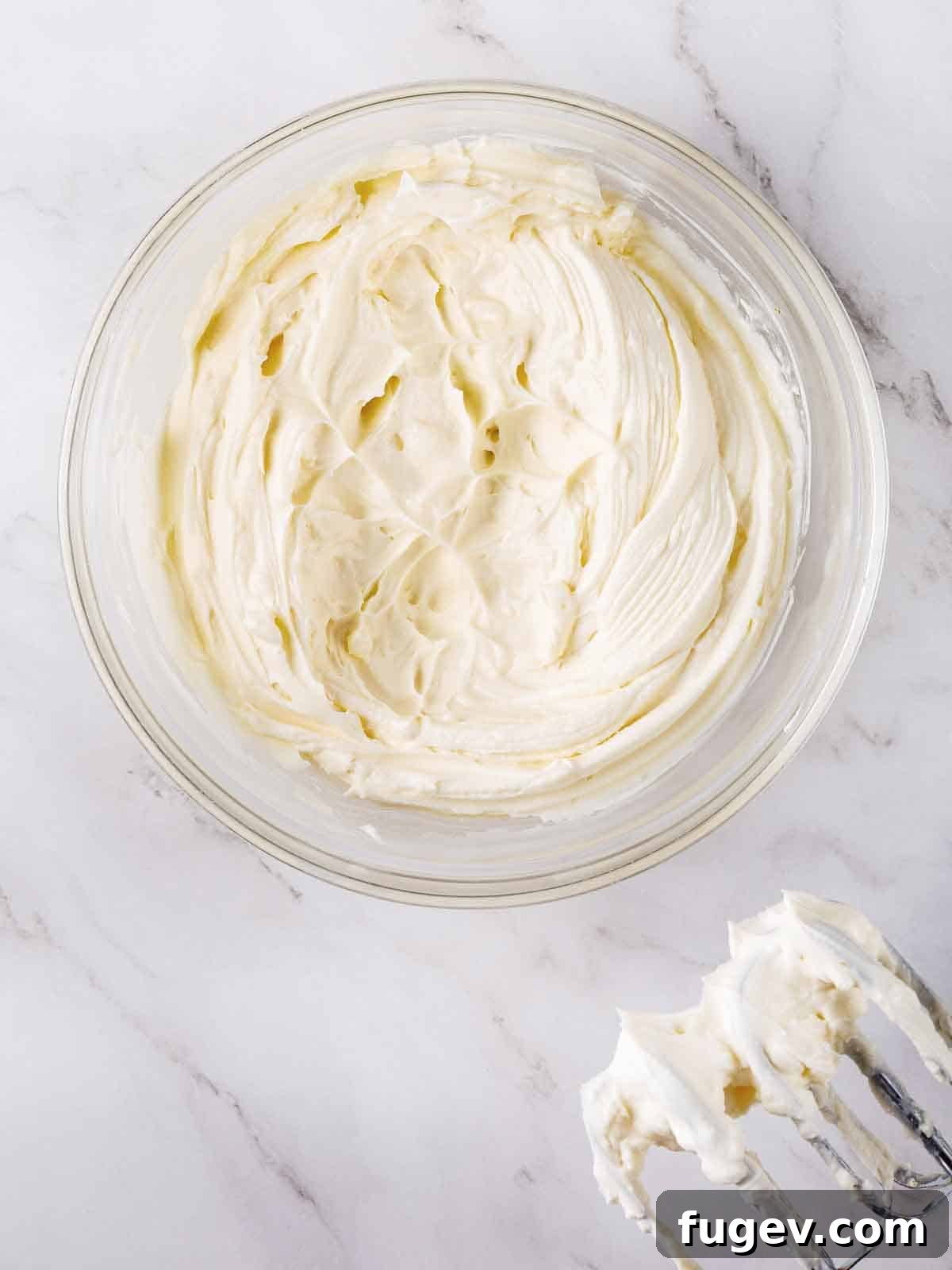
- Step 1: Cream the Fats Until Smooth. In the bowl of a stand mixer fitted with the paddle attachment, combine the well-softened butter and cream cheese. Beat on medium-high speed for 3-5 minutes until the mixture is incredibly smooth, light, and fluffy, with absolutely no lumps visible. Scrape down the sides of the bowl frequently to ensure everything is thoroughly incorporated. If you don’t have a stand mixer, a large mixing bowl and a sturdy hand mixer will work just as well.
- Step 2: Incorporate Powdered Sugar. Add all of the sifted powdered sugar to the creamed mixture. To prevent a cloud of sugar from erupting in your kitchen, start your mixer on the lowest speed until the sugar is just incorporated, then gradually increase the speed to medium. Beat for another 2-3 minutes until the frosting is light, airy, and fully smooth.
- Step 3: Add Flavor & Finish. Finally, add the fresh lemon juice and pure vanilla extract. Beat on medium speed for about 1 minute until these flavorings are fully blended and the frosting is beautifully light and fluffy. At this point, you can switch to the whisk attachment for a few seconds if you desire an even lighter, airier texture, but it’s not strictly necessary. Your luxurious cream cheese buttercream is now ready to frost cakes, bars, cupcakes, and any other sweet treat your heart desires!
If, despite your best efforts, you notice a few stubborn lumps of powdered sugar remaining even after extensive beating, don’t despair! Simply stop the mixer, and with the back of a sturdy spoon or spatula, press those lumps firmly against the sides of the mixing bowl until they dissolve. This takes a little patience but effectively smooths out any rogue sugar clusters.
Quick Fixes: How to Soften Cream Cheese & Butter When You’re in a Rush
Life happens, and sometimes you forget to take your butter and cream cheese out to soften ahead of time. Don’t let cold ingredients derail your baking! Here are professional methods to quickly bring them to the perfect temperature:
- For Butter: If your butter is too cold, you can gently and quickly soften it. Cut the butter into small pieces. Place it in the bowl of your stand mixer. With the mixer on medium-high speed, use a kitchen torch to gently heat the outside of the bowl. Keep the torch moving constantly, never letting it linger in one spot, and check the butter frequently by poking it with a finger. Stop when it’s soft but not melted. Alternatively, for butter, you can grate it using a box grater onto a plate; the smaller pieces will soften much faster at room temperature.
- For Cream Cheese: For cold cream cheese, the microwave can be a savior, but use caution. Unwrap the brick of cream cheese and place it on a microwave-safe plate. Microwave on 50% power for 10-15 second intervals, flipping it over between each interval. Touch it frequently to check its softness. Stop as soon as it feels soft to the touch; you absolutely do not want it hot or melted.
- Why Soften Separately? It’s critical to soften butter and cream cheese individually if they are starting from a cold state. Cream cheese softens and melts much faster than butter. If you try to soften them together, the cream cheese will melt into a liquid mess before the butter even begins to soften, ruining the emulsion. Soften each to the perfect soft-but-not-melted consistency before combining them in your mixer.
Once both are perfectly softened, you can add them to your mixer bowl and proceed with the recipe as written, knowing you’ll achieve that desired lump-free, silky texture.
Chef Lindsey’s Troubleshooting Tip: When Frosting Gets Too Warm
Even seasoned chefs encounter situations where frosting gets too warm, especially in a hot kitchen or during extended mixing. If your cream cheese buttercream starts to feel too soft or runny, don’t panic. The solution is simple: refrigerate it! Just pop the entire mixer bowl, with the buttercream and attachments still inside, into the refrigerator for about 30-60 minutes. The chilling process will allow the fats to firm up again. Once chilled, return the bowl to the mixer and beat it again with the paddle attachment on medium speed for a minute or two. It will magically come back together, regaining its perfect texture. Take a deep breath; it’s an easy fix!
Unleashing the Versatility: How to Use Your Cream Cheese Frosting
This phenomenal cream cheese buttercream isn’t just for carrot cake! Its balanced flavor and smooth texture make it an incredibly versatile frosting for a multitude of desserts. Here are just a few ideas to inspire your baking:
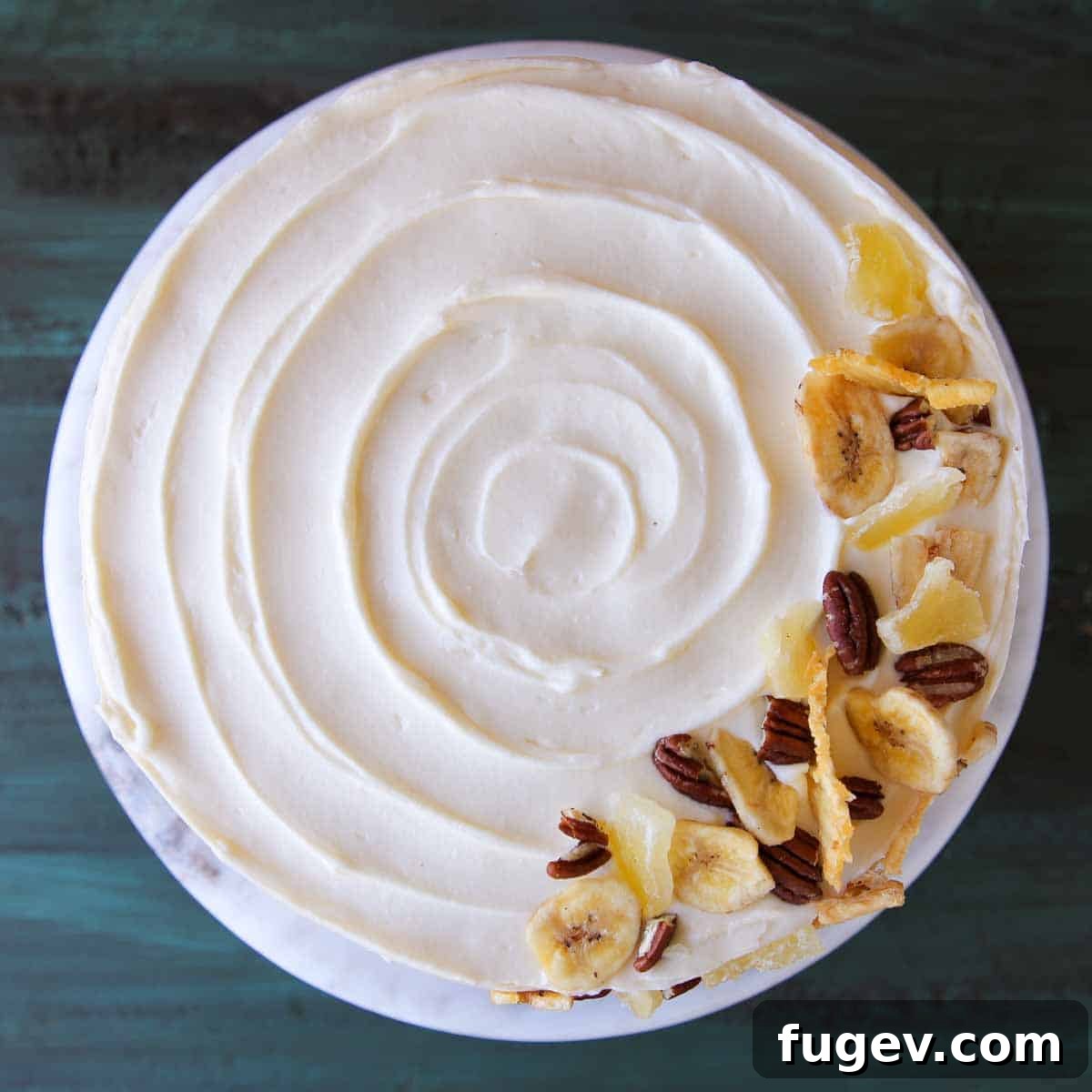
- Frost a Magnificent Layer Cake: Layer it generously between tiers of an easy carrot cake, the tropical delight of hummingbird cake, a dramatic red velvet cake, or even a spiced apple cake. Its subtle tang beautifully cuts through the richness of these cakes, creating a truly harmonious bite.
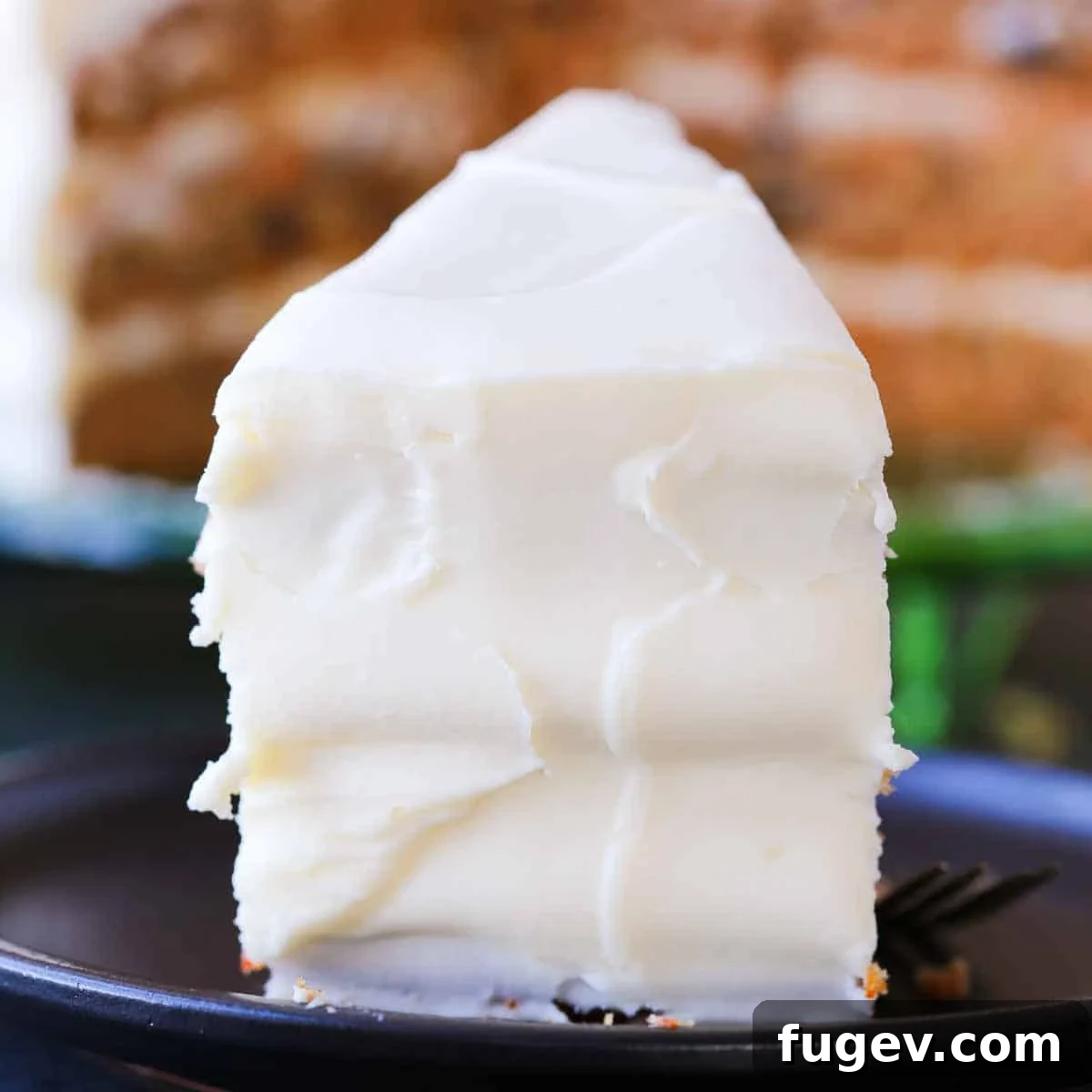
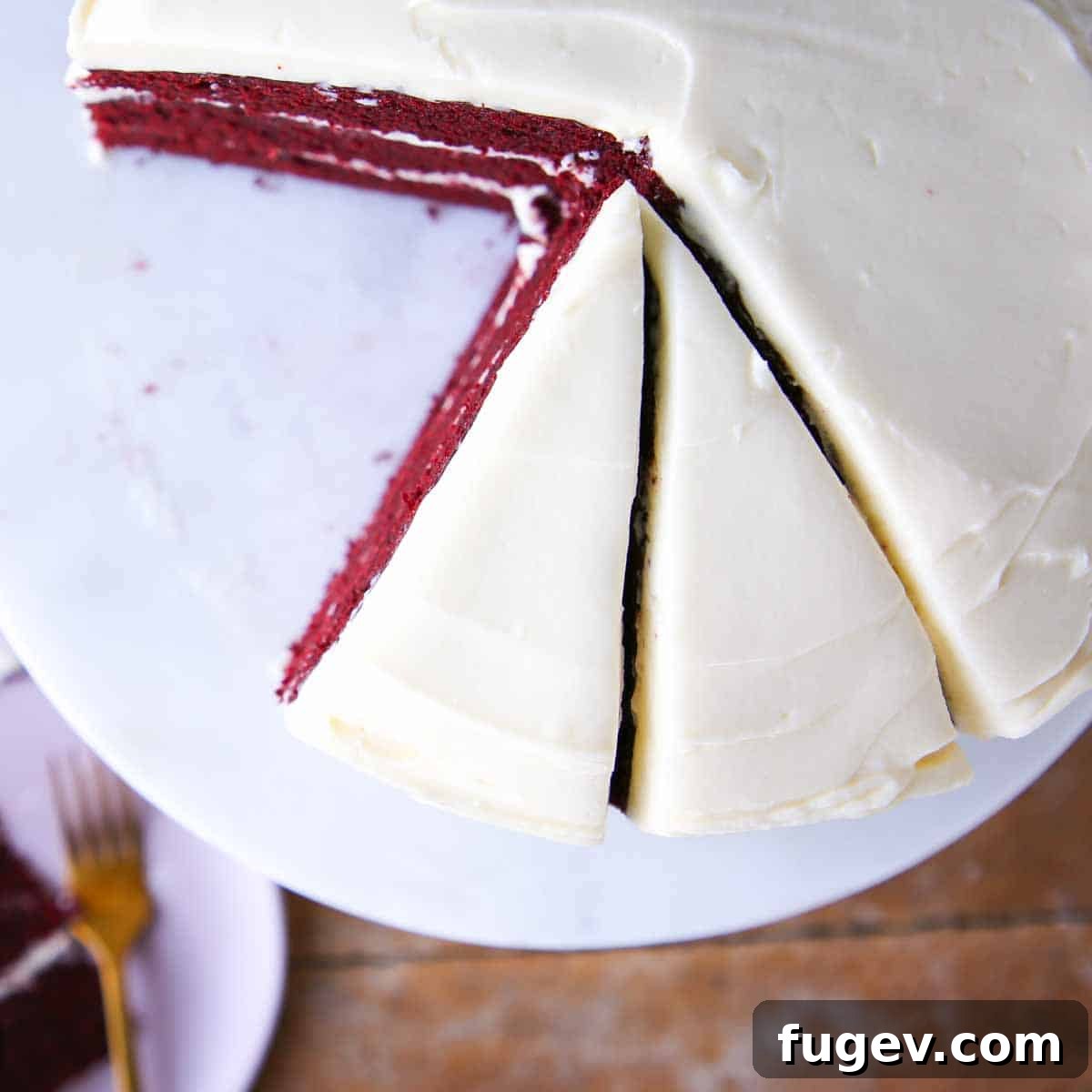
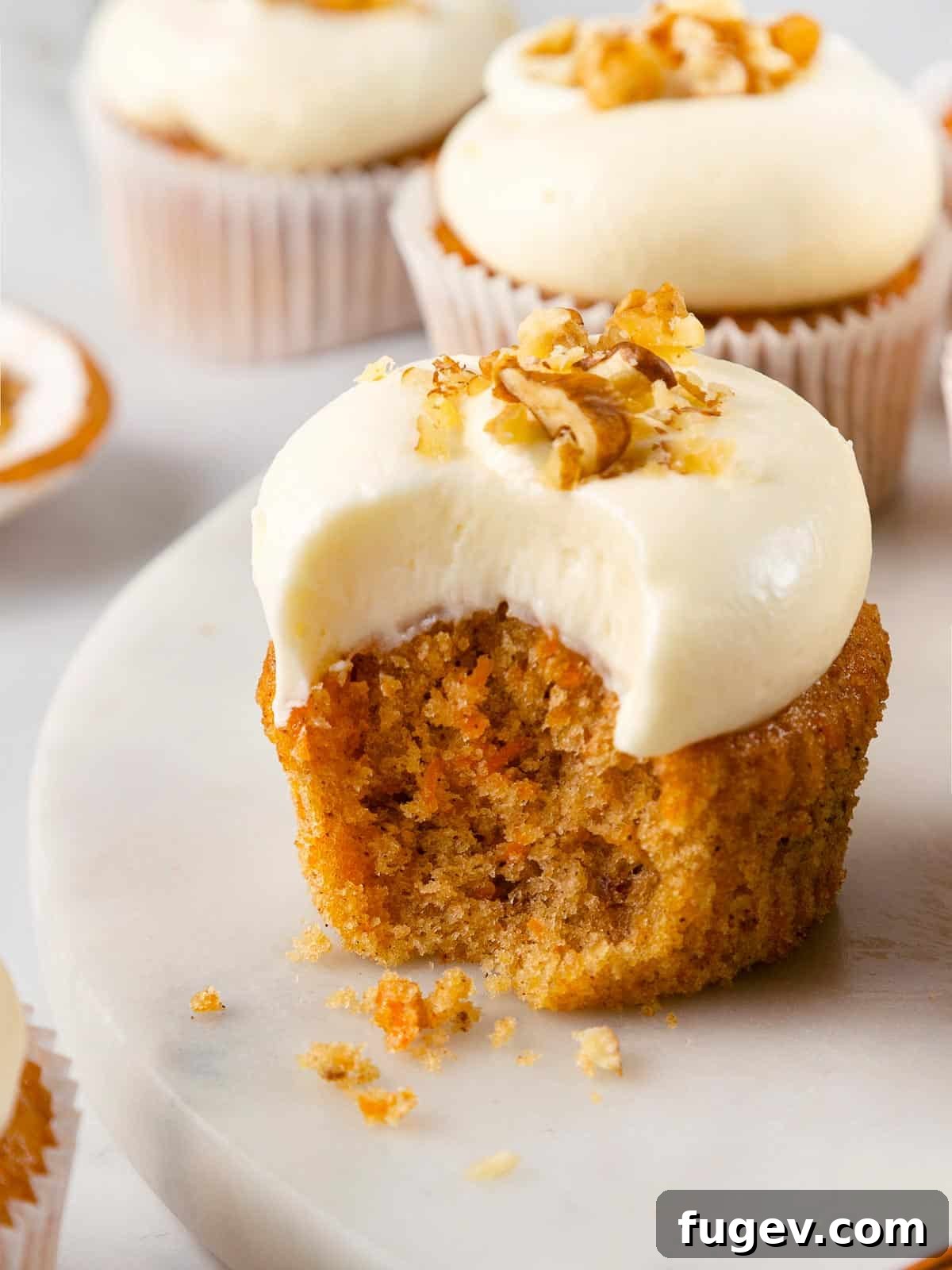
- Pipe it onto Cupcakes: Just like my maple frosting, this buttercream holds its shape beautifully for piping elegant swirls or simple dollops onto cupcakes. It’s magnificent on carrot cake cupcakes, rich chocolate caramel cupcakes, or vibrant red velvet cupcakes, making them picture-perfect and delicious.
- Spread it Luxuriously on Pound Cake: Who says pound cake can’t be frosted? A thick, luscious layer of this cream cheese buttercream transforms a simple pound cake into an extraordinary dessert. Slather it generously over my sour cream pound cake or a decadent red velvet pound cake for an unforgettable treat.
- Use it in Delicate Roulades (Cake Rolls): This frosting boasts the perfect texture for filling rolled cakes, remaining soft and pliable even when refrigerated. I use it successfully in my carrot cake roll and my beloved fabulous pumpkin roll, where it creates a delightful spiral of creamy goodness. It’s also superb for a chocolate roulade!
- Create the Perfect Sheet Cake: This frosting would be absolutely delightful on top of my funfetti sheet cake or a rich Guinness chocolate cake! I’ve also used it to crown an easy applesauce cake and a comforting banana cake with cream cheese frosting, adding a bright, creamy layer to these classic bakes.
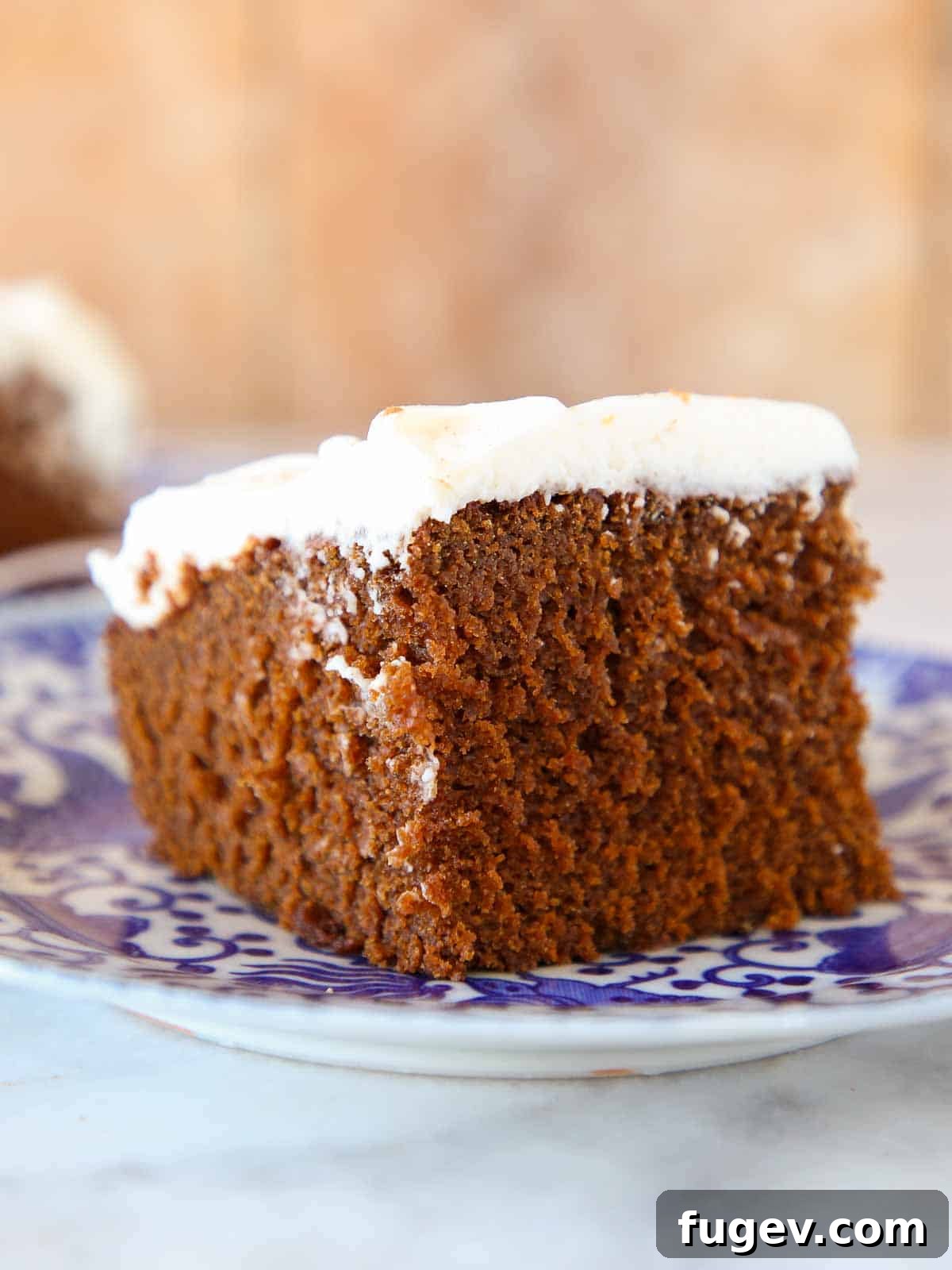
- A Holiday Favorite! Embrace the festive spirit by adapting this frosting for holiday treats. Add a touch of cinnamon or nutmeg for a warming pumpkin cake or plain with pumpkin cupcakes. It is also the ideal pairing for old-fashioned gingerbread, where its tang provides a beautiful contrast to the spicy cake.
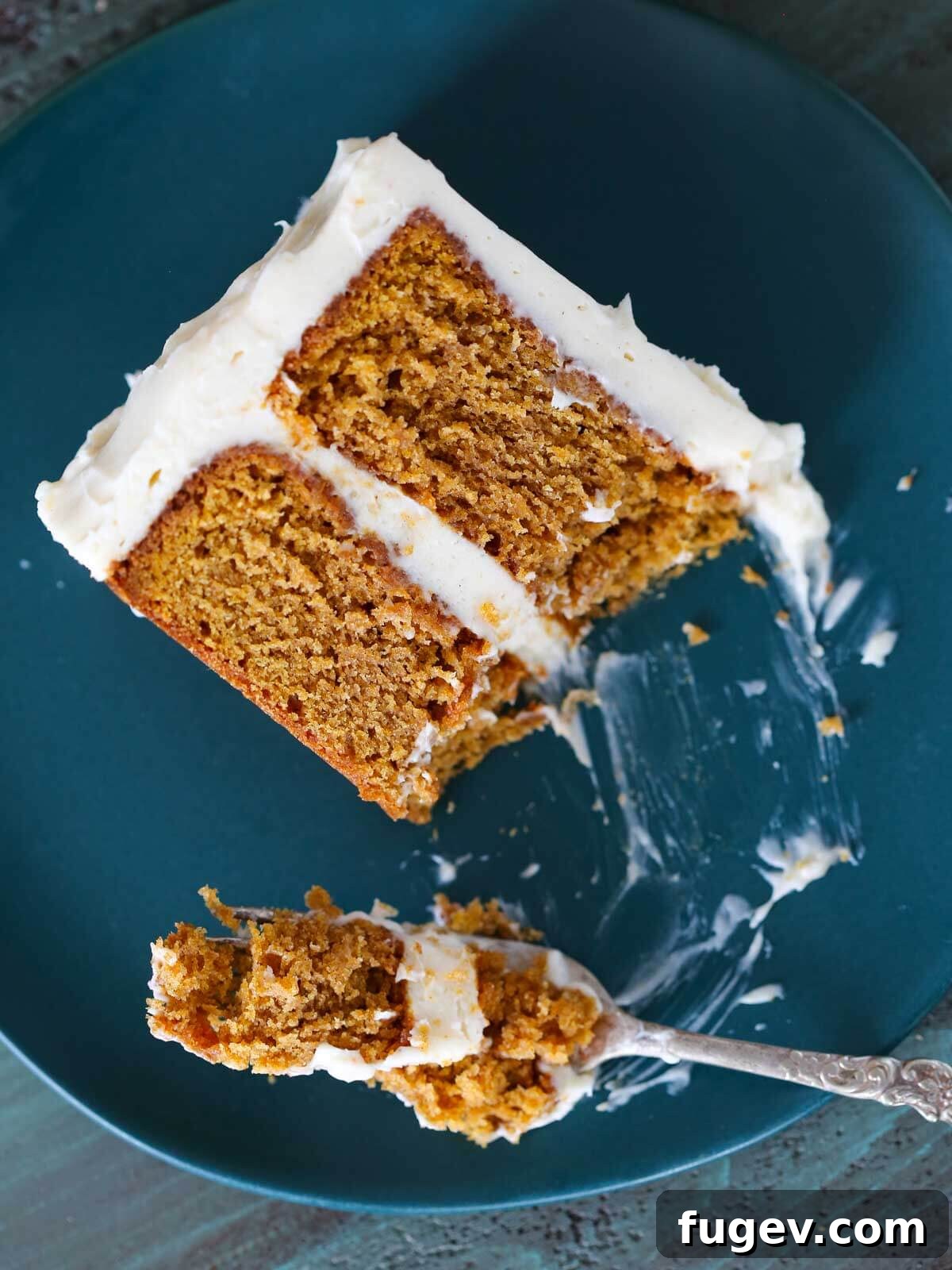
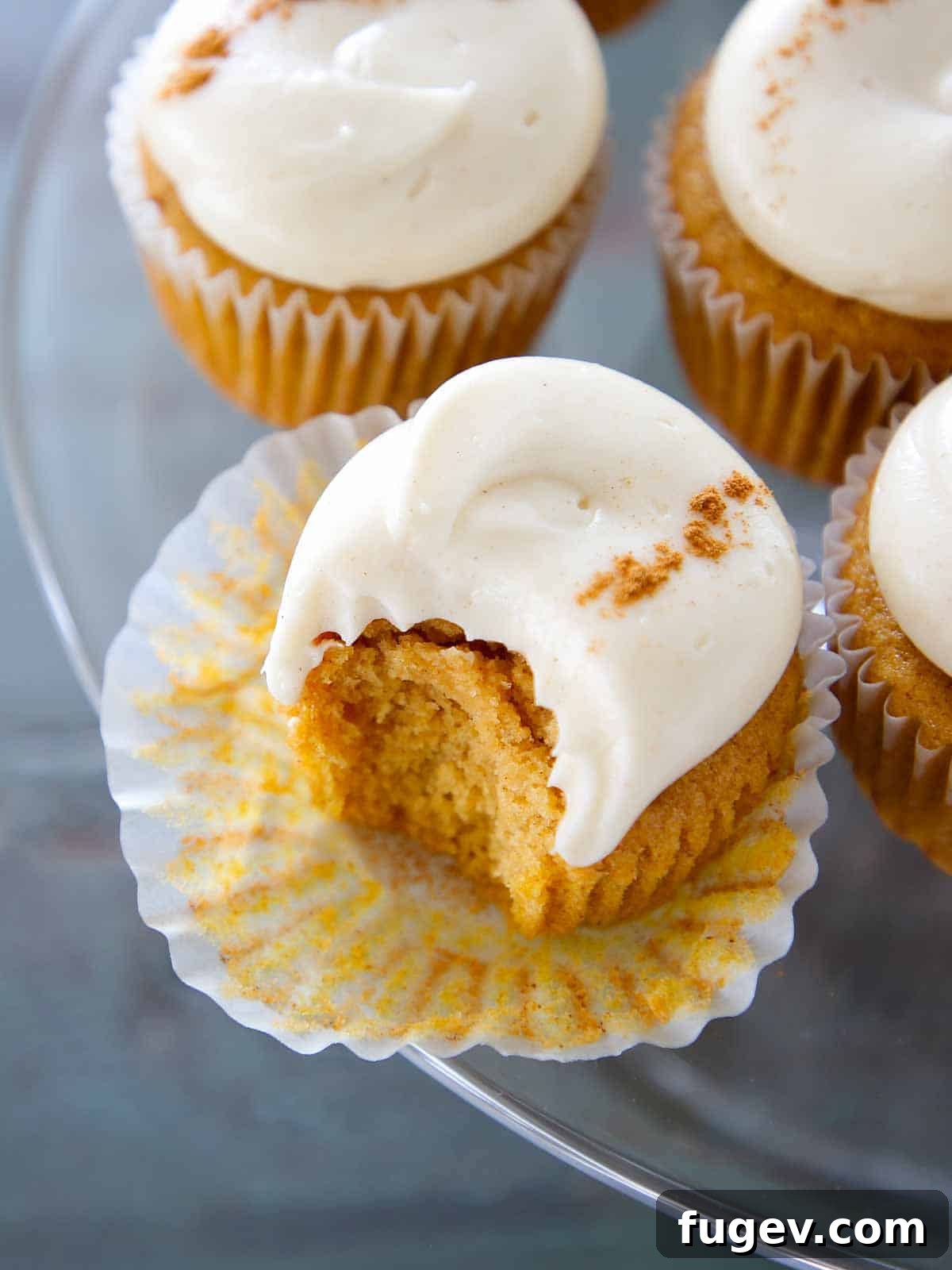
- Elevate Your Cinnamon Rolls: Don’t let any leftover frosting go to waste! It’s absolutely heavenly spread on warm cinnamon rolls, apple cinnamon rolls, or these incredible sourdough cinnamon rolls, providing a tangy contrast to the sweet, spiced dough.
- Beyond Cakes: Consider it for fruit tarts, quick breads like banana bread or zucchini bread, or even as a decadent filling for cookies.
Frequently Asked Questions About Cream Cheese Buttercream
Leftover cream cheese frosting can be stored in a clean, airtight container in the refrigerator for up to 3 weeks. For longer storage, you can freeze it for up to 2 months. To thaw frozen buttercream, transfer it to the refrigerator overnight. Once thawed, allow it to sit at room temperature for several hours until soft, then place it in a stand mixer fitted with the paddle attachment. Beat on medium speed for a few minutes; the friction will gradually warm it up and bring it back to a smooth, pipeable consistency. You may need to add a splash of cream or milk if it seems too stiff.
This recipe is highly scalable! I have personally made this frosting in commercial 80-quart mixers, so you can easily double, triple, or even quadruple the recipe to suit your needs, whether you’re baking for a large event or just want extra on hand. Simply maintain the ingredient ratios and ensure your mixer can handle the volume. For larger batches, a stand mixer is highly recommended.
The primary thickeners in this style of frosting, like in vanilla buttercream, are powdered sugar and butter. If you need a thicker frosting, you can gradually add more powdered sugar and a small amount of additional softened butter. However, be aware that adding more powdered sugar will increase the sweetness and may dilute the signature tanginess that makes this frosting so special. I do not recommend adding cornstarch to thicken frosting, as it can impart an unpleasant flavor and texture.
It’s important to understand that cream cheese frosting, due to its higher moisture content from the cream cheese, will never set as firm as buttercreams like Swiss meringue buttercream or Italian meringue buttercream. An American buttercream, such as chocolate buttercream frosting, typically sets more firmly because it contains a higher proportion of butter and powdered sugar. If your cream cheese buttercream still isn’t setting even after refrigeration, it’s likely due to one of two main reasons: either the butter or the cream cheese was too soft (or even melted) when you started, or you used low-fat or whipped cream cheese. These factors result in a looser, less stable frosting. Ensure your ingredients are at the correct temperature and always use full-fat, brick-style cream cheese.
For food safety, any cake frosted with cream cheese buttercream should not be left at room temperature for more than 2 hours. For longer storage, always keep it in the refrigerator. If you need to store it for an extended period, wrap it well to prevent drying out and freeze it. Allow refrigerated cakes to come to room temperature for about 30-60 minutes before serving for the best flavor and texture.
Absolutely! This cream cheese frosting is an excellent candidate for making ahead. Prepare it as directed, then store it in an airtight container in the refrigerator for up to 3 weeks. When you’re ready to use it, let it come to room temperature (this might take several hours), then re-beat it in your stand mixer with the paddle attachment until it’s smooth and fluffy again. You might need to add a tiny splash of milk or cream to achieve the perfect consistency if it seems too stiff.
This cream cheese buttercream is wonderfully pipeable for most standard designs, such as swirls on cupcakes, borders on cakes, or simple lettering. Its silky-smooth texture makes it easy to work with. For extremely intricate, stiff piping work (like delicate flowers or fine lace patterns), you might find a classic American buttercream or meringue-based buttercream more suitable, as they typically hold very sharp edges better. However, for most home baking and even many professional applications, this frosting pipes beautifully.
Recommended Carrot Cake Recipes to Pair with this Frosting
Cupcake Recipes
Carrot Cake Cupcakes
Cake Recipes
Best Carrot Cake Recipe
Cake Recipes
Carrot Cake Roll
Easy Scone Recipes
Carrot Cake Scones
If you tried this recipe and loved it, please consider leaving a 🌟 star rating and share your experience in the comments below. I truly appreciate hearing from you – your feedback makes my day!
Cream Cheese Buttercream Frosting
Chef Lindsey
This easy cream cheese buttercream frosting is tangy, sweet, and perfectly balanced. The secret to the perfect flavor is fresh lemon juice! Use this professional chef’s recipe for silky, smooth cream cheese buttercream to top cakes, pound cakes, or cookies.
25 mins
25 mins
24 Cupcakes
Comment
Print Recipe
Ingredients
- 21 ounces cream cheese, room temperature (full-fat, brick-style)
- 18 tablespoons unsalted butter, room temperature
- 2 cups powdered sugar, sifted
- 2 tablespoons fresh lemon juice (~ juice of 1 lemon)
- 1 teaspoon vanilla extract (pure)
Instructions
-
In the bowl of a stand mixer fitted with the paddle attachment, beat the softened cream cheese and butter on medium-high speed until incredibly smooth, light, and fluffy (3-5 minutes), scraping down the sides as needed.
-
Gradually add the sifted powdered sugar, starting on low speed to prevent scattering, then increasing to medium until fully incorporated and smooth (2-3 minutes). Scrape down bowl.
-
Add the fresh lemon juice and vanilla extract. Beat until light, fluffy, and well combined (about 1 minute). Your frosting is ready to use! If it gets too warm and soft, simply chill the entire mixer bowl and contents in the fridge for an hour, then re-beat.
Video
Notes
This recipe yields approximately 2 quarts of buttercream, enough to generously frost a 6-inch, 4-layer cake, an 9-inch two-layer cake, or 24 cupcakes. I often halve this recipe for smaller projects, like frosting the gingerbread cake.
Yield: 2 Quarts
Flavor Tips: Always use freshly squeezed lemon juice for the best bright, tangy flavor.
Variations: Experiment with adding sifted cocoa powder, freeze-dried strawberry powder, different extracts (like almond or peppermint), or a splash of alcohol (bourbon, rum) to customize the flavor.
Storage: Store leftover cream cheese frosting in a clean, airtight container in the refrigerator for up to 3 weeks, or in the freezer for up to 2 months. Thaw in the refrigerator and re-beat before use.
Nutrition
Calories: 202kcal | Carbohydrates: 11g | Protein: 2g | Fat: 17g | Saturated Fat: 10g | Polyunsaturated Fat: 1g | Monounsaturated Fat: 4g | Trans Fat: 0.3g | Cholesterol: 48mg | Sodium: 79mg | Potassium: 37mg | Fiber: 0.004g | Sugar: 11g | Vitamin A: 596IU | Vitamin C: 0.5mg | Calcium: 27mg | Iron: 0.04mg
Dessert
American, German
202
Like this? Leave a comment below!
Before You Go: More Sweet Inspirations!
I sincerely hope you enjoyed creating and tasting this professional chef-tested cream cheese buttercream recipe. May it bring joy to your baking endeavors! Don’t stop here; explore our other easy buttercream & frosting recipes for more delicious ideas, or skip straight to our tempting cake recipes to find your next baking project. Happy baking!