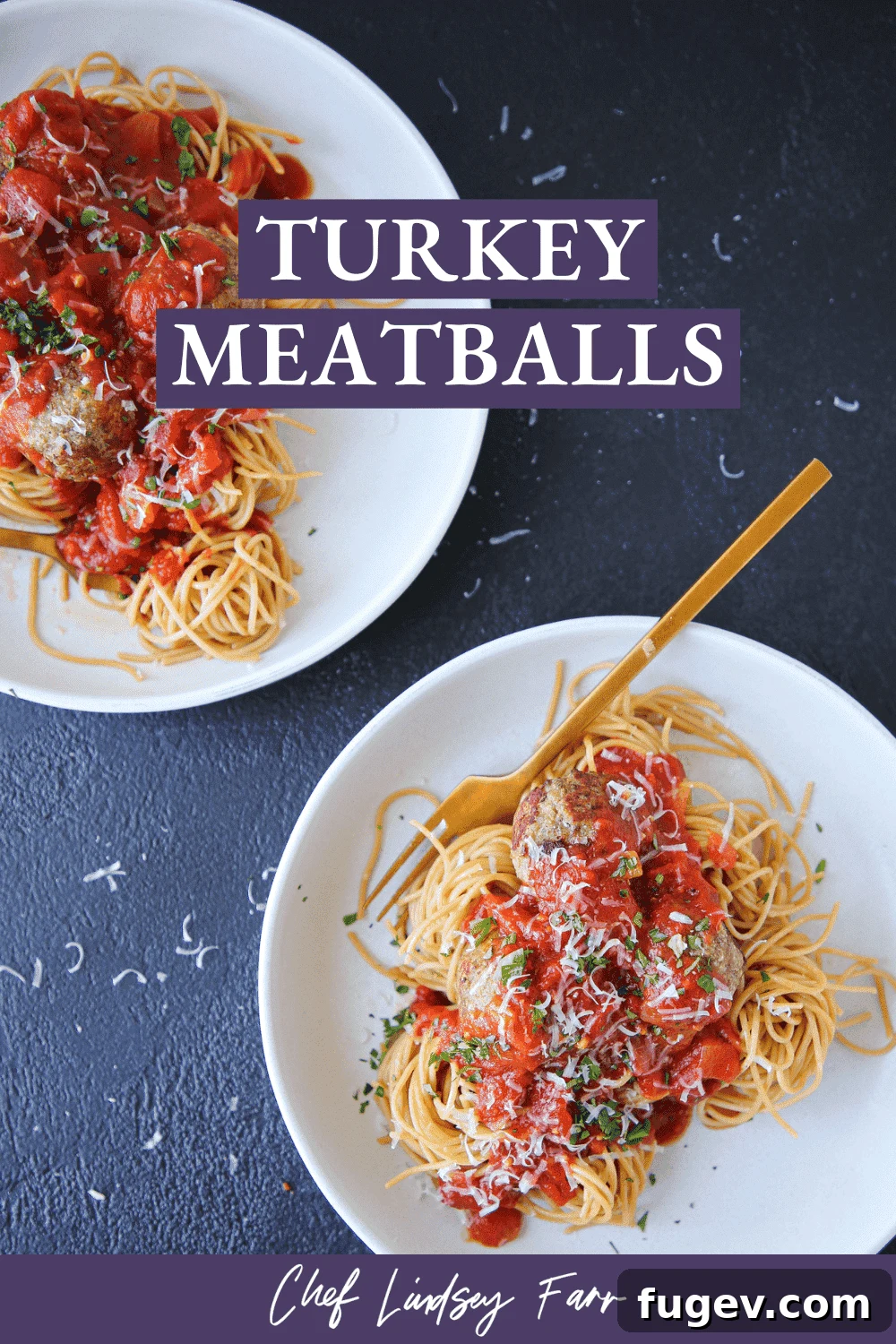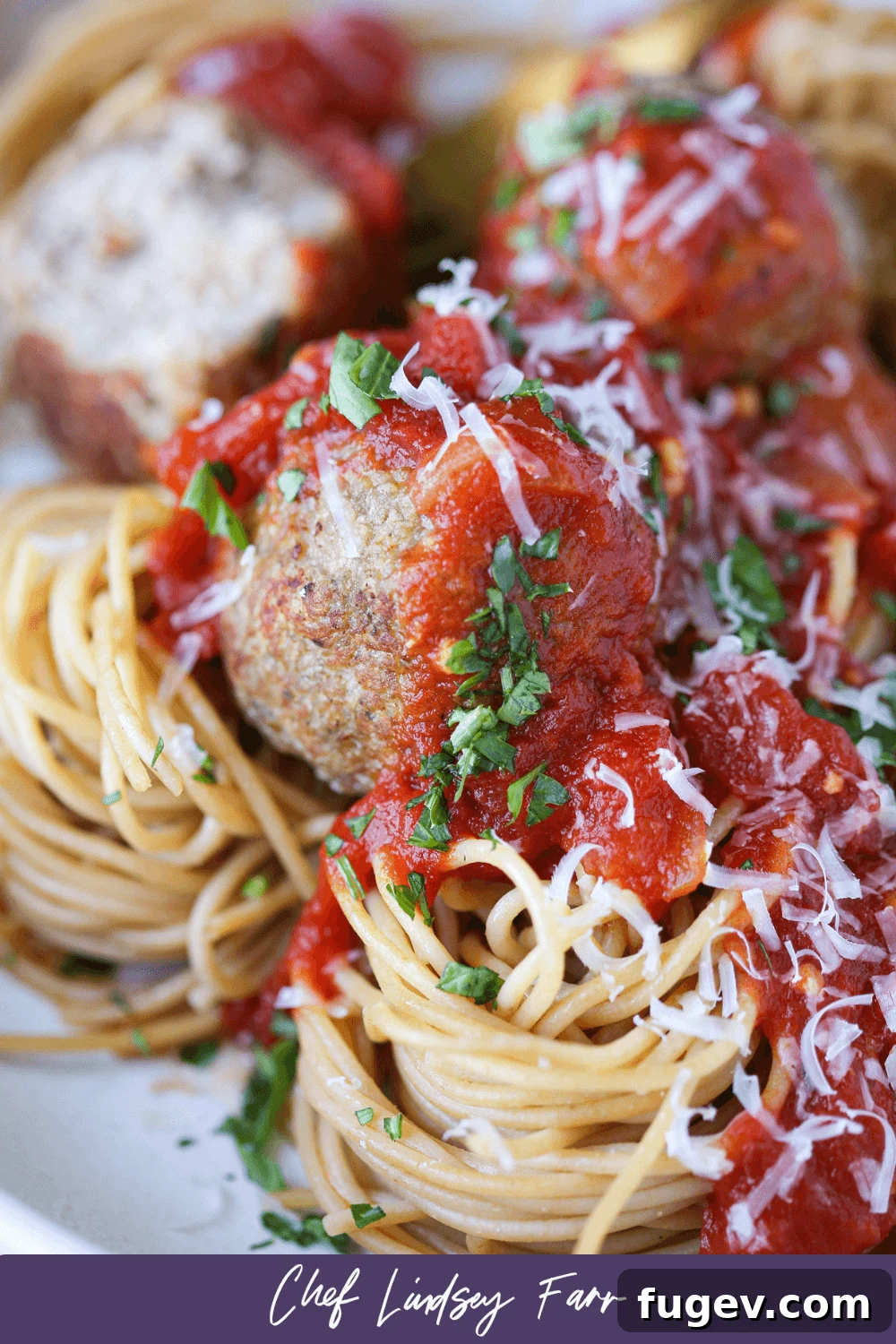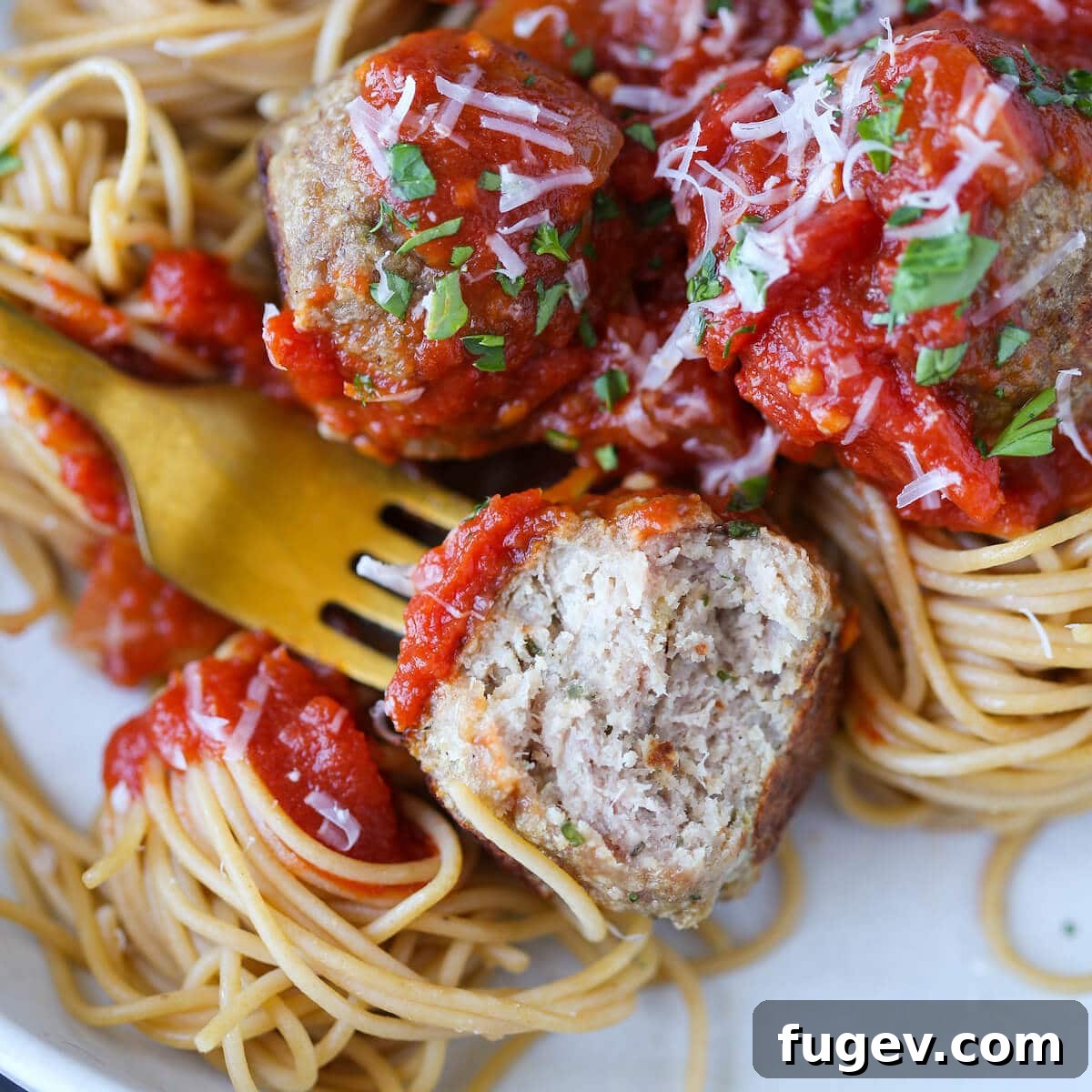
Juicy Baked Turkey Meatballs: The Ultimate Family-Friendly Recipe
Discover how to make the most incredibly **juicy and tender baked turkey meatballs** with this easy-to-follow, chef-tested recipe. Featuring quick prep time and a simple list of ingredients, these Italian-inspired turkey meatballs are perfect for convenient meal prep or satisfying weeknight family dinners. Say goodbye to dry, bland turkey meatballs and hello to a flavorful, lighter alternative that will become a staple in your kitchen!
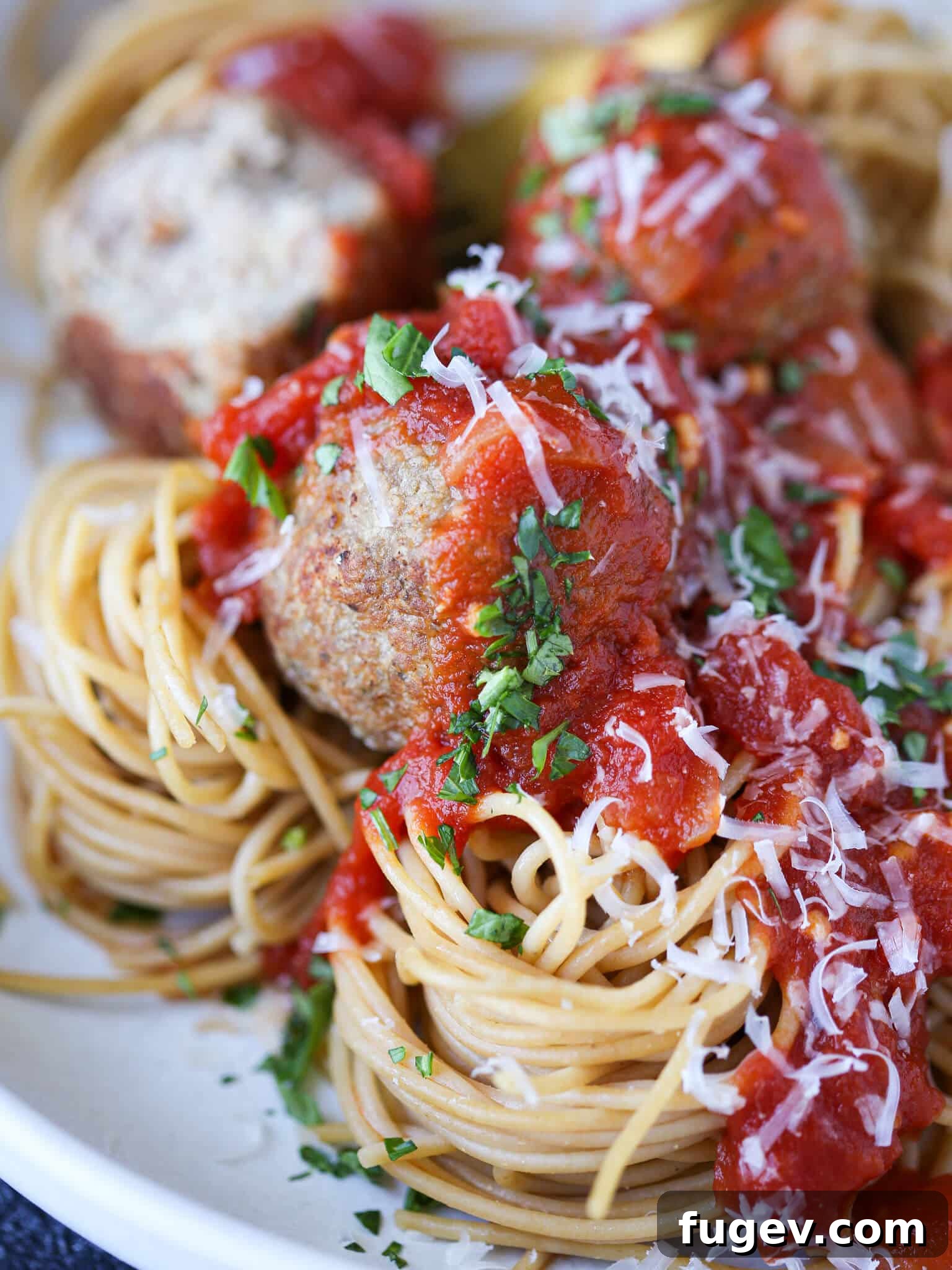
Infused with a delightful blend of Italian herbs and aromatic spices, these effortless baked turkey meatballs deliver all the robust flavor you’d expect from traditional beef meatballs, but with a wonderfully lighter texture and taste. Expertly seasoned with savory Parmesan cheese, fragrant oregano, and essential aromatics like onion and garlic powder, these delightful meatballs are destined to become a new family favorite.
As a busy chef, I often rely on freezer staples to whip up quick and healthy weeknight meals. That’s why I always keep a variety of meatballs, alongside quarts of homemade tomato pasta sauce, ready in my freezer. If you love discovering new meatball recipes, be sure to explore my other popular options, including tender ricotta meatballs and flavorful vegetarian quinoa meatballs. This baked turkey meatball recipe offers a fantastic way to enjoy a classic comfort food with a lighter, more modern twist.
Table of Contents
- Why You’ll Love These Baked Turkey Meatballs
- Expert Tips for Perfect Italian Turkey Meatballs
- Key Ingredients for Flavorful Turkey Meatballs
- Delicious Variations & Serving Suggestions
- How to Make Baked Turkey Meatballs: Step-by-Step Guide
- Chef Lindsey’s Recipe Insight
- Frequently Asked Questions
- Baked Turkey Meatballs Recipe Card
- More Delicious Chef-Tested Recipes
Why You’ll Love These Baked Turkey Meatballs
These baked turkey meatballs aren’t just another recipe; they’re a culinary revelation designed to solve common turkey meatball woes while delivering exceptional flavor and ease. Here’s why this recipe will quickly become a favorite in your kitchen:
-
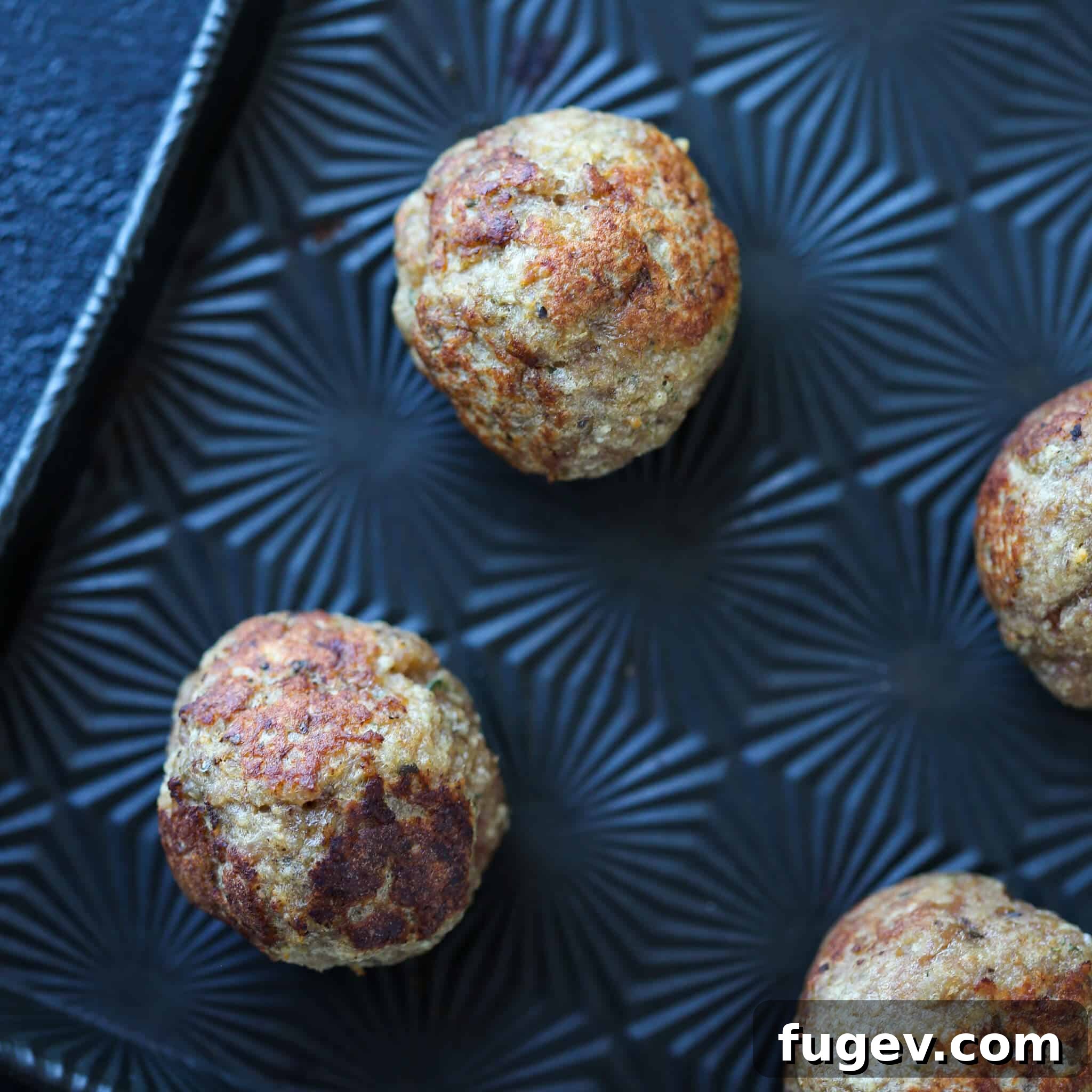
They’re Exceptionally Moist and Tender: One of the most common challenges when cooking with ground turkey is preventing it from becoming dry. This recipe masterfully overcomes that hurdle by employing a strategic combination of ingredients and techniques. We start with 93% lean ground turkey, which offers just enough fat for succulence without being overly heavy. The perfect ratio of Italian seasoned breadcrumbs and a large egg acts as a powerful binder, locking in moisture and ensuring a tender interior. Furthermore, the crucial step of searing the meatballs before baking creates a beautiful browned crust that not only adds depth of flavor but also seals in those precious juices, guaranteeing every bite is moist and tender.
-
A Lighter Alternative to Traditional Meatballs: While classic beef and pork meatballs are undoubtedly delicious, they can sometimes be quite rich and heavy. These turkey meatballs offer a refreshing change of pace. Their inherently lighter texture and milder flavor make them a versatile canvas, perfectly complementing a wide array of sauces, especially a vibrant, fresh marinara. They’re an excellent choice for those looking to enjoy a healthier meal without compromising on taste or satisfaction, fitting seamlessly into various dietary preferences.
-
Professionally Tested for Restaurant-Quality Results: You can cook with confidence knowing this recipe has been rigorously developed and tested by a professional chef. Every ingredient, every measurement, and every instruction has been fine-tuned through multiple trials to ensure consistent, restaurant-quality results in your home kitchen. This meticulous testing guarantees that the ingredients work harmoniously and that the cooking process is streamlined to produce perfectly cooked, incredibly delicious meatballs every single time. You’re not just getting a recipe; you’re getting a proven method for culinary success.
Expert Tips for Perfect Italian Turkey Meatballs
Achieving truly exceptional meatballs involves more than just mixing ingredients; it’s about understanding and applying a few professional techniques. These tips will elevate your turkey meatballs from good to gourmet:
-
Always Taste for Seasoning: This is arguably the most important tip for any savory dish. Before forming and cooking your entire batch of meatballs, take a small pinch of the raw turkey mixture. Cook it briefly in a small frying pan until it’s done, then taste it. This allows you to assess the salt, herb, and spice balance. If it needs more flavor, adjust the seasonings in your main mixture and test again. This proactive step ensures your final meatballs are perfectly seasoned to your preference, preventing bland results.
-
Don’t Skip Searing the Meatballs: Searing is a non-negotiable step for deeply flavorful and structurally sound meatballs. Whether you plan to bake them or simmer them in sauce on the stovetop, browning them in a hot pan first creates the Maillard reaction, a chemical process that results in rich, complex flavors and a beautiful golden-brown crust. This crust also helps the meatballs hold their shape much better, preventing them from falling apart once they’re incorporated into your sauce.
-
Work in Batches for Even Browning: When searing your meatballs, it’s crucial not to overcrowd the pan. If you pack too many meatballs into the pan at once, the temperature will drop, and instead of browning beautifully, they will steam. Steamed meatballs lack that desirable crust and deep flavor. Work in manageable batches, ensuring there’s ample space between each meatball. This allows for proper heat circulation and guarantees a consistent, delicious sear on all sides.
Key Ingredients for Flavorful Turkey Meatballs
Crafting delicious turkey meatballs begins with selecting the right ingredients and understanding their role in the overall flavor and texture. Here’s a detailed look at what you’ll need:
-
Ground Turkey (93% Lean Recommended): The foundation of our meatballs. While leaner options exist, I highly recommend using 93% lean ground turkey. The slight increase in fat content is essential for achieving incredibly tender and moist meatballs, preventing them from drying out during cooking. Save the ultra-lean ground turkey for recipes like a hearty Ground Turkey Soup or the best turkey chili where its low fat content is an asset.
-
Onion Powder & Garlic Powder: These dried aromatics are powerhouse flavor enhancers. They provide a consistent, savory depth that fresh onion and garlic might not achieve as evenly within the meatball mixture. They’re essential for building that classic Italian flavor profile.
-
Dried Oregano: A staple in Italian cuisine, dried oregano offers a warm, earthy, and slightly pungent flavor that perfectly complements the turkey. Its robust character holds up well to cooking and permeates the meatballs with deliciousness.
-
Italian Seasoned Breadcrumbs: These are crucial for both flavor and binding. They absorb moisture, helping to keep the meatballs juicy, and their pre-mixed Italian seasonings add another layer of traditional flavor. If you can’t find Italian seasoned breadcrumbs, simply use plain breadcrumbs and double the amounts of onion powder, garlic powder, and dried oregano in the recipe. For an extra touch, you can also add a dash of dried basil and parsley if you have them on hand.
-
Parmesan Cheese (Freshly Grated): For the absolute best flavor, opt for freshly grated Parmesan cheese. Pre-grated varieties often contain anti-caking agents that can affect texture and flavor. Grating your own on a microplane yields a super fine texture that integrates seamlessly into the meatball mixture, distributing its salty, nutty, umami notes throughout.
-
Kosher Salt: More than just a flavor enhancer, salt plays a vital role in the texture of meatballs. It helps to activate the proteins in the meat, contributing to a more tender finished product. I prefer using kosher salt because its larger crystal size makes it less salty by volume compared to table salt, allowing for easier and more precise seasoning adjustments as you cook.
-
Large Egg: The egg acts as a primary binder, working in conjunction with the breadcrumbs to hold the meatball mixture together. Without it, the meatballs would likely crumble during cooking. I recommend using large eggs for this recipe to ensure adequate binding.
-
Canola Oil: Used for searing the meatballs, canola oil is a great choice due to its high smoke point and neutral flavor, which won’t overpower the delicate taste of the turkey. Feel free to use any other cooking oil of your choice with a similar high smoke point.
Refer to the comprehensive recipe card below for the full list of ingredients and precise quantities.
Delicious Variations & Serving Suggestions
These baked turkey meatballs are incredibly versatile, allowing for numerous creative twists and serving options to suit any taste or occasion. Get inspired with these ideas:
-
For a Lower Fat Option: If you’re keen on reducing fat content even further, you can confidently use 99% lean ground turkey. While it’s leaner, this recipe’s thoughtful combination of binders and cooking technique ensures the meatballs remain surprisingly moist and flavorful. I often use 99% lean in recipes where I want to focus on leanness, like my turkey sloppy joes. However, I personally find that the small amount of extra fat in 93% lean ground turkey contributes significantly to both flavor and a melt-in-your-mouth tenderness, rivaling their beef counterparts. It’s a similar philosophy I apply to my popular Turkey Burger Recipe.
-
Ground Chicken or Lean Ground Beef Meatballs: This robust recipe framework is not limited to turkey! It works exceptionally well with ground chicken, producing equally tender and flavorful results. You can also substitute lean ground beef if you prefer, offering a familiar taste with the same easy preparation method. Adjust cooking times slightly as needed for different meats.
-
Cheesy Meatball Extravaganza: For the ultimate cheese lovers, don’t hesitate to increase the Parmesan cheese in the mixture by up to four times the amount specified in the recipe. The extra cheese adds an incredible depth of savory flavor and moisture. For a truly decadent experience, wrap each meatball around a small cube of fresh mozzarella cheese before rolling. As the meatballs bake, the mozzarella will melt into a gooey, irresistible center. These cheesy delights pair wonderfully with a hearty dish like Spaghetti Squash Casserole.
-
Perfect Party Appetizers: Transform these meatballs into elegant and easy appetizers for your next gathering. Simply make them half the size, creating bite-sized morsels. Once cooked, thread them onto toothpicks and serve with a variety of dipping sauces like marinara, a creamy pesto aioli, or a sweet and sour glaze. They make a fantastic passed appetizer or a versatile addition to any buffet spread.
-
Add Fresh Herbs: For an extra burst of freshness, finely chop some fresh parsley, basil, or oregano and mix them into the meatball mixture along with the dried herbs. This adds vibrant color and a more pronounced herbaceous aroma.
-
Spice Them Up: If you enjoy a bit of heat, add a pinch of red pepper flakes to the mixture. Start with a small amount and increase to your desired spice level.
How to Make Baked Turkey Meatballs: Step-by-Step Guide
Follow these detailed instructions to achieve perfectly cooked, flavorful turkey meatballs every time. You’ll find precise measurements and additional details in the recipe card provided below.
Step 1: Combine All Ingredients
In a spacious medium-sized mixing bowl, combine the ground turkey, onion powder, garlic powder, dried oregano, Italian seasoned breadcrumbs, freshly grated Parmesan cheese, kosher salt, and the large egg. Using your clean hands (which is often the most effective method) or a large sturdy spoon, mix all the ingredients thoroughly. Gently knead the mixture just until everything is evenly incorporated and no dry pockets of seasoning remain. Be careful not to overmix, as this can lead to tougher meatballs.
Chef’s Insight: Opting for 93% lean ground turkey is key here. That small percentage of extra fat is instrumental in creating truly tender and moist meatballs, preventing them from drying out during the baking process and ensuring a delightful texture.
Step 2: Form the Meatballs
Using a small scoop or a tablespoon, portion out about a golf ball-sized amount of the meatball mixture onto a clean plate or baking tray. Gently roll each portion between your palms to form uniform, tightly packed balls. Aim for consistency in size to ensure even cooking. This recipe typically yields about 14 standard-sized meatballs.
Step 3: Prepare for Cooking
Preheat your oven to 350°F (175°C) to get it ready for baking. Alternatively, if you plan to simmer your meatballs in sauce, heat approximately 2 quarts of your favorite marinara sauce in a large saucepot over medium-low heat. Ensure the sauce is gently simmering and warm before adding the seared meatballs.
Step 4: Heat the Pan for Searing
Place a large nonstick pan, cast iron skillet, or stainless steel pan over medium-high heat. Add the remaining canola oil (or your chosen cooking oil) to the pan. Allow the oil to heat until it shimmers and a flick of water sizzles vigorously upon contact. A properly hot pan is essential for achieving a good sear.
Professional Tip: Seasoning Check: Before committing to the whole batch, take a small sample of your turkey mixture, cook it quickly in a hot pan, and taste it. This allows you to fine-tune the seasoning. If necessary, add a little more salt or herbs to the main mixture and retest until it’s perfectly balanced.
Step 5: Sear the Meatballs in Batches
Carefully place some of the formed meatballs into the hot pan, ensuring they are spaced at least an inch apart. It’s crucial to work in batches to avoid overcrowding the pan; overcrowding will cause the pan’s temperature to drop, leading to steamed rather than beautifully browned meatballs. Brown the meatballs thoroughly on at least four sides, gently turning them with tongs or a spatula. Continue to move them frequently to prevent them from sticking and to ensure an even golden-brown crust.
Step 6: Transfer for Final Cooking
Once a batch of meatballs is nicely seared on the outside, you have two options for finishing their cooking. If you intend to cook them entirely on the stovetop, transfer them directly into your simmering marinara sauce. If you plan to bake them, place the seared meatballs onto a clean baking sheet and set them aside. Repeat the searing process with any remaining uncooked meatballs.
Step 7: Finish Cooking
If baking, place the baking sheet with the seared meatballs into your preheated 350°F (175°C) oven. Bake for approximately 8-10 minutes, or until the internal temperature of the meatballs reaches 165°F (74°C) using a meat thermometer. If simmering in sauce, allow the meatballs to continue cooking on low heat in the sauce for about 10-15 minutes, or until they are cooked all the way through and heated thoroughly. The simmering time will infuse them with even more flavor from the sauce.
Chef Lindsey’s Recipe Insight
When combining the ingredients for your turkey meatballs, don’t be afraid to use your hands to gently knead the mixture. This ensures all ingredients are thoroughly and evenly distributed, but more importantly, it helps to activate the natural connective proteins in the ground turkey. This activation is key to creating meatballs that hold their shape beautifully during cooking and remain wonderfully tender, preventing them from crumbling or becoming tough.
Frequently Asked Questions About Turkey Meatballs
This recipe is perfect for doubling or even tripling to ensure you have delicious leftovers! Cooked meatballs can be stored in an airtight container in the refrigerator for up to 3-4 days. For extended storage, cool the cooked meatballs completely, then transfer them to an airtight container or a heavy-duty zip-top freezer bag. They can be frozen for up to 3 months. When ready to enjoy, reheat them gently in the microwave or simmer them in your favorite sauce on the stovetop until warmed through.
Both baking and cooking meatballs directly in sauce yield excellent results, with the primary difference lying in their texture. Baked meatballs, especially when seared beforehand, develop a slightly crispier, more textured exterior while retaining a tender interior. This method is great if you enjoy a bit of chewiness on the outside. Cooking meatballs directly in sauce, however, results in a consistently soft and tender meatball throughout, as they absorb the flavors and moisture of the sauce during simmering. The choice often comes down to personal preference for texture and the final dish you’re preparing.
The secret to keeping turkey meatballs intact lies in two key components: effective binders and proper searing. In this recipe, Italian seasoned breadcrumbs and a large egg work synergistically to provide the necessary structure, ensuring the meatballs hold their shape beautifully. Additionally, the initial searing step creates a sturdy crust on the exterior of the meatballs, further helping them maintain their form and preventing them from disintegrating during subsequent cooking in the oven or simmering in sauce. Avoid overworking the meat mixture, as this can also contribute to crumbly meatballs.
There are a few common culprits behind dry turkey meatballs. Firstly, using too lean of ground turkey (e.g., 99% lean) without proper compensation can result in dryness. Our recipe combats this by recommending 93% lean ground turkey for its optimal fat content. Secondly, overworking the meat mixture is a frequent cause; excessive handling can compact the meat proteins, squeezing out moisture and leading to a tough, dry texture. Always mix gently and just until combined. Lastly, overcooking is a common mistake; turkey is lean and cooks quickly. Ensure you cook them just until they reach an internal temperature of 165°F (74°C) to maintain their juiciness.
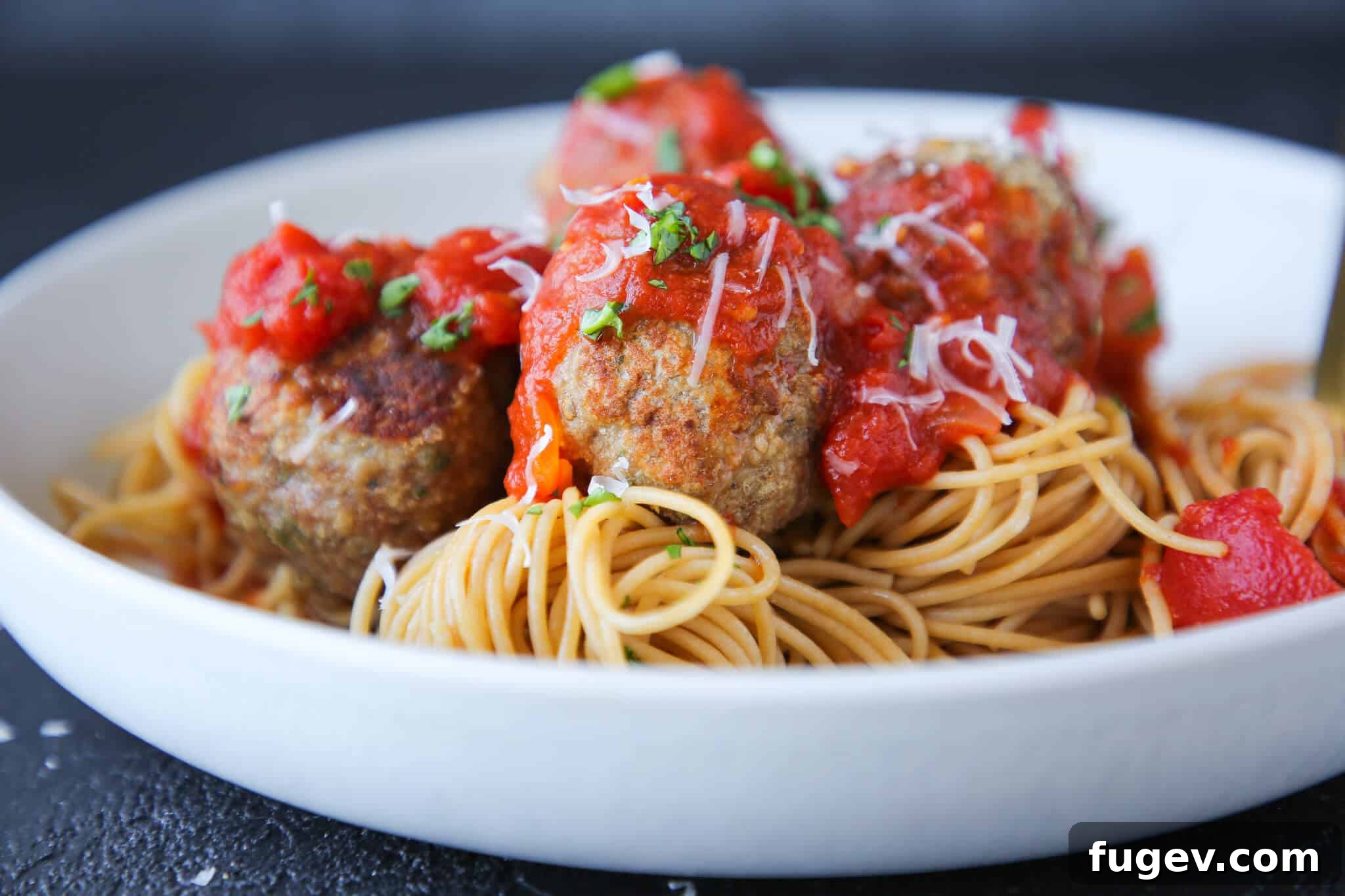
Baked turkey meatballs are incredibly versatile! They are classic served over spaghetti or your favorite pasta with marinara sauce. For a lighter meal, pair them with zucchini noodles, roasted vegetables, or a fresh green salad. They also make fantastic meatball subs, sliders, or can be added to soups. Don’t forget to consider them as an appetizer with a delicious dipping sauce!
Absolutely! These meatballs are excellent for meal prep. You can prepare the raw meatball mixture up to 24 hours in advance and store it tightly covered in the refrigerator. Alternatively, form the meatballs and store them uncooked on a parchment-lined tray (covered) in the fridge for a day. For longer storage, you can freeze the cooked meatballs as described above, ready to be reheated when you need a quick meal.
If you tried this recipe and absolutely loved it, please take a moment to leave a 🌟 star rating and share your thoughts in the comments below. Your feedback truly brightens my day and helps others discover these delicious recipes!
Baked Turkey Meatballs Recipe
Chef Lindsey
5
15
35
4 people
Comment
Print Recipe
Ingredients
- 1 lb ground turkey I use 93% lean
- 1 teaspoon onion powder
- ½ teaspoon garlic powder
- 1 teaspoon dried oregano
- ½ cup Italian seasoning bread crumbs
- 1 tablespoon parmesan cheese grated
- 1 ¼ teaspoons kosher salt
- 1 egg
- 1 tablespoon canola oil Can be the cooking oil of your choice
Instructions
-
In a medium bowl combine all ingredients and mix well with your hand or a large spoon.
-
Spoon or scoop a bit of meatball mixture the size of a golf ball onto a plate or tray. Roll into balls.
-
Preheat the oven to 350°F or heat about 2 quarts of marinara sauce in a large saucepot.
-
Heat a large nonstick pan, cast iron pan, or stainless steel pan with remaining oil until it is very hot and sizzles when water is flicked on it.
-
Working in batches to avoid crowding and steaming, add some of the meatballs to the pan spaced about an inch apart. Brown at least 4 of the sizes and move them frequently to keep them from settling.
-
Place directly in sauce if you are going to finish cooking them on the stovetop or place on a baking sheet and set aside. Repeat with remaining meatballs.
-
Bake in a preheated oven for 8-10 minutes or until the internal temperature of 165°F or simmer on low until the meatballs are cooked all the way through. This will only take about 10-15 minutes.
Video
Notes
Technique – Always work in batches when browning your meatballs. Ensuring plenty of space between them in the pan is essential for achieving a beautiful sear rather than steaming them.
Variations – Cheesy Meatballs: Feel free to increase the Parmesan cheese up to fourfold. For an extra treat, stuff each meatball with a small cube of mozzarella for a melty, gooey center.
Storage – Store cooked leftover meatballs in an airtight container in the refrigerator for up to 3-4 days. They can also be frozen for up to 3 months for convenient longer-term storage.
Nutrition
Calories: 240kcal
|
Carbohydrates: 11g
|
Protein: 31g
|
Fat: 8g
|
Saturated Fat: 2g
|
Polyunsaturated Fat: 2g
|
Monounsaturated Fat: 3g
|
Trans Fat: 0.04g
|
Cholesterol: 104mg
|
Sodium: 1021mg
|
Potassium: 401mg
|
Fiber: 1g
|
Sugar: 1g
|
Vitamin A: 135IU
|
Vitamin C: 1mg
|
Calcium: 62mg
|
Iron: 2mg
Like this? Leave a comment below!
More Delicious Chef-Tested Recipes
Thank you for exploring this professionally developed and chef-tested baked turkey meatball recipe. I hope it brings joy and deliciousness to your kitchen! If you enjoyed this culinary journey, I invite you to discover more of my chef-created recipes. Expand your repertoire with other delightful turkey recipes, offering fresh ideas for healthy and flavorful meals. Or, if you’re in the mood for chicken, don’t miss out on my hearty and vibrant Chipotle Chili, a perfect comfort food with a kick. Happy cooking!