
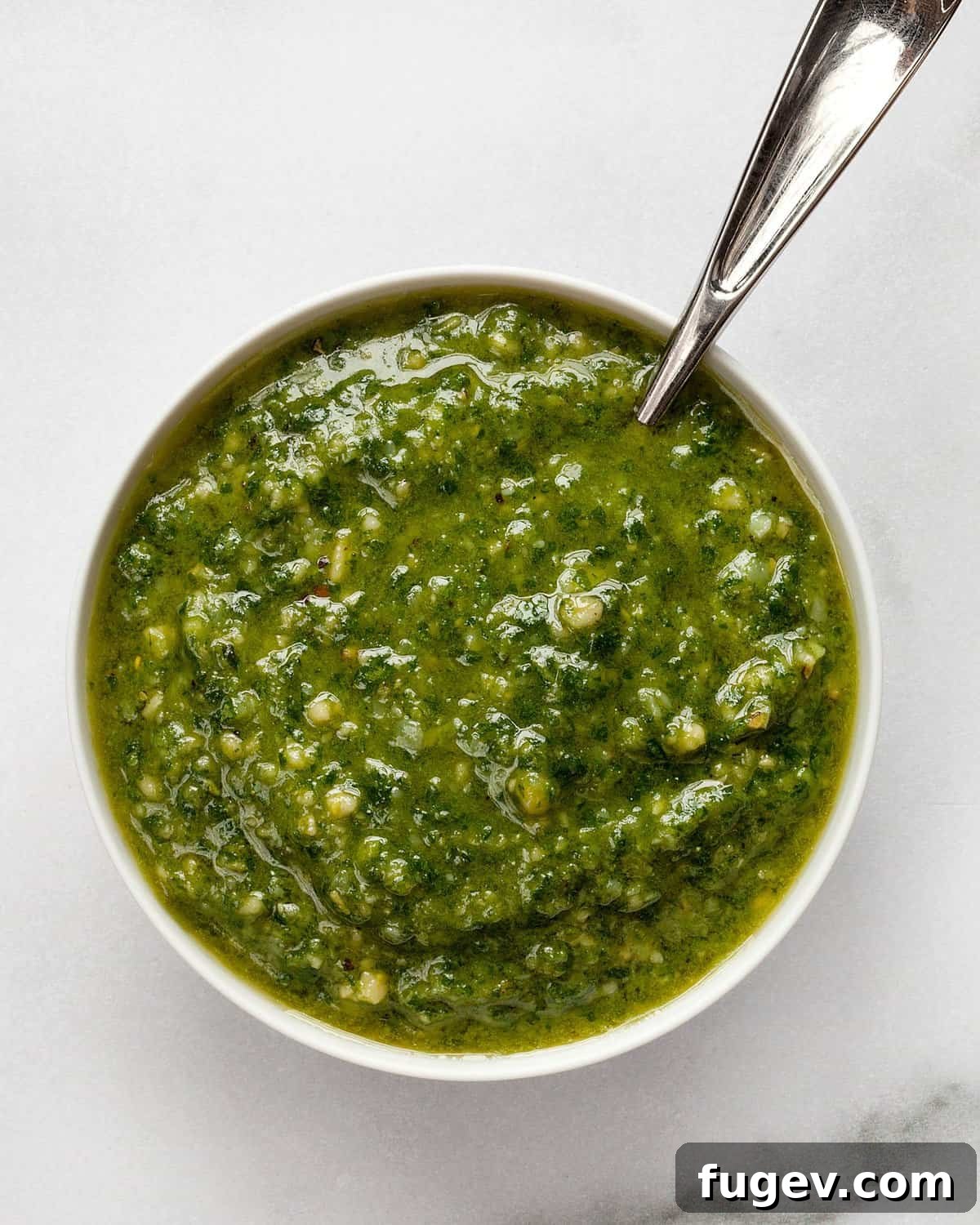
Mastering Homemade Pesto: A Fresh, Flavorful, and Versatile Sauce Guide
Unleash the incredible potential of homemade pesto! This vibrant green sauce, a delightful blend of fresh herbs, savory nuts, rich cheese, and premium olive oil, is surprisingly simple to create. Far more than just a pasta topping, pesto is a culinary chameleon that can elevate countless dishes, from a simple spread on toast to a sophisticated ingredient in marinades and dressings. Learning how to make pesto from scratch means unlocking a world of fresh flavors and endless possibilities in your kitchen.
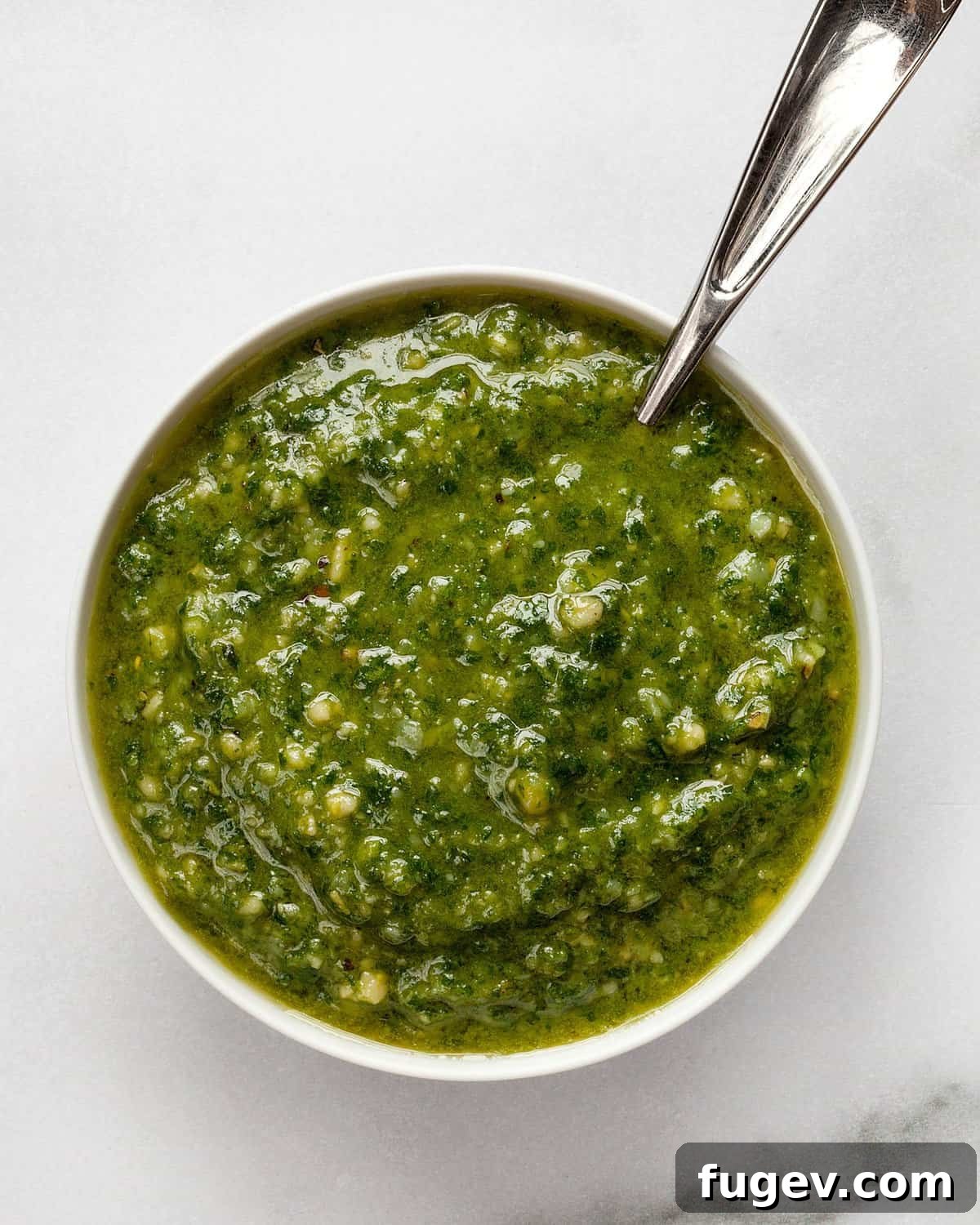
Sauces are culinary game-changers, capable of transforming ordinary ingredients into extraordinary meals. Whether drizzled over grilled vegetables, folded into tender proteins, or tossed with your favorite pasta, the right sauce can elevate any dish. Pesto stands out as one of these indispensable flavor boosters, offering a light, herbaceous, and aromatic profile that goes far beyond traditional Italian fare.
Imagine adding a spoonful of vibrant pesto to scrambled eggs for a gourmet breakfast, or spreading it on avocado toast for an instant upgrade. Its ability to inject a burst of fresh flavor into almost anything makes it a kitchen essential. That’s why keeping a jar of homemade pesto in your fridge is a secret weapon for quick, delicious meals. The possibilities are truly endless!
What Is Pesto? History & Tradition
Originating from Genoa, the capital city of Liguria, Italy, this celebrated sauce is formally known as pesto alla genovese. The name “pesto” itself is derived from the Italian verb pestare, meaning “to crush” or “to pound.” This etymology perfectly describes the traditional preparation method, which involves meticulously crushing ingredients together in a mortar with a pestle.
Historically, authentic Genovese pesto is made with a specific set of high-quality ingredients: fresh basil leaves from Pra’ (a region near Genoa known for its delicate basil), Ligurian extra virgin olive oil, pine nuts, garlic (specifically from Vessalico, a small town in Liguria), Parmigiano-Reggiano cheese, and Pecorino Sardo (or Pecorino Romano for a sharper taste). The process begins by crushing garlic and pine nuts, then adding basil leaves with a touch of coarse salt to release their aromatic oils without bruising them. Finally, the grated cheeses and olive oil are incorporated gradually, resulting in a smooth yet textured sauce.
While the traditional mortar and pestle method yields an unparalleled texture and flavor duetaining the integrity of each ingredient, it can be quite labor-intensive. Fortunately, modern kitchen equipment like a food processor or blender makes homemade pesto accessible to everyone, allowing you to achieve a delicious result with minimal effort.
Why Make Homemade Pesto?
In a world full of convenient store-bought options, you might wonder why bother making pesto from scratch. The answer lies in the unparalleled freshness, vibrant flavor, and complete control over ingredients that homemade pesto offers. Mass-produced pestos often contain preservatives, lower-quality oils, or less fresh ingredients, leading to a duller taste and sometimes an unappetizing color.
- Unmatched Freshness: Nothing compares to the aroma and taste of freshly picked basil and garlic, combined just moments before serving. The vibrant green color of homemade pesto is a testament to its fresh ingredients.
- Superior Flavor: By selecting high-quality components, you ensure a richer, more complex flavor profile that simply can’t be replicated by store-bought versions. The nuances of good olive oil and aged cheese truly shine.
- Customization: Making pesto at home allows you to tailor it to your exact preferences. Love garlic? Add an extra clove! Prefer a nuttier flavor? Experiment with different nuts. Need it dairy-free? Easy substitutions are possible.
- Cost-Effective: While high-quality ingredients might seem pricey individually, making a batch of pesto at home is often more economical than buying premium store-brand jars, especially when basil is in season.
- No Unwanted Additives: You control every ingredient, avoiding unnecessary preservatives, artificial colors, or excessive sodium often found in commercial pestos.
Embracing homemade pesto is a step towards more flavorful, healthier, and personalized cooking. It’s a simple recipe with profound culinary rewards.
Essential Ingredients & Clever Substitutions
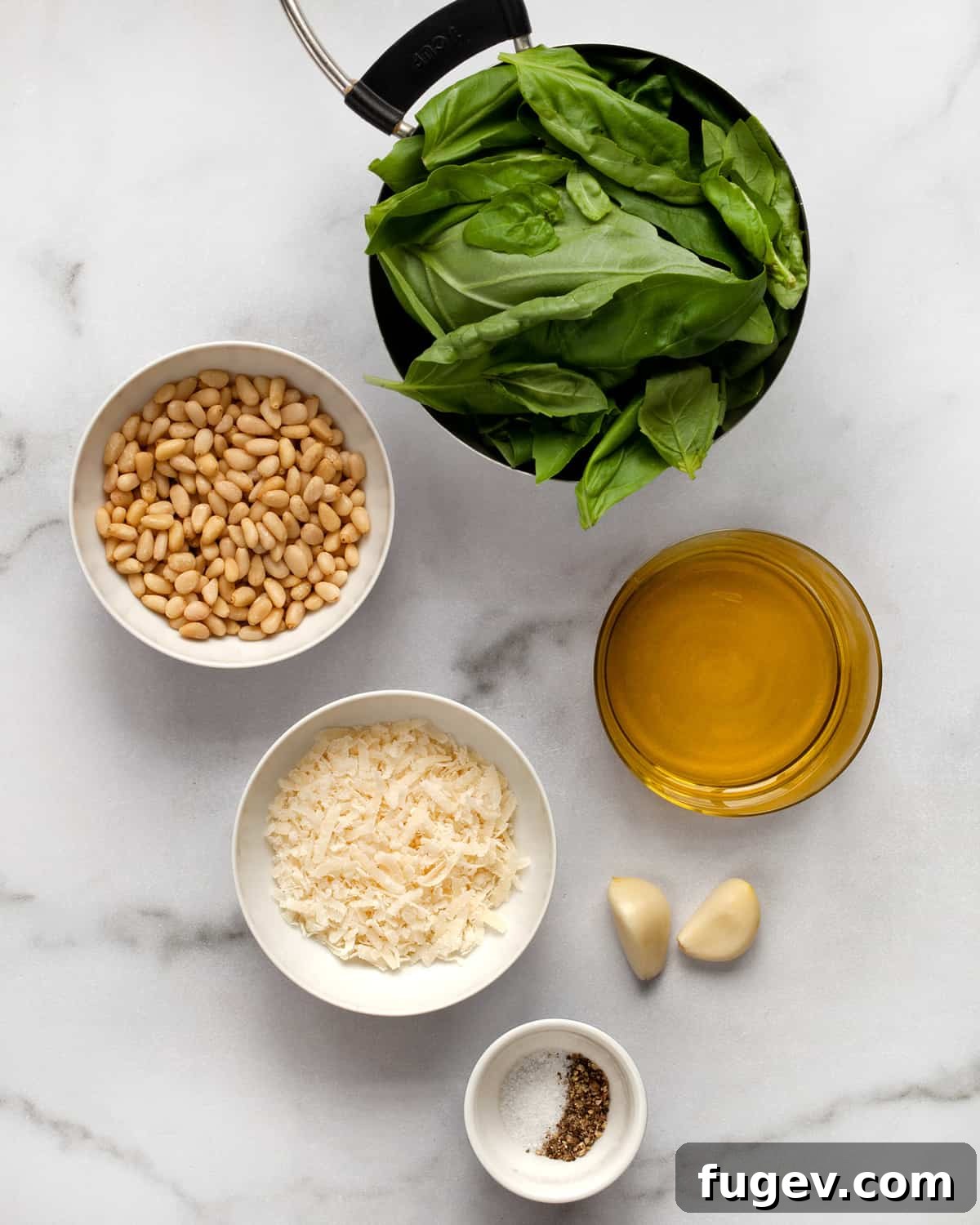
Creating the best homemade pesto starts with selecting the right ingredients. Here’s a detailed look at what you’ll need and some excellent substitution options:
- Fresh Basil: The heart and soul of traditional pesto! Look for vibrant green leaves, free from any dark spots or wilting. Freshness is key for that signature aromatic flavor. To keep basil fresh, if purchased in a bundle, treat it like a bouquet of flowers: trim the stems and place them in a jar with an inch of water, covering loosely with a plastic bag. Store at room temperature away from direct sunlight. If sold in a plastic container, choose one without condensation to prevent soggy leaves, which can lead to premature spoilage.
- Garlic: I typically use 2 cloves for a balanced flavor, but feel free to adjust to your preference. If you’re a true garlic aficionado, adding an extra clove will provide a more pungent kick without overpowering the basil. Fresh garlic is non-negotiable here; avoid pre-minced jarred garlic for the best results.
- Nuts: Traditionally, pesto features delicate pine nuts, which offer a soft texture and a subtly buttery flavor. However, pine nuts can be quite expensive and sometimes challenging to source. Don’t hesitate to substitute them with more readily available and affordable options like chopped walnuts or almonds. These alternatives contribute their own unique nutty notes and similar textural depth. For an enhanced flavor, lightly toast your nuts before adding them to the food processor.
- Cheese: Parmigiano-Reggiano, a hard, granular Italian cow’s milk cheese, is the classic choice, lending a salty, umami depth. For a sharper, tangier profile, you can substitute or combine it with Pecorino Romano, a hard sheep’s milk cheese. Always grate your cheese fresh; pre-grated cheeses often contain anti-caking agents that can affect the texture and flavor of your pesto.
- Olive Oil: As a no-cook sauce, the quality of your olive oil directly impacts the final taste. Invest in a high-quality extra virgin olive oil. Its fruity, peppery notes will beautifully complement the other ingredients, creating a harmonious and luxurious texture. Using a lower-quality oil can result in a flat or even bitter-tasting pesto.
- Salt & Pepper: These are crucial seasonings to enhance and balance all the flavors. I recommend kosher salt for its clean taste and black pepper for a subtle warmth. For those who enjoy a touch of heat, a pinch of red pepper flakes can be a wonderful addition, awakening the palate without overwhelming the delicate basil.
How To Make Pesto: Simple Steps for Success
Making homemade pesto is incredibly straightforward, especially with the help of a food processor or blender. While a food processor is my top choice for its control over texture, a blender will also yield excellent results. Here’s how to master this versatile sauce:
Equipment Needed:
- Food processor or high-speed blender
- Rubber spatula (for scraping down sides)
Detailed Instructions:
- Start with the Garlic: Instead of tossing all ingredients in at once and hoping for even processing, begin by mincing the garlic alone. This allows the food processor’s blade to finely chop the garlic, ensuring no large chunks remain and saving you from mincing by hand. Process for about 10-15 seconds until finely minced.
-
Add Dry Ingredients: To the bowl of your food processor (with the minced garlic), add the fresh basil leaves, Parmesan cheese, chosen nuts (pine nuts, walnuts, or almonds), salt, and black pepper.
The initial ingredients are combined for processing. - Process Until Finely Chopped: Secure the lid and pulse the ingredients in short bursts. Continue processing until everything is finely chopped and well combined. You’re aiming for a slightly coarse, textured paste, not a completely smooth puree at this stage. Scrape down the sides of the bowl with a rubber spatula as needed to ensure even processing.
-
Slowly Drizzle in Olive Oil: With the food processor motor running, slowly drizzle in the extra virgin olive oil through the feeder tube (or remove the cap on a blender lid to pour it in). The slow addition of oil is crucial for creating a creamy, emulsified pesto. Continue processing just until the olive oil is fully incorporated and the pesto reaches your desired consistency.
Drizzling in olive oil to create a perfectly emulsified pesto.
Tips for Perfect Pesto:
- Avoid Over-Processing: Do not over-puree! Authentic pesto has a slightly coarse texture, where you can still discern tiny pieces of basil and nuts. Over-processing can generate too much heat, which can oxidize the basil and turn your pesto a dull brownish-green. Use quick pulses rather than continuous blending.
- Adjust Consistency: If your pesto seems too thick, add a tiny bit more olive oil, a teaspoon at a time, until it reaches your preferred consistency. For a thinner sauce, especially for pasta, a tablespoon or two of pasta water can work wonders.
- Taste and Adjust: Always taste your pesto before serving. You might find it needs a little more salt, pepper, or even a squeeze of fresh lemon juice for brightness.
- Temperature Matters: Ensure all ingredients, especially the basil, are at room temperature. This helps them blend more smoothly and release their flavors better.
Beyond Pasta: Creative Ways To Use Pesto
Pesto’s vibrant flavor and versatility make it an indispensable ingredient in the kitchen. While it’s famously paired with pasta, its applications stretch far beyond the Italian classic. Here are more than just 6 creative ways to incorporate homemade pesto into your daily meals:
- Classic Pesto Pasta: The most obvious and beloved choice! Cook your favorite noodles al dente, drain them (reserving a little of the starchy cooking water), then toss the pasta with generous spoonfuls of pesto in a warm bowl. Add some reserved pasta water as needed to create a luscious, glossy coating. Finish with extra grated Parmesan, flaky sea salt, and freshly cracked black pepper.
- Elevated Pizza Topping: Move beyond traditional tomato sauce! Spread a layer of pesto directly onto your pizza crust before adding other toppings for a gourmet base. Alternatively, finish a cooked pizza with small dollops of pesto for a burst of fresh flavor and vibrant color. It pairs beautifully with fresh mozzarella, cherry tomatoes, and arugula.
- Scrambled Eggs & Frittatas: Whisk a spoonful of pesto into your eggs before cooking them to infuse your breakfast or brunch with herbaceous goodness. This simple addition transforms ordinary eggs into a flavorful meal. It’s also fantastic stirred into a frittata or omelet.
- Gourmet Spreads for Bread & Sandwiches: Instantly elevate any sandwich, toast, or bruschetta by spreading pesto onto crusty bread. Top with sliced tomatoes, fresh mozzarella, roasted vegetables, or a sprinkle of greens and cheese for a quick and delicious meal or appetizer.
- Zesty Salad Dressings: Mix pesto into your favorite vinaigrettes for an herby accent and a hint of garlic. It adds incredible depth to simple green salads or can be drizzled directly over a Caprese salad for an extra layer of Italian flavor.
- Marinade for Meats & Vegetables: Pesto makes an excellent marinade for chicken, fish, shrimp, or even firm tofu. Its oil, herbs, and garlic tenderize and flavor beautifully. Try tossing it with chopped vegetables before roasting or grilling for a burst of Mediterranean taste.
- Flavorful Dips & Spreads: Stir pesto into hummus, Greek yogurt, or cream cheese to create a quick and flavorful dip for crudités, crackers, or pita bread. It’s a fantastic addition to a charcuterie board.
- Soups & Stews: Swirl a tablespoon of pesto into a bowl of minestrone, vegetable soup, or even a simple tomato soup just before serving. It adds a fresh, bright finish and a touch of richness.
- Roasted Potatoes & Vegetables: Toss cubed potatoes or your favorite root vegetables with pesto before roasting for a fragrant and delicious side dish. The high heat caramelizes the pesto, creating a wonderfully savory crust.
- Compound Butter: Mix softened butter with pesto, then roll it into a log and chill. Use this compound butter to melt over grilled steaks, chicken, or corn on the cob for an instant flavor boost.
With homemade pesto in your fridge, you’re always just a spoonful away from transforming everyday dishes into something special.
How To Store Pesto for Lasting Freshness
Proper storage is essential to maintain the vibrant color and fresh flavor of your homemade pesto. With a few simple tricks, you can enjoy your delicious creation for weeks or even months.
Refrigeration:
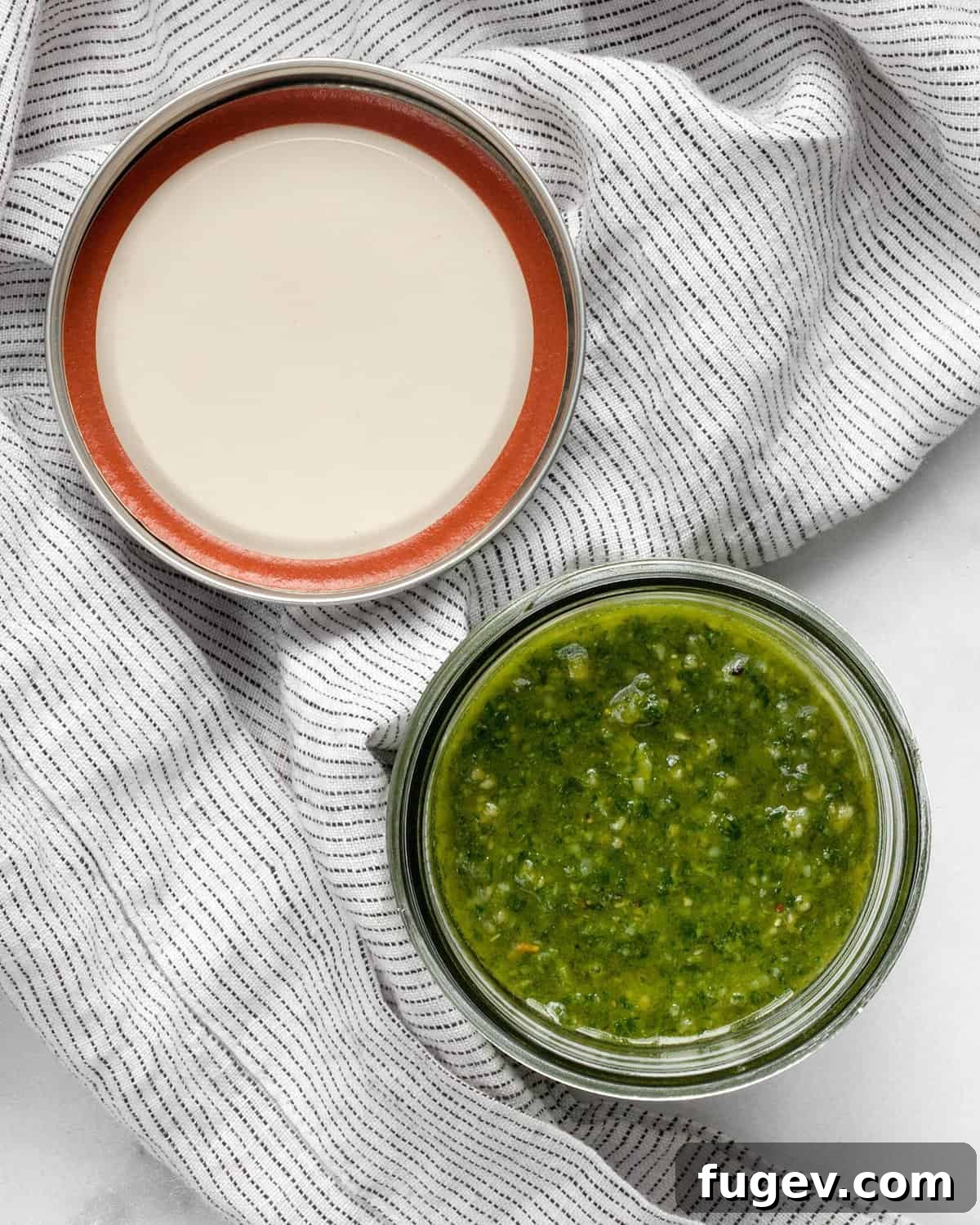
You can store fresh pesto in an airtight container in the refrigerator for up to 2 weeks. To prevent oxidation and keep its bright green color, I recommend pressing a piece of plastic wrap directly onto the surface of the pesto before sealing the container. Alternatively, pour a thin layer of olive oil over the top of the pesto to create a protective seal, which also helps preserve its color and flavor.
It’s important to note that the chill of the refrigerator will likely cause the olive oil in your pesto to solidify, making it appear thick and cloudy. This is completely normal! Just let the pesto sit out at room temperature for about 15-30 minutes before using, and the oil will liquefy again. Give it a good stir, and it will be ready to go.
Freezing for Longer Storage:
For longer storage, pesto freezes beautifully, allowing you to enjoy the taste of summer basil all year round. Place it in an airtight, freezer-safe container, again pressing plastic wrap directly onto the surface or adding a layer of olive oil on top. It will keep well in the freezer for 3-4 months.
To freeze in convenient, smaller portions, spoon the pesto into ice cube trays. Once frozen solid (usually after a few hours), pop out the individual pesto cubes and transfer them to a freezer bag or another airtight container. This method is fantastic for portion control, as you can simply grab a few cubes whenever you need a quick flavor boost for a single serving of pasta or a small dish.
When ready to use frozen pesto, simply thaw the desired amount at room temperature for an hour or two, or gently warm it. Once thawed, it will remain good in the refrigerator for about 2 weeks, just like fresh pesto. Freezing does not significantly alter the flavor or texture, making it a perfect preservation method.
Frequently Asked Questions (FAQs) About Pesto
Absolutely! For a delicious nut-free pesto, simply omit the pine nuts (or any other nuts) from the recipe. The base ingredients of garlic, basil, cheese, and olive oil will still create a wonderfully flavorful sauce. Be aware that the yield will be slightly less, and you might need to slightly reduce the amount of olive oil as nuts absorb some liquid. For a creamier texture without nuts, you could add a spoonful of sunflower seeds or a little extra Parmesan.
Basil thrives in warm weather and abundant sunshine, making it a quintessential summer herb. Its peak season typically runs from late spring through early fall. However, with the rise of hydroponic farming in greenhouses, fresh basil is now available year-round in many grocery stores. This not only allows you to enjoy basil off-season but also often means locally grown options, reducing food miles and supporting sustainable practices.
While basil is the star of traditional pesto, the concept of “pesto” (meaning to crush) is versatile. You can certainly create delicious pestos using other fresh herbs or greens! Popular alternatives include parsley, cilantro, mint, arugula, spinach, kale, or even a mix of several. Each variation offers a unique flavor profile, allowing for endless culinary creativity.
Yes, definitely! If you enjoy a brighter, zestier flavor, a squeeze of fresh lemon juice can be a fantastic addition to your pesto. Add it when you’re processing the basil, cheese, and nuts. Lemon juice not only adds a lovely citrusy tang but also helps to keep the basil’s vibrant green color from oxidizing. Since it adds liquid, you might find you can slightly reduce the amount of olive oil needed.
Absolutely! To make a delicious vegan pesto, simply substitute the Parmesan cheese with a dairy-free alternative. Nutritional yeast can provide a cheesy, umami flavor, or you can use a high-quality store-bought vegan Parmesan. Ensure your nuts are toasted for extra depth of flavor, and consider adding a little extra salt or a squeeze of lemon juice to balance the flavors.
More Delicious Basil Pesto Recipes
If you’ve fallen in love with homemade basil pesto, you’ll be thrilled to discover its endless culinary applications in these delicious recipes:
- Stone Fruit Salad with Gorgonzola & Pesto Vinaigrette
- Pesto Eggs with Roasted Tomatoes
- Blackberry Salad with Basil Vinaigrette
- Roasted Tomato Pesto Potato Salad
- Tomato Pesto Tartine
- Caprese Avocado Toast
- Caprese Bagel
- Zucchini Noodles and Cherry Tomatoes with Pesto
- 30-Minute Tomato Zucchini Orzo with Pesto
Innovative Pesto Recipes Without Basil
Explore the expansive world of pesto by experimenting with different herbs and greens. These recipes demonstrate how versatile the “pestare” method truly is:
- Roasted Broccoli Pesto
- Sweet Corn Pesto Pasta
- Roasted Cauliflower Spinach Pesto Pasta
- Grilled Corn and Avocado with Cilantro Pesto
- Tomato Kale Pesto Frittata
- Roasted Tomato & Garlic Pasta Salad with Pesto
- Vegan Kale Arugula Pesto
- Ramp Pesto
- Parsley Walnut Pesto
- Sun-Dried Tomato Pesto
- Spinach Pesto Orzo with Asparagus
Did you make this basic pesto recipe? We’d love to hear from you! Please leave a rating and a comment below. Your feedback helps us and other home cooks!
How To Make Pesto
Paige Adams
5 mins
5 mins
4 servings
Print Recipe
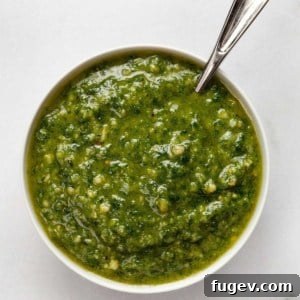
With a combination of fresh herbs, nuts, cheese and olive oil, it’s so simple to master how to make pesto, one of the most versatile sauces.
Ingredients
- 2 garlic cloves
- 1 cup packed basil leaves
- 1/4 cup pine nuts (or chopped walnuts or almonds)
- 1/2 ounce grated Parmesan (about 1/4 cup)
- 1/4 teaspoon kosher salt
- 1/4 teaspoon black pepper
- 1/4-1/3 cup extra virgin olive oil
Get New Recipes Weekly!
Enter your email to receive this recipe and new delicious ideas delivered straight to your inbox every week.
Instructions
- Mince the garlic in a food processor or blender until very fine.
- Add the basil, nuts, Parmesan, salt and pepper to the food processor. Process with short pulses until finely chopped. Scrape down the sides as needed.
- With the motor running, slowly drizzle in the olive oil through the feeder tube until the pesto is pureed and combined to your desired consistency. Avoid over-processing to maintain a fresh, vibrant green color.
Notes
This recipe can easily be doubled if you need a larger batch.
Store the pesto in an airtight container in the refrigerator for up to 2 weeks. To prevent browning, press plastic wrap directly onto the surface of the pesto, or pour a thin layer of olive oil over the top before sealing. If the olive oil solidifies in the fridge, let it sit at room temperature for about 15 minutes before using, then stir well.
To keep the pesto longer, you can freeze it for up to 4 months. Store in a single freezer-safe container or portion it out into ice cube trays for convenient individual servings. Thaw at room temperature before use.
Nutrition
Calories: 195kcal |
Carbohydrates: 2g |
Protein: 3g |
Fat: 20g |
Saturated Fat: 3g |
Polyunsaturated Fat: 4g |
Monounsaturated Fat: 12g |
Cholesterol: 3mg |
Sodium: 208mg |
Potassium: 82mg |
Fiber: 0.5g |
Sugar: 0.3g |
Vitamin A: 350IU |
Vitamin C: 2mg |
Calcium: 47mg |
Iron: 1mg
Nutrition information is automatically calculated, so should only be used as an approximation.
Additional Info
Did you make this recipe?
Mention @lastingredient on Instagram and tag it #lastingredient!