The Ultimate Pfeffernusse Recipe: Your Guide to Perfectly Spiced German Christmas Cookies
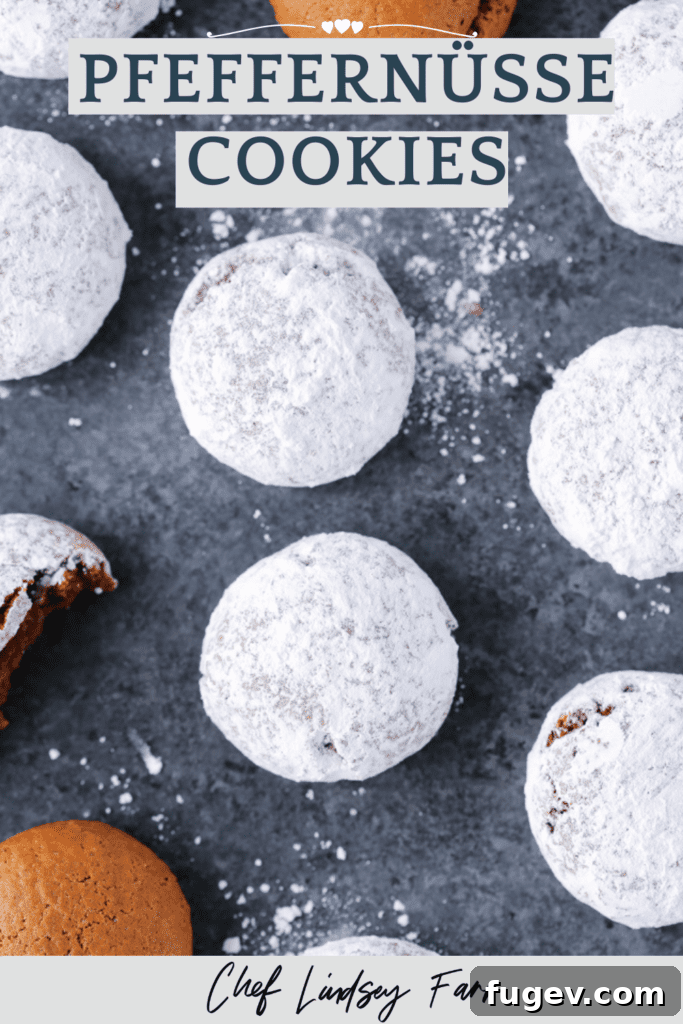
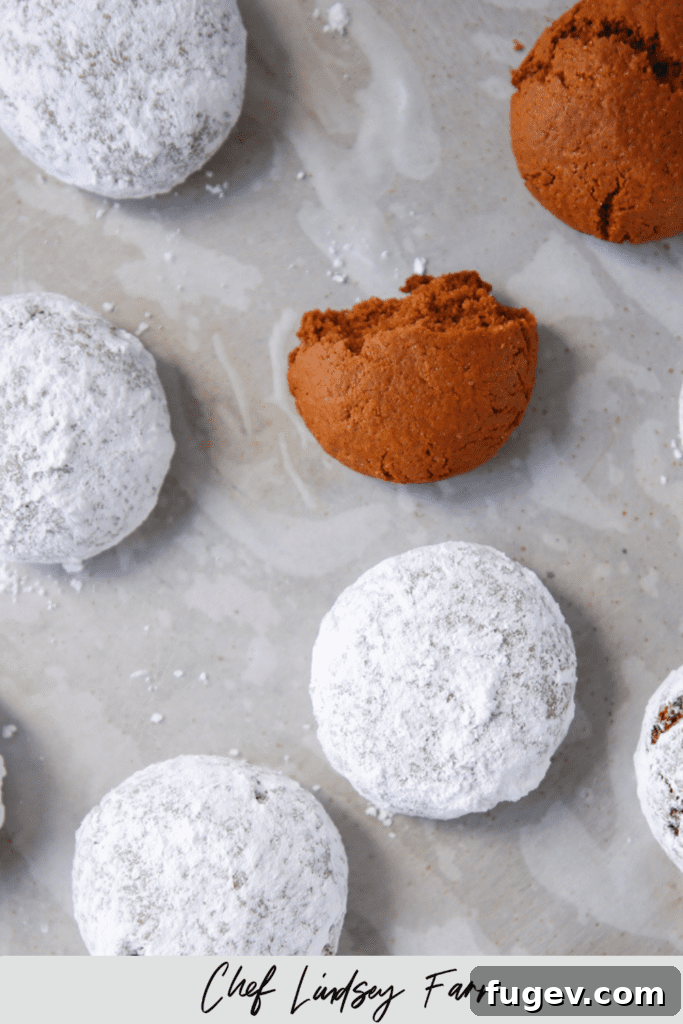
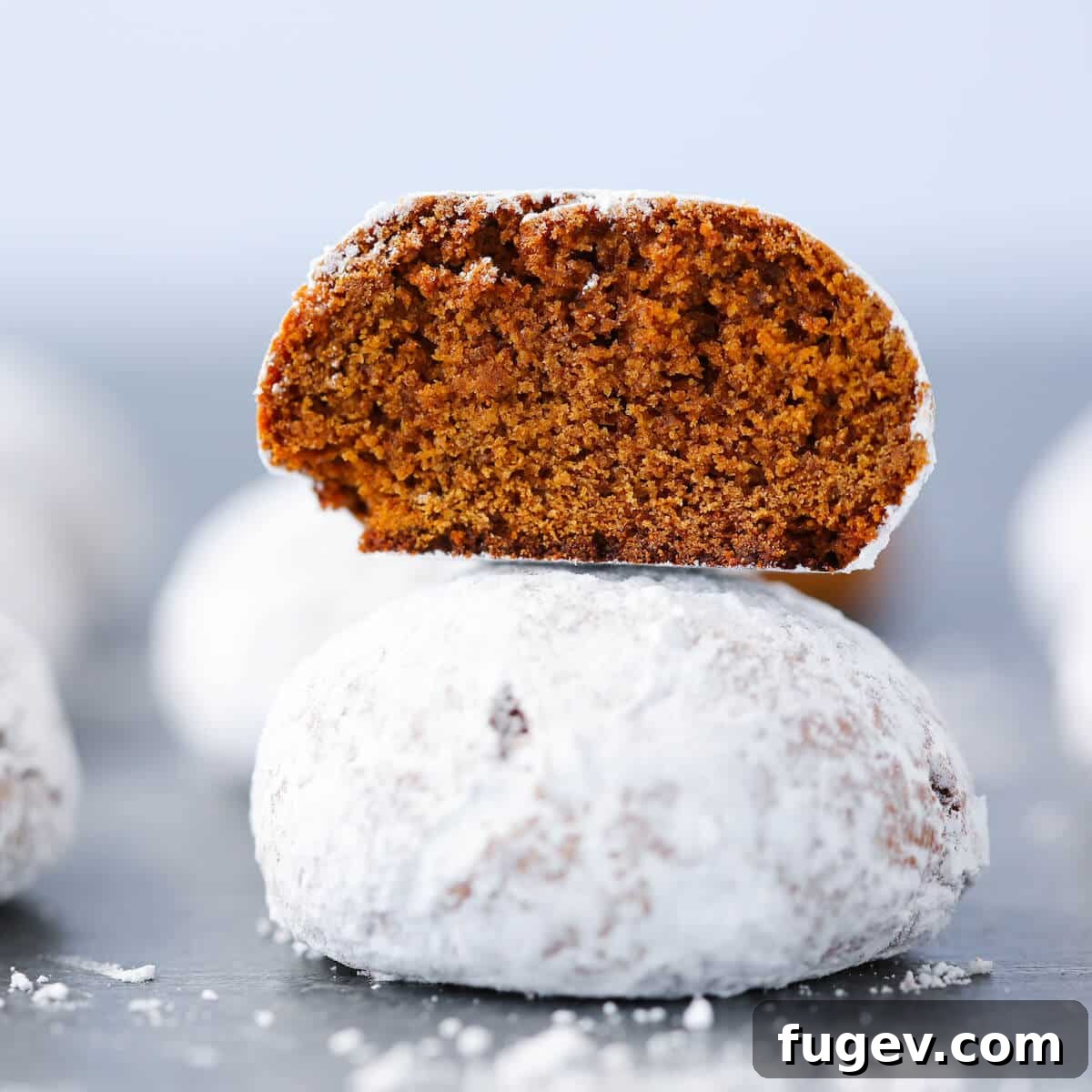
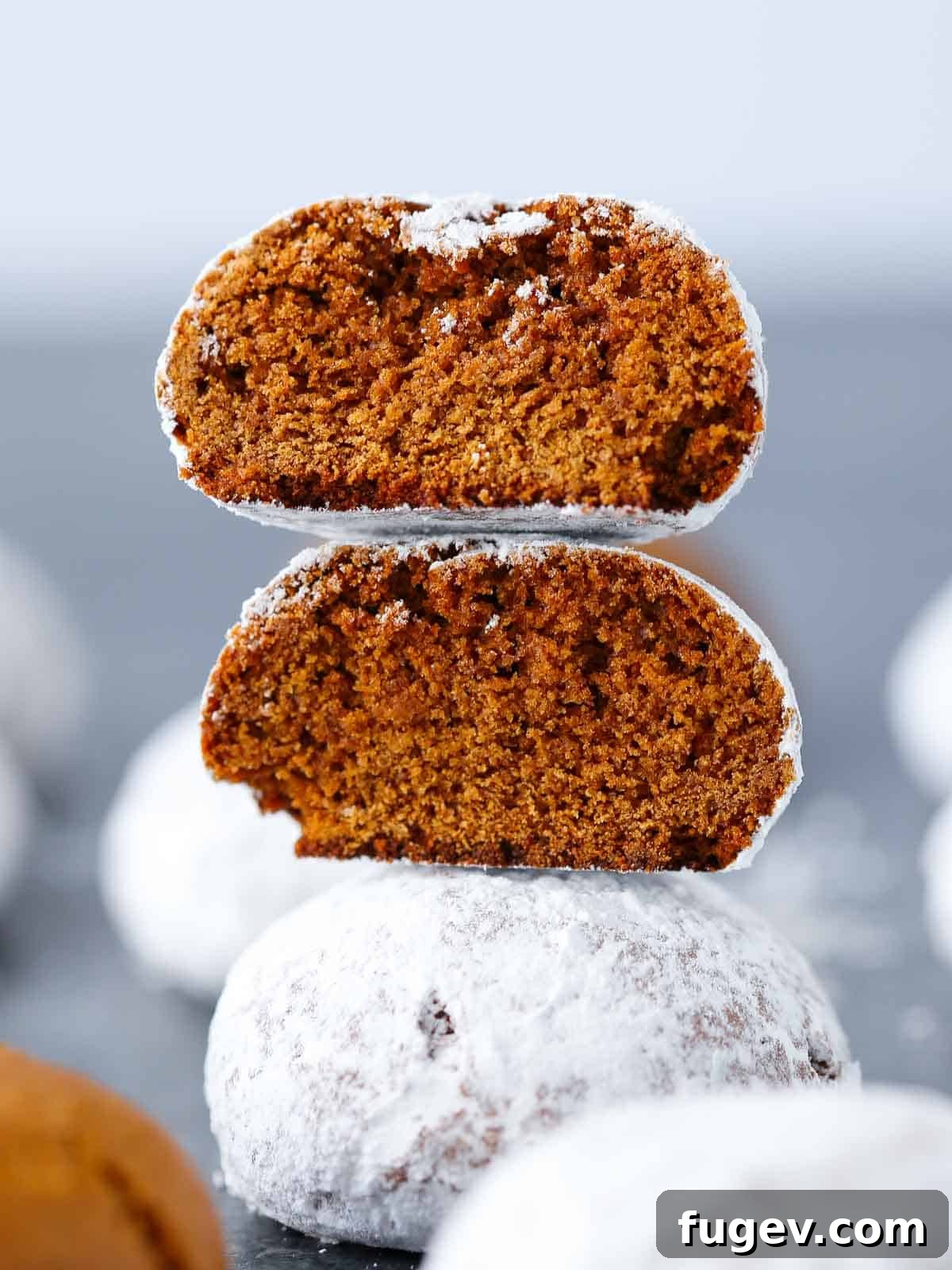
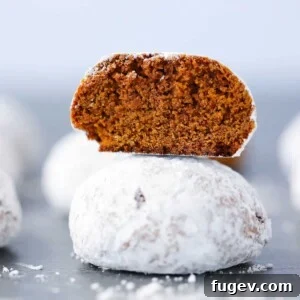
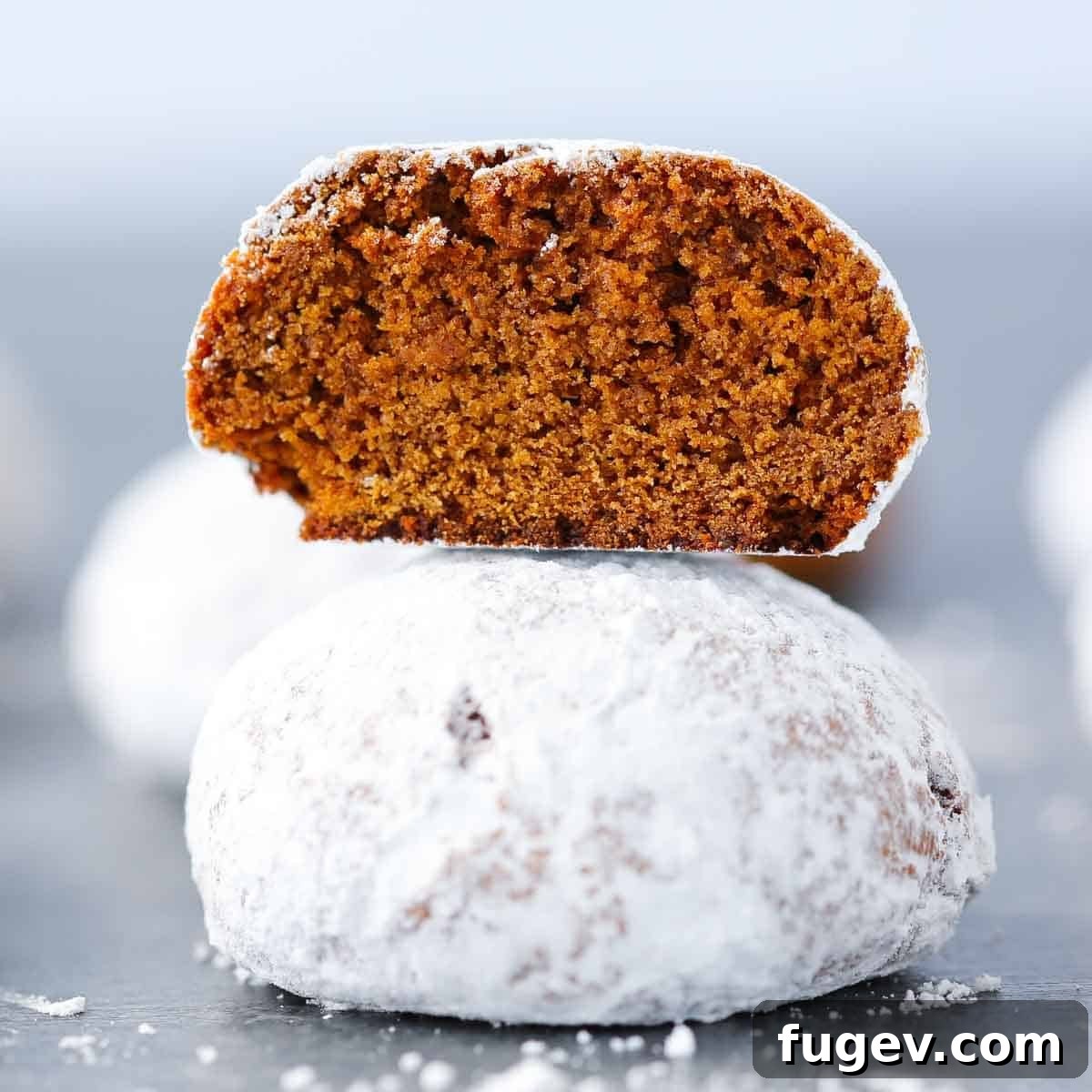
Step into the enchanting world of holiday baking with these exquisite **Pfeffernusse cookies**! These small, round German spiced cookies are a cherished tradition, especially during the festive Christmas season. Each bite offers a delightful blend of warm, aromatic spices like cinnamon, cloves, nutmeg, and a unique hint of white pepper, all brought together by the deep, rich notes of molasses. Coated in a delicate dusting of powdered sugar, Pfeffernusse are not just cookies; they’re a taste of European holiday heritage, promising a soft, tender texture that melts in your mouth.
A Quick Look At The Recipe
This is a brief summary of the recipe. Jump to the full recipe for complete details and measurements.
Jump to Recipe
Prep Time
20 minutes
Cook Time
12 minutes
Chill Time
2 hours
Total Time
2 hours 32 minutes
Servings
54 Cookies
Difficulty
Easy—straightforward mixing with a crucial chilling period for perfect texture.
Calories *
79 kcal per serving
Technique
Combine spiced dough, chill thoroughly, roll into small spheres, bake until golden, then finish with a snowy powdered sugar coating.
Flavor Profile
Rich, warm, and subtly peppery spice notes harmonizing with deep molasses undertones, all balanced by a sweet, soft sugar exterior.
* Based on nutrition panel
I grew up seeing these on cookie trays but never tried making them myself until now. The cookies baked up with smooth, rounded tops in just about 12 minutes. The spice blend had a warm kick that lingered just enough! Couldn’t get enough! ⭐⭐⭐⭐⭐
Lauren
Why You Will Love This Authentic Pfeffernusse Recipe
This Pfeffernusse recipe isn’t just another cookie; it’s an experience rooted in tradition and perfected for modern bakers. Here’s why these German spiced cookies will become your new holiday favorite:
- Unbeatably Tender, Soft Texture: Forget dry, crumbly cookies. Unlike many traditional holiday treats, Pfeffernusse boast an incredibly soft, almost cake-like texture. The inclusion of melted butter and a long chill time ensures a dough that bakes into perfectly tender cookies. The generous coating of powdered sugar or icing acts as a protective layer, locking in moisture and maintaining that desirable softness for days.
- Pleasantly Spiced Molasses Flavor Profile: Each cookie is a symphony of robust, balanced flavors. The rich, earthy sweetness of molasses forms the backbone, beautifully complemented by a carefully selected blend of warm spices. Cinnamon, cloves, and nutmeg provide classic holiday warmth, while a subtle pinch of white pepper adds an unexpected, sophisticated kick that lingers on the palate, making these truly unique.
- An Effortlessly Easy Christmas Cookie: Don’t let their elegant appearance intimidate you! This recipe is designed for simplicity. The dough comes together quickly in just one bowl, utilizing melted butter which not only makes mixing a breeze but also helps “bloom” the spices, intensifying their aromatic compounds for maximum flavor. While chilling is essential, the hands-on prep is minimal, making it an ideal choice for busy holiday bakers. Plus, the dough is incredibly forgiving and easy to work with!
- Perfect for Gifting and Sharing: With their delightful flavor, soft texture, and extended shelf life, Pfeffernusse cookies are ideal for holiday gift baskets, cookie exchanges, or simply sharing with loved ones. They travel well and are always a welcome addition to any festive spread.
- A Taste of European Tradition: Hailing from Germany, these cookies bring a touch of old-world charm to your Christmas celebrations. They connect you to centuries of baking tradition, making your holiday baking feel even more special and meaningful.
Table of Contents
- Why You Will Love This Authentic Pfeffernusse Recipe
- The Story Behind Pfeffernusse
- Key Ingredients for Perfect Pfeffernusse
- Variations & Substitutions for Your Pfeffernusse
- What Exactly are Pfeffernüsse?
- Professional Tips for Mastering Pfeffernüsse
- How to Make Pfeffernusse: Step-by-Step Guide
- Chef Lindsey’s Recipe Tip
- Pfeffernusse Recipe FAQs
- Recommended Spiced Cookie Recipes
- Pfeffernüsse Cookies Recipe Card
- Before You Go: More Holiday Cookie Inspiration
The Story Behind Pfeffernusse: A Classic Holiday Tradition
This beloved Pfeffernusse recipe traces its roots back to the cherished pages of my 1966 edition of the Better Homes and Gardens’ Cookies and Candies Cookbook. It’s a testament to timeless recipes that continue to delight generations. This particular version yields beautifully spiced, irresistibly tender cookies with a subtly soft texture that truly captures the essence of classic German baking. While I’ve chosen to generously toss them in powdered sugar for a snowy, festive finish, a simple milk and powdered sugar icing would also be a fantastic alternative, adding another layer of sweetness and moisture.
There’s something truly magical about European Christmas desserts. They often possess a unique mastery of spiced-molasses flavors that are simply unparalleled. When it comes to traditional holiday cookies, Europe has a treasure trove of recipes that evoke warmth, comfort, and festive cheer. Beyond these delightful Pfeffernusse, one can explore the comforting chew of soft gingerbread cookies, the intricate beauty of homemade speculoos cookies, the fruity sweetness of apricot kolacky cookies, and the delicate crispness of Swedish pepparkakor cookies. And that’s not even counting the rich, fruit-filled German stollen bread or the elegant, jam-filled traditional Linzer cookies! Pfeffernusse stand proudly among these European giants, offering their own distinct charm and flavor to your holiday table.
Key Ingredients for Perfect Pfeffernusse
Crafting the perfect batch of Pfeffernusse relies on a few key ingredients, each playing a crucial role in achieving their signature flavor and tender texture. Here’s a closer look at what you’ll need and some helpful tips:
- Molasses: This is the heart of the cookie’s deep, caramelized flavor and soft texture. I highly recommend using unsulphured molasses, such as Grandma’s Molasses, known for its lighter, milder, and less bitter profile. It imparts wonderful warm, caramel notes without the strong, sometimes overpowering “bite” of blackstrap molasses. Quality molasses is key to the authentic taste.
- Butter: Butter not only adds richness and flavor but also contributes significantly to the tender crumb. This recipe doesn’t call for additional salt, so you have the flexibility to use either salted or unsalted butter based on your preference. If using unsalted, you might consider adding a tiny pinch of fine sea salt to enhance the overall flavor balance.
- Eggs: Eggs act as a binder, providing structure and moisture to the dough. Using room-temperature eggs helps them incorporate more smoothly into the other ingredients, leading to a more consistent dough texture.
- All-Purpose Flour: The foundation of our cookie structure. All-purpose flour contains just the right amount of gluten to create cookies that are wonderfully soft and tender, yet strong enough to hold their charming small, round shape without spreading excessively.
- Granulated Sugar: While molasses provides deep sweetness, granulated sugar adds a lighter sweetness and helps with browning and texture.
- Baking Soda: This leavening agent is vital for giving the cookies a slight lift and contributes to their soft texture. Baking soda reacts with the natural acidity in the molasses, creating carbon dioxide bubbles that expand during baking.
- Cinnamon: A staple in virtually all spiced holiday cookies, cinnamon brings its comforting, sweet, and woody aroma. Its presence is essential for the classic Pfeffernusse flavor.
- Cloves: For the most vibrant and aromatic flavor, I strongly recommend using freshly ground whole cloves if you have the time. The difference from pre-ground cloves is remarkable; fresh cloves release a more intense, warm, and slightly pungent spice that truly elevates the cookie. If grinding your own, sift them to ensure a fine powder.
- Nutmeg: Similar to cloves, freshly grated nutmeg offers a far more aromatic and complex flavor profile, often with subtle citrusy undertones, compared to its pre-ground counterpart. If opting for freshly grated, use only about ¼ teaspoon, as its potency is much higher. For convenience, good quality pre-ground nutmeg works well too, just ensure it’s fresh and fragrant.
- White Pepper: This is the “Pfeffer” in Pfeffernusse and what makes these cookies truly distinctive! White pepper provides a unique musty, earthy warmth and a gentle, subtle heat that differentiates them from other spiced cookies. Its flavor is more nuanced than black pepper. If white pepper isn’t available, black pepper can be used as a substitute, though it will impart a slightly sharper, more common peppery note.
- Confectioner’s Sugar: Used for coating, this fine sugar creates the iconic snowy finish, adding a delicate sweetness and a lovely contrast to the dark, spiced cookie.
See the recipe card below for full information on ingredients and precise quantities.
Variations & Substitutions for Your Pfeffernusse
While the classic Pfeffernusse recipe is a masterpiece in itself, there are many ways to customize these delightful cookies to suit your taste or available ingredients. Get creative with these variations and substitutions:
- Experiment with Lebkuchengewürz: For a truly authentic German gingerbread spice blend, consider replacing the individual spices in this recipe with Lebkuchengewürz. This traditional German spice mix typically includes cinnamon, nutmeg, cloves, cardamom, star anise, allspice, and sometimes coriander seeds. You can purchase it pre-made or try your hand at a homemade Lebkuchengewürz blend for an even fresher flavor.
- Elevate with a Sweet Glaze or Icing: Instead of simply tossing the Pfeffernusse in powdered sugar, consider dipping them in a thin, elegant icing. A simple glaze made by whisking powdered sugar with a small amount of milk (or lemon juice for a zesty twist) creates a beautiful, glossy coating that sets and helps to seal in moisture, keeping the cookies soft for longer. Place them on a wire rack over parchment paper to allow any excess glaze to drip off and the coating to dry evenly.
- Add a Nutty Dimension with Nut Flour: Introduce another layer of flavor and a slightly different texture by substituting up to ½ cup of the all-purpose flour with a finely ground nut flour. Almond flour or hazelnut meal would be particularly delightful choices, complementing the warm spices and adding a richer, more complex taste. This variation also adds a lovely chewiness.
- Include Citrus Zest: For a bright, aromatic lift, finely grate the zest of half an orange or a whole lemon into the molasses mixture. Citrus notes beautifully enhance warm spices and add a refreshing counterpoint to the richness of the molasses.
- A Touch of Ginger: While white pepper provides a unique kick, a small amount of ground ginger (½ to 1 teaspoon) can be added to the spice blend for a more pronounced traditional gingerbread flavor without overpowering the existing spices.
What Exactly are Pfeffernüsse?
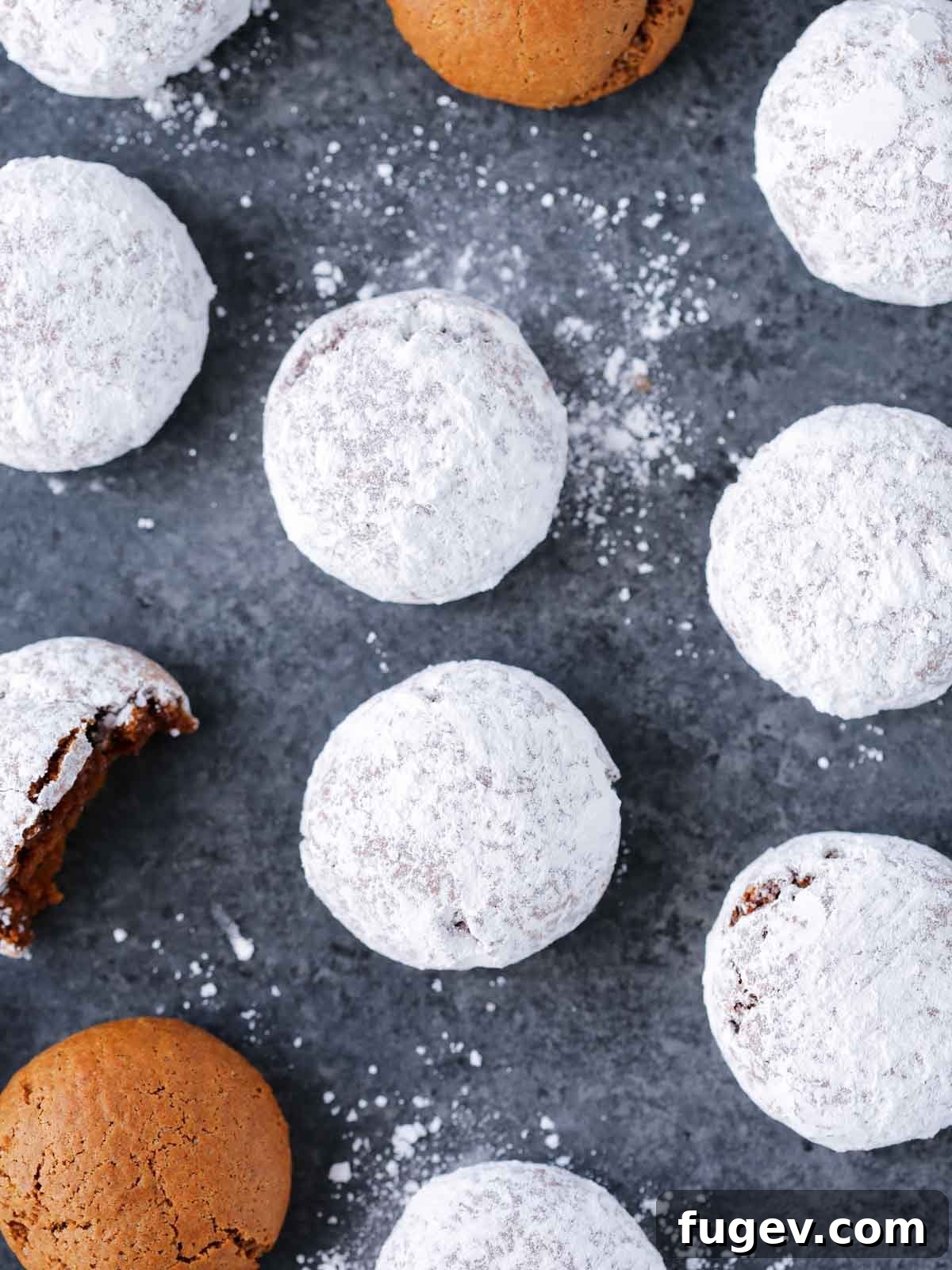
Pfeffernüsse (pronounced “FEF-fer-noo-seh”) are a beloved traditional German Christmas cookie, deeply rooted in European holiday customs. The name itself, “Pfeffernüsse,” literally translates to “pepper nut” in German. This intriguing name perfectly encapsulates two of their defining characteristics:
- “Pfeffer” (Pepper): These cookies famously incorporate a pinch of pepper (typically white pepper, though black pepper can also be used) into their vibrant spice blend. This addition provides a subtle, warming kick and a unique complexity that sets them apart from other spiced cookies. It’s not a fiery heat, but rather a gentle background warmth that complements the sweeter spices.
- “Nüsse” (Nuts): The “nut” part of their name refers to their characteristic small, round shape. Traditionally, Pfeffernusse are rolled into small spheres, resembling little nuts, making them easy to pop into your mouth.
Originating in the Netherlands and Germany, these cookies have been enjoyed for centuries, with recipes dating back to the 18th century. They are typically flavored with a rich medley of molasses and a diverse array of warming spices, which can include cinnamon, nutmeg, cloves, cardamom, ginger, and, of course, pepper. While the specific spice blend and texture can vary slightly by region (for example, Dutch “pepernoten” are often crunchier and have a slightly different spice profile), the core essence of a small, spiced, and often sugar-coated cookie remains consistent. Pfeffernusse are a quintessential part of Christmas cookie platters, symbolizing warmth, festivity, and the rich culinary traditions of Central Europe.
Professional Tips for Mastering Pfeffernüsse
Achieving bakery-quality Pfeffernusse is easier than you think with these expert tips. Follow these professional insights to ensure your cookies are perfectly spiced, tender, and beautifully presented:
- Overnight Chilling for Superior Texture and Flavor: Because this recipe uses melted butter, chilling the dough is not just recommended, it’s absolutely crucial. An overnight chill (or at least several hours) is ideal. This extended time allows the butter to resolidify completely, which prevents the cookies from spreading too much in the oven. More importantly, it gives the complex blend of spices ample time to meld and fully bloom, intensifying their flavors and resulting in a much richer, more aromatic cookie. Don’t rush this step!
- Mastering the Art of Not Over-baking: Pfeffernusse are already dark in color due to the molasses, making it tricky to visually gauge doneness. Over-baking will lead to dry, hard cookies. To avoid this, watch for subtle cues: the cookies should just begin to show a slight browning around the edges, their surface will appear matte rather than shiny, and you might see small, delicate cracks forming on top. They should still feel slightly soft to the touch in the center when removed from the oven, as they will firm up as they cool.
- For Longer Storage, Opt for an Icing Glaze: If you plan to make these Christmas cookies well in advance or want to maximize their shelf life, dipping them in a simple glaze (made with powdered sugar and milk) instead of just tossing them in powdered sugar is an excellent strategy. The glaze creates a protective barrier that seals in moisture, keeping the cookies delightfully soft and fresh for longer periods. Allow the glaze to set completely on a cooling rack before storing.
- Even Rolling for Consistent Baking: When shaping the dough, aim for consistently sized 1-inch balls. Using a small cookie scoop or even a kitchen scale can help ensure uniformity. Evenly sized cookies bake at the same rate, preventing some from being underdone and others overdone.
- Work Quickly with Chilled Dough: Once you take the dough out of the refrigerator, work quickly to roll the balls. Keeping the dough cool for as long as possible minimizes spreading during baking, helping your Pfeffernusse maintain their perfect round, “nut-like” shape. If your kitchen is warm, consider working in smaller batches, returning the rest of the dough to the fridge.
How to Make Pfeffernusse: Step-by-Step Guide
Follow these detailed instructions to create your own batch of traditional German Pfeffernusse cookies. Refer to the recipe card below for exact measurements and further specifics.
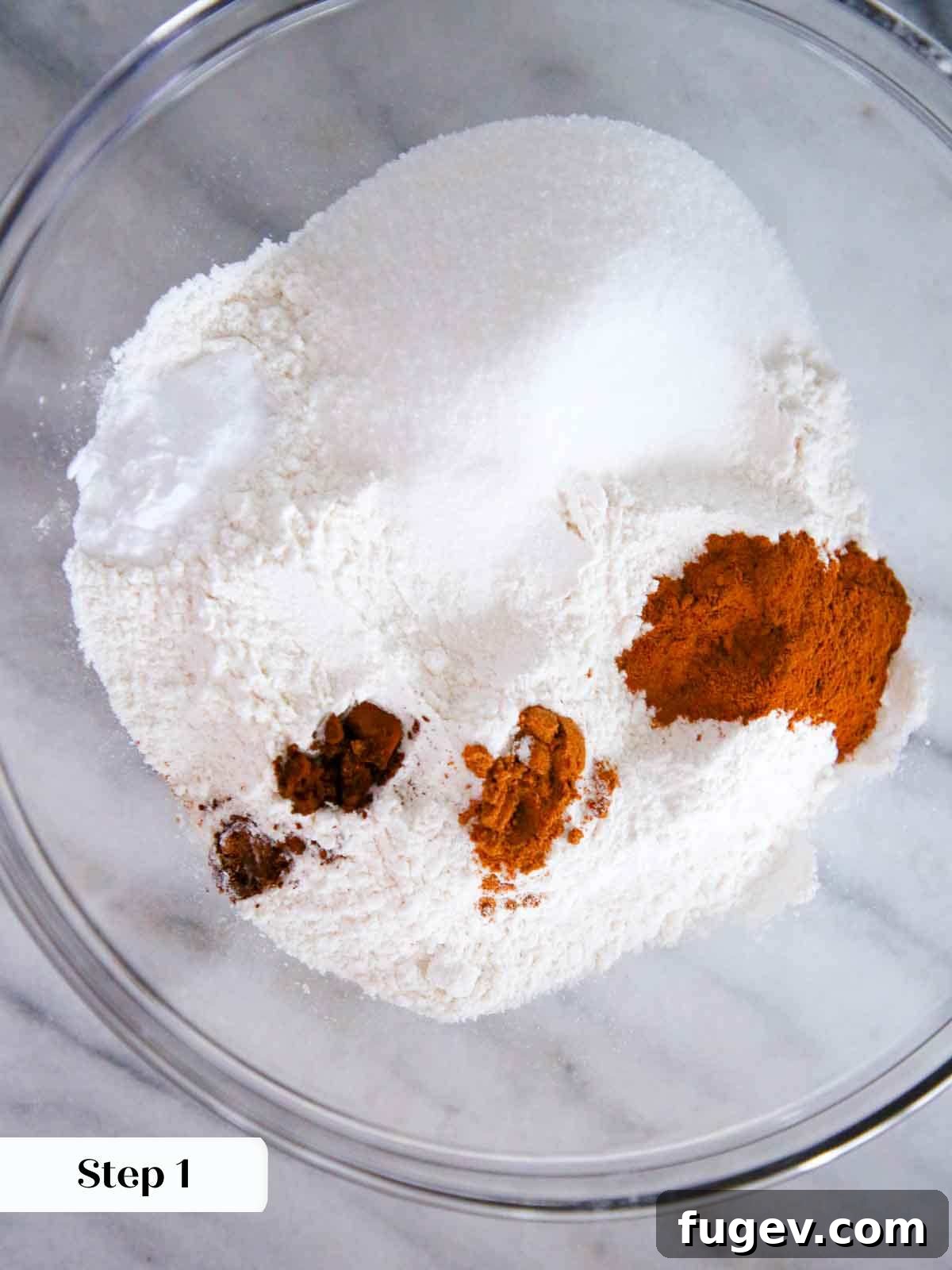
Step 1: Combine Dry Ingredients. In a large mixing bowl, thoroughly whisk together the all-purpose flour, granulated sugar, baking soda, cinnamon, cloves, nutmeg, and white pepper. Ensure all the spices are evenly distributed throughout the flour mixture.
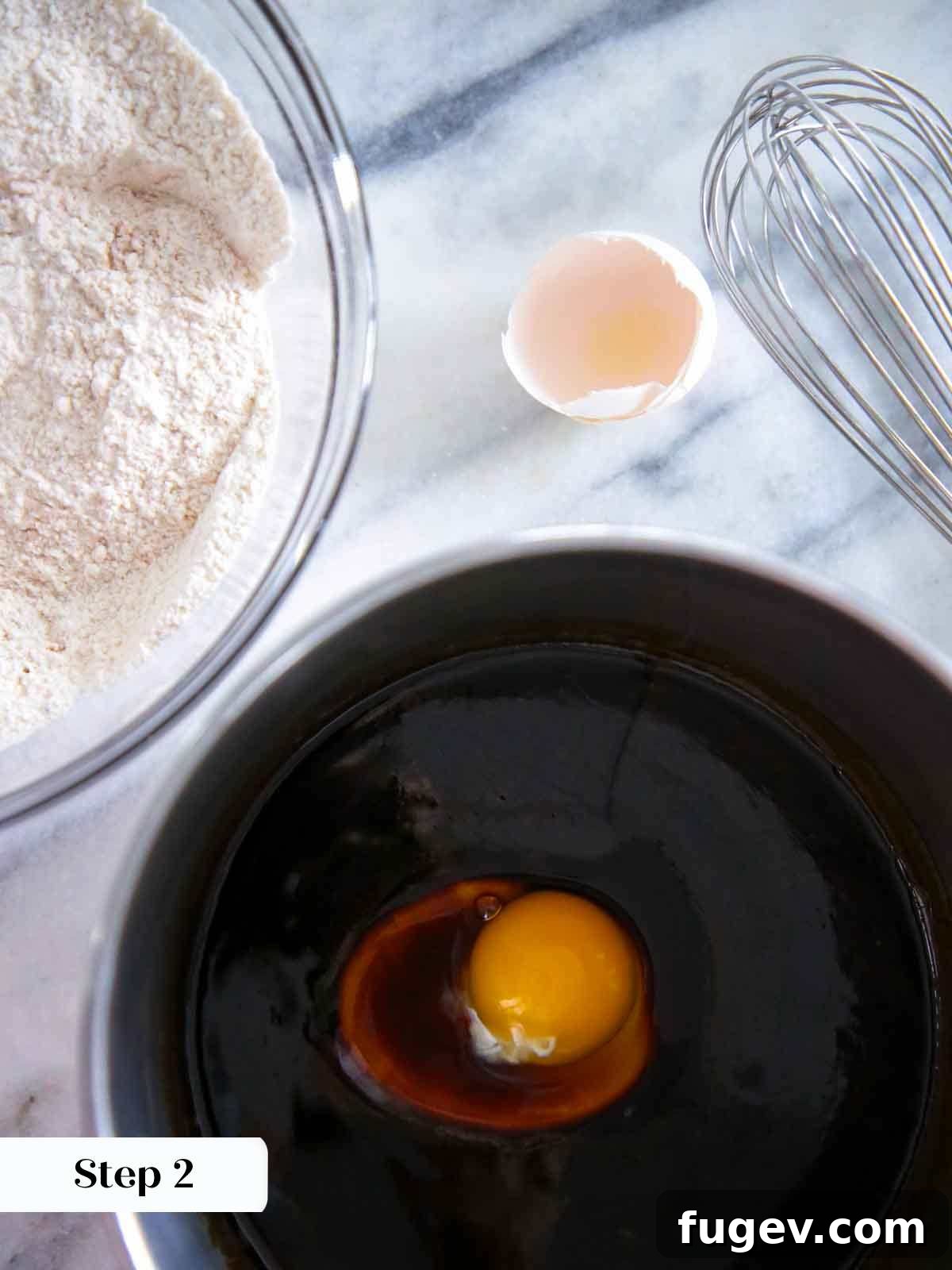
Step 2: Prepare Molasses and Butter Mixture. In a large pot or microwave-safe bowl, gently melt the molasses and butter together over low heat or in the microwave until just combined and smooth. It’s important not to overheat. Once melted, remove from heat and allow the mixture to cool completely to room temperature. This step is crucial to prevent the egg from cooking when added.
Pro Tip for Cooling: To speed up the cooling process for the molasses and butter mixture, you can transfer it to a wider, shallow bowl or place the pot on an elevated trivet or even in an ice bath. Ensuring it’s at room temperature is essential before moving to the next step.
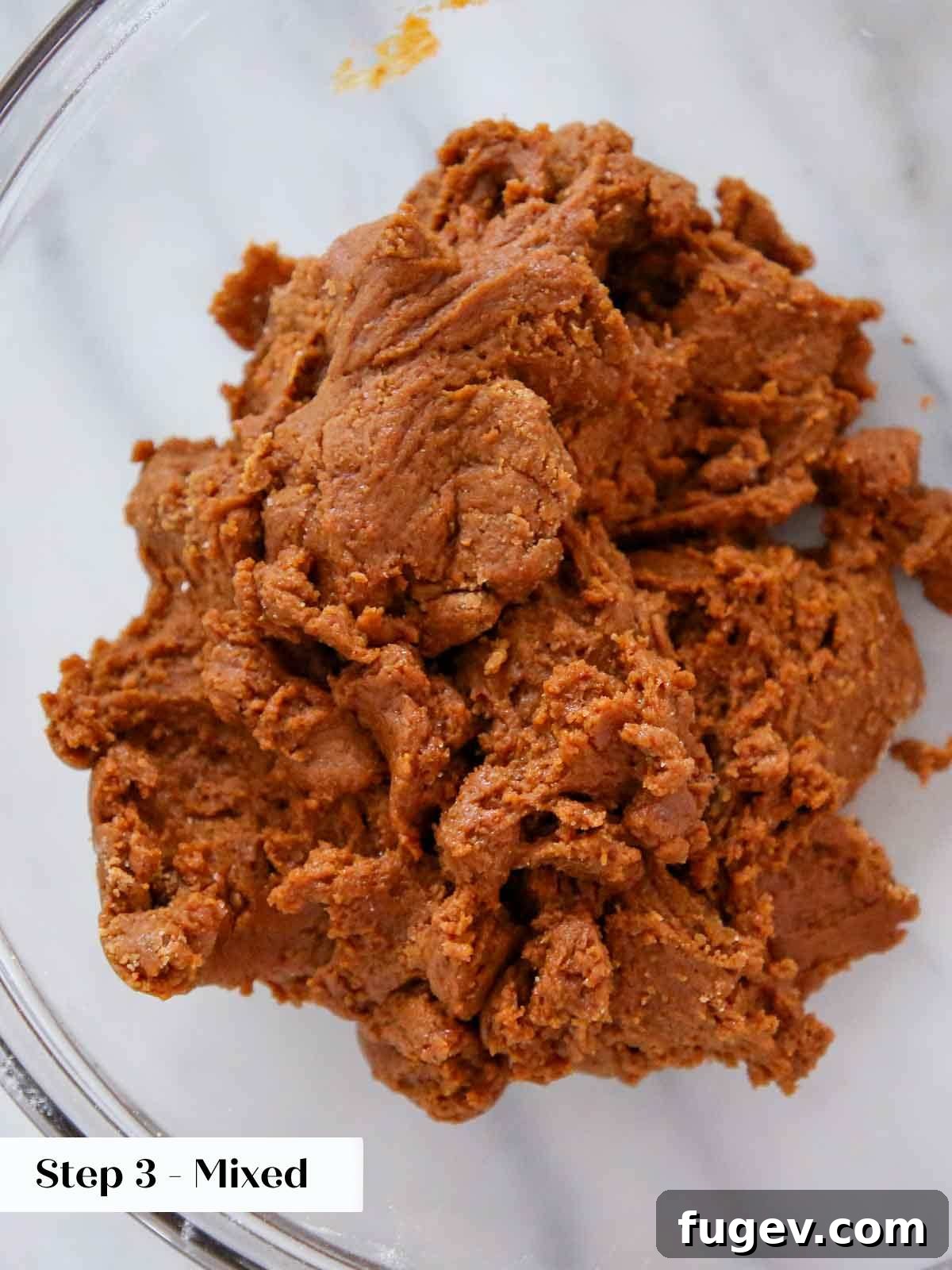
Step 3: Integrate Wet and Dry Ingredients. Once the molasses mixture has cooled to room temperature, whisk in the beaten eggs until the mixture is smooth and well combined. Then, gradually pour this wet mixture into the bowl with your dry ingredients. Mix thoroughly until a smooth, cohesive dough forms. Avoid overmixing, which can lead to tough cookies.
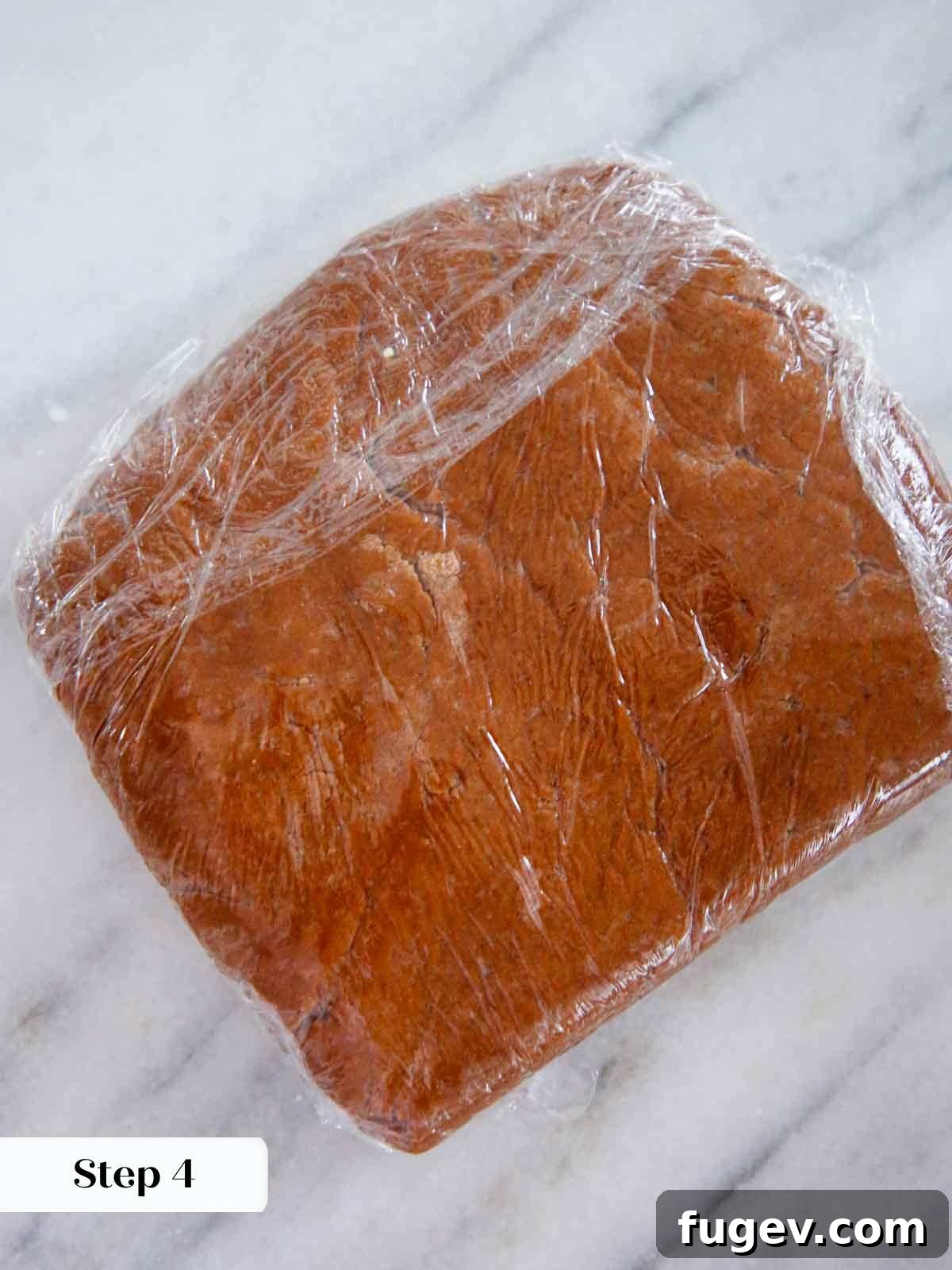
Step 4: Chill the Dough. Lay a large piece of plastic wrap on your counter. Turn the freshly mixed dough out onto the plastic wrap. Gently shape the dough into a ball or a flattened disc (no thicker than an inch) for faster, more even chilling. Wrap it tightly and refrigerate for several hours, or ideally, overnight. This chilling period is non-negotiable for the best texture and flavor development.
Chilling Efficiency: Pressing the dough into a flatter, square or disc shape (no thicker than an inch) before wrapping will significantly help it cool faster and more uniformly, shortening the overall chilling time.
Step 5: Prepare for Baking. Preheat your oven to 375°F (190°C). Line several baking sheets with parchment paper or silicone baking mats. This prevents sticking and ensures even baking.
Step 6: Shape the Cookies. Remove the chilled dough from the refrigerator. Working quickly to keep the dough cool, roll small portions of dough into 1-inch balls. Arrange them about 1-2 inches apart on the prepared baking sheets.
Shaping Tip: Maintaining a cool dough is critical to prevent excessive spreading during baking. If the dough becomes too warm and sticky, return it to the refrigerator for 10-15 minutes before continuing. Consistent sizing will also ensure uniform baking.
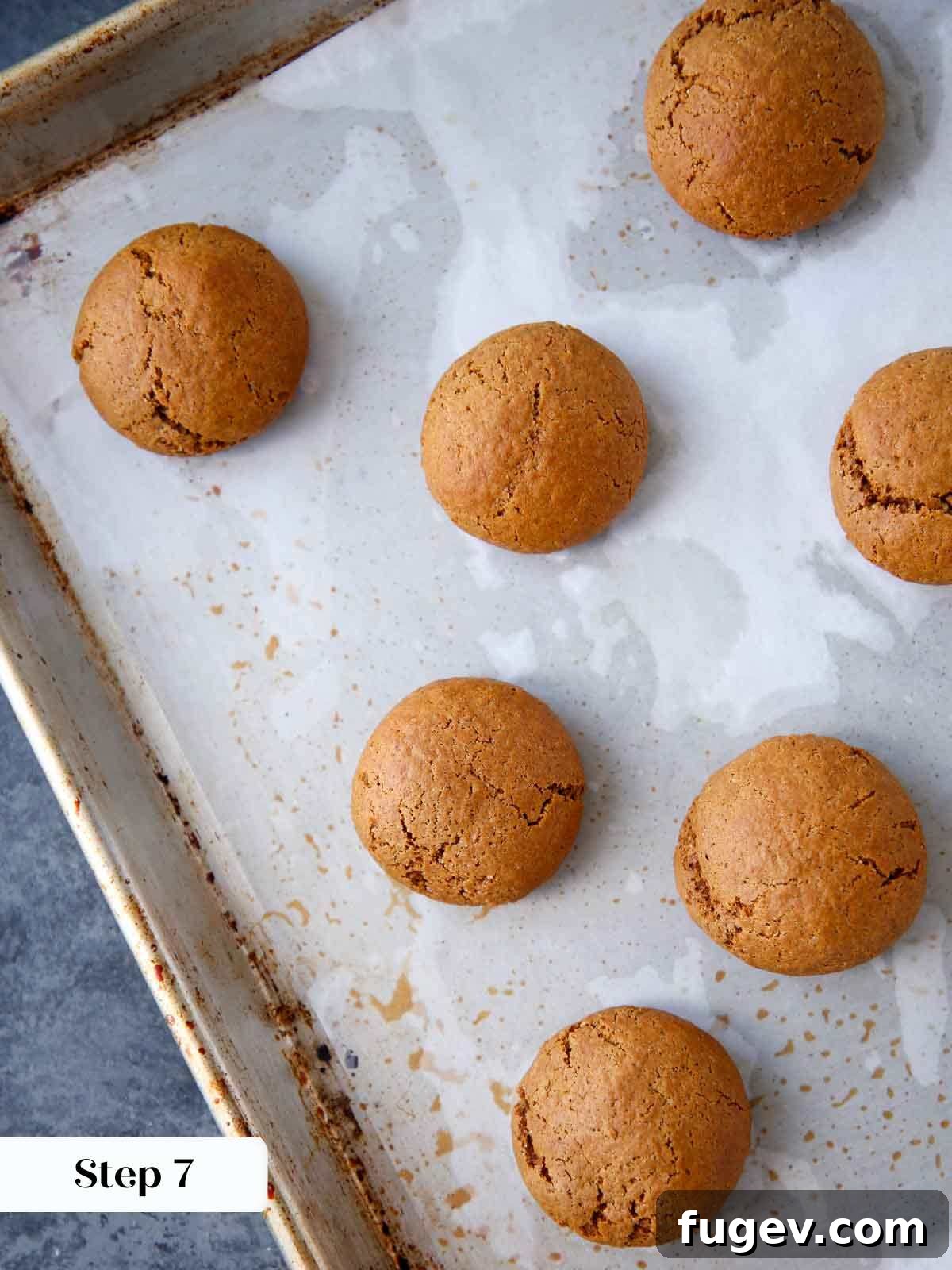
Step 7: Bake the Cookies. Bake the cookies in the preheated oven for approximately 10-12 minutes. Remember to watch for the signs of doneness mentioned in the professional tips section – a matte surface, slight browning, and small cracks. Once baked, transfer the cookies to wire racks and allow them to cool completely before coating.
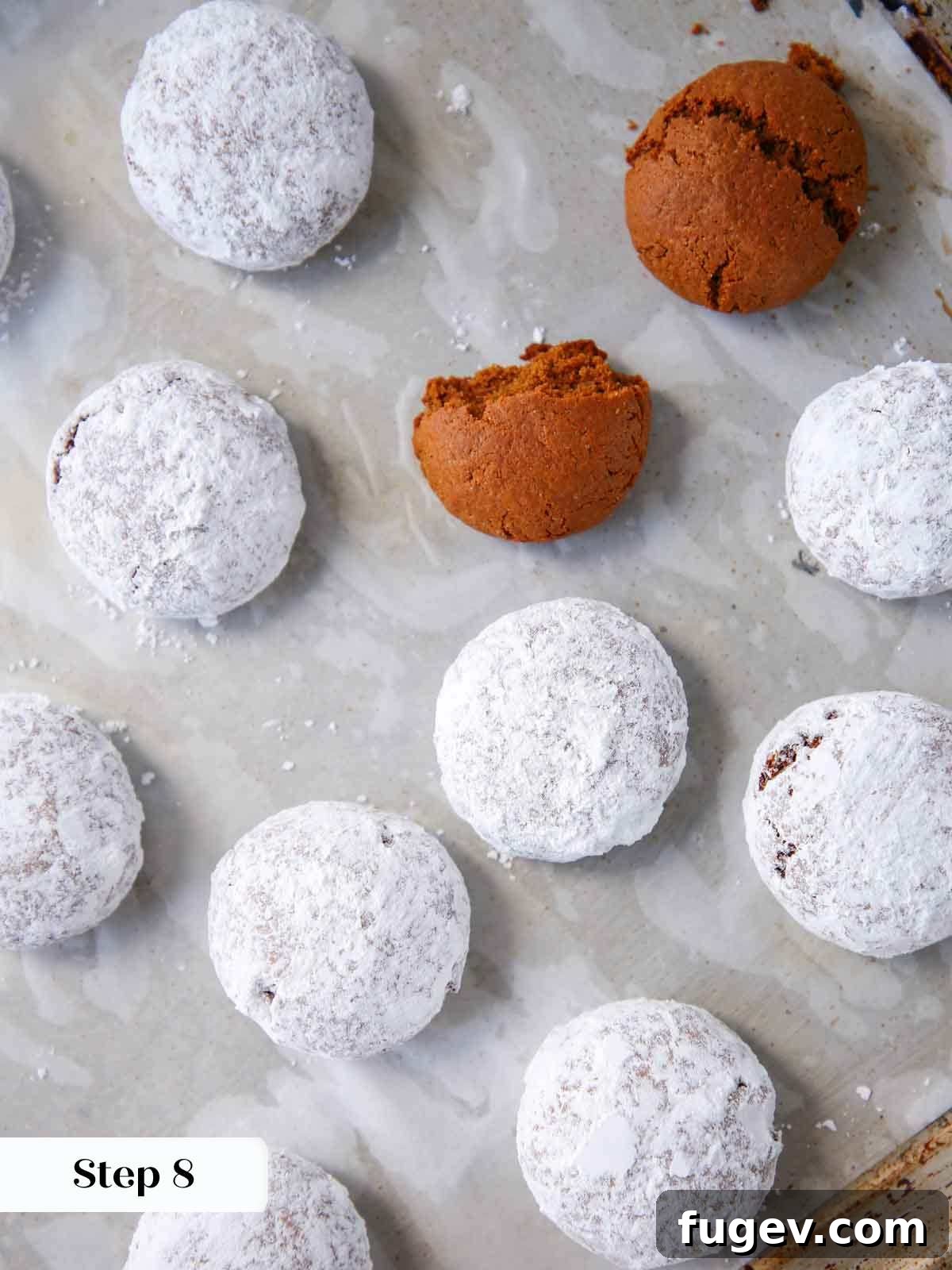
Step 8: Coat with Powdered Sugar. Once the cookies are entirely cool, place the confectioner’s sugar in a shallow bowl. Gently roll each cookie in the powdered sugar until it’s generously coated on all sides. For an extra festive look, you can give them a second roll in sugar just before serving.
Chef Lindsey’s Recipe Tip
The original recipe, as written, yields a generous 4 ½ dozen (54) cookies! This is perfect for large gatherings or holiday gifting. However, if you’re baking for a smaller crowd or simply want fewer cookies, you can easily halve the recipe to great success. The integrity and flavor of the cookies remain excellent in a smaller batch.
Pfeffernusse Recipe FAQs
Have questions about making, storing, or enjoying your Pfeffernusse cookies? Find your answers here:
For optimal freshness and their signature soft texture, I recommend storing Pfeffernusse in an airtight container at room temperature. They will remain delicious for up to 5 days when coated solely in powdered sugar. If you choose to dip them in an icing glaze, their shelf life extends to about 7-10 days at room temperature, as the glaze helps to lock in moisture. For longer storage, Pfeffernusse freeze exceptionally well. Place them in a freezer-safe airtight container or bag for up to 3 months. When ready to enjoy, simply thaw them at room temperature and, if desired, give them another roll in fresh powdered sugar for a pristine finish.
Absolutely! Due to their robust nature and relatively long shelf-life, Pfeffernusse make excellent candidates for shipping. Their spice flavors hold up beautifully, and their soft texture endures the journey well. However, a crucial tip for shipping: avoid packing them in the same box or tin with other types of cookies, especially those without powdered sugar. The powdered sugar coating on Pfeffernusse is delicate and will inevitably transfer to other cookies, making a bit of a sweet mess. Pack them separately for the best presentation upon arrival.
While both gingerbread and Pfeffernusse are celebrated molasses spice cookies, they have distinct characteristics. Gingerbread cookies are traditionally rolled out and cut into various shapes using cookie cutters (think gingerbread men or stars). Their texture can vary widely, from soft and chewy to dry and crunchy, and they are often adorned with intricate icing decorations or left plain. Pfeffernusse, on the other hand, are always small, round, “nut-shaped” cookies. While they share many common spices with gingerbread, Pfeffernusse are defined by the inclusion of pepper (the “Pfeffer” element) and are consistently coated in either powdered sugar or a simple milk glaze. Their texture is consistently soft and tender.
Pfeffernusse are incredibly versatile and delightful in many ways! They are, of course, delicious enjoyed simply on their own, perhaps as a festive snack or a sweet accompaniment to a cup of hot tea or coffee. The warm spices pair wonderfully with both beverages. For an elevated dessert experience, try serving them alongside a spoonful of rich vanilla bean crème anglaise sauce for dipping. The creamy, smooth sauce beautifully balances the intense molasses and spice flavors of the cookie, creating a truly luxurious treat.
Yes, absolutely! Pfeffernusse dough is excellent for making ahead. After mixing and chilling, you can shape the dough into balls and then freeze them on a parchment-lined baking sheet until solid. Once frozen, transfer the cookie dough balls to a freezer-safe bag or airtight container for up to 3 months. When you’re ready to bake, simply arrange the frozen dough balls on a prepared baking sheet and bake as directed, adding a minute or two to the baking time if needed.
Recommended Spiced Cookie Recipes
Cookie Recipes
Chai Sugar Cookies
Cookie Recipes
Molasses Spice Cookies
Cookie Recipes
Swedish Pepparkakor Cookies
Cookie Recipes
Traditional Speculoos Cookies
If you tried this recipe and loved it, please leave a 🌟 star rating and let me know how it goes in the comments below. I love hearing from you; your comments make my day!
Pfeffernüsse Cookies
Comment
Print Recipe
Ingredients
- ¾ cup molasses
- ½ cup butter
- 2 eggs beaten
- 4 ¼ cups all purpose flour
- ½ cup granulated sugar
- 1 ¼ teaspoon baking soda
- 2 teaspoon cinnamon
- ½ teaspoon cloves
- ½ teaspoon nutmeg
- pinch white pepper or black peppercorn if that is all you have!
- ½ cup confectioner’s sugar for rolling
Instructions
-
In a large bowl, whisk together flour, sugar, baking soda, cinnamon, cloves, nutmeg and pepper until well combined.
-
In a large pot, melt molasses and butter over low heat, stirring until smooth. Remove from heat and cool completely to room temperature.
-
Whisk the beaten egg into the cooled molasses mixture. Pour this wet mixture into the dry ingredients and mix until a smooth dough forms.
-
Place a large piece of plastic wrap on the counter. Turn the dough out onto the plastic, shape into a flattened ball or disc, wrap tightly, and refrigerate for several hours or overnight.
-
Preheat oven to 375°F (190°C). Line several baking sheets with parchment paper.
-
Shape the chilled dough into 1-inch balls and place them on the prepared baking sheets. Bake in the preheated oven for about 10-12 minutes, watching for the edges to lightly brown.
-
Allow the baked cookies to cool completely on wire racks. Once cooled, toss them generously in confectioner’s sugar until fully coated.
Notes
Presentation & Coating Options: While tossing these cookies in powdered sugar provides an easy and beautiful snowy coating, you can also opt for a simple glaze. Prepare an icing by whisking powdered sugar with a small amount of milk (or lemon juice for a slight tang). Dip each cooled cookie into the glaze and then place it on a wire rack to drip dry and set. This method can also help extend the cookies’ softness.
Flavor Variations: To add another dimension of flavor and texture, consider substituting up to ½ cup of the all-purpose flour with a finely ground nut flour, such as almond flour or hazelnut meal. This enhances the richness and can add a subtle chew.
Storage Recommendations: Store your Pfeffernusse cookies in an airtight container at room temperature for up to 5 days when coated with powdered sugar, or up to 10 days if coated with a glaze. For longer storage, they freeze exceptionally well for up to 3 months. After thawing, a fresh roll in powdered sugar will refresh their appearance.
Source: This classic recipe is adapted from the beloved Better Homes & Gardens Cookies & Candies 1966 Edition, a testament to its enduring quality.
Nutrition
Like this? Leave a comment below!
Before You Go: More Holiday Cookie Inspiration
I sincerely hope you’ve enjoyed this professional chef-tested recipe for traditional Pfeffernusse cookies. These spiced delights are more than just a treat; they’re a connection to centuries of festive baking. If you’re looking to continue your holiday baking journey, be sure to explore our other delicious Christmas cookie recipes. Or, perhaps you’d like to delve deeper into a collection of traditional Christmas cookie recipes from around the world. Happy baking and happy holidays!