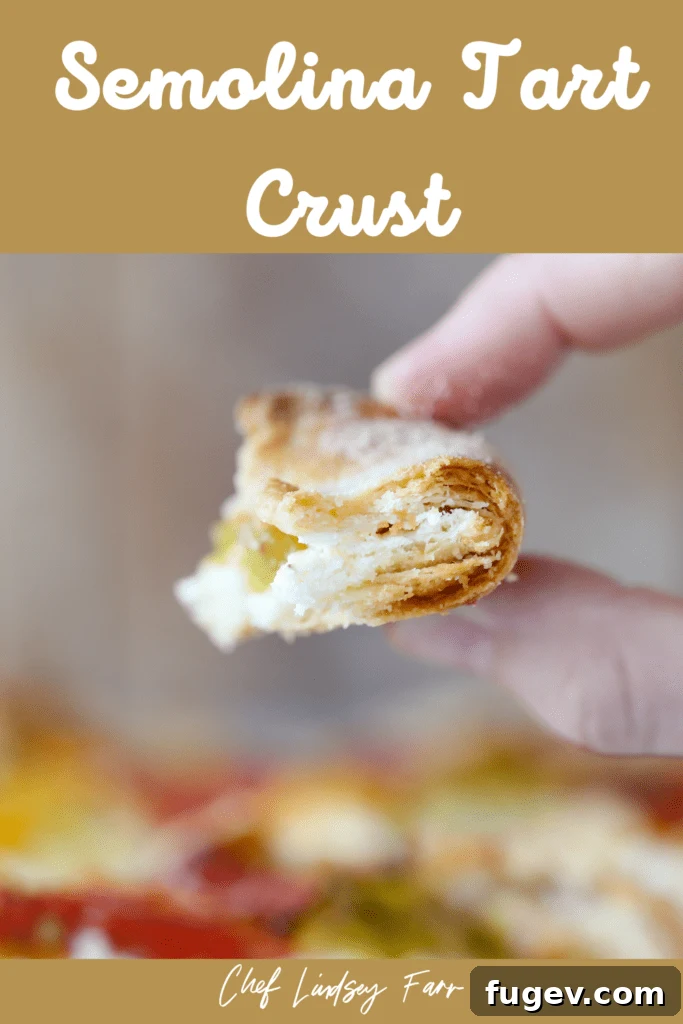
This Semolina Tart Crust is flakey, buttery, and tender – a true game-changer for your baking repertoire! Whether you’re crafting sweet desserts or savory main dishes, this unique crust adds an unparalleled texture and depth of flavor to tarts, galettes, and pies, elevating them from delicious to truly unforgettable. Prepare to impress with every bite.
The Allure of Semolina: A Culinary Love Affair
My fascination with semolina began years ago, while I was immersed in menu development for a new Italian restaurant in the bustling Meatpacking District of NYC. This culinary journey continued as I helped Chef Marc open Peasant, and ever since, semolina has held a permanent, cherished place in my kitchen. It’s like that favorite song on repeat in your mind, but instead of a catchy tune, it’s a persistent whisper: “What if you added… SEMOLINA!”
Initially, I might try to resist the urge, but I always give in, and the reasons quickly become clear. Semolina doesn’t just add texture; it introduces a remarkable richness without the need for additional fat, and that elusive “je ne sais quoi” – a savory depth that enhances everything it touches. Truly, everything. I challenge you to find an ingredient that doesn’t pair beautifully with semolina; I’m eager to hear your thoughts in the comments!
Discovering the Perfect Semolina Tart Crust
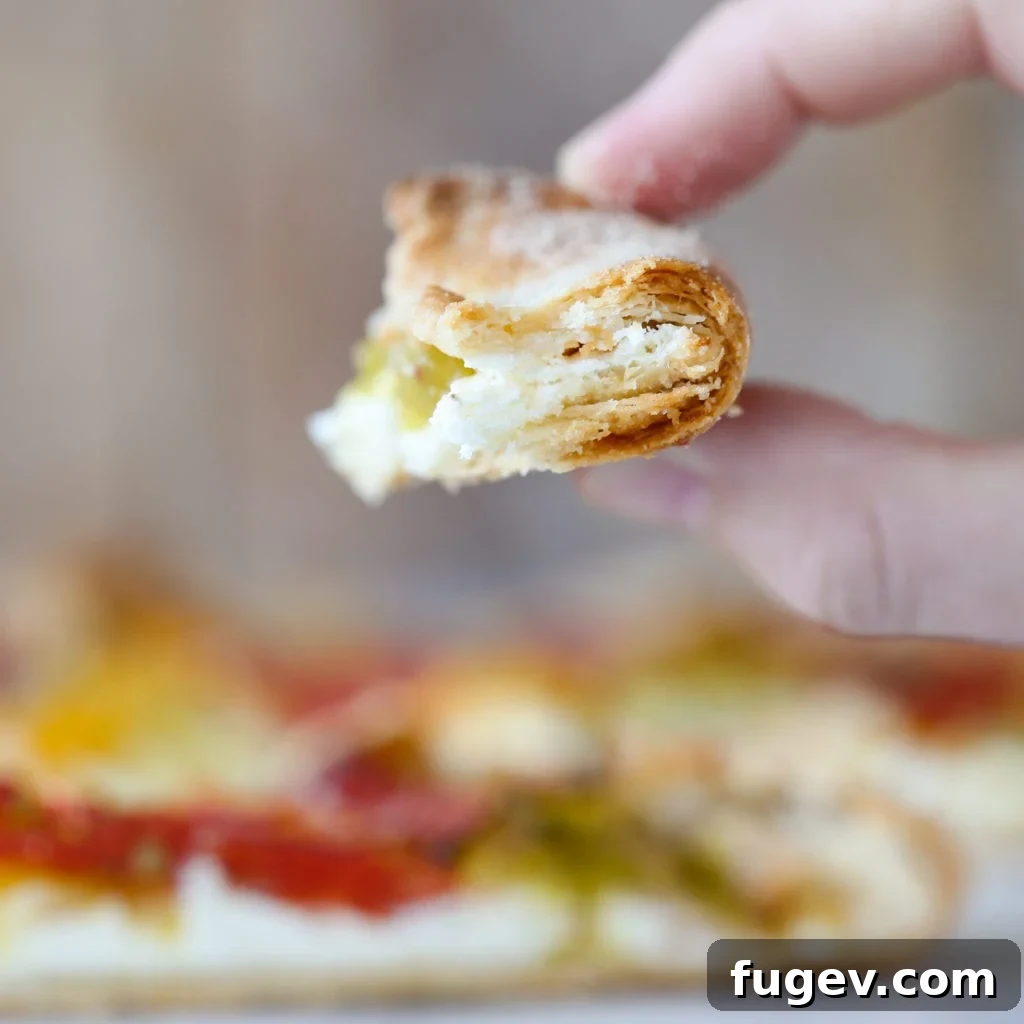
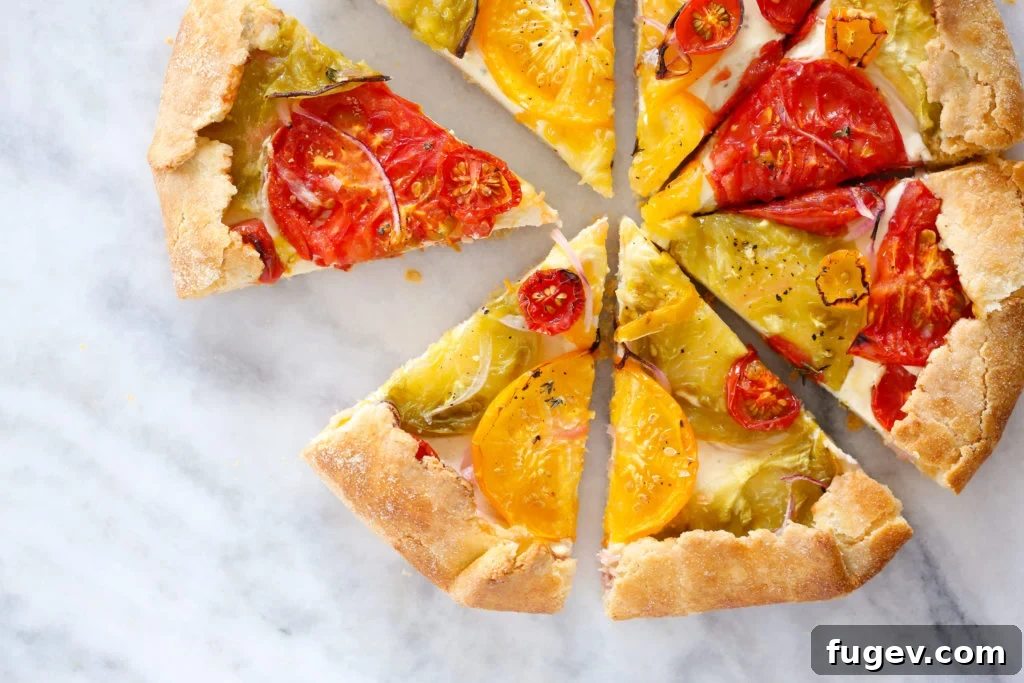
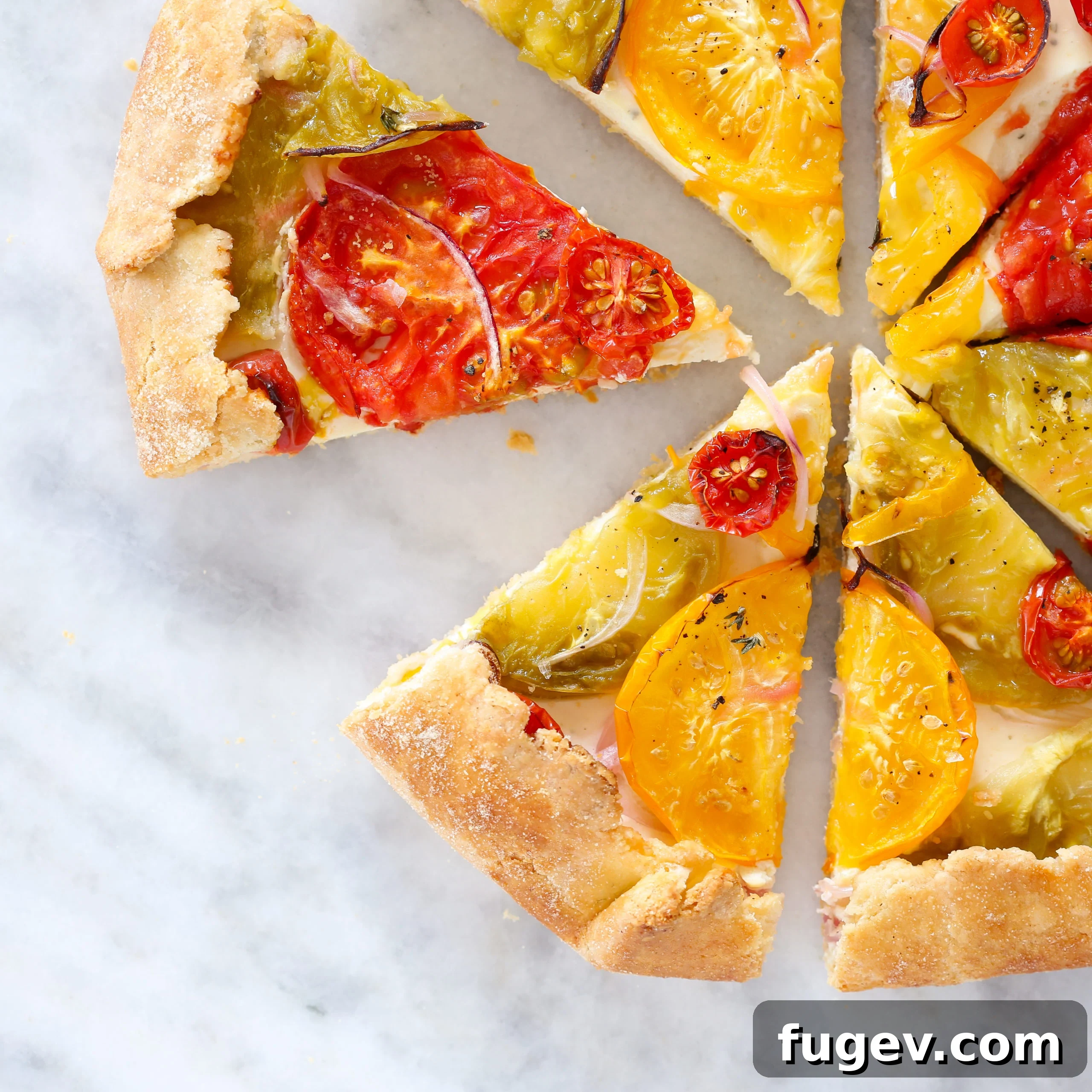
Just recently, that persistent culinary voice prompted me to experiment, resulting in this spectacular semolina tart crust for a Tomato Goat Cheese Galette. The outcome? I was utterly captivated all over again. This crust strikes a perfect balance: it’s incredibly sturdy, capable of holding even the most generous, moist fillings without losing its integrity. Yet, it remains wonderfully tender and exquisitely flaky, offering a delicate crumb that melts in your mouth. It’s buttery and rich, but never greasy, providing an extraordinary textural experience that will elevate any tart or pie you create.
Beyond its incredible qualities, this crust is surprisingly simple to prepare. While I typically use a food processor for speed and efficiency, you can easily adapt any of my 5 Methods for Pie Dough to achieve equally fantastic results. The key is understanding the role each ingredient plays and handling the dough with a light touch, ensuring a perfect balance of structure and tenderness.
Why This Semolina Tart Crust Stands Out: Key Highlights
Let’s dive into the specifics of what makes this semolina tart crust so exceptional. We all appreciate getting straight to the point, especially when it comes to perfecting a recipe!
Understanding Your Flours: The Secret to Superior Texture
The magic of this crust lies in its unique flour blend, which harnesses the distinct properties of semolina, durum, and all-purpose flour to create an unparalleled result.
- Semolina Flour: Derived from durum wheat, semolina is characterized by its coarser grind, often resembling fine cornmeal or sand. When incorporated into a crust, it doesn’t hydrate in the same way as traditional flour, meaning it contributes less to the dough’s structural gluten network. Instead, its primary role here is textural, imparting a delightful crispness and a subtle, satisfying bite that sets this tart crust apart. While semolina flour is slightly finer, both coarser semolina and even cornmeal can be used to achieve a similar textural effect.
- Durum Flour: This is a finely ground version of semolina, known for its high protein content and robust gluten-forming capabilities, even more so than typical bread flour. In applications like bagels or certain breads, durum flour is prized for contributing a desirable chewiness. However, for a tender tart crust, we must approach it with care. Over-hydrating or overworking the dough with durum flour can lead to an overly tight gluten network, resulting in a tough, shrunken crust. In this recipe, we utilize durum flour primarily for its distinct, nutty flavor profile, rather than its gluten-forming properties. If durum flour is unavailable, an equal amount of all-purpose flour can be substituted, though you’ll miss a touch of that unique flavor complexity.
- All-Purpose Flour: The workhorse of baking, all-purpose flour provides the essential structure and elasticity needed for a cohesive dough. Its balanced protein content ensures the crust can be rolled and shaped without tearing, while still achieving that desired tenderness when baked.
Pâte Brisée Principles: The Foundation of Flaky Perfection
At its heart, this is a sophisticated variation of a pâte brisée – a classic French shortcrust pastry. Working with pâte brisée requires a delicate touch and attention to detail. Our goal is to develop just enough gluten to provide structure and stability, preventing the crust from becoming crumbly, but not so much that it turns tough or dense. Patience, gentle handling, and a clear understanding of the process are your best allies in avoiding common pitfalls. For an in-depth exploration of pâte brisée techniques, my all-butter pie crust tutorial offers more insights than you ever thought possible!
Unrivaled Structure for Every Filling
The incremental gluten contribution from the durum flour, carefully managed, is precisely what makes this semolina dough perfect for galettes and tarts. Unlike some more delicate tart doughs, this one is engineered to stand up to even the moistest fillings – think juicy fruit tarts or creamy savory quiches – without becoming soggy or collapsing. Its robust structure means you can confidently lift a slice right from the baking sheet without fear of breakage. Yet, despite its strength, it remains delightfully #flakeyaf, maintaining that coveted tender crumb and buttery layers that define a truly exceptional crust.
Endless Possibilities: What to Fill Your Semolina Tart Crust With
Now that you have this incredible semolina tart crust, the culinary world is truly your oyster! It’s designed to be incredibly versatile, pairing beautifully with both sweet and savory creations. Here are just a few ideas to get your inspiration flowing:
- For a classic dessert, consider a luscious peach pie, letting the crust’s texture play off the soft, sweet fruit.
- Embrace seasonal fruits with a vibrant cherry galette, where the sturdiness of the crust will perfectly cradle the juicy filling.
- Explore Southern comfort with a rich sweet potato pie, allowing the semolina to add an unexpected depth of flavor.
- Indulge in sophisticated sweetness with a cherry almond tart, its delicate nuttiness complementing the crust’s unique profile.
- Or, for a bite-sized treat, these delightful chocolate tartelettes would be simply divine.
The world of tarts, pies, and galettes awaits your creative touch!
Semolina Tart Crust
Comment
Print Recipe
Ingredients
- 100 g All-purpose flour
- 25 g Durum Flour
- 25 g Semolina flour
- ¼ teaspoon Kosher Salt
- ½ teaspoon Sugar
- 70 g Butter
- ½ cup Ice Cold Water
- Semolina for rolling
Instructions
- In the base of a food processor combine flours, salt, and sugar. Pulse to combine.
- Add the butter and pulse just until most of the butter has coated the flour (it will look slightly darker and crumbly) and the remaining pieces are no larger than peas. When mixing dough with a food processor, stop the cut-in process a little sooner because you will continue to pulse while adding the water.
- Slowly pour the water in through the feeder tube while pulsing, 1-2 tablespoons at a time. Check after about ¼ cup by squeezing the dough and seeing if it holds together completely. It will most likely take about ½ cup but it is best to check as you go.
- Don’t let the dough come together in the food processor. It will still look crumbly but will feel moist and hold together when squeezed.
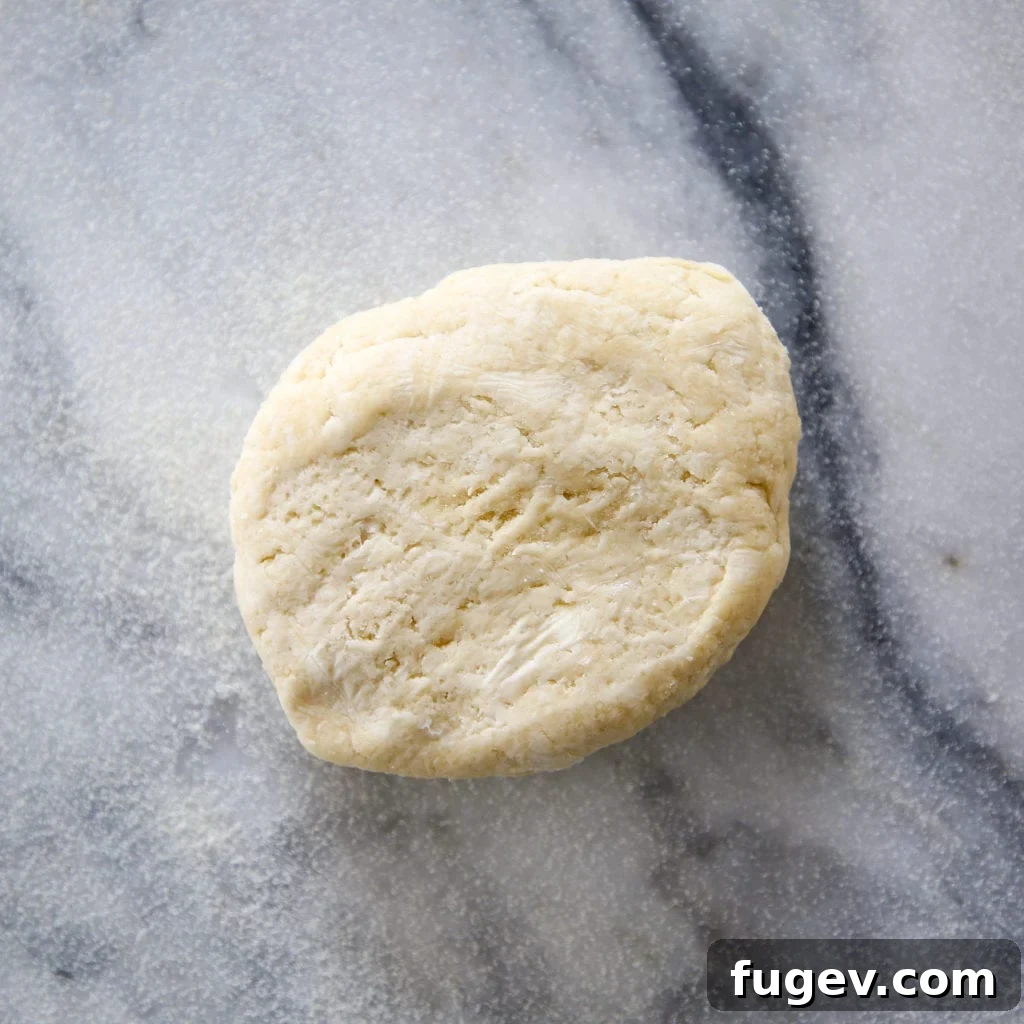
- Dump the dough out on the counter and work the dough together by gathering it and pressing away from you with the heel of your hand. Do this JUST until it comes together. If it is crumbling, then dip your hand in a little ice water and pat it on the pastry dough. Seriously, that’s it. Remember the gluten!
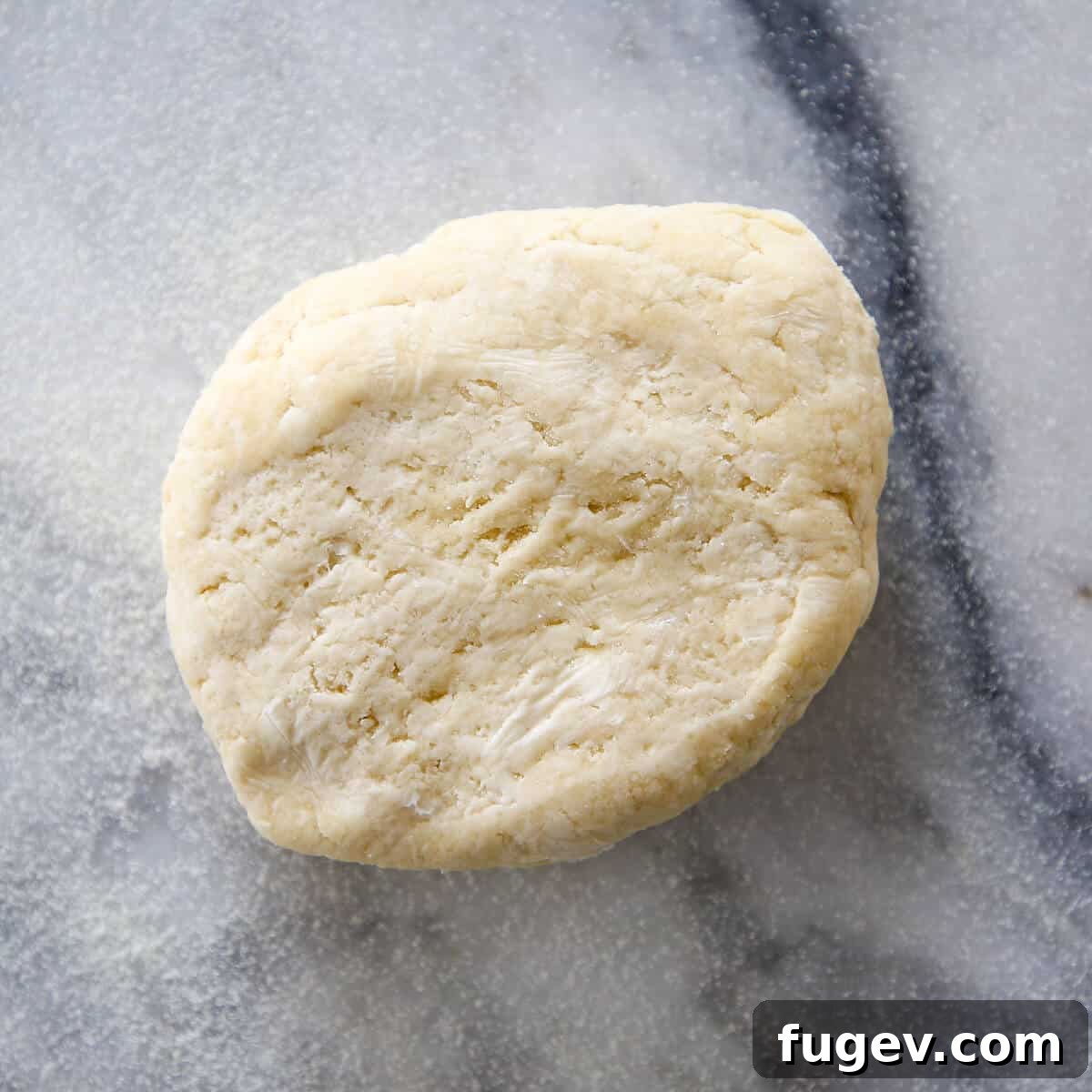
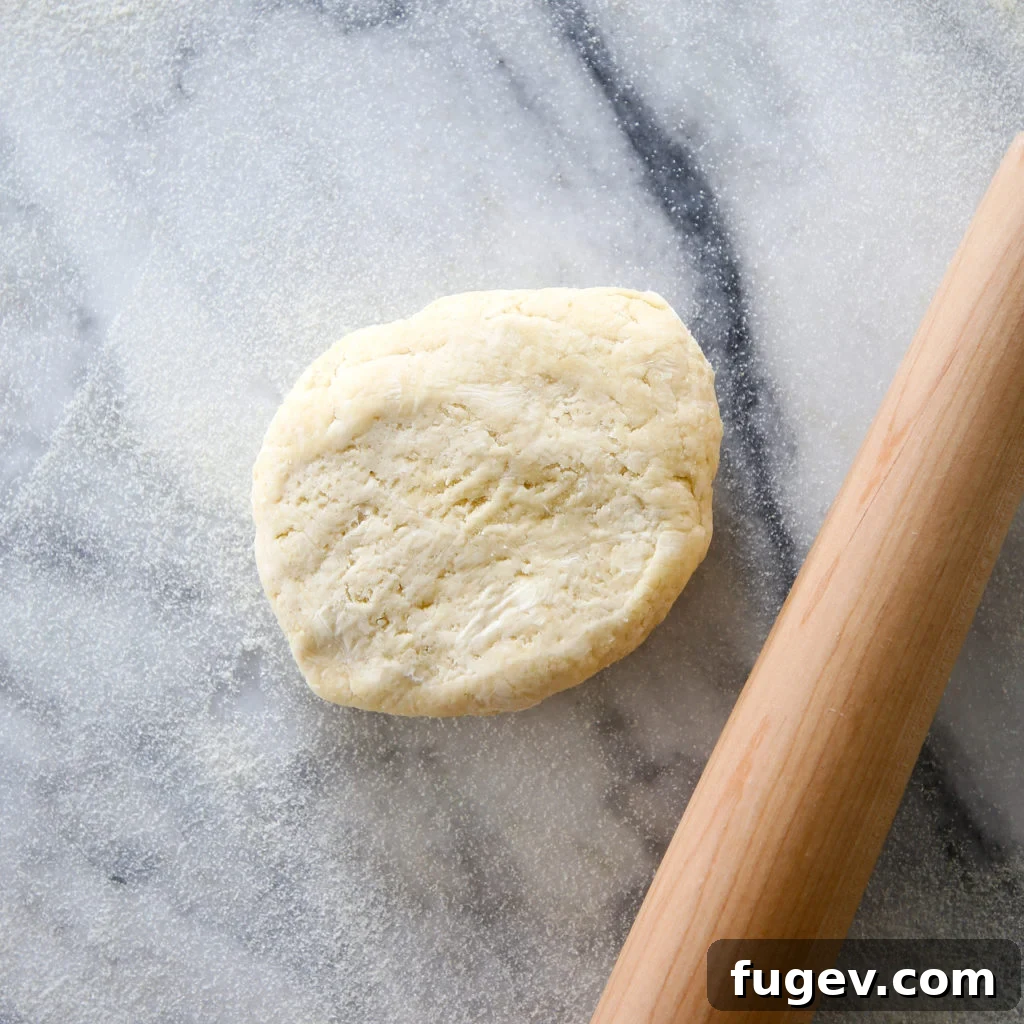
- Press dough into a disk. Wrap in plastic wrap and chill for 2 hours or overnight. If you chill your dough overnight, you will need to let it rest a bit before rolling or it will be too cold and it will crack. It can also be frozen for up to 3 months!
Notes
Nutrition
Calories: 175kcal | Carbohydrates: 19g | Protein: 3g | Fat: 10g | Saturated Fat: 6g | Polyunsaturated Fat: 1g | Monounsaturated Fat: 2g | Trans Fat: 1g | Cholesterol: 25mg | Sodium: 172mg | Potassium: 46mg | Fiber: 1g | Sugar: 1g | Vitamin A: 292IU | Calcium: 7mg | Iron: 1mg
Like this? Leave a comment below!
The Science Behind a Perfect Tart Crust
Achieving a truly remarkable tart crust isn’t just about mixing ingredients; it’s about understanding the subtle science at play. The key elements that contribute to that coveted flaky, tender texture are gluten development, the temperature of your butter, and careful hydration.
- Gluten Development: Gluten, formed when flour proteins interact with water, provides elasticity and structure. For a tart crust, we want minimal gluten development to keep it tender, not chewy like bread. This is why we use ice-cold water and avoid overworking the dough. The cold water prevents premature gluten formation, allowing you to handle the dough enough to bring it together without making it tough.
- Cold Butter: The secret to flakiness lies in cold butter. When cold butter is cut into the flour, it creates tiny pockets and layers within the dough. As the crust bakes, the water in these butter pockets turns to steam, pushing the layers apart and creating that irresistible flaky texture. If the butter is too warm, it melts into the flour, resulting in a dense, cookie-like crust rather than a light, airy one.
- Hydration Control: Adding water slowly and just until the dough comes together is crucial. Too little water, and your dough will be crumbly and hard to roll; too much, and it will be sticky and tough due to excessive gluten development. The dough should feel moist and hold its shape when squeezed, but still appear somewhat crumbly before chilling.
Expert Tips for a Flawless Semolina Tart Crust
Even with a perfect recipe, a few expert tips can make all the difference in achieving tart crust perfection.
- Keep Everything Cold: This cannot be stressed enough. Use ice-cold butter, ice-cold water, and even chill your flour and food processor blade if your kitchen is warm. The colder your ingredients, the flakier your crust.
- Don’t Overmix: Whether using a food processor or your hands, mix the dough just until it comes together. Overmixing develops too much gluten, leading to a tough crust. The goal is to see small pieces of butter still visible in the dough – these are your future flaky layers!
- Chill Thoroughly: Chilling the dough for at least 2 hours, or ideally overnight, allows the gluten to relax, prevents shrinking during baking, and solidifies the butter, making it easier to roll. Don’t skip this step!
- Handle Gently: When rolling out the dough, use a light, even pressure. Flour your work surface and rolling pin sparingly with semolina to prevent sticking, but avoid adding too much extra flour to the dough itself.
- Blind Baking (for wet fillings): For especially wet fillings, blind baking (pre-baking) your crust is essential to prevent a soggy bottom. Prick the bottom with a fork, line with parchment paper, fill with pie weights or dried beans, and bake until lightly golden before adding your filling.
- Variations: For a sweeter crust, you can increase the sugar by another ½ teaspoon. For a savory crust, consider adding a pinch of dried herbs like rosemary or thyme, or a dash of garlic powder to the flour mixture.
Storage and Make-Ahead Convenience
This semolina tart crust is perfect for preparing in advance, saving you valuable time when you’re ready to bake.
- Refrigeration: The dough can be stored tightly wrapped in plastic in the refrigerator for up to 3 days. If chilled overnight or longer, let it sit at room temperature for about 15-30 minutes before rolling, as it might be too firm and prone to cracking straight out of the fridge.
- Freezing: For longer storage, you can freeze the unbaked dough. Wrap the disk tightly in plastic wrap, then place it in a freezer-safe bag. It will keep well for up to 3 months. Thaw overnight in the refrigerator before using, then proceed as usual.
- Baked Crust: If you’ve blind-baked the crust, you can store it wrapped at room temperature for a day or two, or in the freezer for a couple of weeks, ready to be filled and finished.
Frequently Asked Questions About Semolina Tart Crust
Here are some common questions you might have when working with semolina in your tart crust:
- Q: Can I use only semolina flour?
- A: While semolina contributes wonderful texture and flavor, using only semolina flour for a tart crust might result in a dough that is too difficult to work with and a final crust that is too dense or crumbly. The combination with all-purpose and durum flour ensures the right balance of texture, flavor, and workability.
- Q: What’s the difference between semolina and semolina flour?
- A: Semolina is typically a coarser grind of durum wheat, often used for pasta. Semolina flour is a finer grind of the same wheat, with a texture closer to traditional flour but still distinct. For this recipe, the “semolina flour” specified refers to the finer grind, which blends more easily into the dough while still providing its characteristic properties.
- Q: Can I substitute gluten-free flour for this recipe?
- A: This recipe relies on the gluten structure of durum and all-purpose wheat flours. A direct 1:1 substitution with gluten-free flour would likely alter the texture significantly and require adjustments to liquid content and binding agents. While not tested for this specific recipe, a general gluten-free pie crust recipe would be a better starting point.
- Q: Do I need to blind bake this semolina crust?
- A: For optimal results, especially with very moist fillings, blind baking is highly recommended. It ensures a crisp, fully cooked bottom crust and prevents sogginess. Even for drier fillings, a partial blind bake can enhance the overall texture.
- Q: My dough is cracking when I roll it, what went wrong?
- A: This usually indicates the dough is too cold or too dry. If it’s too cold, let it sit at room temperature for another 10-15 minutes to soften slightly. If it feels too dry, you can gently pat a few drops of ice water onto the surface and knead it in very lightly until it’s pliable enough to roll without cracking.
Conclusion: Elevate Your Baking with Semolina
This Semolina Tart Crust is more than just a recipe; it’s an invitation to explore new textures and flavors in your baking. Its unique blend of flakiness, buttery richness, and sturdy yet tender consistency makes it suitable for an endless array of sweet and savory fillings. By understanding the roles of semolina and durum flours, and by following the simple principles of good pastry making, you’ll consistently create a crust that delights. So go ahead, embrace the semolina obsession, and transform your tarts, galettes, and pies into culinary masterpieces. Happy baking!