
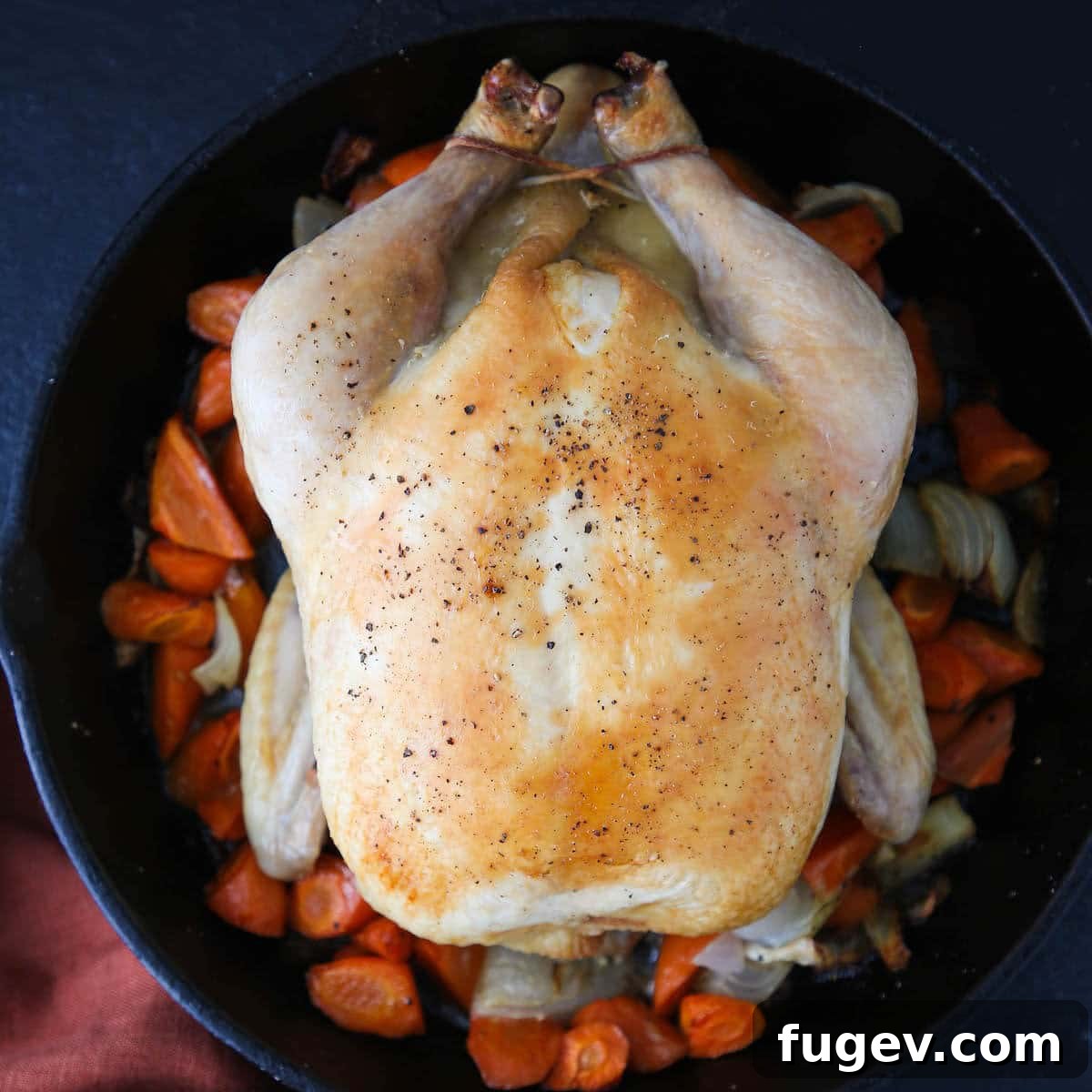
The Ultimate Moist Lemon Herb Roasted Chicken: A Culinary Masterpiece Made Easy
Imagine a centerpiece that effortlessly commands attention: a whole roasted chicken, golden-brown and glistening, filling your kitchen with an irresistible aroma. This isn’t just any roasted chicken; it’s a perfectly moist Roasted Chicken infused with bright lemon and fragrant herbs, guaranteeing a succulent experience with every bite. This recipe is designed to demystify the art of roasting, delivering a dish that is both simple enough for a weeknight dinner and elegant enough for a special gathering.
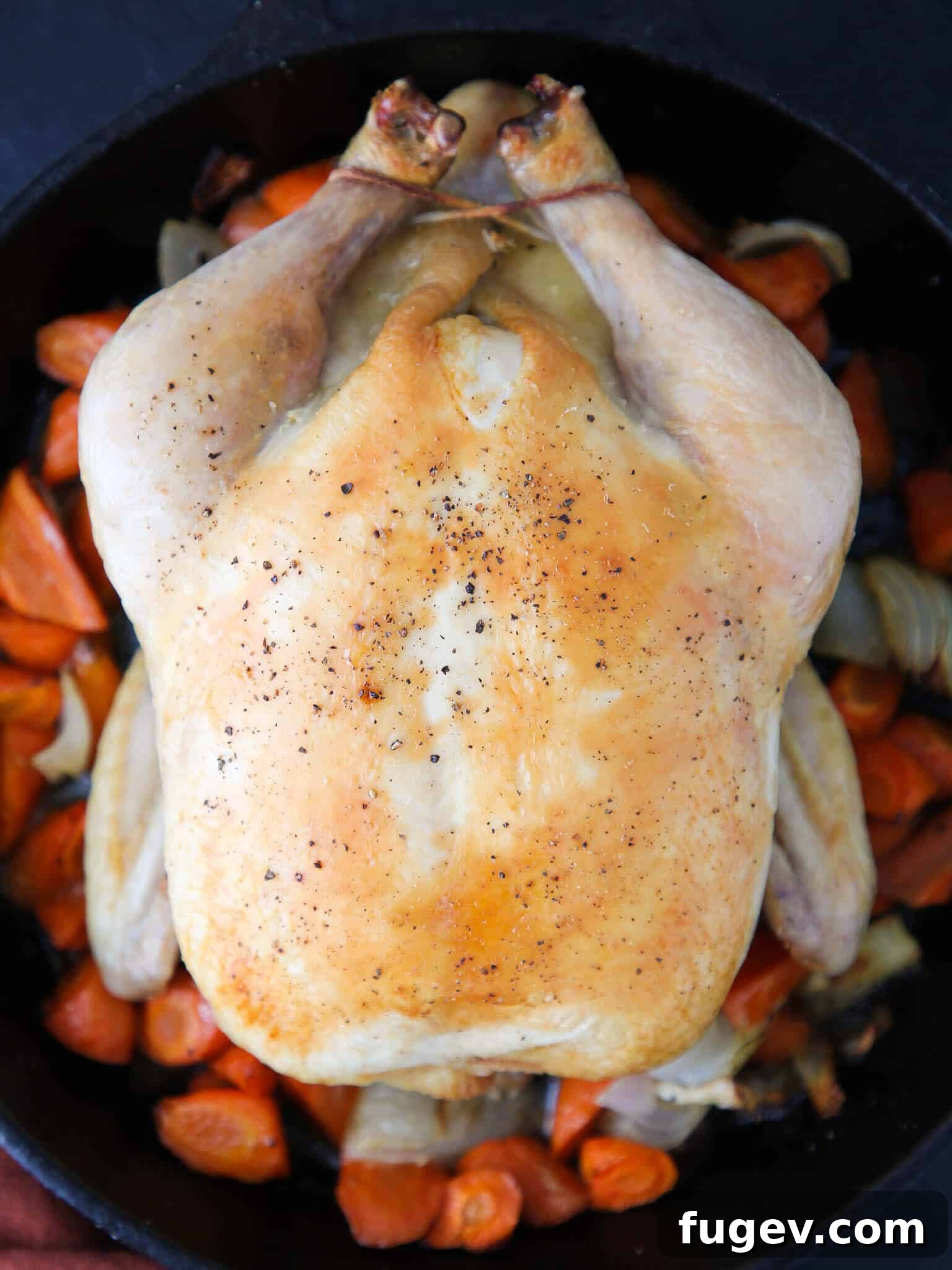
Why Roasting a Whole Chicken is a Must-Try Culinary Experience
Roasting a whole chicken is more than just cooking a meal; it’s an experience that offers numerous benefits:
- Superior Flavor Profile: Cooking the chicken on the bone allows for a deeper flavor infusion into the meat, resulting in a richer, more complex taste than individual cuts. The bones and skin render fat and juices, continually basting the meat from the inside out.
- Cost-Effective and Economical: Whole chickens are typically more budget-friendly per pound compared to pre-cut chicken parts. This makes it an excellent choice for feeding a family or for meal prepping without breaking the bank.
- Impressive Presentation: A beautifully roasted whole bird makes a stunning visual impact on your dining table. It looks celebratory and evokes a sense of comfort and abundance, perfect for Sunday dinners, holiday meals, or any time you want to make a dish feel special.
- Versatile Leftovers: The joy of a roasted chicken extends far beyond the initial meal. Leftover meat can be repurposed into countless dishes throughout the week, minimizing waste and maximizing flavor.
- Homemade Broth Potential: Even the carcass isn’t wasted! It forms the perfect base for a rich, nourishing homemade chicken broth, adding another layer of value and flavor to your cooking.
What to Serve with Your Perfectly Roasted Lemon Herb Chicken
A magnificent roasted chicken deserves equally delicious side dishes. Whether you prefer wholesome vegetables, decadent comforts, or light, fresh salads, there’s a perfect pairing for every season and palate. Here are some inspired ideas to complete your meal:
Hearty and Wholesome Accompaniments
For a balanced and satisfying meal, roasted vegetables are always a superb choice. Their natural sweetness and earthy flavors beautifully complement the savory chicken:
- Roasted Spiced Butternut Squash: Cubes of butternut squash tossed with warming spices like cinnamon and nutmeg, roasted until tender and caramelized. A fantastic autumnal or winter side. (Get the recipe here)
- Roasted Acorn Squash Slices: Simple yet elegant, these slices roast quickly, offering a subtly sweet and nutty flavor that pairs wonderfully with poultry. (Discover the recipe)
- Garlic and Herb Roasted Potatoes: Crispy on the outside, fluffy within, these potatoes can absorb the flavorful pan drippings from the chicken for an even richer taste.
- Asparagus with Lemon Zest: Lightly steamed or roasted asparagus spears finished with a squeeze of lemon and a sprinkle of zest for freshness.
Indulgent and Comforting Pairings
When you’re craving a meal that feels truly luxurious and comforting, these sides will elevate your roasted chicken to new heights:
- Baked Acorn Squash Halves with Butter and Brown Sugar: A sweet and savory delight, these squash halves become incredibly tender and flavorful, a perfect match for a cozy dinner. (Try this indulgent side)
- Maple Mashed Sweet Potatoes: Creamy sweet potatoes whipped with a hint of maple syrup, offering a sweet and earthy counterpoint to the savory chicken. (Find the recipe here)
- Fluffy Buttermilk Biscuits: Ideal for soaking up any delicious pan juices or gravy, these flaky biscuits are a must-have comfort food. (Bake your own buttermilk biscuits)
- Creamy Risotto or Polenta: A rich and smooth base that provides a wonderful texture contrast and absorbs all the beautiful chicken flavors.
Light and Refreshing Summer Sides
For warmer days, opt for vibrant and fresh salads that brighten the meal without weighing you down:
- Marinated Tomato and Stone Fruit Salad: An unexpectedly delightful combination of ripe tomatoes and sweet stone fruits, lightly marinated to enhance their natural flavors. (Explore this unique salad)
- Classic Heirloom Tomato and Mozzarella Salad: Simple, elegant, and bursting with the peak flavors of summer heirloom tomatoes and creamy mozzarella. (Whip up this fresh salad)
- Quinoa Salad with Roasted Vegetables: A nutritious and fulfilling salad that can be served warm or at room temperature, adding texture and a medley of garden flavors.
- Crisp Green Salad with Zesty Vinaigrette: Sometimes, the simplest option is the best. A fresh, crisp green salad provides a perfect palate cleanser.
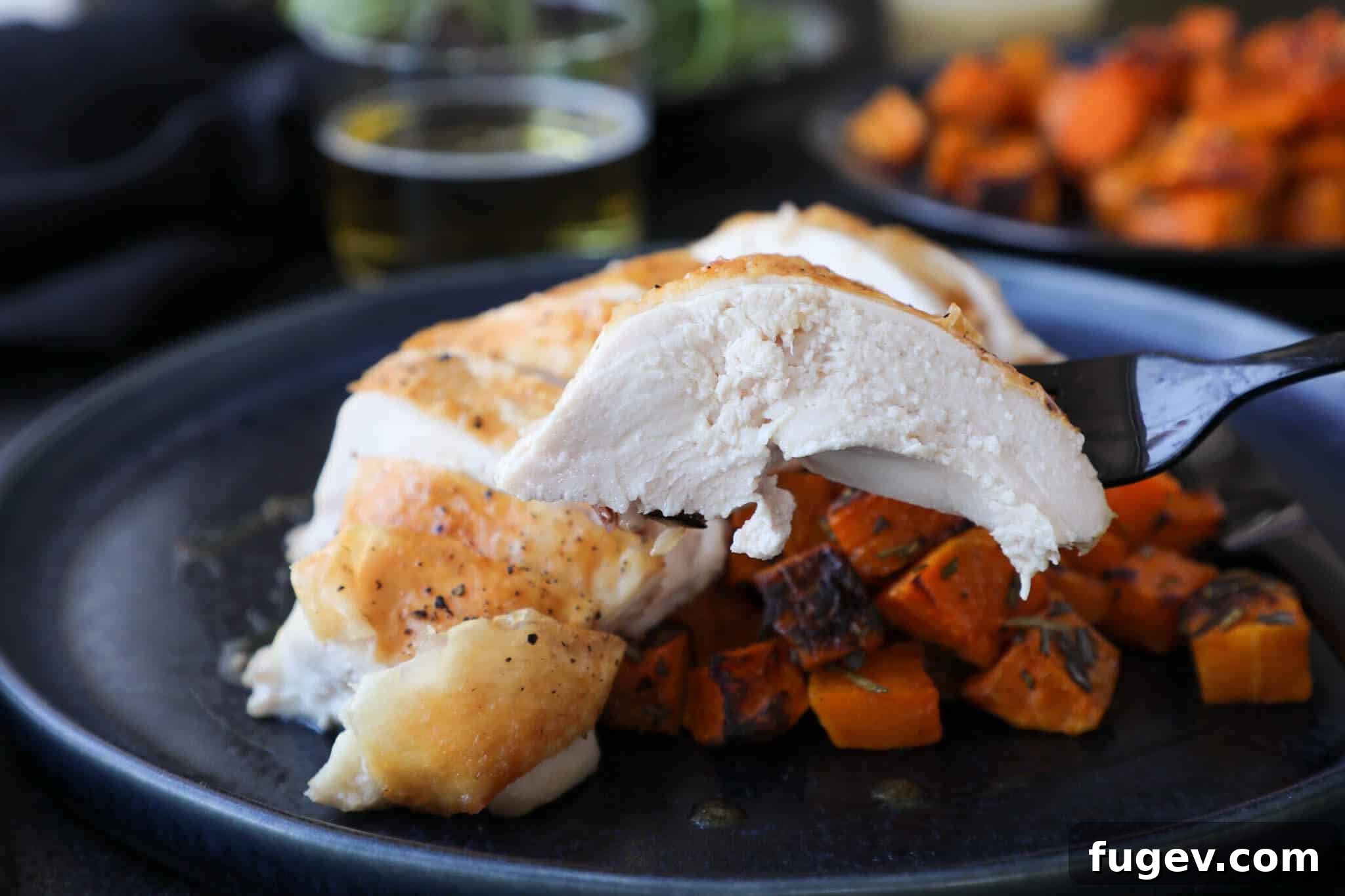
Maximizing Your Meal: Delicious Leftover Chicken Ideas
One of the greatest perks of roasting a whole chicken is the generous amount of leftovers. Don’t let a single succulent shred go to waste! Repurposing leftover roasted chicken is not only economical but also opens up a world of quick and delicious meal possibilities for the days that follow.
Crafting Homemade Chicken Broth: A Foundation for Future Feasts
After carving and enjoying the meat, preserve the chicken carcass and any remaining bones (like the leg bones) for making a rich, deeply flavorful homemade chicken broth. Simply freeze the bones until you’re ready. This method yields a darker, more robust stock than one made from raw chicken, imbuing your future soups, stews, risottos, and sauces with unparalleled depth and savory goodness. It’s a simple step that transforms potential waste into culinary gold.
Creative Transformations for Leftover Roasted Chicken Meat
Shredded or diced roasted chicken is incredibly versatile, making it a perfect component for quick and easy meals throughout the week:
- Hearty & Flavorful Salads:
- Roasted Honey Brussels Sprout Salad: Combine your shredded chicken with roasted Brussels sprouts, a sweet honey dressing, and perhaps some wild rice for a wholesome and satisfying main-course salad. (Get the recipe for this unique salad)
- Warm Lemon Rosemary Roasted Vegetable Salad: Toss the chicken with a medley of warm, herb-roasted vegetables and a zesty lemon-rosemary dressing for a comforting yet light meal. (Explore this warm vegetable salad)
- Quinoa Roasted Vegetable Chopped Salad with Thai Vinaigrette: A vibrant, protein-packed salad that’s perfect for meal prepping. Its bold flavors make for an exciting lunch. (Try this refreshing chopped salad)
- Classic Chicken Caesar Salad: A timeless favorite. Simply add your leftover shredded chicken to a crisp Caesar salad for extra protein and flavor.
- Comforting Casseroles: Leftover chicken is a star in a variety of baked dishes. It’s an ideal base for quick and satisfying easy chicken casserole recipes, perfect for family dinners.
- Sandwiches and Wraps: Mix shredded chicken with mayonnaise, celery, and your favorite herbs for a classic chicken salad sandwich, or wrap it in a tortilla with fresh vegetables and a touch of sauce for a quick lunch.
- Tacos and Quesadillas: Quickly warm seasoned shredded chicken in a pan, then assemble delicious tacos or cheesy quesadillas for a fun and fast weeknight meal.
- Soups and Stews: Boost the protein and heartiness of chicken noodle soup, tortilla soup, or any favorite stew by stirring in leftover roasted chicken.
- Pasta Dishes: Toss with a light pasta sauce, seasonal vegetables, and a sprinkle of Parmesan for a simple yet elegant pasta dinner.
With a little creativity, your leftover roasted chicken can provide easy and delicious meals all week long, ensuring no delicious morsel goes to waste!
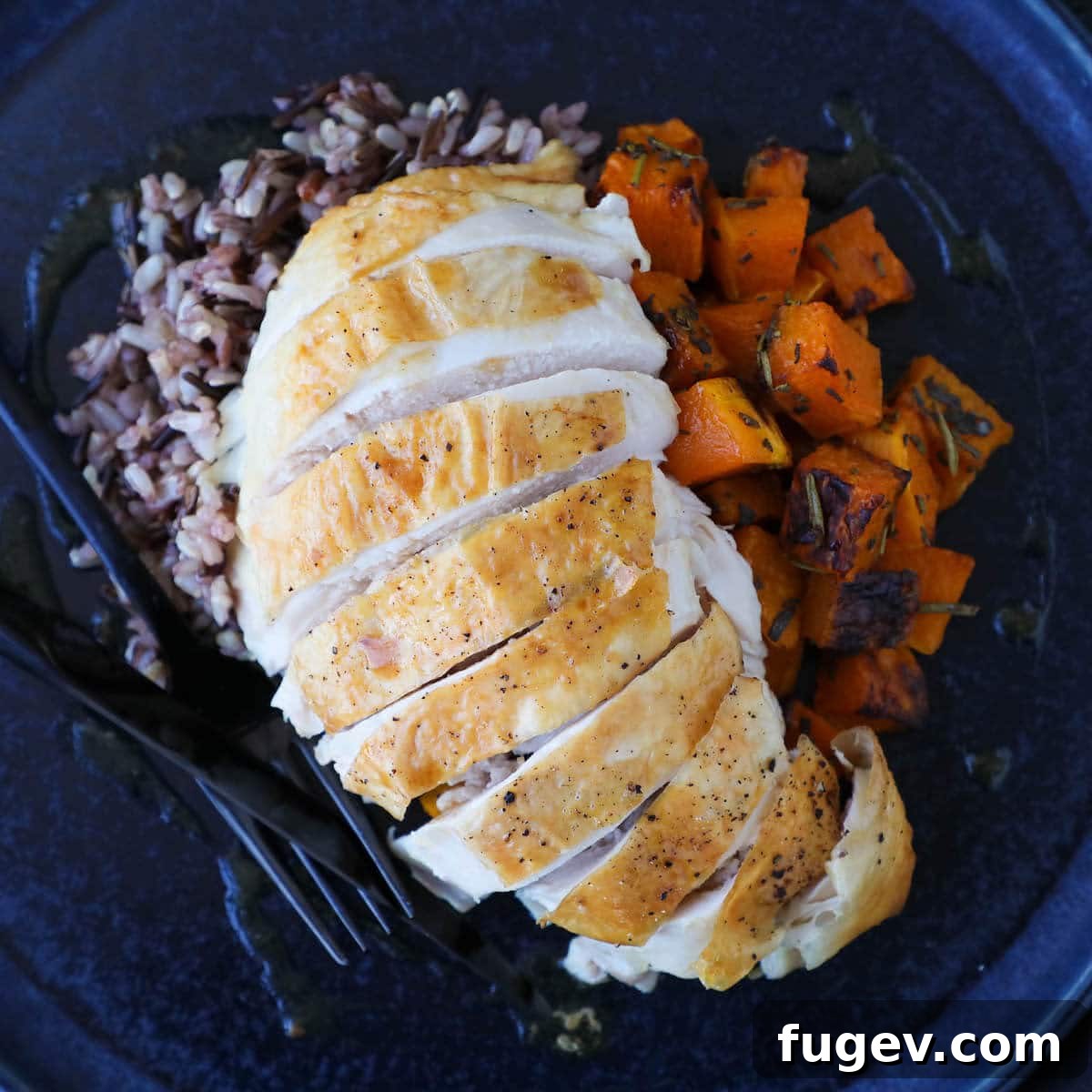
Roasted Chicken: Your Essential Lemon Herb Recipe
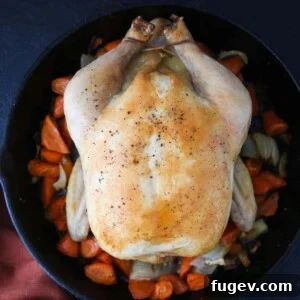
Recipe by: Chef Lindsey
This recipe ensures a perfectly moist Roasted Chicken with a delightful hint of lemon and fragrant herbs, making it a staple for any home cook.
- Prep time:
- 15 minutes
- Cook time:
- 1 hour
- Total time:
- 1 hour 15 minutes
- Servings:
- 6 people
Ingredients
- 1 (4 lb) whole roasting chicken
- ½ fresh lemon
- Salt & freshly ground black pepper, to taste
- 1 small onion, peeled and quartered
- ½ teaspoon dried thyme or 3-4 fresh sprigs of thyme
- 1 sprig fresh tarragon
- 4 tablespoons unsalted butter, softened (Alternatively, use olive oil for a dairy-free option without compromising flavor)
Instructions
- Begin by preheating your oven to 350°F (175°C). Carefully remove the giblets and neck from the chicken cavity, then rinse the chicken inside and out with cold water. Pat the chicken thoroughly dry with paper towels; this crucial step helps achieve crispy skin.
- Rub the chicken all over, inside and out, with the squeezed juice from the half lemon. Season generously with salt and freshly ground black pepper, ensuring good coverage. Place the quartered onion, fresh thyme sprigs (or dried thyme), and tarragon sprig into the chicken’s cavity.
- If you prefer a neater presentation and more even cooking, truss the chicken. This involves tying the legs together with kitchen twine and tucking the wing tips underneath the body. While not strictly necessary for taste, it can enhance visual appeal and help the breast meat cook more uniformly. Place the chicken in a sturdy roasting pan.
- Evenly rub the softened butter over the entire surface of the chicken’s skin. The butter will help the skin turn a beautiful golden color and become wonderfully crispy. Sprinkle with a final touch of salt and pepper.
- Bake for approximately 20 minutes per pound, or until a reliable meat thermometer inserted into the fleshiest part of the thigh (making sure it does not touch the bone) registers an internal temperature of 180°F (82°C). A traditional indicator, often credited to Abigail Fillmore, suggests the chicken is done when the leg moves easily up and down in its socket.
- Once cooked, carefully remove the chicken from the oven and transfer it to a cutting board. Tent it loosely with aluminum foil and allow it to rest for a minimum of 10 minutes. This resting period is vital, as it allows the juices to redistribute throughout the meat, resulting in an incredibly moist and tender chicken when carved.
Recipe Notes from Chef Lindsey
This roasted chicken recipe is a delightful adaptation of Abigail Fillmore’s classic preparation, a testament to timeless home cooking.
- For an even more intense burst of aromatic flavors, feel free to enhance the herb stuffing. I often add 2-3 additional sprigs of fresh tarragon and 3-4 extra sprigs of thyme to the cavity. Furthermore, placing the squeezed lemon halves inside the cavity after rubbing the chicken can add a wonderful, subtle citrus steam as it roasts. Truly, when it comes to fresh herbs and lemon, more is often more!
Estimated Nutrition Information (Per Serving)
(Please note these are approximate values and can vary based on specific ingredients and preparation methods.)
- Calories: 78 kcal
- Carbohydrates: 3g
- Protein: 1g
- Fat: 8g
- Saturated Fat: 5g
- Polyunsaturated Fat: 1g
- Monounsaturated Fat: 2g
- Trans Fat: 1g
- Cholesterol: 20mg
- Sodium: 61mg
- Potassium: 48mg
- Fiber: 1g
- Sugar: 1g
- Vitamin A: 252 IU
- Vitamin C: 6mg
- Calcium: 11mg
- Iron: 1mg
Recipe Details
- Course: Dinner, Main Course
- Cuisine: American (This classic preparation is widely enjoyed in American home cooking.)
Expert Tips for Roasting a Whole Chicken Like a Culinary Pro
Achieving a consistently perfect roasted chicken is easier than you might think. Follow these tried-and-true tips for a juicy interior and wonderfully crispy skin every time:
- Ensure Your Chicken is Dry: Before applying any seasonings or butter, use paper towels to thoroughly pat the chicken’s skin dry. Moisture on the skin prevents browning and crisping, leading to soggy results.
- Bring to Room Temperature: Take your chicken out of the refrigerator 30-60 minutes before you plan to roast it. Allowing it to come closer to room temperature promotes more even cooking throughout the bird.
- Season Liberally: Don’t hold back on the seasoning! Generously apply salt, pepper, and your chosen herbs not only on the exterior skin but also inside the cavity. This layers the flavor from all angles.
- Avoid Overcrowding the Pan: Give your chicken space to breathe in the roasting pan. Ensure there’s ample room around the bird for hot air to circulate freely. This prevents steaming and encourages a beautiful, all-around golden crust. If adding vegetables, arrange them around, not directly under, the chicken.
- Basting (Optional but Enhances): While not strictly necessary for moisture, basting the chicken every 20-30 minutes with its pan drippings or melted butter can significantly contribute to a darker, crispier skin and deeper flavor.
- Utilize a Meat Thermometer: This is your best friend for perfectly cooked chicken. Always insert it into the thickest part of the thigh, making sure it doesn’t touch the bone. For safe consumption, the internal temperature should reach 165°F (74°C) in the breast and 180°F (82°C) in the thigh for optimal tenderness, as recommended in this recipe.
- The Critical Resting Period: Never skip resting your chicken after it comes out of the oven. Tent it loosely with foil and let it rest for at least 10-15 minutes. This allows the muscle fibers to relax and reabsorb the flavorful juices, ensuring a juicy, tender bird when carved.
- Make a Simple Pan Gravy: Don’t let those delicious pan drippings go to waste! After removing the chicken, you can easily make a flavorful gravy. Deglaze the pan with chicken broth or white wine, scrape up any browned bits, thicken with a cornstarch or flour slurry, and simmer until it reaches your desired consistency.
Delicious Flavor Variations for Your Roasted Chicken
While our lemon-herb combination is a classic for a reason, the beauty of a roasted chicken lies in its adaptability. Experiment with these flavor profiles to keep your family and guests intrigued:
- Garlic and Rosemary Roast: Stuff the cavity with several whole garlic cloves and fresh rosemary sprigs. Create a rub by mixing softened butter with minced garlic and finely chopped rosemary, then generously apply it to the chicken skin.
- Smoky Paprika and Spice: For a kick of warmth and color, blend smoked paprika, a pinch of cayenne pepper, garlic powder, and onion powder into your butter rub. This creates a beautifully spiced and aromatic crust.
- Mediterranean Zest: Infuse your chicken with the vibrant flavors of the Mediterranean. Use dried oregano and marjoram in the rub, and add a few orange slices along with some pitted Kalamata olives and cherry tomatoes to the roasting pan.
- Asian-Inspired Roast: Create an umami-rich chicken by marinating or rubbing the bird with a mixture of soy sauce, grated fresh ginger, minced garlic, and a touch of honey or brown sugar.
- Citrus Herb Infusion: Beyond lemon, consider using other citrus fruits like orange or lime halves in the cavity, along with fresh herbs like sage or marjoram for a different fragrant profile.
Storage and Reheating Instructions for Leftover Roasted Chicken
Properly storing and reheating your roasted chicken ensures that your leftovers remain delicious and safe to eat:
- Storage:
- Allow the cooked chicken to cool completely to room temperature (within 2 hours of cooking).
- Carve the meat off the bones and store it in an airtight container in the refrigerator. It will stay fresh for up to 3-4 days.
- For longer storage, shredded or sliced chicken can be frozen in freezer-safe bags or containers for up to 3 months. Thaw overnight in the refrigerator before use.
- Reheating:
Reheat leftover chicken gently to prevent it from drying out. Adding a little moisture helps maintain tenderness.
- Oven Method (Recommended): Place chicken pieces in an oven-safe dish with a splash of chicken broth or water. Cover the dish tightly with aluminum foil to trap moisture. Reheat at a low temperature, around 250-300°F (120-150°C), until warmed through.
- Microwave Method: For small portions, place chicken on a microwave-safe plate with a tablespoon of broth or water. Cover loosely and heat in 30-second intervals until hot, stirring if necessary.
- Stovetop Method: For shredded or diced chicken, warm it gently in a pan over medium-low heat with a little olive oil or broth, stirring occasionally, until heated through.
Frequently Asked Questions About Roasting Chicken
- How long does it typically take to roast a 4-pound chicken?
- Following our guideline of 20 minutes per pound at 350°F (175°C), a 4-pound chicken will generally take about 1 hour and 20 minutes to 1 hour and 40 minutes, or until the internal temperature in the thickest part of the thigh reaches 180°F (82°C).
- Is it better to roast chicken at 350°F or 400°F?
- Roasting at 350°F (175°C), as in this recipe, results in a very moist chicken with slightly less aggressive browning, allowing for a gentler cook. Roasting at 400°F (200°C) or higher will yield crispier skin and a faster cook time, but requires more careful monitoring to prevent the breast meat from drying out.
- Should I cover the chicken with foil while it’s roasting?
- Generally, it’s best not to cover the chicken for most of the roasting time. Covering it will trap steam, preventing the skin from becoming crispy. If you notice the skin browning too quickly during the last portion of cooking, you can loosely tent it with foil to prevent over-browning.
- What is trussing a chicken, and is it really necessary?
- Trussing involves tying the chicken’s legs together and tucking its wings close to its body using kitchen twine. This practice helps the chicken cook more evenly by keeping the breast and thighs from overcooking at different rates, and it creates a more compact, aesthetically pleasing shape. While not strictly essential for the chicken’s taste, it does improve presentation and can lead to a slightly better, more consistent texture. If you’re new to it, a quick online search for “how to truss a chicken” will provide easy visual guides.
Whether you’re a novice cook or a seasoned kitchen enthusiast, this lemon herb roasted chicken recipe is your reliable guide to success. It promises incredible flavor, satisfying textures, and a wonderfully inviting aroma that will transform your home kitchen. Give it a try, and prepare to delight yourself and your loved ones with this truly exceptional dish!
Loved this recipe and want to share your experience? We’d be thrilled to hear from you! Please consider leaving a comment below with your thoughts, suggestions, or any creative twists you added to make it your own.