
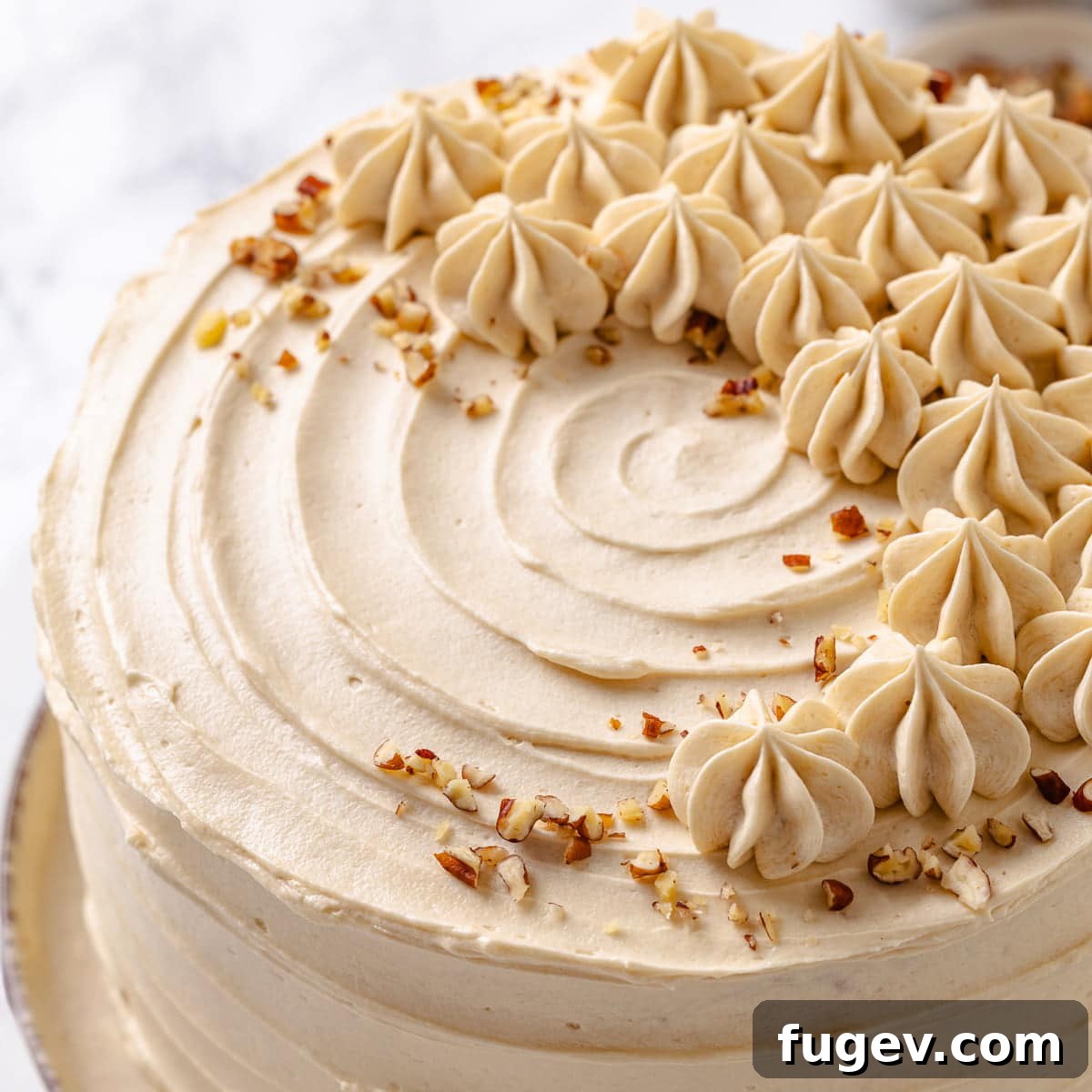
The Ultimate Maple Frosting: Stable, Creamy, and Bursting with Real Maple Flavor
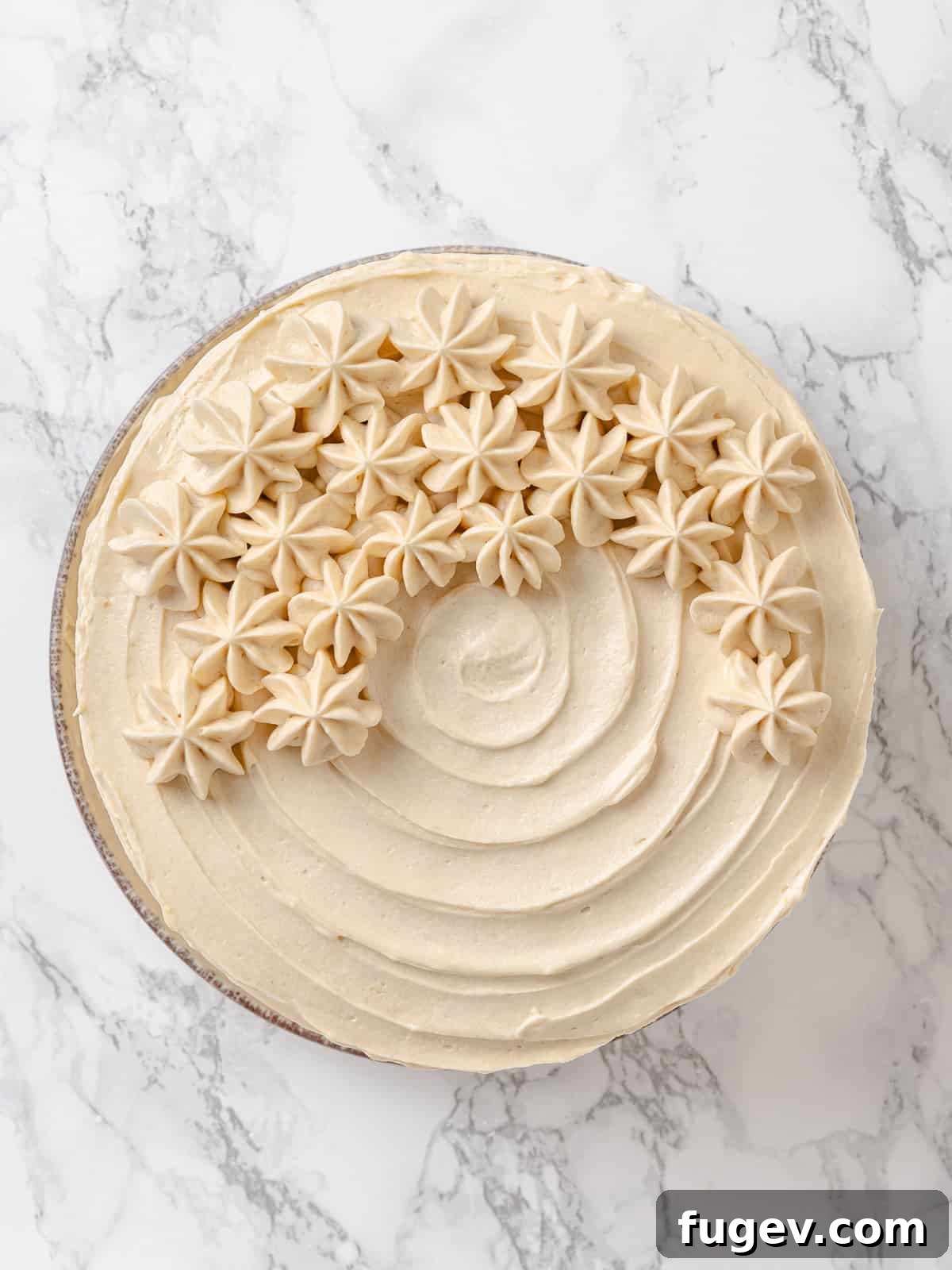
Unlock the secret to a light, incredibly creamy, and wonderfully stable maple frosting. This exquisite recipe uses a unique cooked flour base, similar to classic ermine frosting, combined with the rich, authentic taste of pure maple syrup. The result is a luxurious frosting that’s both airy and robust, holding its shape beautifully while delivering an unforgettable maple experience.
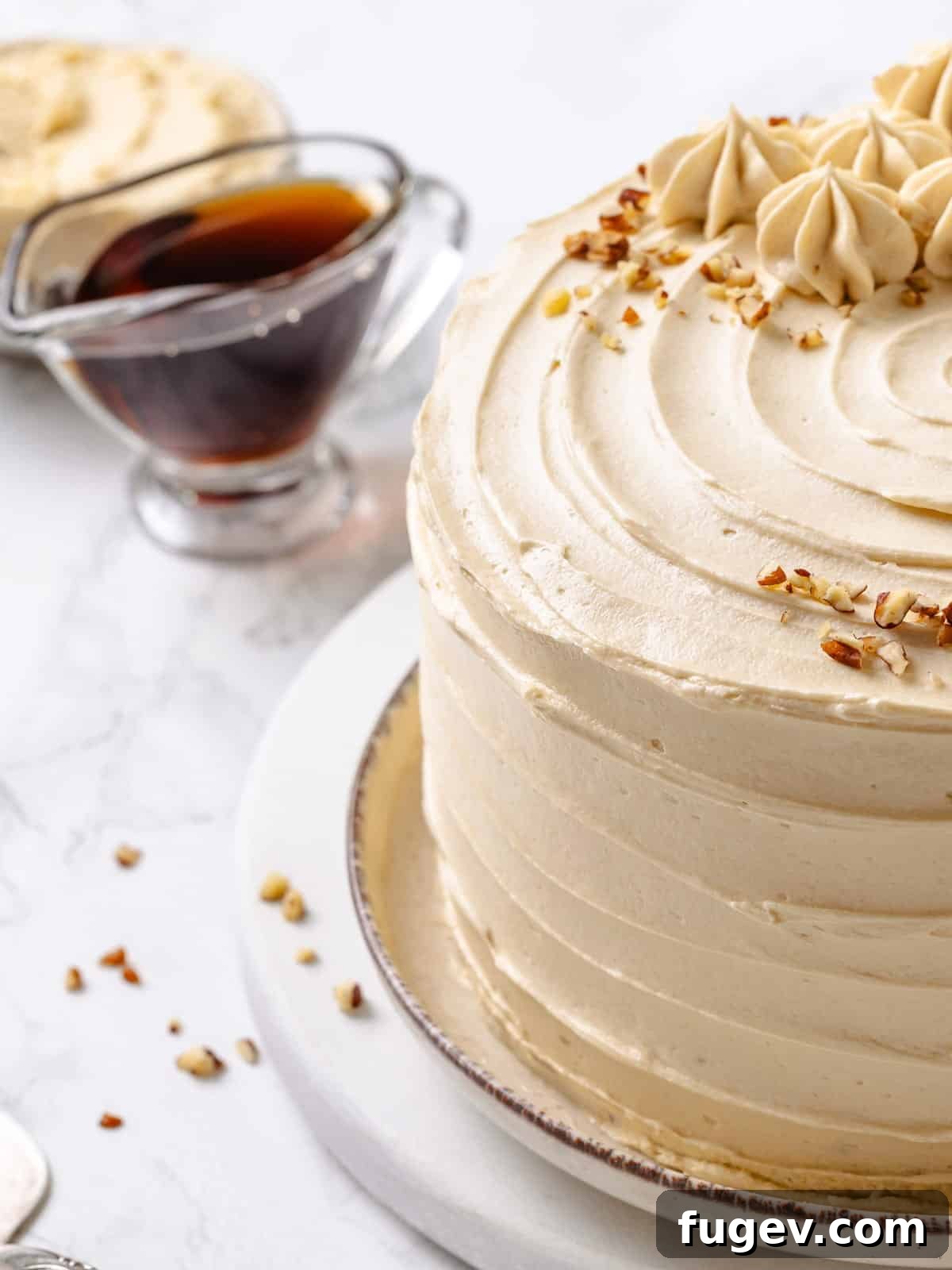
Prepare to fall in love with this heavenly maple frosting. It strikes the perfect balance of sweetness and deep, genuine maple flavor. Much like the technique in our classic ermine frosting recipe, incorporating flour creates an incredibly stable structure, while butter and sugar whisk together to form a rich, smooth, and velvety texture. This method ensures your frosting stays perfect, whether piped onto cupcakes or spread generously on a layer cake.
While I certainly appreciate the elegance of Swiss meringue buttercream, exploring diverse frosting techniques can be incredibly rewarding. This easy maple frosting offers a delightful alternative, perfect for special occasions or simply elevating everyday treats. Imagine piping this delightful creation onto sweet potato casserole cupcakes, topping a comforting pumpkin pie, or adorning your favorite fall-themed desserts.
Why You Will Love This Maple Frosting Recipe
This isn’t just another frosting recipe; it’s a game-changer for anyone seeking a truly exceptional dessert topping. Here’s why this maple frosting will become your new favorite:
- Unmatched Lightness, Fluffiness, and Stability: This frosting embodies the best of both worlds. It boasts a cloud-like lightness reminiscent of whipped cream, yet possesses the impressive stability of a robust Italian meringue buttercream. This means your beautifully piped decorations will hold their shape, even in warmer environments. Say goodbye to collapsing frostings and hello to picture-perfect desserts every time.
- The Quintessential Fall Dessert Companion: With its warm, inviting maple notes, this frosting is a must-have for your autumn baking repertoire. It pairs exquisitely with a wide array of fall flavors. Try it generously piped onto these moist pumpkin spice cupcakes, or use it to elevate a classic applesauce cake. Its versatility makes it suitable for everything from holiday feasts to cozy family gatherings.
- Authentic, Deep Maple Syrup Flavor Without Excessive Sweetness: Many maple-flavored frostings rely on extracts, which can sometimes taste artificial or overwhelmingly sweet. Our recipe features genuine maple syrup, allowing its natural complexities to shine through. The cooking process for the flour base gently reduces the maple syrup, concentrating its rich, nuanced flavor without making the frosting cloyingly sweet. You get pure maple goodness in every bite.
- Easy to Make with Accessible Ingredients: Despite its gourmet taste and sophisticated texture, this maple frosting is surprisingly straightforward to prepare. The method is simple to follow, making it achievable for bakers of all skill levels. You won’t need any specialized equipment beyond a stand mixer.
- Smooth and Silky Texture: The cooked flour base technique ensures an incredibly smooth and lump-free frosting. Unlike some buttercreams that can feel grainy, this maple frosting melts in your mouth with a luxurious, velvety finish.
Table of Contents
- Why You Will Love This Maple Frosting Recipe
- Essential Ingredients & Smart Substitutions
- Creative Variations to Customize Your Maple Frosting
- Professional Tips for Perfect Maple Frosting
- How to Make the Best Maple Frosting (Step-by-Step)
- Chef Lindsey’s Expert Recipe Tip
- Maple Frosting FAQs
- Recommended Fall Dessert Recipes to Pair with Maple Frosting
- Maple Frosting Recipe Card
- Before You Go: Explore More Frosting Delights
Essential Ingredients & Smart Substitutions
Crafting this phenomenal maple frosting begins with understanding each ingredient’s role. Using high-quality components will undoubtedly elevate your final product, ensuring a truly decadent experience.
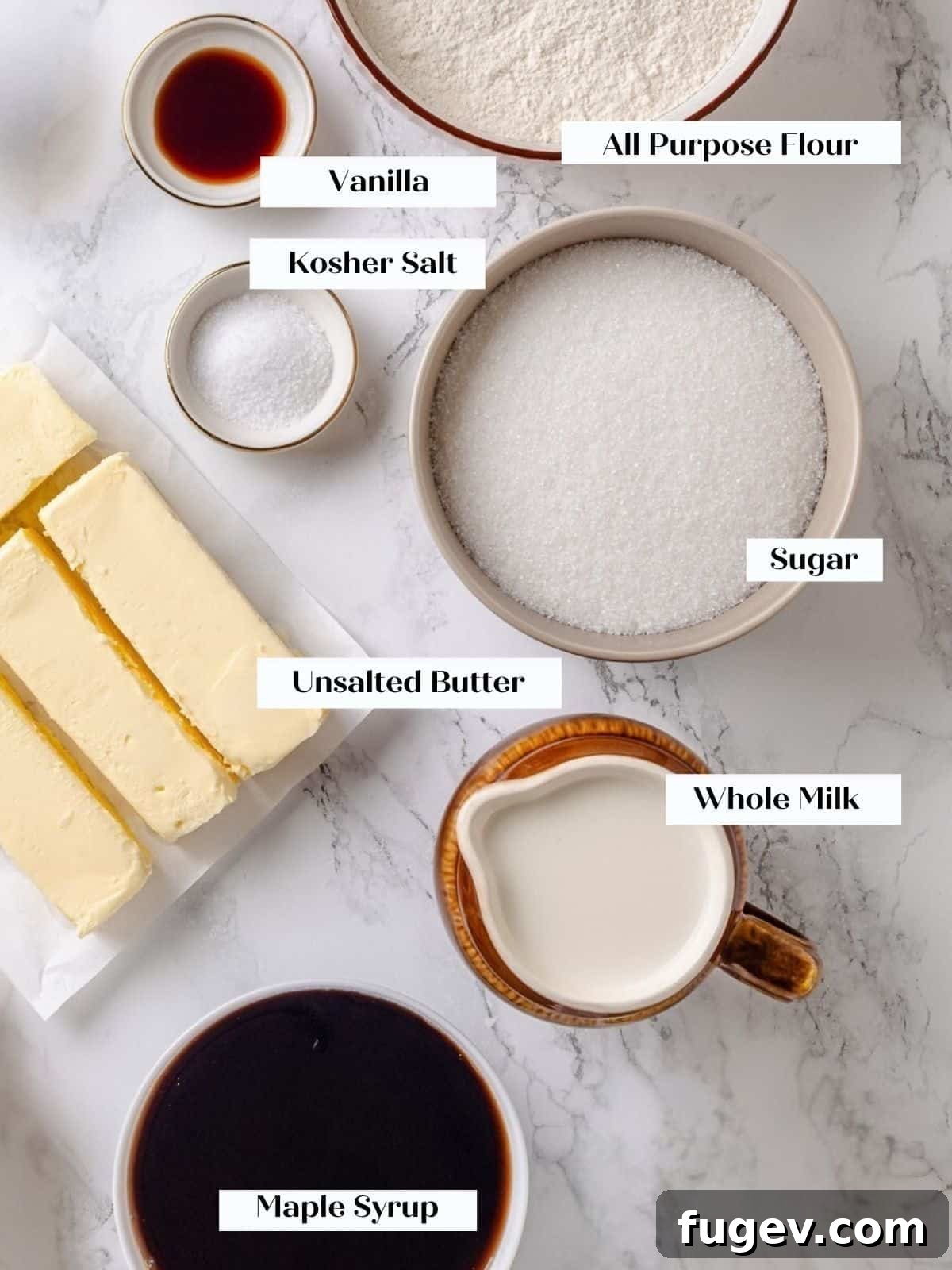
- All-Purpose Flour: This is the secret ingredient that gives our maple frosting its signature stability and unique, custard-like texture. When cooked with milk and syrup, the flour creates a thick, creamy base that binds the butter and sugar, preventing the frosting from becoming greasy or overly sweet. While the recipe is designed for all-purpose flour, you could experiment with a gluten-free all-purpose flour blend. However, be aware that gluten-free alternatives might result in a slightly grainier final product, as their starch compositions differ. For a completely gluten-free frosting without the flour base, consider flavoring an American buttercream or cream cheese buttercream with maple extract and a touch of syrup instead.
- Whole Milk: Whole milk contributes significantly to the richness and overall flavor profile of this frosting. Its higher fat content creates a more luxurious and creamy mouthfeel. If you need a dairy-free alternative, you can substitute it with plant-based milks such as unsweetened almond milk, oat milk, or soy milk. Keep in mind that these alternatives can impart their own subtle flavors to the frosting, so choose one with a neutral taste profile if possible.
- Pure Maple Syrup: The heart of this recipe! For the most authentic and robust maple flavor and ideal texture, it is absolutely essential to use pure maple syrup. Specifically, look for Grade A: dark amber, rich taste (formerly known as Grade B). This particular grade has been reduced longer before bottling, resulting in a more concentrated flavor and less moisture. Avoid imitation maple syrups, which often contain high-fructose corn syrup and artificial flavors that will not yield the same quality or taste. Investing in good quality maple syrup truly makes all the difference here.
- Granulated Sugar: Sugar provides sweetness and helps create the smooth texture of the cooked flour base. The amount specified in the recipe offers a balanced sweetness that complements the maple flavor without overpowering it. You can adjust the amount of granulated sugar down to ½ cup (or anywhere in between) if you prefer a slightly less sweet frosting, but do not omit it entirely as it impacts the frosting’s structure and consistency.
- Unsalted Butter: While this frosting uses less butter than some traditional buttercreams like Swiss meringue buttercream, it is still a substantial and critical ingredient. Always use unsalted butter to have full control over the salt content of your frosting. Ensure your butter is cold but pliable, meaning it yields slightly when pressed but is not overly soft or melted. The temperature of your butter significantly affects the final texture and stability of the frosting.
- Vanilla Extract: A touch of vanilla extract (good quality vanilla extract recommended) enhances and rounds out the natural sweetness and deep notes of the maple syrup. It acts as a flavor bridge, adding depth without competing.
- Kosher Salt: A small amount of kosher salt is crucial for balancing the sweetness and intensifying all the flavors in the frosting. Do not skip this!
For precise quantities and detailed measurements, please refer to the comprehensive recipe card provided below.
Creative Variations to Customize Your Maple Frosting
This maple frosting recipe provides a fantastic base for culinary experimentation. Don’t be afraid to get creative and adapt it to suit your taste preferences or the specific dessert you’re pairing it with.
- Explore Different Syrups: While maple is the star here, you can certainly experiment with other viscous sweeteners. Imagine a rich molasses frosting, a delicate honey frosting, or even a sophisticated frosting flavored with the luscious syrup from Fabbri Amarena Cherries. Each will lend a unique depth and sweetness profile. Be mindful that different syrups have varying consistencies and sweetness levels, which might require slight adjustments to the flour base.
- Infuse with a Flavor Reduction: For an intense, concentrated flavor, try incorporating a fruit or spice reduction. For instance, you could reduce apple cider, similar to how it’s done for our popular apple cider donut recipe. This concentrated apple flavor would add a delightful tangy sweetness to your maple frosting, creating a truly autumnal treat. Other options include pear cider or even a spiced cranberry reduction.
- Milk Infusions for Aromatic Depth: Elevate the complexity of your frosting by infusing the milk with whole spices or nuts. Gently simmer your milk with whole spices like cinnamon sticks, nutmeg, cloves, or even a split vanilla bean. For a nutty twist, try infusing with toasted almonds or hazelnuts. To do this, simply boil slightly more milk than the recipe calls for, add your chosen infusion, cover, and let it steep for a few hours or even overnight in the refrigerator. Strain the milk thoroughly before using it in the flour base, and measure the required amount after straining.
- Enhance with Extracts: If you’re looking for an extra punch of flavor or want to create a maple-inspired frosting without the cooked flour base, extracts are your friend. You can use our base ermine frosting recipe and simply swap some of the vanilla extract for a high-quality maple extract. Maple extract also pairs beautifully when added to other buttercream types like Italian meringue buttercream or would provide a wonderful complement to a rich caramel Swiss meringue buttercream.
- Add Textural Elements: For an added layer of interest, fold in chopped toasted pecans, walnuts, or even candied bacon bits at the very end of the frosting process. A sprinkle of flaky sea salt can also beautifully enhance the maple flavor.
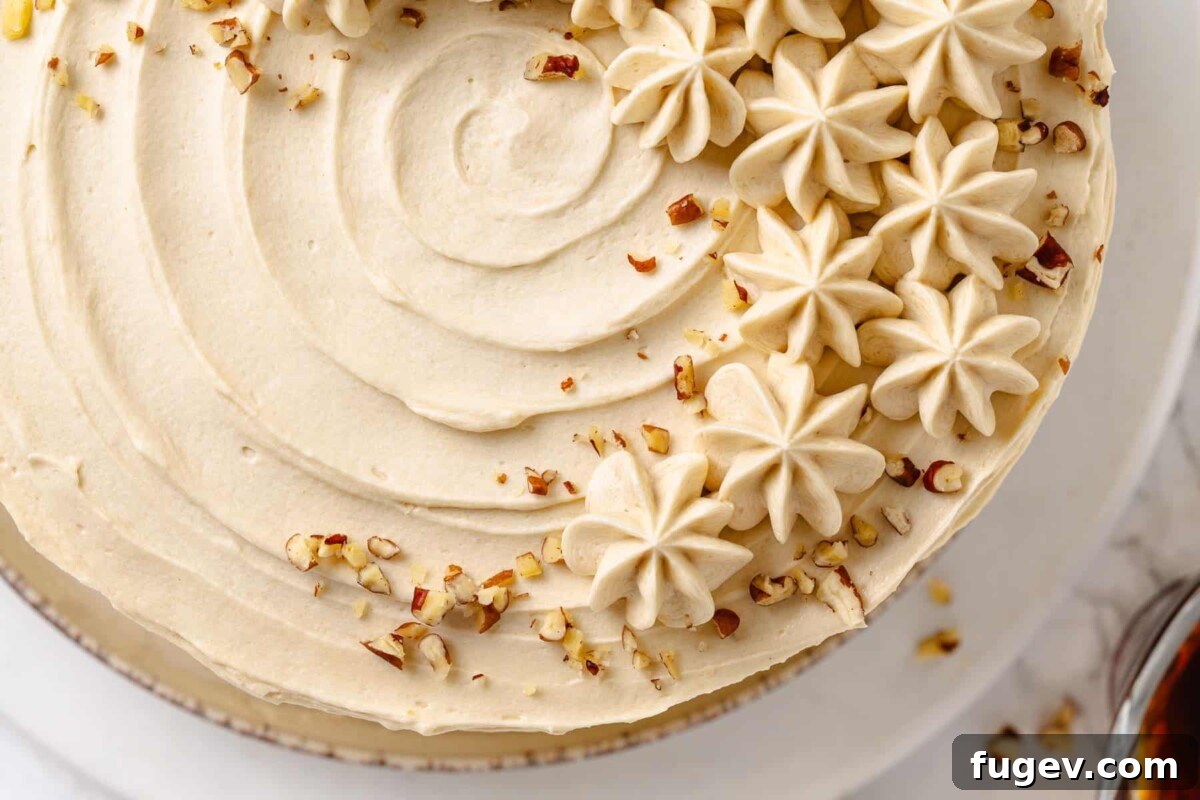
Professional Tips for Perfect Maple Frosting
Achieving bakery-quality maple frosting is easier than you think with these expert insights. Paying close attention to these details will ensure your frosting is consistently smooth, stable, and utterly delicious.
- Thoroughly Cook the Flour Base to Perfection: This is arguably the most critical step for stable ermine-style frosting. The flour base must be cooked sufficiently to activate the starches in the flour, causing it to thicken correctly. If it’s undercooked, your frosting will be runny and unstable. The base should reach a consistency where it plops off your spoon or spatula in thick clumps, not a thin stream. When you drag your spoon or spatula through the bottom of the saucepan, it should leave a clear line that holds its shape for a moment. This process usually takes about 20-25 minutes of constant stirring over medium heat. Don’t rush it! The thickness of this cooked base directly dictates the final stability, body, and pipeability of your frosting.
- Master the Butter Temperature: Cold but Pliable: The temperature of your butter is paramount. It needs to be cold enough to incorporate into the cooled flour base without melting, yet pliable enough to cream into a light, fluffy consistency. Aim for butter that is still cool to the touch but yields easily when pressed. If your butter is too warm (soft or melted), the emulsion can break, resulting in a soft, greasy frosting that won’t hold its shape when piped. Conversely, if it’s too cold and hard, it won’t cream properly, leading to a lumpy or overly dense frosting. If your butter is too cold, you can gently warm it by creaming it with the paddle attachment of your stand mixer, or even using a kitchen torch for just a few seconds on the outside, then switch to the whisk attachment once it reaches the correct pliable consistency.
- Invest in High-Quality Pure Maple Syrup: This recipe truly shines when you use the best ingredients. Now is the time to splurge on a premium bottle of pure maple syrup! Opt for Grade A: dark amber, rich taste (previously known as Grade B). This grade offers the most pronounced, complex maple flavor. High-quality syrup delivers robust flavor without introducing excessive moisture, which could affect the frosting’s consistency. Using inferior or artificial syrups will result in a less authentic and less satisfying flavor profile. With a good bottle on hand, you can also whip up other delightful treats like this rich maple pound cake.
- Patience During Cooling: After cooking, the flour base must cool completely to room temperature. Rushing this step by adding a warm base to the butter will melt the butter and create a soupy, unusable frosting. You can accelerate cooling by spreading the mixture thinly on a baking sheet or placing the bowl in an ice bath, stirring occasionally. Ensure it’s no warmer than body temperature before proceeding.
- Scrape Down the Bowl Frequently: As you beat the butter and gradually add the cooled maple base, ingredients can cling to the sides and bottom of your mixer bowl. Stop the mixer periodically to scrape down the bowl with a rubber spatula. This ensures all ingredients are thoroughly incorporated, preventing streaks of unmixed butter or base and promoting an even, smooth texture.
- Whip Until Light and Fluffy: Don’t under-whip your frosting. After all ingredients are combined, continue beating on medium-high speed for several minutes. This incorporates air, making the frosting wonderfully light and fluffy. You’ll know it’s ready when it has significantly lightened in color and holds stiff peaks when you lift the whisk.
How to Make the Best Maple Frosting (Step-by-Step)
Follow these detailed instructions to create a truly fluffy, silky-smooth, and perfectly stable maple frosting. For precise measurements and ingredient quantities, please refer to the recipe card located further down this page.
Make the Flour Base:
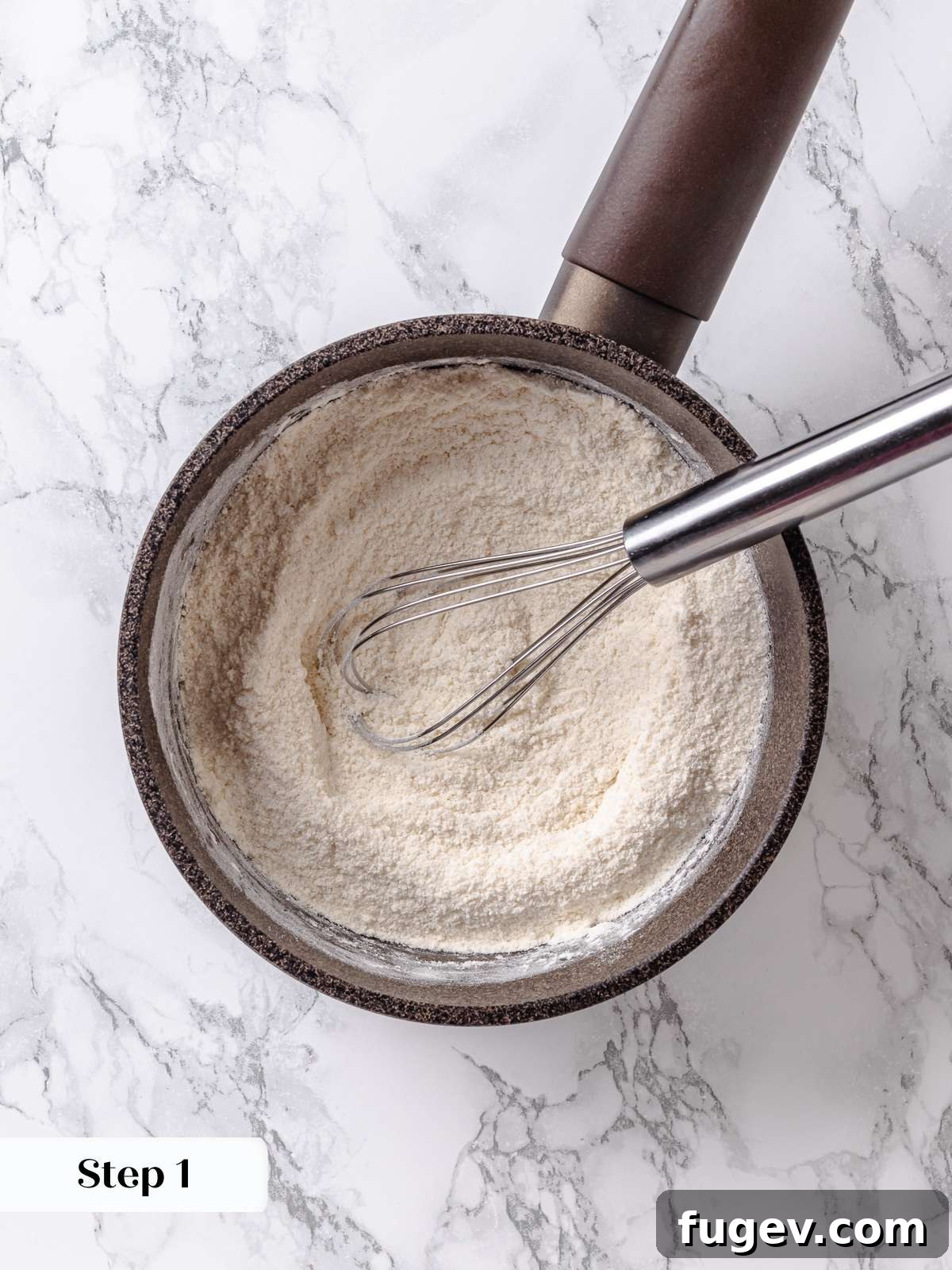
- Combine Dry Ingredients: In a large, heavy-bottomed saucepan, measure and combine the all-purpose flour, granulated sugar, and kosher salt. Stir these dry ingredients thoroughly with a whisk to ensure they are well-mixed and no lumps remain (refer to photo 1). This step is crucial for a smooth base.
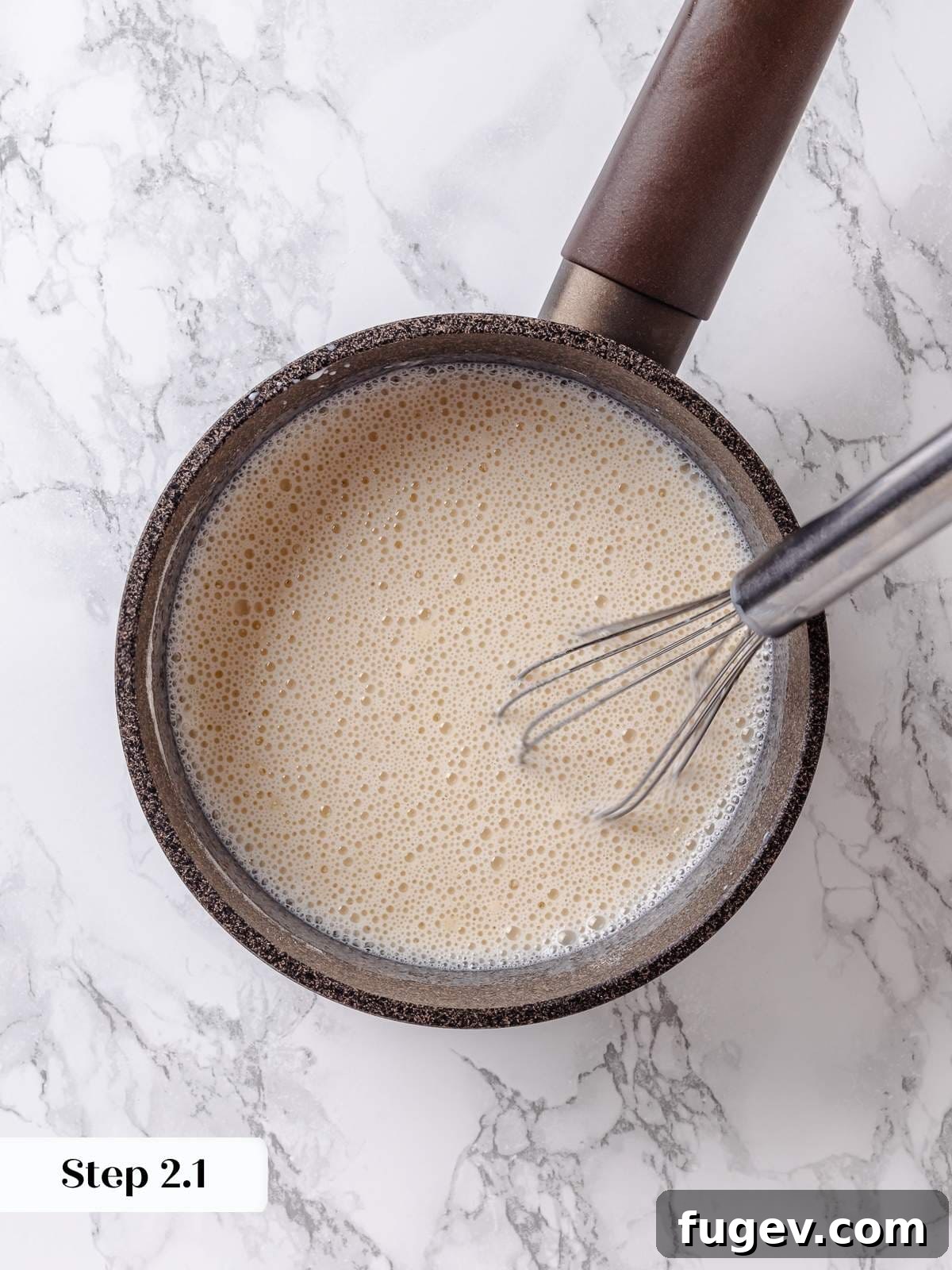
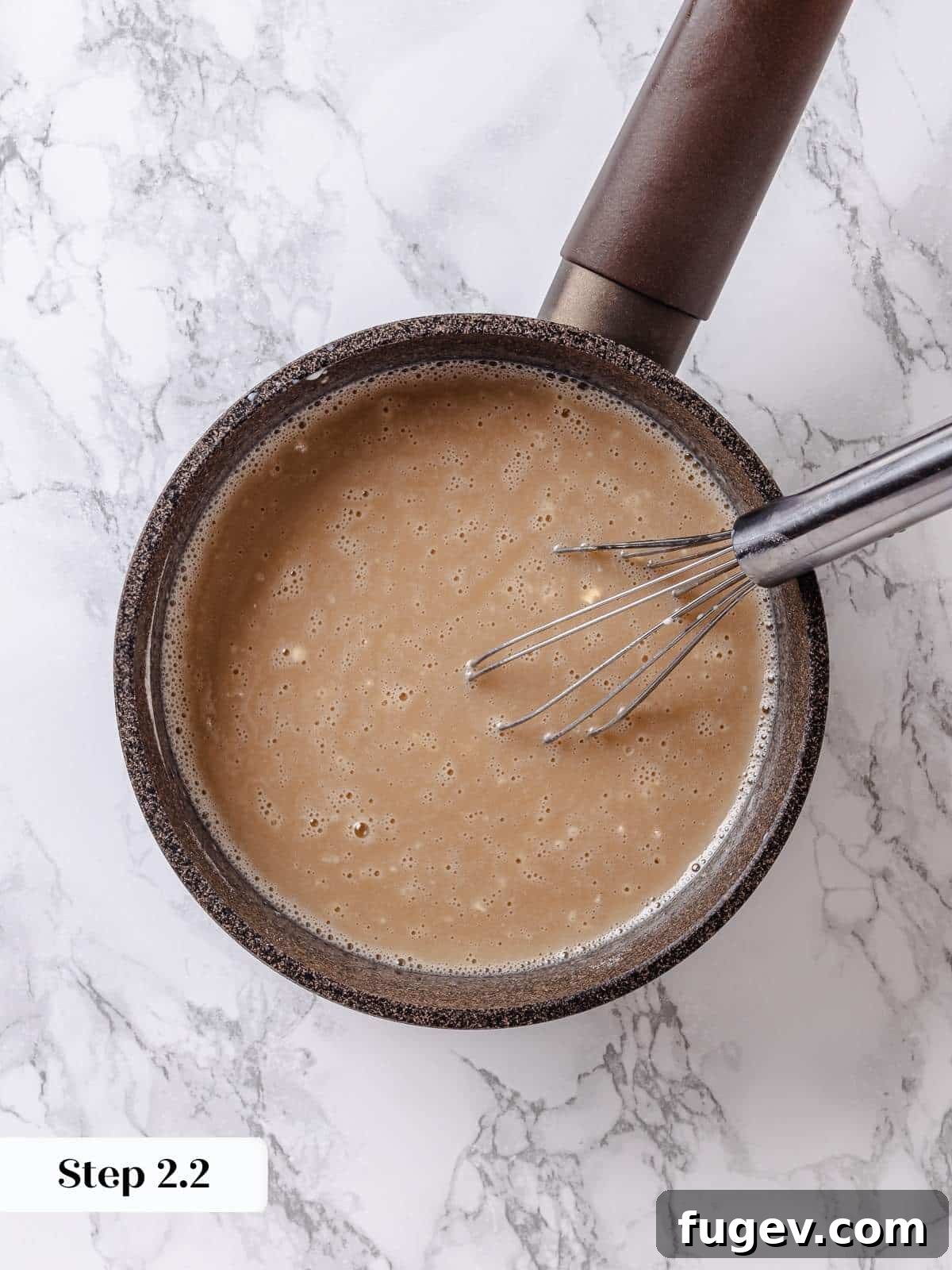
- Incorporate Liquids Gradually: Slowly begin to whisk in the whole milk, adding only a small amount at a time. Continue whisking until each addition is fully incorporated into the dry mixture before adding more (refer to photo 2). This gradual approach prevents lumps, much like making a smooth homemade vanilla pudding. Once the milk is mostly incorporated, whisk in the pure maple syrup until well combined (refer to photo 3).
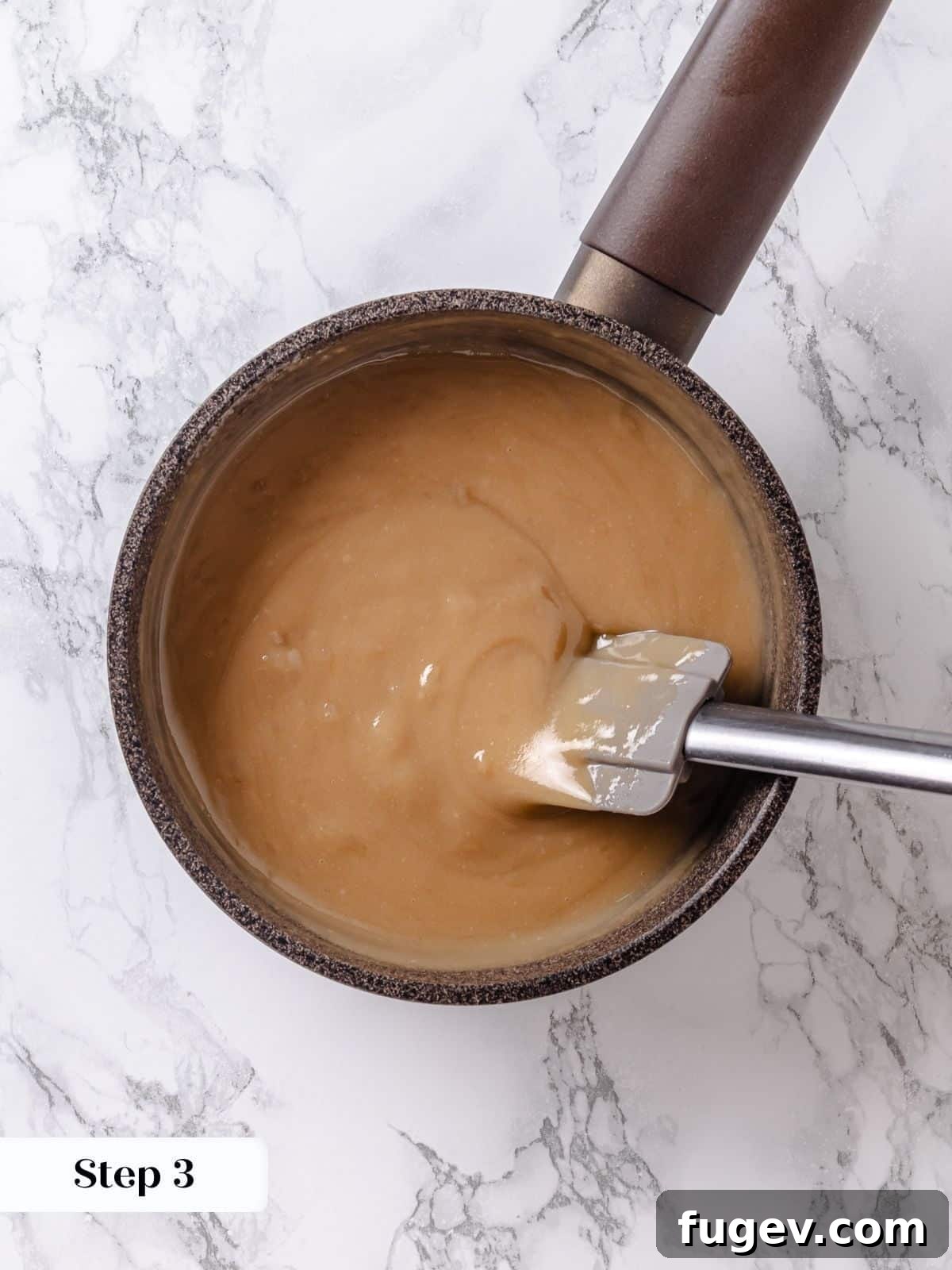
- Cook the Base: Switch from a whisk to a sturdy silicone spatula. Cook the mixture over medium heat, stirring constantly and thoroughly. Your stirring motion should cover the entire bottom of the saucepan to prevent scorching (refer to photo 4).
CHEF’S TIP: To ensure even cooking and prevent any burning, I recommend using a consistent stirring pattern. Start by scraping the spatula in a zig-zag motion across the bottom of the pot, then sweep it around the edges. Repeat this pattern continuously. This technique is similar to what I use for delicate preparations like crème anglaise or easy lemon curd, guaranteeing a perfectly smooth result.
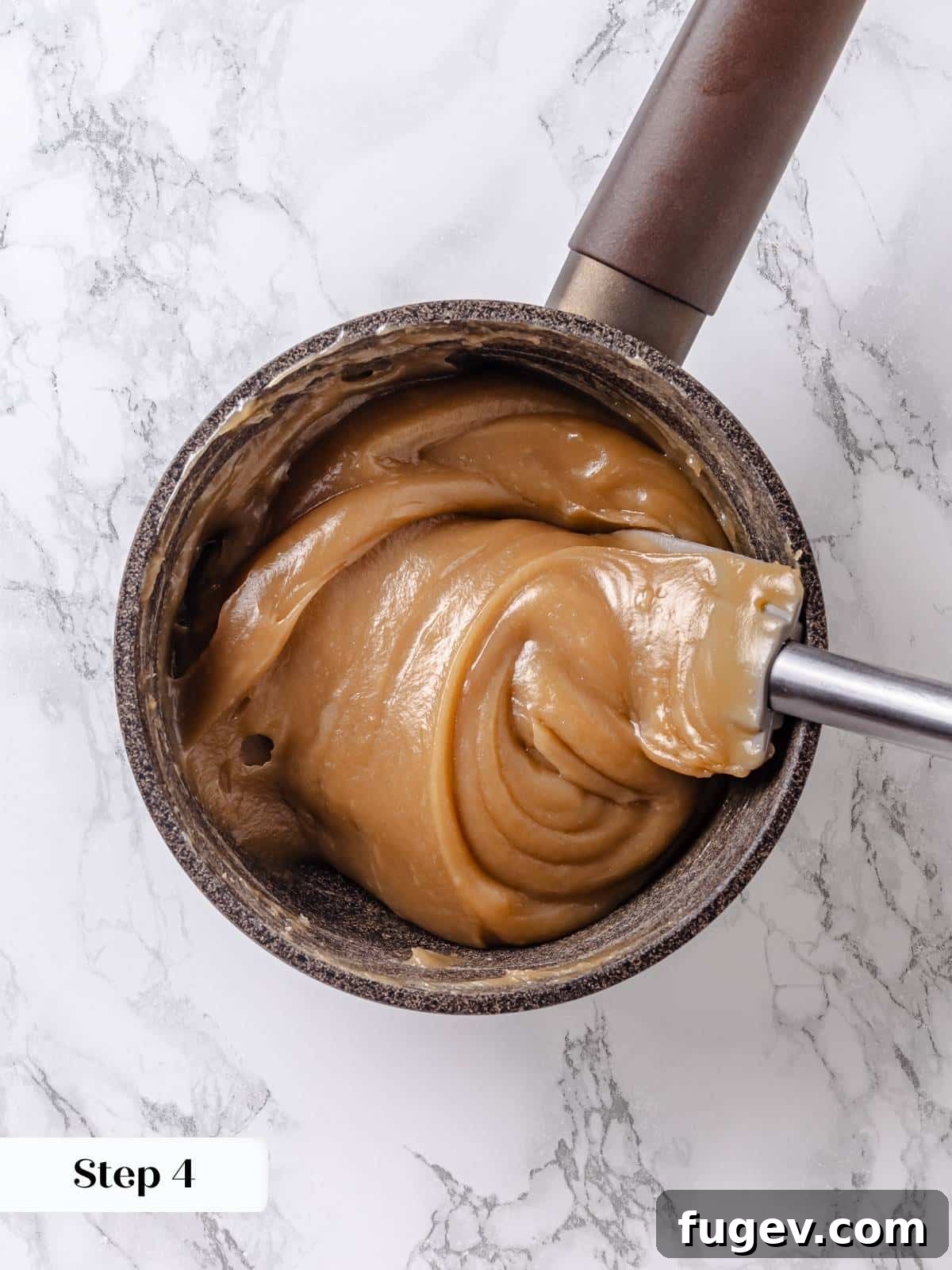
- Achieve Proper Thickness: Continue cooking and stirring until the flour mixture has significantly thickened. It should transform from a liquid to a thick, pudding-like consistency that drops off your spoon in distinct clumps rather than pouring off in a stream (refer to photo 5). This process typically takes around 25 minutes to ensure the flour is fully cooked and the base is perfectly stable.
The ideal thickness of this cooked base is paramount. A properly thickened base will yield a robust, pipeable frosting capable of holding intricate lines and details, even in warm and humid conditions. This takes time, so be patient and continue stirring until the desired consistency is reached.
- Cool the Base Completely: Remove the thickened flour mixture from the heat. Scrape it into a clean, large bowl using your spatula. Immediately cover the surface of the mixture directly with plastic wrap to prevent a skin from forming. Allow it to cool completely to room temperature until it is no longer warm to the touch. This can take several hours. To speed up the cooling process, you can place the bowl in the refrigerator, stirring every 20 minutes, until it reaches body temperature or slightly cooler. Ensure it is fully cooled before proceeding to the next step, as any residual warmth will melt the butter.
Make the Frosting:
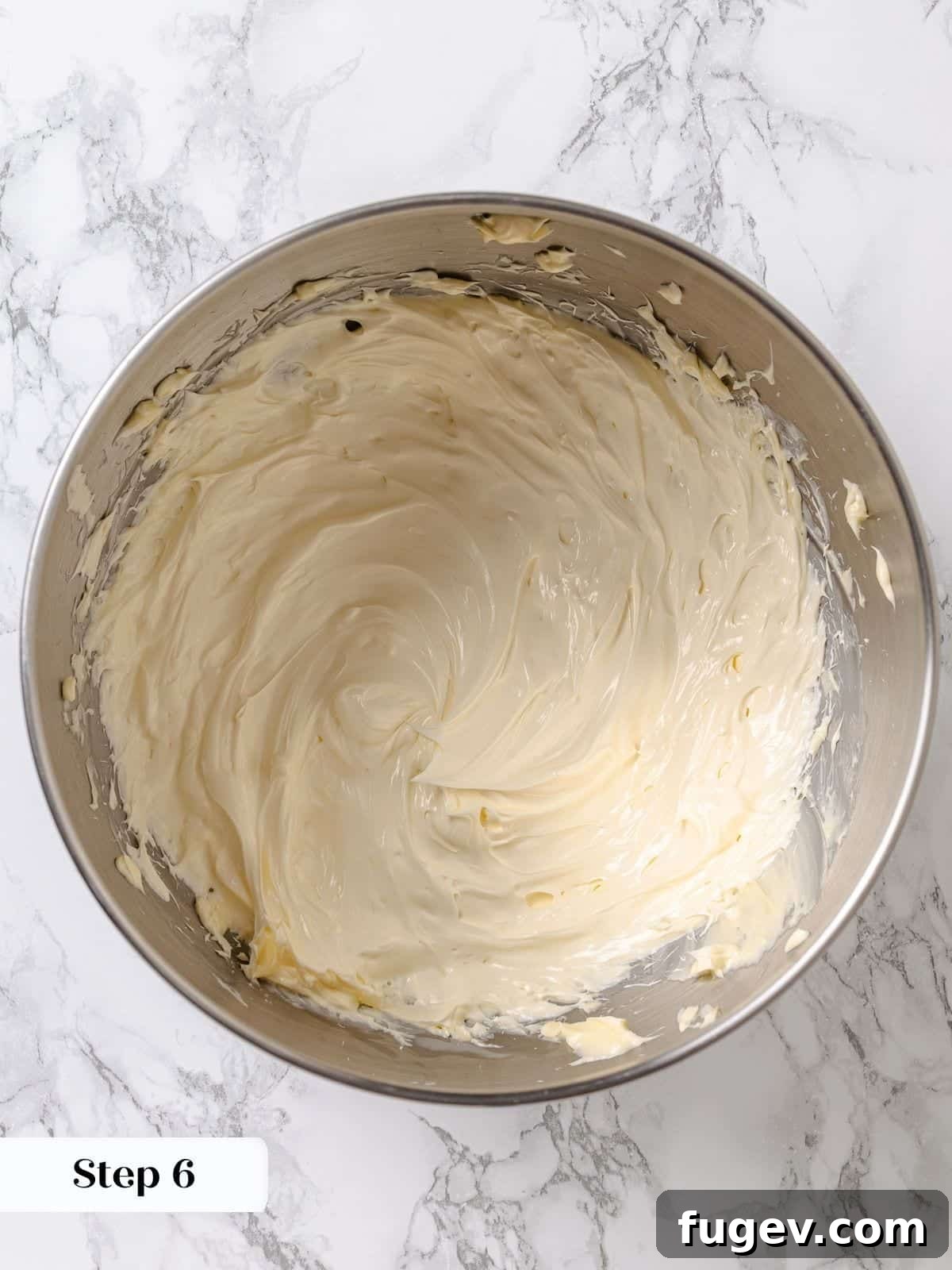
- Cream the Butter: In the bowl of a stand mixer fitted with the whisk attachment, beat the unsalted butter on medium-high speed. Continue beating until the butter becomes light, fluffy, and almost white in color (refer to photo 6). This aeration is key to a light and airy frosting.
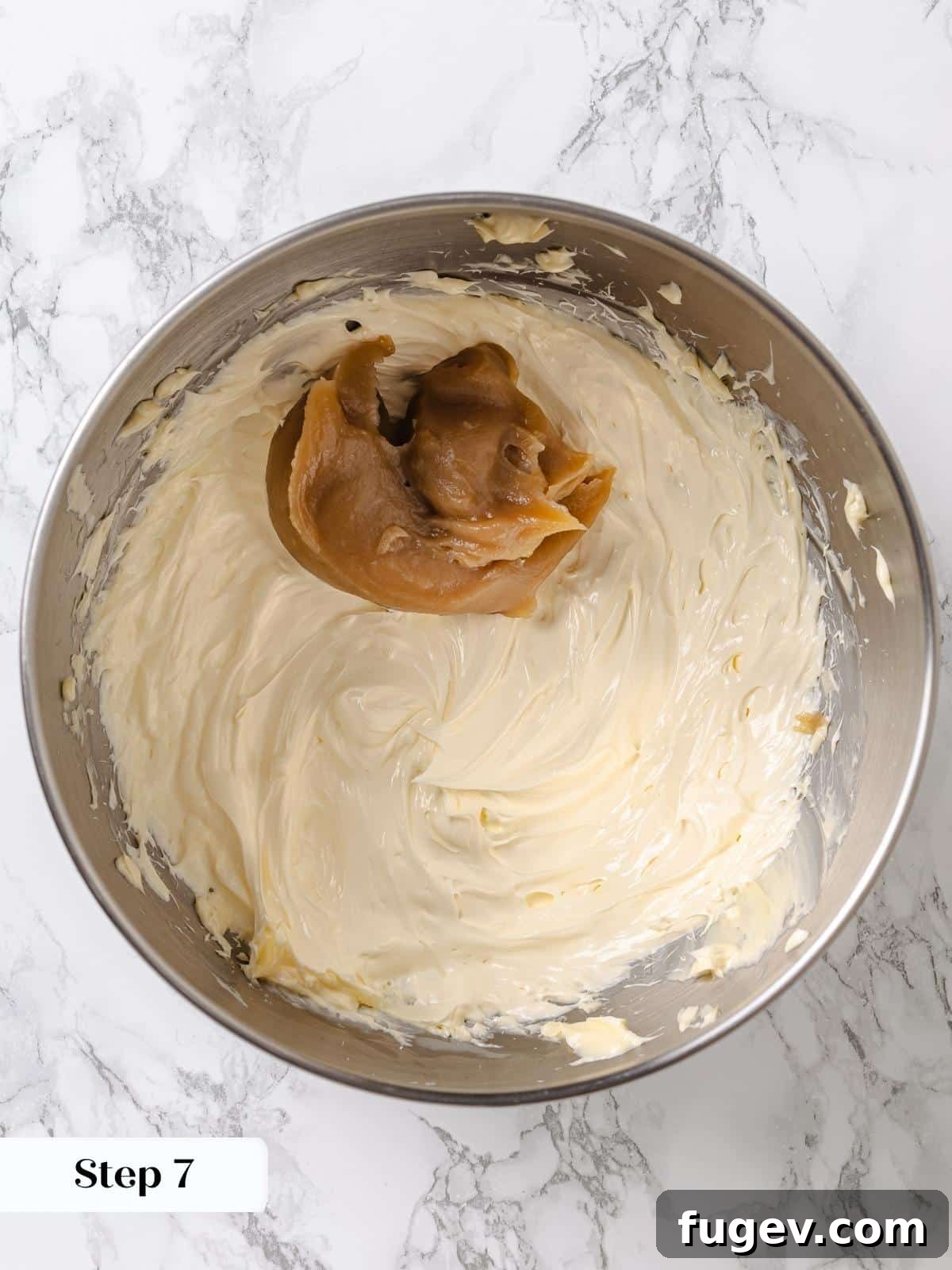
- Gradually Add Maple Mixture: With the mixer still running on medium speed, begin adding the completely cooled maple flour mixture, one spoonful at a time. Allow each spoonful to fully incorporate into the whipped butter before adding the next. This slow addition is crucial for creating a stable emulsion and preventing a broken frosting. As you go, frequently stop the mixer to scrape down the sides and bottom of the bowl with a spatula (refer to photo 7).
- Final Scrape and Whip: Once all the maple flour mixture has been incorporated, stop the mixer one last time. Thoroughly scrape down the sides and bottom of the bowl to ensure no unmixed butter or base remains.
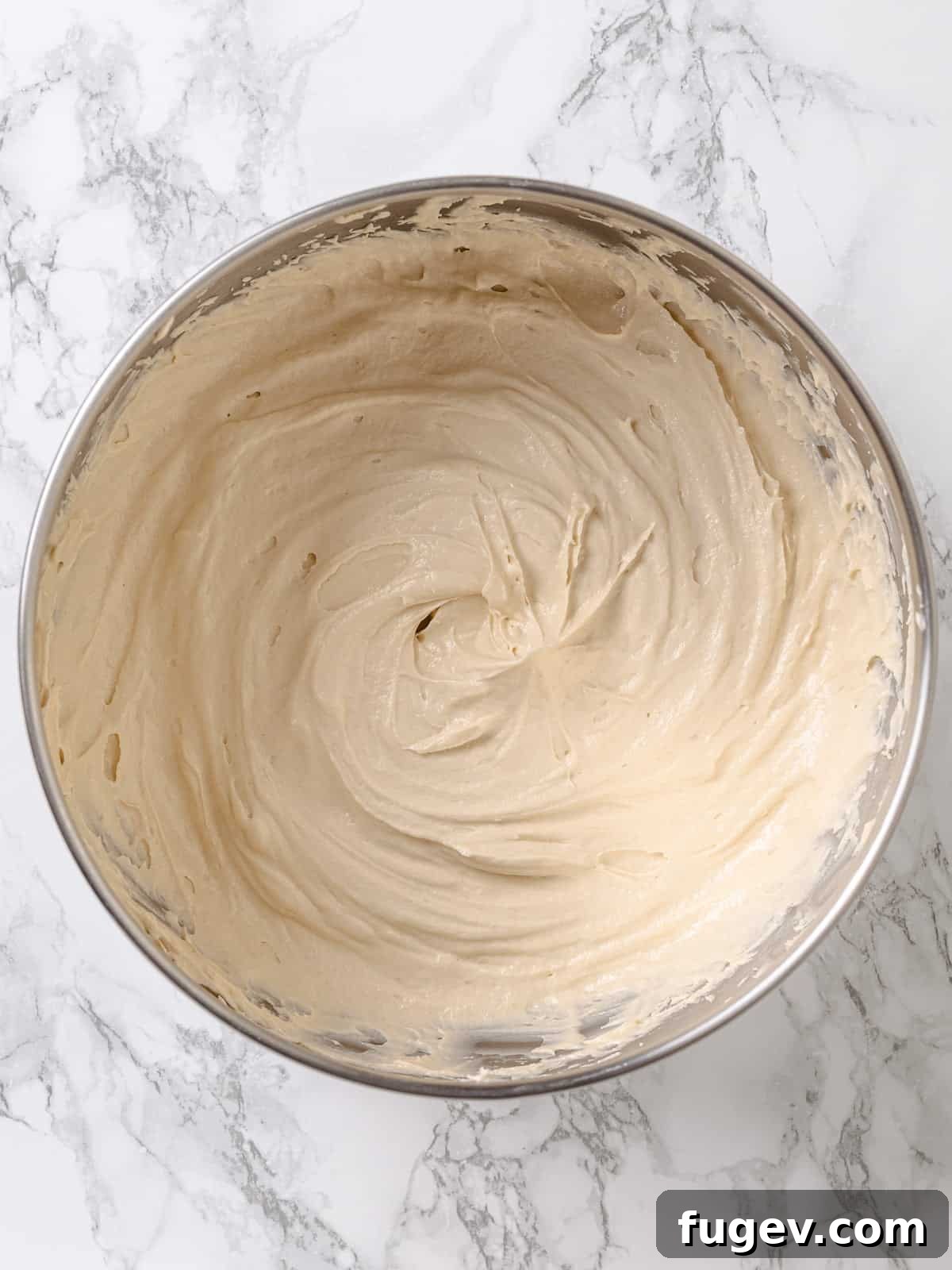
- Add Vanilla and Finish Whipping: Add the vanilla extract to the bowl. Increase the mixer speed to high and continue to whisk the frosting for several minutes. Beat until the frosting is exceptionally light, airy, and holds stiff, well-defined peaks (refer to photo 8). This final whipping stage ensures a beautiful, pipeable consistency.
- Serve or Store: Your perfect maple frosting is now ready! Transfer it to a piping bag for elegant decorations or spread it generously onto your favorite cakes, such as our delicious maple cake, or cupcakes. Enjoy its rich flavor and delightful texture!
Chef Lindsey’s Expert Recipe Tip
For the absolute best texture and ease of use, I highly recommend using this maple frosting as soon as it’s freshly made. At this point, it will be at its lightest, fluffiest, and most pliable state. While you can certainly store it for future use and re-whip it from the refrigerator, please note that it might not regain quite the same ethereal lightness and aeration as when it was first prepared. Nevertheless, it will still be delicious and perfectly suitable for decorating!
Maple Frosting FAQs
Store this delightful maple frosting in an airtight container in the refrigerator for up to 2 weeks. For longer storage, it can be frozen for up to 2 months. While it’s best enjoyed fresh, you absolutely can make it in advance. If stored in the refrigerator, allow it to come to room temperature for about 30-60 minutes, then re-whip it with a stand mixer for a few minutes until it’s light and fluffy again. The flour base can also be made in advance and stored in the fridge; just ensure it reaches room temperature before incorporating it into the butter.
There are typically two main culprits for runny maple frosting:
- Undercooked Flour Base: If the flour base was not cooked long enough to thicken properly, the frosting will lack stability. Ensure it reaches a thick, pudding-like consistency that plops off a spoon.
- Butter Temperature: Using butter that is too warm, soft, or melted will cause the frosting to become runny and greasy. The butter needs to be cold but pliable. If your frosting is runny, try chilling the entire mixture in the refrigerator for 20-30 minutes, then re-whip it on high speed. Repeat this process if necessary until it firms up.
Yes, due to its butter content, this maple frosting will firm up beautifully in the refrigerator. However, unlike some buttercreams that can become unpleasantly hard and waxy, this frosting remarkably retains its light, almost whipped texture even when chilled. It won’t become brittle, making it an excellent choice for desserts that need to be refrigerated or transported.
This versatile maple frosting can elevate a wide array of desserts! It’s absolutely perfect for layering between cake rounds (like a classic yellow cake or a spice cake) or piping generously on top of cupcakes (pumpkin, apple, vanilla, or chocolate). Beyond cakes and cupcakes, consider these delightful applications:
- Sandwich it between chewy molasses cookies (Grandma’s Molasses Sugar Cookies would be divine!) for a comforting treat.
- Use it as a decadent topping for quick breads or muffins.
- Replace the glaze on top of your favorite apple cinnamon rolls for an extra special breakfast or brunch.
- Fill whoopie pies for a unique dessert experience.
- Even a simple graham cracker or shortbread biscuit becomes extraordinary with a dollop of this frosting.
As written, this recipe is not gluten-free due to the all-purpose flour. For a gluten-free option, you might try flavoring a different type of gluten-free buttercream (like American or cream cheese buttercream) with maple extract and syrup. It is also not dairy-free as it uses whole milk and butter. To make it dairy-free, you can substitute whole milk with an unsweetened plant-based milk (like oat or almond milk) and use a high-quality dairy-free butter substitute. Be aware that these substitutions may slightly alter the flavor and texture of the final frosting.
Yes, you can certainly adjust the sweetness. The recipe calls for ⅔ cup of granulated sugar, but you can reduce this down to ½ cup or even slightly less if you prefer a less sweet frosting. Alternatively, if you want a truly less sweet option without compromising the structure, you could adapt our ermine frosting recipe and use maple extract in place of some of the vanilla extract, as ermine frosting tends to be less sweet than traditional American buttercream.
Recommended Fall Dessert Recipes to Pair with Maple Frosting
Looking for the perfect canvas for your exquisite maple frosting? Explore these delightful fall dessert recipes from our collection:
Cupcake Recipes
Pumpkin Cupcakes with Cream Cheese Frosting
Cake Recipes
Maple Pound Cake with Maple Glaze
Cake Recipes
Applesauce Cake
Fall Dessert Recipes
Pumpkin Pecan Pie Cupcakes
If you tried this recipe and loved it, please take a moment to leave a ✴ star rating and share your thoughts in the comments section below. Your feedback truly makes my day!
Maple Frosting Recipe Card
Comment
Print Recipe
Ingredients
- 10 tablespoons all-purpose flour
- 1 cup whole milk
- ¾ cup pure maple syrup Grade A, dark amber, rich taste
- ⅔ cup granulated sugar
- 2 teaspoons vanilla extract
- 1 teaspoon kosher salt
- 2 cups unsalted butter cold but pliable (not room temperature)
Instructions
Make the Flour Base:
-
In a large, heavy-bottomed saucepan, combine the all-purpose flour, granulated sugar, and kosher salt. Stir well to combine thoroughly.
-
Slowly whisk in the whole milk, adding just a little at a time and ensuring it is completely incorporated before adding more to prevent lumps. Whisk in the pure maple syrup.
-
Switch from the whisk to a sturdy silicone spatula and stir constantly over medium heat, scraping the bottom and sides of the pan regularly.
-
Continue cooking until the flour mixture has thickened significantly to a pudding-like consistency, and drops off a spoon in thick clumps rather than pouring off in a stream. This should take about 20-25 minutes.
-
Remove from heat and scrape the base into a large bowl. Cover the surface directly with plastic wrap to prevent a skin. Allow it to cool completely to room temperature (not warm to the touch). This can be sped up by chilling in the refrigerator, stirring every 20 minutes until it reaches body temperature.
Make the Frosting:
-
In the bowl of a stand mixer fitted with the whisk attachment, beat the cold but pliable unsalted butter on medium-high speed until it becomes light, fluffy, and almost white in color.
-
With the mixer running on medium speed, add the completely cooled maple flour mixture one spoonful at a time. Ensure each addition is fully beaten in before adding the next. Scrape down the sides and bottom of the bowl frequently.
-
Stop the mixer once all the flour mixture is incorporated, then scrape down the sides and bottom of the bowl thoroughly one last time.
-
Add the vanilla extract. Continue to whisk on high speed for several minutes until the frosting is exceptionally light, airy, and holds stiff peaks.
-
Transfer the finished maple frosting to a piping bag for decorating, or spread generously on your favorite cakes and cupcakes.
Notes
Flavor Customization – To achieve a less sweet frosting without altering the structure, you can try our ermine frosting recipe and substitute some of the vanilla extract with high-quality maple extract for that authentic maple flavor.
Key Technique – Always ensure your butter is cold but pliable, not at room temperature or melted. This is crucial for the perfect frosting consistency.
Storage Instructions – Store the maple frosting in an airtight container in the refrigerator for up to 2 weeks. For longer preservation, it can be frozen for up to 2 months. Remember to re-whip after refrigeration for the best texture.
Nutrition Facts
Before You Go: Explore More Frosting Delights
We hope you thoroughly enjoyed creating and tasting this incredibly stable and flavorful cooked maple frosting! If you’re looking to expand your frosting repertoire, be sure to explore our other easy and delicious buttercream & frosting recipes. You might love our rich chocolate buttercream frosting recipe or our perfectly tangy and sweet cream cheese buttercream frosting. Happy baking!