
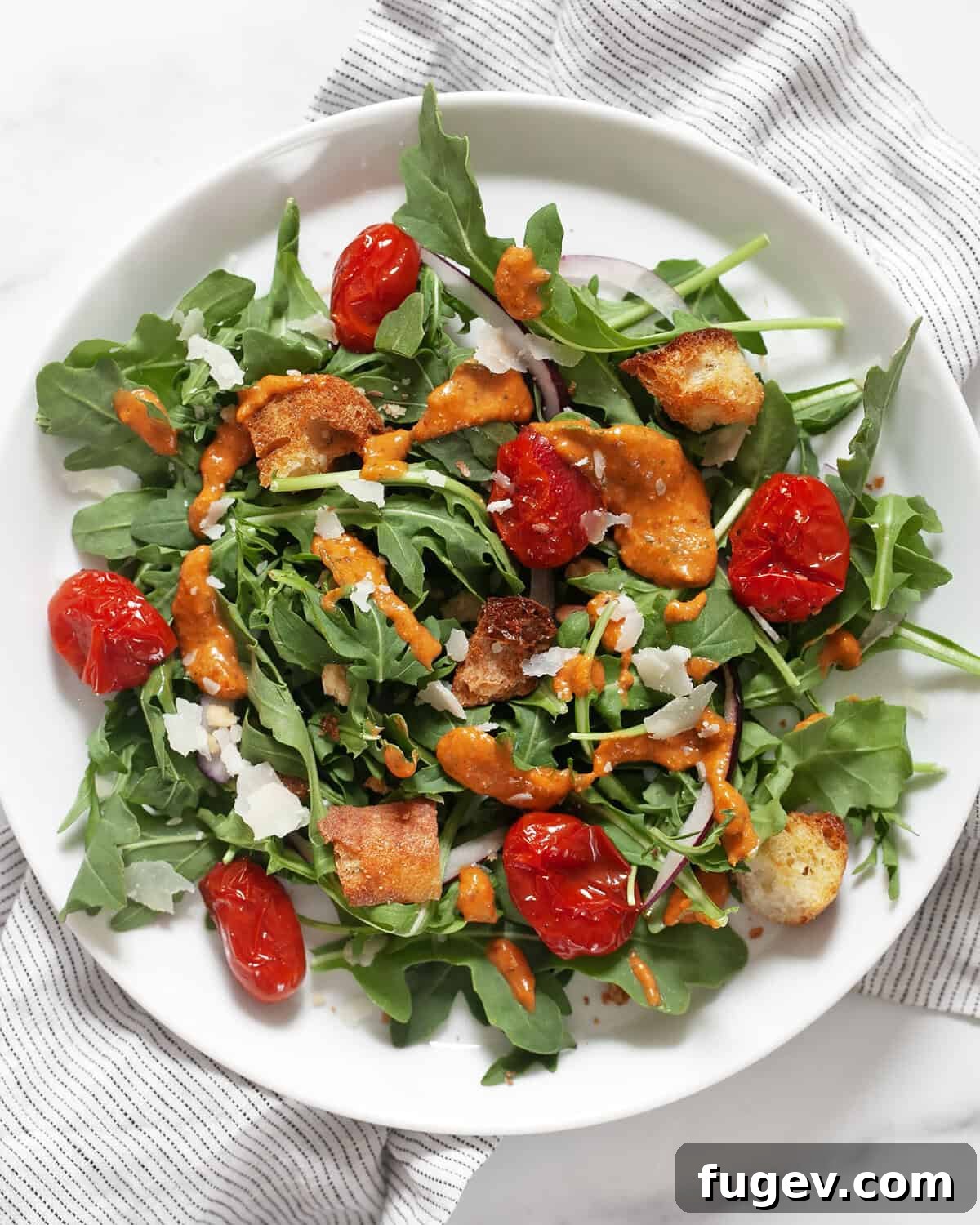
Prepare for a culinary delight that offers a fantastic two-for-one benefit in your kitchen: crafting this exquisite roasted cherry tomato vinaigrette. This recipe yields not only a vibrant, tangy, and intensely flavorful dressing but also a generous portion of perfectly roasted cherry tomatoes ready to enhance any salad. Fresh, peak-season tomatoes, especially the sweet and juicy cherry variety, are truly at their best during the warm summer months. Roasting them transforms their inherent goodness, concentrating their natural sugars and deepening their “tomatoey” essence into something truly remarkable. Pureeing these beautifully caramelized tomatoes with aromatic garlic, fragrant fresh basil, subtle shallots, robust red wine vinegar, and premium extra virgin olive oil creates an effortlessly creamy and utterly delicious vegan salad dressing. This homemade creation will quickly become a cherished staple, outshining any store-bought alternative with its superior taste and freshness.
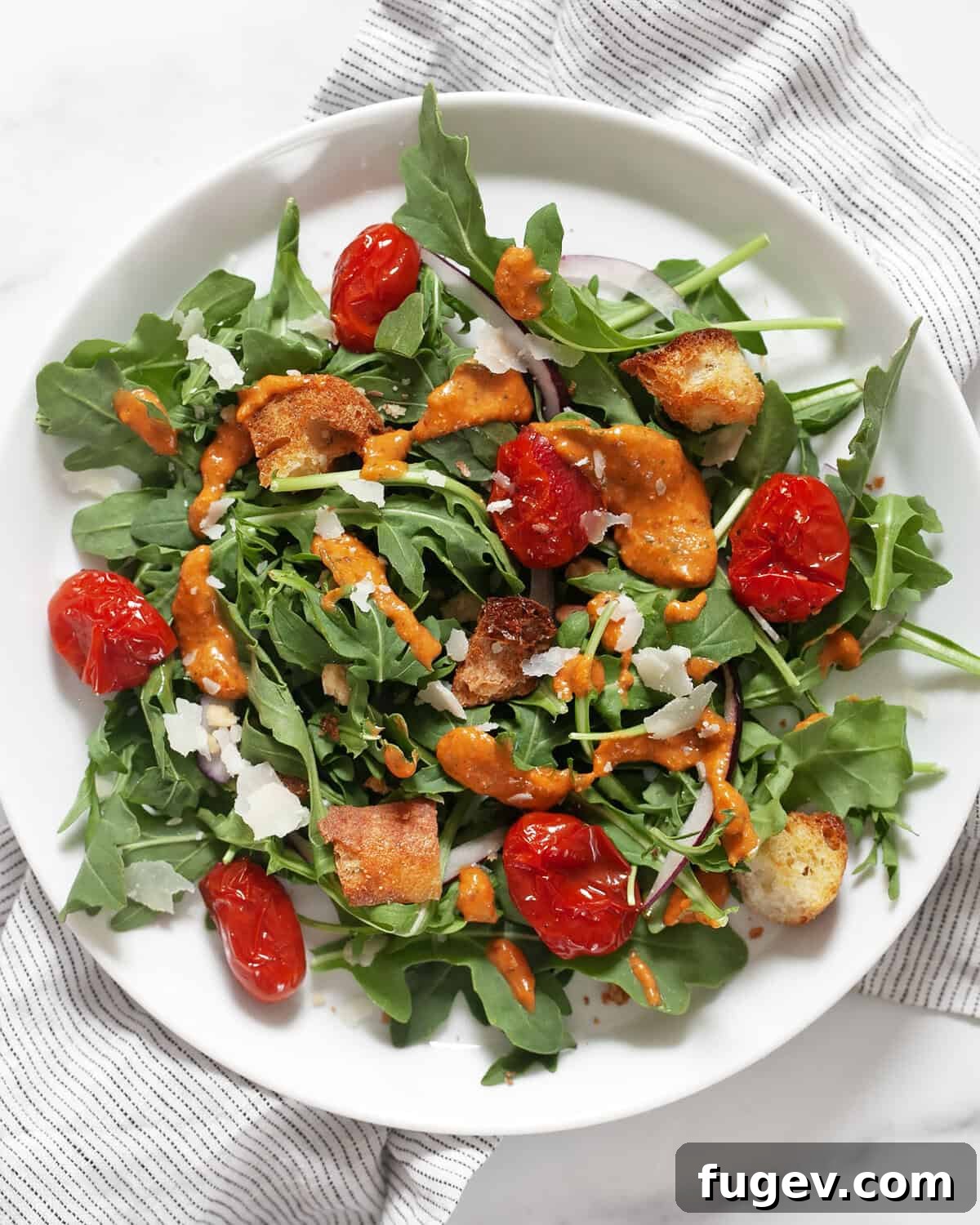
Table of Contents
- Why This Roasted Tomato Vinaigrette Will Be Your New Favorite
- The Essential Ingredients for Perfect Vinaigrette
- How to Master This Roasted Tomato Vinaigrette Recipe
- Tips for Properly Dressing a Salad
- Creative Serving Ideas
- Leftovers & Storage Tips
- More Delicious Tomato Recipes
- Roasted Tomato Vinaigrette Full Recipe
Why This Roasted Tomato Vinaigrette Will Be Your New Favorite
There’s an undeniable satisfaction that comes from preparing your own food, and salad dressings are a prime example where homemade truly triumphs. Homemade dressings consistently outperform their store-bought counterparts for several compelling reasons. The most significant advantage lies in the absence of artificial preservatives, stabilizers, excessive sugars, and other additives often found in commercial products, all necessary for extending shelf life. When you craft your own vinaigrette, you have complete control over the quality of each ingredient. You can select the freshest, most vibrant produce, choose the finest olive oil, and adjust seasonings to your exact preference. This commitment to superior ingredients translates directly into a taste that is fresher, more authentic, and incomparably better than anything you can buy.
This particular recipe offers incredible value by being a simple vinaigrette recipe that delivers more than just a dressing. The genius of roasting a whole pint of cherry tomatoes is its inherent efficiency. You’ll only need approximately one cup of these deeply flavorful roasted gems for the vinaigrette itself. The remaining roasted tomatoes are a delightful bonus – tender, sweet, and bursting with concentrated flavor, they serve as a ready-to-use ingredient. You can toss them directly into your salads for added texture and sweetness, use them as a topping for crostini or bruschetta, fold them into omelets, or incorporate them into various other dishes. This dual functionality not only minimizes waste but also provides an extra layer of culinary convenience and enjoyment, making your cooking efforts feel incredibly rewarding.
One of the most surprising and appealing aspects of this recipe is that, despite being an oil-based vinaigrette that is entirely plant-based, it boasts a wonderfully creamy consistency. Many creamy dressings rely on dairy products like mayonnaise or yogurt, but this vinaigrette achieves its luxurious texture purely through the skillful pureeing of the roasted tomatoes and the natural emulsification of the oil and vinegar. As someone who deeply appreciates the bright acidity and light body of a classic oil-and-vinegar dressing, I can assure you that this recipe maintains that desirable zesty tang while simultaneously offering a smooth, velvety mouthfeel. It’s a healthy, flavorful, and unexpectedly creamy option for those seeking a vibrant, plant-based dressing without having to compromise on texture or taste. It’s a testament to how simple, fresh ingredients can create something truly extraordinary.
The Essential Ingredients for Perfect Vinaigrette
Crafting this vibrant roasted cherry tomato vinaigrette requires a thoughtful selection of fresh, high-quality ingredients that harmonize beautifully to create a symphony of flavors:
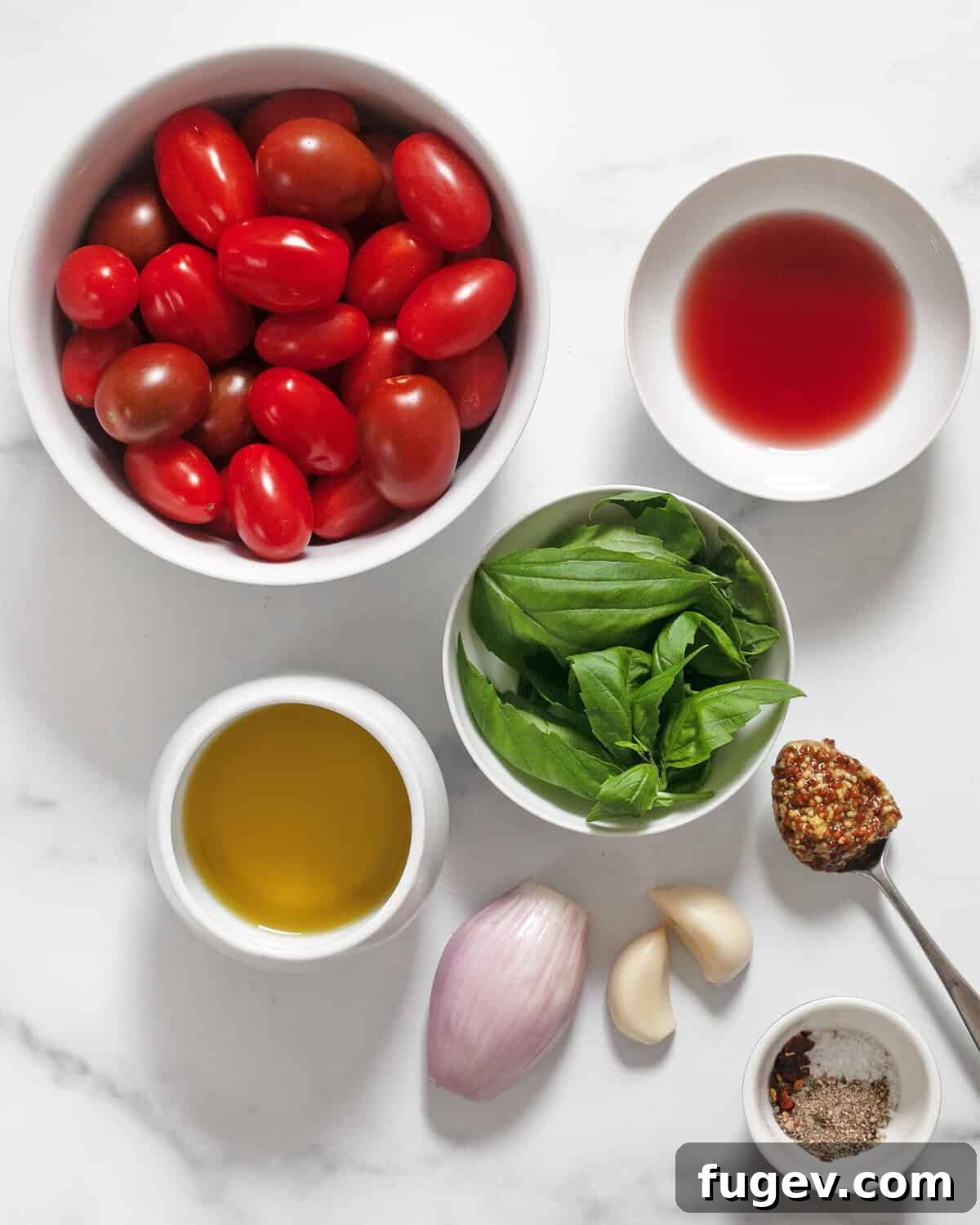
- Cherry Tomatoes: These are the undeniable star of our dressing. I strongly recommend using ripe cherry tomatoes over grape tomatoes. Cherry tomatoes typically have a juicier interior and more delicate skins that soften and burst beautifully during roasting, releasing their sweet, concentrated juices. Roasting is crucial as it caramelizes their natural sugars, intensifying their flavor profile significantly and adding a wonderful depth that fresh tomatoes alone cannot achieve.
- Fresh Garlic: Two medium-sized garlic cloves provide the perfect aromatic kick, adding a pungent depth and warmth that complements the sweetness of the roasted tomatoes without overpowering them. For garlic lovers, adding an extra clove can yield a bolder flavor. Ensure they are peeled and roughly chopped before adding to the food processor to facilitate thorough blending and maximum flavor extraction.
- Shallot: Often celebrated for its milder, sweeter flavor compared to a regular onion, a shallot also boasts subtle garlicky undertones. When pureed, a single shallot integrates seamlessly into the dressing, contributing an extra layer of savory complexity and a gentle sweetness that elegantly balances the vinaigrette’s acidity. It’s a key ingredient for achieving that well-rounded, gourmet taste.
- Fresh Basil Leaves: An undisputed classic pairing with tomatoes, fresh basil brings an exquisite fragrant, sweet, and subtly peppery note that is absolutely indispensable for this dressing. For the most authentic and vibrant taste, always opt for fresh herbs. If fresh basil is genuinely unavailable, you can substitute with a ¼ teaspoon of a good quality Italian spice blend, which typically contains dried basil, oregano, thyme, and sometimes marjoram or rosemary, offering a similar herbaceous, Mediterranean character. However, the brightness of fresh basil is truly unmatched.
- Red Wine Vinegar: This ingredient is essential for providing the characteristic zesty tang and bright acidity that defines any excellent vinaigrette. Red wine vinegar offers a robust, fruity acidity that pairs exceptionally well with the rich sweetness of the roasted tomatoes. While white wine vinegar can be used as a substitute for a slightly milder finish, I strongly advise against using balsamic vinegar. Its distinctively strong, often sweet, and sometimes overpowering flavor profile would undoubtedly overshadow the delicate nuances of the roasted tomatoes and fresh basil.
- Whole Grain Mustard: More than just a flavor enhancer, whole grain mustard plays a vital role in the emulsification process. Its natural stabilizers help bind the oil and vinegar together, preventing separation and contributing significantly to the smooth, creamy texture of the vinaigrette. Additionally, it adds a delightful piquancy and a pleasant visual appeal with its tiny, discernible mustard seeds. If whole grain mustard isn’t available, Dijon mustard can be a substitute, though it will alter the texture slightly.
- Seasonings (Red Pepper Flakes, Kosher Salt, Black Pepper): These seasonings are crucial not only for taste but also for drawing out the best in the tomatoes during the roasting process. A small pinch of red pepper flakes introduces a very subtle warmth and depth, enhancing complexity without making the dressing spicy. Kosher salt is vital for intensifying and balancing all the flavors, while freshly ground black pepper provides a gentle, aromatic bite. Seasoning the tomatoes thoroughly before roasting ensures that the flavor permeates deeply, meaning you’ll need little to no additional seasoning when pureeing the final vinaigrette.
- Extra Virgin Olive Oil: As the foundational component of any superb vinaigrette, the quality of your olive oil matters immensely. Always opt for a high-quality extra virgin olive oil. Its fruity, sometimes peppery, and often herbaceous notes are integral to the overall flavor profile and the luxurious mouthfeel of the dressing. A premium olive oil elevates the entire dish, providing essential richness and a smooth, harmonious finish.
How to Master This Roasted Tomato Vinaigrette Recipe
Creating this flavorful roasted cherry tomato vinaigrette is a wonderfully straightforward process, broken down into a few simple yet impactful steps. The true magic happens in the oven, where the tomatoes transform, deepening in flavor and sweetness, which is the secret to this dressing’s incredible taste.
Step 1: Prepare Your Tomatoes for Roasting
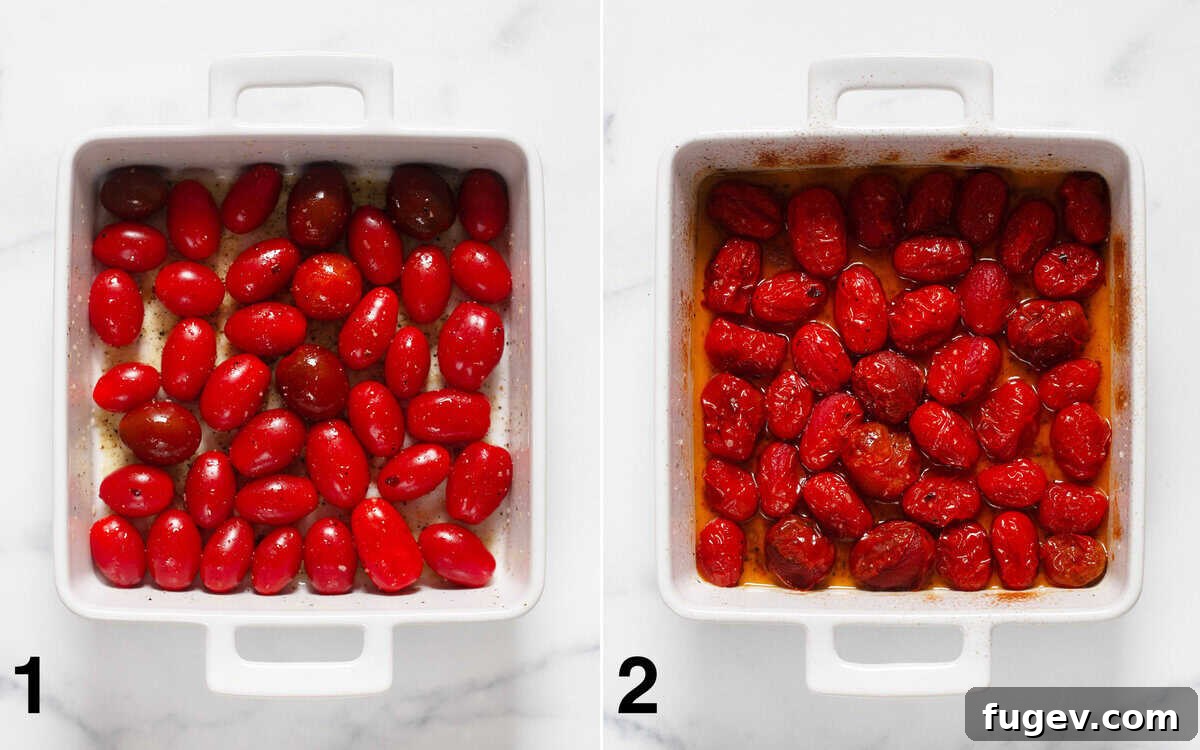
Begin by preheating your oven to a steady 400 degrees Fahrenheit (approximately 200 degrees Celsius). A hot oven is crucial for achieving optimal caramelization and ensuring the tomatoes roast, rather than steam. Take your fresh, ripe cherry tomatoes – there’s no need to halve them unless they are exceptionally large – and place them into an 8-inch baking dish. The size of the dish is important here; you want the tomatoes to fit snugly in a single layer, with minimal empty space. This close arrangement encourages even roasting and helps prevent them from drying out. Drizzle them generously with 2 tablespoons of good quality extra virgin olive oil, which aids in browning and flavor development. Season them with a pinch of red pepper flakes (for a very subtle background warmth), ½ teaspoon of kosher salt, and ¼ teaspoon of freshly ground black pepper. Gently stir everything together, ensuring each tomato is beautifully coated in the oil and seasonings. This preparatory step is vital for building deep, nuanced flavor right from the start.
Step 2: Roast to Perfection
Transfer the seasoned baking dish to your preheated oven. Allow the tomatoes to roast for approximately 25-30 minutes. During this time, it’s a good idea to check on them occasionally. They should become visibly soft, their skins will wrinkle and develop delicate charred spots, and many will burst open, releasing their wonderfully sweet and acidic juices into the bottom of the dish. This process of caramelization is precisely what creates the rich, intense, and complex flavor that defines this vinaigrette. The juices that collect in the dish are liquid gold, so make sure to preserve them! Once roasted to your satisfaction, remove the dish from the oven and let the tomatoes cool slightly. This cooling period allows the flavors to further meld and makes the tomatoes easier to handle for the next blending step.
Step 3: Blend the Vinaigrette Base
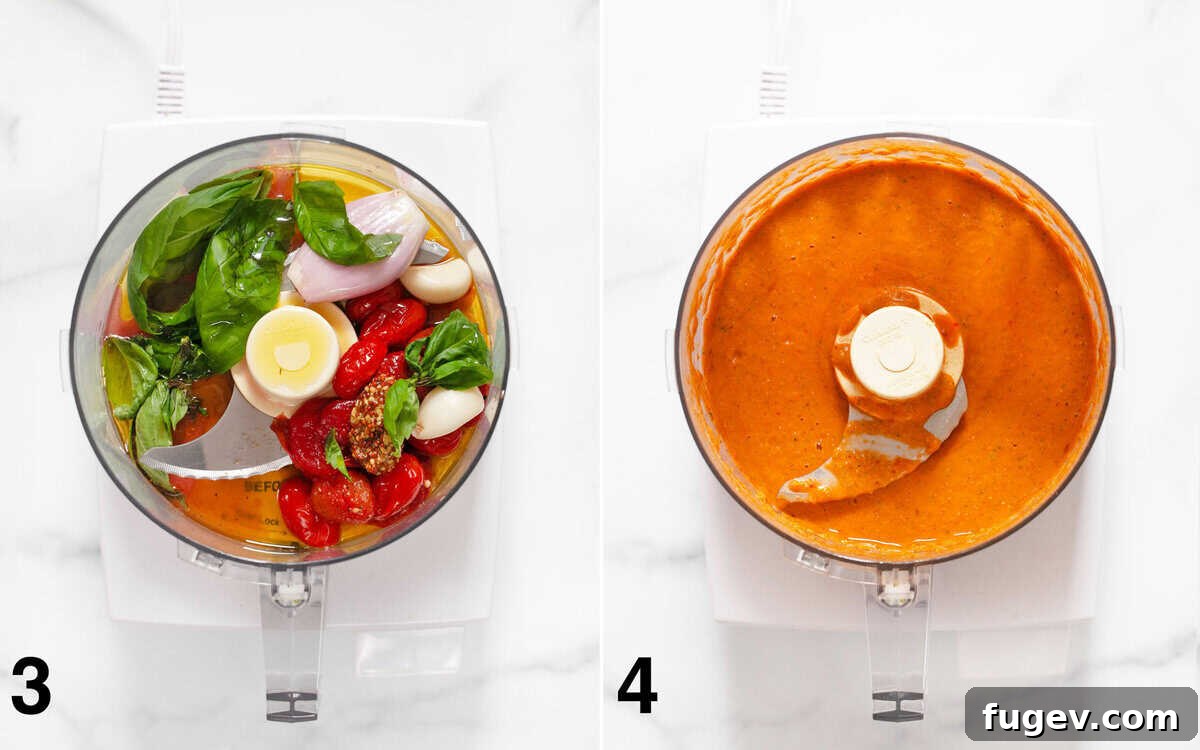
Once the roasted tomatoes have cooled to a comfortable temperature, it’s time to assemble the dressing. Carefully scoop about 1 cup of the roasted tomatoes into the bowl of a food processor or a high-speed blender. It’s crucial to include some of the flavorful, concentrated juices that have gathered in the baking dish; these juices are packed with intense tomato flavor and moisture, which are key to achieving the dressing’s perfect consistency. Add the remaining vinaigrette ingredients: the 2 peeled garlic cloves, 1 tablespoon of whole grain mustard, the peeled and roughly chopped shallot, ¼ cup of fresh basil leaves, 2 tablespoons of red wine vinegar, and ¼ cup of high-quality extra virgin olive oil. Ensure all components are ready for blending before proceeding.
Step 4: Achieve Silky Smoothness and Perfect Consistency
Process all the ingredients until the mixture is completely smooth and beautifully creamy. This typically takes anywhere from 1-2 minutes, depending on the power and efficiency of your food processor or blender. During blending, you may need to pause and scrape down the sides of the bowl or carafe to ensure that all ingredients are thoroughly incorporated and no chunks remain. The aim is a velvety, uniform consistency, free from any discernible pieces of tomato, garlic, or shallot. If, after blending, the vinaigrette appears too thick for your preference, you can easily thin it out by adding a few extra spoonfuls of the reserved juices from the baking dish. Alternatively, a tiny splash of water or additional olive oil can also help. Conversely, if it somehow turns out too thin (which is less common), you can add a tiny bit more roasted tomato or another half teaspoon of mustard to help emulsify it further. Always taste and adjust seasonings if necessary, though the initial seasoning of the tomatoes should generally be ample. This final step brings all the incredible flavors together into a harmonious and delectable dressing.
Tips for Properly Dressing a Salad
While the act of dressing a salad might seem intuitively simple, there’s an art to achieving that perfect balance where every leaf and ingredient is lightly coated, vibrant, and never, ever soggy. Many people typically spoon their chosen vinaigrette over the salad ingredients in a bowl and then toss everything together. This method is perfectly functional, especially if you enjoy a more generously dressed salad where the dressing provides a robust flavor punch.
However, for those who appreciate a more delicate touch and wish to truly savor the crispness and natural flavors of their greens and other fresh ingredients, consider adopting this alternative technique: begin by spooning your desired amount of roasted tomato vinaigrette into an empty, clean salad bowl. Instead of leaving it in a puddle at the bottom, swirl the dressing around the bottom and up the sides of the bowl, creating a thin, even coating that adheres to the bowl’s surface. The key is to avoid an excess amount pooled at the very bottom. Next, add all your salad ingredients – the fresh greens, vibrant vegetables, crunchy nuts, savory proteins, and any other delightful mix-ins – directly into the dressing-coated bowl. Now, gently toss everything together using a pair of salad tongs or even your clean hands. This method ensures that the dressing lightly adheres to each component, evenly distributing flavor without drowning the salad in liquid. It’s particularly effective for delicate greens like baby arugula or spinach, as it prevents them from wilting prematurely and allows their subtle, natural flavors to shine through beautifully.
Ultimately, the goal of dressing a salad is to enhance, not overpower. Always start with a little less dressing than you think you might need, as you can always add more to taste. A perfectly dressed salad is a harmonious blend of textures and tastes, where the vinaigrette acts as a unifying, flavorful element, bringing all the components together without becoming the sole dominant force on the plate. Experiment with both methods to discover your preferred approach to the perfect salad!
Creative Serving Ideas
This roasted cherry tomato vinaigrette is incredibly versatile, extending its delightful application far beyond the confines of a traditional green salad. Its vibrant flavor profile, combining sweetness, tang, and herbaceous notes, makes it a fantastic addition to a wide range of dishes, effortlessly transforming simple meals into more gourmet experiences. Here are some creative and delicious ways to incorporate this tangy, creamy dressing into your culinary repertoire:
Perfect Salad Pairings for Your Vinaigrette
This rich tomato vinaigrette harmonizes beautifully with virtually any type of fresh lettuce or mixed greens. Imagine it lovingly tossed with:
- Baby Arugula: Its peppery, slightly bitter bite is wonderfully complemented and softened by the sweet and tangy notes of the vinaigrette.
- Fresh Spinach: Adds an earthy richness and tender texture that pairs exceptionally well with the bright, roasted tomato flavor.
- Hearty Kale: A robust green that stands up well to the creamy dressing, especially when gently massaged with the vinaigrette to tenderize it.
- Crisp Iceberg or Romaine Lettuce: Provides a refreshing crunch and a neutral, hydrating base that allows the complex flavors of the vinaigrette to truly shine.
- Mixed Greens: A diverse blend offers a variety of textures and subtle flavors that are all enhanced by this versatile dressing.
Beyond Basic Salads: Pasta Salads & Grain Bowls
Beyond traditional green salads, this vinaigrette truly shines in hearty pasta salads and nutritious grain bowls. It brings a cohesive, bright flavor that effortlessly ties all the ingredients together. When building these dishes, consider incorporating the delicious leftover roasted tomatoes and other delightful elements such as:
- Cheeses: Crumbled feta, delicate shaved Parmesan, fresh mozzarella pearls, or creamy goat cheese all add a wonderful salty, tangy, or rich contrast that elevates the overall flavor.
- Nuts: Toasted walnuts, slivered almonds, or buttery pine nuts provide a satisfying crunch and a pleasant nutty depth.
- Hard-Boiled Eggs: Diced or sliced, they contribute a significant boost of protein and a creamy texture, making your meal more substantial.
- Avocado: Diced or thinly sliced, its creamy texture and mild, buttery flavor are a perfect match for the zesty dressing, adding richness and healthy fats.
- Cucumbers: Diced or thinly sliced for a refreshing, cool, and crisp element that cuts through the richness.
- Roasted or Grilled Vegetables: Add seasonal roasted corn kernels, tender zucchini, sweet bell peppers, or savory summer squash for enhanced texture, sweetness, and a hint of smokiness.
- Homemade Croutons: A delightful addition for crunch and for soaking up all the delicious dressing.
- Grains: Cooked quinoa, farro, brown rice, or couscous form an excellent base for hearty and nutritious grain bowls, layered with roasted vegetables, a protein (like chickpeas or grilled chicken), and a generous drizzle of this flavorful vinaigrette.
Versatile Culinary Applications: More Than Just Dressing
The versatility of this tangy dressing doesn’t stop at salads and bowls. Think outside the box and integrate it into other dishes:
- Dip for Veggies & Crudités: Serve it as a fresh, vibrant, and healthy dip for a colorful platter of crudités – crisp carrots, crunchy celery sticks, vibrant bell pepper strips, crisp radishes, and sweet snap peas.
- Marinade for Proteins: Its balanced acidity and robust flavor make it an excellent and tenderizing marinade for chicken breasts, pork tenderloin, or firm tofu. Allow your protein to soak up these incredible flavors for at least 30 minutes (or up to a few hours in the refrigerator) before grilling, baking, or pan-searing.
- Bruschetta Topping: Combine some of the vinaigrette with extra chopped roasted tomatoes and a sprinkle of fresh basil, then spoon this mixture generously over toasted baguette slices for an elevated and intensely flavorful bruschetta.
- Sandwich or Wrap Spread: Spread a thin, flavorful layer on your favorite sandwiches or wraps instead of relying on mayonnaise or other heavier condiments for a lighter, more vibrant flavor.
- Roasted Vegetable Enhancer: Toss freshly roasted or lightly steamed vegetables (such as tender asparagus, crisp green beans, or florets of broccoli) with a spoonful of this vinaigrette just after cooking for an instant, bright flavor boost that ties the meal together.
Leftovers & Storage Tips
Proper storage is key to ensuring that your delicious homemade roasted tomato vinaigrette remains fresh, flavorful, and ready to use whenever a salad craving strikes. This recipe typically yields approximately 1 cup of dressing, which is usually enough for several generous salads or multiple meals.
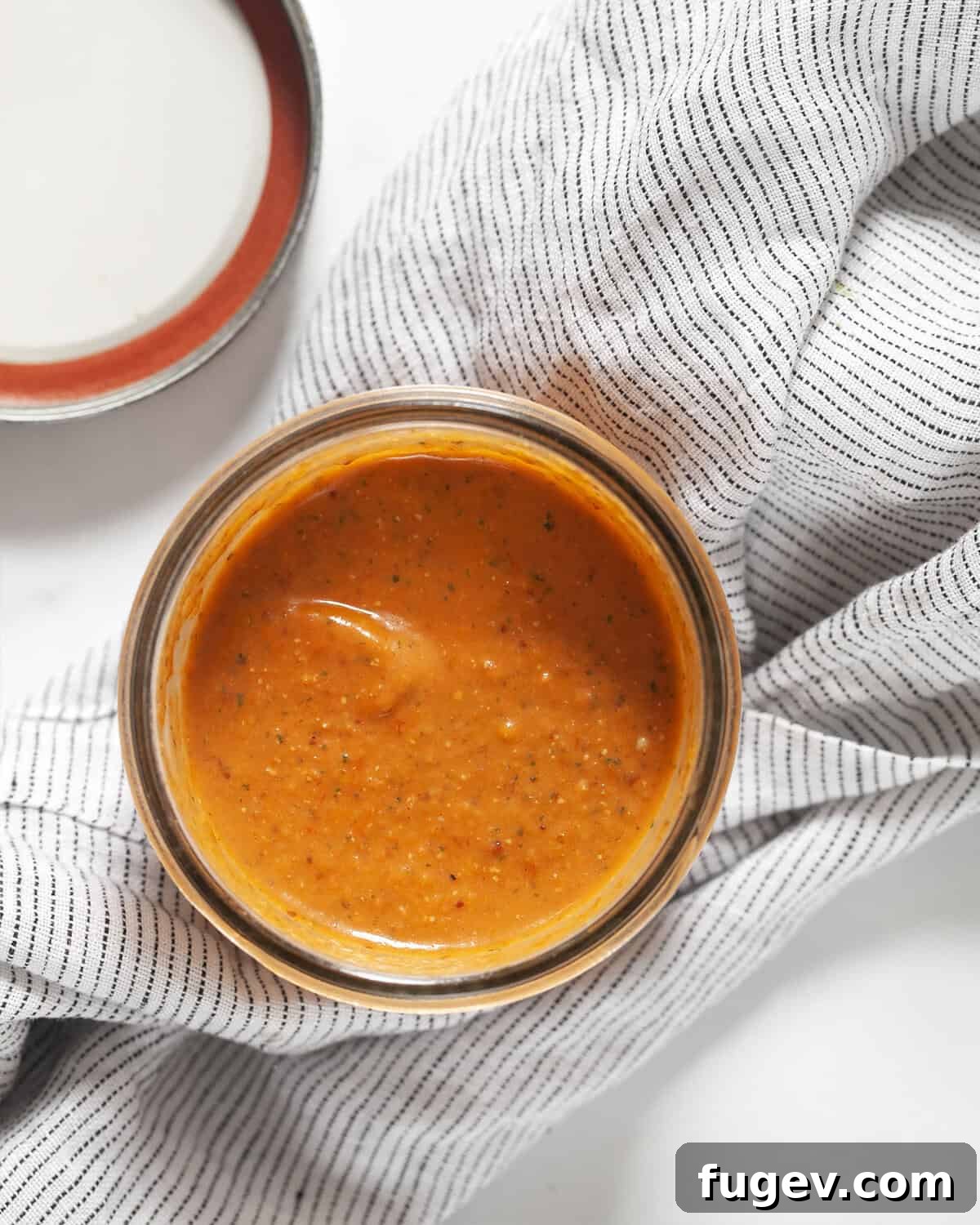
Refrigeration: You can store the vinaigrette in a clean, airtight container, such as a mason jar with a tight-fitting lid, in the refrigerator for up to 5 days. It is entirely normal for the olive oil component to solidify and the entire vinaigrette to thicken considerably when chilled. To bring it back to its luscious, pourable consistency, simply take it out of the fridge at least 20-30 minutes before you plan to use it. This allows it sufficient time to warm up gradually to room temperature, where the olive oil will liquefy again. Before serving, give it a good, vigorous stir or shake to thoroughly re-emulsify any separated ingredients and ensure a consistent texture. If, after warming and stirring, it still appears too thick for your liking, you can easily thin it out by adding a small amount of extra virgin olive oil, a tiny splash of water, or even a little extra red wine vinegar until it reaches your desired consistency.
Roasted Tomatoes: If you find yourself with leftover roasted tomatoes (which is often the case and a delightful bonus!), store them separately in their own airtight container in the refrigerator. They will stay fresh for the same duration as the dressing, up to 5 days. These extra tomatoes are fantastic additions to future salads, omelets, sandwiches, or even as a simple side dish.
Freezing: For longer-term storage, this versatile vinaigrette freezes remarkably well. Transfer the dressing to a freezer-safe container, leaving a little headspace for expansion, or portion it into an ice cube tray for convenient single-serving portions. It can be safely frozen for up to 1 month. When you’re ready to enjoy it, simply thaw the frozen vinaigrette in the refrigerator overnight or on the kitchen counter for a few hours. Once completely thawed, give it a good stir or whisk to bring it back together, and adjust the consistency if needed, just as you would with refrigerated leftovers. This freezing method allows you to enjoy the vibrant flavors of summer tomatoes long after the season has passed.
More Delicious Tomato Recipes
If you’re a true fan of the vibrant and versatile flavors of tomatoes, you’ll love exploring these other delightful salad recipes and dishes that celebrate this incredible fruit:
- Summer Chopped Salad
- Tomato Avocado Salad
- Greek Quinoa Salad
- Roasted Corn Tomato Wild Rice Salad
- Heirloom Tomato Salad
- Zucchini Corn Salad
- Peach Caprese Salad
- Cucumber Tomato Feta Salad
- Tomato Peach Burrata Salad
- Harissa Roasted Tomato Couscous
For even more salad inspiration, innovative recipes, and comprehensive guides, be sure to check out our seasonal salad guide, packed with invaluable tips on ingredient selection, efficient meal preparation strategies, and much more! Discover your next favorite healthy meal today.
Roasted Tomato Vinaigrette
This creamy and flavorful vegan dressing, made with perfectly roasted cherry tomatoes, aromatic fresh basil, and pungent garlic, is an absolute game-changer. It’s ideal for enhancing green salads, hearty grain bowls, or as a versatile and tenderizing marinade for various proteins.
By: Paige Adams
Prep Time: 10 mins
Cook Time: 30 mins
Total Time: 40 mins
Servings: 6
Ingredients
For Roasted Tomatoes:
- 1 pint (approx. 2 cups) cherry tomatoes
- 2 tablespoons extra virgin olive oil
- Pinch of red pepper flakes (optional, for a hint of warmth)
- 1/2 teaspoon kosher salt
- 1/4 teaspoon freshly ground black pepper
For Vinaigrette:
- 2 large garlic cloves, peeled
- 1 tablespoon whole grain mustard (or Dijon)
- 1 small shallot, peeled and roughly chopped
- 1/4 cup fresh basil leaves, packed
- 2 tablespoons red wine vinegar
- 1/4 cup extra virgin olive oil
Instructions
- Preheat your oven to 400 degrees F (200 degrees C).
- In an 8-inch baking dish, combine the cherry tomatoes, 2 tablespoons of olive oil, red pepper flakes (if using), salt, and pepper. Stir everything thoroughly to ensure all tomatoes are evenly coated.
- Roast the tomatoes in the preheated oven for 25-30 minutes, or until they become tender, beautifully wrinkled, and burst with juicy flavor. Remove the dish from the oven and allow the tomatoes to cool down slightly.
- In the bowl of a food processor or a high-speed blender, combine 1 cup of the cooled roasted tomatoes (be sure to include some of the flavorful pan juices from the baking dish), the peeled garlic cloves, whole grain mustard, chopped shallot, fresh basil leaves, red wine vinegar, and 1/4 cup of olive oil.
- Puree all the ingredients until the mixture is completely smooth and creamy. This process typically takes 1-2 minutes. If the vinaigrette appears too thick for your preference, you can thin it out by adding additional liquid from the baking dish or a tiny splash of water or olive oil until the desired consistency is achieved.
Notes
- This recipe typically yields approximately 1 cup of delicious dressing.
- Store any leftover vinaigrette in a clean, airtight container (like a mason jar) in the refrigerator for up to 5 days. Before using, allow it to sit at room temperature for at least 20 minutes to soften the oil, then stir vigorously to re-emulsify. If it remains too thick, whisk in a small amount of extra olive oil or water.
- For longer preservation, the dressing can be frozen for up to 1 month. Thaw it completely in the refrigerator before use, then stir well.
Nutrition Information
Nutrition information is automatically calculated based on common ingredients and should only be used as an approximation. Per serving (This recipe yields 6 servings):
- Calories: 147 kcal
- Carbohydrates: 5 g
- Protein: 1 g
- Fat: 14 g
- Saturated Fat: 2 g
- Polyunsaturated Fat: 2 g
- Monounsaturated Fat: 10 g
- Sodium: 232 mg
- Potassium: 219 mg
- Fiber: 1 g
- Sugar: 3 g
- Vitamin A: 441 IU
- Vitamin C: 19 mg
- Calcium: 18 mg
- Iron: 1 mg
Additional Information
Course: Salad
Cuisine: Italian
Did you make this recipe? Share your creation!
Mention @lastingredient on Instagram and don’t forget to tag it #lastingredient! We’d love to see your delicious results!