
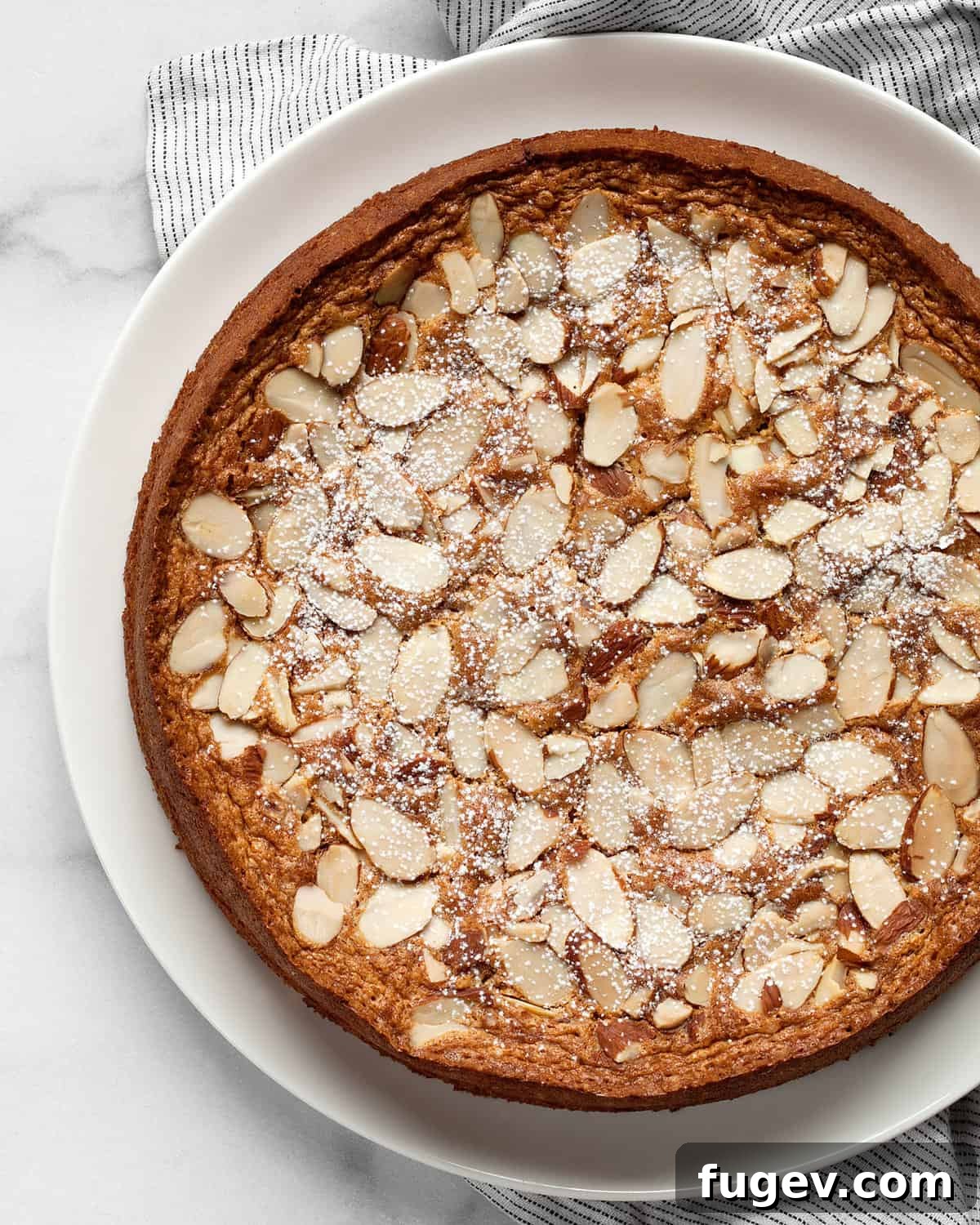
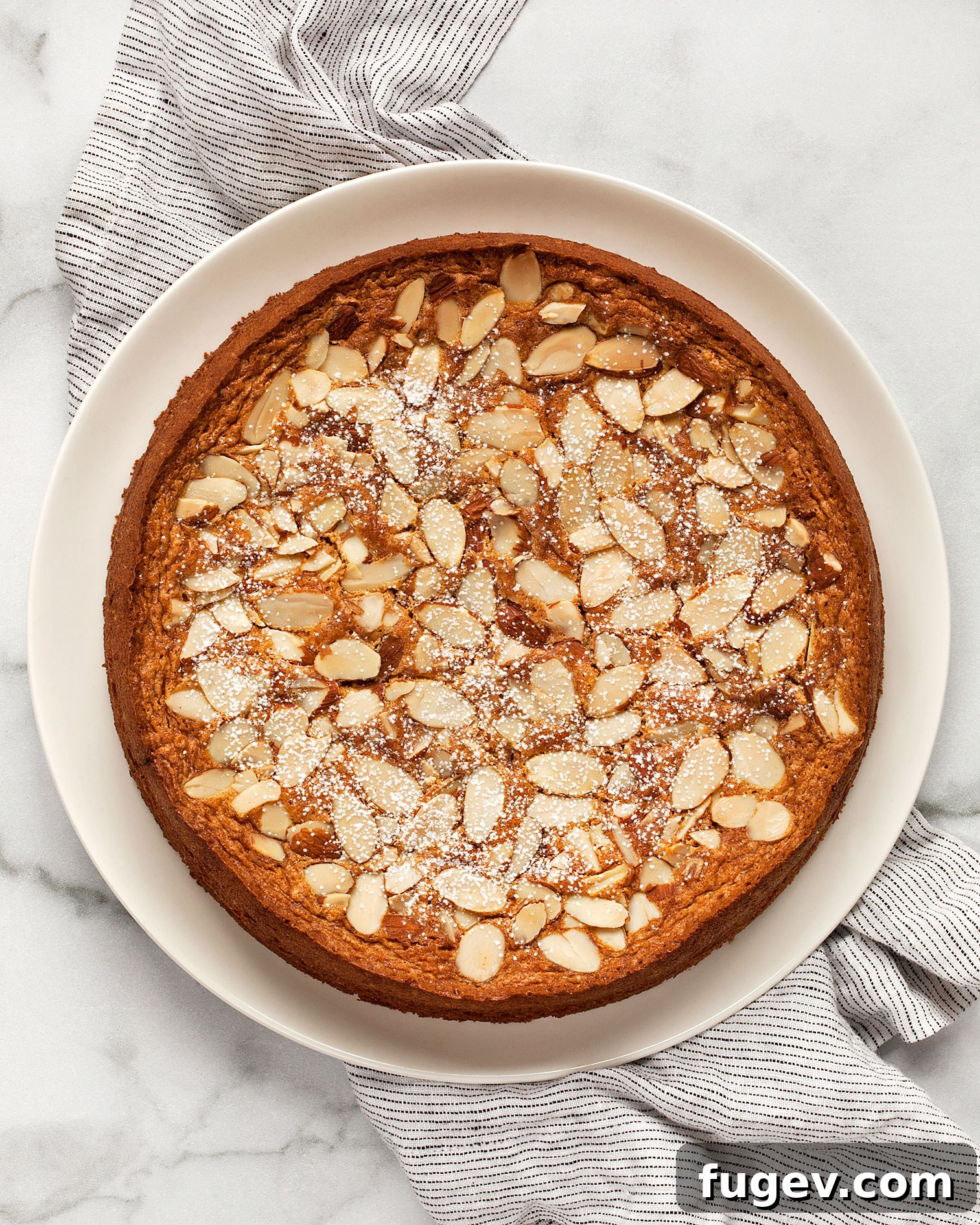
Embrace the joy of effortless baking with our exquisite 8-ingredient almond flour cake recipe. This simple yet sophisticated dessert is a testament to the fact that you don’t need elaborate layers or heavy frosting to create something truly beautiful and delicious. Perfect for any season or occasion, this cake bakes to a deep golden brown perfection, its rustic charm enhanced by a delicate sprinkle of almonds across its surface before it even enters the oven. Prepare to fall in love with a cake that’s both elegant and incredibly easy to make.
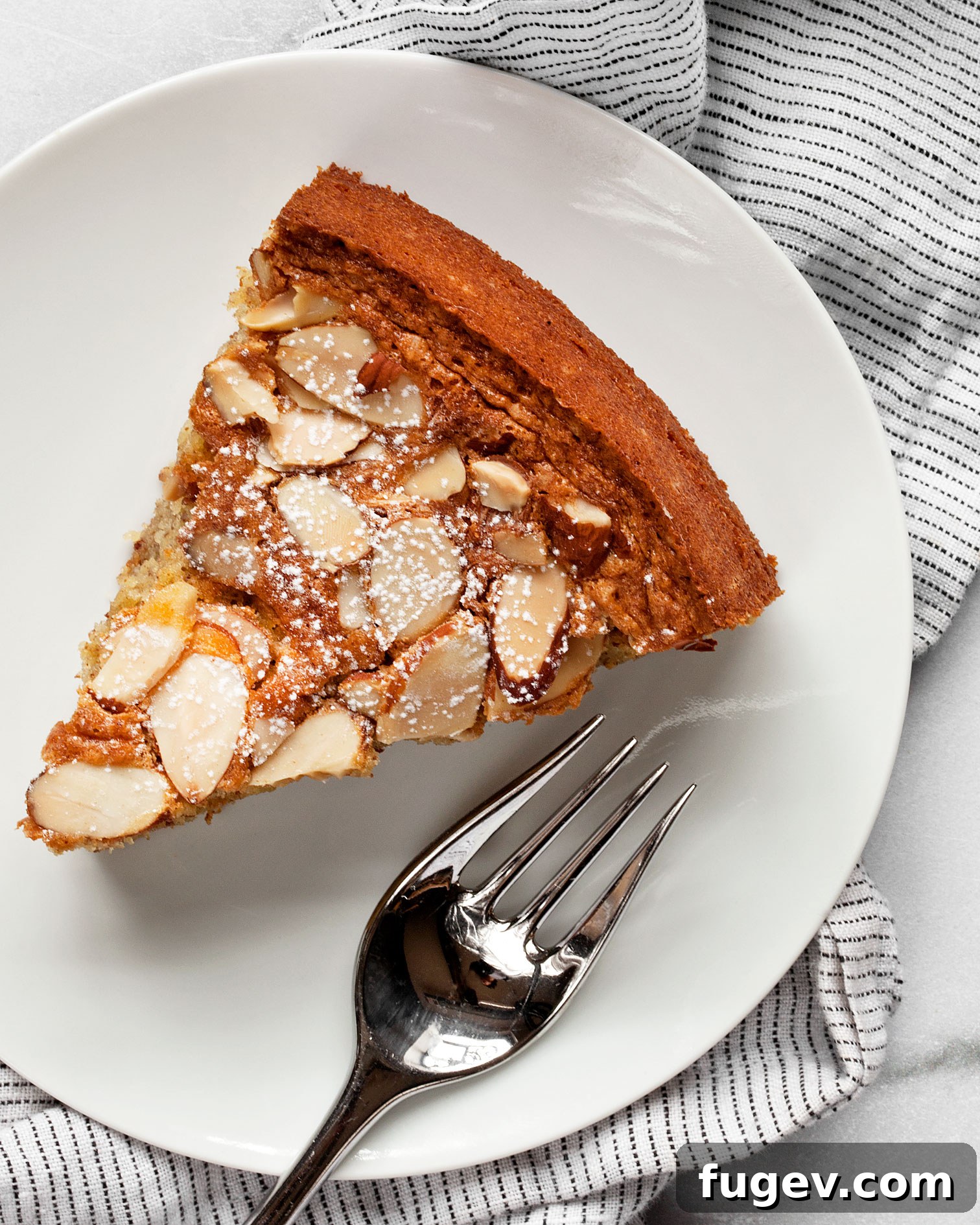
Table of Contents
- Why This Almond Cake Will Become Your Favorite
- The Essential Ingredients Unpacked
- Creative Variations to Explore
- How To Bake This Perfect Almond Flour Cake
- Pro Tips & Time-Saving Shortcuts
- What To Serve with Your Almond Cake
- Leftovers & Optimal Storage
- Frequently Asked Questions (FAQs)
- More Almond-Infused Recipes
Why This Almond Cake Will Become Your Favorite
This isn’t just another cake recipe; it’s an invitation to experience baking simplicity and exquisite taste. Here’s why this almond flour cake stands out and is sure to become a beloved staple in your kitchen:
- A Delicious Gluten-Free Marvel: Crafted with almond flour instead of traditional all-purpose flour, this cake is naturally gluten-free. But its appeal extends far beyond dietary needs. The almond flour imparts an incredible moisture and a delicate crumb that even those without gluten sensitivities will adore. It’s rich, fragrant, and utterly satisfying, proving that gluten-free can be exceptionally delicious. The inherent richness of almond flour also means a deeper, more complex flavor profile that elevates this simple cake to gourmet status.
- Remarkably Simple with Minimal Ingredients: With a mere 8 core ingredients, many of which are likely already in your pantry or refrigerator, this recipe is incredibly approachable. You won’t need to embark on a special grocery run, making it an ideal choice for spontaneous baking or when you desire a sophisticated dessert without the fuss. Its simplicity belies its elegant outcome, proving that fewer ingredients can lead to a more profound flavor experience. This recipe empowers even novice bakers to create a stunning dessert with confidence.
- Incredible Versatility in Serving: Almonds possess a remarkable ability to complement a vast array of flavors, from the bright notes of citrus and berries to the deep indulgence of chocolate. This cake serves as a perfect canvas for your culinary creativity. Whether you pair it with fresh fruit for a light, summery treat or rich ice cream for a decadent dessert, its nuanced almond flavor will shine through. This adaptability ensures that your almond cake can be tailored to any palate or occasion, making it a truly versatile centerpiece for your dessert spread.
The Essential Ingredients Unpacked
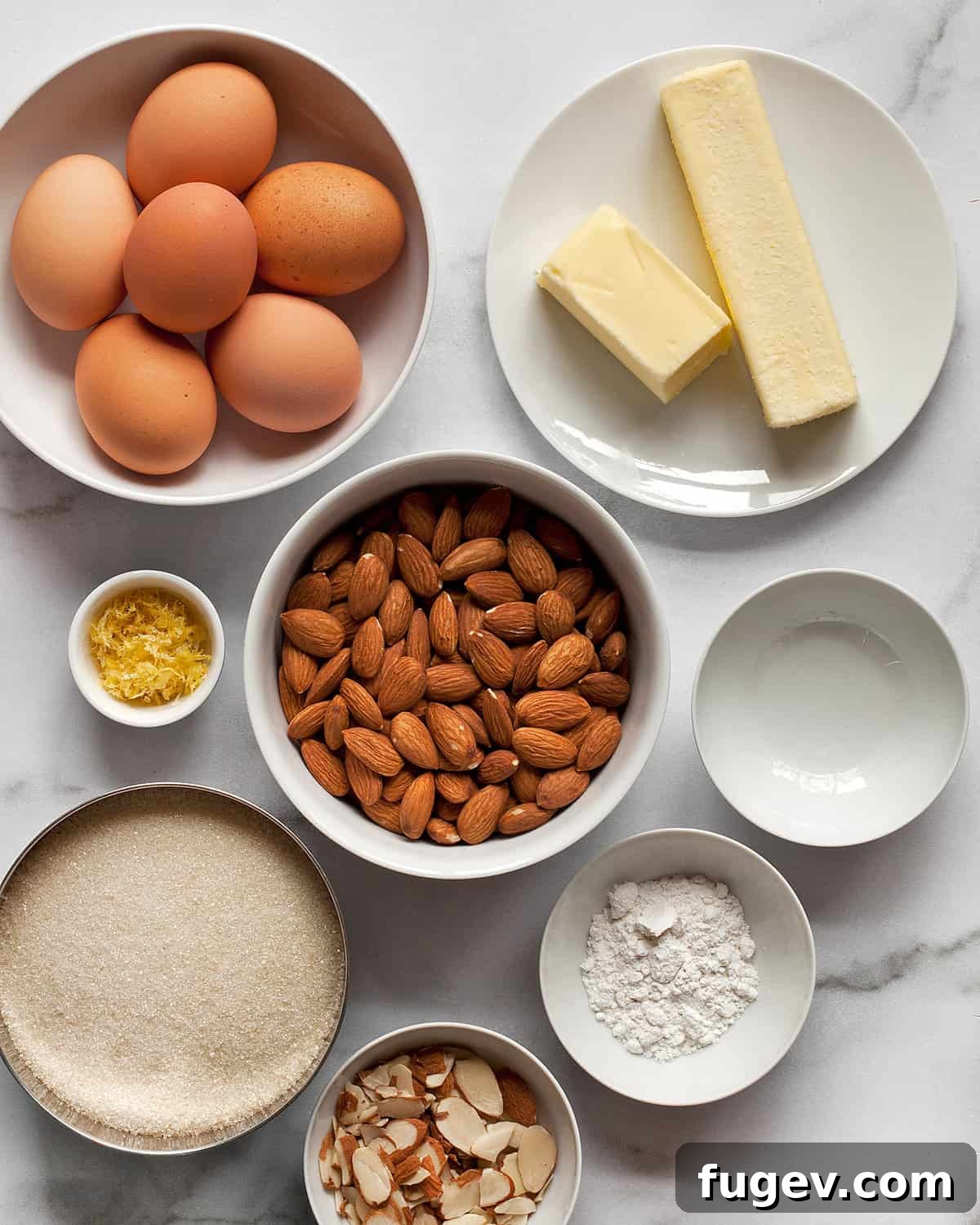
Success in baking often comes down to understanding the role of each ingredient. Here’s a closer look at the stars of this almond flour cake:
- Whole Almonds: The heart of our cake! This recipe calls for unroasted, unsalted whole almonds. Grinding them fresh in a food processor yields a finely textured almond meal, providing the cake with its distinctive nutty flavor and moist, tender crumb. Freshly ground almonds offer a superior aroma and taste compared to pre-packaged almond meal, though that is also an option for convenience.
- Unsalted Butter: As with most quality baking recipes, unsalted butter is crucial. It allows you to control the overall salt content of the cake. When creamed with sugar, butter contributes richness, flavor, and helps incorporate air, giving the cake a lighter texture. Ensure it’s at room temperature for optimal creaming.
- Large Eggs: Six large eggs provide structure, moisture, and assist in leavening. A key technique in this recipe involves separating three of the eggs into yolks and whites. The yolks enrich the batter, while whipping the whites into soft peaks and folding them in gently introduces significant air, creating a beautiful rise and an airy texture without the need for traditional leavening agents like baking powder.
- Granulated Sugar: Beyond sweetness, granulated sugar plays a vital role in the cake’s texture. Creaming the butter and sugar together incorporates air, creating a fluffy base and helping the cake rise. It also ensures the sugar granules dissolve evenly, resulting in a smooth batter and a perfectly tender cake.
- Almond Extract: No surprise here, this ingredient is a flavor powerhouse! Almond extract intensifies the inherent almond flavor from the nuts, giving the cake its signature fragrant and unmistakably almond-y taste. While the nuts provide a foundational flavor, the extract ensures that the almond essence is vibrant and pronounced. It’s so potent that vanilla extract isn’t even missed.
- Lemon Zest: A touch of lemon zest introduces a bright, fresh, and slightly tangy counterpoint to the rich almond flavor. It’s not overwhelming but rather a subtle note that elevates the cake, adding a layer of complexity and a beautiful aroma. Don’t skip this; it truly brightens the overall profile.
- Sliced Almonds: These are sprinkled generously over the batter just before baking. They serve a dual purpose: adding a delightful crunch and toasted nuttiness to the crust, and providing a beautiful visual cue to the cake’s primary flavor. They toast to perfection in the oven, creating an inviting golden-brown topping.
- Confectioner’s Sugar (Powdered Sugar): Also known as powdered sugar, a light dusting of this fine sugar is the perfect finishing touch just before serving. It adds a delicate sweetness and a visually appealing elegance, completing the cake’s rustic yet refined presentation.
Creative Variations to Explore
While baking often demands precision, there’s always room for thoughtful variations that can subtly alter a cake’s personality. One of the easiest and most impactful ways to customize this almond flour cake is through its citrus zest. Instead of solely relying on lemon, consider these delightful alternatives:
- Orange Zest: For a sweeter, warmer citrus note, orange zest works beautifully with almonds, evoking classic Mediterranean flavors. It pairs wonderfully with a hint of vanilla or even a splash of orange blossom water.
- Lime Zest: If you prefer a sharper, more vibrant tang, lime zest will add a wonderfully refreshing twist. This is particularly appealing for a lighter, summery version of the cake.
- Mixed Citrus: Don’t be afraid to combine zests! A blend of lemon and orange, or even lemon and a tiny bit of grapefruit zest, can create a unique and complex aromatic profile that will surprise and delight your guests.
- Beyond Citrus: For a more adventurous take, consider adding other extracts like a touch of rosewater or a hint of cardamom powder to the batter. These flavors harmonize exquisitely with almonds, offering an exotic touch. You could also fold in a handful of finely chopped dried cranberries or apricots for bursts of fruity flavor and chewiness.
Remember, when experimenting, start with small additions and taste as you go (where appropriate, of course!). The beauty of this almond cake is its ability to adapt while maintaining its core deliciousness.
How To Bake This Perfect Almond Flour Cake
Creating this gluten-free almond cake is a rewarding process. Follow these detailed steps to ensure a beautifully moist and fragrant result:
Step 1: Prepare Your Oven and Pan. Preheat your oven to 350 degrees F (175 degrees C). This crucial step ensures that the cake starts baking immediately and evenly. Thoroughly grease a 9-inch springform pan with butter or baking spray. Then, line the bottom with a circle of parchment paper. This preparation prevents sticking and ensures easy removal of your delicate cake.
Step 2: Cream the Butter and Sugar. In a large mixing bowl, preferably using a stand mixer fitted with the paddle attachment or an electric hand mixer, cream together the softened unsalted butter and 1/4 cup of granulated sugar. Beat on medium-high speed for 3-4 minutes. This process incorporates air, making the mixture light, fluffy, and noticeably pale in color. This creaming action is essential for the cake’s rise and tender texture.
Step 3: Incorporate Egg Yolks and Almond Extract. Carefully separate 3 of the large eggs, reserving the whites in a clean, separate bowl for later. Beat the 3 egg yolks into the creamed butter and sugar mixture one at a time, ensuring each is fully incorporated before adding the next. Continue mixing until the batter is smooth and a uniform pale yellow. Stir in the 1/2 teaspoon of almond extract, mixing until just combined and fragrant.
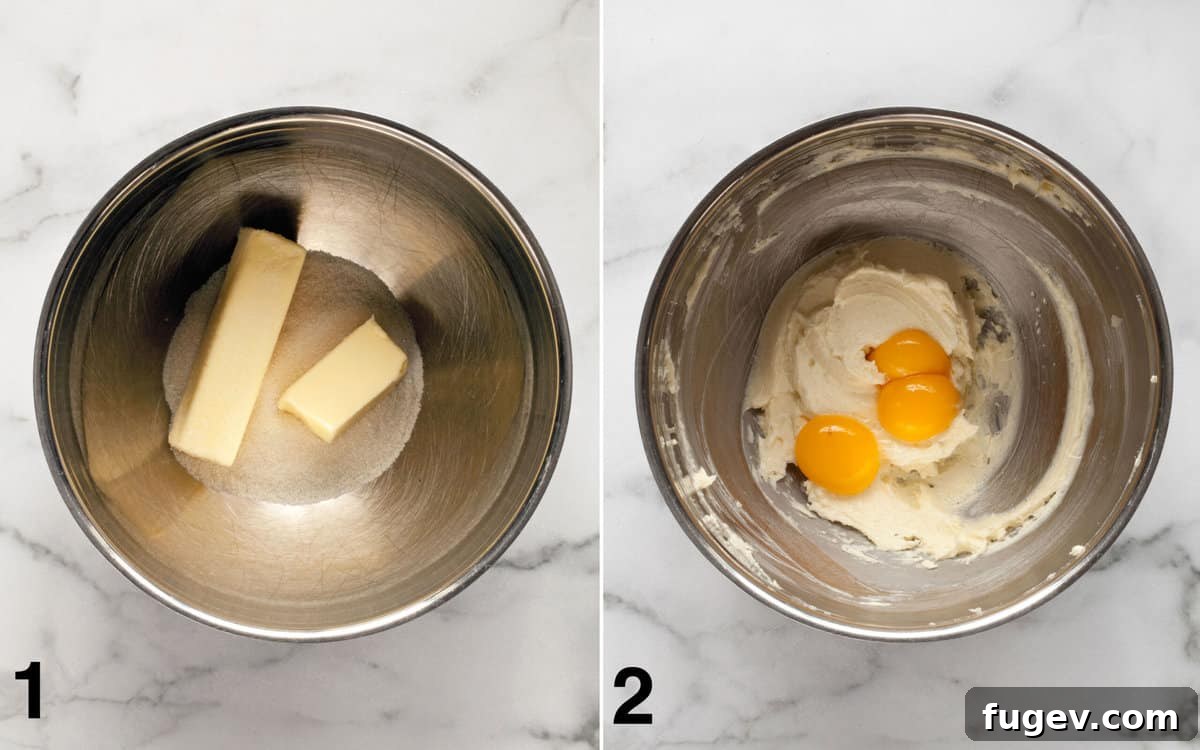
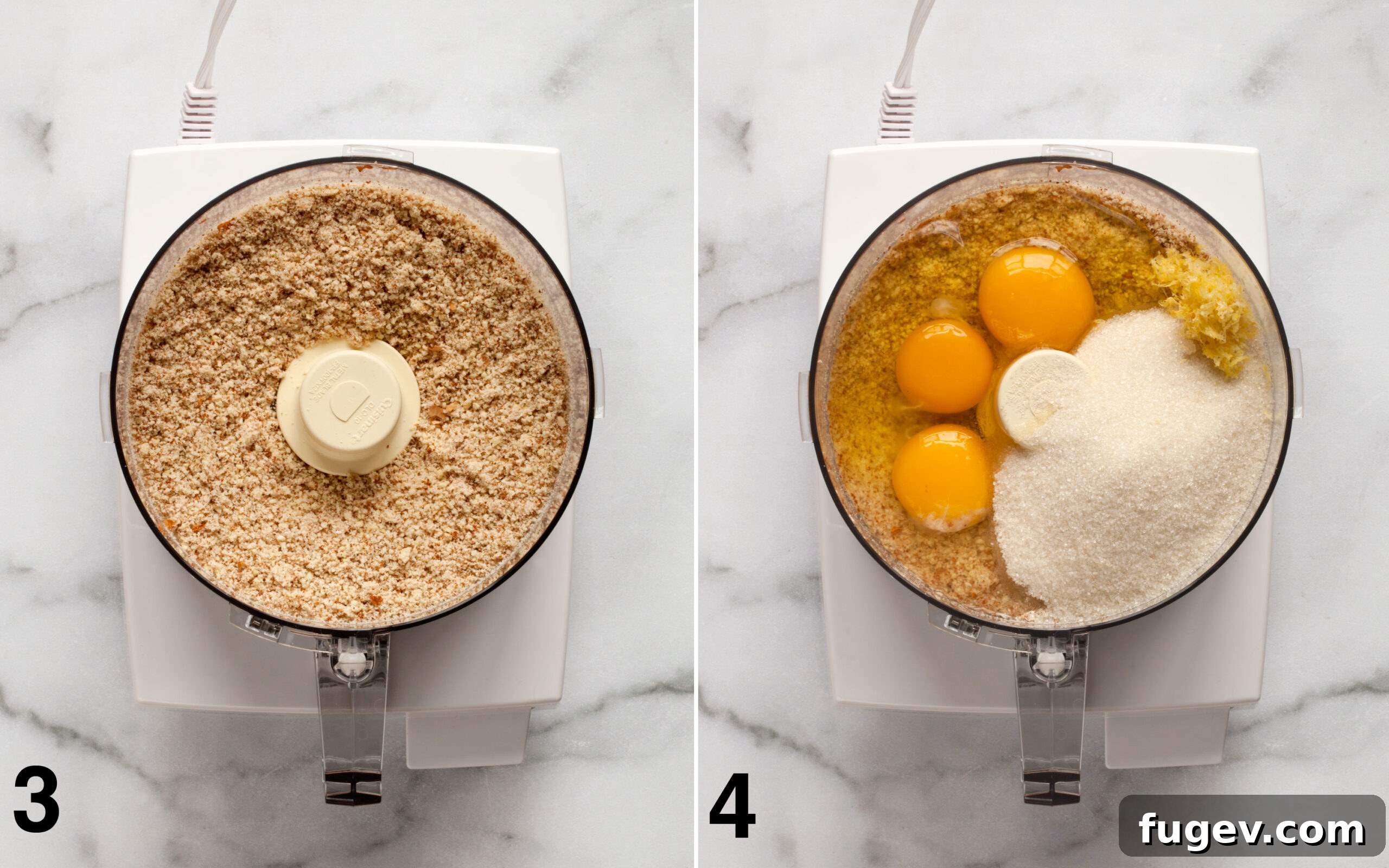
Step 4: Prepare the Almond Mixture. If using whole almonds, place the 8 ounces of unroasted, unsalted almonds in a food processor. Pulse until they are finely ground, resembling a coarse flour or meal consistency. Be careful not to over-process, or you’ll end up with almond butter. If using pre-ground almond meal, you can skip this step.
Step 5: Combine Almonds with Remaining Wet Ingredients. To the finely ground almonds (or almond meal), add the remaining 3/4 cup of granulated sugar, the lemon zest, and the remaining 3 whole eggs. Pulse the food processor (or mix in a bowl if using pre-ground meal) until all ingredients are just combined and form a thick, somewhat paste-like mixture. Do not overmix.
Step 6: Whip the Egg Whites. Before you begin, thoroughly clean the beaters of your electric mixer. Even a tiny trace of fat can prevent egg whites from whipping properly. In a separate, very clean medium bowl, beat the reserved 3 egg whites on medium speed. As they become foamy, gradually add the remaining granulated sugar, a tablespoon at a time. Increase the speed to high and continue beating until the egg whites form soft peaks – meaning when you lift the beaters, the peaks will gently fold back on themselves.
Step 7: Combine Nut Mixture with Butter-Sugar Base. Gently stir the almond mixture prepared in Step 5 into the creamed butter and sugar mixture from Step 3. Mix until just combined. The mixture will be thick and rich.
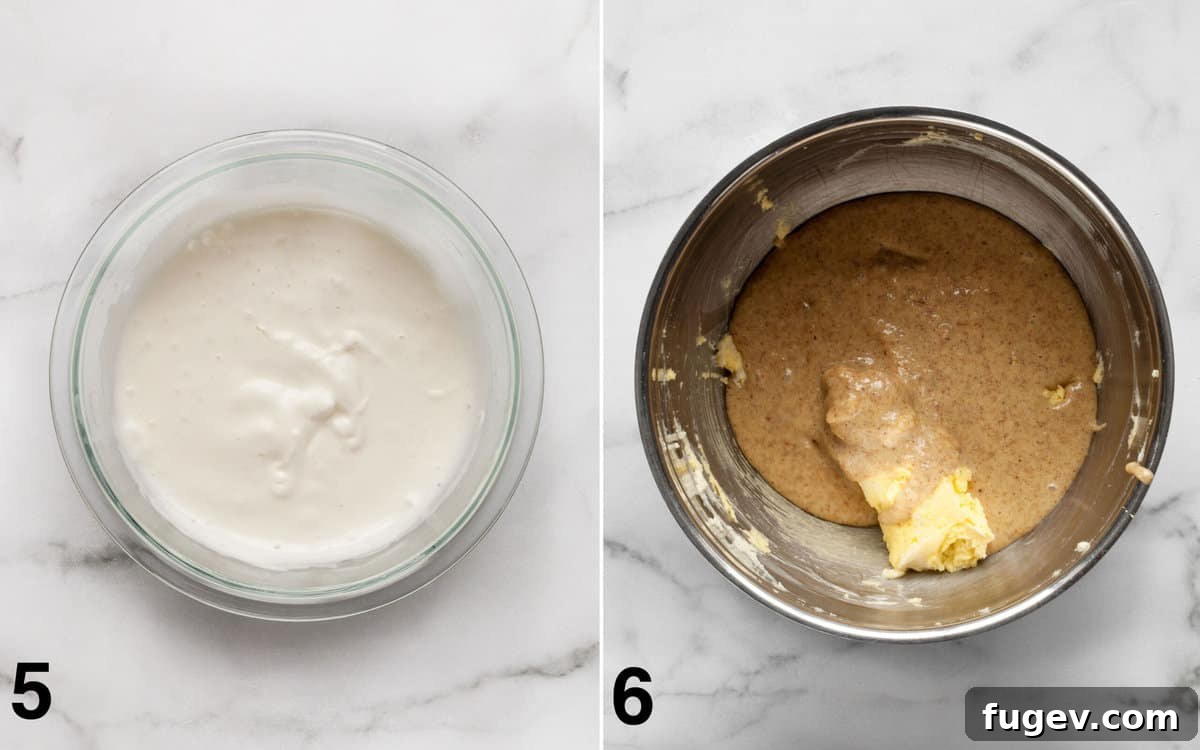
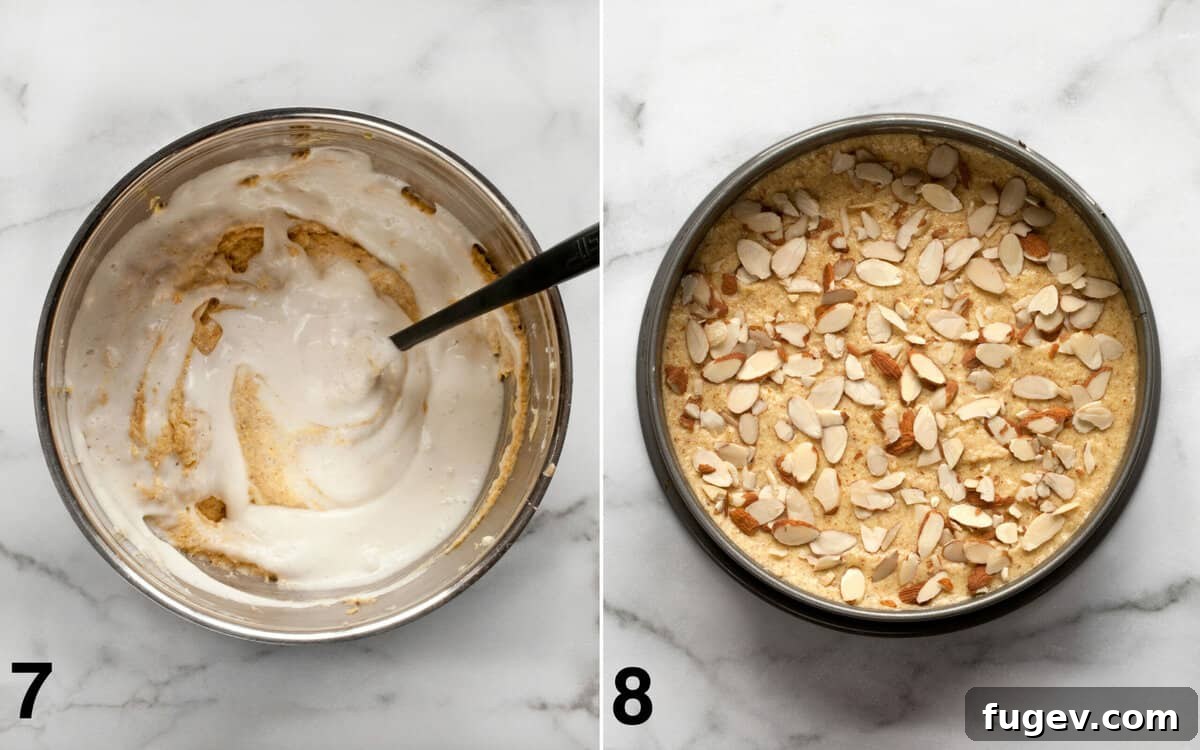
Step 8: Gently Fold in the Egg Whites. This is a delicate but crucial step. Add about one-third of the whipped egg whites to the cake batter and gently fold them in to lighten the mixture. Then, carefully fold in the remaining egg whites in two additions. Use a spatula and a gentle, upward motion, being careful not to deflate the air you’ve incorporated. The goal is to combine everything thoroughly without losing volume.
Step 9: Prepare for Baking. Once the batter is smoothly combined, gently spread it evenly into your prepared springform pan. Arrange the 1/4 cup of sliced almonds over the top of the batter. This adds a beautiful golden-brown crust and a delightful textural contrast.
Step 10: Bake and Cool. Transfer the pan to the preheated oven and bake for approximately 30 minutes, or until the cake is deep golden brown and a wooden skewer or toothpick inserted into the center comes out clean. The precise baking time can vary slightly depending on your oven. Once baked, remove the cake from the oven and let it cool in the pan for 10-15 minutes on a wire rack. This allows the cake to set before you gently release it from the springform pan. Continue cooling on the wire rack until completely cool.
Step 11: Final Flourish. Just before serving, dust the cooled cake generously with confectioners’ sugar for a beautiful, elegant finish.
Pro Tips & Time-Saving Shortcuts for the Perfect Almond Cake
- Embrace Store-Bought Almond Meal for Convenience: If you’re short on time, lack a food processor, or simply prefer a quicker route, feel free to use store-bought almond meal. If using pre-ground almond meal, omit the food processor step. Instead, simply combine the almond meal, the specified amount of sugar, lemon zest, and the 3 whole eggs in a large mixing bowl and stir until just combined. This shortcut saves time without compromising much on flavor.
- Room Temperature Butter is Non-Negotiable: For optimal results, ensure your unsalted butter is genuinely at room temperature – meaning it’s soft enough to yield to a gentle press but not melted. This allows it to cream effortlessly with the sugar, incorporating essential air that contributes to the cake’s light and fluffy texture. If you’re planning to bake in the morning, taking the butter out the night before is an excellent habit. Cold butter will result in a dense cake, while melted butter won’t cream properly.
- The Art of Gently Folding Egg Whites: Patience is paramount when folding the whipped egg whites into the batter. This step is critical for incorporating air and achieving the cake’s characteristic light texture. Add the egg whites in two or three additions, using a gentle, upward motion with your spatula. Over-mixing or folding too vigorously will deflate the whites, resulting in a denser cake that won’t rise as much. Take your time; the batter will eventually combine smoothly.
- Don’t Overmix the Batter: After adding the almond mixture and especially after folding in the egg whites, mix only until just combined. Overmixing develops gluten (even in gluten-free flour, excess agitation can lead to a tougher texture), which can make your cake dense rather than tender.
- Use a Springform Pan: This recipe specifically calls for a springform pan for a reason. Its removable sides allow for easy extraction of delicate cakes without inversion, preventing breakage or cracks. If you don’t have one, invest in one – it’s a baking game-changer for many desserts!
- Check Your Oven Temperature: Oven temperatures can vary significantly. Using an oven thermometer can help ensure your oven is truly at 350°F (175°C), leading to more consistent baking results. An oven that runs too hot or too cold can dramatically affect the cake’s texture and doneness.
- Cool Completely Before Dusting: While it’s tempting, resist dusting the cake with confectioners’ sugar until it has cooled completely. If dusted while warm, the sugar will melt and disappear into the cake, creating a sticky mess rather than a beautiful snowy finish.
What To Serve with Your Almond Cake
The beauty of this simple almond cake lies in its versatility. Its rich, nutty flavor provides a fantastic base for a myriad of accompaniments. Depending on your preference, you can keep it light and fresh or indulge in something more decadent:
- Fresh Fruits: A natural pairing!
- Berries: Fresh seasonal berries like strawberries, raspberries, blueberries, or a mix add a burst of color, sweetness, and a touch of tartness that beautifully cuts through the cake’s richness.
- Citrus Segments: Peeled orange or grapefruit segments provide a refreshing zing, enhancing the cake’s subtle lemon notes.
- Roasted Fruits: For a more sophisticated touch, gently roast stone fruits like peaches, plums, or apricots with a little honey and a sprig of thyme. Their caramelized sweetness is divine with almond.
- Luxurious Creams and Sauces: Elevate the experience with creamy textures or sweet drizzles.
- Whipped Cream: A dollop of freshly whipped cream, perhaps infused with a hint of vanilla or almond extract, adds a cloud-like lightness.
- Crème Fraîche or Greek Yogurt: For a slightly tangy, less sweet option, a spoonful of crème fraîche or plain Greek yogurt offers a wonderful contrast.
- Fruit Coulis: A vibrant raspberry or apricot coulis drizzled over the plate introduces another layer of fruit flavor and an elegant presentation.
- Chocolate Sauce/Ganache: For the ultimate indulgence, a warm chocolate ganache or a simple chocolate sauce can create a heavenly pairing.
- Caramel Drizzle: A rich, buttery caramel sauce provides a decadent counterpoint to the nutty cake.
- Ice Cream or Gelato: The classic companion to almost any cake.
- Vanilla Bean Ice Cream: Its classic, creamy flavor allows the almond cake to shine.
- Chocolate Chip or Dark Chocolate Ice Cream: A delightful contrast of nutty and cocoa notes.
- Salted Caramel Ice Cream: Adds a sophisticated blend of sweet and salty.
- Pistachio Gelato: Another nut-based delight that complements the almond beautifully.
- Beverage Pairings: Complete the experience with a thoughtfully chosen drink.
- Coffee or Espresso: A strong cup of coffee or a rich espresso is always a perfect match for a sweet cake.
- Tea: A delicate Earl Grey or a fragrant green tea can be a lovely accompaniment.
- Dessert Wine: Consider a sweet sherry, a late-harvest Riesling, or even a Moscato d’Asti for a truly special pairing.
Whether you opt for simplicity or a grand presentation, this almond cake is sure to be a crowd-pleaser.
Leftovers & Optimal Storage for Your Almond Cake
While this delightful almond flour cake is often devoured quickly, proper storage ensures that any leftovers remain fresh and delicious for days. Here’s how to best store your cake:
- Room Temperature Storage: For immediate enjoyment within a few days, store the cake in an airtight container at room temperature. The almond flour helps retain moisture, keeping the cake fresh for up to 4 days. Avoid refrigeration if possible, as it can sometimes dry out cakes, especially those made with butter.
- Freezing for Longer Preservation: This cake freezes exceptionally well, making it perfect for preparing ahead or enjoying small portions over time.
- Preparation for Freezing: To freeze, I recommend cutting the cake into individual slices or smaller segments rather than attempting to freeze the entire cake whole. This makes thawing and serving much more convenient.
- Wrapping Technique: Wrap each slice tightly in plastic wrap, ensuring no air is trapped. Then, wrap the plastic-wrapped slices again in aluminum foil. This double-layer protection guards against freezer burn and preserves the cake’s texture and flavor.
- Freezer Container: Place the double-wrapped slices in a freezer-safe airtight container or a heavy-duty freezer bag for an additional layer of protection.
- Freezer Duration: Properly stored, the frozen cake will stay good for up to 1 month.
- Thawing Instructions: To enjoy, remove the desired number of slices from the freezer and let them thaw slowly in the refrigerator overnight. For a quicker thaw, individual slices can be left at room temperature for an hour or two. You can even gently warm a thawed slice in the microwave for a few seconds for a ‘freshly baked’ feel.
With these storage tips, you can extend the pleasure of your homemade almond cake for days or even weeks!
Frequently Asked Questions (FAQs)
The primary difference lies in how the almonds are processed. Almond meal is made from grinding whole almonds, including their skins, which results in a coarser texture and often visible flecks of brown skin. It’s excellent for rustic cakes, cookies, and quick breads, providing a heartier texture and a richer, nuttier flavor. Almond flour, on the other hand, is made from blanched almonds that have had their skins removed before being finely ground. This results in a much finer, lighter texture and a lighter color, making it ideal for delicate baked goods like macarons, light cakes, and pastries where a smooth finish is desired. For this recipe, either can be used, but fresh ground whole almonds (almond meal) lend a more robust flavor.
A springform pan is a specialized baking pan characterized by a removable ring that latches onto a separate base. This unique design allows the sides of the pan to be easily released and removed without disturbing the delicate contents inside. It is absolutely essential for recipes where inversion or flexing a traditional cake pan would damage the dessert. This includes cheesecakes, quiches, frozen desserts, and many delicate cakes like our almond flour cake. Attempting to flip a delicate cake out of a fixed-side pan could cause it to split, crack, or completely break apart, ruining its presentation and structure. The springform pan ensures your beautifully baked creation can be presented flawlessly.
“Soft peaks” refers to a specific stage in whipping egg whites or cream. When you lift your whisk or beaters from the mixture, the peaks formed will stand up briefly but then gently curl over or slowly collapse back into themselves. They are not stiff and rigid, nor are they runny. This stage indicates that enough air has been incorporated to provide structure and lightness without over-whipping, which can lead to dry or crumbly results. Achieving soft peaks is crucial for the delicate texture and rise of this almond cake, as it relies on the aerated egg whites for its leavening.
This almond flour cake achieves its delightful rise and light texture primarily through mechanical leavening methods rather than chemical leavening agents like baking powder or baking soda. The key techniques are creaming the butter and sugar together (which incorporates air) and, most importantly, whipping egg whites into soft peaks and gently folding them into the batter. The air trapped in the creamed butter and the whipped egg whites expands during baking, causing the cake to rise beautifully and creating its characteristic airy, yet moist, crumb. This method results in a wonderfully tender cake without any metallic aftertaste sometimes associated with leavening agents.
While this recipe is specifically formulated for almonds, you can certainly experiment with other nuts for different flavor profiles. Hazelnuts, for instance, would create a wonderfully rich and earthy cake, often paired with chocolate. Walnuts or pecans could also be used, though their stronger, more bitter notes might require a slight adjustment in sugar or complementary flavors. If substituting, ensure the nuts are unroasted and unsalted, and grind them to a similar “meal” consistency. Be aware that the moisture content and fat profile of other nuts might slightly alter the cake’s texture and baking time, so keep a close eye on it!
More Almond-Infused Recipes You’ll Love
If you’ve fallen for the rich, nutty flavor of almonds in this cake, you’ll surely enjoy these other almond-centric delights:
- Mocha Almond Cake
- Milk Chocolate Almond Brownies
- Strawberry Almond Scones
- Blood Orange Almond Icebox Cookies
- Rhubarb Almond Cake
- Caramel Nut Tart
Gluten-Free Almond Flour Cake
Paige Adams
30 mins
30 mins
1 hr
10
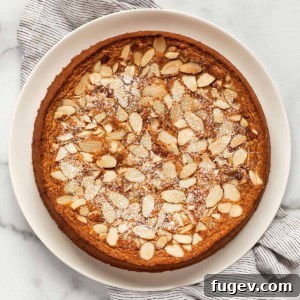
Fragrant and nutty, this easy gluten-free almond cake is wonderfully buttery with a moist crumb. It’s topped with sliced almonds that toast in the oven as the cake bakes.
Ingredients
- 12 tablespoons unsalted butter at room temperature plus more for pan
- 1-1/4 cups granulated sugar (divided)
- 6 large eggs (3 separated into yolks and whites)
- 1/2 teaspoon almond extract
- 8 ounces whole almonds
- Zest of 1 lemon
- 1/4 cup sliced almonds
- Confectioners’ sugar for serving
Save this recipe
Get it sent to your inbox plus new recipes every week.
Instructions
- Preheat the oven to 350 degrees F (175°C). Butter a springform pan and line the bottom with parchment paper.
- Use an electric mixer to cream the butter and 1/4 cup granulated sugar until light and fluffy, about 3-4 minutes.
- Separate 3 of the eggs. Beat the 3 yolks into the butter-sugar mixture until it turns pale. Then add the almond extract.
- In a food processor, grind the 8 ounces of whole almonds into a fine meal. Add the remaining 3/4 cup granulated sugar, lemon zest, and the remaining 3 whole eggs. Pulse to mix everything together.
- Clean the beaters of the electric mixer thoroughly. In a medium bowl, beat the 3 reserved egg whites. When they become foamy, slowly add the remaining sugar, beating until soft peaks form.
- Gently stir the ground almond mixture into the creamed butter and sugar.
- Carefully fold in the whipped egg whites in two or three additions to maintain volume.
- Transfer the batter to the prepared pan and top evenly with sliced almonds.
- Bake until the cake is golden brown and a toothpick inserted in the center comes out clean, approximately 30 minutes. Let the cake cool in the pan for 10-15 minutes before carefully removing it from the springform pan. Cool completely on a wire rack.
- Dust with confectioners’ sugar before serving.
Notes
Instead of grinding the almonds yourself, you can use 8 ounces of store-bought almond meal. If doing so, stir it together with the sugar, lemon zest, and eggs in a large bowl rather than in a food processor.
Serve the cake with fresh fruit, a scoop of your favorite ice cream, or a dollop of whipped cream for an enhanced experience.
Leftover cake can be stored in an airtight container at room temperature for up to 4 days.
To freeze the cake, wrap individual slices tightly in plastic wrap and then aluminum foil. Place in an airtight container and freeze for up to 1 month. Thaw slowly in the refrigerator or at room temperature.
Adapted from Mark Bittman
Nutrition (per serving)
Calories: 400 kcal |
Carbohydrates: 31 g |
Protein: 9 g |
Fat: 29 g |
Saturated Fat: 10 g |
Polyunsaturated Fat: 4 g |
Monounsaturated Fat: 12 g |
Trans Fat: 1 g |
Cholesterol: 134 mg |
Sodium: 40 mg |
Potassium: 224 mg |
Fiber: 3 g |
Sugar: 26 g |
Vitamin A: 563 IU |
Calcium: 86 mg |
Iron: 1 mg
Nutrition information is automatically calculated, so should only be used as an approximation.
Additional Info
Cake
Mediterranean
Did you make this recipe?
Mention @lastingredient on Instagram and tag it #lastingredient!
Originally published March 29, 2018. Updated: December 9, 2022.