
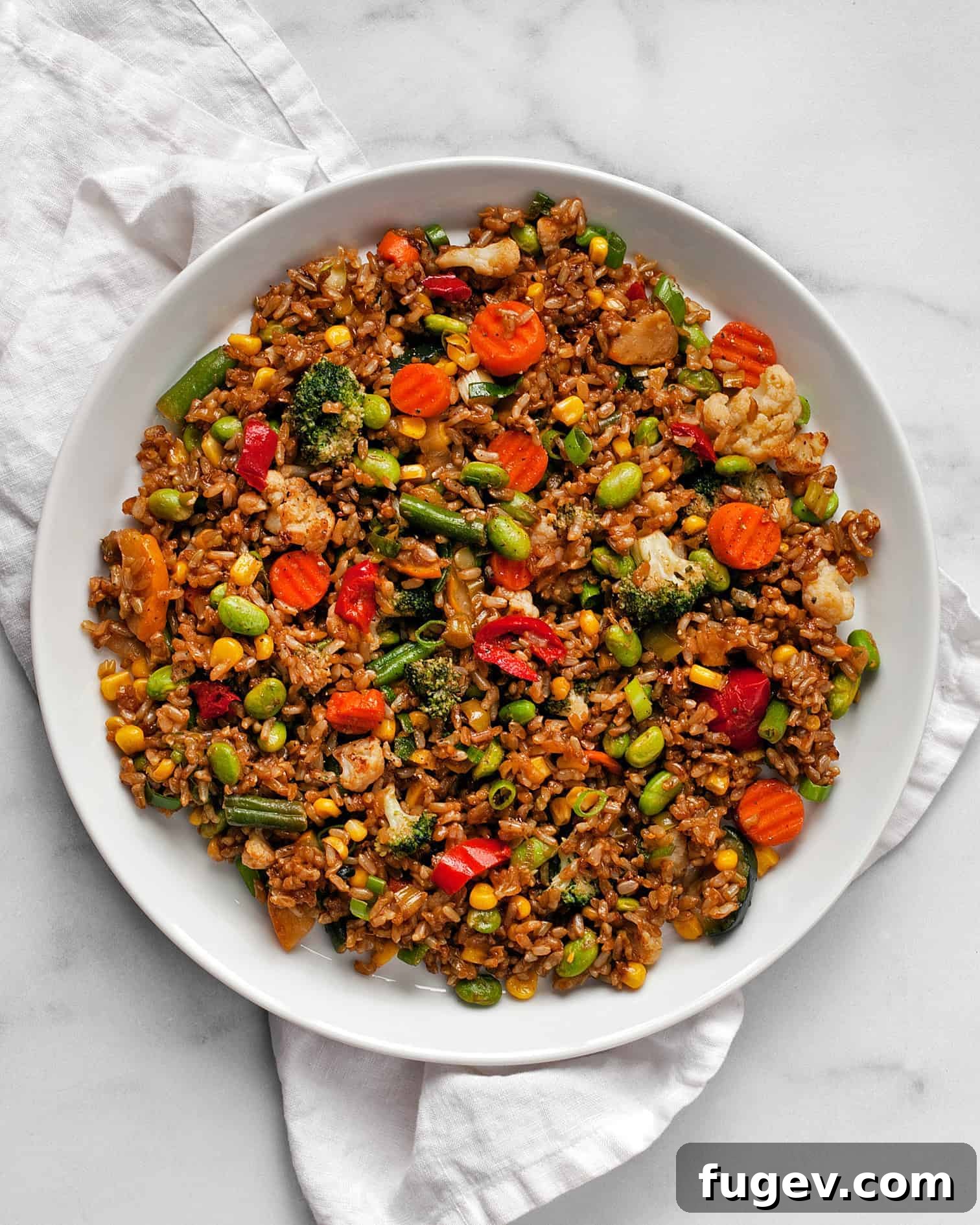
Say goodbye to soggy vegetables and hello to a vibrant, flavorful, and incredibly easy frozen vegetable stir-fry! Many shy away from using frozen vegetables in stir-fries, fearing a watery, unappetizing outcome. However, with just a few simple rules, you can transform humble frozen greens into a delightful, crispy, and healthy meal that’s perfect for any busy weeknight. This guide will reveal the secrets to achieving restaurant-quality stir-fry texture and flavor, utilizing the convenience of your freezer stash.
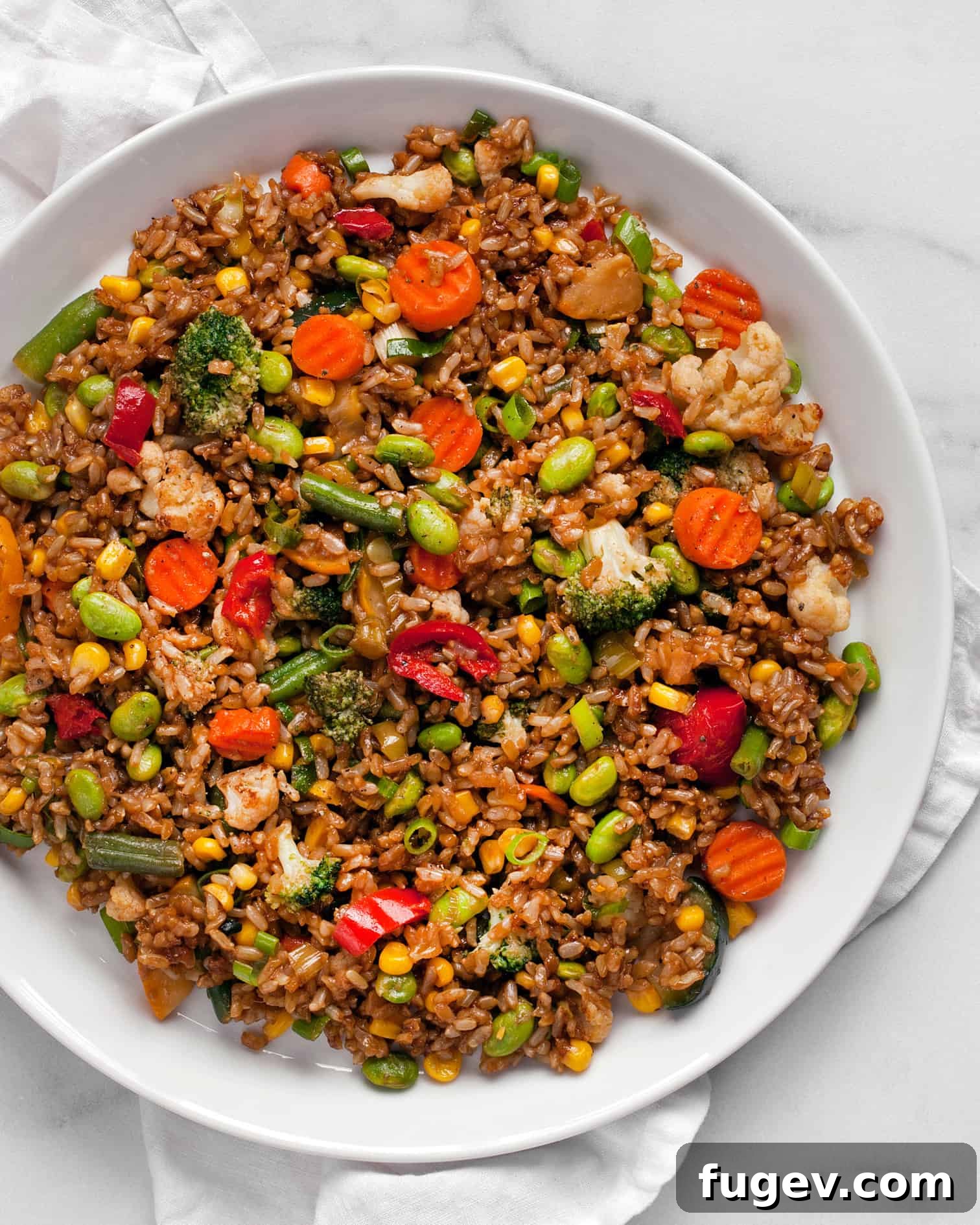
Table of Contents
- Why Choose Frozen Vegetables for Stir-Fry?
- Essential Rules for a Perfect Frozen Vegetable Stir-Fry
- The Best Frozen Vegetables for Stir-Fry
- Crafting Your Flavorful Stir-Fry Sauce
- How To Make Frozen Vegetable Stir-Fry: A Step-by-Step Guide
- Frozen Vegetable Stir-Fry Recipe
- Serving and Customization Tips
In today’s fast-paced world, or when pantry staples are limited, convenience reigns supreme. Fresh produce is often a priority on grocery lists, but its shelf life can be surprisingly short. This is where the unsung hero of the freezer aisle – frozen vegetables – comes into play. They offer an incredible solution, allowing you to enjoy nutritious and delicious meals even when fresh options are scarce or time is tight.
Why Choose Frozen Vegetables for Stir-Fry?
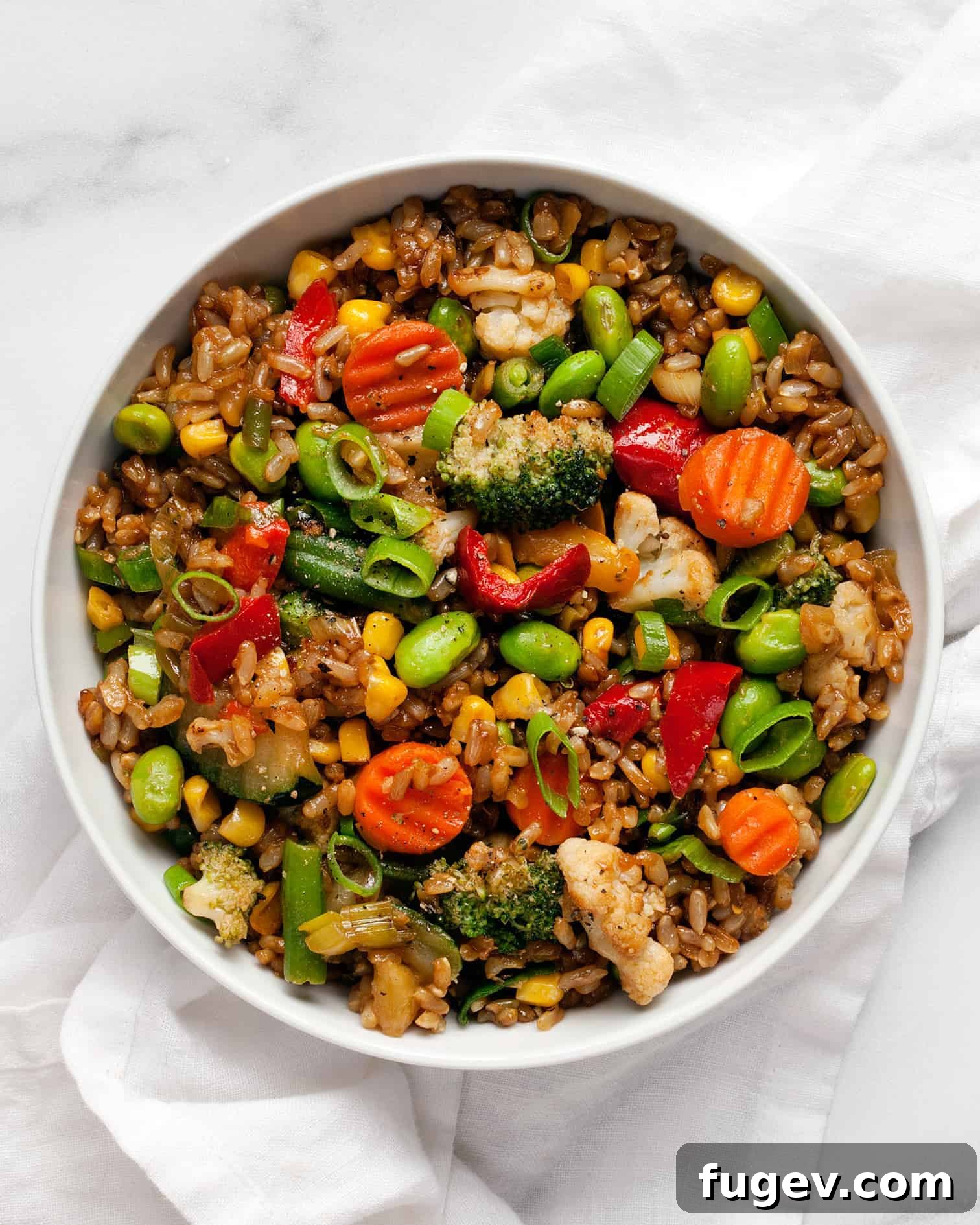
Frozen vegetables are often unfairly overlooked. Many assume they are inferior to their fresh counterparts, particularly when it comes to texture in dishes like stir-fries. However, there are compelling reasons to embrace them:
- Convenience and Longevity: Frozen vegetables boast an extended shelf life, drastically reducing food waste. You can stock up on a variety and always have them on hand for spontaneous meal prep.
- Peak Nutrition: Often, vegetables destined for freezing are picked at their peak ripeness and flash-frozen within hours. This process locks in nutrients, making them just as, if not more, nutritious than some “fresh” produce that has traveled long distances and sat on shelves.
- Cost-Effective: They can be significantly more budget-friendly than fresh produce, especially when out of season.
- Minimal Prep: Most frozen vegetables are already washed, chopped, and ready to go, saving you valuable time in the kitchen.
The main concern with frozen vegetables in stir-fries is their tendency to become soggy. This happens because the freezing process causes ice crystals to form, which can damage cell walls. When thawed or cooked slowly, these damaged cells release water, leading to a mushy texture. But fear not! With the right technique, you can bypass this common pitfall and enjoy firm, crisp-tender vegetables.
Essential Rules for a Perfect Frozen Vegetable Stir-Fry
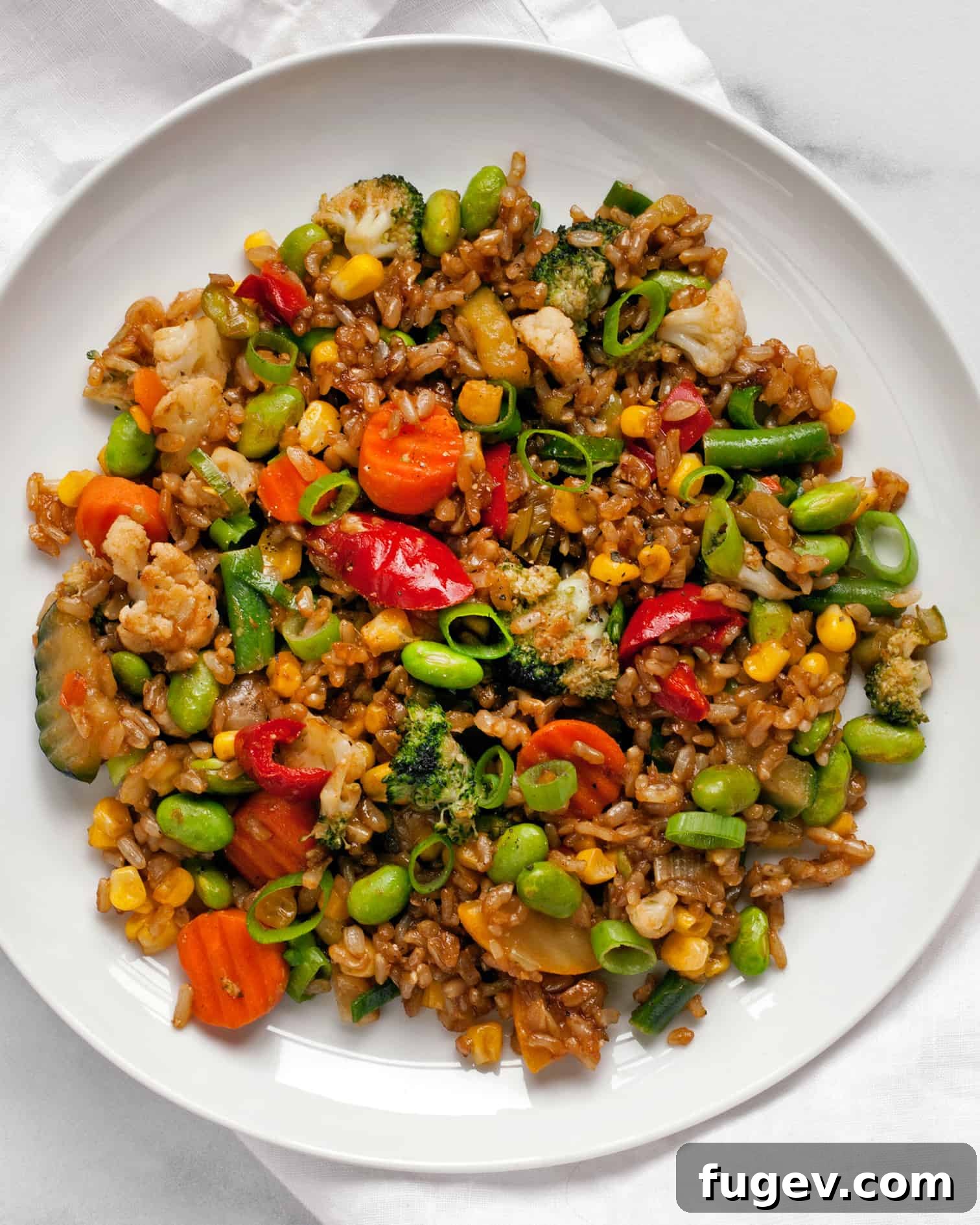
Achieving a truly spectacular frozen vegetable stir-fry hinges on adhering to a few fundamental principles. These rules are designed to counteract the inherent moisture in frozen vegetables and ensure every bite is bursting with flavor and satisfying texture:
-
Prep Everything Before You Start (Mise en Place)
Stir-frying is a fast-paced cooking method. Once you begin, there’s little time for chopping, measuring, or mixing. Have all your ingredients—sauce, aromatics, vegetables, and cooked rice—ready and within arm’s reach. This ensures a smooth cooking process and prevents anything from burning while you scramble for the next ingredient.
-
Use a Very Hot Skillet or Wok
This is arguably the most crucial rule for any stir-fry, and especially so for frozen vegetables. A screaming hot pan ensures that when the frozen vegetables hit the surface, their exterior quickly sears and the excess moisture rapidly evaporates. This creates that desirable crisp texture rather than steaming them into submission. Make sure your oil is shimmering and just about smoking before adding the vegetables.
-
Never Thaw Your Frozen Vegetables
Resist the temptation to thaw your frozen veggies before cooking. Thawing allows the ice crystals to melt and pool water, making them incredibly prone to sogginess once they hit the pan. Instead, add them directly from the freezer to your hot skillet or wok. This sudden temperature change helps to shock the vegetables, promoting a crisper finish.
-
Don’t Overcrowd the Pan
Cooking too many vegetables at once will drastically lower the pan’s temperature, leading to steaming instead of stir-frying. This means the vegetables will sit in their own released moisture, guaranteeing a soggy result. If you’re cooking a large batch, stir-fry the vegetables in smaller batches and set them aside before combining them at the very end.
-
Use Day-Old Cooked Rice
If your stir-fry includes rice, always opt for rice that has been cooked the day before and stored in the refrigerator. Freshly cooked rice retains too much moisture and will become mushy when stir-fried. Day-old rice dries out slightly, allowing it to absorb the sauce better and achieve that delightful, slightly chewy texture.
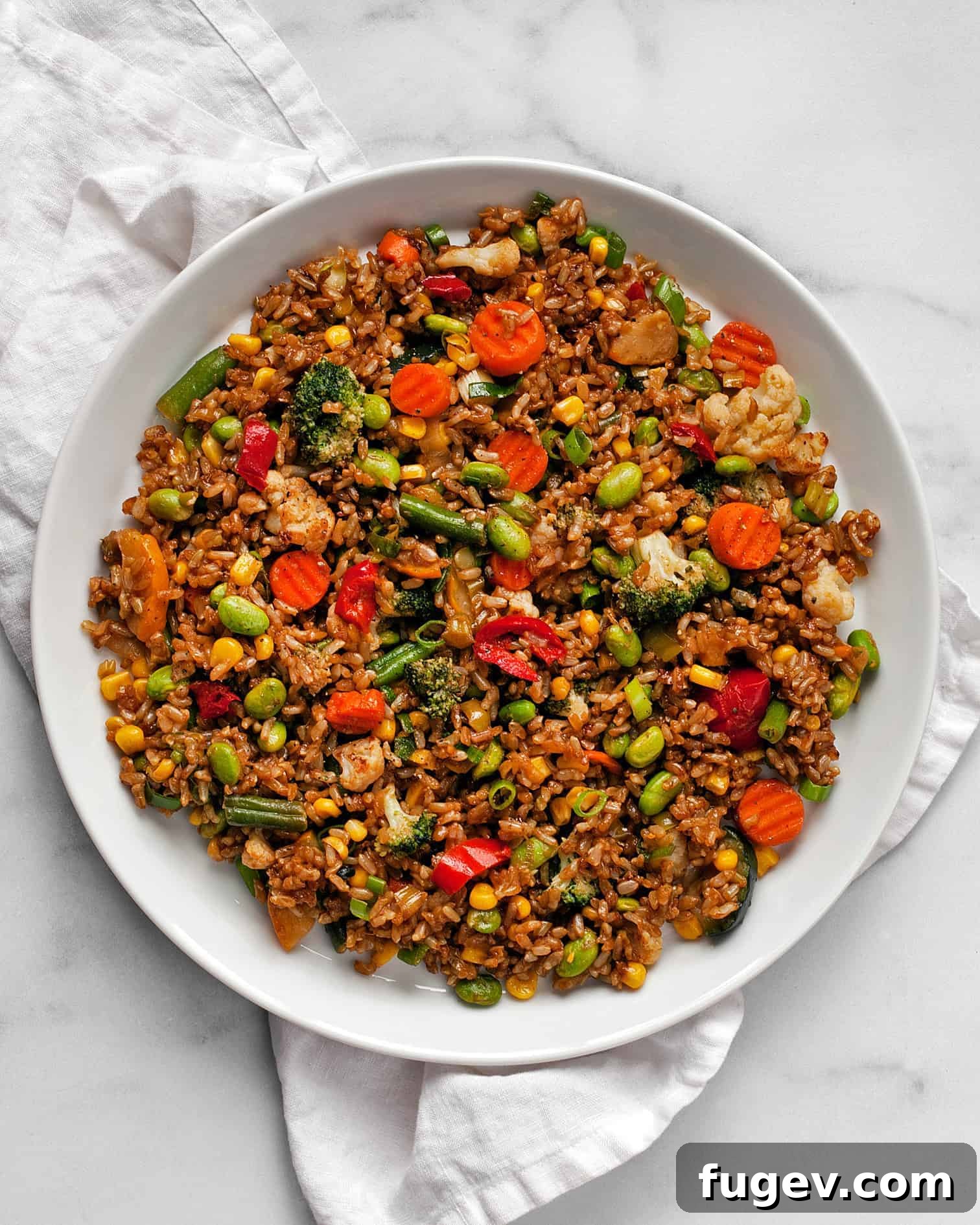
The Best Frozen Vegetables for Stir-Fry
While almost any frozen vegetable can be used, some hold up better in a stir-fry than others. Considering their natural thickness and water content after freezing, certain vegetables retain their appealing texture more effectively:
- Excellent Choices (Retain Bite): Shelled edamame, corn kernels, sliced carrots, cauliflower florets, and broccoli florets are fantastic. They maintain a firm texture and don’t easily become mushy.
- Good Choices (May Soften Slightly): Bell peppers, zucchini, yellow squash, and green beans are also good options. They tend to soften more quickly, so ensure they are added later in the cooking process or stir-fried vigorously on high heat for a shorter duration.
- Veggies to Use with Caution: Leafy greens like spinach or kale can become very soft and watery. If using them, add them in the last minute of cooking. Similarly, mushrooms can release a lot of water; stir-fry them separately until browned before adding to the main dish.
For the best results, aim for a balanced mix of textures. If you’re using a pre-mixed bag of frozen vegetables, be aware that it might contain a variety of textures. In such cases, prioritize high heat and quick cooking to minimize sogginess across the board.
Crafting Your Flavorful Stir-Fry Sauce
A great stir-fry sauce is the backbone of the dish, infusing every ingredient with rich, aromatic flavors. The beauty of stir-fry sauce is its versatility, allowing for endless customization. For this recipe, we stick to a classic, balanced profile:
- Soy Sauce (Low-Sodium): Provides the essential savory, umami base without being overly salty.
- Sesame Oil: Adds a distinct nutty aroma and deep flavor. A little goes a long way!
- Rice Vinegar: Introduces a crucial tanginess that brightens the entire dish and balances the richness.
- Red Pepper Flakes: Offers a touch of heat, which can be adjusted to your preference.
Pro-Tip: Always whisk your stir-fry sauce ingredients together in a small bowl *before* you start cooking. This ensures a homogenous mixture and means you can pour it in at the right moment without interruption. You can also experiment with additions like a teaspoon of honey or maple syrup for sweetness, a squeeze of fresh lime juice for extra zest, or a dash of sriracha for more intense spice.
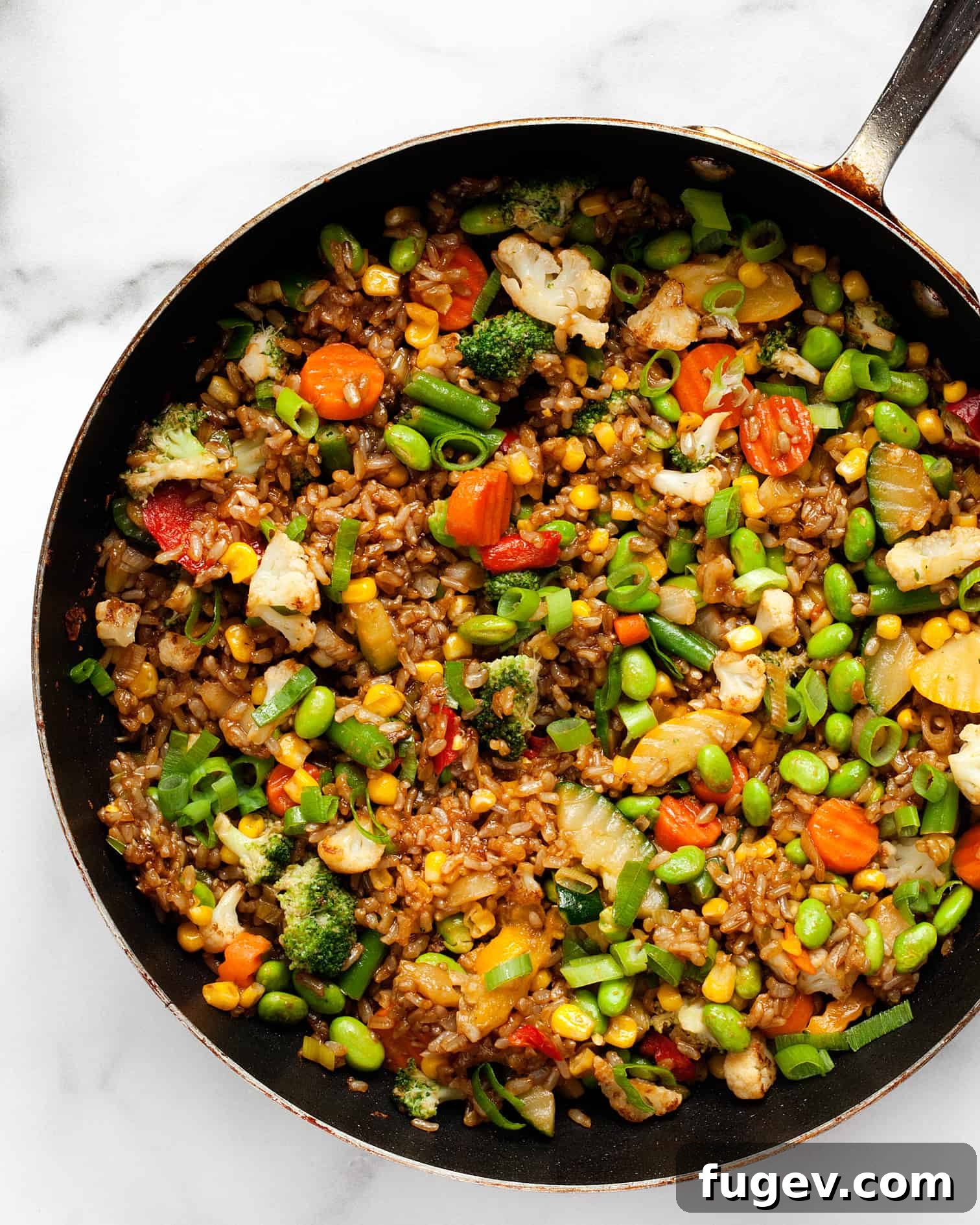
How To Make Frozen Vegetable Stir-Fry: A Step-by-Step Guide
The key to mastering a stir-fry with frozen vegetables lies in altering the traditional cooking order slightly. Instead of adding frozen vegetables last (as you might with fresh), we focus on getting rid of their excess moisture early. Here’s how to achieve perfectly crisp results:
- Prepare Your Sauce: In a small bowl, whisk together the soy sauce, sesame oil, rice vinegar, and red pepper flakes. Set aside.
- Sear the Frozen Vegetables: Heat 1 tablespoon of vegetable oil in a large skillet or wok over high heat until it’s very hot and shimmering. Add the frozen vegetables directly from the freezer. If using a mix with different cooking times, add denser vegetables like cauliflower and broccoli first for 1-2 minutes, then add the rest. Sauté vigorously for about 3-4 minutes, stirring constantly. The goal is to cook off as much moisture as possible and get a slight char, not to fully cook them through.
- Remove and Rest Veggies: Once the vegetables are just tender-crisp and any excess moisture has evaporated, transfer them to a paper towel-lined plate. This allows any remaining moisture to drain and prevents them from overcooking.
- Sauté Aromatics: Add the remaining 1 tablespoon of vegetable oil to the now-empty skillet. Add the white parts of the sliced scallions, minced garlic, and minced ginger. Sauté for about 30 seconds until incredibly fragrant. This quick burst of heat brings out their intense flavors.
- Add Rice: Stir in the cold, day-old cooked brown rice. Break up any clumps with your spatula. Stir-fry for 2-3 minutes, allowing the rice to heat through and develop a slightly crispy texture.
- Introduce the Sauce: Pour the prepared stir-fry sauce over the rice. Let it bubble and simmer, stirring continuously, until the liquid has been mostly absorbed by the rice. This usually takes about 2-3 minutes.
- Combine and Finish: Gently fold the reserved stir-fried vegetables back into the skillet with the rice and sauce. Add the green parts of the scallions. Toss everything together for just another minute or two, ensuring the vegetables are heated through but still maintain their crisp texture. Avoid overcooking at this stage to prevent sogginess.
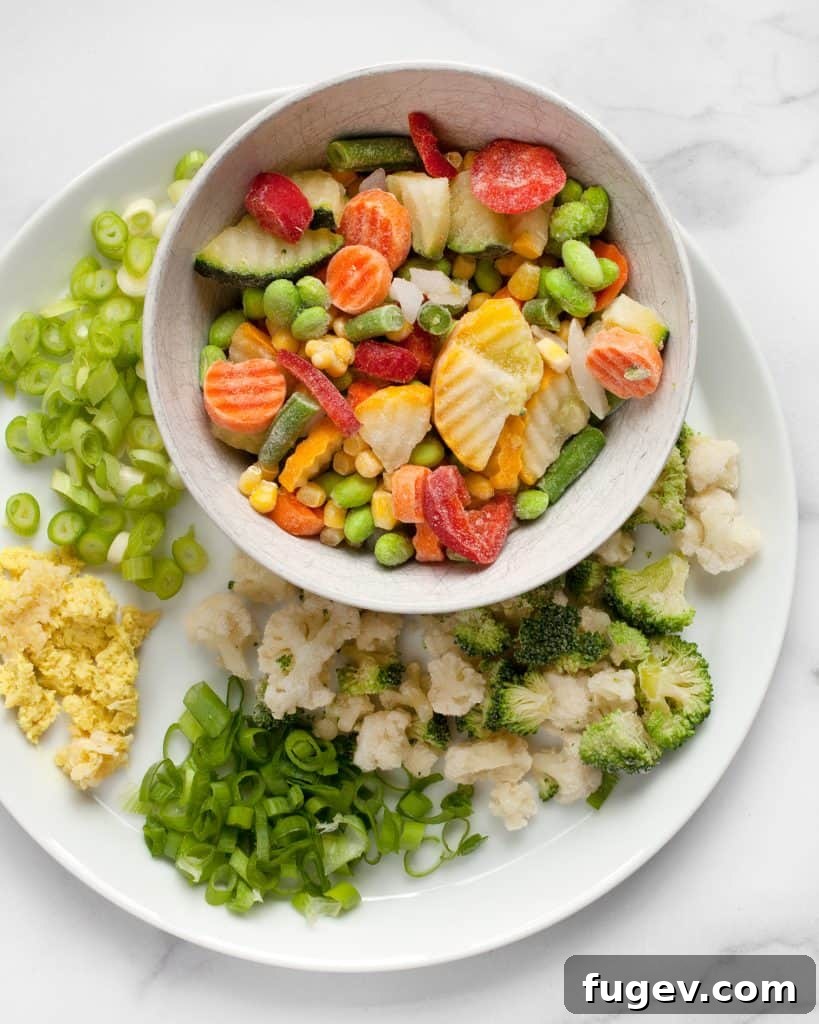
Frozen Vegetable Stir-Fry Recipe
Frozen Vegetable Stir-Fry
Ingredients
- 1/4 cup low-sodium soy sauce
- 1 tablespoon sesame oil
- 2 tablespoons rice vinegar
- 1/4 teaspoon red pepper flakes
- 2 tablespoons vegetable oil
- 3 cups assorted frozen vegetables
- 2 scallions thinly sliced, white and green parts separated
- 2 garlic cloves minced
- 1 tablespoon minced ginger
- 2 cups cooked brown rice
Save this recipe
Get it sent to your inbox plus new recipes every week.
Instructions
-
In a small bowl, whisk together the soy sauce, sesame oil, rice vinegar and red pepper flakes. Set aside.
-
Heat 1 tablespoon vegetable oil in a large skillet or wok over high heat. Once the oil is very hot and shimmering, add the frozen vegetables directly from the freezer. If you can, start with cauliflower and broccoli florets first. After 2 minutes, add the rest of the vegetables and continue cooking until they are just tender and most moisture has evaporated, about 3-4 minutes. Transfer the vegetables to a paper towel-lined plate.
-
Add the remaining 1 tablespoon vegetable oil to the skillet. Sauté the white parts of the scallions, garlic and ginger until fragrant, about 30 seconds. Stir in the cold, day-old brown rice, breaking up any clumps. Stir-fry for 2-3 minutes until heated through. Pour in the whisked soy sauce mixture, letting it bubble and simmer. Continue stirring the rice for 2-3 minutes until the liquid has been absorbed.
-
Fold in the reserved stir-fried vegetables and the green parts of the scallions. Toss for 1-2 minutes until everything is heated through. Serve immediately.
Notes
Nutrition
Nutrition information is automatically calculated, so should only be used as an approximation.
Additional Info
Serving and Customization Tips
Your perfectly cooked frozen vegetable stir-fry is a versatile dish that can be enjoyed in many ways. Here are some ideas to make it your own:
- Add Protein: Easily transform this vegetarian dish into a heartier meal by adding your favorite protein. Marinated chicken, beef, shrimp, or tofu can be stir-fried separately (or before the vegetables) and added back in at the end. For an even quicker meal, use pre-cooked chicken or shrimp.
- Noodle Variations: Instead of rice, you can serve your stir-fry over udon noodles, ramen, rice noodles, or even zucchini noodles for a lower-carb option.
- Garnish for Flavor and Presentation: A sprinkle of toasted sesame seeds, fresh cilantro, or an extra dash of chopped green scallion tops can add a pop of flavor and visual appeal. A drizzle of chili oil or a squeeze of fresh lime juice can also elevate the taste.
- Dietary Adjustments:
- Gluten-Free: Use tamari instead of soy sauce.
- Vegetarian/Vegan: This recipe is naturally vegetarian; for vegan, ensure your soy sauce is vegan-friendly.
- Spice Level: Adjust the red pepper flakes to your preferred heat level, or add a squirt of sriracha sauce.
- Experiment with Vegetables: Don’t be afraid to try different frozen vegetable combinations based on what you have and what you enjoy. Just remember the tips for staggered cooking if you have very thick and very thin vegetables in the mix.
Embracing frozen vegetables in your stir-fries is a game-changer for quick, healthy, and satisfying meals. By following these straightforward rules—high heat, no thawing, proper prep, and careful timing—you can achieve a vibrant dish with perfectly crisp-tender veggies every single time. So, next time you’re staring at your freezer, remember the potential for a delicious frozen vegetable stir-fry and unlock a world of culinary convenience and flavor!