
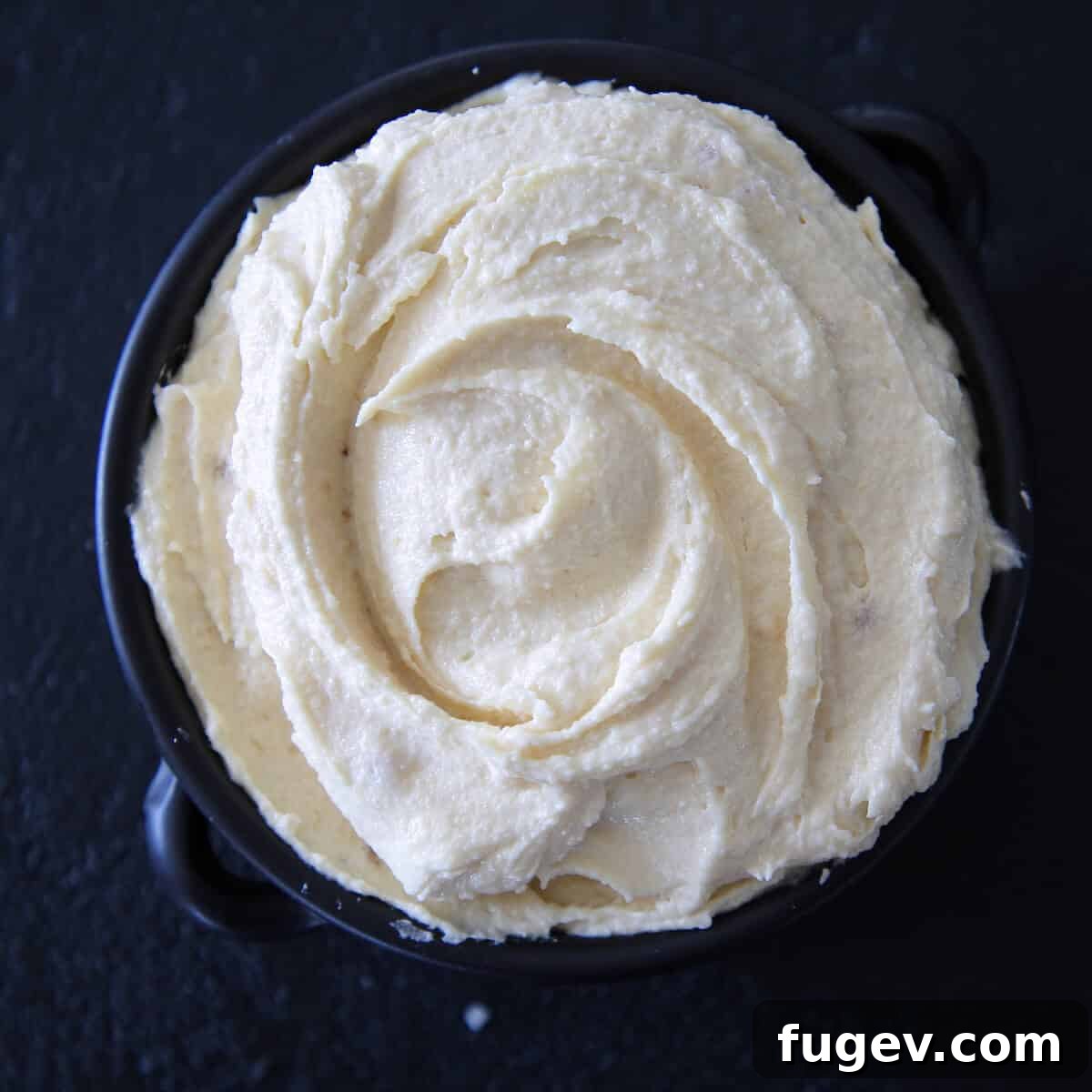
Mastering Almond Cream with Almond Paste: Your Ultimate Guide to French Pastry Excellence
Welcome to the delightful world of French pastry, where a few simple ingredients can create magic. Today, we’re diving into an effortless yet profoundly elegant classic: Almond Cream with Almond Paste. This exquisite filling, known in France as crème d’amande, is a cornerstone of many beloved desserts. While there are several ways to prepare it, this particular variation simplifies the process by utilizing almond paste, offering a shortcut to the same rich, buttery, and fragrant results typically achieved with almond meal and sugar.
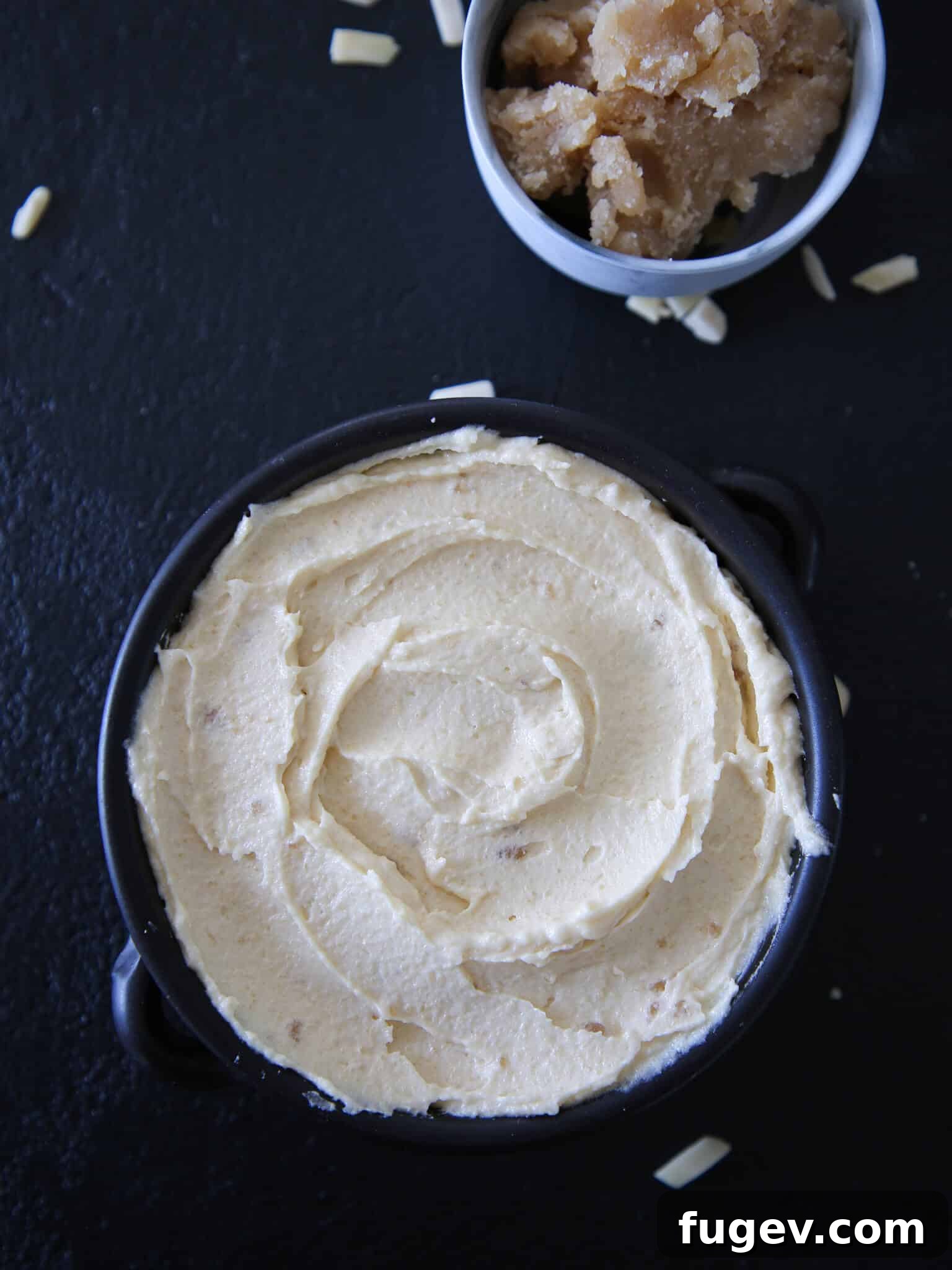
This versatile almond cream is the heart of many traditional French pastries. Imagine the flaky layers of an almond croissant, generously filled with this sweet, nutty goodness, or the delicate base of a fruit tart brought to life by its tender, baked texture. It’s also ideal for enriching cherry almond tarts, adding depth to homemade puff pastry creations, and countless other sweet treats. If I had to choose one pastry filling to call my absolute favorite, this would undoubtedly be it. Its simplicity and profound flavor make it an indispensable tool in any baker’s repertoire.
Table of Contents
- Mastering Almond Cream with Almond Paste: Your Ultimate Guide to French Pastry Excellence
- What Exactly is Almond Cream with Almond Paste?
- When Should I Use Almond Cream with Almond Paste?
- Is Almond Paste the Same as Marzipan? Unraveling the Confusion
- Essential Ingredients for Perfect Almond Cream
- Smart Substitutions & Creative Variations
- Pastry Chef’s Top Tips for Flawless Almond Cream
- Almond Cream with Almond Paste Recipe
- Storage & Make-Ahead Tips
- Creative Serving Suggestions
- Frequently Asked Questions
- Conclusion: Your Journey to Perfect Pastries
You might be familiar with my other popular recipe for frangipane, which is a close cousin to this delightful filling and boasts over 18,000 views on YouTube. So, why introduce another? The beauty of this recipe lies in its elegant simplicity: it swaps the traditional almond meal and granulated sugar for high-quality almond paste. The end result is remarkably similar in taste and texture—a luscious, tender almond pillow within your baked goods—but achieved through a slightly different pathway. Consider it another valuable technique to add to your pastry toolkit, offering flexibility depending on the ingredients you have on hand or your preferred method.
What Exactly is Almond Cream with Almond Paste?
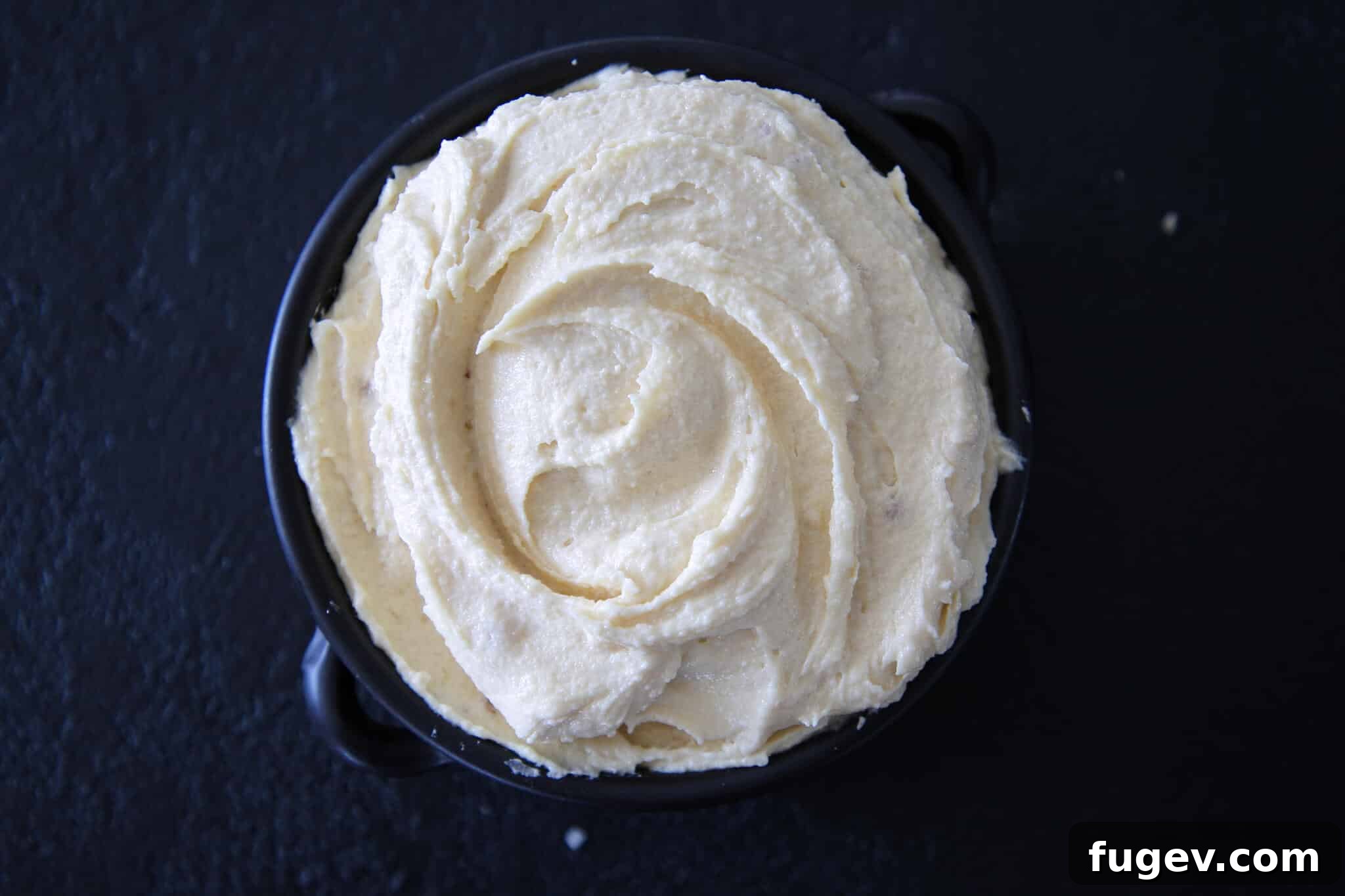
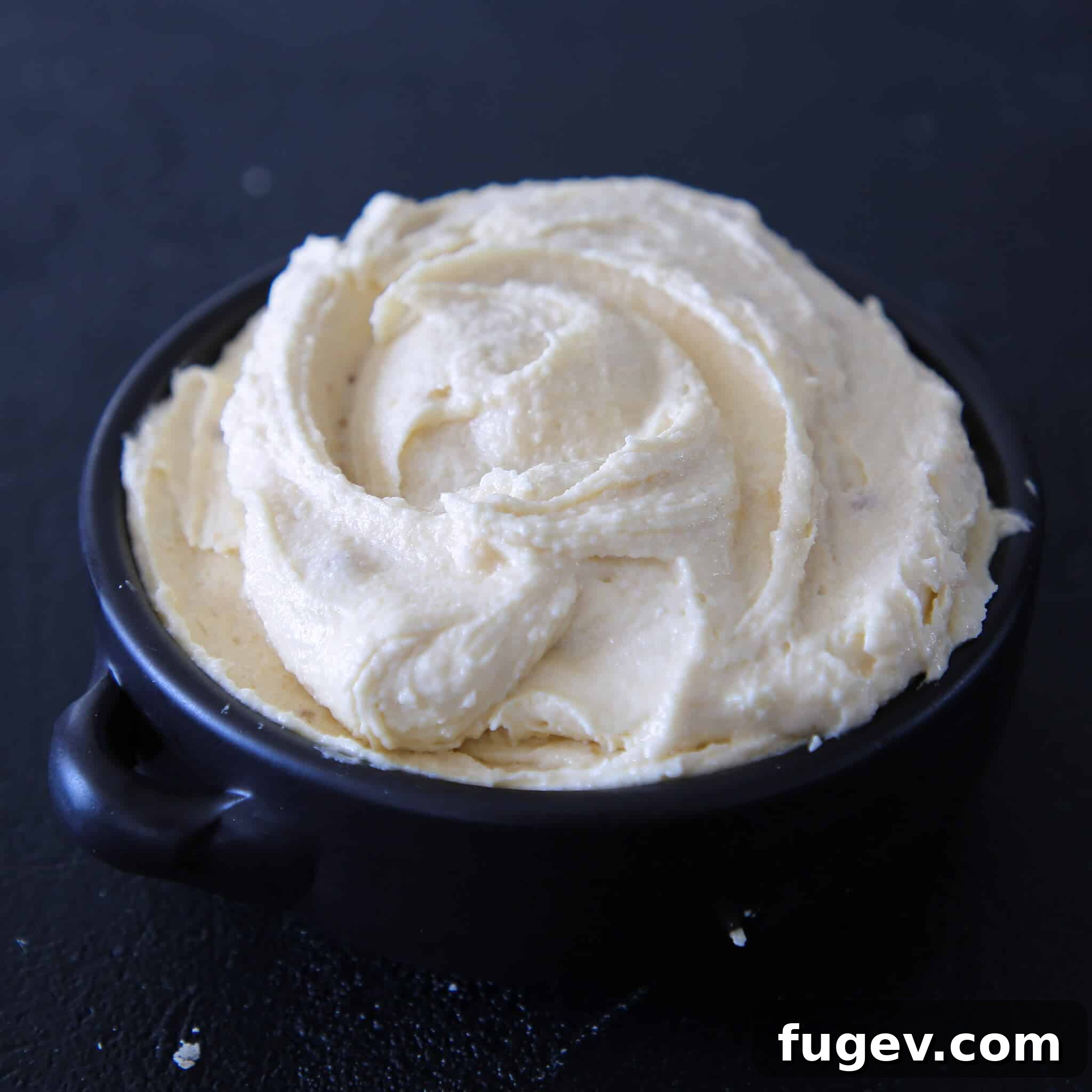
Almond cream with almond paste is a classic French pastry filling, often referred to as crème d’amande. It’s a rich, slightly sweet, and incredibly flavorful mixture that bakes up light and fluffy. Traditionally, crème d’amande is made from butter, sugar, almond meal (finely ground almonds), eggs, and a touch of flour or cornstarch. This particular recipe distinguishes itself by using almond paste as its primary almond component, replacing both the sugar and the almond meal. This not only streamlines the ingredient list but also contributes a slightly more intense and concentrated almond flavor due to the high almond content in quality paste. The paste itself provides a balanced sweetness and a fine texture, requiring less effort to achieve a perfectly smooth cream.
The magic of almond cream lies in its transformation during baking. When incorporated into tarts or pastries, it puffs up beautifully, creating a moist, tender, and aromatic layer that complements fruits, chocolate, or other fillings. It’s not a custard meant to be eaten raw but rather a foundational element that comes to life with the warmth of the oven, developing a characteristic soft, cake-like consistency.
When Should I Use Almond Cream with Almond Paste?
This almond cream recipe is incredibly versatile and can be used in virtually any application where you would typically use a frangipane or an almond cream made with almond flour. The beauty is in its interchangeability; you can fluidly substitute one for the other without significant changes to taste or structural integrity. Both versions bake into that desirable “almond pillow” texture, rising slightly and becoming irresistibly soft and fragrant.
Here are some of the most popular and delicious ways to incorporate this almond paste cream into your baking:
- Almond Croissants: Perhaps its most famous application, turning day-old plain croissants into a decadent second breakfast or dessert.
- Fruit Tarts: It makes an excellent base for various fruit tarts, such as a cherry almond tart, peach tart, or berry tart. The almond flavor beautifully complements most fruits.
- Pithiviers: A classic French puff pastry pie filled with frangipane, this almond cream works perfectly.
- Galette des Rois (King Cake): The traditional filling for this Epiphany pastry in France.
- Almond Bear Claws: A popular pastry often filled with almond cream.
- Cake Fillings: Spread between layers of sponge cake for a delicate almond flavor.
- Brioche Tarts: Use it to fill individual brioche tarts or a larger brioche cake.
- Savory Applications (with adjustments): While primarily sweet, a lightly sweetened version could even pair with certain cheeses or savory fruits like figs.
Its consistent texture and robust flavor make it a reliable choice for any pastry that calls for a baked almond filling. It delivers a rich, satisfying almond taste that’s deeply comforting and universally appealing.
Is Almond Paste the Same as Marzipan? Unraveling the Confusion
This is a common question, and the short answer is: no, they are not the same! While both almond paste and marzipan are delicious confections made primarily from almonds and sugar, their ratios, processing, and intended uses differ significantly, making them distinct ingredients in the pastry world.
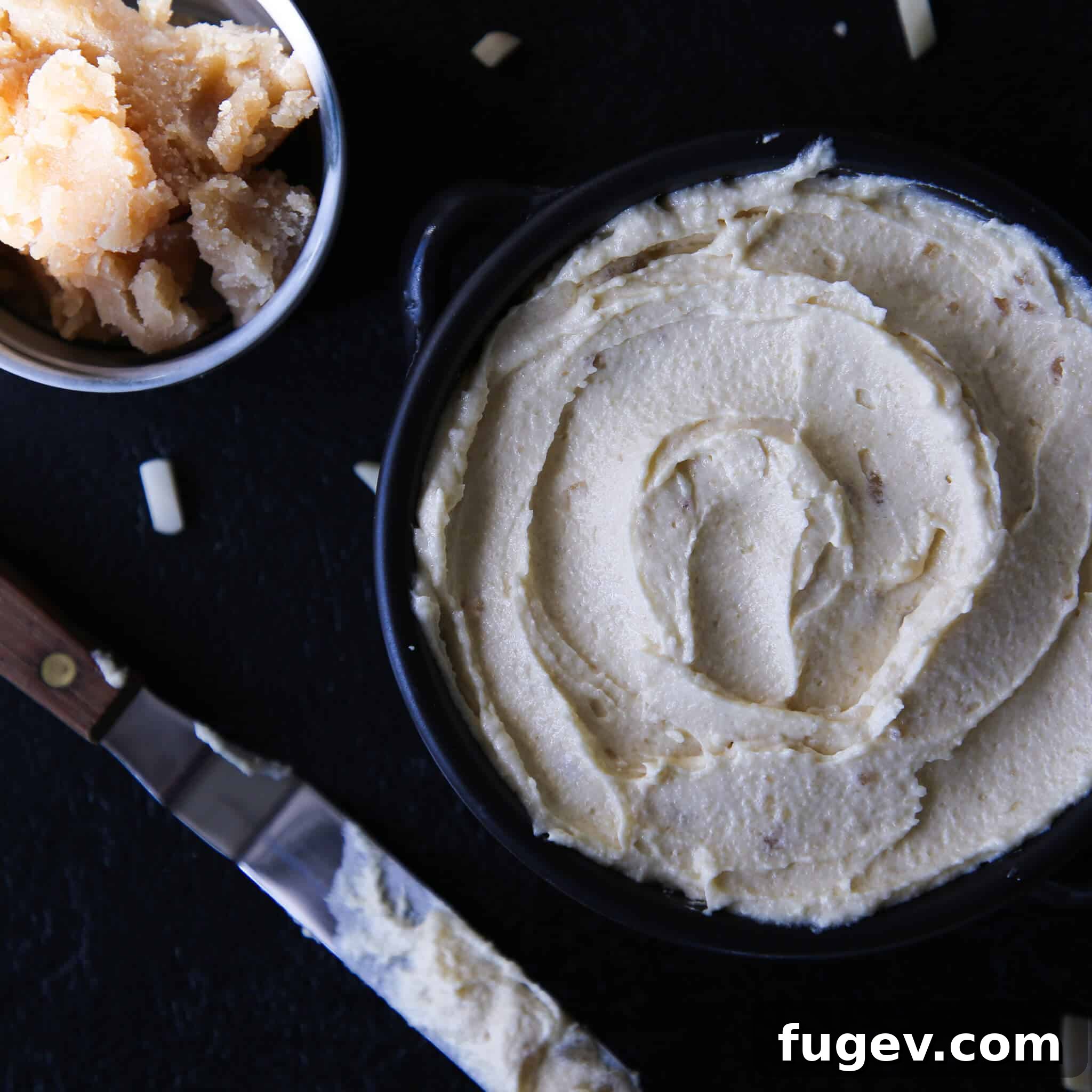
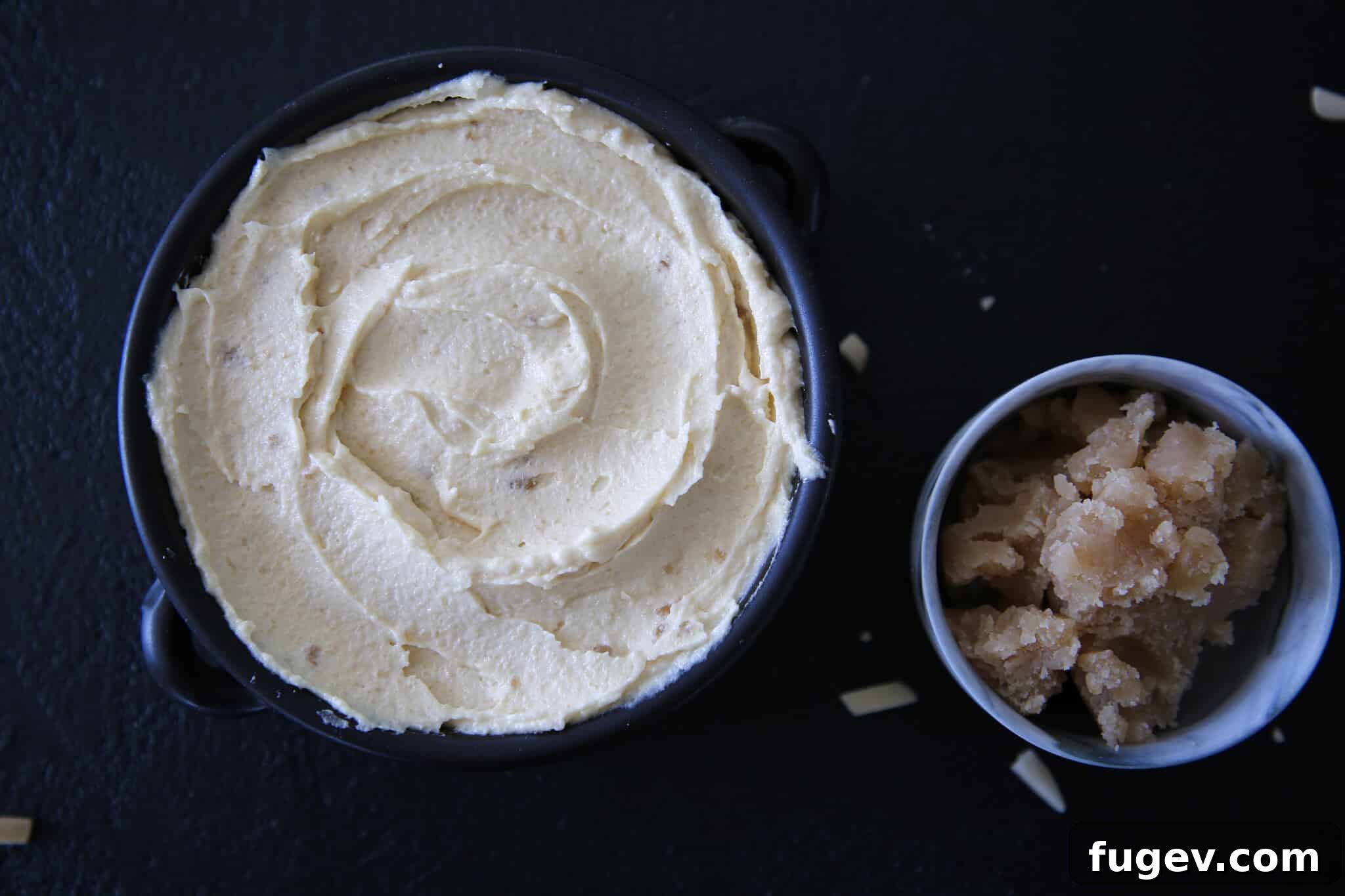
- Almond Paste: Typically contains a higher percentage of almonds, usually around 50% almonds to 50% sugar. It is also less finely ground than marzipan, giving it a slightly coarser, more textured mouthfeel. Almond paste is generally less sweet and often doesn’t contain additional flavorings like almond extract or honey. It’s primarily used as a baking ingredient, where its robust almond flavor and slightly drier texture are beneficial for fillings that need to bake, like our almond cream. You can find quality almond paste in most baking aisles.
- Marzipan: Often contains a lower percentage of almonds (sometimes as low as 25-30%) and a much higher sugar content, making it considerably sweeter. It’s ground much more finely, resulting in a smooth, pliable, clay-like consistency. Marzipan frequently includes almond extract and can sometimes have other additives like honey or glucose syrup to enhance its texture and shelf life. It’s primarily used as a confectionery ingredient, perfect for sculpting into decorative shapes, covering cakes, or making candies, as its sweetness and smooth texture are ideal for these applications. The exception to this rule is Lübeck Marzipan, renowned for its superior quality and higher almond percentage.
Using marzipan instead of almond paste in this recipe would result in a much sweeter filling with a finer, less substantial texture, and potentially an overpowering almond extract flavor. For the balanced richness of this crème d’amande, always opt for genuine almond paste.
As a pastry chef, I appreciate the distinct qualities of each. While I adore the flavor of almond extract and the sweetness of honey in their proper contexts, it’s crucial to understand when they might be overkill. Precise control over all ingredients—even seemingly minor ones like extracts, salt, and leavening—is key to achieving truly exceptional pastry results.
Essential Ingredients for Perfect Almond Cream
Creating a stellar almond cream with almond paste requires just a few quality ingredients. Each plays a vital role in achieving the perfect flavor and texture:
- Butter: I always recommend using unsalted butter for baking. This allows you complete control over the salt content in your recipe. Different brands of salted butter vary significantly in their sodium levels, making it challenging to consistently adjust the seasoning of your final product. Good quality butter also contributes to the rich, creamy texture and flavor of the almond cream. Ensure it’s softened to room temperature for optimal creaming.
- Almond Paste: This is the star of our recipe. It replaces both the almond meal and granulated sugar found in traditional frangipane recipes. Be very careful to select genuine almond paste, not marzipan. As discussed, marzipan is much sweeter and has a different texture, which could lead to an overly sweet and less substantial almond cream. Quality almond paste provides a concentrated, natural almond flavor and a delightful texture that bakes wonderfully.
- Eggs: Similar to a classic crème caramel or crème anglaise, this almond cream is a custard-like filling. Eggs are absolutely essential. They act as a binding agent, provide structure, and help the almond cream to rise and set into a beautifully light and fluffy texture in the oven. The recipe calls for 1 ½ eggs, which can seem tricky. A simple solution is to beat one large egg in a small bowl, then use half of it (approximately 25g-30g). You can save the remainder for an egg wash or add it to your breakfast.
- Cornstarch: This ingredient functions as a thickener and stabilizer, much like the eggs. It helps to bind all the components of the cream together, ensuring it holds its shape during and after baking. It also contributes to the smooth, tender consistency of the baked filling. If you don’t have cornstarch, alternatives are discussed below.
- Rum: A splash of dark rum adds a subtle, sophisticated depth of flavor that beautifully augments and rounds out the natural almond notes. While the alcohol bakes out during cooking, its essence remains, contributing to the overall complexity of the cream. It’s a classic pairing with almond and truly enhances the French pastry experience.
Smart Substitutions & Creative Variations
While this recipe is designed for optimal results with its specified ingredients, sometimes you need to make adjustments. Here are some smart substitutions and variations:
- Different Nut Variations: This specific almond paste recipe is optimized for almond paste and doesn’t lend itself well to direct nut substitutions. If you wish to experiment with other nuts (like pistachios or hazelnuts), I highly recommend using my other frangipane recipe. That recipe, which uses almond meal, allows for substituting 75-100% of the almond meal with an equal amount of another finely ground nut meal.
- Egg-Free Option: You can omit the eggs if absolutely necessary, for instance, if you have an egg allergy. However, be aware that the texture will be noticeably different. Without eggs, the cream will not be as light and fluffy; it will be denser and have a less delicate crumb when baked. It will still set, but the characteristic “almond pillow” texture will be compromised.
- Cornstarch Alternatives: If you don’t have cornstarch on hand, you can substitute an equal amount of all-purpose flour. Alternatively, pastry cream powder (often a blend of starches and flavorings) can also be used for a similar thickening effect.
- Alcohol-Free: If you prefer to avoid alcohol, you can simply omit the rum entirely. The almond cream will still be utterly delicious and fragrant. Do not replace it with any other liquid, as this could throw off the delicate balance of the cream’s consistency.
- Other Alcohols: For those who enjoy experimenting with flavors, feel free to substitute the dark rum with other hard alcohols. Brandy, Cognac, or whiskey can add wonderful, complex notes that pair beautifully with almonds. Amaretto could also be used for an extra almond punch, but be mindful of its sweetness.
Pastry Chef’s Top Tips for Flawless Almond Cream
Achieving bakery-quality almond cream is within reach with these professional insights:
- Room Temperature Ingredients: Ensure your butter and almond paste are at true room temperature. This allows them to cream together smoothly, preventing lumps and creating an emulsified base. Cold ingredients will lead to a lumpy, separated mixture.
- Creaming Properly: Take your time to thoroughly cream the butter and almond paste. Initially, beat slowly to break down the paste, then increase speed. Continue beating until the mixture is visibly lightened, smooth, and fluffy—this incorporates air and creates a tender final product.
- Gradual Egg Addition: Add the eggs slowly, in small portions, beating well after each addition. This is crucial to prevent the mixture from curdling. Eggs are primarily water, and adding them too quickly to a fat-based mixture can cause separation. Patience here ensures a silky-smooth cream.
- Don’t Overmix Once Flour/Starch is Added: After adding the cornstarch, mix only until just combined. Overmixing can develop gluten if using flour, leading to a tougher texture, or simply compress the air you’ve worked hard to incorporate.
- Crucial Baking Step: Always remember that almond cream with almond paste (and frangipane in general) must be baked. It is not meant to be eaten raw. Bake it until it is set to the touch. When gently pressed, it should offer a slight resistance, similar to firm jello or a baked custard. This ensures it’s cooked through, puffed up, and has developed its full flavor and tender texture.
- Resting the Dough: When using almond cream in tarts or puff pastry, consider chilling the filled pastry briefly before baking. This helps maintain the pastry’s shape and ensures even baking.
Almond Cream with Almond Paste: The Recipe
Recipe Details
Rating: 5 out of 5 stars (6 ratings)
By: Chef Lindsey
Summary: This easy and classic French pastry filling recipe uses almond paste in place of the sugar and almond meal, making it a convenient and delicious alternative for traditional crème d’amande.
- Prep time: 10 minutes
- Total time: 10 minutes
- Servings: 6 people
- Pin Recipe
- Print Recipe
Equipment
- Stand Mixer with Paddle Attachment (or hand mixer)
- Kitchen Torch with Butane (optional, for caramelizing sugar on top of baked tarts)
Ingredients
- ½ cup (113g) Unsalted Butter, softened
- 1 cup (227g), packed Almond Paste
- 1 ½ large Eggs (approximately 75g total; beat one egg and measure half)
- 5 teaspoons (20g) Cornstarch
- 1 tablespoon Dark Rum (optional, or other alcohol)
Instructions
- In the bowl of a stand mixer fitted with the paddle attachment (or using a hand mixer), cream the softened unsalted butter until it is light, soft, and smooth. This usually takes 2-3 minutes on medium speed.
- Add the almond paste to the creamed butter. Begin beating slowly at first to break down the paste and incorporate it without splattering. Once fewer lumps remain, increase the speed to medium-high and beat thoroughly until the mixture is completely smooth, homogenous, and resembles lightened, creamed butter and sugar. Ensure no significant lumps of almond paste are visible.
- Gradually add the eggs in several small additions (e.g., 2-3 parts). Beat well after each addition until fully incorporated and the mixture is smooth again before adding the next portion. This slow incorporation prevents the mixture from curdling.
- Sift in the cornstarch and mix on low speed until just combined. Be careful not to overmix at this stage.
- Finally, add the dark rum (if using) and mix briefly, just until it is fully combined into the cream. Your almond cream is now ready to use or store.
Video Guide: How to Make Almond Cream with Almond Paste
Notes from the Chef
This almond cream can be used immediately after preparation or stored for later. Keep it refrigerated in an airtight container for up to 7 days. Remember, this filling is designed to be baked. It will puff and set beautifully when heated in the oven, creating a delicious and tender texture.
Nutrition Information (per serving, estimated)
Calories: 335kcal | Carbohydrates: 19g | Protein: 5g | Fat: 27g | Saturated Fat: 11g | Polyunsaturated Fat: 3g | Monounsaturated Fat: 11g | Trans Fat: 1g | Cholesterol: 82mg | Sodium: 141mg | Potassium: 139mg | Fiber: 2g | Sugar: 14g | Vitamin A: 532IU | Vitamin C: 0.04mg | Calcium: 76mg | Iron: 1mg
Recipe Metadata
- Course: Dessert
- Cuisine: French
- Calories: 335
Storage & Make-Ahead Tips
One of the best features of this almond cream with almond paste is its excellent make-ahead potential. Once prepared, transfer the cream to an airtight container. It can be safely stored in the refrigerator for up to 7 days. Before using, allow it to come to room temperature for about 15-30 minutes, then give it a quick whisk to ensure it’s smooth and pliable again. This makes it incredibly convenient for busy bakers, allowing you to prepare the filling in advance and assemble your pastries closer to serving time. You can also freeze almond cream for longer storage, up to 1 month. Thaw it overnight in the refrigerator and whisk before use.
Creative Serving Suggestions
Beyond the classic almond croissants and fruit tarts, this versatile almond cream can inspire many other delightful desserts. Consider piping it into hollowed-out baked apples before a second bake, layering it into trifles, or using it as a surprise filling for cupcakes or muffins. It also makes a fantastic base for baked fruit galettes, adding a rich, moist layer beneath sliced peaches, berries, or plums. For a simple yet elegant dessert, spread it on toasted brioche or puff pastry squares, bake until golden, and serve with fresh berries or a dusting of powdered sugar. The possibilities are truly endless!
Frequently Asked Questions
Here are answers to some common questions about almond cream with almond paste:
Q: Can I use almond flour instead of almond paste?
A: Yes, you can, but then it becomes a frangipane recipe. This specific recipe is formulated for almond paste for its unique texture and ease. If using almond flour, refer to my frangipane recipe, which provides the correct ratios for almond flour and sugar.
Q: My almond cream looks curdled after adding eggs. What went wrong?
A: This usually happens when eggs are added too quickly to the butter and almond paste mixture, or if the eggs are too cold. Always add eggs slowly, in small additions, beating thoroughly after each to ensure proper emulsification.
Q: Can I make this gluten-free?
A: Yes, this recipe is naturally gluten-free as long as you use gluten-free cornstarch and ensure no cross-contamination. It does not contain any wheat flour.
Q: How can I tell if the almond cream is baked through?
A: When baked, the almond cream should puff up slightly and turn golden brown. When gently touched in the center, it should feel set and firm, with a slight springiness, similar to a baked custard or firm jello. There should be no liquid movement.
Conclusion: Your Journey to Perfect Pastries
Almond cream with almond paste is a truly remarkable ingredient that opens up a world of French pastry possibilities. Its ease of preparation, combined with its rich flavor and tender texture, makes it a go-to for both novice and experienced bakers alike. Whether you’re resurrecting day-old croissants or embarking on an elaborate tart, this crème d’amande will add an undeniable touch of elegance and deliciousness to your creations. So, gather your ingredients, follow these simple steps, and prepare to impress with your next homemade pastry masterpiece!
Enjoyed this recipe or have your own favorite way to use almond cream? Share your thoughts and creations in the comments below! We love hearing from you.