
Easy Homemade Streusel Topping: The Ultimate Dessert Enhancer
Elevate your baking with this incredibly easy and versatile streusel topping recipe. In under 5 minutes, with just 5 essential ingredients, you can create a delightful, crunchy crumb topping that will transform your desserts, muffins, quick breads, and pies. This guide provides all the professional tips and tricks to achieve the perfect texture and flavor every time.
This easy streusel topping is designed for convenience, allowing you to whip it up effortlessly in a single bowl, whether you prefer mixing by hand or with a stand mixer. Once baked, its irresistible crunch makes it an ideal complement to a wide array of treats. Imagine it sprinkled over a creamy scoop of ice cream, complementing rich puddings like this dark chocolate pudding, or adding texture to smooth custards such as flan. Its true magic, however, shines brightest when baked directly atop your favorite muffins, cakes, tarts, and pies, including adorable mini apple pies.
The adaptability of this brown sugar streusel recipe is truly remarkable. You’ve likely seen a fragrant cinnamon version enhancing our popular caramel apple tart, or adding a comforting texture to these delectable peach streusel muffins and classic banana crumb bread. For a unique twist, a peanut butter variation elevates these indulgent peanut butter streusel muffins, proving that this base recipe can be customized to suit any craving. This comprehensive guide will equip you with all the knowledge to master this fundamental topping, ensuring your baked goods always stand out.
Table of Contents
- Why This is the Best Streusel Topping Recipe
- Professional Tips for Making Perfect Streusel
- Essential Ingredients for Streusel
- Exciting Streusel Variations
- Step-by-Step: How to Make Streusel Topping
- Chef Lindsey’s Expert Recipe Tip
- Creative Ways to Use Streusel
- Frequently Asked Questions About Streusel
- Streusel Topping Recipe Card
- Before You Go: More Dessert Topping Ideas
Why This is the Best Streusel Topping Recipe You’ll Find
What makes this particular streusel topping recipe stand out from the rest? It boils down to a few key techniques and characteristics that ensure superior flavor and texture, making it a favorite among home bakers and professional chefs alike:
- The Secret to Tender Streusel: Soft, Not Melted Butter. Unlike many recipes that call for melted butter, which can lead to a dense, pasty streusel, this recipe wisely utilizes soft, room-temperature butter. This seemingly small detail makes a monumental difference. Soft butter, when combined with the dry ingredients, creates pockets of air and forms distinct, tender crumbles. The result is a lighter, less floury streusel that melts in your mouth, providing a delicate yet satisfying crunch that perfectly complements any dessert. It helps achieve that signature crumbly texture without becoming heavy or greasy.
- Unmatched Versatility for Every Occasion. This streusel isn’t a one-trick pony. Its incredible versatility means you can bake it on its own until golden and crisp, then use it as a standalone topping for an array of cold or warm treats. Imagine it as a textural contrast for creamy ice cream, smooth puddings, or a dollop of yogurt. But its true potential shines when crumbled directly onto your favorite baked goods before they hit the oven. From rustic fruit pies and elegant tarts to fluffy muffins and comforting quick breads, this streusel enhances every dish, adding both visual appeal and an irresistible depth of flavor.
- Endlessly Adaptable to Your Taste and Pantry. As a professional chef, this streusel recipe is my fundamental go-to, and for good reason: it’s a blank canvas for culinary creativity. Its robust base allows for endless modifications, enabling you to tailor it to any specific dish or personal preference. Whether you’re in the mood for warm spices like cinnamon or nutmeg, seeking added texture from oats, or wanting to infuse unique flavors like peanut butter or almond flour, this streusel seamlessly accommodates. This adaptability not only prevents recipe fatigue but also encourages experimentation, ensuring you can craft a unique streusel experience every time.
Professional Tips for Making the Perfect Streusel
Achieving bakery-quality streusel is simpler than you think with these expert insights:
- Embrace the “Cut-In” Method for the Most Tender Streusel. The traditional “cut-in” method, whether by hand or machine, is paramount for creating a tender, flaky streusel. When using a stand mixer, simply combine all your ingredients in the bowl and let the paddle attachment do the work until a cohesive yet crumbly mixture forms. If mixing by hand, use your fingertips or a pastry blender to work the butter into the dry ingredients until pea-sized crumbs appear. This method prevents overworking the gluten in the flour and ensures the butter is evenly distributed without melting, leading to those desirable larger, tender crumbles.
- Always Refrigerate Streusel Prior to Baking. This step is crucial for maintaining the shape and integrity of your streusel crumbles during baking. Chilling the streusel for at least 20-30 minutes allows the butter to firm up. When it enters the hot oven, the cold butter slowly melts, creating steam that puffs up the flour and sugars, resulting in beautifully distinct, crisp crumbles. Without chilling, the butter might melt too quickly, causing the streusel to spread and become flat or greasy. For ease, I recommend crumbling the streusel to your desired size at room temperature, then chilling it.
- Patience is Key: Just Keep Mixing! Especially when working with cooler butter, it might feel like your streusel mixture is taking forever to come together. Don’t be tempted to add more butter or liquid! The process requires patience. The friction from mixing, whether by hand or machine, will gradually warm the butter just enough for it to incorporate into the flour and sugar, forming those beautiful, distinct clumps. Keep mixing, and trust the process – it will eventually transform into the perfect crumbly texture you’re aiming for. The colder the butter, the longer it takes, but the better the final texture will be.
Essential Ingredients for Your Perfect Streusel Topping
Crafting exceptional streusel requires just a handful of basic ingredients, each playing a crucial role in the final flavor and texture:
- Granulated Sugar: I primarily use granulated sugar in this recipe, and it’s essential for several reasons. It provides the primary sweetness to the streusel, ensuring it complements your dessert without being overwhelmingly sweet. Beyond flavor, granulated sugar contributes to the streusel’s crisp texture as it caramelizes slightly during baking. It also helps in aeration when mixed with butter, creating a lighter, more delicate crumble.
- Light Brown Sugar: The addition of light brown sugar introduces a wonderful depth of flavor and a touch more moisture compared to using only granulated sugar. Its molasses content imparts subtle caramel notes, making the streusel more complex and irresistible. The slight stickiness of brown sugar also aids in forming those desirable larger clumps that are characteristic of a superior streusel.
- All-Purpose Flour: Plain all-purpose flour serves as the structural base of our streusel, providing a neutral flavor that allows other ingredients to shine. Its gluten content helps bind the ingredients together to form crumbles. While all-purpose flour is recommended for its consistent results, you can experiment with other flour varietals. Keep in mind that different flours absorb liquids differently, so you might need to adjust the amount of butter slightly to achieve the perfect crumbly consistency.
- Kosher Salt: A dash of kosher salt is vital, not just for seasoning, but for enhancing and balancing the overall flavor profile. It tempers the sweetness of the sugars, preventing the streusel from being cloyingly sweet and instead creating a more harmonious and satisfying taste. Don’t skip the salt; it truly makes a difference.
- Unsalted Butter: The quality and temperature of your unsalted butter are paramount. Using room temperature butter (cool but pliable, not melted) is key for easy mixing and achieving the most tender streusel. Unsalted butter allows you to control the exact amount of salt in the recipe, ensuring perfect seasoning every time. Cold butter can also be used, but it will require more mixing time to incorporate properly, yielding slightly firmer crumbles.
For precise measurements and full ingredient information, please refer to the detailed recipe card below.
Possible Variations for Your Custom Streusel
This streusel recipe is wonderfully adaptable, allowing you to infuse it with different flavors and textures to suit any dessert. Here are some popular variations:
- Hearty Oat Streusel: For a delightful texture and a more rustic “crisp-like” topping, incorporate some rolled oats into your mixture. Start by adding about ½ to 1 cup of old-fashioned rolled oats to the dry ingredients. The oats will absorb some moisture and provide a chewy contrast to the crisp streusel. This variation is particularly excellent on fruit crumbles and apple pies.
- Warm Spiced Streusel: Infuse your streusel with comforting warmth by adding ground spices. A classic choice is 1 ½ teaspoons of ground cinnamon for a timeless flavor. Alternatively, experiment with a pre-made blend like pumpkin spice mix, especially perfect for fall baking. A combination of cinnamon and apple pie spice will also create a complex and aromatic streusel that beautifully complements apple and pear desserts.
- Nutty Almond Streusel: Introduce a delicate nutty flavor by substituting a portion of the all-purpose flour with almond flour. You can replace up to 1 cup of the total flour with almond flour, which will create a more tender, almost cake-like crumble with a distinct almond aroma. This variation pairs exceptionally well with fruit tarts, peach desserts, or even blueberry muffins.
- Crunchy Chopped Nuts: For an extra layer of crunch and rich flavor, mix in your favorite chopped nuts. I’ve successfully made this recipe with finely chopped pecans, walnuts, or macadamia nuts. About ½ to 1 cup of chopped nuts can be added to the mixture. This streusel is also delightful with seeds like sunflower or pumpkin seeds for a unique, wholesome twist. Remember to toast your nuts lightly before adding them for enhanced flavor.
- Citrus Zest: For a bright, aromatic streusel, add 1-2 teaspoons of freshly grated lemon or orange zest to the dry ingredients. This is especially wonderful for berry tarts, lemon muffins, or any dessert where a hint of citrus can cut through richness.
Step-by-Step: How to Make the Perfect Streusel Topping
Follow these simple instructions to create flawless streusel every single time. Detailed measurements and ingredient quantities are available in the recipe card further down this page.
Make the Streusel Dough:
Step 1: Begin by combining all your dry ingredients – granulated sugar, light brown sugar, kosher salt, and all-purpose flour – in either the bowl of a stand mixer (fitted with the paddle attachment) or a large mixing bowl if mixing by hand. Whisk them together briefly to ensure they are well combined and evenly distributed.
Step 2: Add the cubed, room-temperature unsalted butter to the dry mixture. If using a stand mixer, mix on low to medium-low speed with the paddle attachment. If mixing by hand, use your fingertips or a pastry blender to ‘cut in’ the butter. The goal is to work the butter into the flour and sugar mixture until it is fully combined and forms a cohesive dough with distinct clumps. Continue mixing until there is no visible dry flour remaining and the mixture easily crumbles into various sized pieces when squeezed. Be patient, as this may take a few minutes, especially if your butter is on the cooler side.
Pro Tip for Crumbly Streusel: It’s significantly easier to achieve the desired crumbly texture for your streusel right after mixing when the butter is still pliable. If you’re not planning to use the streusel immediately, I recommend crumbling it onto a baking sheet lined with parchment paper. Once crumbled, refrigerate it to firm up the butter, then transfer the chilled crumbles to an airtight container for future use. This prevents it from becoming a solid block in the fridge.
How to Bake Streusel on Its Own (for a crunchy topping):
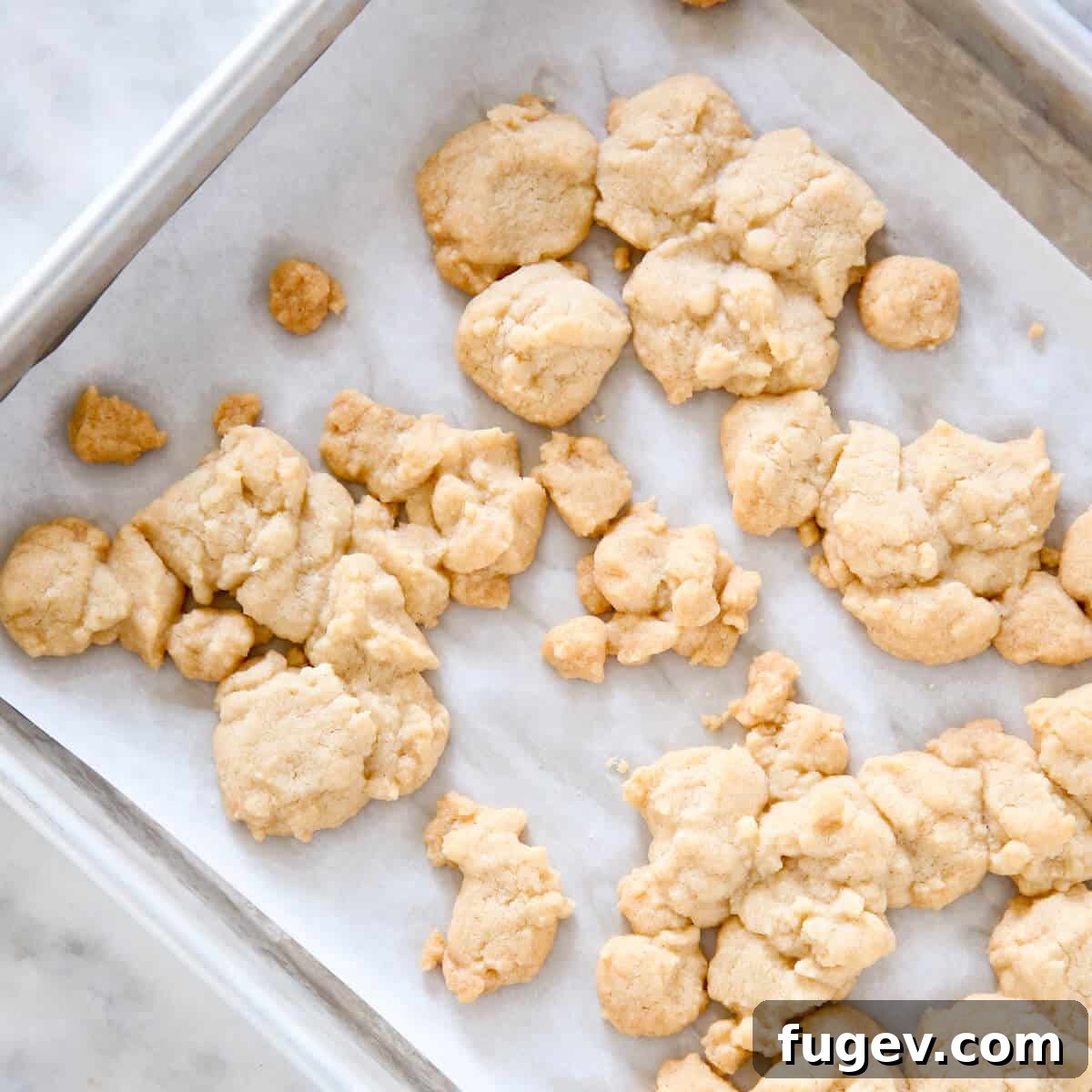
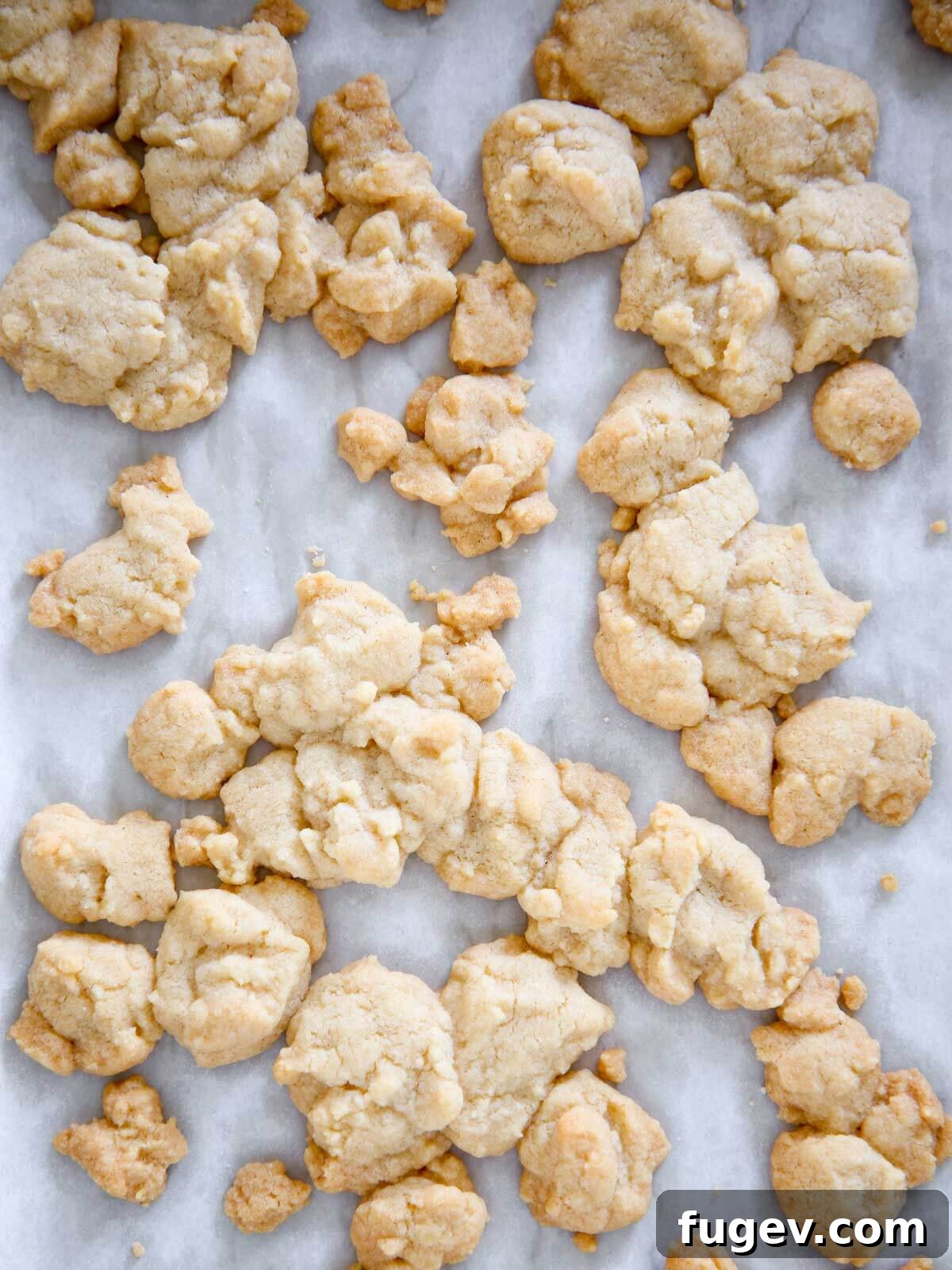
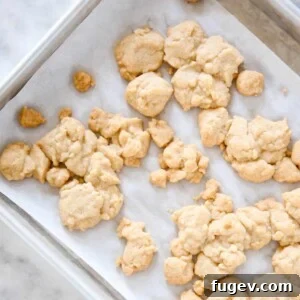
Step 3: Once your streusel dough is ready, crumble it evenly onto a parchment paper-lined baking sheet. Aim for varying sizes of crumbles, from small sandy bits to larger pea-sized or even thumb-sized pieces, for a more interesting texture. Place the baking sheet in the refrigerator to chill for 20-30 minutes. This step is vital to help the streusel maintain its shape and achieve optimal crispness during baking.
Step 4: While the streusel is chilling, preheat your oven to 350°F (175°C). After chilling, transfer the baking sheet with the crumbled streusel to the preheated oven. Bake for 8-12 minutes, or until the streusel turns a beautiful golden brown and the centers of the larger crumbles appear matte (no longer glossy). The exact bake time can vary considerably depending on the size of your crumbles; smaller pieces will cook faster than larger ones, so keep a close eye on them to prevent burning.
How to Use Streusel on Baked Goods:
Using streusel to top your favorite baked goods is incredibly straightforward and adds an instant upgrade. Simply crumble the prepared streusel generously over the top of unbaked quick breads, muffins, cakes, pies, or tarts. Then, bake your item as directed by its original recipe. The streusel will bake and crisp up beautifully alongside your dessert.
Important Baking Note: When adding streusel to a recipe that didn’t originally call for it, be aware that it can increase the overall bake time by several minutes. This is because the streusel acts as an insulating layer. Always check for doneness using the traditional methods for your specific baked good (e.g., toothpick test for muffins, internal temperature for pies).
Chef Lindsey’s Expert Recipe Tip
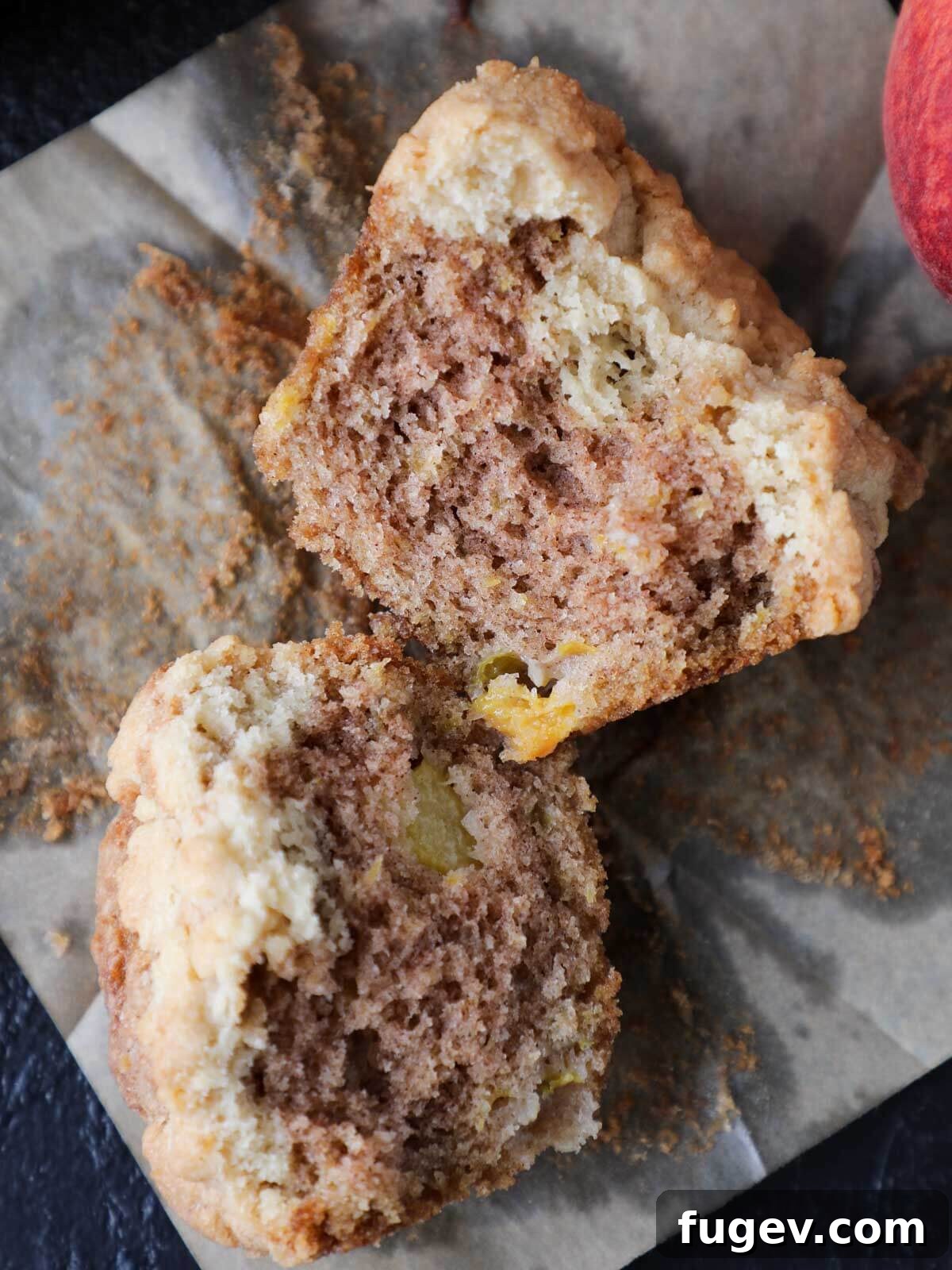
This might be a slightly controversial statement for some, but I have to emphasize: you absolutely can add too much streusel! While it’s tempting to pile on those delicious crumbles, there’s a delicate balance to strike, especially when topping lighter baked goods like muffins or quick breads. For instance, with delicate items such as these peach streusel muffins or fluffy jumbo blueberry muffins, excessive streusel or overly large, heavy chunks can prevent the muffins from rising properly. The weight of the streusel can weigh down the delicate batter, causing your beautifully domed muffins to sink in the center, resulting in a dense, disappointing texture rather than a light and airy one. Aim for a generous but balanced layer, and break up any overly large clumps to ensure even baking and a perfect rise.
Creative Ways to Use Your Delicious Streusel
Once you’ve mastered this easy streusel topping, a world of culinary possibilities opens up! Its incredible versatility means it can enhance nearly any sweet treat. Here are some of my favorite ways to incorporate this crunchy goodness:
- As a Crunchy, Standalone Topping. After baking the streusel on a baking sheet until golden and crisp, allow it to cool completely. It can then be used as a delectable, crunchy garnish for a variety of desserts that don’t require further baking. Sprinkle it liberally over creamy ice cream sundaes, smooth puddings like this luscious caramel pudding, light mousses, frosted donuts, or even unexpected delights like no-bake blueberry cheesecake bars for an instant textural upgrade.
- Baked onto Quick Breads and Loaves. Before baking your favorite quick bread recipe, whether it’s classic pumpkin bread or a comforting banana bread, generously crumble a layer of streusel over the top of the batter. As the bread bakes, the streusel will meld and crisp, creating a glorious, textured crust that adds both flavor and visual appeal, turning a simple loaf into a coffee-shop-worthy treat.
- Elevate Muffins and Coffee Cakes. Streusel is a classic companion for muffins and coffee cakes, adding a irresistible crumbly layer. Sprinkle it over the batter of favorites like these peach streusel muffins, hearty jumbo blueberry muffins, or even add an unexpected, delightful crunch to lemon poppyseed muffins. For a healthier twist, it’s surprisingly delicious on some Strawberry Whole Wheat Muffins, just embracing the indulgence!
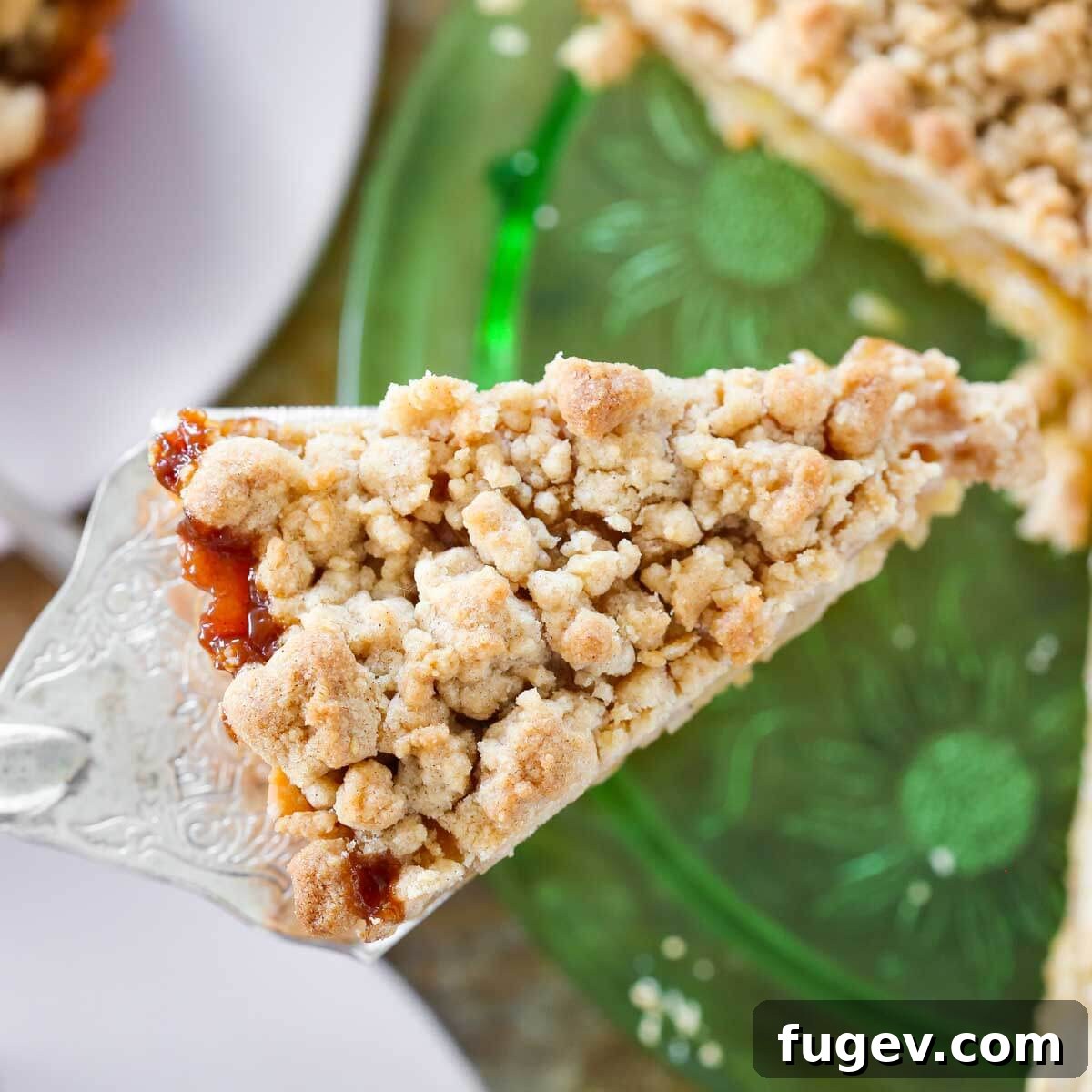
- Transform Any Pie or Tart. Give any traditional pie or tart a magnificent streusel makeover by simply omitting the top crust and instead crumbling your streusel over the fruit filling before baking. This works wonders for an easy apple pie, a vibrant blueberry pie, or even an easy pumpkin pie, adding a buttery, spiced dimension. A perfectly spiced cinnamon streusel is truly the star of the show on our sensational caramel apple tart, proving its power to elevate.
- On Scones and Biscuits: A small amount of streusel crumbled on top of scones or biscuits before baking adds a delightful sweetness and texture that turns them into a more decadent breakfast or tea-time treat.
- Baked on Fruit Crisps and Crumbles: While streusel is similar to crumble topping, it can be used interchangeably or in addition to for extra crunch on baked fruit dishes.
Frequently Asked Questions About Streusel Topping
Here are some common questions about making and using streusel, with expert answers:
Proper storage is key to enjoying your streusel for longer. Unbaked streusel topping, once crumbled, can be stored in a clean, airtight container in the refrigerator for up to 2 weeks. For even longer preservation, it can be frozen for up to 2 months. Make sure it’s well-sealed to prevent freezer burn and absorption of other food odors. When ready to use from frozen, you can often sprinkle it directly onto baked goods and bake as usual, or let it thaw slightly in the fridge before use.
Baked streusel, which has been cooked until golden and crisp, should be stored in an airtight container at room temperature. It will retain its crunch and flavor for up to 2 weeks. While it can be stored longer than that, its texture might soften, and the flavor will gradually begin to diminish. For best results, consume it within the recommended timeframe.
In my professional culinary opinion, while often used interchangeably, there is a distinct difference between crumble and streusel, primarily in the size and texture of their respective crumbs, and the butter’s state. A traditional crumble typically features smaller, looser crumbs and is almost always made with melted butter. This method results in a slightly denser, more uniform topping. In contrast, streusel is characteristically made with room temperature or cold butter, which is “cut into” the dry ingredients. This technique leads to larger, more irregular pieces that create a distinctly more tender, almost cake-like texture when baked. Streusel also tends to have a slightly bolder, more buttery flavor due to the way the butter is incorporated, creating pockets that melt slowly. Both are delicious, but offer different textural experiences.
There are a few common reasons why your streusel might not be as crumbly as desired. One possibility is that the recipe doesn’t have enough butter relative to the dry ingredients, resulting in a drier, less cohesive mixture. Another common culprit is undermixing; if the butter hasn’t been fully incorporated and worked into the flour and sugar, it won’t form those lovely clumps. Sometimes, it’s simply because the butter was too cold initially, requiring more effort to combine. If your streusel isn’t coming together, try taking a handful and giving it a firm squeeze in your palm. The warmth from your hand might be just enough to soften the butter and encourage it to clump. Alternatively, continue mixing for a few more minutes; patience is often the best solution when dealing with cold butter.
The uses for streusel are incredibly varied and limited only by your imagination! This particular streusel recipe is exceptionally versatile. You can bake it on its own on a baking sheet to create a crunchy, golden topping. Once baked and cooled, it’s perfect for sprinkling over ice cream, puddings, mousse, donuts, yogurt parfaits, or even no-bake cheesecake bars for an instant texture boost. Alternatively, and more traditionally, crumble the streusel directly over the top of unbaked quick breads, muffins, scones, cakes, tarts, or pies before placing them in the oven. It bakes along with your dessert, adding a delightful, buttery, and crisp layer that enhances both flavor and texture. It’s truly a fantastic way to elevate almost any sweet baked good!
If you tried this recipe and loved it, please leave a 🌟 star rating and let me know how it goes in the comments below. I love hearing from you; your comments make my day!
Streusel Topping
Chef Lindsey
15 minutes
10 minutes
25 minutes
24 Servings
Comment
Print Recipe
Ingredients
- ⅔ cup granulated sugar
- ¼ cup light brown sugar
- 3 ⅓ cups all-purpose flour
- ½ teaspoon kosher salt
- 22 tablespoons unsalted butter cool but pliable, 1 cup + 6 tbsp
Instructions
Make the streusel
-
Combine granulated sugar, light brown sugar, salt, all-purpose flour, and cubed butter in the bowl of a stand mixer fitted with the paddle attachment. Mix on low to medium-low speed until combined.
-
Alternately, mix by hand: combine all ingredients in a bowl and use your hands to squeeze the butter into the flour/sugar mixture until completely mixed and the mixture clumps together into large pieces. There should be no visible dry flour.
Bake the streusel alone
-
Crumble the streusel evenly onto a parchment paper-lined baking sheet. Refrigerate for 20-30 minutes.
-
Preheat oven to 350°F (175°C) while the streusel chills. Then bake for 8-12 minutes or until it is golden brown and the centers of the larger crumbles look matte. The bake time will vary greatly depending on the size of the crumbles.
To use streusel on baked goods
-
Crumble streusel generously over the top of unbaked quick breads, muffins, cakes, or pies! Bake as directed by the original recipe. Note that streusel can add several minutes to the total bake time if the recipe did not originally call for it.
Video
Notes
Variations – Feel free to add ground spices (like cinnamon or nutmeg), chopped nuts (pecans, walnuts), or rolled oats for added flavor and texture.
Storage – Store unbaked streusel topping, crumbled, in a clean, airtight container in the refrigerator for up to 2 weeks, or freeze for up to 2 months.
Store baked streusel in an airtight container at room temperature for up to 2 weeks. While it can be stored longer, its crispness and flavor may begin to diminish.
Nutrition
Carbohydrates: 21g |
Protein: 2g |
Fat: 11g |
Saturated Fat: 7g |
Polyunsaturated Fat: 0.5g |
Monounsaturated Fat: 3g |
Trans Fat: 0.4g |
Cholesterol: 28mg |
Sodium: 35mg |
Potassium: 24mg |
Fiber: 0.5g |
Sugar: 8g |
Vitamin A: 325IU |
Calcium: 7mg |
Iron: 1mg
Dessert
American
187
Enjoyed this recipe? Leave a comment below!
Before You Go: Explore More Dessert Topping Ideas
I sincerely hope you enjoyed creating this professional chef-tested streusel recipe and that it becomes a cherished addition to your baking repertoire. This easy homemade streusel is truly a game-changer for enhancing the flavor and texture of countless desserts, providing that perfect buttery crunch every time.
If you’re looking to further expand your collection of delicious embellishments, don’t stop here! We have a curated selection of other chef-developed dessert topping recipes that are just as easy to make and equally impressive. From rich sauces to delicate glazes, you’ll find everything you need to take your sweet creations to the next level. Happy baking!