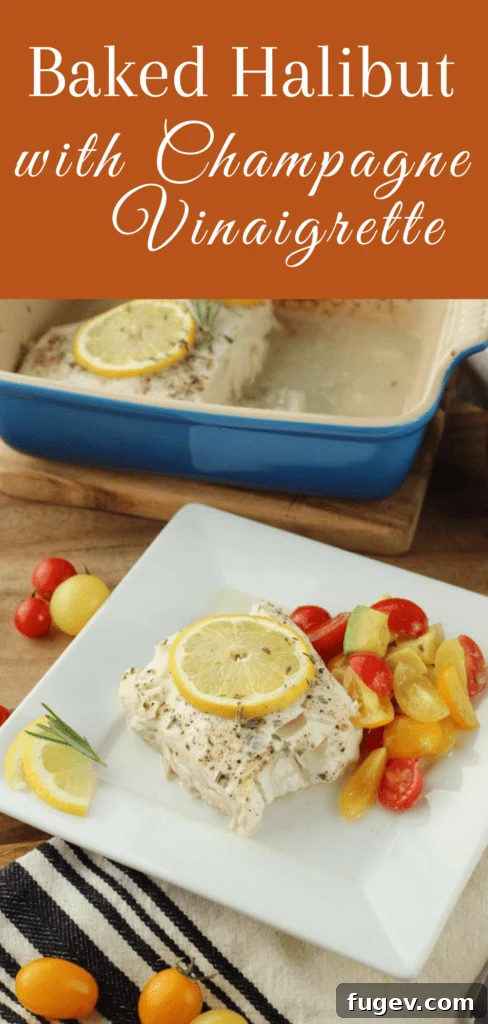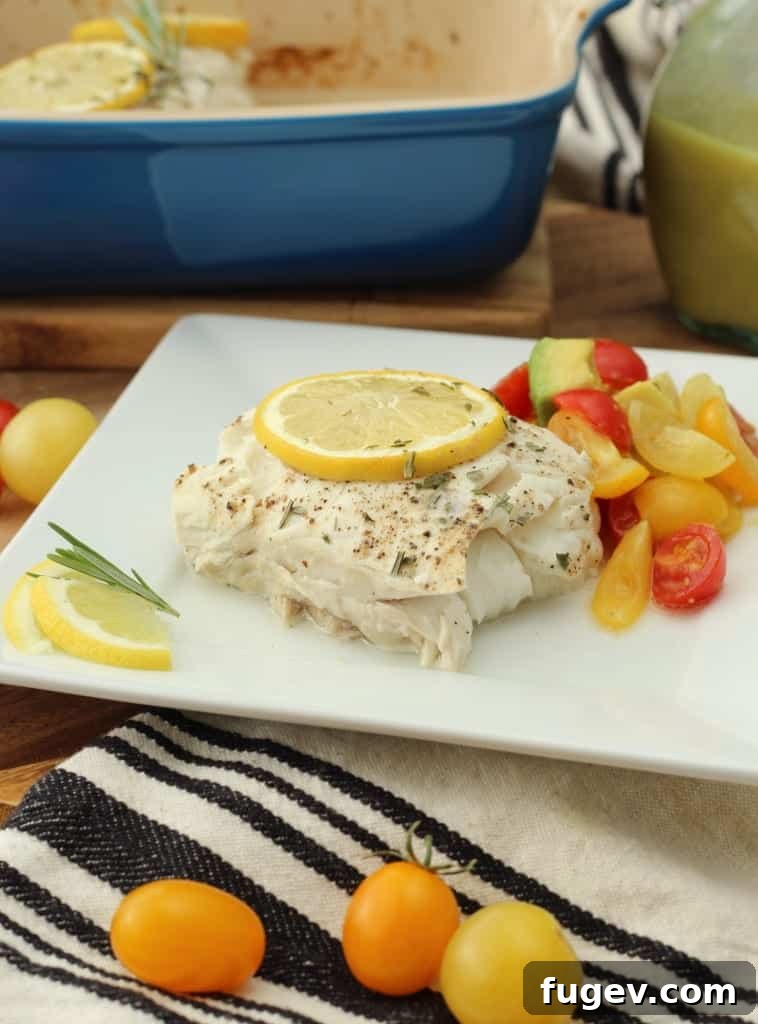
Embark on a culinary journey with this exquisite Baked Halibut with Champagne Vinaigrette, a dish that masterfully combines simplicity with sophisticated flavor. Designed for ease and elegance, this recipe promises to transform your weeknight dinner into a gourmet experience. At its heart lies the star of the show: succulent halibut, renowned for its delicate, buttery texture and rich, mild flavor. When baked to perfection, it achieves a flaky tenderness that melts in your mouth, making it an irresistible main course.
The magic doesn’t stop with the fish. This recipe elevates the natural goodness of halibut with a vibrant, zesty Champagne Vinaigrette. This light and refreshing dressing cuts through the richness of the fish, adding a bright acidity and a subtle sweetness that truly sings on the palate. Made with simple, high-quality ingredients, this vinaigrette is a testament to how fresh components can create an unforgettable culinary experience.
Why You’ll Love This Easy Baked Halibut Recipe
This easy baked halibut recipe isn’t just a meal; it’s an invitation to savor fresh flavors without the fuss. It’s a dish that will undoubtedly impress, whether you’re serving it to guests or simply treating yourself and your family. The beauty of this recipe lies in its straightforward approach, highlighting the inherent quality of the halibut rather than masking it with complicated techniques or heavy sauces. Minimal preparation leads to maximum flavor, making it a perfect choice for busy evenings when you crave something special yet quick.
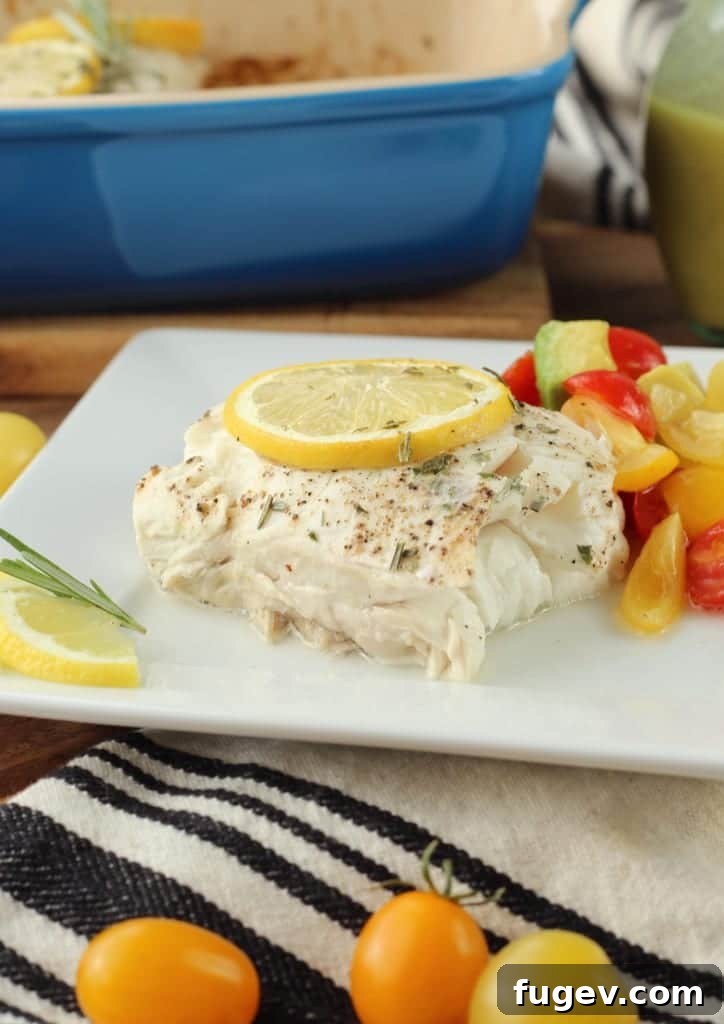
The versatility of this dish is another compelling reason to add it to your repertoire. While incredibly delicious served with a simple avocado and fresh tomato salad — creating a symphony of textures and tastes — it pairs beautifully with an array of side dishes. Imagine it alongside a fluffy quinoa pilaf, offering a wholesome grain complement. Or perhaps a refreshing heirloom tomato and mozzarella salad, bringing vibrant colors and creamy notes. For a lighter, crunchier option, consider a crisp kale and cabbage slaw salad. Each pairing enhances the experience, allowing you to customize your meal to your preference.
Beyond baking, halibut is a remarkably adaptable fish. If you’re looking to explore different cooking methods, you could prepare it similarly to a pan-seared turbot recipe, achieving a beautiful crust and tender interior. Alternatively, infuse it with exotic flavors by seasoning it like this delightful ginger lime salmon recipe, showcasing halibut’s ability to absorb and complement diverse spice profiles.
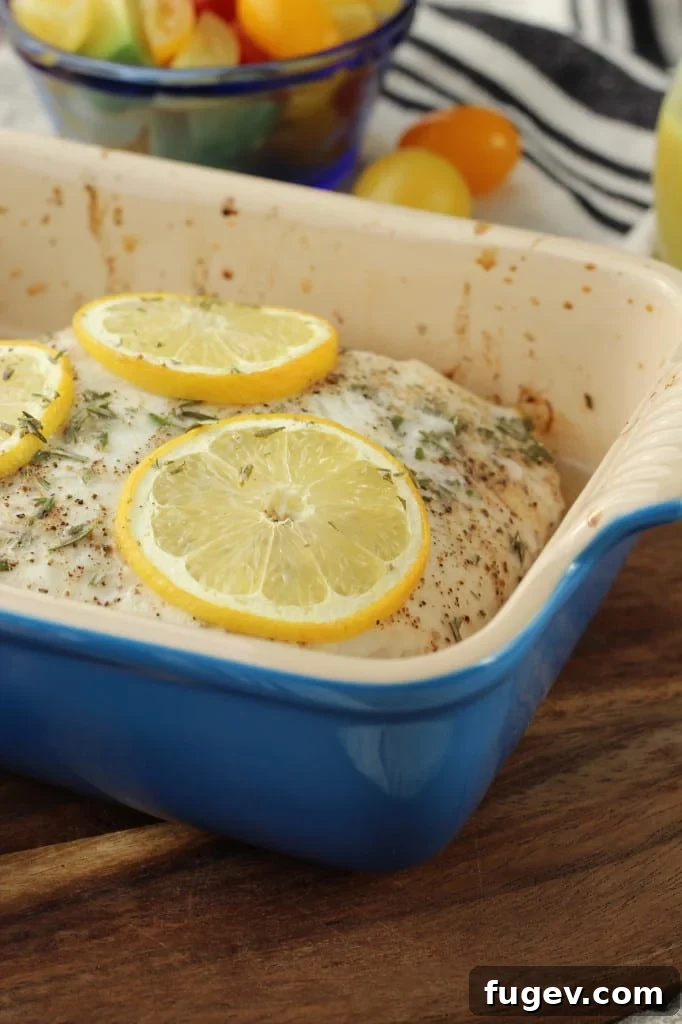
Sourcing the Freshest Ingredients for an Unforgettable Meal
The foundation of any truly exceptional dish lies in the quality of its ingredients. For this baked halibut, selecting the freshest fish and produce is paramount. When choosing halibut, look for fillets that are firm, translucent, and have a fresh, mild sea scent – never fishy. Ideally, source it from a reputable fishmonger who can tell you when and where the fish was caught. Freshness makes an incredible difference in the final taste and texture of your baked halibut.
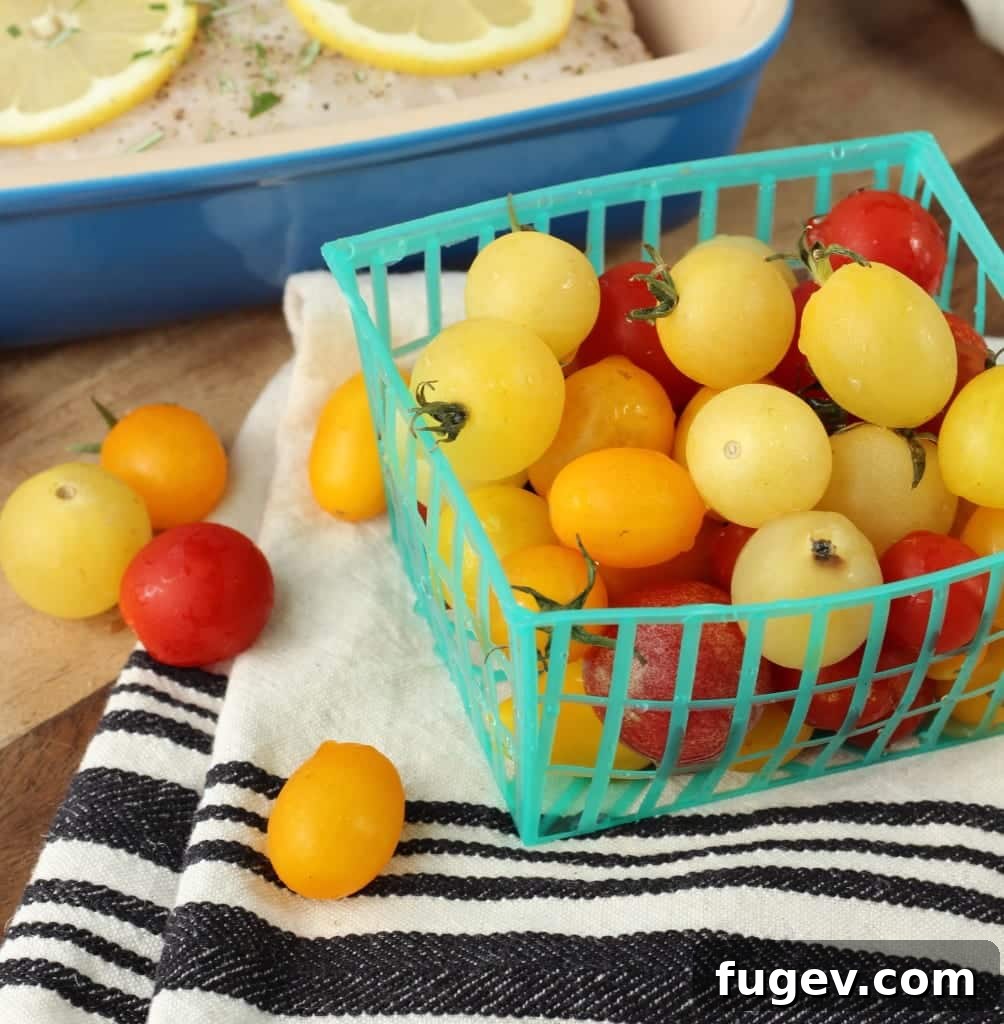
Similarly, the produce for your accompanying salad and vinaigrette should be vibrant and ripe. For instance, those locally sourced cherry tomatoes that burst with sweetness and a hint of tang are game-changers. Unlike their bland, supermarket counterparts, truly fresh cherry tomatoes elevate a simple salad into something extraordinary. When selecting lemons, choose ones that are firm, heavy for their size, and have bright, unblemished skins. The zest and juice from fresh lemons are essential for both the halibut and the Champagne Vinaigrette, providing a bright, aromatic lift that cannot be replicated by bottled alternatives. High-quality olive oil and fresh herbs like rosemary are also crucial, contributing subtle complexities that round out the dish.
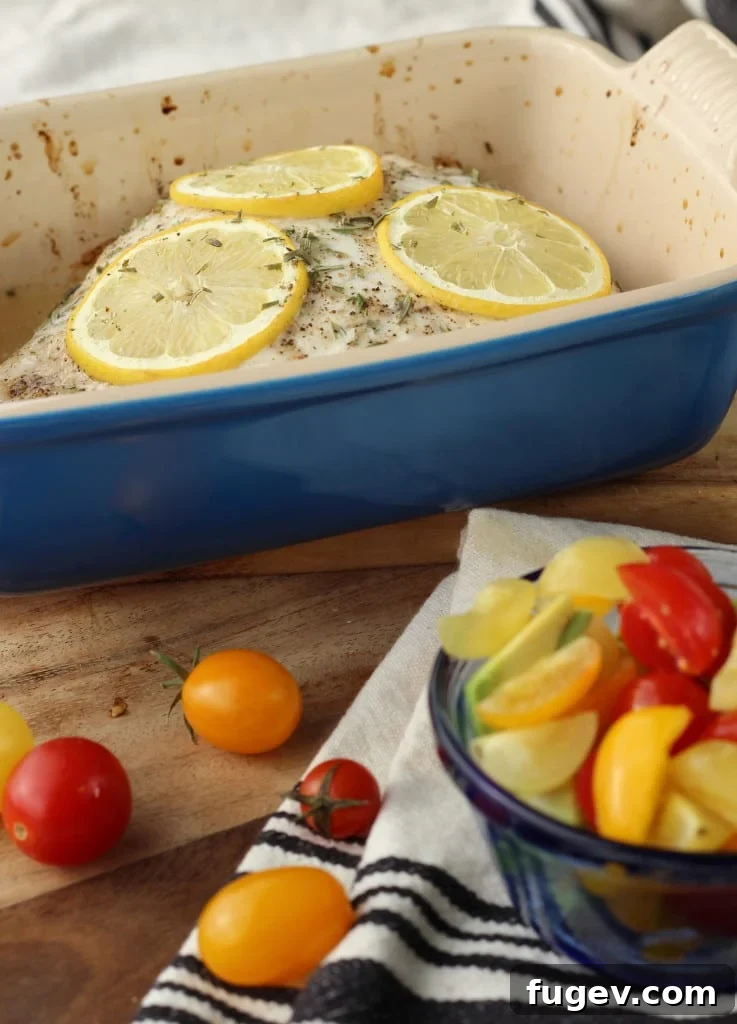
These hand-picked ingredients are practically begging to be simply dressed and enjoyed alongside your perfectly baked halibut, creating a harmonious and truly healthy meal.
Crafting the Perfect Champagne Vinaigrette
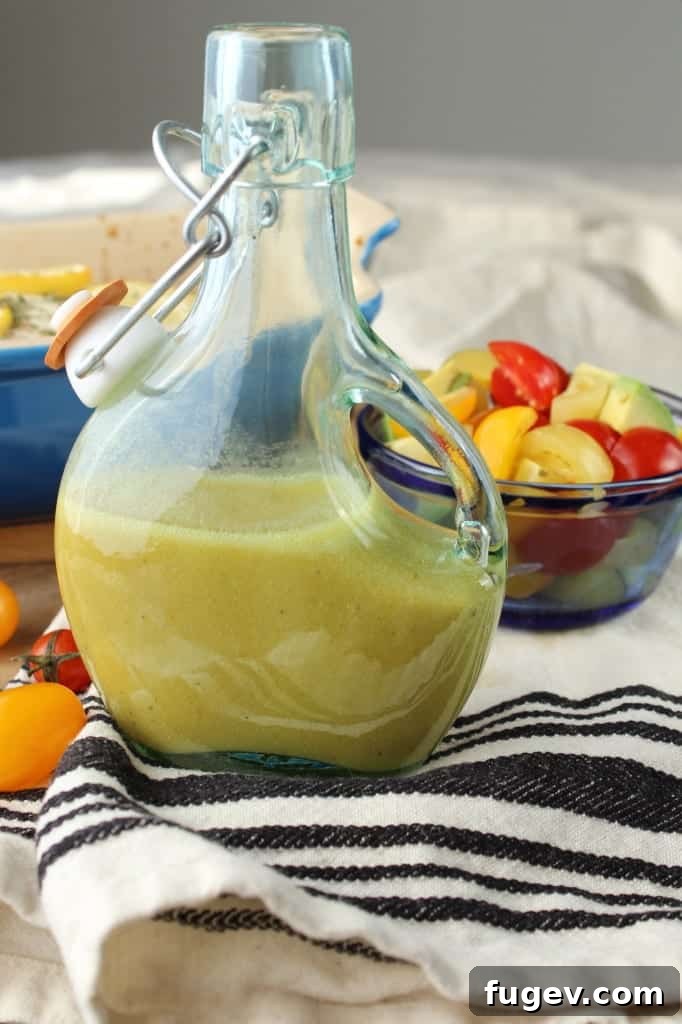
The Champagne Vinaigrette is more than just a dressing; it’s a critical component that ties the entire dish together. Its delicate, slightly sweet, and tangy profile perfectly complements the richness of the halibut. This vinaigrette is incredibly delicious and versatile, destined to become a staple in your kitchen. While baked halibut is undeniably spectacular on its own, serving it chilled over a bed of healthy greens with a generous spoon of the tomato and avocado salad, all drizzled with this vinaigrette, transforms it into a light and refreshing culinary masterpiece.
The secret to a truly outstanding vinaigrette lies in the balance of flavors and proper emulsification. Fresh garlic, sharp Dijon mustard, crisp champagne vinegar, and a touch of honey create a complex yet harmonious base. Slowly whisking in good quality extra virgin olive oil until the mixture is beautifully emulsified results in a smooth, velvety dressing that coats every ingredient perfectly. Don’t be afraid to make a larger batch of the vinaigrette; it stores wonderfully in a sealed container in the refrigerator and, in fact, often improves overnight as the flavors meld and deepen. This makes it an ideal prep-ahead component for busy days.
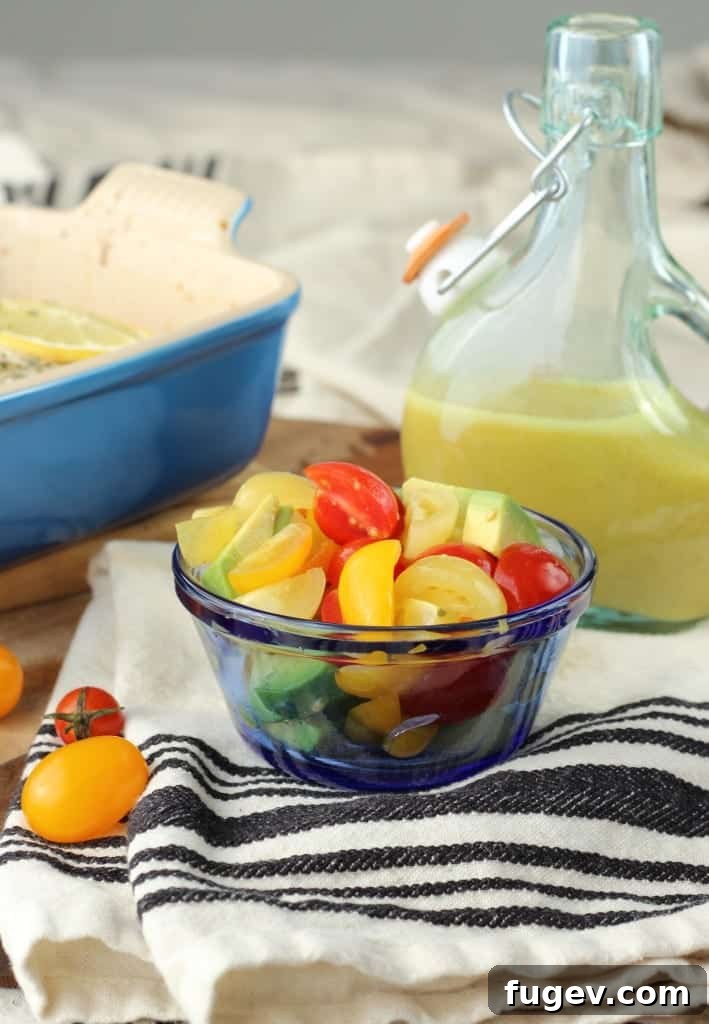
The refreshing qualities of the Champagne Vinaigrette, especially when chilled, paired with the warmth of the flaky halibut, create a sensational dining experience that celebrates fresh, wholesome ingredients.
Baked Halibut with Champagne Vinaigrette
Chef Lindsey
15
20
35
4
people
Comment
Print Recipe
Ingredients
For the Halibut
- 1 lb Halibut fillet
- 1 tablespoon freshly squeezed lemon juice
- 2 pinches salt (to taste)
- ¼ – ½ teaspoon freshly ground black pepper (to taste)
- 2 teaspoons Moscato wine or another sweet white wine
- 3 lemon slices
- 1 teaspoon fresh rosemary finely chopped
Champagne Vinaigrette
- 1 large garlic clove finely minced
- 2 tablespoons Dijon mustard
- ¼ cup champagne vinegar
- 2 tablespoons fresh lemon juice
- 2 tablespoons honey
- ½ teaspoon salt (to taste)
- ½ teaspoon freshly ground black pepper (to taste)
- ½ cup extra virgin olive oil
Instructions
Prepare the Halibut:
-
Preheat your oven to 350°F (175°C).
-
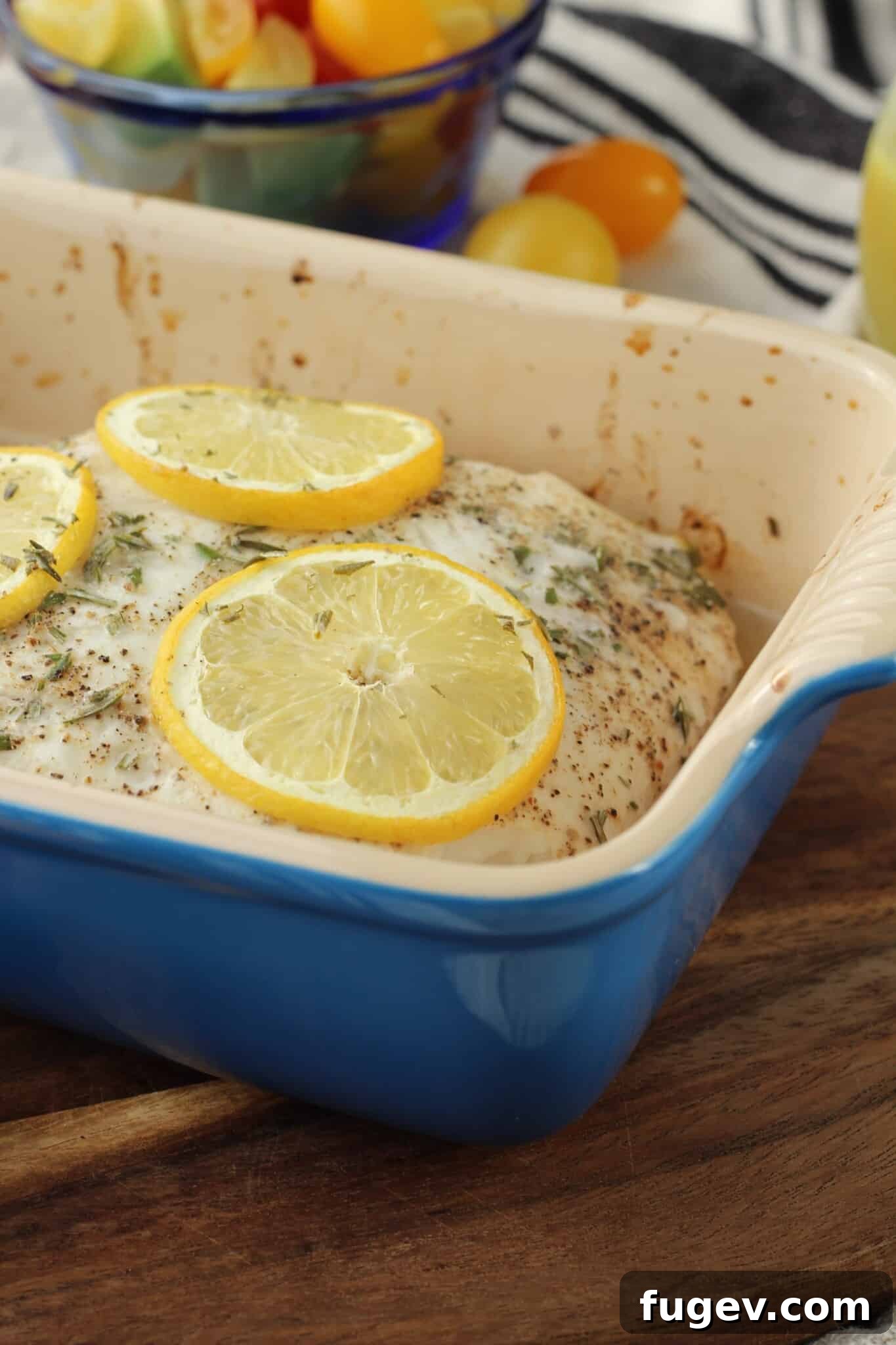
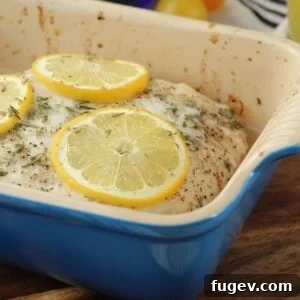
Gently place the halibut fillet in a baking dish that is only slightly larger than the fish. This helps to keep the fillet moist as it bakes. Squeeze fresh lemon juice evenly over the top, then season generously with salt and freshly ground pepper. Arrange the lemon slices atop the fillet and drizzle with Moscato or your chosen sweet wine. Finally, sprinkle the chopped fresh rosemary over the fish.
-
Bake the halibut in the preheated oven for 20-35 minutes, or until the fish flakes easily with a fork. The cooking time will vary depending on the thickness of your fillet. To prevent overcooking, which can dry out the fish, aim to bake until the edges are firm and flaky, but the center is just slightly firm. For a thicker fillet, 25 minutes is often ideal, ensuring a moist and tender result.
Make the Vinaigrette:
-
In a medium bowl, whisk together the minced garlic, Dijon mustard, champagne vinegar, fresh lemon juice, honey, salt, and freshly ground black pepper. Continue whisking constantly as you slowly stream in the extra virgin olive oil. This gradual addition, combined with vigorous whisking, will ensure the vinaigrette is completely emulsified, creating a smooth and stable dressing.
-
Transfer the finished vinaigrette to an airtight container and store it in the refrigerator. The flavors develop beautifully overnight, making it even more delicious the next day.
Nutrition
Calories: 386kcal
|
Carbohydrates: 10g
|
Protein: 21g
|
Fat: 29g
|
Saturated Fat: 4g
|
Polyunsaturated Fat: 3g
|
Monounsaturated Fat: 20g
|
Cholesterol: 56mg
|
Sodium: 646mg
|
Potassium: 530mg
|
Fiber: 1g
|
Sugar: 9g
|
Vitamin A: 83IU
|
Vitamin C: 5mg
|
Calcium: 16mg
|
Iron: 1mg
Main Course
American
386
Tips for Perfect Baked Halibut Every Time
- Don’t Overcook: Halibut is a lean fish and can dry out quickly if overcooked. Keep a close eye on it towards the end of the baking time. It’s better to undercook it slightly and let it rest, as residual heat will continue to cook it through.
- Room Temperature Fish: For more even cooking, let your halibut fillets sit at room temperature for about 15-20 minutes before baking.
- Use a Good Baking Dish: A ceramic or glass baking dish works well, or you can line a baking sheet with parchment paper for easy cleanup.
- Fresh Herbs are Key: While dried rosemary can be substituted in a pinch, fresh rosemary offers a far superior aroma and flavor that truly enhances the halibut.
- Season Liberally: Don’t be shy with salt and pepper. Halibut has a mild flavor that benefits from proper seasoning.
Serving Suggestions and Variations
While the classic pairing with an avocado and tomato salad and champagne vinaigrette is undeniably exquisite, don’t hesitate to experiment with other accompaniments and flavor profiles for your baked halibut. For a heartier meal, consider serving it with roasted asparagus, steamed green beans, or a wild rice pilaf. The delicate flavor of halibut makes it incredibly versatile.
Variations for Your Halibut:
- Mediterranean Twist: Bake the halibut with cherry tomatoes, Kalamata olives, capers, and a drizzle of olive oil for a Mediterranean-inspired dish.
- Herb Garden: Experiment with other fresh herbs like dill, parsley, or thyme alongside (or instead of) rosemary.
- Citrus Burst: Beyond lemon, try adding thin slices of orange or lime to the baking dish for a different citrus note.
- Spicy Kick: A pinch of red pepper flakes or a dash of hot sauce can add a subtle heat to the fish or the vinaigrette if you prefer a spicier profile.
Vinaigrette Enhancements:
- Shallot Infusion: Add a finely minced shallot to the vinaigrette for an extra layer of delicate onion flavor.
- Fresh Herbs in Vinaigrette: Incorporate finely chopped chives or tarragon into your Champagne Vinaigrette for added freshness.
- Mustard Variety: While Dijon is classic, a touch of whole grain mustard can add texture and a bolder flavor to the vinaigrette.
Frequently Asked Questions About Baked Halibut
We’ve gathered some common questions to help you master this delicious baked halibut recipe.
What type of halibut is best for baking?
Pacific halibut and Atlantic halibut are both excellent choices for baking. Look for fresh, wild-caught fillets that are thick and firm. Thicker fillets (about 1-inch) tend to stay moister and cook more evenly.
How do I know when my halibut is cooked through?
The best way to tell if halibut is cooked is by checking its internal temperature with a meat thermometer, which should read 140-145°F (60-63°C). Alternatively, insert a fork into the thickest part of the fillet; if it flakes easily, it’s done. Avoid cooking until the fish is opaque throughout, as this usually indicates it’s overcooked.
Can I prepare the Champagne Vinaigrette ahead of time?
Absolutely! The Champagne Vinaigrette can be prepared up to 3-4 days in advance and stored in an airtight container in the refrigerator. In fact, many find its flavors meld and deepen over time, making it even more delicious. Just give it a good whisk or shake before serving.
Is halibut healthy?
Yes, halibut is a very healthy fish! It’s an excellent source of lean protein, rich in Omega-3 fatty acids, and provides essential vitamins and minerals like Vitamin D, magnesium, and phosphorus. It’s a fantastic choice for a nutritious and satisfying meal.
What can I substitute for Moscato wine?
If Moscato wine is unavailable or you prefer not to use alcohol, a dry white wine such as Sauvignon Blanc or Pinot Grigio can be used, though it will impart a less sweet flavor. For a non-alcoholic option, a splash of vegetable broth or even a little extra lemon juice can work, though the flavor profile will differ slightly.
This Baked Halibut with Champagne Vinaigrette offers a perfect balance of gourmet appeal and weeknight convenience. With its simple preparation and vibrant flavors, it’s a dish that celebrates the best of fresh seafood and bright, zesty dressings. Enjoy every flaky, succulent bite!