
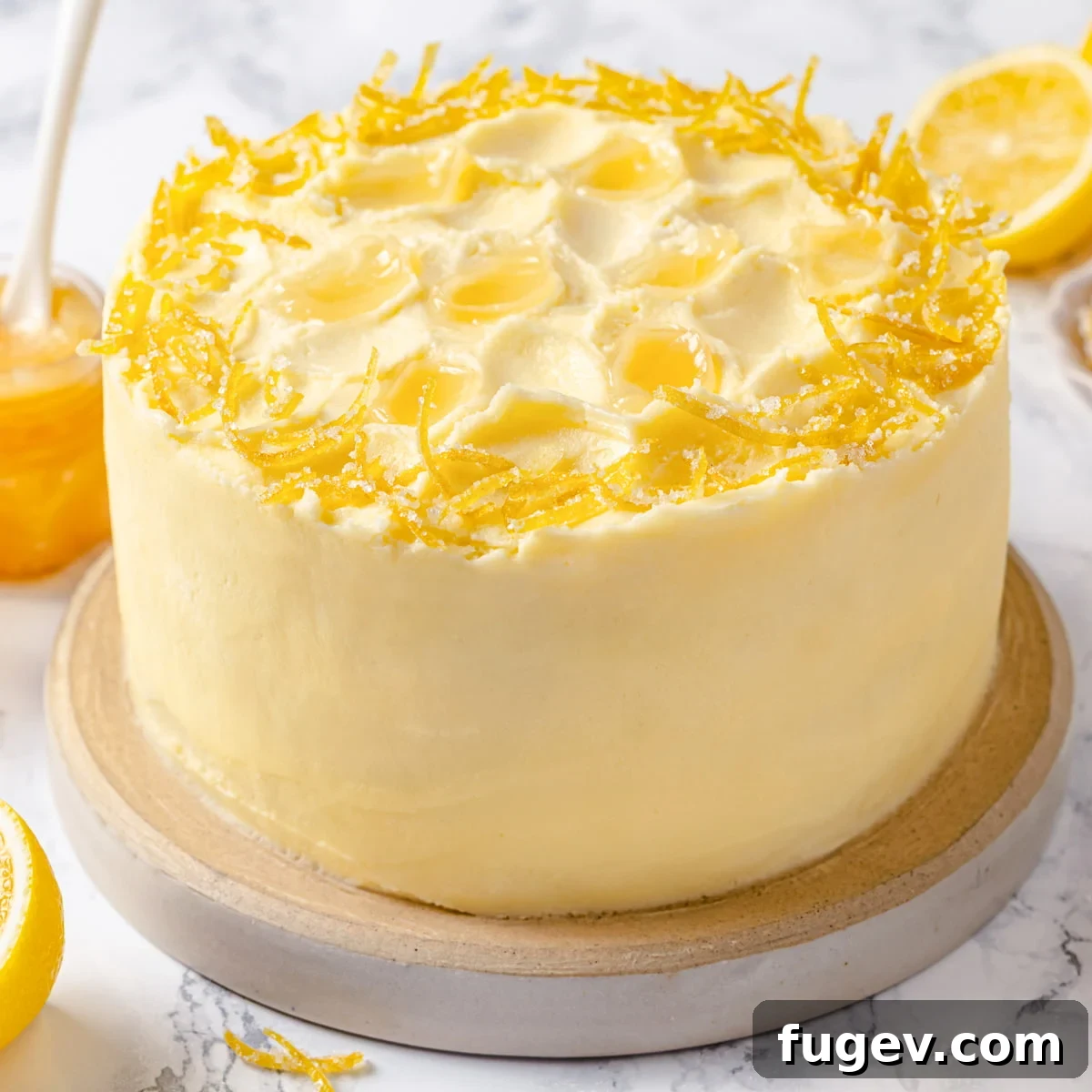
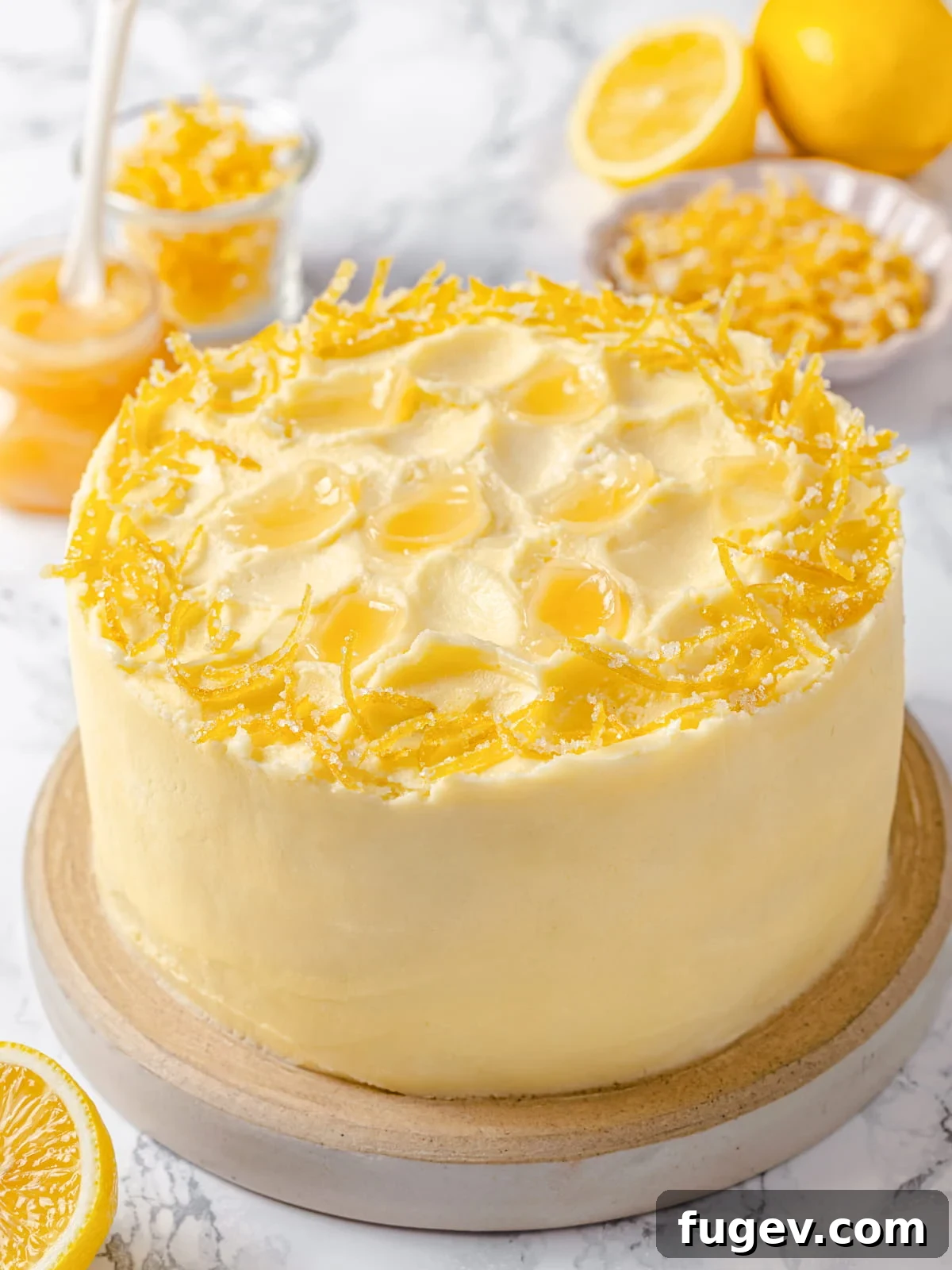
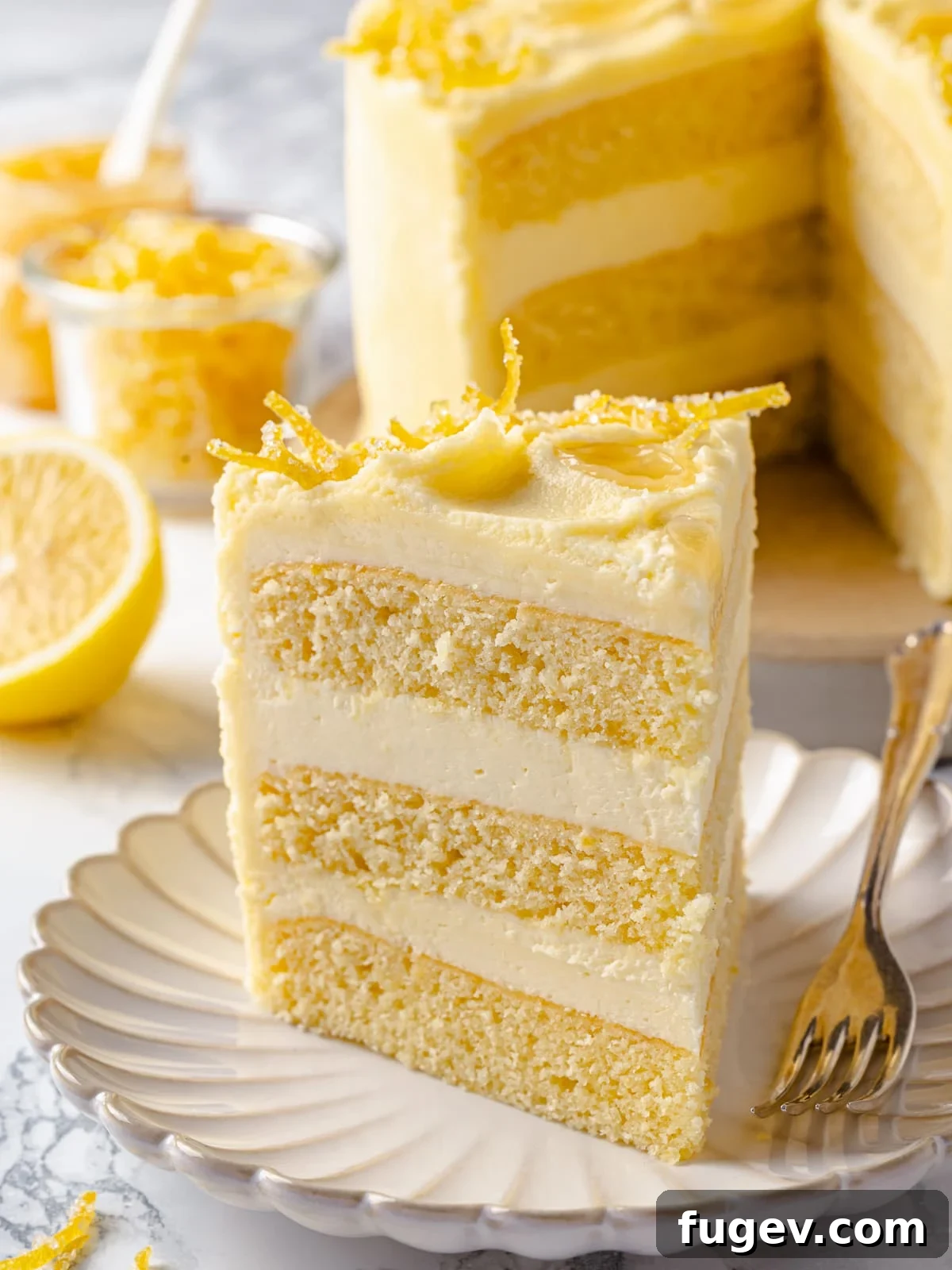
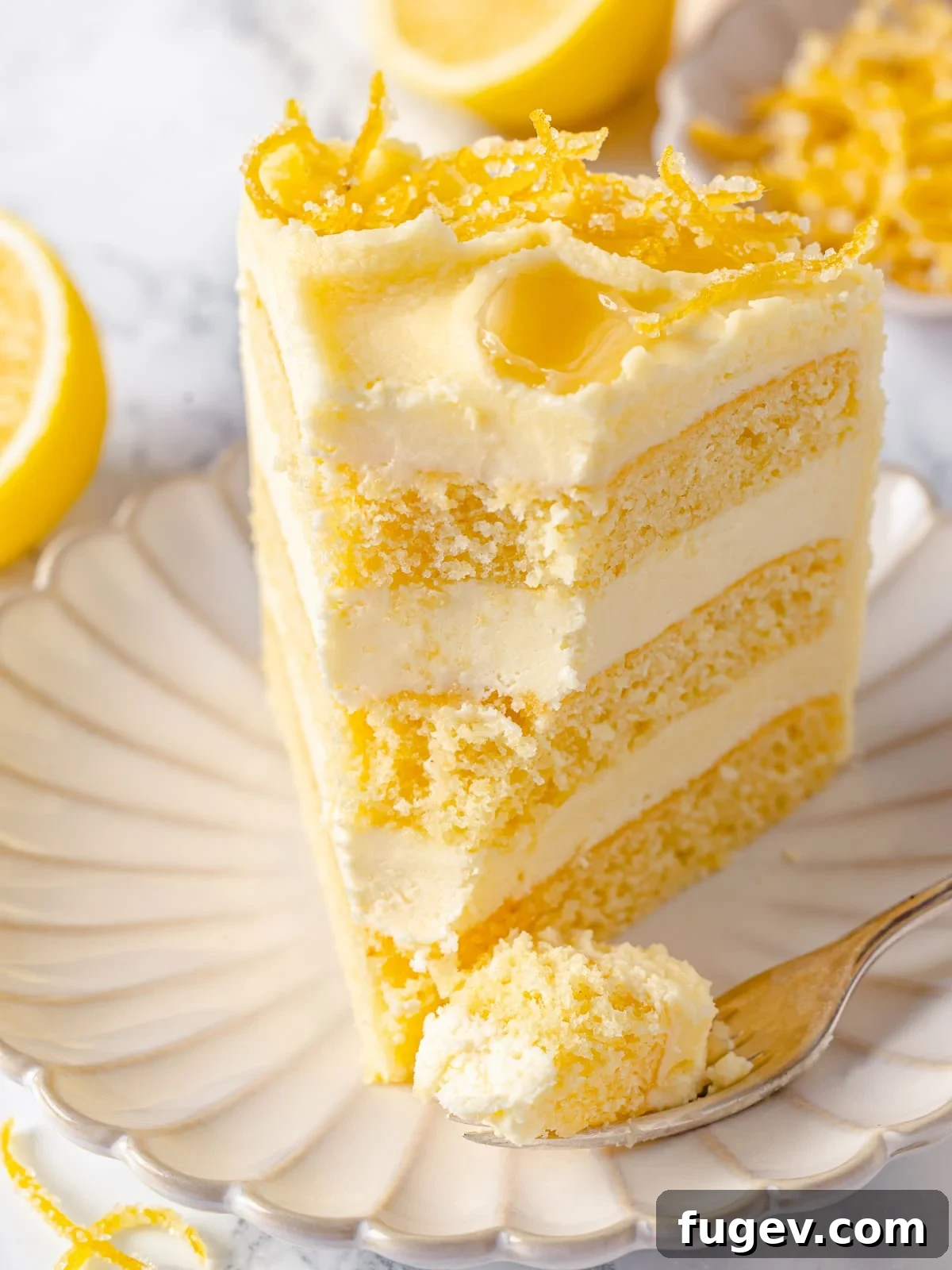
Lemon Swiss Meringue Buttercream stands out as a luxurious, stable, and incredibly flavorful frosting. It delivers an unmistakably bold lemon punch, perfectly balanced by its characteristic fluffy, pillowy texture. Unlike other lemon frostings that can be overly sweet or lack structural integrity, this recipe harnesses the power of real lemon curd, ensuring a vibrant, tangy taste without compromising on stability. Best of all, this exquisite buttercream can be ready in approximately 30 minutes, transforming your bakes into professional-quality masterpieces.
A Quick Look At The Recipe
This is a brief summary of the recipe. Jump to the recipe for full details.
Jump to Recipe
Prep Time
30 minutes
Cook Time
10 minutes
Total Time
40 minutes
Servings
16 servings
Difficulty
Intermediate—but incredibly forgiving if you stay patient.
Calories *
316 kcal per serving
Technique
Gently heat egg whites and sugar, whip to a stable meringue, then emulsify with butter and lemon curd.
Flavor Profile
Bright, tart lemon balanced by rich butter and a lightly sweetened meringue.
* Based on nutrition panel
Summarize & Save this content on
google ai
perplexity
grok
I was nervous about adding so much lemon curd, but your notes about patience saved me. The buttercream looked broken, then suddenly turned silky and fluffy. The texture was unreal—soft but stable—and not overly sweet at all. ⭐⭐⭐⭐⭐
Lauren
Why This Lemon Swiss Meringue Buttercream Recipe Works So Well
Creating the perfect lemon frosting often comes with challenges: achieving a strong lemon flavor without making it too acidic, ensuring a stable yet silky texture, and preventing it from becoming overly sweet. This Lemon Swiss Meringue Buttercream recipe ingeniously overcomes these hurdles, making it a superior choice for any baker. Here’s why:
- Bold Lemon Flavor Without Compromising Stability: The secret weapon here is lemon curd. Unlike adding excessive amounts of pure lemon juice, which can introduce too much acidity and cause the buttercream to curdle or break, lemon curd provides a concentrated, vibrant citrus taste. The fats and sugars already present in the curd act as a buffer, allowing you to infuse a significant amount of lemon flavor safely and effectively, resulting in a buttercream that’s intensely lemony and perfectly smooth.
- Balanced Sweetness with Swiss Meringue: Traditional American buttercream often relies heavily on powdered sugar, leading to an overwhelmingly sweet and sometimes grainy frosting. Swiss meringue, however, uses heated egg whites and granulated sugar to create a stable, airy base. This technique allows for a lower sugar content overall, resulting in a buttercream that is beautifully light, silky, and boasts a more refined sweetness that truly lets the lemon flavor shine without being cloying.
- Surprisingly Forgiving Technique: While Swiss Meringue Buttercream might seem intimidating at first, it’s remarkably forgiving. Many common issues, such as a “broken” or soupy appearance, are often temperature-related and can be easily remedied with continued mixing, brief chilling, or gentle warming. The key is patience; the buttercream almost always comes together beautifully, rewarding your efforts with its superior texture and taste. This resilience makes it accessible even for intermediate bakers looking to elevate their skills.
Table of Contents
- Why This Recipe Works So Well
- The Inspiration Behind the Best Lemon Swiss Meringue Buttercream
- Ingredients & Expert Substitutions
- Delicious Variations on Lemon Swiss Meringue Buttercream
- Professional Tips for Perfect Swiss Meringue Buttercream
- How to Make Lemon Swiss Meringue Buttercream Step-by-Step
- Chef Lindsey’s Recipe Tip
- Lemon Swiss Meringue Buttercream FAQs
- Recommended Buttercream Recipes
- Full Recipe Card: Lemon Swiss Meringue Buttercream
- Before You Go
The Inspiration Behind the Best Lemon Swiss Meringue Buttercream
This delightful Lemon Swiss Meringue Buttercream recipe was born out of a very practical kitchen dilemma: a desire for incredible lemon flavor without the fuss of piping bags, intricate tips, or the patience to pipe a traditional dam for cake fillings. Instead of simply spooning lemon curd between cake layers, which can sometimes lead to instability, I leaned into the robust structural principles of my classic Vanilla Swiss Meringue Buttercream. The inherent stability of a well-made meringue base proved to be the perfect canvas for softer, more delicate additions like fruit curds.
After extensive testing with my signature homemade lemon curd recipe, the magic number revealed itself: a full cup! The result was truly transformative. The flavor achieved is wonderfully brighter and more intense than a simple lemon whipped cream, yet it possesses all the necessary structure and body for elegantly frosting and filling multi-layer cakes. This buttercream was specifically designed to complement my recent lemon cake recipe, creating a harmonious and unforgettable dessert experience. Beyond lemon-on-lemon pairings, I’ve discovered it’s an absolute dream on warmly spiced cakes, such as carrot cake cupcakes, where its bright, tangy notes effortlessly cut through the richness, offering a refreshing contrast without ever overpowering the delicate spices.
Ingredients & Expert Substitutions for Lemon Swiss Meringue Buttercream
Crafting the perfect Lemon Swiss Meringue Buttercream begins with understanding the role of each ingredient. Here’s a closer look at what you’ll need and how to approach substitutions:
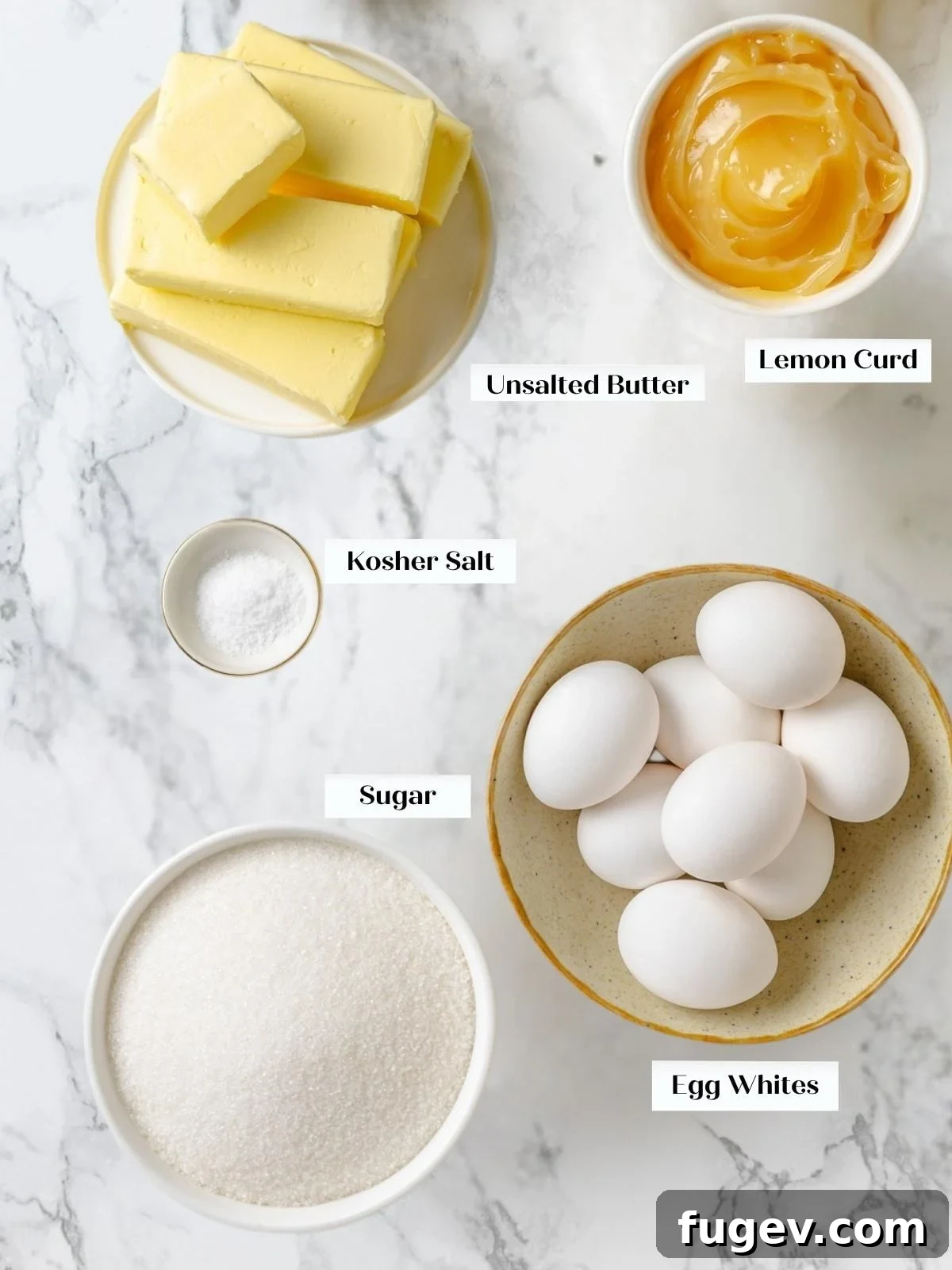
- Egg Whites: For the best results, always use fresh egg whites separated from whole eggs. Carton egg whites, while convenient, contain additives that prevent them from whipping into the stable, voluminous Swiss meringue required for this buttercream. When separating, be extremely vigilant: even a trace amount of egg yolk or grease in your mixing bowl can inhibit the egg whites from whipping properly. Ensure your bowl and whisk are impeccably clean and dry.
- Granulated Sugar: Standard granulated sugar works perfectly here. Its primary role is to sweeten the meringue and, crucially, to dissolve completely when heated with the egg whites. This dissolution is essential for a smooth, non-grainy buttercream. While extra-fine or caster sugar can aid in quicker dissolution, it’s not strictly necessary if you ensure thorough heating and whisking.
- Kosher Salt: A small amount of kosher salt is vital. It not only enhances and balances the sweetness of the buttercream but also plays a role in stabilizing the meringue structure, allowing it to whip up more effectively and hold its shape.
- Unsalted Butter: The temperature of your butter is paramount for successful emulsification. It should be “cool but pliable,” meaning it still holds its shape but yields easily when pressed. Avoid butter that is rock-hard from the fridge or overly soft and greasy. Using unsalted butter gives you complete control over the salt content in your finished buttercream. If you only have salted butter, you may want to omit the added kosher salt or reduce it significantly, tasting as you go.
- Lemon Curd: This is the star of the show for flavor! Whether you opt for homemade (my recipe is highly recommended) or a good quality store-bought version, ensure it has a robust lemon flavor and a smooth consistency. The curd’s inherent acidity, buffered by its fat and sugar content, allows for a significant lemon flavor infusion without the risk of breaking the delicate buttercream emulsion. It contributes both flavor and a touch of richness.
Refer to the recipe card below for precise quantities.
Delicious Variations on Lemon Swiss Meringue Buttercream
This Lemon Swiss Meringue Buttercream is incredibly versatile, allowing for delightful modifications to suit your taste and occasion. Here are a few ideas to inspire your culinary creativity:
- Boost the Citrus Intensity: For an even brighter, more aromatic lemon flavor, consider adding fresh lemon zest along with the curd. You can also incorporate up to ¼ cup of fresh lemon juice, but do so very gradually, a teaspoon at a time, *after* the buttercream is fully emulsified and smooth. Stop adding juice as soon as you notice the buttercream beginning to loosen, to avoid breaking the emulsion. The zest provides fragrant oils that elevate the citrus profile without adding excessive liquid.
- Extract-Based Lemon for a Lighter Note: If lemon curd isn’t available or you prefer a more subtle lemon essence, you can skip the curd entirely and opt for a high-quality lemon extract or natural lemon oil. Start with 1-2 teaspoons and adjust to taste. This will yield a lighter, less rich lemon flavor, which can be lovely for certain applications.
- Smart Layering Strategies: This versatile buttercream is perfect for both filling and frosting your cakes. For a harmonious flavor throughout, use it for both. Alternatively, for a sharper contrast and an extra burst of fresh lemon, you can pipe a firm dam of this buttercream around the edge of each cake layer and then fill the center with pure lemon curd before stacking. This creates a delightful surprise with every slice.
- Explore Other Flavors with This Method: The fundamental technique of Swiss meringue buttercream is incredibly adaptable. Once you master this lemon version, you can explore other delicious flavors. For instance, my Caramel Swiss Meringue Buttercream uses a similar base, incorporating rich salted caramel sauce and vanilla extract for an indulgent twist. Feel free to experiment with other fruit purees or flavorings, keeping in mind the balance of acidity and fat.
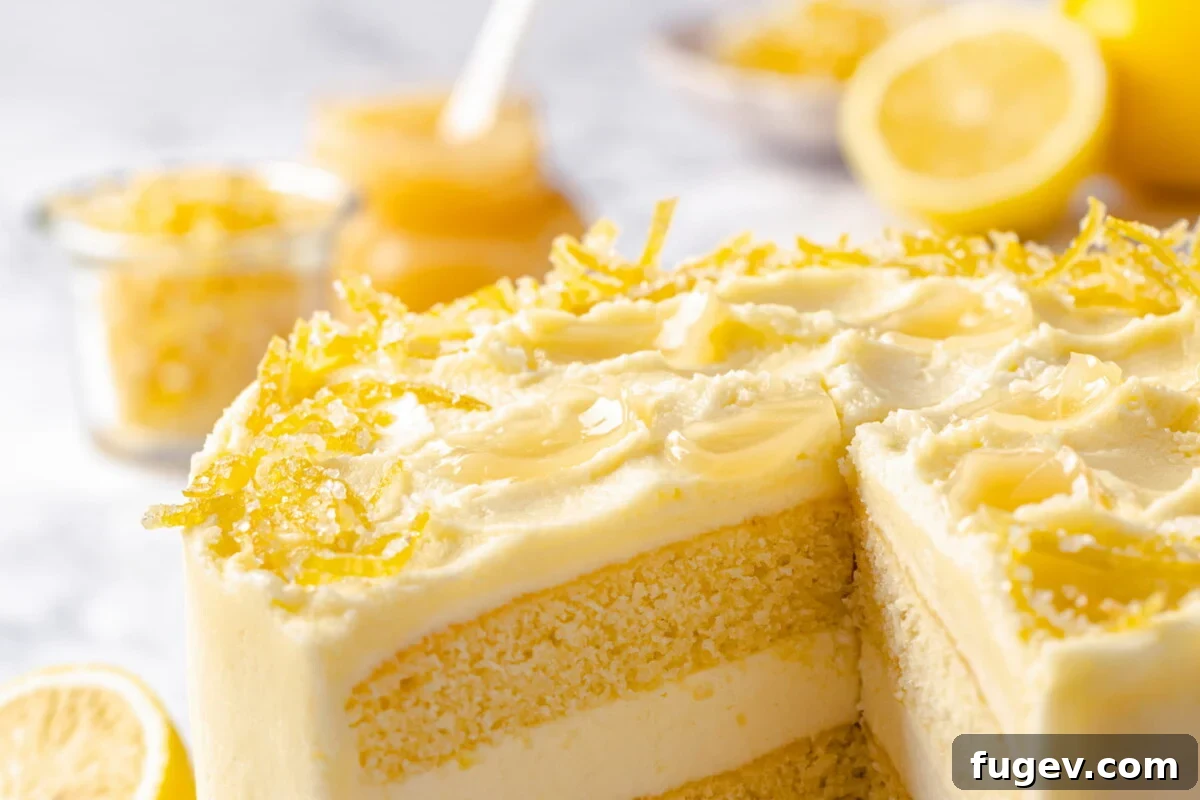
Professional Tips for Perfect Swiss Meringue Buttercream Every Time
Achieving a consistently perfect Swiss Meringue Buttercream is less about strict adherence to ratios and more about understanding the dynamics of temperature and having a little patience. These professional tips will guide you to success:
- Temperature is King, Not Just Ratios: In the realm of all Swiss buttercream recipes (often affectionately referred to as SMBC), mastering temperature control is the most critical factor. The goal is to combine a warm, but not hot, meringue with butter that is cool but pliable. If your meringue is too warm when the butter is added, the butter will melt, resulting in a soupy, liquid consistency. Conversely, if your butter is too cold, it won’t properly emulsify, leading to a curdled or chunky mixture. Aim for the meringue bowl to feel just slightly warm to the touch (around body temperature) before introducing the butter.
- “Broken” Does Not Mean Ruined: This is perhaps the most important tip for novice SMBC makers! It is very common for the buttercream to look “broken,” soupy, or curdled at various stages, especially after you’ve added the butter. Do not despair! These are almost always temporary phases. Most issues resolve with continued mixing. If it looks soupy, chill the bowl in the refrigerator for 15-20 minutes, then continue mixing. If it looks curdled or too thick, gently warm the bottom of the bowl over the simmering water bath for a few seconds (or use a kitchen torch on the outside of the bowl for just a moment), then continue mixing. Keep scraping down the sides of the bowl.
- Patience Rewards with Superior Texture: Swiss meringue buttercream truly improves with time and consistent whipping. Don’t rush the process. After adding all the butter and lemon curd, continue to whip the buttercream for a few extra minutes beyond when it first appears smooth. This additional whipping time incorporates more air, making the texture even silkier, lighter, and more luxurious. It also helps to ensure complete emulsification and a stable final product.
- Cleanliness is Next to Godliness: As mentioned, any trace of grease (from egg yolks, oily utensils, or a dirty bowl) can prevent your egg whites from whipping into a stable meringue. Always start with impeccably clean and dry equipment. Wipe your mixing bowl and whisk with a paper towel dampened with lemon juice or vinegar to ensure they are grease-free before you begin.
How to Make Lemon Swiss Meringue Buttercream Step-by-Step
Follow these detailed instructions to create consistently perfect Lemon Swiss Meringue Buttercream every time. Visual cues and temperature control are your best friends throughout this process.
Step 1: Set Up a Gentle Water Bath (Bain-Marie). In a medium saucepan, heat about 1 inch of water until it reaches a gentle simmer. This creates a double boiler, which provides even, gentle heat to your mixing bowl without directly cooking the egg whites. Ensure that the bottom of your stand mixer bowl, when placed over the saucepan, does not touch the simmering water. Direct contact can cause the egg whites to scramble.
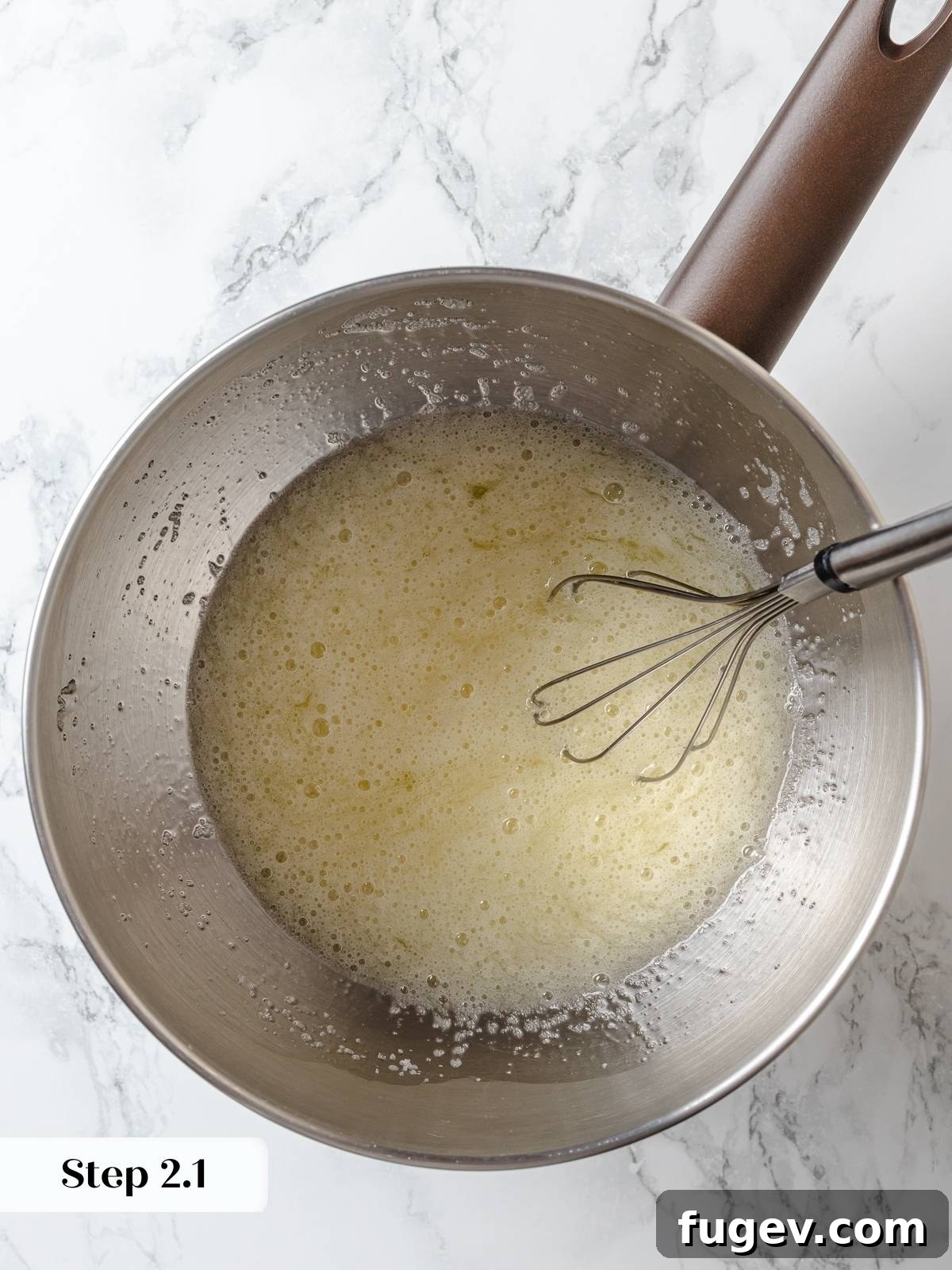
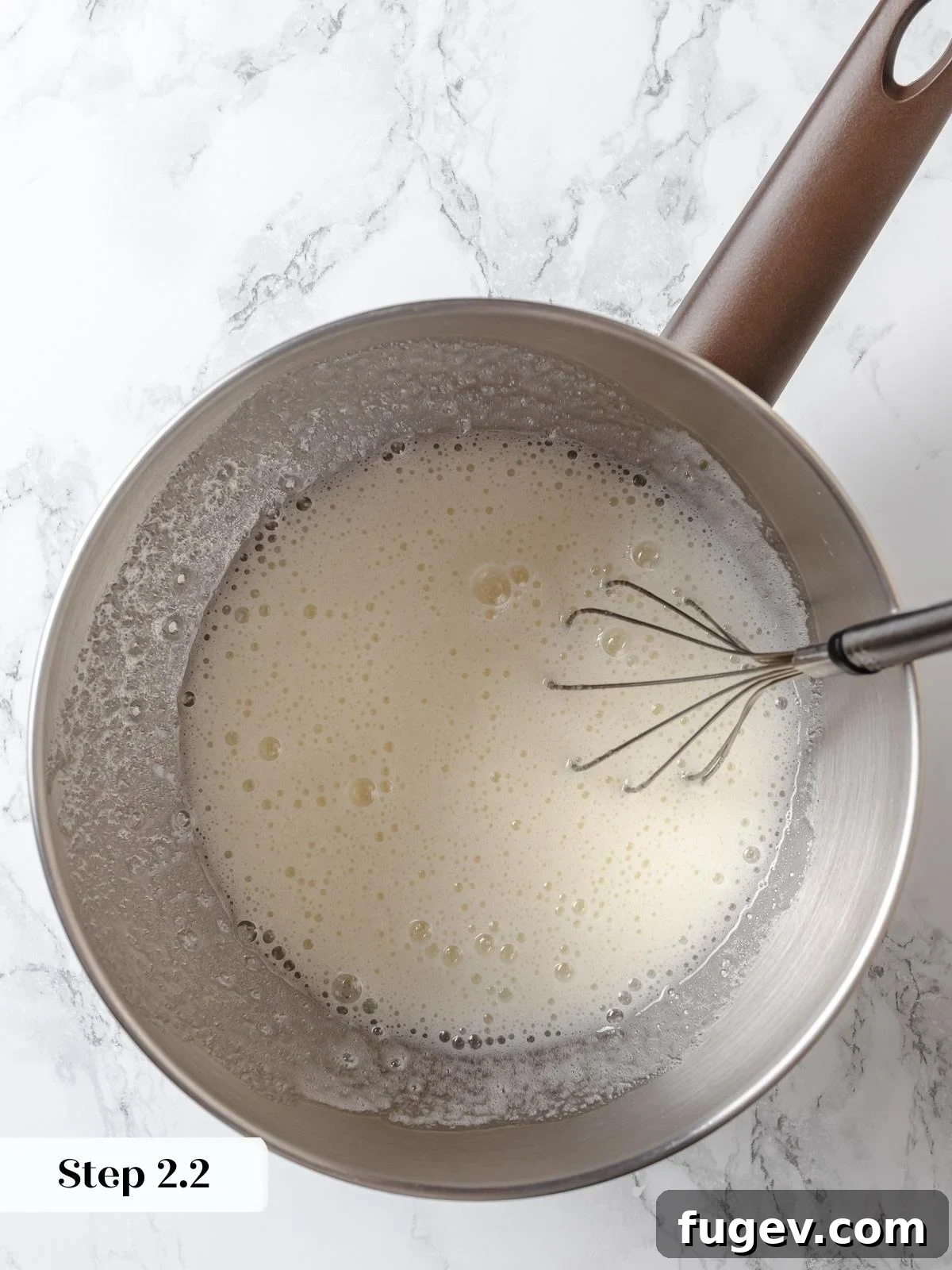
Step 2: Gently Heat the Egg Whites and Sugar Mixture. In the bowl of your stand mixer, whisk together the fresh egg whites, granulated sugar, and kosher salt. Place this bowl over the simmering water bath. Whisk constantly for approximately 8–10 minutes. During this time, the mixture will gradually heat up, the sugar crystals will fully dissolve (you can test this by rubbing a small amount between your fingers—it should feel smooth, not grainy), and the mixture will become warm to the touch and slightly lighter in color and consistency. Use an instant-read thermometer to confirm the temperature reaches 120–130°F (49-54°C). This heating process both pasteurizes the egg whites and creates the stable base for your meringue (photos 1 & 2).
An instant-read thermometer is your best friend here, removing all guesswork and ensuring perfect meringue!
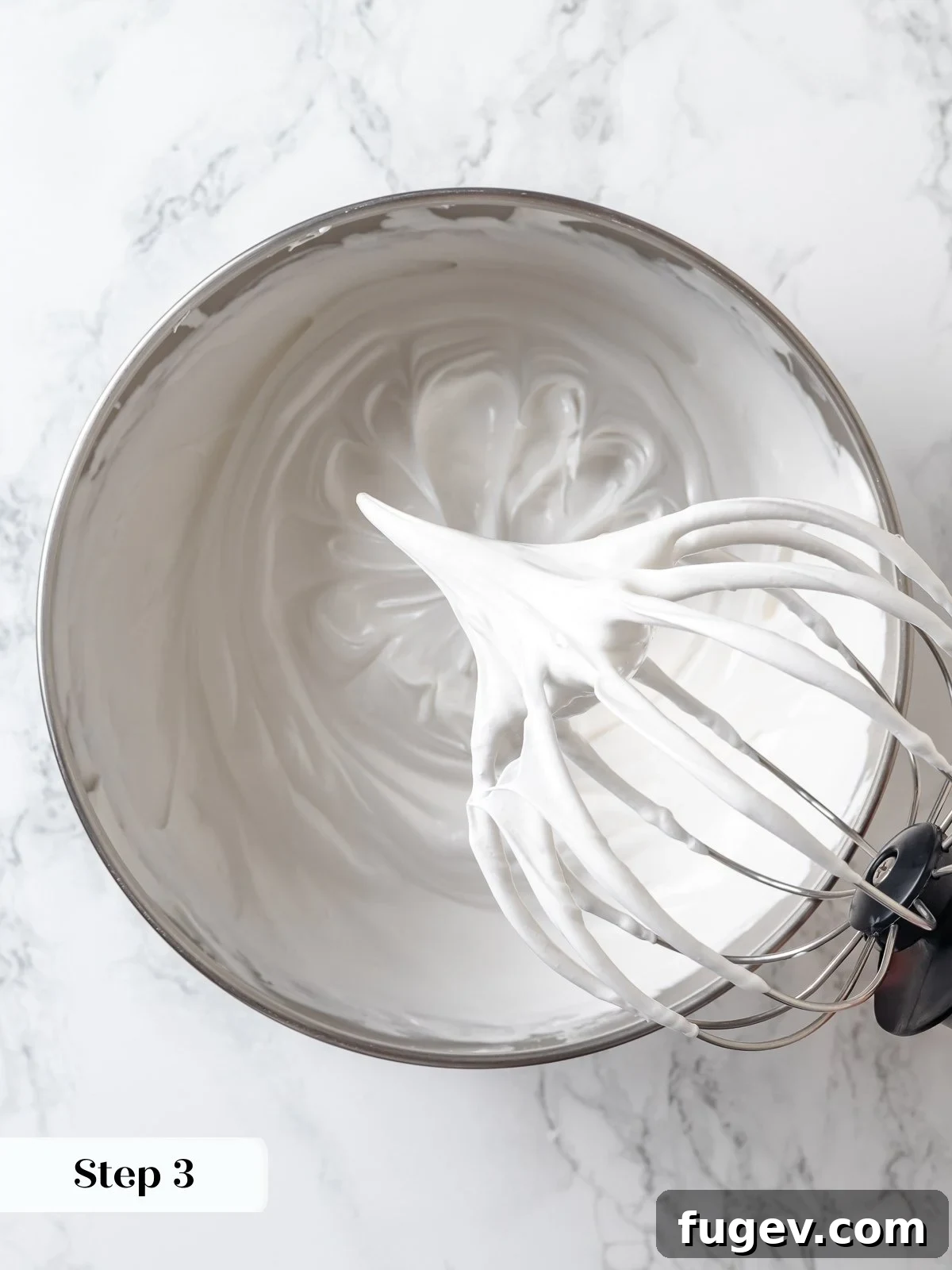
Step 3: Whip the Meringue to Stiff Peaks. Carefully remove the hot bowl from the water bath and transfer it to your stand mixer fitted with the whisk attachment. Begin beating on high speed for 6–8 minutes. The mixture will transform into a glossy, thick, and voluminous meringue. Continue whipping until it forms stiff, shiny peaks and the outside of the bowl feels just slightly warm or cool to the touch. This cooling is crucial before adding butter (photo 3).
If a stand mixer isn’t available, a good quality hand mixer can also be used. Start on low speed, gradually increasing to medium-high as the meringue begins to thicken.
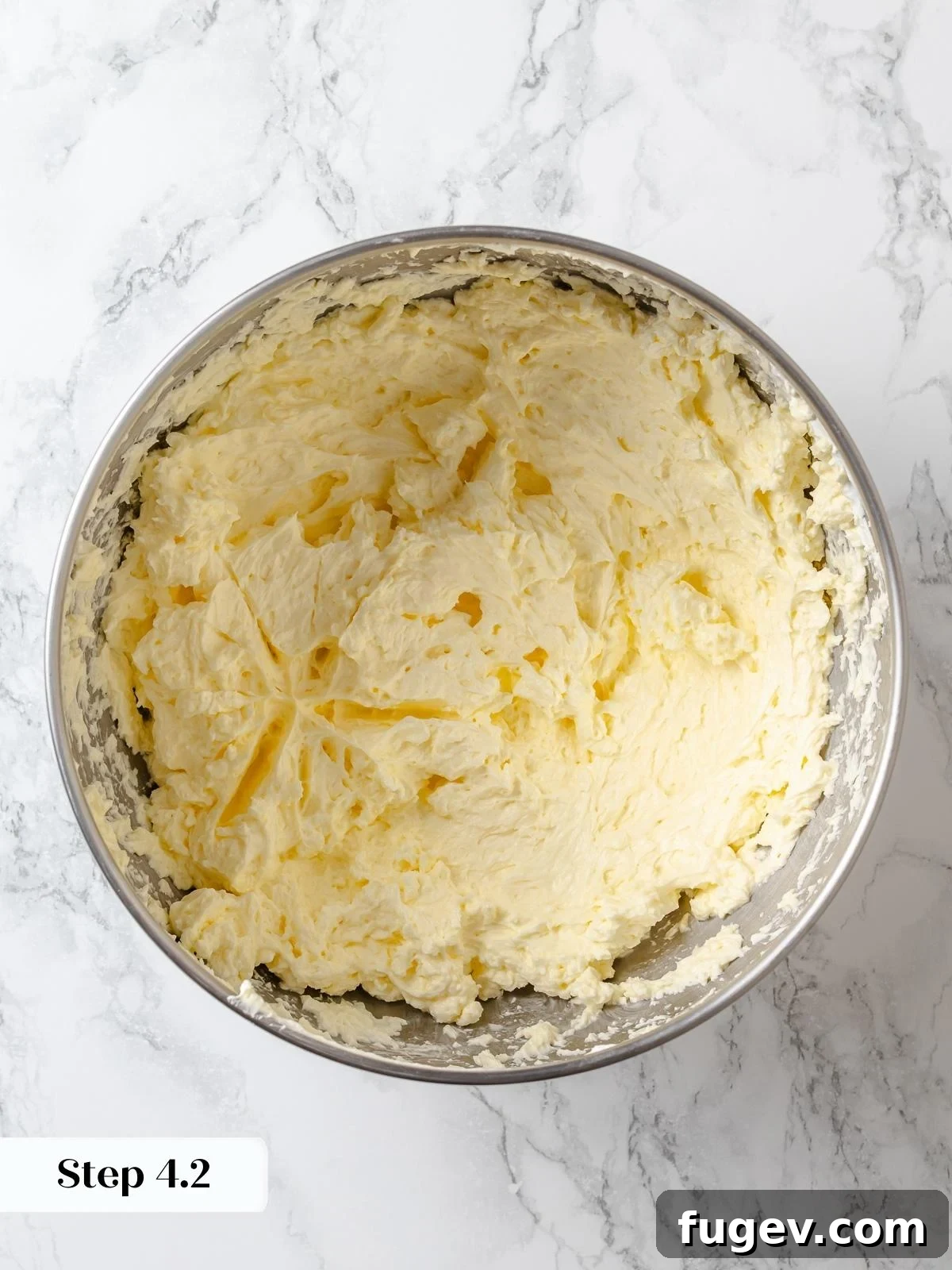
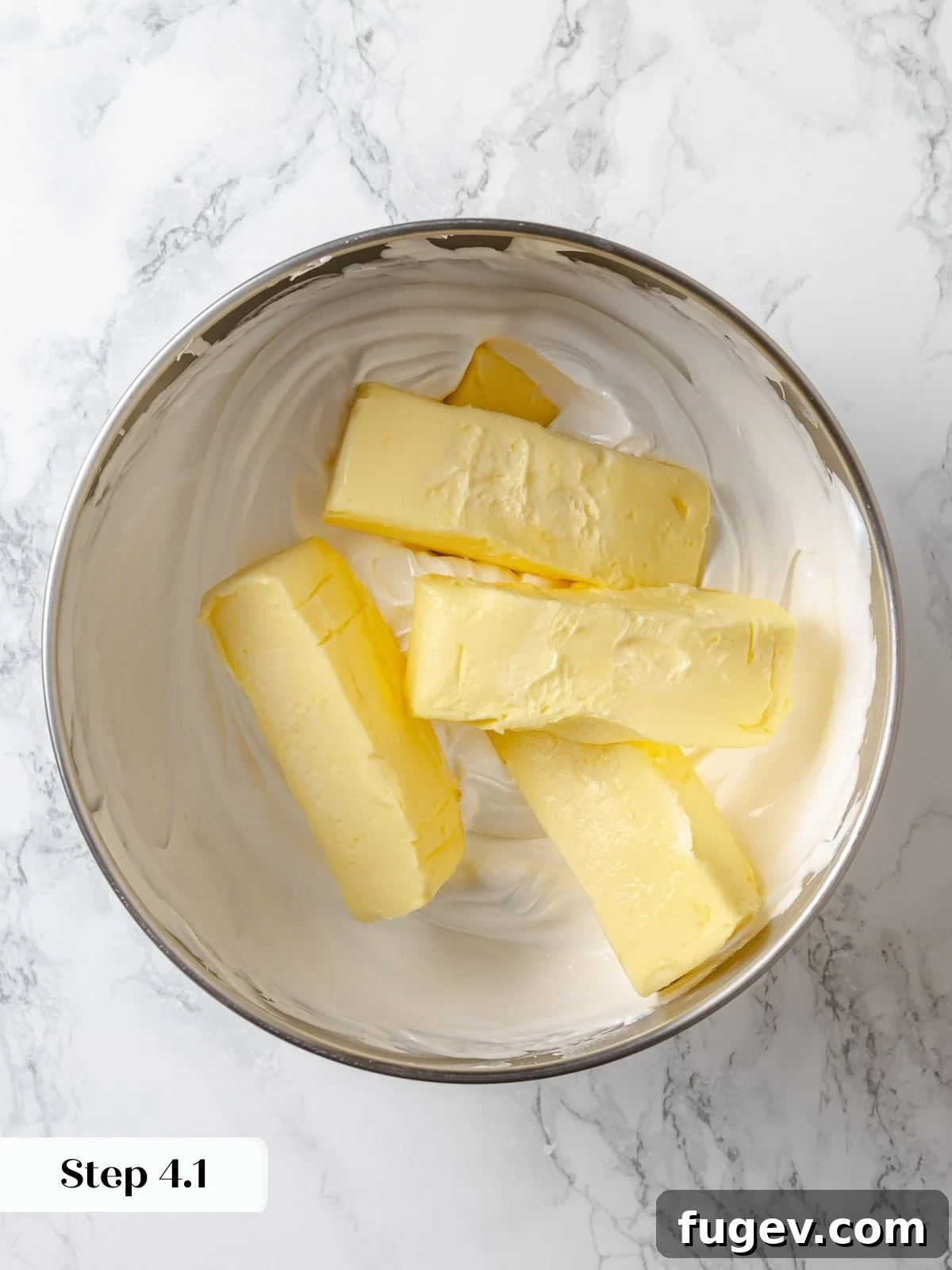
Step 4: Emulsify with Butter – Embrace the “Broken” Stage. Switch the attachment to the paddle. With the mixer on medium speed, add the cool but pliable unsalted butter, one cube at a time, allowing each piece to incorporate before adding the next. Continue mixing for 3–5 minutes. It is completely normal—and often expected—for the buttercream to appear “broken,” curdled, or soupy during this stage. Do not stop mixing! Keep scraping down the sides of the bowl. With patience, the mixture will suddenly come together, transforming into a smooth, cohesive, and beautifully light buttercream (photos 4 & 5).
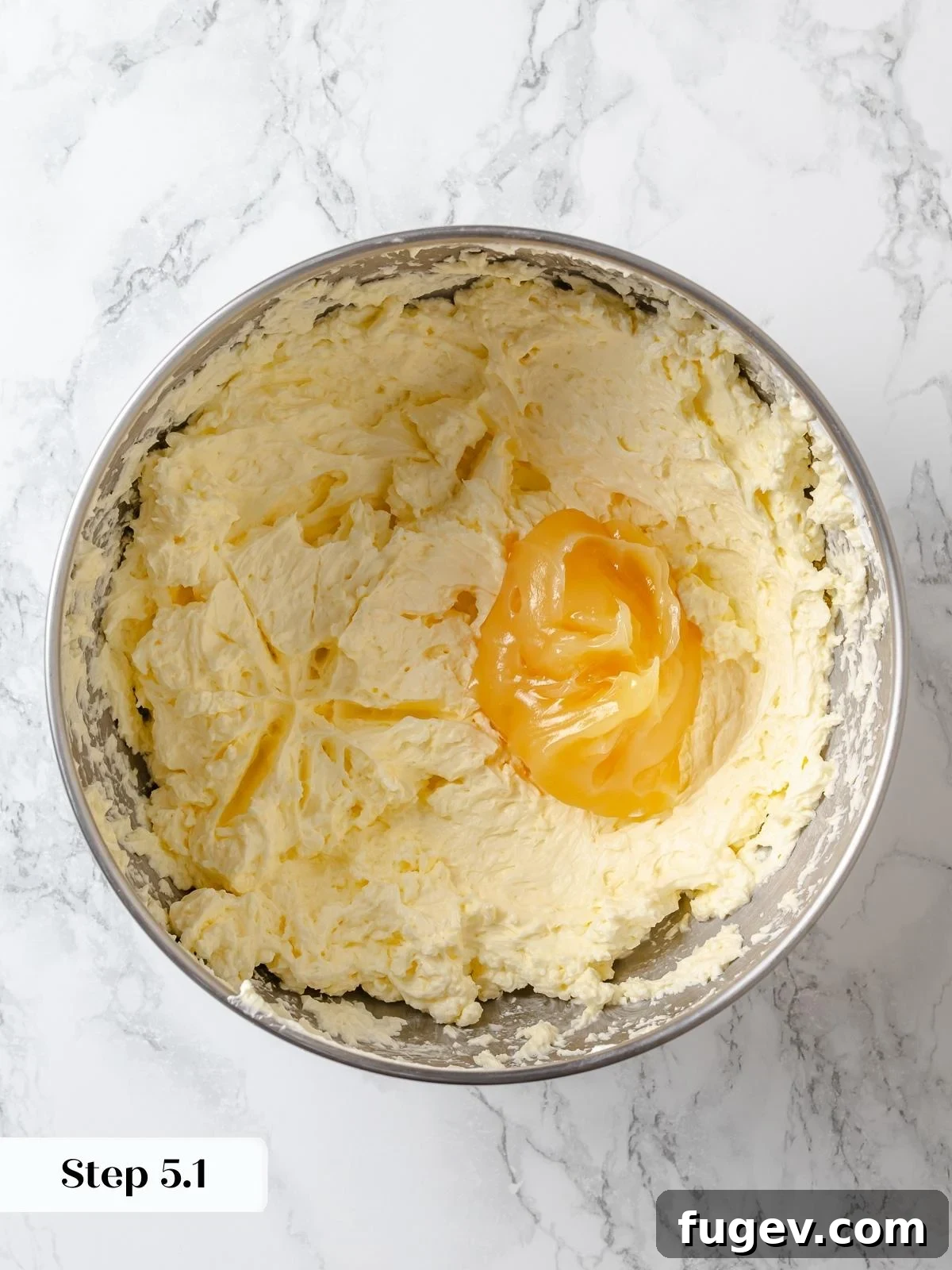
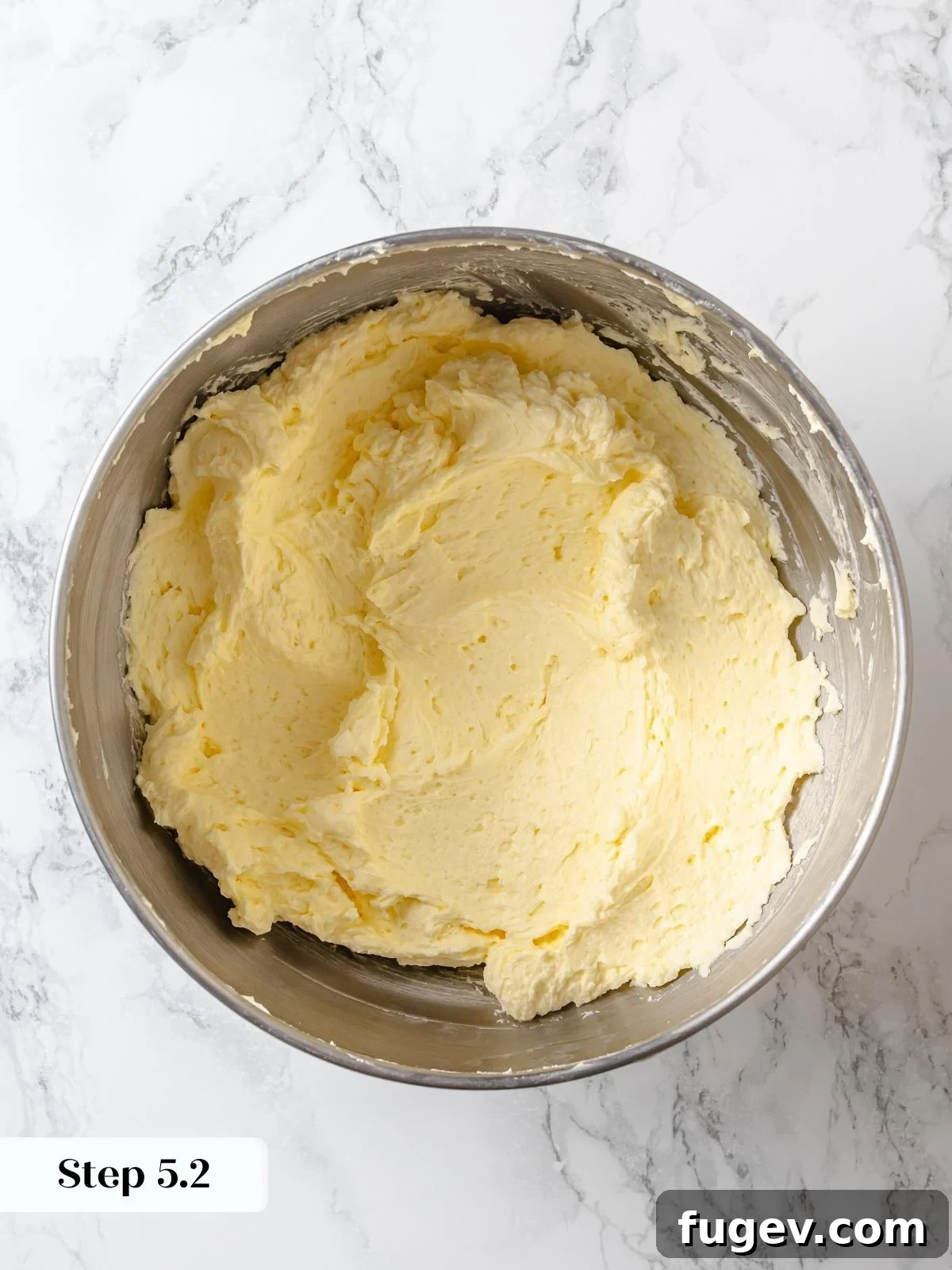
Step 5: Incorporate the Lemon Curd for Flavor. Once your buttercream is smooth and cohesive, switch back to the whisk attachment. Add the full cup of lemon curd. Whip for an additional 1–2 minutes until the lemon curd is thoroughly combined, and the buttercream is light, fluffy, and evenly emulsified. The color will be a lovely pale yellow, and the aroma intensely lemony (photo 6 & 7).
Step 6: Use Immediately or Store. Your vibrant Lemon Swiss Meringue Buttercream is now ready to use! Frost your cakes or cupcakes immediately, or prepare it for storage (photo 8). It’s truly a labor of love that tastes even better than it looks.
Chef Lindsey’s Recipe Tip
Swiss meringue buttercream rewards patience more than precision. If your buttercream appears “broken” or isn’t coming together as expected, resist the urge to panic. Nine times out of ten, simply continuing to mix, along with minor temperature adjustments (a quick chill or a brief gentle warm), will bring it back to a perfect, silky consistency. Trust the process!
Lemon Swiss Meringue Buttercream FAQs
Absolutely, and it’s highly recommended! Adding lemon curd to Swiss Meringue Buttercream is the safest and most effective way to infuse a strong, natural lemon flavor. Lemon curd contains both sugar and fat, which brilliantly buffer its acidity, preventing the buttercream from breaking or curdling. In this recipe, a generous full cup of lemon curd is incorporated after the buttercream is fully emulsified, resulting in an exceptionally smooth, stable, and intensely lemony frosting.
While you can add fresh lemon juice to Swiss Meringue Buttercream, it must be done with extreme caution and in very small amounts. Lemon juice is highly acidic and lacks the buffering properties of lemon curd. Adding it too quickly or in large quantities can easily cause the delicate emulsion of the buttercream to break, resulting in a soupy or curdled mess. For the best results, only add lemon juice a teaspoon at a time *after* the buttercream is already smooth and stable, stopping immediately if the texture begins to loosen. For added lemon aroma without the acidity risk, consider incorporating finely grated lemon zest.
Swiss Meringue Buttercream typically appears curdled or soupy when there’s a temperature imbalance. If the meringue is too warm when the butter is incorporated, the butter will melt, leading to a soupy consistency. Conversely, if the butter is too cold and hard, it won’t properly emulsify with the meringue, causing the mixture to look curdled and lumpy. These issues are almost always fixable: for a soupy buttercream, chill the mixing bowl in the refrigerator for 20-30 minutes, then re-mix on medium speed. For a curdled buttercream, gently warm the bottom of the mixing bowl over the simmering water bath for a few seconds (or use a kitchen torch on the outside of the bowl briefly), then return to the mixer and continue beating. Patience is key; it will usually come together beautifully.
Absolutely! This is one of the great advantages of Swiss Meringue Buttercream. You can prepare it up to 2 weeks in advance and store it in an airtight container in the refrigerator. For longer storage, it can be frozen for up to 3 months. When you’re ready to use it, let it come to room temperature (this might take several hours on the counter or overnight in the fridge). Once it’s softened, re-whip it in your stand mixer with the paddle attachment on medium-high speed until it becomes smooth, light, and fluffy again. If it looks a little broken at first, just keep mixing—it will come back!
The bright, tangy, and silky nature of Lemon Swiss Meringue Buttercream makes it incredibly versatile! It’s a perfect match for classic lemon cakes, delicate vanilla sponge cakes, or even rich chocolate cakes where its acidity provides a wonderful contrast. Beyond cakes, it’s fantastic on cupcakes, tarts, and can even be used as a filling for choux pastry or macarons. It also beautifully complements fruity desserts like berry tarts or passion fruit creations. Don’t be afraid to experiment with your favorite baked goods!
More Recommended Buttercream Recipes
If you’ve fallen in love with the silky texture and vibrant flavor of Swiss Meringue Buttercream, you’ll want to explore these other fantastic recipes. Expand your baking repertoire and discover new ways to elevate your desserts!
Easy Buttercream & Frosting Recipes
Lemon Buttercream Frosting
Easy Buttercream & Frosting Recipes
Vanilla Swiss Meringue Buttercream
Easy Buttercream & Frosting Recipes
Italian Meringue Buttercream Recipe
Easy Buttercream & Frosting Recipes
Caramel Swiss Meringue Buttercream
If you tried this recipe and loved it, please leave a 🌟 star rating and let me know how it goes in the comments below. I love hearing from you; your comments make my day!
Lemon Swiss Meringue Buttercream
Pin Recipe
Comment
Print Recipe
Ingredients
- 5 egg whites
- 1 ¼ cups granulated sugar
- ¼ teaspoon kosher salt
- 2 cups unsalted butter cool but pliable
- 1 cup lemon curd prepared or store-bought
Instructions
-
Heat 1 inch of water in a saucepan until gently simmering. Place a heatproof mixer bowl over the pot, ensuring the water does not touch the bowl.
-
Whisk egg whites, sugar, and salt in the bowl. Heat, whisking constantly, until the mixture reaches 120–130°F, the sugar is fully dissolved, and the mixture feels warm, about 8–10 minutes.
-
Transfer the bowl to a stand mixer fitted with the whisk attachment. Whip on high speed until stiff peaks form and the bowl is no longer hot to the touch, about 6–8 minutes.
-
Switch to the paddle attachment. Add the butter all at once and mix on medium speed until fully emulsified and smooth, about 3–5 minutes.
-
Switch back to the whisk attachment. Add the lemon curd and whip until light, fluffy, and evenly incorporated, about 1–2 minutes.
-
Use immediately or store for later use.
Notes
- Yield: 1 ½ quarts
- Technique: If soupy, chill 20–30 minutes and re-mix.
- Flavor Tip: For sharper lemon, add juice gradually after emulsification.
- Storage: Refrigerate 2 weeks in an airtight container, or freeze 3 months. Refrigerator storage keeps texture best; the freezer is ideal long-term.
Nutrition
Before You Go
I genuinely hope you enjoyed mastering this recipe for bright, silky Lemon Swiss Meringue Buttercream. It’s a truly rewarding frosting that elevates any dessert with its unparalleled flavor and texture. Don’t stop here! Be sure to explore my other chef-tested buttercream and frosting recipes. With these reliable techniques and delicious variations, you’ll be well on your way to building cakes and treats that not only look stunning but taste truly special and unforgettable. Happy baking!