
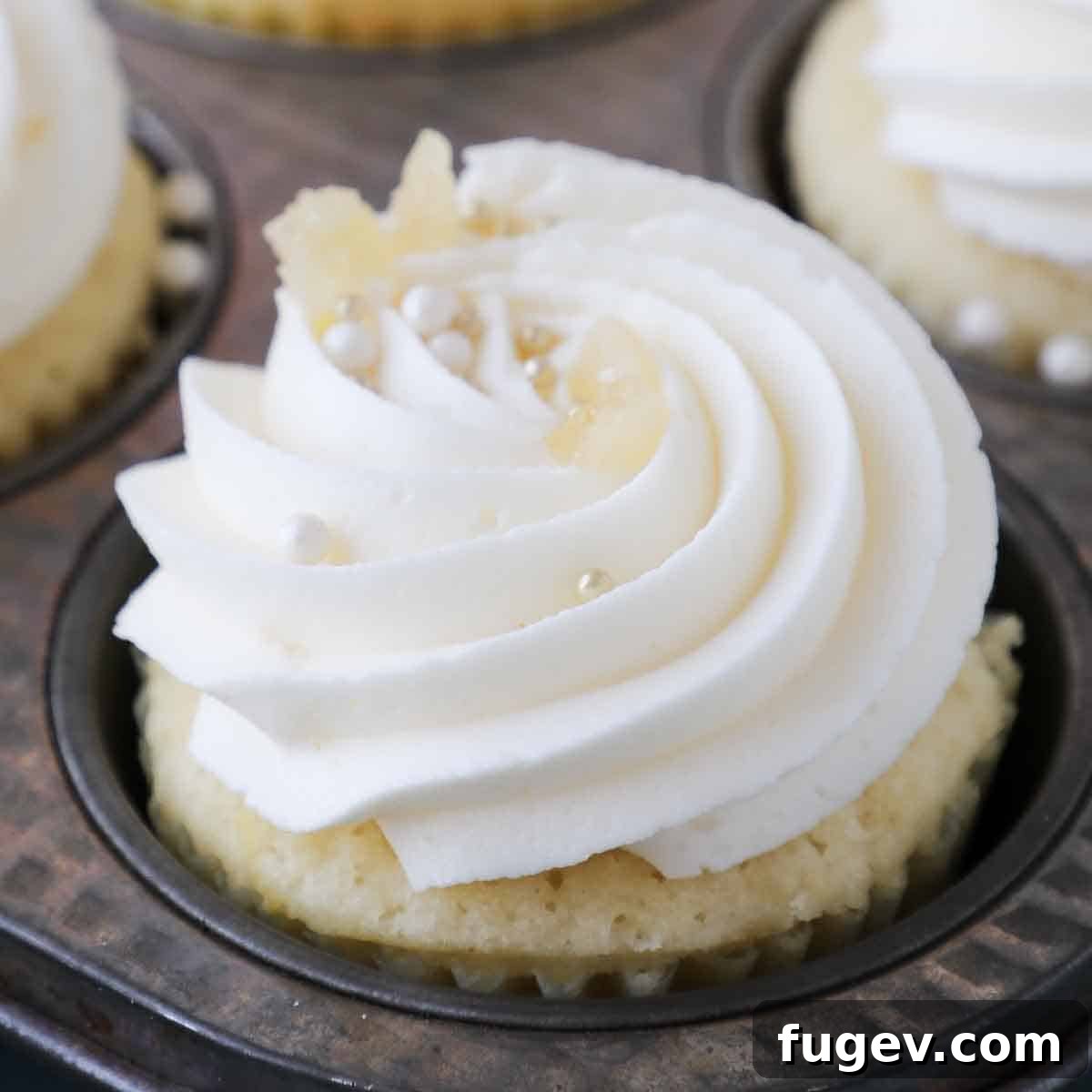
Discover the secret to a luscious, vibrant, and effortlessly simple Lemon Buttercream Frosting. With just four essential ingredients, you can achieve a silky-smooth texture and a bright, zesty flavor that’s ready in under 5 minutes. This recipe strikes the perfect balance between tart lemon and sweet confectioner’s sugar, elevating any dessert it graces.
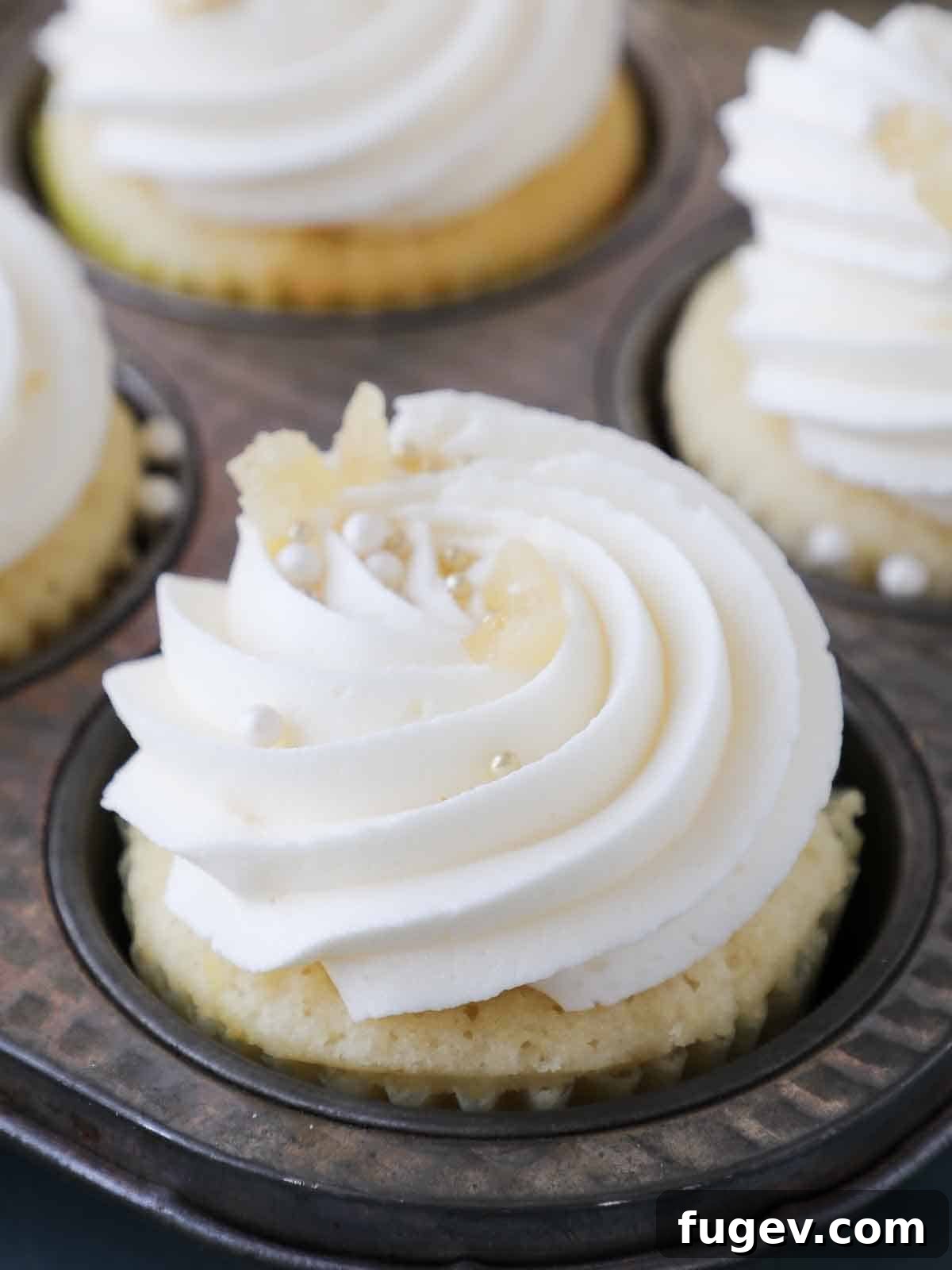
There are moments when you need a reliable buttercream recipe that doesn’t demand perfect timing, intricate egg white separation, or any unnecessary complex steps. You’ve just found your go-to easy lemon frosting that perfectly balances its sweetness with a delightful tang. Bid farewell to overly sweet, cloying buttercreams and welcome this fluffy, zesty lemon goodness into your kitchen. Incredibly, you can have this exquisite frosting ready for your desserts in less than 5 minutes!
This versatile lemon buttercream is more than just a topping; it’s a flavor enhancer. Imagine it crowning light and airy strawberry cupcakes, enriching a classic white cake, or adding a citrusy kick to lemon curd-filled lemon coconut cupcakes. It even brightens up a simple, fluffy coconut cupcake, transforming it into a sunny treat. Its vibrant flavor profile makes it suitable for countless dessert applications.
Table of Contents
- Why This is the Best Lemon Frosting Recipe
- Professional Tips for Homemade Lemon Buttercream Frosting
- Key Ingredients for the Perfect Lemon Buttercream
- Delicious Variations for Your Lemon Buttercream
- Transform Your Desserts into Lemon Delights
- How to Make Lemon Buttercream Frosting: Step-by-Step Guide
- Chef Lindsey’s Expert Recipe Tip
- Frequently Asked Questions About Lemon Buttercream
- Lemon Buttercream Frosting Recipe Card
- Explore More Delicious Recipes
Why This is the Best Lemon Frosting Recipe: Unbeatable Flavor and Speed
Our lemon buttercream recipe stands out for several compelling reasons, making it an indispensable addition to your baking repertoire:
- The Ultimate Lemon Boost: What truly sets this frosting apart is the generous inclusion of fresh lemon juice. This isn’t just a hint of lemon; it’s a vibrant, tangy burst that beautifully tempers the sweetness of the confectioner’s sugar. It transforms even the simplest of desserts into a gourmet experience, infusing them with an irresistible bright citrus flavor that dances on your palate.
- Ready in 5 Minutes, No Stress: Forget complicated techniques and lengthy prep times. This recipe delivers a light, fluffy, and silky-smooth buttercream in a remarkable 5 minutes. We understand that life happens, and sometimes you forget to soften your butter. That’s why we’ve included a genius trick further down to get your butter perfectly pliable, ensuring your frosting comes together quickly and flawlessly, every single time.
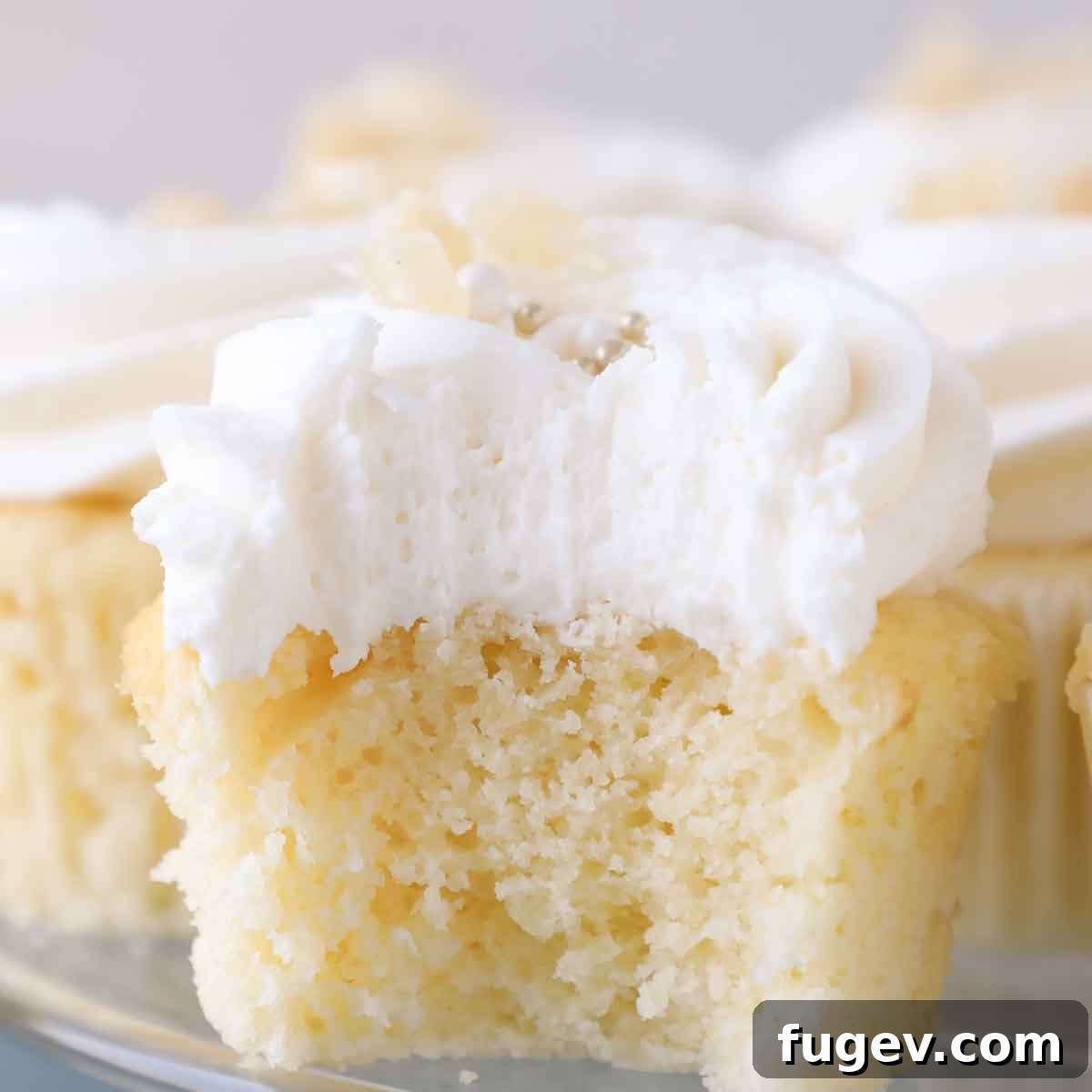
- A Light & Airy Buttercream, Tailored to You: The beauty of this American buttercream lies in its adaptable texture. You have the flexibility to whip in more air for an incredibly light and voluminous frosting, perfect for decorating towering cupcakes or adding a delicate swirl to brownies. Alternatively, you can keep it slightly thicker and denser, providing a sturdy yet luxurious coating ideal for frosting elegant layer cakes. Whether you prefer a dramatic piped flourish or a smooth, classic spread, this buttercream performs just like our beloved vanilla American buttercream recipe, adapting to your decorating vision with ease.
Professional Tips for Homemade Lemon Buttercream Frosting: Achieve Perfection
Even a simple recipe benefits from a few expert insights. Follow these professional tips to ensure your homemade lemon buttercream is consistently perfect:
- Always Use Unsalted Butter: Butter is not just a fat here; it’s a foundational flavor component. Using unsalted butter gives you complete control over the salt content in your frosting, ensuring a clean, buttery taste without any unexpected brininess. While shortening (Crisco) has its place in some recipes, for this buttercream, we strongly recommend quality unsalted butter for superior flavor and texture.
- Mind the Butter Temperature: The temperature of your butter is paramount for achieving that coveted silky-smooth consistency. You want your butter to be truly “room temperature”—soft enough to indent easily with your finger but not greasy or melted. If it’s too cold, it won’t cream properly with the sugar, leading to a lumpy frosting. If it’s too warm, your frosting will be greasy and runny. Don’t worry if you forget to soften it; we’ve got an insider’s trick in the “How To Make” section to save the day!
- Add Powdered Sugar Gradually: While it might be tempting to dump all the powdered sugar in at once (we’ve all been impatient!), resisting this urge will result in a much smoother, lump-free frosting. Adding the sugar in stages allows it to incorporate more thoroughly with the butter, preventing a dusty explosion and ensuring a uniform, velvety texture without excessive mixing. Do it like the cool, kitchen goddess that you are!
- Fresh Lemon Juice is Non-Negotiable: The star flavor of this buttercream is lemon, and its vibrancy hinges entirely on the quality of your lemon juice. Freshly squeezed lemon juice offers a bright, nuanced, and authentic citrus punch that bottled juice simply cannot replicate. Make the effort to juice fresh lemons; it will make all the difference in achieving that perfectly balanced tart-sweet profile.
Key Ingredients for the Perfect Lemon Buttercream
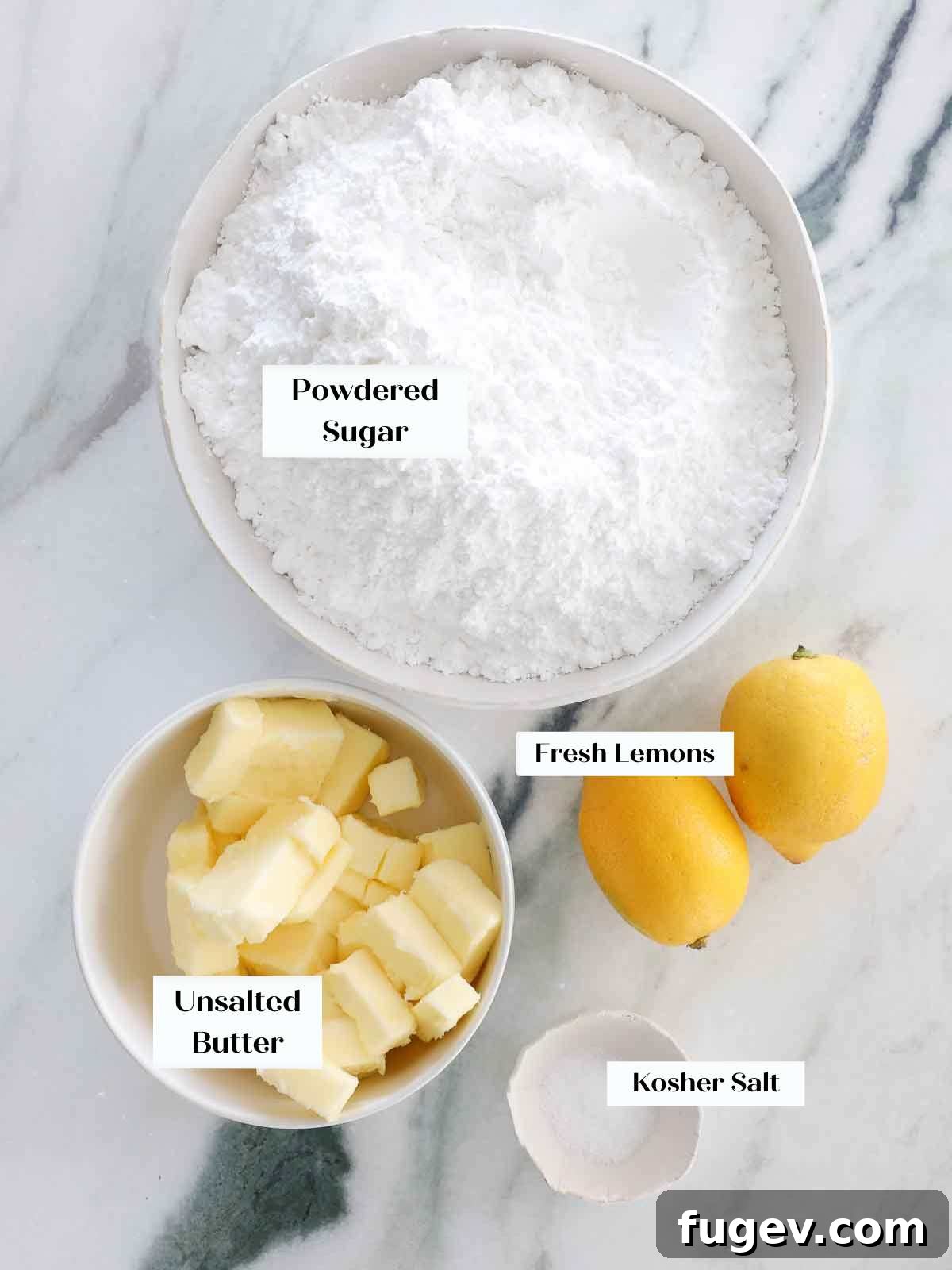
- Unsalted Butter: As discussed, unsalted butter is our preferred choice for its clean flavor profile, allowing the lemon to truly shine. However, if salted butter is all you have on hand, it will work in a pinch – just be sure to omit the additional kosher salt from the recipe to avoid an overly salty frosting. European-style butters with higher fat content can also impart an even richer, creamier texture.
- Powdered Sugar (Confectioners’ Sugar): This finely milled sugar is essential for achieving a smooth, non-gritty American buttercream. While some small lumps might disappear during mixing, we highly recommend sifting the powdered sugar before adding it to your butter. Sifting ensures a consistently smooth texture, crucial for a professional-looking finish. Powdered sugar is key for American buttercreams like this one and our chocolate buttercream frosting because its fine granules incorporate seamlessly.
- Kosher Salt: A small amount of kosher salt is vital for balancing the sweetness of the sugar and enhancing the bright flavors of the lemon. It acts as a flavor amplifier, preventing the frosting from tasting flat or one-dimensional.
- Fresh Lemon Juice: This is the soul of your lemon buttercream! Our unwavering motto for citrus juices is that fresh is always, unequivocally, best. Freshly squeezed lemon juice provides an unparalleled bright, tangy, and aromatic flavor that elevates the entire frosting. If fresh lemons are unavailable, seek out high-quality frozen fresh lemon juice or bottled options found in the refrigerator section, but be wary of dark-colored juices, which indicate a loss of freshness. Consider adding a touch of lemon zest for an even more intense citrus aroma and speckled appearance.
For a complete list of quantities and detailed measurements, please refer to the comprehensive recipe card below.
Delicious Variations for Your Lemon Buttercream
This lemon buttercream recipe is a fantastic starting point, but don’t be afraid to get creative! Here are a few ideas to inspire your next baking adventure:
- Make it Festive with Color: While this recipe naturally yields a beautiful, slightly off-white frosting, adding a few drops of yellow food coloring can transform it into a vibrant, cheerful pale yellow. This visual enhancement is especially fun on playful treats like funfetti cookies or birthday cakes, making your desserts even more appealing.
- Explore Other Citrus Flavors: Why stop at lemon? This recipe can easily be adapted to create other exquisite citrus buttercreams. Imagine a zesty lime buttercream for key lime pie cupcakes or a fragrant orange buttercream to complement a rich chocolate cake. The possibilities are endless! We’d love to hear which citrus you try and what delightful dessert you pair it with – share your creations in the comments below!
- For a More Subtle Flavor: If you’re looking for an easy buttercream with a less pronounced citrus kick, consider our classic American buttercream recipe or our indulgent cream cheese buttercream frosting. These options offer a creamy, balanced sweetness that can be flavored with extracts or left plain for a more traditional taste.
Transform Your Desserts into Zesty Lemon Delights
Once you’ve mastered this incredible lemon buttercream, the culinary world is your oyster! Here are countless ways to infuse your favorite baked goods with bright, tangy lemon flavor:
- Frost Cupcakes to Perfection: This simple yet sensational lemon buttercream is an ideal partner for a wide range of cupcakes. It would be absolutely exceptional paired with our copycat Sprinkles vanilla cupcakes, classic vanilla cupcakes, or intensify the citrus experience with our dedicated lemon cupcakes. The light and airy texture pipes beautifully, creating stunning presentations.
- Elevate Your Favorite Cakes: This frosting isn’t just for cupcakes; it’s a game-changer for cakes of all kinds. Opt for a timeless pairing with a classic white cake, our recipe for the best yellow cake, or a moist vanilla cake. For those who love to break tradition, try it on a rich sour cream pound cake or even a vibrant strawberry cake – the tart lemon is a superb counterpoint to fruity flavors. It’s magnificent on elegant layer cakes, but equally fabulous spread generously over a casual sheet cake like this playful funfetti sheet cake or a festive American Flag cake.
- Spread on Cookies, Blondies, or Bars: Don’t limit this delightful frosting to just cakes and cupcakes! It’s utterly fabulous spread over chewy treats like our classic chewy blondies, or for a double dose of lemon, pair it with lemon blondies. It’s also a dreamy topping for chewy sugar cookies, turning them into elegant sandwich cookies. You can even serve it as a zesty dip for animal crackers for a fun, casual snack. Remember to store frosted items in the refrigerator before transport or cutting to maintain their pristine appearance and texture.
How to Make Lemon Buttercream Frosting: Step-by-Step Guide
Follow these straightforward instructions to create the perfect light, fluffy, and vibrant lemon buttercream every single time!
Prepare Buttercream:
- Sift Powdered Sugar (Optional but Recommended): In a large bowl, use a fine-mesh sieve to sift the powdered sugar. While this step is optional, it greatly helps in preventing lumps and ensures a super smooth buttercream, making the entire process easier and yielding a more refined final product.
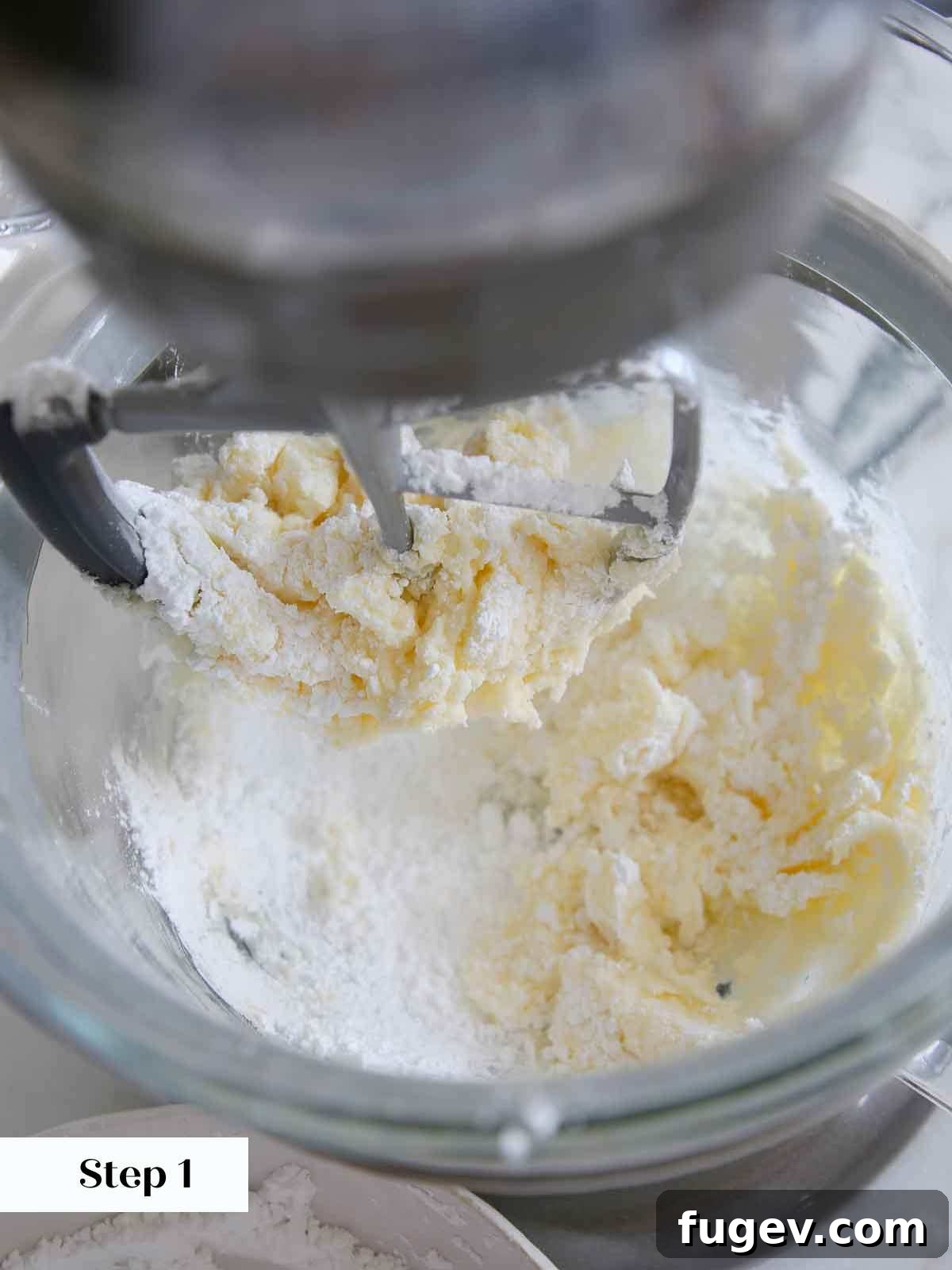
- Cream Butter and Sugar: Transfer your perfectly softened butter, sifted powdered sugar, and kosher salt to the bowl of a stand mixer fitted with the paddle attachment. Begin mixing on low speed until all ingredients are just combined and no dry sugar remains. Gradually increase the speed to medium and beat until the mixture becomes light, creamy, and smooth. Scrape down the sides of the bowl periodically to ensure even mixing.
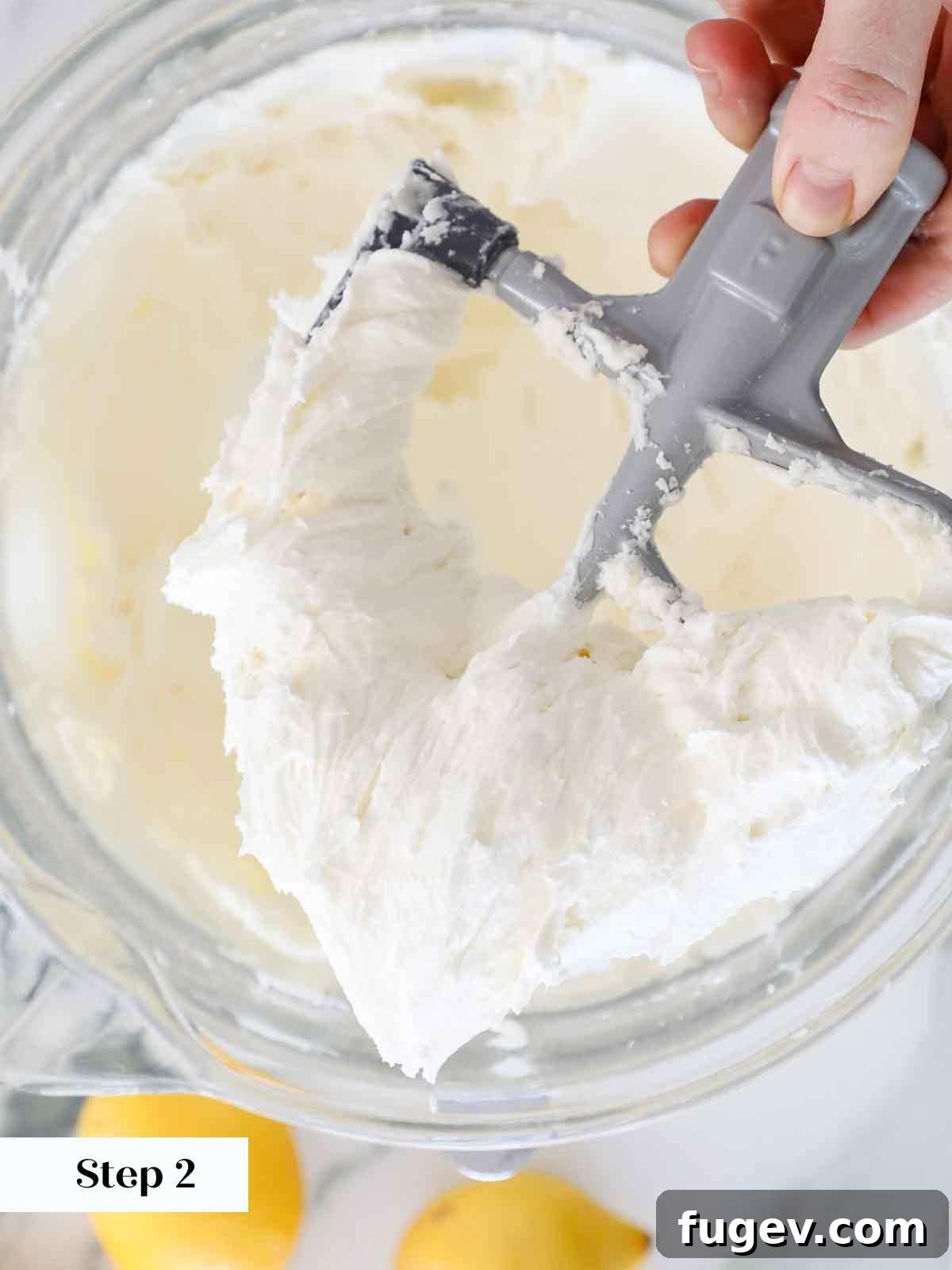
- Incorporate Lemon Juice: With the mixer running on low, gradually add the fresh lemon juice to the butter mixture. Continue to beat with the paddle attachment until the frosting is completely homogenous, meaning all ingredients are fully incorporated, and the mixture has lightened in color and texture. The lemon juice will slightly thin the buttercream, which is perfectly normal.
- Achieve Desired Texture: Now, customize your buttercream’s final texture. If you desire a lighter, airier, and more voluminous buttercream, switch from the paddle attachment to the whisk attachment. Whisk on high speed for 1-2 minutes until the frosting is noticeably light, fluffy, and almost white. For a denser, smoother buttercream with fewer air bubbles, stick with the paddle attachment and continue beating on medium speed for a slightly longer duration until it reaches your preferred consistency.
Wait! I Forgot to Soften My Butter! No Worries! Life happens, and sometimes butter isn’t at room temperature when you need it. Here’s a chef’s trick: Cube the cold butter into small pieces and place them in the stand mixer bowl with the paddle attachment. Mix on medium speed while gently warming the sides of the bowl with a kitchen torch (or even a hairdryer). Keep the torch moving constantly to prevent the butter from melting in one spot, and stop frequently to allow the heat to redistribute. The goal is to soften the butter evenly, not to melt it into a liquid state!
How to Use Lemon Buttercream: Your Decorating Guide
Whether you’re aiming for intricate designs or a simple, elegant spread, this lemon buttercream is easy to work with:
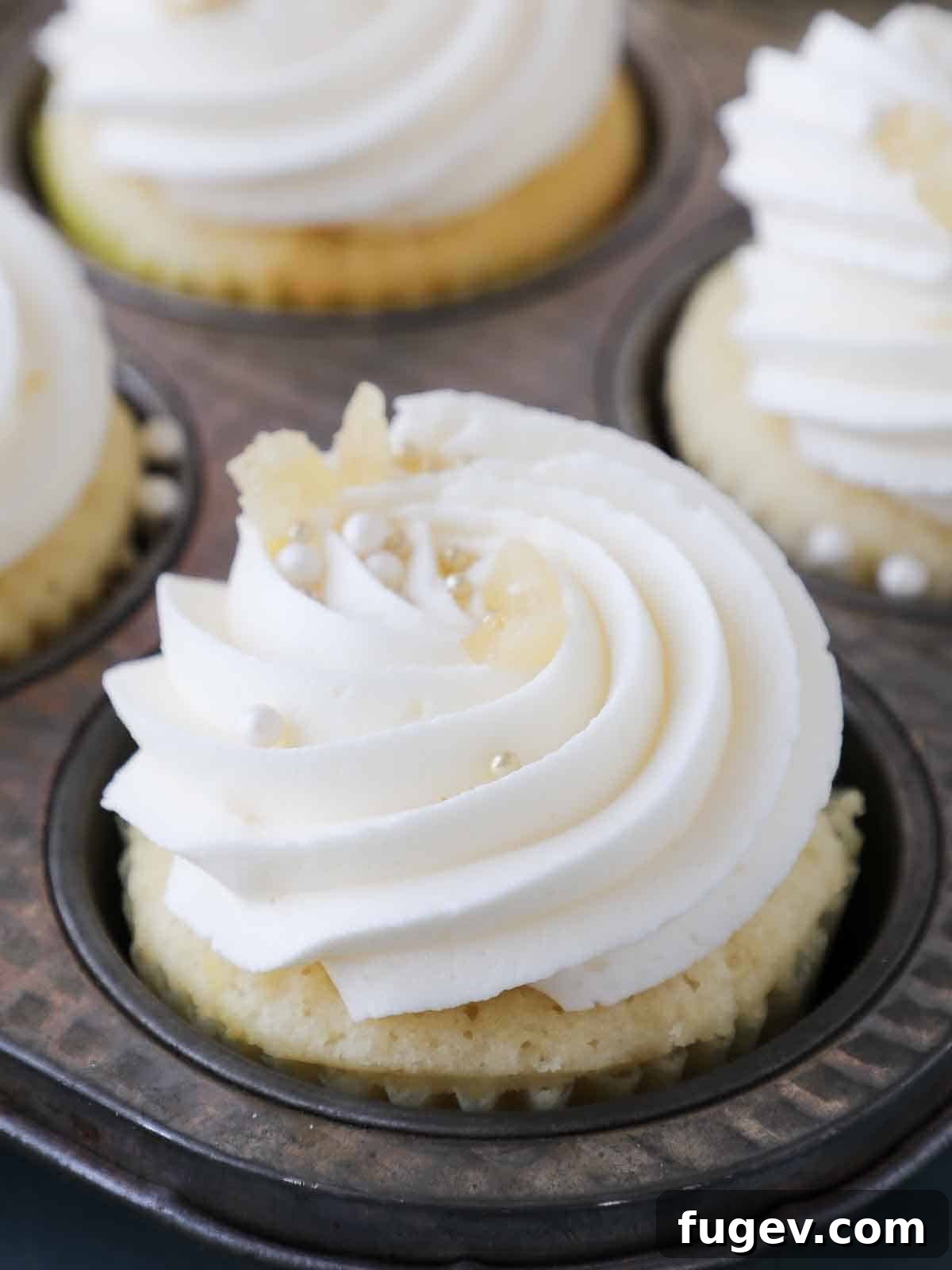
- For Piping: For precise and beautiful decorations, fit a piping bag with your preferred piping tip. To make filling easier, place the bag tip-down in a large glass and fold the edges over the rim. Fill the bag about two-thirds full, then gently press the buttercream towards the bottom, expelling any air pockets. Twist the top of the bag to seal, and you’re ready to create stunning piped designs!
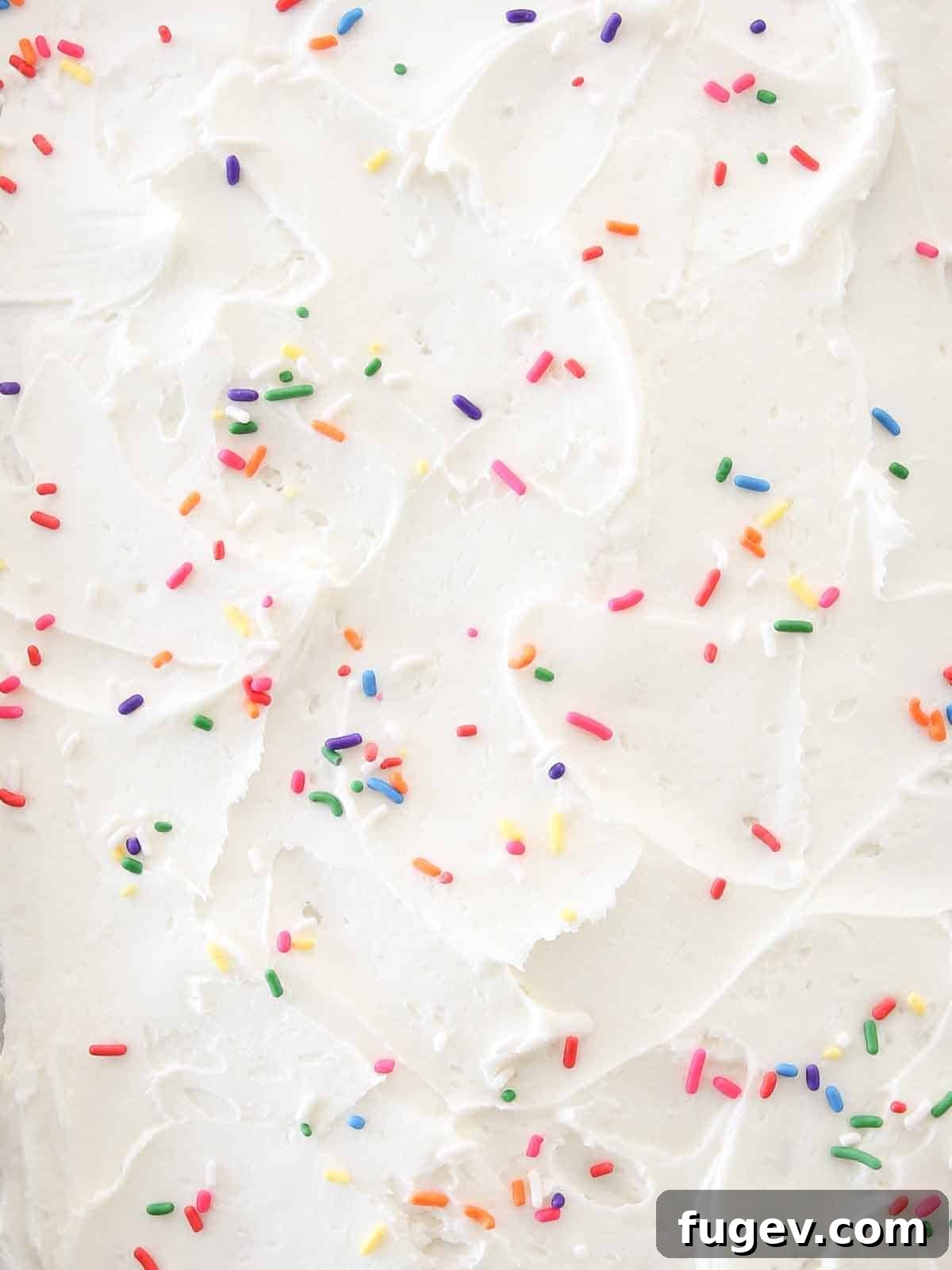
- For Spreading: If a rustic, charming, or simply quick finish is what you desire, opt for spreading. Grab a large offset spatula, dollop a generous amount of buttercream onto your cake, cupcake, or bar, and begin spreading evenly. Add more frosting as needed to achieve your desired coverage and aesthetic.
Chef Lindsey’s Expert Recipe Tip: Understanding Buttercream Yield and Texture
It’s important to note that the estimated yield for this recipe – enough frosting for approximately 24 cupcakes or one 8-inch, three-layer cake – is based on the assumption that you’ve whipped a good amount of air into the buttercream. Incorporating air significantly increases the volume and lightness of the frosting, making it easier to spread further and achieve higher piles on cupcakes. If you choose to omit or minimize this whipping step, opting for a denser, smoother, and less airy buttercream, you will find that you need more frosting to cover the same amount of cake or cupcakes. For a truly thick and bubble-free finish, consider doubling the recipe if you prefer not to introduce much air.
Frequently Asked Questions About Lemon Buttercream
Storing your lemon buttercream correctly ensures its freshness and flavor longevity. You can keep it in an airtight container in the refrigerator for up to 2 weeks, or freeze it for up to 3 months. For efficient freezer storage, place the buttercream in air-tight zip-top bags, press out any excess air, flatten the bags, and then stack or store them vertically. When you’re ready to use it, simply thaw in the refrigerator and re-whip until light and fluffy. While the buttercream itself can be stored at room temperature for up to 5 days, always refer to the specific storage instructions for the baked goods (cakes, cupcakes, brownies, etc.) that you’ve frosted, as they generally have a shorter room temperature shelf life of 1-3 days.
If your lemon buttercream turns out too loose or thin, there are a few reliable methods to thicken it. The most effective way is to chill the entire batch in the mixing bowl, along with the paddle attachment, for 30-60 minutes. This allows the butter to firm up slightly. After chilling, mix the buttercream on low speed until it begins to soften, then switch to the paddle attachment and beat until it becomes light and fluffy again. If it still needs more body, gradually add more powdered sugar, one tablespoon at a time, until you reach your desired thick consistency, beating well after each addition.
The magic of this lemon frosting lies in its impeccable balance between the bright tartness of lemons, the sweetness of sugar, and the richness of butter. Our recipe is designed to have just enough sugar to complement the lemons without being cloyingly sweet. For the best flavor, using fresh lemon juice is crucial. If, however, you find your buttercream still leaning too sweet for your preference, simply add a small amount (start with half a teaspoon) of additional fresh lemon juice, beating it in until thoroughly combined and tasting after each addition. This will instantly cut through the sweetness and enhance the zesty notes.
The presence of air bubbles in buttercream often comes down to a choice between lightness and smoothness. If you desire a buttercream with fewer air bubbles and a silkier, more dense texture (ideal for super smooth cake sides), we recommend avoiding the whisk attachment. Instead, stick with the paddle attachment and beat on medium-low speed. After mixing, you can further reduce bubbles by pressing out some of the air pockets with a spatula against the side of the bowl. For professional-level smooth sides, consider exploring Swiss Meringue Buttercream or Italian Meringue Buttercream recipes, which naturally have a much smoother, less airy consistency.
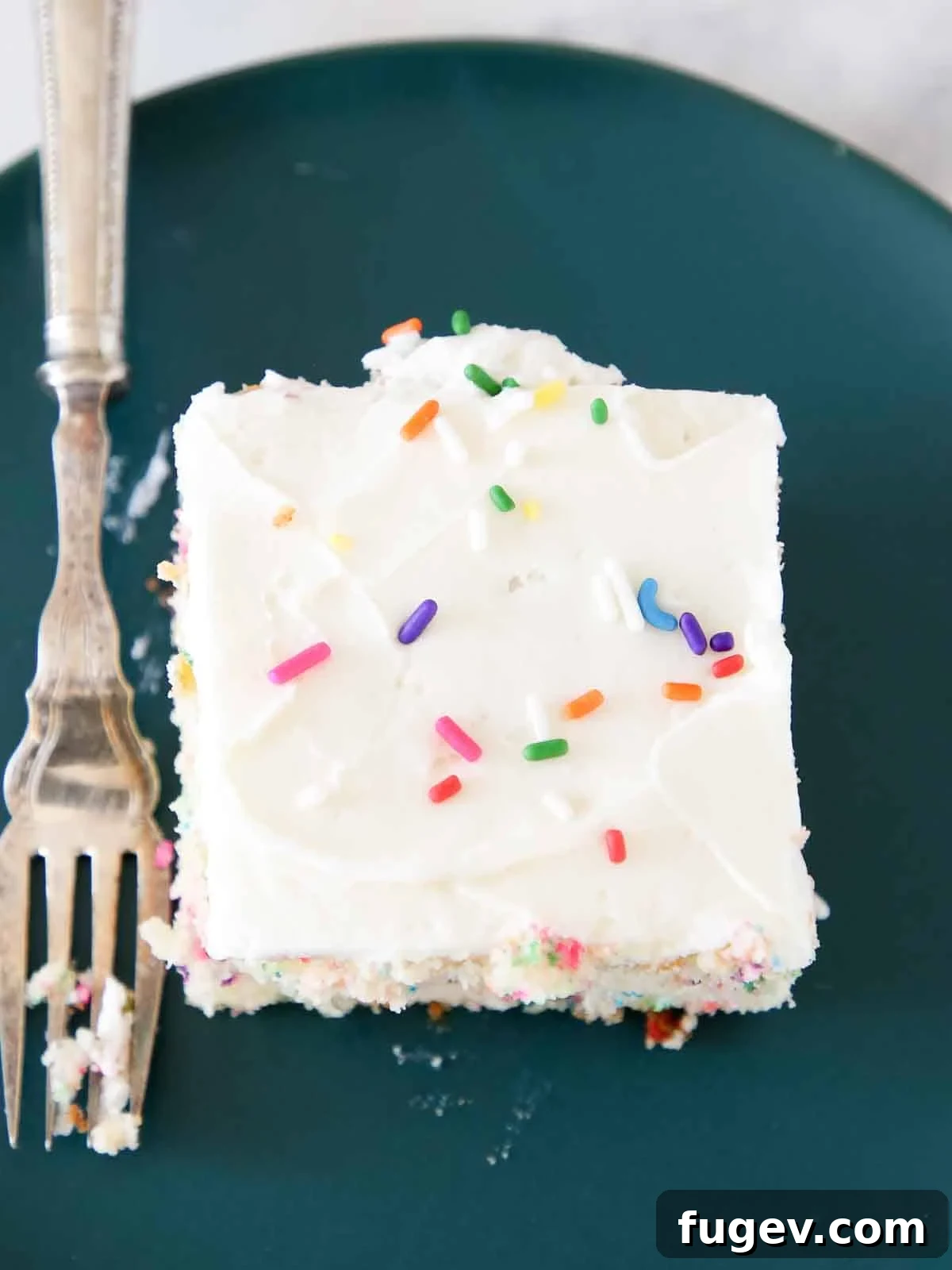
If you tried this recipe and loved it, please leave a 🌟 star rating and let me know how it goes in the comments below. I love hearing from you; your comments make my day!
Lemon Buttercream Frosting
Chef Lindsey
15
15
20
people
Comment
Print Recipe
Ingredients (US Customary)
- 8 cups confectioners’ sugar (2 boxes)
- 1 ½ cups unsalted butter (room temperature, 3 sticks)
- 1 teaspoon kosher salt
- 5 tablespoons fresh lemon juice (approximately the juice of 2 large lemons)
Instructions
Prepare buttercream:
-
In a large bowl, sift the powdered sugar. (Optional, but it makes things easier!)
-
In the bowl of a stand mixer fitted with the paddle attachment, add softened butter, powdered sugar, and salt. Mix until light and smooth. Start the mixer on low until combined and then gradually increase to medium speed.
-
Add the lemon juice to the butter mixture and beat with the paddle until homogenous and lightened.
-
If a lighter, airier buttercream is desired, switch to the whisk attachment. Whisk on high until light, fluffy, and white. For a smoother buttercream with fewer bubbles, keep the paddle attachment.
How to use lemon buttercream:
-
For Piping: Fit a piping bag with your favorite piping tip. Place the bag with a tip in a large glass and fold the edges over the rim of the glass. Fill the bag about 2/3 full. Press the buttercream to the bottom of the bag, get out any air pockets, twist the top, and get ready to pipe!
-
For Spreading: Simply grab a large offset spatula, dollop on some buttercream, and start spreading! Add more as needed.
Video
Notes
Technique – If you want fewer air bubbles, I recommend not switching to the whisk attachment or pressing out some of the air bubbles with a spatula, if you mixed it with an electric mixer.
Storage – Store in an airtight container in the refrigerator for 2 weeks or frozen for 3 months. You can also store lemon buttercream at room temperature for up to 5 days, though most baked goods should only be stored at room temperature for 1-3 days.
Nutrition
Carbohydrates: 46g |
Protein: 1g |
Fat: 13g |
Saturated Fat: 8g |
Polyunsaturated Fat: 1g |
Monounsaturated Fat: 3g |
Trans Fat: 1g |
Cholesterol: 34mg |
Sodium: 220mg |
Potassium: 8mg |
Fiber: 1g |
Sugar: 44g |
Vitamin A: 400IU |
Vitamin C: 1mg |
Calcium: 5mg |
Iron: 1mg
Dessert
American
292
Like this? Leave a comment below!
Explore More Delicious Recipes from Chef Lindsey
We hope you’ve enjoyed mastering this easy lemon buttercream frosting! Don’t let your culinary journey end here. Dive deeper into our collection of delightful cake recipes and cupcake recipes to discover the perfect canvas for your newly made frosting. If you’re a fan of our creamy concoctions, you might also enjoy perusing all our buttercream and frosting recipes for endless decorating possibilities. And for dedicated lemon lovers, be sure to explore our tangy lemon meringue cheesecake along with all of our bright and zesty lemon recipes!