
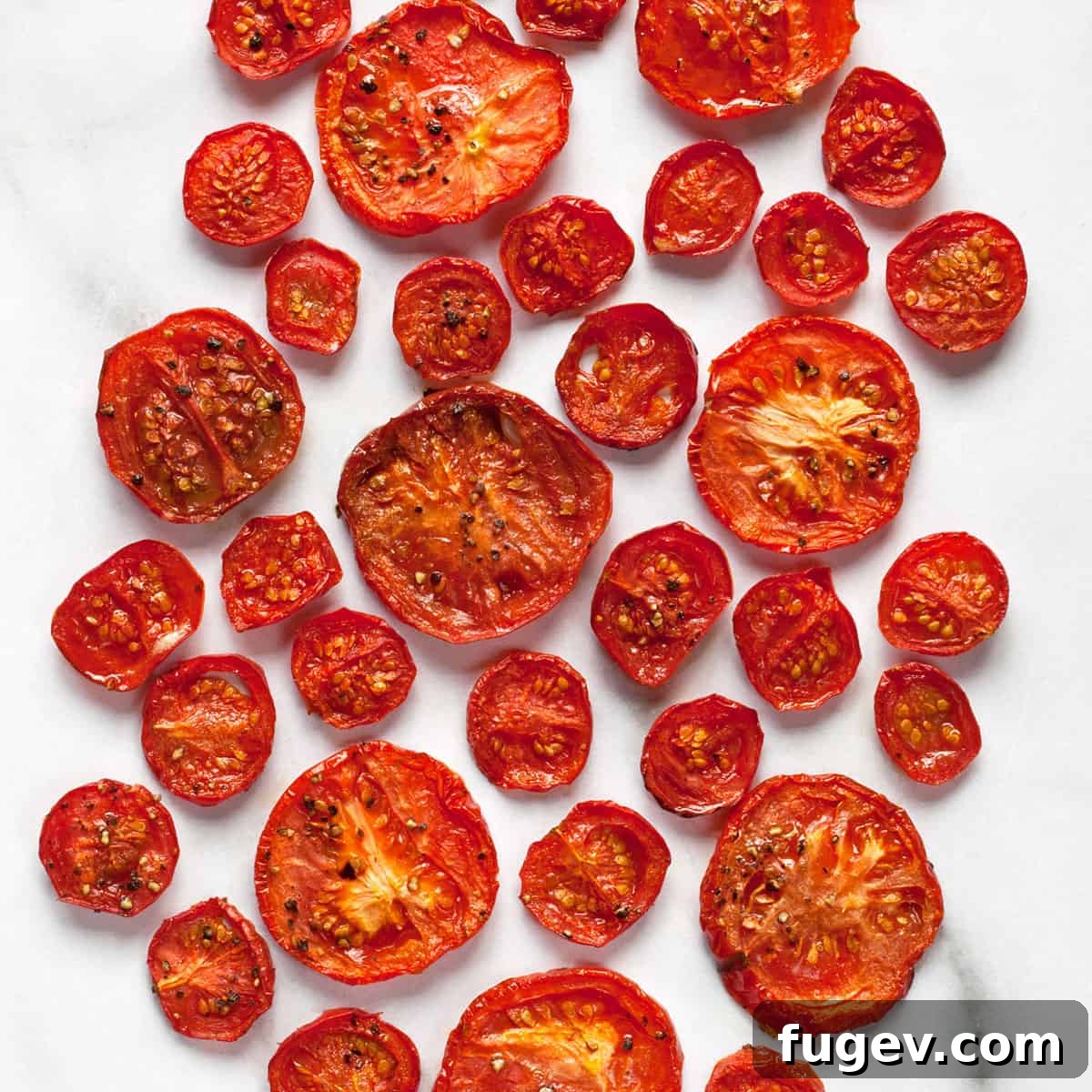
Roasted vegetables are a true culinary marvel, transforming simple produce into dishes bursting with intensified flavor and delightful textures. The magic of high heat caramelizes natural sugars, creating golden-brown edges and tender interiors that are simply irresistible. This comprehensive collection features a wide array of easy roasted vegetable recipes, spanning satisfying pastas, versatile side dishes, wholesome grain bowls, and vibrant salads. We’ll explore how to harness the best of seasonal produce, from crisp spring greens and juicy summer tomatoes to earthy fall squashes and robust winter roots. Combining fresh ingredients with pantry staples, these recipes are designed to inspire delicious, healthy meals year-round, ensuring that your oven is always ready to work its flavorful enchantment.
Table of Contents
- Roasted Vegetables for Spring
- Roasted Vegetables for Summer
- Roasted Vegetables for Fall
- Roasted Vegetables for Winter
- Pro Tips for Perfectly Roasted Vegetables
- Selecting and Prepping Your Vegetables
- Optimal Oven Temperature
- The Secret to a Clean Pan and Better Browning
- Mastering Vegetable Arrangement on the Pan
- Essential Equipment and Flavorful Ingredients
- Frequently Asked Questions (FAQs)
Roasted Vegetables for Spring
As winter fades, spring brings a refreshing burst of vibrant, green flavors to our tables. Delicately roasted asparagus, tender broccolini, and early zucchini become culinary stars, while carrots and mushrooms add a grounding, earthy balance to the season’s lighter fare. These spring roasted vegetable recipes offer an effortlessly delicious transition from hearty winter dishes to bright, lighter meals. Roasting these fresh spring vegetables enhances their natural sweetness and subtle bitterness, making them perfect for invigorating your palate.
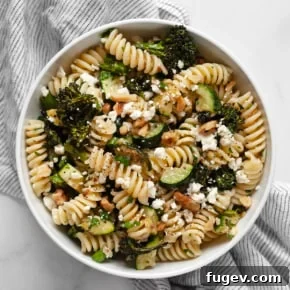
Roasted Broccolini Zucchini Pasta Salad
Get the Recipe
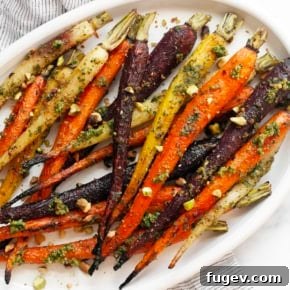
Roasted Rainbow Carrots with Carrot Top Pesto
Get the Recipe
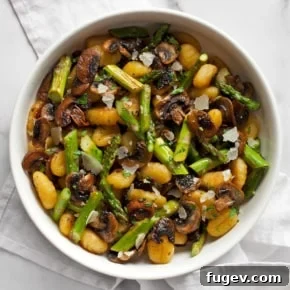
Sheet Pan Asparagus Mushroom Gnocchi
Get the Recipe
Roasted Vegetables for Summer
Even when the weather is warm, roasted summer vegetables hold a special charm, especially when showcasing the season’s bounty of ripe tomatoes, tender zucchini, vibrant bell peppers, and sweet corn. Roasting brings out their natural sweetness and gives them a desirable char that’s hard to achieve otherwise. These recipes brilliantly transform seasonal produce into quick sheet pan dinners, refreshing pasta salads, and effortlessly delicious side dishes. They’re perfect for backyard barbecues, light lunches, or simply enjoying the flavors of summer.
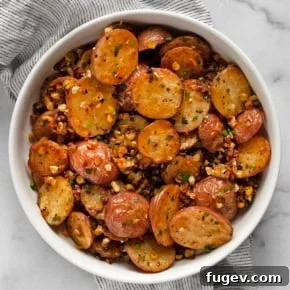
Roasted Red Potato Salad
Get the Recipe
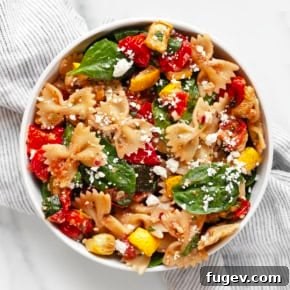
Roasted Vegetable Bow Tie Pasta Salad
Get the Recipe
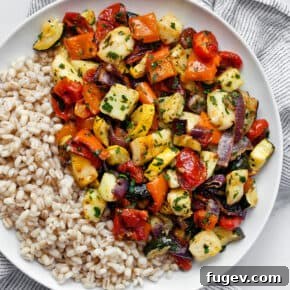
Mediterranean Vegetables and Halloumi
Get the Recipe
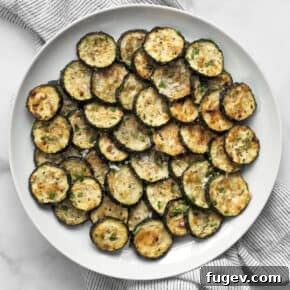
Parmesan Roasted Zucchini
Get the Recipe
Roasted Vegetables for Fall
As the crisp autumn air settles in, our cravings shift towards comforting, hearty meals. Fall vegetables like creamy butternut squash, naturally sweet potatoes, and versatile acorn squash become culinary mainstays, perfect for cozy dinners. These fall recipes expertly highlight seasonal vegetables in deeply satisfying ways, whether incorporated into substantial sheet pan salads, rich and hearty pastas, or as flavorful all-purpose side dishes. Roasting enhances their natural sweetness and creates tender, caramelized textures that are synonymous with autumn comfort.
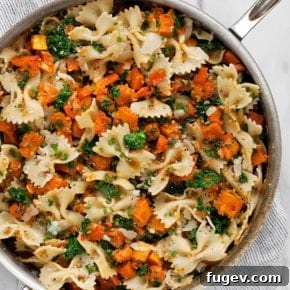
Roasted Butternut Squash Pasta
Get the Recipe
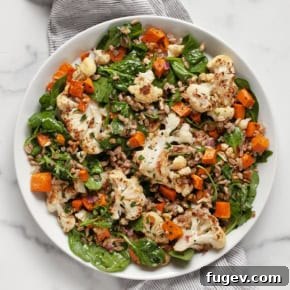
Roasted Sweet Potato Cauliflower Salad
Get the Recipe

Chickpea Spinach Stuffed Sweet Potatoes
Get the Recipe
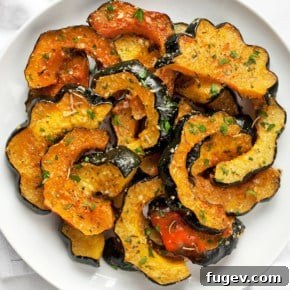
Parmesan Roasted Acorn Squash
Get the Recipe
Roasted Vegetables for Winter
As the colder months set in, winter vegetables take center stage, proving that seasonal eating can be just as exciting and flavorful. Hearty cauliflower, sweet carrots, robust broccoli, and crisp Brussels sprouts are ideally suited for roasting. A hot oven works wonders on these sturdy vegetables, bringing out their inherent sweetness and creating beautifully crisp, caramelized edges. These winter roasted vegetable recipes are perfect for crafting easy vegetarian mains, wholesome grain bowls, or substantial, meal-worthy salads that are both nourishing and deeply satisfying.
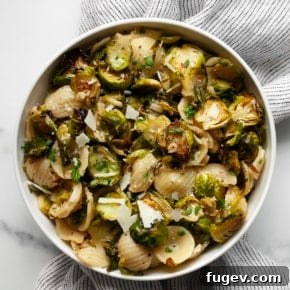
Roasted Brussels Sprout Pasta
Get the Recipe

Roasted Cauliflower and Chickpeas
Get the Recipe
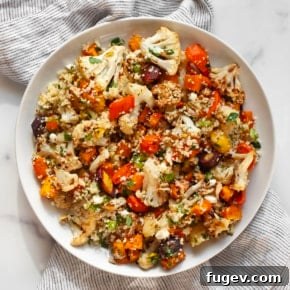
Roasted Vegetable Salad
Get the Recipe
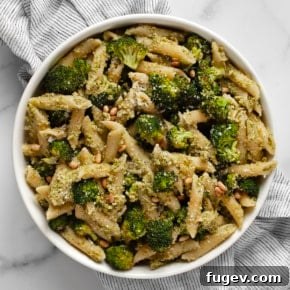
Roasted Broccoli Pesto Pasta
Get the Recipe
Pro Tips for Perfectly Roasted Vegetables
Achieving perfectly roasted vegetables every time is simpler than you might think, but a few key techniques can elevate your results from good to exceptional. From choosing the freshest produce to mastering oven conditions, these expert tips will help you create vegetables that are beautifully browned, tender on the inside, and bursting with caramelized flavor. Follow these guidelines to ensure your roasted dishes are always a highlight.
Selecting and Prepping Your Vegetables
Always keep the seasons in mind when selecting vegetables for roasting. While many fall and winter vegetables, such as potatoes and squash, boast a longer shelf-life, it’s crucial to remember that even they won’t last indefinitely. When shopping, prioritize fresh produce with smooth, unwrinkled skin and firm texture. Avoid any vegetables with soft spots or blemishes. Don’t hesitate to pick up and feel the vegetables; they should feel heavy for their size, indicating a good water content and freshness. Proper preparation, including thorough washing and consistent chopping, is also key. Cutting vegetables into uniform pieces ensures even cooking, allowing all parts to achieve that desired tender-crisp perfection simultaneously.
Optimal Oven Temperature
The secret to wonderfully browned, crispy-edged vegetables that are tender in the middle lies in using high heat. My go-to temperatures for roasting vegetables are typically 400°F (200°C) or 425°F (220°C). This intense heat is what triggers the Maillard reaction and caramelization – a chemical process that enhances flavor, creates complex aromas, and gives vegetables their signature golden-brown exterior. Lower temperatures might cook the vegetables, but they won’t achieve that irresistible char and depth of flavor that high-heat roasting delivers. Always preheat your oven thoroughly before adding vegetables to ensure consistent results.
The Secret to a Clean Pan and Better Browning
While I appreciate the ease of cleanup that parchment paper offers, my preference for superior browning often leads me to place vegetables directly on the hot metal of the pan. Direct contact with the heated surface allows for more efficient heat transfer and promotes deeper caramelization. However, certain delicate vegetables, such as whole cherry or grape tomatoes, might benefit from a lined pan to prevent sticking and excessive charring. If opting for smaller, halved tomatoes, place them cut-side up on an unlined pan to encourage browning without making a mess. For other vegetables, a well-seasoned or lightly oiled pan can provide sufficient non-stick properties while still achieving excellent browning.
Mastering Vegetable Arrangement on the Pan
This is arguably the most critical rule for achieving perfectly roasted, rather than steamed, vegetables: **do not overcrowd the pan**. When vegetables are packed too closely, touching and overlapping, they release moisture, which then steams them instead of allowing them to roast. This results in soggy, unappetizing vegetables instead of the desired crisp and caramelized texture. Always arrange your vegetables in a single layer, ensuring sufficient space around each piece for hot air to circulate freely. If necessary, don’t hesitate to use a second baking sheet. Remember to rotate your pans halfway through the roasting process, especially if using multiple sheets, to ensure even cooking and consistent browning across all vegetables.
Essential Equipment and Flavorful Ingredients
- Sheet Pans: Investing in good quality sheet pans is fundamental for roasting success. I highly recommend keeping at least two half sheet pans (approx. 18×13 inches) and two quarter sheet pans (approx. 9×13 inches) in your kitchen. Opt for heavy-duty aluminum pans with a rim around 1-inch high. This design ensures even heat distribution and allows for proper air circulation, which is vital for browning. The smaller quarter sheet pans are perfect for smaller batches or when you don’t have enough vegetables to fill a full-sized pan without overcrowding.
- Oil: A good quality fat is essential for both flavor and facilitating browning. Extra virgin olive oil is my preferred choice for most roasted vegetable recipes. Its robust flavor complements a wide range of vegetable-focused Mediterranean and Middle Eastern dishes, adding a fruity, slightly peppery note. For higher heat roasting or a neutral flavor, consider avocado oil. Always use enough oil to lightly coat all vegetables, ensuring crispness without making them greasy.
- Seasonings: The foundation of any delicious roasted vegetable dish starts with quality seasoning. Kosher salt and freshly ground black pepper are absolute non-negotiables, enhancing the natural flavors of the vegetables. Beyond these basics, the choice of dried spices depends largely on the desired cuisine or flavor profile. The spices that see the most frequent use in my pantry, and are incredibly versatile for roasting, include garlic powder, onion powder, paprika (sweet or smoked), earthy rosemary, fragrant thyme, warm cumin, a touch of chili powder for a gentle kick, and aromatic oregano. Don’t be afraid to experiment with different combinations to discover your favorite flavor pairings!
Frequently Asked Questions (FAQs)
For optimal freshness and food safety, leftover roasted vegetables should be allowed to cool completely at room temperature (within 2 hours) before being transferred to an airtight container. Once properly stored, they can typically be kept in the refrigerator for up to 3 days. To reheat, spread them on a baking sheet and warm in a 350°F (175°C) oven until heated through, which helps restore some crispness. Alternatively, enjoy them cold, added to salads, wraps, or grain bowls for a quick and healthy meal.
While you certainly can roast vegetables ahead of time for meal prepping convenience, it’s important to manage expectations regarding their texture. They will inevitably lose some of their initial crispness and bite that fresh-from-the-oven roasted vegetables possess. The longer they sit, even when properly stored, the softer they will become. For best results when preparing ahead, under-roast them slightly and then reheat them in a hot oven to bring back some of their texture just before serving. This method helps preserve more of their desirable qualities.
Whether or not to peel vegetables for roasting often depends on the specific type of vegetable and the desired outcome of the recipe. For many winter squashes (like acorn or delicata) and most root vegetables (like potatoes and carrots), the roasted peel is not only edible but often adds a delightful rustic texture and extra nutrients. For instance, I rarely bother peeling potatoes for oven fries, as the skin adds to the crispiness. However, for a dish like a sweet potato and cauliflower salad where a smoother texture might be preferred, or if you’re making mashed sweet potatoes, peeling them would be more appropriate. Always consider the recipe’s requirements and your personal preference.
Eager to explore more easy and delicious vegetarian recipes? Expand your culinary repertoire with these fantastic ideas:
- Dive into my diverse collection of seasonal salad recipes, offering fresh inspiration for every time of year, from light leafy greens to hearty grain and pasta salads.
- Chickpeas are a versatile pantry staple I adore! Browse through my easy chickpea recipes that showcase this legume in everything from vibrant salads and comforting soups to satisfying mains and flavorful side dishes.
- If pasta is your passion, be sure to check out my simple pasta recipes by season, featuring quick and effortless sauces, delicious roasted vegetables, and wonderfully cozy baked pasta dishes perfect for any occasion.