
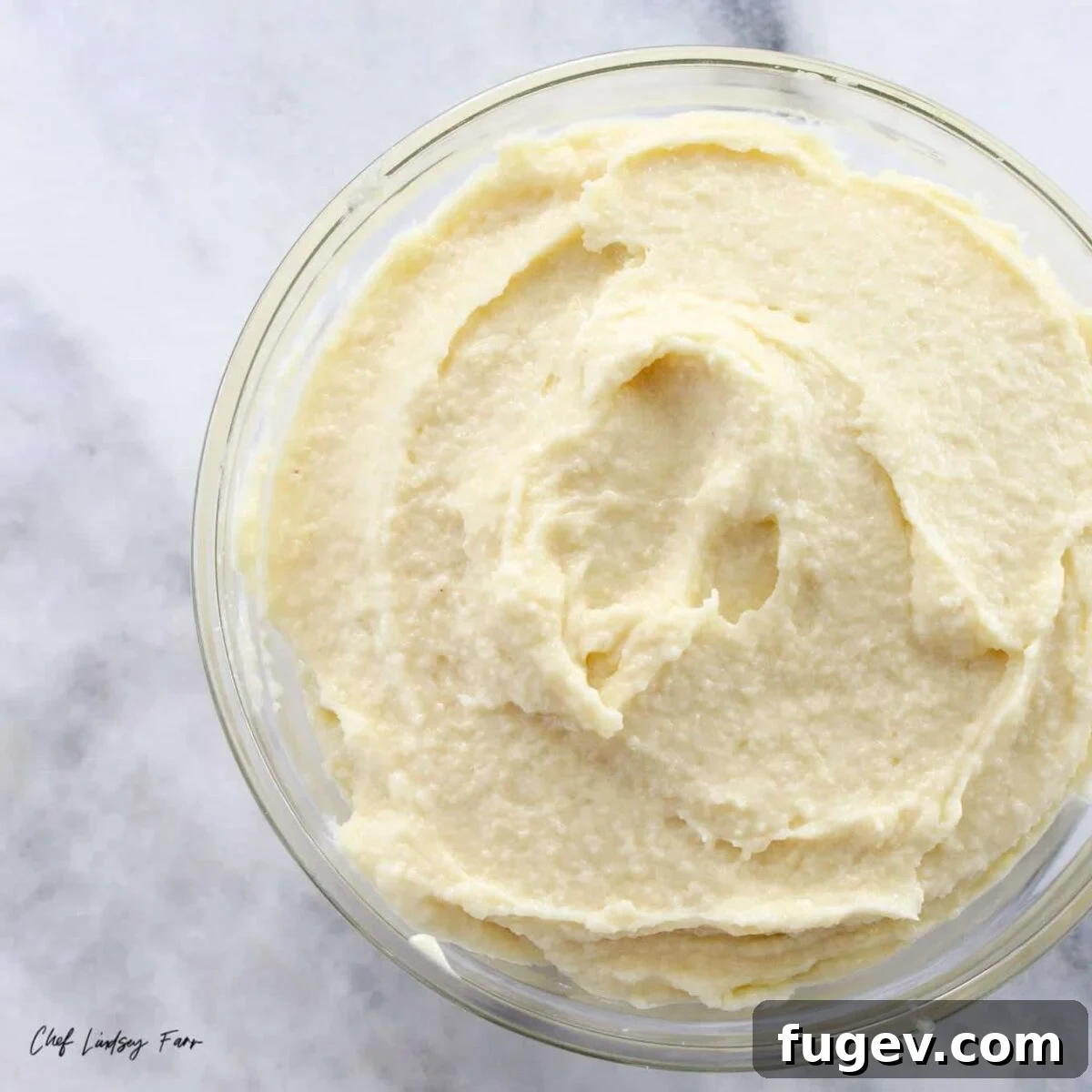
Frangipane: The Essential Almond Filling for Exquisite French Pastries
Frangipane is much more than just an almond filling; it is the heart and soul of countless classic French pastries, lending its rich, nutty flavor and delicate texture to creations like flaky almond croissants, elegant fruit tarts, and festive Galette des Rois. This remarkably easy-to-master recipe unveils the secret behind these beloved treats, transforming humble ingredients into a luxurious baked custard that captivates with every bite.
Unlocking the Magic of Almond Cream
My journey into the world of frangipane began during my culinary school days, deep into the tart unit. Until then, the almond filling that graced my favorite French pastries seemed like pure magic, an ethereal component beyond the reach of home bakers. Little did I know, this sublime creation, often referred to as almond cream, was not only achievable but surprisingly straightforward.
The first time we prepared almond cream, it was destined to fill a classic Tarte Bourdaloue. One taste immediately transported me back to years spent traveling and living in France, a flood of joyous memories returning with each almond-infused spoonful. In that moment, all uncertainties about my career change and move vanished. The profound connection between taste and memory solidified my passion for pastry. It’s a truly magical flavor that continues to inspire.
What Exactly is Frangipane? Defining This Classic French Filling
Frangipane is an almond-flavored pastry cream made from butter, sugar, eggs, and ground almonds (almond flour), often enhanced with a touch of flour or cornstarch and sometimes a splash of rum or almond extract. It’s characterized by its moist, rich texture and distinctively nutty aroma once baked. Unlike raw almond paste, frangipane is a baked custard that sets to a tender, cake-like consistency, making it ideal for holding its shape within tarts and pastries.
While frequently mistaken for almond paste, frangipane is a distinct preparation. Almond paste is denser, sweeter, and typically used in its unbaked form or as a minor component. Frangipane, on the other hand, is designed to be baked, transforming into a fragrant, golden filling that forms the backbone of many celebrated desserts.
A Glimpse into Frangipane’s Rich History
The name “Frangipane” itself carries a touch of historical elegance. Legend attributes its origin to the Roman nobleman Marquis Muzio Frangipani, who, during the 16th century, created an almond-scented perfume for King Louis XIII’s court. Over time, the name became associated with almond-flavored confections, and eventually, this delightful almond cream became a staple in French patisserie. Its enduring presence in classic recipes is a testament to its timeless appeal and versatility.
Why Frangipane Deserves a Place in Your Baking Repertoire
Beyond its rich history and irresistible flavor, frangipane is an incredibly accessible and rewarding recipe for bakers of all skill levels. It employs a simple creaming method, much like preparing cookie dough, requiring only a handful of essential ingredients. This simplicity belies its profound impact on flavor and texture, elevating even the most basic pastry shells into something extraordinary.
The Allure of Simplicity: Just Five Core Ingredients
At its heart, classic frangipane relies on just five key ingredients: room temperature butter, granulated sugar, almond flour, eggs, and a touch of cornstarch. Each component plays a vital role in achieving the perfect balance of richness, sweetness, and structure. The butter and sugar provide the base, creating a light and airy foundation. Almond flour contributes the characteristic nutty flavor and moist texture, while eggs bind everything together and enrich the custard. Cornstarch acts as a stabilizer, ensuring the frangipane sets beautifully during baking.
The “Je Ne Sais Quoi” of Rum
While technically optional, a splash of rum is highly recommended. It adds a nuanced depth of flavor—a certain “je ne sais quoi” that elevates the frangipane from delicious to truly exceptional. The alcohol content evaporates during baking, leaving behind only its aromatic essence, complementing the almond notes beautifully without overpowering them. Unless you have a specific reason to omit it, embrace this traditional addition for an authentic French touch.
Mastering the Classic Frangipane Recipe: A Step-by-Step Guide
Creating frangipane is a straightforward process that yields impressive results. Pay attention to a few key details, and you’ll achieve a perfect filling every time.
Frangipane (Almond Cream)
Chef Lindsey
10 minutes
8 minutes
6
people
Comment
Print Recipe
Ingredients
-
125
g
Butter
room temperature -
125
g
Sugar
-
125
g
Almond flour
-
75
g
Eggs
-
15
g
Cornstarch
-
15
g
Rum
optional
Instructions
-
In the bowl of a stand mixer fitted with the paddle attachment, or with a hand mixer, cream together the butter and sugar until light and fluffy.
-
Slowly add the eggs in several additions, beating well after each to ensure proper emulsification.
-
Add the almond flour and the cornstarch, mixing well until just combined. Be careful not to overmix.
-
If using, add the rum and mix briefly to combine.
-
Important Note: Frangipane must be baked before consumption! It is not a raw filling.
Video Tutorial
Chef’s Notes
Nutrition Information (per serving)
Calories:
380
kcal
|
Carbohydrates:
28
g
|
Protein:
6
g
|
Fat:
28
g
|
Saturated Fat:
12
g
|
Polyunsaturated Fat:
1
g
|
Monounsaturated Fat:
5
g
|
Trans Fat:
1
g
|
Cholesterol:
91
mg
|
Sodium:
152
mg
|
Potassium:
23
mg
|
Fiber:
2
g
|
Sugar:
22
g
|
Vitamin A:
588
IU
|
Calcium:
56
mg
|
Iron:
1
mg
Dessert
French
380
Tips for Achieving Frangipane Perfection
- Room Temperature Ingredients: Ensure your butter and eggs are at true room temperature. This allows them to cream together smoothly with the sugar, creating a light, emulsified base that holds air and contributes to a tender baked texture.
- Gradual Egg Addition: Add the eggs slowly, one at a time or in small increments, beating thoroughly after each addition. This prevents the mixture from curdling and ensures a smooth, stable emulsion.
- Do Not Overmix: Once the almond flour and cornstarch are added, mix only until just combined. Overmixing can develop the gluten in any flour (even if it’s almond flour, which has very little gluten, overworking can affect texture) and result in a tougher frangipane.
- Quality Almond Flour: Use fine-ground almond flour for the best texture. If you only have whole almonds, blanch and finely grind them yourself for a fresher flavor.
- Bake It! Remember, frangipane is a baked custard. It should not be consumed raw. It needs the heat of the oven to set, deepen its flavor, and achieve its characteristic golden-brown crust and moist interior.
Beyond the Classic: Unleashing Frangipane’s Versatility
Frangipane’s adaptability is one of its greatest strengths. While it shines in traditional French pastries, don’t hesitate to explore its potential in more innovative desserts.
Classic Applications: The Pillars of French Patisserie
- Almond Croissants: The classic “twice-baked” croissant often features a generous layer of frangipane, transforming day-old croissants into a breakfast delicacy.
- Fruit Tarts: Frangipane pairs exquisitely with a wide array of fruits. Think pear and frangipane tart (Tarte Bourdaloue), apple, cherry, or apricot tarts. The sweetness of the frangipane perfectly complements the tartness of fresh or preserved fruits.
- Galette des Rois: This traditional Epiphany cake, made with puff pastry and a hidden charm, relies on a rich frangipane filling.
- Pithiviers: Another elegant puff pastry creation, often filled with frangipane and decorated with beautiful scoring.
Creative Variations: Adding Your Own Signature Touch
- Nut Swaps: Replace almond flour with an equal amount of hazelnut flour (or finely ground hazelnuts) to create a delightful hazelnut cream filling. Pistachio flour also works wonderfully for a vibrant green and distinctively flavored frangipane.
- Liqueur Enhancements: Beyond rum, consider other liqueurs like Amaretto for an intensified almond flavor, Grand Marnier for a citrusy note, or even a fruit brandy for added complexity. Adjust the quantity to your taste.
- Spice It Up: A pinch of cinnamon, nutmeg, or cardamom can add a warm, inviting dimension to your frangipane, particularly when paired with fall fruits.
- Chocolate Integration: Fold in a handful of mini chocolate chips or cocoa powder for a rich chocolate-almond twist.
Storage and Make-Ahead Convenience
One of the many benefits of frangipane is its excellent shelf life. The unbaked almond cream can be stored in an airtight container in the refrigerator for up to 7 days. This makes it a fantastic component for meal prepping your desserts, allowing you to whip up a fantastic pastry in a flash when inspiration strikes or guests arrive unexpectedly.
Once baked into a pastry, frangipane-filled items can typically be stored at room temperature for 1-2 days (depending on the other components of the dessert) or refrigerated for up to 3-4 days. Always refer to specific pastry storage guidelines for optimal freshness.
Common Questions About Frangipane (FAQ)
Is frangipane the same as marzipan?
No, frangipane and marzipan are different. Marzipan is a sweet, pliable paste made from ground almonds, sugar, and sometimes egg whites, used primarily for molding, covering cakes, or as a candy. Frangipane, on the other hand, is a baked custard-like filling, softer and richer, designed to be incorporated into pastries and tarts.
Can I make frangipane gluten-free?
Yes, absolutely! As the main “flour” component is almond flour, which is naturally gluten-free, frangipane is inherently gluten-free. Just ensure that any other ingredients like cornstarch are certified gluten-free if cross-contamination is a concern.
What kind of rum should I use?
A dark or gold rum works beautifully, offering a deeper, more complex flavor. However, a light rum will also impart a pleasant aroma without being overpowering. Choose one you enjoy drinking, as its flavor will concentrate slightly in the frangipane.
Why is my frangipane runny?
If your frangipane is too runny before baking, it might be due to incorrect ingredient ratios (too much egg or butter, not enough almond flour/cornstarch) or if your butter was too soft, making it difficult to cream properly. Ensure precise measurements and that your butter is at a cool room temperature, not melted.
Why does my frangipane crack during baking?
Cracking can occur if the oven temperature is too high, causing the frangipane to set too quickly on the outside while the inside is still expanding. Baking at a slightly lower temperature or ensuring the frangipane isn’t too thick can help prevent this.
The Enduring Appeal of This French Treasure
Frangipane is more than just a recipe; it’s an experience. It’s the whisper of almonds in a buttery croissant, the rich foundation of a vibrant fruit tart, and the unifying flavor in many beloved French desserts. Its ease of preparation combined with its profound impact on taste makes it a truly invaluable skill for any aspiring home baker. So, gather your ingredients, follow these simple steps, and prepare to embark on your own magical journey into the world of French patisserie. The delightful aroma that will fill your kitchen, and the exquisite taste that awaits, are rewards well worth the effort.
Like this recipe? Leave a comment below!