
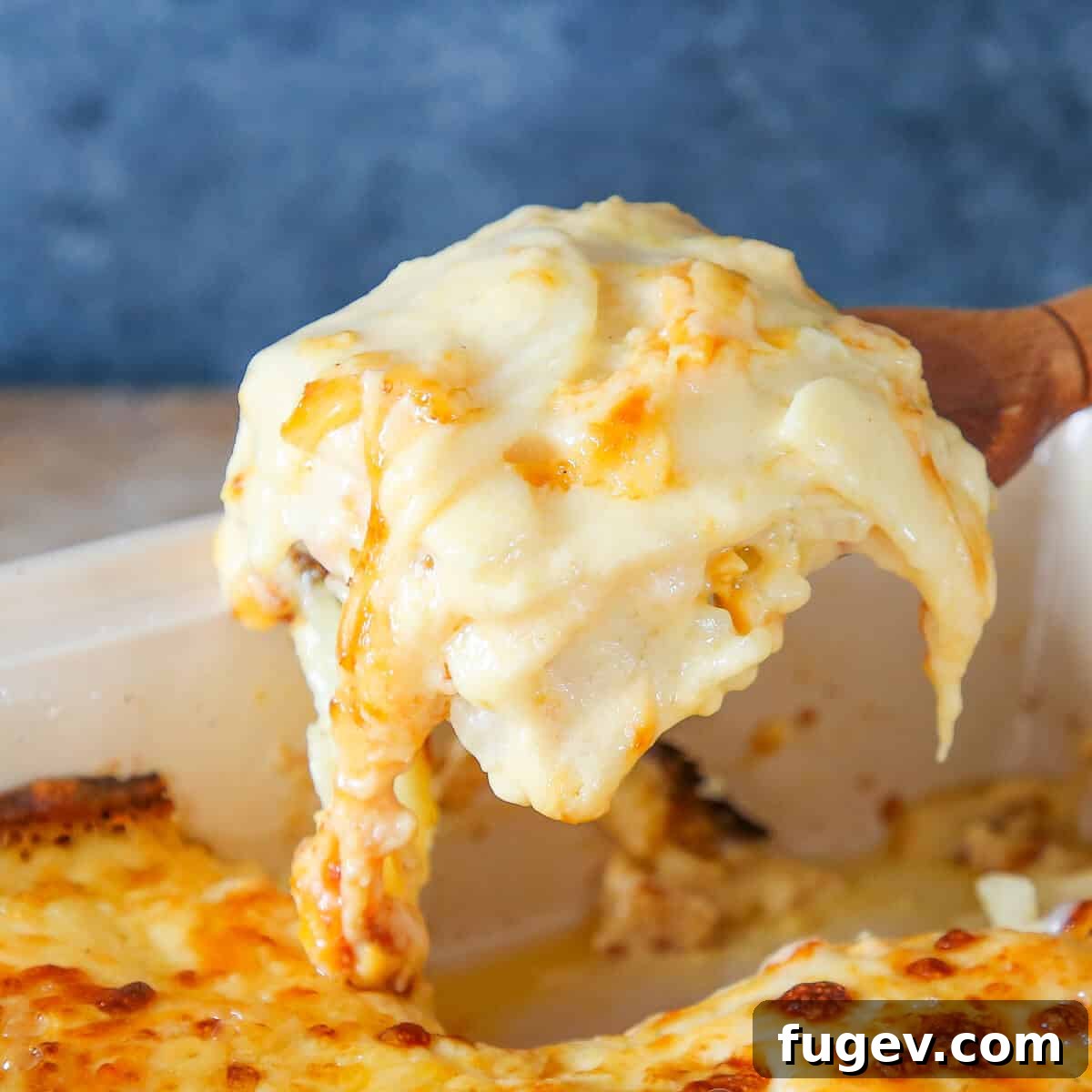
The Ultimate Creamy, Cheesy Scalloped Potatoes: A Recipe for Decadence
Prepare to elevate your side dish game with these incredibly rich, creamy, and undeniably cheesy Scalloped Potatoes. Forget everything you thought you knew about humble potatoes; this recipe transforms them into a show-stopping culinary masterpiece. Imagine tender, thinly sliced potatoes, lovingly layered with a luscious, perfectly seasoned cheese béchamel sauce, all baked together until golden, bubbling perfection. It’s the kind of comfort food that steals the spotlight at any dinner, whether it’s a grand holiday feast or a cozy family meal. Each spoonful delivers a symphony of flavors and textures that will leave everyone asking for seconds and craving more.
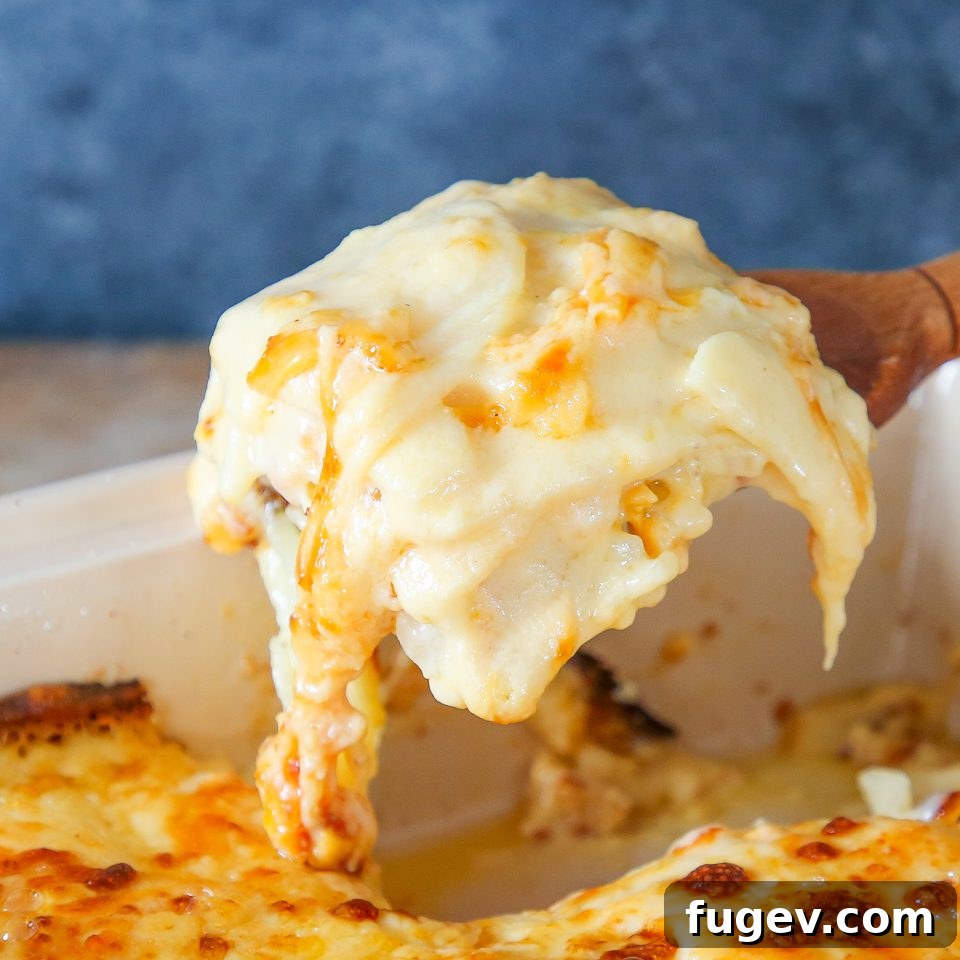
Why These Scalloped Potatoes Will Be Your New Favorite
What makes this scalloped potato recipe truly stand out? It’s the harmonious balance of textures and flavors achieved through careful preparation and quality ingredients. We’re not just making cheesy potatoes; we’re crafting an experience. The potatoes are cooked to a fork-tender perfection, holding their shape while practically melting in your mouth. The secret lies in our extra-creamy, super-cheesy béchamel, enriched with a blend of sharp cheddar for that irresistible tang and white cheddar for smooth, melt-in-your-mouth goodness. This isn’t just a side dish; it’s a testament to the power of simple ingredients combined with a little culinary love. This recipe is easy enough for a weeknight family dinner but elegant enough to impress guests at the most special occasions.
The Inspiration Behind This Decadent Dish
The journey to perfecting this recipe began last Thanksgiving when my now-fiancé and I were celebrating with my parents. Eager to take on the challenge of crafting all the side dishes, I found myself channeling my inner restaurant chef, craving the thrill of preparing an indulgent spread. Perhaps it was a yearning for the high-volume cooking of my professional past, or maybe, just maybe, I wanted to create truly decadent sides where the generous amounts of butter and cream were my delicious secret. During our meal planning, I casually asked my fiancé about his ultimate Thanksgiving side dish. His answer? Scalloped potatoes.
Having never made them before, I approached the task with enthusiasm, envisioning a delightful fusion—like mac and cheese, but with layers of tender potatoes instead of pasta. The version I created that year was fantastic, but I knew it could be even better. This recipe is the culmination of that quest: an enhanced, even more luxurious iteration, boasting an increased depth of cheesy flavor and an unparalleled creaminess. It quickly became a family favorite, earning its permanent spot on our holiday menu, and now, it’s ready to become a staple in your home too, providing comfort and joy with every bite.
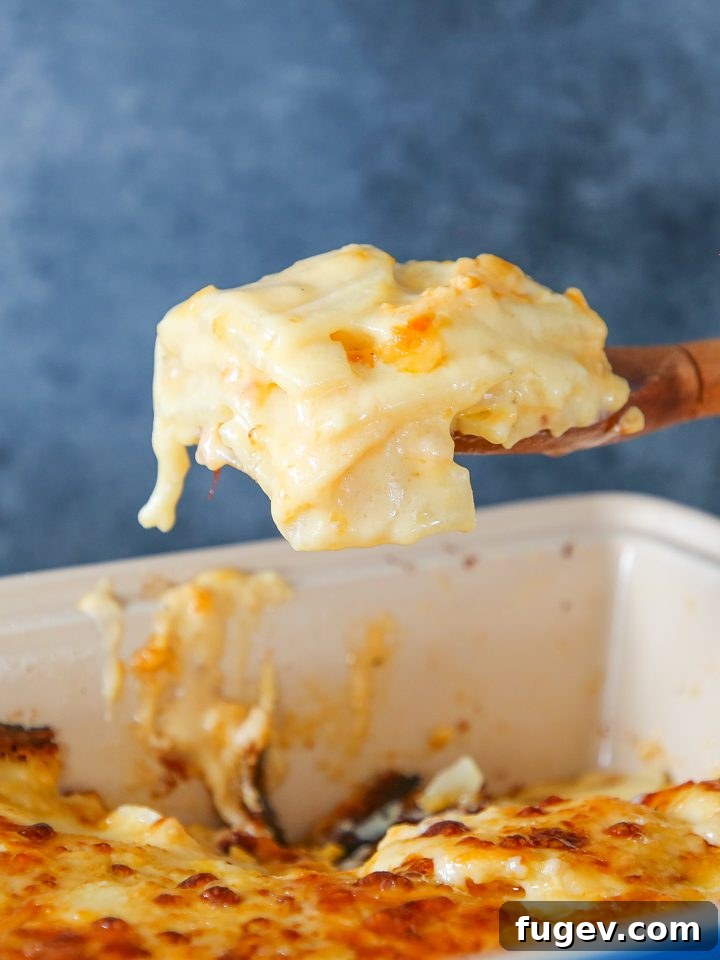
Understanding Scalloped Potatoes: More Than Just Baked Spuds
Scalloped potatoes are a classic comfort food dish renowned for their simplicity and incredible flavor. At its heart, it involves thinly sliced potatoes baked in a rich, creamy sauce, typically a béchamel, until tender and bubbly. The magic happens as the starch from the potatoes interacts with the milk and cheese, creating a thick, luxurious consistency that coats every single slice. This dish is often confused with potatoes au gratin, but the key traditional difference lies in the absence of breadcrumbs and the emphasis on a simple, flavorful cream sauce rather than a heavily cheesy topping. Our recipe, however, embraces the best of both worlds, offering a generously cheesy béchamel that is both traditional and wonderfully indulgent.
A Brief History of Scalloped Dishes
The term “scalloped” refers to a dish that is baked in a shallow casserole and often topped with breadcrumbs, though our recipe skips the breadcrumbs for a pure cheesy topping. Historically, dishes described as “scalloped” were often baked in scallop shells, which were common serving vessels. Over time, the name evolved to describe any dish prepared in layers with a creamy sauce and baked, not necessarily requiring seafood. Potatoes, being a versatile and affordable staple, naturally found their way into this preparation style, giving us the beloved scalloped potatoes we enjoy today. It’s a culinary tradition that speaks to ingenuity and the timeless appeal of comforting, layered dishes, making it a staple across many cultures.
The Key Ingredients for Perfect Scalloped Potatoes
Crafting the perfect scalloped potatoes starts with understanding the role of each ingredient. Quality matters, but so does careful preparation, especially when it comes to the consistency of your potato slices and the richness of your sauce.
- Russet Potatoes: These are ideal for scalloped potatoes due to their high starch content, which helps thicken the sauce naturally and ensures a wonderfully creamy, tender texture once baked. Their mild flavor allows the rich cheese sauce to truly shine. When slicing, aim for a consistent 1mm thickness. A mandoline slicer is highly recommended for achieving uniform slices, which is crucial for even cooking throughout the dish. Keep sliced potatoes submerged in cold water until you’re ready to layer them to prevent oxidation and maintain their fresh appearance.
- Unsalted Butter: Butter is the essential fat component for building our luxurious béchamel sauce. It provides rich flavor and forms the base for the roux, which is critical for the sauce’s body and smooth consistency. Using unsalted butter allows you to control the overall saltiness of the dish.
- All-Purpose Flour: When combined with melted butter, flour creates the roux, a fundamental thickening agent in classical French cooking. This mixture gives the béchamel its desired smooth, creamy consistency. It’s important to cook the roux for a minute or two to remove any raw flour taste, but avoid over-browning it, which could affect the sauce’s color and flavor.
- Whole Milk: Whole milk is preferred for its richness and higher fat content, which contribute significantly to the overall creamy texture and luxurious mouthfeel of the scalloped potatoes. While lower-fat milk can be used, it may result in a thinner, less decadent sauce.
- Sharp Yellow Cheddar Cheese: This cheese brings a classic, tangy, and robust flavor that is quintessential to cheesy potato dishes. Its vibrant yellow color also contributes to the appealing golden hue of the finished product. We highly recommend shredding your own cheese from a block for the best melt and flavor.
- Sharp White Cheddar Cheese: Adding sharp white cheddar complements the yellow cheddar beautifully, offering another layer of complex, sharp flavor without altering the color significantly. It melts wonderfully and adds to the rich, gooey texture of the sauce. Using freshly grated cheese makes a huge difference compared to pre-shredded varieties, which often contain anti-caking agents that can affect melt and texture.
- Salt & Freshly Ground Black Pepper: Essential for seasoning. Don’t be shy with the salt, as potatoes absorb a fair amount of seasoning, and proper seasoning enhances all the other flavors. Freshly ground black pepper adds a subtle kick and aromatic depth. For an authentic touch, a tiny pinch of freshly grated nutmeg can be added to the béchamel, and a whisper of garlic powder can introduce extra savory notes.
Scalloped Potatoes Recipe
Author: Chef Lindsey
These Scalloped Potatoes are rich and creamy and super cheesy! Layers of perfectly cooked potatoes and cheesy béchamel bake together into one stunning side dish, guaranteed to be a crowd-pleaser!
Prep Time: 20 minutes
Cook Time: 1 hour
Total Time: 1 hour 20 minutes
Servings: 10 people
Ingredients
- 3 Russet Potatoes, large, peeled and sliced 1mm thick on a mandoline
- 6 Tablespoons Unsalted Butter
- 6 Tablespoons All-Purpose Flour
- 3 cups Whole Milk
- 6 oz Sharp Yellow Cheddar Cheese, freshly shredded
- 12 oz Sharp White Cheddar Cheese, freshly shredded
- Salt & Freshly Ground Black Pepper, to taste
Instructions
- Preheat your oven to 350°F (175°C). Lightly grease a 9×11-inch baking dish (or a similar sized oven-safe dish) with butter or non-stick cooking spray.
- Carefully slice your peeled Russet potatoes to a uniform 1mm thickness. A mandoline slicer is highly recommended for consistent results. Immediately place the sliced potatoes into a large bowl filled with cold water to prevent them from oxidizing and turning brown. Set aside about ½ cup of the total shredded cheese for sprinkling on top later.
- Prepare the béchamel cheese sauce: In a medium-sized saucepot or Dutch oven, melt the 6 tablespoons of butter over medium heat. Once the butter is fully melted and slightly shimmering, whisk in the 6 tablespoons of all-purpose flour. Cook this mixture, known as a roux, for 1-2 minutes, stirring constantly. This step cooks out the raw flour taste and creates the thickening base for your sauce.
- Gradually add the 3 cups of whole milk to the roux, a little at a time (about ½ cup at first), whisking vigorously after each addition to ensure a smooth consistency and prevent any lumps from forming. Continue whisking until all the milk has been fully incorporated and the mixture is smooth.
- Increase the heat to medium-high and bring the sauce to a gentle boil, continuing to whisk constantly. Allow it to boil for 1 minute while it thickens. The sauce should be noticeably thicker and coat the back of a spoon.
- Remove the pot from the heat. Immediately whisk in the majority of the shredded yellow and white cheddar cheeses (reserving the ½ cup set aside for topping). Stir until the cheese is completely melted and the sauce is smooth and creamy. If the sauce appears too thick to spread easily over the potato layers, whisk in an additional splash of milk, one tablespoon at a time, until it reaches a consistency similar to thick peanut butter or a pourable custard. Season generously with salt and freshly ground black pepper to taste. Remember that potatoes can absorb a lot of seasoning, so don’t be afraid to taste and adjust.
- Drain the sliced potatoes thoroughly from the cold water. Lay them out on a clean kitchen towel or paper towels and pat them very dry to remove any excess moisture. This helps prevent a watery casserole.
- Assemble the scalloped potatoes: Arrange a thin, even layer of potato slices across the bottom of your prepared baking dish. Spread about one-third of the creamy cheese sauce evenly over this potato layer. Repeat this layering process two more times, ensuring each potato layer is covered with sauce.
- Finally, sprinkle the reserved ½ cup of shredded cheese evenly over the top layer of sauce.
- Spray one side of a sheet of aluminum foil with non-stick cooking spray (this prevents the cheese from sticking to the foil) and use it to cover the baking dish tightly.
- Bake in the preheated oven for 45-50 minutes, or until the potatoes are tender when pierced with a fork through the foil.
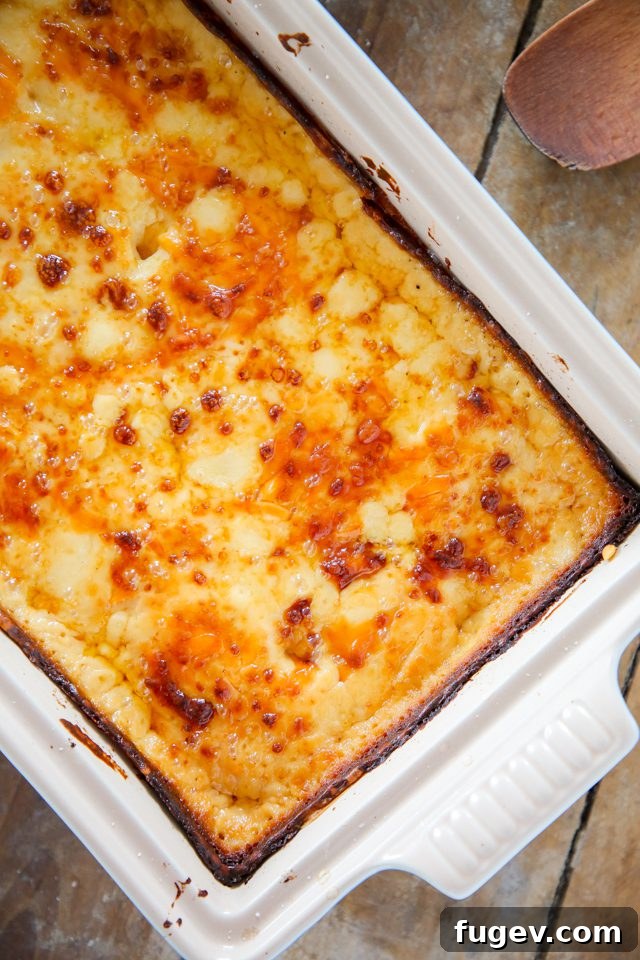
- Carefully remove the foil from the baking dish. Continue baking for another 15-20 minutes, or until the top is beautifully golden brown and bubbling.
- Let the scalloped potatoes rest on a wire rack for 10-15 minutes before serving. This crucial resting period allows the sauce to set and thicken further, making for easier, cleaner serving and preventing the dish from being too runny.
Video Guide
Watch our step-by-step video to ensure your scalloped potatoes turn out perfectly every time. A visual guide makes all the difference!
Recipe Notes
Yield: Approximately 10 servings from a 9×11″ baking dish.
For an extra layer of gourmet flavor, a tiny pinch of freshly grated nutmeg can be added to the béchamel sauce along with the cheese. For easier cleanup, you can line your baking dish with parchment paper before layering, especially if you anticipate cheesy overflows.
Nutrition Information (per serving, approximate)
Calories: 379kcal | Carbohydrates: 20g | Protein: 16g | Fat: 27g | Saturated Fat: 16g | Polyunsaturated Fat: 1g | Monounsaturated Fat: 6g | Trans Fat: 1g | Cholesterol: 78mg | Sodium: 419mg | Potassium: 422mg | Fiber: 1g | Sugar: 4g | Vitamin A: 840IU | Vitamin C: 4mg | Calcium: 462mg | Iron: 1mg
Recipe Categories
Course: Side Dish
Cuisine: American, British
Expert Tips for Flawless Scalloped Potatoes
Achieving restaurant-quality scalloped potatoes at home is entirely possible with a few insider tips:
- Uniform Slicing is Paramount: This cannot be stressed enough. Inconsistent potato thickness leads to uneven cooking—some slices will be perfectly tender, while others remain stubbornly firm. A mandoline slicer is truly your best friend here, ensuring every slice is perfectly even, guaranteeing all potatoes cook through at the same rate and achieve that desirable melt-in-your-mouth texture throughout the dish.
- Prevent Potato Browning: Once sliced, raw potatoes can oxidize quickly and turn an unappetizing brown. Keep your sliced potatoes submerged in cold water until you’re absolutely ready to assemble the dish. This simple step prevents discoloration. Just remember to drain and pat them thoroughly dry with paper towels before layering to avoid excess moisture in your casserole.
- Achieve a Lump-Free Sauce: The key to a silky-smooth béchamel is careful technique when adding the milk to the roux. Do so gradually, starting with a small amount, and whisk continuously and vigorously to incorporate it fully before adding more. This technique is vital for achieving a smooth sauce free of lumps.
- Season Generously: Potatoes are notorious for needing ample seasoning. Don’t be afraid to season the béchamel well with salt and pepper. You can also add a touch of garlic powder for savory depth or a pinch of freshly grated nutmeg, which is a classic addition to béchamel and enhances cheesy dishes beautifully.
- Cover During Initial Bake: Covering the dish with aluminum foil for the first part of baking (the initial 45-50 minutes) traps steam. This humid environment helps the potatoes to soften thoroughly without drying out or the cheese on top burning prematurely.
- Achieve Golden Brown Perfection: Once the potatoes are tender (test by piercing through the foil), remove the foil and allow the dish to continue baking uncovered. This final stage allows the top layer of cheese to become beautifully bubbly, golden brown, and slightly crispy, adding a wonderful textural contrast to the creamy interior.
- Rest Before Serving: This step is often overlooked but is crucial for the best results. Letting the scalloped potatoes rest for 10-15 minutes after coming out of the oven allows the sauce to settle, thicken further, and reabsorb into the potatoes. This makes for cleaner slices and prevents a runny, unmanageable mess when serving.
Delicious Variations and Add-ins
While this classic recipe is perfect as is, it’s also incredibly versatile and can be adapted to suit your taste preferences or whatever ingredients you have on hand. Feel free to experiment with these delicious variations:
- Cheese Blend Bonanza: Experiment with different types of cheese to alter the flavor profile. Swap some of the cheddar for Gruyere, Fontina, or even a smoked Gouda for unique and complex tastes. A sprinkle of freshly grated Parmesan cheese on top during the last 10 minutes of baking adds a crisp, salty crust and boosts the umami factor.
- Herbs & Aromatics: Elevate the aroma and flavor by incorporating finely minced garlic or shallots into the butter before adding the flour for an aromatic base to your béchamel. Fresh herbs like thyme, rosemary, or finely chopped chives can be added to the sauce or sprinkled over the layers for a fragrant, garden-fresh touch.
- Spice It Up: For those who enjoy a little heat, a tiny pinch of cayenne pepper or a dash of hot sauce in the béchamel can add a subtle warmth without making the dish overtly spicy. A teaspoon of dry mustard powder can also enhance the cheese flavor, making it pop.
- Add a Protein: For a heartier meal that transforms this side dish into a main course, consider layering in cooked, crumbled bacon, diced ham, or shredded cooked chicken between the potato and sauce layers. This makes for a complete and satisfying one-dish meal.
- Extra Creamy Texture: For an even more indulgent dish, you can substitute some of the milk with heavy cream or half-and-half. This will yield an incredibly rich and velvety sauce that takes decadence to the next level.
Serving Suggestions
Scalloped potatoes are the ultimate versatile side dish that complements a wide array of main courses. Their comforting and rich nature makes them a crowd-pleaser for any occasion.
- Holiday Feasts: They are, of course, a quintessential addition to any holiday table. They pair beautifully with traditional holiday proteins such as a succulent Roast Turkey, a tender Baked Ham, a flavorful Glazed Pork Loin, or even an elegant Slow-Cooked Pot Roast or Beef Wellington.
- Everyday Meals: Beyond holidays, they make a fantastic accompaniment to simpler, everyday meals. Consider serving them alongside a perfectly Grilled Steak, Pan-Seared Pork Chops, Roasted Salmon, or Baked Cod for a comforting and satisfying dinner.
- Vegetarian Options: For a delicious vegetarian meal, pair them with simple Roasted Vegetables or a hearty green salad. Their rich flavor makes them a substantial component of any meal.
- Potlucks & Gatherings: Their crowd-pleasing appeal and ease of transport make them a perfect dish for potlucks, family reunions, or any celebratory gathering where good food is shared.
Storage and Reheating Instructions
Leftover scalloped potatoes are often just as delicious the next day, if not more so, as the flavors have more time to meld and deepen.
- Storage: Allow the baked dish to cool completely to room temperature before covering it tightly with plastic wrap or aluminum foil. Store the covered dish in the refrigerator for up to 3-4 days.
- Freezing: While it is possible to freeze scalloped potatoes, be aware that freezing can sometimes affect the texture of the potatoes and sauce, making them a bit grainy or watery upon thawing. If you choose to freeze, ensure it’s in an airtight, freezer-safe container or tightly wrapped in foil and plastic wrap for up to 2-3 months. Thaw overnight in the refrigerator before reheating.
- Reheating: For best results when reheating an entire dish, place it (covered with foil to prevent drying) in a preheated oven at 300°F (150°C) for 20-30 minutes, or until thoroughly heated through. If you desire to crisp up the top again, remove the foil for the last few minutes of reheating. Individual portions can be easily reheated in the microwave until warm through.
Frequently Asked Questions (FAQs) About Scalloped Potatoes
Q: What’s the difference between scalloped and au gratin potatoes?
A: The main traditional difference lies in the topping and sometimes the sauce. Scalloped potatoes typically feature thinly sliced potatoes baked in a simple cream or béchamel sauce, traditionally without cheese or breadcrumbs on top (though many modern recipes, like ours, generously add cheese to the sauce and sometimes on top). Potatoes au gratin, on the other hand, are characterized by a topping of grated cheese and/or breadcrumbs, forming a browned, crispy crust, and often include a richer cheese sauce throughout the layers.
Q: Can I make scalloped potatoes ahead of time?
A: Yes, you can assemble the entire dish up to one day in advance. Cover it tightly with plastic wrap or foil and refrigerate. When you’re ready to bake, let the dish sit at room temperature for about 30 minutes before placing it in the preheated oven. You might need to add an extra 10-15 minutes to the overall baking time since it will be starting from a colder temperature.
Q: What type of potatoes are best for scalloped potatoes?
A: Russet potatoes are highly recommended due to their high starch content. This starch releases during cooking and helps thicken the sauce naturally, resulting in a wonderfully creamy and tender texture. Yukon Gold potatoes are also a good option; they offer a buttery flavor and hold their shape well, though they may yield a slightly less thick sauce.
Q: How do I prevent my potatoes from being undercooked?
A: The key to perfectly cooked potatoes is uniform, thin slices (1mm is ideal, achieved easily with a mandoline) and sufficient baking time. Covering the dish with foil for the initial bake creates a steamy environment, which helps tenderize the potatoes thoroughly. If your potatoes are still firm after the recommended time, simply re-cover and continue baking until they are fork-tender.
Q: Why did my cheese sauce curdle or break?
A: Curdling in cheese sauce usually happens if the sauce gets too hot after the cheese is added, or if you use highly acidic cheese with low-fat milk. To prevent this, always remove the béchamel sauce from the direct heat source before stirring in the shredded cheese. Ensure your milk is at room temperature or slightly warmed, not cold, when adding it to the roux. Also, avoid bringing the sauce to a vigorous boil once the cheese has been incorporated.
These creamy, cheesy scalloped potatoes are more than just a side; they’re an experience in comfort and flavor that brings people together. Whether you’re preparing them for a grand holiday feast or a simple, cherished family dinner, this recipe promises to deliver pure indulgence and create lasting culinary memories. Dive into the layers of tender potatoes and rich béchamel, and savor every moment of this timeless classic dish.