
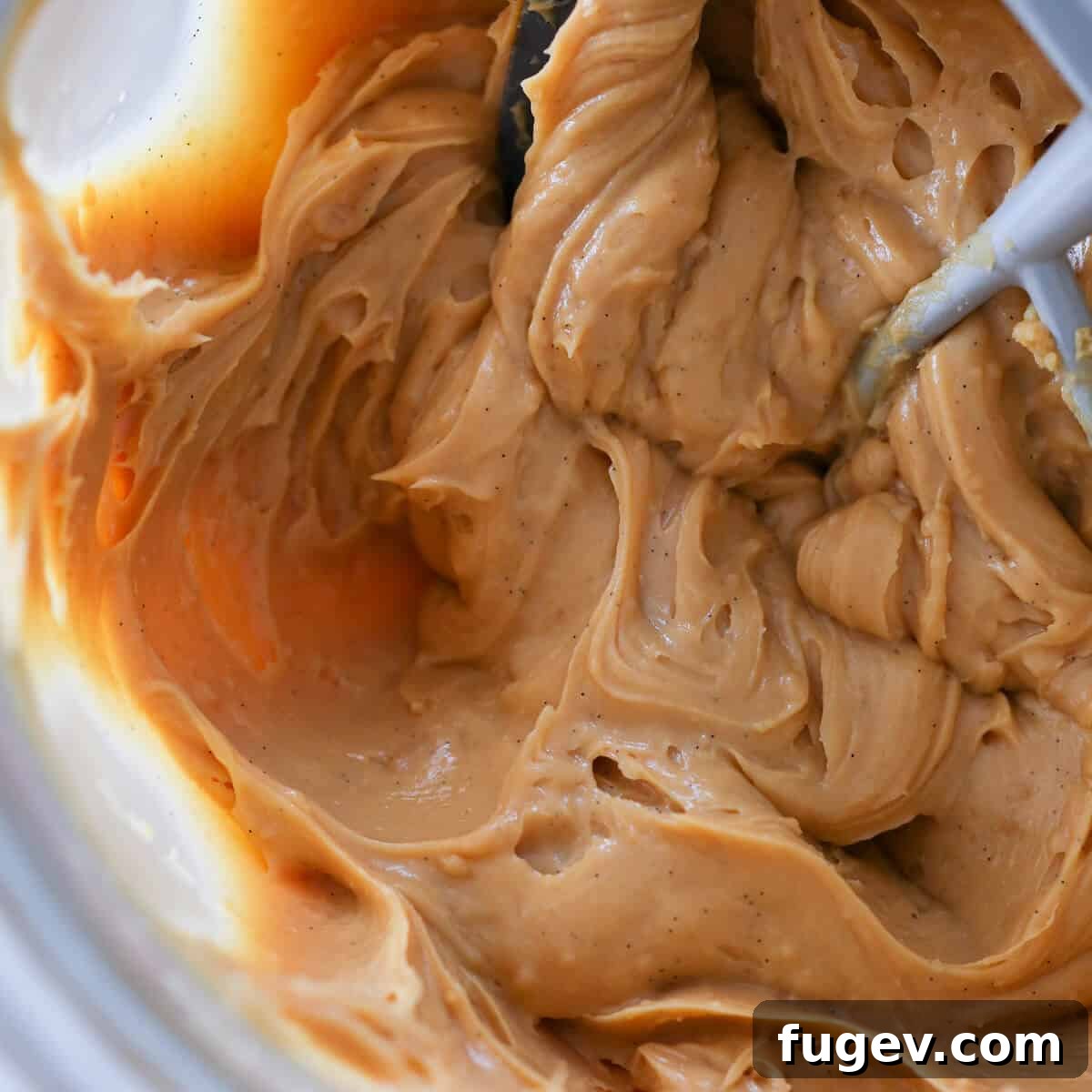
Indulge in the luxurious smoothness and rich, deep flavor of this exquisite Caramel Pastry Cream. Far from a mere dessert accent, this crème pâtissière variation is a star in its own right, boasting an unparalleled caramel intensity. It’s the quintessential filling for an array of classic and contemporary desserts, from elegant tarts and airy classic puff pastry creations to delicate cream puffs and sophisticated éclairs. Imagine it as a decadent twist in a banana cream pie, transforming a familiar favorite into an extraordinary experience.
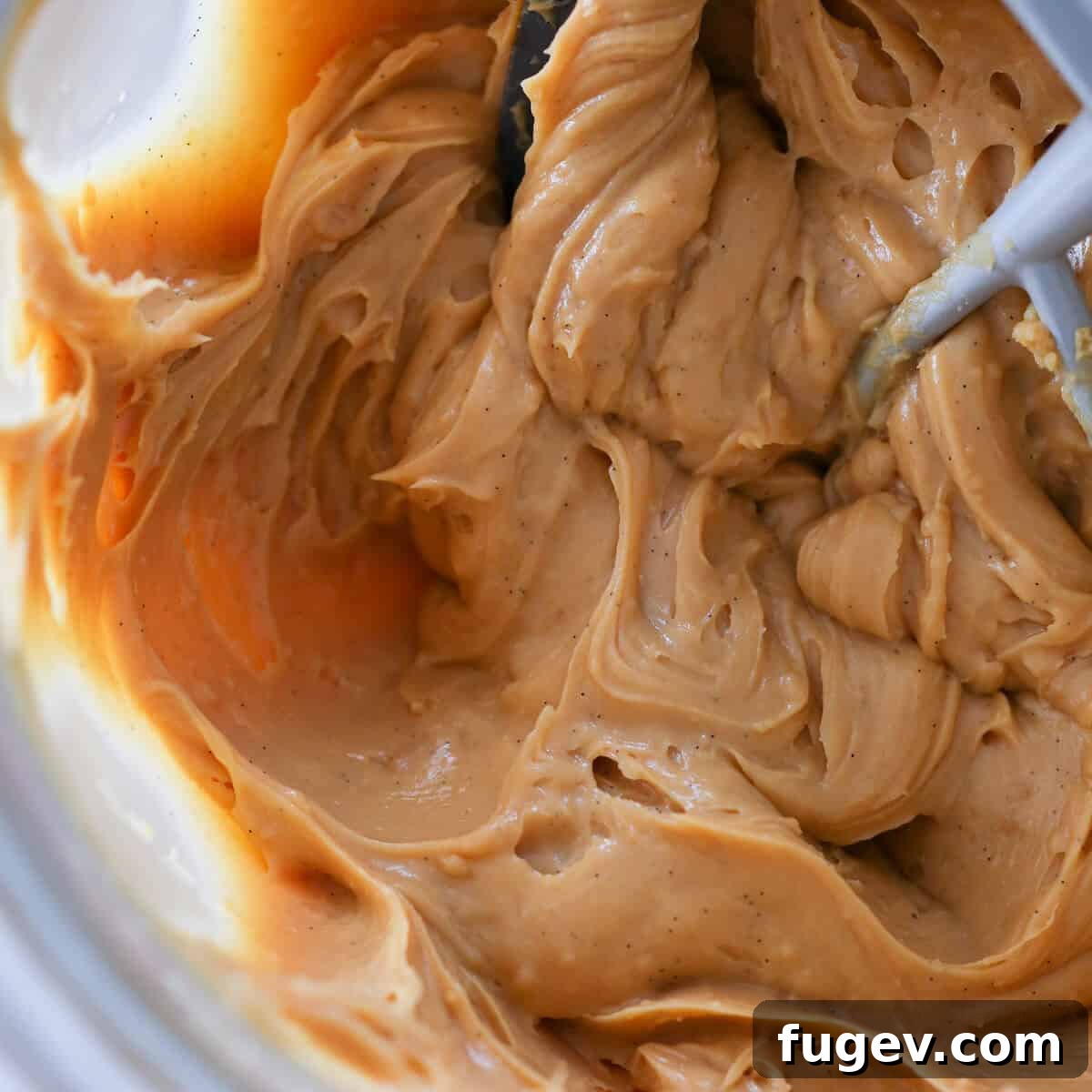
Pastry cream, or crème pâtissière, is undeniably one of the most versatile and hard-working recipes in any baker’s repertoire. Much like its counterpart, almond cream, it serves as a foundational component that can be baked into flaky Danishes, or provide a luscious filling for delicate confections such as a vibrant puff pastry fruit tart, classic éclairs, or delightful profiteroles. When lightened with a whisper of whipped cream, it transforms into an ethereal filling perfect for layered trifles like a cozy maple pumpkin trifle, fluffy donuts, elegant parfaits, or indulgent pies. Its adaptability even extends to being the base for a rich German buttercream, showcasing its incredible range.
This particular recipe elevates the classic by offering a caramel-infused variation of my beloved vanilla bean pastry cream. Instead of simply stirring in additional flavorings at the end—a common, yet somewhat predictable approach—we craft the caramel from the very beginning. This integral method yields a pastry cream that is subtly less sweet than traditional versions, allowing the delicate, nuanced caramel flavor to truly shine. For those who crave an even more pronounced caramel experience, a drizzle of your favorite caramel sauce can be incorporated while the cream is still warm, amplifying its delicious complexity.
Table of Contents
- Why You’ll Adore This Caramel Pastry Cream
- Chef’s Secrets for a Perfectly Smooth Pastry Cream
- Essential Ingredients for Caramel Pastry Cream
- Step-by-Step Guide: Crafting Caramel Pastry Cream
- Prepping Pastry Cream for Ultimate Enjoyment
- Chef Lindsey’s Expert Whisking Tip
- Creative Culinary Uses for Caramel Pastry Cream
- Storing Your Caramel Pastry Cream
- Frequently Asked Questions About Pastry Cream
- Caramel Pastry Cream Recipe Card
- Explore More Chef-Developed Recipes!
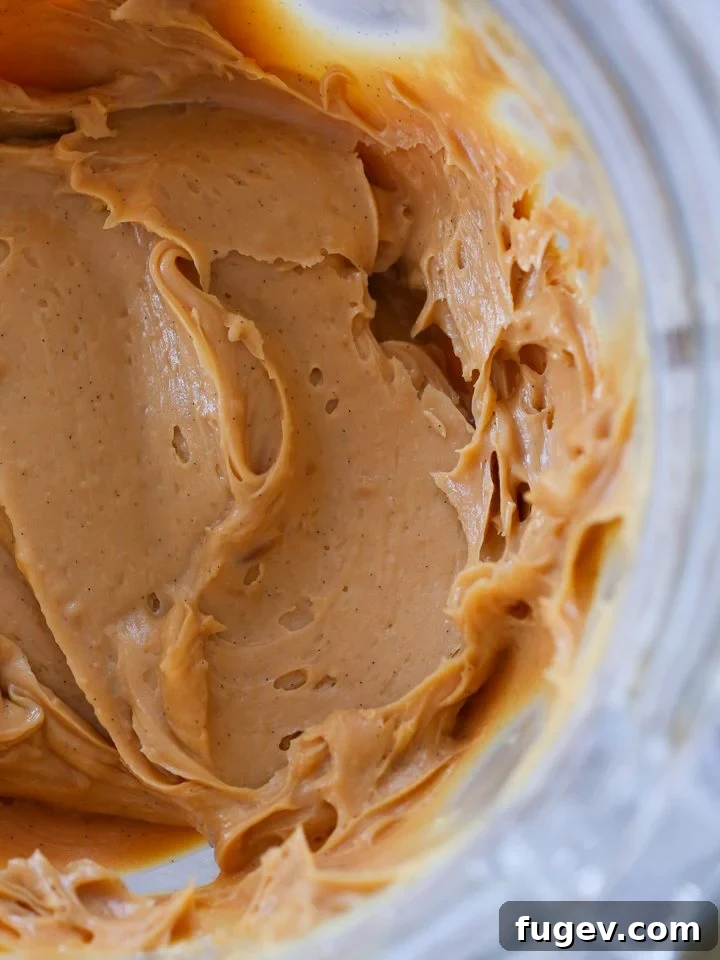
Why You’ll Adore This Caramel Pastry Cream:
- Unforgettable Caramel Flavor: Unlike recipes that add caramel syrup at the end, our method begins with creating a dry caramel. This crucial first step infuses the entire crème pâtissière with a deep, authentic caramel essence from the very start, ensuring a harmonious and robust flavor profile that is delicately sweet and incredibly satisfying.
- Mastery Through Simplicity: Pastry cream, while seemingly simple, demands precision. This guide breaks down each step with easy-to-follow, clear instructions, empowering you to achieve a perfectly smooth, lump-free, and intensely flavorful caramel pastry cream every single time. You’ll gain the confidence to tackle this classic pastry technique like a professional.
- The Perfect Texture and Stability: Achieving the ideal consistency in pastry cream is an art. Too thin, and your fillings will collapse; too thick, and it becomes cloying. Our carefully balanced ratio of cornstarch and eggs guarantees a pastry cream with an impeccable “hold”—firm enough to pipe and support desserts, yet wonderfully creamy and melt-in-your-mouth. This precise balance ensures stability without compromising on flavor or leading to moisture leakage.
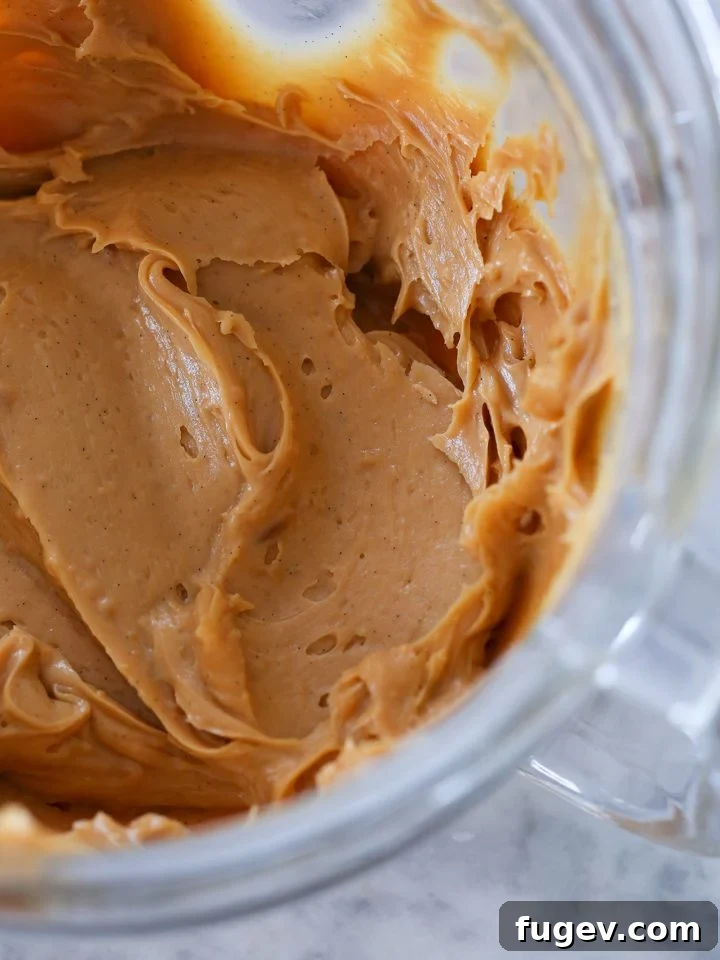
Chef’s Secrets for a Perfectly Smooth Pastry Cream
Lumps are the bane of any pastry chef’s existence when it comes to crème pâtissière. Along with burning or undercooking, a grainy or lumpy texture is a common pitfall. But fear not! By paying close attention to these critical stages, you can ensure a silky-smooth caramel pastry cream every time.
- Initial Whisking of Dry Ingredients with Eggs: Before introducing any liquid, it’s vital to vigorously whisk the cornstarch thoroughly with the eggs and sugar. This preliminary step prevents the egg proteins from denaturing too quickly when exposed to heat and, crucially, ensures the cornstarch is evenly dispersed, eliminating any clumping when it later meets the hot milk mixture. Think of it as creating a protective, smooth paste.
- Tempering with Precision: When it’s time to temper your milk into the egg mixture, approach it slowly and with controlled movements. Gradually pour the hot milk into the egg mixture while continuously whisking. This gradual addition allows the eggs to gently come up to the temperature of the milk, preventing them from scrambling and forming unwanted cooked bits. Patience here is key to achieving a custard-like consistency.
- Constant Whisking During Cooking: Once the tempered mixture is back on the stove, your whisking arm will be your best friend. Whisk constantly and diligently, ensuring you scrape the bottom and, importantly, the edges of the pot. Any bits of pastry cream left undisturbed on the hot surface will quickly coagulate, stick, and burn, leading to unsightly and unpleasant lumps. Consistent movement ensures even cooking and a uniform texture.
- Avoid Overcooking or High Heat: Overcooking pastry cream or cooking it at an excessively high temperature will cause the starches and egg proteins to seize and clump, resulting in a lumpy texture. Maintain a medium heat and remove the cream from the stove promptly once it reaches the desired thickness and has boiled for the specified time.
- Rapid Cooling for Perfection: Once cooked, cooling the pastry cream quickly is essential to prevent the formation of a “skin” on top and to halt the cooking process. I recommend pouring the hot pastry cream onto a plastic wrap-lined baking sheet, spreading it out into a thin, even layer. Immediately cover the surface directly with another sheet of plastic wrap, pressing it down to create an airtight seal. Poke a few small holes in the top plastic to allow steam to escape, then place it in the refrigerator. This method promotes rapid cooling and prevents condensation from forming on the plastic and dripping back into the cream.
Essential Ingredients for Caramel Pastry Cream
Crafting exceptional caramel pastry cream relies on understanding the role each ingredient plays. Here’s a breakdown of the key components:
- Granulated Sugar: Sugar is much more than just a sweetener in this recipe. It’s integral to the structure and flavor. It provides the necessary sweetness, prevents the milk from scorching during heating, and protects the delicate egg proteins when tempering with hot milk. Most importantly, it’s the foundation of our rich caramel flavor, melting and caramelizing to perfection.
- Cornstarch: Cornstarch acts as a primary thickening agent, working in conjunction with the eggs to bind all the ingredients into a stable, creamy custard when cooked. In a stirred custard like this, it’s particularly crucial as it allows the mixture to come to a boil without causing the eggs to curdle, which would inevitably lead to lumps in a custard without starch.
- Whole Eggs: Whole eggs are fundamental to the thickening of any stirred custard. When whisked with sugar initially, their proteins are protected from the sudden shock of heat, allowing them to coagulate smoothly and create a luxurious texture without scrambling.
- Egg Yolks: Adding extra egg yolks alongside whole eggs significantly enhances the richness and thickness of the pastry cream. Yolks provide more fat content compared to whole eggs, contributing to a wonderfully opulent and creamy mouthfeel without introducing excess moisture from egg whites. However, be mindful not to add too many, as it can impart an undesirable “eggy” flavor.
- Whole Milk: The liquid base for our pastry cream is whole milk. While the fat in whole milk contributes to a richer flavor, it’s not strictly essential for the thickening process. Feel free to experiment with your preferred alternative or lower-fat milk options if dietary preferences dictate, though a slight change in richness may occur.
- Vanilla Bean: Vanilla beans, though one of the world’s most prized spices, offer an unparalleled depth of flavor. Their aromatic notes beautifully complement the caramel, adding a layer of sophisticated warmth and complexity that vanilla extract simply cannot replicate.
Chef’s Flavor Tip: This recipe is an ideal opportunity to utilize a “spent” vanilla bean pod! If you’ve previously scraped out the seeds for another recipe, such as vanilla marshmallows with egg whites or to flavor an Italian meringue buttercream, don’t discard the pod. Infusing it into the milk for this pastry cream will extract its remaining fragrant oils, adding a subtle yet distinct vanilla note without needing a fresh, expensive bean.
Step-by-Step Guide: Crafting Caramel Pastry Cream
Follow these detailed instructions to create a flawless caramel pastry cream every time. Precise measurements and further specifics can be found in the comprehensive recipe card below!
Phase 1: Preparing the Caramel-Infused Milk
Pro Tip for Success: Mise en Place! Before you even begin, gather and precisely measure all your ingredients. This ensures a smooth and stress-free cooking process. Also, prepare your “landing spot” for the finished custard: line a rimmed baking sheet with plastic wrap or set out a large, shallow bowl. Pastry cream is not inherently difficult, but it absolutely demands good timing and organization.
Step 1: Warm the Milk Mixture. In a heavy-bottomed saucepot, combine 4 cups of whole milk with 1/3 cup of granulated sugar and the split and scraped vanilla bean pod. Heat this mixture over medium heat until it is comfortably warm, steaming gently but not yet boiling. Remove from heat and set aside to infuse while you prepare the caramel. This warmth will help the caramel dissolve more easily later.
Step 2: Create the Dry Caramel. Select a second pot, preferably one with sides at least 4 inches deep to prevent splatters and allow for easier whisking. Add the 1 ¾ cup of granulated sugar, specifically designated for the caramel. Place over medium-high heat. The sugar will begin to melt unevenly; stir it gently a few times with a heat-resistant spatula or wooden spoon to redistribute the melting sugar. It’s perfectly acceptable to stir a dry caramel to encourage even melting. However, avoid excessive stirring, as this can cause the sugar to crystallize and form hard clumps that are difficult to melt. If some small clumps do form, don’t panic; they can be strained out later if necessary.
Step 3: Infuse the Caramel into Milk. Once the sugar has melted and transformed into a dark amber color—just when it begins to gently smoke, indicating peak caramelization—carefully and slowly pour the warmed milk mixture from Step 1 into the hot caramel. **Exercise extreme caution during this step, as the mixture will violently splatter and pop.** The caramel may seize and harden upon contact with the cooler milk; this is normal. Return the pot to medium heat and continue to stir until the hardened caramel has fully dissolved and incorporated into the milk, creating a homogenous caramel-infused liquid. If any stubborn lumps of sugar refuse to dissolve, strain the caramel milk through a fine-mesh sieve into another bowl, then pour the smooth caramel milk back into the pot.
Phase 2: Cooking the Pastry Cream to Perfection
Step 4: Prepare the Egg Mixture. In a large mixing bowl, whisk together the 2 whole eggs, 4 egg yolks, and the remaining 1/3 cup of granulated sugar until the mixture becomes pale yellow and doubles noticeably in volume, indicating it’s well aerated. Then, thoroughly whisk in the 10 tablespoons of cornstarch until no lumps remain and the mixture is completely smooth.
Step 5: Temper the Eggs. Bring the caramel-infused milk mixture back to a rolling boil over medium-high heat. Once boiling, slowly and steadily pour a small stream of the hot milk into the prepared egg mixture while whisking constantly and vigorously. This gradual process, known as tempering, slowly raises the temperature of the eggs, preventing them from scrambling. Once about a third of the milk has been incorporated, pour the tempered egg-milk mixture back into the pot with the remaining caramel milk on the stovetop.
Chef’s Whisking Wisdom: The right whisk makes all the difference! Choose a whisk that is designed to reach into the corners of your pot. I highly recommend a French (straight) whisk for this task, as its design allows you to effectively cover the entire surface area and thoroughly agitate the mixture in the pot’s corners. This critical technique prevents the custard from sticking and clumping around the edges, ensuring a consistently smooth result.
Step 6: Cook Until Thickened. Continue whisking the mixture constantly over medium heat. You will feel it start to thicken. Keep whisking until it comes to a vigorous boil. Once it reaches a full boil, continue whisking for precisely one minute more. This crucial minute ensures that the cornstarch is fully activated, reaching its maximum thickening potential, and cooks out any raw starchy flavor, leaving you with a perfectly smooth and flavorful pastry cream.
Step 7: Rapid Cooling and Storage. Immediately pour the hot custard onto your prepared plastic wrap-lined baking sheet or into your large bowl. Spread it out thinly to facilitate rapid cooling. Cover the entire surface of the pastry cream directly with another sheet of plastic wrap, pressing it down firmly to eliminate air pockets and prevent a skin from forming. Poke a few small holes in the plastic wrap to allow steam to escape and then promptly transfer it to the refrigerator. Chill until completely cold and set, typically a few hours.
Emergency Lump Removal: Even with the best technique, sometimes a rogue lump can appear. If you find a few undesirable lumps in your hot pastry cream, don’t despair! Simply press the hot custard through a fine-mesh sieve onto your prepared baking sheet or into your bowl. Use a ladle or a silicone spatula to help push it through, ensuring only smooth, silky cream makes it to the cooling stage.
Prepping Pastry Cream for Ultimate Enjoyment
Before using chilled pastry cream, it requires a vital step known as “refreshing” or “conditioning.” This process involves beating the cold cream to restore its smooth, silky texture, making it much more pleasant to eat and easier to work with. While refreshing won’t magically eliminate any existing lumps, it will transform a stiff, gelatinous block of cream into a wonderfully pliable and spreadable filling.
To condition your pastry cream, place the desired amount into the bowl of a stand mixer fitted with the paddle attachment. Begin beating on medium-high speed. As it beats, the cream will gradually become smooth, creamy, and velvety. Be careful not to over-beat it, however. Beating for too long can cause the cornstarch to lose some of its structural integrity, leading to a looser pastry cream that won’t firm up properly when rechilled. This can result in messy, unruly fillings that lack the desired stability.
Chef Lindsey’s Expert Whisking Tip
Just keep whisking! I know, it feels like your arm is about to give out just as the cream finally comes to a boil. But trust me, you can whisk for just one minute more! It’s incredibly tempting to cut that final minute short, but doing so will result in a pastry cream with an unpleasant starchy flavor and texture, and it will be significantly looser than desired. That final minute of boiling and whisking is critical for activating the cornstarch fully.
Creative Culinary Uses for Caramel Pastry Cream
This rich and versatile caramel pastry cream opens up a world of dessert possibilities. Here are some inspiring ideas to put your freshly made crème pâtissière to delicious use:
- Decadent Donut Fillings: This recipe was originally designed with donuts in mind! Lightly loosen the chilled pastry cream by whisking it until smooth. Transfer it to a piping bag fitted with a round tip. Carefully poke a hole into a risen, yeasted donut (my recipe for filled donuts works wonderfully here), insert the piping bag into the hole, and gently squeeze until the cream begins to emerge, indicating a perfectly filled donut.
- Elegant Tart Fillings: Elevate your tart game by using this caramel delight. Spread a generous layer onto a puff pastry fruit tart for a delightful flavor twist. Or, use it as the star filling in a blind-baked sweet tart crust, topped with an array of your favorite sliced, seasonal fruits. Berries, apple compote, or even fresh banana slices pair beautifully with the caramel notes.
- Inspired Banana Cream Pie: Reimagine a classic! Simply substitute the vanilla pastry cream with this caramel version in my banana cream pie recipe. This effortless swap creates an incredibly flavorful and unexpectedly sophisticated twist on a beloved dessert, bringing new depth to every bite.
- Classic French Pastries: This caramel pastry cream is a natural fit for traditional French pastries. Use it as a sumptuous filling for light-as-air cream puffs, flaky Danishes, elongated éclairs, or the delicate layers of a mille-feuille, adding a rich caramel dimension to these iconic treats.
- Layered Trifles or Parfaits: For an easy yet impressive dessert, fold equal parts (by weight) of the conditioned pastry cream with freshly whipped cream (to soft peaks) until just combined. Use this lighter, airier cream as a luscious layer in trifles or parfaits. Complement it with cubes of sour cream pound cake, a spiced pumpkin bundt cake, or even a rich red velvet pound cake, interspersed with your favorite fruits and perhaps a drizzle of extra caramel.
Intensify the Caramel: For an even more profound caramel flavor, you can gently fold up to ½ cup of rich salted caramel sauce into the pastry cream while it is still warm. Keep in mind that the more caramel sauce you add, the slightly looser the final custard will be.
Storing Your Caramel Pastry Cream
Proper storage is crucial for maintaining the quality and freshness of your homemade caramel pastry cream. Store it in an airtight container in the refrigerator for up to one week. It is important to note that after a few days, the pastry cream may naturally begin to leach a small amount of moisture; this is a normal occurrence due to the starch content. To minimize this separation, storing the pastry cream spread out in one layer on a plastic wrap-covered baking sheet is often more effective than mounding it in a deep storage container.
Frequently Asked Questions
I generally do not recommend freezing pastry cream. The texture tends to degrade upon thawing, becoming watery and grainy due to the cornstarch and egg components. It’s best enjoyed fresh or stored in the refrigerator for up to a week.
Yes, this recipe is quite scalable! You can easily double or triple the batch, provided your pot is large enough to accommodate the increased volume and your whisking arm is up to the task. Just be sure to scale all ingredients proportionally.
Before using chilled pastry cream, you must “refresh” or “condition” it. This means beating it until it becomes smooth and silky again. While it won’t remove lumps, it vastly improves the texture for eating and working with. Never attempt to fold unconditioned pastry cream into whipped cream; it will remain lumpy and unmanageable. You can condition it effectively using a stand mixer with a paddle attachment or by hand in a bowl with a sturdy rubber spatula.
Lumps in pastry cream are typically caused by two main culprits: improper incorporation of cornstarch or insufficient whisking during cooking. To prevent this, always whisk the cornstarch thoroughly with the eggs and sugar initially to ensure even distribution and prevent clumping. Secondly, when cooking the custard, use a whisk that can reach into every corner of your pot and whisk constantly to prevent the cream from sticking and coagulating around the edges.
If you meticulously followed the recipe, the most common reason for runny pastry cream is that it wasn’t cooked long enough. The cornstarch requires a specific amount of heat and time to fully activate its thickening properties. It must reach a rolling boil and then continue to cook and whisk for a full minute to ensure it reaches its optimal consistency and cooks out any raw starch flavor.
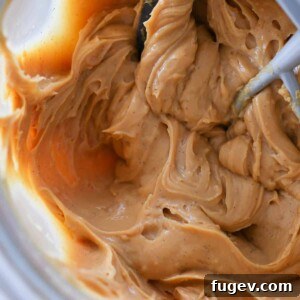
Caramel Pastry Cream
Pin Recipe
Comment
Print Recipe
Ingredients
- 1 ¾ cup granulated sugar for caramel
- 4 cups whole milk 1 quart
- 1 vanilla bean split and scraped
- ⅓ cup granulated sugar for milk mixture
- ⅓ cup granulated sugar for egg mixture
- 2 whole eggs
- 4 yolks
- 10 tbsp Cornstarch ½ cup + 2 tbsp
Instructions
-
Before you begin, measure all your ingredients and have them ready to go. Set up a landing spot for the finished custard. Line a rimmed baking sheet with plastic wrap or set out a large bowl. Pastry cream isn’t difficult but it does require a little bit of timing.
Prepare the caramel
-
In a heavy bottomed sauce pot, stir together milk, 1/3 cup sugar and vanilla bean pod. Heat over medium heat until warm. Set aside.
-
In a second pot, preferably with sides that are at least 4 inches deep (for safety and ease of whisking), add the 1 ¾ cup sugar designated for the caramel. Heat over medium-high heat. The sugar will melt unevenly, so stir gently a few times to redistribute the melting sugar. It is okay to stir a dry caramel. Stirring too much will create clumps that will never melt. You can strain these out if desired.
-
When the caramel has turned a dark amber color and just starts to smoke, slowly pour the warmed milk mixture into the caramel. Be careful, it will splatter and pop. Heat over medium until the caramel has incorporated into the milk. If you have stubborn lumps of sugar, strain them out into another bowl and then pour the caramel milk back into the pot.
Prepare Pastry Cream:
-
In a large bowl whisk together eggs, yolks and remaining sugar until pale yellow and doubled in volume. Whisk in cornstarch
-
Bring caramel milk to a boil and slowly pour the milk into the egg mixture while whisking constantly. Adding a little at a time will slowly bring your eggs up to the temperature of the milk without scrambling them. Pour the egg milk mixture back into the pot and return to the stove top.
-
Tip: Choose a whisk that will get into the corners of your pot. I prefer a French (straight) whisk for this job because it will allow you to cover the surface area and get into the corners. This keeps the custard from getting stuck around the edges and clumping.
-
Whisk over medium heat until it begins to thicken and comes to a boil. Continue whisking 1 minute as the custard boils. This activates the cornstarch and cooks out the raw starch flavor.
-
Pour hot custard out onto prepared baking sheet or bowl, cover the surface with a sheet of plastic wrap, poke a few holes and refrigerate.
-
Emergency Lump Removal: If you did happen to get a few lumps, press it through a fine mesh sieve onto the baking sheet or into the bowl while hot. Use a ladle or silicone spatula to help!
How to Prepare Pastry Cream for Use:
-
Before you use pastry cream, you need to “refresh it” or “condition” it. All this means is you need to beat it so that it becomes smooth and silky. This won’t get any lumps out but it will create a more pleasant product to eat and work with.
-
Place the desired amount of pastry cream in a stand mixer fitted with the paddle attachment. Beat on medium-high speed until smooth. You don’t want to beat it too long or it will loosen and the cornstarch will lose some of its hold and it will not firm back up when chilled. This can lead to loose, unruly fillings.
Notes
Technique – Pastry cream is a simple recipe, and, as such, each step is integral to the quality of the final results. Each step is intentional and either helps avoid common pit falls or add to the flavor.
Helpful Tools – Sometimes the difference between good and great is choosing the right tool. Choose a whisk that can reach into the corners of your pot.
Variations – For even more caramel flavor, add up to ½ cup salted caramel sauce to the pastry cream while it is is still warm. The more you add, the looser the custard will be.
Storage – Store caramel pastry cream in an airtight container in the refrigerator for up to one week. It will begin to leach moisture after a few days. This is normal. It will separate less if stored in one layer like on a baking sheet covered in plastic wrap verses mounded in a storage container.
Yield: 1,500 g
Nutrition
Before You Go!
We hope you thoroughly enjoyed mastering this professional chef-tested recipe for Caramel Pastry Cream. Chef Lindsey is passionate about sharing expert techniques and delicious creations with home bakers. Be sure to explore our other meticulously developed Custard Recipes to continue expanding your culinary skills and delighting your taste buds!