
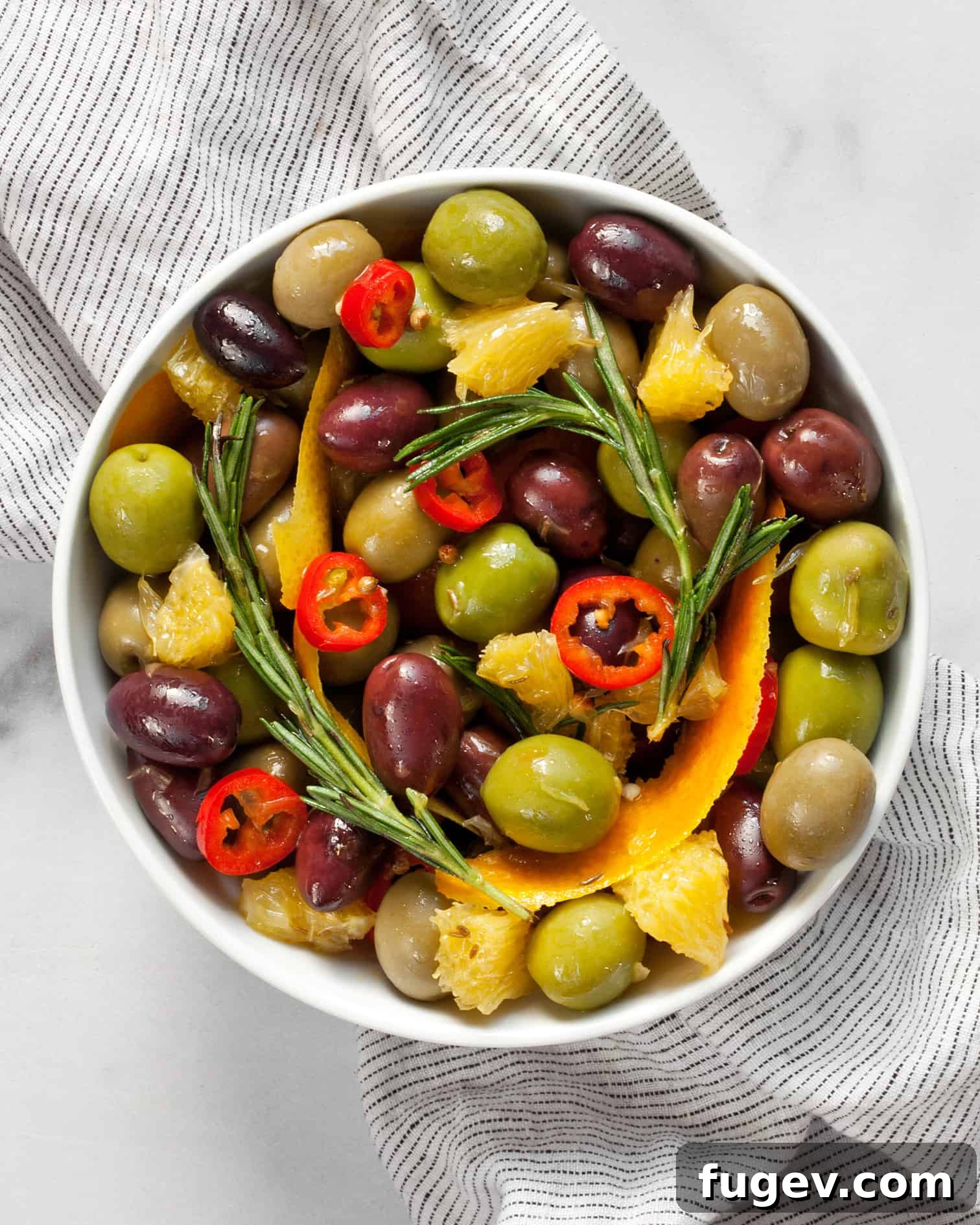
Exquisite Citrus and Herb Marinated Olives: Your Go-To Easy Appetizer Recipe
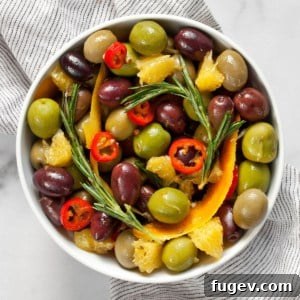
Every host knows the secret to a memorable gathering often lies in the appetizers – those delightful bites that set the tone for the entire event. And what if you could create a truly exquisite starter using simple, readily available ingredients? Introducing our captivating recipe for Citrus and Herb Marinated Olives. This recipe takes ordinary olives and effortlessly elevates them into a vibrant, aromatic, and irresistibly flavorful experience. It’s an easy culinary hack that combines the briny goodness of olives with the bright zest and juicy segments of fresh oranges, a hint of spicy red chilies, fragrant rosemary, and a carefully selected blend of warm spices, all generously bathed in luxurious extra virgin olive oil. The magic truly happens as these diverse flavors gently meld and intensify over time, transforming a humble snack into a gourmet delight perfect for entertaining guests or simply indulging in a sophisticated treat on your own.
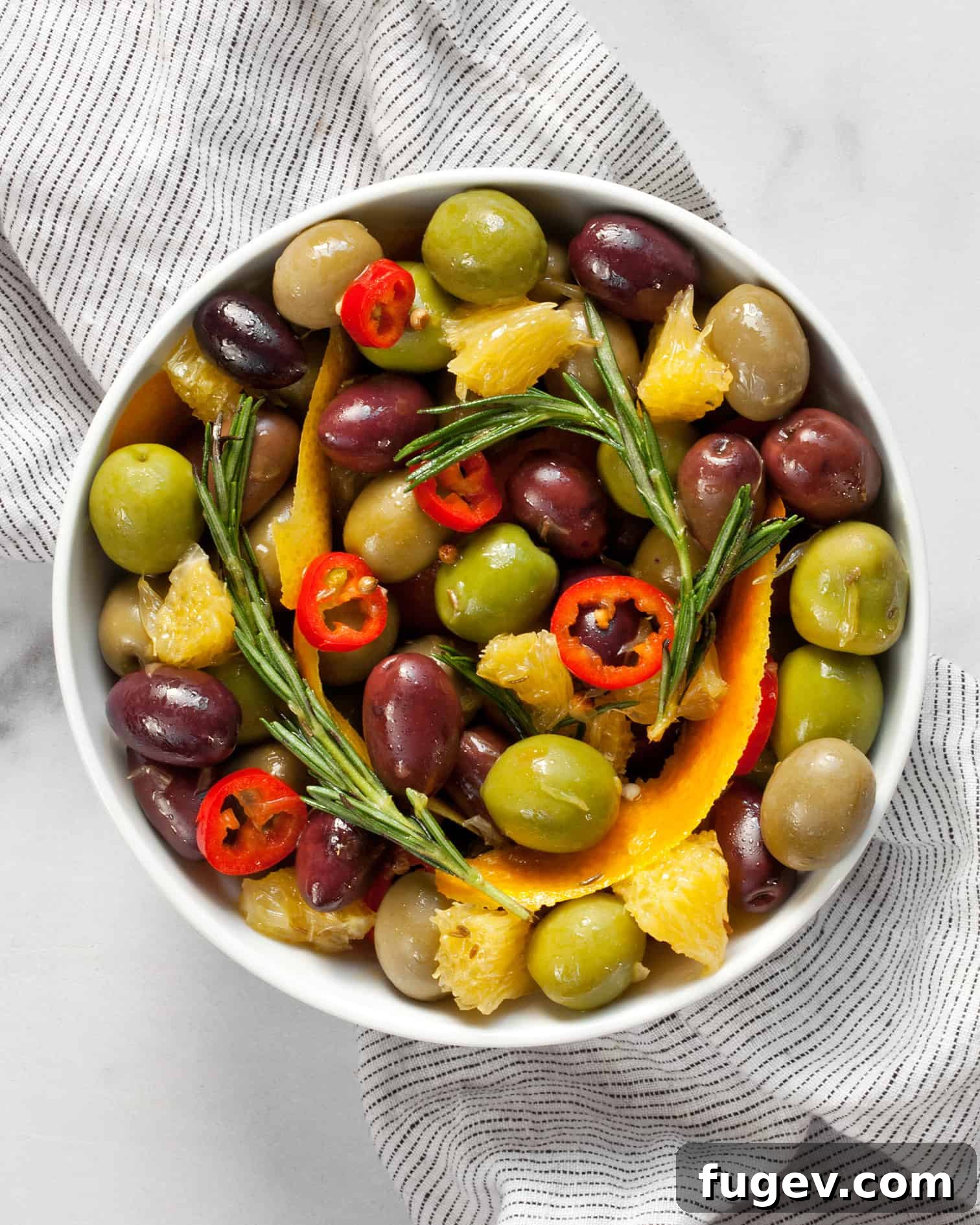
Table of Contents
- Why You’ll Absolutely Love This Marinated Olives Recipe
- Selecting the Best Olives for Marinating
- Pitted or Unpitted: Which Olives Should You Use?
- Essential Ingredients for Perfect Marinated Olives
- Step-by-Step Guide: How to Make Marinated Olives
- Creative Serving Suggestions for Marinated Olives
- Storage Tips to Keep Your Olives Fresh
- Expert Tips for the Best Marinated Olives
- Frequently Asked Questions About Marinated Olives
- Explore More Delicious Olive Recipes
- Citrus and Herb Marinated Olives Recipe Card
Why You’ll Absolutely Love This Marinated Olives Recipe
This recipe isn’t just about combining ingredients; it’s about unlocking a world of flavor with minimal effort. Here’s why these citrus and herb marinated olives are destined to become a staple in your culinary repertoire, perfect for any occasion:
The Power of a Pantry Staple: Olives
Olives are a true cornerstone of any well-stocked pantry, offering incredible versatility in the kitchen. Whether you’re browsing the vibrant olive bar at your local grocery store or exploring the antipasto section for gourmet delights like roasted tomatoes, sun-dried peppers, or artichoke hearts, you’ll find a treasure trove of ingredients. This makes olives a gold mine not just for this appetizer, but for countless pastas, pizzas, and other Mediterranean-inspired dishes. Their distinct briny, sometimes fruity or earthy notes can elevate almost any meal, providing a depth of flavor that is both satisfying and intriguing. With a long shelf life when properly stored, olives are always ready to transform into something special.
Effortless Elevation of Store-Bought Goodness
While many olives come pre-cured and even pre-marinated with garlic and herbs, this recipe invites you to take that experience a significant step further. In just about 5 minutes of active preparation, you can infuse them with an incredible new layer of fresh, complex flavors. The combination of succulent orange segments, aromatic zest, a touch of thinly sliced chilies, fragrant spices, and a generous pour of high-quality olive oil creates a marinade that is both bright and deeply satisfying. This simple addition imparts a lovely freshness and depth, transforming standard store-bought olives into something that tastes lovingly homemade and genuinely special. The reward for allowing these olives to steep in this fragrant mix for even a short period is an explosion of taste that will impress even the most discerning palates, making everyday olives feel like a gourmet offering.
The Ultimate Kitchen Hack for Easy Entertaining
There’s an undeniable satisfaction in taking something store-bought and giving it a gourmet makeover. This recipe feels less like a complicated cooking project and more like a brilliant kitchen hack – the kind of ingenious trick you’ll be eager to share with all your friends. It allows you to present a sophisticated, flavor-packed appetizer with minimal fuss, making you look like a culinary genius without spending hours in the kitchen. It’s perfect for last-minute guests, festive holiday gatherings, or simply when you want to treat yourself to something extraordinary. The minimal prep time and maximum flavor impact make this recipe a true game-changer for effortless entertaining.
Selecting the Best Olives for Marinating
The beauty of this recipe lies in its adaptability, especially when it comes to your choice of olives. For the most diverse and visually appealing results, a visit to your grocery store’s olive bar is highly recommended. It’s the easiest and most economical way to acquire the precise quantity needed (approximately 1½ cups) while allowing you to handpick a variety of types and colors. A mix of greens, purples, and deep browns not only looks stunning but also offers a delightful range of textures and flavor profiles, creating a more engaging and delicious appetizer.
Here are some of our favorite olive varieties that shine when marinated, offering a balance of tastes and characteristics that complement the citrus and herbs beautifully:
- Kalamata Olives: Instantly recognizable by their dark brownish-purple hue and distinctive almond shape, these Greek olives are a staple in Mediterranean cuisine. Known for their rich, fruity, and slightly smoky flavor with a firm, meaty texture, Kalamatas are excellent in tapenades, salads, and, of course, the classic Greek salad. Their robust profile stands up wonderfully to the bright citrus and bold spices in our marinade.
- Castelvetrano Olives: Hailing from Sicily, Italy, these bright green olives are celebrated for their remarkably mild, buttery, and slightly sweet flavor. Unlike many other varieties, they are less briny and have a crisp, firm texture, offering a delicate balance to more assertive, salty olives in a mix. Their vibrant color also adds a beautiful visual pop to the dish.
- Ligurian Olives (Taggiasca Olives): These small, oval Italian olives, often a mix of brown and yellowish-green, are traditionally cured in a brine with bay leaves and aromatic herbs like rosemary and thyme. They possess a delicate, sweet, and nutty flavor with a soft, yielding texture that complements the marinade beautifully, infusing it with subtle herbal undertones.
- Picholine Olives: A classic French olive, Picholines are slender, bright green, and have a distinctive firm, crisp texture. Their flavor is often described as nutty, with notes of fresh grass and a pleasant tanginess. They add a sophisticated touch and a satisfying crunch to any olive assortment.
- Cerignola Olives: Originating from the Puglia region of Italy, Cerignola olives are impressively large and plump. They come in vibrant green, black, and red varieties and are known for their mild, buttery flavor and meaty texture. Their substantial size makes them a visually striking addition and provides a satisfying bite.
- Niçoise Olives: Small, dark brown to black French olives with an intense, concentrated flavor. They are often cured in brine and herbs, offering a complex, nutty, and slightly bitter profile that can add significant depth and a touch of rustic charm to your marinated mix.
Combining 3-4 of these types will ensure a compelling presentation and an exciting flavor journey with every single bite, offering varied textures and a symphony of tastes that make your marinated olives truly unforgettable.
Pitted or Unpitted: Which Olives Should You Use?
The decision to use pitted or unpitted olives is largely a matter of personal preference, and it often depends on the context of how you plan to serve them. Both options have their merits, and understanding them can help you make the best choice for your citrus and herb marinated olives.
When serving marinated olives as a standalone appetizer, especially in a more casual yet refined setting, many connoisseurs prefer olives with their pits intact. Unpitted olives are often believed to retain more of their natural flavor and a firmer, more satisfying texture. The pit acts as a natural vessel, helping the olive maintain its shape and juice, which some argue leads to a richer taste. There’s a certain authenticity to them, and they can add to the ritual of enjoying an appetizer. However, it’s worth acknowledging that navigating the pit can be a minor inconvenience for guests, particularly if they are not accustomed to elegantly discarding it. If you choose unpitted, a small, discreet bowl for discarded pits is a thoughtful addition to your serving platter, ensuring comfort for your guests.
On the other hand, if you intend to use the marinated olives as an ingredient within another dish – such as a vibrant green salad, a hearty pasta, a topping for bruschetta, or even incorporated into a savory bake – pitted olives are almost always the superior choice. In these scenarios, the convenience of not having to spit out a pit mid-chew vastly improves the eating experience, making the dish much easier to consume. The machine-drilled hole, while sometimes considered less aesthetically pleasing for a standalone appetizer, becomes inconsequential when the olives are mixed with other components. For cooking purposes, pitted olives save preparation time and ensure a smoother integration into your dish, preventing any unexpected crunch or interruption.
For this specific recipe of citrus and herb marinated olives, if you are serving them primarily as an elegant finger-food appetizer, consider using a mix of pitted and unpitted if you can find them for both flavor and convenience, or opt for unpitted for a more traditional and intensely flavorful experience. If ease of eating for guests is your top priority, especially for a large gathering or when preparing them for children, then pitted olives are undoubtedly the way to go.
Essential Ingredients for Perfect Marinated Olives
Crafting these exceptional citrus and herb marinated olives requires a thoughtful selection of fresh, high-quality ingredients. Each component plays a crucial role in building the complex and delightful flavor profile that makes this appetizer so irresistible.
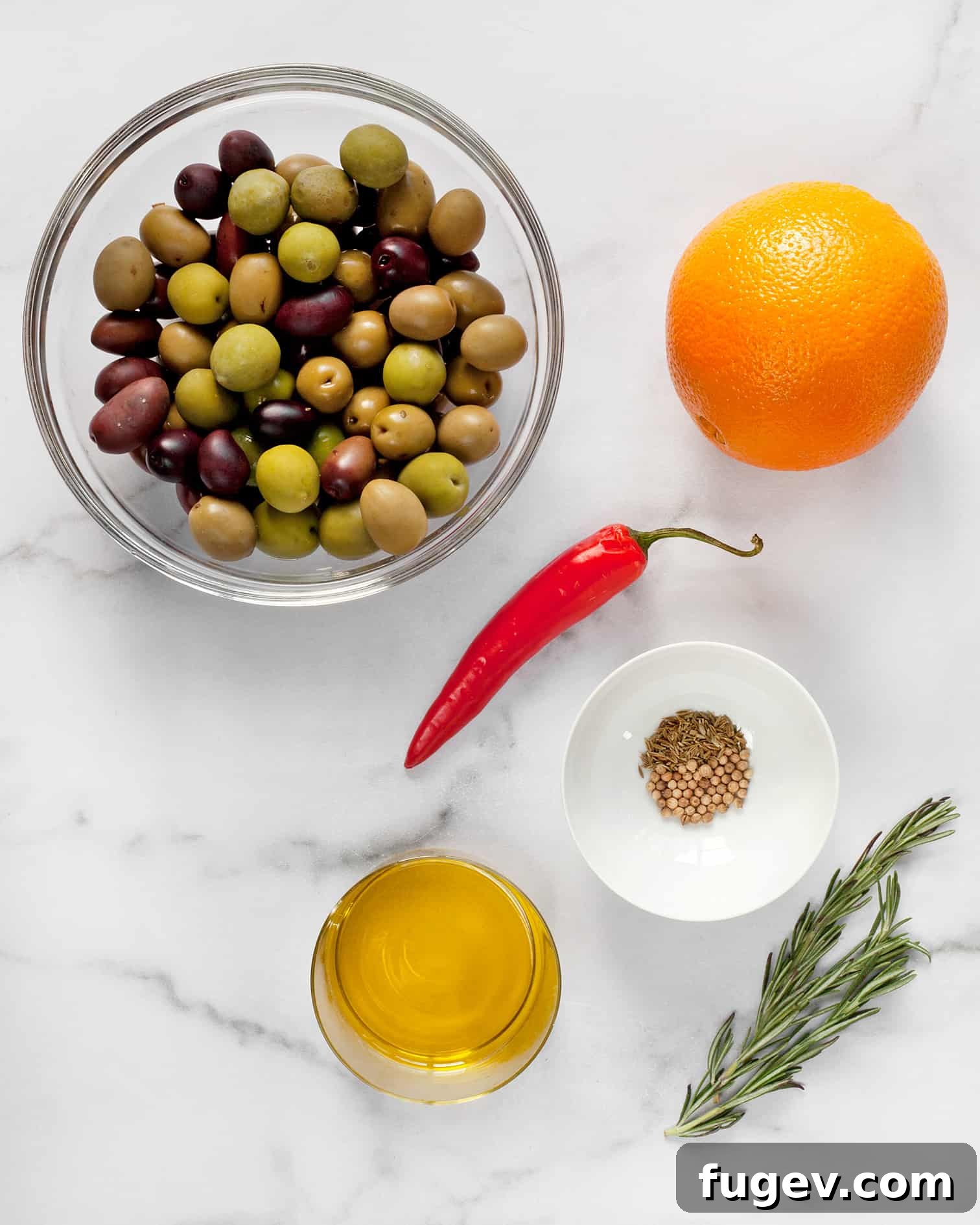
- Mixed Olives: As previously discussed, the key to a truly dynamic marinated olive dish is variety. Aim for a medley of 3-4 different types, such as Kalamata, Castelvetrano, Ligurian, Picholine, Niçoise, or Cerignola. This ensures a captivating mix of colors, textures (from meaty to firm), and diverse flavor notes, all of which will harmonize beautifully with the bright citrus and warm spices. Ensure they are well-drained before marinating to avoid excess brine.
- Navel Oranges: A classic navel orange is perfect for this recipe due to its naturally sweet flesh and intensely aromatic zest. The preparation involves two key steps to maximize flavor and avoid bitterness:
- First, carefully remove only the vibrant orange zest using a vegetable peeler or a fine grater, being sure to avoid any of the bitter white pith just beneath. The zest is packed with aromatic oils that are crucial for infusing the marinade with intense citrus notes.
- Next, slice off all remaining white pith from the peeled orange, as it can be quite bitter. Then, carefully remove the individual orange segments, catching any juice, and dice them into small, bite-sized pieces. These juicy segments add a burst of fresh, sweet-tart flavor and a lovely textural contrast to the olives.
While navel oranges are ideal, you could also experiment with blood oranges for a stunning visual, or even tangelos for a slightly different citrus profile.
- Red Chili: A thinly sliced fresh red chili introduces a subtle yet exciting kick of heat. The intensity can be adjusted by the type of chili you choose (e.g., Fresno or jalapeño for mild heat, serrano for more heat) and whether you include the seeds. We prefer fresh chili over dried red pepper flakes here, as the fresh slices contribute a brighter flavor and a pleasant textural element, creating a delightful surprise for those who enjoy a touch of spice with their olives.
- Coriander & Cumin Seeds: These two earthy, warm spices are a classic pairing for a reason. Coriander seeds offer a bright, citrusy-floral note with a hint of sweetness, while cumin seeds provide a rich, somewhat smoky depth. Together, they create a wonderfully aromatic foundation for the marinade, beautifully complementing the briny olives and sweet citrus. For an even more pronounced and complex flavor, you can lightly toast the seeds in a dry pan for a minute or two until fragrant before adding them to the mix.
- Fresh Rosemary: Fresh rosemary sprigs are essential for their distinctive piney, slightly peppery aroma and robust flavor. This woody herb beautifully bridges the gap between the cured olives and fresh citrus. Its strong character holds up well in the marinade, imparting a sophisticated, herbaceous note that lingers pleasantly. If fresh rosemary is unavailable, fresh thyme or a combination of both would be excellent substitutes, or even a bay leaf can add a lovely subtle flavor.
- Extra Virgin Olive Oil: This is not the place to skimp on quality. A high-quality extra virgin olive oil is crucial as it acts as the base for the marinade, carrying and extracting the flavors of all the other ingredients. Choose an olive oil with a fruity, peppery, or grassy profile that you genuinely enjoy, as its flavor will be prominent in the finished dish. It contributes to the luxurious mouthfeel, helps to preserve the olives, and enhances the overall sensory experience.
Step-by-Step Guide: How to Make Marinated Olives
Creating these delightful citrus and herb marinated olives is incredibly straightforward, requiring just a few simple steps. The key is in the meticulous preparation of your aromatic ingredients and allowing sufficient time for the flavors to fully develop and infuse. Follow these instructions for a perfect batch every time:
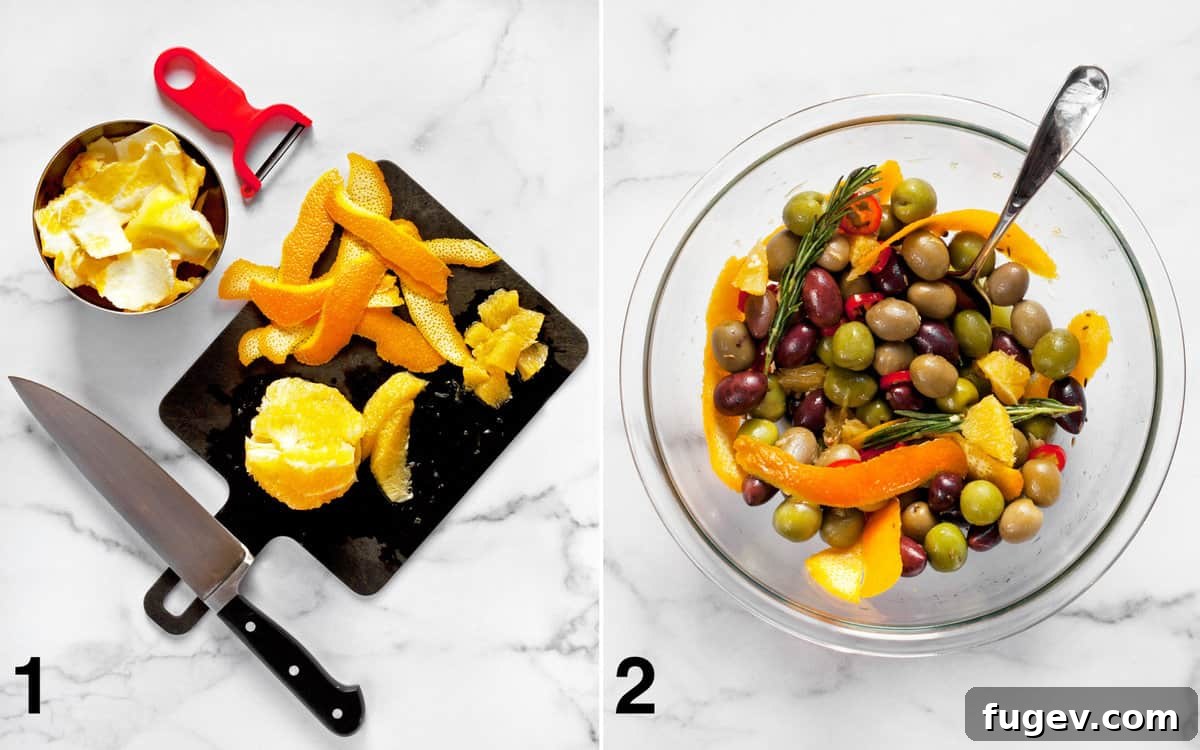
- Prepare the Orange: Begin by meticulously preparing your navel orange. Using a vegetable peeler or a fine microplane grater, carefully remove only the vibrant orange zest, being sure to avoid any of the bitter white pith just beneath. The zest contains the most concentrated citrus oils, which are crucial for infusing the marinade with intense flavor. Once the zest is removed, proceed to slice off all remaining white pith from the orange with a sharp knife, as it can impart an unpleasant bitterness. Next, carefully cut out the individual orange segments, working over a bowl to catch any precious juice. Dice these segments into small, bite-sized pieces. Place both the orange zest and the diced orange segments into a large mixing bowl.
- Combine All Ingredients: To the bowl containing the prepared oranges and zest, add the drained mixed olives, the specified amount of high-quality extra virgin olive oil, the thinly sliced red chili (adjusting quantity to your heat preference), coriander seeds, cumin seeds, and the fresh rosemary sprigs. Gently stir all the ingredients together with a spoon or spatula until everything is thoroughly combined and coated in the olive oil. Ensure the herbs and spices are evenly distributed throughout the olives and orange pieces, so every bite is bursting with flavor.
- Allow to Marinate: This is where the magic truly happens and the flavors begin to deepen! Once combined, cover the bowl tightly with plastic wrap or a lid and allow the olives to marinate for at least 1 hour at room temperature before serving. During this crucial time, the diverse flavors will begin to meld and infuse, with the olive oil acting as a carrier, absorbing the aromatic compounds from the citrus, herbs, and spices. For an even more profound and complex flavor profile, you can let them marinate for several hours or even overnight in the refrigerator. Just remember to bring them back to room temperature before serving for optimal taste and texture.
Pro Tip for Enhanced Flavor Infusion:
For an even quicker and more intense flavor infusion, you can gently warm the olive oil with the chili, coriander, and cumin seeds in a small saucepan over low heat for about 5 minutes, or until the spices become fragrant (be careful not to let the oil smoke). This gentle heat helps to release the aromatic oils from the spices, intensifying their aroma and taste within the marinade. Let the infused oil cool slightly to lukewarm before pouring it over the olives, orange, and rosemary. This method can significantly reduce the required marinating time while boosting flavor.
Creative Serving Suggestions for Marinated Olives
While these citrus and herb marinated olives are undeniably special and delicious on their own, their vibrant flavors and elegant presentation make them an ideal component in a variety of culinary settings. Whether you’re hosting a grand celebration or enjoying a quiet evening, these olives will elevate the experience.
The Elegant Appetizer: Standalone or Board Companion
As a Standalone Delicacy: Simply serve them in a beautiful small bowl, perhaps with a set of cocktail picks or a small serving spoon. Their vibrant colors and enticing aroma make a striking first impression, hinting at the delightful flavors to come. They are perfect for spontaneous gatherings, pre-dinner nibbles, or as a sophisticated addition to a cocktail hour. The infused olive oil at the bottom of the bowl is also perfect for dipping crusty bread.
Part of a Charcuterie or Cheese Board: This is where these marinated olives truly shine and become an indispensable element! Include them as a star component on any holiday spread, whether it’s Thanksgiving, Christmas, New Year’s Eve, or a casual weekend get-together with friends. They provide a much-needed acidic, salty, and fresh counterpoint to rich cheeses and cured meats, balancing the heavier flavors. Pair them with:
- Cheeses: Creamy brie, sharp aged cheddar, crumbly feta, fresh mozzarella balls, a hard aged Parmesan, or goat cheese.
- Cured Meats: Thinly sliced prosciutto, spicy salami, robust capicola, or savory chorizo.
- Crackers & Bread: Crispy homemade crackers (like everything crackers), crusty baguette slices, soft focaccia, or delicate grissini (breadsticks).
- Other Accents: Sweet honey, rich fig jam, candied nuts, fresh grapes, juicy cherry tomatoes, crisp apple slices, or tangy cornichons.
A beautifully arranged spread like this goes a long way, especially if you’re aiming to serve substantial appetizers instead of a full meal. Everyone loves to graze and discover new flavor combinations!
Beyond the Board: Incorporating Marinated Olives into Meals
Don’t limit these flavorful olives to just appetizers. Their bright, briny, and herbaceous notes can enhance a multitude of main dishes and sides, adding a gourmet touch effortlessly:
- Salad Topping: Chop them roughly and toss into green salads, hearty grain bowls, or refreshing pasta salads for an instant burst of Mediterranean flavor. They pair exceptionally well with salads featuring feta cheese, cucumbers, and tomatoes.
- Pasta Dishes: Stir them into warm pasta with a drizzle of their marinade oil, fresh basil, and shaved Parmesan. They add incredible depth to simple garlic and olive oil sauces or even rich tomato-based ones, complementing flavors beautifully.
- Bruschetta or Crostini: Spoon them over toasted baguette slices for a quick, elegant, and flavor-packed bite. A dollop of ricotta or goat cheese underneath can make them even more special.
- Pizza Topping: Add them to homemade or store-bought pizzas just before baking for a burst of briny, citrusy flavor that elevates your pie.
- Roasted Meats & Fish: Serve a generous spoonful alongside roasted chicken, lamb, grilled pork chops, or baked white fish for a fresh, zesty accompaniment that cuts through richness.
- Focaccia: Gently press the marinated olives and some of the orange segments into the dough of your next homemade focaccia before baking for an incredibly aromatic and flavorful bread.
The infused olive oil from the marinade is also a culinary gem not to be wasted! Drizzle it over salads, use it as a dipping oil for crusty bread, or incorporate it into vinaigrettes for an added layer of complex flavor that enhances any dish.
Storage Tips to Keep Your Olives Fresh
Proper storage is essential to maintain the freshness, vibrant flavor, and optimal texture of your citrus and herb marinated olives. While they are best enjoyed after a minimum of one hour of marinating, they can be prepared in advance and stored effectively for future enjoyment, making them an excellent make-ahead appetizer.
Once prepared, transfer the marinated olives, along with all the marinade liquid (including the olive oil, orange segments, and herbs), into a clean, airtight container or a glass jar with a tight-fitting lid. Store them in the refrigerator for up to 3 days. Beyond this period, you might notice that the fresh orange segments begin to soften and break down, losing their firm texture. Additionally, the citrus flavor can become even more intense, sometimes overpowering the other delicate notes from the herbs and spices. For the best quality and balanced flavor, consuming them within three days is ideal.
When you’re ready to serve them after refrigeration, it’s crucial to allow the olives to sit out at room temperature for at least 30 minutes to 1 hour before presenting them. This step is important for two main reasons, ensuring a superior tasting experience:
- Olive Oil Liquefaction: High-quality extra virgin olive oil, which is the base of our marinade, tends to solidify or become cloudy in cooler temperatures. Bringing the olives to room temperature allows the oil to liquefy again, restoring its smooth, luxurious texture and ensuring it coats the olives beautifully, making them much more appealing.
- Flavor Enhancement: Flavors are often more pronounced, complex, and enjoyable at room temperature than when thoroughly chilled. Allowing the olives to warm up slightly helps release their full aromatic potential, making for a more satisfying and robust tasting experience, as the volatile compounds in the citrus and herbs become more active.
Always ensure the olives are submerged in the olive oil as much as possible to help preserve them and maintain their vibrant flavors. If needed, add a little extra olive oil to cover them before refrigerating.
Expert Tips for the Best Marinated Olives
Achieving perfectly balanced and flavorful citrus and herb marinated olives is simple, especially with these expert tips designed to enhance every aspect of your appetizer:
- Make Ahead for Deeper Flavor: These olives are incredibly forgiving and actually taste even better when made in advance! You can prepare them up to 2 days ahead of time. This extended marinating period allows the flavors of the citrus, herbs, and spices to meld and infuse more deeply into the olives, resulting in an even more complex, harmonious, and satisfying taste. Simply store them in an airtight container in the refrigerator. Remember that the olive oil will likely solidify in the cold; just let them sit at room temperature for 30 minutes to an hour before serving to allow the oil to liquefy again and the complex flavors to fully awaken.
- Embrace a Variety of Olives: Don’t stick to just one type! Using a mix of different olive varieties is truly key to making this dish shine. Not only does it add beautiful visual appeal with a spectrum of colors (greens, purples, blacks), but it also introduces a delightful range of textures. Some olives are more meaty and yielding, while others are firm and crisp. This variety makes each bite interesting and enjoyable, offering different flavor nuances and a more engaging experience with every pick.
- Clever Uses for Leftover Marinated Olives: If you find yourself with any extra marinated olives, don’t let them go to waste! They are a fantastic ingredient to incorporate into a myriad of other dishes. Chop them finely and stir them into pasta sauces, add them to a vibrant green salad, use them as a flavorful topping for homemade pizza or focaccia, or even blend them into a quick and rustic tapenade for crostini. The infused olive oil itself is also a culinary treasure – use it in salad dressings, as a gourmet dipping oil for crusty bread, or to sauté vegetables for an extra layer of Mediterranean flavor.
- Gently Bruise Herbs & Toast Spices for Maximum Aroma: To maximize the aromatic release from your fresh rosemary, you can gently bruise the sprigs with the back of a spoon or roll them lightly between your palms before adding them to the marinade. For the coriander and cumin seeds, a quick toast in a dry pan over low heat for 1-2 minutes until they become fragrant will significantly intensify their earthy, warm notes. Let the toasted seeds cool slightly before adding them to the olive oil and other ingredients.
- Adjust Heat to Your Preference: The red chili adds a lovely warmth and a subtle kick, but feel free to adjust its quantity based on your personal spice tolerance. For a milder flavor, remove the seeds and white membrane from the chili before slicing. For more pronounced heat, use a spicier chili variety or add a small pinch of red pepper flakes along with the fresh chili.
- Quality Olive Oil Makes a Difference: Since olive oil is such a prominent component of the marinade, using a high-quality extra virgin olive oil truly elevates the dish. Its fruity, peppery, or grassy notes will infuse into the olives and create a richer, more luxurious final product.
Frequently Asked Questions About Marinated Olives
Can you use lemon instead of orange?
Yes, you absolutely can use lemon for a different citrus profile! If you prefer lemon, go ahead and incorporate the lemon zest just as you would with orange peel. However, lemon is considerably stronger and more acidic than orange. For this reason, we highly recommend skipping the addition of lemon flesh chunks to the olives, as they can quickly overpower the delicate balance of the marinade and make the entire dish too tart or bitter. Think of lemon juice or zest as an accent ingredient, whereas orange is a fruit often enjoyed on its own. A balanced approach would be using lemon zest and perhaps a very small squeeze of fresh lemon juice (taste as you go) to achieve the desired brightness without overwhelming the other flavors.
Can you add garlic?
Certainly! Garlic is a fantastic and very common addition to marinated olives, adding a pungent, savory depth. You can thinly slice one or two fresh garlic cloves and stir them directly into the olives along with the other ingredients. The garlic will slowly infuse its aromatic flavor into the olive oil, adding another layer of complexity. If you prefer a milder garlic note, you can lightly crush the cloves instead of slicing them, or even use whole, peeled cloves that you can remove before serving if desired.
Can you freeze marinated olives?
We generally do not recommend freezing marinated olives. The freezing and thawing process can significantly alter the texture of the olives, making them soft, mushy, and less appealing rather than firm and plump. It can also negatively impact their vibrant fresh flavors, particularly those of the orange and fresh herbs, making them dull. For best results and to maintain their delightful texture and flavor profile, it’s better to enjoy them fresh within their recommended storage time in the refrigerator.
How long do marinated olives last?
When stored properly in an airtight container in the refrigerator, these citrus and herb marinated olives will remain delicious for up to 3 days. While they might still be edible slightly longer, the fresh orange segments will start to soften and break down, and the citrus flavor may become too strong after this period, potentially overpowering the other delicate notes. For the best quality and balanced flavor, consuming them within three days is ideal. Always remember to bring them to room temperature for 30 minutes to an hour before serving for optimal flavor and texture.
Can I use dried herbs instead of fresh rosemary?
While fresh rosemary offers the most vibrant and aromatic flavor, you can substitute with dried rosemary if fresh is absolutely unavailable. However, dried herbs are generally more concentrated than fresh ones, so use about one-third to half the amount of dried herbs compared to fresh. For this recipe, if using dried rosemary, consider adding about 1 teaspoon, and crush it lightly between your fingers before adding to release its essential oils. Be aware that the flavor will be less bright and a bit more muted than with fresh herbs, and the visual appeal will also be different. For the best possible flavor and visual presentation, fresh herbs are always preferred.
What kind of olive oil should I use for marinating?
For marinating olives, it is highly recommended to use a high-quality extra virgin olive oil. Since the olive oil forms the base of the marinade and its flavor will be quite prominent, choosing an oil with a good aroma and taste (whether fruity, grassy, or peppery) will significantly impact the final flavor of your marinated olives. Avoid using refined olive oil or light olive oil, as they lack the robust flavor and beneficial compounds of extra virgin varieties.
Explore More Delicious Olive Recipes
If you’ve fallen in love with the versatility and rich flavor of olives, here are more inspiring recipes to try, showcasing this incredible ingredient in various delightful dishes, from dips to salads and bakes:
- Baked Goat Cheese Tomato Dip – A creamy, savory dip that pairs wonderfully with briny olives or can even feature them as an ingredient.
- Baked Tortellini with Broccoli and Olives – A comforting and flavorful pasta bake featuring the delightful addition of olives for a Mediterranean touch.
- Green Bean Salad with Tomatoes and Olives – A fresh and vibrant salad perfect for any meal, bursting with garden flavors and the salty tang of olives.
- Easy Citrus Salad – A refreshing salad that highlights the bright notes of various citrus fruits, which would complement a side of marinated olives beautifully.
- Roasted Cauliflower Salad – A wholesome and hearty salad with tender roasted vegetables, where olives can add a piquant contrast.
- Mediterranean Bean Salad – A protein-packed, flavorful salad bursting with Mediterranean influences, ideal for adding chopped olives.
- Chickpea Greek Salad – A classic, satisfying Greek salad with chickpeas for added texture and nutrition, where olives are a star ingredient.
Citrus and Herb Marinated Olives
Paige Adams
Print Recipe
5 mins
1 hr
1 hr 5 mins
6
Ingredients
- 1 navel orange
- 1-1/2 cups mixed olives, drained (3-4 types such as Kalamata, Castelvetrano, Ligurian, Picholine, Niçoise and Cerignola)
- 1/4 cup extra virgin olive oil
- 1 red chili, thinly sliced (adjust to taste)
- 1/2 teaspoon coriander seeds
- 1/2 teaspoon cumin seeds
- 3 sprigs fresh rosemary
Instructions
- Use a vegetable peeler or microplane to remove the zest from the orange, carefully avoiding the bitter white pith. Then, slice off all remaining white pith from the orange. Carefully cut out the individual orange segments and dice them into small, bite-sized pieces. Place the diced oranges and zest in a large mixing bowl.
- Add the drained mixed olives, extra virgin olive oil, thinly sliced red chili, coriander seeds, cumin seeds, and fresh rosemary sprigs to the bowl with the oranges. Gently stir all ingredients together until well combined and coated.
- Cover the bowl and allow the mixture to marinate for at least 1 hour at room temperature before serving. For deeper flavor, marinate for several hours or overnight in the refrigerator, then bring to room temperature before serving for optimal taste.
Notes
This recipe yields approximately 2 cups of delicious marinated olives.
The choice between pitted and unpitted olives is entirely yours, based on your personal preference and how you plan to serve them.
These olives can be prepared up to 2 days in advance for even deeper flavor. Store them in an airtight container in the refrigerator. Before serving, let them sit at room temperature for 30 minutes to 1 hour to allow the olive oil to liquefy and flavors to fully enhance.
If you prefer to use lemon instead of orange, use only the zest and a tiny squeeze of juice if desired, as lemon is much stronger and more acidic than orange. Avoid adding lemon flesh chunks.
For an added layer of savory flavor, you can certainly include one or two thinly sliced garlic cloves.
Store any leftover marinated olives in the refrigerator in an airtight container for up to 3 days. Always allow them to come to room temperature for 30 minutes to 1 hour before serving for the best texture and taste.
Nutrition
Nutrition information is automatically calculated and provided for approximation only.
Additional Info
Appetizer
Mediterranean
Did you make this recipe?
Mention @lastingredient on Instagram and tag it #lastingredient!