
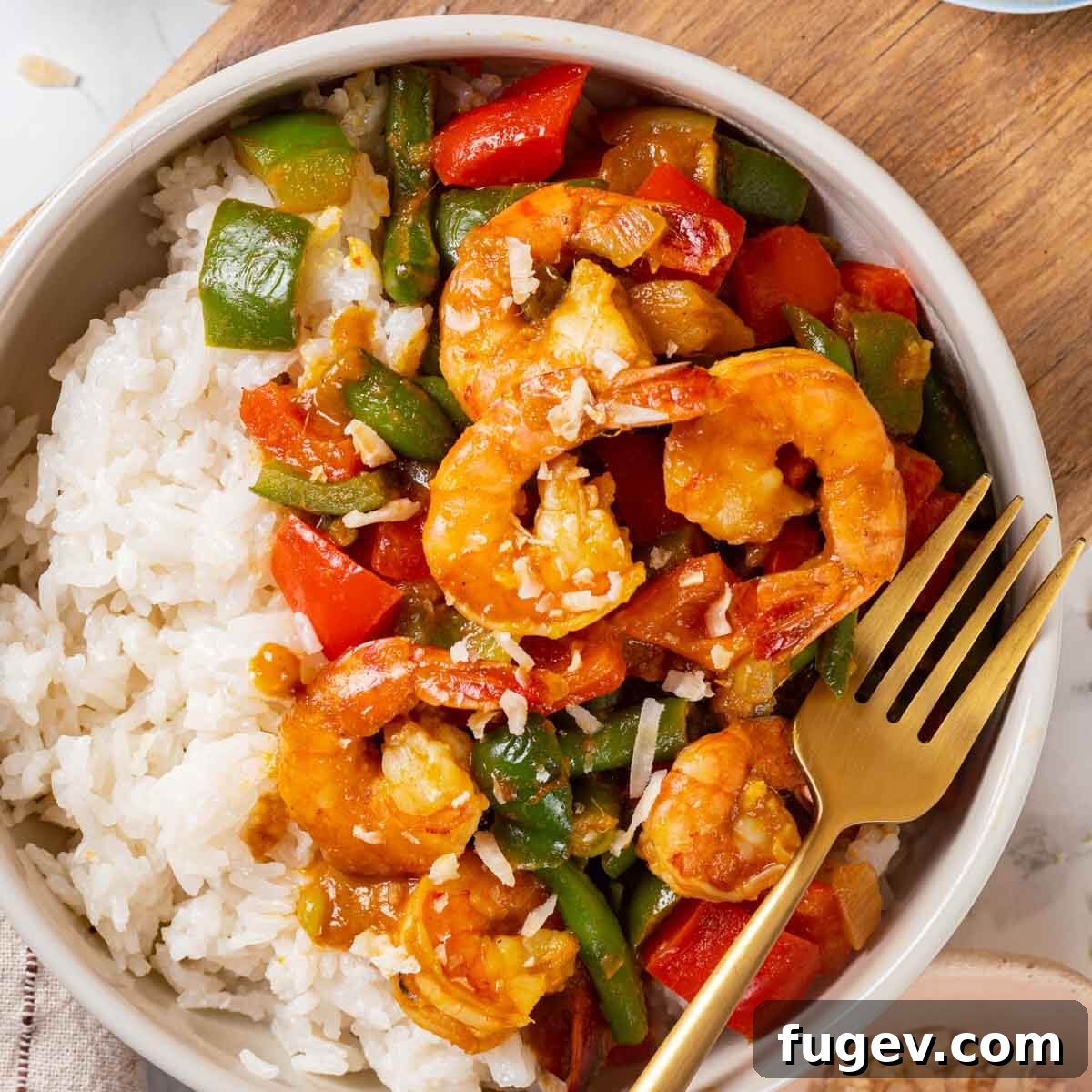
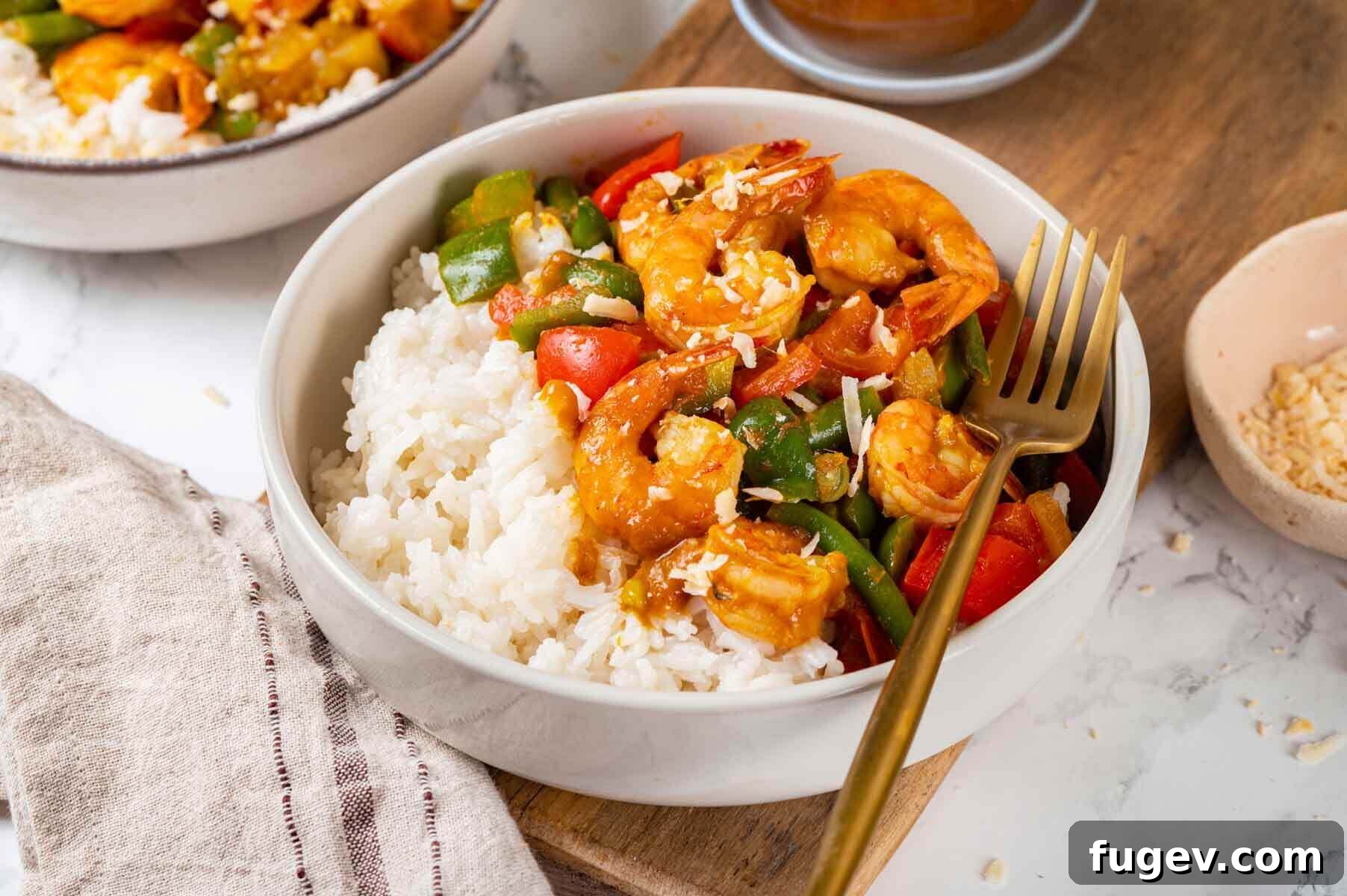
Indulge in a culinary journey with this incredibly flavorful shrimp curry, perfectly paired with fragrant, easy coconut rice. This vibrant dish is more than just a meal; it’s a celebration of bold, aromatic spices, sweet mango notes, and a delightful kick of heat, all complemented by tender, perfectly cooked shrimp and an abundance of fresh, crisp vegetables. Designed for busy weeknights yet impressive enough for guests, this recipe promises to become a cherished family favorite, leaving everyone eager for a second helping. Its complex taste belies a surprisingly simple preparation, making gourmet flavors accessible right in your own kitchen.
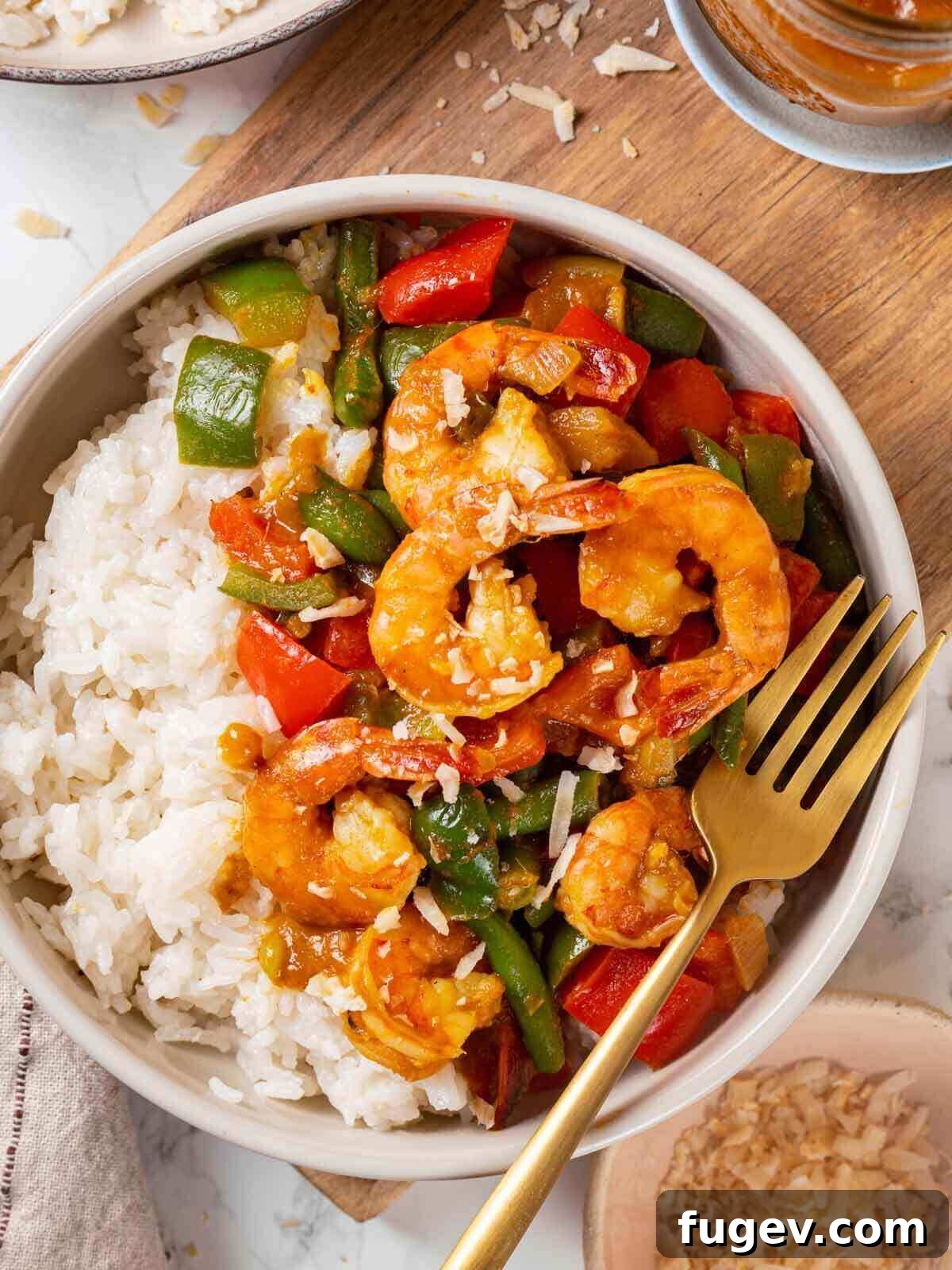
While the depth of flavor might suggest hours of labor, this homemade shrimp curry is remarkably straightforward to prepare. The magic happens as aromatic ingredients, savory curry paste, and sweet mango chutney meld together to create a rich, luxurious sauce. When combined with perfectly sautéed vegetables and succulent, quickly cooked shrimp, and served over fluffy coconut rice, you get a meal that truly satisfies. Embrace the adventure of cooking with this recipe, and discover how effortless it can be to bring exotic, comforting flavors to your table.
Looking to keep your week bursting with sweet and spicy delights? Explore other adventurous recipes like spicy peach pork chops, savory chipotle chorizo tacos, and irresistible sweet and spicy wings for a taste experience that excites the palate!
Table of Contents
- Why You Will Love This Shrimp Curry Recipe
- Expert Tips for Mastering Curry Shrimp
- Essential Ingredients for Shrimp Curry
- Creative Variations for Your Shrimp Curry
- How to Make This Mouthwatering Curry
- Chef Lindsey’s Secret Recipe Tip
- Frequently Asked Questions About Shrimp Curry
- Shrimp Curry Recipe Card
- Before You Delve Deeper
Why You Will Love This Shrimp Curry Recipe
- Effortless and Adaptable Culinary Delight: This shrimp curry stands out as a true weeknight hero. Its beauty lies in its simplicity and incredible versatility, allowing you to tailor it to your personal preferences or what you have on hand. Feel free to experiment with a variety of vegetables, from crunchy snap peas to vibrant zucchini, or swap out the shrimp for chicken, tofu, or even chickpeas for a vegetarian twist. Adjust the heat by choosing a mild, medium, or hot curry paste, and enrich the sauce with a splash of coconut milk for a luxuriously creamy texture. This recipe truly empowers you to be creative in the kitchen, making it a different experience every time you cook it.
- A Symphony of Sweet and Spicy Flavors: Crafted by a professional chef, this recipe guarantees a harmonious balance of flavors that will dance on your palate. The natural sweetness of ripe mango chutney beautifully counteracts the warmth of the curry paste, creating a layered taste experience that is both comforting and exciting. Every component, from the perfectly cooked shrimp to the fluffy coconut rice, is designed to contribute to this exquisite equilibrium. You have the freedom to fine-tune the sweetness and spice to your exact liking, ensuring a customized dish that hits all the right notes for you and your family.
- Ideal for Meal Prep and Time-Saving Solutions: This shrimp curry is an excellent candidate for meal prepping or batch cooking, making it a fantastic choice for those with busy schedules. Prepare a larger batch at the beginning of the week, and you’ll have delicious, wholesome meals ready to go for work lunches or quick dinners on nights when time is scarce. The curry and rice can be refrigerated or frozen separately, preserving their individual textures and flavors until you’re ready to enjoy them. This convenience means less stress in the kitchen and more time to savor your culinary creations.
Expert Tips for Mastering Curry Shrimp
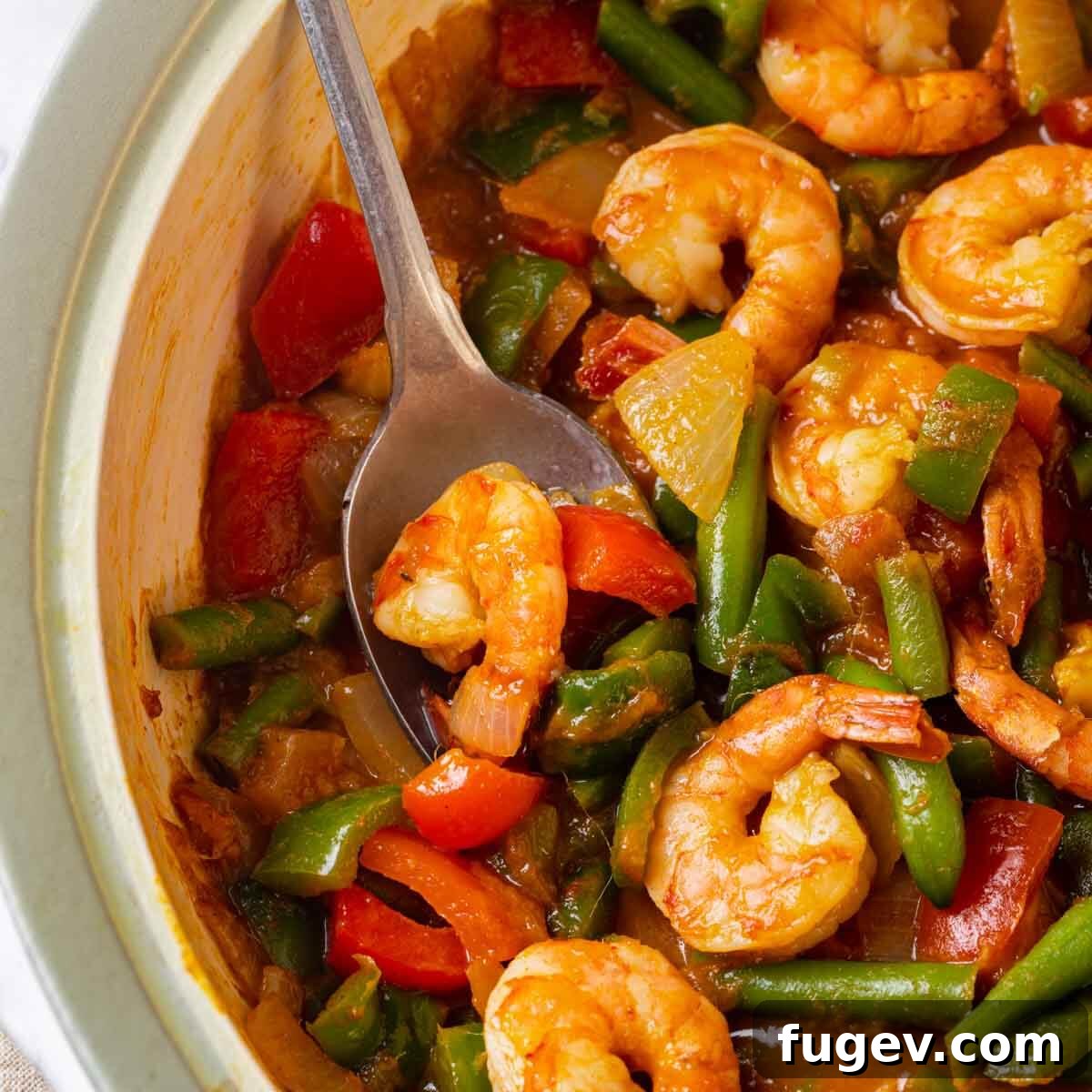
- Perfectly Cooked Shrimp Every Time: Shrimp cook incredibly fast, and overcooked shrimp can quickly turn rubbery and unappetizing. The key to succulent, tender shrimp is vigilance. Keep a close eye on them; they typically require only 2-3 minutes per side, or until they turn opaque and curl into a C-shape. As soon as they achieve this pinkish, opaque appearance, remove them from the heat. Remember, residual heat will continue to cook them slightly even after they’re off the stove.
- Seasoning is Key: Taste as You Go: One of the hallmarks of great cooking is the willingness to taste and adjust throughout the cooking process. As you layer in the different components of your curry sauce—the curry paste, mango chutney, and any liquids—take a moment to taste and assess the balance. Does it need a pinch more salt to enhance the flavors? A bit more curry paste for a deeper spice? Perhaps a touch more mango chutney for sweetness or a squeeze of lime juice for acidity? Adjusting as you go ensures the final dish perfectly matches your desired flavor profile.
- Rinse Your Rice for Fluffy Perfection: For perfectly fluffy, non-sticky rice, rinsing is a crucial step. This process washes away excess surface starch, which is the primary culprit behind gummy or clumpy rice. Place your jasmine rice in a fine-mesh sieve and rinse it under cold running water until the water runs clear. This simple technique ensures each grain cooks individually, resulting in a light, airy texture that beautifully complements the rich curry sauce.
Essential Ingredients for Shrimp Curry
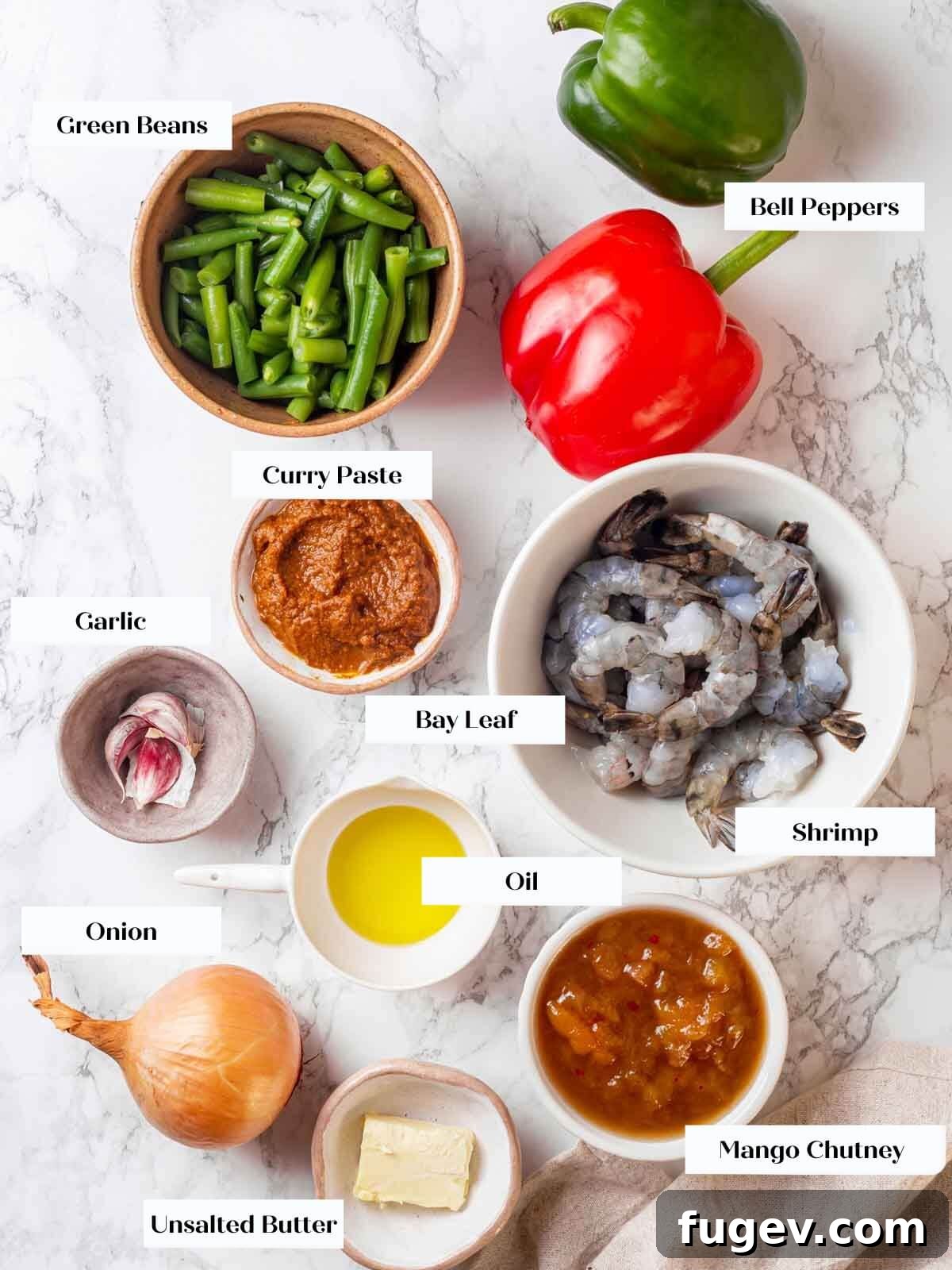
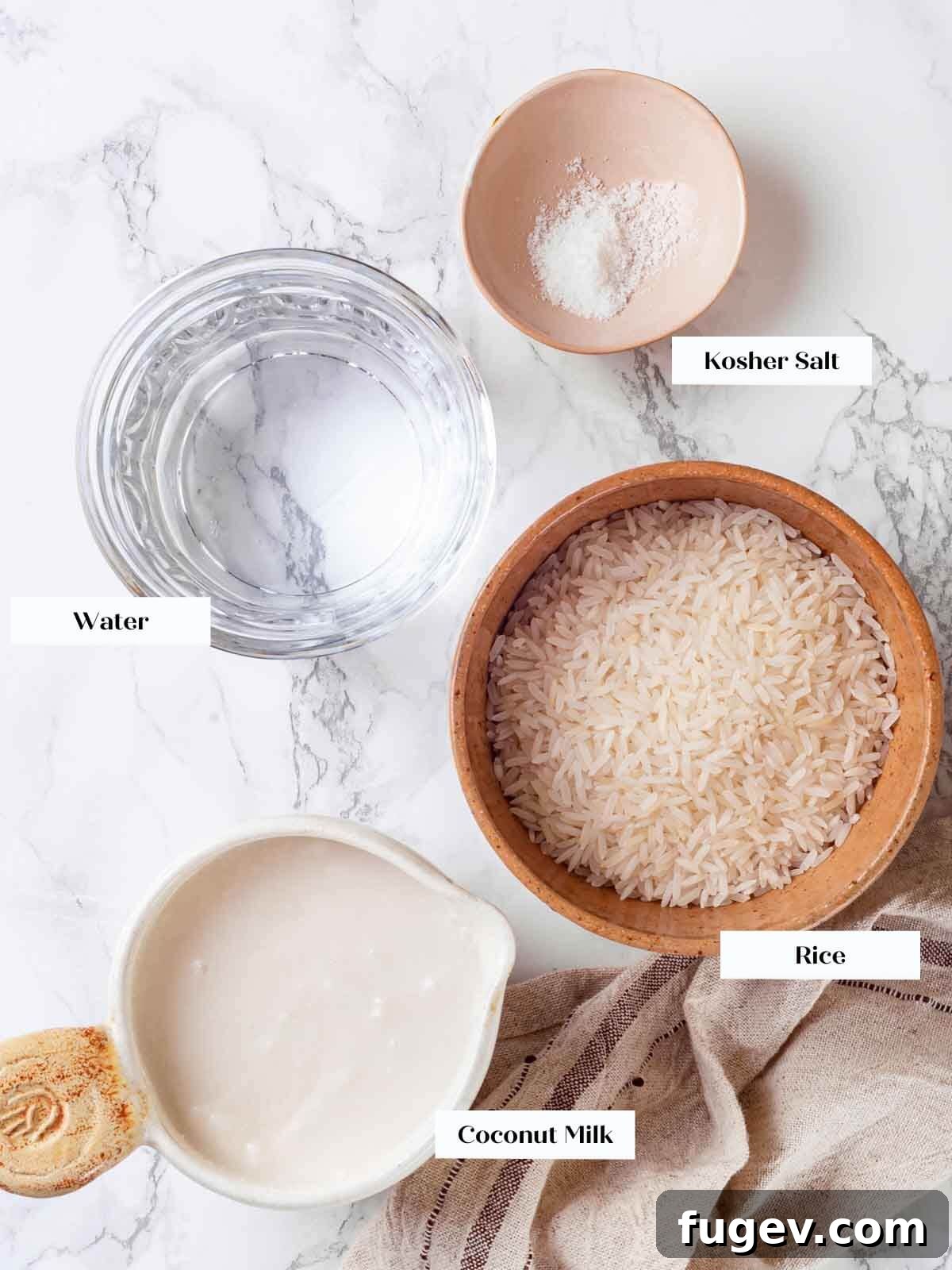
Crafting a truly exceptional shrimp curry starts with selecting the right ingredients. Here’s a detailed look at what you’ll need to create this aromatic and satisfying dish:
- Unsalted Butter: Using unsalted butter gives you precise control over the overall sodium content of your dish, allowing you to season to perfection without worrying about hidden salts.
- Oil: For sautéing, I highly recommend using an oil with a high smoke point, such as avocado oil, grapeseed oil, or canola oil. This prevents the oil from burning and smoking, which can impart an unpleasant taste to your vegetables and curry base.
- Onion: A finely chopped yellow or white onion forms the aromatic foundation of our curry, softening to a sweet, translucent base that releases wonderful depth of flavor.
- Bell Peppers: To enhance both the visual appeal and the flavor profile, I love to combine 1 vibrant red bell pepper and 1 crisp green bell pepper, chopped. They add a fresh, sweet crunch and a beautiful pop of color.
- Green Beans: Fresh green beans, cut into 1-inch pieces, add a lovely textural contrast and earthy flavor. Cutting them uniformly ensures they cook evenly and retain a slight crispness.
- Garlic: Freshly minced garlic is indispensable in curry, providing a pungent, aromatic kick that builds the complexity of the sauce. Avoid pre-minced garlic for the best flavor.
- Shrimp: For this recipe, I opt for 20 jumbo shrimp. Whether fresh or thawed frozen, ensure they are thoroughly peeled and deveined before cooking for the best eating experience. If using smaller shrimp, adjust the quantity accordingly.
- Curry Paste: The heart of the curry! I used flavorful Tikka Curry Paste, but feel free to explore other varieties like Thai red curry paste or green curry paste. Consider your preferred heat level – many brands offer mild, medium, and hot options.
- Mango Chutney: This sweet and tangy condiment is a secret weapon, adding a fruity depth and balancing sweetness to the curry. Any good quality jarred mango chutney from your local grocery store will work beautifully.
- Coconut Milk: I used 1 can of light coconut milk to keep the dish a bit lighter, but for a richer, more indulgent curry, full-fat coconut milk is an excellent choice. It lends creaminess and a subtle coconut flavor that is characteristic of many curries.
- Water: Essential for cooking the rice and adjusting the consistency of the curry sauce if needed.
- Kosher Salt: Kosher salt’s larger flakes allow for more controlled seasoning, dissolving evenly to enhance flavors without making the dish overly salty.
- Rice: Jasmine rice is my preferred choice for its delicate fragrance and fluffy texture. One cup of uncooked rice yields a generous amount. If you’re preparing more, remember to adjust the water ratio accordingly. For an extra treat, serve this alongside warm, soft buttery garlic naan bread to scoop up every last drop of the delicious sauce!
Creative Variations for Your Shrimp Curry
While the original recipe for this shrimp curry is a standout, it also serves as a fantastic canvas for culinary creativity. Don’t hesitate to experiment with these delicious variations to discover your new favorite:
- Authentic Coconut Shrimp Curry (Thai-Inspired): Elevate your curry to a luscious Thai coconut shrimp curry by incorporating a can of rich coconut milk into the sauce alongside a vibrant Thai red curry paste. This combination creates a deeply flavorful and creamy base. To further enhance the authentic Thai essence, finish the dish with a generous squeeze of fresh lime juice for brightness or simmer the curry with a fragrant kaffir lime leaf for its unique citrusy aroma. Consider adding a dash of fish sauce for umami depth.
- Zesty Green Curry Delight: For a refreshing and often spicier alternative, swap the tikka paste for a pungent green curry paste. Green curry is known for its bright, herbaceous notes and a fiery kick, often derived from fresh green chilies, lemongrass, and galangal. This variation pairs beautifully with ingredients like bamboo shoots, Thai basil, and snow peas, creating a lighter yet intensely flavorful curry.
- Earthy Yellow Curry Comfort: Opt for a milder, more earthy profile with yellow curry paste. Yellow curries typically feature turmeric, which gives them their distinctive color and a subtle, mellow spice. This version truly shines with the addition of creamy coconut milk, creating a comforting and less intense flavor profile that is wonderfully rich. Add ingredients like potatoes and carrots for a heartier meal.
- Unlock Deeper Flavors with Spices and Herbs: Don’t be shy about customizing your curry with additional spices and fresh herbs.
- Fresh Garnishes: A sprinkle of fresh cilantro or Thai basil just before serving adds a burst of freshness and aroma.
- Deep Flavor Boosters: Incorporate grated fresh ginger for a warm, piquant note, ground coriander for a citrusy, sweet undertone, or cumin for an earthy, pungent depth. Lightly toasting these whole spices before grinding them can unlock even more intense flavors.
- Curry Powder: For an extra layer of complexity, stir in a teaspoon or two of your favorite curry powder along with the curry paste.
- Added Heat: If you crave more fire, a pinch of cayenne pepper, sliced fresh chili peppers (like bird’s eye chilies), or a generous sprinkle of red pepper flakes will deliver that satisfying kick you’re looking for.
How to Make This Mouthwatering Curry
Creating this delightful shrimp curry is a seamless process that yields incredible flavor. Follow these detailed instructions to achieve perfection every time. You’ll find full ingredient measurements and quantities listed in the recipe card below!
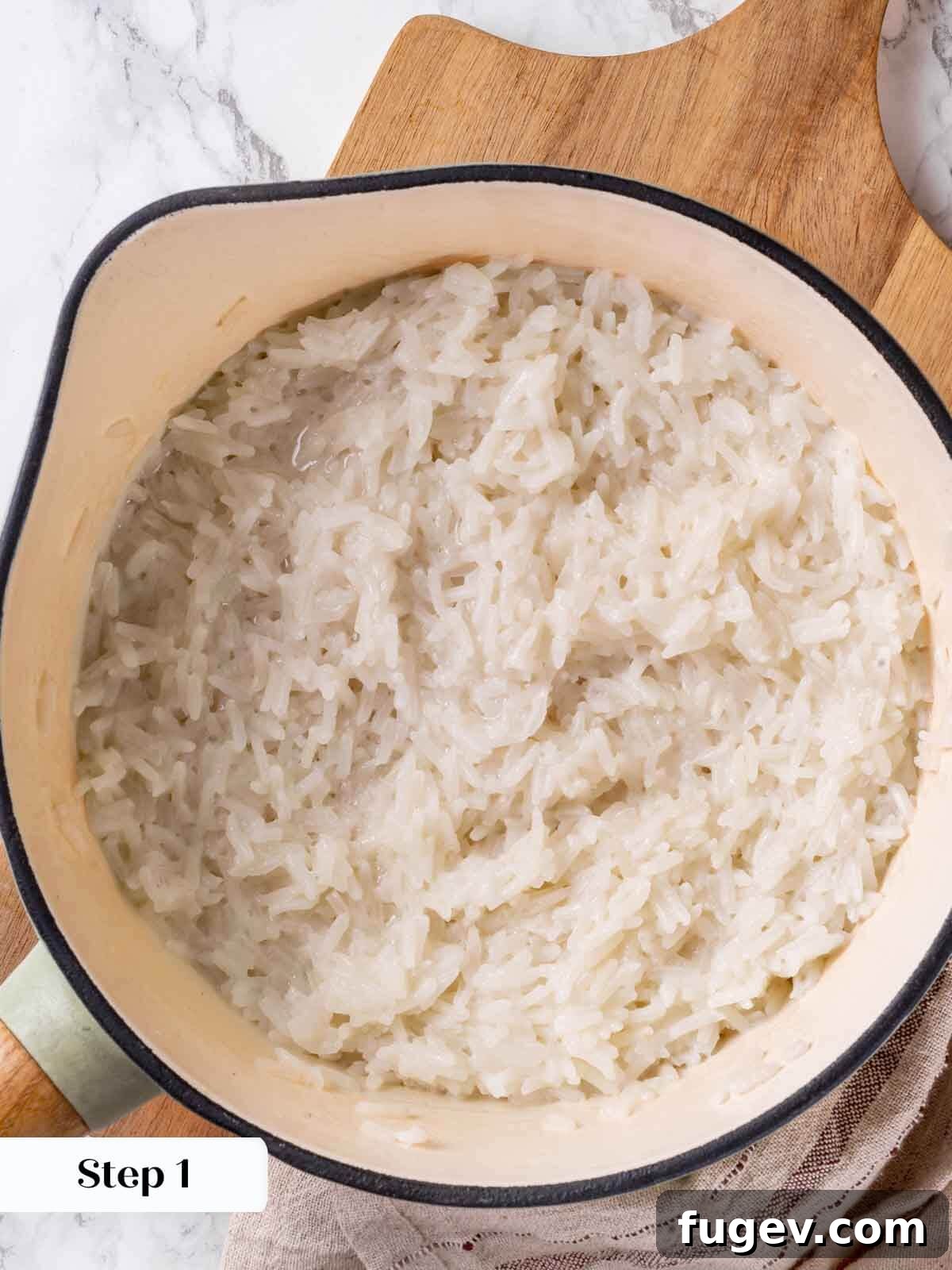
Step 1: Prepare the Fluffy Coconut Rice. In a medium saucepan, combine the jasmine rice, coconut milk, water, and a pinch of salt. Bring this mixture to a rolling boil over medium heat on your stovetop. Once boiling, immediately reduce the heat to low, cover the saucepan tightly with a lid, and let it simmer for 20-25 minutes. This gentle simmering allows the rice to absorb all the liquid and become tender and fragrant. Resist the urge to lift the lid during this time, as it traps the steam essential for perfect rice. Once done, let it rest for a few minutes off the heat, then fluff with a fork.
Chef’s Flavor Boost for Rice: For an extra layer of savory depth in your coconut rice, sauté a quarter cup of finely chopped onions and a clove of minced garlic in a teaspoon of oil in the saucepan for 2-3 minutes before adding the rice and liquids. This simple step infuses the rice with a subtle aromatic base.
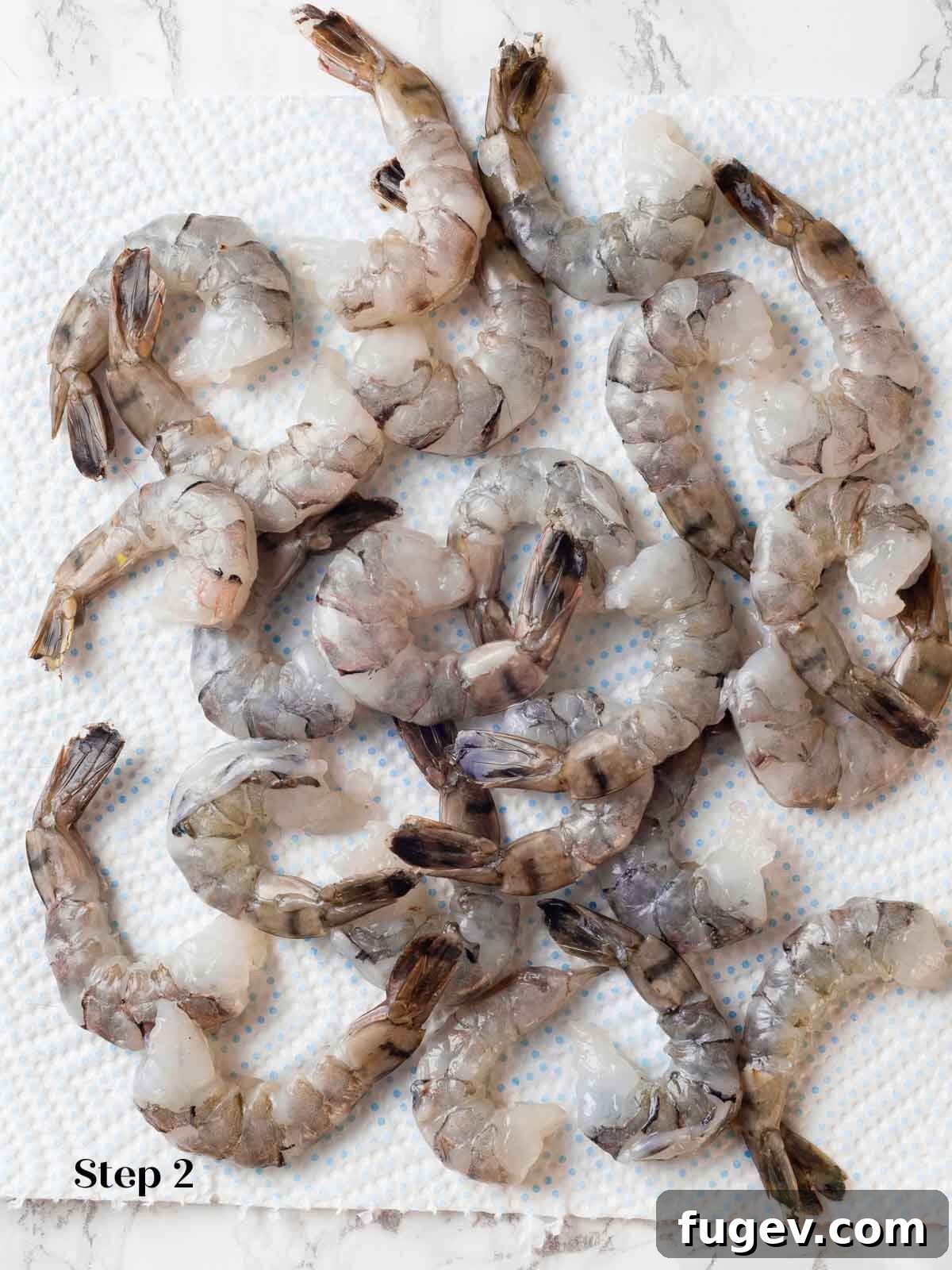
Step 2: Prepare the Succulent Shrimp. If you’re using frozen shrimp, begin by thawing them in a bowl of cold or ice water. As the rice cooks, take this time to thoroughly devein your shrimp. This is an important step for both aesthetics and texture. Once deveined, rinse the shrimp under cold water and pat them completely dry with paper towels. Removing excess moisture is crucial for achieving a good sear later, ensuring they cook evenly and caramelize slightly. Set the prepped shrimp aside.
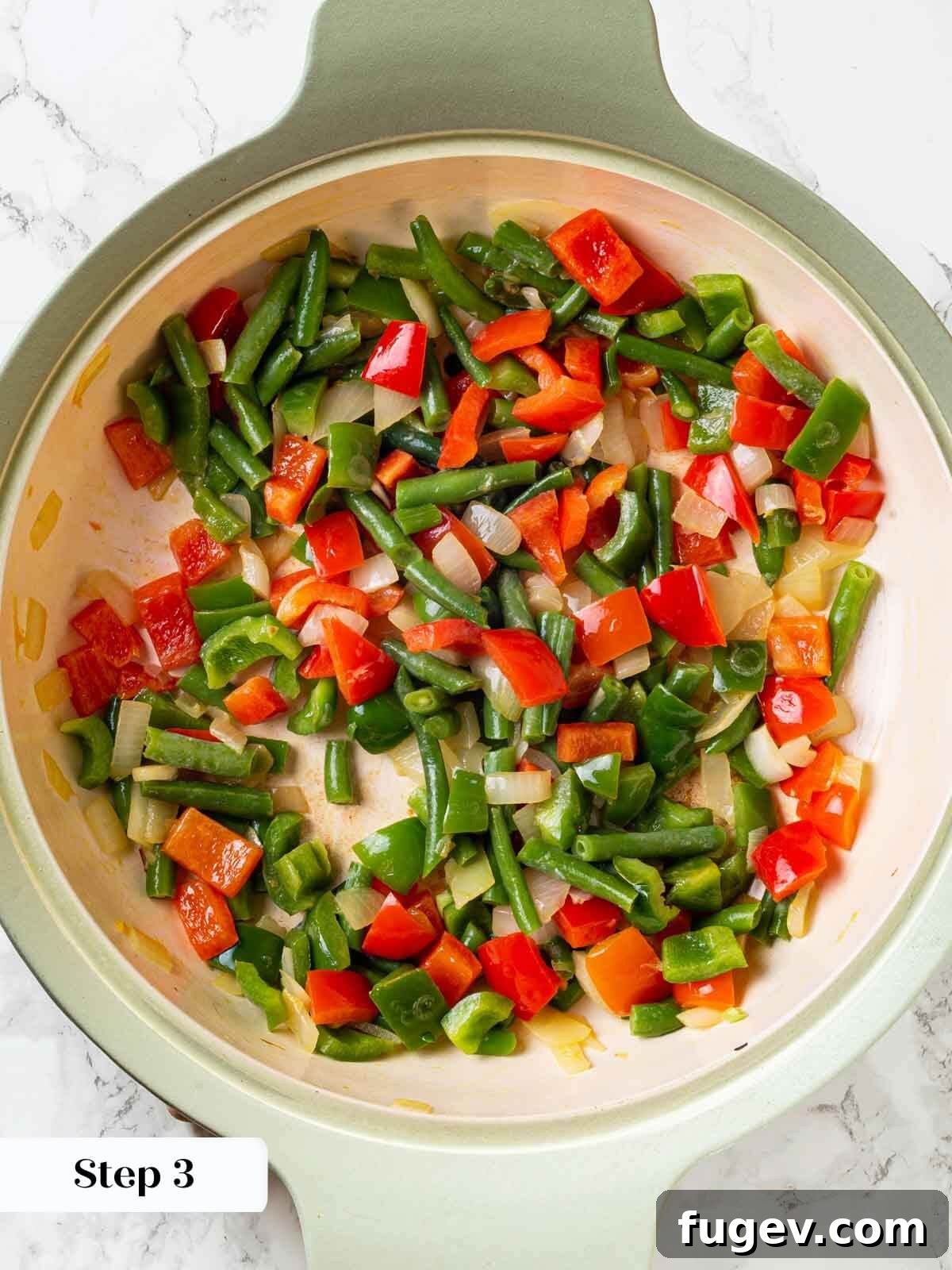
Step 3: Sauté the Colorful Vegetables. In a large skillet, melt the unsalted butter over medium heat. Once shimmering, add the chopped green beans, onions, and bell peppers. Sauté these vegetables, stirring occasionally, until the onions become translucent and soft, and the bell peppers are tender-crisp, typically about 5-7 minutes. You want them cooked through but still retaining a pleasant bite.
Step 4: Infuse with Garlic. Add the minced garlic to the skillet with the sautéed vegetables. Stir constantly for about 30 seconds to 1 minute, until the garlic becomes fragrant and just begins to turn a light golden color. Be careful not to let it burn, as burnt garlic can impart a bitter taste to your curry.
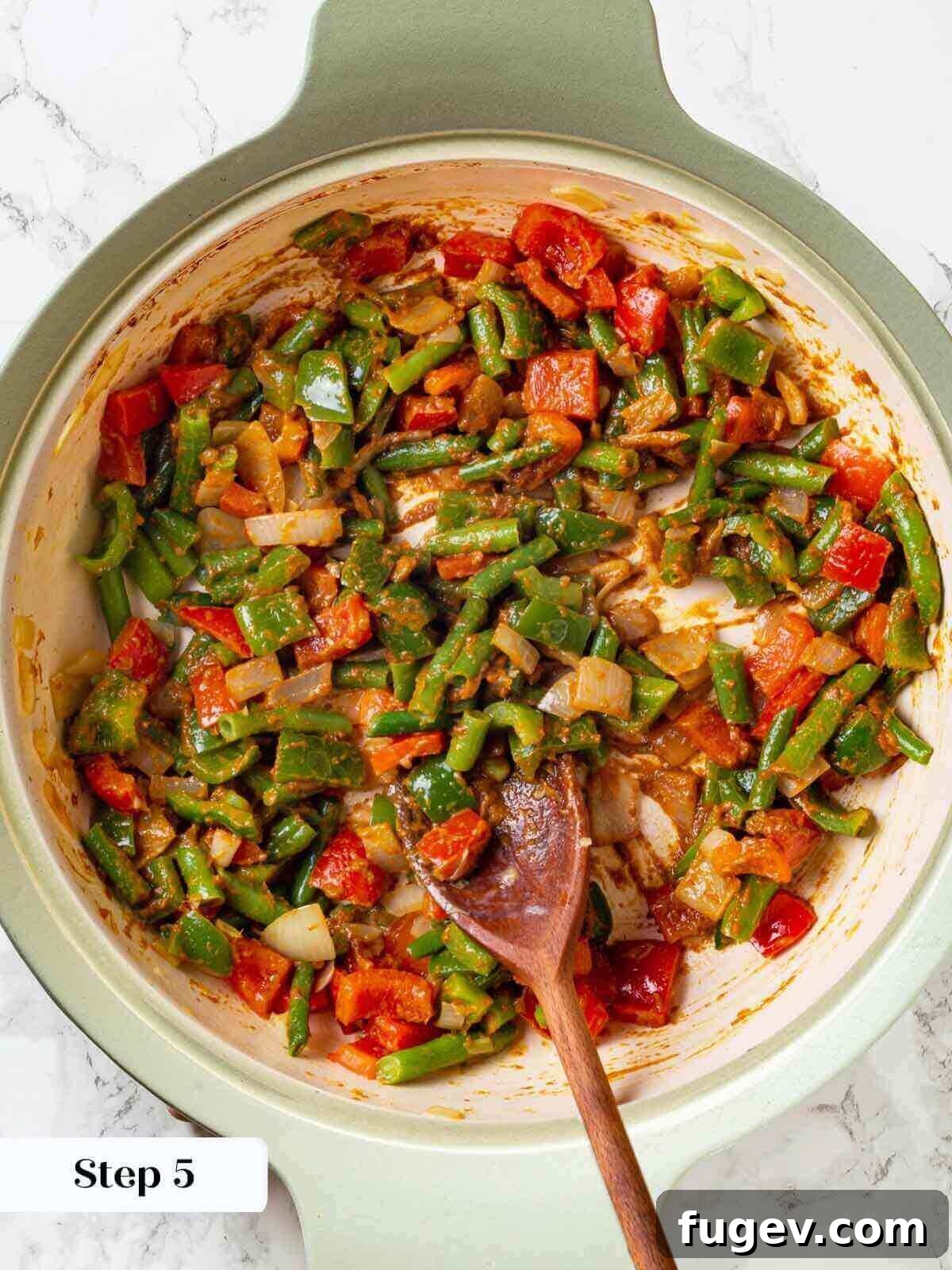
Step 5: Bloom the Curry Paste. Spoon the curry paste into the pan with the vegetables and garlic. Stir continuously for 1-2 minutes, allowing the paste to ‘bloom’ in the hot oil. This crucial step toasts the spices in the paste, intensifying their aroma and deepening the overall flavor of your curry. Ensure all the vegetables are well coated.
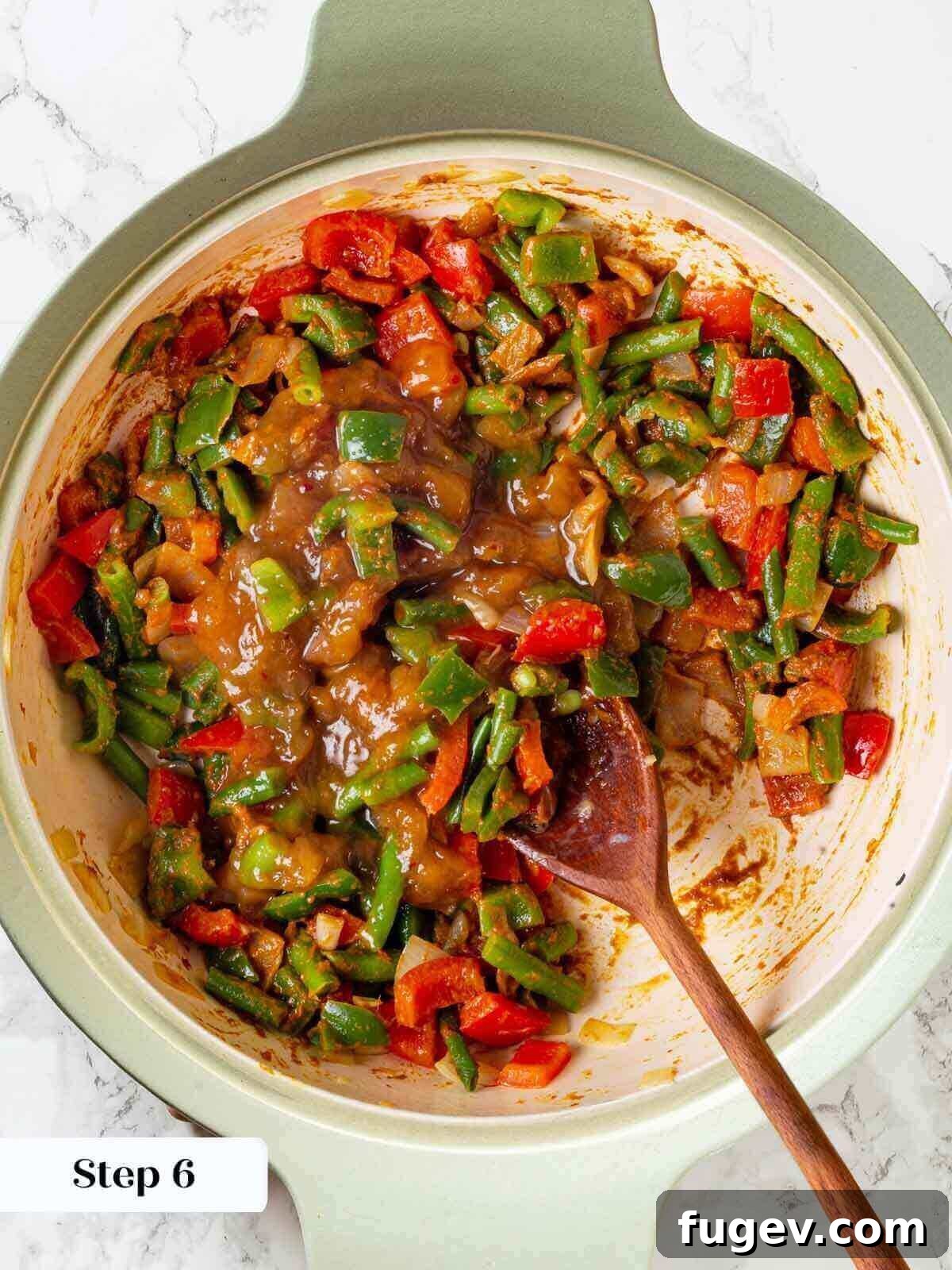
Step 6: Stir in Mango Chutney and Season. Add the mango chutney to the pan and stir it thoroughly, ensuring it is fully incorporated into the curry paste and vegetables to create a cohesive sauce. At this point, it’s essential to taste the sauce. Assess the balance of sweet, spicy, and savory notes. Adjust as needed by adding a little more curry paste for extra heat, a pinch more salt to brighten flavors, or a touch more chutney for sweetness. Your palate is your best guide!
Quick Fix for Overly Spicy Curry: If your curry sauce turns out to be a bit too spicy for your preference, don’t despair! You can easily mellow the heat by stirring in a spoonful or two of unsweetened yogurt, sour cream, or extra coconut milk (if not already added). These ingredients help to temper the capsaicin, bringing the heat down to a more enjoyable level.
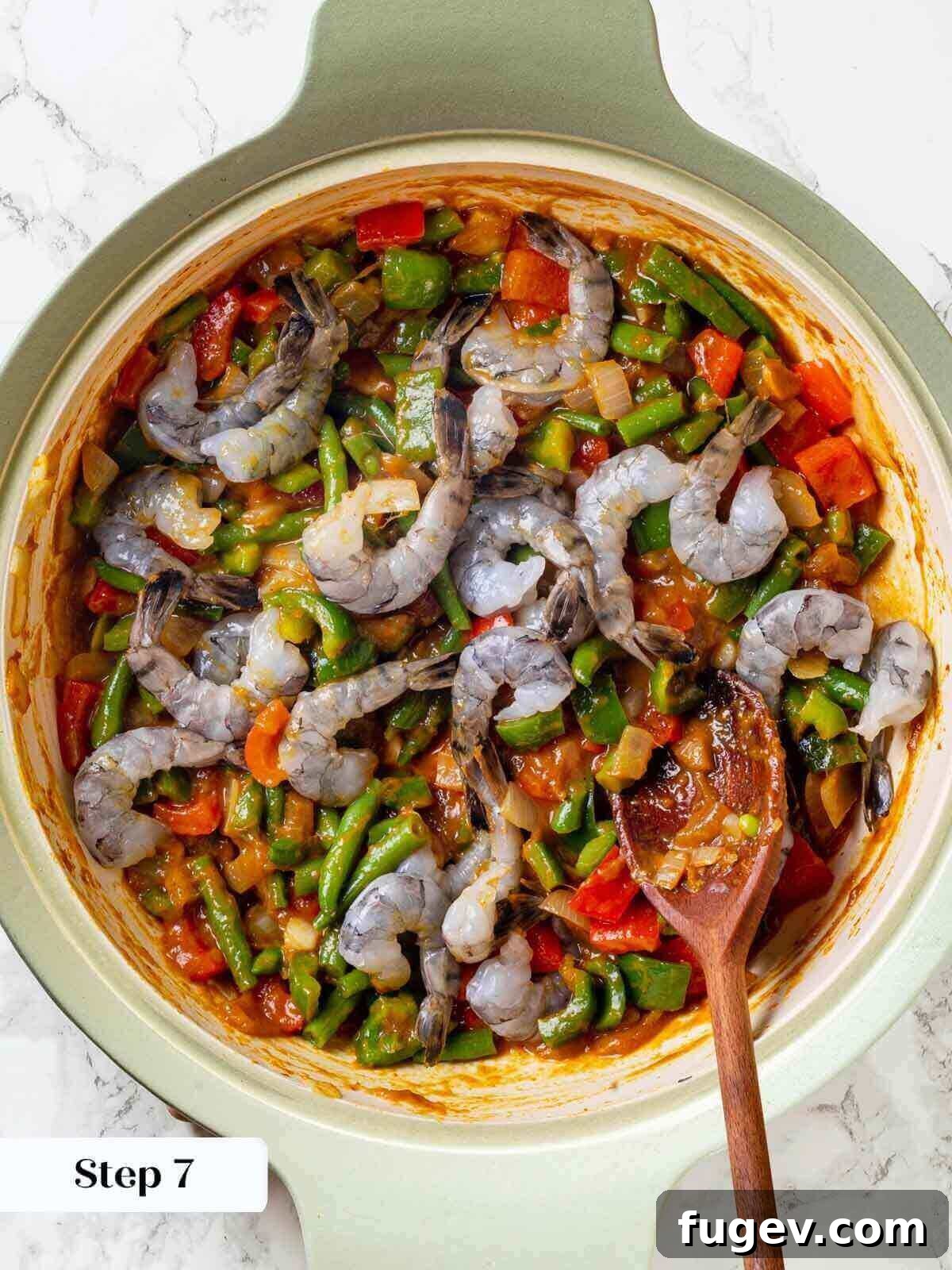
Step 7: Cook the Shrimp to Perfection. Gently add the prepared shrimp to the pan with the curry sauce. Stir them into the sauce, ensuring each shrimp is well coated. Simmer for a very short duration, about 2-3 minutes per side, until the shrimp are fully cooked through, turning opaque and pink. Remember our expert tip: shrimp cook quickly, so avoid overcooking to maintain their tender texture. As soon as they are cooked, proceed to the next step.
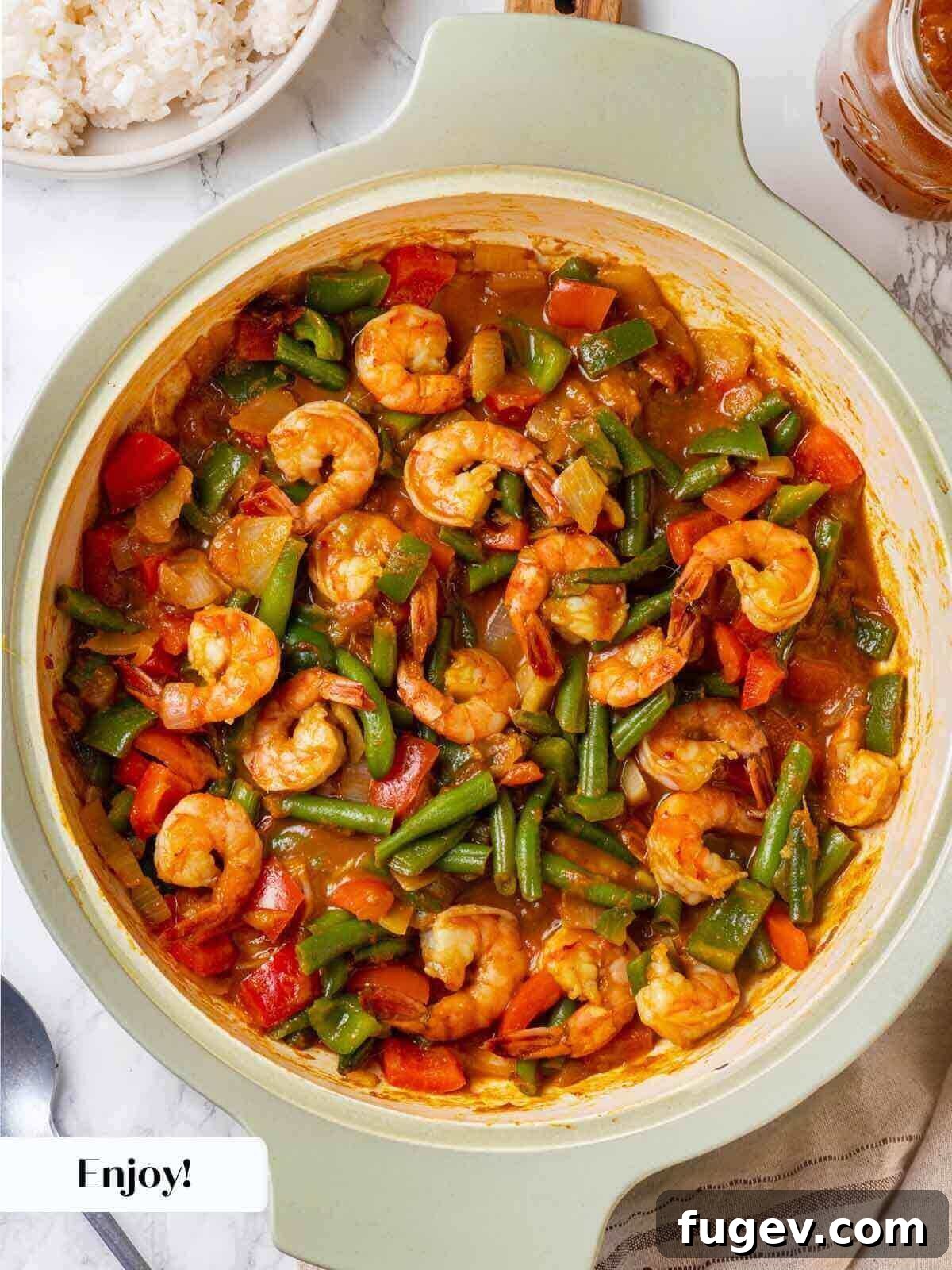
Step 8: Serve and Enjoy. Ladle a generous portion of the fragrant coconut rice onto plates, creating a beautiful bed. Spoon the rich and flavorful shrimp curry generously over the rice. For an added flourish, garnish with fresh cilantro or a squeeze of lime juice. Serve immediately and prepare for rave reviews! This dish is best enjoyed fresh.
Chef Lindsey’s Secret Recipe Tip
Customize the heat level to your exact liking for a truly personalized curry experience. The beauty of this shrimp curry recipe lies in its adaptability. If you prefer a milder, more gentle warmth, begin with a smaller amount of curry paste – perhaps half the recommended quantity – and gradually add more, tasting after each addition, until you reach your perfect spice level. For those who crave a fiery kick, feel absolutely free to increase the curry paste or incorporate additional fresh chilies, cayenne pepper, or red pepper flakes. Remember, curry pastes come in various heat levels (mild, medium, hot), so choose one that aligns with your family’s preferences to ensure everyone enjoys every spoonful.
Frequently Asked Questions About Shrimp Curry
Leftover shrimp curry stores beautifully! To maintain the best texture and flavor, I recommend storing the curry and the rice separately in airtight containers in the refrigerator for up to 3-4 days. For longer storage, both components can be frozen. Freeze the curry and rice in separate freezer-safe containers for up to 2-3 months. When reheating, thaw frozen curry overnight in the refrigerator, then gently warm it on the stovetop over medium-low heat, adding a splash of water or coconut milk if the sauce has thickened too much. Frozen rice can be easily reheated in the microwave: simply add a few teaspoons of water and microwave in 30-second intervals, stirring occasionally, until heated through and fluffy.
Absolutely! The versatility of this recipe means you can effortlessly swap out the curry paste to create entirely different flavor profiles. While Tikka Curry Paste offers a rich, aromatic experience, feel free to experiment with any type of curry paste you prefer or have on hand. Thai red curry paste will lend a bolder, spicier, and often more fragrant character, while yellow curry paste will offer a milder, earthy, and sometimes sweeter note. Green curry paste brings a vibrant, herbaceous, and typically spicier kick. Each paste offers a unique culinary journey, so choose what inspires you!
Yes, using frozen shrimp is a convenient and perfectly acceptable option for this recipe! To ensure the best results, it’s crucial to thaw the shrimp properly before cooking. Place the frozen shrimp in a bowl of cold water for about 15-20 minutes, or until fully thawed. Once thawed, thoroughly pat them dry with paper towels to remove any excess moisture. This step is vital because excess water can dilute the curry sauce, making it thin and watery, and also prevent the shrimp from searing nicely, leading to a less desirable texture.
Certainly! While jasmine rice is recommended for its fragrance and fluffy texture, you can easily substitute it with other rice varieties. Basmati rice, with its long grains and nutty aroma, is an excellent alternative. Long grain white rice will also work well, offering a neutral base for the curry. For a healthier, fiber-rich option, brown rice is a great choice, though it will require a longer cooking time and potentially more liquid. If you’re looking for low-carb alternatives, cauliflower rice or broccoli rice are fantastic, wholesome choices that pair wonderfully with the rich curry sauce. Remember to adjust cooking times and liquid ratios according to the specific type of rice you select.
If you tried this recipe and loved it, please leave a 🌟 star rating and let me know how it goes in the comments below. I love hearing from you; your comments make my day!

Shrimp Curry
Comment
Print Recipe
Ingredients
For the Shrimp Curry:
- 1 tablespoon unsalted butter
- 1 onion chopped
- 1 red bell pepper chopped
- 1 green bell pepper chopped
- 1 cup green beans 1 inch pieces
- 3 cloves garlic chopped
- 20 jumbo shrimp deveined
- 4 tablespoons curry paste (Tikka Curry Paste or similar)
- ½ cup mango chutney
- 1 tablespoon oil
For the Coconut Rice:
- 12 oz light coconut milk (or regular for a richer dish)
- 1 ¼ cups water
- 1 pinch salt
- 1 cup jasmine rice uncooked
Instructions
Prepare the Rice:
-
In a saucepan, combine all of the ingredients for the rice (coconut milk, water, salt, jasmine rice). Bring to a boil on the stove over medium heat. Cover, reduce heat to low, and simmer for 20-25 minutes or until the rice is tender and most of the liquid has been absorbed. Allow to rest for a few minutes before fluffing with a fork.
Prepare the Curry:
-
Thaw the shrimp in ice water if frozen. While the rice cooks, devein the shrimp, rinse thoroughly, and pat dry with paper towels. Set aside.
-
Melt butter in a large skillet over medium heat. Add the green beans, onions, and bell peppers. Sauté until the onions are translucent and the peppers are tender, about 5-7 minutes.
-
Add the minced garlic to the pan and sauté for about 30-60 seconds, until fragrant and just beginning to brown.
-
Add the curry paste to the pan. Stir constantly for 1-2 minutes to allow the paste to bloom and coat the vegetables thoroughly.
-
Stir in the mango chutney until well combined, creating a rich sauce. Taste the sauce and adjust seasonings (more curry paste for spice, salt to taste) as needed.
-
Add the prepped shrimp to the pan and stir them into the curry sauce. Simmer gently until the shrimp are fully cooked through, turning opaque and pink, about 2-3 minutes per side. Be careful not to overcook them.
-
Serve the vibrant shrimp curry immediately over a generous bed of the fluffy coconut rice. Garnish with fresh herbs if desired.
Notes
Variations – Coconut shrimp curry: To transform this into a Thai-style coconut shrimp curry, simply incorporate canned coconut milk into the curry sauce along with a flavorful Thai red curry paste. Finish with a squeeze of fresh lime juice for brightness.
Storage – Store leftover shrimp curry in an airtight container in the refrigerator for 3-4 days. For optimal freshness and texture, it is highly recommended to store the curry and the coconut rice separately. Both components can also be frozen separately for longer storage.
Nutrition
Before You Delve Deeper
Thank you for exploring this professionally tested and chef-developed recipe! We hope you found the instructions clear and the tips helpful for creating a delicious shrimp curry that delights your taste buds. This dish is a testament to how simple ingredients can come together to produce extraordinary flavors, making it a perfect addition to your culinary repertoire.
We encourage you to try this recipe in your own kitchen and experience the wonderful blend of sweet, spicy, and savory notes. Don’t forget to share your creations and feedback with us!
For more inspiring and chef-developed meal ideas, be sure to check out our other delectable summer dinner recipes. Happy cooking!