
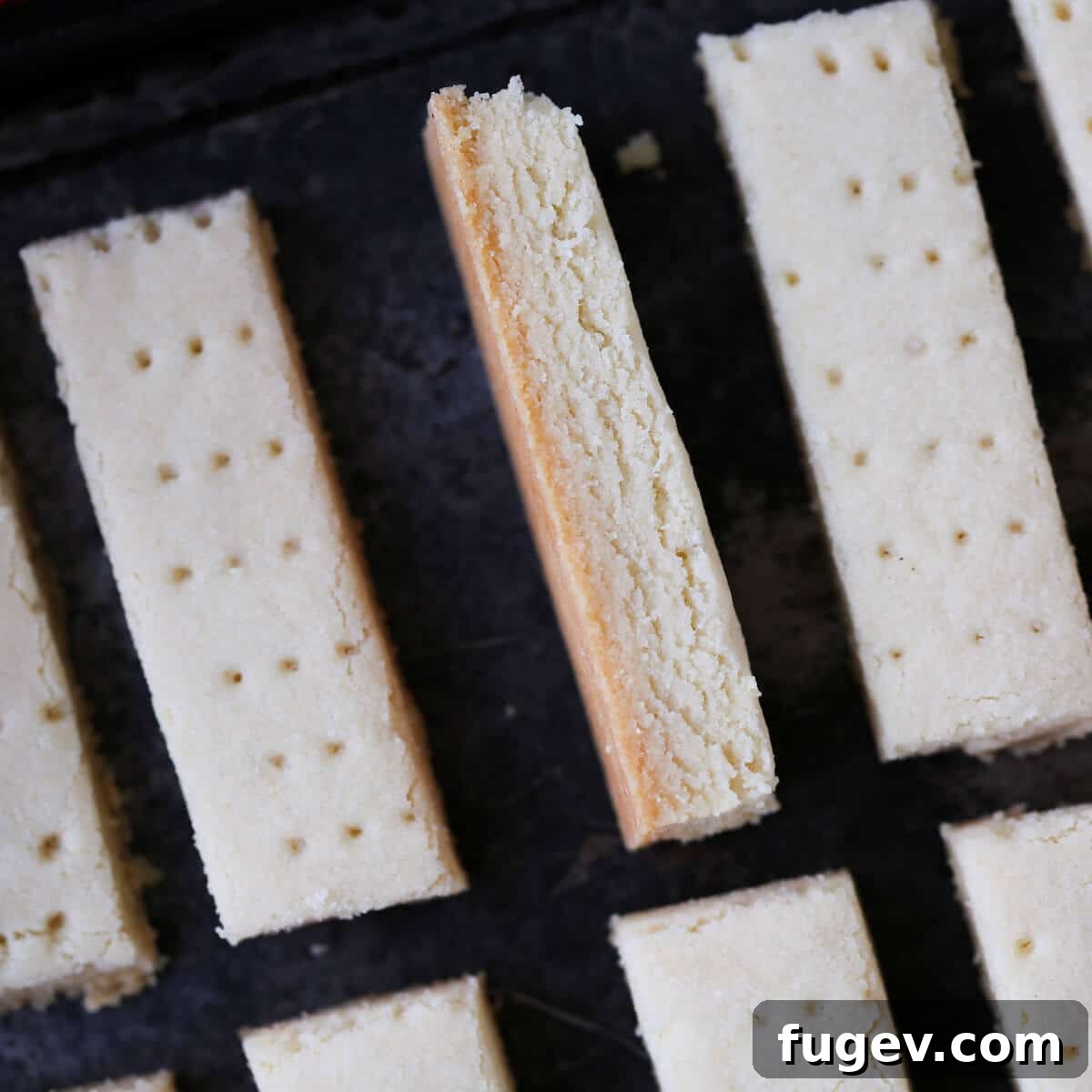
Authentic Scottish Shortbread Recipe: The Ultimate Guide to Buttery Perfection
Embark on a culinary journey to the heart of Scotland with this authentic Scottish Shortbread recipe. Crafted by a professional pastry chef, this guide ensures you’ll create irresistibly tender, buttery shortbread with remarkable ease. Using just 4 core ingredients, you’re set to achieve a no-stress, sensational shortbread cookie that melts in your mouth and delights the senses. Whether you’re a seasoned baker or new to the kitchen, these precise, step-by-step instructions will empower you to bake perfect shortbread every single time, making it a staple for your dessert repertoire and a true testament to classic Scottish baking.
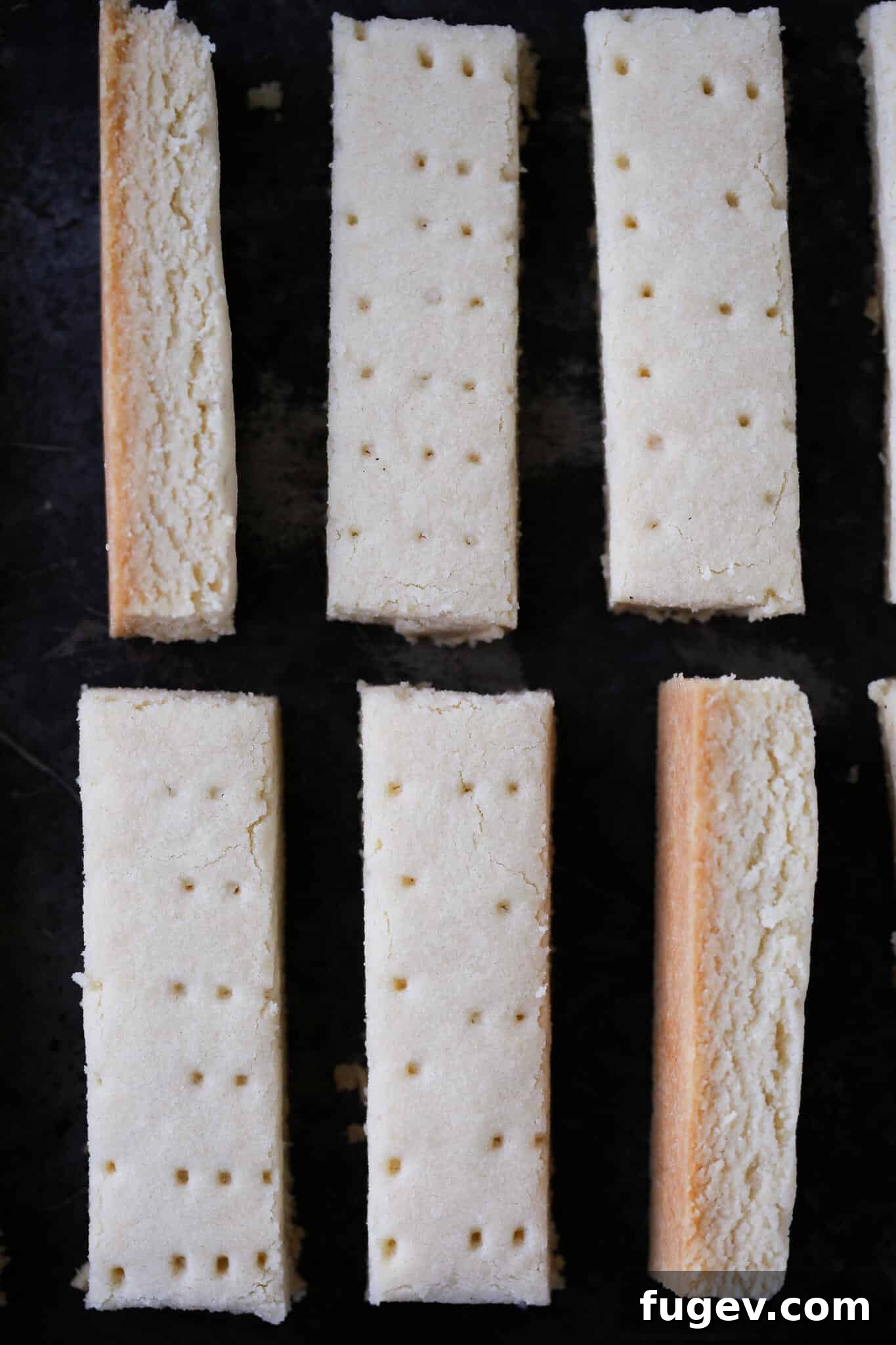
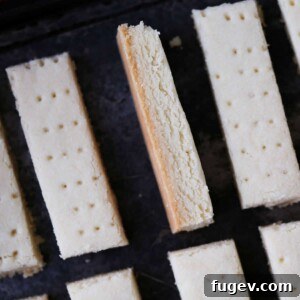
This cherished traditional Scottish Shortbread recipe distinguishes itself with its simplicity, relying on only four high-quality ingredients to achieve its iconic texture and flavor. While many shortbread variations exist using just flour, butter, and sugar, our heritage recipe incorporates rice flour. This addition is crucial; it introduces starch without developing gluten, resulting in an exquisitely tender crumb that surpasses other recipes. The outcome is a buttery, delightfully crumbly cookie with a subtle, satisfying crunch on the outside – a truly perfect balance that promises to impress. Prepare yourself for a baking experience that will elevate your perception of simple cookies.
Receiving a box of these homemade Scottish Shortbread cookies from me during the festive season is a true mark of affection, as their addictive quality makes it genuinely challenging to resist devouring them all with a cup of tea or a sip of fine whiskey! They are undeniably perfect for gifting, whether as a standalone treat or alongside an assortment of other beloved baked goods. Consider pairing them with classics like these Bakery Style Chocolate Chip Cookies, elegant Linzer Cookies, festive Pecan Snowball Cookies, aromatic Molasses Spice Cookies, or sophisticated Ginger Orange Almond Biscotti. Each cookie complements the rich butteriness of the shortbread, creating a truly memorable holiday collection.
Table of Contents
- Why This is the Best Traditional Scottish Shortbread Recipe
- Secrets to Crafting Perfect Shortbread
- The Etymology: Why “Shortbread”?
- A Rich Heritage: The History of Scottish Shortbread
- Essential Ingredients for Traditional Shortbread
- Delicious Shortbread Variations to Explore
- Step-by-Step: How to Make Scottish Shortbread
- Chef Lindsey’s Expert Baking Tip
- Frequently Asked Questions About Shortbread
- Complete Scottish Shortbread Recipe Card
- More Delicious Recipes to Discover
Why This is the Best Traditional Scottish Shortbread Recipe
- Unparalleled Simplicity & Irresistible Taste: This recipe has been perfected and passed down through generations for a reason. Its enduring appeal lies in the luxurious, rich buttery flavor derived from just a few humble ingredients. These cookies have a unique ability to brighten any day, offering comforting deliciousness in every bite.
- Precisely Balanced Ingredients for the Ideal Texture: With only four ingredients, the quality and type of each are paramount. Our recipe specifically calls for caster sugar (which is simple to prepare at home) and rice flour. These specific choices are the secret behind shortbread’s characteristic sandy, melt-in-your-mouth texture, ensuring a delicate crumble that is truly authentic.
- Reliable & Expert-Guided Baking Process: Achieving true authentic shortbread texture requires a particular technique to minimize gluten development. Our directions, meticulously outlined by a pastry professional, guide you through the “cut-in” method of incorporating butter into flour. This ensures the gluten strands are effectively “shortened,” resulting in the desired tender, crumbly biscuit. Every step is designed for clarity and success.
Secrets to Crafting Perfect Shortbread
Achieving shortbread perfection is simpler than you might think, especially when you know the key techniques that professional bakers employ. Here are the essential secrets to guarantee your homemade shortbread cookies are flawless every single time:
- Ensure Butter is Fully Incorporated, No Streaks: When you’re cutting in your butter, vigilance is key. It’s vital to frequently scrape down the sides and bottom of your mixing bowl. This ensures that the butter is evenly distributed throughout the flour mixture, preventing any tell-tale streaks of unmixed butter which can lead to an uneven bake and texture. A uniform dough is a happy dough!
- Don’t Skip Pricking Holes in Your Shortbread: Those small, iconic fork pricks aren’t just for decoration! They serve a crucial functional purpose. Pricking holes in the dough allows steam to escape efficiently during baking. This prevents the shortbread from puffing up irregularly and ensures a consistent, even bake across the entire surface, leading to that perfectly flat, crisp finish.
- The Two-Stage Baking Method for Ultimate Crispness: The true mark of expertly baked shortbread lies in its texture – crisp yet tender. The trick is a two-phase baking process. First, partially bake the dough in a single block. Once slightly set, remove it from the oven, precisely cut your desired shapes (fingers, rounds, or wedges), and then separate them before returning to the oven for the final bake. This method ensures maximum crispness, prevents spreading, and guarantees those coveted melt-in-your-mouth edges.
The Etymology: Why “Shortbread”?
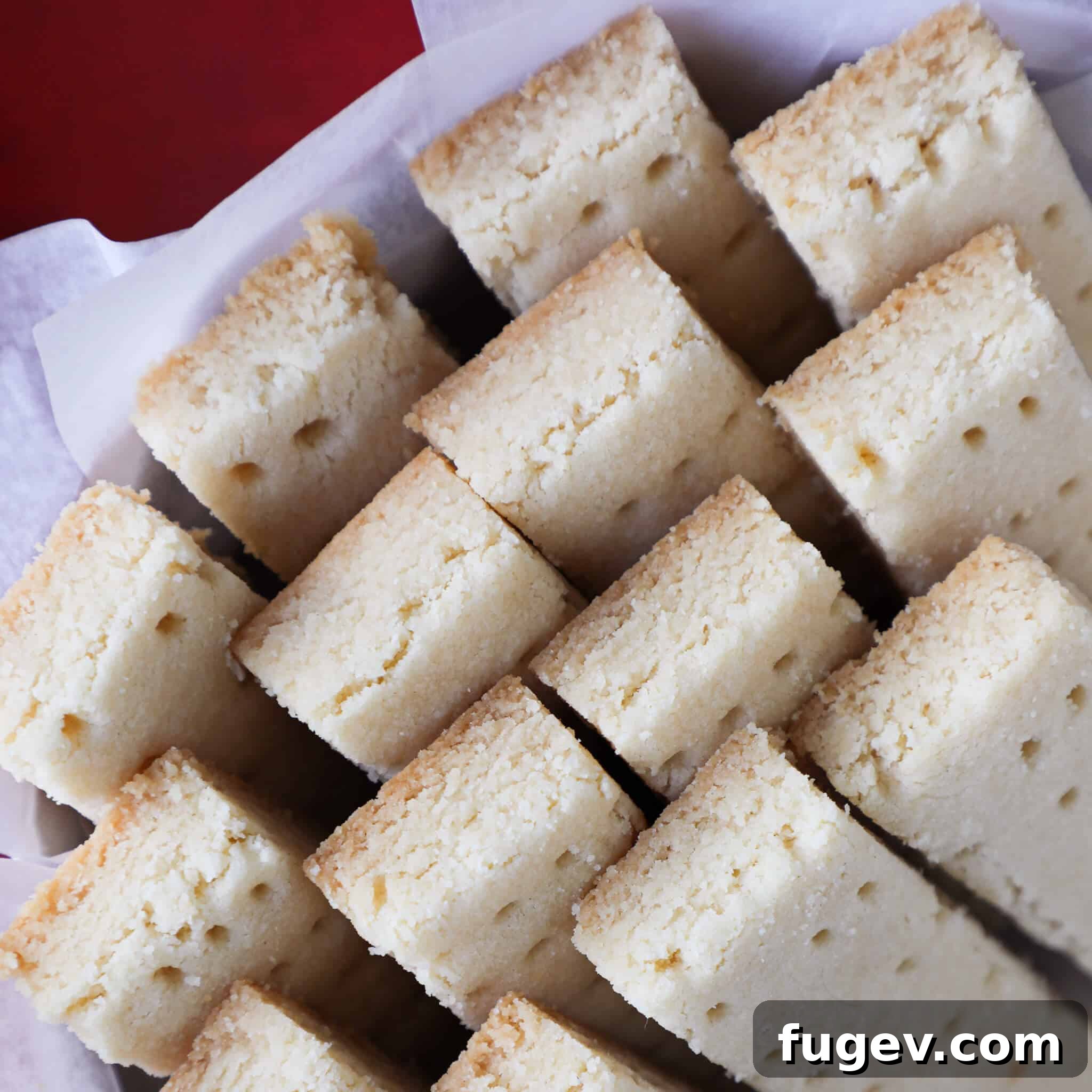
The intriguing name “shortbread” actually comes from a fundamental baking technique: the ‘cut-in’ mixing method. This term originates from the literal action of “cutting in” a solid fat, typically butter, into flour using a pastry blender, two knives, or, in modern times, a food processor. This process strategically coats the flour particles with fat. By doing so, it inhibits the gluten proteins from forming a strong, elastic network that is characteristic of breads or more chewy cookies. Essentially, the gluten strands are “shortened” or “cut” by the surrounding butter, leading to a tender, crumbly texture rather than a tough one. This method is traditionally employed in recipes, like shortbread, where there’s a notably high ratio of fat to flour, precisely to achieve that desirable “short” – meaning crumbly and delicate – texture.
A Rich Heritage: The History of Scottish Shortbread
While various shortbread-like biscuits are enjoyed globally, Scotland proudly lays claim to the earliest origins of what we recognize as traditional shortbread. As we discussed, the key to its unique texture lies in the butter effectively coating the flour to minimize gluten formation. This necessitates a plentiful supply of high-quality dairy – a resource Scotland, with its cool climate and rich pasturelands supporting dairy cows, has always had in abundance. Historically, shortbread evolved from medieval biscuit bread, a leftover dough from bread making that was dried out in a low oven until it hardened. Over time, yeast was replaced with butter, and the sugar content increased, transforming it into the delightful treat we know today. Mary, Queen of Scots, is often credited with popularizing shortbread in the 16th century, particularly favoring a thin, buttery shortbread known as “Petticoat Tails.” This traditional shape, often a large circle cut into wedges or triangles, is said to resemble the segments of a woman’s petticoat, hence the charming historical name. So, when you’re making shortbread fingers today, remember their rich history and regal connections!
Essential Ingredients for Traditional Shortbread
The beauty of traditional Scottish shortbread lies in its simplicity, relying on a few high-quality ingredients to create an extraordinary cookie. Each component plays a vital role in achieving that signature buttery, crumbly texture:
- Unsalted Butter: The star of shortbread! I always advocate for using unsalted butter in baking to give you complete control over the salt content in your recipe. Since shortbread contains no eggs or other liquids, the butter is the sole source of moisture and richness, making its quality absolutely paramount. Opt for a high-fat, good-quality butter for the best flavor and texture. If you were making truly authentic Scottish shortbread, you’d source your butter directly from Scotland, but a premium European-style butter from your local market will yield fantastic results.
- All-Purpose Flour: This forms the primary structure of our shortbread. To ensure accuracy and prevent a dry, tough cookie, it’s crucial to measure your all-purpose flour correctly. Lightly fluff the flour in its bag or container, then spoon it gently into your measuring cup. Level it off precisely with the flat side of a knife, being careful not to tap or compress the flour. Improper measurement can drastically alter the dough’s consistency.
- Rice Flour: This is the secret ingredient that elevates traditional shortbread to its unique tender crispness. Rice flour, naturally gluten-free, boasts a finer, slightly coarser texture than all-purpose flour. Its inclusion adds starch and structural integrity without developing the gluten protein network that would make the cookies tough. The result is an incredibly delicate, sandy, and melt-in-your-mouth crumb that defines authentic shortbread.
- Caster Sugar: Essential for that perfect sandy texture and delicate sweetness. Caster sugar, also known as superfine sugar, has finer crystals than granulated sugar, allowing it to dissolve more easily and blend seamlessly into the butter without creating a gritty texture. While not always readily available in the United States, it’s incredibly easy to make your own by processing regular granulated sugar in a food processor until it reaches a finer consistency. A good rule of thumb is to grind about ¾ cup (172g) of granulated sugar, then measure out ¾ cup (150g) of your freshly made superfine sugar. Remember, caster sugar is finer than granulated but coarser than powdered (confectioners’) sugar.
- Kosher Salt: A pinch of kosher salt is vital for balancing the rich sweetness and enhancing the deep buttery flavors, preventing the shortbread from tasting flat. It acts as a flavor enhancer, bringing out the best in the other simple ingredients.
For precise quantities and detailed nutritional information, please refer to the comprehensive recipe card below.
Delicious Shortbread Variations to Explore
While traditional Scottish Shortbread is a masterpiece on its own, it also serves as a fantastic canvas for creative flavor explorations. Here are some delightful variations to customize your next batch:
- Citrus Zest Infusion: Elevate the classic butteriness with a bright citrus note. Zest the peel of an orange, lemon, or grapefruit directly into your caster sugar. Allow this mixture to sit for at least 30 minutes, or even better, overnight, to infuse the sugar with aromatic essential oils. Proceed with the recipe as instructed for a wonderfully fragrant citrus shortbread. For more inspiration, explore my Cranberry Orange Shortbread Cookies.
- Elegant Glazed Shortbread: For a touch of sophistication, prepare a simple glaze. Whisk together powdered sugar with a tiny pinch of salt and just enough fresh lemon juice to achieve a thick, pourable consistency. Drizzle this elegant glaze over the cooled shortbread and allow it to set. Alternatively, venture beyond the traditional by trying the vibrant strawberry glaze from my lemon pound cake, or even dip your traditional Scottish shortbread cookies into a luscious hot fudge sauce for an indulgent treat!
- Decadent Chocolate Chip Shortbread: For chocolate lovers, this variation is a must-try. Once your shortbread dough has come together, gently fold in up to a cup of mini chocolate chips or finely chopped chocolate. This adds pockets of rich, melty chocolate throughout the buttery cookies. Find a similar approach and more ideas in my Chocolate Chip Shortbread Cookies recipe.
- Gluten-Free Alternative: For those with dietary restrictions, delicious shortbread is still within reach. You can easily adapt this recipe by substituting the all-purpose flour with a high-quality gluten-free all-purpose flour blend. I highly recommend Cup4Cup gluten-free flour, as I find it provides a texture closest to traditional wheat flour, ensuring your gluten-free shortbread maintains its tender, crumbly charm.
- Using a Shortbread Mold: If you’re aiming for a beautifully intricate presentation, consider using a shortbread mold. I’ve had great success with this gorgeous wedge-shaped ceramic shortbread mold. Bear in mind that ceramic conducts heat less efficiently than metal, so achieving that perfect crisp finish might require slight adjustments to baking time. To ensure your shortbread releases cleanly from the mold, I highly recommend sifting a light dusting of rice flour over the mold before pressing your dough into it. Aside from this minor adjustment, the rest of the baking process remains largely the same, delivering stunningly shaped cookies.
Step-by-Step: How to Make Scottish Shortbread
Making traditional Scottish shortbread is a delightful process that yields delicious results with careful attention to detail. Follow these steps for perfect, tender cookies. Further precise details and exact measurements can be found in the recipe card below.
Part 1: Preparing the Dough
Step 1: Prepare Your Baking Environment. Begin by preheating your oven to a low 275°F (135°C). This gentle temperature is key to slowly baking the shortbread to perfection without over-browning. Line a baking sheet or pan with parchment paper, ensuring easy removal and preventing sticking.
Step 2: Soften the Butter to Perfection. In the bowl of a stand mixer fitted with the paddle attachment, place your room temperature butter. Beat on high speed until it’s completely softened, lightened in color, and smooth. If your butter is already perfectly at room temperature and easily pliable, you may find this step takes less time or is less crucial. The goal is a creamy, homogeneous base.
Step 3: Combine Dry Ingredients. In a separate large mixing bowl, thoroughly combine the rice flour and all-purpose flour. Add the caster sugar and kosher salt, whisking everything together vigorously until all ingredients are evenly distributed. This ensures consistent flavor and texture throughout your shortbread.
Step 4: Incorporate Wet and Dry Ingredients. Add the whisked flour mixture directly into the stand mixer bowl with the creamed butter. Mix on a low speed. This process will take at least 10 minutes, as you want to ensure the butter and dry ingredients are fully combined. Be diligent about scraping down the sides and bottom of your bowl frequently to prevent any butter streaks and ensure a perfectly uniform dough.
It’s important to remember that this cookie dough contains no additional liquids; its structure and cohesion come solely from the butter. Initially, the dough will appear quite clumpy and crumbly, but it should readily come together and hold its shape when squeezed firmly in your hand.
Part 2: Shaping and Initial Bake
Step 5: Shape the Dough. Gather the prepared dough into a ball and then press it out evenly onto your parchment-lined baking sheet. Form it into a rectangle or your preferred shape, aiming for a consistent thickness of approximately ½ inch. The exact dimensions and shape are flexible, but consider the final size of your cookies before baking. For example, if you desire 3 ½ x 1 inch sticks, you might press your dough out to about 7 inches high and 9 inches across, allowing for neat cuts later.
A slight slope on the sides of your shortbread block is natural after baking. To achieve perfectly neat rectangles or other shapes, allow for a small buffer around the edges when you plan your initial pressing, ensuring you have enough material to trim if needed.
Step 6: Prick for Perfection. Using a fork, gently poke holes across the entire surface of the pressed dough. These perforations are crucial for allowing steam to escape during baking, which prevents air bubbles from distorting the shape and ensures an even rise and flat surface. You can choose to prick uniformly or consider the patterns of your final cookie cuts.
Part 3: Final Bake and Cooling
Step 7: First Bake for Firmness. Place the prepared baking sheet into your preheated oven and bake for approximately 45 minutes. During this initial phase, the shortbread will puff up slightly and develop a matte finish on its surface, indicating it’s beginning to set. It won’t be fully browned yet.
Step 8: Slice and Separate. Carefully remove the baking sheet from the oven. While the shortbread is still warm and pliable on the baking sheet, use a sharp knife to slice it into your desired shapes – fingers, squares, or wedges. It is critical to perform this step directly on the baking sheet, as attempting to move the entire parchment or shortbread block will likely cause it to crack. Once sliced, gently separate the individual pieces, ensuring there is sufficient airflow around each cookie for proper, even cooking during the second bake.
Step 9: Second Bake for Golden Crispness. Increase your oven temperature to 300°F (150°C). Return the separated shortbread pieces to the oven and continue baking for another 30-45 minutes. This stage is crucial for developing a lovely golden-brown hue on the bottom and edges, along with that signature crisp texture. Once baked to your liking, remove from the oven and allow them to cool completely on the baking sheet (do NOT transfer to a wire rack immediately). This gradual cooling helps them crisp up beautifully. Serve and savor every buttery bite!
If you prefer a shortbread with absolutely no browning – a pale, traditional Scottish style – maintain the oven temperature at 275°F (135°C) for the second bake, extending the baking time by an additional 60-75 minutes. The cookies will remain a light, completely matte color, indicating they are thoroughly baked through without caramelizing.
Chef Lindsey’s Expert Baking Tip
For the crispiest, most perfectly structured shortbread, resist the urge to move them! Always leave your shortbread cookies on the original baking sheet to cool completely after coming out of the oven. This allows them to gradually firm up and develop that delightful snap without the risk of cracking or breaking, ensuring a truly satisfying finish.
Frequently Asked Questions About Shortbread
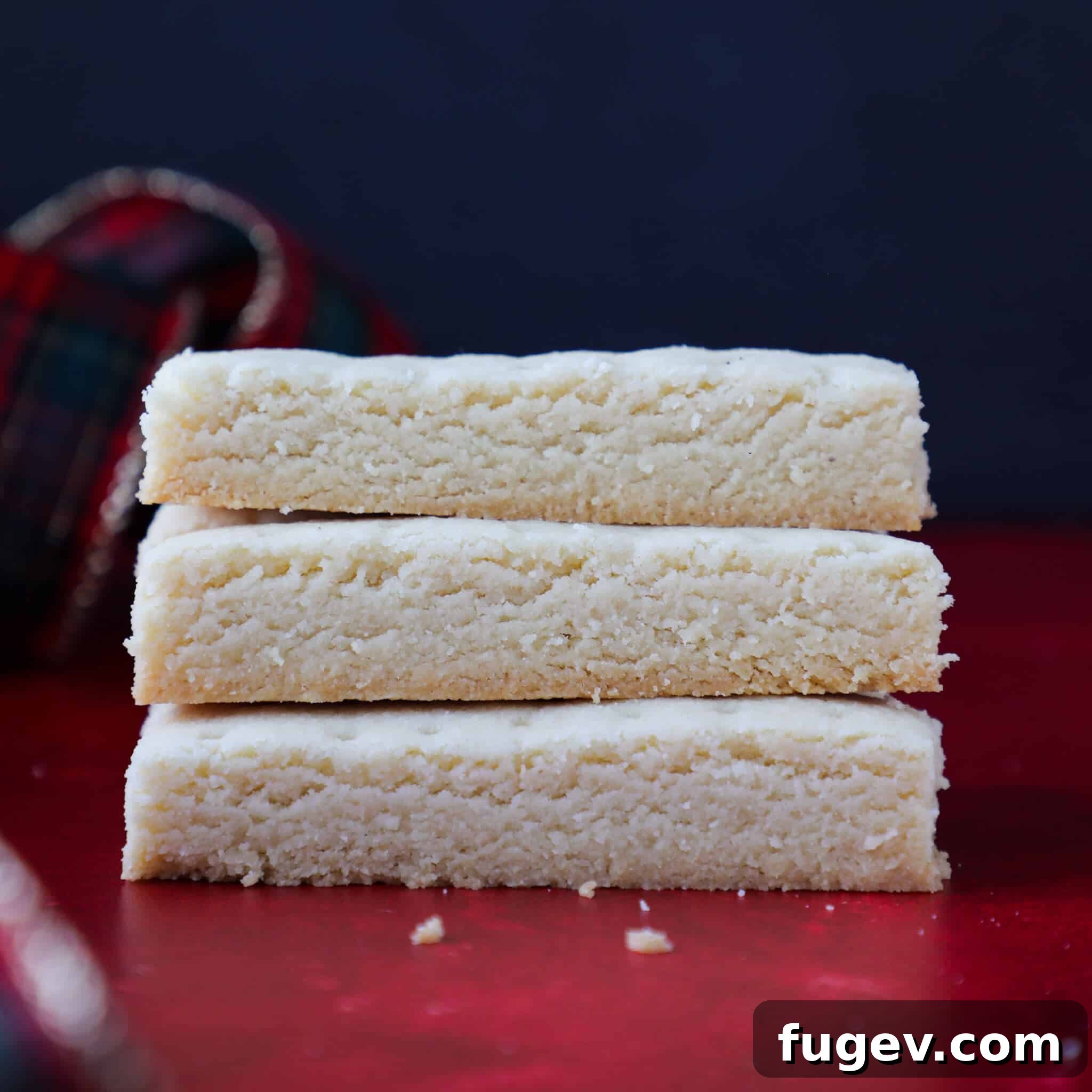
To preserve the characteristic crispness and buttery flavor of your homemade Scottish shortbread cookies, it is best to store them in an airtight container at room temperature. Kept this way, they will maintain their quality for up to two weeks. For longer storage, shortbread freezes exceptionally well; simply transfer them to a freezer-safe container or bag, and they will stay fresh for up to 3 months. Thaw at room temperature before serving.
Unlike many cookie doughs that benefit from chilling to prevent spreading, this traditional Scottish shortbread recipe does not require prior chilling. Our unique two-stage baking method, where the shortbread is first partially baked as a solid block before being sliced into individual cookies, effectively mitigates any potential spreading. This ingenious technique ensures perfectly shaped and crisp cookies without the added chilling time, making the baking process more efficient.
While traditional Scottish shortbread typically includes rice flour for its distinctive tender and crumbly texture, you can substitute it with an equal amount of cornstarch (corn flour in the UK) or replace it with additional all-purpose flour. However, be aware that omitting rice flour might result in a slightly less tender and perhaps a bit chewier cookie, as the rice flour plays a key role in preventing gluten development and adding that signature “sandy” mouthfeel.
For clean, precise cuts, the best time to slice shortbread is after its initial bake when it’s still warm and slightly pliable, but not fully cooled. Use a very sharp knife to cut it directly on the baking sheet. If you wait until it’s completely cold, it becomes brittle and more prone to cracking. Gently separating the pieces after cutting ensures even airflow for the final bake.
If you tried this authentic Scottish Shortbread recipe and absolutely loved it, please take a moment to leave a 🌟 star rating and share your thoughts in the comments below. Your feedback truly makes my day and helps other bakers discover this wonderful recipe!
Scottish Shortbread Recipe
Pin Recipe
Comment
Print Recipe
Ingredients
- 1 cup unsalted butter room temperature, 2 sticks
- ¾ teaspoon kosher salt
- 2 cups all-purpose flour
- ½ cup rice flour
- ¾ cup caster sugar or granulated sugar ground in food processor, see note
Instructions
-
Preheat the oven to 275°F (135°C) and line a baking sheet with parchment paper.
-
In the bowl of a stand mixer, place the room temperature butter. Beat on high until completely softened and smooth. If your butter is already perfectly soft, this step may take less time.
-
In a large mixing bowl, combine rice flour and all-purpose flour. Add the caster sugar (refer to the note in the recipe for making your own if needed!) and kosher salt. Whisk well to combine thoroughly.
-
Add the flour mixture to the bowl of the stand mixer with the butter. Mix on low speed until all ingredients are completely combined. This process is slow and will take at least 10 minutes. Remember to frequently scrape down the sides of your bowl to ensure uniform mixing and avoid butter streaks.
-
Gather the dough into a ball, then press it evenly into a rectangle or your desired shape on the parchment-lined baking sheet. Aim for a consistent thickness of about ½ inch. The exact dimensions don’t critically matter, but consider your desired final cookie size. For example, for 3 ½ x 1 inch sticks, press the dough out to approximately 7 inches high and 9 inches across.
-
Use a fork to poke numerous holes across the entire surface of the dough. This is important to prevent air bubbles from forming and ensures an even bake. You can aim for a pattern or prick randomly.
-
Bake in the preheated oven for approximately 45 minutes. The shortbread will appear slightly puffed and have a matte, set surface, but it will not be significantly browned.
-
Remove the shortbread from the oven and, while it’s still warm and pliable on the baking sheet, slice it into your desired shapes with a sharp knife. Attempting to remove the shortbread from the parchment before slicing will cause it to crack. Once sliced, carefully separate the pieces slightly to allow for proper airflow during the final bake.
-
Increase the oven temperature to 300°F (150°C). Return the separated shortbread pieces to the oven and continue baking for another 30-45 minutes, or until the bottoms have begun to turn a light golden brown. Cool completely on the baking sheet (do not transfer to a wire rack) before serving, and enjoy your perfectly buttery shortbread!
Video
Notes
Presentation – Due to the baking process, the sides of your shortbread block may slope slightly. To achieve perfectly neat and uniform rectangles or other shapes, it’s advisable to press out a slightly larger initial dough block, allowing for a small buffer to trim for clean edges.
Technique – This shortbread dough is unique as it contains no added liquids; its cohesion is entirely dependent on the butter. Don’t be concerned if the dough appears clumpy at first; it should consolidate and hold its shape firmly when squeezed in your hand.
Storage – To maintain the delicate crispness of your shortbread cookies, store them in an airtight container at room temperature. They will remain fresh and delicious for up to two weeks. For longer preservation, these cookies freeze beautifully for up to 3 months.
Nutrition
More Delicious Recipes to Discover
Craving more sweet treats? Don’t stop at shortbread! Explore our extensive collection of other delicious, chef-developed Cookie Recipes to satisfy every craving. For festive occasions, peruse our array of traditional Christmas cookies or dive into some of my personal best Christmas cookie recipes from previous years. Happy baking!