
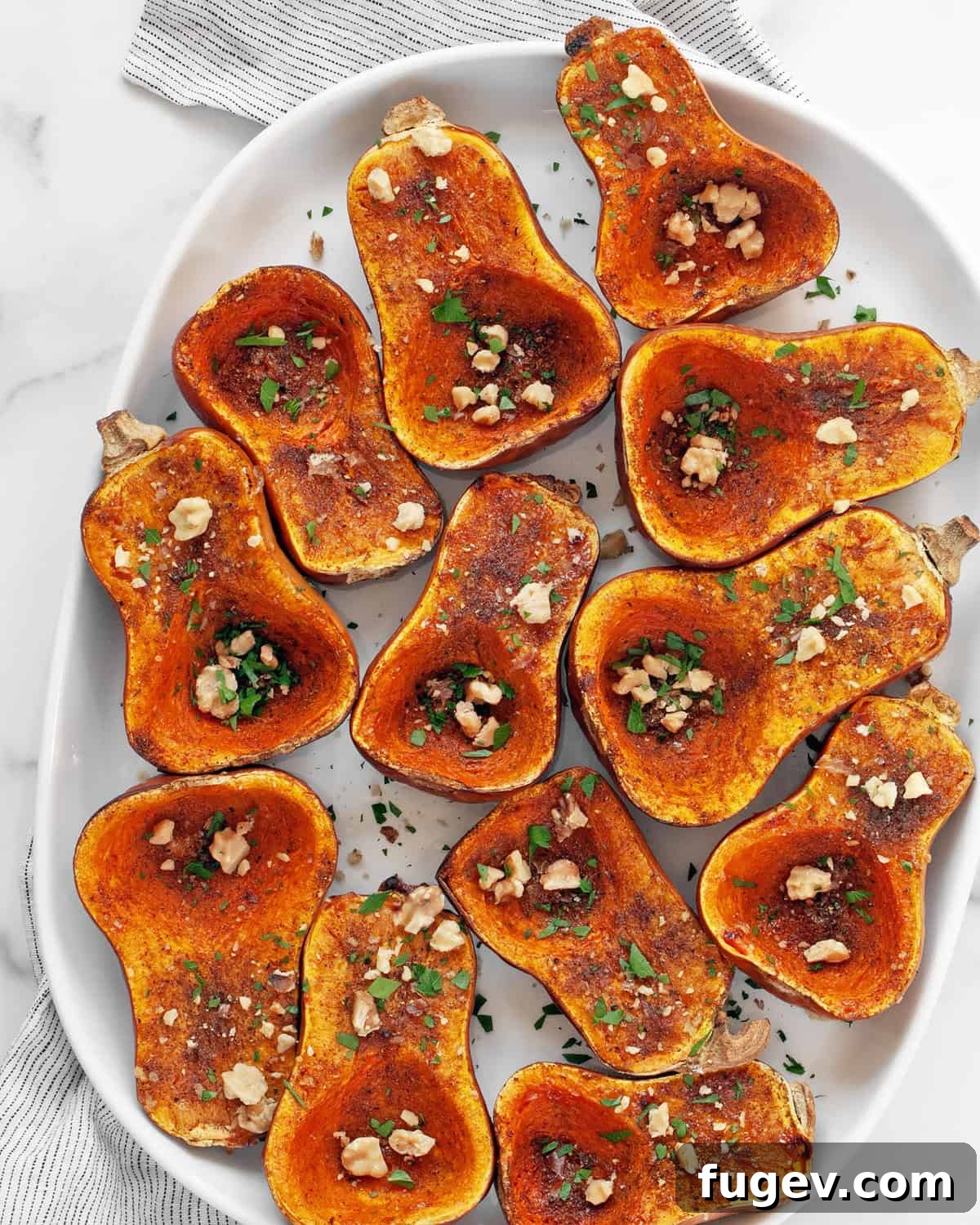
Moroccan-Spiced Roasted Honeynut Squash: Your New Go-To No-Peel Side Dish
Prepare to elevate your vegetable game with this incredibly simple yet profoundly flavorful roasted honeynut squash recipe. Infused with a vibrant Moroccan-inspired spice blend—featuring warm cumin, aromatic cinnamon, golden turmeric, and earthy coriander—this dish transforms a humble winter squash into an unforgettable culinary experience. Forget the tedious peeling and extensive chopping; honeynut squash offers minimal preparation, requiring just a quick slice, a brush of olive oil, and a sprinkle of our signature spice mix before roasting to perfection. Garnish with crunchy toasted walnuts and fresh herbs for an elegant finish that is sure to impress your guests and delight your family.
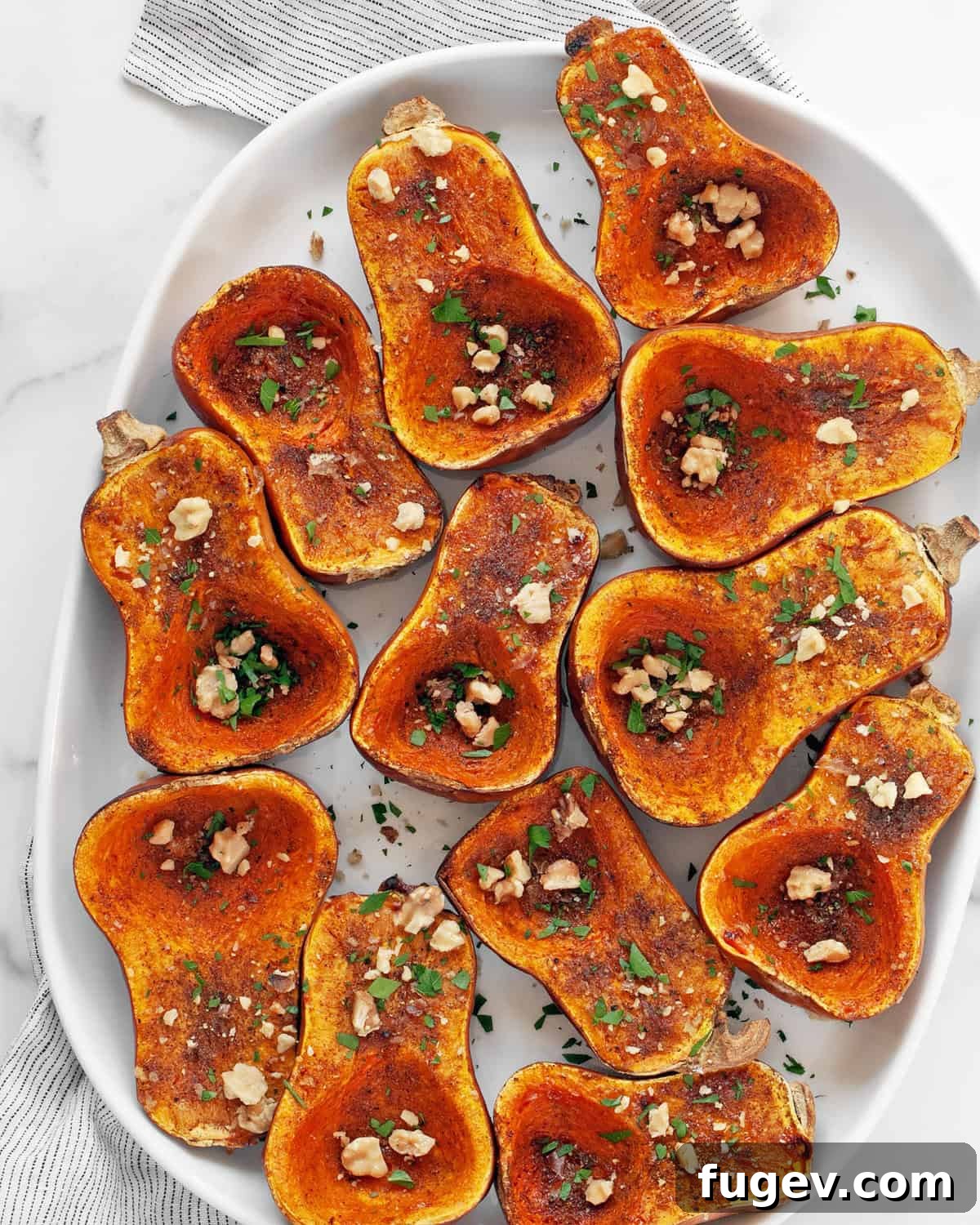
Table of Contents
- Why You’ll Adore This Easy & Flavorful Side Dish
- Unveiling Honeynut Squash: A Sweet & Creamy Delight
- Health Benefits of Honeynut Squash: A Nutrient Powerhouse
- The Essential Ingredients for Moroccan-Spiced Honeynut Squash
- Honeynut Squash Substitutions
- Alternate Seasoning Idea: Italian Herb & Parmesan
- How To Create Perfect Moroccan-Spiced Roasted Honeynut Squash
- Expert Tips for Perfectly Roasted Squash
- Serving Suggestions: Elevate Your Meal
- Leftovers & Storage: Keeping Your Squash Fresh
- More Delightful Winter Squash Recipes to Explore
- Moroccan-Spiced Roasted Honeynut Squash Recipe Card
Why You’ll Adore This Easy & Flavorful Side Dish
This Moroccan-spiced roasted honeynut squash isn’t just a recipe; it’s a culinary revelation that combines ease of preparation with exceptional taste. There are numerous compelling reasons why this dish will quickly earn a permanent spot in your recipe collection:
- Effortless Preparation with No Peeling Required: For many, the prospect of wrestling with the tough skin of winter squash is a deterrent. Honeynut squash elegantly solves this problem! Its thin, tender skin becomes perfectly edible and delicious when roasted, eliminating the need for any peeling. Simply halve each squash, scoop out the seeds, and you’re ready to season and roast. This streamlined prep significantly cuts down on your kitchen time, making it ideal for busy weeknights or when you’re hosting guests.
- Naturally Elegant & Perfectly Portioned: The charmingly petite size of honeynut squash, served in halves, presents a visually stunning and remarkably elegant dish. This “ready-to-serve” presentation adds a touch of sophistication to any meal, transforming a simple vegetable into a centerpiece. Furthermore, each half offers a naturally portioned serving, making it incredibly convenient for meal planning and ensuring consistent portions for everyone at the table. It’s a fantastic way to impress without the stress.
- A Symphony of Moroccan-Inspired Spices: Move beyond mundane vegetable sides with a captivating blend of aromatic pantry staples that transport your taste buds to the vibrant culinary landscapes of Morocco. The warming notes of earthy cumin and sweet cinnamon, the radiant golden hue and subtle depth of turmeric, and the bright, citrusy zest of coriander come together to create a complex savory profile with an irresistible underlying sweetness. This unique spice combination offers a refreshing and exciting departure from traditional maple or brown sugar glazed squash, inviting you to explore a world of rich, exotic flavors.
- Healthy, Wholesome, & Dietary Friendly: Beyond its deliciousness, this recipe is a nutritional powerhouse. Honeynut squash is packed with vitamins and fiber, making it a healthy addition to any diet. This dish is naturally vegan and gluten-free, catering to a wide range of dietary needs and making it a universally appealing option for almost any guest.
Unveiling Honeynut Squash: A Sweet & Creamy Delight
Often hailed as the “mini butternut,” honeynut squash is a relatively new and exciting variety of winter squash that has rapidly gained immense popularity among home cooks and culinary professionals alike. It’s a remarkable success story, specifically bred at Cornell University in collaboration with renowned chef Dan Barber to achieve superior flavor, texture, and nutritional content. This innovative hybrid takes the best attributes of its parent squashes, butternut and buttercup, resulting in a truly exceptional vegetable.
Visually, honeynut squash bears a striking resemblance to a miniature butternut squash, sharing its classic bell shape and smooth, tan-colored skin. However, it is significantly smaller, typically fitting comfortably in the palm of your hand. Do not let its diminutive size deceive you; this compact squash is a powerhouse of concentrated flavor and delightful texture. When subjected to the heat of the oven, its dense flesh transforms into an incredibly creamy, luxuriously tender, and intensely sweet experience, often described as having enticing notes of caramel, hazelnut, or even brown sugar. The vibrant, deep orange color of its flesh is not just beautiful; it’s a direct indicator of its rich beta-carotene content.
One of the most appealing and celebrated characteristics of honeynut squash, as previously highlighted, is its wonderfully thin and entirely edible skin. Unlike the thicker, tougher rinds of larger winter squashes that necessitate meticulous and often challenging peeling, the skin of a honeynut squash becomes exquisitely soft and palatable during the roasting process. This feature significantly enhances the ease of preparation and subtly contributes to the squash’s earthy, wholesome flavor. It stands as a true “no-peel” champion for fall and winter cooking, simplifying your meal prep and allowing you to get delicious, healthy food on the table with minimal fuss.
Beyond its culinary convenience, honeynut squash is a nutritional marvel. It boasts an impressively higher concentration of beta-carotene (a powerful antioxidant and precursor to Vitamin A) compared to many other squash varieties. Additionally, it provides a good dose of essential nutrients such as Vitamin C, dietary fiber, and potassium. It’s an excellent choice for individuals seeking to incorporate more nutrient-dense, wholesome vegetables into their regular diet, supporting overall health and well-being.
Health Benefits of Honeynut Squash: A Nutrient Powerhouse
Beyond its delightful taste and remarkable ease of preparation, honeynut squash offers an impressive array of health benefits, making it a highly valuable and nourishing addition to your diet:
- Rich in Beta-Carotene: Honeynut squash is particularly celebrated for its exceptionally high levels of beta-carotene, the compound responsible for its vibrant orange flesh. Beta-carotene is a potent antioxidant that the body efficiently converts into Vitamin A, a crucial nutrient essential for maintaining healthy vision, supporting a robust immune system, and promoting radiant skin health.
- Excellent Source of Vitamin C: This miniature winter squash also provides a significant amount of Vitamin C, another vital antioxidant. Vitamin C plays a critical role in bolstering the immune system, facilitating collagen production (which is essential for healthy skin, bones, and connective tissues), and helping to protect your cells from oxidative damage caused by harmful free radicals.
- Packed with Dietary Fiber: Like most winter squashes, honeynut squash is an excellent source of dietary fiber. Fiber is indispensable for optimal digestive health, aiding in the regularity of bowel movements and preventing constipation. Furthermore, it helps maintain stable blood sugar levels by slowing down the absorption of sugar and can contribute significantly to a feeling of fullness and satiety, which can be beneficial for weight management.
- Beneficial for Heart Health: With its notable potassium content, honeynut squash can play a role in regulating blood pressure, thereby contributing to overall cardiovascular health. The combined action of its fiber and antioxidant compounds also helps in reducing the risk factors associated with heart disease.
- Anti-Inflammatory Properties: The diverse array of antioxidants and phytonutrients naturally present in honeynut squash are believed to possess anti-inflammatory properties. These compounds can help mitigate chronic inflammation throughout the body, which is a common underlying factor in many chronic diseases, thus supporting overall health and well-being.
- Low in Calories and Fat: Despite its rich, satisfying flavor and wonderfully creamy texture when cooked, honeynut squash is remarkably low in both calories and fat. This makes it a guilt-free and highly nutritious choice for those who are monitoring their caloric intake or aiming for a balanced, healthy diet without sacrificing taste.
Incorporating honeynut squash into your meals, especially through a healthy and simple preparation method like roasting, is a delicious and effective way to significantly boost your nutrient intake and savor the myriad health advantages this fantastic vegetable generously offers.
The Essential Ingredients for Moroccan-Spiced Honeynut Squash
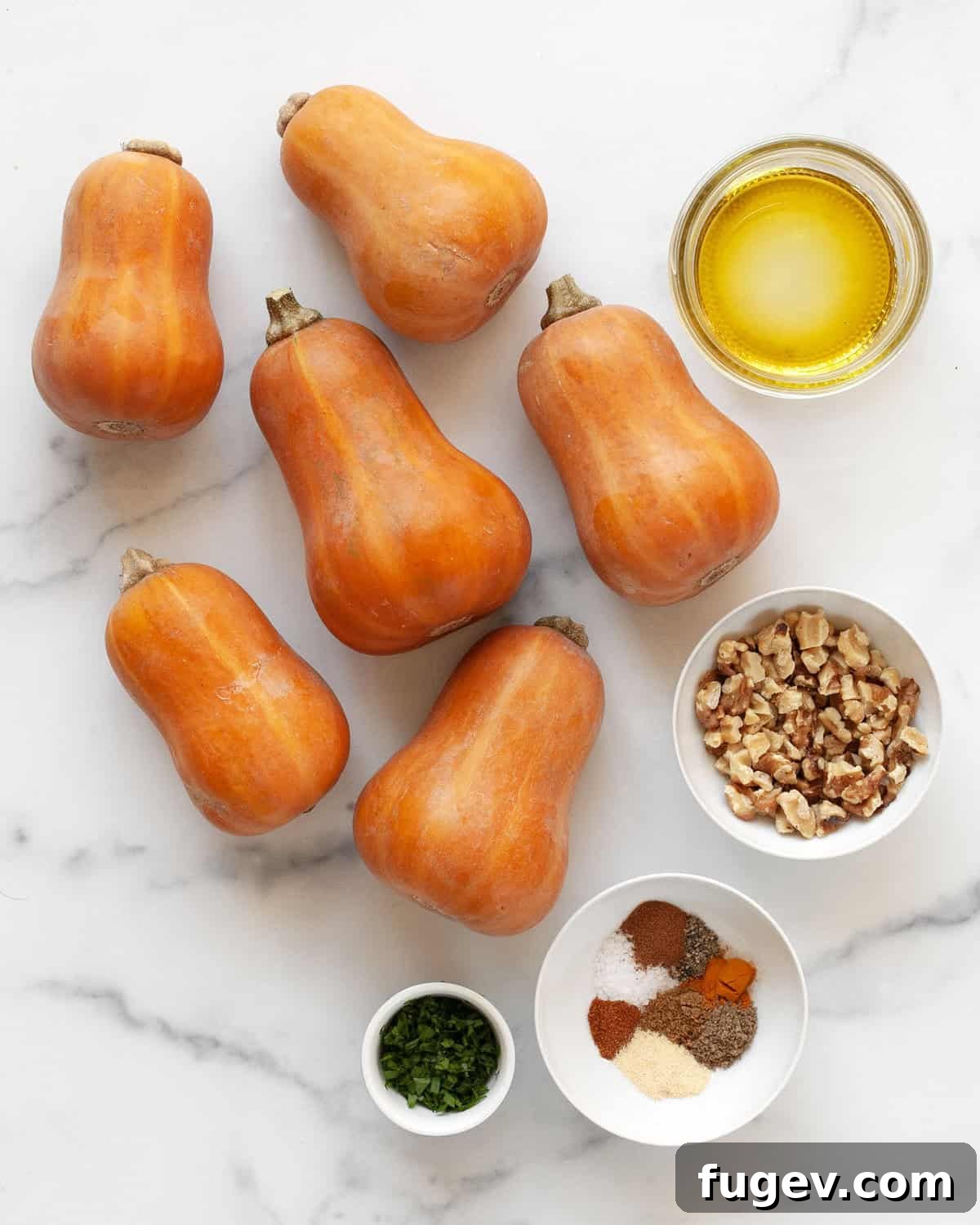
Crafting this flavorful roasted squash requires a handful of readily available ingredients, most of which you likely already have in your spice rack and pantry. Here’s a closer look at what you’ll need and why each component is key to achieving the perfect balance of taste and texture:
- Honeynut Squash: The unequivocal star of our recipe! Once considered a specialty item primarily found at exclusive farmers’ markets or gourmet grocers, honeynut squash has become increasingly accessible and can now be found in many standard grocery stores across the U.S. Look for them typically starting in late September and continuing through the winter months. When selecting your squash, always choose ones that are firm to the touch, feel heavy for their size, and possess smooth, unblemished skin. It’s crucial to avoid any with soft spots, wrinkled areas, or signs of mold, as these indicate they are past their prime. Their appealing individual size, inherent sweetness, and thin, edible skin make them unequivocally superior for roasting.
- Dried Spices (Our Signature Moroccan Blend): This carefully curated blend of aromatic spices is the very heart and soul of this recipe, infusing the honeynut squash with a rich, complex, and deeply satisfying flavor profile.
- Ground Cumin: Provides a foundational earthy, warm, and slightly pungent base flavor that is a hallmark of authentic Moroccan cuisine.
- Ground Cinnamon: Adds a beautiful, comforting warmth and a delicate, subtle sweetness that exquisitely complements and enhances the natural sugars found in the squash.
- Turmeric: Contributes a vibrant, inviting golden color to the dish and imparts a mild, earthy, slightly bitter flavor. Beyond its taste and color, turmeric is widely celebrated for its potent anti-inflammatory properties.
- Ground Coriander: Offers a bright, slightly citrusy, and subtly sweet note that beautifully lifts and brightens the overall spice blend, adding a layer of freshness.
- Garlic Powder: Delivers a foundational, mellow savory depth that harmonizes with and enhances all the other aromatic flavors without overpowering them.
- Cayenne Pepper: A modest pinch of cayenne pepper introduces a gentle warmth and a subtle, pleasant kick to the dish. You can easily adjust the amount to suit your personal preference for heat.
- Kosher Salt & Freshly Ground Black Pepper: These are indispensable for proper seasoning, bringing out the inherent natural flavors of the squash and expertly balancing the rich spice blend.
This specific and thoughtfully balanced combination is inspired by the bold, comforting, and layered flavors often found in a traditional Moroccan tagine, promising a truly authentic taste of North Africa in every bite.
- Walnuts (Toasted): These valuable additions provide a crucial textural contrast to the tender, creamy squash—a delightful crunch that elevates each mouthful. They also contribute a rich, earthy, and slightly bitter nutty flavor. Toasting the walnuts is a non-negotiable step as it profoundly deepens their flavor profile, bringing out their inherent oils and making them significantly more aromatic and delicious. Simply spread them evenly across a sheet pan and bake in a 350-degree F (175°C) oven for a short 5-7 minutes, watching them carefully to prevent burning. As an alternative, toasted pecans or slivered almonds would also be equally delicious and provide a similar textural element.
- Fresh Parsley (Chopped): A generous sprinkle of fresh parsley at the very end serves multiple purposes. It adds a vibrant burst of color, offering a beautiful visual contrast to the roasted squash, and provides a fresh, herbaceous counterpoint to the warm, earthy spices. Flat-leaf (Italian) parsley is generally preferred for its bolder, cleaner flavor profile. If you’re looking to introduce a mild, delicate oniony note, fresh chives make an excellent and elegant alternative garnish.
- Olive Oil: Used to lightly brush the cut side of the squash, high-quality olive oil serves several critical functions in this recipe. It acts as an effective binder, ensuring that the aromatic spice mixture adheres beautifully and evenly to the squash’s surface. Crucially, it also promotes glorious caramelization and browning during the roasting process, which significantly enhances both the flavor and the tender texture of the squash. Extra virgin olive oil is highly recommended for its superior flavor quality and health benefits.
Honeynut Squash Substitutions
While honeynut squash is truly unique and recommended for this recipe, if you find it unavailable, don’t let that deter you from preparing a delicious roasted squash dish. Several other popular winter squash varieties can serve as fantastic and flavorful alternatives, each with its own subtle nuances in taste and texture:
- Butternut Squash: This is arguably the closest cousin to honeynut squash in terms of flavor and texture, offering a similar sweet, creamy profile when roasted. You can roast butternut squash cut into uniform cubes, thick slices, or even halves if you find smaller specimens. Like honeynut, its skin can be eaten when thoroughly roasted, especially if cut into thinner pieces. You may need to adjust roasting time slightly, as larger pieces will take longer to become tender.
- Acorn Squash: Easily recognizable by its distinct ribbed, dark green skin and characteristic acorn shape, this squash offers a slightly more nutty and earthy flavor. It can be prepared and roasted in halves, just like honeynut squash. Its skin also becomes tender and perfectly edible after roasting.
- Delicata Squash: This elongated, cream-colored squash with distinctive green stripes boasts a wonderfully delicate flavor and an exceptionally thin, edible skin. It’s often roasted in attractive rings or lengthwise halves. Its texture is quite similar to honeynut, becoming wonderfully creamy and tender after cooking.
- Kabocha Squash: Also known as Japanese pumpkin, Kabocha squash offers a denser, sweeter flesh with a rich, chestnut-like flavor. While its skin is technically edible, it can be slightly tougher than that of honeynut or delicata, so ensure it’s roasted until very tender if you plan to eat it. Kabocha can be roasted in wedges or halves.
Regardless of your chosen substitute, the key to success is to ensure the squash is cut into pieces of a similar size to promote even cooking. Always roast until the squash is perfectly fork-tender and exhibits beautiful, lightly caramelized edges for optimal flavor and texture.
Alternate Seasoning Idea: Italian Herb & Parmesan
While the Moroccan spice blend imparts a truly exceptional and exotic flavor, the versatile roasting method for this squash can be effortlessly adapted to an Italian flavor profile. This alternative is perfect if you’re looking for a change of pace, complementing an Italian-themed meal, or simply craving a classic, savory taste. This approach beautifully mirrors the deliciousness of my popular Parmesan Herb Roasted Acorn Squash, promising a savory, aromatic, and optionally cheesy experience.
To transform your roasted squash into an Italian delight, prepare your honeynut (or any substitute squash) by halving and seeding it as instructed. Instead of applying the Moroccan spices, create a fragrant Italian herb mixture by combining the following dried seasonings:
- 1/4 teaspoon dried thyme
- 1/4 teaspoon dried rosemary, finely crushed (to release its potent aroma)
- 1/4 teaspoon dried oregano
- 1/2 teaspoon kosher salt
- 1/4 teaspoon freshly ground black pepper
Lightly brush the olive-oiled squash halves with this herb mixture before placing them in the oven to roast. For an extra layer of savory richness and an irresistible golden crust, generously sprinkle 1/4 to 1/3 cup of freshly grated Parmesan cheese over the squash approximately halfway through the roasting process (around the 15-20 minute mark). This timing allows the cheese to melt beautifully, become wonderfully golden, and develop a slightly crispy texture. If you prefer to keep the recipe strictly vegan or dairy-free, simply omit the Parmesan cheese; the aromatic herbs alone will provide a delightful fragrance and taste.
How To Create Perfect Moroccan-Spiced Roasted Honeynut Squash
Preparing this exquisite side dish is remarkably straightforward, requiring just a few simple steps to achieve tender, deeply flavorful results. Follow these detailed instructions for a perfectly roasted honeynut squash that will impress with minimal effort:
- Preheat Your Oven & Prepare Baking Sheet: Begin by preheating your oven to a robust 425 degrees F (220°C). This high temperature is absolutely key to achieving that desirable exterior caramelization and a wonderfully tender interior. Line a sturdy, large baking sheet with parchment paper. This critical step not only prevents any sticking but also makes for incredibly easy cleanup afterward, a true kitchen hack!
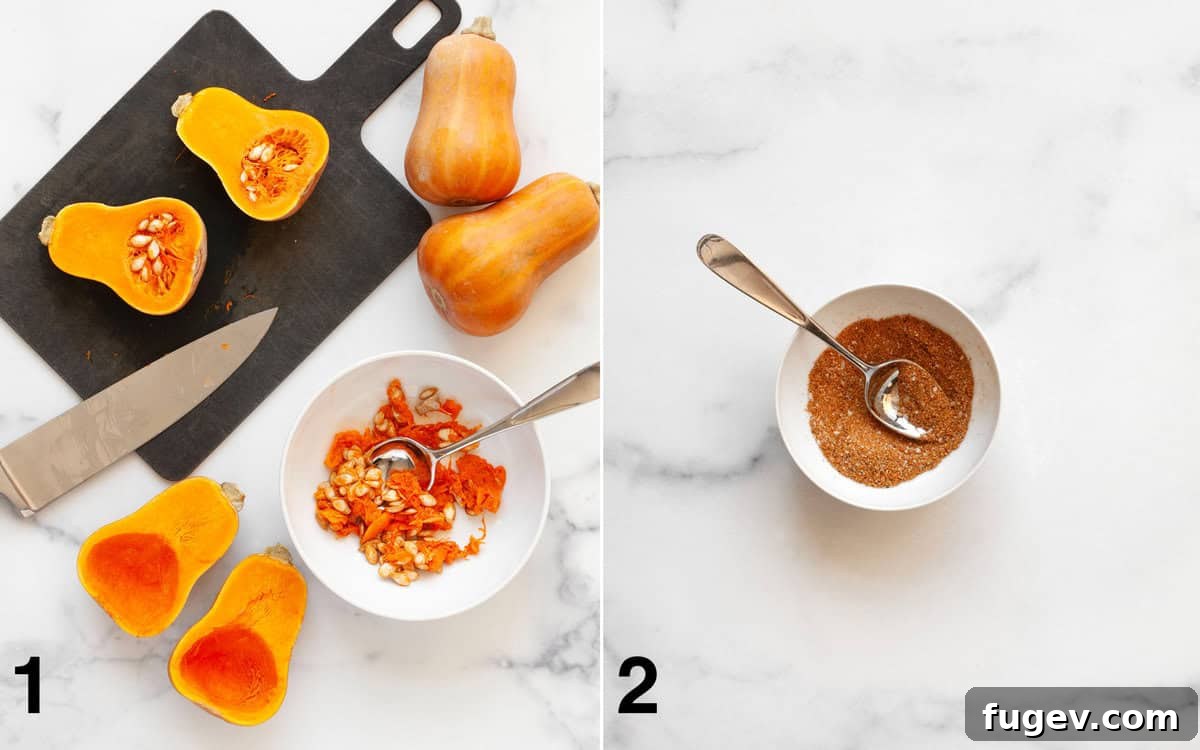
- Prepare the Honeynut Squash: Carefully place each honeynut squash on a stable cutting board. Using a sharp, sturdy knife, meticulously cut each one in half lengthwise, from the stem end to the blossom end. Once halved, use a sturdy spoon (a grapefruit spoon works exceptionally well due to its serrated edge) to scoop out all the seeds and any fibrous strings from the center cavity. Remember, there’s absolutely no need to peel the squash; its thin skin becomes delightfully tender and completely edible when roasted, saving you valuable time and effort.
- Craft the Moroccan Spice Blend: In a small, clean bowl, combine all your dried spices: ground cumin, ground cinnamon, turmeric powder, ground coriander, garlic powder, cayenne pepper (if using), kosher salt, and freshly ground black pepper. Stir them thoroughly and meticulously until they are uniformly integrated. This ensures that every single bite of squash receives an even and consistent distribution of our signature, aromatic Moroccan flavors.
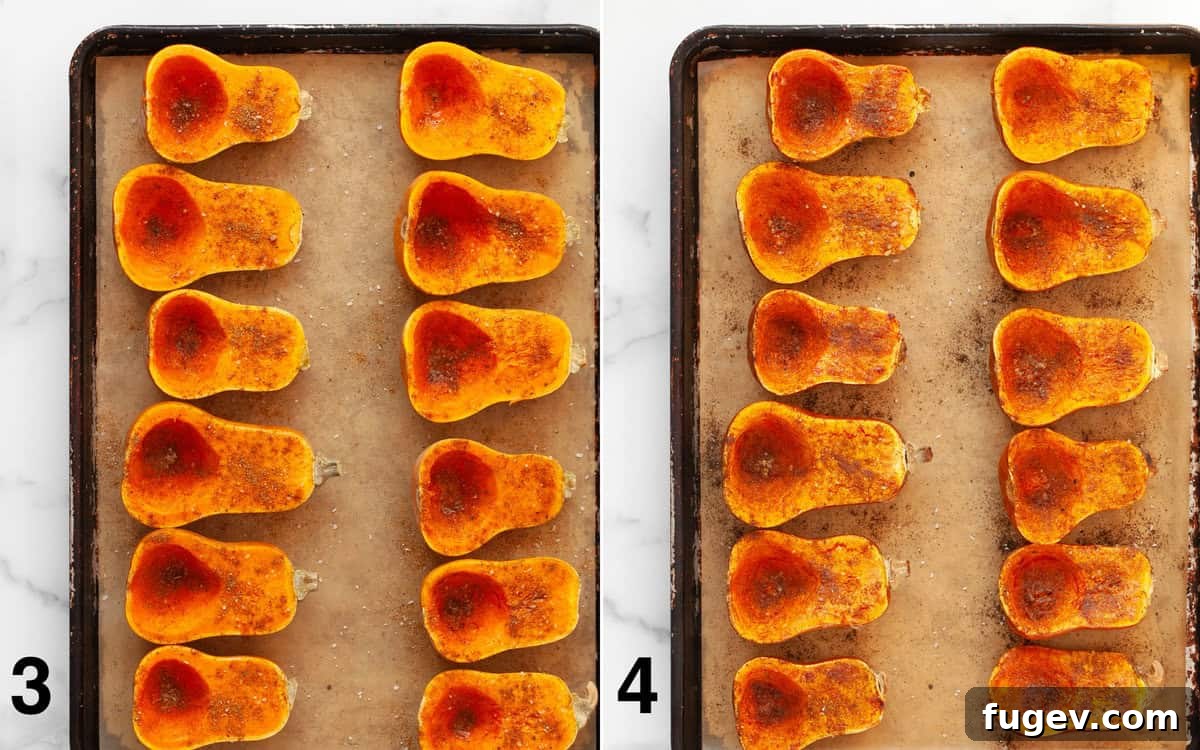
- Season & Arrange on Baking Sheet: Place the prepared squash halves, cut-side up, on your parchment-lined baking sheet. It is crucial to ensure they are arranged in a single layer without overcrowding the pan. Overcrowding inhibits proper air circulation and leads to steaming rather than roasting, preventing optimal browning. Use two baking sheets if necessary. Lightly and evenly brush the cut surfaces of each squash half with olive oil. The oil not only acts as an excellent binder, helping the spices adhere beautifully, but also crucially promotes glorious caramelization and browning during cooking. Generously sprinkle the Moroccan spice mix over the oiled surfaces, ensuring an even and thorough coating on all cut parts.
- Roast to Perfection: Carefully transfer the baking sheet to your preheated oven. Roast the honeynut squash for approximately 30-35 minutes. The precise cooking time may vary slightly depending on the exact size of your squash and the specific calibration of your oven. The squash is deemed perfectly roasted when it is undeniably fork-tender (meaning a sharp knife or fork should easily glide through the flesh with minimal resistance) and the cut edges are beautifully lightly browned and wonderfully caramelized.
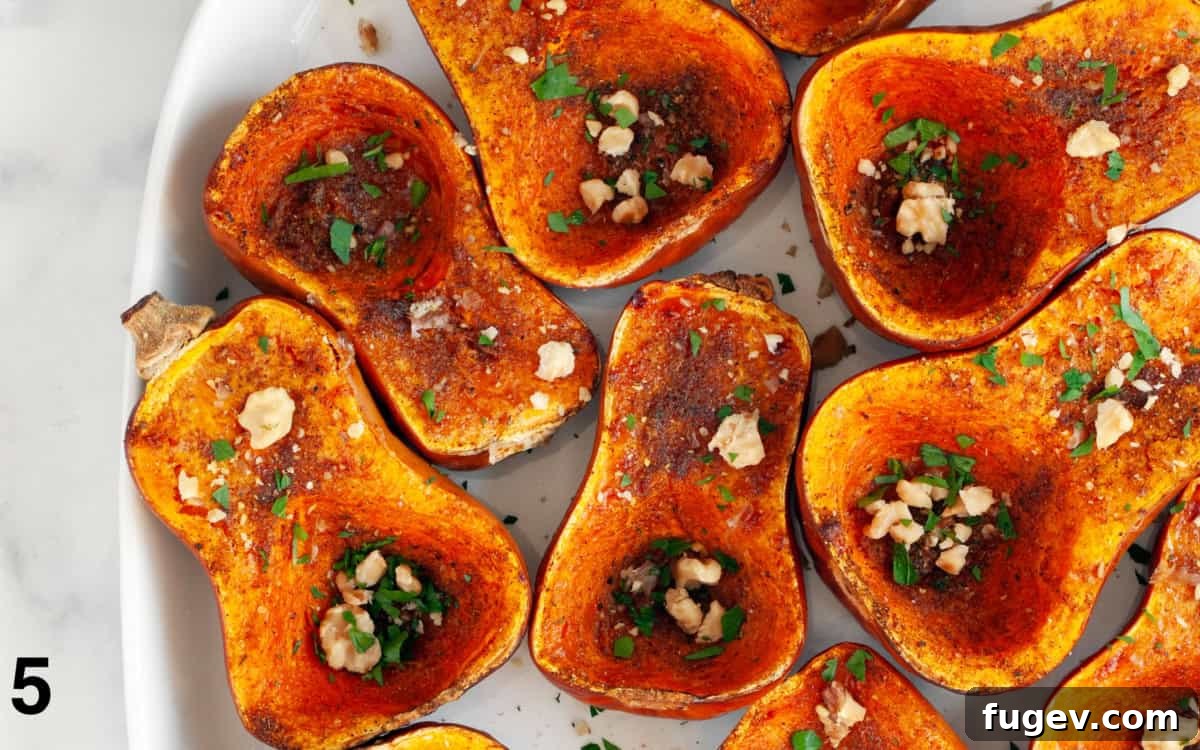
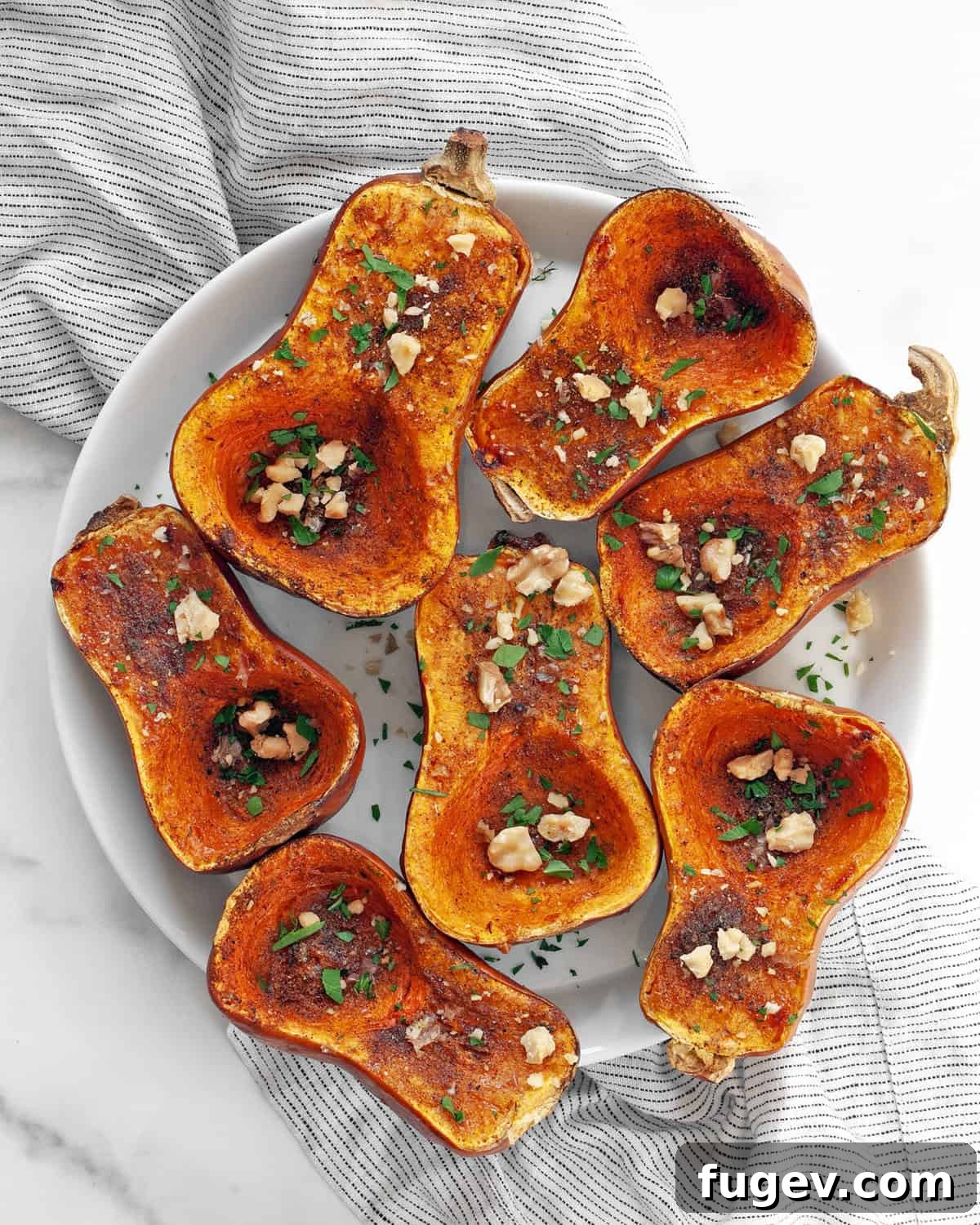
- Garnish & Serve: Once the squash is perfectly roasted, carefully remove the baking sheet from the oven. Artfully arrange the warm, tender squash halves on a large, attractive serving platter. Immediately garnish them generously with your chopped toasted walnuts for a delightful, contrasting crunch and a vibrant sprinkle of fresh parsley for a burst of refreshing color and herbaceousness. Serve hot and savor this incredible dish!
Expert Tips for Perfectly Roasted Honeynut Squash
While roasting honeynut squash is a straightforward process, a few expert insights and techniques can significantly elevate your results, ensuring every batch is perfectly tender, flavorful, and beautifully caramelized:
- Choose Uniform Squash: When selecting your honeynut squashes, always aim for ones that are similar in size and weight. This consistency is crucial because it ensures that all pieces will cook at approximately the same rate, resulting in a batch where every squash is done at the same time, preventing some from being overcooked while others remain undercooked.
- Avoid Overcrowding the Pan: This is a golden rule for all roasting. Give your squash halves ample space on the baking sheet. If the pan is too crowded, the squash will release moisture and effectively steam rather than roast, preventing the desirable caramelization and browning that contributes so much flavor. If necessary, divide the squash between two baking sheets to ensure sufficient air circulation around each piece.
- Parchment Paper is Essential: Always line your baking sheet with parchment paper. This isn’t just for easy cleanup (though it excels at that!); it’s critical for preventing the squash from sticking to the pan, especially as its natural sugars caramelize and create delicious browned bits. It also ensures a crispier bottom.
- Oil Generously and Evenly: Don’t be shy with the olive oil. Brushing the cut surfaces thoroughly and evenly ensures that the spice mixture adheres beautifully to the squash. More importantly, the oil is fundamental in promoting that glorious golden-brown crust and a tender, moist interior, significantly enhancing both the flavor and overall texture.
- Monitor Your Oven: Ovens often have hot spots, meaning certain areas might heat more intensely than others. It’s a good practice to check on your squash periodically. Rather than frequently opening the oven door and losing precious heat, switch on the oven light and look through the glass. If you observe one side browning noticeably faster, carefully rotate the baking sheet halfway through the cooking time to ensure even roasting and consistent results across all squash halves.
- Test for Doneness Accurately: The most reliable way to determine if your squash is perfectly cooked is to gently pierce the thickest part of the flesh with the tip of a sharp knife or a fork. It should glide in easily with minimal resistance, indicating a soft, tender interior. If it still feels firm, continue roasting for an additional 5-10 minutes and retest.
- Toast Nuts for Maximum Flavor: Do not skip the crucial step of toasting your walnuts (or any other nuts you choose). This simple process actively brings out their inherent oils, intensifying their nutty flavor and enhancing their aroma. This subtle pre-treatment adds a significant layer of depth and sensory delight to the finished dish.
- Fresh Herbs for a Bright Finish: While dried herbs are excellent for building the base flavor in the spice blend, fresh herbs like parsley or chives, used as a vibrant garnish, provide a delightful contrast in both flavor and appearance. They introduce a refreshing, bright note that cuts through the richness of the roasted squash and adds a touch of culinary elegance.
Serving Suggestions: Elevate Your Meal with Roasted Honeynut Squash
This Moroccan-spiced roasted honeynut squash is far more than just a simple side dish; its elegant presentation and rich, aromatic flavors make it an incredibly versatile addition to a wide variety of meals, particularly during the cozy fall and vibrant winter seasons. Here are some inspiring ideas to effortlessly incorporate it into your culinary repertoire and impress your diners:
- An Elegant Side Dish Masterpiece: When arranged gracefully on a large platter, the beautifully roasted squash halves are exceptionally striking and visually appealing. Their inherent individual portion size makes them an ideal and hassle-free choice for festive holiday tables, such as Thanksgiving, Christmas, or any special dinner party. They pair absolutely wonderfully with classic main courses like succulent roasted chicken, tender turkey, richly flavored lamb dishes, or delicate pork tenderloin, providing a healthy and flavorful counterpoint.
- A Hearty Vegetarian Main Course: For a lighter yet satisfying meal, these intensely flavorful squash halves can confidently stand alone as a delightful vegetarian main course. To enhance their creaminess and add a boost of protein, consider a generous dollop of plain Greek yogurt (or a dairy-free alternative) or a luscious drizzle of tahini sauce. A sprinkle of crumbled feta cheese (if not adhering to a vegan diet) would also introduce a wonderful salty tang.
- An Unexpected Breakfast or Brunch Component: Don’t limit the enjoyment of this delicious squash to just dinner! Reheat any leftover halves and serve them alongside fluffy scrambled eggs, a perfectly fried egg, or integrate them into a savory breakfast bowl with quinoa or farro, garnished with fresh avocado and a sprinkle of chili flakes for an exciting morning twist.
- A Robust Salad Topper: Transform leftover roasted squash by cubing it and adding it to a vibrant, hearty fall salad. Combine with mixed greens, creamy goat cheese (or a vegan cheese alternative), tart dried cranberries, crunchy candied pecans, and a zesty balsamic vinaigrette for a wholesome, satisfying, and visually appealing lunch or dinner.
- A Wholesome Grain Bowl Addition: Incorporate the tender roasted honeynut squash into your favorite nutritious grain bowls. Pair it with elements like roasted chickpeas, sautéed kale, sliced avocado, and a bright lemon-tahini dressing for a complete, wholesome, and incredibly satisfying lunch or dinner.
- Perfect Pairing with Mediterranean or Middle Eastern Dishes: Given its enchanting Moroccan-inspired seasoning, this squash naturally and harmoniously complements other dishes from the rich and diverse Mediterranean or Middle Eastern cuisines. Serve it alongside fluffy couscous, robust tagines, hearty lentil stews, or grilled halloumi for a cohesive and truly authentic dining experience.
Its vibrant colors, comforting flavors, and inherent elegance ensure it will be a delightful and much-appreciated addition to any plate, offering both exceptional visual appeal and a burst of exquisite taste.
Leftovers & Storage: Keeping Your Squash Fresh
One of the many advantages of preparing roasted vegetables is how wonderfully they store, allowing you to enjoy their delicious flavors for days following the initial meal. Honeynut squash is certainly no exception. Proper storage techniques are key to ensuring its quality and prolonging its freshness:
- Cool Completely Before Storing: This is a crucial step that should not be overlooked. Always allow the roasted honeynut squash to cool down thoroughly to room temperature before attempting to store it. Transferring warm or hot food directly into an airtight container can lead to condensation build-up inside, which will inevitably make the squash soggy and significantly accelerate spoilage.
- Use an Airtight Container: Once cooled, gently transfer the roasted squash halves (or cut them into smaller chunks if that’s more convenient for you) into a clean, airtight container. A well-sealed container is essential as it protects the squash from excessive air exposure, which helps to maintain its freshness, flavor, and texture for a longer period.
- Refrigeration: Store the sealed container with your roasted honeynut squash in the refrigerator for a period of up to 3-4 days. While the squash might lose a tiny bit of its initial crispness upon reheating, rest assured that the Moroccan-inspired flavors will often deepen and meld together beautifully over time, potentially becoming even more delicious.
- Reheating Methods:
- Oven Method (Highly Recommended): For the absolute best results, especially if you want to restore some of that desirable roasted texture and slight crispness, reheat the squash in a preheated 350-degree F (175°C) oven for approximately 10-15 minutes, or until it is thoroughly warmed through.
- Microwave Method (Convenient): If you are pressed for time and need a quick solution, individual portions of the squash can be reheated in the microwave for 1-2 minutes, or until hot. Be mindful, however, that this method tends to make the squash a bit softer in texture compared to oven reheating.
- Freezing (With Considerations): While it’s generally not the ideal method for preserving the original texture of cooked squash due to its high water content, roasted honeynut squash can be frozen. Once completely cooled, individually wrap each squash half (or desired portion) tightly in plastic wrap, then place them into a heavy-duty freezer-safe bag or an airtight container. They can be safely frozen for up to 2-3 months. When ready to use, thaw the squash in the refrigerator overnight and then reheat using your preferred method, understanding that the texture will likely be softer upon thawing.
Having a batch of pre-roasted honeynut squash on hand is a fantastic time-saver, making for quick, healthy, and flavorful additions to future meals, whether tossed into salads, mixed into grain bowls, or simply served as a speedy and delicious side dish.
More Delightful Winter Squash Recipes to Explore
If you’ve thoroughly enjoyed the simplicity, aromatic spices, and comforting flavors of this roasted honeynut squash, you’ll be thrilled to discover that the versatile world of winter squash offers an abundance of equally delicious and creative culinary possibilities. Expand your cooking repertoire and explore new favorites with these other fantastic recipes, each thoughtfully designed to highlight a unique facet of this wonderful seasonal vegetable:
- Sautéed Butternut Squash & Kale: A swift, vibrant, and incredibly healthy stovetop dish that skillfully combines tender, sweet butternut squash with nutrient-rich kale, creating a perfect and satisfying option for a busy weeknight meal.
- Baked Butternut Squash Risotto: Experience the luxurious, creamy indulgence of risotto infused with the earthy sweetness of butternut squash, made significantly simpler and less hands-on with an ingenious baked method that yields perfect results every time.
- Miso-Glazed Roasted Red Kuri Squash: Embark on a unique Japanese-inspired culinary journey featuring the striking, vibrant red kuri squash beautifully coated in a savory-sweet, umami-rich miso glaze, offering an unforgettable flavor profile.
- Roasted Spaghetti Squash with Tomatoes: Discover a lighter, wonderfully vegetable-forward, and gluten-free alternative to traditional pasta, featuring delightful spaghetti squash strands roasted to perfection and elegantly tossed with fresh, juicy tomatoes and tender spinach.
- Roasted Acorn Squash Salad: A hearty, wholesome, and deeply satisfying fall salad that proudly showcases tender roasted acorn squash as a key ingredient, harmoniously paired with crisp greens, crunchy elements, and a zesty, invigorating dressing.
- Delicata Squash Salad: Celebrate the delicate flavor and uniquely edible skin of delicata squash in a refreshing, vibrant, and texturally interesting salad, making it an ideal choice for a seasonal side dish or a light main.
Don’t forget to dive into my comprehensive and ever-growing collection of easy roasted vegetable recipes. This curated collection is thoughtfully organized by season and packed with invaluable handy tips, tried-and-true go-to ingredient pairings, and many beloved sheet pan favorites that are guaranteed to simplify healthy eating and infuse your meals with incredible flavor.
Moroccan-Spiced Roasted Honeynut Squash
Paige Adams
5
35
40
8

Ingredients
- 6 honeynut squash
- 1/2 teaspoon ground cumin
- 1/4 teaspoon ground cinnamon
- 1/4 teaspoon turmeric powder
- 1/4 teaspoon ground coriander
- 1/4 teaspoon garlic powder
- 1/8 teaspoon cayenne pepper (optional, adjust to taste)
- 1/2 teaspoon kosher salt
- 1/4 teaspoon freshly ground black pepper
- Olive oil for brushing squash
- 1/4 cup chopped toasted walnuts
- 1 tablespoon fresh chopped parsley, for garnish
Instructions
-
Preheat the oven to 425 degrees F (220°C). Line a baking sheet with parchment paper.
-
Using a sharp knife, carefully cut each honeynut squash in half lengthwise. Scoop out the seeds and fibrous strings with a spoon.
-
In a small bowl, combine the ground cumin, ground cinnamon, turmeric powder, ground coriander, garlic powder, cayenne pepper, kosher salt, and black pepper. Mix well.
-
Arrange the squash halves, cut-side up, on the prepared baking sheet. Brush the cut surfaces generously with olive oil and then sprinkle evenly with the Moroccan spice mix.
-
Roast for 30-35 minutes, or until the squash is fork-tender and the edges are lightly browned and caramelized.
-
Carefully transfer the roasted squash to a serving platter. Garnish generously with chopped toasted walnuts and fresh parsley. Serve hot.
Notes
If honeynut squash is unavailable, you can substitute with butternut squash, acorn squash, or delicata squash. None of these varieties require peeling when roasted. Adjust roasting time as needed for larger pieces.
Alternate Seasoning: Italian Flavors
For an Italian twist, mix together: 1/4 teaspoon dried thyme, 1/4 teaspoon dried rosemary, 1/4 teaspoon dried oregano, 1/2 teaspoon kosher salt, and 1/4 teaspoon black pepper. Apply this blend before roasting. Optionally, sprinkle 1/4-1/3 cup grated Parmesan cheese halfway through roasting for a cheesy finish (omit for vegan).
Nutrition Information
Carbohydrates: 21g |
Protein: 2g |
Fat: 3g |
Saturated Fat: 0.3g |
Polyunsaturated Fat: 2g |
Monounsaturated Fat: 1g |
Sodium: 153mg |
Potassium: 625mg |
Fiber: 4g |
Sugar: 4g |
Vitamin A: 18139IU |
Vitamin C: 36mg |
Calcium: 89mg |
Iron: 1mg
Nutrition information is automatically calculated and should be used as an approximation.
Additional Information
Side Dishes
American, Middle Eastern
Did you make this recipe?
Mention @lastingredient on Instagram and tag it #lastingredient!