
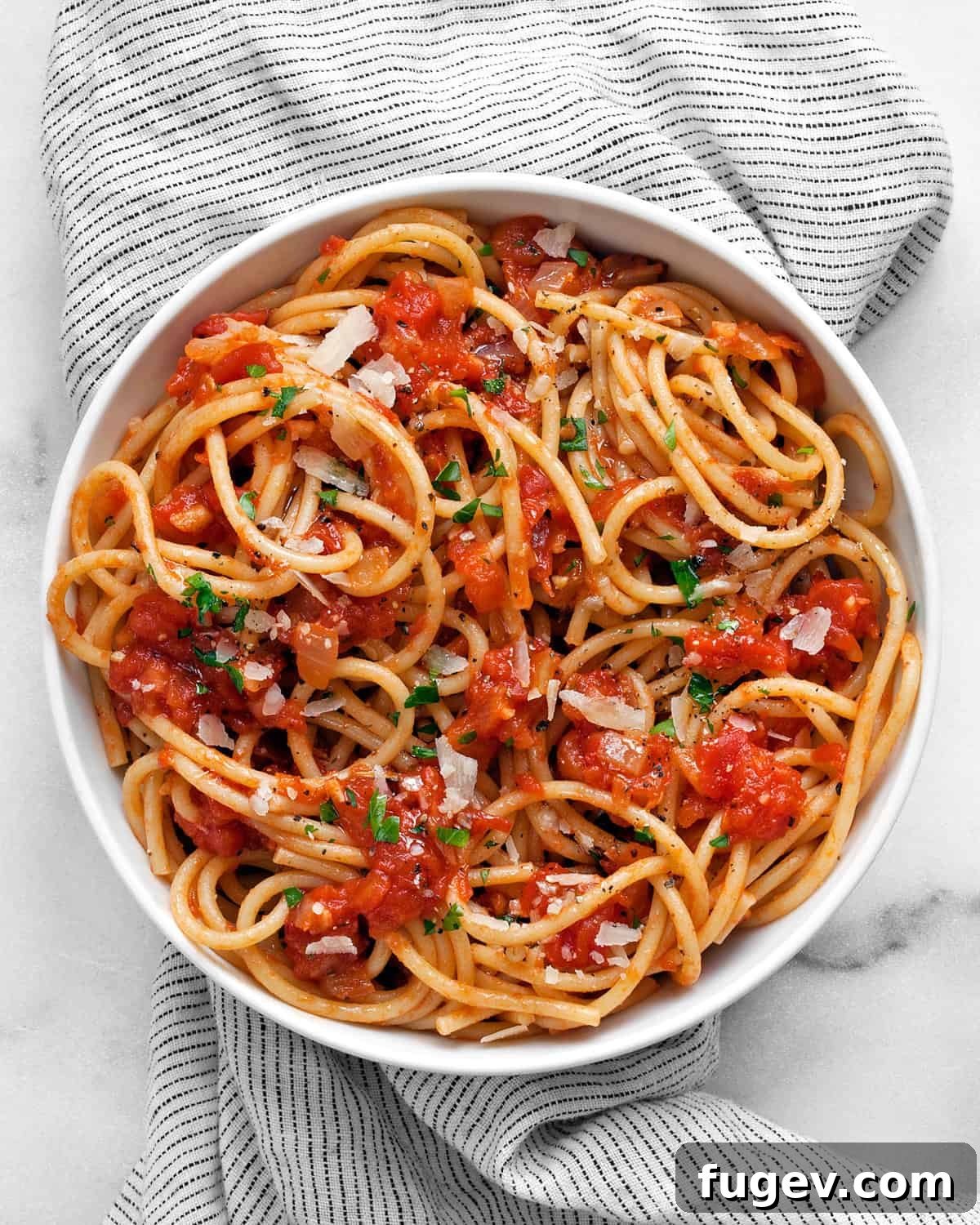
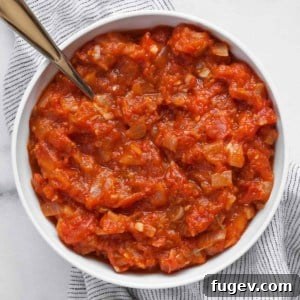
There’s nothing quite like the vibrant flavor of homemade fresh tomato sauce. Forget the blandness of store-bought jars or the heavy taste of canned varieties – this recipe harnesses the natural sweetness and robust character of ripe Roma tomatoes to create a truly unforgettable experience. With just 10 simple ingredients, you can whip up a batch that’s perfect for tossing with your favorite pasta shape, spreading generously on a homemade pizza, or even using as a base for other delicious dishes. Plus, it’s incredibly freezer-friendly, allowing you to capture the taste of summer sunshine long after tomato season has passed.
Roma tomatoes, known for their distinctive egg shape and firm flesh, are my absolute top choice when making sauce from scratch. Their low water content and minimal seeds mean they cook down beautifully, concentrating their flavor into a rich, luscious sauce that’s far superior to anything you’ll find in a can. This easy method makes fresh tomato sauce an accessible joy, even for busy weeknights.
Looking to explore other delightful tomato sauce recipes? Don’t miss this 5-ingredient cherry tomato sauce for a quicker option, or perhaps this deeply flavored roasted tomato sauce for an added depth of taste.
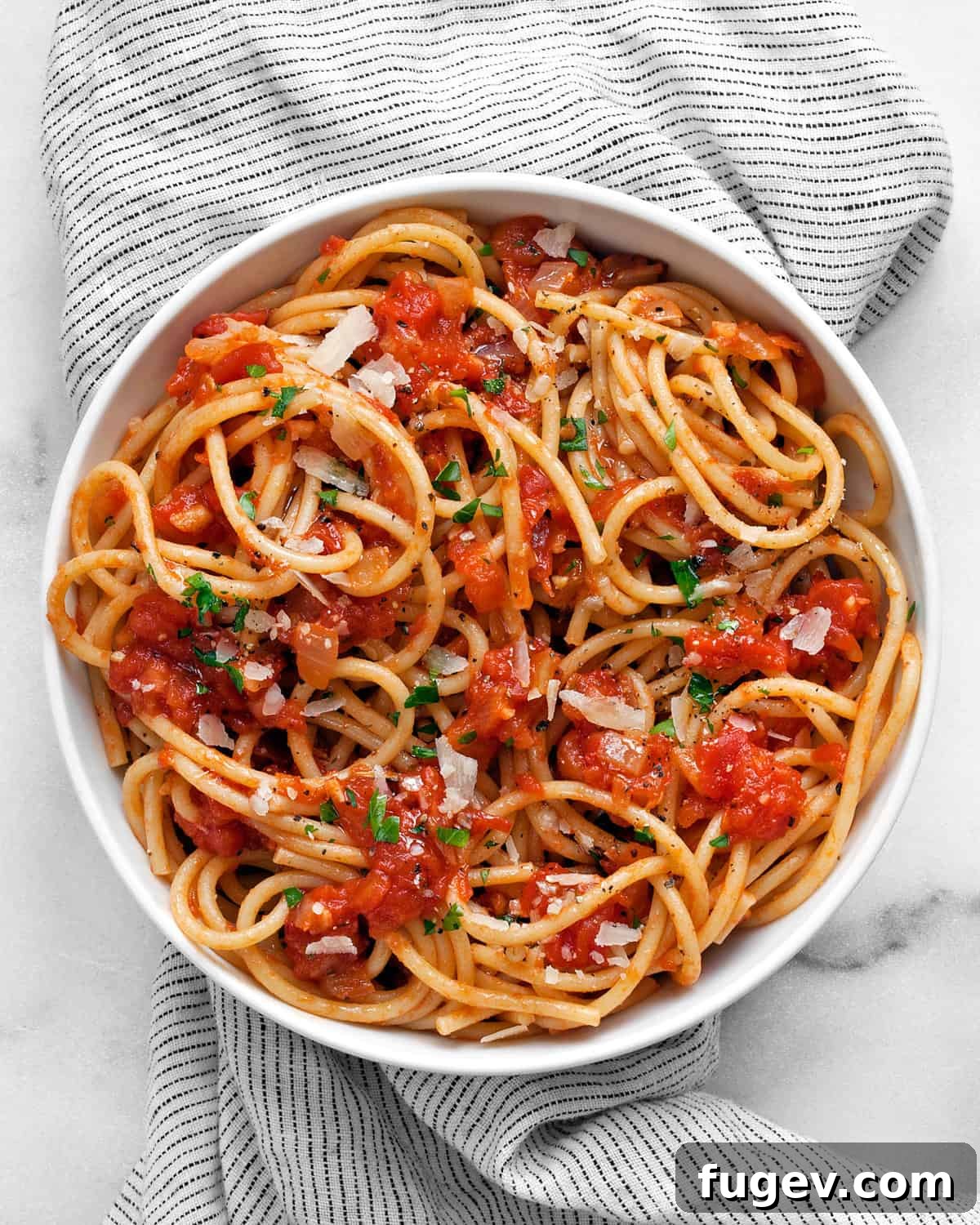
Table of Contents
- The Unrivaled Flavor of Homemade
- Choosing the Perfect Tomatoes: The Roma Advantage
- The Simplicity of Ingredients: What You’ll Need
- Mastering the Art of Peeling Tomatoes: A Simple Technique
- Step-by-Step: Crafting Your Fresh Tomato Sauce
- Beyond Pasta: Creative Ways to Enjoy Your Sauce
- Complementary Dishes: What to Serve Alongside
- Storage and Freezing: Making it Last
- Explore More Tomato Recipes
- Fresh Tomato Sauce Recipe (Printable)
Why Fresh Tomato Sauce? The Unrivaled Flavor of Homemade
While my pantry is always stocked with various forms of canned tomatoes—whole, diced, or crushed—which serve as the reliable base for my roasted tomato soup, hearty minestrone, and comforting slow-cooker lentil tortilla soup, there’s a distinct shift when tomato season arrives. Those trusty cans often gather dust as I fully embrace the abundance of fresh, ripe tomatoes. Whether I’m enjoying them raw in salads, roasting them in the oven to intensify their sweetness, or simmering them on the stovetop to create batches of this incredible sauce, fresh tomatoes bring an unparalleled brightness to my cooking.
Many summers ago, I embarked on an ambitious journey to can homemade sauce, dedicating an entire day to the project. While I appreciate a good kitchen endeavor, I quickly realized the effort involved was substantial. And although the first pop of a mason jar on a frigid January night felt incredibly rewarding, my impatience won out. Now, I prefer to savor this fresh sauce during its peak season, enjoying its vibrant taste without the extensive preservation process. It’s a celebration of seasonal eating, simplified for the home cook who values flavor and efficiency.
Choosing the Perfect Tomatoes: The Roma Advantage
When it comes to crafting the finest fresh tomato sauce, the choice of tomato variety is paramount. My unwavering preference lies with Roma tomatoes, a distinguished member of the plum tomato family. These tomatoes are perfectly designed for sauce-making, boasting a firm texture and an elongated, egg-like shape. When fully ripe, their skins glow with a vibrant, saturated red hue, signaling their peak flavor.
The secret to Roma tomatoes’ superiority for sauce lies in their unique composition. They possess significantly more meaty flesh and considerably less watery content compared to other tomato varieties. Furthermore, Roma tomatoes contain fewer seeds, which means less effort in deseeding and a smoother, more concentrated sauce. As they slowly cook down, their inherent sweetness and tang intensify, resulting in a deeply flavorful sauce that forms the perfect foundation for countless Italian-inspired dishes. Choosing ripe Roma tomatoes is the first step towards a truly exceptional homemade sauce.
The Simplicity of Ingredients: What You’ll Need
This fresh tomato sauce recipe celebrates simplicity, allowing the quality of each ingredient to shine. You don’t need a lengthy list of exotic items to create profound flavor. Here’s a closer look at the key components that bring this sauce to life:
- Roma Tomatoes: As discussed, these are the stars of the show. Seek out Romas that are firm, heavy for their size, and boast a brilliant red color without any soft spots, bruises, or wrinkles. Their inherent characteristics make them ideal for a thick, flavorful sauce.
- Onions: A small white onion, roughly chopped, provides the aromatic foundation for our sauce. Sautéing the onions in olive oil until they are soft and translucent allows them to melt into the tomatoes as the sauce simmers, adding a subtle sweetness and depth. Yellow onions can be used as a suitable substitute if white onions are unavailable.
- Garlic: Three plump cloves of minced garlic are essential for that classic Italian flavor profile. Garlic’s pungent aroma transforms into a sweet, mellow note when cooked, complementing the tomatoes beautifully.
- Olive Oil: Given the minimal ingredient list, using a high-quality extra virgin olive oil is recommended. It not only helps sauté the aromatics but also contributes a smooth, rich undertone to the finished sauce.
- Tomato Paste: This concentrated ingredient is a secret weapon for enhancing the overall tomato flavor. A tablespoon of tomato paste adds a layer of umami and richness that deepens the sauce’s profile, making it taste like it’s been simmering all day.
- Spices: A carefully selected trio of dried oregano, rosemary, and a touch of red pepper flakes infuses the sauce with warmth and an authentic Italian character. The oregano offers an earthy, slightly minty note, rosemary provides a subtle woody fragrance, and red pepper flakes introduce a gentle, inviting heat that awakens the palate. Adjust the red pepper flakes to your preferred spice level.
- Salt & Black Pepper: These fundamental seasonings are crucial for balancing and enhancing all the flavors. While you’ll season the sauce as it cooks, always taste and adjust just before serving to ensure perfect seasoning. Kosher salt is preferred for its clean taste.
Each ingredient plays a vital role in creating a well-rounded and deeply satisfying fresh tomato sauce, proving that simple doesn’t mean sacrificing flavor.
Mastering the Art of Peeling Tomatoes: A Simple Technique
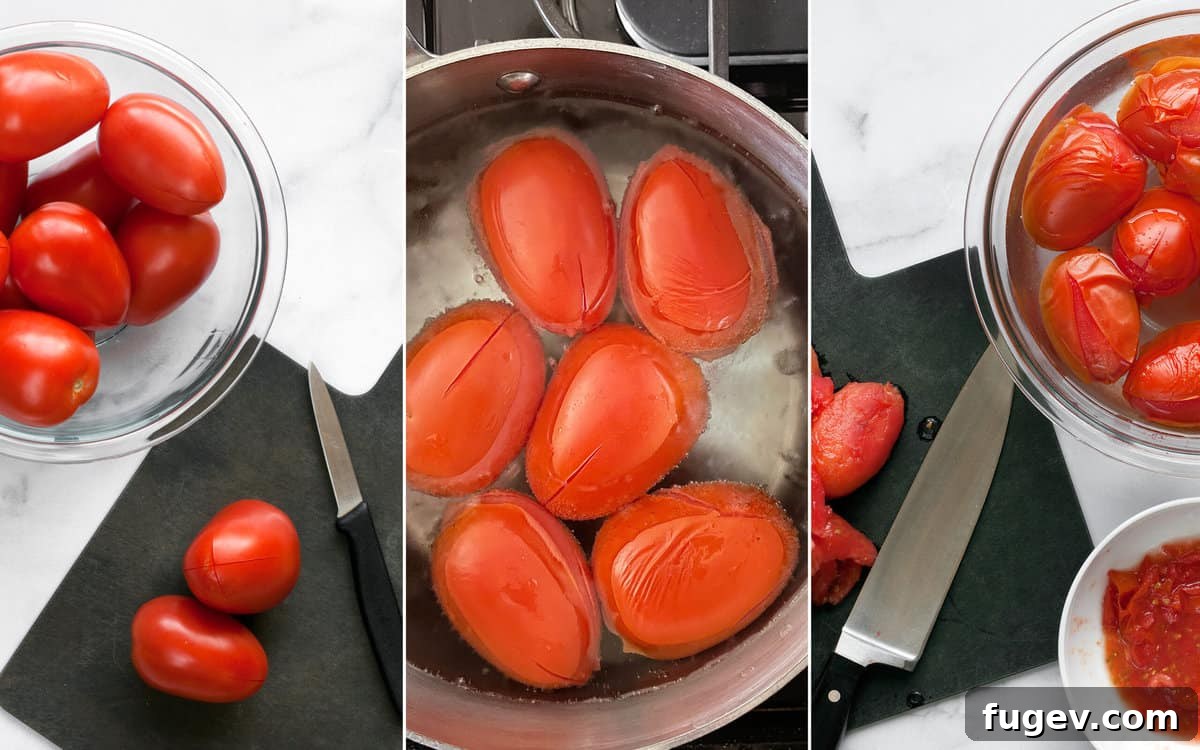
For this fresh tomato sauce recipe, peeling the tomatoes is a crucial first step that ensures a silky-smooth texture, free from any tough skin bits. While it might sound daunting, it’s surprisingly straightforward using a blanching method:
- Prepare the Tomatoes: Begin by gently scoring a shallow “X” into the bottom of each Roma tomato with a small paring knife. This score doesn’t need to be deep, just enough to break the skin.
- Blanch in Boiling Water: Bring a large pot of water to a rolling boil. Carefully drop the scored tomatoes into the boiling water. Let them simmer for approximately 60 seconds. You’ll notice the skin around the “X” beginning to pucker and peel away on its own. This is your cue that they are ready.
- Ice Bath Immersion: Using a slotted spoon, quickly transfer the blanched tomatoes from the boiling water into a large bowl filled with ice water. This immediate chill stops the cooking process and makes the skins even easier to remove.
- Peel and Prepare: Once cooled enough to handle, simply peel away the loosened skin from the tomatoes. It should slip off effortlessly. After peeling, cut each tomato in half lengthwise. Use a spoon to scoop out the seeds and any excess watery pulp. Finally, roughly chop the remaining tomato flesh. Your perfectly peeled and prepared tomatoes are now ready to contribute their exquisite flavor to the sauce!
Step-by-Step: Crafting Your Fresh Tomato Sauce
- Prepare the Tomatoes: As detailed in the previous section, score an ‘X’ into the bottom of each Roma tomato. Blanch them in boiling water for about a minute until the skins start to split, then transfer them to an ice water bath. Once cool, peel the skins off, halve the tomatoes, scoop out the seeds, and roughly chop the flesh. This preparation ensures a smooth sauce texture.
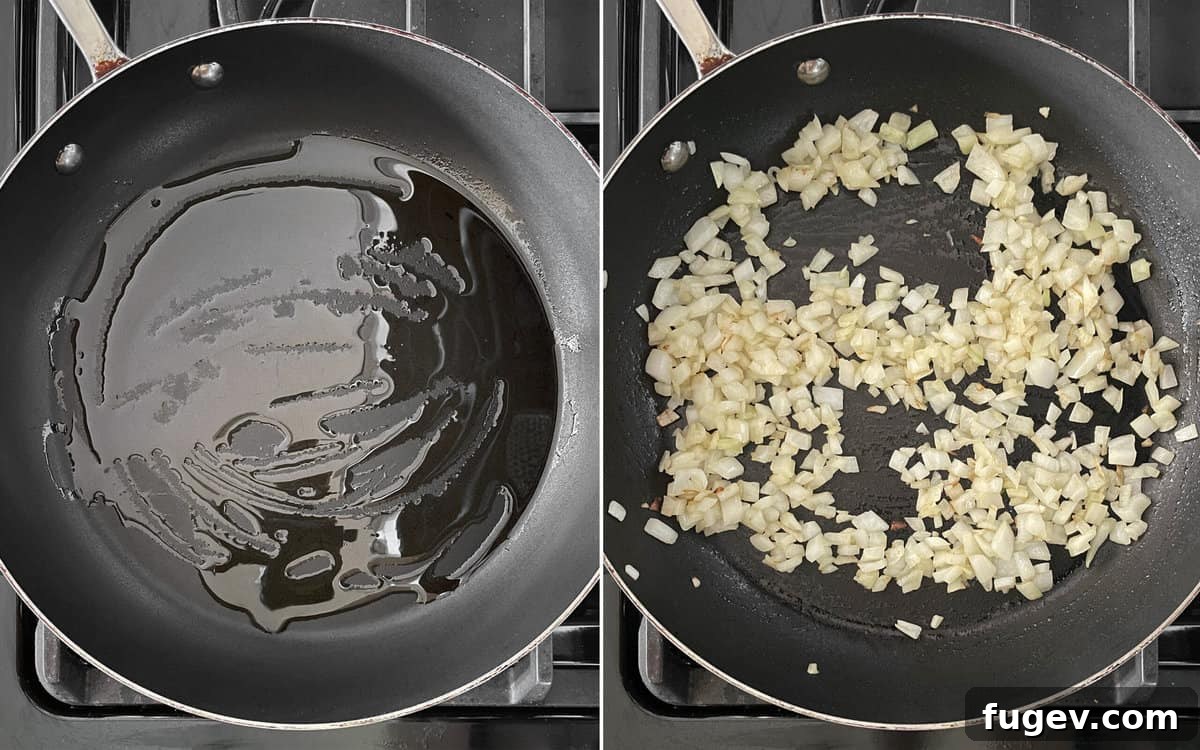
- Sauté the Aromatics: Heat the olive oil in a large, sturdy skillet or Dutch oven over medium-high heat. Add the roughly chopped white onions and sauté them, stirring occasionally, until they become soft, translucent, and slightly golden, which usually takes around 4-5 minutes. This slow sautéing process coaxes out their natural sweetness, building a foundational layer of flavor for the sauce.
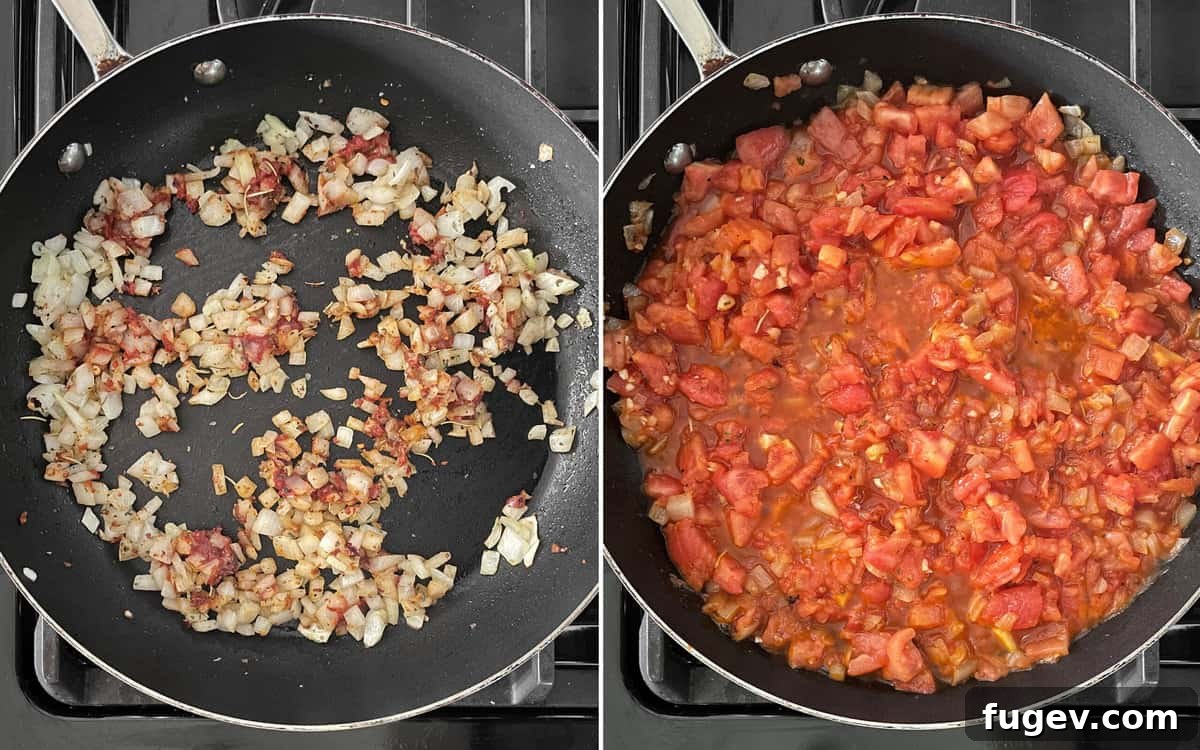
- Build the Flavor Base: Once the onions are ready, stir in the tomato paste and the minced garlic. Immediately follow with the dried oregano, dried rosemary, red pepper flakes, salt, and black pepper. Cook this aromatic mixture for about 1 minute, stirring constantly. This brief cooking period allows the spices to bloom, the garlic to become fragrant (be careful not to burn it), and the tomato paste to toast slightly, deepening its flavor and reducing any raw metallic taste.
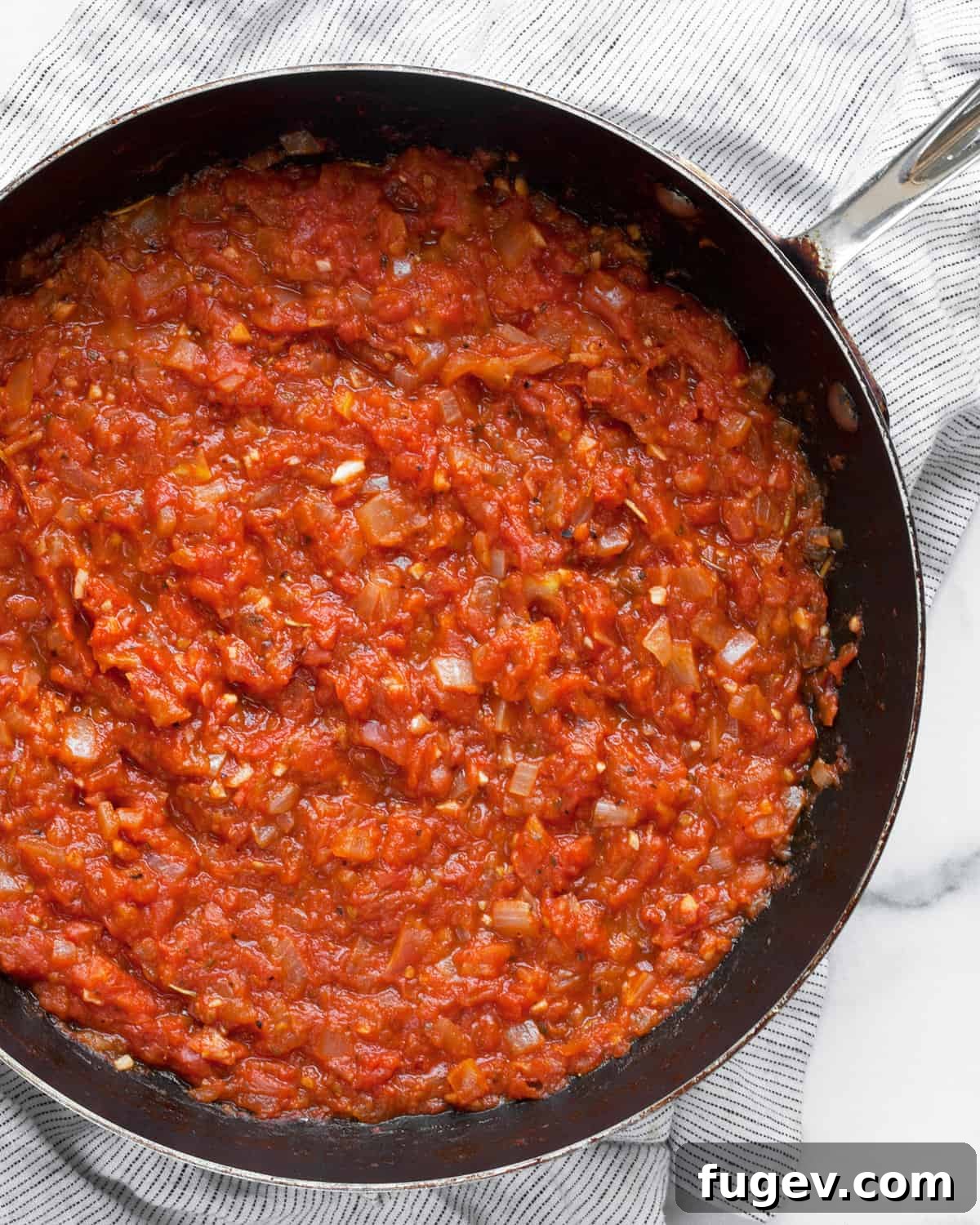
- Simmer to Perfection: Pour in the chopped tomatoes, stirring everything together to combine. Reduce the heat to medium-low, allowing the sauce to gently simmer. Let it cook for 15-20 minutes, or until the sauce noticeably thickens and the tomatoes break down. During this time, the flavors will meld beautifully, and the sauce will develop its characteristic richness.
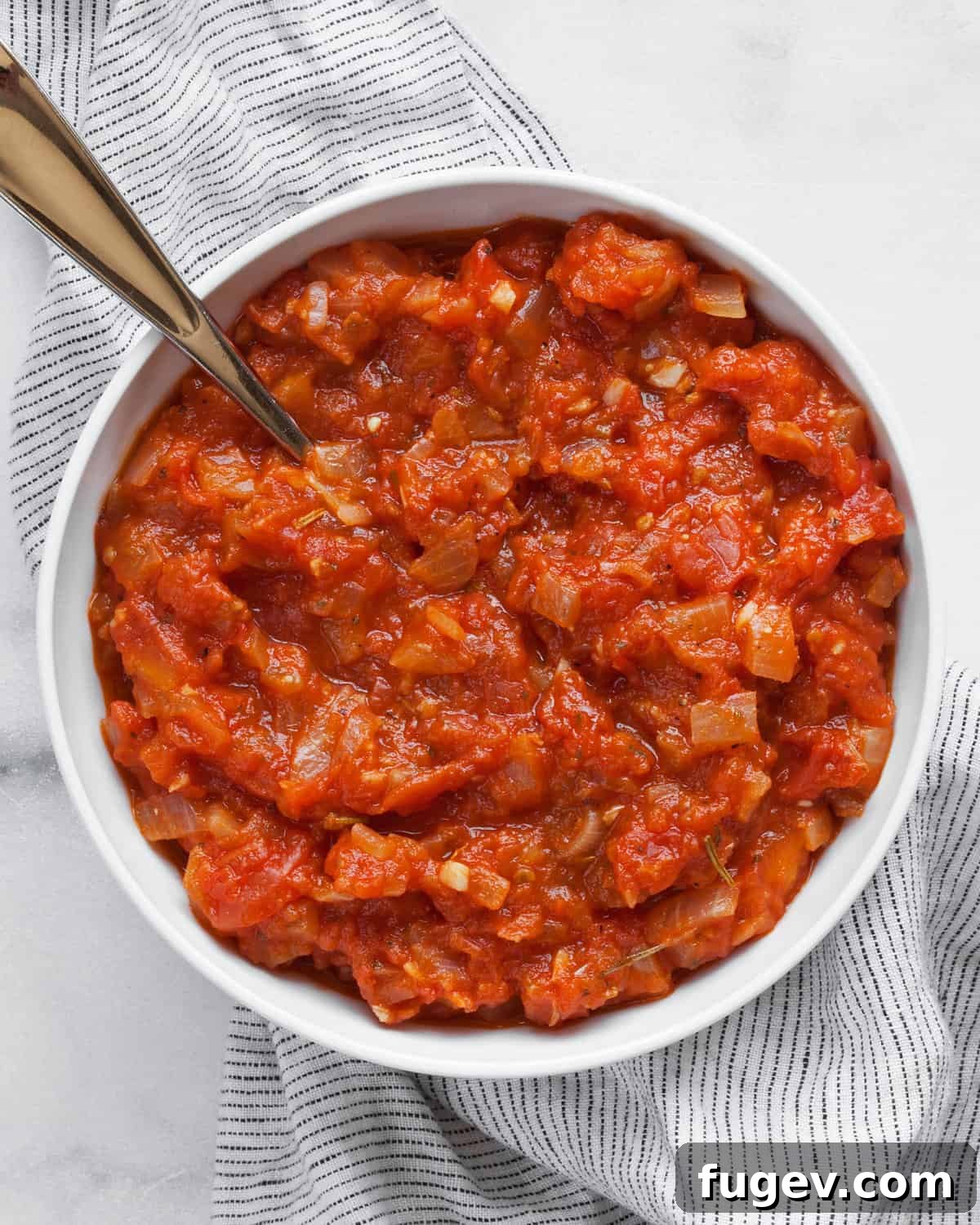
- Achieve Desired Texture: As the sauce simmers, the tomatoes will naturally soften and fall apart. For a chunkier sauce, simply use the back of a wooden spoon or a potato masher to further break down the tomatoes to your desired consistency. If you prefer a completely smooth sauce, allow it to cool slightly, then carefully transfer it to a blender or food processor and purée until velvety. Be cautious when blending hot liquids.
Your homemade fresh tomato sauce is now ready to be enjoyed! This simple process yields a sauce bursting with authentic, garden-fresh taste.
Beyond Pasta: Creative Ways to Enjoy Your Sauce
This fresh tomato sauce, with its lighter color and more delicate, bright flavor profile compared to sauces made from canned tomatoes, offers incredible versatility in the kitchen. While it’s undeniably perfect for pasta, its uses extend far beyond a simple noodle dish.
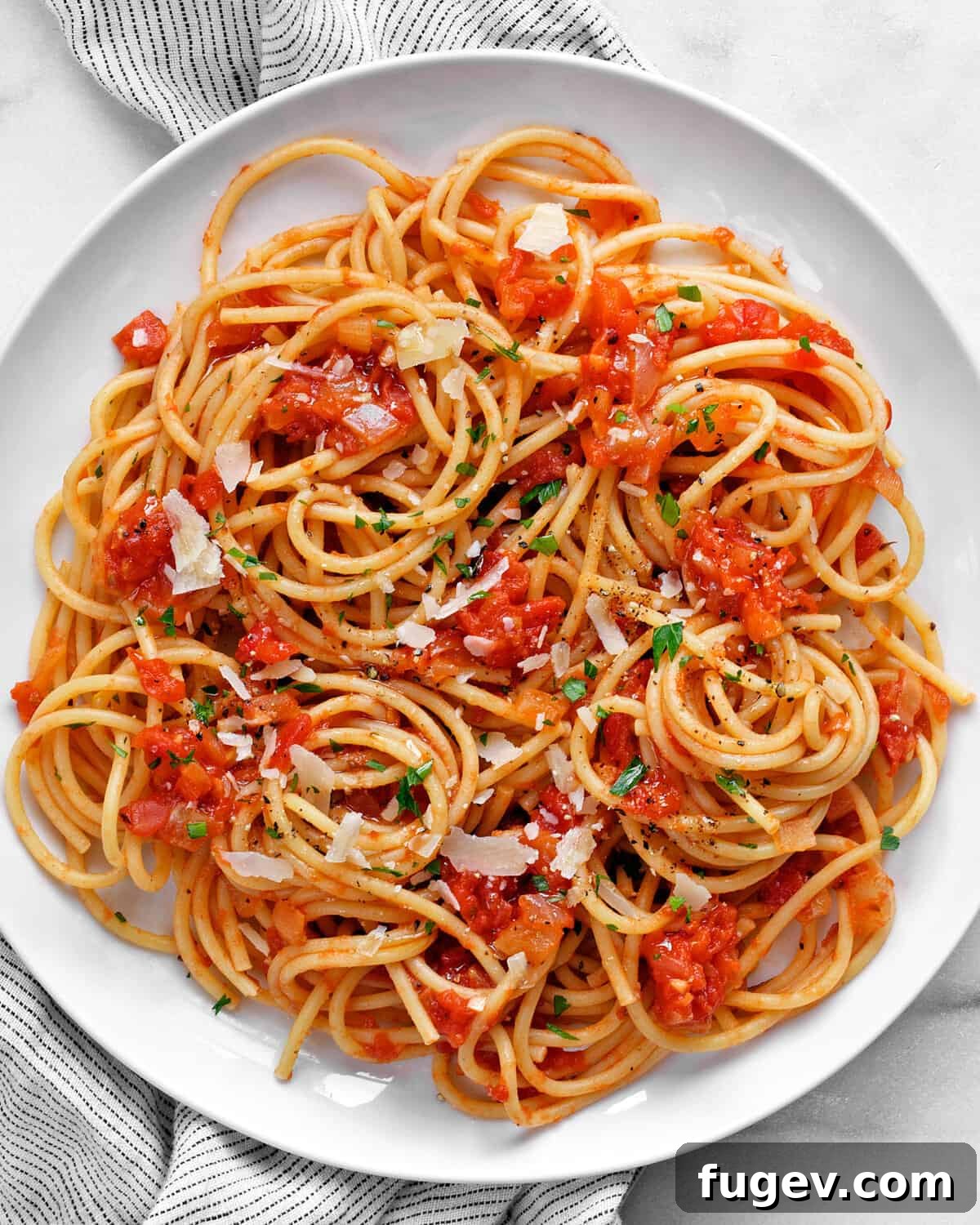
Classic Pasta Pairing: The most obvious and beloved application is, of course, with pasta. Whether you prefer spaghetti, penne, rigatoni, or a delicate angel hair, this sauce will cling beautifully to any shape. To finish, a generous sprinkle of freshly grated Parmesan cheese, a scattering of finely chopped fresh parsley, or a handful of torn fresh basil leaves will elevate the dish, adding layers of aroma and taste. Consider adding a splash of pasta water to loosen the sauce and help it emulsify with the pasta.
The Perfect Pizza Base: This sauce recipe is also an exceptional choice for homemade pizza. If you appreciate a sauce with a bit of texture and a burst of fresh tomato flavor on your crust, this is it. Keep your pizza toppings simple—perhaps just high-quality mozzarella and a few basil leaves—to allow the exquisite flavor of the sauce to truly shine through as the star.
Versatile Culinary Companion: Don’t limit yourself to just pasta and pizza! This sauce can transform many other meals:
- Eggs Benedict or Shakshuka Base: Use it as a vibrant base for poached eggs or simmer eggs directly in the sauce for a rustic shakshuka.
- Chicken or Fish Marinade/Topping: Lightly coat chicken breasts or white fish fillets before baking, or spoon a dollop over grilled seafood.
- Bruschetta Topping: Spread on toasted baguette slices, perhaps with a sprinkle of feta or a drizzle of balsamic glaze, for an elegant appetizer.
- Meatball Sub or Sandwich Spread: Elevate your sandwiches by using this fresh sauce instead of a standard ketchup or mayonnaise.
- Soup Base: Thin it out slightly with vegetable broth to create a quick, fresh tomato soup.
The bright, clean taste of this fresh tomato sauce makes it a delightful addition to a wide array of dishes, allowing you to bring the taste of peak summer to your table year-round (thanks to smart freezing!).
Complementary Dishes: What to Serve Alongside
When you’re enjoying a flavorful pasta dish or a delicious pizza made with this fresh tomato sauce, the right side dishes can perfectly complement the meal without overpowering its star. I often lean towards fresh, vibrant green accompaniments that offer a refreshing contrast.
Crisp Salads: A light and zesty green salad is always an excellent choice. Consider a simple arugula salad with lemon vinaigrette, its peppery notes providing a wonderful counterpoint to the tomato’s sweetness. Alternatively, a classic house salad with mixed greens and a light dressing offers a refreshing bite. For something more substantial and textural, an Italian chopped salad featuring olives, chickpeas, and a mix of romaine and radicchio provides a delightful medley of flavors and textures.
Roasted Vegetables: To add a warm, earthy element, roasted vegetables are a fantastic option. Sticking with the green theme, I highly recommend Parmesan roasted lemon garlic asparagus, which brings a bright, savory crunch. Another delightful choice is Parmesan roasted zucchini, tender and subtly sweet, complementing the sauce beautifully without competing for attention.
Crusty Bread: Don’t forget a good crusty bread or garlic bread to sop up every last drop of that incredible sauce!
Storage and Freezing: Making it Last
One of the many advantages of making your own fresh tomato sauce is the ability to store it for future enjoyment, ensuring you always have a taste of homemade goodness on hand. Proper storage is key to maintaining its fresh flavor and preventing spoilage.
Refrigeration: Once your fresh tomato sauce has cooled completely to room temperature, transfer it to an airtight container. It can be safely stored in the refrigerator for up to 3 days. This makes it perfect for meal prepping a few days in advance or enjoying leftovers.
Freezing for Long-Term Storage: For longer storage, this sauce freezes beautifully. Before freezing, ensure the sauce is completely cool. I highly recommend portioning it out into individual serving sizes. This could be small freezer-safe containers, zip-top bags (laid flat for efficient freezing), or even ice cube trays for tiny portions perfect for adding flavor boosts to other dishes. Freezing in portions allows you the convenience of thawing only the exact amount you need for a meal, rather than having to defrost the entire batch. Frozen, the sauce will maintain its quality for up to 1 month, although it can often last longer if properly sealed.
Thawing and Reheating: The easiest way to thaw frozen sauce is to let it sit in the refrigerator overnight. If you’re in a hurry, you can partially thaw it at room temperature for an hour or two, or use the defrost setting on your microwave. Once partially thawed, transfer the sauce to a saucepan and heat it gently over low to medium heat on the stove, stirring frequently. As it heats, use a spoon to break up any remaining chunks and ensure even heating. Avoid reheating on high heat, which can cause the sauce to separate or burn. Stirring it slowly helps to bring it back to its luscious consistency.
Explore More Tomato Recipes
Tomatoes are incredibly versatile, lending themselves to a multitude of culinary creations. Beyond this fresh sauce, discover more ways to enjoy this beloved fruit:
Vibrant Raw Tomato Recipes
Perfect for showcasing the fresh, uncooked brilliance of tomatoes:
- Tomato Peach Burrata Salad
- Marinated Cherry Tomatoes
- Classic Caprese Salad
- Tomato Chili Mozzarella Salad
Flavorful Roasted Tomato Recipes
Roasting tomatoes concentrates their sweetness and deepens their umami:
- Baked Feta Cheese with Olives and Tomatoes
- Slow-Roasted Cherry Tomatoes
- 30-Minute Roasted Tomatoes
- Roasted Tomato Pesto Pasta Salad
- Cherry Tomato Vinaigrette
- Roasted Tomato Orecchiette
Comforting Stovetop Tomato Recipes
Hearty dishes made with the simmered goodness of tomatoes:
- Burst Tomato Pasta
- Mushroom Tomato Farro
- Rigatoni with Canned Tomato Sauce
- Tomato Basil Pasta
- Homemade Stewed Tomatoes
This fresh tomato sauce recipe is an integral part of my guide to easy pasta recipes for every season, offering veggie-packed ideas for delightful meals all year long.
Fresh Tomato Sauce Recipe
Print Recipe
Ingredients
- 2 pounds Roma tomatoes
- 1 tablespoon olive oil
- 1 small white onion, roughly chopped
- 1 tablespoon tomato paste
- 3 garlic cloves, minced
- 1/2 teaspoon dried oregano
- 1/4 teaspoon dried rosemary
- 1/4 teaspoon red pepper flakes
- 1 teaspoon kosher salt
- 1/2 teaspoon black pepper
Instructions
- To peel the tomatoes, bring a large saucepan of water to a boil. Score an X into the bottom end of each tomato. Boil the tomatoes for 1 minute and then transfer them to a bowl of ice-cold water. Peel the tomatoes and halve them. Scoop out the seeds and roughly chop the flesh.
- Heat the oil in a large skillet over medium-high heat. Sauté the onions until they start to soften, about 4 minutes.
- Stir in the tomato paste, garlic, oregano, rosemary, and red pepper flakes. Cook until fragrant, about 1 minute.
- Add the chopped tomatoes, reduce the heat to medium, and simmer for 15-20 minutes until thickened.
- Use the back of a wooden spoon or potato masher to break up the tomatoes to your desired consistency.
Notes
This versatile sauce is excellent for pasta or pizza.
For a smoother sauce, puree it in a food processor or blender after simmering.
Store in an airtight container in the refrigerator for up to 3 days or freeze for up to 1 month.
Nutrition
Nutrition information is automatically calculated, so should only be used as an approximation.
Additional Info
Did you make this recipe?
Mention @lastingredient on Instagram and tag it #lastingredient!