
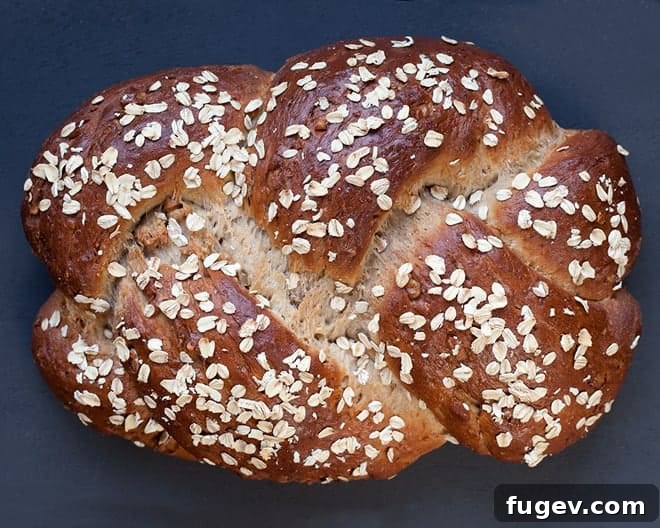
There’s nothing quite like the aroma of freshly baked bread filling your home. And when that bread is imbued with the hearty goodness of oats, the satisfying crunch of walnuts, the subtle tang of buttermilk, and the sweet whisper of honey, you know you’ve created something truly special. This homemade Oatmeal Walnut Bread isn’t just a loaf; it’s an experience, transforming your everyday sandwiches and morning toast into moments of pure culinary delight.
For what feels like an eternity, my bread choices have been confined to the same uninspired whole-wheat loaf from the grocery store. My weekly trips to that section of the supermarket often involved a robotic grab for the usual brand, a habit born of convenience more than desire. But a few weeks ago, I decided enough was enough. I embarked on a mission to find a replacement, one that would bring genuine flavor and texture back to my daily meals.
In an ideal world, I would bake all my bread from scratch, every single week. The thought of it, the hands-on process, the satisfaction of kneading dough and watching it rise – it’s a dream. However, reality often dictates otherwise, with kitchen projects involving yeast typically reserved for those rare, select weekends when time is abundant. It was during one such precious weekend that I decided to pause my search for a superior store-bought loaf and dive into the therapeutic process of baking. The result was this incredible Oatmeal Walnut Bread, a revelation that instantly elevated my basic toast and humble sandwiches to extraordinary heights.
The Undeniable Magic of Baking Your Own Bread
There’s a unique satisfaction that comes with baking bread from scratch. It’s more than just a culinary task; it’s a sensory journey and a connection to age-old traditions. From the initial humble ingredients—flour, water, yeast—to the transformation into a fragrant, golden loaf, the process is deeply rewarding. The rhythmic kneading, the patience of waiting for the dough to rise, and the intoxicating aroma that wafts through your kitchen as it bakes are all part of an experience that store-bought bread simply cannot replicate. Homemade bread offers unparalleled freshness, a customizable flavor profile, and the knowledge that you’ve created something wholesome and delicious for yourself and your loved ones.
This particular Oatmeal Walnut Bread embodies all these virtues and more. Its rustic charm, dense yet tender crumb, and delightful combination of textures make it an instant favorite. It’s the kind of bread that invites lingering over breakfast, makes school lunches a little more exciting, and elevates any dinner table. Once you experience the superior taste and texture of this homemade loaf, you might find yourself looking for more excuses to embrace the wonderful world of baking.
Oatmeal Walnut Bread
By Paige Adams
Prep: 30 mins
Cook: 50 mins
Rising Time: 2 hrs
Total: 3 hrs 20 mins
Servings: 12
With the tang of buttermilk and the sweetness of honey, slices of this homemade oatmeal walnut bread make very special sandwiches and toast.
Ingredients
- 1/2 cup warm water
- 1/4 cup honey
- 1 envelope dry active yeast
- 2 cups buttermilk
- 4 cups bread flour plus more for work surface
- 2 cups old-fashioned oats plus more for topping loaf
- 1 cup whole-wheat flour
- 2 tablespoons vegetable oil
- 2 teaspoons salt
- 1 cup chopped walnuts
- 1 large egg
- 2 tablespoons milk
Instructions
- In a large bowl, combine the warm water, honey, and dry active yeast. Stir gently and let the mixture stand for 5-10 minutes, or until it becomes foamy. This indicates that your yeast is active and ready to work its magic.
- While the yeast is proofing, gently warm the buttermilk in a small saucepan over medium heat. It should be lukewarm, not hot, to avoid killing the yeast. Stir the warmed buttermilk into the foamy yeast mixture. Then, add 2 cups of the bread flour, the old-fashioned oats, the whole-wheat flour, vegetable oil, and salt. Mix thoroughly. Gradually stir in the remaining bread flour, a little at a time, until a shaggy, somewhat sticky dough forms. You may not need to use all of the remaining flour; the goal is a cohesive dough that is still soft. Cover the bowl with plastic wrap or a clean kitchen towel and let the dough rest for 15 minutes. This resting period, known as autolyse, allows the flour to fully hydrate and gluten to begin developing, making kneading easier.
- Turn the dough out onto a lightly floured work surface. Knead the dough for approximately 10 minutes until it becomes smooth, elastic, and no longer sticky. A good way to test for elasticity is the “windowpane test”: stretch a small piece of dough; if you can stretch it thin enough to see light through it without tearing, your gluten is well-developed. Once smooth, knead in the chopped walnuts until they are evenly distributed throughout the dough. Form the dough into a ball and place it in a large, lightly oiled bowl, turning once to coat. Cover the bowl and let the dough rise in a warm, draft-free place until it has doubled in size, which usually takes about 50 minutes, depending on the ambient temperature.
- Once the dough has doubled, gently punch it down to release the air. Turn it onto a lightly floured work surface and knead it a few times to de-gas. Divide the dough into three equal pieces. Roll each piece into a rope about 16 inches long. For a classic look, braid the three ropes together, pinching and tucking the ends neatly underneath the loaf to seal. Place the braided loaf onto a sheet pan that has been lined with parchment paper. Cover the loaf again and let it rise until almost doubled in size, typically around 45 minutes. This is the second rise, or proofing, which gives the bread its final light and airy texture.
- While the bread is undergoing its second rise, preheat your oven to 375 degrees F (190 degrees C). Ensure your oven rack is in the middle position for even baking.
- In a small bowl, whisk together the large egg and milk to create an egg wash. Just before baking, gently brush the top and sides of the risen loaf with the egg wash. This will give your bread a beautiful golden crust. Sprinkle additional old-fashioned oats generously over the top of the loaf for added texture and visual appeal.
- Bake the loaf in the preheated oven for 50 minutes, or until it is a rich golden brown and sounds hollow when tapped on the bottom. To be absolutely sure, you can insert a digital thermometer into the center of the loaf; it should read at least 200-210 degrees F (93-99 degrees C). Once baked, immediately transfer the loaf to a wire rack to cool completely before slicing. Cooling on a wire rack prevents the bottom from becoming soggy.
- Wrap the cooled loaf tightly in plastic wrap or store it in an airtight bread box to maintain its freshness at room temperature for several days. For longer storage, slices can be frozen.
Notes
This recipe has been adapted from a classic published in Bon Appetit, February 1995. It has stood the test of time as a comforting and delicious bread recipe.
Nutrition Information (per serving)
Nutrition information is automatically calculated, so should only be used as an approximation.
- Calories: 374 kcal
- Carbohydrates: 56 g
- Protein: 12 g
- Fat: 12 g
- Saturated Fat: 2 g
- Polyunsaturated Fat: 7 g
- Monounsaturated Fat: 2 g
- Trans Fat: 0.02 g
- Cholesterol: 18 mg
- Sodium: 439 mg
- Potassium: 242 mg
- Fiber: 4 g
- Sugar: 8 g
- Vitamin A: 94 IU
- Vitamin C: 0.2 mg
- Calcium: 78 mg
- Iron: 2 mg
Additional Info
Course: Bread
Cuisine: American
Why Oatmeal and Walnuts are the Perfect Pair
The combination of oatmeal and walnuts in this bread is no accident; it’s a carefully chosen pairing that offers both exceptional flavor and nutritional benefits. Oats, particularly old-fashioned rolled oats, contribute a subtle nutty flavor, a pleasant chewiness, and a wholesome heartiness to the bread. They are rich in soluble fiber, which is known for its health benefits, including supporting digestive health and managing cholesterol levels. Their presence makes this bread more satisfying and adds a rustic texture that sets it apart from typical white bread.
Walnuts, on the other hand, bring a distinctive richness and a delightful crunch. Their slightly bitter, earthy flavor perfectly complements the sweetness of the honey and the tang of the buttermilk. Beyond their taste and texture, walnuts are packed with omega-3 fatty acids, antioxidants, and essential minerals, making them a powerful addition to your diet. Together, oats and walnuts create a bread that is not only incredibly delicious but also a more nutritious option for your daily meals. The textural contrast between the soft oat-infused crumb and the firm pieces of walnut makes every bite an adventure.
Serving Suggestions and Creative Pairings
This versatile Oatmeal Walnut Bread is fantastic on its own, but its unique flavor profile makes it an excellent base for a variety of culinary creations. Here are some ideas to inspire you:
- Classic Toast: Slathered with butter and a drizzle of extra honey, or your favorite fruit jam, it makes for an incredibly satisfying breakfast.
- Gourmet Sandwiches: Its sturdy structure and rich flavor stand up well to robust fillings. Think turkey and Swiss, chicken salad with cranberries, or even a simple grilled cheese.
- Breakfast Powerhouse: Top slices with cream cheese and fresh berries, or a smear of almond butter and banana slices for a nutritious start to your day.
- Soup Companion: Serve thick slices alongside a hearty bowl of lentil soup, a creamy tomato bisque, or a rustic vegetable stew. The bread’s texture is perfect for soaking up savory broths.
- Cheese Board Addition: Its nutty flavor pairs wonderfully with a selection of cheeses, especially mild cheddars, goat cheese, or a creamy brie.
- Sweet Treat: A toasted slice with a dollop of yogurt and a sprinkle of cinnamon makes a delightful, lighter dessert.
Customize Your Loaf: Endless Variations
While the classic Oatmeal Walnut Bread is a triumph on its own, don’t hesitate to experiment with variations to suit your taste or what you have on hand:
- Nutty Alternatives: If walnuts aren’t your preference, try pecans, almonds, or even a mix of different nuts for varying textures and flavors. Toasting the nuts lightly before adding them can enhance their flavor.
- Dried Fruit Infusion: Add 1/2 to 1 cup of dried fruits like raisins, dried cranberries, chopped apricots, or dates to the dough along with the walnuts. These will add bursts of sweetness and chewiness.
- Seed Boost: Incorporate flax seeds, chia seeds, or sunflower seeds for an extra nutritional punch and a different textural element. Add 2-3 tablespoons with the dry ingredients.
- Spice It Up: A pinch of cinnamon, nutmeg, or allspice can add warmth and depth, especially if you’re leaning towards a sweeter loaf.
- Herbal Twist: For a more savory bread, consider adding finely chopped fresh rosemary or thyme, particularly if you plan to serve it with savory dishes.
- Flour Blends: Experiment with different ratios of bread flour and whole-wheat flour, or even substitute a small amount with spelt flour for a slightly different flavor profile.
Conclusion: The Ultimate Homemade Bread Experience
Baking this Oatmeal Walnut Bread is more than just following a recipe; it’s an investment in flavor, quality, and the simple joy of creating something wonderful with your own hands. The harmonious blend of ingredients—from the earthy oats and crunchy walnuts to the subtle sweetness of honey and the tenderizing touch of buttermilk—culminates in a loaf that is truly exceptional. It’s a bread that brings comfort, elevates meals, and fills your home with an irresistible aroma.
So, step away from the mundane and embrace the art of homemade baking. This Oatmeal Walnut Bread is a perfect starting point, promising a delicious reward for your efforts. Enjoy the process, savor the results, and let this homemade masterpiece redefine your expectations for what bread can be. It’s time to make your sandwiches and toast truly special again.
Did you make this recipe?
Mention @lastingredient on Instagram and tag it #lastingredient!