
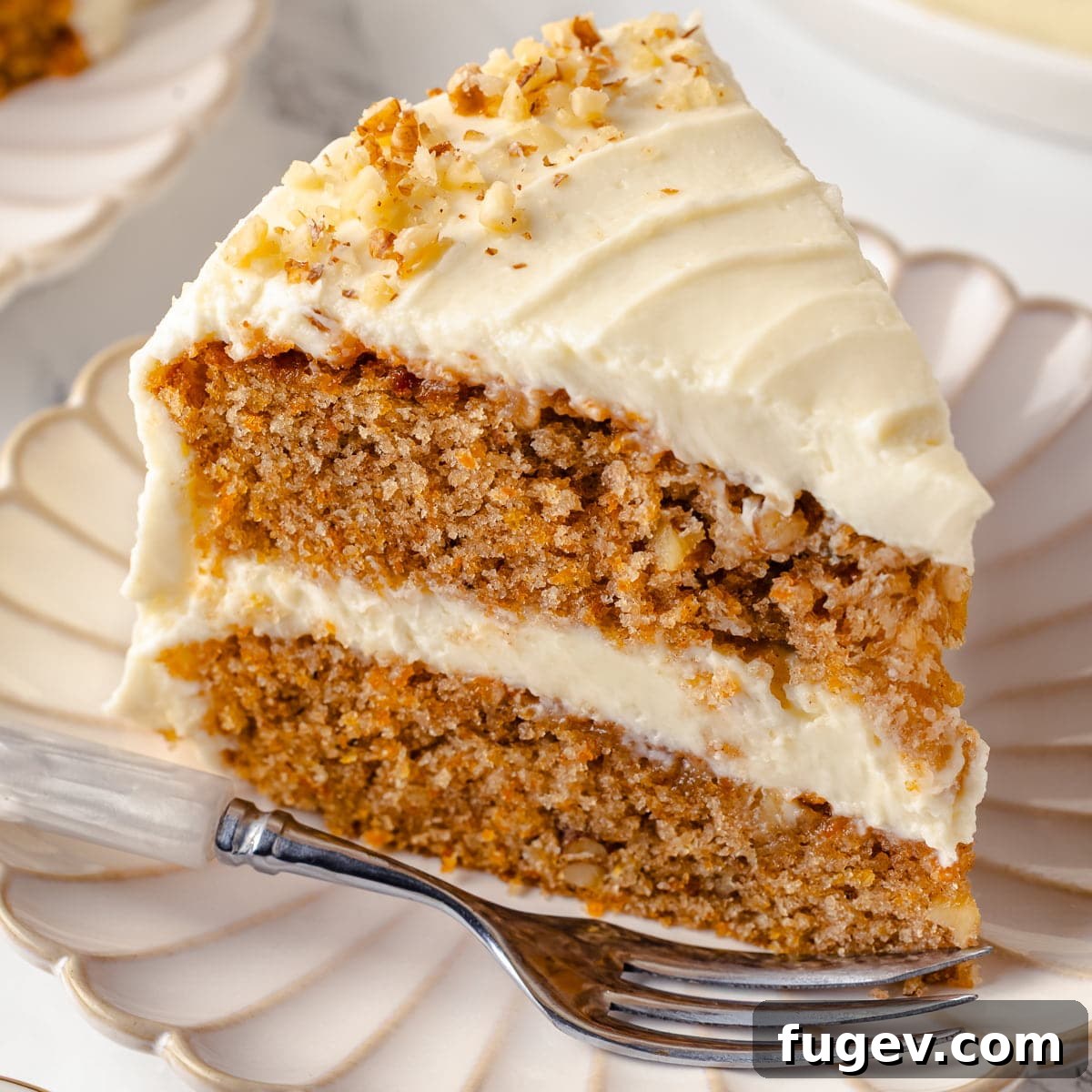
Prepare to bake the ultimate dessert with this truly **best carrot cake recipe**—the very one that famously BEAT BOBBY FLAY! This isn’t just a claim; it’s a testament to a cake that is exceptionally moist, incredibly tender, and impeccably spiced. Every bite promises a burst of flavor, making it the most delicious carrot cake you’ll ever create and enjoy. Get ready to impress with this culinary masterpiece!
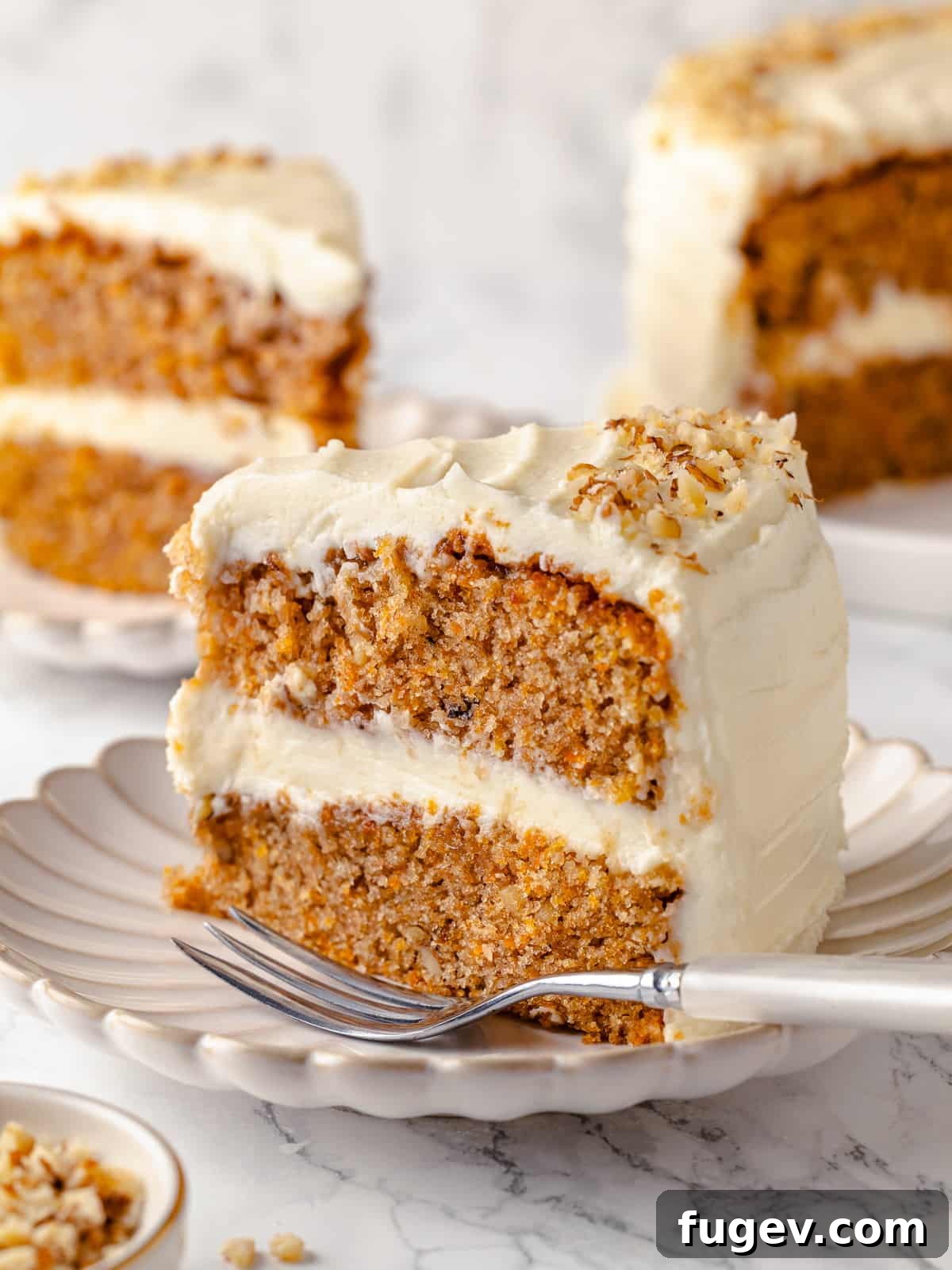
What makes this carrot cake truly exceptional is its combination of a tender crumb, an abundance of fresh carrots, and a generous blend of aromatic spices. Each layer is lovingly blanketed with our signature cream cheese buttercream frosting, creating a harmonious balance of sweetness and tangy notes. It’s the ideal centerpiece for any special occasion, whether it’s an elegant dinner party, a lively potluck, or your cherished Easter celebration.
Just like our celebrated hummingbird cake or this delightful banana cake with cream cheese frosting, the secret to its undeniable appeal lies in the rich, luscious, and perfectly tangy buttercream that complements the cake’s vibrant flavors. If you’re seeking a simpler baking experience without compromising on taste, explore our easy one-bowl carrot cake recipe or this equally moist one-bowl chocolate cake recipe. Or, for a delightful twist, consider baking these incredible carrot cake scones instead!
Table of Contents
- Why This is the Best Carrot Cake Recipe
- Professional Tips for Making The Best Carrot Cake Recipe
- Ingredients & Substitutions
- Variations to Elevate Your Carrot Cake
- How to Make The Best Carrot Cake: Step-by-Step Guide
- Chef Lindsey’s Expert Baking Tip
- Frequently Asked Questions About Carrot Cake
- The Ultimate Carrot Cake Recipe Card
- Explore More Delicious Cake Recipes
Why This is the Best Carrot Cake Recipe You’ll Ever Make
This isn’t just another carrot cake recipe; it’s a meticulously developed creation designed to deliver unparalleled moisture, tenderness, and flavor. Here’s why it consistently wins over critics and home bakers alike:
- A Revolutionary Mixing Method for Lasting Moisture: The true genius behind this cake’s incredible texture lies in its unique mixing technique. We begin by whipping eggs and sugar together until they achieve the “ribbon stage” – a pale, voluminous foam that triples in volume. This creates a light, airy base. Then, oil is slowly drizzled into this foamy mixture, creating a delicate emulsion. This process isn’t just a step; it’s a scientific approach that locks in moisture without making the cake greasy, ensuring it stays moist and delightful for up to a week. This emulsification is key to a superior crumb structure.
- Packed with Carrots for Maximum Flavor: When we say “carrot cake,” we mean it! This recipe maximizes the star ingredient. There’s just enough batter to lovingly coat a generous amount of freshly shredded carrots and crunchy walnuts, ensuring that every slice is bursting with natural sweetness and earthy goodness. This high ratio of carrots to batter doesn’t just enhance flavor; it also contributes significantly to the cake’s desirable moist texture, making it an incredibly satisfying treat.
- Perfectly Spiced to Awaken Your Senses: The soul of a great carrot cake lies in its spice profile. Our recipe calls for a generous amount of cinnamon, expertly balanced to provide a warm, inviting aroma and flavor without overpowering the delicate sweetness of the carrots. For an truly elevated experience, we highly recommend using high-quality cinnamon, such as fragrant Ceylon or robust Saigon cinnamon. Investing in premium spices will undoubtedly make a noticeable difference, adding depth and complexity that will make your cake truly unforgettable.
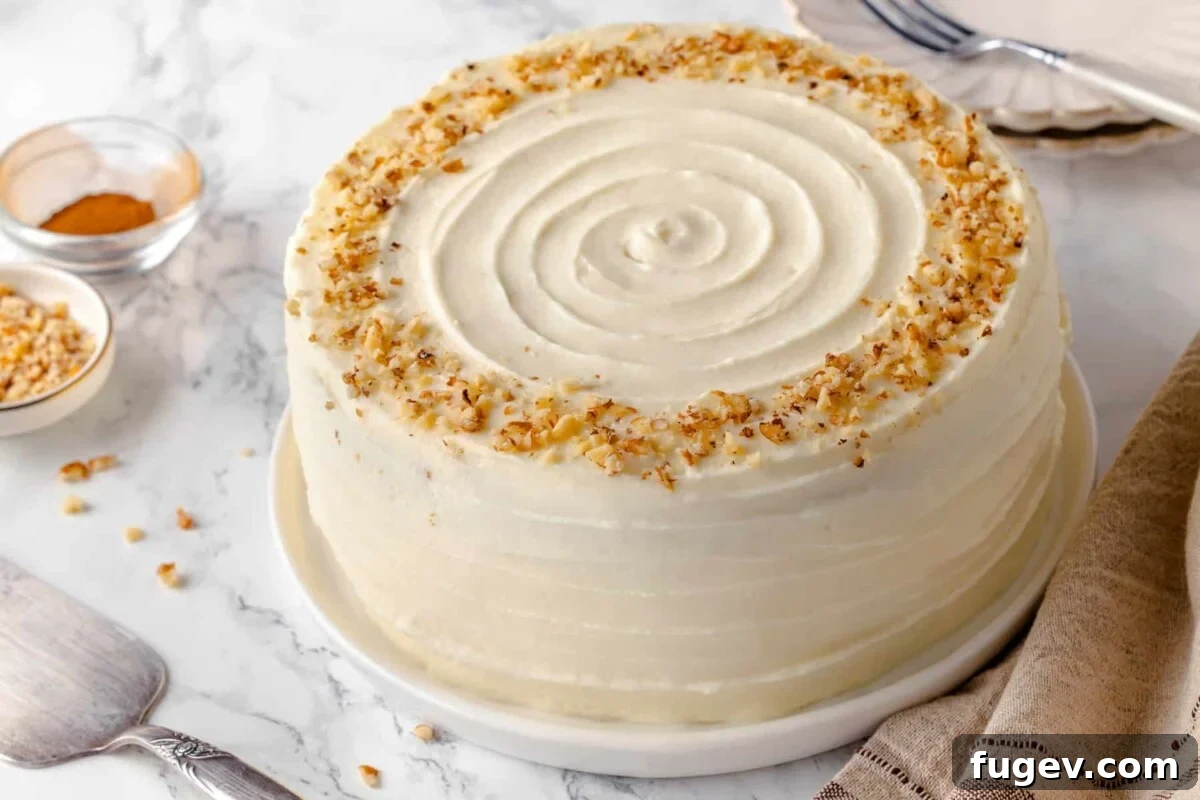
Professional Tips for Making The Best Carrot Cake Recipe Every Time
Achieving bakery-quality carrot cake at home is entirely possible with these expert tips:
- Always Shred Your Own Carrots: This might seem like an extra step, but it’s a game-changer. Pre-shredded carrots from the store are often drier, thicker, and lack the vibrant moisture of freshly grated carrots. For the ideal carrot cake, start by peeling your carrots, then shred them using a medium-sized box grater or, for ultimate convenience and speed, a food processor with a shredding attachment. After shredding, gently squeeze out any excess moisture. This crucial step prevents a gummy, dense cake, ensuring a perfectly light and tender crumb.
- Ensure Room Temperature Butter and Cream Cheese for Frosting: The secret to a silky-smooth, lump-free cream cheese buttercream lies in the temperature of your ingredients. Both butter and cream cheese must be at true room temperature. If they are too cold, they won’t cream together properly, leading to a clumpy frosting. If you’re short on time and they’re straight from the fridge, you can cream each ingredient separately in your stand mixer for a few minutes before combining them. This extra effort guarantees an effortlessly spreadable and delicious frosting.
- Do Not Overmix the Batter: The unique mixing method for this carrot cake focuses on whipping air into the eggs and sugar to create a light, voluminous base. It is absolutely vital not to lose this precious volume by overmixing once the dry ingredients and mix-ins are added. Fold them in gently and only until just combined. Streaks of flour are okay; vigorous mixing will deflate the batter, resulting in a dense, heavy cake rather than the airy, moist texture you’re aiming for. Less is definitely more when it comes to the final mixing stage.
- Prepare Your Pans Thoughtfully: Properly prepared cake pans are crucial for ensuring your beautiful layers release cleanly. Don’t just grease; grease and flour the sides, and then line the bottom with a parchment paper circle. This double layer of protection ensures that even the stickiest batter won’t cling to the pan, allowing for smooth removal and flawless presentation.
Essential Ingredients & Thoughtful Substitutions for Your Carrot Cake
Crafting the perfect carrot cake begins with understanding the role of each ingredient. Here’s a detailed look at what you’ll need and how you can adapt the recipe:
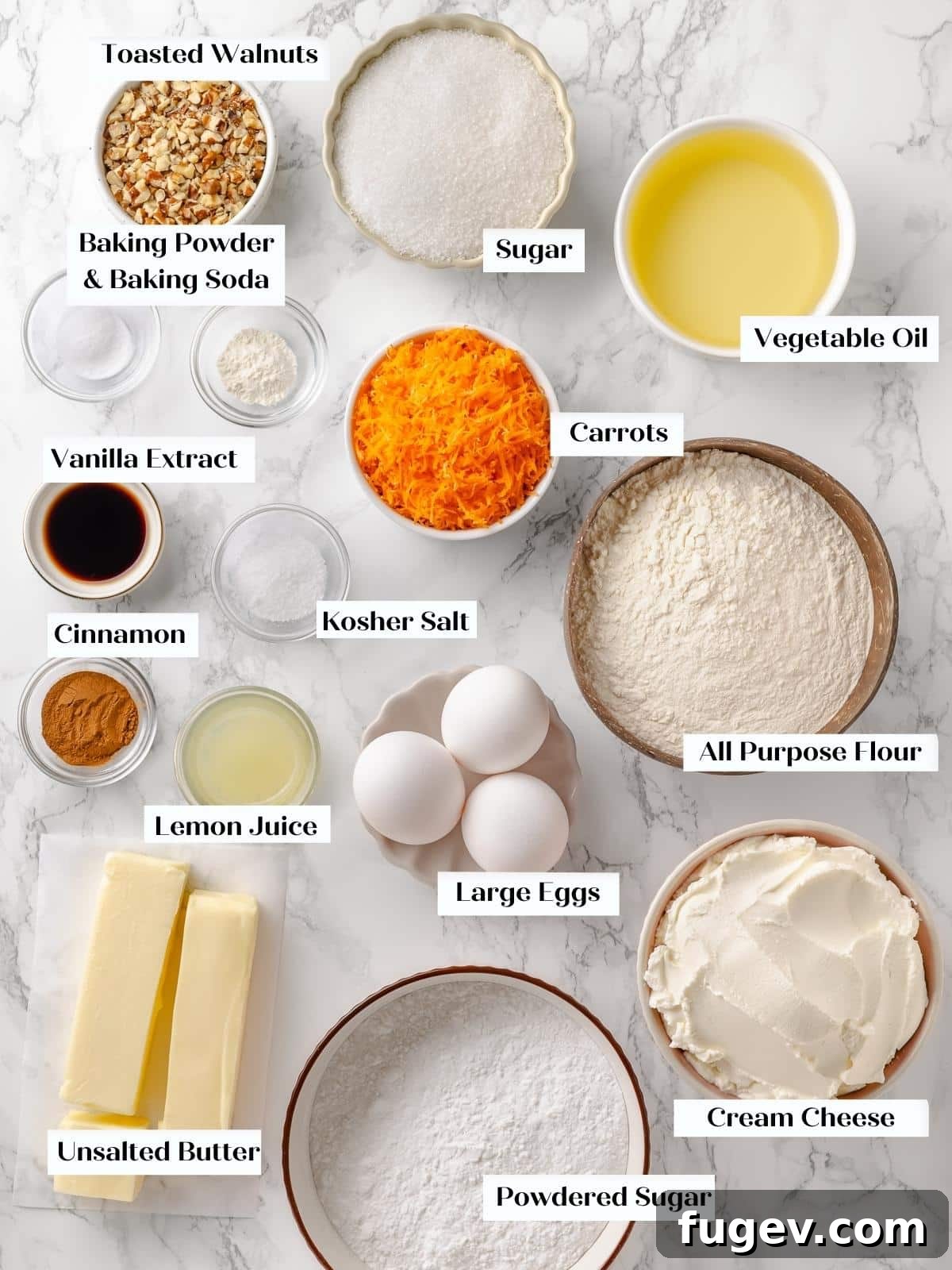
For the Cake:
- All-Purpose Flour: All-purpose flour provides the perfect balance of gluten to create a tender, soft, and stable cake structure. While pastry flour can be a suitable substitute for an even more delicate crumb, we advise against using cake flour. Its lower gluten content might not be sufficient to support the substantial amount of oil and carrots in this rich recipe, potentially leading to a less stable cake.
- Granulated Sugar: Beyond its role in sweetening, granulated sugar is critical for texture, moisture retention, and aiding in the leavening process. It contributes to the cake’s golden crust and helps stabilize the whipped egg foam.
- Baking Soda & Baking Powder: This recipe employs a dual-action leavening system for an optimal rise. Baking soda reacts with the acidity of the lemon juice, while baking powder activates with heat during baking. This combination ensures a strong, even rise and a wonderfully open crumb structure.
- Cinnamon: As showcased in our cinnamon scones, cinnamon is a warming spice that elevates nearly any baked good. We specifically use Saigon cinnamon for its bold, sweet, and spicy notes, which truly shine in this cake. However, any good quality ground cinnamon will yield delicious results.
- Kosher Salt: A pinch of kosher salt is essential. It doesn’t just add seasoning; it balances the sweetness of the sugar and enhances all the other flavors, making them more pronounced and harmonious.
- Eggs: Whole eggs are key to the unique emulsification method. Whipped with sugar, they create a stable foam that then suspends the oil, resulting in a cake that is exceptionally moist without feeling greasy. They also add richness and contribute to the cake’s structure.
- Vegetable Oil: Vegetable oil is the primary source of moisture in this cake, contributing to its tender crumb. By emulsifying it slowly into the whipped egg and sugar mixture, we achieve an incredibly moist texture. It’s crucial to use a neutral-flavored oil like canola, sunflower, or grapeseed oil. Stronger oils like olive oil or coconut oil (unless intentionally desired for a specific flavor profile) will impart an undesirable taste. While melted butter can be substituted, the cake’s moisture level will not be quite as profound.
- Lemon Juice: As emphasized in our lemon blondies, fresh citrus is always superior. The lemon juice in the cake batter provides essential acidity, reacting with the baking soda to aid in leavening and brightening the overall flavor profile. If fresh isn’t an option, a high-quality frozen lemon juice is the next best choice.
- Carrots: We highly recommend using freshly peeled, grated, and squeezed carrots for the best possible results. Fresh carrots are juicier and more flavorful, contributing significantly to both moisture and taste. While pre-shredded carrots can be used, ensure you still squeeze out excess moisture from them. The difference in freshness and texture will elevate your cake from delightful to truly extraordinary.
- Walnuts: Walnuts are an optional but highly recommended addition. We prefer to lightly toast them before chopping and folding them into the batter. This simple step intensifies their nutty flavor and adds a delightful textural contrast to the soft cake.
For the Cream Cheese Buttercream Frosting:
- Unsalted Butter: The unsalted butter provides richness and structure to the frosting. Using unsalted butter allows you to control the overall salt content, ensuring a perfectly balanced flavor. It also helps the cream cheese frosting firm up beautifully when chilled, maintaining those elegant cake layers.
- Cream Cheese: For consistently excellent results, we swear by original Philadelphia Cream Cheese. Its creamy texture and tangy flavor are unparalleled. Avoid using reduced-fat or whipped cream cheese, as these contain higher water content and air, which will make your buttercream too soft and unstable, especially for layering.
- Confectioner’s Sugar (Powdered Sugar): Confectioner’s sugar is finely milled, ensuring a smooth, lump-free frosting without the need for heating, unlike some buttercreams. It dissolves easily and provides the necessary sweetness and body.
- Vanilla Extract: A splash of pure vanilla extract enhances the overall flavor profile of the frosting, adding a warm, aromatic depth that complements the tanginess of the cream cheese and the spices in the cake.
- Lemon Juice: This is a secret ingredient for the best cream cheese frosting, and please, do not skip it! The lemon juice beautifully cuts through the sweetness of the powdered sugar, adding a bright, zesty tang that perfectly balances the rich cream cheese and harmonizes with the carrot cake’s spiced notes. It transforms good frosting into extraordinary frosting.
For precise measurements and detailed quantities, please refer to the comprehensive recipe card below.
Delicious Variations to Elevate Your Carrot Cake
While this classic carrot cake recipe is perfect as is, it also serves as a fantastic canvas for creative adaptations. Feel free to experiment with these variations to suit your taste or occasion:
- Explore Different Spice Combinations: Our recipe features a generous amount of cinnamon, but you can easily customize the spice profile. Consider substituting it with a homemade pumpkin spice mix or a fragrant apple pie spice blend for a unique twist. For a warmer, more intricate flavor, incorporate small amounts of ground ginger, nutmeg, allspice, or clove. Start with ½ teaspoon of each and adjust to your preference.
- Add More Exciting Mix-ins: The addition of walnuts is a classic for a reason, but the possibilities are endless!
- Nuts: Toast and chop pecans, hazelnuts, or even macadamia nuts for different textures and flavor nuances.
- Dried Fruit: If you’re a fan of dried fruit, add up to ½ cup of plump raisins (golden or dark), chopped dried cranberries, or finely diced dried apricots for extra chewiness and natural sweetness.
- Chocolate: For an indulgent treat, fold in ½ cup of dark chocolate chips, white chocolate chunks, or even a blend of both. Chocolate adds a luxurious depth that pairs surprisingly well with the spices.
- Go Tropical with a Fruity Twist: Transform your carrot cake into an exotic delight!
- Pineapple & Coconut: Add ½ cup of well-drained, crushed pineapple (ensure you squeeze out all excess liquid) and ½ cup of shredded coconut to the batter. These additions will boost moisture and introduce a vibrant, tropical flavor.
- Coconut Cream Cheese Frosting: In the cream cheese frosting, replace half of the lemon juice and a portion of the vanilla extract with a tablespoon or two of full-fat coconut milk (from a can, shaken well). Top the finished cake with toasted coconut flakes for an irresistible finish.
- Infuse with a Boozy Kick: Take inspiration from our carrot cake roll and infuse your cream cheese buttercream with a hint of your favorite spirit. A tablespoon or two of bourbon, rye, brandy, or even a delicate amaretto will add a sophisticated warmth and complexity to the frosting, making it an adult-friendly indulgence. Adjust the amount to your taste, starting with a small addition and increasing gradually.
How to Make The Best Carrot Cake: Your Step-by-Step Guide
Follow these detailed instructions carefully to ensure your carrot cake turns out perfectly moist, tender, and flavorful every single time. For precise measurements, please consult the recipe card below.
Phase 1: Prepare Your Ingredients and Baking Environment
Step 1: Preheat and Prepare Pans. Begin by preheating your oven. If using a convection oven (with a fan), set it to 350˚F. For a conventional oven (no fan), set it to 375˚F. Prepare two 8-inch round cake pans by spraying them thoroughly with nonstick cooking spray. For an extra measure of protection and easy release, line the bottom of each pan with a parchment paper circle. You can easily make your own by tracing the pan onto parchment paper and cutting it out.
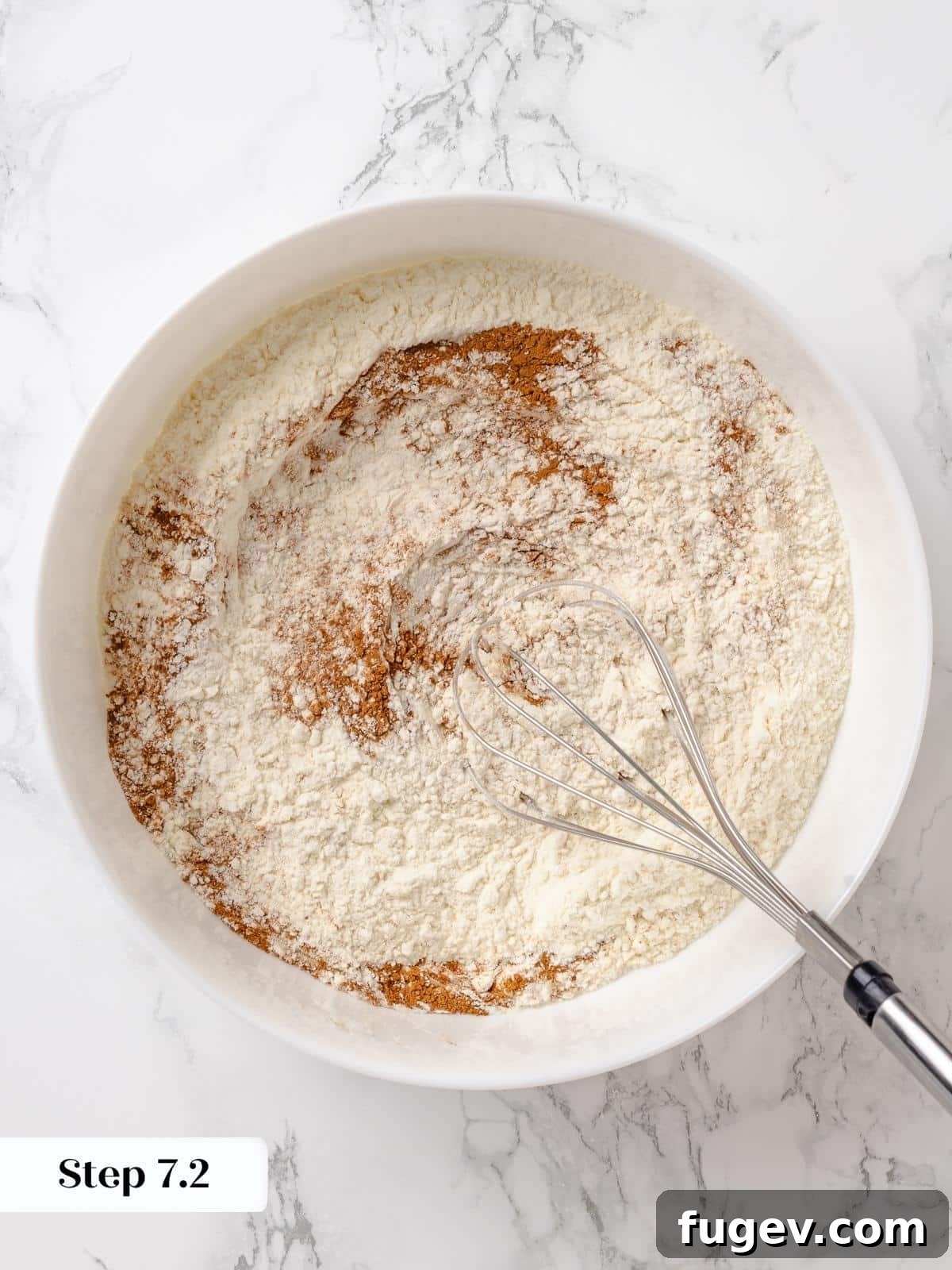
Step 2: Combine Dry Ingredients. In a large mixing bowl, whisk together the all-purpose flour, baking soda, baking powder, cinnamon, and kosher salt until they are thoroughly combined and no lumps remain. Set this mixture aside.
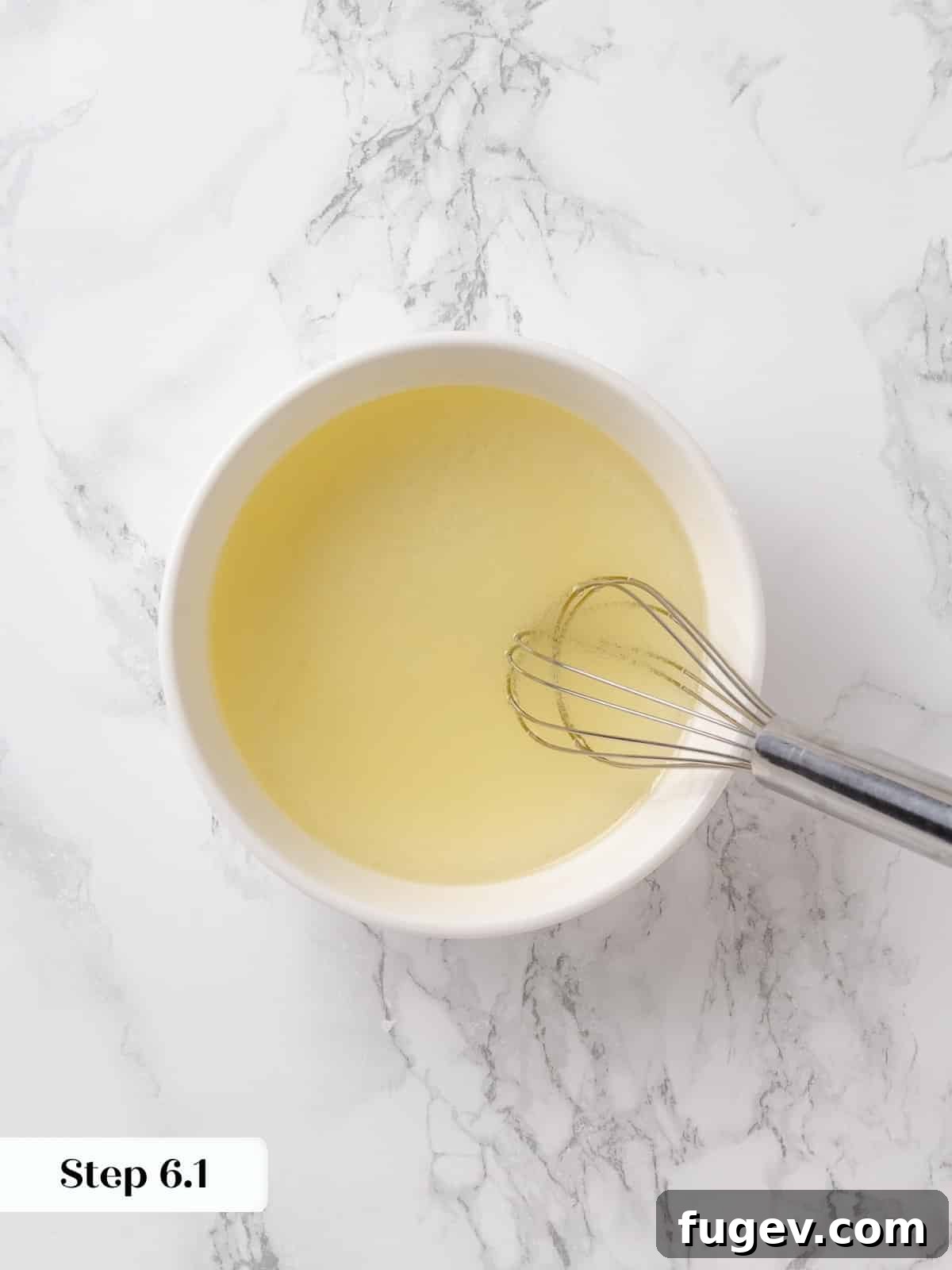
Step 3: Prepare Wet Aromatic Mix. In a separate small bowl or measuring cup, combine the vegetable oil and lemon juice. Give it a quick whisk and set aside. This combination is crucial for the emulsification process later.
Step 4: Prepare the Carrots. Peel your fresh carrots, then grate them on a medium-sized box grater. This size ensures the carrots soften beautifully into the cake without disappearing entirely. Once grated, it is absolutely essential to squeeze out the excess juice from the carrots. Use a piece of cheesecloth or several layers of paper towels for this task. You’ll be surprised how much liquid comes out! Discard the juice or, if you’re feeling resourceful, drink it for a healthy boost.
Important Chef’s Note: Don’t skip squeezing the carrots! This step is critical for a perfect cake texture. If you neglect to squeeze out the excess moisture, your cake will turn out gummy and dense, no matter how long it bakes. You want a light, airy, moist cake, not a sticky mess. Also, a little tip from experience: wear gloves during this process, or you might end up with orange-stained hands!
Phase 2: Crafting the Cake Batter
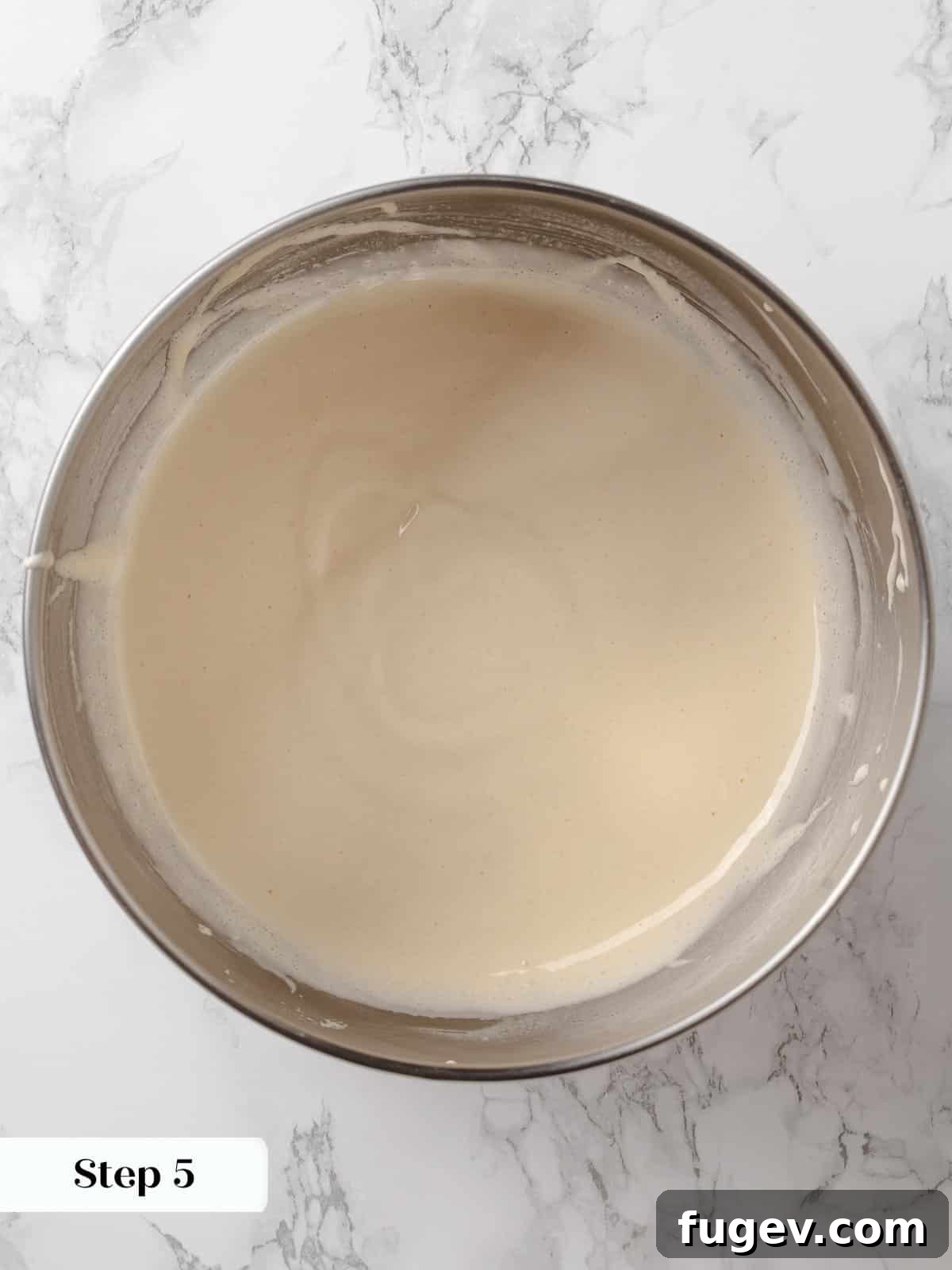
Step 5: Achieve Ribbon Stage with Eggs and Sugar. In the bowl of a stand mixer fitted with the whisk attachment, combine the eggs and granulated sugar. Whip these ingredients together on high speed until they triple in volume and transform into a pale yellow, thick, and fluffy mixture. This is known as the “ribbon stage”—when you lift the whisk, the mixture should fall back into the bowl in a thick ribbon that holds its shape on the surface for a few seconds before slowly disappearing.
Understanding Ribbon Stage: The ribbon stage is a crucial indicator that enough air has been incorporated into the eggs and sugar. This aeration is what gives our carrot cake its incredibly light and airy texture, making it fundamentally different from denser oil-based cakes. It’s the foundation for a truly superior crumb.
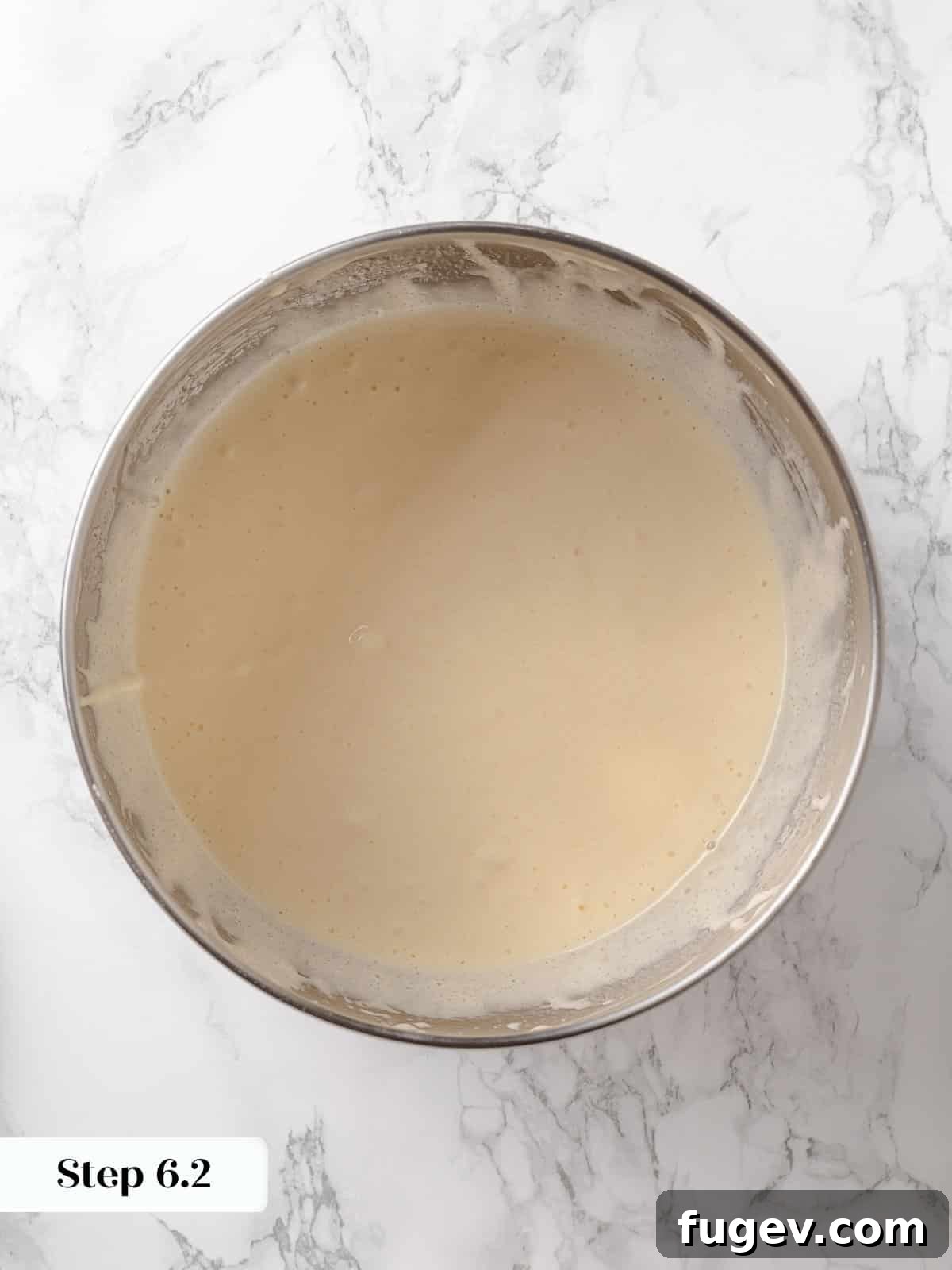
Step 6: Emulsify the Oil Mixture. With the mixer still running on high speed (and the whisk attachment still in place), slowly pour the vegetable oil and lemon juice mixture down the sides of the bowl. Pour it in a thin, steady stream, allowing it to gradually emulsify into the whipped egg foam. Continue whisking until the oil is completely incorporated and no visible streaks of oil remain. The mixture will deflate slightly, but it should still look like a beautiful, light yellow cloud.
Pro Tip for Oil Incorporation: Pouring the oil slowly down the sides of the bowl helps it integrate smoothly, similar to making a stable emulsion like Italian meringue buttercream. Pouring it too quickly directly into the center can cause splashing and prevent proper emulsification, potentially leading to a greasier cake.
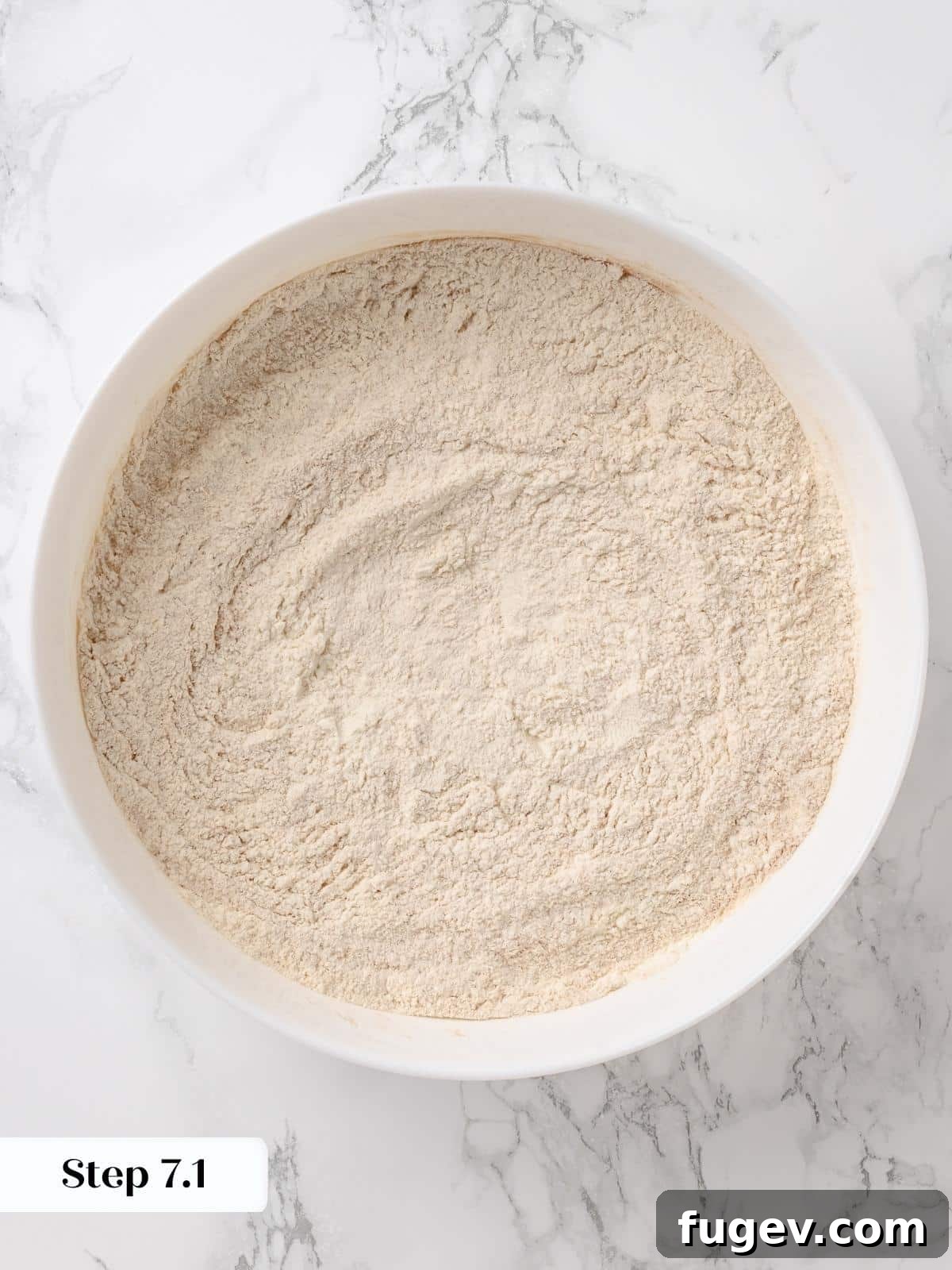
Step 7: Gently Fold in Dry Ingredients. Remove the bowl from the stand mixer. Using a rubber spatula, add all the whisked dry ingredients at once to the wet mixture. Gently fold them in using a light, circular motion, being careful not to overmix. Stop folding as soon as the batter is just streaky with flour – it doesn’t need to be perfectly smooth yet.
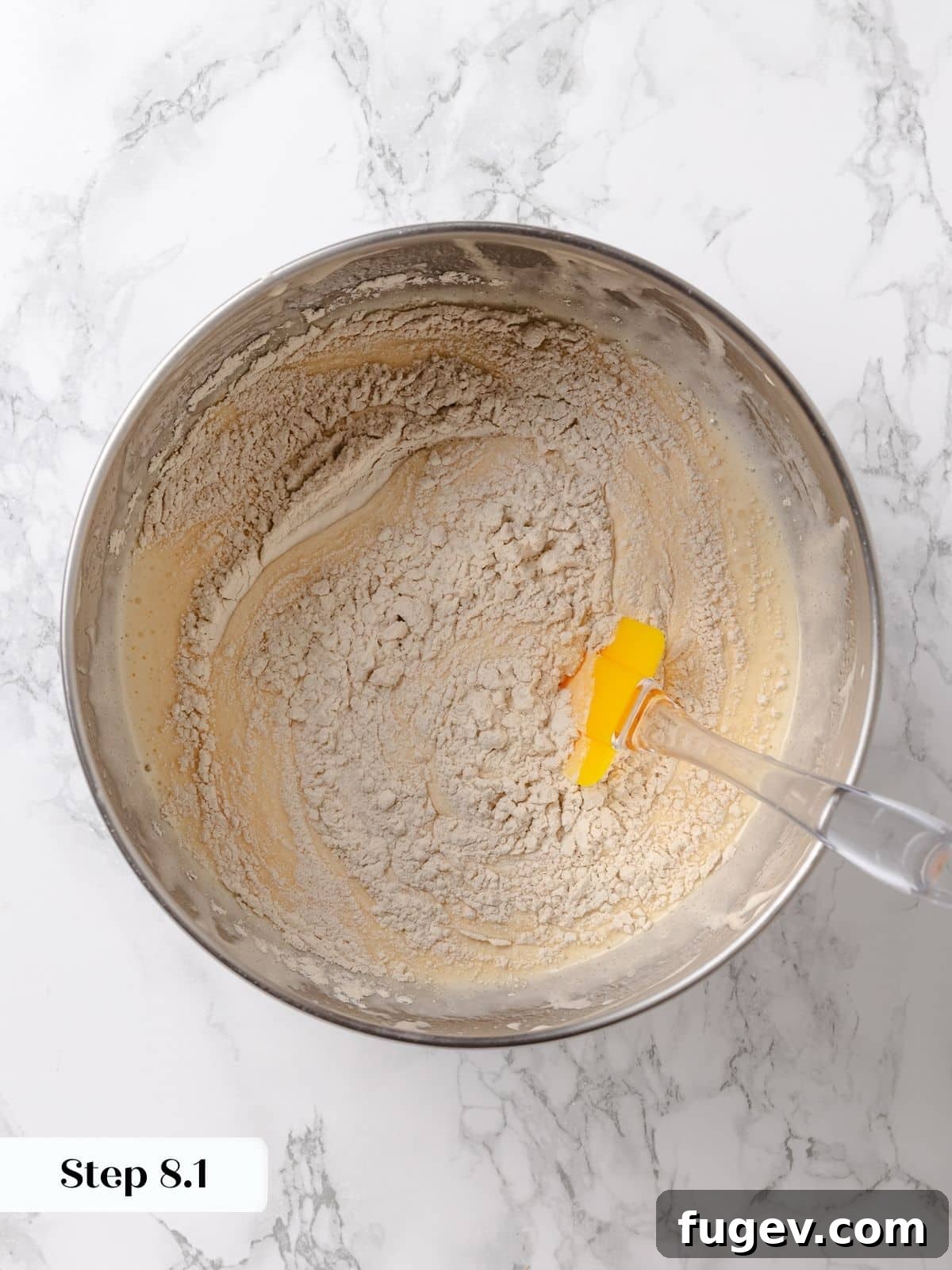
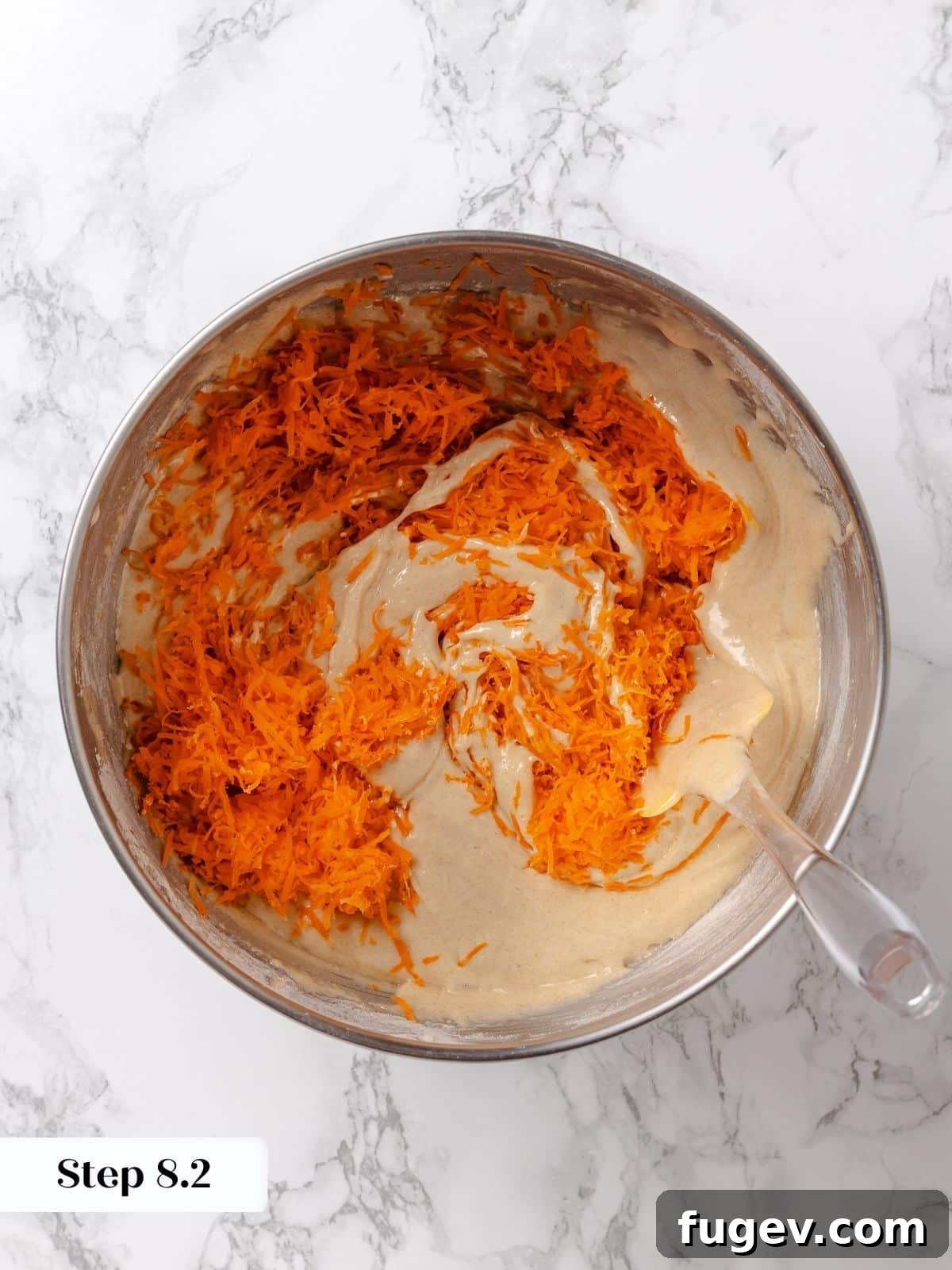
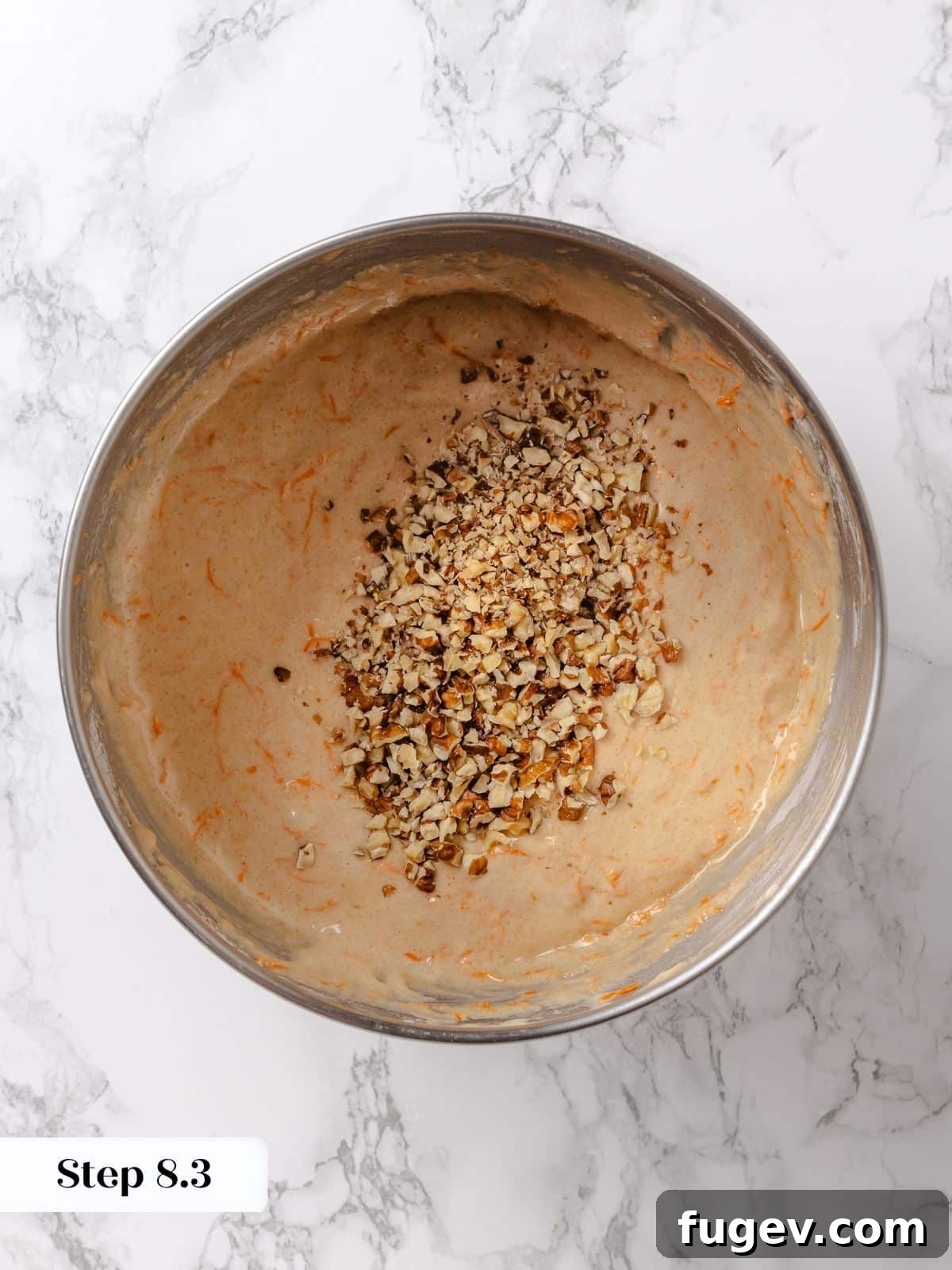
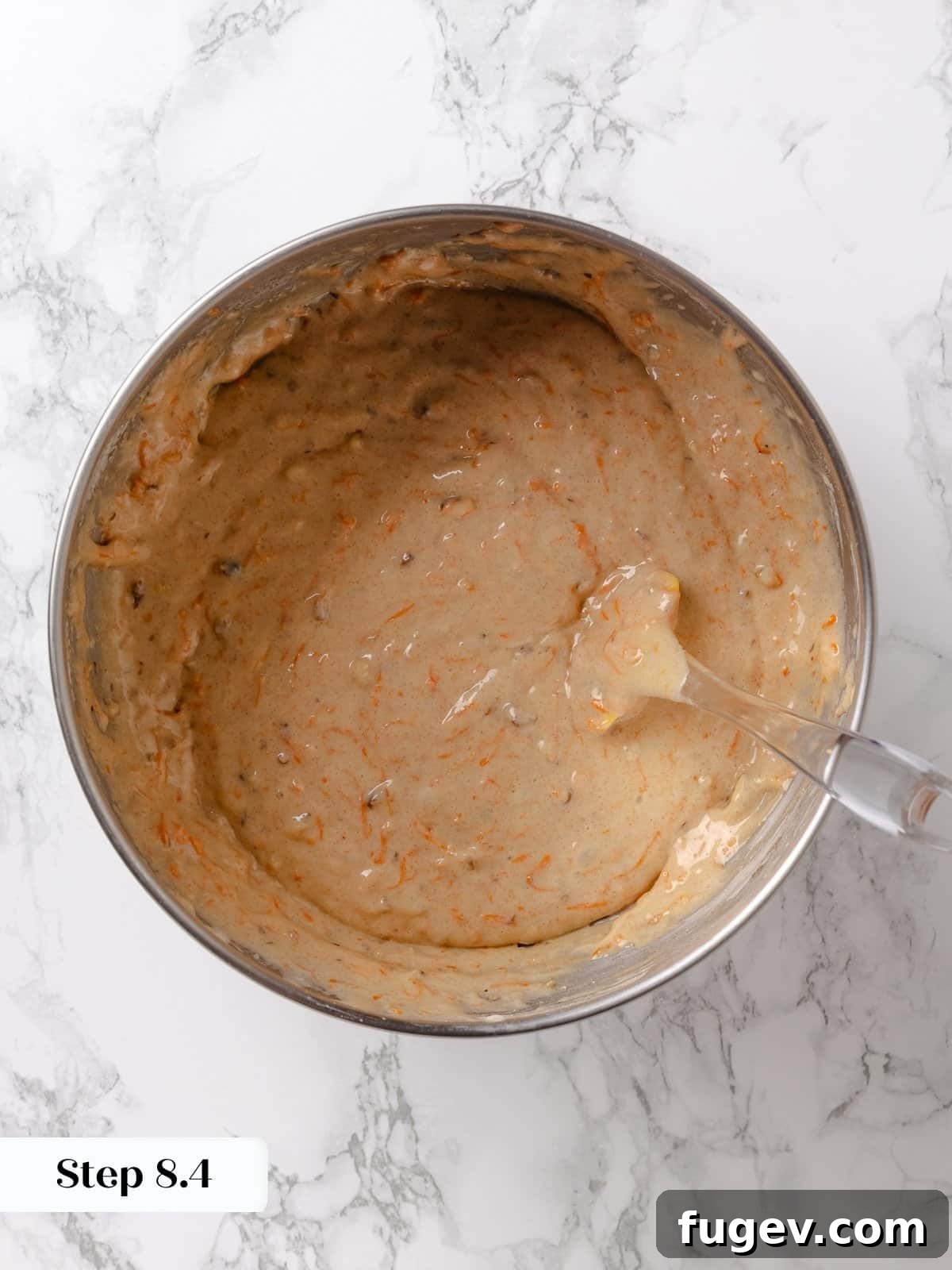
Step 8: Incorporate Carrots and Walnuts. Before all the flour is fully incorporated and the batter is smooth, add the squeezed grated carrots and toasted walnuts (if using) to the bowl. Continue to fold gently, just until the batter is combined and no dry streaks of flour are visible. It’s crucial not to over-mix at this stage; if you think it’s done, it likely is. Overmixing will develop the gluten too much and deflate the airy texture you worked hard to achieve, resulting in a tough cake.
Confidence in Mixing: Don’t be concerned if the ratio of cake batter to mix-ins seems high on carrots and walnuts! This is intentional and contributes to the cake’s rich flavor and delightful texture. Fold quickly and efficiently to ensure everything is just combined without losing the precious volume in your batter.
Phase 3: Baking and Cooling the Cake Layers
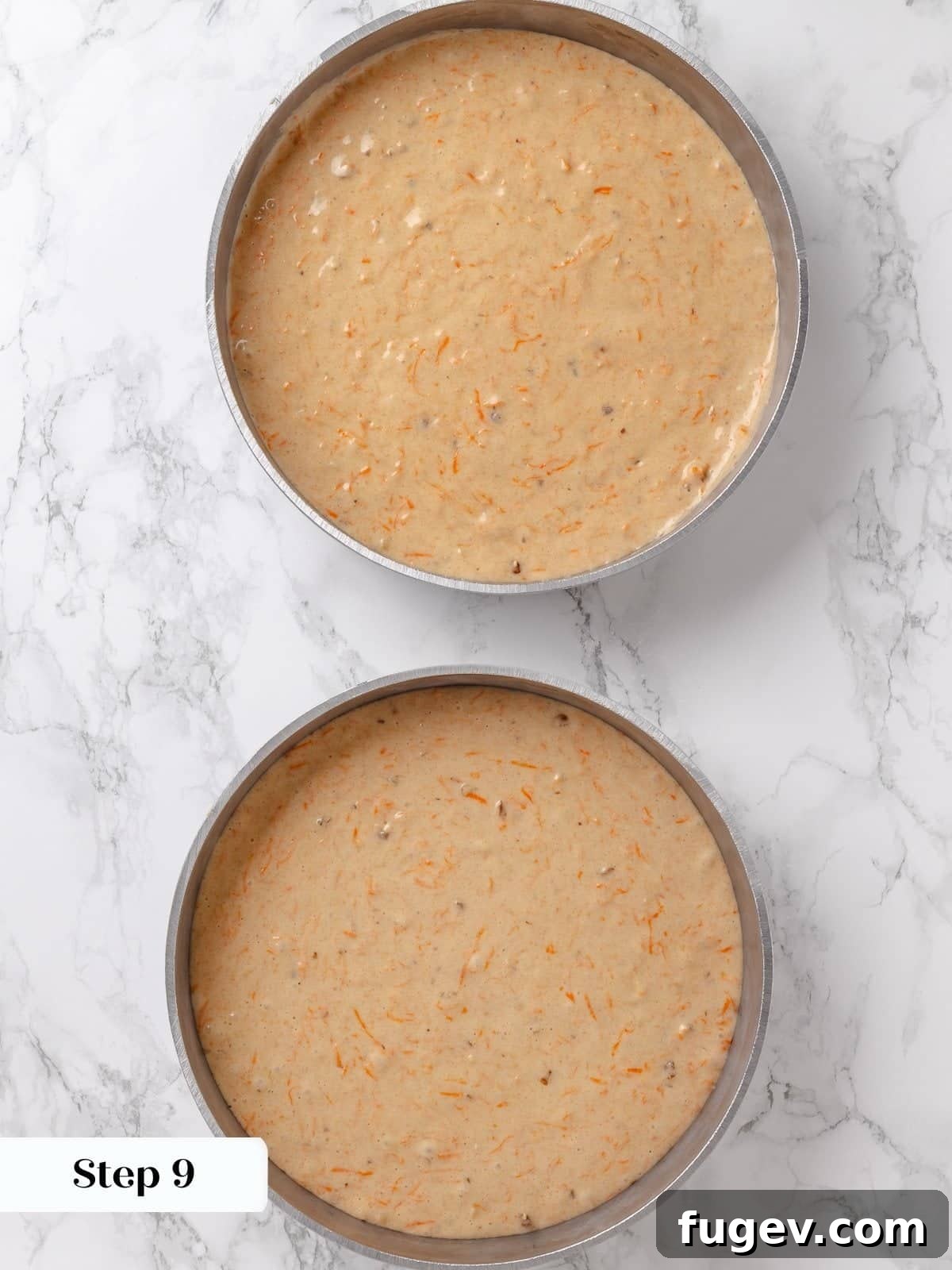
Step 9: Divide and Portion Batter. Carefully divide the finished batter evenly between your two prepared 8-inch cake pans. For precise and uniform layers, especially if you’re aiming for a professional look, we recommend using a kitchen scale to ensure equal weight in each pan. This guarantees they bake at the same rate and come out perfectly level.
Step 10: Bake to Perfection. Bake the cake layers for approximately 25 minutes. Due to the high oil content, a traditional cake tester (toothpick) might not come out completely clean, which can be misleading. Instead, test for doneness by gently pressing on the center of the cake with your fingertip. It should feel resilient and spring back, indicating it’s fully baked, not liquid or jiggly underneath. If there’s any doubt, bake for an additional 2 minutes.
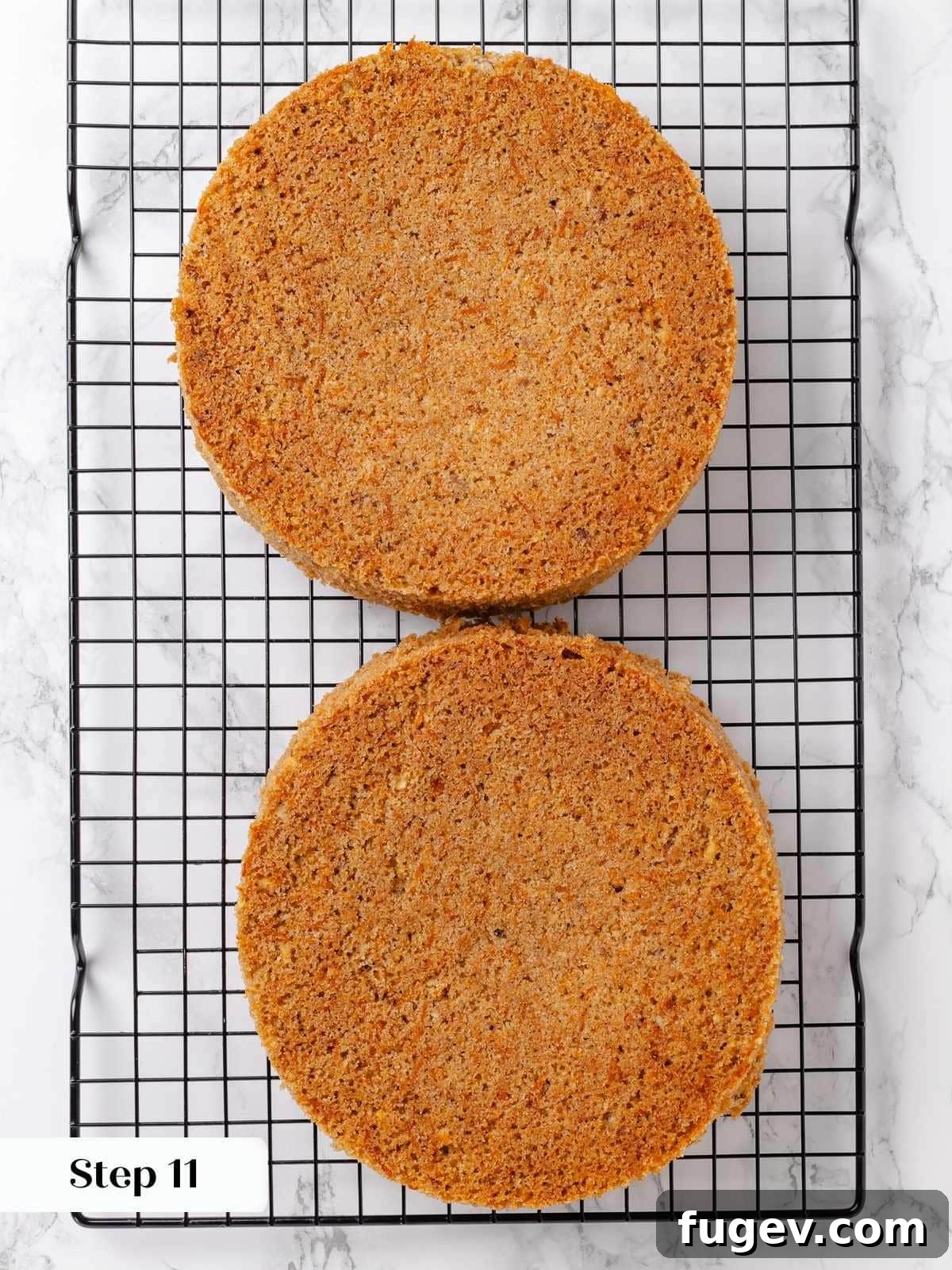
Step 11: Cool Properly. Once baked, remove the pans from the oven and let them cool on a wire rack for 5 minutes. This brief cooling period in the pan allows the cake to set slightly. After 5 minutes, carefully invert the cakes onto the wire rack to cool completely upside-down. Cooling them inverted helps flatten any doming and ensures a level surface for frosting. Allow them to cool entirely before you even think about frosting – warm cake + frosting = disaster!
Phase 4: Mastering the Cream Cheese Frosting
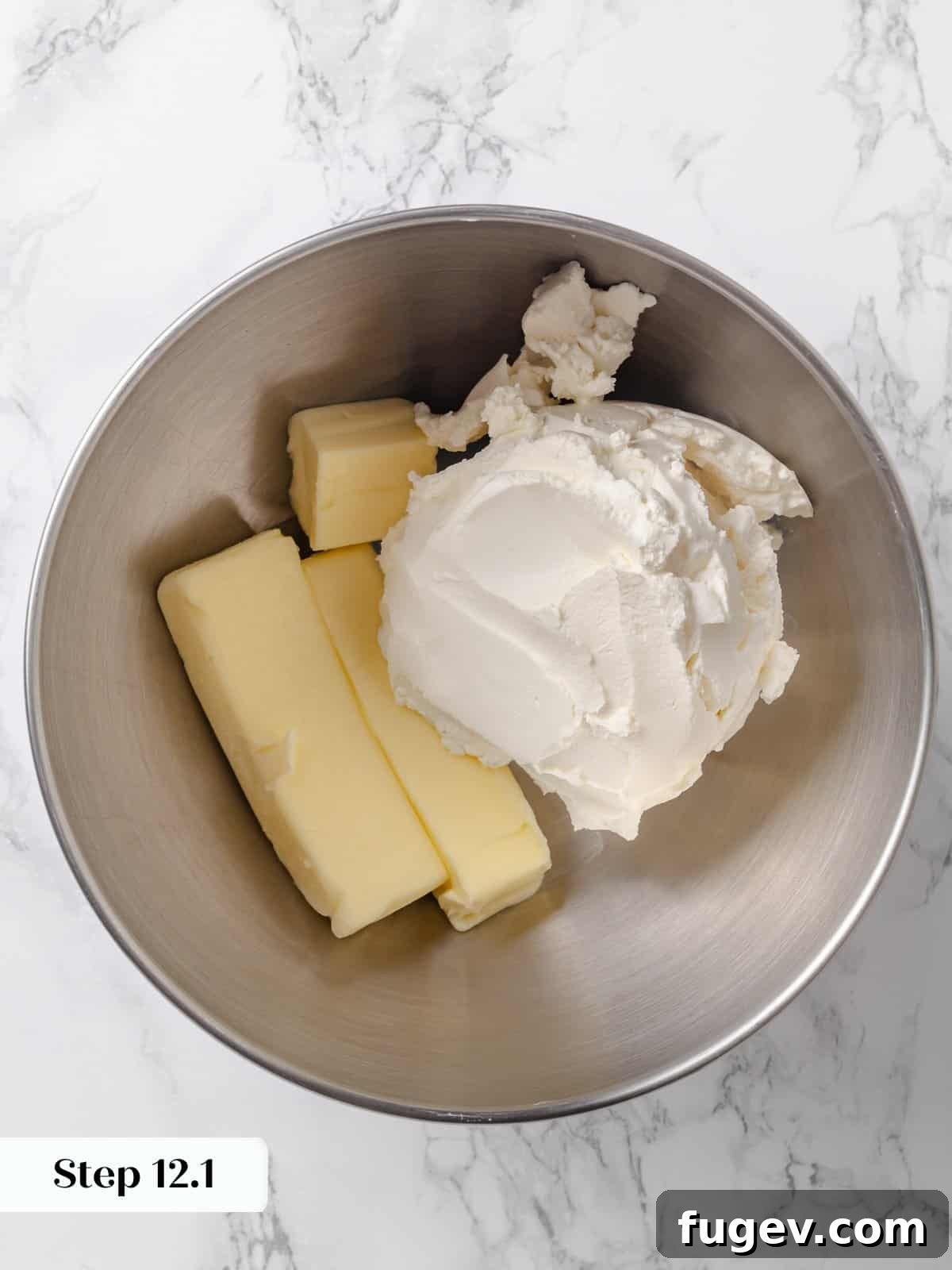
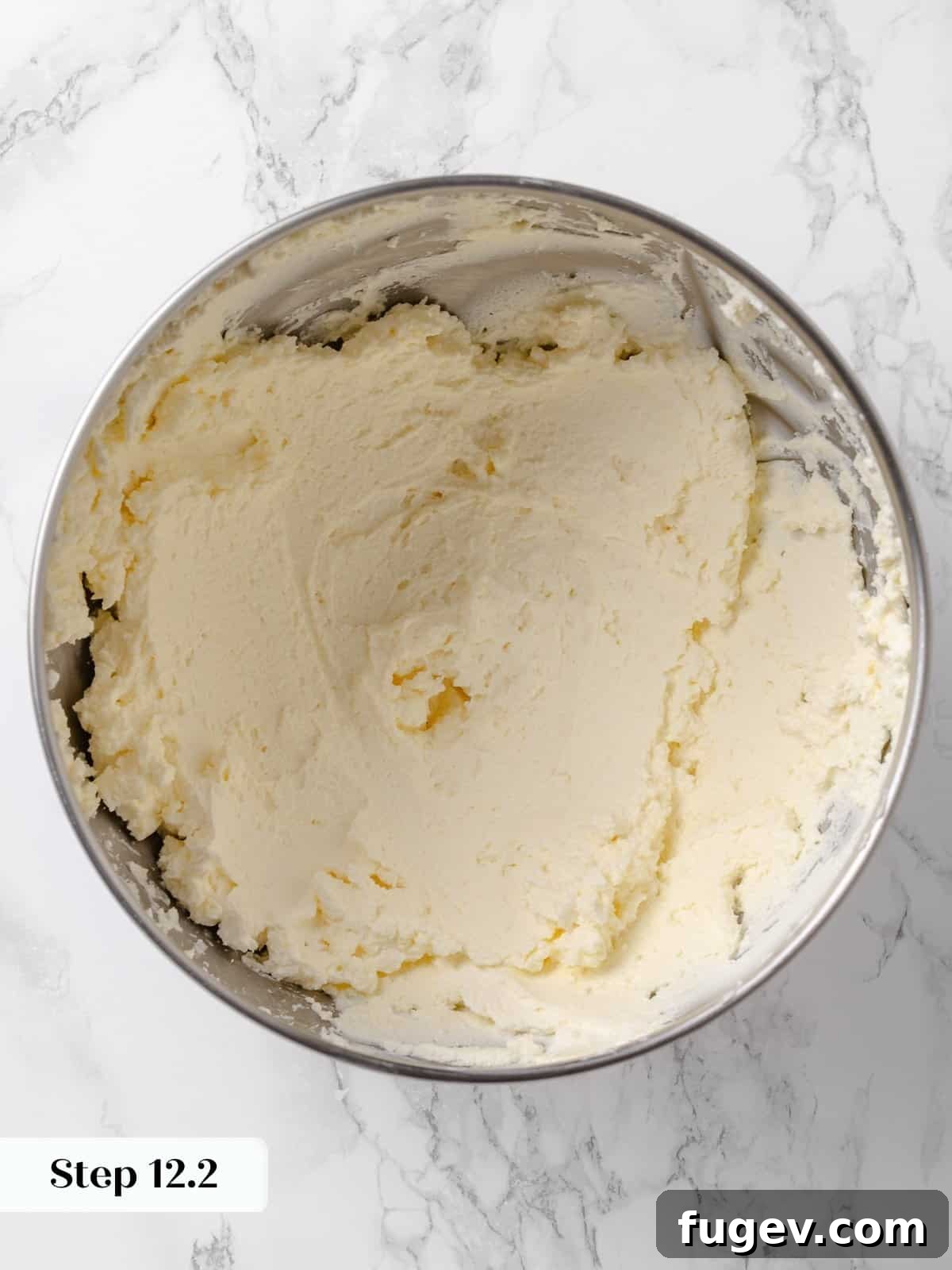
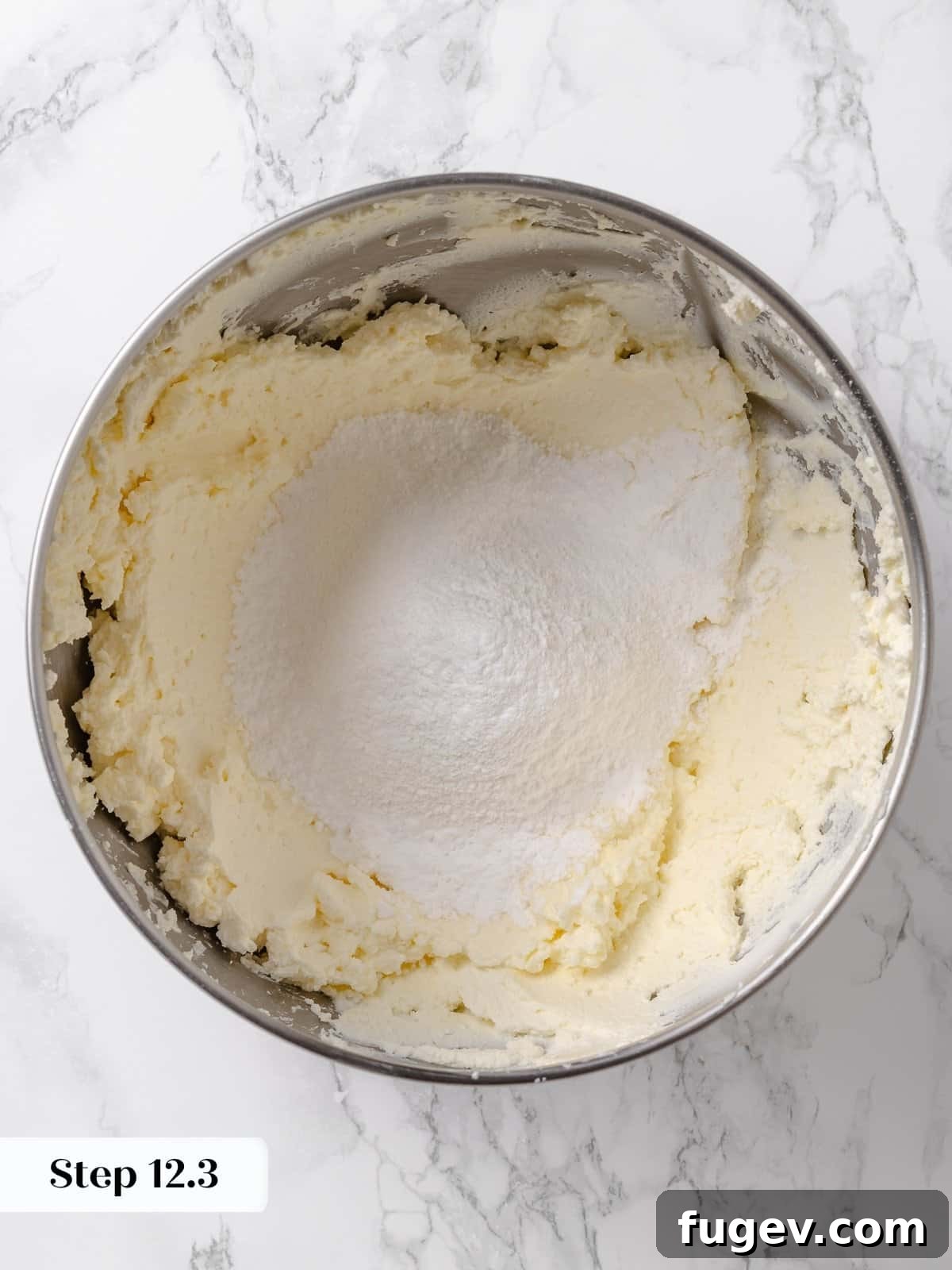
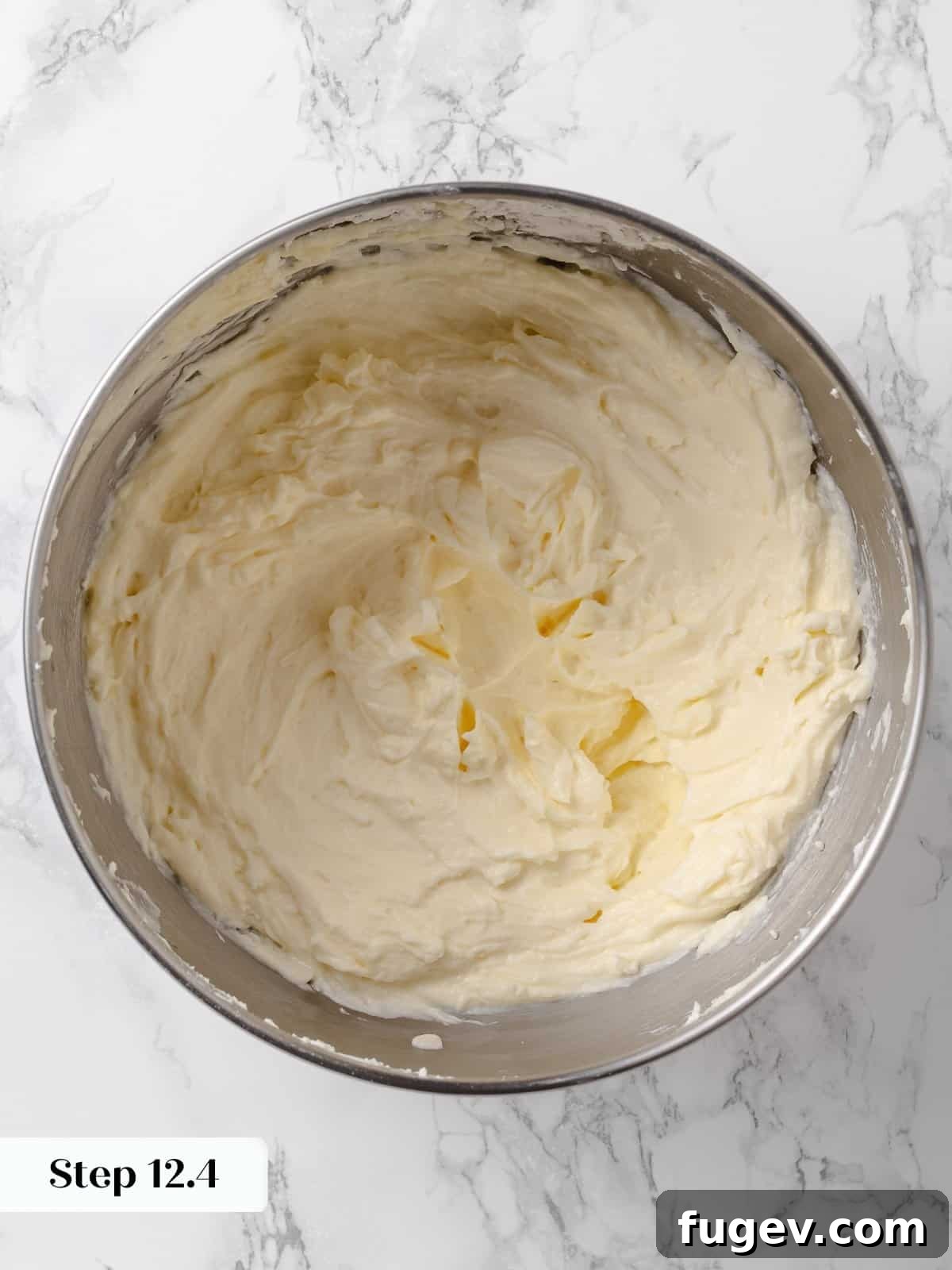
Step 12: Cream Butter and Cream Cheese. In the bowl of a stand mixer fitted with the paddle attachment (or using a hand mixer), beat together the room-temperature unsalted butter and cream cheese. Beat on medium speed until the mixture is completely smooth, light, and fluffy, with no lumps of cream cheese remaining. This can take several minutes. Once smooth, gradually add the confectioner’s sugar, one cup at a time, beating well after each addition until fully incorporated and smooth.
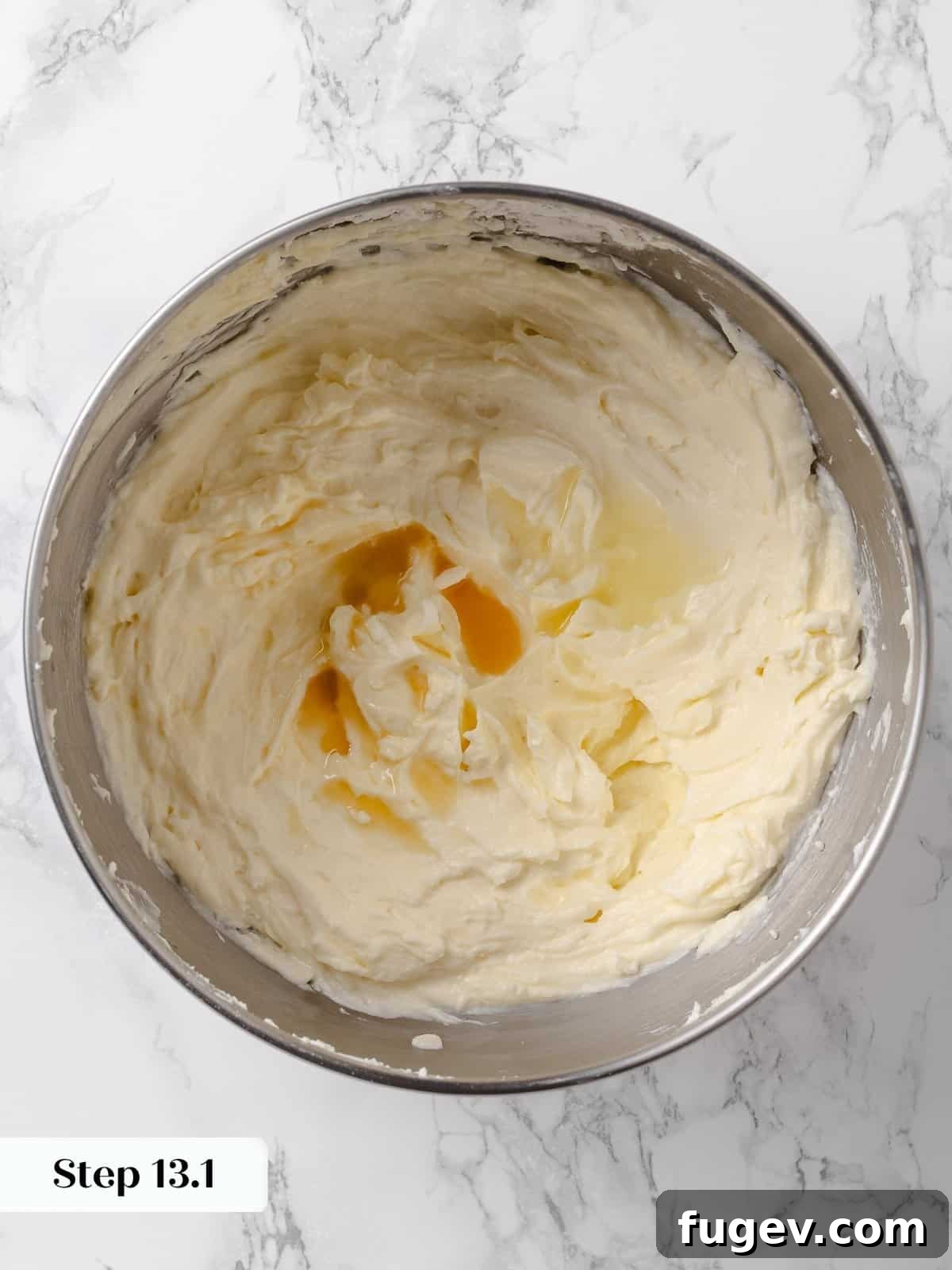
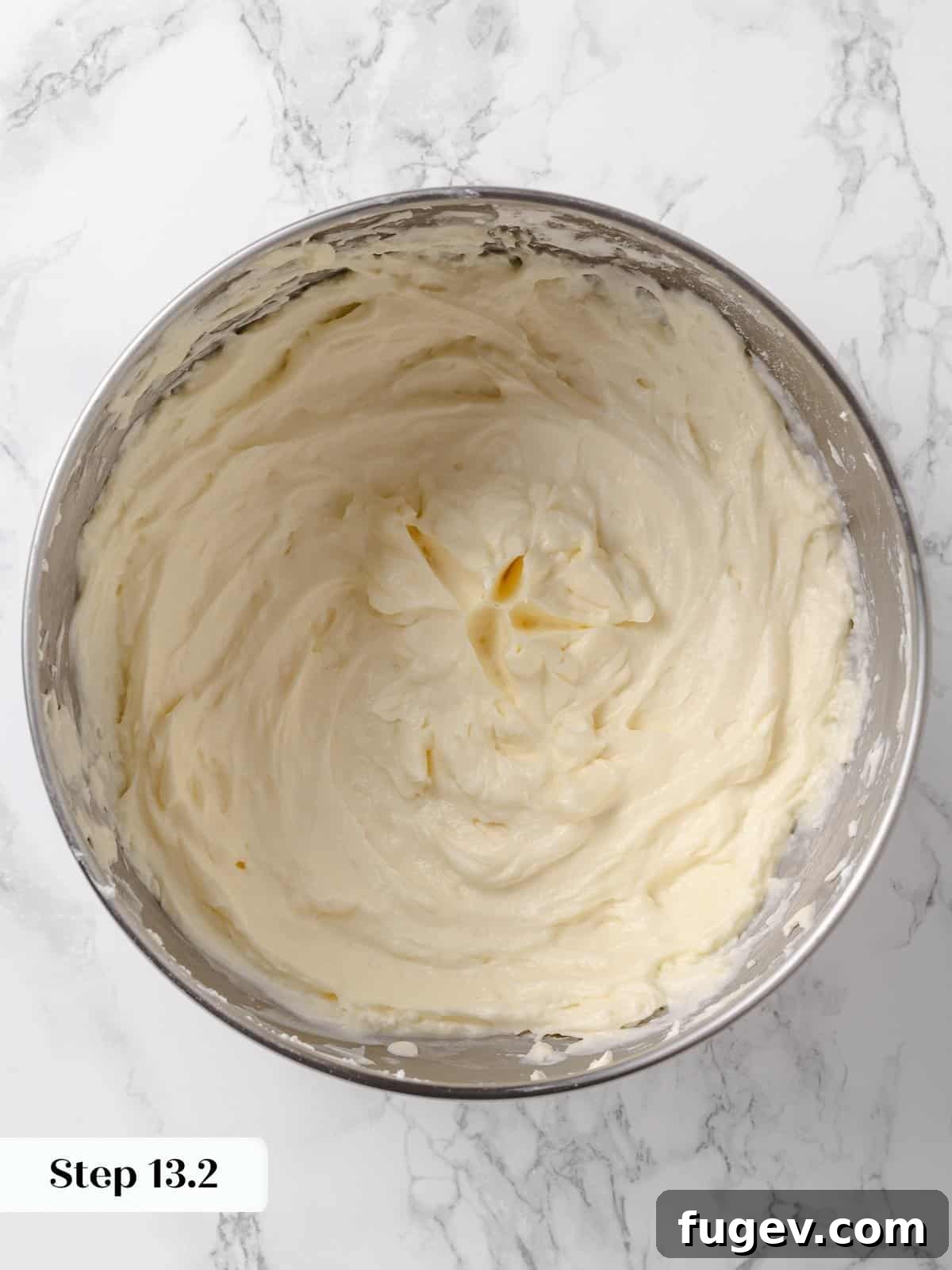
Step 13: Flavor and Finish Frosting. Add the lemon juice and vanilla extract to the frosting. Beat on medium-high speed for another minute or two, until all ingredients are fully incorporated and the frosting is beautifully smooth, light, and fluffy. Scrape down the sides of the bowl periodically to ensure even mixing.
Troubleshooting Frosting Consistency: If your buttercream becomes too warm during mixing and appears loose or runny, don’t panic! Simply place the entire mixing bowl with the frosting and attachment into the refrigerator for 15-20 minutes to chill. Once slightly firmed up, beat it again until it reaches the desired consistency. This simple trick will rescue your frosting every time.
Phase 5: Assemble and Serve Your Masterpiece
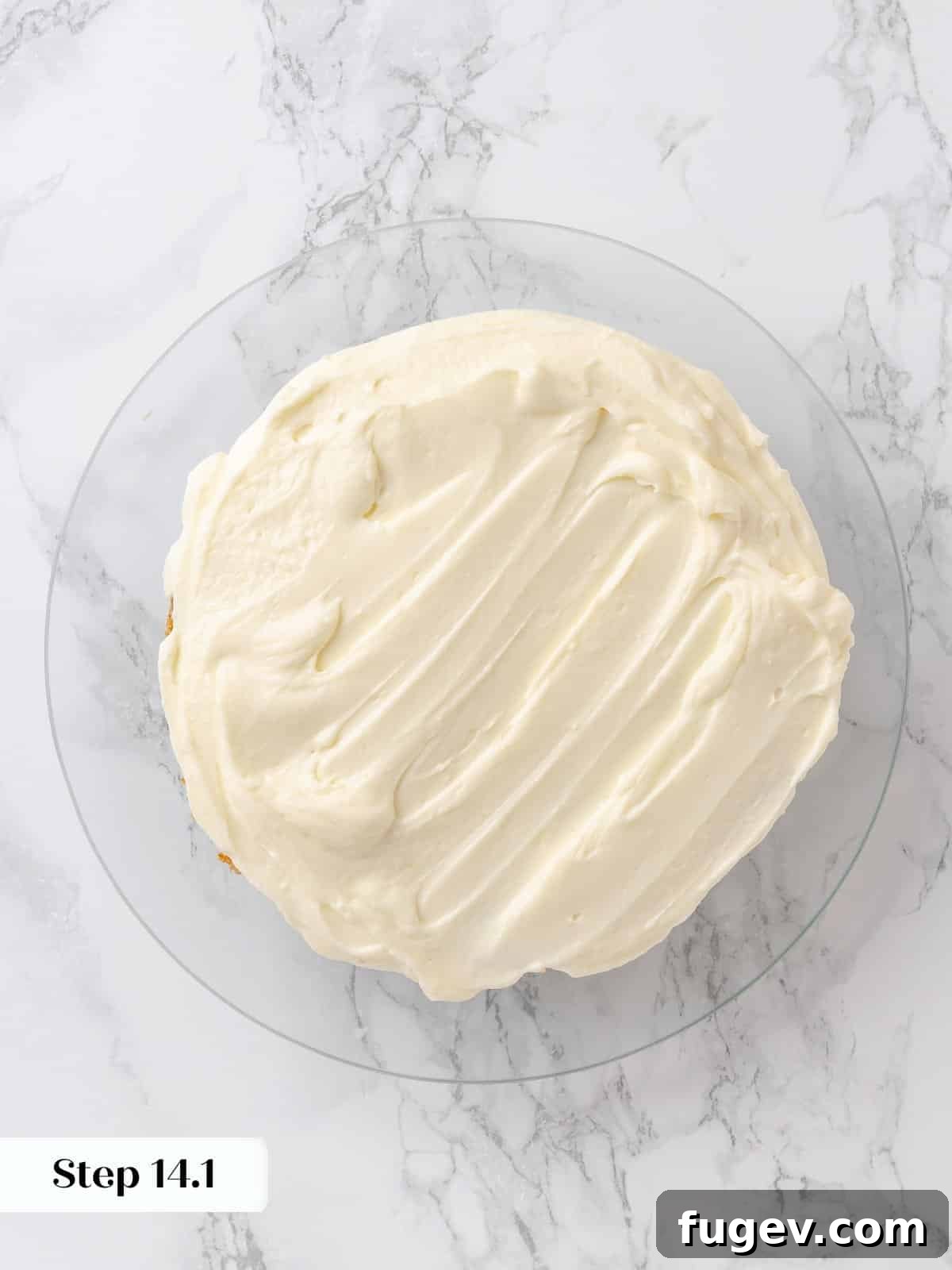
Step 14: Assemble the Cake. Once your cake layers are completely cool and your frosting is ready, it’s time to assemble! Place one cake layer on your serving plate or cake stand. Spread about ⅓ cup of the cream cheese frosting evenly over the top, reaching close to the edges. Gently place the second cake layer on top, aligning it carefully. Use the remaining frosting to generously cover the top and sides of the entire cake, smoothing it out with an offset spatula or bench scraper for a professional finish. Slice and serve your magnificent carrot cake, ready to delight everyone!
Chef Lindsey’s Expert Baking Tip: Testing for Doneness
This is a unique cake where I rely on feel rather than a traditional cake tester. Due to the generous amount of oil in this recipe, a toothpick or skewer often won’t come out completely clean, even if the cake is perfectly baked, which can lead to overbaking. Instead, gently press the center of the cake with your fingertips. If it springs back with a slight resistance, your cake is done! It shouldn’t feel wet or liquid beneath the surface. Trust your instincts and the bounce-back; if you’re ever in doubt, give it another 2 minutes, but resist the urge to bake it for too long. You’ve mastered the tricky parts, you’ve got this!
Frequently Asked Questions About The Best Carrot Cake
For optimal freshness and flavor, store the fully assembled and frosted carrot cake at room temperature for up to one day. For longer storage, transfer it to an airtight container and refrigerate for up to a week. If you wish to freeze it, wrap the cake tightly in plastic wrap and then in aluminum foil; it will keep well in the freezer for up to 2 months. Ensure it’s well-wrapped to prevent it from absorbing freezer odors or drying out. Baked, unfrosted cake layers can also be wrapped and stored in the fridge for 3 days or frozen for two months. The cream cheese frosting itself stores beautifully in an airtight container in the refrigerator for a week or frozen for two months.
The occasional green tint in carrots after baking is usually due to a chemical reaction. Carrots contain anthocyanins (natural pigments) that can react with unreacted baking soda when they come into direct contact. To prevent this, ensure you thoroughly whisk all your dry ingredients together before incorporating them into the wet batter. This distributes the leavening agents evenly, reducing direct contact with the carrots and minimizing the chances of discoloration.
A dense or gummy carrot cake can be attributed to several factors. It might have been underbaked, meaning there was too much moisture left in the cake. Crucially, if the freshly grated carrots were not properly squeezed of their excess juice, this will introduce too much liquid, leading to a heavy texture. Another common culprit is improper emulsification of the oil into the batter – if the oil doesn’t fully combine, it can make the cake greasy and dense. Lastly, overmixing the batter after adding the dry ingredients (and especially the carrots and walnuts) can knock out all the air you painstakingly whipped in, resulting in a tough, dense crumb.
While this carrot cake is a showstopper on its own, it pairs wonderfully with several delightful additions. I love serving it at room temperature with a scoop of creamy vanilla bean ice cream, a drizzle of elegant crème anglaise,or a decadent salted caramel sauce. A sprinkle of extra crunchy, toasted walnuts adds a lovely textural contrast. For a bright, zesty counterpoint, a spoonful of easy lemon curd is an absolutely delightful and unexpected pairing!
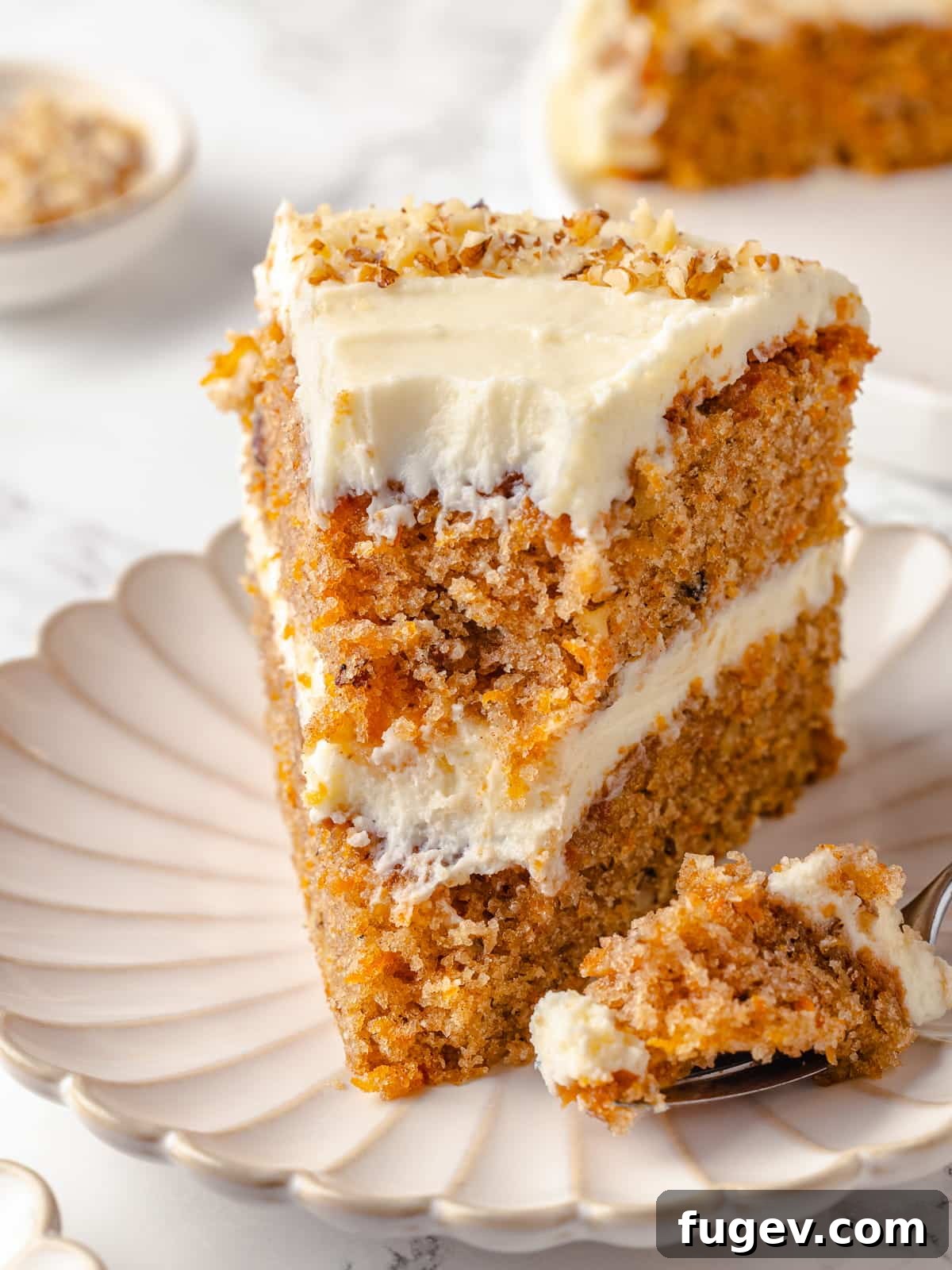
If you tried this recipe and loved it, please take a moment to leave a 🌟 star rating and share your thoughts in the comments below. Your feedback truly makes my day!
The Ultimate Carrot Cake Recipe
Chef Lindsey Farr
45 minutes
25 minutes
1 hour 10 minutes
14 slices
Saved
Pin Recipe
Comment
Print Recipe
Ingredients
Carrot Cake:
- 2 cups all purpose flour or pastry flour if you have it
- ¾ teaspoon baking soda
- ¾ teaspoon baking powder
- 2 teaspoons kosher salt
- 2 teaspoons cinnamon
- 1 ¼ cup vegetable oil
- 4 teaspoons lemon juice
- 3 eggs
- 1 ⅔ cups granulated sugar
- 1 cup shredded carrots packed
- ½ cup toasted walnuts chopped, optional
Cream Cheese Frosting:
- 21 ounces cream cheese room temperature
- 18 tablespoons unsalted butter room temperature
- 2 cups powdered sugar
- 2 tablespoons lemon juice
- 1 teaspoon vanilla extract
Instructions
Prepare the ingredients:
-
Preheat the oven to 350˚F convection (with fan) or 375˚F conventional (no fan) and spray 2, 8-inch round cake pans with nonstick cooking spray. Line the bottom with a parchment circle. To make your own, trace the pan on a piece of parchment paper, then cut out a circle.
-
Whisk the flour, baking soda, baking powder, cinnamon, and salt together in a large bowl and set aside.
-
Add the lemon juice to the vegetable oil and set aside.
-
Peel and grate the carrots on a medium-sized box grater. Squeeze the excess juice from your carrots using cheesecloth or paper towels; discard or drink it!
Make the cake:
-
In a stand mixer fitted with the whisk attachment, whip the eggs and sugar together until they triple in volume and lighten to a pale yellow, also known as ribbon stage.
-
With the mixer running on high (still with the whisk attachment), slowly pour in the vegetable oil mixture and whisk until completely emulsified (i.e. you can’t see any oil). It will deflate a bit, but it will still look like a light yellow cloud.
-
Remove the bowl from the stand mixer and use a rubber spatula to fold in the dry ingredients all at once, just until streaky.
-
Before incorporating all the flour, fold in the walnuts and the grated carrots until the batter is just combined. Please don’t over-mix. If you think it’s done, it is.
-
Divide the batter between the two prepared pans. If you are feeling extra or just want to ensure they bake evenly, use a scale to divide the batter perfectly.
-
Bake for 25 minutes or until you can gently press on the center and feel resistance. It shouldn’t feel like liquid under there! There is too much oil to use the cake tester. I know, the stress! But you’ve got this.
-
Cool for 5 minutes in the pan, then turn out onto a wire rack and cool upside-down—yes, upside-down! Let cool completely before frosting.
Make the frosting:
-
In the bowl of a stand mixer fitted with the paddle attachment or with a hand mixer, beat together butter and cream cheese until smooth. Add the confectioner’s sugar a cup at a time and beat until smooth.
-
Add lemon juice and vanilla extract. Beat to incorporate.
Assemble the cake:
-
Add about a ⅓ cup frosting on the first layer and spread until evenly covered. Layer on the second cake. Use as much of the remaining frosting as you want to cover the outside! Slice and serve.
Video
Notes
Flavor Tips – For the most vibrant carrot flavor, seek out larger, juicier “horse carrots” if available at your grocery store or farmer’s market. They offer more natural sweetness and moisture than the smaller, bagged varieties.
Variation– This versatile batter is also perfect for making carrot cake cupcakes! It will yield approximately 24 standard-sized cupcakes. Reduce baking time to 10-15 minutes, testing for doneness with a gentle touch.
Technique – The unique mixing method is the cornerstone of this cake’s moist, non-greasy texture. Remember to add the vegetable oil slowly and allow it to fully emulsify with the whipped egg mixture. This critical step ensures unparalleled moisture.
Storage – Store the fully prepared cake at room temperature for one day, in the refrigerator for up to a week, or tightly wrapped and frozen for up to 2 months.
Nutrition
|
Carbohydrates: 59g
|
Protein: 7g
|
Fat: 53g
|
Saturated Fat: 21g
|
Polyunsaturated Fat: 15g
|
Monounsaturated Fat: 13g
|
Trans Fat: 1g
|
Cholesterol: 117mg
|
Sodium: 238mg
|
Potassium: 146mg
|
Fiber: 1g
|
Sugar: 43g
|
Vitamin A: 2601IU
|
Vitamin C: 2mg
|
Calcium: 77mg
|
Iron: 1mg
Dessert
British
720
Like this? Leave a comment below!
Before You Go: Explore More Delicious Cake Recipes
We hope you thoroughly enjoyed baking and indulging in this professional chef-tested carrot cake recipe. Its winning combination of moisture, spice, and tangy frosting is truly unmatched!
If you’re ready to continue your baking journey and discover more delectable desserts, be sure to explore our other fantastic cake recipes. Next, you might love mastering this timeless classic yellow cake, a staple for any celebration. Or, for those who crave deep, rich chocolate flavors, our indulgent devil’s food cake is an absolute must-try. Happy baking!