
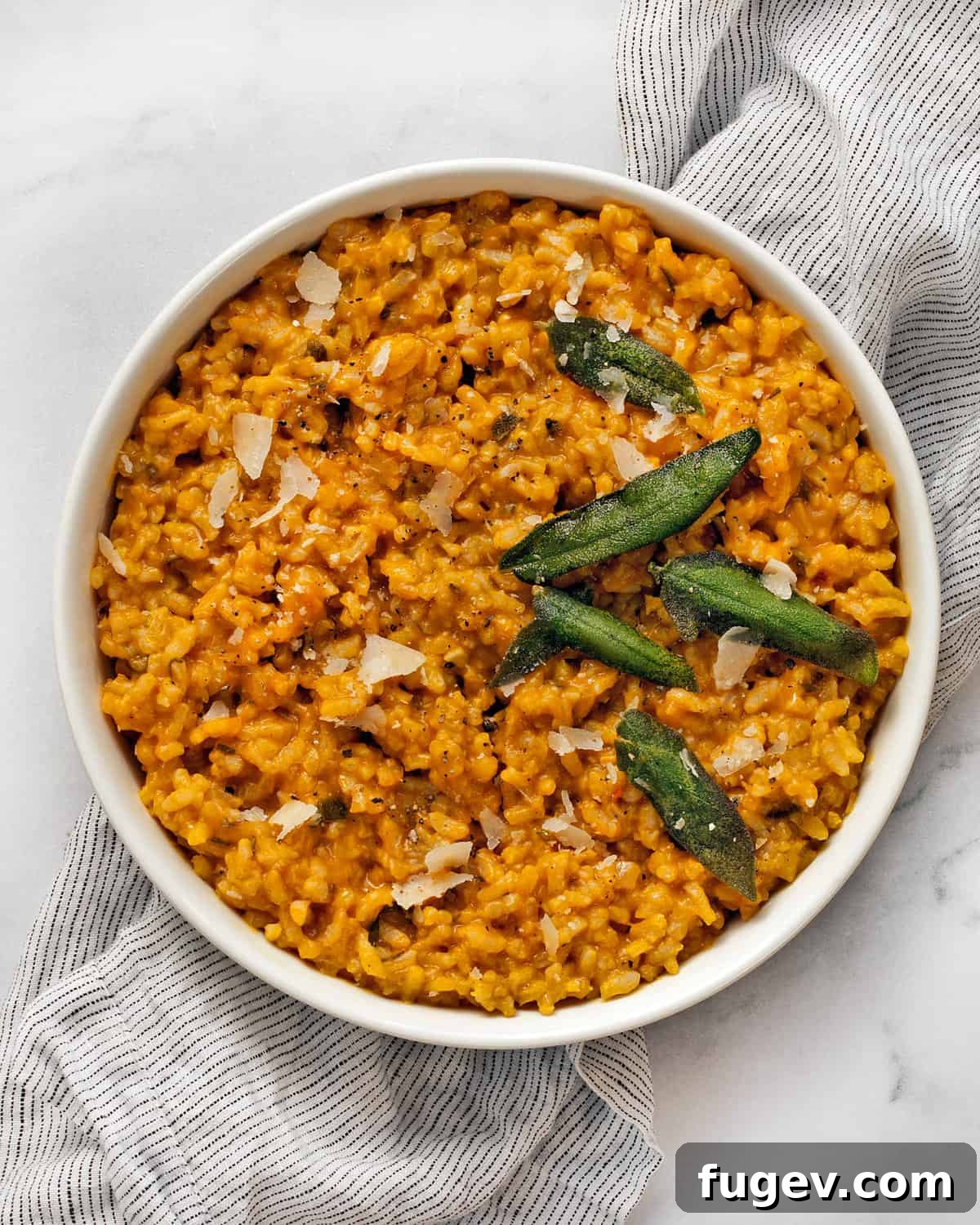
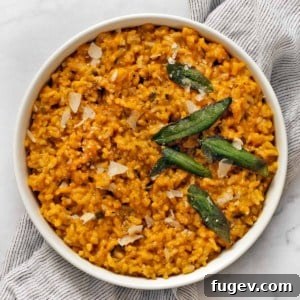
This baked pumpkin risotto offers a delightful twist on the traditional method, beginning on the stovetop and finishing to perfection in the oven. The result is a wonderfully easy, hands-free vegetarian recipe predominantly featuring accessible pantry ingredients. It’s the epitome of healthy comfort food, delivering warmth and rich flavor with minimal effort.
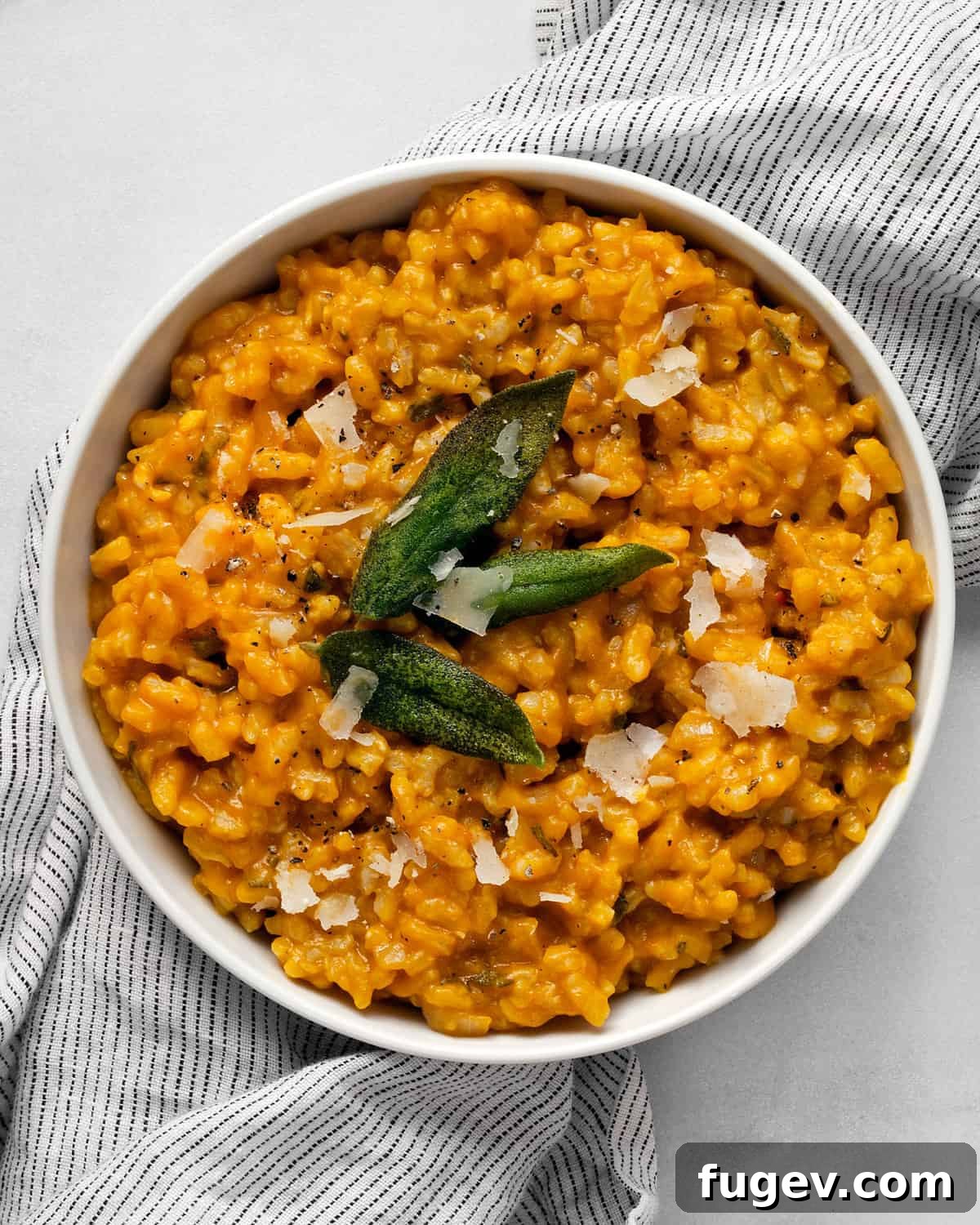
Table of Contents
- Why This Recipe Is A Must-Try
- Understanding Risotto: A Creamy Italian Staple
- The Best Rice For Risotto
- Essential Ingredients For Your Baked Pumpkin Risotto
- Step-by-Step Guide: How To Make Baked Pumpkin Risotto
- Serving Suggestions & Pairings
- Storing and Reheating Leftovers
- Frequently Asked Questions (FAQs)
- More Delicious Risotto Recipes To Explore
- More Comforting Pumpkin Recipes
- Baked Pumpkin Risotto Recipe Card
As the leaves begin to change and the air turns crisp, fall ushers in a culinary season dominated by comforting flavors and hearty dishes. It’s a time when a humble can of pumpkin puree becomes a versatile staple in every pantry. While pumpkin muffins and pies are undeniably delicious, there’s a world of savory pumpkin possibilities waiting to be explored. This rich and creamy baked pumpkin risotto is a prime example, shifting pumpkin from a sweet treat to a star in a wholesome, satisfying dinner.
This autumnal, one-pot pumpkin risotto recipe is designed for ultimate coziness, making it an ideal meal for September, October, and November evenings. Its reliance on simple, shelf-stable ingredients means it remains a trusty go-to throughout the winter months when fresh produce can be scarce. Embracing savory pumpkin dishes like this baked risotto not only expands your seasonal cooking repertoire but also offers a nutritious and incredibly flavorful way to enjoy one of fall’s most iconic ingredients.
Why This Recipe Is A Must-Try
- Effortless, Hands-Free Cooking: Forget the endless stirring typically associated with risotto! This baked method revolutionizes the process. You start by briefly sautéing aromatics on the stove, then combine the rice with liquids, bring it to a boil, cover, and transfer it to the oven. This innovative technique allows the oven to do the heavy lifting, freeing you up to prepare a side dish or simply relax while your creamy risotto cooks itself to perfection.
- Embrace the Convenience of Pumpkin Puree: Canned goods are often unsung heroes in the kitchen, and plain pumpkin puree is certainly one of them. It’s an incredibly convenient, shelf-stable ingredient that provides vibrant color, natural sweetness, and a creamy texture to dishes. Using canned puree ensures consistent results and saves you the time and effort of roasting and pureeing a fresh pumpkin, making this recipe accessible anytime inspiration strikes.
- Autumn in a Bowl: This pumpkin risotto encapsulates the very essence of fall in every spoonful. Its warm, inviting flavors, combined with the earthy notes of fresh sage leaves and the comforting creaminess of the rice, create a deeply satisfying meal. It’s an uncomplicated vegetarian dish that delivers an authentic taste of the season, perfect for gathering around the table on a chilly evening.
- Healthy Comfort Food Redefined: While indulgent and comforting, this risotto is also surprisingly wholesome. Loaded with nutrients from pumpkin and whole grains (if using alternatives like farro or barley), it offers a balanced meal that doesn’t compromise on flavor or satisfaction. It’s a smart choice for those seeking nourishing yet incredibly tasty comfort food options.
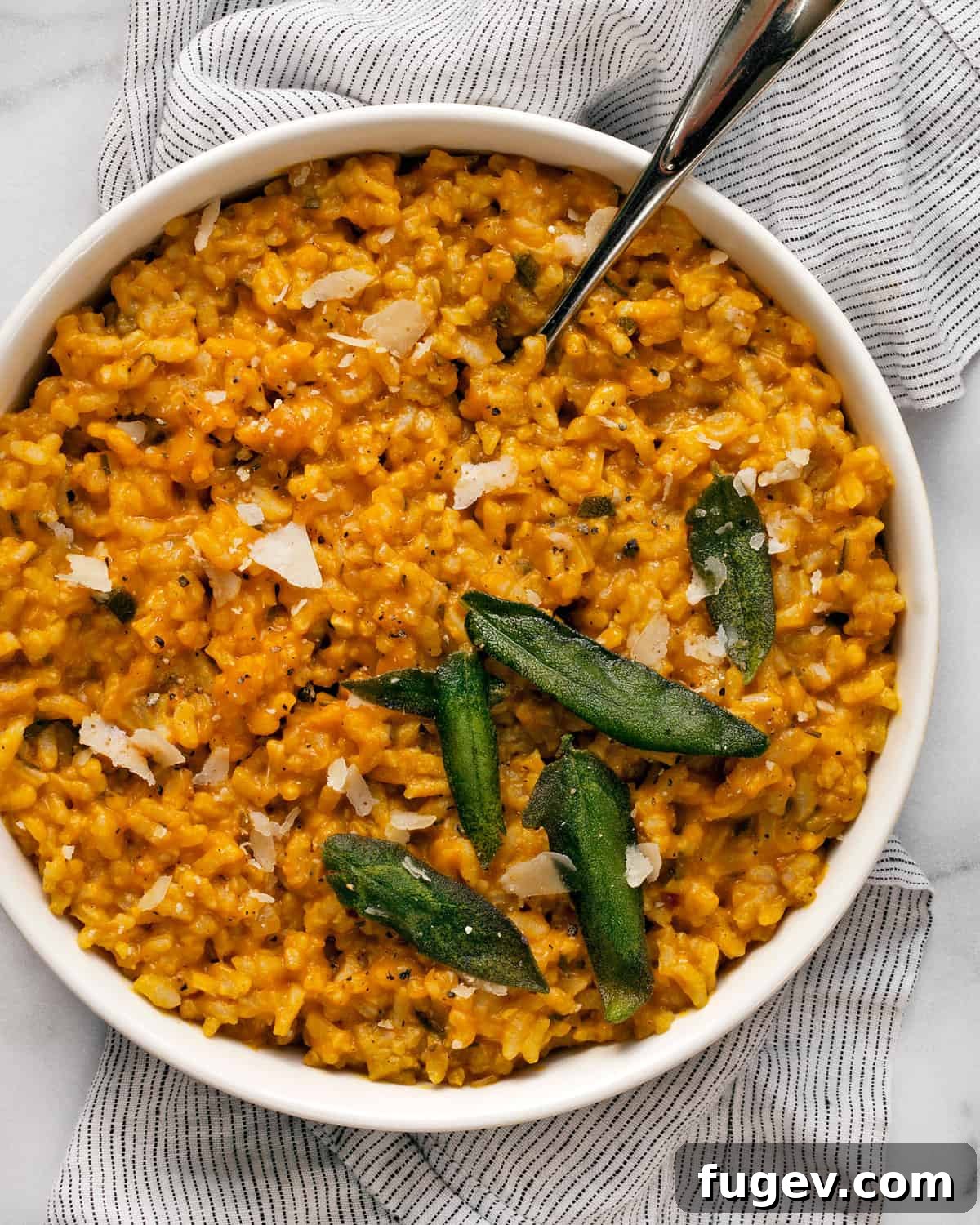
Understanding Risotto: A Creamy Italian Staple
Risotto is a revered Northern Italian dish celebrated for its uniquely creamy texture and rich flavor. At its heart, risotto is made from specific short-grain rice varieties that, when cooked properly, release their starches to create a luxurious, velvety consistency. It’s a common misconception that risotto relies on actual cream; in fact, a truly authentic Italian risotto achieves its creaminess solely through the starchy rice and the gradual addition of broth, combined with continuous stirring in the traditional stovetop method. Our baked version simplifies this, allowing the oven to achieve a similar luscious texture with less fuss.
In Italy, risotto is often served as a primo piatto, or first course, typically followed by a meat or fish main course. However, its hearty nature and depth of flavor make it perfectly suitable as a main dish, especially when paired with a light salad or roasted vegetables. The beauty of a good risotto lies in the careful balance of ingredients and the precise timing involved in cooking the rice to that ideal al dente stage – tender yet with a slight bite – while being enveloped in a luscious, flavorful sauce.
The Best Rice For Risotto
The type of rice used is paramount to achieving the signature creaminess of risotto. Not just any rice will do; specific Italian short-grain varieties are chosen for their high starch content, particularly amylopectin, which is released during cooking to create that desired velvety texture. While our recipe simplifies the cooking process with an oven-baked method, selecting the correct rice remains crucial for authentic results.
- Arborio Rice: This is the most common and widely available risotto rice, making it an excellent choice for home cooks. Arborio grains are short, plump, and have a distinctive pearly white exterior. As they cook, they absorb liquids readily while releasing their starches, resulting in a creamy exterior and a firm, slightly chewy center.
- Carnaroli Rice: Often considered the “king of risotto rice,” Carnaroli has a higher starch content and a firmer grain than Arborio, which allows it to absorb more liquid without becoming mushy. This makes it more forgiving for beginners and yields an exceptionally creamy and flavorful risotto. While sometimes harder to find, it’s worth seeking out for a truly superior texture.
- Vialone Nano Rice: Another premium Italian variety, Vialone Nano is a medium-short grain rice. It absorbs liquid quickly and cooks more evenly than Arborio, producing a very creamy risotto with a delicate flavor. It’s particularly well-suited for seafood risottos due to its ability to release starch while maintaining its integrity.
For those looking to explore beyond traditional rice, you can also “bend the rules” and prepare other grains in the style of risotto. Options like barley or farro can be cooked using the same method, offering a whole-grain alternative packed with additional nutrition and a delightful chewy texture, albeit with a slightly different consistency than traditional rice-based risotto.
Essential Ingredients For Your Baked Pumpkin Risotto
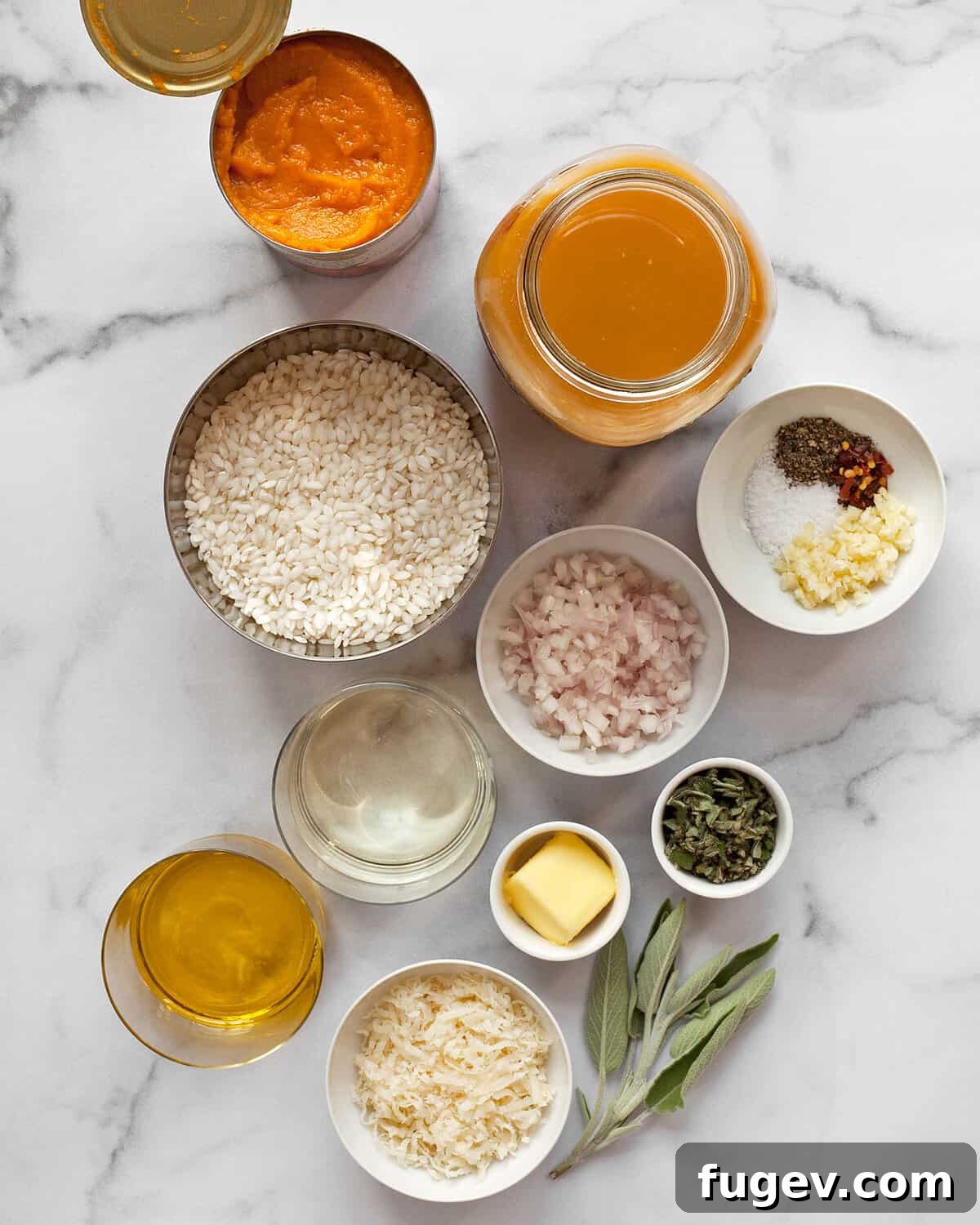
Crafting a truly memorable baked pumpkin risotto relies on a careful selection of fresh and pantry-friendly ingredients. Here’s a detailed look at what you’ll need and why each component is vital for creating this delicious dish:
- Arborio Rice: As discussed, Arborio is the star of our risotto. Its short-grain, high-starch nature is crucial for achieving that signature creamy texture without any added cream. If you have access to them, Carnaroli or Vialone Nano rice varieties are also excellent substitutes that can elevate your risotto even further.
- Pumpkin Puree: Opt for plain, unsweetened canned pumpkin puree. It’s essential to avoid pumpkin pie filling, which contains added sugars and spices (like cinnamon, nutmeg, and cloves) that are more suited for desserts and would alter the savory profile of this risotto. Pure pumpkin puree provides natural sweetness and a beautiful earthy flavor.
- Olive Oil & Butter: This classic duo creates the perfect base for sautéing our aromatics. Olive oil provides a fruity, robust flavor, while butter adds a rich, velvety depth and contributes to the overall creaminess of the dish.
- Shallots: Often described as a milder, sweeter cousin to onions, shallots offer a more delicate and nuanced flavor. They lack the pungent sharpness of white or yellow onions, making them ideal for a dish like risotto where you want an aromatic foundation that complements rather than overpowers the other ingredients.
- Garlic: A foundational flavor in Italian cuisine, minced garlic works in harmony with the shallots and spices. It ensures the pumpkin puree is firmly rooted in the savory camp, adding an indispensable aromatic layer that deepens the overall taste.
- Sage: This aromatic herb is a natural partner for pumpkin. Its distinctly earthy, slightly peppery, and piney notes perfectly complement the squash, making it a staple in many autumnal pasta and risotto dishes. Fresh sage is highly recommended for its potent flavor.
- Dry White Wine: A splash of dry white wine is a critical ingredient in risotto. Added after the rice has been toasted, it serves to deglaze the bottom of the pan, releasing any flavorful browned bits. More importantly, its acidity brightens the dish, cutting through the richness and adding a layer of complex flavor that enhances the overall balance. Choose a crisp, unoaked white wine like Pinot Grigio or Sauvignon Blanc.
- Parmesan Cheese: Freshly grated Parmesan cheese is stirred into the risotto at the end, providing a final touch of creamy texture and a powerful umami, salty, and nutty flavor. Its presence is key to achieving that satisfying, cheesy richness characteristic of a great risotto.
- Red Pepper Flakes, Salt & Black Pepper: This trio of seasonings forms the backbone of the risotto’s flavor profile. Red pepper flakes are particularly important, offering a subtle spicy kick that brilliantly cuts through the richness of the pumpkin and cheese, preventing the dish from becoming overly heavy. Kosher salt and freshly ground black pepper enhance all the other flavors.
- Low-Sodium Vegetable Broth: Using low-sodium broth allows you to control the overall saltiness of the dish, ensuring it’s seasoned perfectly to your taste. For those who aren’t strictly vegetarian, chicken broth can be used as a flavorful alternative. The broth is the primary liquid that the rice absorbs, contributing significantly to the risotto’s body and flavor.
Step-by-Step Guide: How To Make Baked Pumpkin Risotto
Achieving a perfectly creamy and flavorful baked pumpkin risotto is surprisingly simple with this method. Follow these steps for an effortless meal:
Preparation:
- Preheat Your Oven: Start by preheating your oven to 400°F (200°C). This ensures it’s ready to go once your risotto is prepped on the stove.
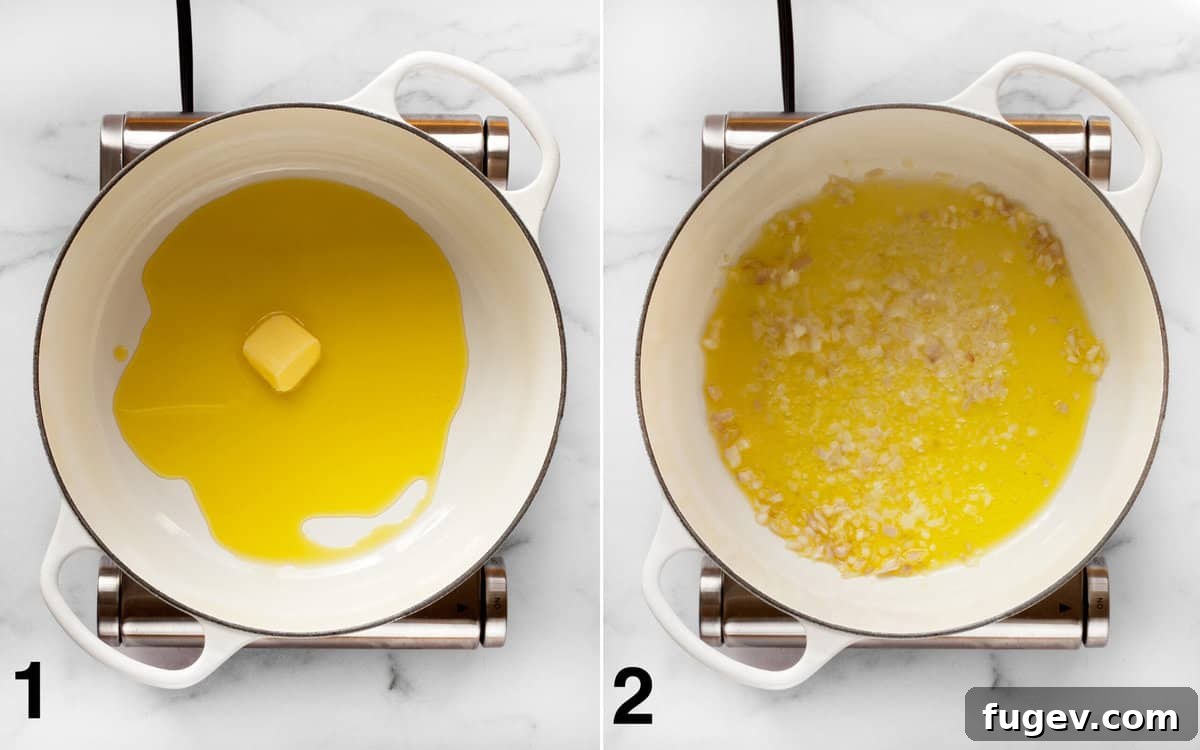
- Prepare Your Pan: In a large, ovenproof saucepan or a Dutch oven (which is ideal for its heat retention and oven-safeness), melt 1 tablespoon of olive oil and 1 tablespoon of butter over medium heat. This fat combination provides a rich base for your aromatics.
Sautéing Aromatics:
- Sauté the Shallots: Add the finely chopped shallots to the melted oil and butter. Sauté them gently for 2-3 minutes, stirring occasionally, until they become soft and translucent. Avoid browning them too much.
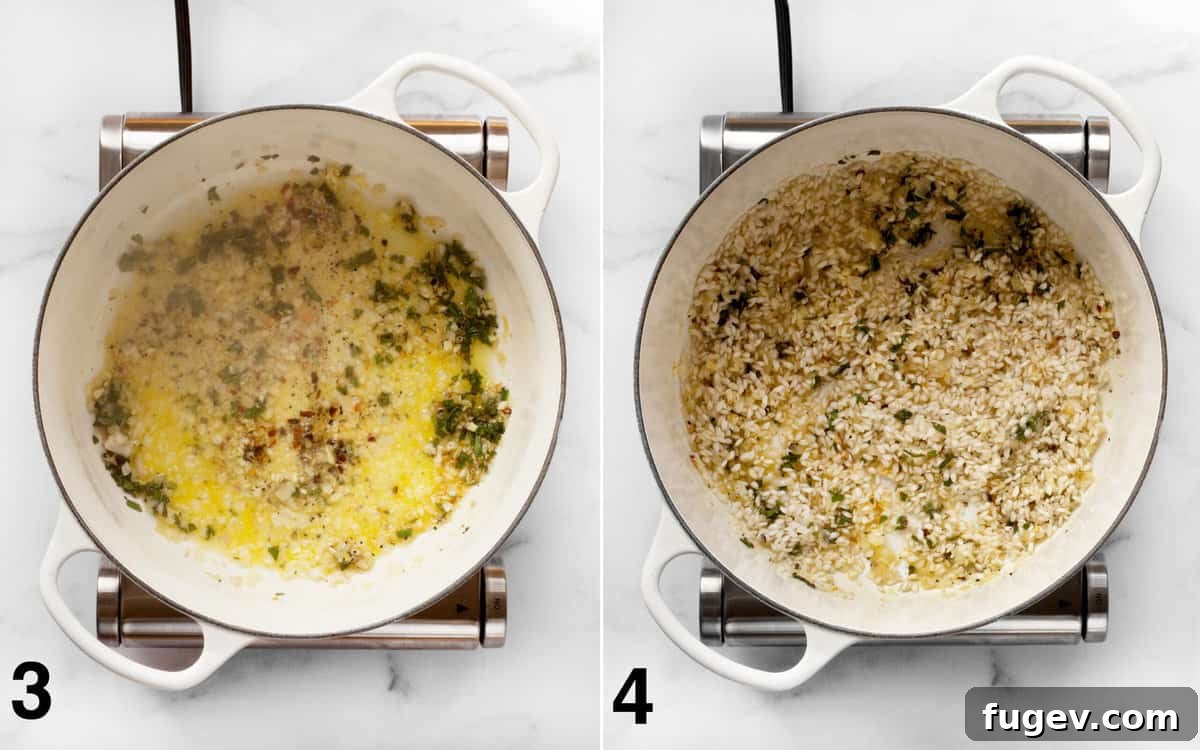
- Infuse with Flavor: Stir in the minced garlic, red pepper flakes, kosher salt, black pepper, and chopped fresh sage. Continue cooking for another 30 seconds to 1 minute, until the garlic is fragrant and the spices are lightly toasted. Be careful not to burn the garlic.
Building the Risotto Base:
- Toast the Rice: Add 1 cup of Arborio rice to the pan. Stir it well to coat each grain with the shallot, garlic, spice, and herb mixture. Toast the rice for about 1 minute. This step is crucial as it helps the rice maintain its shape and prevents it from becoming mushy during cooking.
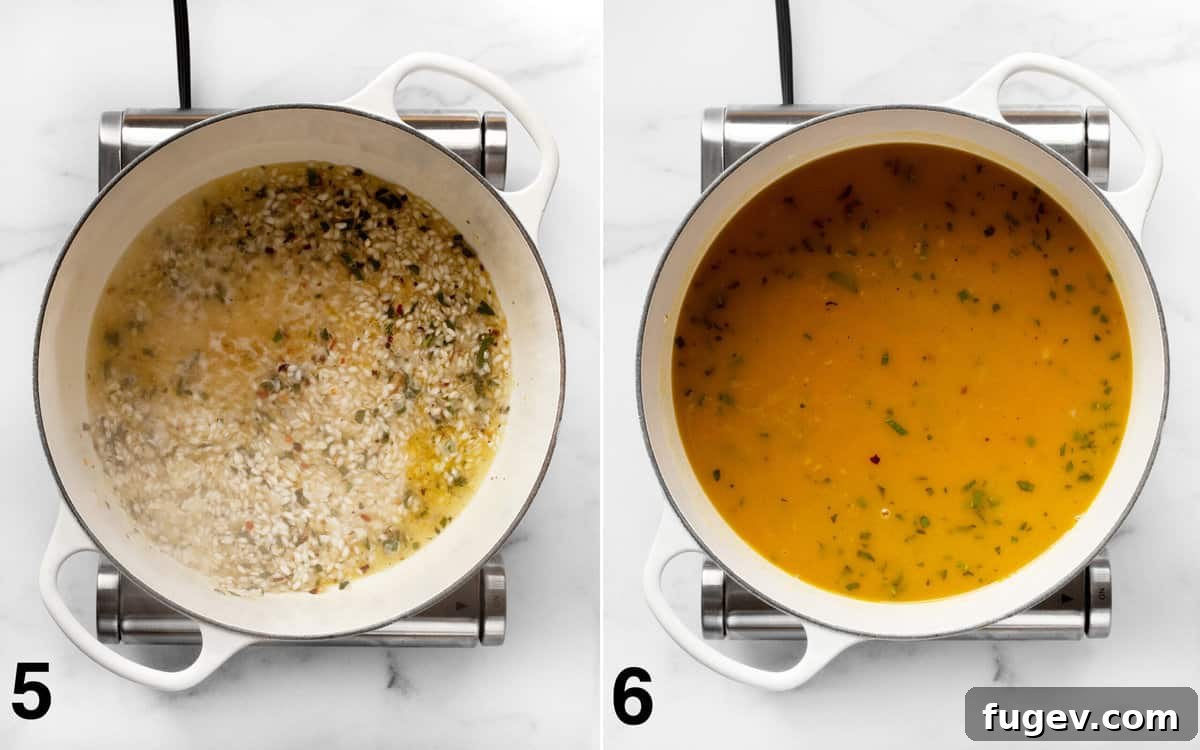
- Deglaze with Wine: Pour in 1/2 cup of dry white wine. It will bubble vigorously and begin to deglaze the bottom of the pan, lifting any flavorful browned bits. Stir constantly until the wine is almost completely absorbed by the rice. This adds depth and acidity.
- Add Pumpkin and Broth: Stir in the 15-ounce can of pumpkin puree and 2-1/2 cups of low-sodium vegetable broth. Mix everything together until well combined. Bring the mixture to a gentle boil on the stovetop.
Baking and Finishing:
- Bake the Risotto: Once boiling, cover the pot tightly with a lid and carefully transfer it to the preheated oven. Bake for 20-25 minutes, or until the rice is tender, creamy, and has absorbed most of the liquid. The exact cooking time can vary slightly depending on your oven and pot, so check for tenderness.
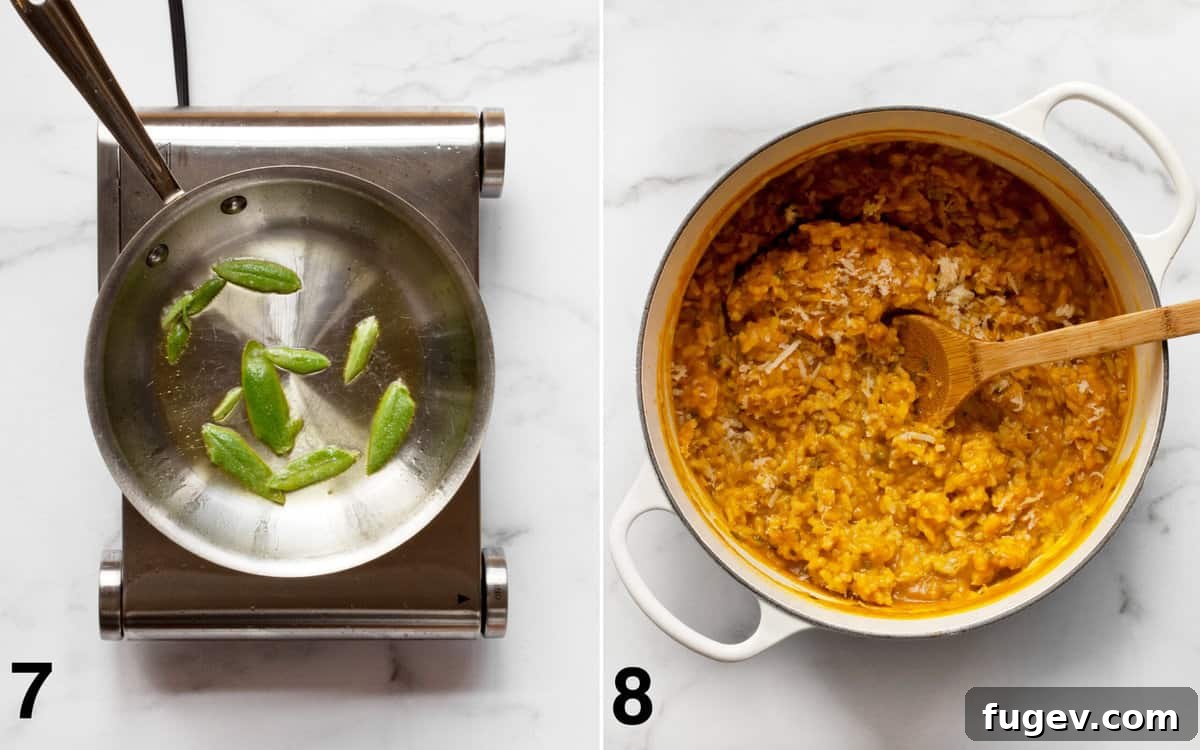
- Prepare Crispy Sage (Optional but Recommended): While the risotto is baking, prepare the crispy sage garnish. In a small saucepan, heat 1 tablespoon of olive oil over medium-high heat. Carefully add the 1/4 cup of whole sage leaves and fry for 30 seconds to 1 minute until they are crisp and fragrant. Remove them with a slotted spoon and place them on a paper towel-lined plate to drain. This adds a fantastic textural and aromatic finish.
- Stir in Parmesan: Once the risotto is out of the oven, remove the lid and stir in 1/4 cup of grated Parmesan cheese. Allow it to melt into the hot risotto, creating an even richer and creamier consistency.
- Serve and Garnish: Ladle the warm, creamy baked pumpkin risotto into individual bowls. Garnish each serving generously with the crispy sage leaves and an extra sprinkle of grated Parmesan cheese for a beautiful presentation and added flavor. Serve immediately and enjoy!
Serving Suggestions & Pairings
This baked pumpkin risotto is substantial enough to be a standalone main course, but it truly shines when complemented by thoughtfully chosen side dishes. Here are some ideas to elevate your meal:
- Fresh Green Salads: A bright, crisp salad provides a wonderful counterpoint to the richness of the risotto. Consider a simple arugula salad with lemon vinaigrette for a peppery kick, a classic house salad with a light dressing, or an Italian chopped salad for added texture and zesty flavor.
- Stovetop Vegetables: Since your oven is occupied with the risotto, stovetop-cooked vegetables are an excellent choice. Try sautéed broccolini with spiced almonds for a vibrant green side with crunch, or sautéed butternut squash and kale to double down on the autumnal vegetable theme. Roasted asparagus or green beans are also fantastic options if you have a second oven or air fryer.
- Protein Additions: While delicious as a vegetarian meal, you can easily incorporate protein. Grilled chicken or shrimp tossed with a little olive oil and herbs would be a light yet satisfying addition. For a plant-based boost, consider topping your risotto with toasted pecans or walnuts, or serving it alongside pan-seared halloumi.
- Crusty Bread: Don’t forget a good loaf of crusty bread to soak up any leftover creamy goodness in your bowl!
Storing and Reheating Leftovers
Leftover baked pumpkin risotto is a delightful treat that can be enjoyed for days after its initial preparation. Proper storage and reheating will ensure it retains its comforting flavors and texture.
- Storage: Allow the risotto to cool completely to room temperature within two hours of cooking. Transfer it to an airtight container and store it in the refrigerator for up to 3 days.
- Texture Changes: It’s important to note that risotto grains will naturally continue to absorb liquid and soften as they sit in the fridge. This means the texture of reheated risotto will be softer than freshly made.
- Reheating on the Stovetop: For the best results, reheat risotto on the stovetop. Place the desired portion in a skillet or saucepan over low to medium-low heat. Add a splash of vegetable broth, water, or even a little milk/cream (if not strictly vegetarian) to help rehydrate the rice. Stir gently and continuously until the risotto is heated through and returns to a creamy consistency. Be patient and add liquid gradually to avoid it becoming soupy.
- Reheating in the Microwave: While the stovetop method is preferred, you can also reheat risotto in the microwave. Place a portion in a microwave-safe bowl, add a tablespoon or two of liquid (broth or water), and cover loosely. Heat in 1-minute intervals, stirring well after each interval, until warmed through. Again, the texture will be softer.
- Creative Use of Leftovers: If the texture becomes too soft for your liking, leftover risotto can be repurposed! Form it into small patties, bread them, and pan-fry them for delicious “risotto cakes” or arancini-style snacks.
Frequently Asked Questions (FAQs)
Is baked pumpkin risotto gluten-free?
Yes, Arborio rice, along with Carnaroli and Vialone Nano rice, is naturally gluten-free. This makes baked pumpkin risotto an excellent choice for those following a gluten-free diet. However, it’s always recommended to carefully read the labels of all other ingredients, such as broth and any packaged spices, to ensure they do not contain hidden gluten.
Can you make baked risotto ahead of time?
While you can prepare some components in advance (like chopping shallots and garlic), risotto, especially baked risotto, is best prepared and cooked fresh, then enjoyed immediately. The magic of its creamy texture is at its peak right after cooking. Making it entirely ahead of time can result in a mushier texture upon reheating, though leftovers are still delicious if you don’t mind a softer consistency.
Is risotto rice or pasta?
Risotto is definitively a rice dish, not a pasta dish. It is made with specific short-grain rice varieties that release starch to create its characteristic creamy texture, a method distinct from pasta preparation. Despite both being staples of Italian cuisine, they are fundamentally different culinary categories.
Can I use fresh pumpkin instead of canned puree?
Absolutely! Using fresh pumpkin will enhance the flavor even more. You’ll need to roast and puree a small pumpkin (like a sugar pumpkin or Kabocha squash) beforehand. Cut the pumpkin into chunks, roast until tender, then blend until smooth. Measure out the equivalent amount of puree as a 15-ounce can (approximately 1.5 – 2 cups).
What kind of wine should I use?
A dry white wine is ideal for risotto. Options like Pinot Grigio, Sauvignon Blanc, or an un-oaked Chardonnay work wonderfully. Avoid sweet wines or heavily oaked varieties, as they can overpower the delicate flavors of the pumpkin and sage.
More Delicious Risotto Recipes To Explore
If you’ve enjoyed the ease and flavor of this baked pumpkin risotto, you might love exploring other variations of this comforting dish:
- Butternut Squash Barley Risotto
- Tomato Farro Risotto
- Kale Barley Risotto
- Baked Lemon Risotto
More Comforting Pumpkin Recipes
Extend your love for pumpkin beyond risotto with these other flavorful recipes:
- Tofu Pumpkin Curry
- Fresh Pumpkin Pasta
- Pumpkin Wild Rice Salad
We hope you enjoy making this effortless and incredibly delicious baked pumpkin risotto. We’d love to hear about your experience! Please leave a comment and a rating below if you try this recipe. Your feedback helps us improve and inspire other home cooks. Thanks for cooking with us!
Baked Pumpkin Risotto
Paige Adams
5 mins
30 mins
35 mins
4
Print Recipe
Canned pumpkin puree is just one reason to love this easy one-pot baked pumpkin risotto. It is total comfort food with everything to love about fall.
Ingredients
- 2 tablespoons olive oil
- 1 tablespoon butter
- 2 shallots, finely chopped
- 2 garlic cloves, minced
- 1/4 teaspoon red pepper flakes
- 1 teaspoon kosher salt
- 1/2 teaspoon black pepper
- 1 tablespoon chopped fresh sage, plus 1/4 cup whole sage leaves (for garnish)
- 1 cup Arborio rice
- 1/2 cup dry white wine
- 1-15 ounce can pumpkin puree (plain, not pie filling)
- 2-1/2 cups low sodium vegetable broth
- 1/4 cup grated Parmesan, plus more for serving
Instructions
- Preheat the oven to 400°F (200°C).
- In a large ovenproof saucepan or Dutch oven, heat 1 tablespoon olive oil and butter over medium heat.
- Sauté the shallots until they start to turn soft and translucent, about 2-3 minutes.
- Add the garlic, red pepper flakes, salt, pepper, and chopped sage. Continue cooking for 30 seconds – 1 minute until fragrant.
- Stir in the Arborio rice and toast for 1 minute, ensuring all grains are coated.
- Pour in the wine, letting it bubble, deglaze the pan, and be absorbed by the rice.
- Stir in the pumpkin puree and vegetable broth. Bring the mixture to a boil. Cover the pan with a lid and transfer to the oven.
- Bake the risotto for 20-25 minutes until the rice is tender and has absorbed most of the liquid.
- While the risotto is in the oven, make the crispy sage garnish. In a small saucepan over medium-high heat, warm the remaining 1 tablespoon of olive oil. Fry the whole sage leaves for 30 seconds – 1 minute until crisp. Remove and drain on paper towels.
- Once baked, remove the risotto from the oven. Stir in the grated Parmesan cheese, allowing it to melt into the creamy risotto.
- Divide the risotto into bowls and top with crispy sage and additional Parmesan cheese for garnish. Serve immediately.
Notes
Store leftovers in an airtight container in the refrigerator for up to 3 days. You can warm them over low heat in a pan on the stovetop, adding a splash of broth or water to rehydrate. Alternatively, reheat in the microwave. The risotto will become softer as it sits and when reheated.
Instead of Arborio rice, you can use Carnaroli or Vialone Nano rice for slightly different textures and absorbency.
If you prefer, you can skip frying the sage leaves for garnish; the chopped sage stirred into the risotto still provides excellent flavor.
Nutrition
Calories: 377kcal | Carbohydrates: 55g | Protein: 7g | Fat: 12g | Saturated Fat: 4g | Polyunsaturated Fat: 1g | Monounsaturated Fat: 6g | Trans Fat: 0.1g | Cholesterol: 13mg | Sodium: 725mg | Potassium: 351mg | Fiber: 6g | Sugar: 5g | Vitamin A: 16726IU | Vitamin C: 6mg | Calcium: 107mg | Iron: 4mg
Nutrition information is automatically calculated and should be used as an approximation only.
Additional Info
Main Dishes
Italian
Did you make this recipe?
Mention @lastingredient on Instagram and tag it #lastingredient!
Originally published October 19, 2020. Updated: October 17, 2022.