
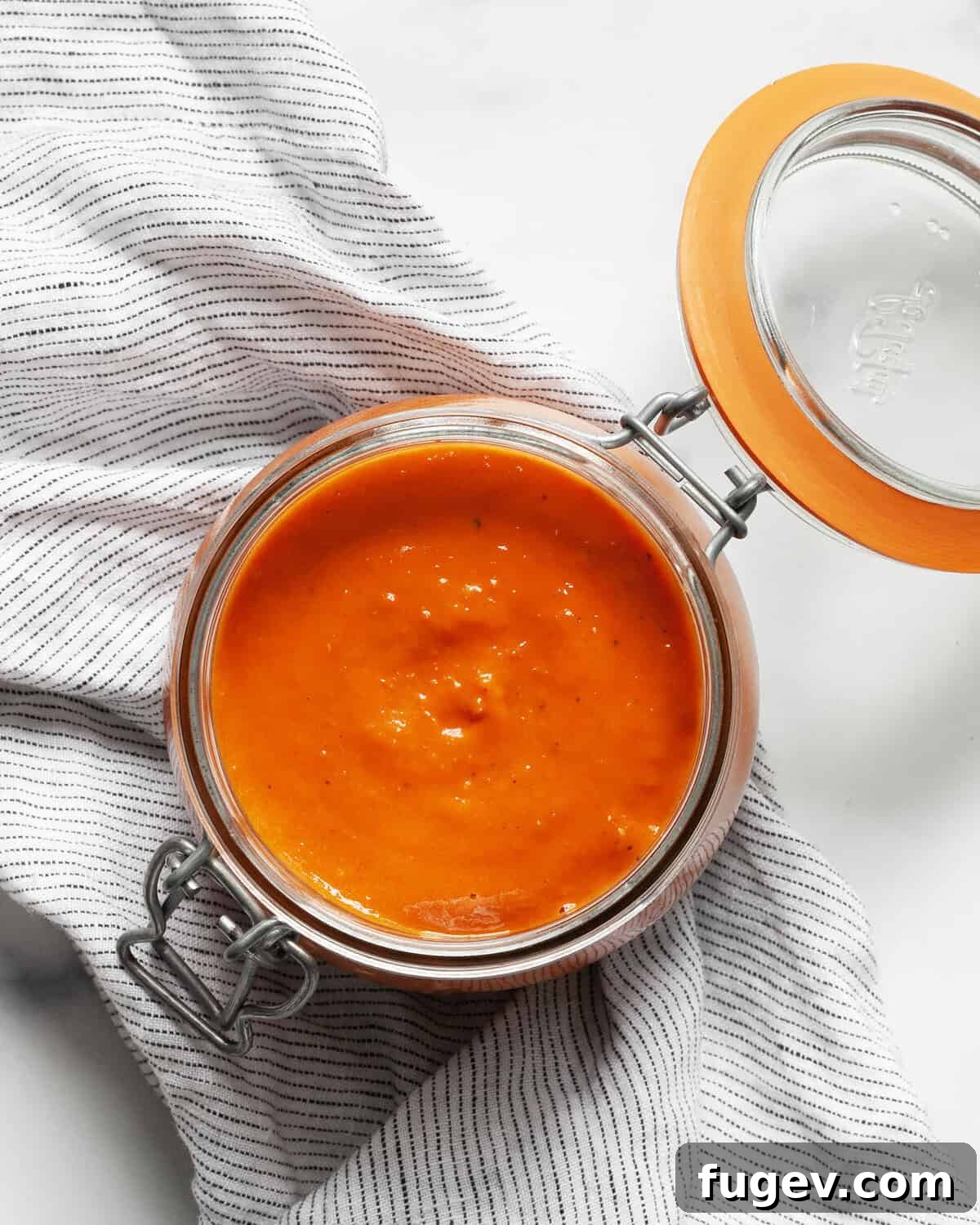
Effortless Roasted Cherry Tomato Sauce: Your Ultimate Homemade Recipe
Transform fresh cherry tomatoes into the most exquisite homemade sauce with minimal effort! This roasted tomato sauce recipe takes a beloved kitchen staple and simplifies it, allowing you to create a deeply flavorful and versatile sauce without the traditional fuss of peeling or deseeding. By roasting cherry tomatoes alongside aromatic onions and garlic, their natural sugars caramelize, intensifying their already vibrant taste into something truly special. Once roasted, a quick blend transforms these simple ingredients into a rich, velvety sauce, skins and all.
Whether you’re looking for the perfect base for your next pasta dish, a vibrant spread for homemade pizza, or a flavorful foundation for countless other recipes, this easy homemade tomato sauce is an absolute game-changer. Say goodbye to store-bought varieties and hello to the fresh, robust taste of a sauce made with love, right in your own kitchen.
For those who prefer a classic, uncooked approach with larger tomatoes, explore our traditional fresh roma tomato sauce recipe.
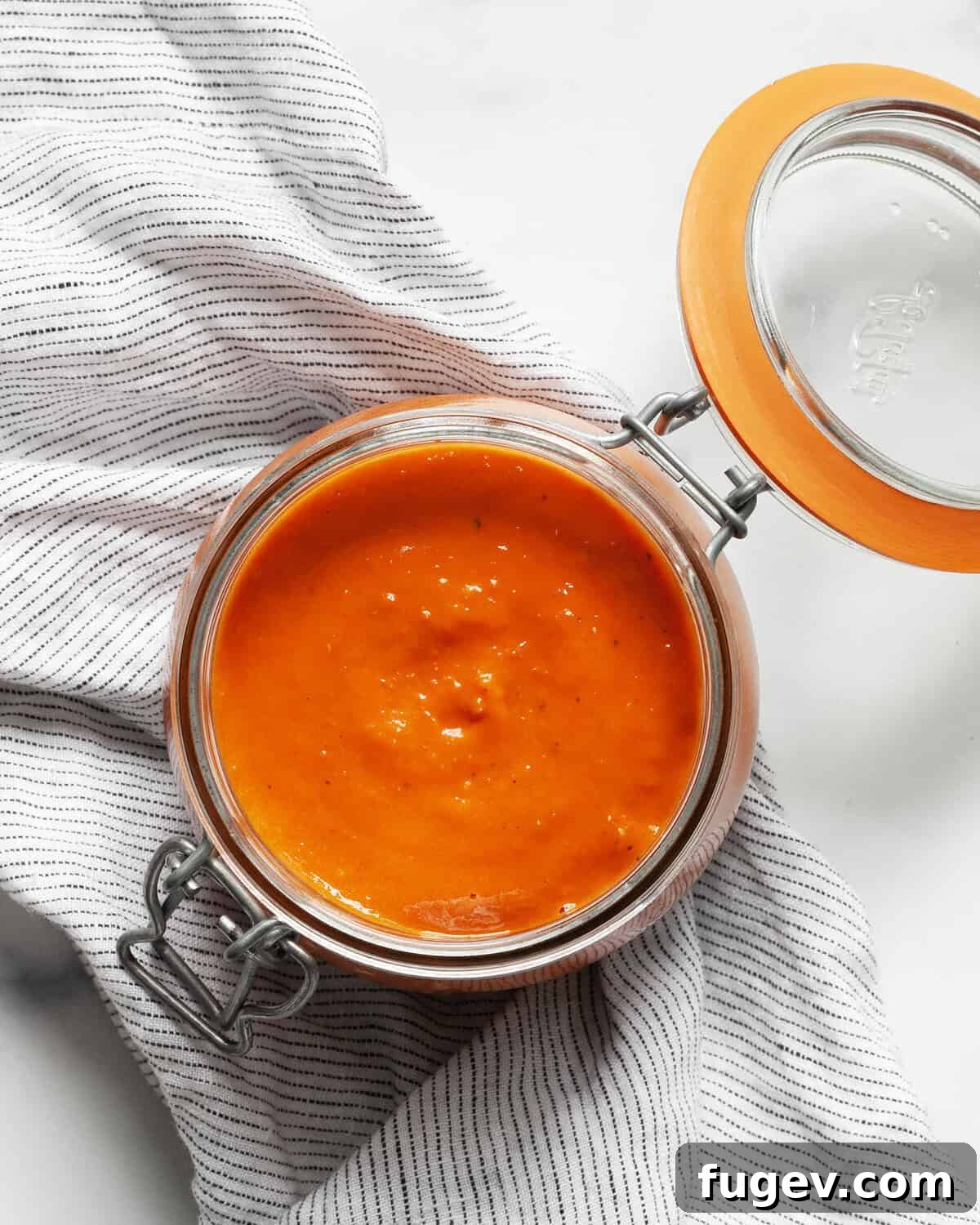
Table of Contents
- Why You’ll Absolutely Love This Roasted Tomato Sauce Recipe
- The Essential Ingredients for Superior Flavor
- Step-by-Step: How To Make This Roasted Tomato Sauce Recipe
- Creative Serving Suggestions for Your Homemade Sauce
- Leftovers, Storage & Freezing: Maximizing Freshness
- Recipe FAQs: Your Questions Answered
- More Delicious Roasted Cherry Tomato Recipes to Try
- Roasted Tomato Sauce with Cherry Tomatoes Recipe Card
Why You’ll Absolutely Love This Roasted Tomato Sauce Recipe
This homemade roasted tomato sauce isn’t just another recipe; it’s a culinary revelation designed for efficiency and exceptional taste. Here’s why it’s destined to become a staple in your kitchen:
- No Peeling or Seeding Required: A True Time-Saver! One of the most daunting tasks in traditional tomato sauce making is the meticulous process of blanching, peeling, and deseeding tomatoes. This recipe completely bypasses that. You simply toss whole cherry tomatoes directly into the roasting pan. The high heat of the oven softens the skins, which then break down beautifully during pureeing, adding extra texture, fiber, and nutrients to your sauce. This eliminates a significant amount of prep time, making homemade sauce accessible even on busy weeknights.
- Highlights the Best of Cherry Tomatoes: Unmatched Flavor. If there’s a tomato variety that truly shines under the oven’s heat, it’s the cherry tomato. Their small size means they roast quickly, and their concentrated sweetness intensifies into an almost candy-like flavor. Roasting caramelizes their natural sugars, transforming them from merely pleasant to intensely flavorful and aromatic. This technique brings out the very best in these small but mighty fruits, creating a sauce that’s rich, sweet, and bursting with authentic tomato goodness.
- Incredibly Versatile: Beyond Pasta and Pizza. While this sauce is undeniably perfect for coating your favorite pasta shapes or spreading generously on a homemade pizza crust, its uses extend far beyond these classics. Imagine it as a vibrant base for shakshuka, a robust sauce for baked eggs, or even thinned with a little broth to create a comforting roasted tomato soup. It can be a delicious accompaniment for grilled chicken or fish, a flavorful dip for crusty bread, or a foundational element in stews and casseroles. Your culinary creativity will truly soar with a batch of this sauce on hand.
- Freezer-Friendly: Perfect for Meal Prep. One of the greatest advantages of this recipe is how wonderfully it freezes. Once thawed and reheated, it tastes just as fresh and vibrant as the day it was made. This makes it an ideal candidate for meal prepping. You can easily make a large batch when tomatoes are in season or when you have extra time, then portion it out into freezer-safe containers or bags. This way, you always have a delicious, healthy, homemade sauce ready to go, simplifying future meal preparations and ensuring you never settle for less than the best.
The Essential Ingredients for Superior Flavor
This recipe prides itself on its simplicity, relying on a handful of fresh, high-quality ingredients that, when roasted, create an explosion of flavor. Here’s what you’ll need and why each component is key:
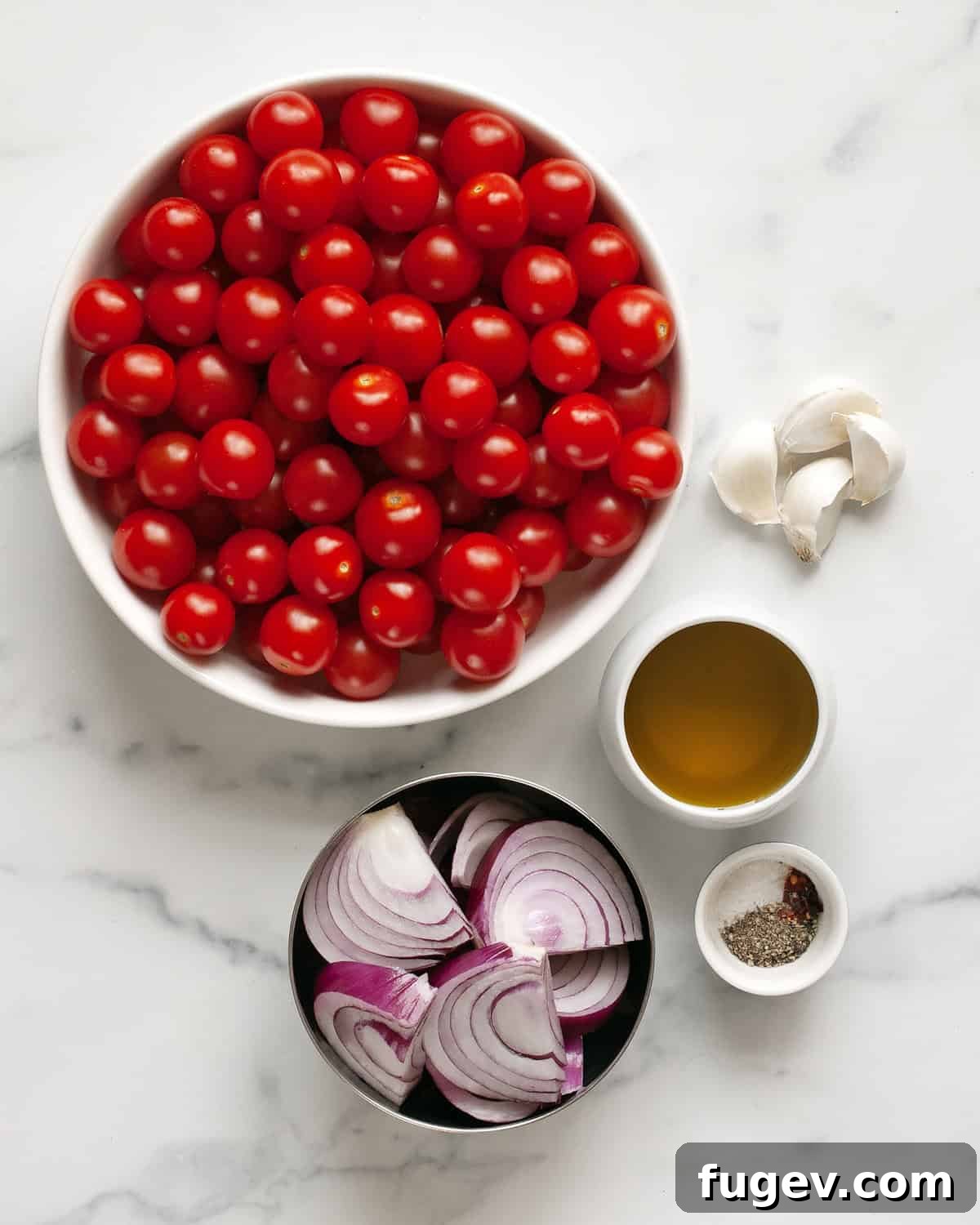
- Cherry Tomatoes: The Star of the Show. These small, juicy gems are perfectly suited for roasting. Their thin skins burst in the oven, releasing their sweet juices, which then caramelize. Any color of cherry tomato will work for taste, though using primarily red varieties will yield a more classic, vibrant red sauce. A mix of red, orange, and yellow can create a beautiful, nuanced color. Look for firm, unblemished tomatoes that feel heavy for their size, indicating juiciness.
- Onions: Aromatic Sweetness. A small onion, whether white, yellow, or red, adds a foundational layer of sweetness and depth to the sauce. As the onion roasts alongside the tomatoes, its sharpness mellows, transforming into a tender, sweet component that complements the tomatoes perfectly. Yellow or white onions offer a classic, mild flavor, while red onions can provide a slightly bolder, sweeter note.
- Garlic: The Mellow Heart. Roasting garlic is a magical process. Raw garlic’s pungent, sharp flavor mellows significantly in the oven, becoming sweet, creamy, and spreadable. The cloves infuse the olive oil and tomatoes with their rich, aromatic essence, forming a critical flavor component of the sauce. For easy peeling, simply place a clove under the flat side of your chef’s knife and gently press down with the palm of your hand; the skin will loosen and often split, making it easy to slip off.
- Olive Oil: Liquid Gold. The quality of your olive oil truly matters here, as it’s a primary flavor carrier. Opt for a high-quality extra virgin olive oil. Its fruity, peppery notes will infuse into the tomatoes, onions, and garlic during roasting, contributing to the sauce’s luxurious mouthfeel and complex flavor profile. It helps everything caramelize beautifully and prevents sticking.
- Red Pepper Flakes, Kosher Salt, and Black Pepper: Essential Seasoning. These three seasonings are all you truly need to enhance the natural flavors of the roasted vegetables. A pinch of red pepper flakes adds a subtle warmth and gentle heat, which can be adjusted to your preference (use more for a spicier kick, less for a milder sauce). Kosher salt brings out the inherent sweetness of the tomatoes and balances all the flavors, while freshly ground black pepper adds a fragrant, earthy undertone. If you wish to introduce a classic herbaceous Italian profile, consider adding 1/2 to 1 teaspoon of Italian seasoning mix. This typically includes dried oregano, basil, rosemary, thyme, and marjoram, which pair wonderfully with tomatoes.
Step-by-Step: How To Make This Roasted Tomato Sauce Recipe
Creating this deeply flavorful roasted cherry tomato sauce is incredibly straightforward. Follow these simple steps for a perfect batch every time:
1. Prepare the Garlic: Smash and Peel. Begin by preheating your oven to 400°F (200°C). Place each garlic clove on a cutting board. Using the flat side of a chef’s knife, carefully press down firmly with the heel of your hand. You’ll feel the garlic clove squish and the papery skin loosen, making it incredibly easy to peel right off. This quick method saves time and ensures the garlic is ready for roasting.
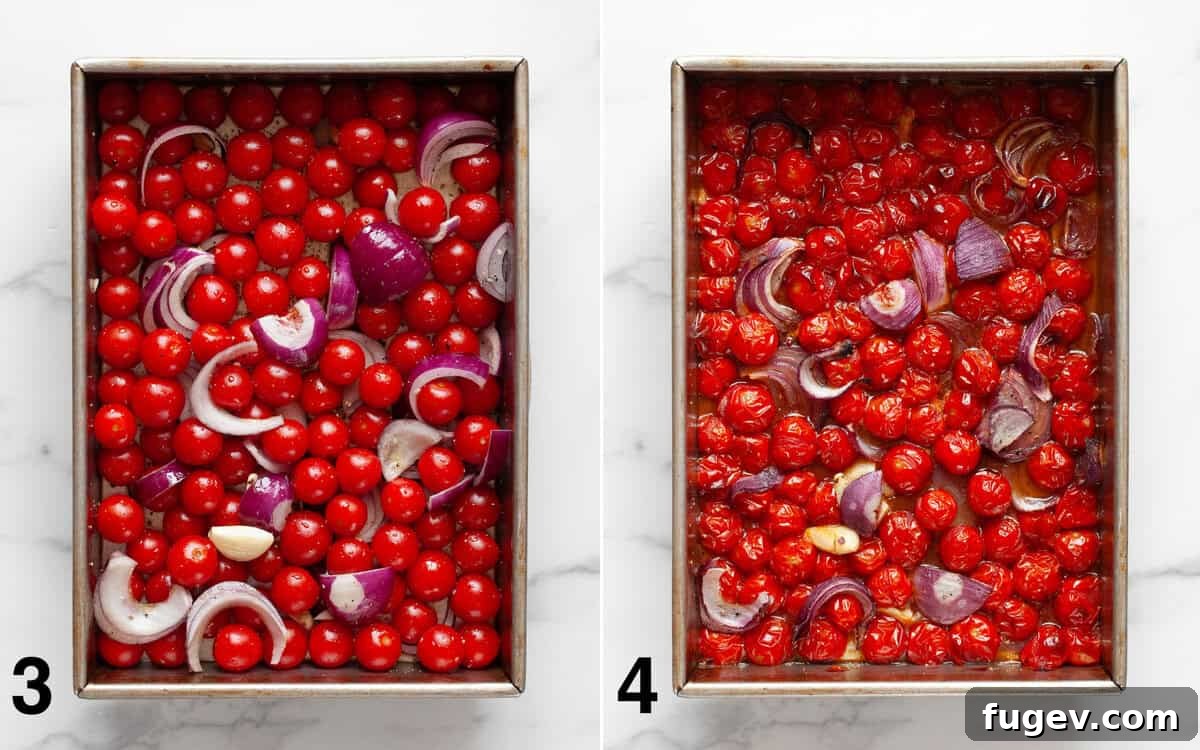
2. Arrange Ingredients in a Baking Pan. Transfer all the cherry tomatoes, the sliced onions, and the peeled garlic cloves into a 13-inch by 9-inch baking pan. Ensure they are spread out as much as possible, ideally in a single layer, to allow for even roasting and caramelization. Overcrowding the pan can lead to steaming instead of roasting, so use two pans if necessary for a larger batch.
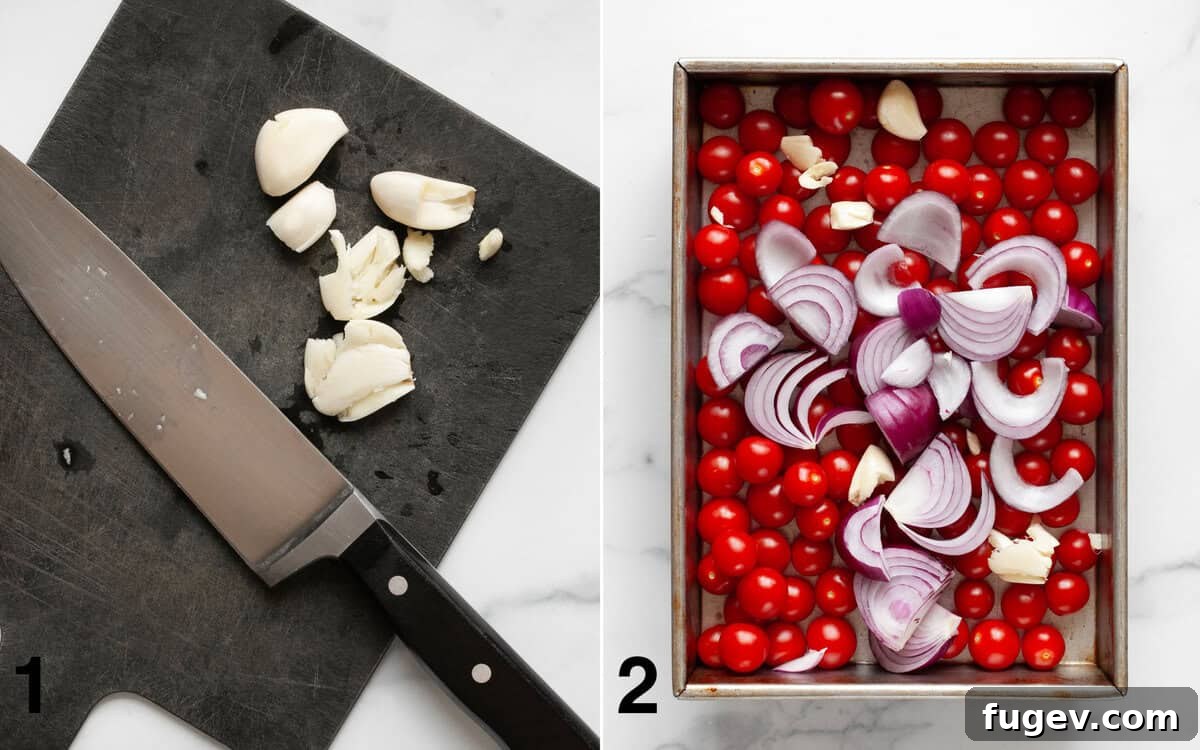
3. Season and Coat with Olive Oil. Drizzle the high-quality extra virgin olive oil generously over the tomatoes, onions, and garlic in the pan. Season everything with the red pepper flakes, kosher salt, and freshly ground black pepper. Use your hands or a spatula to gently toss and stir all the ingredients together, ensuring every piece is thoroughly coated in the oil and seasonings. This step is crucial for even flavor distribution and proper caramelization.
4. Roast to Perfection. Place the baking pan into the preheated oven. Allow the vegetables to roast for approximately 45-55 minutes. During this time, the cherry tomatoes will burst, shrivel, and become incredibly juicy. The onions and garlic will soften and turn golden brown, releasing their intense, sweet aromas that will fill your kitchen. The goal is deeply caramelized vegetables that are fragrant and tender.
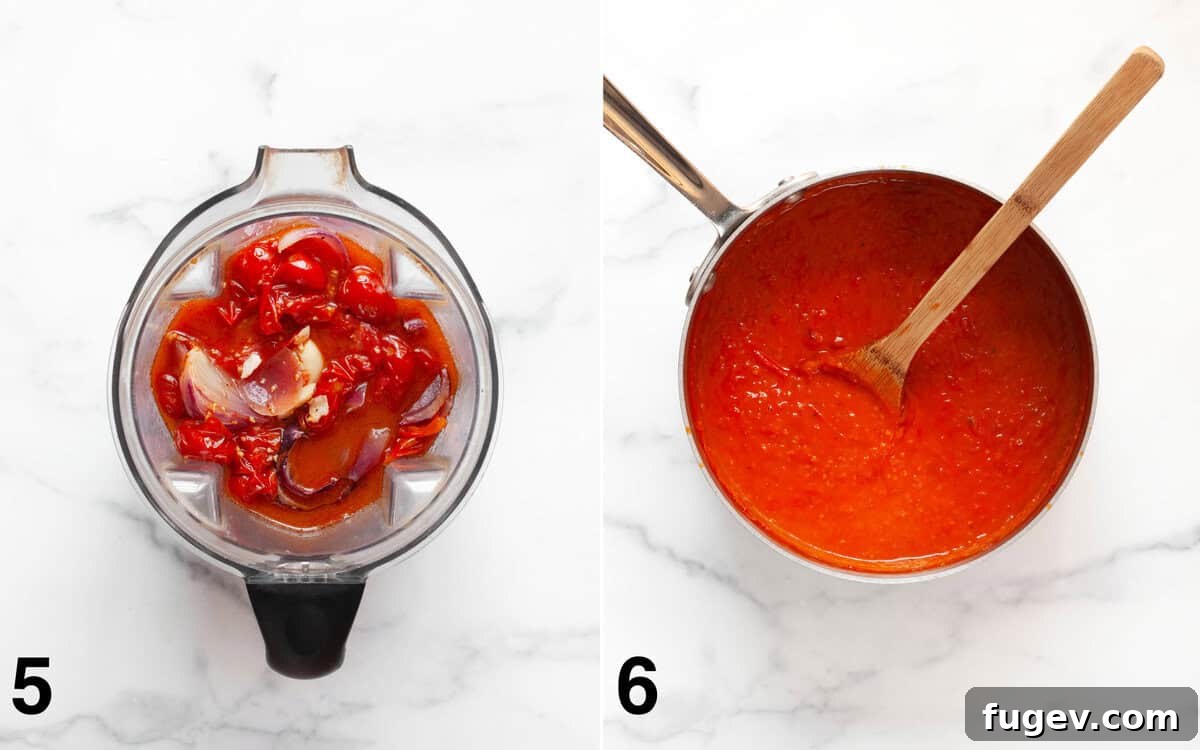
5. Cool and Puree. Once roasted, carefully remove the pan from the oven. It’s important to let the vegetables cool down for at least 10-15 minutes before transferring them to a blender. Blending very hot liquids can be dangerous due to steam build-up. Once slightly cooled, transfer all the roasted tomatoes, onions, and garlic, along with all the flavorful juices from the pan, into a blender. Puree until you reach your desired consistency – whether you prefer a slightly chunky sauce or a silky smooth one. You can start with a lower speed and gradually increase it.
6. Optional Simmer for Thickness and Depth. For a thicker, more concentrated sauce, or if you simply prefer a richer texture, transfer the pureed sauce to a large saucepan. Simmer it over low to medium heat for an additional 10-12 minutes, stirring frequently to prevent sticking. This optional step allows some of the excess moisture to evaporate, deepening the flavors and achieving a more robust consistency. If you prefer a thinner sauce, you can skip this step.
Creative Serving Suggestions for Your Homemade Sauce
With a batch of this flavorful roasted cherry tomato sauce on hand, your meal possibilities are endless. Its rich, sweet, and savory notes make it an incredibly versatile base. Here are some ideas to get your culinary creativity flowing:
- Classic Pasta Companion: The most obvious, yet always satisfying, use. Toss this sauce with any pasta shape you love – from long strands like spaghetti, linguine, or bucatini to shorter, ridged varieties like penne, rigatoni, or orecchiette, which perfectly capture the sauce. Finish your pasta dish with a generous sprinkle of freshly grated Parmesan cheese, a handful of torn fresh basil leaves, and a final drizzle of high-quality extra virgin olive oil for an authentic Italian touch. Consider adding some cooked Italian sausage, grilled vegetables, or even a dollop of creamy ricotta for an extra layer of indulgence.
- Gourmet Pizza Base: Move over, bland canned pizza sauces! This roasted tomato sauce makes an exceptional foundation for your homemade pizzas. Its concentrated flavor means you don’t need much to make an impact. For a truly sublime experience, embrace simplicity with a classic Margherita pizza: spread the sauce evenly over your chosen crust, top with fresh mozzarella cheese (buffalo mozzarella, if you can find it!), and bake until bubbly and golden. A scattering of fresh basil after baking completes this masterpiece. You can also experiment with other toppings like roasted vegetables, pepperoni, or crumbled feta.
- Beyond the Basics:
- Savory Baked Eggs: Use it as the base for a hearty shakshuka or baked eggs. Simply spoon the sauce into individual ramekins or a larger baking dish, crack eggs directly into it, and bake until the whites are set and the yolks are still runny. Serve with crusty bread for dipping.
- Bruschetta Topping: Lightly toast slices of baguette, rub with a raw garlic clove, then spoon a generous amount of warm (or even cold) roasted tomato sauce on top. Garnish with fresh basil and a sprinkle of Parmesan for an elegant appetizer.
- Hearty Soup Base: As mentioned in the FAQs, thin it out with vegetable or chicken broth and a splash of cream for an incredibly flavorful roasted tomato soup. Serve with grilled cheese or croutons.
- Sauce for Proteins: Spoon this vibrant sauce over grilled chicken breasts, pan-seared white fish, or baked meatballs for a healthy and delicious meal. It adds moisture and a burst of flavor.
- Flavorful Dip: Serve it warm in a bowl with pita bread, focaccia, or even vegetable sticks for a simple yet satisfying dip.
No matter how you choose to enjoy it, this sauce brings a taste of sunshine and homemade goodness to every plate.
Leftovers, Storage & Freezing: Maximizing Freshness
One of the best features of this homemade roasted tomato sauce is its excellent shelf life and freezer-friendliness, making it perfect for meal planning and ensuring you always have a delicious, ready-to-use sauce on hand. Proper storage is key to maintaining its fresh flavor and quality.
- Cooling: Always allow the sauce to cool completely to room temperature before attempting to store it. Transferring warm sauce directly into an airtight container and then into the fridge or freezer can create condensation and potentially affect its quality or even lead to bacterial growth.
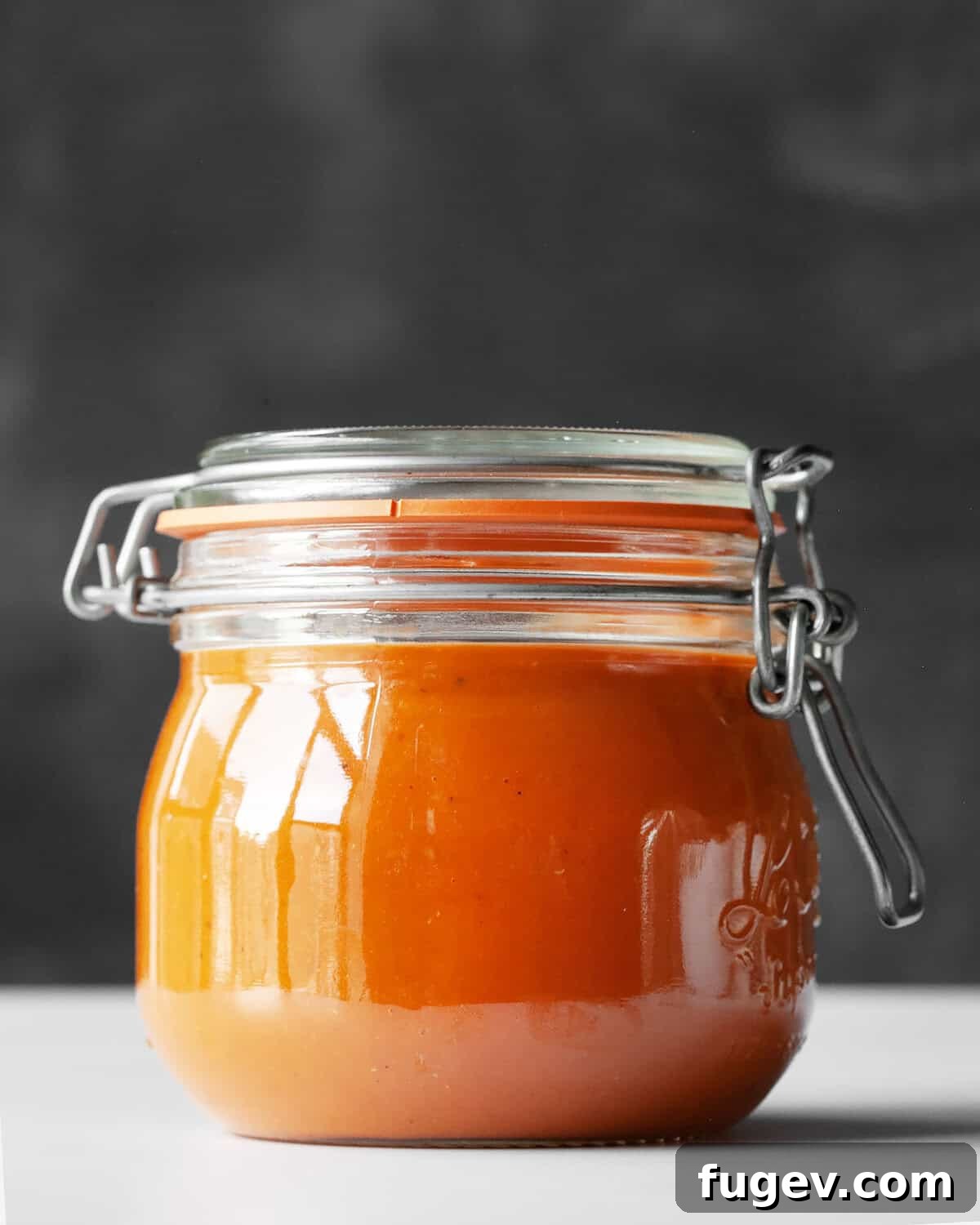
- Refrigerator Storage: Once cooled, transfer the sauce to a clean, airtight container. It will keep beautifully in the refrigerator for up to 3 days. This is perfect for quick weekday meals or if you plan to use it within a few days. Glass jars or food-safe plastic containers work well.
- Freezer Storage: Extend Freshness for Months. For longer-term storage, freezing is your best friend. This sauce can be frozen for up to 1 month while retaining its excellent taste and texture. For ultimate convenience, consider portioning the sauce into individual serving sizes before freezing. This allows you to thaw only the amount you need for a single meal, preventing waste and making future meal prep even easier.
- Freezer Bags: Lay freezer-safe bags flat, fill them with your desired portion size, squeeze out excess air, and seal. Laying them flat helps them freeze quickly and stack efficiently.
- Freezer-Safe Containers: Use rigid freezer-safe containers, leaving about an inch of headspace at the top to allow for expansion during freezing.
- Ice Cube Trays: For very small portions (great for adding a flavor boost to other dishes), freeze the sauce in ice cube trays. Once solid, transfer the frozen cubes to a larger freezer bag.
- Thawing and Reheating: When you’re ready to use your frozen tomato sauce, you have a few options for thawing:
- Refrigerator Thawing: Transfer the frozen sauce to the refrigerator and let it thaw overnight. This is the safest and most recommended method.
- Room Temperature Thawing: For quicker thawing, you can leave it on the counter for a few hours, but ensure it doesn’t stay at room temperature for too long, especially in warm climates.
- Quick Reheating: Once thawed (or even directly from frozen, if you’re in a hurry for smaller portions), reheat the sauce gently on the stovetop over low to medium heat, stirring occasionally, until it’s warmed through. You can also reheat it in the microwave in a microwave-safe bowl, stirring every minute or so until hot. Add a splash of water or broth if it seems too thick after thawing.
Having a stash of this homemade sauce in your freezer means a delicious, wholesome meal is never far away!
Recipe FAQs: Your Questions Answered
Can you use grape tomatoes instead of cherry tomatoes for this recipe?
While grape tomatoes can technically be roasted, we highly recommend sticking with cherry tomatoes for this sauce. Cherry tomatoes typically have a juicier flesh and a more delicate skin compared to grape tomatoes, which tend to be firmer and have thicker skins. This difference in texture means cherry tomatoes burst and soften more effectively during roasting, creating a smoother, richer sauce when pureed.
Is it okay to use out-of-season tomatoes for homemade sauce?
Absolutely! While in-season, ripe tomatoes will always yield the best flavor, roasting is a fantastic technique for enhancing the taste of less-than-perfect or out-of-season tomatoes. The high heat of the oven caramelizes their natural sugars, intensifying their sweetness and depth, making them much more flavorful than if used raw. So, don’t hesitate to make this sauce year-round, even if fresh tomatoes aren’t at their peak.
Is it acceptable to blend the sauce in a food processor instead of a blender?
Yes, you can use a food processor, but be mindful of its capacity. You will likely need to puree the roasted vegetables in batches to avoid overfilling and to achieve an even consistency. A blender generally creates a smoother, more uniform sauce, whereas a food processor might result in a slightly chunkier texture, which some people prefer. Ensure the vegetables have cooled sufficiently before blending in either appliance.
Can you turn this roasted tomato sauce into a soup?
Definitely! This roasted tomato sauce makes an excellent base for a delicious homemade roasted tomato soup. To transform it, simply simmer the pureed sauce in a pot with an equal or slightly greater amount of vegetable or chicken broth. Adjust the amount of broth to reach your desired soup consistency. You might also want to add a splash of cream or milk for richness, or fresh herbs like basil, oregano, or thyme. Season to taste, and serve hot with crusty bread or grilled cheese sandwiches.
Can I add fresh herbs before roasting?
While you can add hardy herbs like fresh rosemary or thyme sprigs to the pan before roasting, it’s generally best to add delicate fresh herbs like basil or oregano after the sauce has been pureed or just before serving. Roasting can diminish the vibrant flavor and color of delicate herbs. Adding them fresh at the end ensures their bright notes truly shine.
How can I make this sauce spicier?
If you prefer a spicier kick, you can easily adjust the amount of red pepper flakes. Start with 1/2 teaspoon or even 1 teaspoon during the roasting process, and then taste the sauce after pureeing. If it’s still not spicy enough, you can add another pinch or two while simmering, or even stir in a dash of your favorite hot sauce at the end.
What if my sauce is too thin or too thick?
If your sauce is too thin, simmer it uncovered over low to medium heat, stirring frequently, to allow some of the liquid to evaporate and the sauce to thicken. If it’s too thick, simply add a tablespoon or two of water or vegetable broth at a time until it reaches your desired consistency.
More Delicious Roasted Cherry Tomato Recipes to Try
If you’ve fallen in love with the magic of roasted cherry tomatoes, here are more recipes that highlight their incredible flavor:
- Sheet Pan Cherry Tomato Gnocchi
- Cherry Tomato Confit
- Balsamic Zucchini Tomato Bake
- Slow-Roasted Cherry Tomatoes
- Roasted Tomato Zucchini Orzo
- Chickpea Greek Salad
Roasted Tomato Sauce with Cherry Tomatoes
Print Recipe
This roasted tomato sauce is a from-scratch recipe designed for ease and intense flavor. There’s no need to peel or deseed the tomatoes; simply roast them with garlic, onions, and olive oil, then puree into a rich, versatile sauce. Perfect for quick weeknight meals or impressive entertaining.
Ingredients
- 3 pints cherry tomatoes
- 1 small onion, halved and cut into 1/4-inch thick slices
- 4 garlic cloves
- 1/4 cup extra virgin olive oil
- Pinch of red pepper flakes (or more, to taste)
- 1 teaspoon kosher salt
- 1/2 teaspoon black pepper, freshly ground
Instructions
- Preheat your oven to 400 degrees F (200°C).
- Prepare the garlic: Place each garlic clove underneath the flat side of a chef’s knife. Carefully use the heel of your hand to smash the garlic, which will help loosen and peel off the skins easily. Repeat for all four garlic cloves.
- Combine the vegetables: Place the cherry tomatoes, sliced onions, and peeled garlic cloves into a 13-inch by 9-inch baking pan. Ensure they are distributed in a relatively even layer.
- Season and oil: Pour the olive oil over the vegetables in the pan. Season generously with red pepper flakes, kosher salt, and black pepper. Stir all the ingredients together thoroughly, ensuring the tomatoes, onions, and garlic are well coated in the oil and seasonings.
- Roast the vegetables: Transfer the baking pan to the preheated oven. Bake for approximately 45-55 minutes, or until the tomatoes have burst, shriveled, become very juicy, and the onions and garlic are tender and lightly caramelized.
- Cool before blending: Remove the pan from the oven and allow the roasted vegetables to cool down for 10-15 minutes. This prevents steam from building up dangerously in the blender.
- Puree the sauce: Carefully transfer all the roasted vegetables and any accumulated juices from the pan into a blender. Puree until your desired consistency is reached – whether smooth or with a slight texture.
- Simmer (optional): For a thicker, more concentrated sauce, transfer the pureed mixture to a large saucepan. Simmer over low to medium heat for 10-12 minutes, stirring frequently, allowing some moisture to evaporate and flavors to deepen. If you prefer a thinner sauce, this step can be skipped.
Notes
This recipe yields approximately 3 1/2 to 4 cups of delicious homemade sauce.
For an added layer of flavor, consider incorporating 1/2 to 1 teaspoon of an Italian seasoning blend along with the red pepper flakes, salt, and pepper before roasting.
Always allow the sauce to cool completely to room temperature before transferring it to an airtight container. Store it in the refrigerator for up to 3 days. For longer storage, freeze the sauce for up to 1 month. Portioning the sauce into individual serving sizes before freezing is highly recommended for convenience. Thaw frozen sauce in the refrigerator or at room temperature, then reheat gently in a saucepan over low to medium heat or in the microwave.
Nutrition
Calories: 133kcal | Carbohydrates: 12g | Protein: 3g | Fat: 9g | Saturated Fat: 1g | Polyunsaturated Fat: 1g | Monounsaturated Fat: 7g | Sodium: 415mg | Potassium: 553mg | Fiber: 2g | Sugar: 7g | Vitamin A: 1158IU | Vitamin C: 56mg | Calcium: 35mg | Iron: 2mg
Nutrition information is automatically calculated and should be used as an approximation only.
Additional Info
Did you make this recipe?
Mention @lastingredient on Instagram and tag it #lastingredient!
Save This Recipe for Later
Get this recipe sent directly to your inbox, plus discover new delicious recipes every week.