
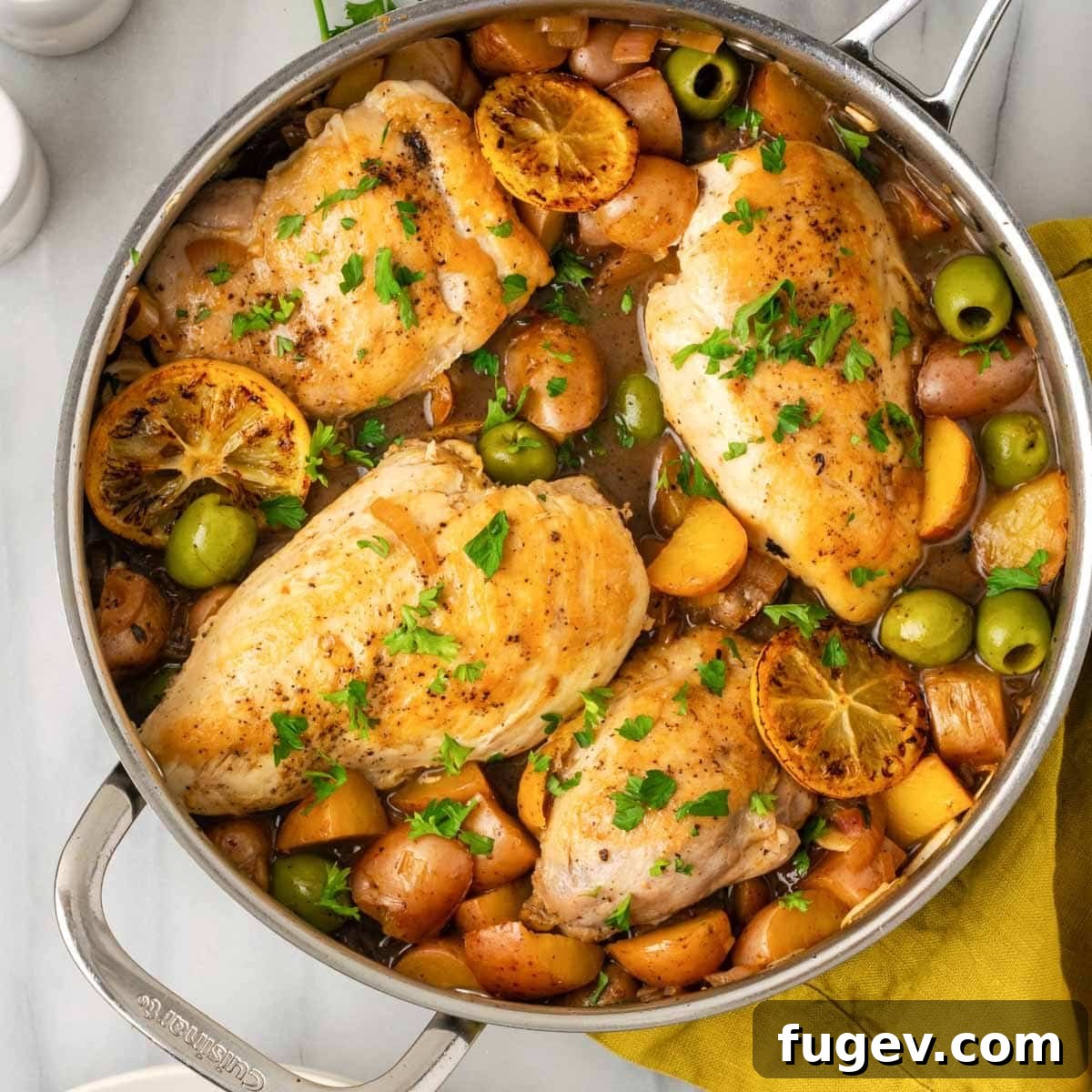
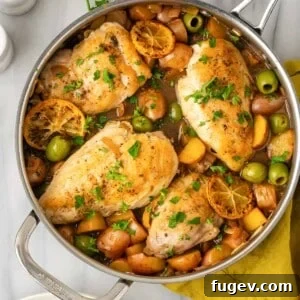
This easy lemon chicken recipe delivers tender, succulent chicken, flawlessly cooked potatoes, and a medley of fresh herbs, all bathed in an irresistible lemon-infused butter sauce. It’s a culinary delight that promises both simplicity in preparation and gourmet-level flavor in every bite.
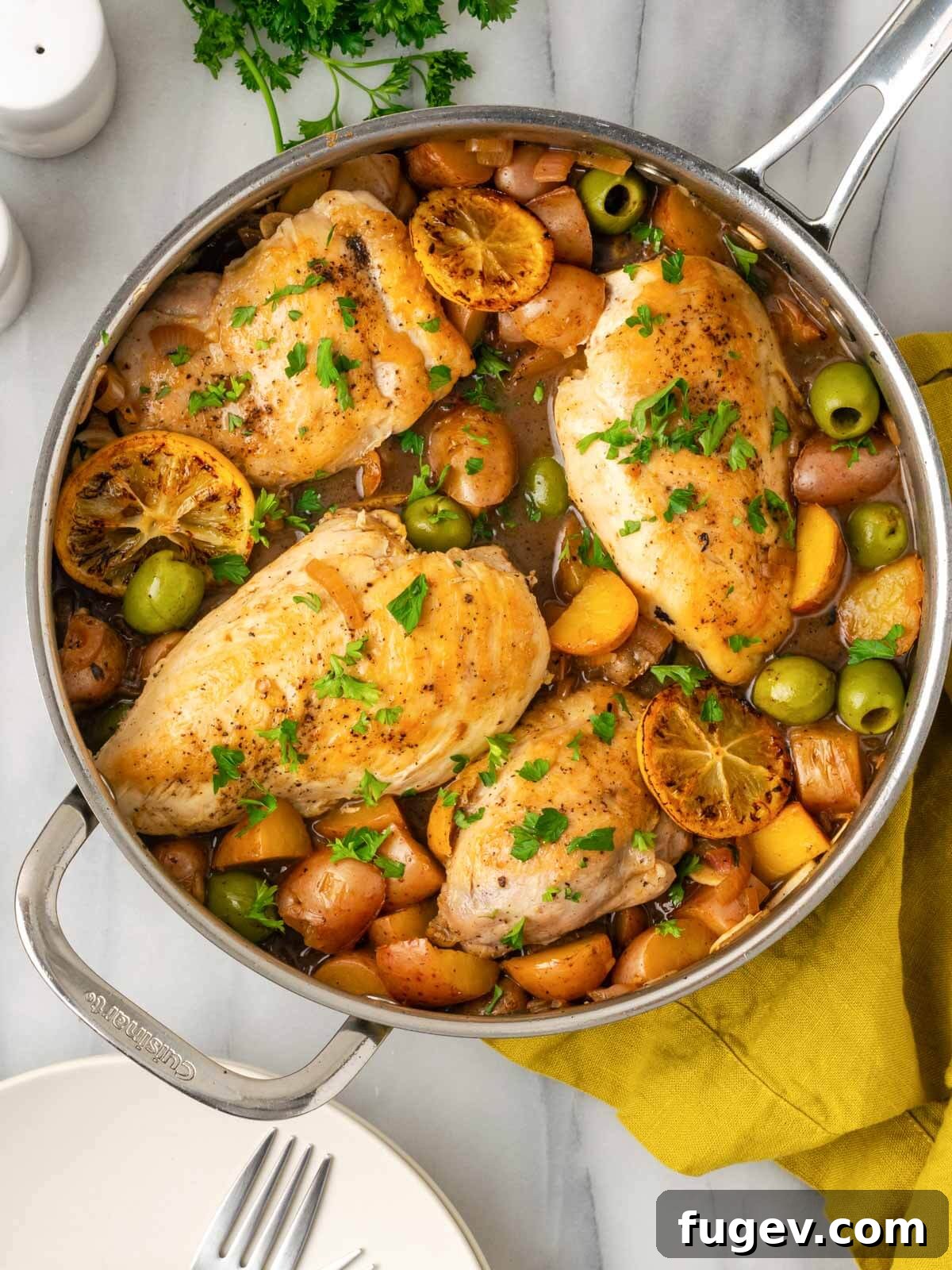
Easy One-Pan Lemon Chicken with Roasted Potatoes and Herb Butter Sauce: Your New Go-To Meal
Welcome to your new favorite weeknight meal – a spectacular one-pan lemon chicken recipe that effortlessly combines succulent, perfectly cooked chicken with comforting roasted potatoes, aromatic shallots and garlic, and bright fresh herbs, all coated in a rich, tangy lemon-infused butter sauce. This dish tastes surprisingly complex, yet the preparation is straightforward enough for even a novice cook to master. Whether you’re planning a relaxed Sunday dinner or aiming to impress guests at an upscale gathering, this versatile recipe rises to every occasion with its beautiful presentation and outstanding flavor profile.
Beyond its delicious taste, this one-pan wonder streamlines cleanup, making it a perfect addition to any busy schedule. We’ll guide you through every step to ensure your chicken is exceptionally juicy, your potatoes are tender-crisp, and your sauce is exquisitely balanced. Get ready to transform simple ingredients into a memorable culinary experience that will have everyone asking for seconds. This comprehensive guide will equip you with all the knowledge and tips you need to create the perfect lemon chicken meal, every single time.
Elevate Your Meal: Perfect Pairings for Lemon Chicken
This delightful lemon chicken stands wonderfully on its own as a complete meal, but it also pairs beautifully with a variety of carefully selected sides to further enhance your dining experience. For a classic and comforting accompaniment, consider serving it alongside classic creamy mashed potatoes, which will beautifully soak up the rich lemon-butter sauce. If you’re looking to complement the vibrant citrus notes and add more vegetables, our lemon roasted cauliflower offers a harmonious blend of flavors and textures. For a lighter, grain-based option, a fluffy quinoa pilaf can be an excellent choice. Don’t limit your culinary adventures – integrate this easy chicken dish into your regular cooking rotation, alongside other family favorites such as our hearty baked chicken marinara, the smoky goodness of grilled rosemary chicken, or the sophisticated flavors of chicken with shallots for continuous culinary inspiration and delicious variety throughout your week.
Table of Contents
- Why You Will Absolutely Love This Lemon Butter Chicken Recipe
- Professional Tips for Mastering Your Lemon Garlic Chicken
- Key Ingredients for an Unforgettable Lemon Chicken
- Creative Variations to Elevate Your Lemon Chicken
- Step-by-Step Guide: How to Make This Incredible Lemon Chicken
- Chef Lindsey’s Expert Tip: The Magic of Fond and Deglazing
- Frequently Asked Questions About Lemon Chicken
- Printable Lemon Chicken Recipe Card
- Before You Go: Explore More Chef-Tested Chicken Recipes!
Why You Will Absolutely Love This Lemon Butter Chicken Recipe:
- A Harmoniously Balanced Flavor Profile: Every single element in this dish contributes to a delightful symphony of flavors, ensuring no single taste overpowers another. The rich, savory notes from the perfectly browned chicken and tender potatoes are exquisitely complemented by the tangy, bright lemon-infused butter sauce and the fresh, aromatic contribution of chopped parsley. Each forkful offers a satisfying combination of savory, rich, tangy, and herbaceous sensations, creating a truly memorable eating experience.
- Effortlessly Elegant – Easier Than It Looks: Don’t let the sophisticated appearance and restaurant-quality taste of this dish intimidate you; it is remarkably simple to prepare. This recipe requires no advanced culinary techniques or specialized kitchen equipment, making it accessible and enjoyable for home cooks of all skill levels. The instructions have been meticulously developed and tested multiple times by a professional chef, ensuring they are crystal clear, precise, and foolproof for consistent, delicious results every single time you embark on this culinary adventure.
- A Lighter, Fresher Take on a Classic: Many traditional lemon chicken recipes can be quite heavy, often calling for excessive amounts of butter. This recipe, however, offers a refreshingly lighter approach without compromising on the robust flavors you crave. Inspired by adaptations from reputable culinary publications, our version utilizes just two tablespoons of butter. The profound depth of flavor is instead built upon the natural tang of fresh lemon juice, the rich caramelization achieved from beautifully browned chicken skin, and the aromatic contributions of fresh herbs, creating a wholesome yet deeply satisfying meal that feels indulgent without being heavy.
- Convenient One-Pan Preparation for Easy Cleanup: Say goodbye to a sink full of dirty dishes! This recipe is ingeniously designed to be a true one-pan wonder. You’ll cook the chicken, potatoes, and the luscious sauce all in a single oven-safe skillet or roasting pan. This not only significantly simplifies the cooking process but also dramatically reduces cleanup time, leaving you with more precious moments to savor your delicious creation and relax.
- Versatile for Any Occasion: From a casual, cozy family dinner to an elegant and impressive gathering with friends, this lemon chicken is an absolute crowd-pleaser. Its appealing presentation and robust, universally loved flavors make it perfectly suitable for special occasions, while its remarkable ease of preparation makes it an ideal choice for busy weeknights when you crave something extraordinary without all the fuss and effort. It’s a dish that adapts to your needs.
Professional Tips for Mastering Your Lemon Garlic Chicken
Achieving restaurant-quality results at home is more straightforward than you might imagine, especially when you apply these expert culinary tips:
- Embrace the Art of Tasting as You Cook: One of the most impactful habits you can develop to significantly elevate your home cooking skills is to taste your food at various stages of preparation. This practice is absolutely crucial for adjusting seasonings, ensuring the balance of acidity (especially important in a lemon-based dish), and confirming the overall flavor profile is precisely to your liking. Don’t be afraid to add a pinch more salt, a fresh squeeze of lemon, or a dash of pepper as you go to fine-tune the flavors to perfection. Your palate is your best guide.
- Prioritize Golden-Brown Chicken for Maximum Flavor: The browning process is not merely for aesthetics; it is fundamental for deep flavor development in this particular dish. A significant portion of the rich, savory taste comes from the beautiful caramelization of the chicken skin and meat. Be patient and allow the chicken pieces ample time to develop a deep, inviting golden-brown crust before flipping or moving them. This crucial step creates a flavorful “fond” (browned bits) at the bottom of the pan, which will become the delicious and complex base for your lemon-butter sauce.
- Precision with an Instant-Read Thermometer: The most accurate, reliable, and safest method for determining when your chicken is perfectly cooked is to use a high-quality instant-read meat thermometer. Overcooked chicken can quickly become dry, tough, and unappetizing, while undercooked chicken poses a health risk. Insert the thermometer into the thickest part of the chicken breast, carefully avoiding the bone. Chicken breasts are fully cooked and safe to eat when they reach an internal temperature of 165ºF (74ºC).
- Avoid Overcrowding the Pan: When you are browning chicken or potatoes, it is absolutely essential to give them sufficient space in the pan. Overcrowding can drastically lower the pan’s temperature, leading to steaming rather than proper browning. This prevents the development of that desirable golden crust and rich, caramelized flavor. If necessary, cook the chicken and potatoes in smaller batches to ensure proper searing and optimal flavor development. Good air circulation around each piece is key.
- Deglazing is Your Secret Weapon for Depth: After browning your chicken and sautéing vegetables, you’ll undoubtedly notice delicious browned bits (fond) stuck to the bottom of the pan. These are concentrated flavor powerhouses! When you add liquid (such as wine or chicken stock) in later steps, make sure to scrape these bits up with a wooden spoon or spatula. This process, known as deglazing, infuses your sauce with incredible depth, complexity, and all the concentrated flavors left behind from searing. Never discard these precious bits – they are culinary gold!
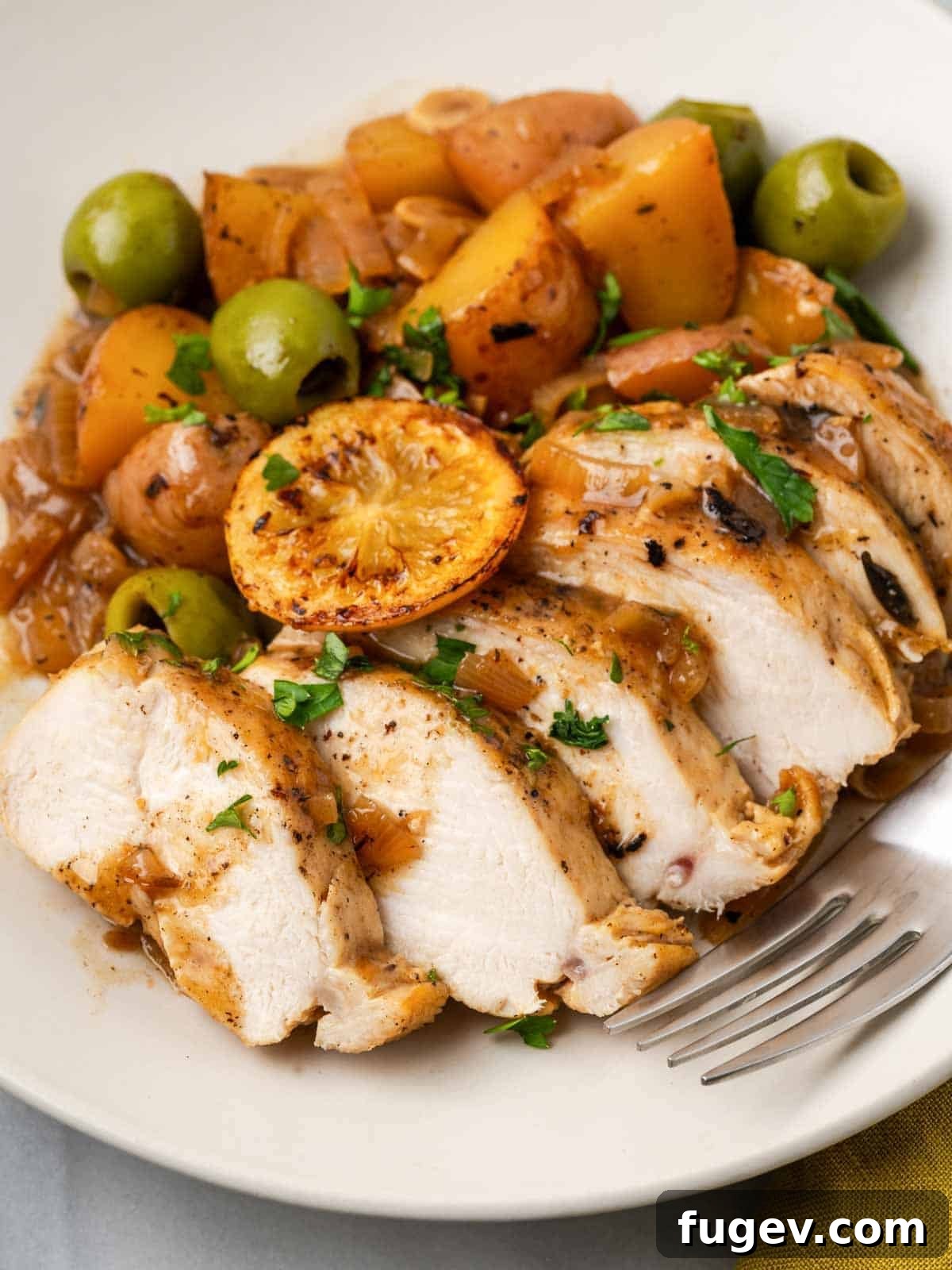
Key Ingredients for an Unforgettable Lemon Chicken
The success and outstanding flavor of this lemon chicken recipe hinge on a few quality ingredients, each playing a vital role. Here’s a closer look at what you’ll need and why each component is important:
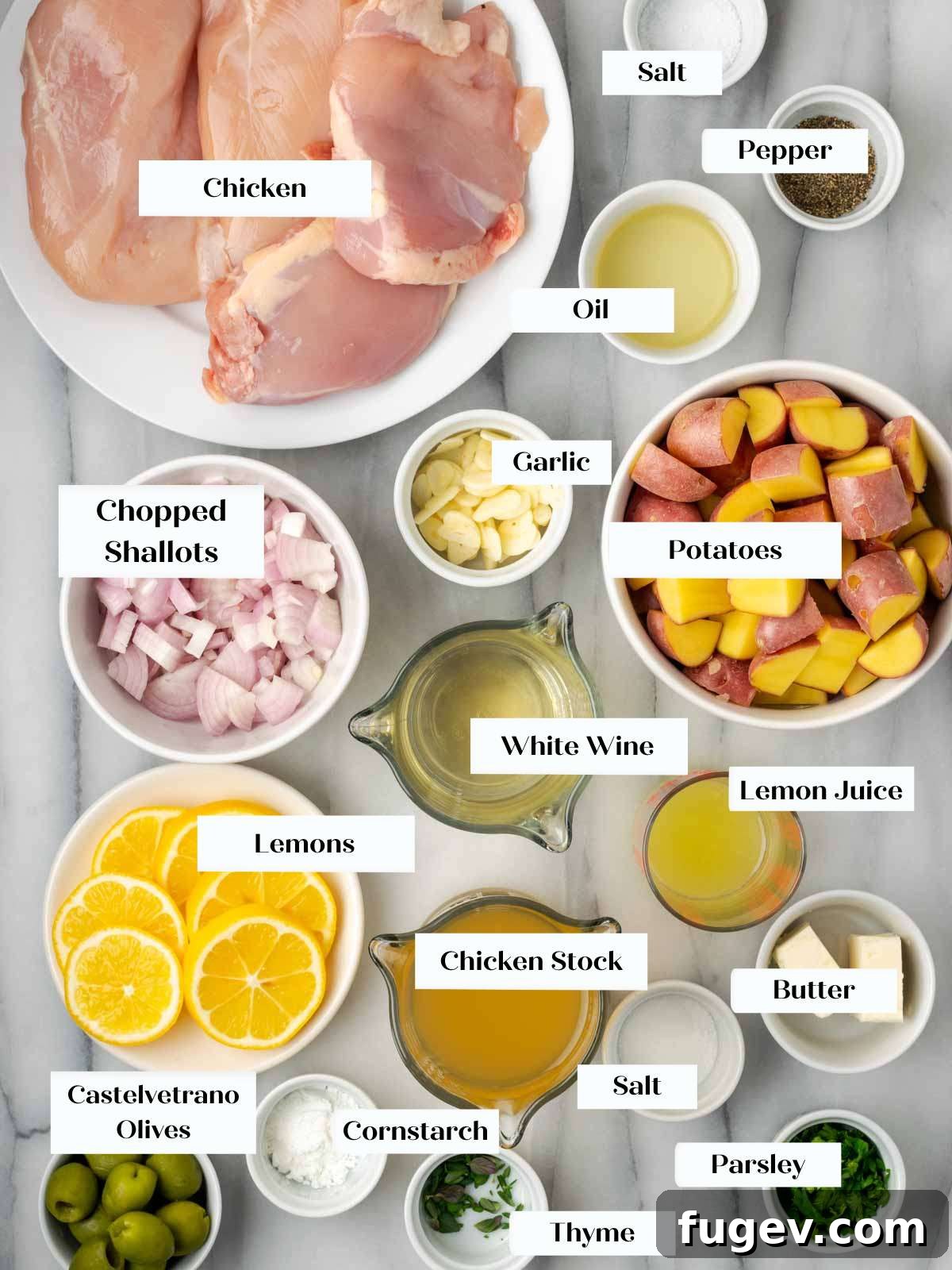
- Chicken Breasts & Thighs: For maximum flavor, juiciness, and a fantastic crispy texture, I highly recommend opting for bone-in, skin-on chicken breasts or thighs if you can find them. The skin crisps up beautifully and the rendered fat, along with the pan drippings, forms the rich base for our irresistible sauce. However, if you prefer, boneless, skinless chicken breasts or thighs will also work wonderfully; just remember that their cooking time will be significantly shorter. If your chicken breasts are particularly thick, consider carefully slicing them in half lengthwise to ensure more even cooking and faster browning.
- Kosher Salt: This is an absolutely essential seasoning for the chicken and for bringing out the natural flavors of all the other ingredients. Kosher salt has a larger flake size than typical table salt, which makes it easier to control your seasoning and provides a cleaner, less harsh salty taste.
- Freshly Ground Black Pepper: A crucial ingredient for adding a subtle spice, a delicate warmth, and aromatic complexity to the dish. Always opt for freshly ground black pepper for the most vibrant and pungent flavor.
- Cooking Spray or Canola Oil: Used initially to prevent sticking and to aid in achieving that crucial golden-brown sear on the chicken. Canola oil is a good choice due to its neutral flavor and high smoke point, making it ideal for high-heat searing.
- Olive Oil: While any olive oil you have on hand will work, using a good-quality extra-virgin olive oil will undeniably add a nuanced, fruity, and slightly peppery flavor to your dish, especially when sautéing the aromatics. This subtle difference contributes significantly to the overall gourmet feel.
- Red Potatoes: I find the waxy texture and thin, delicate skin of red potatoes hold up perfectly to both roasting and simmering. They become tender without turning mushy and beautifully absorb the rich flavors of the lemon-butter sauce. Yukon Gold potatoes are an excellent and widely available substitute if red potatoes aren’t at your local market, offering a similar creamy texture.
- Lemons: The undeniable star of this dish! This recipe specifically benefits from the delicate sweetness and intensely fragrant aroma of a Meyer lemon for both the decorative slices and the essential juice. If only regular lemons are accessible, they will still yield a delicious dish; however, you might consider adding about 1 teaspoon of sugar to gently balance their increased tartness. Freshly squeezed lemon juice is absolutely non-negotiable for the brightest, most authentic lemon flavor.
- Shallots: These elegant aromatic vegetables are highly preferred over common onions in this recipe due to their distinctly milder, sweeter, and more delicate flavor. They infuse the sauce with a subtle oniony depth without overpowering the other ingredients. If shallots prove hard to find, a small amount of finely minced red onion can be used as a reasonable substitute, though it will impart a slightly stronger and sharper bite.
- Garlic: Fresh garlic is paramount for its pungent, earthy, and savory notes that are utterly indispensable in this dish. I enthusiastically recommend using fresh garlic cloves, thinly sliced or finely minced. If fresh is truly not an option, jarred chopped garlic stored in water (as opposed to oil) can serve as a convenient alternative, though the flavor will not be quite as vibrant or intense.
- Dry White Wine: A strategic splash of a good dry white wine (such as Pinot Grigio, Pinot Gris, or Sauvignon Blanc) adds a crucial layer of acidity, complexity, and aromatic depth to the sauce. It also plays a key role in deglazing the pan, helping to release all those flavorful browned bits. Always choose a wine you would genuinely enjoy drinking on its own, as its flavor will concentrate in the sauce. If you prefer to omit alcohol, an equal amount of additional unsalted chicken stock can be used without sacrificing too much flavor.
- Fresh Thyme: The earthy, slightly peppery, and subtly floral notes of fresh thyme leaves are a classic and perfect complement to both chicken and lemon. Fresh herbs always provide the best aroma and flavor, but dried thyme can be used in a pinch (use about 1/3 the amount of fresh for a comparable flavor intensity).
- Unsalted Chicken Stock: Utilizing unsalted chicken stock is key to maintaining complete control over the seasoning of your dish, allowing you to adjust salt levels precisely to your taste preferences rather than being dictated by a pre-salted product. If you’re feeling ambitious and want to truly elevate your dish, making your own chicken stock from scratch offers an unparalleled depth of flavor – you might find this easy chicken deboning video helpful for preparing chicken to make homemade stock!
- Cornstarch or Arrowroot Powder: These natural starches are indispensable as thickening agents, creating a beautifully smooth, glossy, and luscious sauce that perfectly coats the chicken and potatoes. Both cornstarch and arrowroot powder work equally well to achieve the desired silky consistency.
- Castelvetrano Olives (Optional): For those who appreciate an extra layer of sophisticated flavor and a pop of color, pitted Castelvetrano olives are a fantastic addition. They contribute a wonderfully savory, rich, and subtly briny element that enhances the overall depth and complexity of the dish. Their vibrant green hue also adds a beautiful visual contrast.
- Unsalted Butter: The glorious finishing touch! A couple of tablespoons of unsalted butter, melted into the sauce at the very end, provides essential richness, a beautiful gloss, and a luxurious, silky texture that harmoniously ties all the complex flavors together, making the sauce utterly irresistible.
- Fresh Parsley: Finally, a generous sprinkling of chopped fresh parsley is used as a vibrant and fresh garnish. It not only adds a burst of bright, herbaceous flavor but also provides a beautiful contrasting color that makes the dish pop visually. Remember to add delicate fresh herbs like parsley at the very end of cooking to preserve their optimal taste, aroma, and delicate texture.
For precise quantities and measurements for each ingredient, please refer to the comprehensive printable recipe card located conveniently at the bottom of this article.
Creative Variations to Elevate Your Lemon Chicken
This lemon chicken recipe is wonderfully adaptable and encourages culinary creativity, allowing you to experiment with flavors and ingredients to perfectly suit your preferences and what you have on hand. Here are some exciting variations and modifications to inspire your next cooking adventure:
- Enhanced Lemon Marinade for Extra Zest: If you’re looking to infuse an even more pronounced and deeper lemon flavor into your chicken, consider incorporating a quick marinade before the initial searing step. A simple yet highly effective marinade can be crafted using a mixture of high-quality olive oil, fresh lemon juice, finely minced garlic, and your favorite fresh herbs such as rosemary, oregano, or even a hint of marjoram. Marinate the chicken for no more than 30 minutes at room temperature, as prolonged exposure to acidic lemon juice can begin to “cook” the chicken proteins, potentially altering its texture and making it less moist when cooked. Always remember to thoroughly pat the chicken dry with paper towels before browning to ensure a crisp skin and even, beautiful searing.
- Explore Diverse Fresh Herb Combinations: This dish serves as an excellent canvas for exploring and experimenting with a variety of different fresh herbs. While parsley and thyme are classic and complementary choices, don’t hesitate to venture further! Try incorporating fresh dill for a bright, slightly anisy, and refreshing note, or fresh basil for a sweet, peppery, and aromatic addition. Robust herbs like rosemary or oregano can also lend a more profound, earthy, and fragrant flavor profile. Feel absolutely free to use a single herb or create a harmonious combination that truly appeals to your unique palate.
- Customize Your Chicken Cut for Speed and Preference: In place of full chicken breasts, which can often be quite large and take longer to cook evenly, you might opt for pre-cut chicken cutlets, which are thinner and thus cook much faster. Alternatively, using boneless, skinless chicken breasts or thighs will significantly reduce the overall cooking time, transforming this into an even quicker weeknight meal. Just be sure to diligently monitor the internal temperature with an instant-read thermometer, as thinner cuts cook very rapidly. You can even save some of your chicken pieces for other delicious recipes, such as our popular air fryer chicken tenders recipe!
- Unlock the Magic of Meyer Lemons: If you are fortunate enough to get your hands on them, Meyer lemons are an absolute game-changer for this dish. Their unique sweet-tart flavor, often beautifully described as a delightful hybrid of a lemon and a mandarin orange, imparts a magnificent floral aroma and delicate sweetness that elevates the entire recipe to an exquisite gourmet level. Using Meyer lemons will result in a slightly less acidic and a more nuanced, sophisticated sauce that is truly exceptional.
- Integrate More Hearty Vegetables: Beyond the delightful potatoes, consider adding other quick-cooking, sturdy vegetables to the pan during the last 10-15 minutes of simmering the sauce. Asparagus spears, tender green beans, vibrant cherry tomatoes, or thinly sliced bell peppers would all make incredibly delicious and colorful additions, adding more nutrients, diverse textures, and visual appeal to your already fantastic one-pan meal.
- Spice It Up: For those who enjoy a little heat, a pinch of red pepper flakes added with the garlic and shallots can introduce a subtle warmth that beautifully complements the tang of the lemon.
Step-by-Step Guide: How to Make This Incredible One-Pan Lemon Chicken
Follow these detailed, chef-tested instructions to create perfectly tender, incredibly flavorful lemon chicken every time. For precise measurements and a convenient printable version of this recipe, please scroll down to the full recipe card located at the bottom of this article!
Step 1: Prepare Your Oven and Chicken for Perfection
Begin your culinary journey by preheating your oven to a steady 400°F (200°C). This ensures your oven is at the optimal temperature when the chicken is ready to bake. Next, thoroughly pat your chicken pieces dry with paper towels; this crucial step helps achieve that desirable crispy skin during searing. Generously season both sides of the chicken with ½ teaspoon of freshly cracked black pepper and an ample amount of kosher salt, ensuring an even and flavorful coating over each piece.
Step 2: Sear the Chicken for a Golden, Flavorful Crust
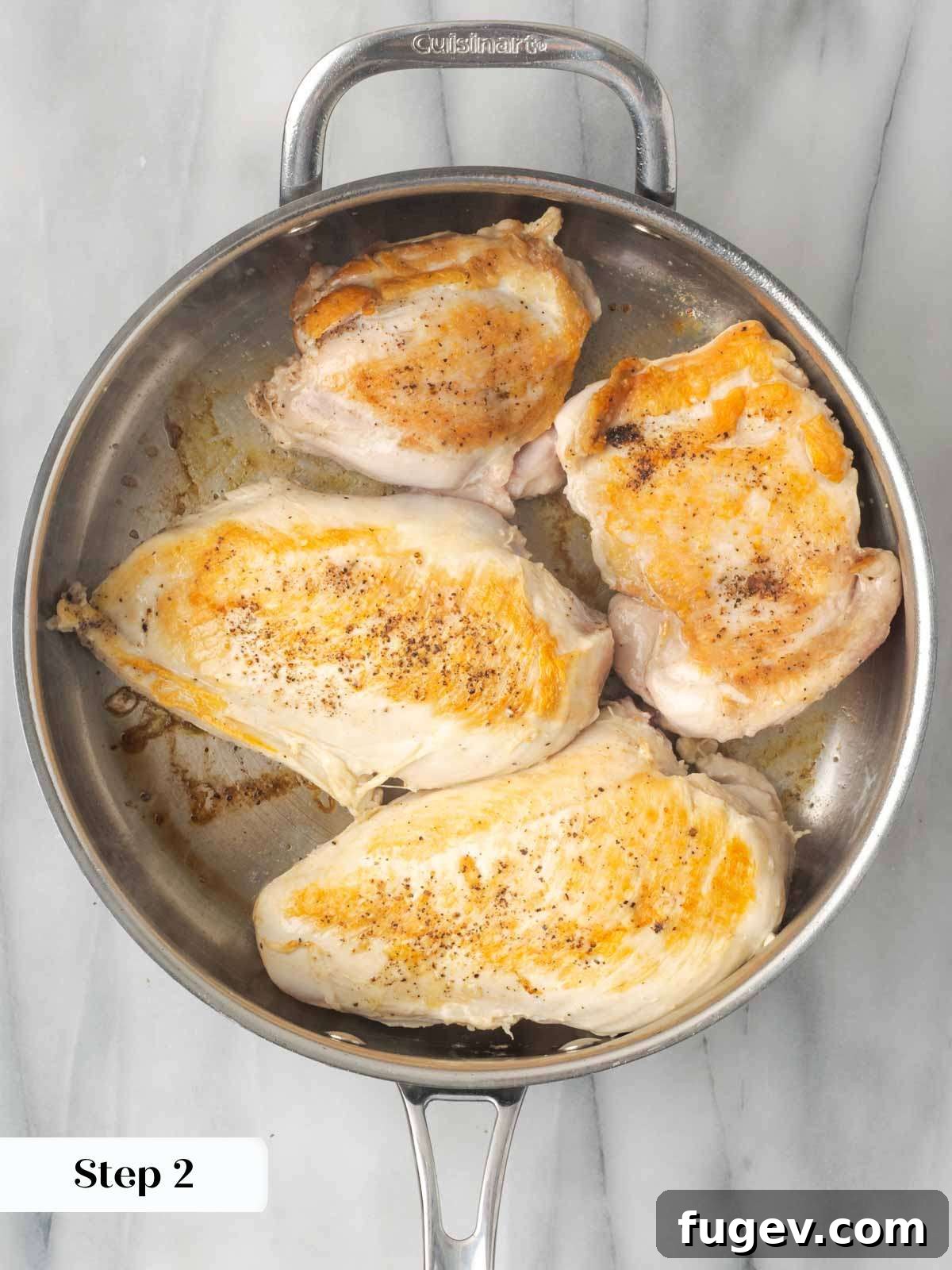
Place a large, heavy-bottomed, oven-safe skillet (cast iron or a sturdy stainless steel pan works best for even heat distribution) over medium-high heat on your stovetop. Add a small amount of canola oil or cooking spray to the pan. Heat until the oil is shimmering brightly and just begins to smoke, indicating it’s hot enough for a good sear. Carefully add the chicken pieces to the hot pan, placing them skin-side down. Cook undisturbed for approximately 6 minutes, or until the skin achieves a beautiful, deep golden-brown crust and becomes wonderfully crisp. This critical browning step is where much of the dish’s rich flavor develops. Once perfectly browned, carefully turn the chicken over. Transfer the entire pan to your preheated oven and bake for an additional 12-15 minutes, or until an instant-read thermometer inserted into the thickest part of the chicken (making sure to avoid touching any bone) registers an internal temperature of 165°F (74°C).
Chef’s Note: Precision in Timing The exact baking time for your chicken can vary slightly depending on the initial size and thickness of your chicken pieces, as well as how long they were seared. Boneless chicken, for instance, will generally cook faster than bone-in cuts. Always prioritize and rely on an instant-read thermometer for the most accurate and safest indicator of doneness.
Step 3: Cook the Potatoes to Tender Crispness
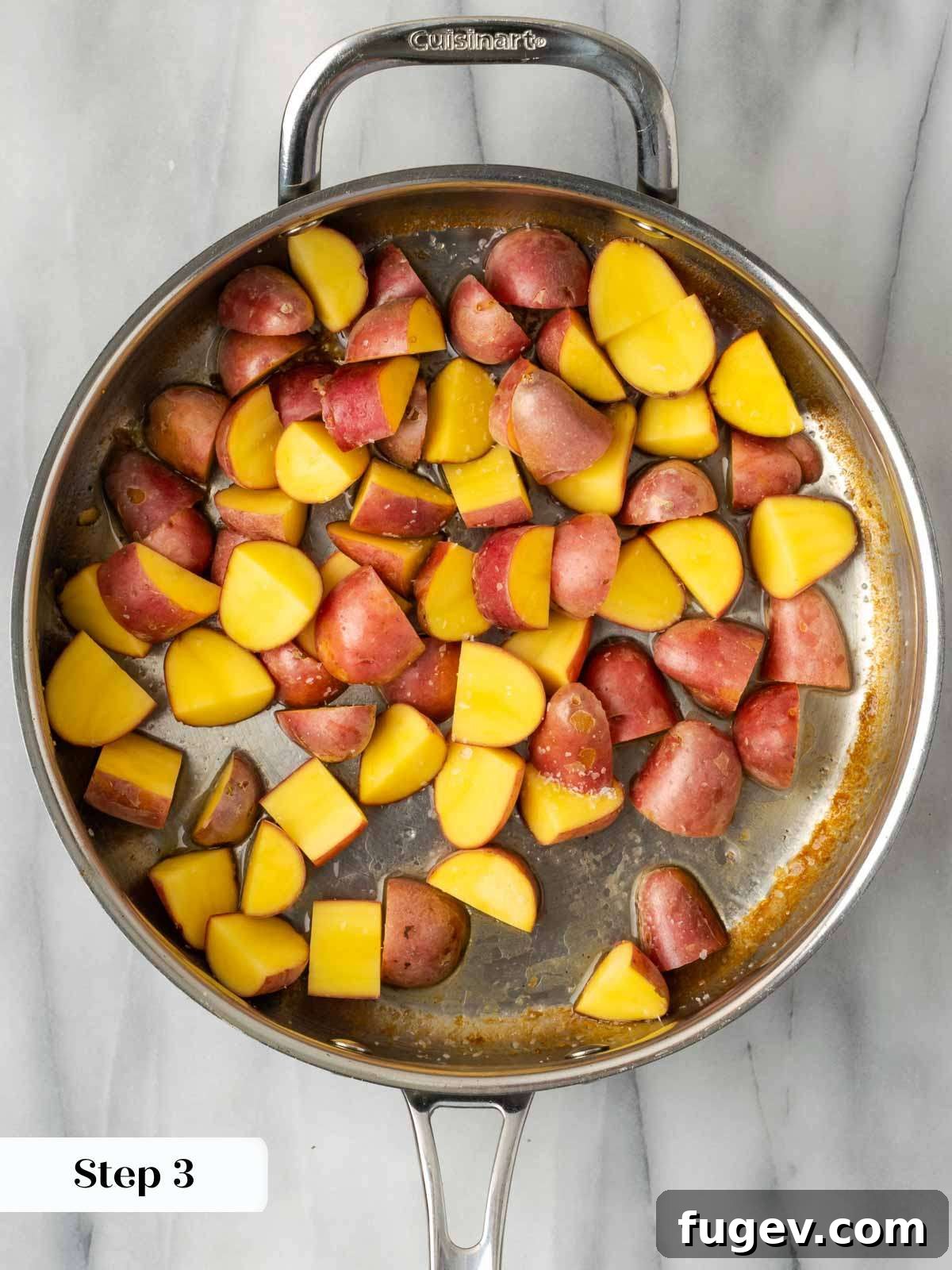
Once the chicken is cooked through, carefully remove the hot pan from the oven. Transfer the perfectly fried chicken pieces to a clean plate and loosely tent them with aluminum foil; this allows them to rest and keeps them warm while you prepare the rest of the dish. You can pour any delicious pan drippings that accumulated over the chicken for extra flavor, or simply set them aside. Add 1 tablespoon of olive oil to the same pan (it’s important not to wipe it clean, as those browned bits, or ‘fond’, are crucial for flavor!). Add the quartered red potatoes and sprinkle them with ¼ teaspoon of salt. Cook the potatoes over medium heat for about 3 minutes on each side, turning them occasionally, until they are beautifully browned and just beginning to tenderize inside.
Step 4: Gently Sear the Lemon Slices
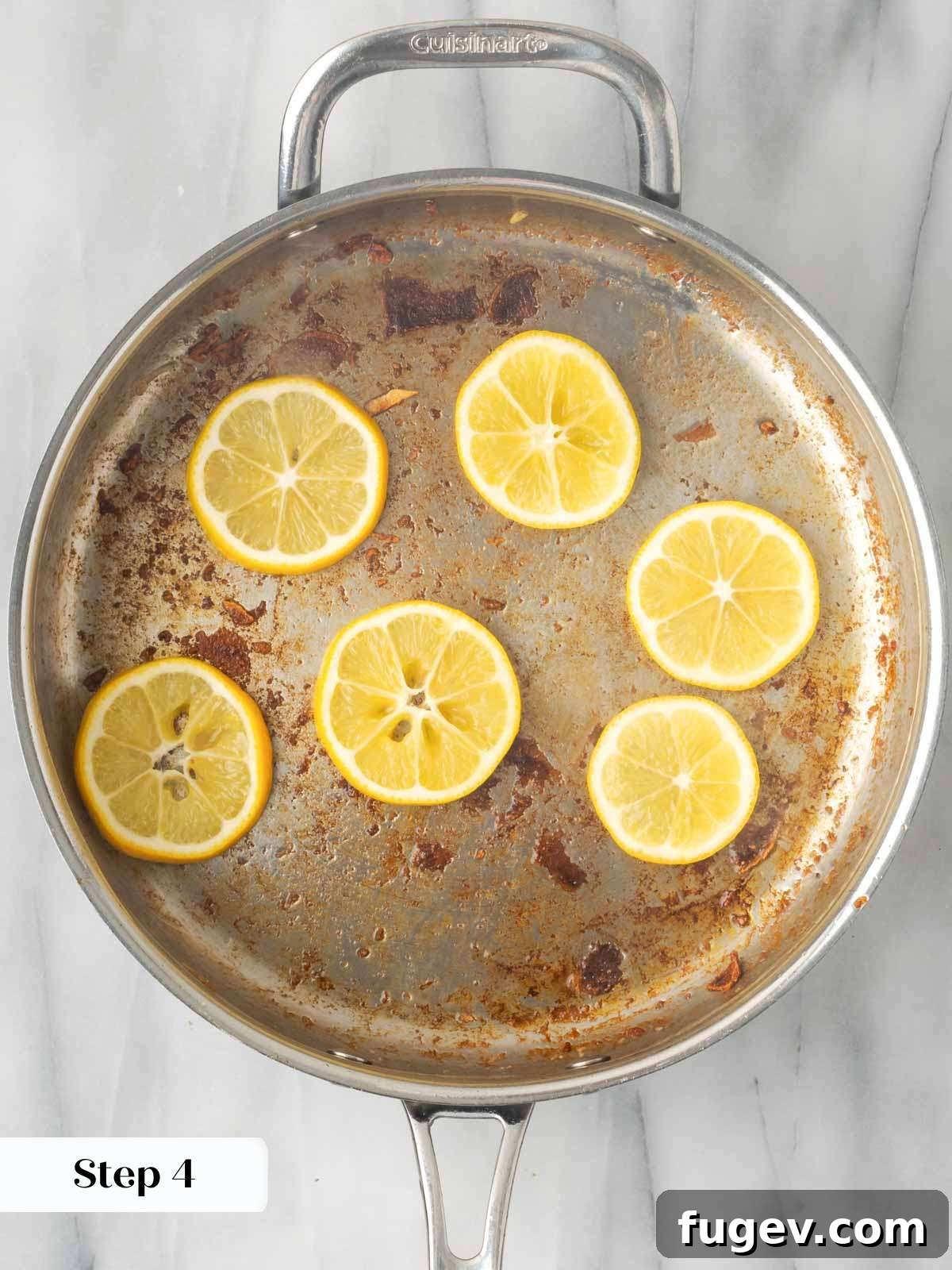
After the potatoes are cooked, remove them from the pan and set them aside with the chicken. Now, add the fresh Meyer lemon slices (or regular lemon slices) to the hot pan. Cook for approximately 1 minute on each side, allowing them to lightly caramelize and develop a beautiful golden hue. This quick searing step serves to soften the lemons slightly and brings out their sweet, aromatic essential oils. Once seared, remove the lemon slices from the pan and set them aside with the potatoes.
Step 5: Build the Aromatic Foundation for Your Sauce
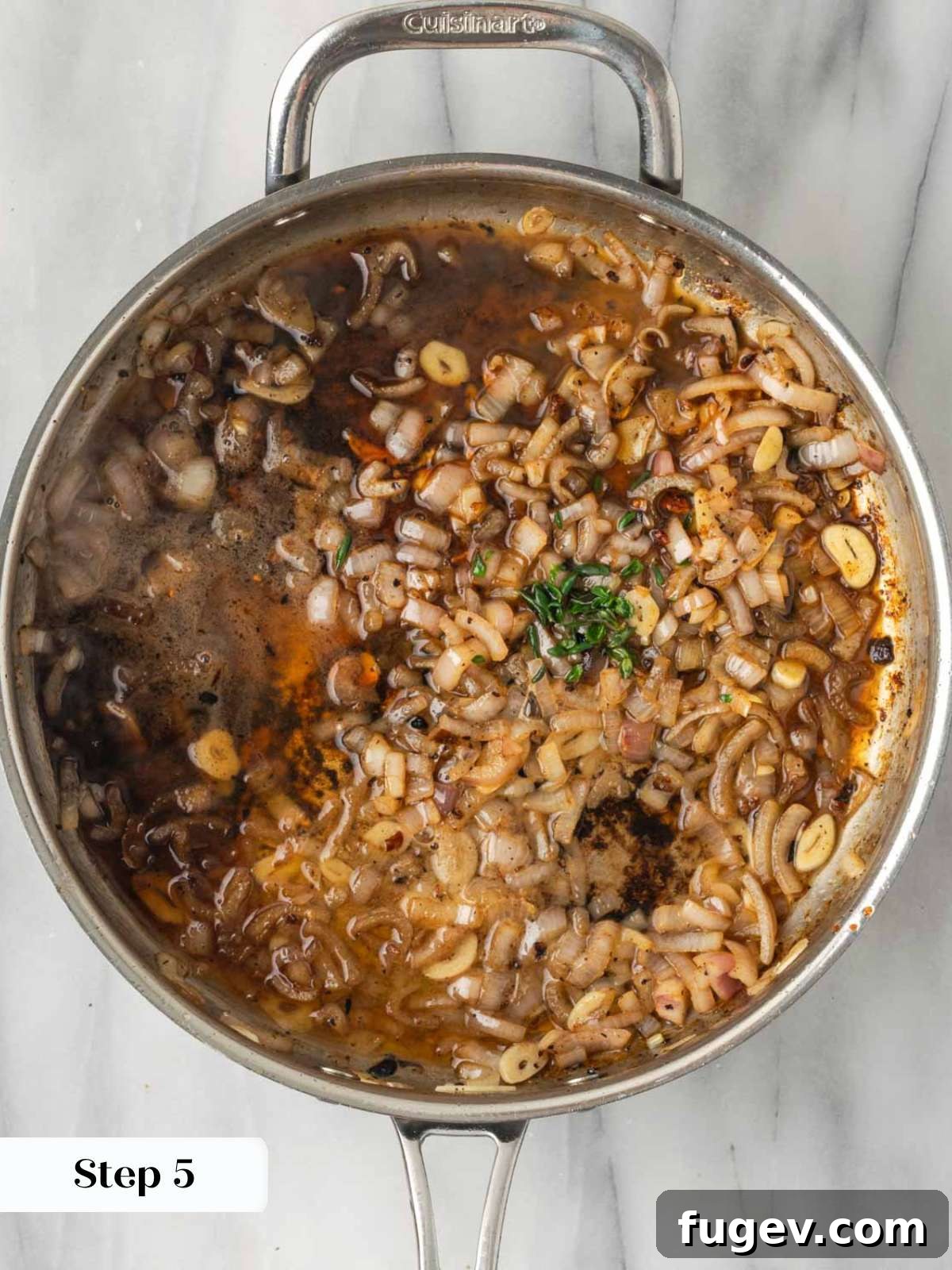
Add the remaining 1 tablespoon of olive oil to the pan. Now, introduce the finely chopped shallots and minced garlic. Sauté them gently for approximately 2 minutes, stirring constantly to ensure the garlic doesn’t burn, which can quickly lead to a bitter taste. Once the aromatics are fragrant and slightly softened, pour in the ½ cup of dry white wine along with the chopped fresh thyme. Cook for about 1 minute, allowing the liquid to nearly evaporate while you enthusiastically scrape the bottom of the pan with a wooden spoon. This crucial step, known as deglazing, effectively incorporates all those delicious browned bits (fond) from the chicken and potatoes into your sauce, creating an incredible depth and complexity of flavor.
Step 6: Simmer Potatoes to Perfect Tenderness
Return the perfectly browned potatoes and the seared lemon slices to the pan, nestling them gently among the fragrant aromatics. Add 2/3 cup of unsalted chicken stock, the remaining ¼ teaspoon of salt, and ¼ teaspoon of black pepper. Cover the pan securely and allow the mixture to simmer gently for 10-12 minutes, or until the potatoes are exquisitely fork-tender and have had ample time to absorb the rich, savory flavors of the developing sauce. Periodically check for tenderness by piercing a potato with a fork.
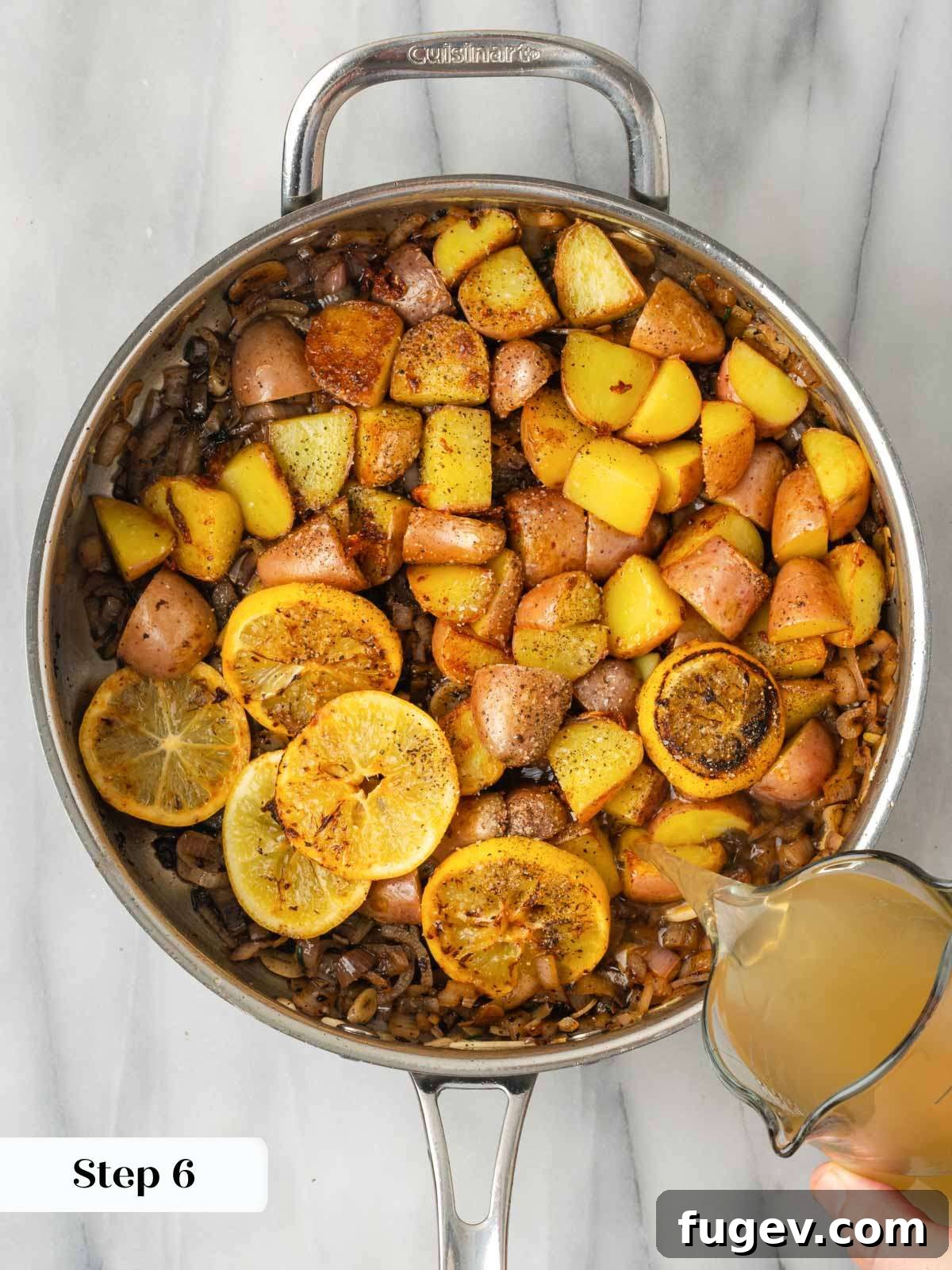
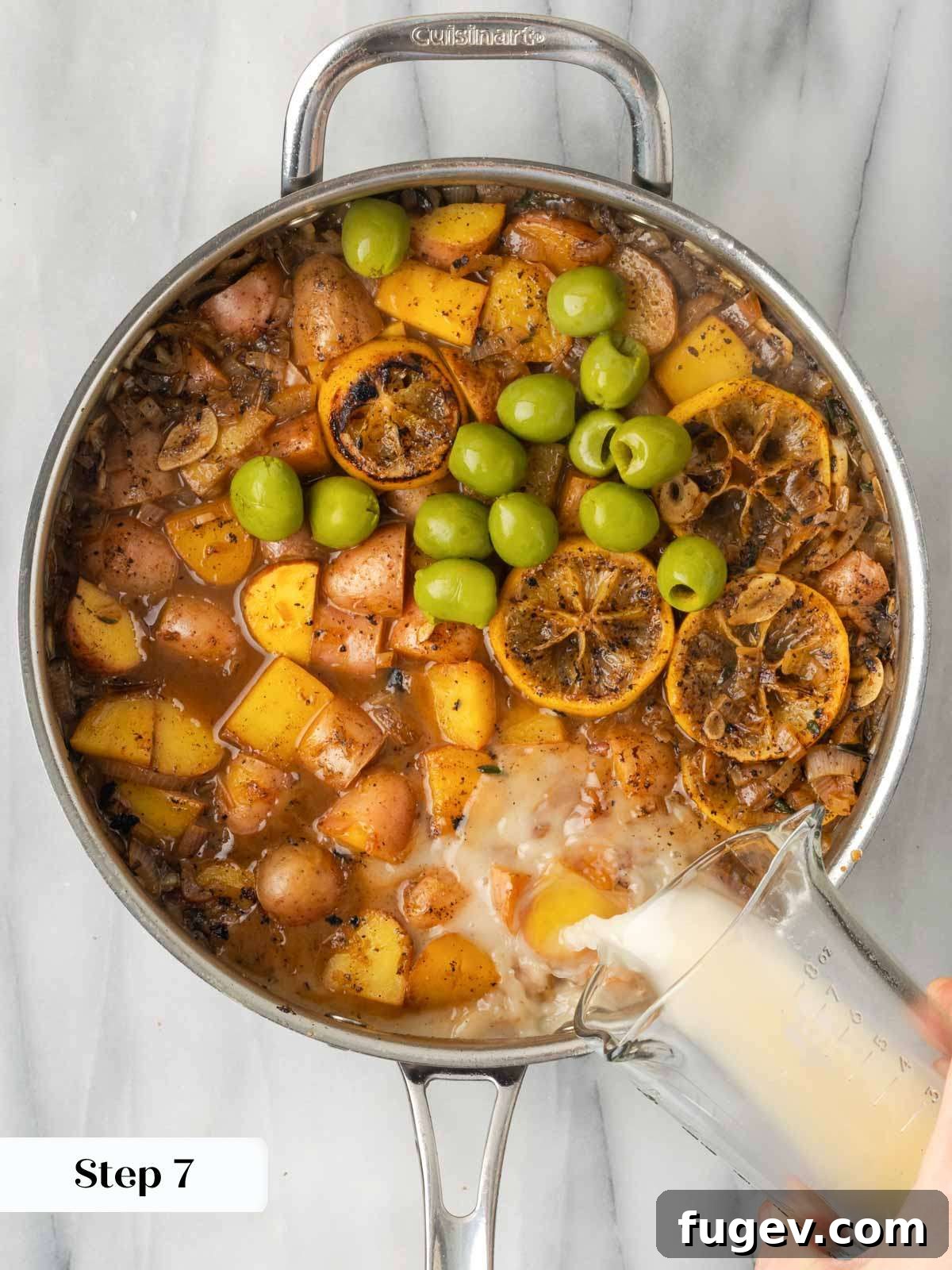
Step 7: Thicken the Luscious Sauce to Perfection
In a small, separate bowl, combine the remaining 1/3 cup of chicken stock with the cornstarch (or arrowroot powder). Whisk these two ingredients vigorously until no lumps remain and a perfectly smooth, milky slurry forms. Pour this cornstarch mixture directly into the simmering pan. If you’ve chosen to include them, add the pitted Castelvetrano olives at this point. Bring the entire sauce mixture to a gentle boil, stirring occasionally to ensure even thickening. Allow it to cook for approximately 1 minute; you’ll observe the sauce visibly thickening and transforming into a luxurious, cohesive consistency that beautifully coats the back of a spoon.
Pro Tip: Adapting to Potato Tenderness Occasionally, depending on the specific type and size of potatoes, as well as the heat intensity, potatoes might require a bit longer to cook through, sometimes up to 20-25 minutes. If your potatoes are taking extended time to become tender, you may need to add a small amount of additional stock and continue simmering. In such instances, the sauce might naturally reduce and thicken enough on its own, eliminating the need to add the cornstarch slurry entirely. Always taste, observe, and adjust as you go to achieve the best results!
Step 8: Finish with Butter, Lemon, and Fresh Herbs – Then Serve!
Remove the pan from the heat to finish the sauce. Stir in the fresh Meyer lemon juice (or regular lemon juice), the optional teaspoon of sugar (if you are using regular, more tart lemons), and the two tablespoons of unsalted butter. Continue stirring gently until the butter has completely melted and is fully incorporated, creating a glossy, rich, and incredibly flavorful lemon-butter sauce. Carefully return the rested chicken pieces to the pan, nestling them among the tender potatoes and ensuring they are generously coated with the vibrant sauce. Finally, sprinkle the entire dish generously with fresh parsley leaves for a final burst of color, fresh aroma, and herbaceous brightness. Serve this delightful one-pan lemon chicken immediately and prepare to savor every exquisite bite!
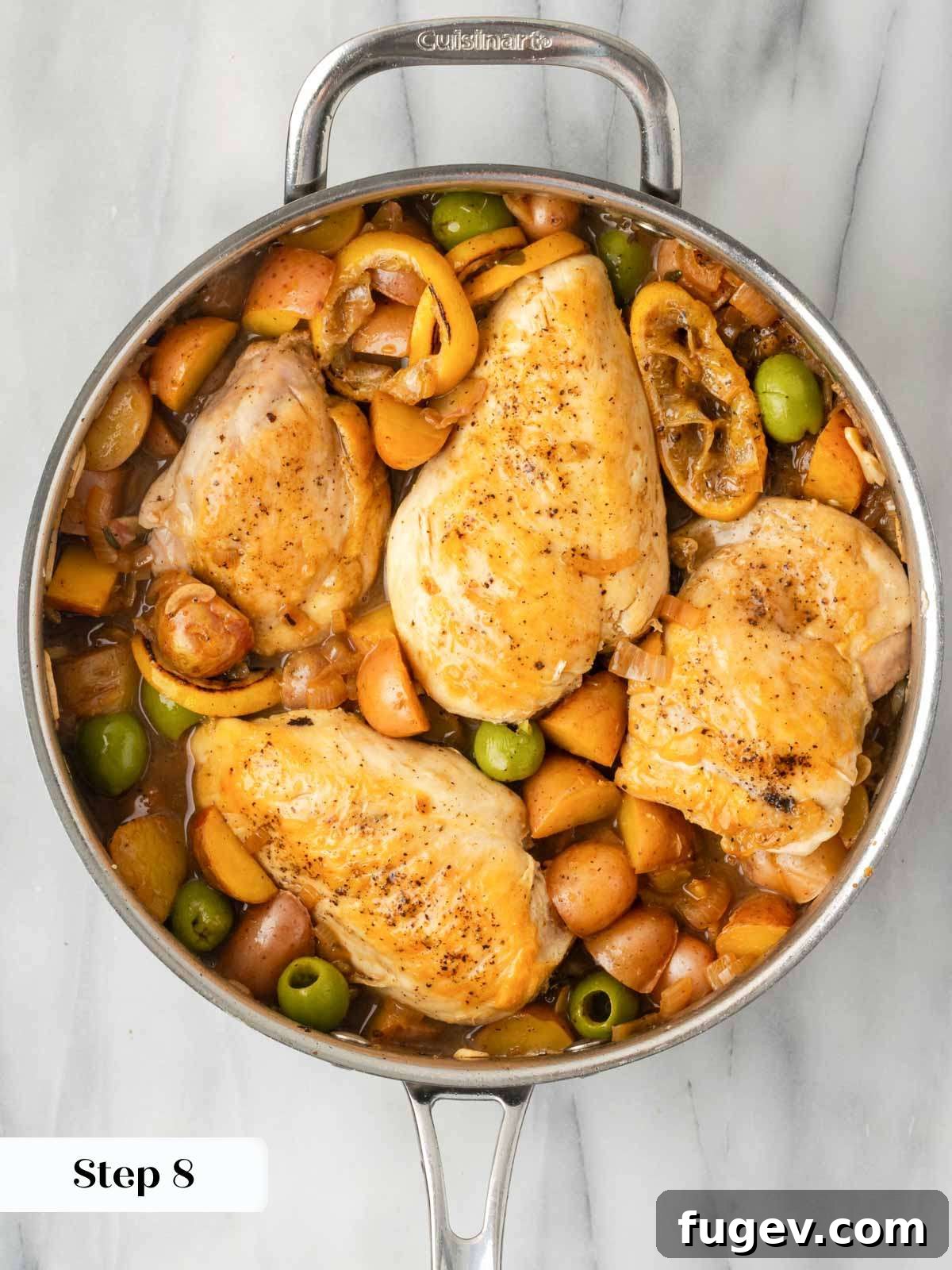
Chef’s Final Touch: Preserving Herb Freshness Always remember this golden rule: add delicate fresh herbs like parsley, dill, or basil at the very end of your cooking process, just before serving. This crucial technique preserves their vibrant color, ensures their fresh, bright aroma is at its peak, and maintains their delicate texture, guaranteeing they contribute their absolute best to the finished dish.
Chef Lindsey’s Expert Tip: The Magic of Fond and Deglazing for Rich Flavor
One of the true secrets to building incredible depth and complexity of flavor in pan sauces, like our exquisite lemon-butter sauce, is understanding and masterfully utilizing “fond.” Fond refers to those delectable, caramelized brown bits that naturally stick to the bottom of your pan after you’ve seared meats or vegetables. Far from being burnt residue, these bits are concentrated flavor powerhouses, packed with savory goodness!
The culinary technique of deglazing involves adding a liquid—such as wine or chicken stock, as we do in this recipe—to a hot pan after searing. You then gently but firmly scrape up these precious fond bits with a wooden spoon or a spatula. As the liquid simmers, these highly flavorful particles dissolve into it, creating an incredibly rich, complex, and deeply savory base for your sauce. Never, ever discard these precious browned bits – they are truly culinary gold and absolutely essential for making a truly outstanding and unforgettable lemon butter sauce!
Frequently Asked Questions About Lemon Chicken
Proper storage is key to extending the deliciousness of your leftovers. Once the lemon butter chicken has cooled completely to room temperature (this is important to prevent condensation), transfer it to an airtight container. It can then be safely stored in the refrigerator for 3-4 days. For longer preservation, you have the option to freeze leftovers for up to 6 months. To freeze, ensure the chicken and potatoes are thoroughly cooled, then place them in a freezer-safe container or a heavy-duty gallon plastic freezer bag, making sure to press out any excess air before sealing to prevent freezer burn.
To reheat your lemon chicken, you have a few excellent options depending on your preference. For a quick reheat, the microwave works well in 30-second intervals until warmed through, but be aware that the chicken skin may lose its original crispness. If you want to revive that desirable crispy chicken skin, gently reheat the chicken thighs (or breasts) in a non-stick pan over medium heat, skin-side down, until the skin turns crisp again and the chicken is heated through. Alternatively, you can reheat the entire dish in a preheated oven at 300°F (150°C) for approximately 15-20 minutes, or until warm, covered with aluminum foil to prevent it from drying out.
Yes, with a thoughtful adjustment! If you plan to prepare this lemon chicken in advance, I recommend cooking it only up to the end of Step 4 in the recipe instructions (searing the chicken and potatoes, then setting them aside). Store the cooked chicken and potatoes separately from the sauce ingredients in airtight containers. When you’re ready to serve, you can then quickly prepare the sauce from Step 5 onwards, and return the pre-cooked chicken and potatoes to the pan to heat through in the fresh sauce. This method ensures that the chicken skin can be re-crisped if desired and prevents the potatoes from becoming overly soft if they sit in the sauce for too long.
Beyond its vibrant and refreshing flavor, lemon plays a significant and multifaceted role in tenderizing chicken. The acidity naturally present in lemon juice acts as a powerful yet gentle tenderizer by beginning to break down the protein fibers in the meat. This results in chicken that is not only more succulent and juicy but also more flavorful, as the lemon helps the meat absorb other seasonings more effectively. Additionally, the lemon provides a beautiful brightness and a clean, refreshing tang that expertly cuts through the richness of the butter and any rendered chicken fat, creating a perfectly balanced dish.
While it’s always best to start with fresh chicken for optimal texture and superior browning, you can certainly use frozen chicken for this recipe. However, it is absolutely crucial to ensure that the chicken is completely thawed in the refrigerator overnight before you begin the cooking process. After thawing, pat the chicken very, very dry with paper towels before seasoning and searing, as any excess moisture will hinder proper browning and can lead to a less desirable texture in your finished dish.
For achieving the best results with this one-pan dish, a heavy-bottomed, oven-safe skillet is absolutely ideal. Cast iron skillets are particularly excellent choices as they excel at achieving a perfect, even sear and retaining heat consistently, which is crucial for uniform cooking. A high-quality stainless steel skillet with an oven-safe handle will also work beautifully, providing good heat distribution. The most important consideration is to ensure your chosen pan is large enough to comfortably hold all the chicken pieces and potatoes in a single layer without overcrowding, allowing for proper browning and cooking.
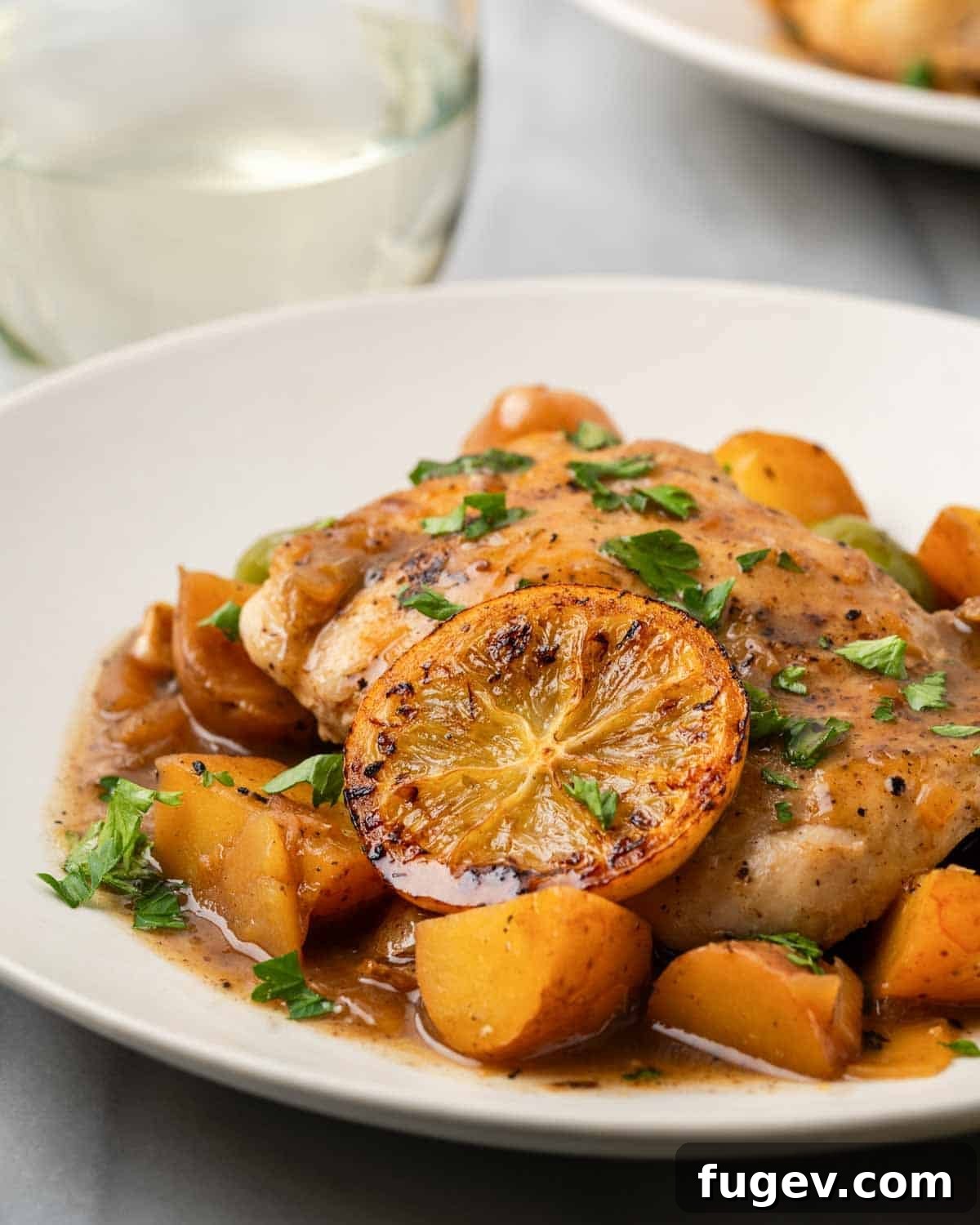
If you’ve tried and absolutely loved this professional chef-tested lemon chicken recipe, please consider showing your appreciation by leaving a ⭐ star rating and sharing your delightful experience in the comments section below. Your feedback truly brightens my day and provides invaluable insights and encouragement to other home cooks in our community!
Lemon Chicken
Chef Lindsey
30 minutes
30 minutes
1 hour
4
people
Comment
Print Recipe
Ingredients
- 2 chicken breasts bone-in or boneless
- 2 chicken thighs bone-in or boneless
- 1 teaspoon kosher salt divided
- ¾ teaspoon black pepper divided
- cooking spray
- 2 tablespoons olive oil divided
- 1 pound small red potatoes quartered
- 1 Meyer lemon cut into ¼-inch-thick slices and seeded
- 1 cup shallots chopped
- 4 garlic cloves thinly sliced (or diced)
- ½ cup dry white wine
- ½ teaspoon thyme leaves
- 1 cup unsalted chicken stock
- 1 teaspoon cornstarch or arrowroot
- 2 oz Castelvetrano olives pitted (optional)
- 2 tablespoons Meyer lemon juice
- 1 teaspoon sugar (if using regular lemons)
- 2 tablespoons unsalted butter
- 1 tablespoon fresh parsley leaves chopped
Instructions
-
Preheat oven to 400°F (200°C). Season chicken with ½ teaspoon salt and ½ teaspoon black pepper on both sides.
-
Heat a small amount of canola oil or cooking spray in a large oven-safe pan over medium-high heat until just smoking. Add chicken pieces, skin side down; cook for 6 minutes or until crisp and golden brown. Turn chicken over. Transfer pan to oven; bake at 400°F (200°C) for 12-15 minutes or until internal temperature reaches 165°F (74°C).
-
Remove chicken from pan; loosely tent with foil. Discard pan drippings. Add 1 tablespoon olive oil to the pan, then add quartered potatoes and sprinkle with ¼ teaspoon salt. Cook over medium heat for 3 minutes per side or until browned. Remove potatoes. Add lemon slices to pan; cook 1 minute per side or until browned. Remove lemon.
-
Add remaining 1 tablespoon olive oil, then add chopped shallots and sliced garlic; sauté 2 minutes, stirring to prevent burning. Add ½ cup dry white wine and ½ teaspoon fresh thyme; cook 1 minute or until liquid almost evaporates, scraping the pan to loosen browned bits. Return potatoes and lemon slices to the pan. Add 2/3 cup chicken stock, remaining ¼ teaspoon salt, and remaining ¼ teaspoon pepper; cover and cook for 10-12 minutes until potatoes are tender.
-
Combine remaining 1/3 cup stock and cornstarch, whisking until smooth. Add cornstarch mixture and pitted Castelvetrano olives (if using) to the pan; bring to a boil. Cook for 1 minute, stirring occasionally.
-
Stir in 2 tablespoons Meyer lemon juice (and 1 teaspoon sugar if using regular lemons) and 2 tablespoons unsalted butter, stirring until butter melts. Return chicken to the pan, coating it in the sauce. Sprinkle with 1 tablespoon fresh parsley leaves. Serve immediately and enjoy!
Notes
Flavor Tips – The dark bits that get stuck to the bottom of the pan when you are browning chicken are called fond. When you deglaze a pan, or add a liquid to loosen these bits and incorporate them into a sauce, you add lots of delicious, deep flavor to your final dish!
Variations – Marinade: For more lemon flavor, you can use a lemon chicken marinade of olive oil, lemon juice, garlic, and fresh herbs. Be sure to pat the chicken dry before browning. Don’t marinate for more than 30 minutes or the chicken will not be as moist when cooking.
Storage – Leftover lemon butter chicken can be stored in an airtight container in the fridge for 3-4 days. You can freeze leftovers for up to 6 months. Let them cool completely, then transfer them to a freezer-safe container.
Nutrition
Dinner
American
566
Like this? Leave a comment below!
Before You Go: Explore More Chef-Tested Chicken Recipes!
I sincerely hope you savored every delightful bite of this professional chef-tested one-pan lemon chicken recipe. It stands as a testament to how simple, high-quality ingredients, when combined with thoughtful techniques, can culminate in an extraordinary and memorable meal that will impress both family and guests.
If you’re eager to expand your culinary repertoire further and discover new ways to enjoy chicken, I warmly invite you to explore our extensive and ever-growing collection of other delicious, chef-developed chicken recipes. From quick and easy weeknight solutions designed to save you time, to impressive and elegant dishes perfect for entertaining, you’ll find an abundance of inspiration to keep your kitchen exciting and your family well-fed with wholesome, flavorful meals. Happy cooking, and may your culinary adventures be filled with joy and delicious discoveries!