
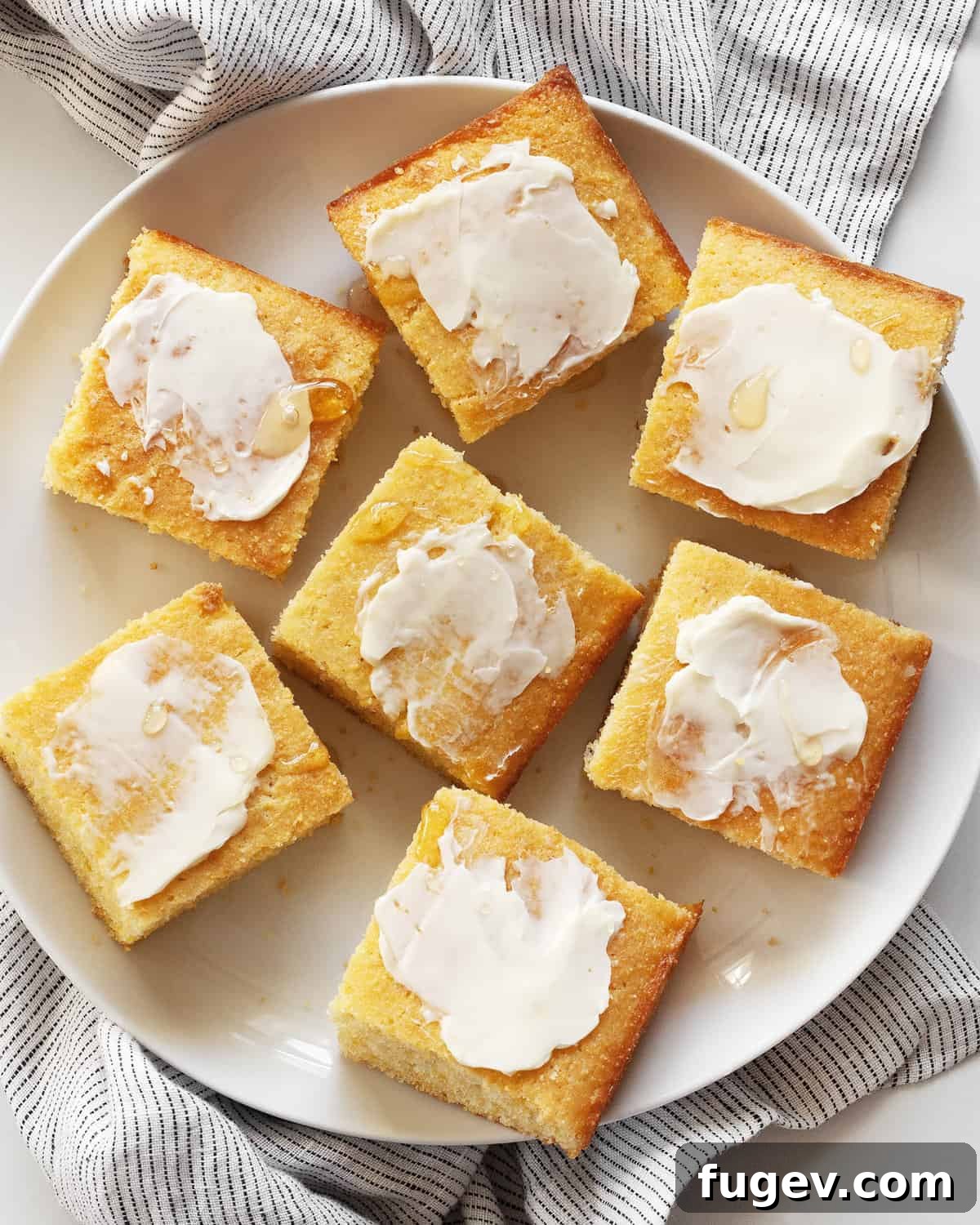
The Best Buttermilk Cornbread: A Classic Recipe for Every Home
Every home cook deserves a reliable and truly great buttermilk cornbread recipe in their repertoire. This isn’t just any cornbread; it’s the culmination of countless baking experiments, meticulously crafted to achieve the perfect harmony of rich, buttery corn flavor, a wonderfully moist crumb, and just the right whisper of sweetness. Designed for ease and maximum deliciousness, this recipe uses simple, accessible ingredients and comes together in a snap, baking to a beautiful golden-brown perfection in just over 20 minutes in a standard square baking pan. It’s the quintessential side dish that promises to elevate any meal from casual weeknights to festive holiday gatherings.
Beyond enjoying it as a classic accompaniment, this versatile cornbread batter can also be transformed into delightful cornbread muffins, perhaps with a scattering of fresh corn kernels for added texture and sweetness. And don’t let any precious leftovers go to waste; they make fantastic, flavorful cornbread croutons, perfect for topping salads or soups.
Table of Contents
- Why You’ll Adore This Recipe
- The Essential Ingredients
- How To Make The Best Buttermilk Cornbread (Step-by-Step)
- Perfect Pairings: What To Serve with Cornbread
- Storage, Freezing, & Reheating Tips
- Expert Baking Tips for Cornbread Success
- Frequently Asked Questions (FAQs)
- Best Buttermilk Cornbread Recipe Card
Why You’ll Adore This Recipe
This buttermilk cornbread isn’t just another side dish; it’s a culinary experience waiting to happen. Here’s why this particular recipe will quickly become a cherished favorite in your kitchen:
- Effortlessly Simple to Prepare: Forget the stand mixer and complicated steps. This recipe celebrates simplicity, requiring nothing more than a few bowls and a spoon. The batter is designed for easy hand-mixing, ensuring a tender crumb without the risk of over-developing gluten, which can lead to tough cornbread. It’s perfect for beginner bakers and seasoned pros alike who appreciate quick, delicious results.
- Achieves the Ideal Balance of Flavor and Texture: Cornbread traditions vary widely, from the savory, often sugar-free versions found in the Deep South to the sweeter, cake-like varieties popular in other regions. Our recipe strikes a beautiful middle ground. It incorporates just enough granulated sugar to enhance the natural sweetness of the cornmeal and the richness of the butter, without venturing into dessert territory. The result is a moist, tender, yet distinctly corny bread that appeals to all palates.
- The Secret to Supreme Moisture and Flavor: Many cornbread recipes use either oil or butter. We employ both for the ultimate outcome. Vegetable oil contributes significantly to the cornbread’s moistness and delicate crumb, preventing it from drying out. Meanwhile, melted butter infuses every bite with a deep, irresistible buttery flavor that truly makes this cornbread shine. This thoughtful combination ensures a rich taste and a wonderfully palatable texture.
- A Universal Crowd-Pleaser and Versatile Companion: It might not be scientifically proven, but the excitement people show when a fresh batch of homemade cornbread appears on the table is undeniable! This from-scratch cornbread is not only incredibly easy to bake but also incredibly versatile. It’s the perfect partner for robust barbecue dishes, hearty chilis, comforting soups, and stews. It’s also an absolute must-have at any Thanksgiving table, adding a touch of rustic charm and comforting flavor that complements all the holiday fixings.
The Essential Ingredients for Perfect Buttermilk Cornbread
Crafting the best buttermilk cornbread starts with selecting the right ingredients. Here’s a closer look at what you’ll need and why each component is crucial:
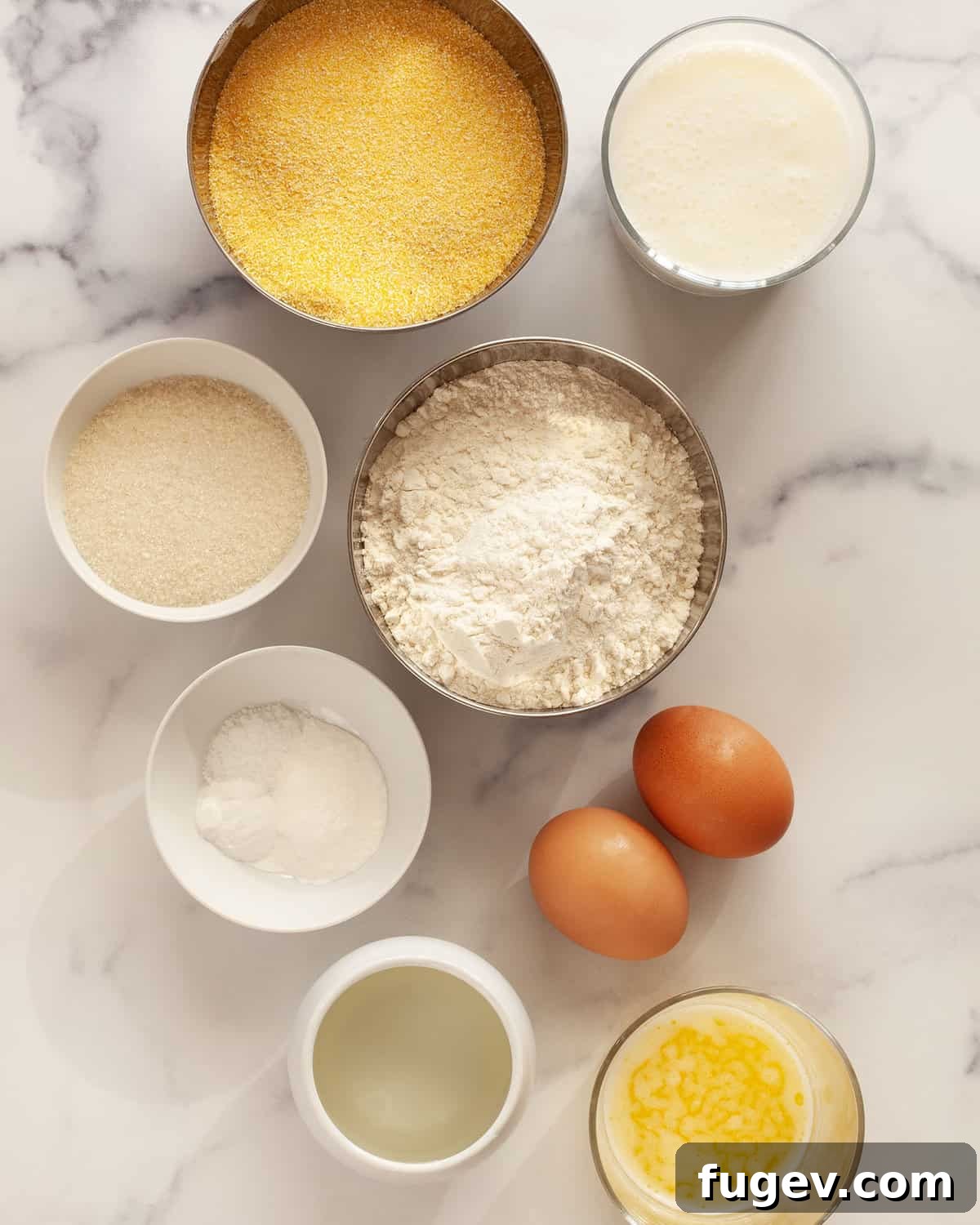
This is what you need to gather for your perfect batch:
- All-Purpose Flour: The recipe calls for standard all-purpose flour, which provides structure to the cornbread. It helps to lighten the texture, preventing the cornbread from becoming too crumbly or dense, and ensures a tender, appealing bite.
- Cornmeal: The heart and soul of cornbread! You have a choice between medium grind and fine grind cornmeal. Medium grind cornmeal will impart a more rustic, textured bite and a pronounced corn flavor. Fine grind, on the other hand, will result in a slightly denser, smoother crumb. Both work beautifully, so choose based on your preferred texture.
- Granulated Sugar: While some traditional Southern cornbread recipes omit sugar entirely, a touch of granulated sugar in this recipe truly enhances and brings out the natural sweetness of the corn and the rich flavor of the butter. We use only 1/4 cup to achieve a subtle sweetness that complements savory dishes without making the cornbread overly sweet or cake-like.
- Baking Powder & Baking Soda: These are your crucial leavening agents. Baking powder provides the initial lift, while baking soda reacts with the acidity of the buttermilk, creating carbon dioxide bubbles that expand during baking. This dynamic duo ensures your cornbread rises beautifully, resulting in a light and airy texture.
- Kosher Salt: Essential for seasoning the batter, salt balances the flavors, highlights the sweetness of the corn, and ensures the cornbread isn’t bland. Don’t skip it!
- Buttermilk: The star ingredient that lends its name to the dish! Buttermilk is distinctly tart and acidic, which not only tenderizes the crumb but also reacts with the baking soda to create a wonderfully light texture and a slight tang. Traditionally, it’s the fermented liquid left over after churning butter, but cultured buttermilk is widely available and performs perfectly in this recipe.
- Large Eggs: This recipe requires 2 large eggs. Eggs bind the ingredients together, add richness, and contribute to the cornbread’s overall structure and moisture. For optimal blending with the other wet ingredients, it’s best to let them come to room temperature before mixing.
- Vegetable Oil: Oils like canola or sunflower oil are excellent choices. Vegetable oil helps keep the cornbread incredibly moist and contributes to a delicate, tender crumb, ensuring it doesn’t dry out quickly.
- Unsalted Butter: To complement the vegetable oil, an equal amount of unsalted butter is melted and incorporated. As mentioned, this balance of butter and oil is key: oil for moisture and tenderness, butter for unparalleled flavor and a rich, golden hue. Using unsalted butter allows you to control the total salt content in the recipe.
How To Make The Best Buttermilk Cornbread (Step-by-Step)
Creating this delicious buttermilk cornbread is a straightforward process that yields fantastic results. Follow these simple steps for a perfect batch every time:
Step 1: Prepare Your Oven and Pan. Preheat your oven to 400 degrees F (200 degrees C). Grease a 9-inch square baking pan generously with non-stick cooking spray, then line it with parchment paper, leaving an overhang on two sides to easily lift the cornbread out later. This ensures no sticking and easy removal.
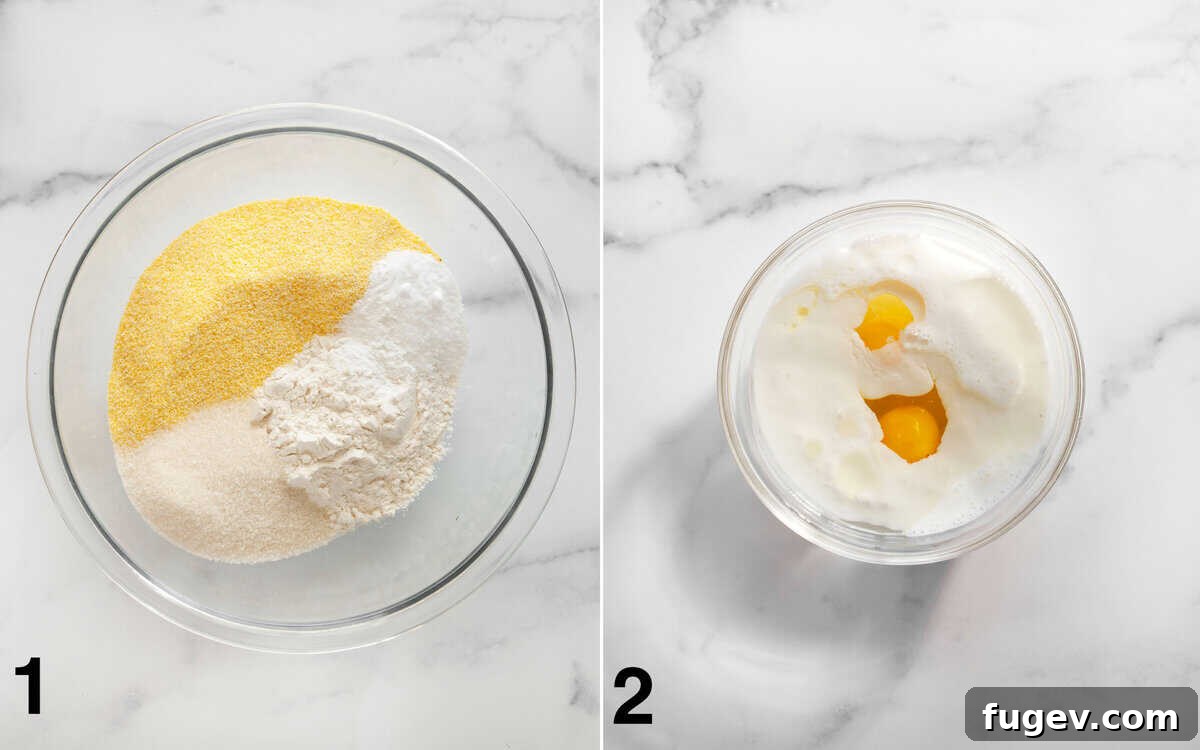
1. Combine the Dry Ingredients. In a large mixing bowl, whisk together the all-purpose flour, cornmeal, granulated sugar, baking powder, baking soda, and kosher salt. Ensure they are thoroughly combined to distribute the leavening agents evenly.
2. Whisk the Wet Ingredients. In a separate medium bowl, whisk together the room temperature buttermilk, large eggs, and vegetable oil. Whisk until the mixture is smooth and well-incorporated.
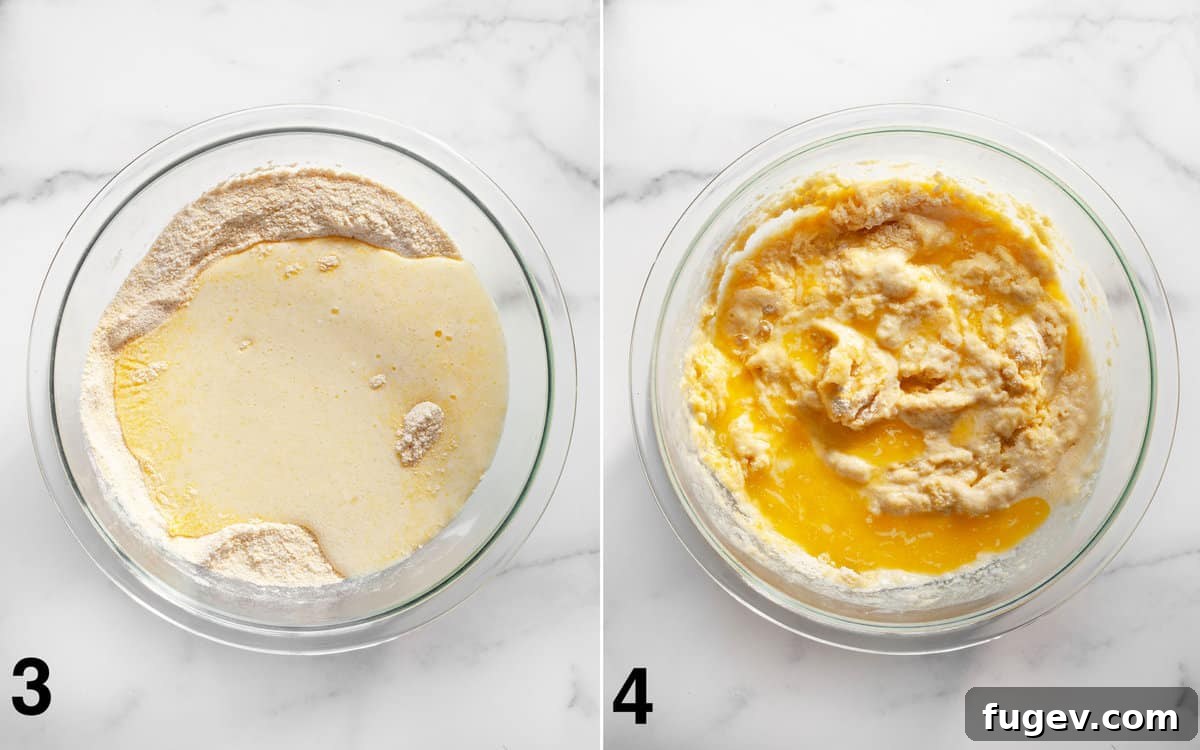
3. Gently Fold Wet into Dry. Pour the wet ingredients into the bowl with the dry ingredients. Using a spoon or spatula, gently fold them together. Mix just until they are almost combined, but you can still see a few streaks of the dry flour-cornmeal mixture. Over-mixing at this stage can lead to a tough cornbread.
4. Incorporate Melted Butter. Slowly and carefully stir in the melted and cooled unsalted butter. Continue mixing gently until the batter is just combined and no visible streaks of dry ingredients remain. The key here is not to overmix; stop as soon as everything is incorporated to maintain a tender crumb.
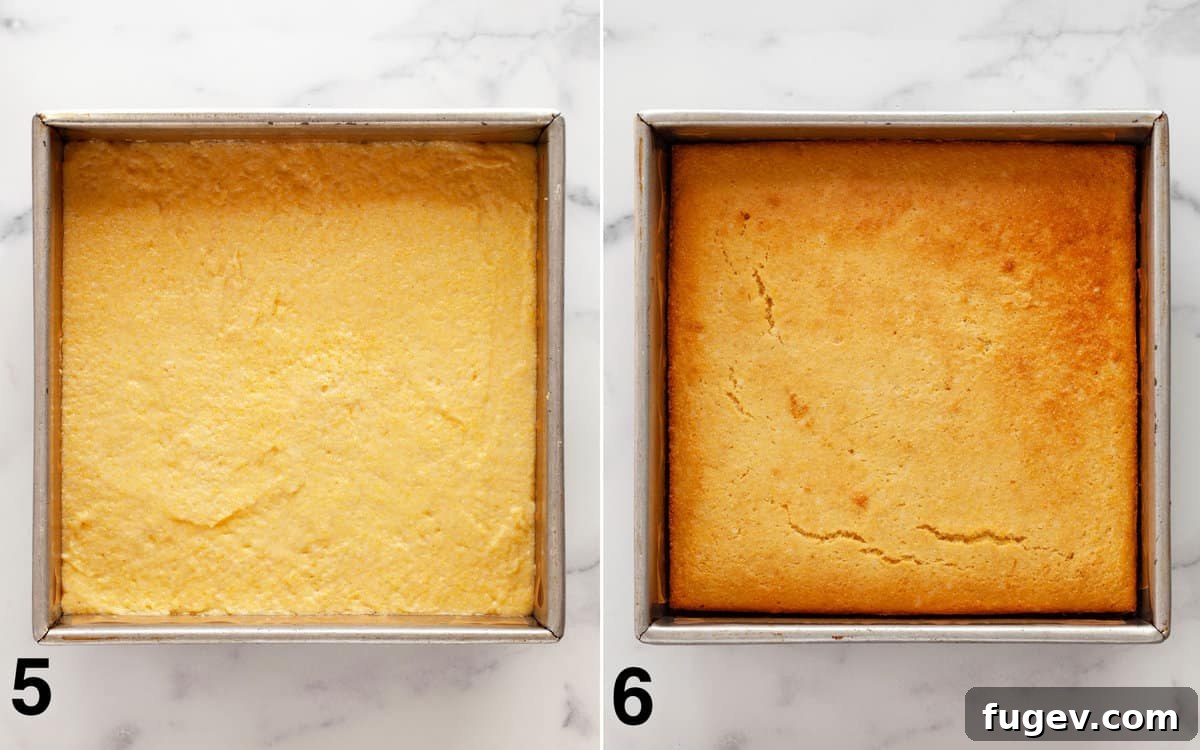
5. Pour into the Pan. Transfer the batter into your prepared 9-inch square baking pan, spreading it evenly with your spatula.
6. Bake to Golden Perfection. Place the pan in the preheated oven and bake for 20-22 minutes. The cornbread is ready when its top is beautifully golden brown, the edges have started to pull away from the sides of the pan, and if you gently press the center with your finger, it springs back. A few natural cracks on the surface are also a good indicator of doneness.
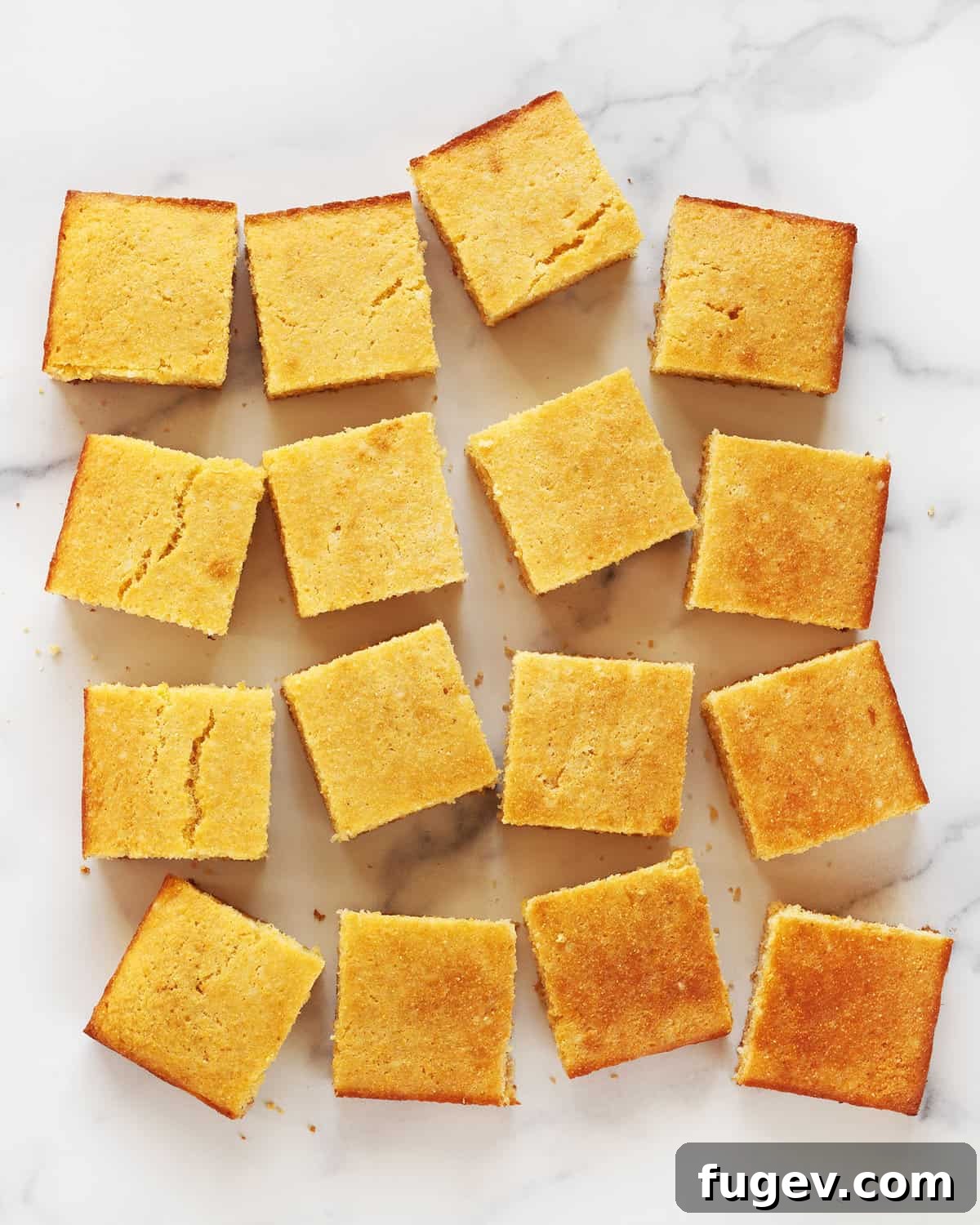
7. Cool Before Slicing. Once baked, remove the cornbread from the oven and let it cool in the pan for about 10 minutes before lifting it out using the parchment paper overhang. This cooling period allows the cornbread to set, making it easier to cut into clean squares without crumbling. Serve warm or at room temperature.
Perfect Pairings: What To Serve with Cornbread
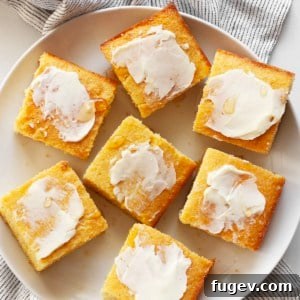
One of the many joys of cornbread is its incredible versatility. Whether you prefer it slathered with softened butter, drizzled with golden honey, a combination of both, or simply plain, it’s always a satisfying treat. This buttermilk cornbread is an exceptional companion to a wide array of dishes, making it suitable for almost any meal of the day.
Classic Comfort Food Pairings:
- Hearty Chilis: Cornbread and chili are a match made in culinary heaven. The subtle sweetness and tender crumb of the cornbread perfectly complement the rich, spicy flavors of chili. Try it with:
- Black Bean Chili
- Three Bean Chili
- Pumpkin Chili
- Vegan Poblano White Bean Chili
- Quinoa Chili
- Soups and Stews: From creamy tomato soup to robust beef stew, cornbread is ideal for soaking up every last drop of flavorful broth. Its rustic charm adds a comforting touch to any bowl.
- Barbecue Delights: No barbecue spread is complete without a side of cornbread. Its slight sweetness and texture provide a wonderful contrast to smoky, savory barbecue meats. Fantastic with:
- Chile Verde with White Beans
- Barbecue Veggie Tofu Skewers
- Dry Rubbed Turkey (an amazing addition to your Thanksgiving feast!)
- Southern Staples: Enjoy cornbread alongside traditional Southern dishes like collard greens, black-eyed peas, or fried chicken for an authentic, satisfying meal.
Unexpectedly Delicious Pairings:
Don’t limit cornbread to just hot, savory dishes. It’s also surprisingly wonderful with fresh, crisp salads, adding a delightful texture and a hint of warmth:
- Fall Harvest Salad
- Mexican Chopped Salad
- Kale Apple Salad
- Shaved Brussels Sprout Salad
- Roasted Corn Salad
Breakfast & Brunch Ideas:
While often thought of for dinner, cornbread makes a fantastic breakfast or brunch item. Serve it with a dollop of jam, a fried egg, or even crumble it over yogurt with some berries for a unique twist!
Storage, Freezing, & Reheating Tips for Cornbread
While buttermilk cornbread is undoubtedly at its peak when enjoyed warm, fresh from the oven, you can certainly preserve its deliciousness for later. Here’s how to properly store, freeze, and reheat your homemade cornbread:
- Immediate Enjoyment: For the best flavor and texture, aim to consume your cornbread warm on the very day it’s baked. The edges will be perfectly crisp, and the interior wonderfully moist.
- Room Temperature Storage: If you have leftovers, allow the cornbread to cool completely to room temperature before storing. Place it in an airtight container or wrap it tightly in plastic wrap. It will stay fresh and delicious at room temperature for up to 2 days. Keeping it airtight is crucial to prevent it from drying out.
- Extended Storage (Freezing): For longer storage, freezing is an excellent option. Once the cornbread has fully cooled, wrap individual pieces or the entire block tightly in plastic wrap, then again in aluminum foil. Place the well-wrapped cornbread into a freezer-safe bag or airtight container. It can be stored in the freezer for up to 2-3 months without significant loss of quality.
- Reheating from Frozen: When you’re ready to enjoy your frozen cornbread, first let it thaw at room temperature for a few hours, or overnight in the refrigerator. Once thawed, place the cornbread on a sheet pan. To prevent it from drying out, cover it loosely with aluminum foil. Reheat in a preheated 350-degree F (175-degree C) oven until it is thoroughly warm, typically about 10-15 minutes for a full block or less for individual slices. This gentle reheating method helps restore its original warmth and moisture.
- Reheating from Refrigerated: If your cornbread has been refrigerated, you can also warm it gently in the microwave for 30-60 seconds, or in a 350°F oven for about 5-7 minutes, until warm through.
Expert Baking Tips for Cornbread Success
Achieving perfectly moist and flavorful buttermilk cornbread is simple with these expert tips and tricks:
- Ensure Room Temperature Ingredients: This is a golden rule for many baking recipes, and cornbread is no exception. Make sure your buttermilk and eggs are at room temperature. Ingredients at a similar temperature emulsify and mix together much more smoothly and evenly, creating a uniform batter and a finer, more tender crumb in your finished cornbread.
- The Golden Rule: Do Not Over-Mix the Batter! This is perhaps the most critical tip for tender cornbread. Over-mixing develops the gluten in the flour, leading to a dense, tough, and chewy texture, and can even create undesirable “tunnels” within the cornbread. Stir gently, folding the ingredients together until they are *just* combined. A few lumps are perfectly fine and often preferred.
- Melt Butter Carefully: When melting butter, whether in a saucepan or microwave, avoid boiling it. Overheated butter can separate and affect the final texture. If using a microwave, melt it in short, controlled bursts (e.g., 15-20 seconds at a time), stirring in between. Once mostly melted, remove it and stir until any remaining solid chunks dissolve. This also allows the butter to cool slightly faster, ensuring it’s not too hot when you incorporate it into the batter.
- Cut Only What You Plan to Eat: Cornbread, like many quick breads, can dry out once cut. Each exposed edge allows moisture to escape. To keep your leftovers as fresh and moist as possible, only slice the amount of cornbread you intend to serve and consume in one sitting. Tightly wrap any remaining uncut portions in plastic wrap or store them in an airtight container.
- Consider Your Pan: While a 9-inch square baking pan works beautifully, a well-seasoned cast iron skillet (9 or 10-inch) can also be used. Cast iron imparts an incredibly crisp, golden crust that many cornbread enthusiasts adore. Just ensure it’s properly greased and preheated if using.
- Check Your Leavening Agents: Baking powder and baking soda lose their potency over time. To ensure your cornbread rises properly, check the freshness of your leavening agents. You can test baking powder by adding a teaspoon to a half cup of hot water (it should fizz vigorously). For baking soda, add a quarter teaspoon to a tablespoon of vinegar (it should also fizz).
Frequently Asked Questions (FAQs) About Buttermilk Cornbread
While you technically can use regular milk, we highly recommend sticking with buttermilk. Its distinct acidity is crucial for reacting with the baking soda to create that signature tender, moist crumb and a wonderfully tangy flavor that defines classic buttermilk cornbread. It truly makes a noticeable difference in both taste and texture.
Yes, there’s an easy homemade substitute! To make “soured” milk that mimics buttermilk, simply mix 1 tablespoon of white vinegar or fresh lemon juice into 1 cup of regular milk (dairy or non-dairy). Stir it really well and let it sit for 5-10 minutes until it slightly curdles. Use this mixture in place of the buttermilk called for in the recipe.
Absolutely! This versatile batter is perfect for corn muffins. Simply grease a standard 12-cup muffin pan with non-stick cooking spray or line it with paper liners. Fill the muffin cups about two-thirds full. The baking time will be slightly shorter; typically, they will bake in 18-20 minutes, or until golden brown and a toothpick inserted into the center comes out clean.
Definitely! Cornbread is fantastic with various additions. Some popular choices include fresh or canned corn kernels (drained), shredded cheese (cheddar or Monterey Jack are great), chopped jalapeños (fresh or pickled for a spicy kick), or even cooked and crumbled bacon. Fold them in gently with the wet ingredients before adding the melted butter.
Both yellow and white cornmeal work well in this recipe. Yellow cornmeal will give your cornbread a richer, more golden color and a slightly more pronounced corn flavor. White cornmeal tends to produce a paler cornbread with a milder, sweeter corn taste. The choice is largely a matter of personal preference and regional tradition.
Best Buttermilk Cornbread
Paige Adams
10 minutes
22 minutes
32 minutes
16
Print Recipe
Ingredients
- Non-stick cooking spray
- 1-1/4 cup all-purpose flour
- 1 cup cornmeal (medium or fine grind)
- 1/4 cup granulated sugar
- 2 teaspoons baking powder
- 1/2 teaspoon baking soda
- 1 teaspoon kosher salt
- 1 cup buttermilk at room temperature
- 2 large eggs at room temperature
- 1/4 cup vegetable oil (such as canola or sunflower oil)
- 1/4 cup unsalted butter, melted and cooled slightly
Instructions
-
Preheat your oven to 400 degrees F (200°C). Prepare a 9-inch square baking pan by greasing it with non-stick cooking spray, then lining it with parchment paper, allowing some overhang on two sides for easy removal.
-
In a large bowl, combine the all-purpose flour, cornmeal, granulated sugar, baking powder, baking soda, and kosher salt. Whisk these dry ingredients together thoroughly until well mixed.
-
In a separate medium bowl, whisk together the room temperature buttermilk, large eggs, and vegetable oil until smooth and fully incorporated.
-
Pour the wet ingredients into the dry ingredients. Using a spoon or spatula, gently fold the mixture until they are almost combined. You should still see a few streaks of the dry flour-cornmeal mixture; this prevents over-mixing.
-
Slowly and gently stir in the melted and slightly cooled unsalted butter. Continue mixing just until the batter is combined and no dry spots remain. Be very careful not to over-mix at this stage.
-
Pour the prepared batter evenly into your greased and parchment-lined 9-inch square baking pan.
-
Bake the cornbread for 20-22 minutes, or until it is beautifully golden brown, the edges have started to pull away from the sides of the pan, and the center springs back when lightly pressed.
-
Once baked, remove the cornbread from the oven and let it cool in the pan for 10 minutes before lifting it out using the parchment paper overhang. This allows it to set for cleaner cutting. Serve warm or at room temperature.
Notes
To make corn muffins, simply grease a 12-cup muffin pan and fill cups two-thirds full. Bake for 18-20 minutes at 400°F.
Serve this delicious cornbread with softened butter and/or a drizzle of honey for an irresistible treat.
Cornbread is best enjoyed warm and freshly baked. To store, let it cool completely to room temperature, then keep it in an airtight container for up to 2 days.
To freeze cornbread, wrap it tightly in plastic wrap, then foil, and store in an airtight container. To rewarm, thaw first, then place on a baking sheet, cover with aluminum foil, and reheat in a 350-degree F (175°C) oven until warm (about 10-15 minutes).
Nutrition
Carbohydrates: 19g |
Protein: 3g |
Fat: 8g |
Saturated Fat: 3g |
Polyunsaturated Fat: 2g |
Monounsaturated Fat: 2g |
Trans Fat: 0.1g |
Cholesterol: 30mg |
Sodium: 257mg |
Potassium: 71mg |
Fiber: 1g |
Sugar: 4g |
Vitamin A: 143IU |
Calcium: 53mg |
Iron: 1mg
Nutrition information is automatically calculated and provided as an estimate. It should be used for approximation purposes only.
Additional Info
Quick Breads & Muffins
American
Did you make this recipe?
Share your creation! Mention @lastingredient on Instagram and tag it #lastingredient!