
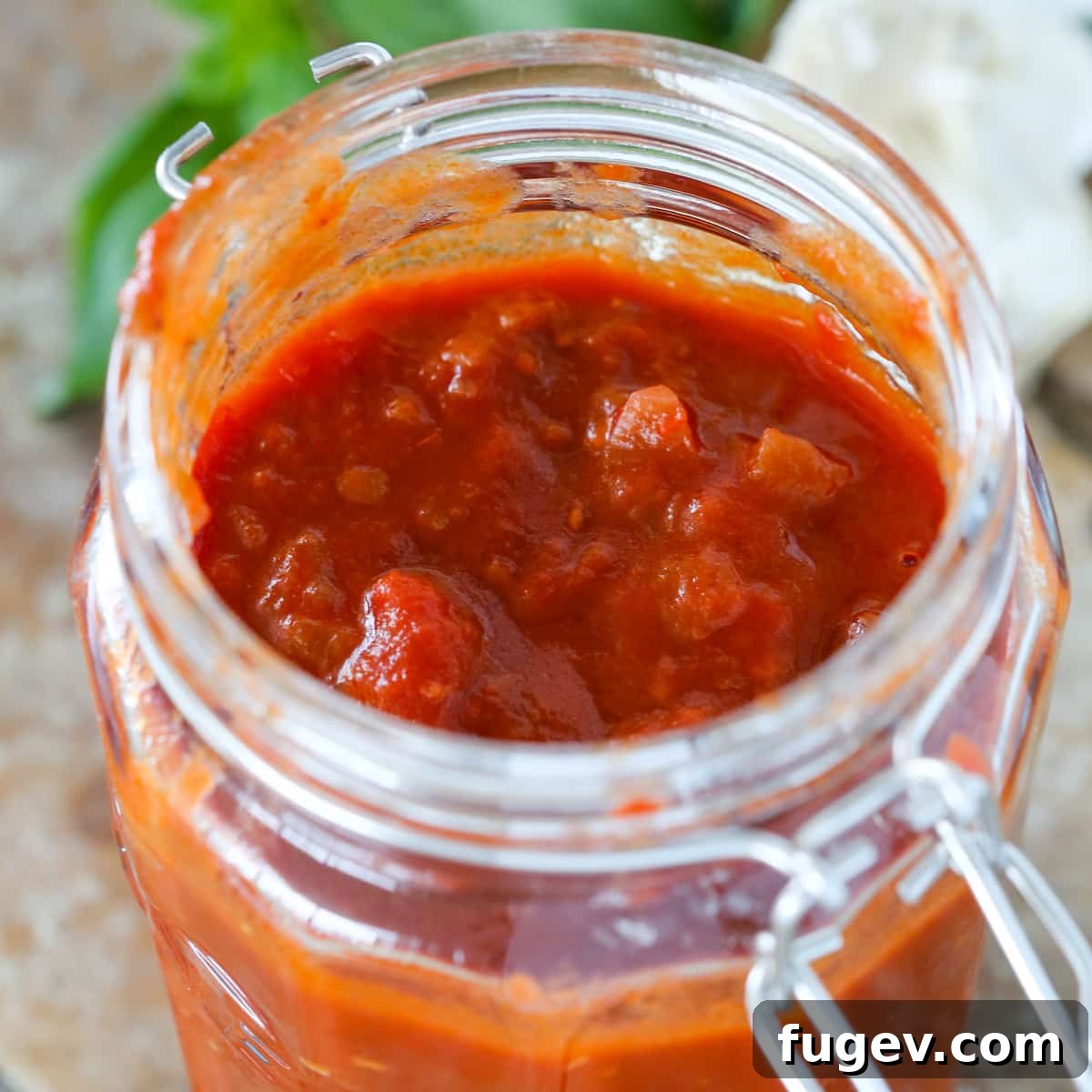
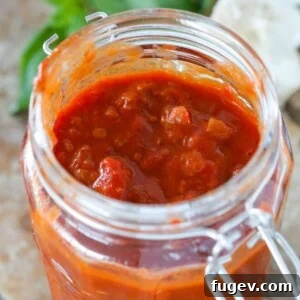
Transform your ordinary pasta night into an extraordinary culinary experience with this exceptional Red Wine Pasta Sauce recipe. A sophisticated twist on traditional marinara, this deeply flavored red sauce offers unparalleled richness and complexity, making it the perfect foundation for any Italian-inspired meal. Prepare to indulge in a truly robust and aromatic homemade sauce that will impress even the most discerning palates.
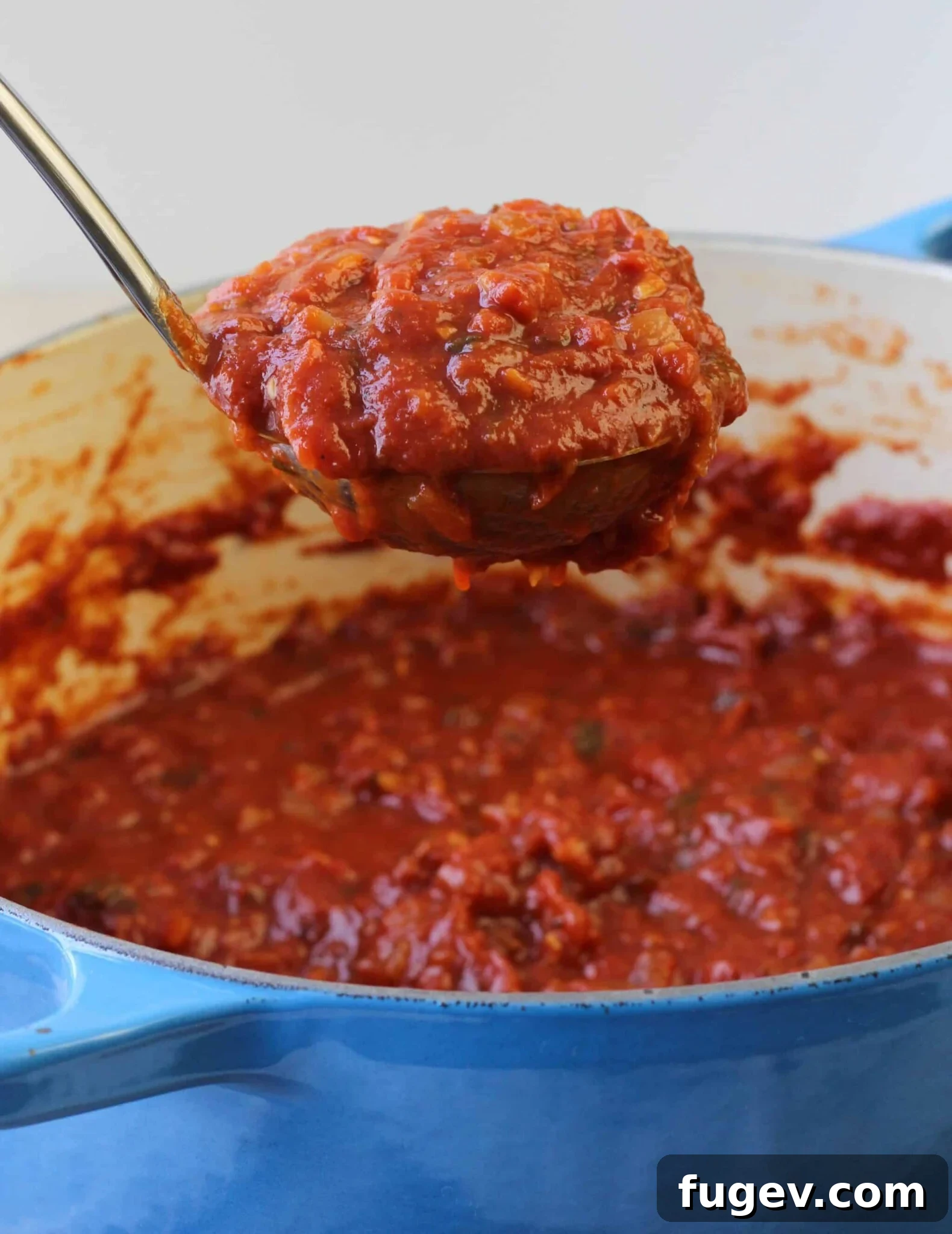
While a classic tomato pasta sauce is always a staple, there are times when you crave something with an added layer of indulgence and sophistication. This red wine variation delivers exactly that. The careful addition of a rich dry red wine introduces an incredible depth of flavor and a nuanced complexity that simply elevates the entire sauce. It’s a beautifully thick, luxurious sauce, bursting with the vibrant aromas of fresh Italian herbs, creating a truly unforgettable taste sensation.
The versatility of this red wine sauce knows no bounds. Use it to craft a hearty and robust lasagna recipe, or lighten things up with a wholesome whole wheat vegetable lasagna. Spoon a generous portion over your favorite pasta, perhaps accompanied by tender ricotta meatballs, or incorporate it into an effortless baked penne pasta or savory stuffed shells with meat. And yes, it’s so good, you might even find yourself enjoying it straight from the pot – no judgment here! No matter how you choose to enjoy it, this red wine pasta sauce promises a truly fabulous culinary experience.
Table of Contents
- Why You Will Love This Red Wine Pasta Sauce
- The Magic of Red Wine in Pasta Sauce
- Professional Tips for Perfect Red Wine Sauce
- Essential Ingredients for Your Sauce
- Exciting Variations to Try
- Step-by-Step Guide to Making Red Wine Pasta Sauce
- Chef Lindsey’s Recipe Tip: Freezing and Storing
- Frequently Asked Questions
- Red Wine Pasta Sauce Recipe Card
- Before You Go
Why You Will Love This Red Wine Pasta Sauce
This Red Wine Pasta Sauce is more than just a recipe; it’s an invitation to savor rich, complex flavors with minimal effort. Here’s why this sauce will become a cherished favorite in your kitchen:
- Unmatched Depth of Flavor: The star of this sauce is, without a doubt, the incredible depth imparted by the red wine. It infuses the tomatoes with a bold, complex, and intensely savory richness that a standard marinara simply can’t achieve. Beyond savoriness, it adds a touch of bright acidity, preventing the sauce from becoming flat and making every bite taste lively and vibrant.
- Surprisingly Easy to Make: Don’t let the long simmer time intimidate you; this is an incredibly straightforward recipe. The bulk of the work involves simple chopping and initial sautéing. Once the ingredients are combined, the sauce largely takes care of itself, requiring only occasional stirring while it slowly develops its profound flavors. It’s the perfect “set it and forget it” recipe for a cozy weekend or a busy week when you want a homemade meal ready at dinnertime.
- Perfect for Batch Cooking and Meal Prep: This recipe is ideal for making a generous batch. Whether you’re hosting a large dinner party, planning meals for the week, or simply want to stock your freezer with delicious homemade sauce, it scales beautifully. Simply adjust the serving size in the recipe card, and you’ll have plenty to enjoy now and later, saving you precious time and effort on future cooking endeavors.
- Elevates Everyday Dishes: This isn’t just a pasta sauce; it’s a gourmet enhancer. Its sophisticated profile elevates simple pasta dishes, lasagna, meatballs, or even chicken and polenta, transforming them into restaurant-quality meals right in your own home.
The Magic of Red Wine in Pasta Sauce
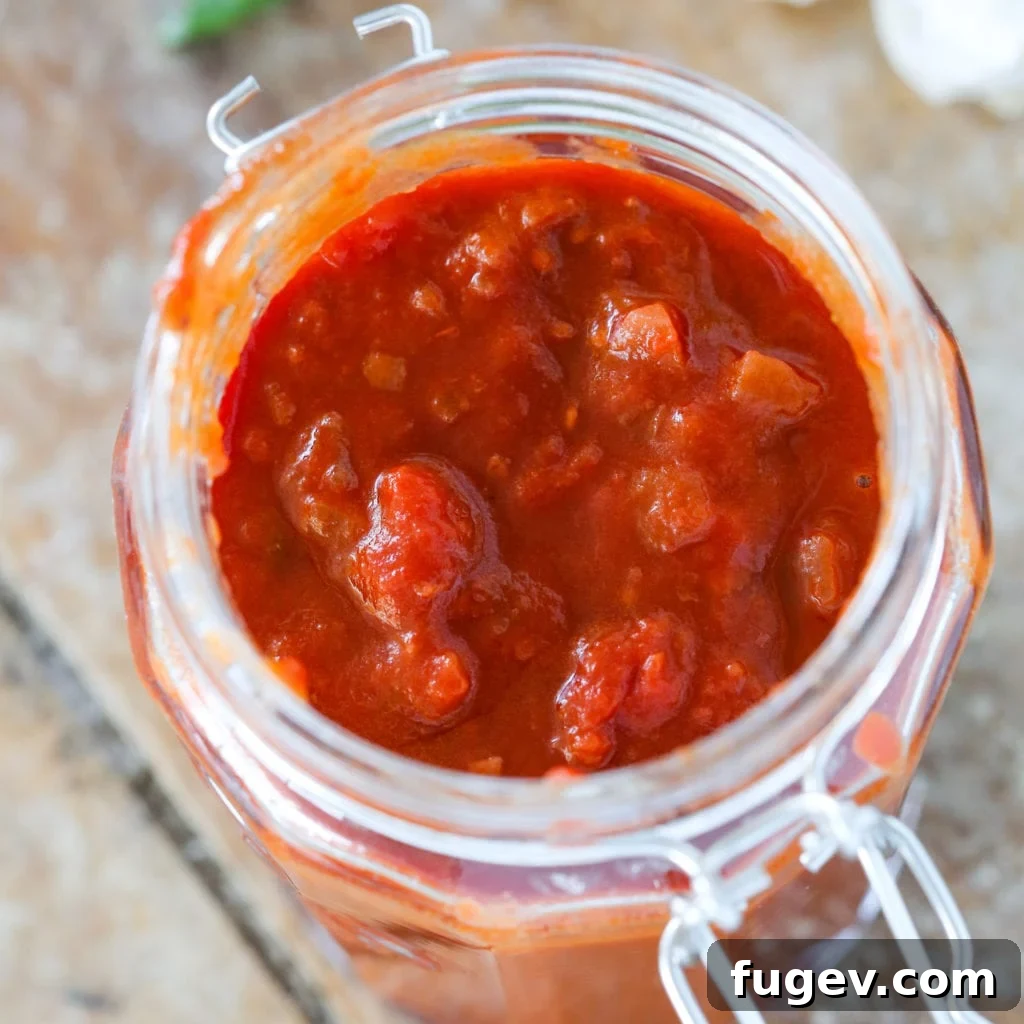
Incorporating red wine into a tomato sauce is a culinary technique prized for centuries, particularly in Italian cuisine. When red wine is slowly simmered with tomatoes and aromatics, several wonderful transformations occur:
- Enhanced Umami: The complex compounds in red wine, especially tannins and organic acids, react with the glutamates in tomatoes, amplifying the overall savory, umami notes of the sauce.
- Layered Flavor Profile: Wine adds its own fruity, earthy, and sometimes spicy characteristics, creating a multi-dimensional flavor that is far more interesting than a plain tomato sauce. As the alcohol evaporates, these subtle notes become concentrated.
- Balancing Acidity: Believe it or not, the wine’s acidity, when properly reduced, can actually help balance the inherent acidity of tomatoes, resulting in a smoother, more harmonious flavor.
- Rich Aroma: The volatile compounds in wine contribute to a more fragrant and inviting aroma as the sauce cooks, filling your kitchen with an irresistible scent.
Professional Tips for Perfect Red Wine Sauce
Achieving a truly exceptional red wine pasta sauce involves a few key techniques. Follow these professional tips to ensure your sauce is bursting with flavor and boasts the perfect consistency:
- Sweat Your Aromatics, Don’t Brown Them: This is a crucial step for building a flavorful base. When sautéing onions and garlic, the goal is to soften them and allow their natural sweetness to develop, not to caramelize or burn them. Keep the heat no higher than medium and be patient. Sweating them slowly releases their aromatic oils, infusing the olive oil with flavor that will permeate the entire sauce. Browning can introduce bitter notes and overwhelm the delicate balance.
- Achieve Your Desired Sauce Thickness: The beauty of a homemade sauce is customizing it to your preference. If you prefer a richer, thicker sauce, remove the lid during the last hour of simmering. This allows excess moisture to evaporate, concentrating the flavors and thickening the sauce naturally. Conversely, if your sauce becomes too thick, simply add a splash of chicken stock (or even a bit of water) at a time, stirring until you reach your desired consistency. This control ensures your sauce is perfect for any dish.
- Balance Acidity with Sweetness: The acidity of tomatoes can vary depending on their ripeness and type. If, after simmering, your sauce tastes a bit too tart or acidic, a simple trick is to add 1 tablespoon of granulated sugar. This doesn’t make the sauce sweet, but rather neutralizes the excess acid, creating a more balanced and mellow flavor profile. Alternatively, a tablespoon or more of tomato paste can also lend a natural sweetness and deepen the tomato flavor simultaneously. Taste as you go and adjust until it’s just right.
Essential Ingredients for Your Sauce
The quality of your ingredients directly impacts the final flavor of your red wine pasta sauce. Here’s a breakdown of what you’ll need and why each component is important:
- Onions: You’ll need about 3 medium-sized onions to yield 3 cups of finely diced onion. For this recipe, I highly recommend using a yellow onion or a sweet onion, as their mild sweetness perfectly complements the savory depth of the sauce without overpowering other flavors.
- Garlic: Fresh is always best when it comes to garlic! Using freshly minced garlic will provide a pungent, aromatic punch that garlic powder simply cannot replicate. For a convenient shortcut without sacrificing too much flavor, pre-minced jarred garlic is an acceptable alternative.
- Extra Virgin Olive Oil: While a high-quality extra virgin olive oil is always a welcome addition, the robust flavors of this particular sauce mean you don’t necessarily need to use your absolute finest oil here. A good everyday EVOO will suffice for sautéing your aromatics.
- Dry Red Wine: The soul of this sauce! I personally used Chateau Ste. Michelle Cabernet Sauvignon, but any dry red wine you enjoy drinking will work beautifully. Excellent choices include Pinot Noir, Cabernet Sauvignon, or Chianti, as they offer the right balance of fruit and tannins. Avoid Burgundy or Merlot, as their flavor profiles can sometimes be overpowering or introduce an unwanted bitter note from excessive tannins. Chef’s Tip: Buy two bottles – one for the sauce, and one to enjoy with your meal! You can also use some for my delicious red chili recipe with ground beef.
- Canned Tomatoes: For a truly authentic and rich Italian flavor, I prefer using traditional whole San Marzano tomatoes. These D.O.P. certified tomatoes from Italy are known for their sweet, balanced flavor and fewer seeds. Whole, peeled Roma tomatoes can also be used effectively. If San Marzano tomatoes are a bit beyond your budget, Amazon’s Happy Belly brand of whole tomatoes offers an excellent, lower-cost alternative with surprising quality.
- Tomato Paste: This concentrated powerhouse is essential for adding an extra layer of deep, umami-rich tomato flavor and significantly helps in thickening the sauce. Don’t skip the tomato paste!
- Chicken Stock: Using homemade chicken stock will provide the best depth of flavor, but a good quality store-bought chicken stock is perfectly fine if you’re short on time. I always recommend purchasing a low-sodium variety so you can control the seasoning to your exact taste.
- Fresh Basil: This herb is non-negotiable for its vibrant flavor. Fresh basil is far more aromatic and flavorful than its dried counterpart, offering an earthy, fragrant, and slightly sweet taste that is quintessential to Italian sauces. For an added flourish and burst of flavor, garnish your finished pasta dish with a generous sprinkling of fresh basil or parsley.
- Fresh Thyme: I adore the earthy, slightly lemony, and subtly floral notes that fresh thyme brings to this sauce. Its delicate flavor perfectly complements the richness of the wine and tomatoes.
- Kosher Salt: My go-to for seasoning. Kosher salt has a larger crystal size, making it less salty by volume compared to table salt, which allows for easier and more precise seasoning as you cook and taste.
- Freshly Ground Black Pepper: For the most vibrant and pungent flavor, always opt for freshly ground black pepper. A quality peppermill also allows you to adjust the grind size for different textures and intensities.
- Dried Oregano: A classic and indispensable herb in Italian cooking, a pinch of dried oregano contributes a distinctly peppery and herbaceous taste, grounding the sauce with its familiar Mediterranean essence.
- Dried Sage: Often overlooked in tomato sauces, dried sage is a fantastic addition to this flavor-packed recipe. Its slightly piney, citrusy aroma and earthy taste add another layer of complexity that truly elevates the sauce.
Exciting Variations to Try
Once you’ve mastered the basic red wine pasta sauce, feel free to experiment and make it your own. Here are a few exciting variations to customize your culinary creation:
- Add a Touch of Heat: For those who love a bit of a kick, stir in red pepper flakes while you’re sweating the onions and garlic. This allows the heat to infuse the oil and mellow slightly, creating a wonderfully subtle warmth throughout the sauce. Start with half a teaspoon and add more to taste.
- For a Perfectly Smooth Sauce: If you prefer a velvety smooth texture without any chunks, an immersion blender is your best friend. Once the sauce has finished simmering and is still warm, carefully blend it directly in the pot until it reaches your desired consistency. You can also use a traditional blender, working in batches, but be cautious with hot liquids.
- Simplify Your Herbs with an Italian Blend: If you don’t have all the individual fresh or dried herbs specified in this recipe, a good quality Italian herb blend can be a convenient substitute. Most blends contain a harmonious mix of flavors like oregano, basil, thyme, and rosemary, which will still deliver a delicious, classic Italian taste.
- Make it Meaty: To turn this into a hearty meat sauce, brown ground beef, Italian sausage, or a mix of both with the onions and garlic. Drain any excess fat before adding the wine and remaining ingredients.
- Creamy Red Wine Sauce: For a decadent twist, stir in a quarter cup of heavy cream or a dollop of mascarpone cheese during the last 15 minutes of simmering. This will add a luxurious richness and smooth out the texture.
- Vegetarian Enrichment: To deepen the umami without meat, add a handful of finely chopped mushrooms or sun-dried tomatoes along with the onions and garlic. A splash of vegetable stock instead of chicken stock will keep it fully vegetarian.
Step-by-Step Guide to Making Red Wine Pasta Sauce
Follow these detailed instructions to craft a perfectly rich and flavorful red wine pasta sauce every single time. You’ll find precise measurements and additional details in the recipe card below!
Step 1: Sauté the Aromatics
Begin by heating a 5 ½- to 7-quart Dutch oven or a heavy-bottomed stock pot over medium heat until it’s nice and hot. Add the olive oil, swirling it around to coat the bottom of the pot. Introduce the finely diced garlic and onions, and sauté them gently until the onions become translucent and soft, about 8-10 minutes. It’s crucial to keep the heat on medium (adjusting as needed) to ensure they sweat slowly and don’t brown or burn, which can lead to a bitter flavor.
Step 2: Deglaze with Red Wine
Pour in the dry red wine. Continue to cook for approximately 2 minutes, stirring continuously with a flat wooden spatula. During this time, the wine will begin to reduce slightly, intensifying its flavors and deglazing the bottom of the pot, incorporating all those delicious browned bits from the aromatics.
Step 3: Combine and Simmer
Before adding them to the pot, gently squeeze the whole tomatoes in a separate bowl to break them up into smaller pieces. A clever shortcut to save on washing dishes is to do this directly in the sauce pot before adding the chicken stock, to avoid any splashes. Once the tomatoes are prepared, add all the remaining ingredients to the pot. Bring the mixture to a slow, gentle boil, then reduce the heat to low. Cover the pot and allow the sauce to simmer for an extended period, anywhere from 4 to 8 hours, stirring occasionally. The longer it simmers, the more the flavors will meld and deepen.
If you find your sauce is becoming too thick during the simmering process, simply add a bit more chicken stock as needed. I personally enjoy a thicker sauce, so for the final half hour of cooking, I often remove the lid to allow for extra reduction and concentration.
Step 4: Initial Seasoning Check
After approximately 2 hours of simmering, it’s a good idea to perform an initial taste test. Check the seasoning and add kosher salt to taste. Remember, you can always add more, but you can’t take it away!
Step 5: Adjust Acidity (If Needed)
Towards the very end of your cooking time, taste the sauce once more to assess its acidity. If you find it a bit too acidic for your preference, you can balance it out by stirring in 1 tablespoon of granulated sugar. The need for this adjustment can vary significantly depending on the natural sweetness and quality of your tomatoes in each batch.
Step 6: Serve or Store
Once the sauce has reached its peak flavor and desired consistency, it’s ready to be served over your favorite hot pasta. Alternatively, allow it to cool completely before transferring it to airtight containers for future use.
Chef Lindsey’s Recipe Tip: Freezing and Storing
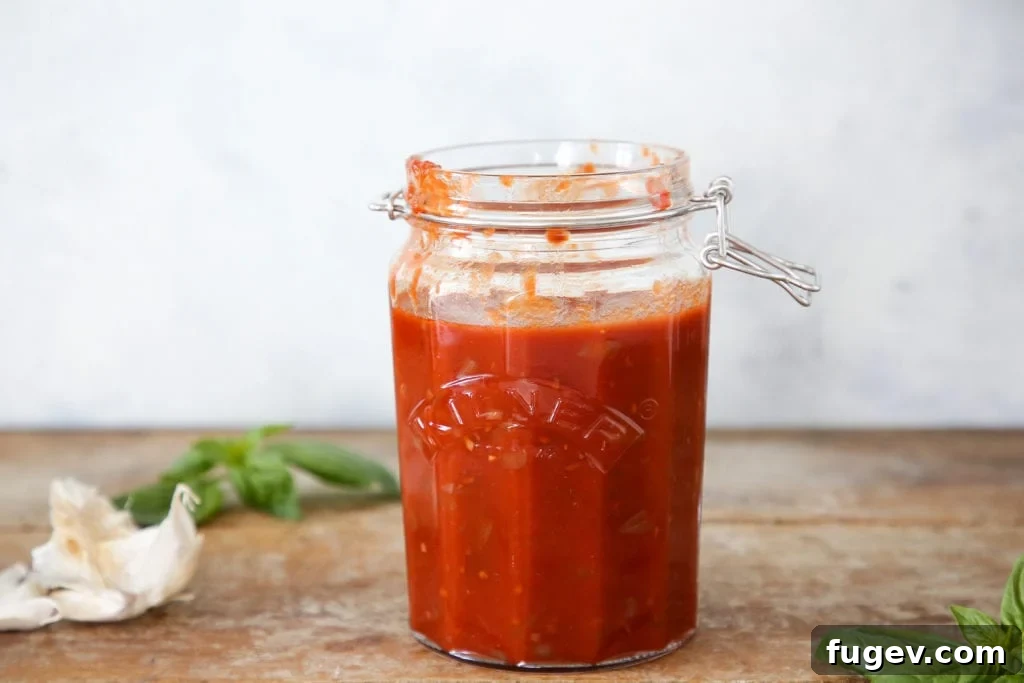
Did you know that homemade pasta sauce freezes beautifully? This makes it an excellent candidate for meal prepping and ensures you always have a delicious, ready-to-use sauce on hand. To properly freeze, first allow the pasta sauce to cool completely to room temperature. Then, transfer it in manageable portions to sturdy, resealable plastic or silicone freezer bags. For optimal freezer space, lay these bags flat on a baking sheet and freeze until solid. Once frozen, they can be stacked vertically or stored compactly, saving valuable room in your freezer. Thaw overnight in the refrigerator or gently reheat from frozen on the stovetop over low heat.
Frequently Asked Questions
Store any leftover red wine pasta sauce in an airtight container in the refrigerator for 3 to 5 days. For longer storage, this sauce freezes exceptionally well for approximately 3 to 4 months. While it will remain safe to eat after this period, the flavor quality might gradually diminish.
To achieve a thicker pasta sauce, simply continue cooking it uncovered. This allows the excess liquid to evaporate, concentrating the flavors and reducing the sauce to your desired consistency. Another chef’s trick is to add a small scoop of starchy pasta water to your sauce when tossing it with cooked pasta. The starches help bind the sauce to the pasta and create a richer, thicker coating.
Red wine imparts a profound robust, rich, and complex flavor to tomato sauce. As it simmers, the alcohol evaporates, leaving behind concentrated fruity, earthy, and savory notes. It also introduces a touch of acidity that brightens the sauce, preventing it from tasting flat and creating a more vibrant and well-rounded taste experience.
The best rule of thumb is to use a dry red wine that you would genuinely enjoy drinking. Excellent choices for this pasta sauce include Cabernet Sauvignon, Pinot Noir, or Chianti. These varieties offer a balanced flavor profile that enhances the sauce without overpowering it. I would advise against using Burgundy or Merlot, as their specific flavor characteristics and higher tannin levels can sometimes result in an unexpectedly bitter or overly dominant taste in the finished sauce.
Absolutely! To make this sauce vegetarian, simply ensure you use vegetable stock instead of chicken stock. For a vegan version, also swap the olive oil for another plant-based oil and ensure any additional ingredients you might add (like cheese in a variation) are vegan-friendly. The core of this sauce is naturally plant-based and delicious.
For the deepest and most complex flavors, a longer simmer time is recommended. While 4 hours will yield a delicious sauce, allowing it to simmer for 6 to 8 hours truly allows all the ingredients to meld and develop a rich, harmonious profile. Just ensure the heat remains low and stir occasionally to prevent sticking.
If you tried this recipe and loved it, please leave a 🌟 star rating and let me know how it goes in the comments below. I love hearing from you; your comments make my day!
Red Wine Pasta Sauce
Chef Lindsey
10 minutes
8 hours
8 hours
10 minutes
8
people
Comment
Print Recipe
Ingredients
- 3 cups onion finely diced
- 4 tablespoons garlic minced
- 3 tablespoons olive oil
- ½ cup dry red wine I used a reasonably priced Cabernet Sauvignon
- 2 28-oz cans San Marzano tomatoes
- 2 6-oz cans tomato paste
- 2 cups chicken stock
- ⅓ cup fresh basil minced
- 3 teaspoons fresh thyme
- 3 large pinches Kosher salt
- 1 teaspoon freshly ground black pepper
- 2 teaspoons dried oregano
- 1 teaspoon dried sage
Instructions
-
Heat a 5 ½- to 7-quart Dutch oven or heavy-bottomed stock pot over medium heat until hot. Add olive oil, swirling to coat. Add the garlic and onions and sauté until the onions are translucent. Keep the heat on medium and adjust as you cook because you don’t want to brown them.
-
Add the red wine and cook for about 2 minutes, stirring with a flat wooden spatula until the wine has reduced slightly.
-
In a separate bowl, squeeze the whole tomatoes to break them up. (You can do this in the sauce pot before adding chicken stock to save a bowl!) Add all of your remaining ingredients, bring to a slow boil then reduce heat to low and simmer sauce, covered, for 4 to 8 hours; stirring occasionally.
-
You can add more chicken stock if the sauce gets too thick. For a thicker sauce, allow it to reduce for the last half hour with the top off.
-
After about 2 hours, taste the sauce to make sure it doesn’t need any additional seasoning. Add kosher salt to taste.
-
Towards the end of your cook time, taste the sauce again to see if it is too acidic. If it is, and that isn’t your preference, you can add 1 tablespoon of granulated sugar to counterbalance that acid. This often varies by batch and the quality of the tomatoes.
-
Serve over your favorite pasta, or cool and store it for later use.
Video
Notes
Storage – Store leftover sauce in an airtight container in the fridge for 3 to 5 days. For longer preservation, freeze the sauce for approximately 3 to 4 months in freezer-safe bags or containers.
Yield: Approximately 8 cups
Nutrition
Carbohydrates: 10g |
Protein: 3g |
Fat: 6g |
Saturated Fat: 1g |
Polyunsaturated Fat: 1g |
Monounsaturated Fat: 4g |
Cholesterol: 2mg |
Sodium: 237mg |
Potassium: 211mg |
Fiber: 2g |
Sugar: 4g |
Vitamin A: 541IU |
Vitamin C: 9mg |
Calcium: 52mg |
Iron: 1mg
Dinner
American, Italian
116
Like this? Leave a comment below!
Before You Go
Thank you for exploring this professional chef-tested recipe for a truly exquisite Red Wine Pasta Sauce. We trust you found the process enjoyable and the resulting sauce utterly delicious. For more culinary inspiration, be sure to browse our other delightful, chef-developed sauce recipes. Or, if you’re in the mood for another wine-infused dish, head directly to our cherished Chicken in White Wine Sauce recipe!