
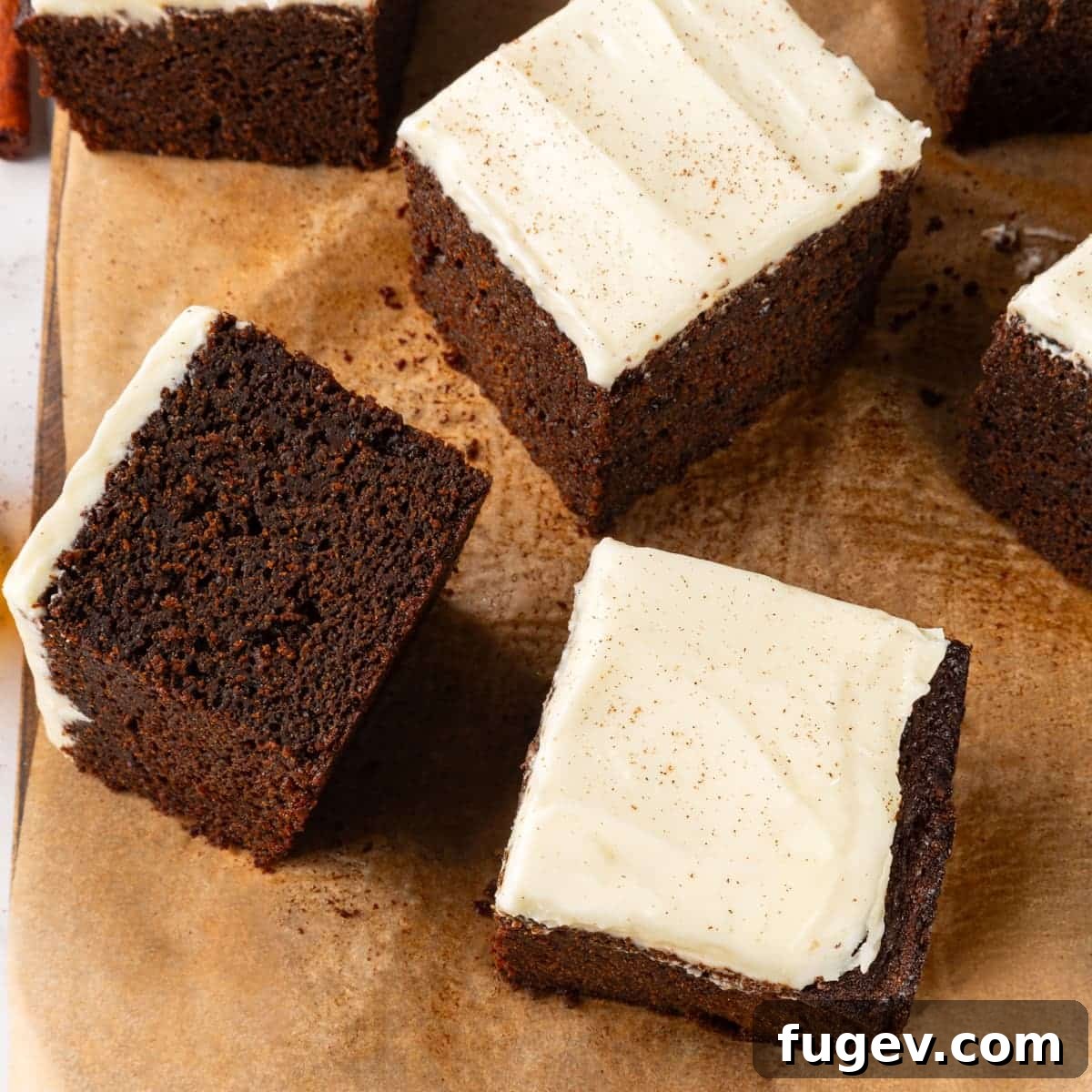
The Best American Gingerbread Cake Recipe: A Timeless Holiday Tradition
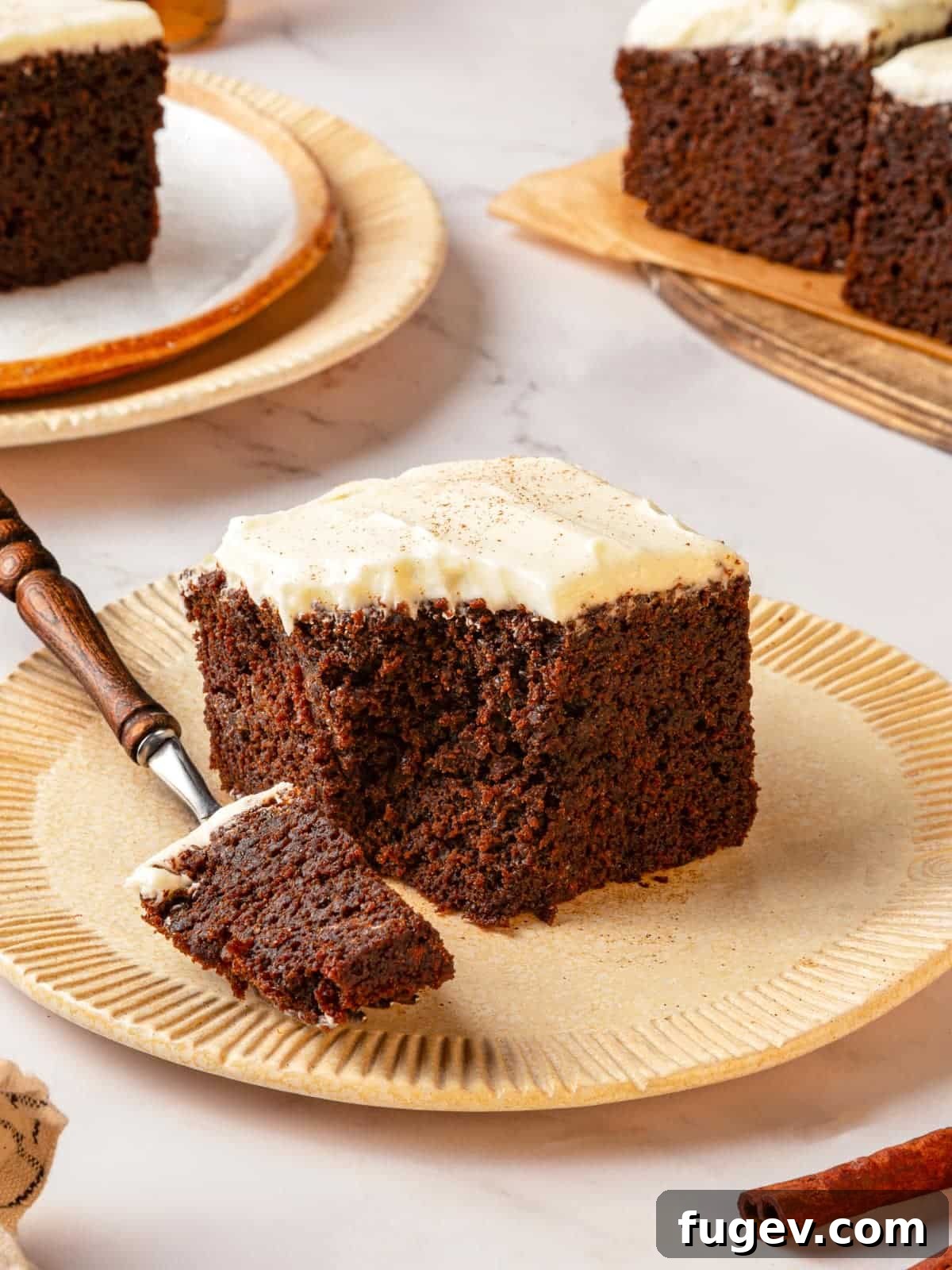
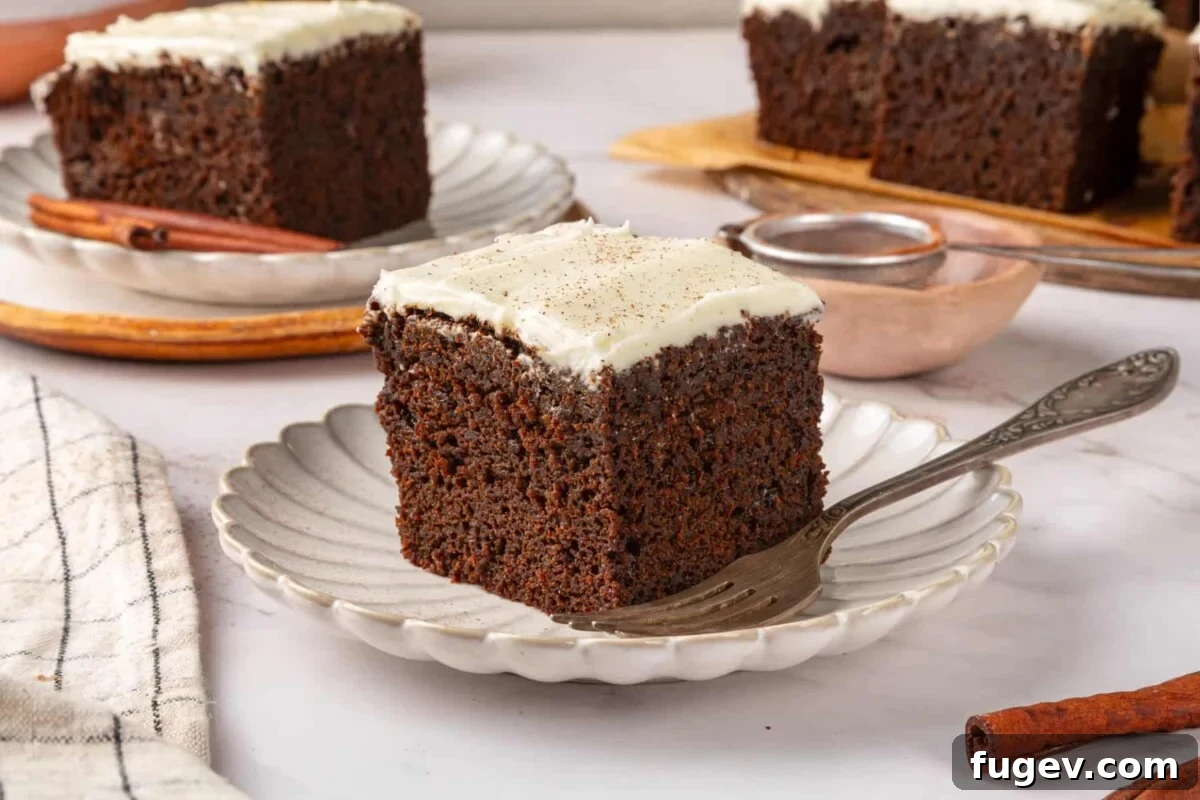
Step back in time and savor a piece of history with this exquisite American Gingerbread Cake. Rooted in tradition, this recipe comes directly from the pages of the very first American Cookbook, ensuring an authentic taste of culinary heritage. What makes this cake truly stand out is its remarkable texture: incredibly light, wonderfully fluffy, and perfectly moist, delivering a pure gingerbread experience with a harmonious blend of warming spices. It’s not just a dessert; it’s a comforting embrace, a nostalgic journey, and the quintessential treat for any festive occasion.
A Quick Glance at the Recipe
This is a brief summary of the recipe’s key details. For full instructions and measurements, navigate to the complete recipe below.
Jump to Recipe
Prep Time
10 minutes
Cook Time
25 minutes
Total Time
35 minutes
Servings
12 slices
Difficulty
Easy, following an old-fashioned, simple method.
Calories *
248 kcal per serving
Technique
Unique soda-salt blend mixed with batter; baked until perfectly springy.
Flavor Profile
Rich, warm molasses with balanced spices and a delightful tender crumb.
* Based on nutrition panel
“The mixing method is very interesting. […] The cake turned out so good I love topping it with the cream cheese frosting! ⭐⭐⭐⭐⭐”
Mara
Why You’ll Adore This Classic Gingerbread Cake
This isn’t just any gingerbread cake; it’s a celebration of heritage, flavor, and festive joy. Here’s why this particular recipe will become your new holiday obsession:
- A Slice of American Culinary History: This remarkable cake recipe originates from the first American cookbook, a true testament to its timeless appeal. While I’ve made minor adaptations to guarantee a perfect, consistent result every single time, the essence of its classic charm remains intact. Baking this cake connects you directly to generations of American bakers, bringing a truly authentic and historic flavor to your table.
- Bold, Yet Perfectly Balanced Flavors: Prepare your palate for an exquisite dance of robust flavors. From the deeply warming spices like ginger, cinnamon, and allspice to the rich, earthy sweetness of molasses, complemented by creamy butter and granulated sugar, every ingredient contributes to a meticulously balanced taste experience. The flavors are assertive without being overwhelming, making this cake universally appealing and utterly delicious, especially during the festive holiday season.
- The Ultimate Holiday Centerpiece: Versatility is key, and this gingerbread cake delivers. Whether you prefer to adorn it with a velvety spice buttercream, transform it into a stunning layered cake for a grand presentation, or simply serve it alongside easy cherry preserves, its adaptability makes it perfect. It’s an ideal dessert for Thanksgiving, Christmas, or any winter gathering, guaranteed to evoke warmth and cheer. Its inviting aroma and comforting taste make it a staple for creating cherished holiday memories.
Table of Contents
- Why You’ll Adore This Classic Gingerbread Cake
- Essential Ingredients for an Authentic Gingerbread Cake
- Exciting Variations and Serving Suggestions
- Expert Tips for Gingerbread Cake Perfection
- Step-by-Step Guide: How to Bake Your Gingerbread Cake
- Chef Lindsey’s Pro Tip
- Frequently Asked Questions (FAQs) About Gingerbread Cake
- Indulge in More Holiday Delights
- The Full Gingerbread Cake Recipe Card
- Before You Go: Explore More Cake Creations
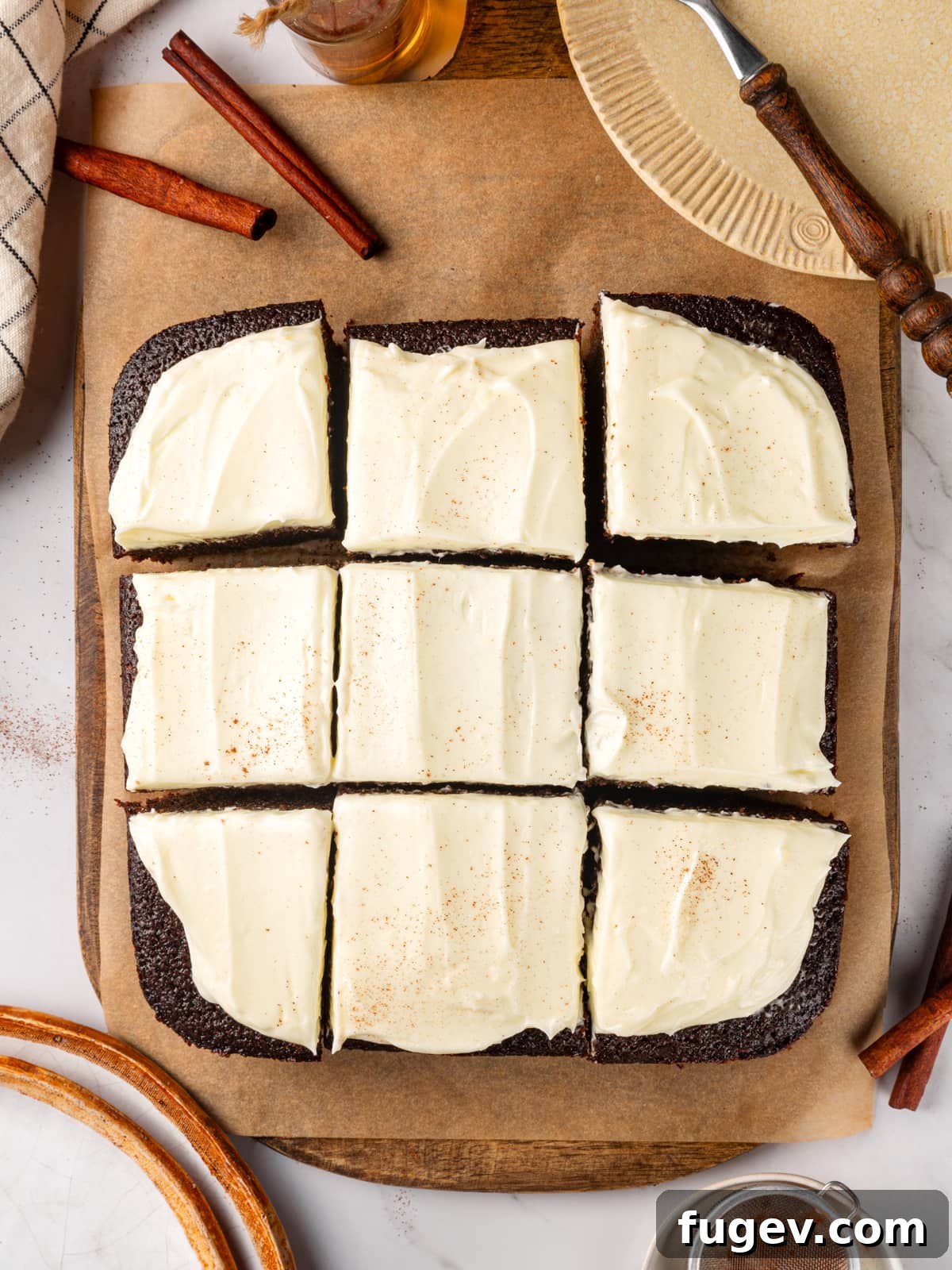
This gingerbread cake truly has the power to brighten up any gloomy winter day and swiftly become your go-to holiday dessert. Whether you choose to lavish it with a rich cream cheese buttercream frosting, as I often do, or pair it with an elegant red wine poached pear, a drizzle of warm salted caramel sauce, and a scoop of velvety vanilla bean ice cream, you simply cannot go wrong. Its comforting flavors are a guarantee of pure delight!
If you’re a connoisseur of the bold and heartwarming flavors of gingerbread, you’ll be thrilled to explore my other beloved recipes. Dive into the deep, rich notes of my molasses cake, or enjoy the soft, chewy goodness of these delightful gingerbread cookies. For a different texture but equally satisfying spice, try these chewy ginger bars. And to truly immerse yourself in the season’s spirit from morning till night, kickstart your day with this incredibly easy and flavorful gingerbread oatmeal.
Essential Ingredients for an Authentic Gingerbread Cake
Crafting the perfect gingerbread cake begins with selecting the right ingredients. Each component plays a crucial role in achieving the desired texture, moisture, and iconic flavor. Here’s a detailed look at what you’ll need and why each element is important:
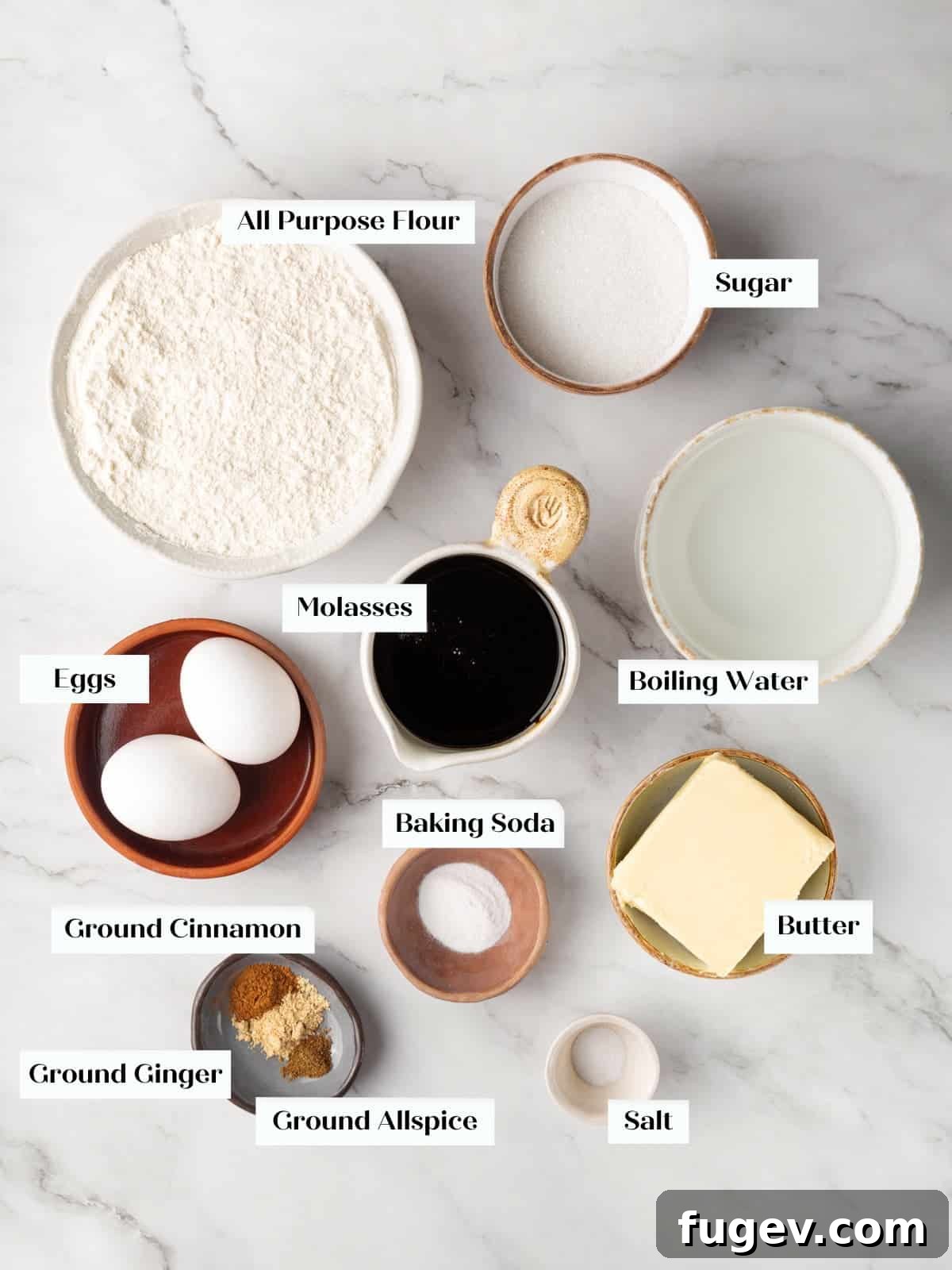
- Baking Soda: This key leavening agent is essential for the cake’s light and fluffy texture. It reacts specifically with the acidity in the molasses, producing carbon dioxide gas that helps the cake rise beautifully. For the best results, it’s crucial to get the batter into the oven quickly after mixing to fully utilize this chemical reaction, ensuring maximum lift and a tender crumb.
- Large Eggs: Eggs serve multiple purposes in this recipe. They act as an emulsifier, binding all the ingredients together to create a smooth, cohesive batter. More importantly, they contribute significantly to the cake’s structure, richness, and overall textural perfection, ensuring a moist and tender result that doesn’t crumble.
- Molasses: For this recipe, I highly recommend using unsulphured molasses. This type has a lighter, milder, and more nuanced flavor compared to other varieties. It imparts all the desired warm, deep, and subtly sweet winter notes that define gingerbread, without the strong, sometimes bitter “bite” that can come from blackstrap molasses. It also contributes to the cake’s characteristic dark color and irresistible moisture.
- Unsalted Butter: The quality of your butter matters! Using unsalted butter allows you to control the overall salt content of the cake. It’s imperative that the butter is at room temperature before you begin mixing. Softened butter creamed with sugar helps to incorporate air, which is vital for a light texture, and ensures that it blends smoothly and evenly into the other ingredients without creating lumps.
- Granulated Sugar: While molasses provides deep sweetness, granulated sugar offers a clean sweetness that perfectly complements the rich molasses and vibrant spices. Beyond flavor, sugar is a humectant, meaning it attracts and retains moisture, which is instrumental in creating a wonderfully tender and moist crumb that lasts.
- Ground Ginger, Cinnamon, and Allspice: This trio forms the heart of our gingerbread’s iconic spice profile. Each spice brings its unique characteristic: ginger provides the signature warmth and slight zing, cinnamon offers sweet and woody notes, and allspice contributes a complex aroma reminiscent of cloves, nutmeg, and cinnamon combined. While a good quality store-bought gingerbread spice mix can be used, I’ve found that carefully measuring these individual spices in the recommended ratios yields the most authentic and perfectly balanced gingerbread flavor. You can also add a touch of ground cloves or nutmeg for an even deeper spice profile if desired.
See the recipe card at the end of this post for full information on ingredients and quantities.
Exciting Variations and Serving Suggestions for Gingerbread Cake
While this classic American Gingerbread Cake is truly perfect on its own, it also serves as a fantastic canvas for culinary creativity. Here are some delightful variations and serving ideas to inspire you and tailor the cake to your personal taste or specific occasion:
- Elevate with Flavored Buttercreams: The right frosting can transform this cake. Beyond traditional cream cheese frosting, consider exploring other delicious options. My caramel Swiss meringue buttercream adds a sophisticated, silky sweetness. For a brighter contrast, try a lemon buttercream frosting, which pairs beautifully with ginger. And for the chocolate lovers, a rich chocolate buttercream frosting is surprisingly delicious. You could even go with a vintage-inspired ermine frosting recipe for a truly old-fashioned touch.
- Adapt for Any Occasion: Sheet Cake or Cupcakes: This versatile batter can be baked in various forms. Transform it into beautiful individual Christmas cupcakes, perfect for parties or as edible gifts. If you’re hosting a larger gathering, simply double the recipe to make an impressive sheet cake, which is easy to transport and serve. For a tiered celebration cake, consider tripling the recipe and baking in round cake pans. Adjust baking times accordingly; cupcakes will bake faster, and a sheet cake might take slightly longer depending on its thickness.
- Infuse with Delightful Mix-Ins: Add an extra layer of texture and flavor by incorporating mix-ins. Take inspiration from my cherry orange molasses cookies and fold in toasted pecans or walnuts for a satisfying crunch. Dried cranberries or cherries would be absolutely divine, adding pockets of tart sweetness. For a fresh, seasonal burst, you can even add fresh cranberries, similar to my popular cranberry cake recipe! Dark chocolate chips or crystallized ginger pieces also make excellent additions.
- Amp Up the Spice Profile: If you adore a more intensely spiced gingerbread, feel free to add additional warming spices to the dry ingredient mixture. Ground cloves will deepen the earthy notes, a pinch of nutmeg provides a cozy, sweet aroma, and cardamom can introduce a bright, exotic complexity. Start with ¼ teaspoon of each and adjust to your preference.
- Creative Garnishes & Classic Pairings: Beyond frosting, consider dusting with powdered sugar, a sprinkle of cinnamon, or serving with a dollop of homemade whipped cream. For a truly decadent experience, pair a slice with warm apple compote, a scoop of vanilla bean ice cream, or even a glass of mulled wine.
Expert Tips for Gingerbread Cake Perfection
Achieving a gingerbread cake that is consistently light, moist, and perfectly spiced requires attention to a few key details. These professional tips will guide you to success, ensuring your cake is nothing short of spectacular:
- Adhere to the Unique Mixing Method: This recipe employs a specific mixing technique that differs from the standard creaming method, and for good reason. I’ve experimented with various approaches, and I can confidently say that this particular method is crucial for achieving the cake’s signature light and fluffy texture. While it might seem a bit unusual, the extra effort is absolutely worth it for the superior results. I relied heavily on Anne Byrn’s brilliant adaptation in her essential cookbook, American Cake, which truly did all the heavy lifting in perfecting this historical method. If you’re a baking enthusiast, Anne’s cookbook is a treasure trove and a must-have for your collection – I’ve personally read it cover-to-cover!
- Ensure Your Butter is Perfectly Soft: This is a non-negotiable step. Your unsalted butter must be at true room temperature (soft enough to indent easily with a finger, but not melted) before you incorporate it into the egg and molasses mixture. Cold butter will not emulsify properly, resulting in stubborn lumps that are difficult to mix out and can lead to an uneven batter. If your butter is too cold, you can gently soften it by microwaving in very short 5-10 second bursts, flipping it between each interval, until it reaches the ideal consistency.
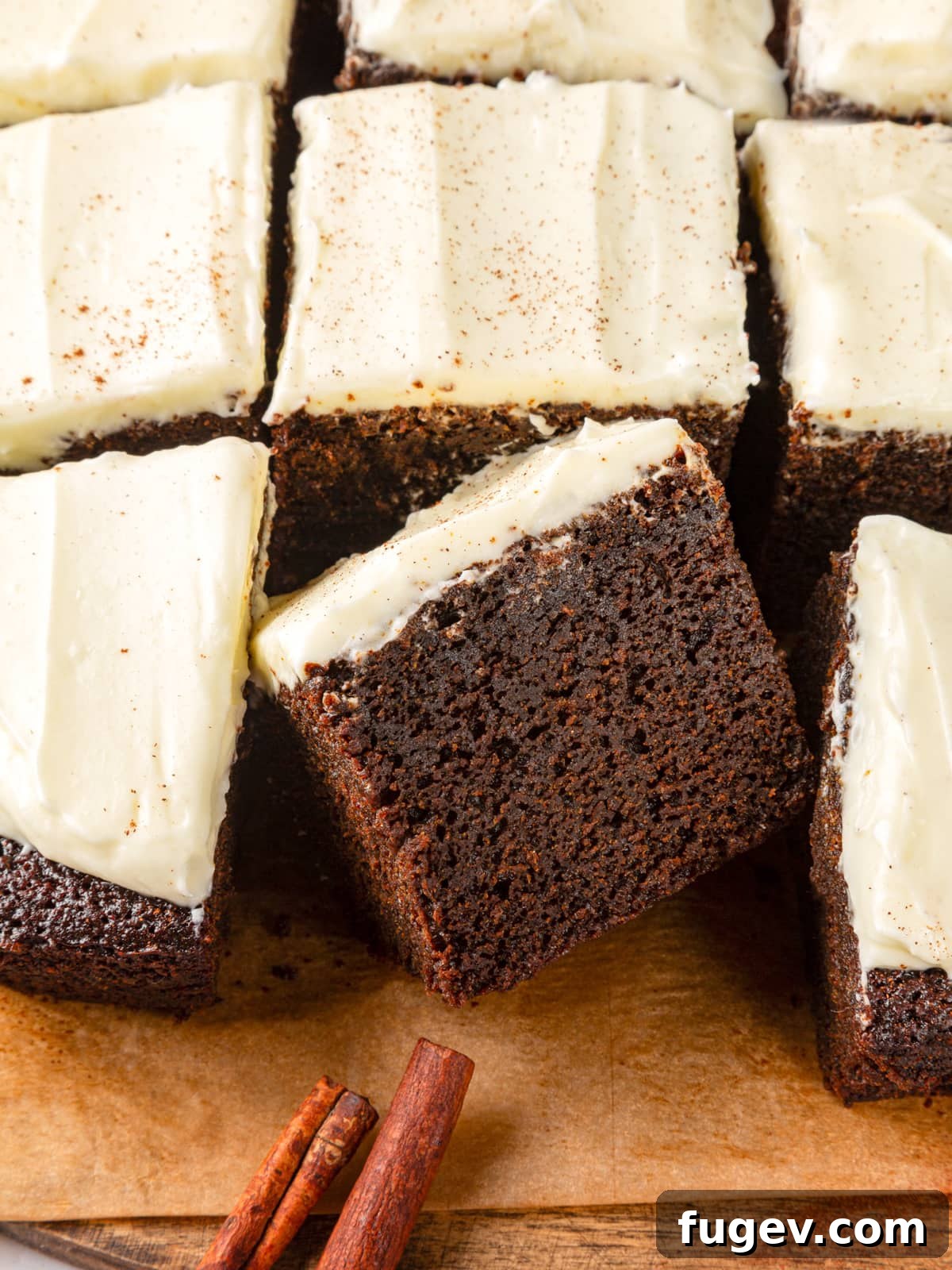
- Allow the Cake to Cool Completely Before Frosting: Patience is a virtue, especially when it comes to frosting a warm cake. If you’re planning to use a luscious cream cheese buttercream frosting (or any buttercream, for that matter), it is absolutely essential that the gingerbread cake is completely cooled to room temperature. Even a slight warmth from the cake will cause your frosting to melt, slide off, and create a messy, unappealing result. Plan ahead and give your cake ample time to cool, whether in the pan or on a wire rack.
- Don’t Overbake the Cake: Overbaking is the enemy of a moist cake. Gingerbread cakes can sometimes appear a bit moist in the center’s largest crack even when fully baked. Resist the urge to keep baking until it looks perfectly dry. Instead, rely on the “spring back” test: gently touch the top of the cake, and if it springs back, it’s done. A toothpick inserted into the center should come out with a few moist crumbs clinging to it, but no wet batter. Baking until it looks bone dry will result in a dry, crumbly cake.
Step-by-Step Guide: How to Bake Your Gingerbread Cake
Follow these detailed instructions to create a truly moist, tender, and perfectly spiced gingerbread cake that will delight everyone. Further precise measurements and full details can be found in the comprehensive recipe card below.
Make the Cake Batter:
Step 1: Prepare the Salt and Baking Soda Solution. In a heatproof bowl, dissolve the measured kosher salt and baking soda in 1 cup of freshly boiled water. Stir until fully dissolved, then set this mixture aside to cool slightly while you prepare the other ingredients. You want it warm, not scalding hot, when added to the batter.
Pro Tip: Boil your water a few minutes ahead of time. Once it’s ready, measure out 1 cup, then add your salt and baking soda. This ensures the water is warm enough to aid emulsification but not so hot it cooks the eggs.
Step 2: Prepare Your Baking Dish. Thoroughly grease or butter an 8-inch square baking dish. For easier removal and cleanup, you can also line the bottom with parchment paper, allowing it to criss-cross up the sides for “handles.” Preheat your oven to 350°F (175°C) convection or 375°F (190°C) conventional.
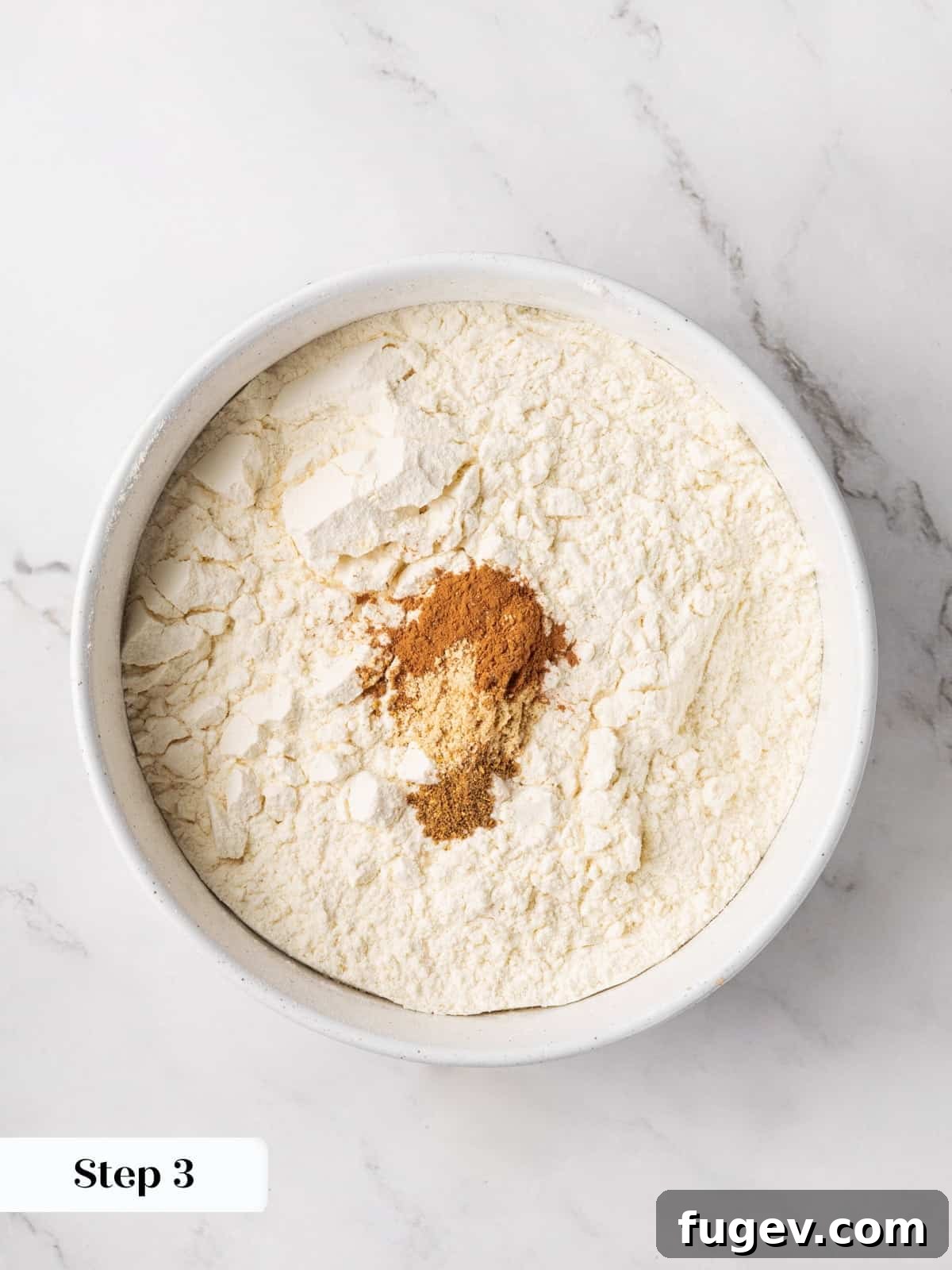
Step 3: Combine Dry Ingredients. In a separate medium bowl, whisk together the all-purpose flour, ground ginger, ground cinnamon, and ground allspice until thoroughly combined. Set aside. (Refer to Photo 1 for visual guidance).
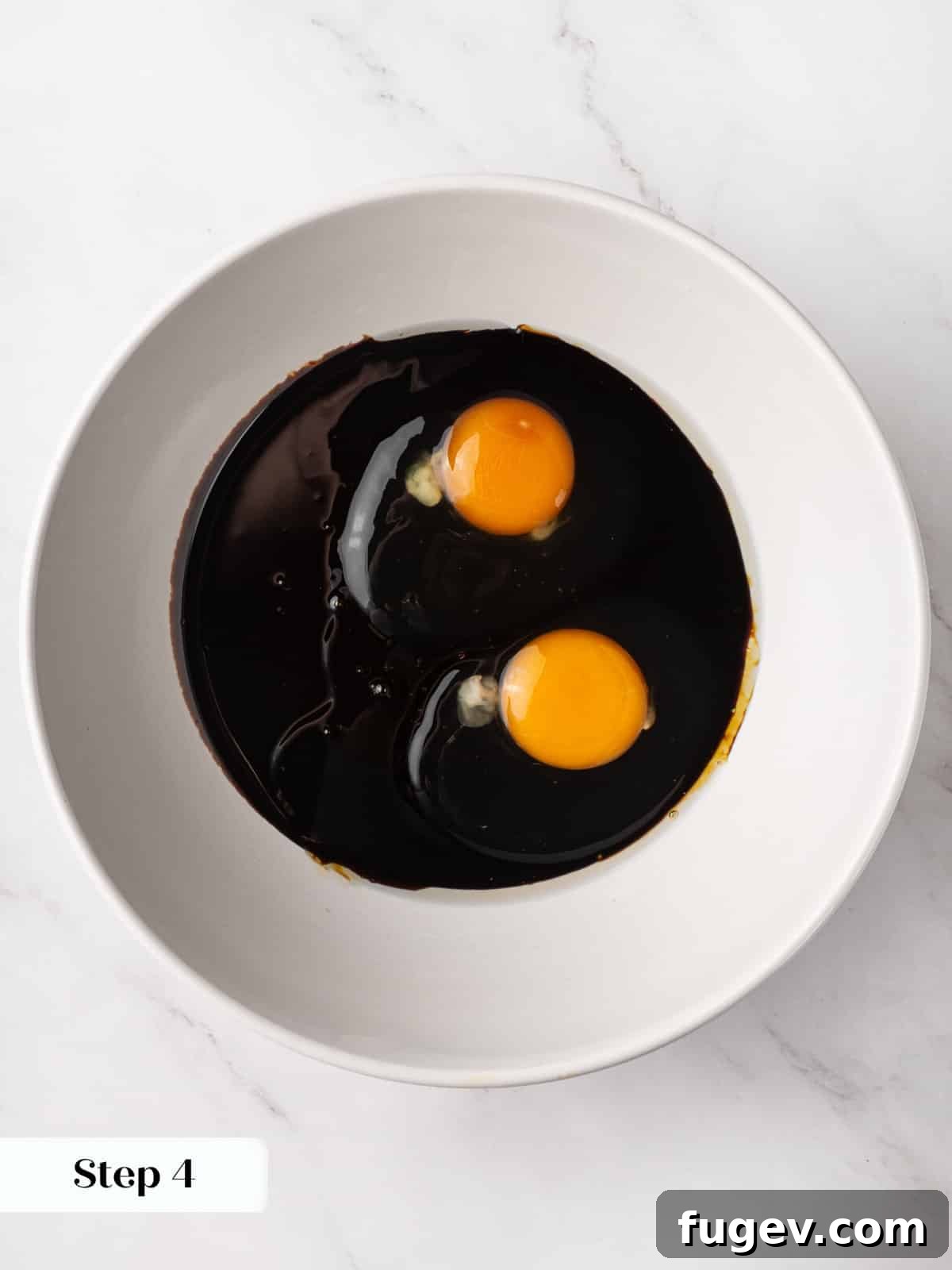
Step 4: Beat Molasses and Eggs. In the bowl of a stand mixer fitted with the paddle attachment (or using an electric hand mixer), beat together the molasses and large eggs on medium speed until the mixture is smooth and well-combined, about 1-2 minutes. (See Photo 2).
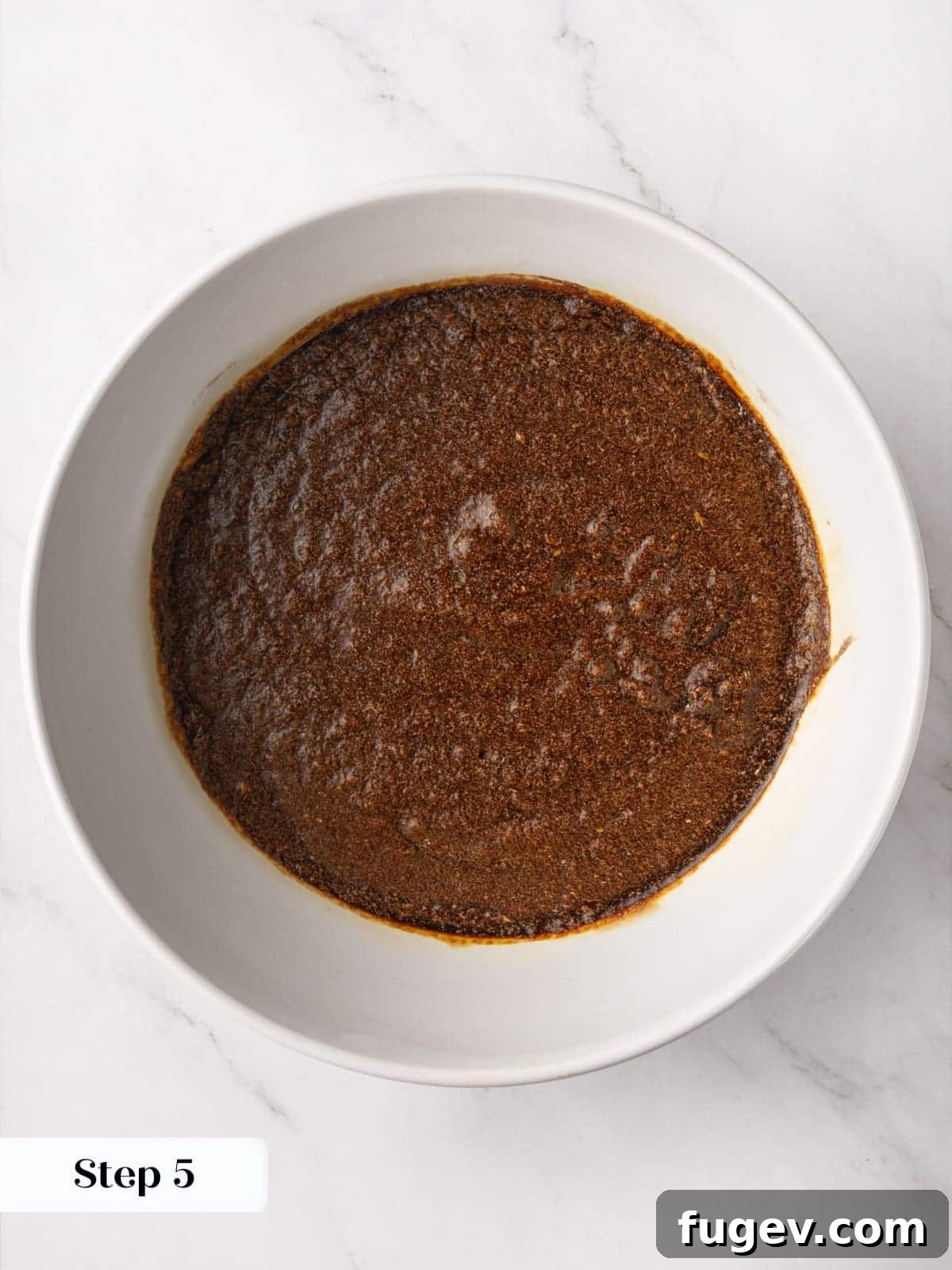
Step 5: Incorporate Butter and Sugar. Add the softened room-temperature butter and granulated sugar to the molasses and egg mixture. Continue beating on medium speed until the mixture is smooth and creamy. There might be a few small streaks of butter visible, which is perfectly normal and nearly impossible to avoid at this stage. (Refer to Photo 3).
Helpful Hint: Don’t worry if you see a few tiny butter streaks; the warm water added later will help fully emulsify them into the batter.
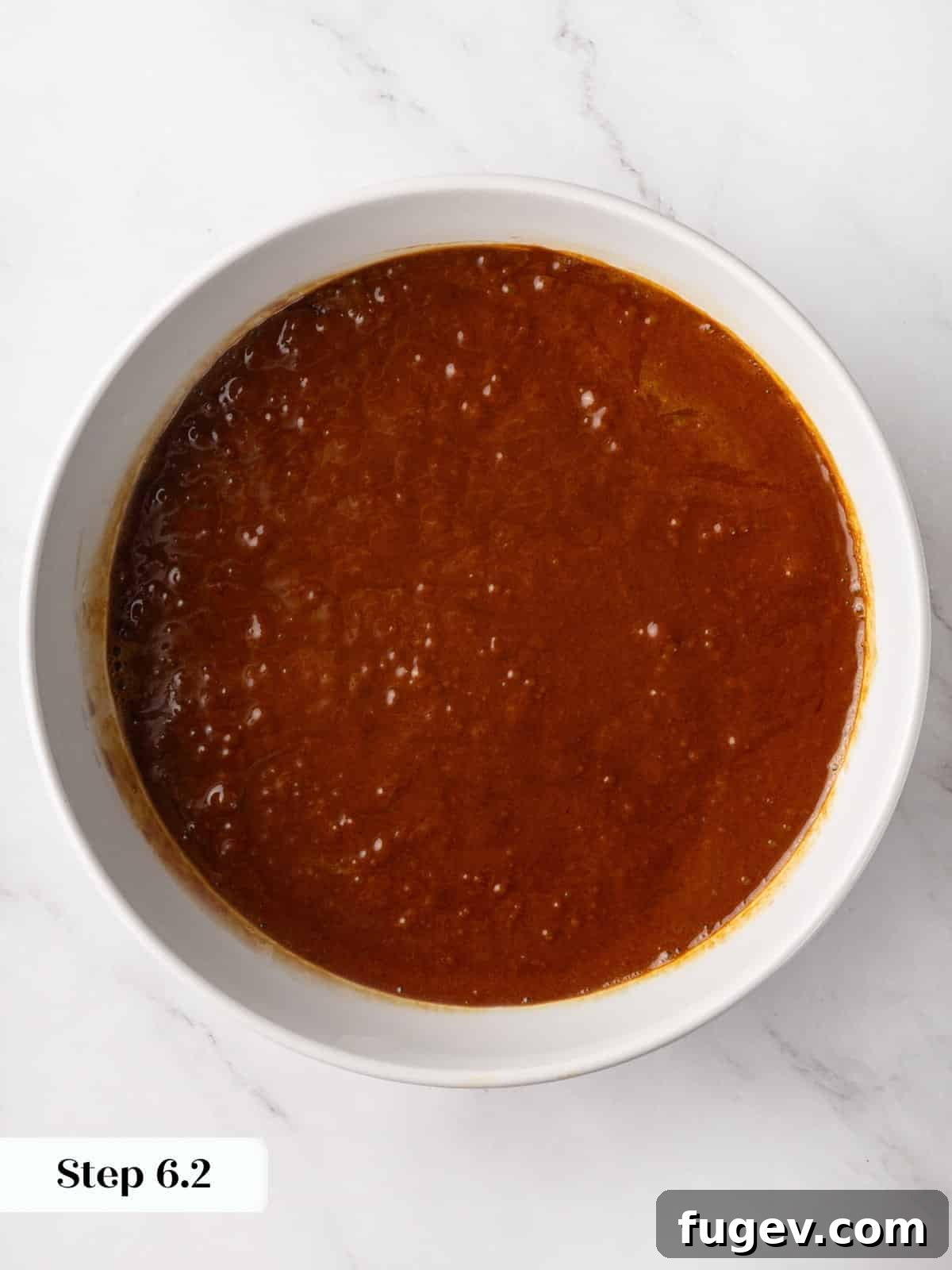
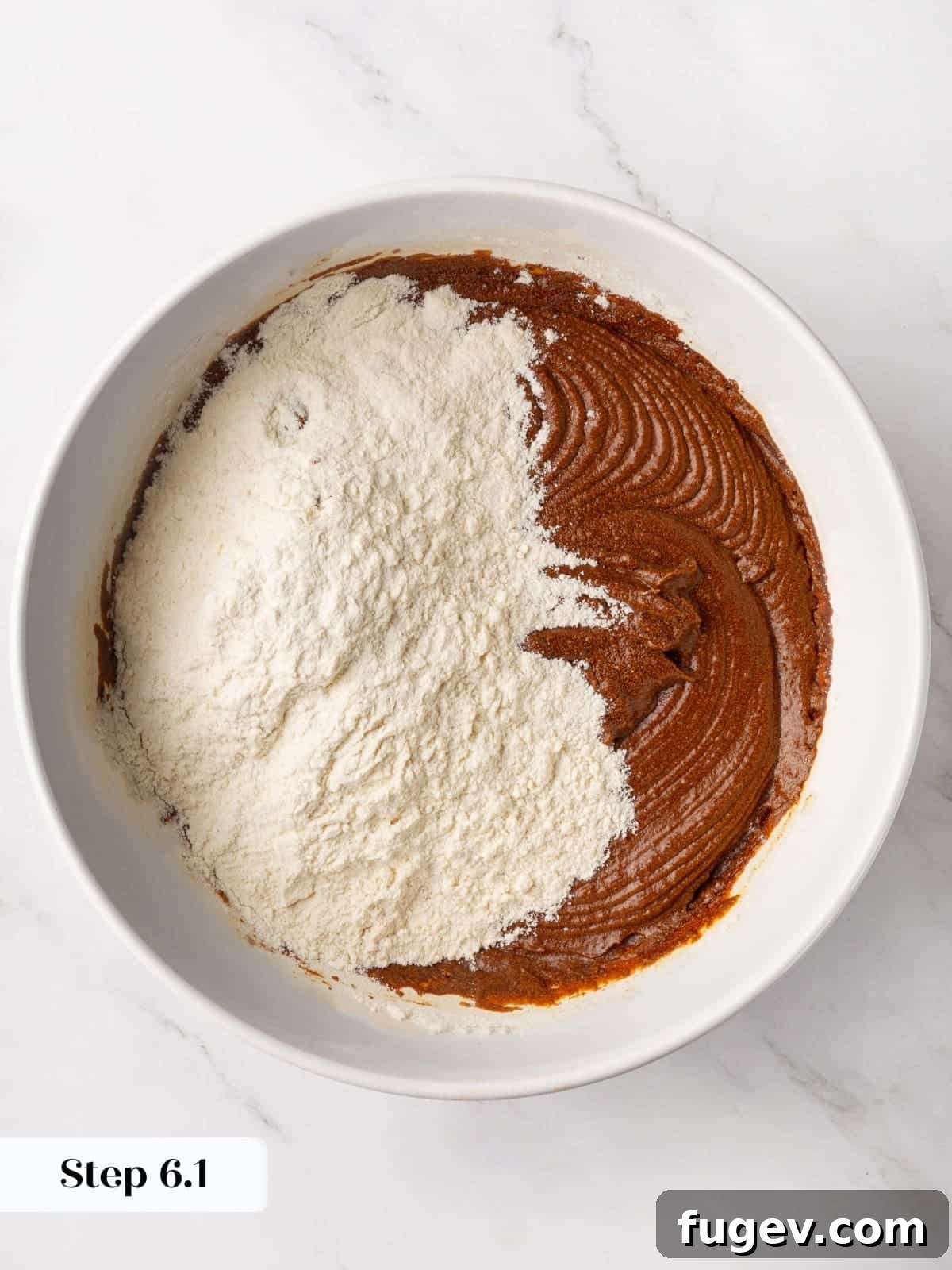
Step 6: Alternately Add Wet and Dry Mixtures. With the mixer on low speed, begin adding the flour mixture and the prepared warm water/salt/baking soda solution to the molasses mixture. Start by adding a third of the flour mixture, mix until just combined, then add half of the water mixture. Repeat, then finish with the remaining flour mixture, ensuring all dry ingredients are incorporated before adding the last bit of water. Mix until just combined and smooth, being careful not to overmix. (See Photos 4 & 5 for the mixing process and final batter consistency).
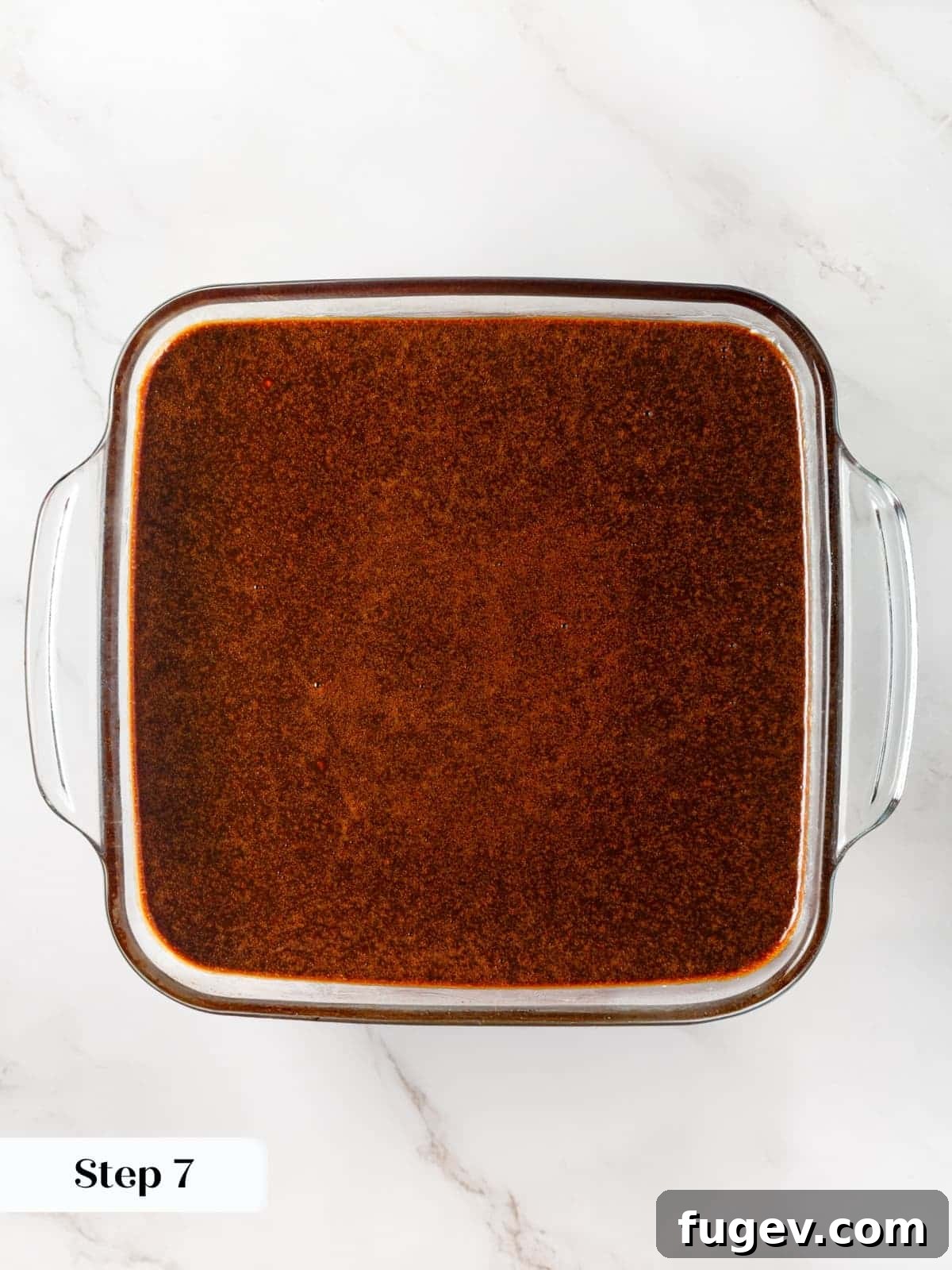
Step 7: Pour into Pan. Gently pour the perfectly mixed gingerbread batter into your prepared 8-inch square cake pan or baking dish. Smooth the top with a spatula. (Refer to Photo 6).
Bake the Cake:
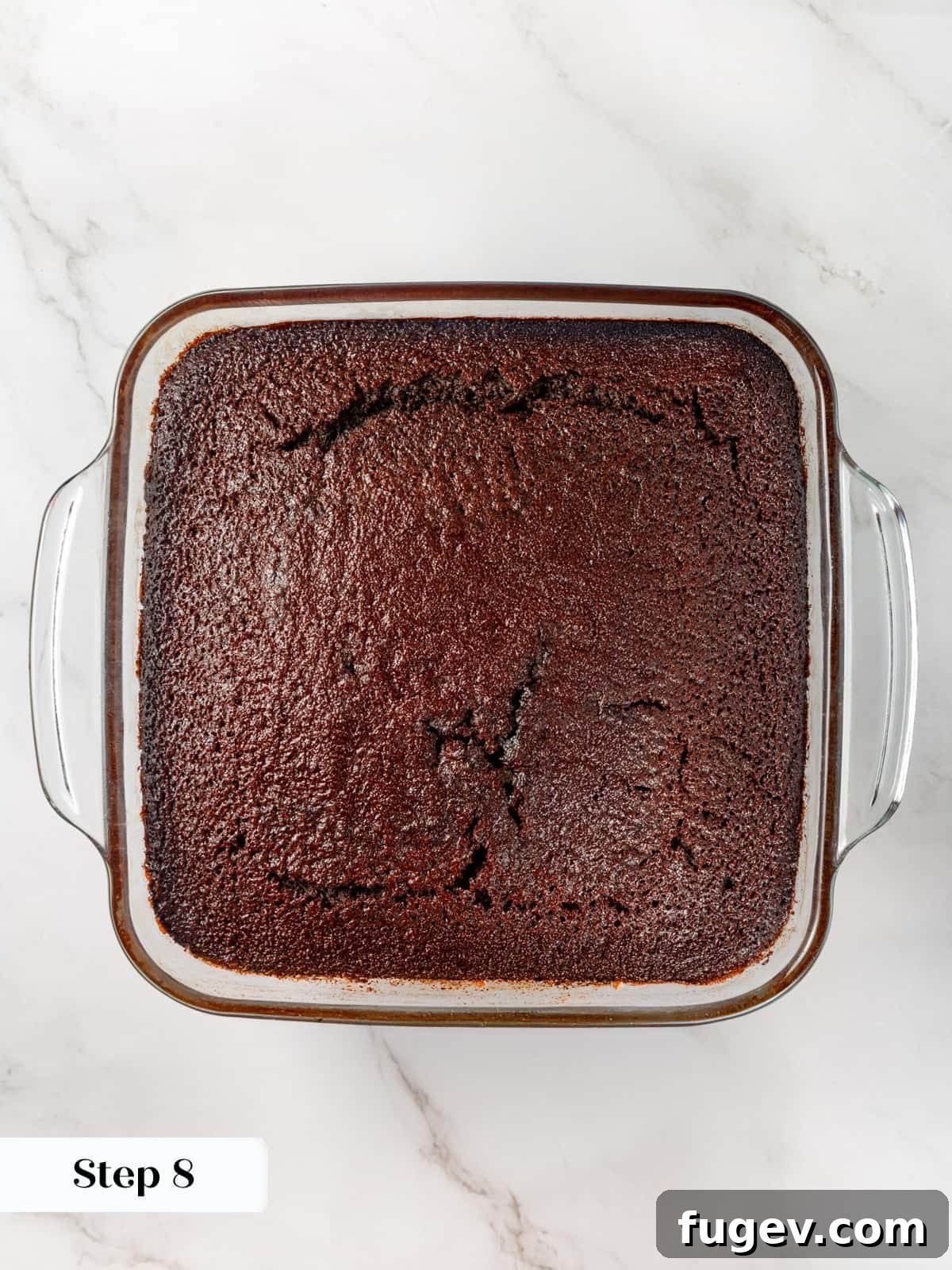
Step 8: Bake to Perfection. Transfer the baking dish to your preheated oven. Bake at 350°F convection (or 375°F conventional) for approximately 20-25 minutes. The cake is done when the top springs back lightly to the touch and a cake tester or toothpick inserted into the center comes out with moist crumbs, but no wet batter. (Observe Photo 7 showing the baked cake).
Important Note: It’s common for a slight moistness to remain in the largest crack in the center. Do not continue baking until this looks completely dry, as this will lead to an overbaked, dry cake. Trust the spring-back test!
Step 9: Cool and Frost. Once baked, remove the cake from the oven and allow it to cool completely before frosting. You can cool the cake directly in its pan, or carefully remove it and transfer it to a wire rack to cool fully. Ensure it is absolutely cold to the touch before applying any frosting, especially cream cheese buttercream. (See Photo 8 for the finished, frosted slices).
Chef Lindsey’s Pro Tip
The water-salt-baking soda solution should still be warm when you incorporate it into the cake batter. It shouldn’t be boiling hot, but warm enough to help thoroughly melt and emulsify any remaining small pieces of butter into the mixture, ensuring an exceptionally smooth batter and tender cake.
Frequently Asked Questions (FAQs) About Gingerbread Cake
Unfrosted gingerbread cake can be stored at room temperature, tightly wrapped, for up to 3 days. For longer storage, it will keep well in the refrigerator for up to 1 week, or can be frozen for up to 2 months. If the cake is frosted with cream cheese frosting, it should only be left out at room temperature for a few hours. After that, store it in an airtight container in the fridge for up to a week. Frosted cake also freezes beautifully; simply wrap slices individually for best results.
For this gingerbread cake, unsulphured light or dark molasses is the ideal choice. It provides that quintessential, rich gingerbread flavor without overpowering the other spices. Unsulphured molasses has a cleaner, sweeter taste. It’s best to avoid blackstrap molasses, as its much stronger, more bitter flavor can be too intense and alter the delicate balance of this classic cake.
Absolutely! This recipe is wonderfully adaptable for layered cakes or cupcakes. To create an 8-inch or 9-inch two-layer cake, simply double the recipe. For a more substantial three-layer cake, you might consider tripling it. Remember to prepare your cake tins by lining the bottoms with parchment paper to prevent sticking. When baking as cupcakes, reduce the baking time significantly (usually 18-22 minutes) and check for doneness with a toothpick.
Gingerbread cake pairs beautifully with a variety of toppings and sides. A dollop of homemade whipped cream, a spoonful of tart cranberry chutney, or a delicate drizzle of crème anglaise are all fantastic choices. For a simple yet elegant finish, a dusting of powdered sugar or a generous spread of spiced cream cheese frosting is always a hit. It also makes a wonderful dessert alongside a cup of hot coffee or tea.
While this recipe uses all-purpose flour, you can often adapt it to be gluten-free by substituting a 1:1 gluten-free baking flour blend that contains xanthan gum. Ensure your chosen blend is suitable for baking cakes. Results may vary slightly in texture, but it should still yield a delicious gluten-free gingerbread cake.
Yes, you can certainly bake this gingerbread cake in a Bundt pan! I recommend doubling the recipe for a standard 10-12 cup Bundt pan. Make sure to grease and flour the pan very thoroughly to prevent sticking, especially in intricate designs. The baking time will also increase, typically ranging from 45-60 minutes. Keep an eye on it and use the toothpick test for doneness.
Indulge in More Holiday Delights
If this American Gingerbread Cake has sparked your festive spirit, you’ll love exploring these other cherished holiday recipes from my kitchen. Each one is crafted to bring warmth and joy to your seasonal celebrations.
Yeasted Bread Recipes
The Best Stollen Recipe
A classic German Christmas bread, rich with fruits and spices, and a delightful marzipan filling.
Brownies & Bars Recipes
Gingerbread Blondies
Chewy, spiced, and bursting with gingerbread flavor, these blondies are a festive twist on a classic bar.
Cake Recipes
Old Fashioned Fruit Cake
A rich, traditional fruit cake packed with candied fruits and nuts, perfect for holiday gifting or entertaining.
Cake Recipes
Sticky Toffee Pudding
An indulgent British dessert featuring a moist sponge cake drenched in a warm, buttery toffee sauce.
If you tried this recipe and loved it, please consider leaving a 🌟 star rating and share your thoughts in the comments below. Your feedback truly makes my day!
Gingerbread Cake
Chef Lindsey
10 mins
25 mins
35 mins
12 slices
Comment
Print Recipe
Ingredients (US Customary)
- ¼ teaspoon kosher salt
- 1 teaspoon baking soda
- 1 cup boiling water
- ¾ cup molasses (unsulphured light or dark)
- 2 large eggs
- ½ cup unsalted butter (room temperature)
- ½ cup granulated sugar
- 2 cups all-purpose flour
- ½ teaspoon ground ginger
- ½ teaspoon ground cinnamon
- ¼ teaspoon ground allspice
- cream cheese frosting (optional)
8 x 8 inch rectangle
Instructions
Make cake batter:
- Dissolve the salt and baking soda in 1 cup of boiling water, and set aside to cool slightly.
- Grease or butter an 8-inch square baking dish. Line with criss-crossing parchment if preferred.
- Whisk together the flour, ginger, cinnamon, and allspice in a separate bowl.
- In the bowl of a stand mixer fitted with the paddle attachment or with an electric mixer, beat together the molasses and eggs until smooth.
- Add the butter and sugar to the molasses mixture and beat until smooth.
- Alternately add the flour mixture and the water and salt mixture, beginning and ending with the water. Allow all the dry ingredients to incorporate before adding the last bit of water. Mix until just combined.
- Pour the batter into the prepared cake pan or baking dish.
Bake the cake:
- Bake at 350°F convection (375°F conventional) for 20-25 minutes, or until the top of the cake springs back to the touch. A toothpick inserted should have moist crumbs, not wet batter.
- Allow the cake to cool completely before frosting. Cool in the cake pan or on a wire rack.
Video
Notes
Yield: 1, 8-inch square baking dish
Technique: The historic mixing method is unique; follow it precisely for the moistest, most tender cake possible.
Variations: This cake can also be baked in a 9×9 inch pan, a quarter sheet pan, or a 9×11 inch pan. It will be slightly shorter and typically bake in 15–20 minutes. Adjust baking time as needed.
Storage: Store unfrosted cake wrapped at room temperature for 3 days, refrigerated for 1 week, or frozen for 2 months. If frosted, store in the refrigerator for up to a week.
Nutrition
Calories: 248kcal | Carbohydrates: 40g | Protein: 3g | Fat: 9g | Saturated Fat: 5g | Polyunsaturated Fat: 1g | Monounsaturated Fat: 2g | Trans Fat: 0.3g | Cholesterol: 48mg | Sodium: 160mg | Potassium: 344mg | Fiber: 1g | Sugar: 24g | Vitamin A: 276IU | Vitamin C: 0.02mg | Calcium: 55mg | Iron: 2mg
Dessert
American
248
Enjoyed this recipe? Leave a comment below!
Before You Go: Explore More Cake Creations
I sincerely hope you cherished baking and tasting this classic American Gingerbread Cake recipe. It’s a true staple for any holiday season and a delicious connection to our culinary past. If you’re eager to continue your baking journey, be sure to explore my other delightful cake recipes. Perhaps you’d enjoy a taste of St. Louis with this iconic gooey butter cake, or a charming and flavorful pear upside down cake. Happy baking!