
Ultimate Ramp Garlic Bread: A Taste of Spring with Fresh Mozzarella
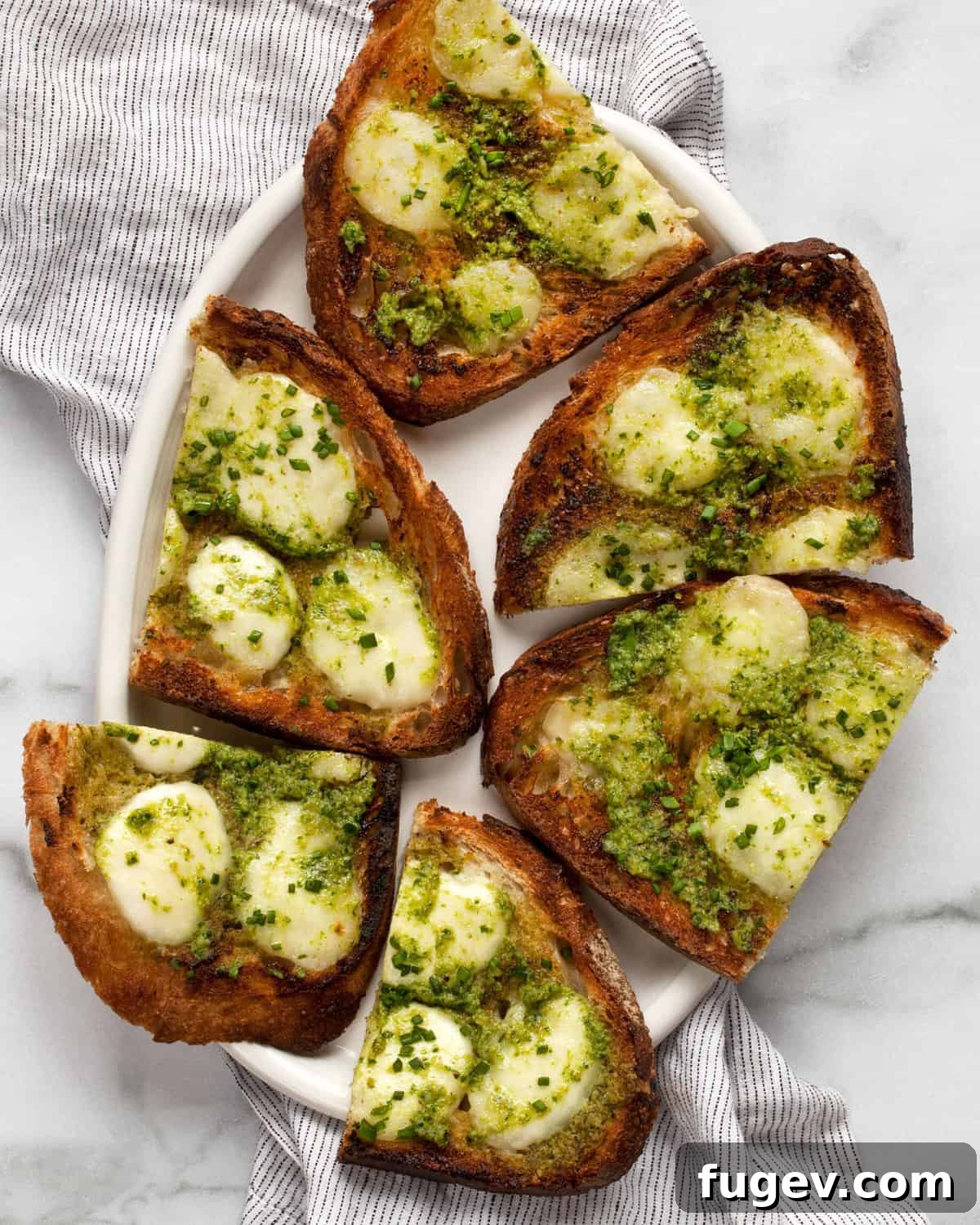
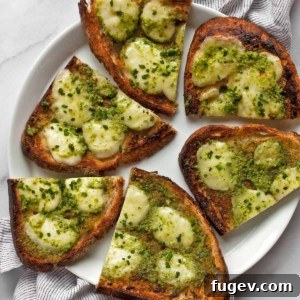
Embrace the vibrant flavors of spring with this extraordinary Ramp Garlic Bread. By transforming fleeting ramps into a robust, aromatic pesto and pairing it with creamy fresh mozzarella, we create an unparalleled garlic bread experience. The natural garlic and onion notes of ramps eliminate the need for traditional garlic cloves, making this a truly unique seasonal delight. A quick trip under the broiler toasts the bread to perfection and melts the cheese into gooey submission in mere minutes.
If you’re eager to explore more ways to savor this cherished spring ingredient, be sure to try our delightful Ramp Pesto Pasta too.
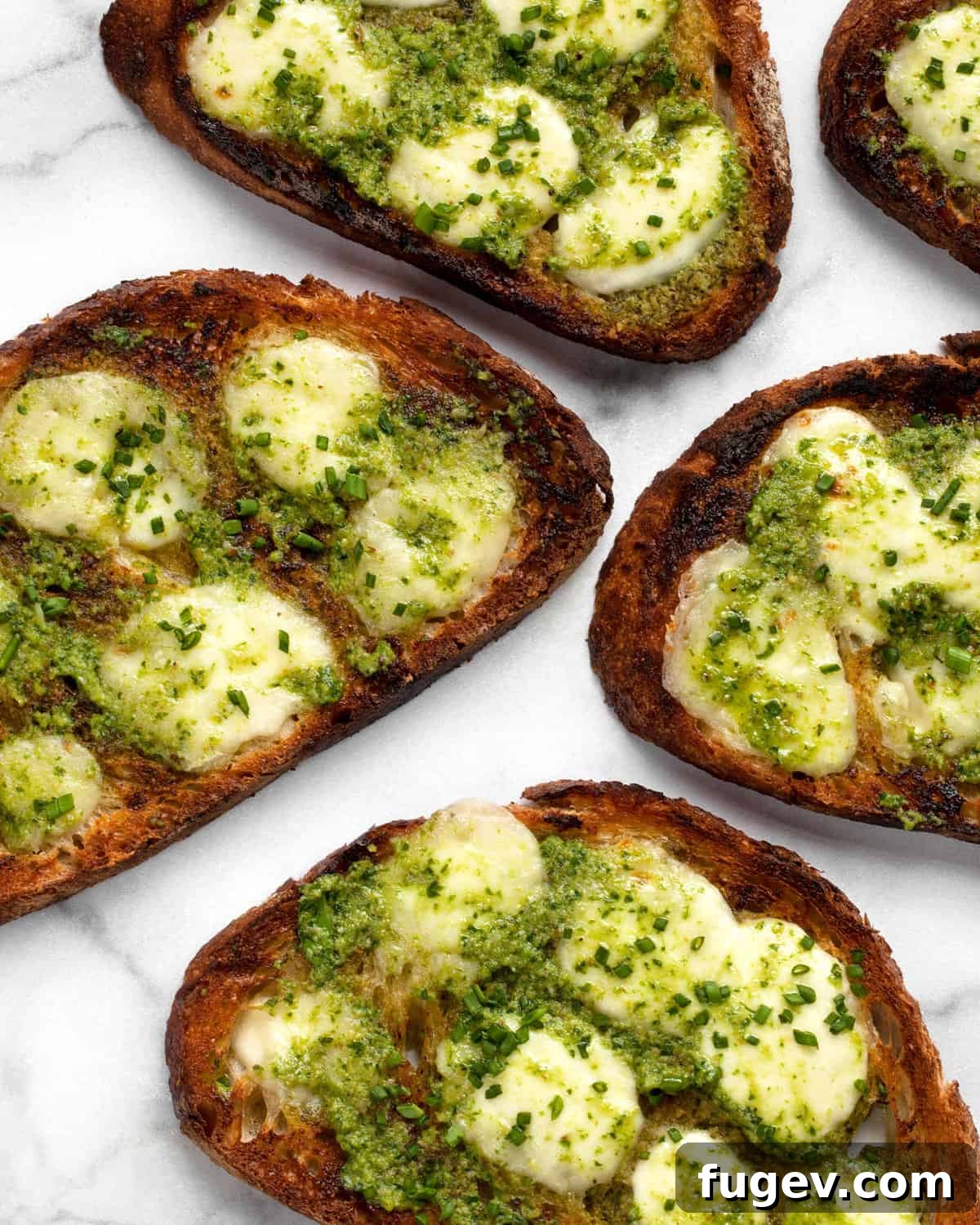
Table of Contents
- Why You’ll Adore This Ramp Garlic Bread
- What Exactly Are Ramps?
- Cleaning Ramps: A Gentle Approach
- Storing Ramps to Preserve Freshness
- Essential Ingredients for Ramp Garlic Bread
- Step-by-Step Guide to Making Ramp Garlic Bread
- Perfect Pairings and Serving Suggestions
- Make-Ahead Tips and Storage Solutions
- Expert Tips for Success
- Frequently Asked Questions About Ramps & Garlic Bread
- Ramp Garlic Bread Recipe Card
Why You’ll Adore This Ramp Garlic Bread
This isn’t just another garlic bread recipe; it’s an elevated culinary experience designed to impress. Here’s why this ramp garlic bread will quickly become a seasonal favorite:
- Unforgettable Flavor Profile: While classic garlic bread is always a treat, this ramp version offers a more complex and exciting taste. Ramps provide a beautiful balance of garlic and mild onion flavor, a nuanced earthiness that transcends a simple garlic kick. The pesto infuses every bite with this distinctive spring essence, making it far more sophisticated and intriguing than your average slice. It’s truly a gourmet twist on a beloved comfort food.
- Achieving the Perfect Texture: Say goodbye to overly crunchy, dry garlic toast. This recipe ensures a delightful contrast: wonderfully crusty edges that yield to a soft, tender interior. By selecting a sliced bread that isn’t excessively thick, you achieve the ideal ratio of bread to the rich ramp pesto and the luscious melted mozzarella. Each bite delivers that satisfying chew and melt-in-your-mouth goodness.
- Conveniently Freezer-Friendly: Whether you’re cooking for a crowd or just enjoying a quiet meal, it’s rare to need an entire loaf of garlic bread at once. This recipe offers excellent make-ahead potential. You can easily freeze individual slices of the baked garlic bread and simply reheat them in the oven whenever a craving strikes or unexpected guests arrive. This flexibility makes it a practical choice for busy weeknights and special occasions alike.
What Exactly Are Ramps? Unveiling Spring’s Wild Delicacy
Often hailed as one of the most anticipated harbingers of spring, ramps are truly a culinary treasure. These wild onions, botanically known as Allium tricoccum, are distant relatives of familiar vegetables like shallots, leeks, and scallions, all belonging to the diverse allium family. Their brief appearance in early spring marks a thrilling transition as the weather gently warms and the earth awakens with new life.
Ramps boast a wonderfully unique flavor: they offer a pronounced garlicky punch that is beautifully mellowed by a light, sweet oniony undertone. Unlike cultivated garlic, their taste is often described as less sharp and more nuanced, with a delightful earthiness. Every part of the ramp is edible, from the tender green leaves to the slender white bulb and even the delicate pinkish-purple stem. Simply trim off the fibrous root ends before use.
Visually, wild ramps are distinct. They are typically long and slender, bearing some resemblance to scallions. However, their defining feature is their wide, smooth, vibrant green leaves that taper towards the ends. The root end is characteristically white, transitioning to an alluring burgundy or purple hue as it extends upwards towards the leaves. Even before you cut into them, their intoxicating onion-garlic aroma fills the air, signaling their presence.
The ramp season is famously fleeting, typically spanning from late April to early June, depending on the region. This short window of availability makes them a highly sought-after ingredient. Due to their delicate nature and wild harvesting, you are much more likely to encounter them at local farmers’ markets or specialty grocery stores rather than conventional supermarkets. When you spot these precious bundles, seize the opportunity and grab a bunch (or two!) to enjoy their fleeting magic.
Cleaning Ramps: A Gentle Approach for Culinary Perfection
Given that ramps are wild-harvested, they often come with a bit of dirt and grit, especially around their delicate bulb ends. Proper cleaning is essential to ensure a delightful culinary experience without unwanted earthy textures. Begin by gently rinsing your ramps under cool running water. Pay particular attention to the white bulb and root area, where soil tends to accumulate most.
If you find that your ramps are particularly muddy or sandy, a more thorough cleaning might be necessary. In such cases, submerge them in a bowl of cold water and gently swish them around. This allows any stubborn dirt particles to loosen and settle to the bottom of the bowl. After a few minutes, lift the ramps out of the water, discard the dirty water, and rinse the bowl before repeating the process if needed. Remember to always be very gentle with ramps, as their leaves and stems are quite delicate.
Storing Ramps to Preserve Freshness: Maximizing Their Short Season
Ramps are best enjoyed as fresh as possible, ideally within a few days of purchase, to fully appreciate their vibrant flavor. It’s crucial not to wash them until you are ready to use them, as excess moisture can accelerate spoilage. To extend their freshness:
- Wrap a slightly damp paper towel around the root ends of the ramps. This provides just enough moisture to keep them hydrated without making them soggy.
- Place the wrapped ramps inside an airtight container or a resealable plastic bag.
- Store them in the crisper drawer of your refrigerator.
Even with proper storage, ramps are quite delicate and have a short shelf life. Aim to use them within 2-3 days at most for the best flavor and texture. The sooner you enjoy them, the more pronounced and delightful their unique garlicky-oniony essence will be.
Essential Ingredients for the Ultimate Ramp Garlic Bread
Crafting truly exceptional ramp garlic bread starts with selecting high-quality ingredients. Here’s a breakdown of what you’ll need, and why each component plays a vital role:
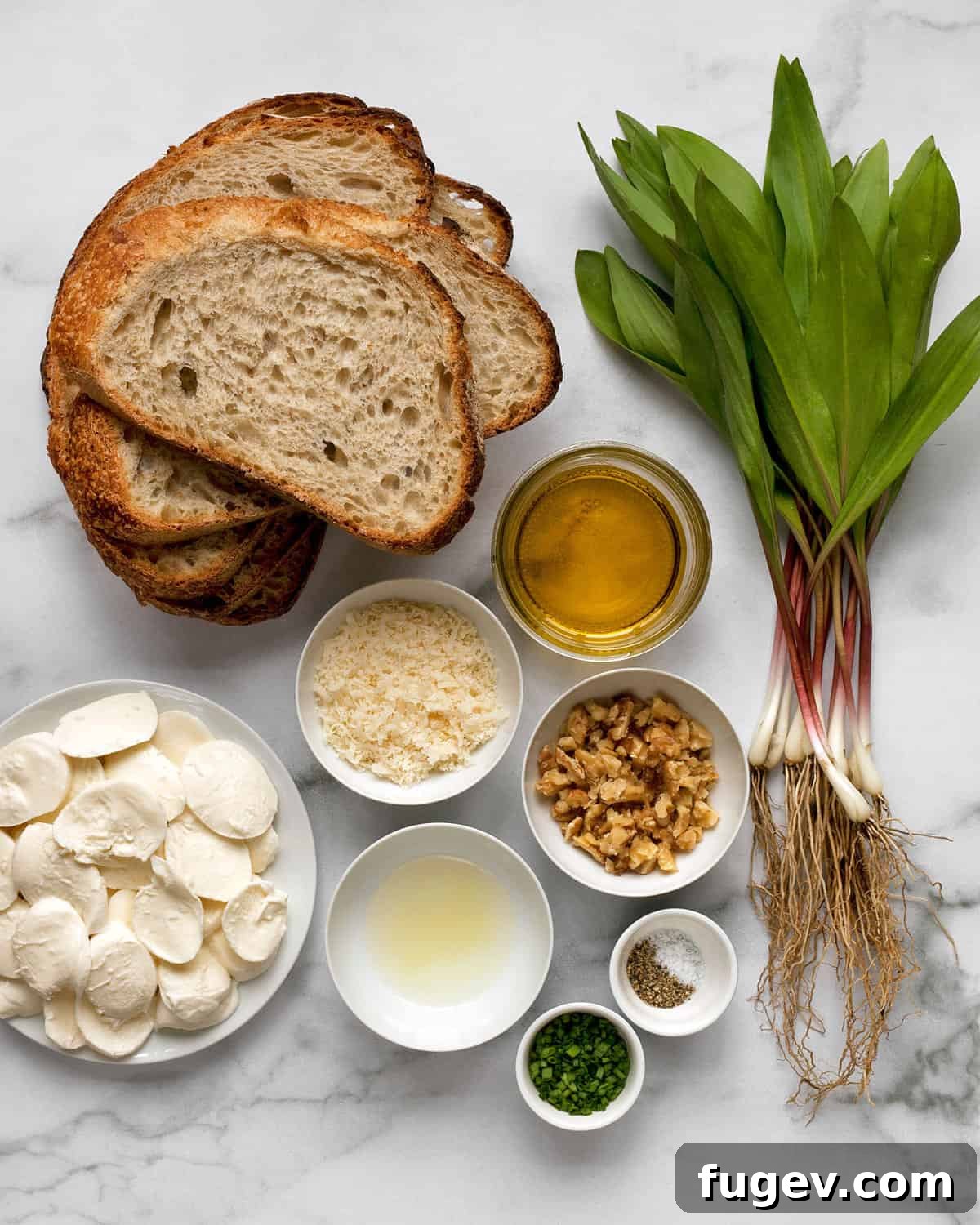
- Artisanal Bread: The foundation of any great garlic bread is the bread itself. Opt for an artisanal loaf with a beautiful, sturdy crust and a soft, airy crumb. A plain country-style loaf provides a neutral canvas for the ramp pesto, while sourdough bread adds a wonderful tanginess that complements the savory flavors beautifully. Slicing it yourself to about ¾-inch thickness ensures the perfect bread-to-topping ratio and prevents it from becoming too soggy or too dry.
- Fresh Mozzarella: Slices of fresh mozzarella are non-negotiable for that irresistible gooey, melted cheese layer. Unlike low-moisture mozzarella, fresh mozzarella melts into a creamy, luscious blanket that adds rich dairy notes and a delightful texture under the broiler. Its mild flavor allows the ramps to truly shine.
- Fresh Ramps: You’ll need one bunch, typically 8-10 ramps. After a thorough cleaning, trim off the root ends. Carefully separate the vibrant green leaves from the paler stems. Both parts are essential for the pesto; the leaves contribute a herbaceous freshness, while the stems offer a more concentrated garlicky-oniony punch. Roughly chop the stems to prepare them for the food processor.
- Walnuts: For this pesto, walnuts are an excellent choice. They contribute a rich, earthy flavor and a pleasing texture to the spread. Beyond their delicious taste, walnuts are significantly more cost-effective than traditional pine nuts, making this gourmet garlic bread more accessible without compromising on flavor.
- Parmesan Cheese: Grated Parmesan adds a salty, umami depth to the ramp pesto. Its sharp, nutty notes enhance the overall savory profile and help bind the pesto ingredients together. Use freshly grated Parmesan for the best flavor and texture.
- High-Quality Extra Virgin Olive Oil: As a primary component of the pesto, the quality of your olive oil truly matters. A good extra virgin olive oil will lend a fruity, slightly peppery flavor that enriches the pesto and beautifully carries the ramp essence. You’ll also need a little extra for drizzling over the bread slices before assembly.
- Fresh Lemon Juice: A subtle but critical addition, fresh lemon juice provides a bright, acidic counterpoint to the richness of the melted mozzarella and the earthy pesto. It lifts the flavors, adding a zesty zing that prevents the dish from feeling too heavy and ensures a harmonious balance.
- Fresh Chives: For an extra layer of delicate oniony flavor and a touch of fresh greenery, minced chives are sprinkled over the finished garlic bread. Their mild taste and vibrant color make them a perfect garnish, adding a final flourish of freshness.
- Kosher Salt & Freshly Ground Black Pepper: These essential seasonings bring all the flavors together in the ramp pesto, enhancing the natural taste of the ramps and other ingredients. Always season to taste.
Step-by-Step Guide to Making Irresistible Ramp Garlic Bread
Get ready to create a truly impressive appetizer or side dish with this straightforward ramp garlic bread recipe. The process is quick, especially with the broiler doing most of the work!
- Prepare Your Oven: Start by preheating your broiler on high. Position an oven rack about 4-6 inches away from the heating element. This ensures even toasting and melting without burning.
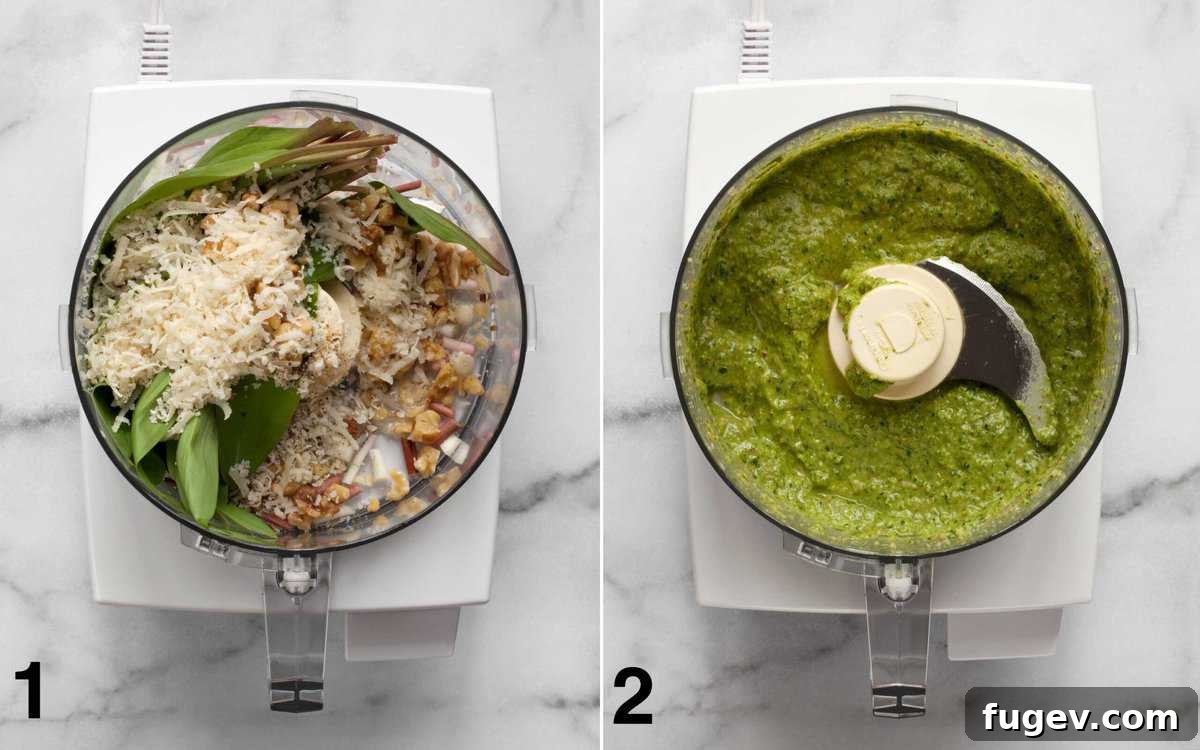
- Craft the Ramp Pesto: In the bowl of a food processor, combine the prepared ramp leaves and roughly chopped stems, walnuts, grated Parmesan cheese, fresh lemon juice, kosher salt, and black pepper. Pulse these ingredients until they are finely chopped and well combined. You’re aiming for a slightly coarse but uniform mixture.
- Emulsify the Pesto: With the food processor motor running on low, slowly drizzle in the 1/2 cup of olive oil. Continue processing until the mixture transforms into a vibrant green, smooth, and cohesive pesto. Scrape down the sides of the bowl as needed to ensure everything is incorporated.

Visual guide: before and after ramp pesto ingredients are pureed in a food processor. - Assemble the Bread: Arrange your sliced bread in a single layer across two large sheet pans. Avoid overlapping the slices to ensure even cooking. Lightly drizzle each slice with a little extra olive oil, then spread a generous layer of the homemade ramp pesto over each piece. Finally, top each pesto-covered slice with thinly cut fresh mozzarella.
- Broil to Perfection: Carefully transfer the sheet pans to the preheated broiler. Toast the bread and melt the cheese until the edges are golden brown and crispy, and the mozzarella is bubbly and gloriously melted. This usually takes about 3-4 minutes. Keep a close eye on it, as broilers can vary, and bread can go from perfect to burnt very quickly. If necessary, rotate the pans midway through to ensure even browning.
- Finish and Serve: Once removed from the broiler, for an extra burst of ramp flavor, you can spread a little more fresh ramp pesto on top of the warm garlic bread. Garnish generously with minced chives. Serve immediately while it’s still warm and the cheese is perfectly molten.
The transformation: Ramp garlic bread on a sheet pan, ready for the oven and then perfectly broiled.
Perfect Pairings and Serving Suggestions for Ramp Garlic Bread
This ramp garlic bread is a showstopper on its own, but it truly shines when paired thoughtfully with complementary dishes. It’s best served warm, straight from the oven, allowing the melted mozzarella to be at its creamiest and the pesto at its most aromatic. Here are some ideal pairings to elevate your meal:
- Pasta Dishes: Garlic bread is the quintessential accompaniment to a hearty pasta meal. The vibrant flavors of the ramp pesto cut through the richness of sauces beautifully. Consider pairing it with:
- Arugula Pasta
- Penne Arrabbiata (for a spicy kick!)
- Lemon Garlic Mushroom Spaghetti
- Antipasto Pasta
- Chickpea Pasta with Spinach
- Sun-Dried Tomato Pasta
- Rigatoni Pasta & Tomato Sauce
- Soups and Salads: Serve a slice of warm ramp garlic bread alongside a fresh spring salad or a comforting bowl of soup. A simple garden salad with a light vinaigrette or a creamy tomato basil soup would be wonderfully complemented by its rich flavors.
- As an Appetizer: Slice the garlic bread into smaller, more manageable pieces and serve it as an elegant appetizer for gatherings. It pairs beautifully with a glass of crisp white wine or a light lager.
- Grilled Meats or Vegetables: The robust flavors of the ramp pesto make this garlic bread an excellent side for grilled chicken, steak, or even grilled asparagus and zucchini for a vegetarian feast.
Make-Ahead Tips and Storage Solutions for Convenience
Ramp season is short, so taking advantage of make-ahead options allows you to enjoy their unique flavor for longer. This recipe offers flexibility for busy cooks:
Preparing the Pesto in Advance:
The ramp pesto is incredibly versatile and can be made several days ahead. Prepare the pesto as directed and store it in an airtight jar or container in the refrigerator for up to 4 days. To prevent discoloration and keep it fresh, you can pour a thin layer of olive oil over the surface of the pesto before sealing. When you’re ready to use it, allow the pesto to sit at room temperature for about 15-20 minutes. This gives the olive oil, which may have solidified in the cold fridge, a chance to liquefy and become easily spreadable again, ensuring a smooth application on your bread.
Freezing Baked Ramp Garlic Bread:
If you find yourself with leftover baked garlic bread, or if you intentionally make a larger batch for future enjoyment, it freezes beautifully. This is a fantastic way to extend the pleasure of ramp season:
- First, allow the baked garlic bread slices to cool completely to room temperature. This prevents ice crystals from forming and making the bread soggy.
- Arrange the cooled slices in a single layer on a parchment-lined baking sheet. Place the baking sheet in the freezer until the slices are solid (this flash-freezing step prevents them from sticking together).
- Once solid, you can transfer the frozen slices to a large freezer-safe bag or an airtight container. If you wish to store all the bread in one container without them sticking, wrap each individual piece in wax paper or parchment paper before placing them together.
Frozen ramp garlic bread can be stored for up to 1 month, ready to be enjoyed whenever you desire a quick and delicious side. To reheat, simply place the frozen slices on a baking sheet and bake in a preheated 400°F (200°C) oven for approximately 6-7 minutes, or until warmed through and crisp. There’s no need to thaw them beforehand!
Expert Tips for Ramp Garlic Bread Success
Achieve perfect ramp garlic bread every time with these helpful hints and considerations:
- Mastering the Broiler: The broiler is your friend for quick, cheesy perfection, but it demands your full attention! Foods under the broiler can go from beautifully golden to burnt in a matter of seconds. Stay near your oven and keep a constant eye on the bread. Depending on the heat distribution of your particular oven’s broiler element, you might need to rotate the sheet pan halfway through the broiling process or even move it to a different spot on the rack to ensure even toasting and melting across all slices.
- Ramp Substitutions: Ramps have a notoriously short season, and they aren’t always easy to find. If you can’t get your hands on fresh ramps, don’t despair! You can still enjoy a fantastic pesto garlic bread. A high-quality store-bought basil pesto or a homemade classic basil pesto makes an excellent substitute. For a closer ramp-like flavor, you could try blending a combination of fresh basil with a small amount of finely minced garlic and scallions in your pesto.
- Adjusting the Cheese Factor: This recipe calls for a generous amount of fresh mozzarella, but if you’re a true cheese enthusiast who believes there’s no such thing as too much cheese, feel free to increase the quantity! Add extra slices of fresh mozzarella to fully cover each piece of bread for an even more decadent and cheesy garlic bread experience. For a lighter touch, or if you prefer a less cheesy profile, you can reduce the amount of mozzarella or even omit it entirely for a simpler, yet still flavorful, ramp pesto bread.
- Choosing the Right Bread Thickness: When slicing your bread, aim for about ¾ to 1 inch thick. Slices that are too thin can become overly crisp and dry, while overly thick slices might not toast through properly and could taste too bready.
- Enhancing the Pesto: Taste your ramp pesto before spreading it. Adjust salt and pepper as needed. For a touch of heat, a tiny pinch of red pepper flakes can be added to the pesto mixture.
Frequently Asked Questions About Ramps & Garlic Bread
Do I have to use fresh mozzarella?
While fresh mozzarella is highly recommended for its superior melt and creamy texture, you can experiment with other cheeses. For a sharper flavor, a blend of shredded fontina and provolone could work. However, if you prefer a lighter version of garlic bread, you can certainly skip the melted cheese altogether and simply enjoy the flavorful ramp pesto on toasted bread.
What if I can’t find ramps?
Ramps are seasonal and can be elusive! If you can’t source them, a fantastic alternative is to use basil pesto. You can either use a good quality store-bought basil pesto or make your own. This substitution will still yield a delicious and easy garlic bread, though with a different flavor profile.
How do you reheat frozen garlic bread?
Reheating frozen garlic bread is straightforward. There’s no need to thaw it first! Simply place the individual frozen slices on a baking sheet and warm them in a preheated oven at 400°F (200°C) for about 6-7 minutes, or until they are hot, crispy, and the cheese is re-melted and bubbly.
What is the best way to clean ramps?
Due to their wild origins, ramps often have dirt on them. Rinse them thoroughly under cold water, paying close attention to the white bulb and root ends. For very dirty ramps, submerge them in a bowl of cold water and gently swish them around to loosen grit before rinsing again. Always be gentle as they are delicate.
Can I make ramp pesto without a food processor?
While a food processor makes the pesto-making process very quick and easy, you can certainly make it without one. A mortar and pestle will give you a more traditional, rustic texture (though it requires more effort). Alternatively, you can finely mince the ramps and walnuts by hand and then gradually stir in the Parmesan, lemon juice, salt, pepper, and olive oil until combined.
Did you make this delightful ramp garlic bread recipe? Please consider leaving a rating and comment below – your feedback is greatly appreciated!
Ramp Garlic Bread Recipe
This exquisite garlic bread utilizes the unique garlicky and oniony notes of ramps to create a vibrant pesto spread, perfectly complemented by luscious melted fresh mozzarella. A true celebration of spring!
Prep: 10 mins
Cook: 4 mins
Total: 14 mins
Servings: 10
By Paige Adams
Ingredients
- 1 bunch ramps (about 8-10), roots trimmed, leaves and stems separated with stems roughly chopped
- 1/4 cup roughly chopped walnuts
- 1/2 ounce grated Parmesan (about 1/4 cup)
- 1 tablespoon fresh lemon juice
- 1/4 teaspoon kosher salt
- 1/4 teaspoon black pepper
- 1/2 cup olive oil, plus more for drizzling bread
- 1 loaf country bread or sourdough bread, sliced (about 1 pound)
- 8 ounces fresh mozzarella, thinly sliced
- 2 tablespoons minced chives
Instructions
- Preheat the broiler on high with an oven rack positioned 4-6 inches from the heating element.
- In a food processor, combine the ramp leaves and stems, walnuts, Parmesan, lemon juice, salt, and pepper. Process until they are finely chopped.
- With the motor running, slowly drizzle in the 1/2 cup of olive oil until the pesto is fully combined and smooth.
- Arrange the bread slices across two large sheet pans without overlapping. Drizzle each slice lightly with olive oil.
- Spread a generous layer of the ramp pesto on the bread and top with the thinly sliced fresh mozzarella.
- Broil the bread for about 3-4 minutes, or until it is golden brown and toasted, and the cheese has melted and is bubbly. Rotate the pan as necessary to ensure even toasting.
- Once removed from the oven, spread a little more ramp pesto (optional) on the warm garlic bread and sprinkle with minced chives before serving. It is best eaten warm.
Video
Notes
- Thinly slice the fresh mozzarella, then tear the slices as needed to best fit the shape and size of your bread. If you’re a cheese lover, feel free to add more mozzarella than the recipe suggests for an extra cheesy result.
- The ramp pesto can be prepared up to 4 days in advance. Store it in an airtight container in the refrigerator, ensuring a thin layer of olive oil covers the surface to prevent oxidation. Before using, let it sit at room temperature for about 15 minutes to allow the olive oil to soften.
- To freeze baked ramp garlic bread, first let it cool completely to room temperature. Arrange the slices on a parchment-lined sheet pan and freeze until solid. Once frozen, transfer them to a freezer-safe bag or container. If freezing multiple slices together in one container, wrap individual pieces in wax paper to prevent them from sticking. Frozen garlic bread can be kept for up to 1 month. To reheat, bake directly from frozen in a 400°F (200°C) oven for 6-7 minutes.
Nutrition
Calories: 314kcal | Carbohydrates: 25g | Protein: 11g | Fat: 19g | Saturated Fat: 5g | Polyunsaturated Fat: 3g | Monounsaturated Fat: 10g | Cholesterol: 19mg | Sodium: 499mg | Potassium: 90mg | Fiber: 1g | Sugar: 3g | Vitamin A: 218IU | Vitamin C: 1mg | Calcium: 155mg | Iron: 2mg
Nutrition information is an estimate and should only be used as an approximation.
Additional Info
Course: Side Dish
Cuisine: Italian
Did you make this recipe? Mention @lastingredient on Instagram and tag it #lastingredient!