
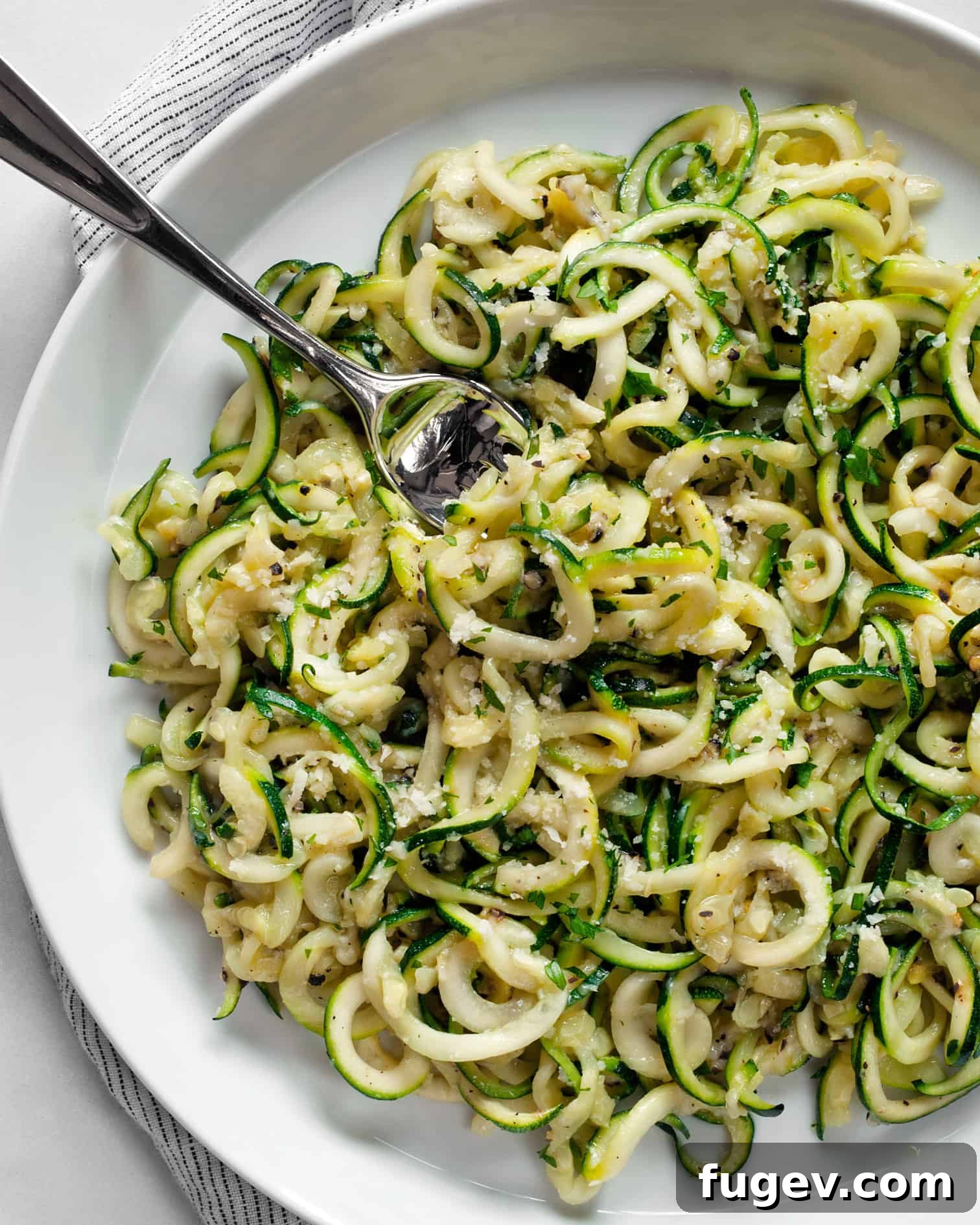
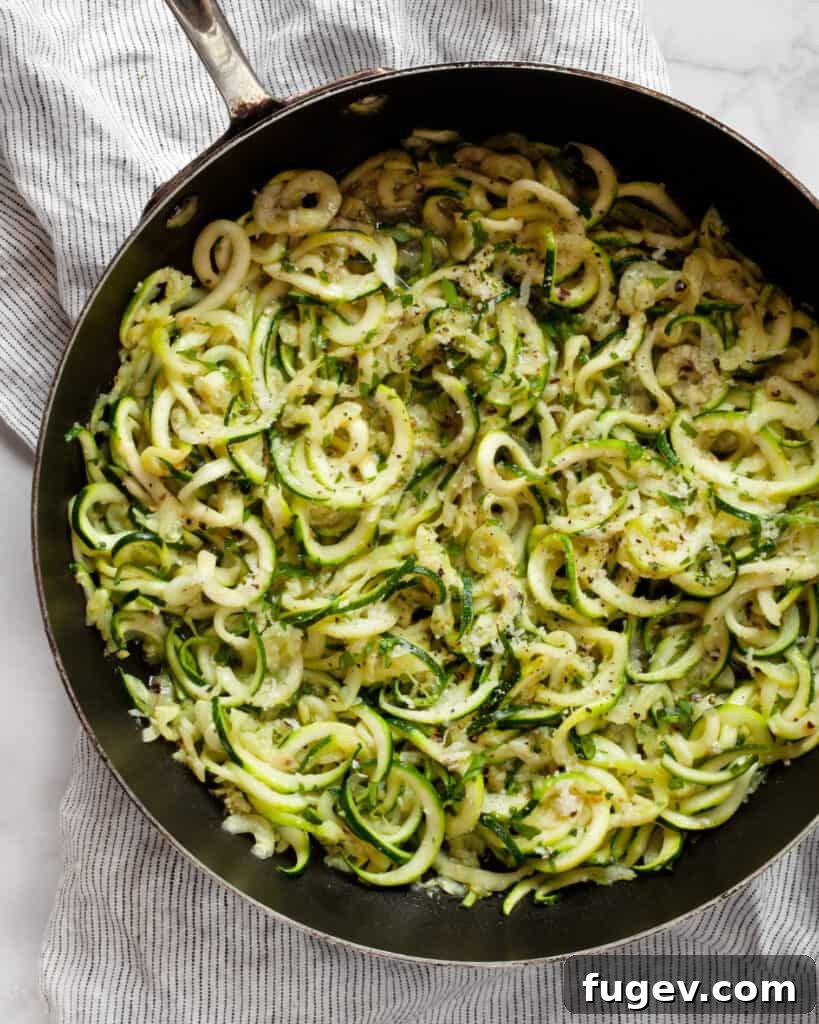
Transform your weeknight dinner with this exquisite Zucchini Cacio e Pepe recipe, a delightful vegetable-forward interpretation of the beloved classic Roman pasta. This dish isn’t just a healthy twist; it’s a celebration of vibrant zucchini noodles tossed in a rich, peppery, and cheesy sauce that captures the essence of its traditional counterpart. Perfect for a light yet satisfying meal, it showcases how simple, high-quality ingredients can create extraordinary flavors.
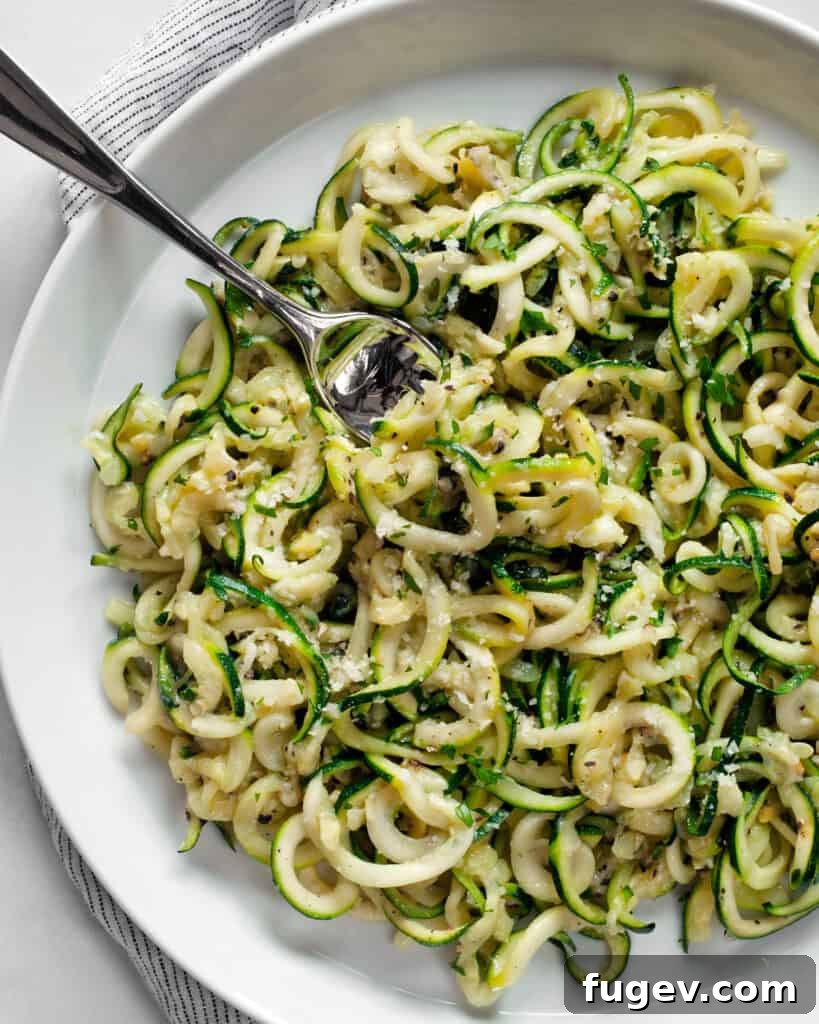
In countless kitchens, vegetables and pasta are a go-to combination for quick, flavorful meals. Whether you prefer roasting, grilling, or sautéing, incorporating fresh produce into your pasta dishes is always a win. But what if the vegetables *became* the pasta? That’s precisely the magic of zucchini noodles, affectionately known as zoodles. They offer a fantastic way to enjoy all the comforting flavors and textures of a classic pasta dish while boosting your vegetable intake and keeping things light and fresh.
This Zucchini Cacio e Pepe draws deep inspiration from the original Roman recipe, reimagining it as a brilliant showcase for fresh zucchini. It delivers on all fronts: the intense black pepper kick, the sharp, salty embrace of Pecorino Romano and Parmesan, and a satisfyingly creamy texture, all while being packed with wholesome vegetables. It’s a culinary journey that honors tradition while embracing modern, health-conscious eating.
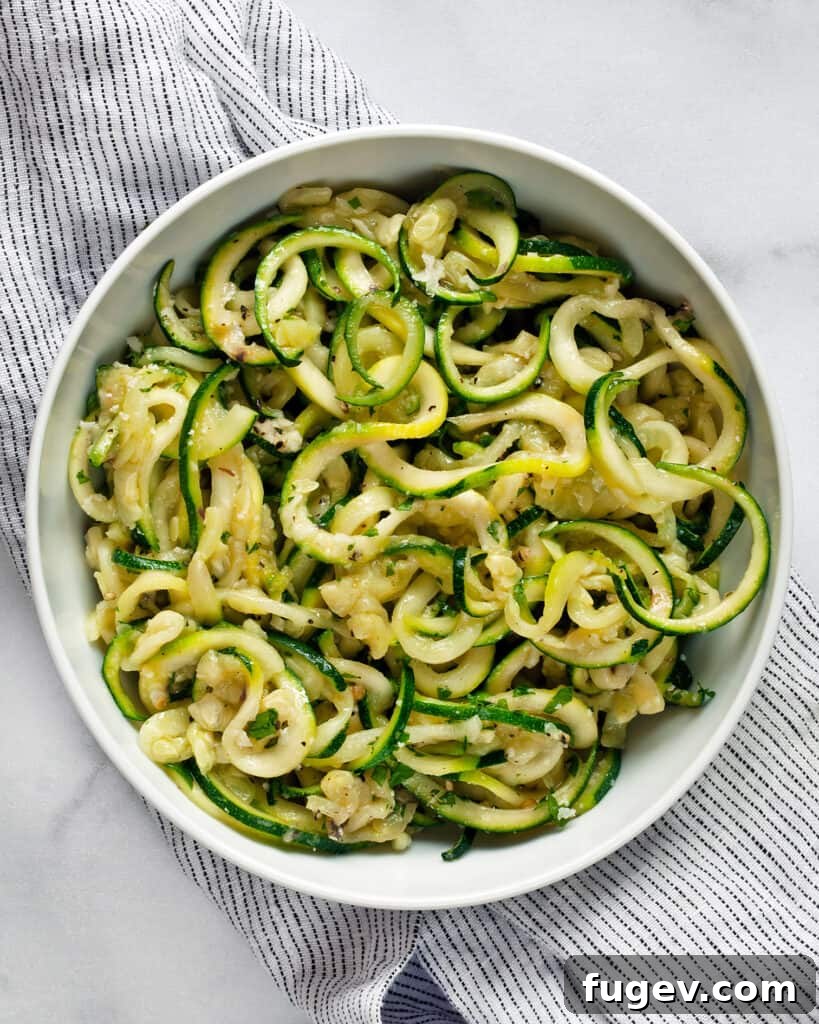
Understanding Cacio e Pepe: The Roman Original
The name “Cacio e Pepe” directly translates from Italian to “cheese and pepper,” perfectly describing this iconic Roman pasta dish. Its beauty lies in its elegant simplicity, requiring only a handful of ingredients: Pecorino Romano cheese, freshly cracked black pepper, and pasta (traditionally spaghetti or tonnarelli). The magic happens when these humble components are expertly combined with a touch of starchy pasta water to create a remarkably emulsified, creamy, and intensely flavorful sauce that coats every strand of pasta. It’s a testament to Italian culinary philosophy, where ingredient quality and precise technique transform basic elements into something extraordinary.
Because of its minimalist nature, the quality of each ingredient in Cacio e Pepe is paramount. You simply cannot skimp. Freshly ground black pepper provides its signature pungent heat, while aged Pecorino Romano delivers a sharp, salty, umami-rich punch that defines the dish. Unlike other pasta recipes that might hide flaws with many flavors, Cacio e Pepe forces its core ingredients to shine. This recipe respects that tradition by emphasizing quality, even as we swap traditional pasta for nutritious zucchini noodles, offering a lighter, vegetable-rich experience without compromising on the bold, iconic flavors.
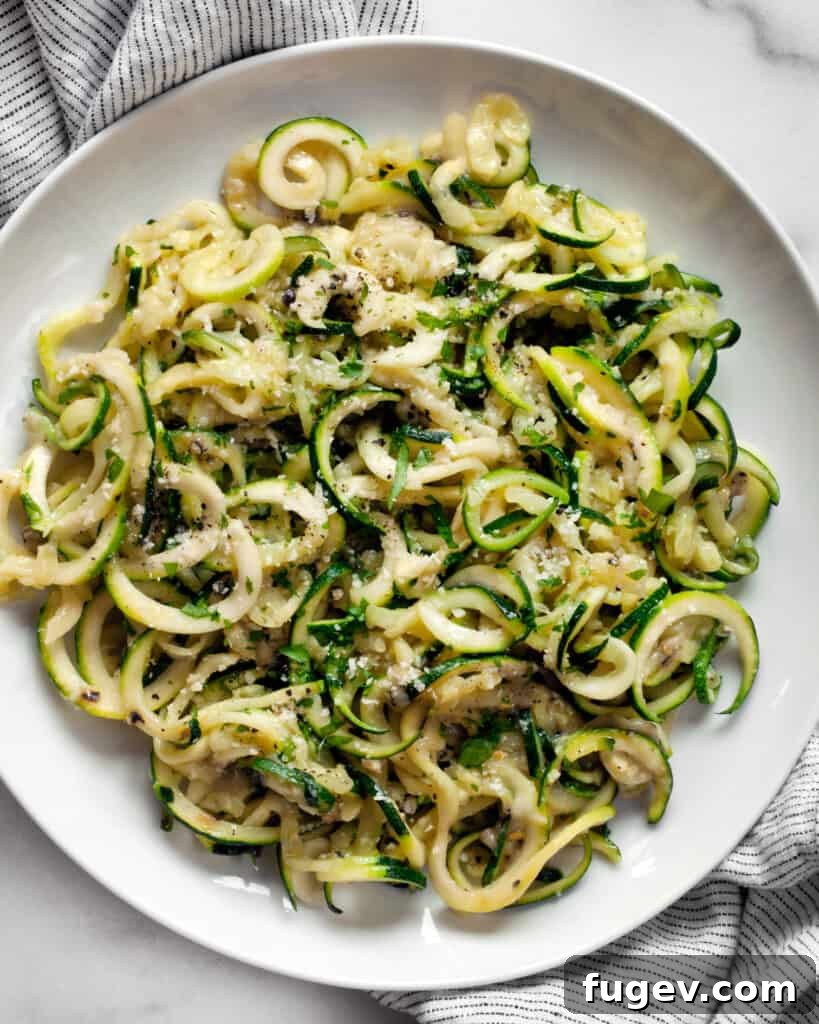
Why Zucchini Noodles? A Healthy and Flavorful Twist
Choosing zucchini noodles for Cacio e Pepe is a deliberate and delicious decision. This substitution transforms a classic comfort food into a refreshing, low-carb, and gluten-free alternative that’s bursting with fresh flavor. Zucchini itself has a mild taste, making it an ideal canvas to absorb the robust flavors of garlic, olive oil, and the potent combination of Pecorino and Parmesan cheeses, all brightened by generous amounts of black pepper.
Beyond its culinary versatility, zucchini brings a wealth of nutritional benefits. It’s low in calories, rich in vitamins (like Vitamin C and K), and packed with antioxidants and fiber. By using zoodles, you’re not just reducing your carbohydrate intake; you’re also adding essential nutrients and hydration to your meal. This makes Zucchini Cacio e Pepe an excellent choice for those following specific dietary plans or simply looking to incorporate more vegetables into their diet in an exciting and satisfying way. The delicate texture of properly cooked zucchini noodles, often described as “al dente” like pasta, provides a pleasing mouthfeel that complements the creamy, savory sauce perfectly.
Crafting Perfect Zucchini Noodles: Methods and Tips
Making your own zucchini noodles is a surprisingly simple process that unlocks a world of fresh, vibrant meals. While the idea of yet another kitchen gadget might seem daunting, a spiralizer is a fantastic investment for anyone who loves vegetable noodles. I initially hesitated due to limited cabinet space, but I’ve found great joy in my compact, foldable spiralizer, which makes storing a breeze. With a spiralizer, you can effortlessly transform whole zucchinis into long, elegant strands that mimic traditional spaghetti, creating a beautiful and uniform noodle.
If you’re not ready to commit to a spiralizer, several other tools can help you achieve perfect zoodles. A julienne peeler is an inexpensive and space-saving alternative. This handy gadget allows you to create thin, matchstick-like strips of zucchini with a simple peeling motion. For those with excellent knife skills, a sharp chef’s knife and a mandoline can also do the trick. First, slice the zucchini lengthwise into thin planks using a mandoline, then stack these planks and carefully cut them into spaghetti-width strips with your knife. This method requires a bit more precision but yields equally beautiful results.
Of course, for ultimate convenience, you can always opt for pre-cut zucchini noodles, readily available in the refrigerated produce section of most grocery stores. While freshly cut zoodles often offer a superior taste and texture, with a slightly firmer “bite,” store-bought versions are a fantastic time-saver, especially on busy weeknights. Regardless of your chosen method, remember that the key to great zucchini noodles is to remove excess moisture. This prevents a watery sauce and ensures your Zucchini Cacio e Pepe is gloriously creamy and flavorful.
Key Ingredients for an Authentic Zucchini Cacio e Pepe
Crafting this simple yet profoundly flavorful dish relies on a select list of ingredients, each playing a crucial role in achieving that signature Cacio e Pepe taste and texture. Here’s a closer look at what you’ll need:
- Zucchini: The star of our dish! As discussed, whether you spiralize them fresh or use pre-cut, the goal is firm, well-drained noodles that can stand up to the rich sauce. Choose medium-sized zucchinis for the best texture and ease of preparation.
- Garlic: Minced garlic sautéed in olive oil forms the aromatic foundation of our sauce. Its subtle warmth and savory notes perfectly complement the sharpness of the cheeses and the heat of the pepper, adding depth without overpowering the main flavors.
- Black Pepper: This is half of the dish’s namesake, so don’t be shy! Freshly cracked black pepper is essential. It provides a robust, pungent heat that is far superior to pre-ground pepper. The quantity might seem generous, but it’s what gives Cacio e Pepe its distinctive fiery character.
- Red Pepper Flakes: For an extra layer of warmth and a subtle kick, red pepper flakes are a wonderful addition. They enhance the peppery profile without making the dish overwhelmingly spicy, adding a nuanced heat that lingers pleasantly.
- Pecorino Romano Cheese: This sheep’s milk cheese is non-negotiable for authentic Cacio e Pepe. Its sharp, tangy, and intensely salty flavor is distinct and forms the backbone of the sauce. Always use freshly grated Pecorino Romano for the best texture and melt.
- Parmesan Cheese: While Pecorino brings the bold, Parmesan (Parmigiano-Reggiano) adds balance and a more mellow, nutty, and slightly sweeter undertone. The combination of both cheeses creates a complex, harmonious flavor profile and contributes to the creamy consistency of the sauce as they melt together.
- Olive Oil: Extra virgin olive oil is used to sauté the garlic and provide a rich, fruity base for the sauce. Its quality matters, as its flavor will shine through in this simple dish.
- Kosher Salt: Used primarily for drawing out moisture from the zucchini noodles, preventing a watery dish, and also for seasoning the overall dish. Precision is key since the cheeses also add significant saltiness.
Step-by-Step Guide to Preparing Zucchini Cacio e Pepe
The beauty of this Zucchini Cacio e Pepe recipe lies not only in its vibrant flavor but also in its incredible speed. From start to finish, you can have a delicious and healthy meal on the table in under 30 minutes, with the active cooking time being a mere three minutes. To ensure a smooth and efficient cooking process, it’s crucial to have all your ingredients prepped and ready before you even turn on the stove. This mise en place approach is particularly important for quick-cooking dishes.
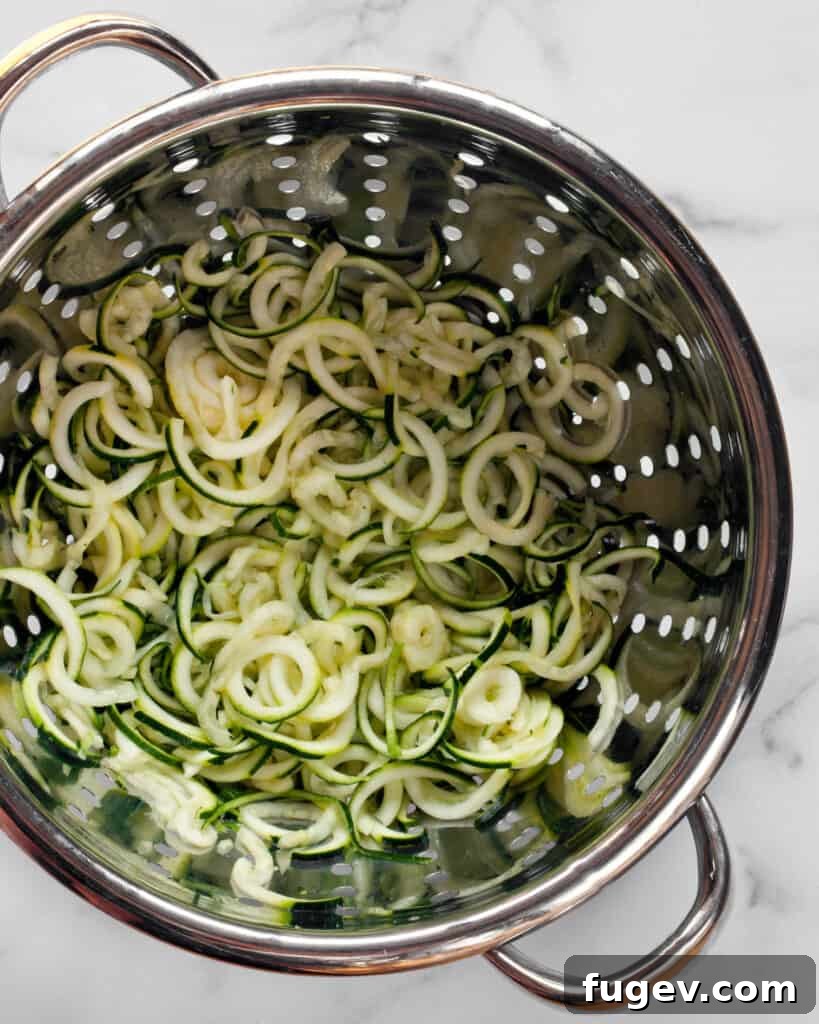
First, let’s talk about preparing the zucchini. This critical step ensures your dish doesn’t become watery. Begin by trimming and spiralizing your zucchini. If your noodles are excessively long, a quick snip with kitchen shears will bring them down to a manageable, spaghetti-like length. Once spiralized, place the zucchini noodles in a colander and generously toss them with about 1 teaspoon of kosher salt. The salt will work its magic, drawing out excess moisture. Let the noodles sit and drain for a minimum of 15 minutes. After draining, gently but firmly squeeze out any remaining water using a clean kitchen towel or paper towels. This step is vital for a concentrated flavor and a creamy, not watery, sauce.
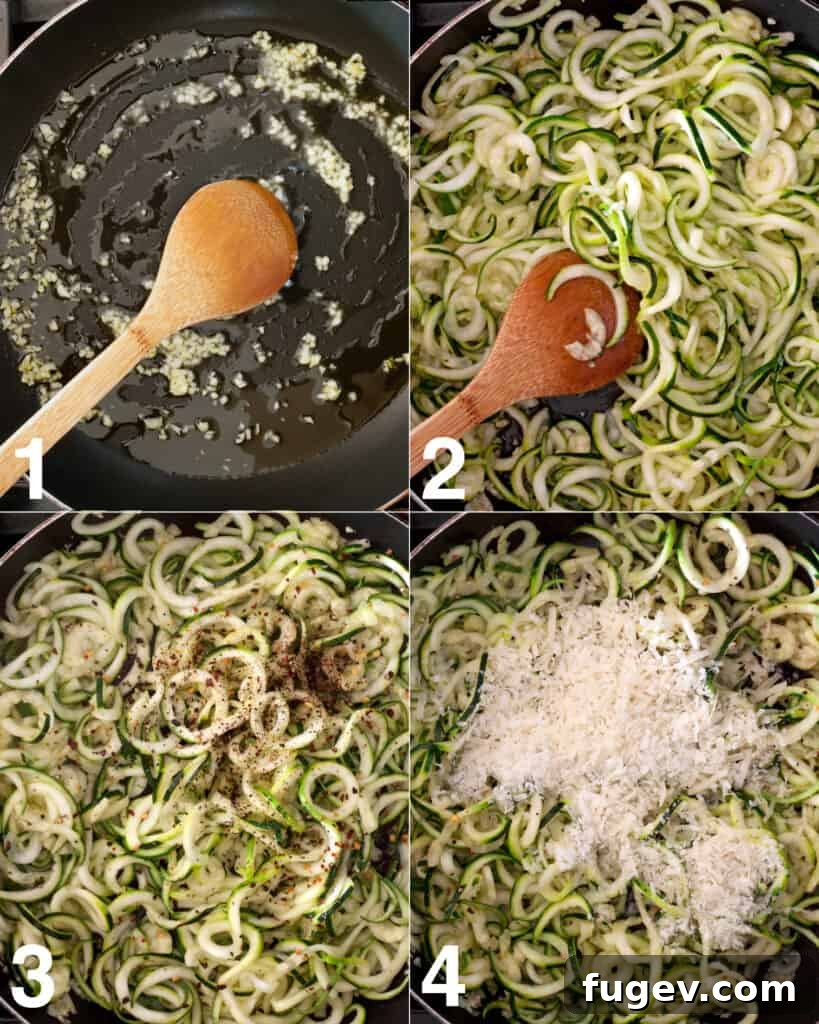
With your zucchini ready, heat the olive oil in a large skillet or non-stick pan over medium-high heat. Once the oil shimmers, add the minced garlic. Sauté the garlic for about 30 seconds, just until it becomes wonderfully fragrant and lightly golden – be careful not to burn it, as burnt garlic can turn bitter. This aromatic garlic oil will infuse the entire dish with a delicious base flavor.
Next, it’s time for the zucchini noodles to join the party. Add them to the skillet with the fragrant garlic oil. Toss them gently to coat, ensuring they are evenly distributed. Immediately follow this by adding the red pepper flakes, the remaining 1/2 teaspoon of kosher salt, and the generous amount of freshly cracked black pepper. Continue to stir and sauté the noodles for just about 1 minute. You want the zucchini to soften slightly but still retain a pleasant crunch, much like an al dente pasta. Overcooking at this stage will result in mushy noodles, which we want to avoid.
Finally, remove the skillet from the heat, or reduce the heat to low, and quickly fold in the grated Parmesan and Pecorino cheeses. The residual heat from the skillet and the zucchini noodles will be just enough to melt the cheeses beautifully. Continuously toss and stir the noodles vigorously as the cheeses melt, creating a lightly creamy, luscious sauce that clings to every strand. The tiny bit of moisture remaining on the zucchini, combined with the olive oil, will help emulsify the cheeses into a velvety coating. As soon as the cheese has melted and formed a sauce, your Zucchini Cacio e Pepe is ready!
The entire process on the stove should take no more than 3 minutes. Serve immediately, topping each portion with an extra sprinkle of grated Parmesan and Pecorino, and a final flourish of black pepper for an impressive and irresistibly delicious meal. Remember, the goal is noodles that still have a delightful bite, mirroring the ideal al dente texture of traditional pasta.
Serving Suggestions for Zucchini Cacio e Pepe
Zucchini Cacio e Pepe is robust enough to stand as a satisfying main dish on its own. Its rich, cheesy, and peppery profile is incredibly fulfilling. However, pairing it with simple, fresh sides can elevate the meal, providing a lovely contrast in textures and flavors without overshadowing the main event. Consider these light and refreshing accompaniments:
- Mixed Greens Salad: A simple salad with crisp mixed greens, a light vinaigrette, and perhaps some homemade croutons offers a refreshing counterpoint to the creamy pasta. The acidity of the dressing cleanses the palate beautifully.
- Italian Chopped Salad: For something a bit heartier but still fresh, an Italian chopped salad with crisp lettuce, cherry tomatoes, cucumbers, and a zesty Italian dressing provides a delightful crunch and vibrant flavors.
- Crusty Bread: A warm, crusty loaf of artisanal bread is perfect for soaking up any lingering sauce at the bottom of the bowl.
- Grilled Chicken or Fish: If you desire a protein boost, a simply grilled chicken breast or a flaky white fish, seasoned lightly, would complement the flavors without competing with them.
Expert Tips for the Best Zucchini Cacio e Pepe
While seemingly straightforward, mastering Zucchini Cacio e Pepe involves a few key techniques to ensure a perfect outcome:
- Don’t Overcook the Zucchini: This is perhaps the most crucial tip. Zucchini cooks incredibly quickly. Aim for an “al dente” texture, where the noodles are tender but still have a slight bite. Overcooked zucchini will become watery and mushy, ruining the texture of your dish. Keep a close eye on them – it’s often less than 2 minutes of active cooking.
- Properly Drain the Zucchini: As highlighted, salting and squeezing out excess water from the zucchini noodles is non-negotiable. This prevents your sauce from becoming diluted and ensures the cheese mixture can properly adhere to the noodles, creating that desirable creamy coating.
- Freshly Grate Your Cheese: Pre-shredded cheeses often contain anti-caking agents that can prevent them from melting smoothly. For a truly creamy and emulsified sauce, always grate fresh Pecorino Romano and Parmesan cheese just before cooking.
- Use High-Quality Ingredients: With such a minimalist ingredient list, the quality of each component shines through. Invest in good quality extra virgin olive oil, fresh garlic, and premium cheeses for the most impactful flavors.
- Freshly Cracked Black Pepper is Key: Pre-ground pepper loses much of its aroma and pungency. Always use a pepper mill to freshly crack black pepper directly into your dish for that vibrant, spicy kick.
- Serve Immediately: Zucchini Cacio e Pepe is best enjoyed right off the stove. The noodles can continue to release moisture and soften if left to sit, so serve hot for the optimal experience.
Explore More Zucchini Main Dish Recipes
If you’ve fallen in love with the versatility of zucchini, here are some other fantastic recipes to inspire your cooking adventures:
- Sheet Pan Baked Feta with Zucchini, Corn & Tomatoes
- Roasted Broccolini and Zucchini Pasta Salad
- Roasted Eggplant Zucchini Tomato Stew
- 30-Minute Tomato Zucchini Orzo
- Zucchini Corn Fritters
- Grilled Corn, Zucchini and Mint Pesto Pasta
- Zucchini Noodles and Cherry Tomatoes
- Zucchini Squash Pea Orzo
- Roasted Mediterranean Vegetables and Halloumi
Zucchini Cacio e Pepe
Cook: 3 mins
Total: 23 mins
Servings: 4
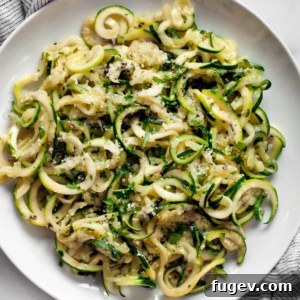
This easy zucchini cacio e pepe recipe is a vegetable version of the classic Italian pasta dish that goes big on black pepper and cheese, offering a healthy and quick meal.
Ingredients
- 3 medium zucchini
- 1 teaspoon + 1/2 teaspoon kosher salt
- 1 tablespoon olive oil
- 2 garlic cloves, minced
- 1 teaspoon black pepper, freshly ground
- 1/4 teaspoon red pepper flakes
- 1/4 cup grated Parmesan cheese, plus more for serving
- 1/4 cup grated Pecorino cheese, plus more for serving
Instructions
- Trim and spiralize the zucchini. Cut any long noodles so they are about the length of spaghetti.
- Place the zucchini noodles in a colander and toss with 1 teaspoon kosher salt. Let the noodles drain for 15 minutes. Squeeze out additional water using a clean towel.
- Heat the olive oil in a large skillet over medium-high heat. Add the minced garlic, sautéing until fragrant, about 30 seconds.
- Stir in the zucchini, followed by the red pepper flakes, the remaining 1/2 teaspoon salt, and black pepper. Continue cooking for 1 minute before folding in the Parmesan and Pecorino cheeses. The cheese will quickly melt, and then the zucchini noodles are ready.
- Serve immediately, topped with extra grated Parmesan and Pecorino.
Notes
Do not overcook the zucchini noodles. You want them to still have some bite, similar to al dente pasta.
Nutrition
Nutrition information is automatically calculated, so should only be used as an approximation.
- Calories: 110 kcal
- Carbohydrates: 6 g
- Protein: 6 g
- Fat: 7 g
- Saturated Fat: 3 g
- Polyunsaturated Fat: 1 g
- Monounsaturated Fat: 3 g
- Cholesterol: 12 mg
- Sodium: 1071 mg
- Potassium: 416 mg
- Fiber: 2 g
- Sugar: 4 g
- Vitamin A: 414 IU
- Vitamin C: 27 mg
- Calcium: 151 mg
- Iron: 1 mg
Additional Info
Course: Pasta
Cuisine: Italian
Mention @lastingredient on Instagram and tag it #lastingredient!