
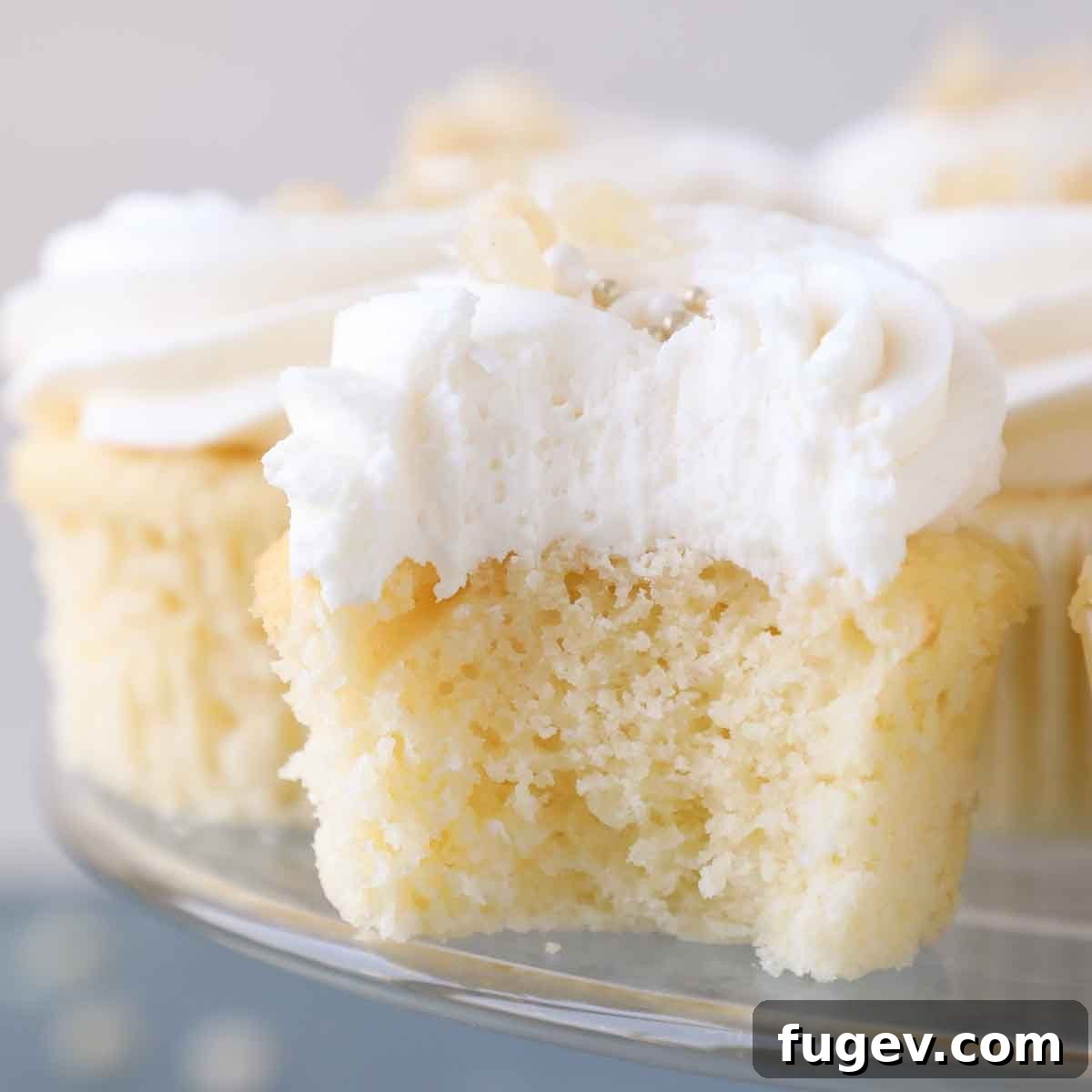
Ultimate Zesty Lemon Cupcakes with Tangy Buttercream Frosting
Prepare to fall in love with these incredibly soft, moist, and undeniably tangy lemon cupcakes! Infused with the bright essence of fresh lemon zest and the vibrant kick of lemon juice, these cupcakes offer a truly light and tender crumb that simply melts in your mouth. They are the epitome of citrus perfection, making them an ideal treat for any occasion. Elevate your baking game by topping these delightful creations with a generous swirl of our easy lemon buttercream or a classic vanilla American buttercream for a truly exquisite dessert experience.
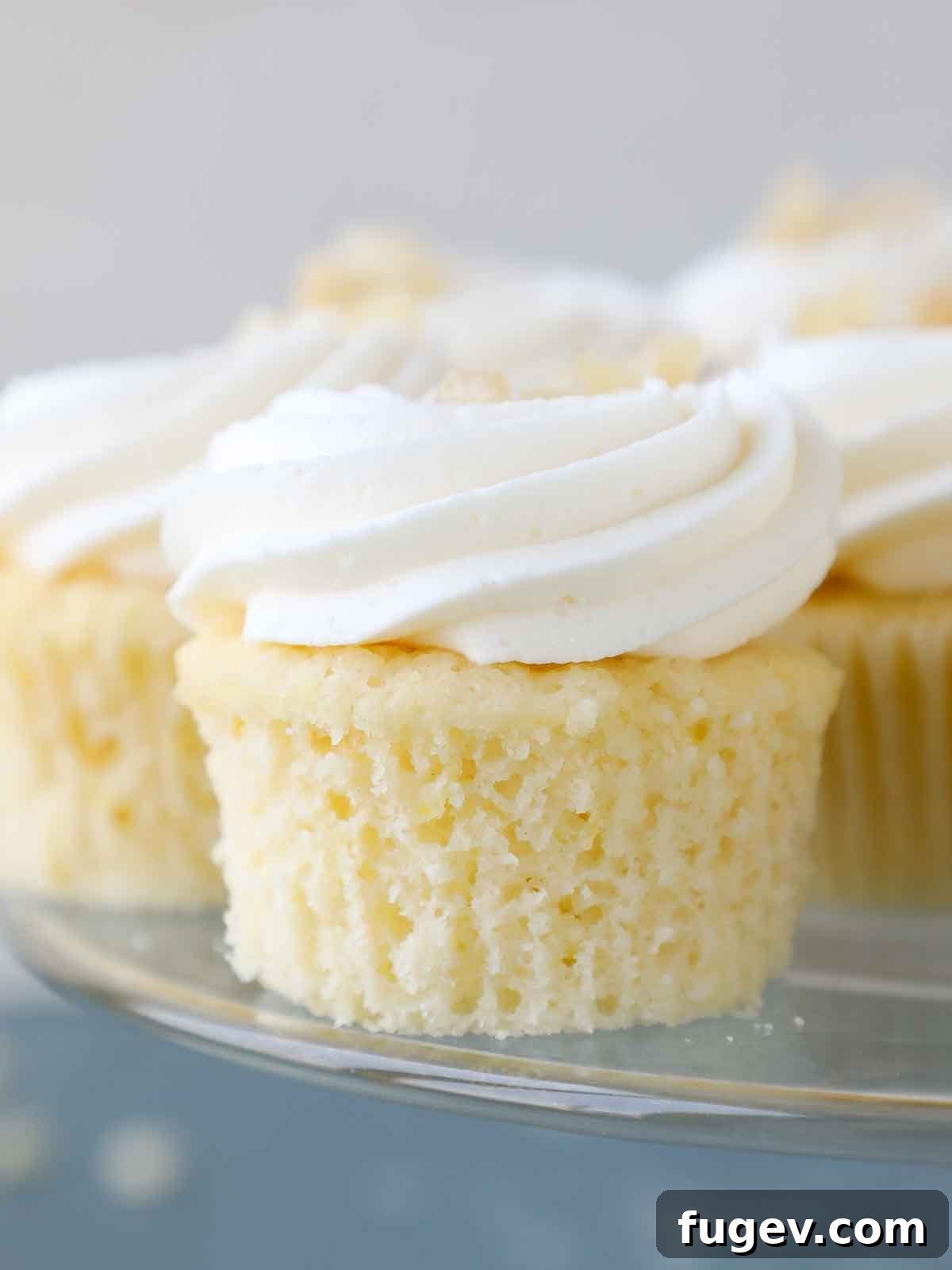
There’s an undeniable connection between the sun-drenched days of summer and the refreshing taste of lemon cupcakes. Much like the joy of pool parties and the simple pleasure of ice cream sandwiches, a batch of homemade lemon cupcakes brings a slice of happiness to any gathering. This recipe delivers a light, tender lemon cake, baked to absolute perfection, and then generously adorned with your favorite creamy frosting. While I personally adore my signature easy lemon buttercream frosting for an intense citrus burst, these versatile cupcakes also pair beautifully with other decadent options such as vanilla Swiss meringue buttercream, the uniquely smooth ermine frosting, or even the best cream cheese frosting for a richer counterpoint.
I believe every occasion deserves a good cupcake moment, and these lemon cupcakes are perfectly suited for both casual backyard barbecues and elegant birthday parties. For a truly fun and festive spread, consider offering an assortment of flavors alongside these lemon beauties, like rich chocolate cupcakes, indulgent caramel cupcakes, and tropical coconut cupcakes with fluffy frosting. This variety ensures there’s a delightful treat for every palate!
Table of Contents
- Why You Will Love these Lemon Cupcakes
- Professional Tips for Making Lemon Cupcakes
- Ingredients & Expert Substitutions
- Exciting Variations to Try
- How to Make Perfect Lemon Cupcakes Step-by-Step
- Chef Lindsey’s Special Recipe Tip
- Frequently Asked Questions
- Lemon Cupcakes Full Recipe
- Before You Bake More
Why You Will Love These Lemon Cupcakes
This lemon cupcake recipe isn’t just another sweet treat; it’s a carefully crafted experience designed to deliver maximum flavor and an unforgettable texture. Here’s why these will quickly become your go-to lemon cupcake recipe:
- A Harmonious Blend of Lemon Juice & Buttermilk for Unmatched Flavor and Texture: What truly sets these cupcakes apart is the ingenious combination of vibrant lemon juice and rich buttermilk. While both ingredients contribute a delightful tanginess that brightens the overall flavor profile, the buttermilk plays a crucial role in enhancing the cake’s richness and moisture content. Its higher fat content and acidity work together to create an incredibly tender crumb that’s moist without being heavy, resulting in a perfectly balanced and deeply satisfying flavor.
- Exceptionally Moist, Tender Cupcakes That Last: Say goodbye to dry, crumbly cupcakes! These easy-to-make lemon cupcakes are renowned for their remarkable moisture and tenderness. Thanks to the careful balance of ingredients and precise baking techniques, they remain incredibly fresh and moist for several days, making them perfect for preparing ahead of time for parties or simply enjoying throughout the week. Each bite is a testament to their superior, melt-in-your-mouth quality.
- A Recipe Perfected by a Professional Pastry Chef: This isn’t just any recipe; it’s the culmination of almost a decade of dedicated work and refinement by a professional pastry chef. Through countless trials and adjustments, the goal was to create a lemon cake that is not only lighter and fluffier but also intensely flavored. This iterative process involved meticulously balancing the acidity and moisture. Believe it or not, simply adding more lemon juice can surprisingly result in a denser cake. My perfected recipe achieves that ideal airy texture while still delivering a powerful, authentic lemon punch. You’re getting the benefit of years of professional expertise in every bite!
Professional Tips for Making Perfect Lemon Cupcakes
Achieving bakery-quality lemon cupcakes at home is entirely possible with a few key professional insights. These tips will help you unlock the fullest flavor and most exquisite texture:
- Always Use Room Temperature Ingredients: This tip is paramount for superior baking results. When ingredients like butter and eggs are at room temperature, they emulsify much more effectively with the sugar and other components. This creates a smooth, homogenous batter that traps air efficiently, leading to a lighter, more evenly textured cake. This is especially critical when working with acidic ingredients like lemon juice, as proper emulsification prevents separation and ensures a consistent crumb.
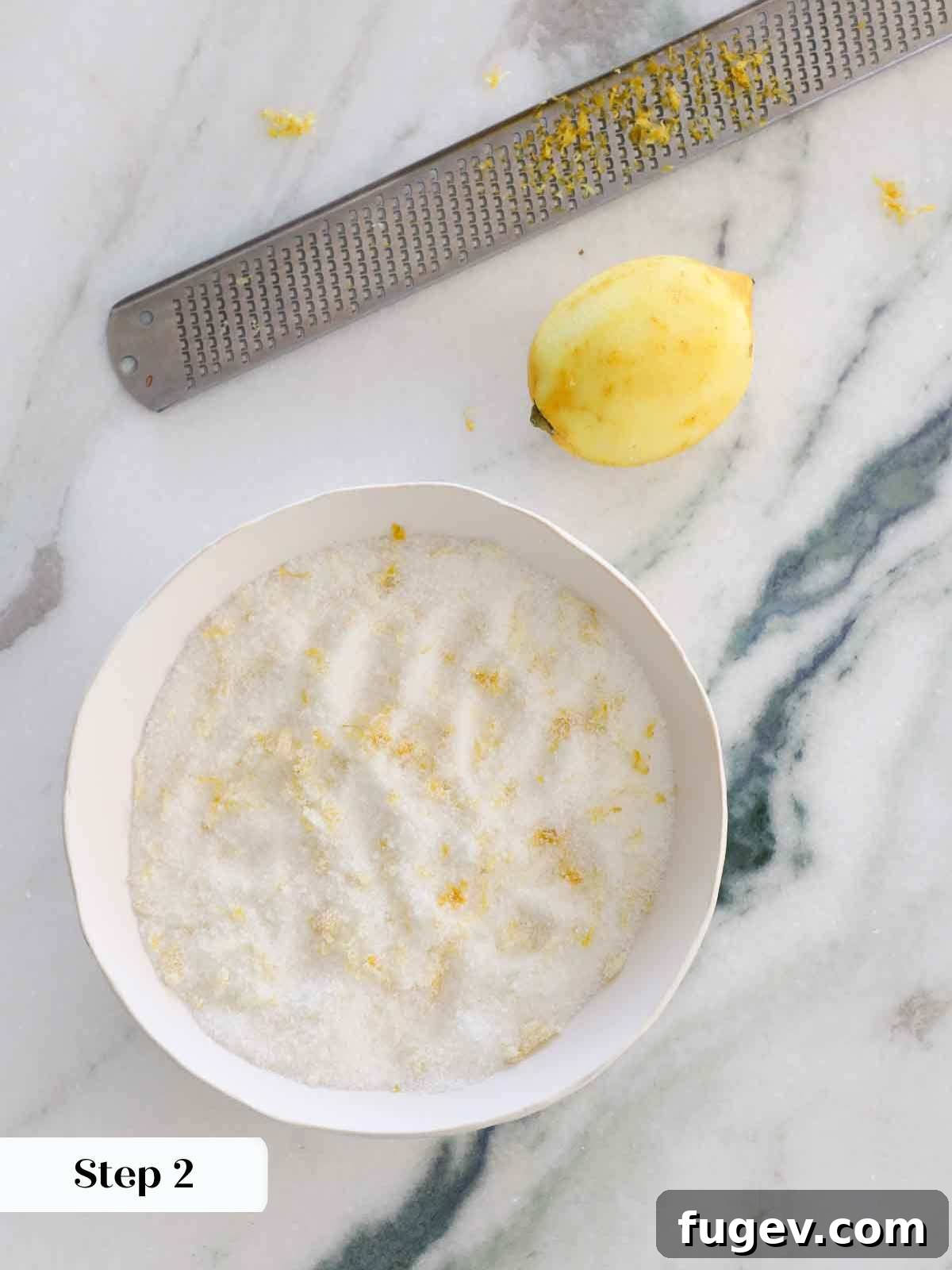
- Allow Lemon Zest to Macerate with Sugar for Intense Flavor: Don’t just toss the lemon zest in with other ingredients! The true secret to a powerfully lemony cupcake is to first zest the lemon directly into the granulated sugar. Then, using your fingertips, gently massage the zest into the sugar. This action helps to release the essential oils from the lemon zest, infusing the sugar with an incredible, concentrated citrus aroma and flavor. The longer you allow this mixture to sit before continuing with the recipe (even 30 minutes can make a difference, or longer if you plan ahead), the more pronounced and complex the lemon flavor will be in your finished cupcakes.
- Fresh Lemon Juice is Non-Negotiable: While convenience often tempts us towards bottled alternatives, for recipes like these lemon cupcakes, lemon meringue cheesecake, lemon blondies, lemon pound cake, and indeed all my lemon dessert recipes, freshly squeezed lemon juice is absolutely essential. Bottled lemon juice often contains preservatives, added salt, and can taste flat, dull, and even artificial. Fresh lemon juice, on the other hand, provides a bright, vibrant, and almost floral acidity that elevates the entire flavor profile of your baked goods. The difference is truly astounding and worth the extra step.
- Don’t Overmix the Batter: Once you begin adding the dry ingredients, mix only until just combined. Overmixing develops the gluten in the flour, which can lead to tough, dense, and chewy cupcakes rather than the desired light and tender texture. It’s perfectly fine to have a few small streaks of flour remaining before you stop mixing; these will incorporate during the short baking process.
- Fill Cupcake Liners Evenly: For consistent baking and professional-looking results, use an ice cream scoop or a measuring cup to portion your batter into the cupcake liners. Filling them about two-thirds to three-quarters full typically yields flat, even tops, which are ideal for frosting. Overfilling can cause them to dome excessively and potentially overflow.
Ingredients & Expert Substitutions
Crafting the perfect lemon cupcake begins with understanding the role of each ingredient. Here’s a closer look at what you’ll need and how to handle any necessary substitutions:
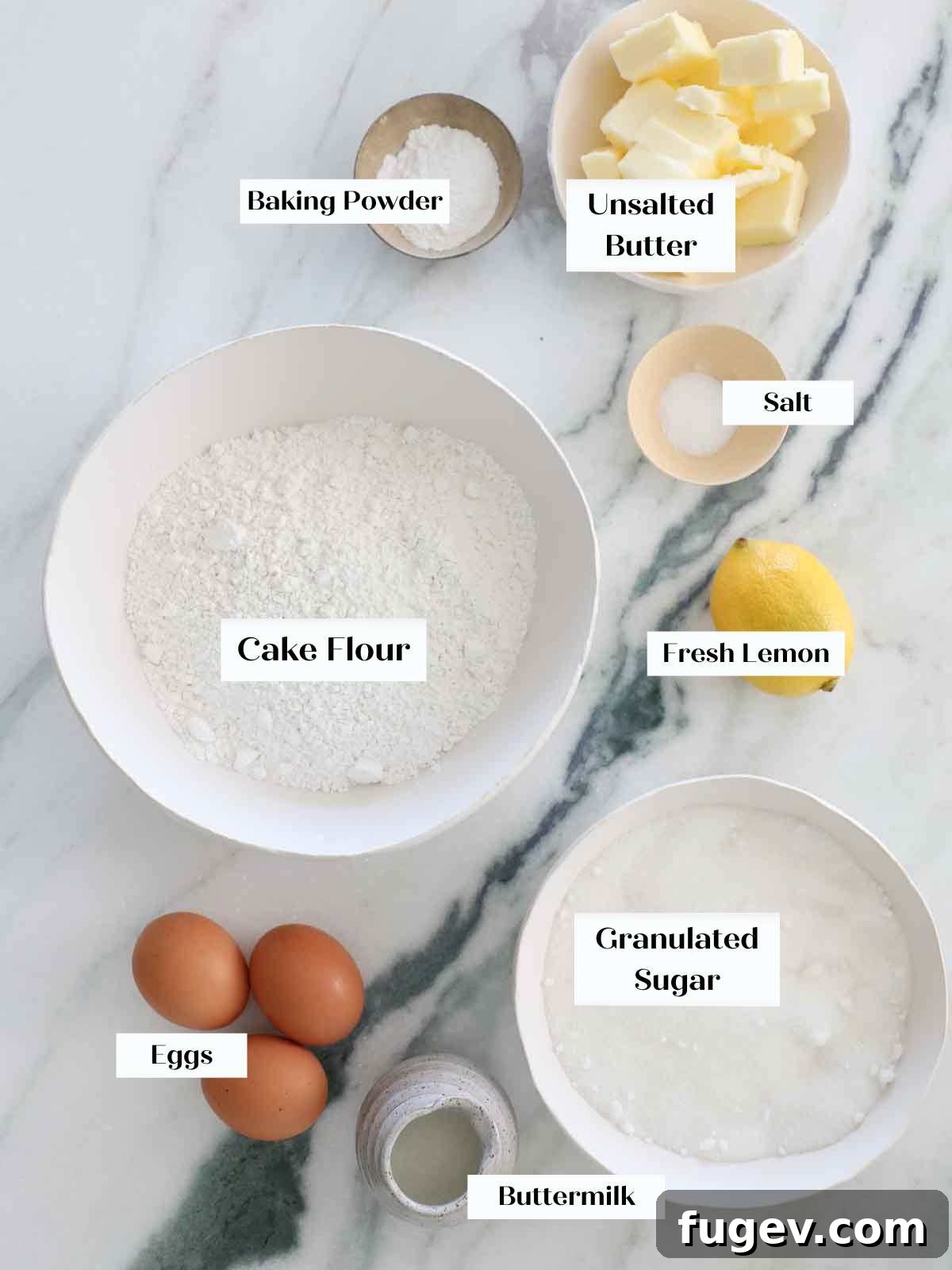
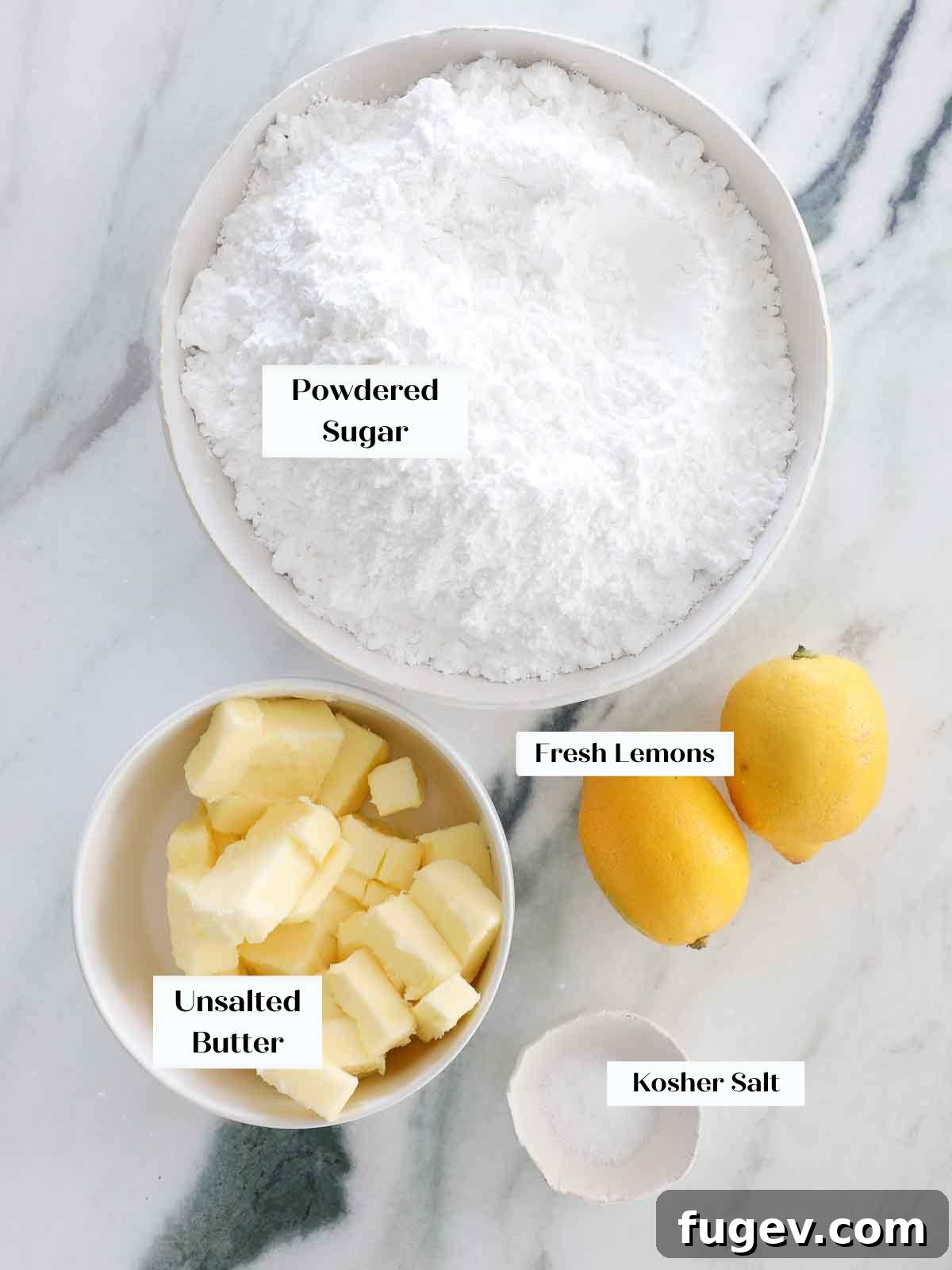
- Cake Flour: This low-protein flour is my top choice for achieving the absolute lightest, fluffiest, and most tender cupcakes, much like the results in carrot cake cupcakes or chocolate caramel cupcakes. Its fine texture contributes to a delicate crumb. If you don’t have cake flour, you can use pastry flour. In a pinch, all-purpose flour can work, but the texture of the cupcakes will be slightly denser. To substitute, remove 2 tablespoons of all-purpose flour for every cup and replace it with 2 tablespoons of cornstarch, then sift thoroughly.
- Kosher Salt: A small amount of salt is crucial for balancing the sweetness and enhancing all the other flavors in the cupcake, especially the bright lemon notes. Do not omit it.
- Baking Powder: This leavening agent provides the lift and airy texture for our cupcakes, reacting with the acidity in the buttermilk and lemon juice. Ensure your baking powder is fresh for optimal rise.
- Unsalted Butter: Using unsalted butter allows you to control the total salt content in the recipe. Ensure it’s at room temperature for proper creaming with the sugar, which is vital for incorporating air into the batter.
- Granulated Sugar: Beyond sweetness, sugar contributes to the moistness and tenderness of the cupcakes. It also plays a key role in the creaming process with the butter and lemon zest.
- Large Eggs: Whole large eggs are multitaskers in this recipe. They add essential fat for richness, moisture for tenderness, and act as a leavening agent, contributing to the cupcakes’ structure and lift. Ensure they are at room temperature.
- Lemon (Freshly Zested and Juiced): This recipe is designed to shine with the vibrant flavor of one large, fresh lemon. However, if you’re a true lemon enthusiast and don’t mind having a little extra lemon juice left over for a refreshing glass of lemonade or a sophisticated Bee’s Knees cocktail, feel free to use the zest of up to three lemons for an even more intense citrus punch. As highlighted with lemon posset, the quality of fresh lemon juice is paramount; avoid bottled versions for the best flavor.
- Buttermilk: I specifically use low-fat buttermilk, which is widely available and performs beautifully. Buttermilk contributes both fat and moisture, leading to a tender and rich crumb. Its acidity reacts with the baking powder, aiding in leavening, and its natural tanginess brilliantly enhances the fresh lemon flavor. If you don’t have buttermilk, whole milk can be used, but do not attempt to “curdle” it with lemon juice, as the recipe already contains sufficient lemon juice. Alternatively, sour cream or Greek yogurt can be substituted, but be aware that these may result in a slightly denser cake due to their thicker consistency and higher fat content.
For precise measurements and full ingredient details, please refer to the complete recipe card below.
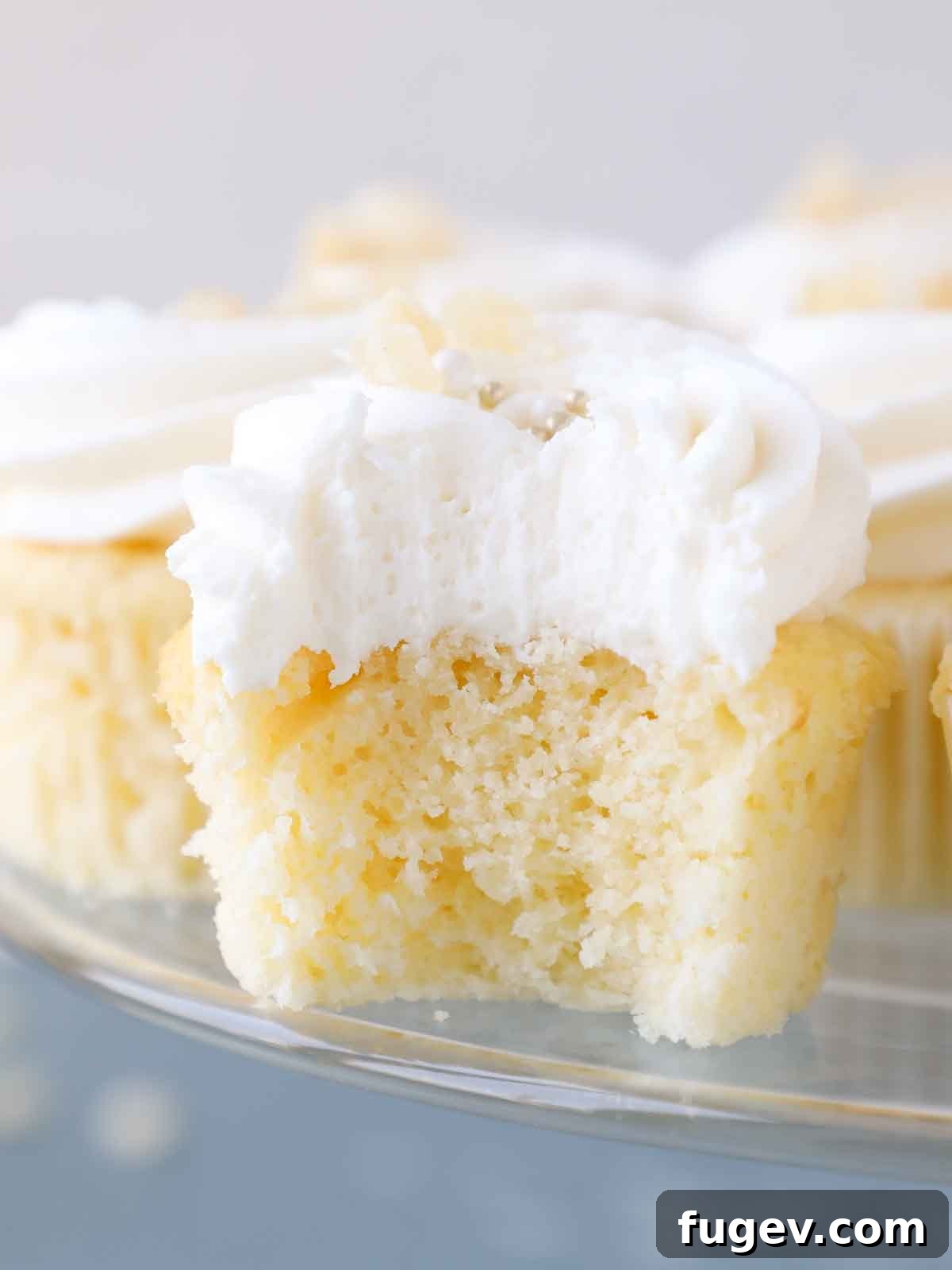
Exciting Variations to Try
While these lemon cupcakes are utterly delightful on their own, their versatile base allows for numerous creative enhancements. Here are some ideas to customize your next batch:
- Elevate with a Delicious Filling: Transform your cupcakes into an even more decadent treat by adding a surprise filling. A spoonful of bright lemon curd, similar to how I’ve filled these coconut lemon cupcakes, is always a winner for an extra burst of citrus. For a fruity twist, consider a homemade fruit filling like luscious easy strawberry jam, a vibrant mixed berry jam, or smooth, strained peach preserves. To add a filling, simply use an apple corer or a small knife to cut out a cone from the center of the cooled cupcake, spoon in your chosen filling, and replace the top piece before frosting.
- Experiment with Different Frostings: The robust lemon flavor of these cupcakes provides a fantastic canvas for a wide array of buttercreams and frostings. Don’t limit yourself to just lemon buttercream! Explore the delicate elegance of Italian meringue buttercream, the beloved classic American buttercream recipe, the airy sweetness of homemade marshmallow frosting, or the rich complexity of caramel Swiss meringue buttercream. For another delightful citrus option, try the lemon Swiss meringue buttercream from my popular American flag cake!
- Boost the Citrus Intensity: If you crave an even more pronounced lemon flavor, there are simple ways to achieve it. I intentionally avoid using pure vanilla extract in this recipe to allow the lemon to truly shine without any competing flavors. To amplify the citrus, you can add additional lemon zest (beyond what the recipe calls for, particularly if you’re only using one lemon initially) or a small amount of high-quality lemon extract. If using extract, add it along with the last egg to ensure it’s evenly distributed throughout the batter. Remember that a little extract goes a long way, so start with a quarter teaspoon and adjust to your preference.
How to Make Perfect Lemon Cupcakes Step-by-Step
Follow these detailed instructions to bake moist, tender, and intensely flavorful lemon cupcakes every time. Further precise details and measurements can be found in the recipe card provided below.
Making the Cupcakes:
Step 1: Prepare Your Oven and Muffin Tins. Begin by preheating your oven to 325°F (160°C) if using convection (with a fan) or 350°F (175°C) if using a conventional oven (no fan). This slightly lower temperature ensures a more even bake and a moist crumb. Line 19 standard muffin tins with paper cupcake liners. Having your liners ready beforehand ensures a smooth process once the batter is mixed.
Step 2: Infuse the Sugar with Lemon Zest. Carefully zest only the bright yellow outer layer of one large lemon, avoiding the bitter white pith. Add this zest to your granulated sugar. Using your fingertips, vigorously rub the lemon zest into the sugar. This crucial step helps to release the aromatic oils from the zest, deeply infusing the sugar with intense lemon flavor, which will carry through into your finished cupcakes. The longer this mixture sits, the more flavor it will impart.
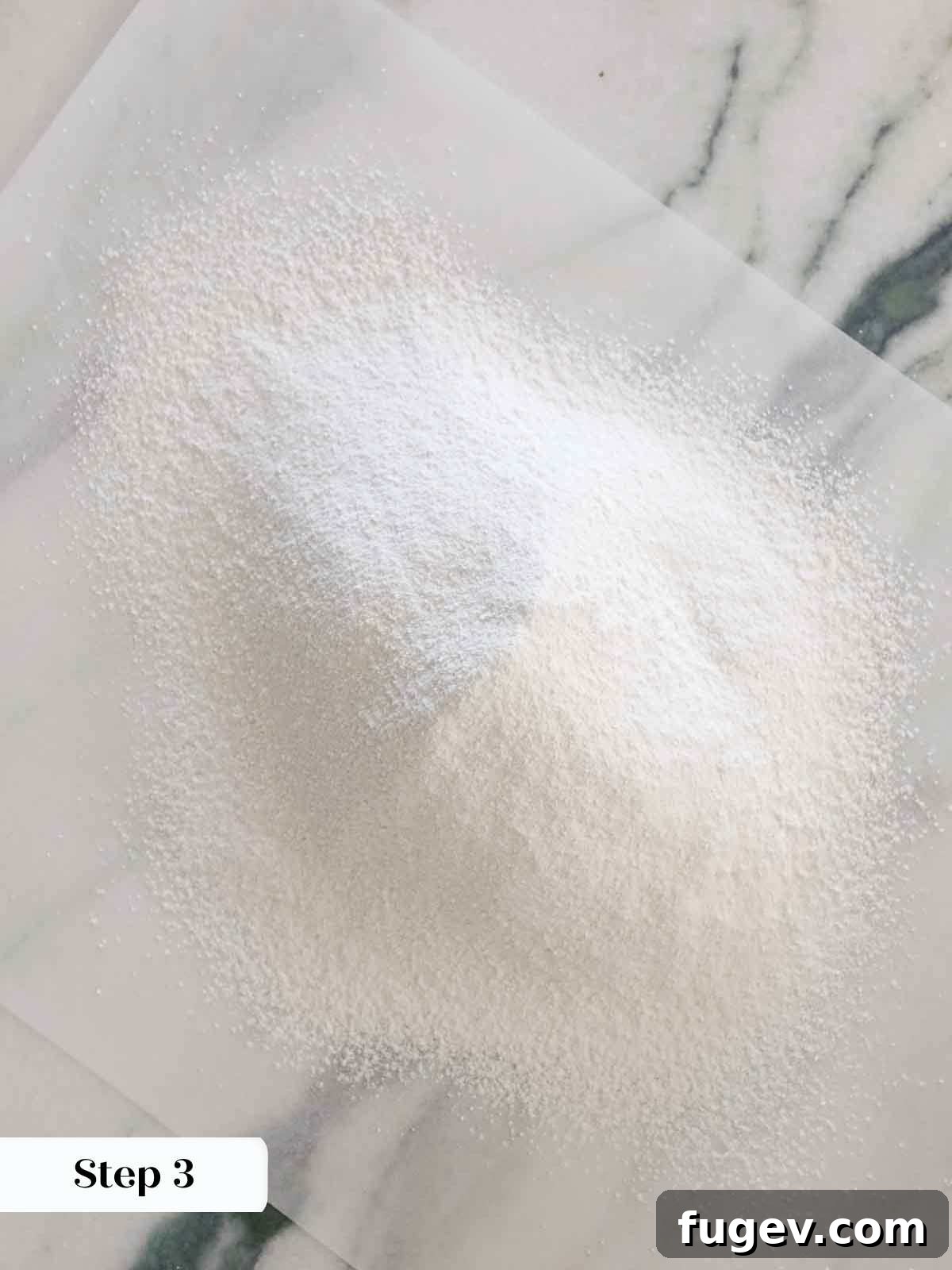
Step 3: Whisk Dry Ingredients. In a separate, larger mixing bowl, whisk together the cake flour, kosher salt, and baking powder. While sifting is often recommended, it’s only strictly necessary if your flour is visibly clumpy. Whisking thoroughly is usually sufficient to combine and aerate the ingredients.
PRO TIP: To make adding dry ingredients to wet easier and to avoid creating a cloud of flour, I often whisk my dry ingredients onto a piece of parchment paper. Then, I simply fold up the edges of the parchment paper and use it as a funnel to pour the mixture directly into the wet ingredients in step 6.
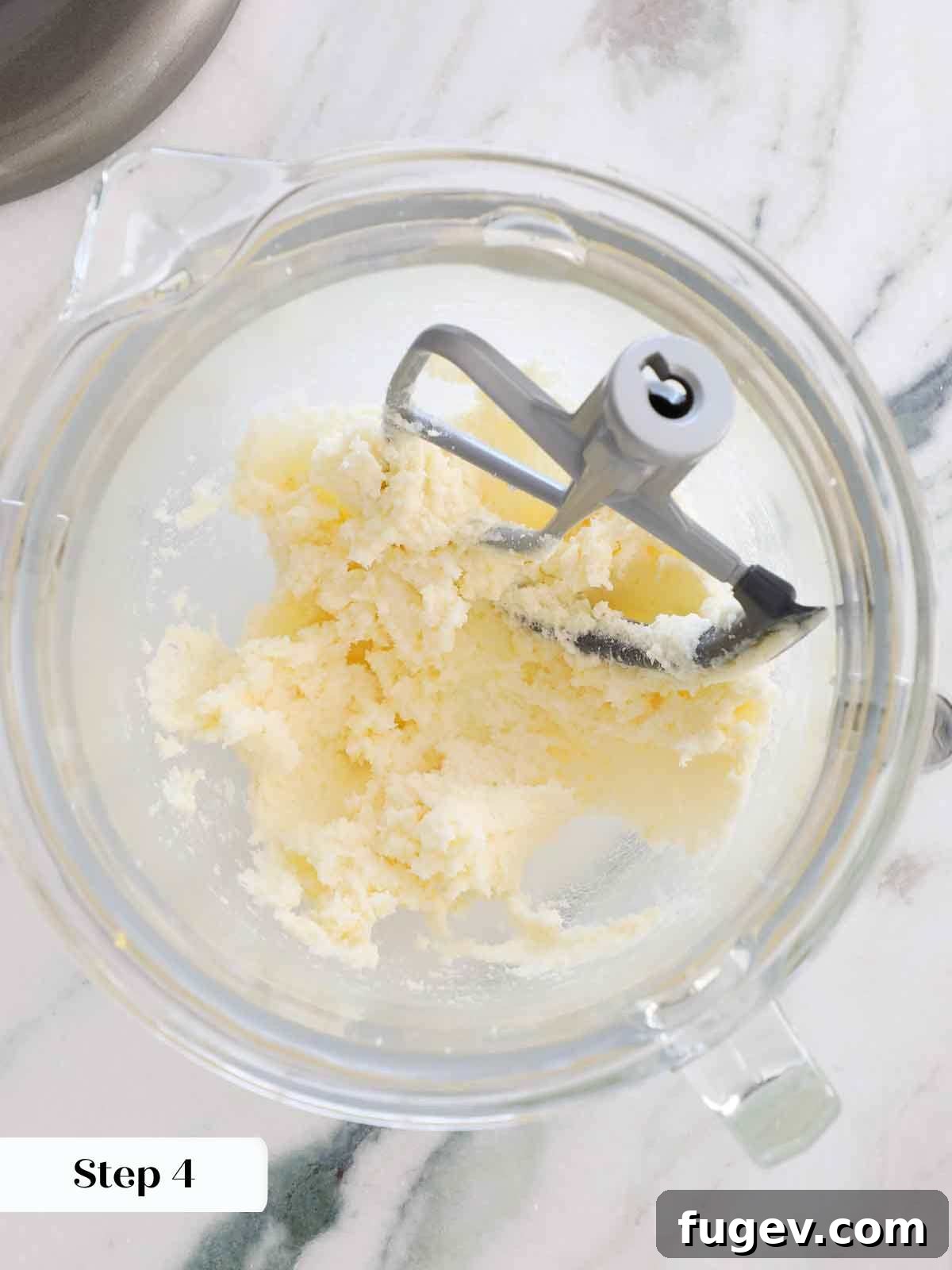
Step 4: Cream Butter and Sugar. In the bowl of a stand mixer fitted with the paddle attachment (or using a large bowl and an electric hand mixer), add your room temperature unsalted butter and the lemon-infused granulated sugar. Beat on medium speed for 3-5 minutes until the mixture is light, fluffy, and pale in color. This process incorporates air, which is essential for a light and tender cupcake. Scrape down the sides of the bowl periodically to ensure even mixing.
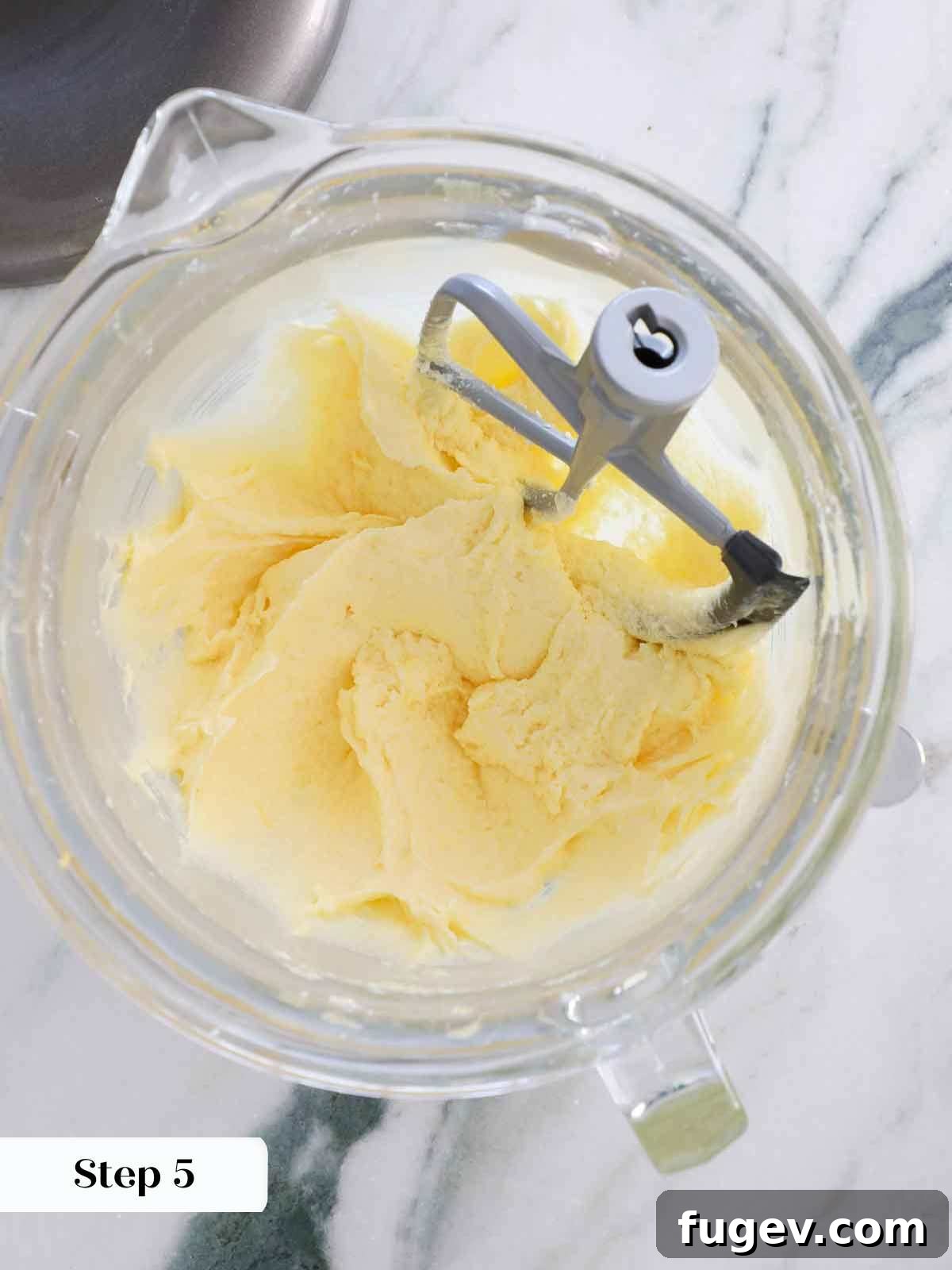
Step 5: Incorporate Eggs Gradually. Add the large eggs one at a time to the creamed butter and sugar mixture, beating well on medium speed after each addition to fully incorporate. This ensures a stable emulsion. Be sure to scrape down the sides and bottom of the bowl after each egg is added to prevent any unmixed pockets.
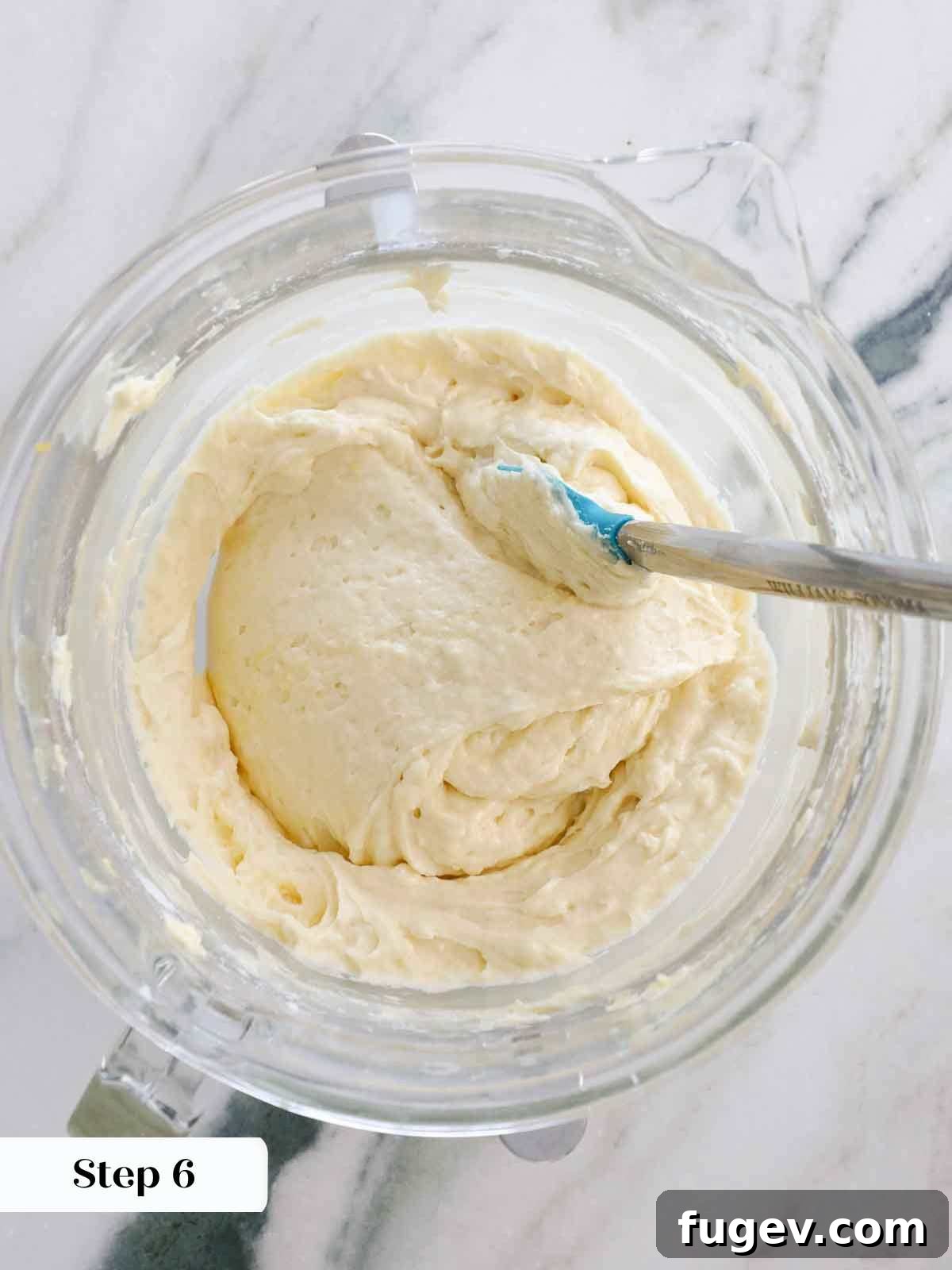
Step 6: Alternate Wet and Dry Ingredients. In a separate measuring cup, gently combine the low-fat buttermilk with the freshly squeezed lemon juice. This pre-mix helps to integrate these wet components more smoothly into the batter. With the mixer on low speed, begin adding the whisked dry ingredients alternately with the buttermilk-lemon juice mixture. I always recommend starting and ending with the dry ingredients. Mix just until the flour is incorporated and no dry streaks remain. It’s better to slightly undermix than overmix.
To ensure the most tender crumb and avoid developing gluten excessively, I often finish mixing my cakes by hand using a silicone spatula. This gentle folding motion helps prevent overmixing, which can lead to a less tender texture, a gummy consistency, or even tunneling in your baked goods.
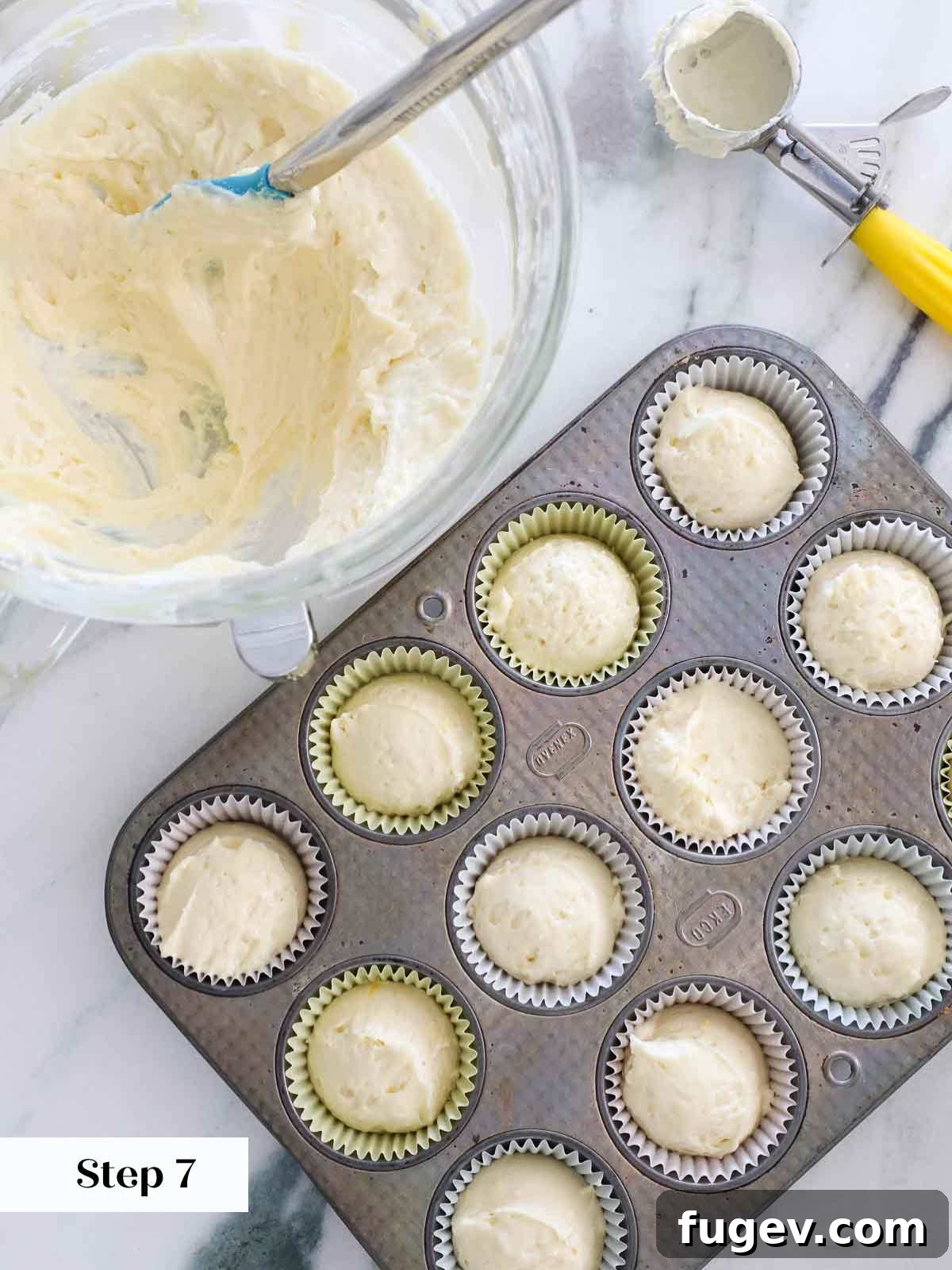
Step 7: Portion the Batter. Using a scoop or a measuring cup, evenly divide the cupcake batter among the prepared liners. This recipe typically yields 19 cupcakes when filled approximately ¾ full. Filling them to this level will result in cupcakes with a relatively flat top, which is ideal for easy and elegant frosting. If you prefer exactly 18 cupcakes with a slightly higher dome, you can fill them just a little more, being careful not to overfill. For consistency, I used a standard ice cream scoop to portion the batter.
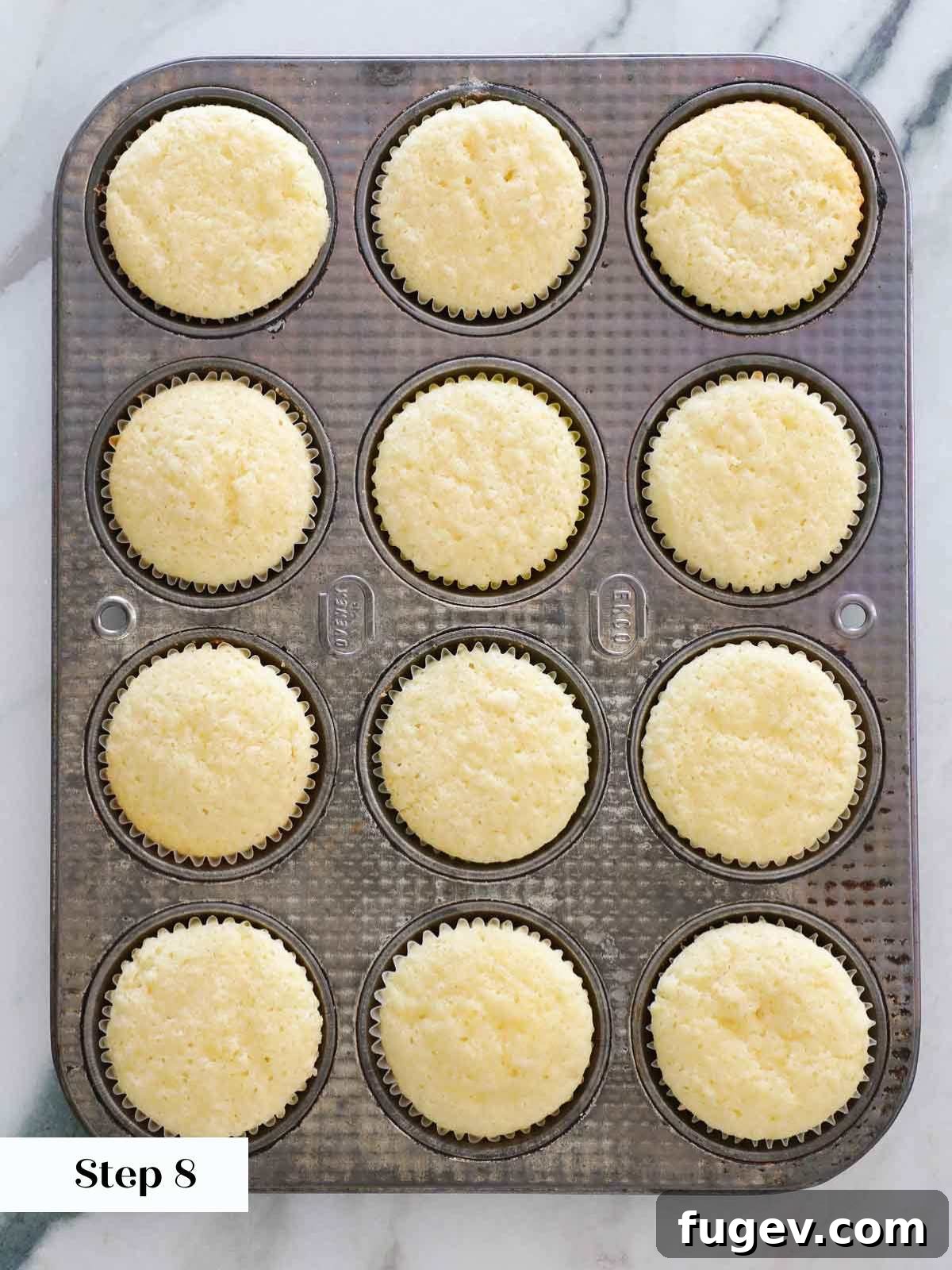
Step 8: Bake to Perfection. Transfer the muffin tins to your preheated oven and bake for 15-20 minutes. Baking at a slightly lower temperature (especially convection) helps to maintain moisture and prevent over-browning, ensuring a soft, pale crumb. The cupcakes are done when a cake tester or wooden skewer inserted into the center comes out with just a few moist crumbs clinging to it. When lightly pressed in the center, they should offer a slight resistance and spring back. Due to the lower baking temperature, these cupcakes will not develop a deep golden-brown crust, which is perfectly normal and desired for their delicate texture. In my oven, they took exactly 18 minutes at 325°F (160°C) convection.
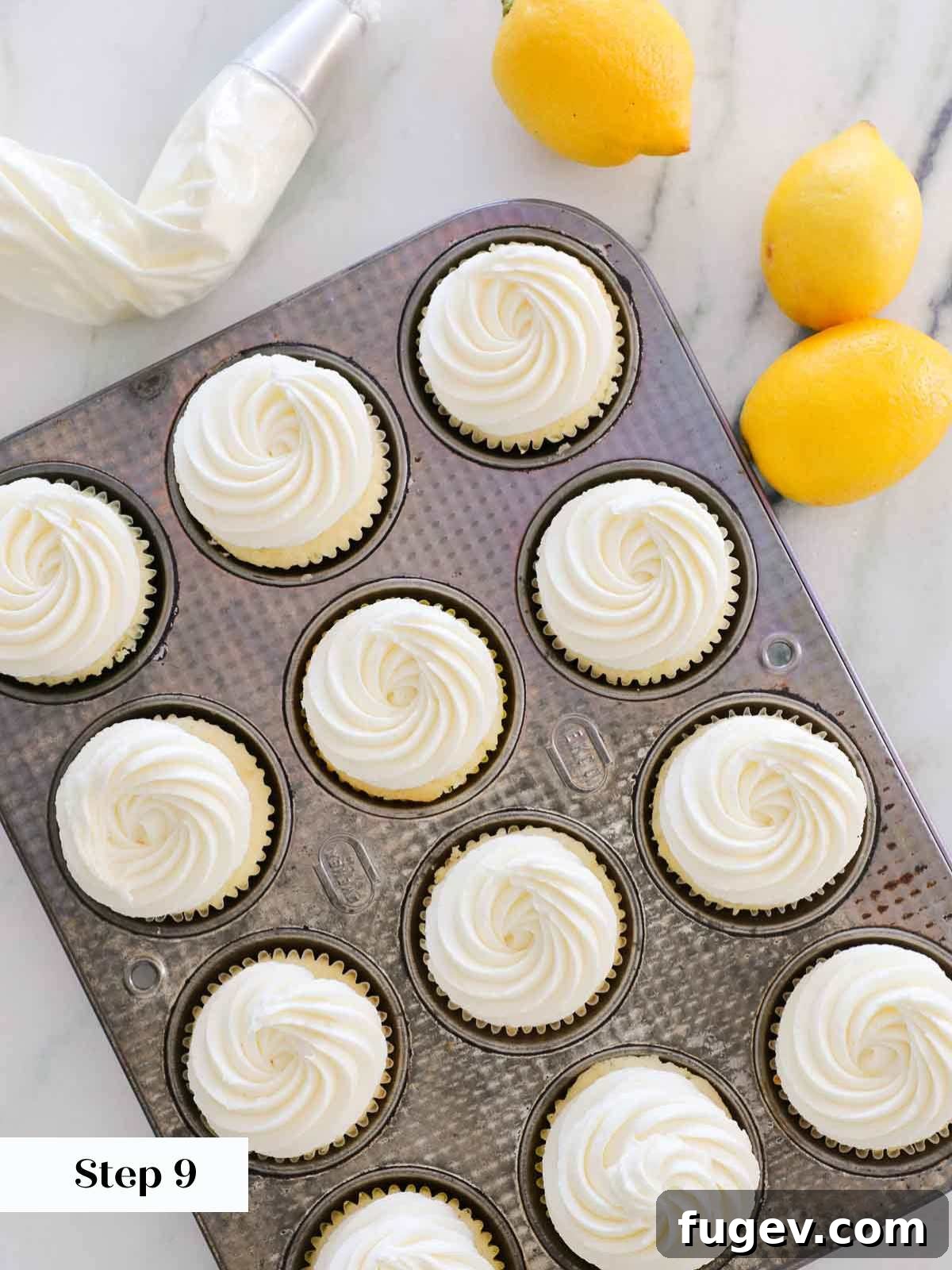
Step 9: Cool Completely. As soon as the cupcakes are out of the oven, immediately remove them from the hot muffin tins and transfer them to a wire rack to cool completely. This prevents the bottoms from becoming soggy due to residual heat and steam. Allow them to cool fully before attempting to frost them; frosting warm cupcakes will only result in a melted mess. Once cooled, generously frost them with our bright lemon buttercream or explore our wide range of buttercream and frosting recipes to find your ideal match.
Making the Lemon Frosting:
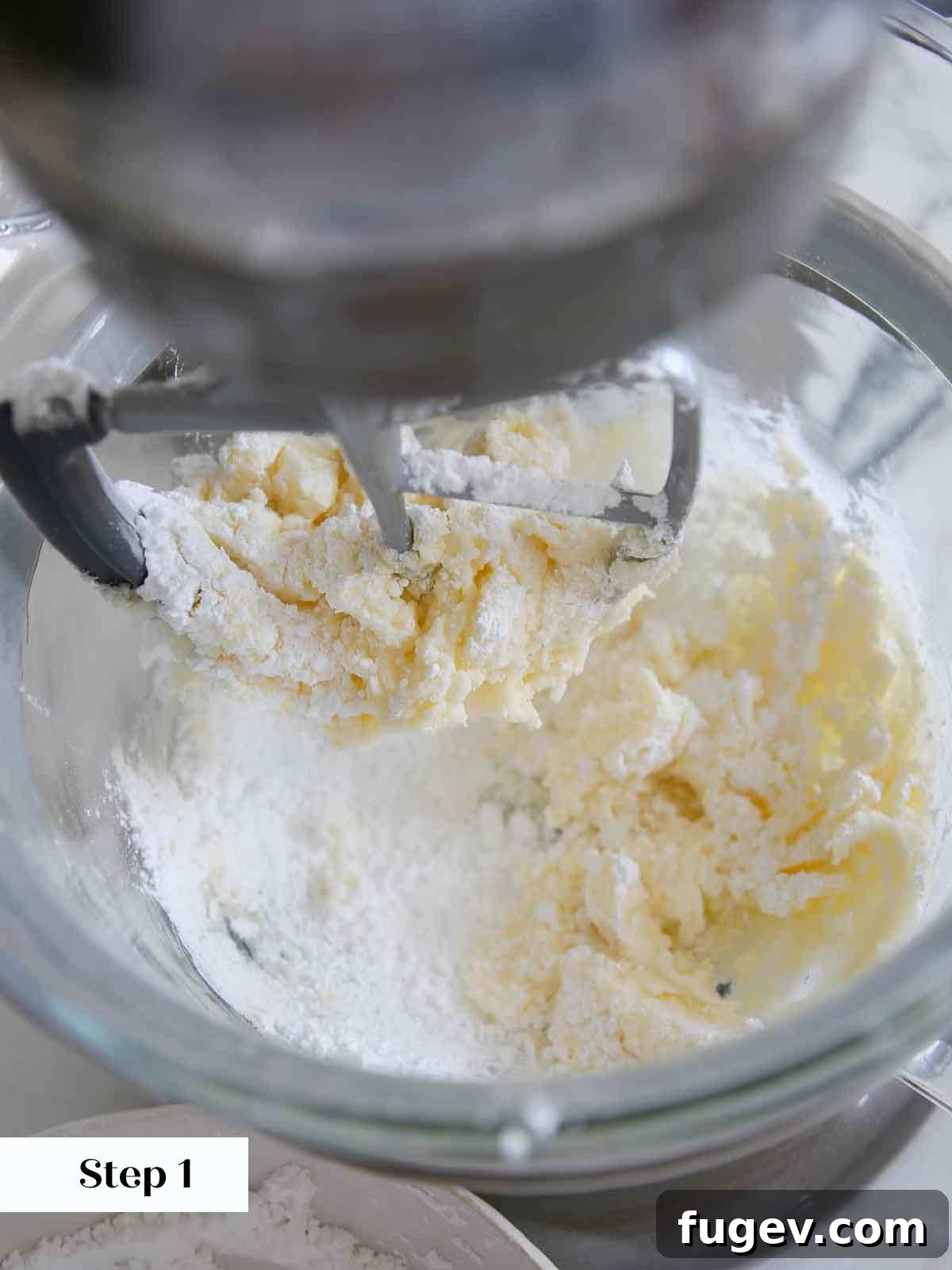
Step 1: Beat Butter and Gradually Add Powdered Sugar. In the bowl of a stand mixer fitted with the paddle attachment, begin by beating the softened unsalted butter on medium speed until it is smooth and creamy. Next, slowly add the confectioners’ sugar (powdered sugar) in small increments, mixing on low speed to prevent a sugar cloud and ensure it is fully incorporated. Continue this process until all the powdered sugar has been added and the mixture is light and well combined. You’ll find it gets quite thick.
While some recipes call for sifting confectioners’ sugar, I typically only sift it if I notice it’s particularly lumpy. For most brands, beating it well with softened butter is sufficient to remove any small clumps and achieve a smooth frosting.
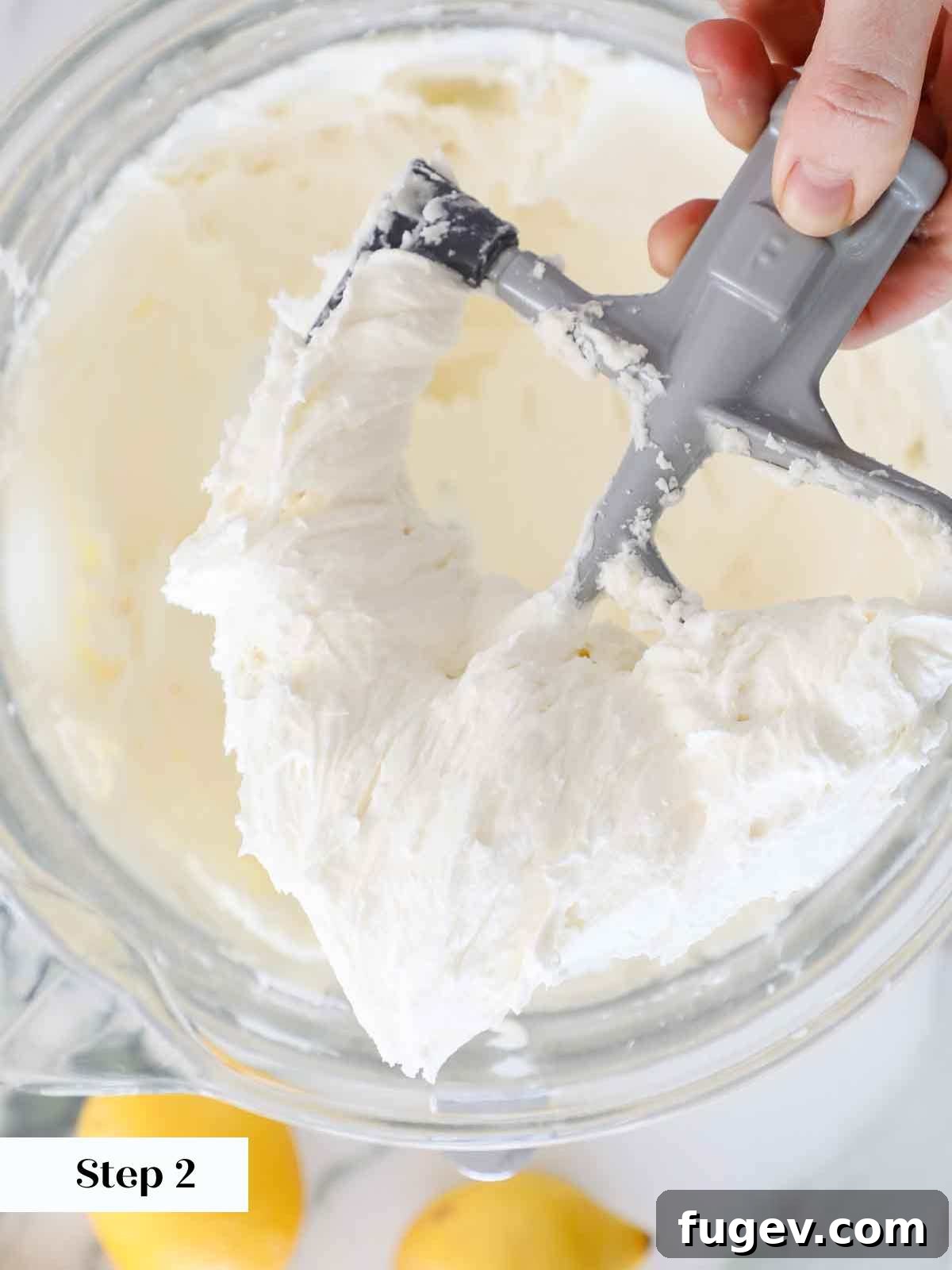
Step 2: Add Lemon Juice and Whip until Fluffy. With the mixer running on low speed, slowly drizzle in the fresh lemon juice. Once incorporated, increase the mixer speed to high and beat the frosting for several minutes until it becomes incredibly light, fluffy, and noticeably paler in color. For an even airier texture, you can switch to the whisk attachment at this stage, which I highly recommend for achieving that professional, cloud-like consistency for piping cupcakes. If you prefer a smoother buttercream with fewer air bubbles, continue with the paddle attachment.
Step 3: Prepare for Piping. Once your lemon buttercream has reached the desired consistency, transfer it to a piping bag fitted with your chosen piping tip. If you’re new to piping, place the bag with the tip inside a large glass and fold the edges over the rim of the glass; this makes filling much easier and less messy. Fill the bag about two-thirds full, press the buttercream down to the bottom, gently squeeze out any air pockets, twist the top to seal, and you’re ready to create stunning swirls!
The secret to achieving professional-looking, impressive swirls on your cupcakes lies in using a **large piping tip**. While you can choose any shape you like, opting for one of the two largest tips in a standard set (for example, Ateco tips ending in a 9 or 8) will give you that generous, elegant frosting application that truly elevates the presentation.
Chef Lindsey’s Special Recipe Tip
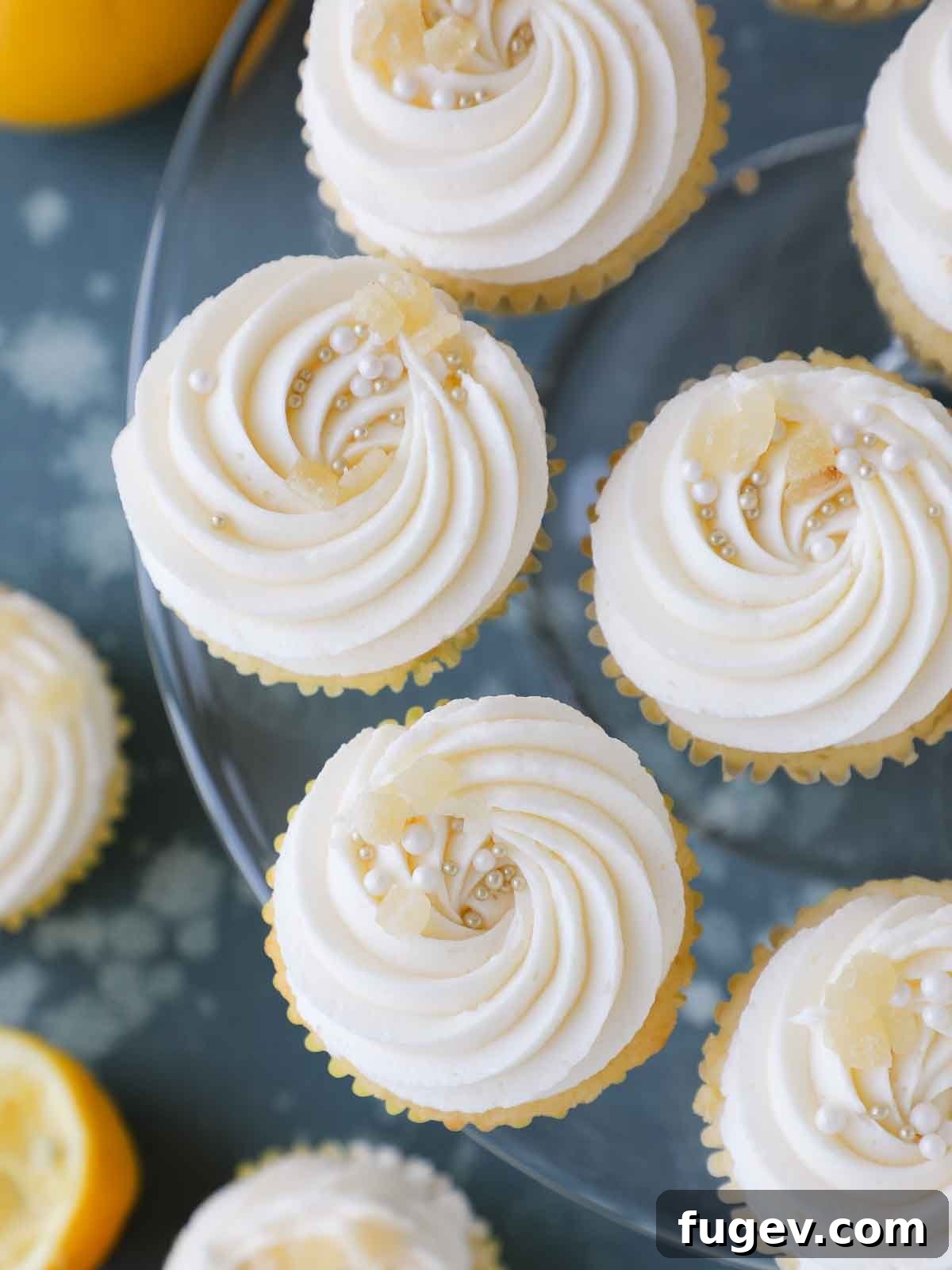
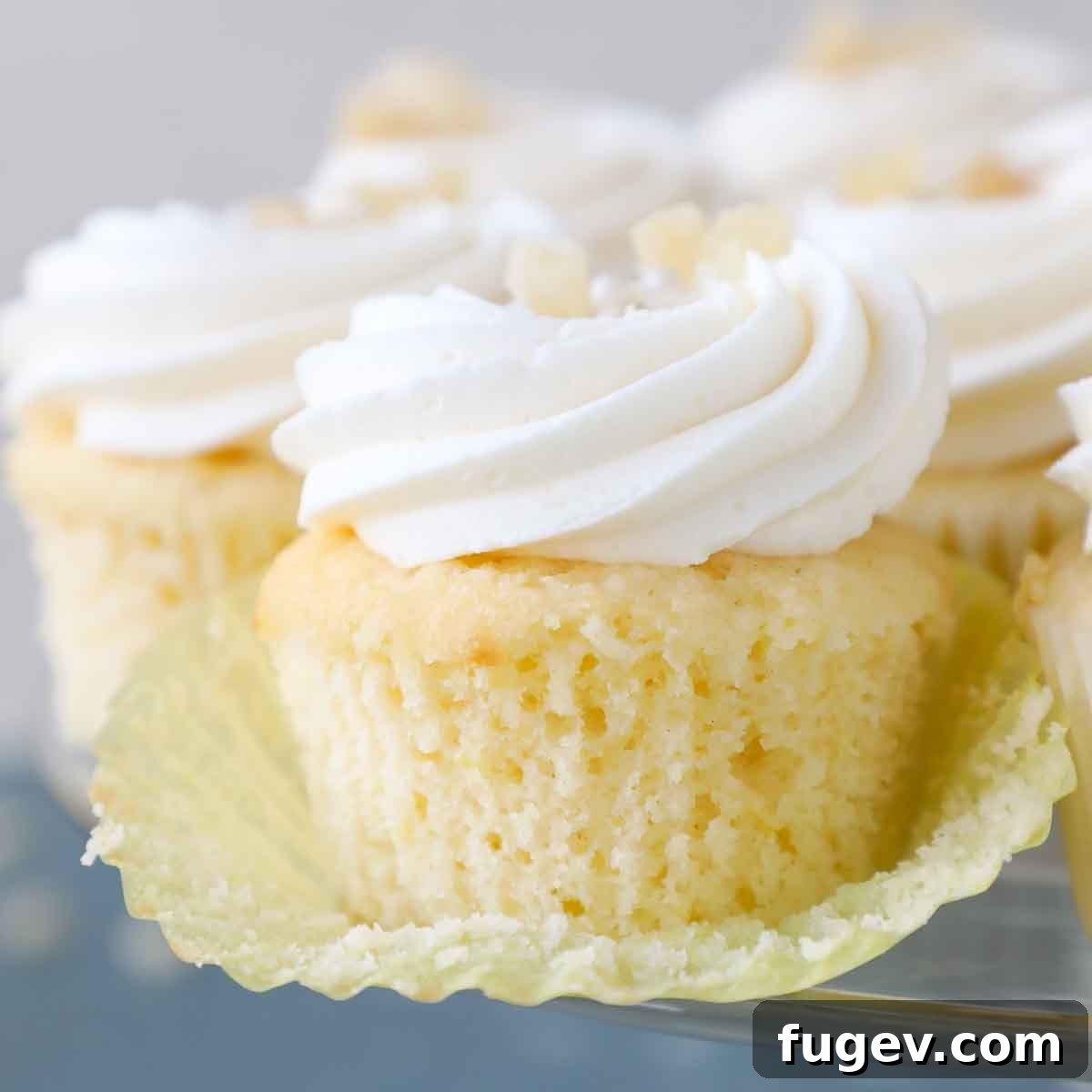
For the beautifully piped frosting you see in the photos, I utilized an Ateco 868 piping tip. This is a French “open” star tip that creates lovely, defined ridges. However, a closed star tip like the Ateco 848 would also yield a stunning result, offering a slightly different, equally elegant texture, as demonstrated with my caramel apple cupcakes.
Frequently Asked Questions About Lemon Cupcakes
To maintain their delicious freshness, store baked lemon cupcakes in an airtight container. If unfrosted, they will keep well at room temperature for up to 3 days. Once frosted with buttercream, they can be stored at room temperature for a day or two, or refrigerated for up to a week. For longer storage, especially if you’re not planning to frost them immediately, I highly recommend cooling the baked cupcakes completely, then wrapping them tightly in plastic wrap and freezing them. They will remain fresh in the freezer for up to 2 months. Thaw at room temperature before frosting.
Yes, you can prepare the cupcake batter in advance and store it in a clean, airtight container in the refrigerator. However, I advise against storing it for longer than 24 hours. This is due to the combined action of the buttermilk, lemon juice, and baking powder. While baking powder is often double-acting, meaning it reacts once with liquid and again with heat, the initial reaction in the presence of acid (from the buttermilk and lemon juice) begins immediately. Over time, this leavening power diminishes, which can result in cupcakes that are not as light and fluffy as freshly mixed batter.
These lemon cupcakes are a complete and delightful dessert package all on their own! Their bright, tangy flavor and tender texture make them incredibly satisfying. However, if you wish to elevate the experience, you can serve them much like you would a slice of cake. Consider pairing them with a scoop of creamy vanilla bean ice cream, a delicate drizzle of silky crème anglaise, or an extra spoonful of vibrant lemon curd. A side of fresh seasonal berries, such as raspberries or blueberries, provides a beautiful color contrast and an additional layer of freshness, making for a truly memorable dessert presentation.
Several factors can contribute to dense cupcakes. The most common culprit is overmixing the batter, especially after adding the flour. Overmixing develops the gluten, making the cupcakes tough and heavy. Ensure your butter and eggs are at room temperature, as cold ingredients don’t emulsify properly and can lead to a lumpy, dense batter. Lastly, check the freshness of your baking powder; expired leavening agents won’t provide enough lift, resulting in flat, dense cupcakes. Using cake flour, as recommended, also helps ensure a lighter texture.
While buttermilk is highly recommended for its unique tenderizing properties and tangy flavor, you can substitute it with whole milk in a pinch. However, do not try to make “DIY buttermilk” by adding lemon juice to regular milk for this recipe, as it already contains a significant amount of lemon juice. The resulting texture may be slightly different, potentially less tender and moist, and the tangy flavor might be less pronounced. For the best results, stick with actual buttermilk.
If you tried this recipe and absolutely loved it, please take a moment to leave a 🌟 star rating and share your thoughts in the comments section below. Your feedback truly makes my day and helps other bakers discover these delightful lemon cupcakes!
Lemon Cupcakes
Chef Lindsey
20 mins
18 mins
45 mins
19 Cupcakes
Comment
Print Recipe
Ingredients
For the Cupcakes:
- 2 1/3 cups cake flour
- 1 teaspoon kosher salt
- 2 ½ teaspoons baking powder
- ¾ cup unsalted butter (room temperature)
- 1 1/3 cups granulated sugar
- 3 large eggs
- 1 lemon (zested)
- ¾ cup low-fat buttermilk
- 1 lemon (juiced from the same lemon as above, approximately 30g or 2 tablespoons)
For the Lemon Frosting:
- 8 cups confectioners’ sugar (2 boxes)
- 22 tablespoons unsalted butter (1 cup + 6.5 tablespoons)
- 1 teaspoon kosher salt
- 5 tablespoons fresh lemon juice (approximately the juice of 2 large lemons)
Instructions
Make the Cupcakes:
- Preheat oven 325°F convection (with the fan) or 350°F conventional (no fan) and line 19 muffin tins with cupcake liners.
- Zest just the bright yellow parts of the lemon and mix with the granulated sugar. Rub it into the sugar with your fingers to help the sugar begin to pull out the oils.
- In a larger bowl, whisk the cake flour, salt and baking powder. It isn’t worth sifting unless your flour is particularly clumpy.
- In the bowl of a stand mixer fitted with the paddle attachment or in a separate large bowl with an electric hand mixer, cream butter and sugar until light and fluffy.
- Add the eggs one at a time, beating to incorporate.
- In a measuring cup, combine buttermilk with the lemon juice, just to ease incorporating the wet and dry ingredients. Alternate adding dry ingredients with the buttermilk mixture. I like to begin and end with dry ingredients. Mix just until the flour is incorporated. I often finish my cakes by hand with a silicone spatula to avoid overmixing.
- Scoop or pour into liners. This recipe makes 19 cupcakes filled ¾ full. This will make a flat cupcake top but you could make 18 and fill them all just a little more. I used a scoop to portion the batter.
- Bake in preheated oven 15-20 minutes or until a cake tester or skewer comes out with a few clinging crumbs. They will provide a little resistance in the center when pressed lightly. At this lower baking temperature they don’t really brown. Mine took 18 minutes at 325°F convection. Remove immediately from the muffin tins and allow to cool completely on a wire rack.
Make the Lemon Frosting:
- In a large bowl, sift the powdered sugar. (Optional, but I find it makes things easier!)
- In the bowl of a stand mixer fitted with the paddle attachment add softened butter, powdered sugar, and salt. Mix until light and smooth. Start the mixer on low until combined and then gradually increase to medium speed.
- Add the lemon juice to the butter mixture and beat with the paddle until homogenous and lightened.
- If a lighter, airier buttercream is desired, switch to the whisk attachment. Whisk on high until light and fluffy and white. For a smoother buttercream with fewer bubbles, keep the paddle attachment.
Assemble your cupcakes:
- For Piping: Fit a piping bag with your favorite piping tip. Place the bag with a tip in a large glass and fold the edges over the rim of the glass. Fill the bag about 2/3 full. Press the buttercream to the bottom of the bag, get out any air pockets, twist the top and get ready to pipe!
- For Spreading: Simply grab a large offset spatula, dollop on some buttercream and start spreading! Add more as needed.
Notes
Flavor Tips – For the most intense lemon flavor, allow the lemon zest to sit with the granulated sugar for at least 30 minutes (or longer) before continuing with the recipe. This process extracts the essential oils from the zest.
Technique – Always use room temperature ingredients for the best emulsion and a perfectly tender cake texture. Avoid overmixing the batter, especially after adding the flour.
Storage – Store unfrosted baked cupcakes, well wrapped, at room temperature for up to 3 days or refrigerated for up to a week. If you plan to frost them later, consider cooling, wrapping tightly, and freezing the baked cupcakes. They will keep beautifully in the freezer for up to 2 months. Thaw completely before frosting. Frosted cupcakes can be kept at room temperature for a day or refrigerated for up to a week in an airtight container.
Nutrition
Carbohydrates: 77g |
Protein: 3g |
Fat: 21g |
Saturated Fat: 13g |
Polyunsaturated Fat: 1g |
Monounsaturated Fat: 6g |
Trans Fat: 1g |
Cholesterol: 80mg |
Sodium: 329mg |
Potassium: 53mg |
Fiber: 0.4g |
Sugar: 64g |
Vitamin A: 672IU |
Vitamin C: 3mg |
Calcium: 56mg |
Iron: 0.4mg
Like this? Leave a comment below!
Before You Bake More…
I sincerely hope you’ve enjoyed this expertly crafted recipe for lemon cupcakes, brought to you by a professional chef. If you’ve loved baking and tasting these delightful treats, I encourage you to explore more of my culinary creations. Don’t hesitate to check out our other enticing cake recipes for various celebrations, or perhaps our extensive collection of cupcake recipes, each promising a unique flavor adventure. And, of course, find the perfect complement to any baked good with our diverse range of buttercream and frosting recipes. If you’re looking for another simple yet elegant lemon dessert, you will absolutely adore our moist and incredibly easy lemon olive oil cake.