
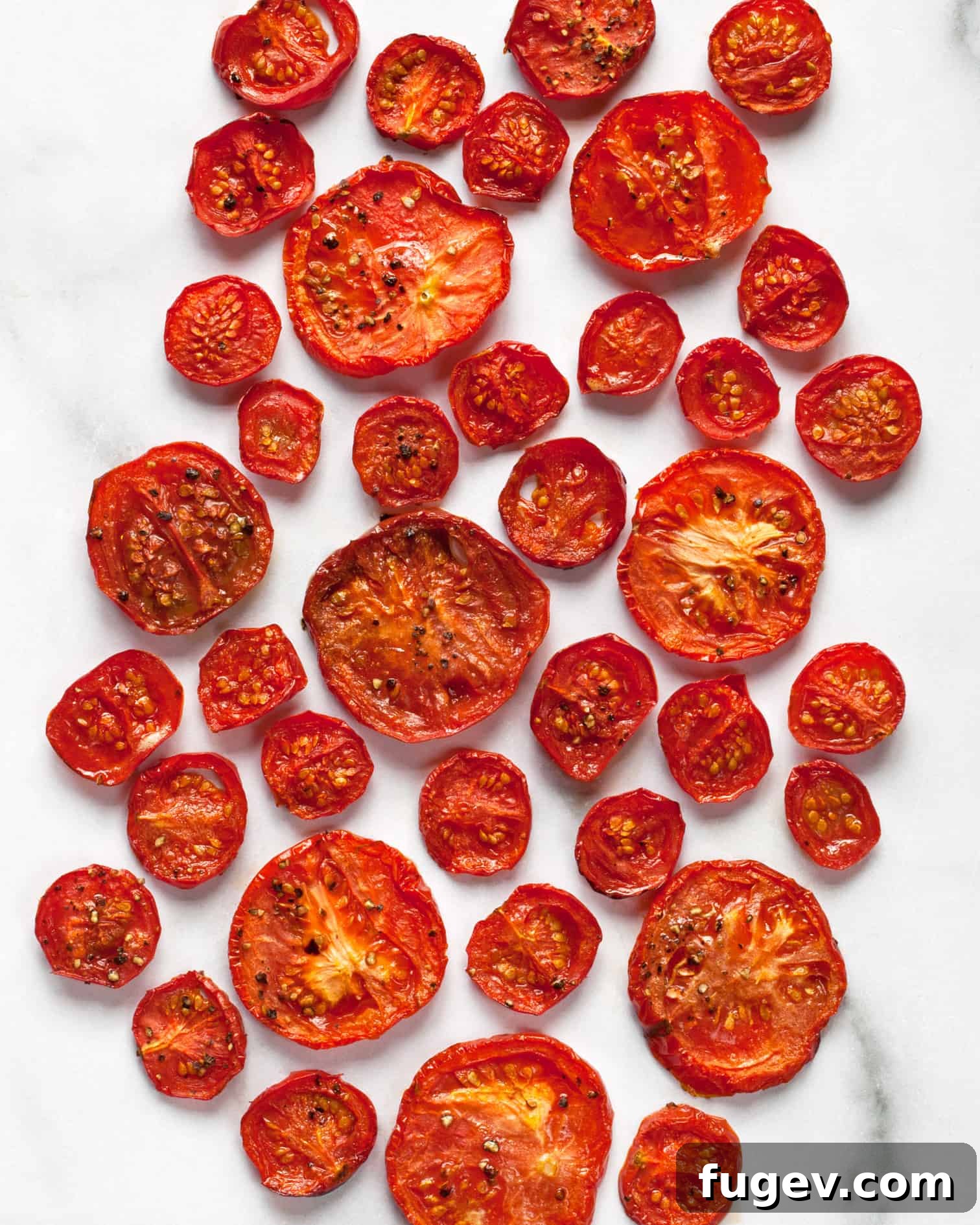
Transforming fresh tomatoes into something truly extraordinary is simpler than you might imagine, and there’s no better method than roasting. With this incredibly easy oven-roasted tomatoes recipe, you can elevate humble tomatoes into a deeply flavorful, versatile ingredient. Imagine filling a baking pan with vibrant, sliced tomatoes, giving them a generous drizzle of quality olive oil, a sprinkle of salt and pepper, and letting your oven work its magic. The result? Tender, juicy, and intensely flavored tomatoes that become an indispensable addition to countless dishes, from comforting pasta and gourmet pizza to refreshing salads and beyond. This guide will show you how to effortlessly create these culinary gems, ensuring you maximize the delicious potential of every tomato.
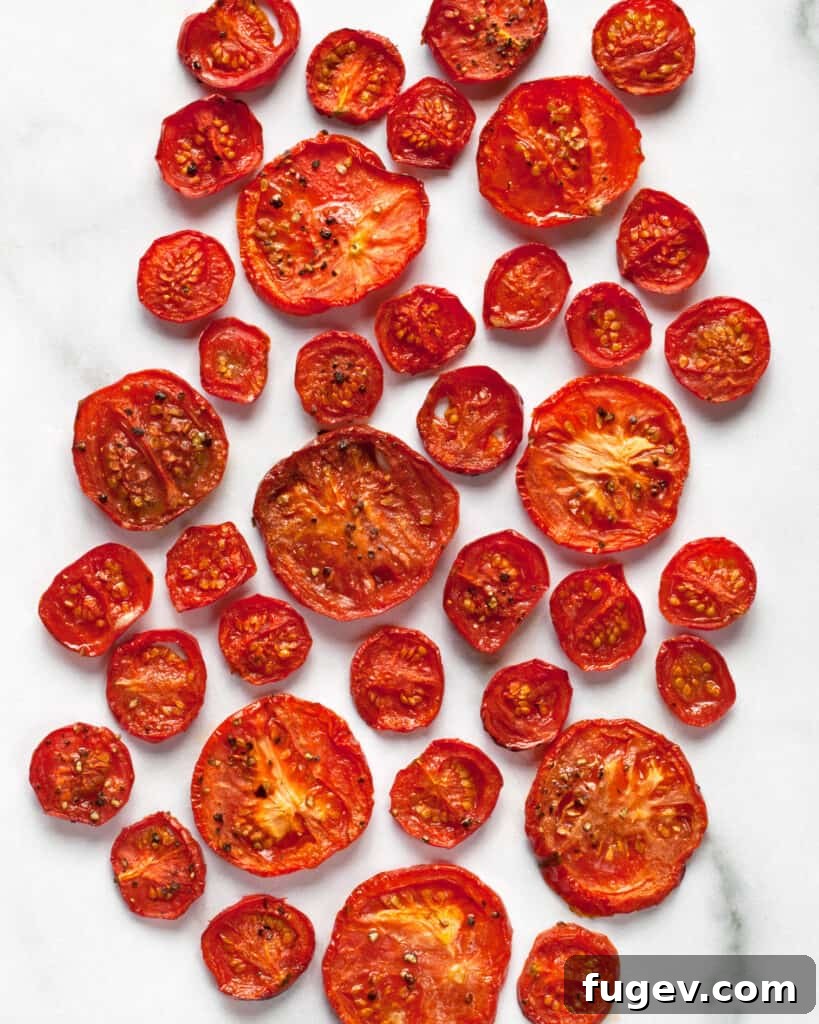
Table of Contents
- Why You’ll Love This Easy Roasted Tomato Recipe
- Quick-Roasted vs. Slow-Roasted Tomatoes: What’s the Difference?
- Choosing the Best Tomatoes for Roasting
- Essential Ingredients for Roasted Tomatoes
- How To Make Flavorful Oven-Roasted Tomatoes
- Creative Ways to Use Roasted Tomatoes
- Storage & Freezing Roasted Tomatoes
- Expert Tips for Perfect Roasted Tomatoes
- Roasted Tomato FAQs
- More Delicious Roasted Tomato Recipes
- Oven-Roasted Tomatoes Recipe Card
Why You’ll Love This Easy Roasted Tomato Recipe
This roasted tomato recipe isn’t just another kitchen task; it’s a game-changer for anyone looking to maximize flavor with minimal effort. Here’s why these oven-roasted tomatoes will become a staple in your culinary repertoire:
- Effortless Roasting for Any Tomato Variety: Forget the hassle of separating different tomato types or sizes. This method embraces variety! You can easily roast a medley of tomatoes – from large beefsteaks to small cherry tomatoes – all on the same baking sheet. The key is uniform thickness: simply slice larger tomatoes and halve smaller ones. As long as they share a similar thickness, they’ll cook beautifully in approximately 25-30 minutes in a 400-degree F oven, resulting in perfectly tender and juicy tomatoes every time.
- Perfect for Abundant Harvests: Do you find yourself with an overwhelming bounty of garden-fresh tomatoes or a fantastic farmer’s market haul? This recipe is your ideal solution. It’s incredibly simple to double, triple, or even quadruple, allowing you to process large quantities of tomatoes efficiently. Keep your oven busy with multiple rounds of roasting, transforming excess into a flavorful ingredient you can enjoy for weeks or months to come.
- Excellent for Preservation: Extend the joy of peak-season tomatoes by roasting and freezing them. This preservation method locks in their rich, concentrated flavor. Once roasted, they thaw quickly at room temperature, ready to be incorporated into your dishes. For added convenience, you can even place them frozen directly onto a pizza before baking, infusing your pie with delicious tomato goodness without extra prep. It’s a smart way to savor summer’s taste long after the season ends.
Quick-Roasted vs. Slow-Roasted Tomatoes: What’s the Difference?
When it comes to oven-roasting tomatoes, you generally have two distinct approaches: quick-roasting or slow-roasting. Both methods yield incredibly flavorful results, but they cater to different preferences and time constraints, producing subtle variations in texture and moisture. Understanding these differences will help you choose the best technique for your desired outcome.
Quick-Roasting: This method involves roasting tomatoes at a higher temperature for a shorter duration, typically around 400°F (200°C) for 25-30 minutes, as detailed in this recipe. Quick-roasting produces tomatoes that are wonderfully juicy and tender in the center, with slightly wrinkled skins and caramelized edges. The high heat intensifies their natural sweetness and acidity while retaining a good amount of their internal moisture. This makes them perfect for applications where you want a fresh, vibrant tomato burst, such as stirring into pasta, topping bruschetta, or adding to salads where some juiciness is desired.
Slow-Roasting: In contrast, slow-roasted tomatoes are cooked at a lower temperature, often around 250-300°F (120-150°C), for a much longer period, sometimes several hours. This extended, gentle heat gradually dehydrates the tomatoes, concentrating their flavors dramatically and resulting in a semi-dried, almost jam-like consistency. They become sweeter, intensely savory, and possess a chewier, denser texture. Slow-roasted tomatoes are ideal for richer sauces, spreads, or as a standalone condiment, offering a more profound and complex flavor profile with less moisture. While both methods deliver exceptional taste, choose quick-roasting when you need a faster solution and a juicier result, and slow-roasting for a more intense, drier, and concentrated tomato essence.
Choosing the Best Tomatoes for Roasting
One of the beauties of roasting is its flexibility: nearly any type of tomato can be roasted, and the results are always delicious. Whether you have large, meaty varieties or tiny, sweet ones, roasting brings out their best flavors. The most crucial factor for even cooking is ensuring consistent thickness across your tomatoes.
- Large Tomatoes: For varieties like beefsteaks, heirlooms, or other large slicing tomatoes, cut them into slices approximately a quarter-inch thick. This ensures they cook through evenly without becoming mushy or taking too long to roast.
- Medium Tomatoes: Roma (plum) tomatoes and other sauce-focused varieties can be halved lengthwise or sliced into thick rounds. Their lower water content makes them excellent candidates for roasting, yielding a rich, concentrated flavor.
- Small Tomatoes: Cherry and grape tomatoes are perhaps the easiest to prepare. Simply cut them in half lengthwise. This exposes their juicy interior to the heat, allowing them to caramelize beautifully while retaining their sweet burst.
The diameter of the tomatoes can vary widely, but maintaining a similar slice or half-size ensures that all tomatoes on your baking sheet reach perfection at roughly the same time. Don’t be afraid to mix and match different varieties on one pan for a diverse texture and flavor experience!
Essential Ingredients for Roasted Tomatoes
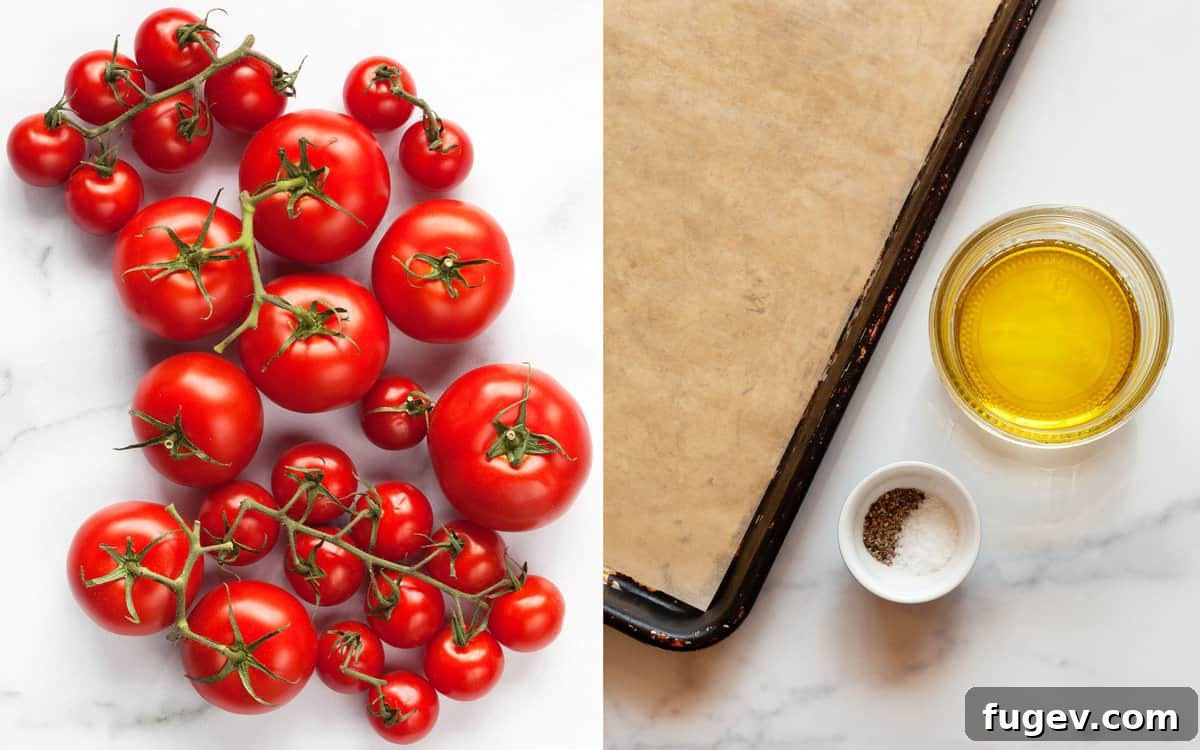
The magic of oven-roasted tomatoes lies in their simplicity, requiring only a handful of high-quality ingredients to create something truly spectacular. Here’s what you’ll need:
- Tomatoes: The star of the show! As discussed, you can use a variety of tomatoes—large, medium, or small—on the same pan. The key is to prepare them so they are roughly the same thickness for even cooking. This recipe is an exceptional way to use up a bumper crop from your garden or to showcase the vibrant flavors of freshly picked tomatoes from the farmer’s market. Fresh, ripe tomatoes will yield the best flavor and texture.
- Olive Oil: With so few ingredients, the quality of your olive oil truly shines through. I highly recommend using a good quality extra virgin olive oil. Its fruity, slightly peppery notes complement the natural sweetness of the tomatoes beautifully, helping them caramelize and achieve that irresistible rich flavor. It also prevents sticking and helps in the browning process.
- Kosher Salt & Black Pepper: These humble seasonings are crucial for enhancing and balancing the natural flavors of the tomatoes. Seasoning before roasting allows the salt to draw out some moisture, concentrating the tomato flavor, and helps to create a savory crust. Kosher salt is preferred for its coarser texture, which distributes evenly, and black pepper adds a subtle warmth and aromatic depth. Don’t underestimate their power in bringing out the best in your roasted tomatoes.
How To Make Flavorful Oven-Roasted Tomatoes
Crafting perfectly roasted tomatoes is incredibly straightforward, requiring just a few simple steps. Follow this guide for delicious results every time:
Step 1: Prepare Your Oven and Pan. Preheat your oven to 400 degrees F (200 degrees C). This ensures the oven is hot enough to immediately start caramelizing the tomatoes, developing their rich flavors. Line a large, rimmed baking sheet with parchment paper. Parchment paper is essential for easy cleanup and prevents the tomatoes from sticking to the pan, especially as their natural sugars caramelize.
- Arrange, Drizzle, and Season the Tomatoes. Place your prepared tomatoes (sliced or halved) in a single layer on the lined baking sheet. It’s important that they are not overlapping; they can be close together, but each tomato piece needs direct contact with the hot air and pan for proper roasting. Drizzle them generously with extra virgin olive oil, ensuring each piece is lightly coated. Then, sprinkle evenly with kosher salt and freshly ground black pepper. This simple seasoning highlights their natural sweetness and savory notes.
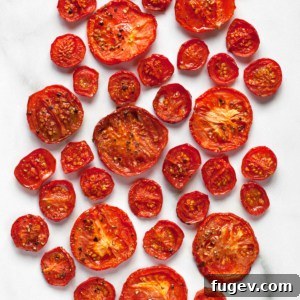
- Roast to Perfection. Carefully transfer the baking sheet to your preheated oven. Roast the tomatoes for 25 minutes initially. After this time, check on them: they should appear slightly wrinkled, indicating that some moisture has evaporated, but still look juicy and tender in the middle. The edges might have started to lightly caramelize, turning a deeper red or brown. If they aren’t quite done to your liking—perhaps still too firm or not wrinkled enough—continue roasting for another 5 minutes, or until they reach your desired tenderness and juiciness. Remember, oven temperatures can vary, so visual cues are key. If some smaller pieces are done sooner, you can remove them from the pan and continue roasting the larger pieces until they are equally perfect.
Once roasted, allow the tomatoes to cool slightly on the pan before using or storing. Their flavors will continue to deepen as they rest.
Creative Ways to Use Roasted Tomatoes
Once you’ve experienced the rich, concentrated flavor of oven-roasted tomatoes, you’ll find yourself looking for every opportunity to incorporate them into your meals. Their versatility is truly remarkable! Here are some creative and delicious ways to use your roasted tomato bounty:
- Pasta, the Ultimate Pairing: Roasted tomatoes and pasta are a match made in culinary heaven. Their sweet and savory notes beautifully enhance any noodle dish. Simmer your favorite pasta until al dente. If your roasted tomatoes have been stored in the fridge, gently warm them in a skillet with a splash of olive oil over low heat to bring out their juices. Once the pasta is ready, use tongs to transfer it directly from the pot into the skillet with the tomatoes. Toss everything together, allowing the pasta to absorb the rich tomato flavors. Finish with a generous grating of fresh Parmesan cheese and a few basil leaves for an unforgettable meal.
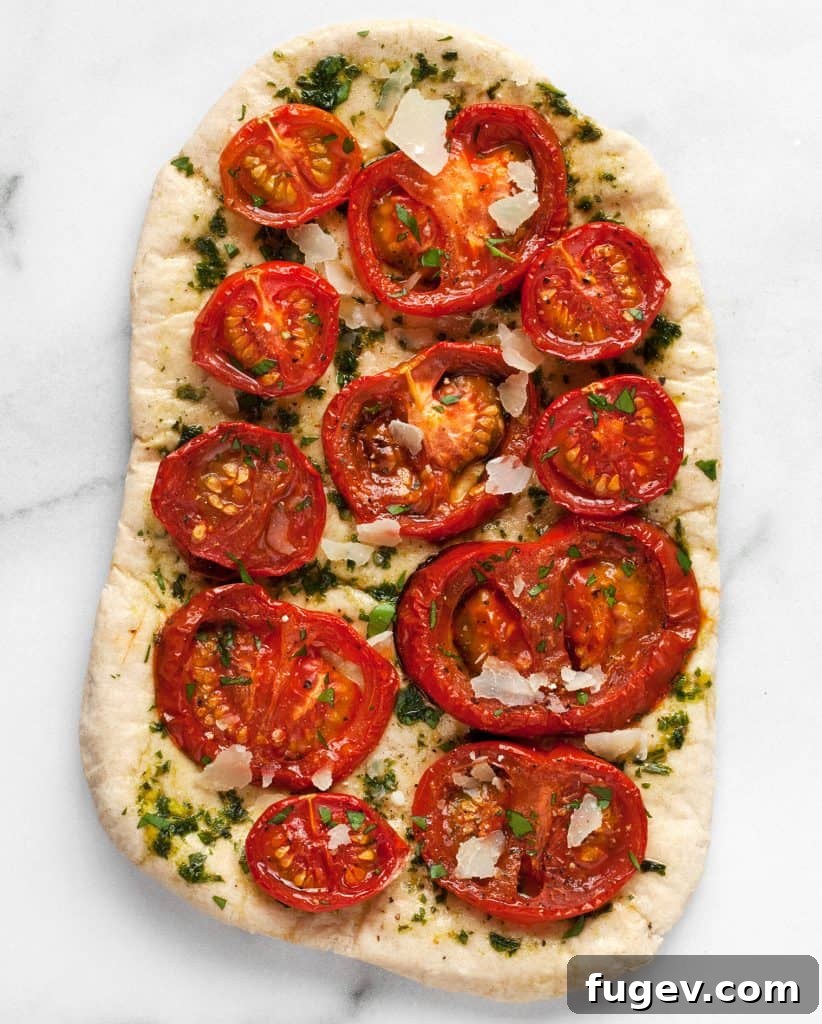
- Elevate Your Pizza: Roasted tomatoes are a fantastic make-ahead topping for pizza. Since a pizza bakes relatively quickly, there isn’t always enough time for fresh toppings to cook through and develop deep flavor. Pre-roasted tomatoes solve this problem! You can place refrigerated or even frozen roasted tomatoes directly onto your pizza along with the cheese and other toppings before baking. They’ll warm through and release their incredible flavor, making every bite burst with Mediterranean goodness.
- Gourmet Bruschetta: While traditional bruschetta often features raw tomatoes, a roasted tomato version offers a warm, complex alternative. Simply spoon the warm roasted tomatoes over toasted baguette slices, then garnish with fresh basil leaves, a drizzle of balsamic glaze, or other fresh herbs like oregano or thyme. For an indulgent twist, add fresh mozzarella or burrata to create a caprese bruschetta.
- Pair with Creamy Cheeses: Soft, fresh, and milky cheeses like burrata or fresh mozzarella are absolutely divine when paired with the sweet and tangy notes of roasted tomatoes. Serve them together as a simple yet elegant appetizer, perhaps with a touch of basil and a drizzle of olive oil. With mozzarella, you can easily create a sophisticated roasted tomato caprese salad, offering a new dimension to this classic dish.
- Enhance Grains and Bowls: Stir warm roasted tomatoes into cooked grains such as farro, barley, quinoa, or brown rice for a burst of flavor and color. This simple addition instantly transforms a plain grain side dish into a vibrant and satisfying meal component. For an extra layer of taste, consider stirring in a spoonful of fresh basil pesto.
- Condiment for Proteins: Whether you’re grilling, baking, or roasting chicken, fish, steak, or even tofu, a spoonful of roasted tomatoes makes an excellent condiment. Their bright acidity and sweetness cut through the richness of proteins, adding a gourmet touch and enhancing the overall flavor profile of your main course.
- Breakfast & Brunch Brilliance: Elevate your morning eggs! Fold roasted tomatoes into an omelette or scrambled eggs. They pair beautifully with other vegetables like spinach, sautéed mushrooms, or onions, creating a hearty and flavorful start to your day.
- Sandwich and Toast Upgrade: Once you’ve tried roasted tomatoes on your sandwiches, you might never go back to raw slices. Their concentrated flavor and softer texture make for an incredible experience. They are particularly fantastic on creamy avocado toast, adding a juicy, tangy counterpoint to the rich avocado.
- Vibrant Salads: Add a burst of rich flavor and color to your green salads. Toss roasted tomatoes into a simple arugula salad with shaved Parmesan, or incorporate them into a hearty Italian chopped salad dressed with balsamic vinegar and olive oil. They add a depth that raw tomatoes simply can’t achieve.
Storage & Freezing Roasted Tomatoes
Proper storage and freezing techniques ensure you can enjoy your flavorful oven-roasted tomatoes long after they’re cooked. Here’s how to keep them fresh and ready for use:
Refrigerator Storage: After roasting, allow the tomatoes to cool completely to room temperature. Once cooled, transfer them to an airtight container. They will remain fresh and delicious in the refrigerator for up to 2 weeks. If you’ve roasted sliced tomatoes and wish for them to maintain their shape, carefully stack them on top of each other within the container. This prevents them from collapsing and becoming overly soft when stored.
Freezing for Long-Term Preservation: Freezing roasted tomatoes is an excellent way to preserve their peak flavor for months. For best results and to prevent them from clumping together:
- First, ensure the roasted tomatoes are completely cool.
- Arrange them in a single layer on a wax paper-lined baking pan or plate. Make sure the tomatoes are not touching each other.
- Place the pan in the freezer for 1-2 hours, or until the tomatoes are individually frozen solid.
- Once frozen, you can transfer the individual tomato pieces to a freezer-safe bag or container. This flash-freezing method ensures they remain separate, allowing you to easily grab only the amount you need without having to thaw an entire block.
Roasted tomatoes can be stored in the freezer for up to 2 months. When you’re ready to use them, you can thaw them quickly at room temperature or add them directly to dishes like pizza or sauces, where they will thaw during the cooking process. For pasta and grains, gently warming them in a skillet with a little olive oil after thawing is recommended for the best texture and flavor.
Expert Tips for Perfect Roasted Tomatoes
Achieving perfectly roasted tomatoes every time is easy with a few expert tips. These insights will help you maximize flavor and texture, turning a simple ingredient into a culinary star:
- Use a Serrated Knife for Slicing: When preparing larger tomatoes for slicing, a serrated knife is your best friend. The saw-like teeth of the blade glide through the thin, delicate skin without tearing or crushing the flesh. Use a gentle sawing motion, rather than pressing straight down, to create clean, even slices. This technique preserves the integrity of the tomato, preventing it from becoming squashed and messy before it even hits the oven.
- Start with Quality Tomatoes: While roasting can certainly improve the flavor of less-than-perfect tomatoes, the best results always come from starting with fresh, ripe, and firm tomatoes. Avoid mushy, overripe tomatoes, which can become too watery, or hard, underripe ones, which lack sweetness and flavor. A few wrinkles or minor blemishes are usually fine, and you can simply cut around them if necessary. The ideal tomato for roasting is vibrant in color, slightly firm to the touch, and fragrant.
- Understand the Texture Differences: Be aware that sliced roasted tomatoes will be more delicate than halved smaller tomatoes. The skin on cherry or grape tomatoes provides more structural support, helping them hold their shape better when stirred into other ingredients, such as pasta or grains. Sliced tomatoes, while equally delicious, will be softer and might break down more easily. Consider the intended use when deciding how to cut your tomatoes and which varieties to roast.
- Halved Tomatoes, Cut Side Up: For small, halved tomatoes (like cherry or grape), always arrange them cut side up on the roasting pan. This seemingly small detail makes a significant difference. Placing them cut side up exposes the juicy flesh directly to the oven’s heat, allowing it to caramelize beautifully without losing excessive moisture to the pan. This technique ensures a more concentrated flavor and prevents the tomatoes from becoming too dry.
- Don’t Overcrowd the Pan: For optimal roasting, ensure your tomatoes are spread in a single layer without overlapping. Overcrowding the pan traps steam, causing the tomatoes to steam rather than roast, which can lead to a less flavorful and softer result. If you have a large batch, use two baking sheets or roast in batches.
- Experiment with Herbs and Spices: While salt, pepper, and olive oil are classic, don’t hesitate to experiment! A few sprigs of fresh thyme, rosemary, or oregano can be tossed with the tomatoes before roasting for an aromatic boost. A pinch of red pepper flakes adds a subtle warmth, and a dash of garlic powder can deepen the savory notes.
Roasted Tomato FAQs
Absolutely, and it’s highly recommended! Roasting garlic alongside your tomatoes is a brilliant way to maximize oven space and infuse your dish with incredible flavor. Simply toss a few unpeeled garlic cloves onto the baking sheet with the tomatoes. As they roast, the garlic cloves will soften and caramelize, transforming into a sweet, mellow, and spreadable paste. Once roasted, you can easily squeeze the softened garlic from its skin and stir it into tomato sauce, spread it on toasted bread, or mash it with a little olive oil for a simple, flavorful condiment, much like I do for my Sheet Pan Gnocchi and Vegetables recipe. It adds a wonderfully aromatic depth to any dish.
No, there is no need to peel tomatoes before roasting them. In fact, for roasted tomatoes, the skin plays an important role. Unlike making a smooth sauce where peeling might be desired for texture, the skin on roasted tomatoes helps them maintain their shape during the high heat of the oven. It provides a natural structure, preventing the tomatoes from completely collapsing. Furthermore, the skin contributes to the texture and adds a lovely depth of flavor, especially when it gets slightly crispy and caramelized around the edges. So, leave the skins on and enjoy the added texture and nutrients!
Yes, absolutely! Adding fresh herbs to your tomatoes before roasting is a wonderful way to infuse them with extra aroma and flavor. Robust herbs like fresh thyme sprigs, rosemary sprigs, or oregano are particularly well-suited for roasting. You can scatter them directly over the tomatoes on the baking sheet before they go into the oven. The heat will release their essential oils, mingling beautifully with the sweet and savory notes of the tomatoes. Avoid delicate herbs like basil or cilantro until after the tomatoes are roasted, as they can burn or lose their vibrant flavor when subjected to high heat for extended periods.
To prevent your roasted tomatoes from becoming mushy, there are a few key strategies. First, ensure your oven is preheated to the correct high temperature (around 400°F / 200°C) to encourage caramelization rather than steaming. Second, avoid overcrowding the baking sheet; spread the tomatoes in a single layer with a little space between each piece to allow for air circulation. This ensures they roast evenly and develop a slightly crisp exterior. Third, use parchment paper, which helps prevent sticking and promotes better browning. Finally, monitor your tomatoes carefully and remove them from the oven once they are tender, wrinkled, and slightly caramelized but still retain some juiciness in the center. Overcooking can lead to excessive moisture loss and a mushy texture.
More Delicious Roasted Tomato Recipes
Once you master the art of making oven-roasted tomatoes, a world of culinary possibilities opens up. Here are some fantastic recipes where your roasted tomatoes can truly shine:
Appetizers:
Burrata with Roasted Tomatoes: A simple yet elegant dish featuring creamy burrata cheese paired with warm, sweet roasted tomatoes, perfect for entertaining.
Roasted Tomato Toast: Elevate your toast game with a layer of pesto and savory roasted tomatoes for a quick and satisfying bite.
Side Dishes:
Balsamic Zucchini Tomato Bake: A colorful and flavorful vegetable medley, with roasted tomatoes adding depth to tender zucchini.
Roasted Eggplant, Tomatoes and Chickpeas: A hearty and aromatic side, rich with Mediterranean flavors and textures.
30-Minute Tomato Zucchini Orzo: A quick and easy pasta side, vibrant with fresh vegetables and the concentrated taste of roasted tomatoes.
Harissa Roasted Tomato Couscous: An exotic and refreshing dish where roasted tomatoes add a sweet counterpoint to spicy harissa and cool cucumber.
Salads:
Mediterranean Chickpea Quinoa Salad: A protein-packed and flavorful salad, enhanced by the sweet and tangy notes of roasted tomatoes.
Roasted Zucchini Tomato Lentil Salad: A nourishing and wholesome salad, perfect for a light lunch or dinner, featuring roasted vegetables and earthy lentils.
Roasted Tomato Pesto Potato Salad: A creative twist on classic potato salad, bursting with the flavors of roasted tomatoes and aromatic pesto.
Main Dishes:
Sheet Pan Baked Feta with Vegetables: A viral sensation for a reason, this dish is made even better with the addition of deeply flavored roasted tomatoes.
Roasted Mediterranean Vegetables and Halloumi: A delightful vegetarian main course, rich with roasted vegetables and salty, grilled halloumi cheese.
Looking for even more roasted veggie inspiration? Explore my seasonal guide to easy roasted vegetable recipes, complete with ideas for pastas, salads, sides, and main courses to make the most of your produce.
Oven-Roasted Tomatoes Recipe
Paige Adams
5 mins
30 mins
35 mins
4
Ingredients
- 2 tablespoons olive oil
- 1-1/2 – 2 pounds assorted tomatoes (cherry & grape tomatoes halved, larger tomatoes sliced 1/4-inch-thick)
- 1/2 teaspoon kosher salt
- 1/4 teaspoon black pepper
Instructions
-
Preheat the oven to 400 degrees F. Line a sheet pan with parchment paper.
-
Arrange the tomatoes in a single layer. The halved tomatoes should be cut side up. Drizzle them with olive oil and sprinkle with salt and pepper.
-
Roast for 25 minutes before checking on the tomatoes. They should be wrinkled, but still juicy. If not, roast another 5 minutes.
-
Warm tomatoes can be used immediately.
Video
Notes
Cool to room temperature before storing the tomatoes. They can be stored in an airtight container in the fridge up to 2 weeks. It is best to stack sliced tomatoes on top of each other if you want them to hold their shape.
To freeze, put the tomatoes on a wax paper-lined pan or plate in the freezer without them touching each other. After they have frozen, you can combine them in a single freezer bag or container.
You can warm the tomatoes in a skillet over medium heat with a little olive oil. This is best if you are planning to use them in pasta or grains, especially for halved cherry and grape tomatoes.
Let sliced tomatoes sit out at room temperature to warm up from the fridge or thaw from the freezer. You can put frozen tomatoes on a pizza with the rest of the toppings before it goes into the oven.
Nutrition
Carbohydrates: 2g |
Protein: 1g |
Fat: 7g |
Saturated Fat: 1g |
Polyunsaturated Fat: 1g |
Monounsaturated Fat: 5g |
Sodium: 294mg |
Potassium: 148mg |
Fiber: 1g |
Sugar: 2g |
Vitamin A: 513IU |
Vitamin C: 8mg |
Calcium: 7mg |
Iron: 0.2mg
Nutrition information is automatically calculated, so should only be used as an approximation.
Additional Info
Spreads & Sauces
Italian
Did you make this recipe?
Mention @lastingredient on Instagram and tag it #lastingredient!